1. Search Result
Search Result
Results for "

Calcium oxide

" in MedChemExpress (MCE) Product Catalog:

110

Inhibitors & Agonists

1

Screening Libraries

1

Fluorescent Dyes

10

Biochemical Assay Reagents

7

Peptides

33

Natural
Products

16

Isotope-Labeled Compounds

1

Oligonucleotides

Cat. No. Product Name Target Research Areas Chemical Structure
  • HY-N6687
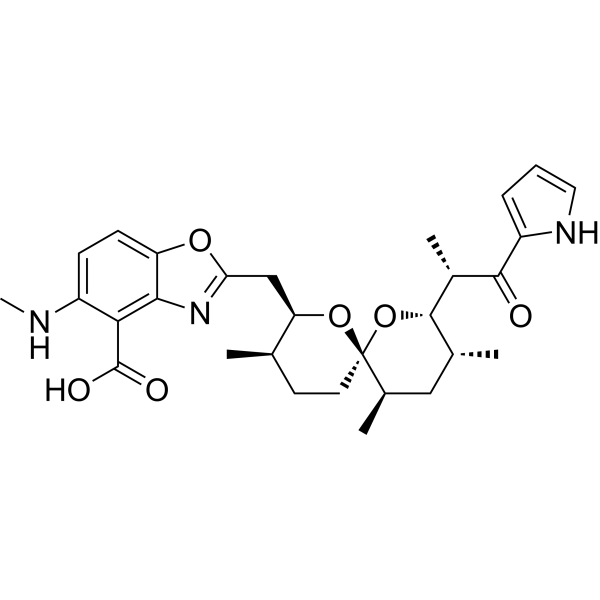
    Calcimycin
    20+ Cited Publications

    A-23187; Antibiotic A-23187

    Oxidative Phosphorylation Bacterial Fungal Apoptosis Autophagy Antibiotic Infection Inflammation/Immunology Cancer
    Calcimycin (A-23187) is an antibiotic and a unique divalent cation ionophore (like calcium and magnesium). Calcimycin induces Ca 2+-dependent cell death by increasing intracellular calcium concentration. Calcimycin inhibits the growth of Gram-positive bacteria and some fungi. Calcimycin also inhibits the activity of ATPase and uncouples oxidative phosphorylation (OXPHOS) of mammalian cells. Calcimycin induces apoptosis and autophagy .
    Calcimycin
  • HY-N0488
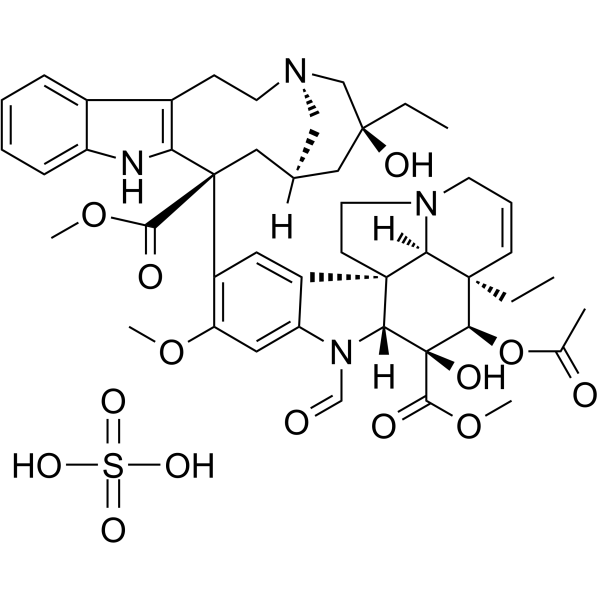
    Vincristine sulfate
    Maximum Cited Publications
    74 Publications Verification

    Leurocristine sulfate; NSC-67574 sulfate; 22-Oxovincaleukoblastine sulfate

    Apoptosis Microtubule/Tubulin Mitosis Cancer
    Vincristine (Leurocristine; NSC-67574; 22-Oxovincaleukoblastine) sulfate is a microtubule inhibitor that disrupts microtubule polymerization by binding to β-tubulin (with a Ki of 85 nM in bovine), arrests the cell cycle and induces apoptosis. Vincristine sulfate inhibits cell replication, tumor blood flow and the proliferation of various cancer cells, while triggering effects such as oxidative stress, inflammation, calcium overload, epithelial-mesenchymal transition and peripheral neuropathic pain. Vincristine sulfate upregulates the expression of various transporters and nuclear receptors, and enriches gastric cancer stem-like cells. Vincristine sulfate is used in research related to various tumors including acute lymphoblastic leukemia, lymphoma, melanoma, gastric cancer, solid tumors and sarcomas .
    Vincristine sulfate
  • HY-P1363
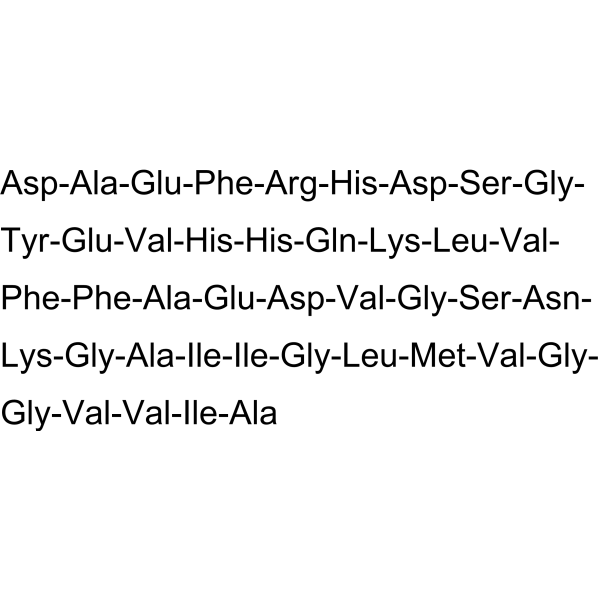
    β-Amyloid (1-42), human TFA
    Maximum Cited Publications
    24 Publications Verification

    Amyloid β-peptide (1-42) (human) TFA

    Amyloid-β Neurological Disease
    β-Amyloid (1-42) (Amyloid β-peptide (1-42), human TFA, a 42-amino acid peptide that has not been treated with HFIP, is a brain-penetrant amyloid protein fragment, which can be used in research on Alzheimer's disease and Down’s syndrome. β-Amyloid (1-42), human TFA remaining as a monomer exhibits antioxidant and neuroprotective effects. β-Amyloid (1-42), human TFA, after being monomericized by HFIP and dissolved in DMSO to form the stock solution, on the one hand, can form soluble oligomers (AβOs) when incubated at 4 °C, which have synaptic toxicity and neurotoxicity; on the other hand, it can be incubated at 37 °C to form insoluble fibrils, with lower neurotoxicity, and participating in the oxidative damage process. Aβ42 oligomers bind to various neuronal surface receptors (such as PrPc, mGluR5, NMDA receptors, etc.), triggering oxidative stress, calcium homeostasis imbalance, and synaptic toxicity via activating downstream signaling pathways, leading to neuronal dysfunction and death .
    β-Amyloid (1-42), human TFA
  • HY-P1363A
    β-Amyloid (1-42), human
    Maximum Cited Publications
    24 Publications Verification

    Amyloid β-peptide (1-42) (human)

    Amyloid-β Neurological Disease
    β-Amyloid (1-42) (Amyloid β-peptide (1-42)), human, a 42-amino acid peptide that has not been treated with HFIP, is a brain-penetrant amyloid protein fragment, which can be used in research on Alzheimer's disease and Down’s syndrome. β-Amyloid (1-42), human remaining as a monomer exhibits antioxidant and neuroprotective effects. β-Amyloid (1-42), human, after being monomericized by HFIP and dissolved in DMSO to form the stock solution, on the one hand, can form soluble oligomers (AβOs) when incubated at 4 °C, which have synaptic toxicity and neurotoxicity; on the other hand, it can be incubated at 37 °C to form insoluble fibrils, with lower neurotoxicity, and participating in the oxidative damage process. Aβ42 oligomers bind to various neuronal surface receptors (such as PrPc, mGluR5, NMDA receptors, etc.), triggering oxidative stress, calcium homeostasis imbalance, and synaptic toxicity via activating downstream signaling pathways, leading to neuronal dysfunction and death .
    β-Amyloid (1-42), human
  • HY-P1363B
    β-Amyloid (1-42), human, HFIP-treated
    Maximum Cited Publications
    24 Publications Verification

    Amyloid-β Neurological Disease
    β-Amyloid (1-42), human, HFIP-treated, a 42-amino acid peptide that has been treated with HFIP from β-Amyloid (1-42), human (HY-P1363A), is a brain-penetrant amyloid protein fragment, which can be used in research on Alzheimer's disease and Down’s syndrome. β-Amyloid (1-42), human, HFIP-treated remaining as a monomer exhibits antioxidant and neuroprotective effects. β-Amyloid (1-42), human, HFIP-treated, after being dissolved in DMSO to form the stock solution, on the one hand, can form soluble oligomers (AβOs) when incubated at 4°C, which have synaptic toxicity and neurotoxicity; on the other hand, it can be incubated at 37°C to form insoluble fibrils, with lower neurotoxicity, and participating in the oxidative damage process. Aβ42 oligomers bind to various neuronal surface receptors (such as PrPc, mGluR5, NMDA receptors, etc.), triggering oxidative stress, calcium homeostasis imbalance, and synaptic toxicity via activating downstream signaling pathways, leading to neuronal dysfunction and death .
    β-Amyloid (1-42), human, HFIP-treated
  • HY-100807
    Quinolinic acid
    5+ Cited Publications

    MOFs iGluR Endogenous Metabolite Reactive Oxygen Species (ROS) NO Synthase Apoptosis Neurological Disease Inflammation/Immunology
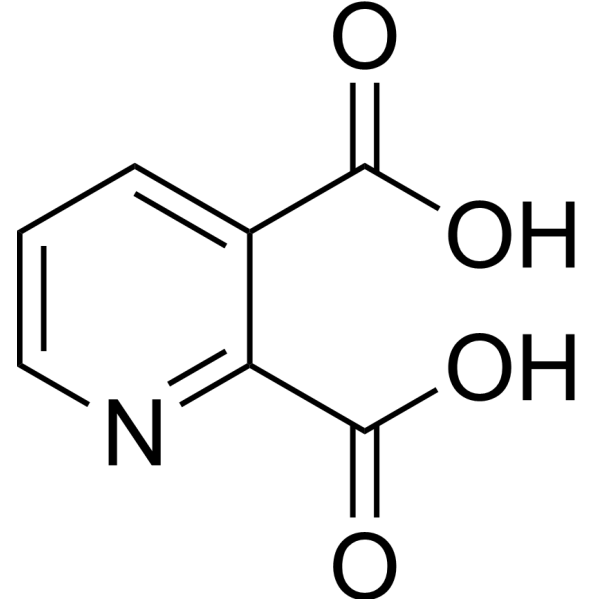
    Quinolinic acid, an endogenous metabolite of tryptophan, is a N-methyl-D-aspartate receptor (NMDA receptor) agonist. Quinolinic acid increases glutamate efflux, induces the generation of ROS, activates nitric oxide synthase, produces excessive NO, leading to calcium ion influx and neuronal apoptosis .
    Quinolinic acid
  • HY-Y0682
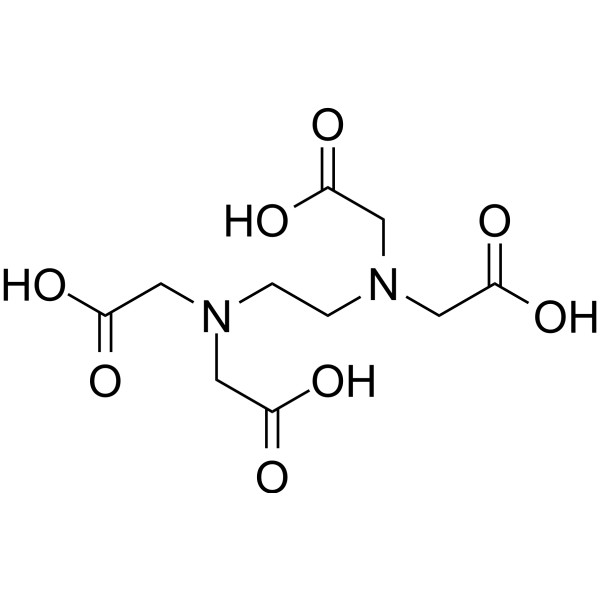
    Ethylenediaminetetraacetic acid
    Maximum Cited Publications
    29 Publications Verification

    EDTA

    Environmental Pollutants Biochemical Assay Reagents Bacterial SOD Cardiovascular Disease Neurological Disease Cancer
    Ethylenediaminetetraacetic acid (EDTA) is a kind of metal chelating agent (binds to bivalent and trivalent metal cations, including calcium). Ethylenediaminetetraacetic acid has antibacterial, anti-inflammatory, antioxidant, anti-hypercalcemia and anticoagulant activities. Ethylenediaminetetraacetic acid decreases the metal ion-catalyzed oxidative damage to proteins, and allows maintenance of reducing environment during protein purification. Ethylenediaminetetraacetic acid can alleviate the liver fibrosis. Ethylenediaminetetraacetic acid can be used for coronary artery disease and neural system disease research .
    Ethylenediaminetetraacetic acid
  • HY-N0488A
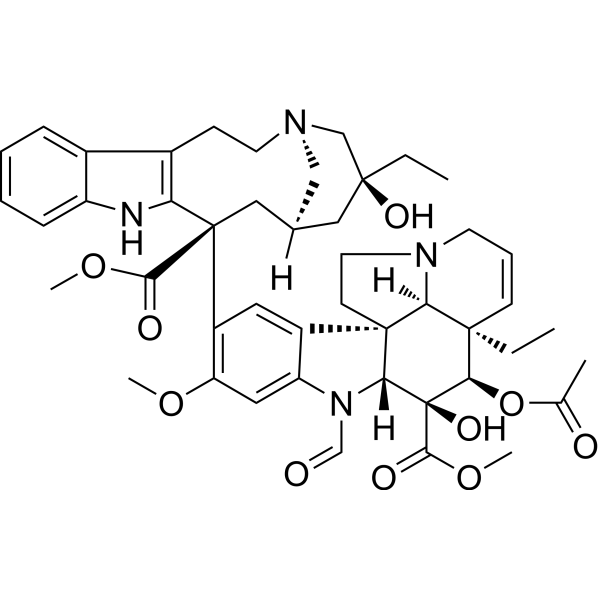
    Vincristine
    Maximum Cited Publications
    74 Publications Verification

    Leurocristine; NSC-67574; 22-Oxovincaleukoblastine

    Apoptosis Microtubule/Tubulin Mitosis Infection Cancer
    Vincristine (Leurocristine; NSC-67574; 22-Oxovincaleukoblastine) is a microtubule inhibitor that disrupts microtubule polymerization by binding to β-tubulin (with a Ki of 85 nM in bovine), arrests the cell cycle and induces apoptosis. Vincristine inhibits cell replication, tumor blood flow and the proliferation of various cancer cells, while triggering effects such as oxidative stress, inflammation, calcium overload, epithelial-mesenchymal transition and peripheral neuropathic pain. Vincristine upregulates the expression of various transporters and nuclear receptors, and enriches gastric cancer stem-like cells. Vincristine is used in research related to various tumors including acute lymphoblastic leukemia, lymphoma, melanoma, gastric cancer, solid tumors and sarcomas .
    Vincristine
  • HY-Y0682A

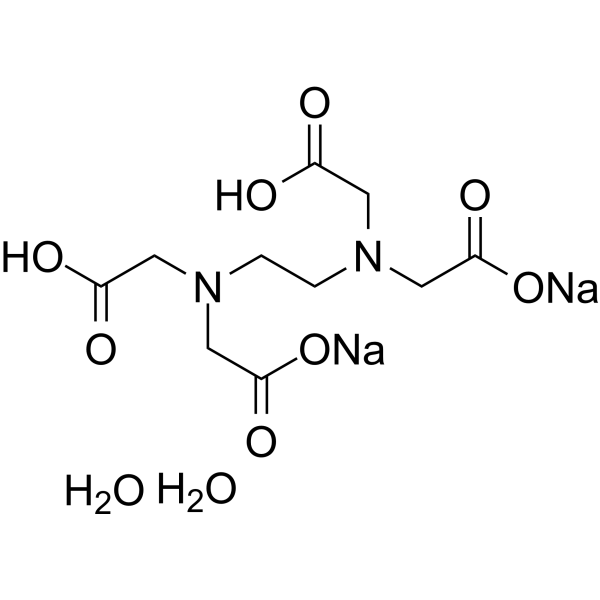
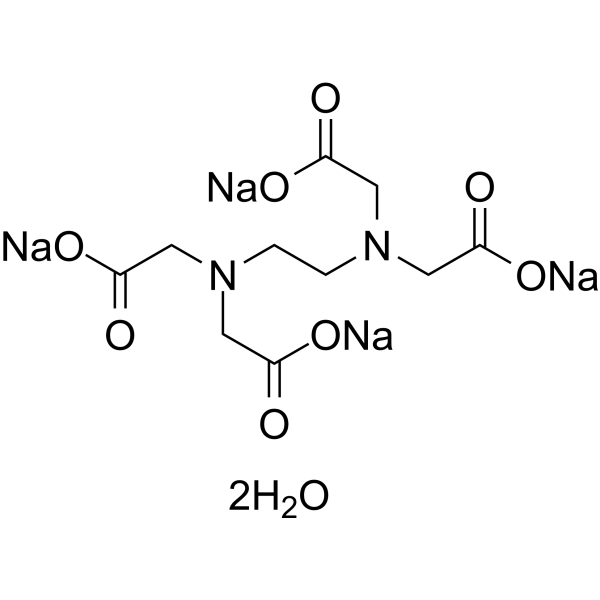
    EDTA disodium dihydrate

    Environmental Pollutants Biochemical Assay Reagents Bacterial SOD Cardiovascular Disease Neurological Disease Cancer
    Ethylenediaminetetraacetic acid (EDTA) disodium dehydrate is a kind of metal chelating agent (binds to bivalent and trivalent metal cations, including calcium). Ethylenediaminetetraacetic acid disodium dehydrate has antibacterial, anti-inflammatory, antioxidant, anti-hypercalcemia and anticoagulant activities. Ethylenediaminetetraacetic acid disodium dehydrate decreases the metal ion-catalyzed oxidative damage to proteins, and allows maintenance of reducing environment during protein purification. Ethylenediaminetetraacetic acid disodium dehydrate can alleviate the liver fibrosis. Ethylenediaminetetraacetic acid disodium dehydrate can be used for coronary artery disease and neural system disease research .
    Ethylenediaminetetraacetic acid disodium dihydrate
  • HY-B1092

    Calcium D-gluconate; Gluconic acid hemiCalcium salt

    Environmental Pollutants Endogenous Metabolite Interleukin Related NO Synthase ERK Cardiovascular Disease Inflammation/Immunology Cancer
    Gluconate (D-Gluconic acid) Calcium is an orally active glucose derivative. Gluconate Calcium reduces nitric oxide and inflammatory cytokines (IL-1β and IL-6). Gluconate Calcium inhibits ERK phosphorylation. Gluconate Calcium has antioxidant and antiplatelet activation activities. Gluconate Calcium has antitumor activity against colorectal cancer. Gluconate Calcium improves osteoarthritis, intestinal damage and acute lung injury .
    Gluconate Calcium
  • HY-Z0478
    (-)-Limonene
    1 Publications Verification

    (S)-(-)-Limonene

    Bacterial Antibiotic CaMK Infection Cardiovascular Disease Metabolic Disease
    (-)-Limonene ((S)-(-)-Limonene) is orally active and can cause mild bronchoconstriction. (-)-Limonene alleviates cytosolic and mitochondrial oxidative stress by inhibiting the increase of calcium ions (Ca 2+) and Ca 2+/calmodulin-dependent protein kinase II (CaMKII). It also exerts anti-stress effects by inhibiting the activity of the hypothalamic-pituitary-adrenal (HPA) axis. Additionally, (-)-Limonene can be used as an antibacterial agent in aquaculture .
    (-)-Limonene
  • HY-17001A
    Flupirtine
    1 Publications Verification

    D 9998

    Potassium Channel iGluR GABA Receptor Neurological Disease Inflammation/Immunology
    Flupirtine (D 9998) is an orally active, blood-brain barrier-crossing non-opioid analgesic and neuroprotective agent. Flupirtine is a neuronal potassium channel opener (Kv7 activator), a NMDA receptor antagonist and a GABA receptor activator. Flupirtine stabilizes blood-brain-barrier integrity, reduces oxidative stress and brain leukocyte infiltration, enhances angioneurogenesis, suppresses calcium influx, stabilizes neuronal resting membrane potential, and counteracts focal cerebral ischemia. Flupirtine exhibits analgesic, muscle relaxant properties, protects neurons from excitotoxic, ischemic, or cytokine-mediated death. Flupirtine functions as a non-opioid analgesic without antipyretic or antiphlogistic properties, shows no relevant affinity to opiate receptor. Flupirtine can be used for the research of focal cerebral ischemia, pain, Alzheimer’s disease, or multiple sclerosis .
    Flupirtine
  • HY-B0987
    Ascorbyl palmitate
    3 Publications Verification

    L-Ascorbic acid 6-hexadecanoate; 6-O-Palmitoyl-L-ascorbic acid

    Environmental Pollutants Reactive Oxygen Species (ROS) Endogenous Metabolite Apoptosis Bcl-2 Family Caspase Calcium Channel NOD-like Receptor (NLR) Sodium Channel Inflammation/Immunology
    Ascorbyl palmitate is an orally active ester formed from ascorbic acid and palmitic acid, used as an antioxidant and food additive. Ascorbyl palmitate in preventing fat and oil oxidation is more efficient than Butylated hydroxyanisole (HY-B1066) and Butylated hydroxytoluene (HY-Y0172). Ascorbyl palmitate mitigates inhibition of collagen synthesis by select calcium and sodium channel blockers. Ascorbyl palmitate induces Apoptosis in human umbilical vein endothelial cells (HUVECs). Ascorbyl palmitate ameliorates inflammatory diseases by inhibition of NLRP3 inflammasome .
    Ascorbyl palmitate
  • HY-Y0488A
    Formic acid ammonium
    2 Publications Verification

    Ammonium formate

    Environmental Pollutants Calcium Channel NO Synthase Bacterial ATP Synthase Metabolic Disease
    Formic acid ammonium is the ammonium salt form of formic acid, which is an endogenous metabolite. Formic acid ammonium activates the nitric oxide/cyclic guanosine monophosphate (NO/cGMP) signaling pathway in endothelial cells and inhibits calcium ion influx in vascular smooth muscle cells, resulting in vasomotor relaxation. Formic acid ammonium inhibits cytochrome C oxidase (CcO) and disrupts the electron transport chain, leading to ATP depletion. Formic acid ammonium can be used as a feed additive, which can lower the feed pH value, inhibit the growth of microorganisms (such as Escherichia coli, Salmonella), and extend the shelf life of the feed .
    Formic acid ammonium
  • HY-17001
    Flupirtine Maleate
    1 Publications Verification

    D 9998 Maleate

    Potassium Channel iGluR GABA Receptor Neurological Disease Inflammation/Immunology
    Flupirtine (D 9998) Maleate is an orally active, blood-brain barrier-crossing non-opioid analgesic and neuroprotective agent. Flupirtine Maleate is a neuronal potassium channel opener (Kv7 activator), a NMDA receptor antagonist and a GABA receptor activator. Flupirtine Maleate stabilizes blood-brain-barrier integrity, reduces oxidative stress and brain leukocyte infiltration, enhances angioneurogenesis, suppresses calcium influx, stabilizes neuronal resting membrane potential, and counteracts focal cerebral ischemia. Flupirtine Maleate exhibits analgesic, muscle relaxant properties, protects neurons from excitotoxic, ischemic, or cytokine-mediated death. Flupirtine Maleate functions as a non-opioid analgesic without antipyretic or antiphlogistic properties, shows no relevant affinity to opiate receptor. Flupirtine Maleate can be used for the research of focal cerebral ischemia, pain, Alzheimer’s disease, or multiple sclerosis .
    Flupirtine Maleate
  • HY-W074890
    Palmitoylglycine
    1 Publications Verification

    N-palmitoyl glycine

    Calcium Channel NO Synthase Neurological Disease Inflammation/Immunology
    Palmitoylglycine (N-palmitoyl glycine), an endogenous lipid that acts as a modulator of calcium influx and nitric oxide () production in sensory neurons. Palmitoylglycine is linked to an increased risk of Background Brugada syndrome (BrS) and interacts with BrS-associated proteins, demonstrating moderate binding affinities for DCC, CR1, CTSB, NAAA, DEFB1, EPHA1, IGF1/IGFBP3/ALS, and LTA .
    Palmitoylglycine
  • HY-B0926A

    Diatrizoic acid sodium salt; Sodium amidotrizoate

    Apoptosis Inflammation/Immunology
    Sodium diatrizoate (Diatrizoic acid sodium salt) is an iodinated radiocontrast agent and has the potential for radiographic imaging of the airways. Sodium diatrizoate induces mitochondrial turnover and oxidative stress, and activating apoptosis by dysregulating calcium .
    Sodium diatrizoate
  • HY-B0926

    Diatrizoate; Amidotrizoic acid

    Apoptosis Inflammation/Immunology
    Diatrizoic acid (Diatrizoate) is an iodinated radiocontrast agent and has the potential for radiographic imaging of the airways. Diatrizoic acid induces mitochondrial turnover and oxidative stress, and activating apoptosis by dysregulating calcium .
    Diatrizoic acid
  • HY-17436

    Calcium Channel Cardiovascular Disease Cancer
    Clevidipine is a selective, short-acting L-type calcium channel antagonist with an IC50 of 7.1 nM. Clevidipine can competitively bind to calcium channels and exert rapid vasoselective vasodilation by blocking the influx of extracellular calcium ions, thereby reducing peripheral vascular resistance and effectively controlling acute severe hypertension. Clevidipine can also protect the myocardium from reperfusion injury by promoting the release of nitric oxide (NO). Clevidipine can be used in the research of acute hypertension, perioperative blood pressure management, and myocardial ischemia-reperfusion injury .
    Clevidipine
  • HY-100807S
    Quinolinic acid-d3
    2 Publications Verification

    Isotope-Labeled Compounds iGluR Endogenous Metabolite Reactive Oxygen Species (ROS) NO Synthase Apoptosis Neurological Disease Inflammation/Immunology
    Quinolinic acid-d3 is the deuterium labeled Quinolinic acid. Quinolinic acid, an endogenous metabolite of tryptophan, is a N-methyl-D-aspartate receptor (NMDA receptor) agonist. Quinolinic acid increases glutamate efflux, induces the generation of ROS, activates nitric oxide synthase, produces excessive NO, leading to calcium ion influx and neuronal apoptosis.
    Quinolinic acid-d3
  • HY-Y0682S

    EDTA-d12

    Isotope-Labeled Compounds Neurological Disease
    Ethylenediaminetetraacetic acid-d12 is the deuterium labeled Ethylenediaminetetraacetic acid . Ethylenediaminetetraacetic acid (EDTA) is a metal chelators (binds to metal divalent and trivalent cations including calcium), which shows activities of anticoagulant and anti-hypercalcemic. Ethylenediaminetetraacetic acid decreases the metal ion-catalyzed oxidative damage to proteins, and allows maintenance of reducing environment during protein purification. Ethylenediaminetetraacetic acid can also decrease the formation of disulfide bonds .
    Ethylenediaminetetraacetic acid-d12
  • HY-111603
    Calcium dobesilate
    1 Publications Verification

    Apoptosis Metabolic Disease Inflammation/Immunology
    Calcium dobesilate is a vascular protector with oral activity that can clear hydroxyl free radicals, with an IC50 of 1.1 pM. Calcium dobesilate has antioxidant activity and helps to reduce oxidative stress and inflammation in the retinas of diabetic mice. Calcium dobesilate can be used to study chronic venous diseases, diabetic retinopathy, and the occurrence of hemorrhoids, among other conditions .
    Calcium dobesilate
  • HY-W039315

    Biochemical Assay Reagents Metabolic Disease
    2,5-Anhydro-D-mannitol, 97% is an antimetabolic fructose analogue. 2,5-Anhydro-D-mannitol, 97% depletes intracellular ATP, reduces oxygen consumption, regulates substrate oxidation, increases phosphomonoester levels, decreases inorganic phosphate levels, and promotes the release of intracellular calcium from intracellular calcium stores via phospholipase C-dependent activity in hepatocytes .
    2,5-Anhydro-D-mannitol, 97%
  • HY-B1448

    KW-3049

    Calcium Channel Apoptosis Cardiovascular Disease
    Benidipine hydrochloride is an orally active calcium channel antagonist. Benidipine hydrochloride can inhibit cell proliferation and apoptosis. Benidipine hydrochloride has antioxidant activity and can increase nitric oxide synthase activity and improve coronary circulation in hypertensive rats .
    Benidipine hydrochloride
  • HY-113355

    Endogenous Metabolite Apoptosis Neurological Disease Inflammation/Immunology Endocrinology
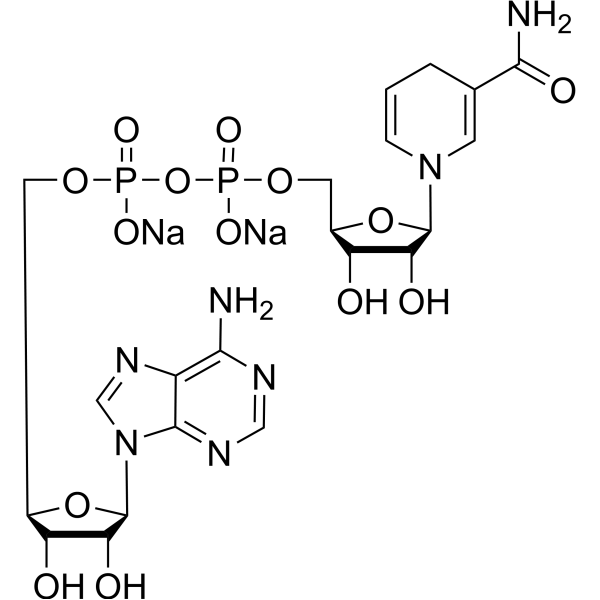
    NADH is an orally active dehydrogenase coenzyme that acts as a crucial electron carrier in cellular respiration and participates in ATP production. NADH promotes metabolism, supports brain function, and counteracts oxidative stress by transferring electrons to the electron transport chain. As a signaling molecule, NADH regulates multiple biological processes, including anti-apoptosis, synaptic plasticity, gene expression, and calcium homeostasis. Redox imbalance of NADH/NAD⁺ is one of the key pathological mechanisms of various diseases, such as diabetic nephropathy, neurodegenerative diseases, and ischemia-reperfusion injury.
    NADH
  • HY-B1009

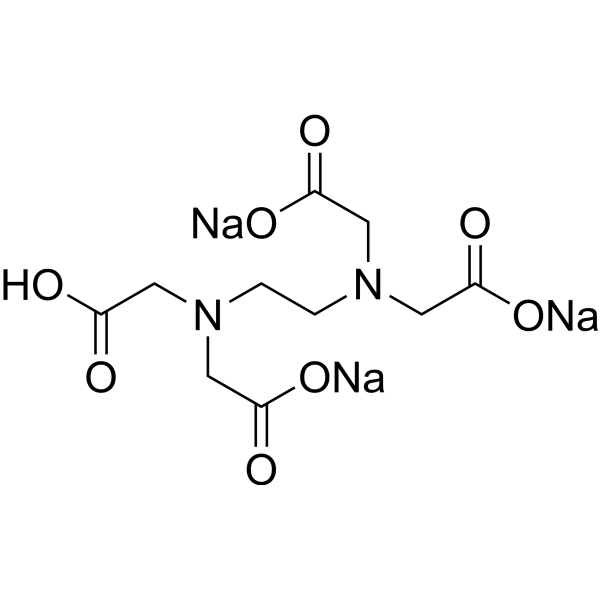
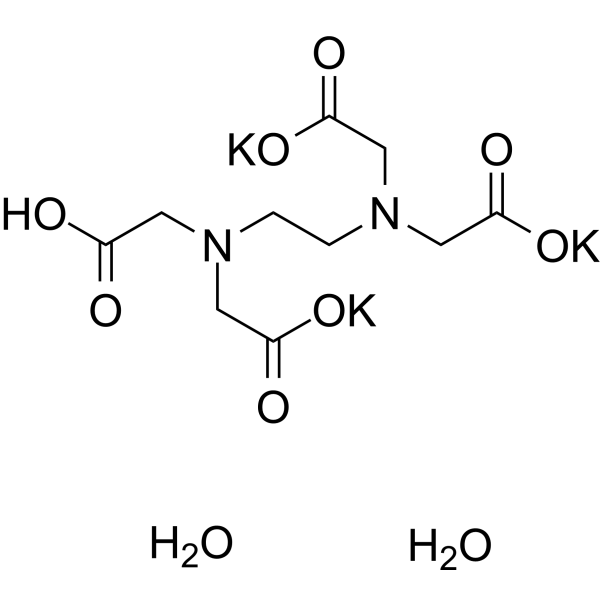
    EDTA trisodium salt; Trisodium EDTA

    Environmental Pollutants Bacterial SOD Ferroptosis Cardiovascular Disease Neurological Disease Cancer
    Ethylenediaminetetraacetic acid trisodium salt (EDTA trisodium salt; Trisodium EDTA) is a kind of metal chelating agent (binds to bivalent and trivalent metal cations, including calcium). Ethylenediaminetetraacetic acid trisodium salt has antibacterial, anti-inflammatory, antioxidant, anti-hypercalcemia and anticoagulant activities. Ethylenediaminetetraacetic acid trisodium salt decreases the metal ion-catalyzed oxidative damage to proteins, and allows maintenance of reducing environment during protein purification. Ethylenediaminetetraacetic acid trisodium salt can alleviate the liver fibrosis. Ethylenediaminetetraacetic acid can be used for coronary artery disease and neural system disease research .
    Ethylenediaminetetraacetic acid trisodium salt
  • HY-N1353
    Rhamnocitrin
    2 Publications Verification

    p38 MAPK Cardiovascular Disease Inflammation/Immunology
    Rhamnocitrin is an anti-inflammatory and antioxidant agent that targets STIM-1, NFATc3 and MAPK pathways and can scavenge DPPH (IC50=28.38 mM). Rhamnocitrin selectively inhibits oxidative stress and inflammatory responses in vascular endothelial cells and neurons. Rhamnocitrin up-regulates miR-185 to inhibit STIM-1-mediated store-operated calcium entry (SOCE), thereby blocking NFATc3 nuclear translocation and downstream inflammatory factor expression, while inducing heme oxygenase HO-1 expression and regulating the ERK/p38 MAPK pathway, inhibiting antioxidant and pro-inflammatory cytokines (such as IL-6, IL-8) and adhesion molecules (such as ICAM-1, VCAM-1). Rhamnocitrin can be used in the study of endothelial-related inflammatory diseases (such as sepsis, acute lung injury, atherosclerosis) and neuroprotection (such as oxidative damage of PC12 cells) .
    Rhamnocitrin
  • HY-13568

    LRCL 3794

    Cytochrome P450 COX Lipoxygenase PGE synthase Inflammation/Immunology
    Benoxaprofen (LRCL 3794) is a nonsteroidal anti-inflammatory agent that blocks the biosynthesis of inflammatory mediators such as leukotrienes and prostaglandins by inhibiting 5-LOX, PGH2 synthase and cytochrome P-450. Benoxaprofen exhibits significant toxicity: it not only alters cellular redox status, uncouples oxidative phosphorylation and disrupts calcium ion homeostasis, but also causes liver injury through the formation of covalent adducts between its active metabolites and hepatic proteins. Benoxaprofen shows strong phototoxicity under ultraviolet irradiation, and induces erythrocyte lysis, mast cell degranulation and histamine release. Benoxaprofen is widely used in studies of urticaria and related phototoxic mechanisms .
    Benoxaprofen
  • HY-B2227A
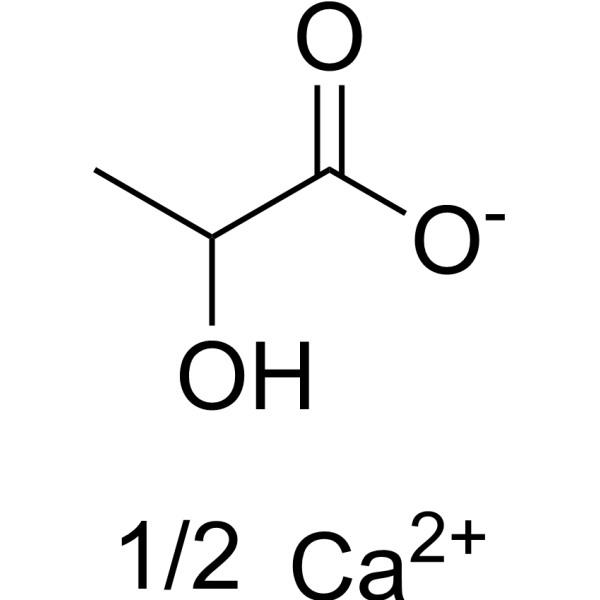
    Lactic acid calcium
    50+ Cited Publications

    DL-Lactic acid Calcium; E-270 Calcium

    Environmental Pollutants Endogenous Metabolite Bacterial Hydroxycarboxylic Acid Receptor (HCAR) Infection Neurological Disease Inflammation/Immunology Cancer
    Lactic acid (DL-Lactic acid) calcium is a hydroxycarboxylic acid receptor 1 (HCAR1) activator and an epigenetic modulator inducing lysine residues lactylation. Lactic acid calcium is a glycolysis end-product, bridging the gap between glycolysis and oxidative phosphorylation. Lactic acid calcium is an oncometabolite and has immune protective role of lactate in anti-tumor immunity . Lactic acid calcium also has antimicrobial activity, which can be used as a food preservative .
    Lactic acid calcium
  • HY-100807R
    Quinolinic acid (Standard)
    5+ Cited Publications

    Reference Standards iGluR Endogenous Metabolite Reactive Oxygen Species (ROS) NO Synthase Apoptosis Neurological Disease Inflammation/Immunology
    Quinolinic acid (Standard) is the analytical standard of Quinolinic acid. This product is intended for research and analytical applications. Quinolinic acid, an endogenous metabolite of tryptophan, is a N-methyl-D-aspartate receptor (NMDA receptor) agonist. Quinolinic acid increases glutamate efflux, induces the generation of ROS, activates nitric oxide synthase, produces excessive NO, leading to calcium ion influx and neuronal apoptosis.
    Quinolinic acid (Standard)
  • HY-113285

    3-Ureidopropionic acid

    Oxidative Phosphorylation Reactive Oxygen Species (ROS) Metabolic Disease
    Ureidopropionic acid (3-Ureidopropionic acid) is a selective mitochondrial respiratory chain complex V inhibitor. Ureidopropionic acid induces the production of reactive oxygen species, delayed elevation of intracellular calcium concentration, secondary energy-dependent excitotoxicity and neurodegeneration in neurons. Ureidopropionic acid promotes neuropathological changes by impairing mitochondrial energy metabolism, oxidative stress and excitotoxicity pathways. Ureidopropionic acid can be used in studies related to 3-ureidopropionase deficiency and severe propionic aciduria .
    Ureidopropionic acid
  • HY-N7690

    Calcium Channel Cardiovascular Disease Metabolic Disease
    3,5,7,3’,4’-Pentamethoxyflavone is a Ca 2+ channel inhibitor. 3,5,7,3’,4’-Pentamethoxyflavone can protect DNA from oxidative damage. 3,5,7,3’,4’-Pentamethoxyflavone can induce relaxation of the human corpus cavernosum through calcium mobilization-related mechanisms. 3,5,7,3’,4’-Pentamethoxyflavone can promote the expression of eNOS and cystathionine gamma lyase CSE proteins in middle-aged male rats and regulate vascular function. 3,5,7,3’,4’-Pentamethoxyflavone can be used in research related to diabetes and cardiovascular diseases .
    3,5,7,3′,4′-Pentamethoxyflavone
  • HY-N6036
    Ganoderic acid F
    1 Publications Verification

    Others Cancer
    Ganoderic acid F is a ganoderic acid. Ganoderic acid F exhibits antitumor and antimetastatic activities through inhibition of angiogenesis and alteration of proteins involving cell proliferation and/or cell death, carcinogenesis, oxidative stress, calcium signaling, and endoplasmic reticulum stress .
    Ganoderic acid F
  • HY-N4323
    14-Deoxyandrographolide
    1 Publications Verification

    Calcium Channel Apoptosis Caspase Neurological Disease Metabolic Disease
    14-Deoxyandrographolide is a diterpene with calcium channel blocking activity and acts as a uterine smooth muscle relaxant. 14-Deoxyandrographolide stimulates the release of nitric oxide (NO) in endothelial cells. 14-Deoxyandrographolide gradually desensitizes liver cells to TNF-α mediated apoptosis by inducing the release of TNFRSF1A .
    14-Deoxyandrographolide
  • HY-W127774
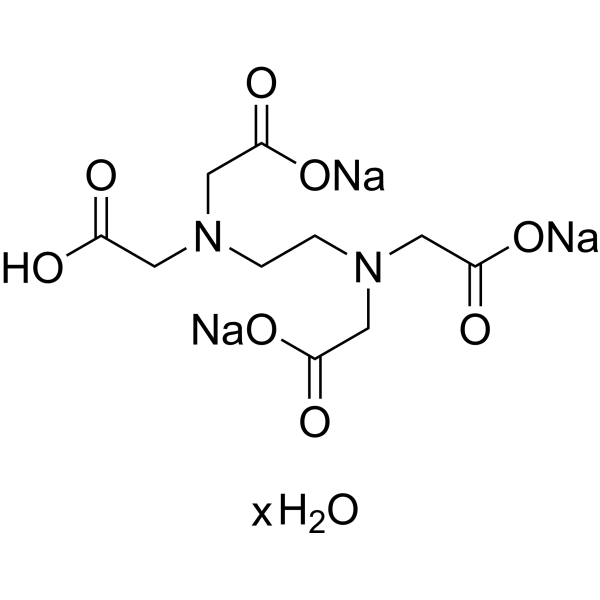
    EDTA hydrate sodium
    20+ Cited Publications

    Ethylenediaminetetraacetic acid hydrate sodium

    Biochemical Assay Reagents Bacterial SOD Cardiovascular Disease Neurological Disease Cancer
    EDTA (Ethylenediaminetetraacetic acid) hydrate sodium is a kind of metal chelating agent (binds to bivalent and trivalent metal cations, including calcium). EDTA hydrate sodium has antibacterial, anti-inflammatory, antioxidant, anti-hypercalcemia and anticoagulant activities. EDTA hydrate sodium decreases the metal ion-catalyzed oxidative damage to proteins, and allows maintenance of reducing environment during protein purification. EDTA hydrate sodium can alleviate the liver fibrosis. Ethylenediaminetetraacetic acid can be used for coronary artery disease and neural system disease research .
    EDTA hydrate sodium
  • HY-21191

    PFBS

    Biochemical Assay Reagents PPAR Reactive Oxygen Species (ROS) Metabolic Disease
    Perfluorobutanesulfonic acid (PFBS) is a short-chain perfluoroalkyl substance and the main replacement for perfluorooctanesulfonic acid. Perfluorobutanesulfonic acid induces fat accumulation in human HepG2 hepatoma cells. Perfluorobutanesulfonic acid promotes lipid accumulation by activating PPARγ pathway and triggering oxidative stress, endoplasmic reticulum stress and calcium dyshomeostasis. Perfluorobutanesulfonic acid impairs reproduction and causes developmental disorders in offspring of Caenorhabditis elegans. Perfluorobutanesulfonic acid disrupts pancreatic organogenesis and lipid homeostasis in zebrafish embryos. Perfluorobutanesulfonic acid can be used in environmental toxicology, lipid metabolism and developmental toxicity studies .
    Perfluorobutanesulfonic acid
  • HY-Y0569B
    D-Gluconic acid calcium hydrate
    1 Publications Verification

    Fungal Endogenous Metabolite Cancer
    D-Gluconic acid calcium hydrate is the carboxylic acid by the oxidation with antiseptic and chelating properties.
    D-Gluconic acid calcium hydrate
  • HY-100807S2

    Isotope-Labeled Compounds iGluR Endogenous Metabolite Reactive Oxygen Species (ROS) NO Synthase Apoptosis Neurological Disease Inflammation/Immunology
    Quinolinic acid-13C4, 15N is an isotopic labeled Quinolinic acid (HY-100807). Quinolinic acid, an endogenous metabolite of tryptophan, is a N-methyl-D-aspartate receptor (NMDA receptor) agonist. Quinolinic acid increases glutamate efflux, induces the generation of ROS, activates nitric oxide synthase, produces excessive NO, leading to calcium ion influx and neuronal apoptosis.
    Quinolinic acid-13C4,15N
  • HY-107802
    Breviscapine
    2 Publications Verification

    Breviscapinun

    NF-κB Interleukin Related TGF-beta/Smad Calcium Channel Cardiovascular Disease Neurological Disease Inflammation/Immunology
    Breviscapine (Breviscapinun) is a flavonoid compound with antioxidant, anti-inflammatory, anti-fibrotic, and neuroprotective activities. Breviscapine ameliorates cerebral ischemia/reperfusion injury and vascular dementia, and inhibits the formation of postoperative abdominal adhesions. The mechanism of action of Breviscapine involves the regulation of oxidative stress, inflammatory cytokines, signaling pathways such as TGF-β/Smad, and cellular calcium overload. Breviscapine is used for research on diseases including cardiovascular and cerebrovascular diseases .
    Breviscapine
  • HY-B1559

    Environmental Pollutants Apoptosis Infection Cancer
    Allethrin, a pyrethroid insecticide is a major mosquito repellent agent. Allethrin induces oxidative stress, apoptosis and calcium release in rat testicular carcinoma cells (LC540). Allethrin induces BCL-2, caspase-3 activation and release of intracellular calcium .
    Allethrin
  • HY-Y0785

    Drug Metabolite Metabolic Disease
    Glyoxal is a cytotoxic α-oxoaldehyde. Glyoxal induces cell damage and promotes protein glycation to form advanced glycation end-products (AGEs). Glyoxal is promising for research of oxidative stress-related diseases (such as atherosclerosis, cataract, Alzheimer's disease), and the formation of calcium oxalate kidney stones .
    Glyoxal (40% w/w in water)
  • HY-10437

    MK-0633

    Lipoxygenase Inflammation/Immunology
    Setileuton (MK-0633) is an inhibitor for 5-lipoxygenase, that inhibits the oxidation of arachidonic acid by recombinant human 5-LO, and the production of LTB4 in calcium ionophore-stimulated human whole blood, with IC50 of 3.9 and 52 nM, respectively .
    Setileuton
  • HY-Y0682B

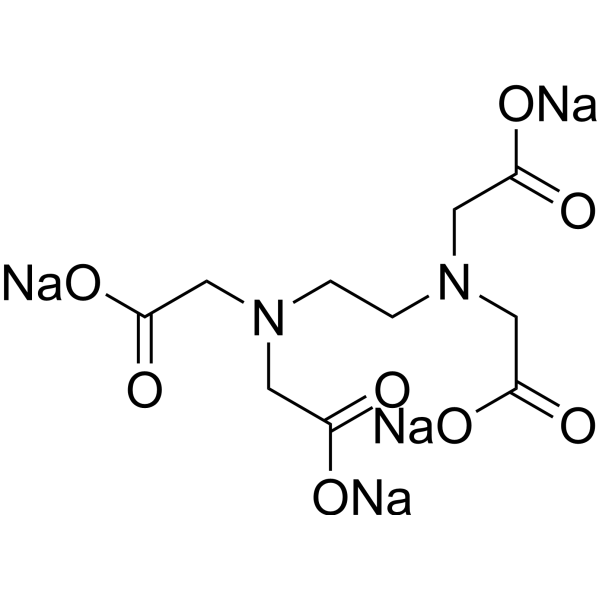
    EDTA tetrasodium

    Environmental Pollutants Biochemical Assay Reagents Bacterial SOD Cardiovascular Disease Neurological Disease Cancer
    Ethylenediaminetetraacetic acid (EDTA) tetrasodium is a kind of metal chelating agent (binds to bivalent and trivalent metal cations, including calcium). Ethylenediaminetetraacetic acid tetrasodium has antibacterial, anti-inflammatory, antioxidant, anti-hypercalcemia and anticoagulant activities. Ethylenediaminetetraacetic acid tetrasodium decreases the metal ion-catalyzed oxidative damage to proteins, and allows maintenance of reducing environment during protein purification. Ethylenediaminetetraacetic acid tetrasodium can alleviate the liver fibrosis. Ethylenediaminetetraacetic acid tetrasodium can be used for coronary artery disease and neural system disease research .
    Ethylenediaminetetraacetic acid tetrasodium
  • HY-P5142

    ω-ACTX-Hv1; ω-Atracotoxin-HV1

    Insecticide Calcium Channel Apoptosis Necroptosis Cardiovascular Disease Neurological Disease Inflammation/Immunology
    ω-Hexatoxin-Hv1a (ω-ACTX-Hv1; ω-Atracotoxin-HV1) is an orally active insecticidal neurotoxin containing an inhibitor cystine knot motif and a selective calcium channel inhibitor. ω-Hexatoxin-Hv1a blocks L-type voltage-dependent Ca 2+ channels and reduces intracellular calcium ion concentration, thereby decreasing apoptosis, necroptosis and oxidative stress, and promoting cell recovery and energy level elevation. ω-Hexatoxin-Hv1a causes larval paralysis and death by impairing neurotransmission in the central nervous system of insects. It shows high injectable toxicity against insects of multiple orders, but exhibits weak oral toxicity. ω-Hexatoxin-Hv1a is widely applicable to studies related to ischemia-reperfusion injury, atopic dermatitis, and ischemic injury of cardiomyocytes and neurons .
    ω-Hexatoxin-Hv1a
  • HY-W614656

    Drug Derivative Neurological Disease
    Pterostilbene glucoside, a stilbene derivative of Resveratrol (HY-16561), is a bioactive compound with potent protective effects against oxidative stress. Pterostilbene glucoside effectively protects M1 muscarinic receptor-transfected COS-7 cells from dopamine (DA)-induced deficits in calcium clearance. Pterostilbene glucoside can be used for the study of the reduction of age-related neuronal and behavioral deleterious effects .
    Pterostilbene glucoside
  • HY-Y0785S

    Isotope-Labeled Compounds Drug Metabolite Metabolic Disease
    Glyoxal-d2 is the deuterium labeled Glyoxal (HY-Y0785). Glyoxal is a cytotoxic α-oxoaldehyde. Glyoxal induces cell damage and promotes protein glycation to form advanced glycation end-products (AGEs). Glyoxal is promising for research of oxidative stress-related diseases (such as atherosclerosis, cataract, Alzheimer's disease), and the formation of calcium oxalate kidney stones .
    Glyoxal-d2
  • HY-B2227D

    Environmental Pollutants Endogenous Metabolite Metabolic Disease Inflammation/Immunology Cancer
    Calcium 2-hydroxypropanoate (pentahydrate) is a hydroxycarboxylic acid receptor 1 (HCAR1) activator and an epigenetic modulator inducing lysine residues lactylation. Calcium 2-hydroxypropanoate (pentahydrate) is a glycolysis end-product, bridging the gap between glycolysis and oxidative phosphorylation. Calcium 2-hydroxypropanoate (pentahydrate) is an oncometabolite and has immune protective role of lactate in anti-tumor immunity .
    Calcium 2-hydroxypropanoate pentahydrate
  • HY-B1448A

    KW-3049 free base

    Apoptosis Calcium Channel Cardiovascular Disease
    Benidipine is a potent and orally active calcium channel antagonist . Benidipine shows anti-apoptosis effects in ischaemic/reperfused myocardial cells . Benidipine increases the activity of endothelial cell-type nitric oxide synthase and improves coronary circulation in hypertensive rats .
    Benidipine
  • HY-100807S1

    Isotope-Labeled Compounds iGluR Endogenous Metabolite Reactive Oxygen Species (ROS) NO Synthase Apoptosis Neurological Disease
    Quinolinic acid- 13C7 is the 13C labeled Quinolinic acid (HY-100807). Quinolinic acid, an endogenous metabolite of tryptophan, is a N-methyl-D-aspartate receptor (NMDA receptor) agonist. Quinolinic acid increases glutamate efflux, induces the generation of ROS, activates nitric oxide synthase, produces excessive NO, leading to calcium ion influx and neuronal apoptosis.
    Quinolinic acid-13C7
  • HY-W105699

    Ethylenediaminetetraacetic acid tetrasodium tetrahydrate

    Environmental Pollutants Biochemical Assay Reagents Others
    EDTA tetrasodium tetrahydrate is a metal chelator (binds to metal divalent and trivalent cations including calcium), which shows activities of anticoagulant and anti-hypercalcemic. EDTA tetrasodium tetrahydrate decreases the metal ion-catalyzed oxidative damage to proteins, and allows maintenance of reducing environment during protein purification. EDTA tetrasodium tetrahydrate can also decrease the formation of disulfide bonds .
    EDTA tetrasodium tetrahydrate

Inquiry Online

Your information is safe with us. * Required Fields.

Salutation


Country or Region *

Applicant Name *


Organization Name *

Department *


Email Address *


Product Name *

Cat. No.


Requested quantity *

Phone Number *


Remarks

Inquiry Online

Inquiry Information

Product Name:
Cat. No.:
Quantity:
MCE Japan Authorized Agent:

