
53 Results for "

Cough Inhibitors

" in MedChemExpress (MCE) Product Catalog:
Products (53)

53 Results for "Cough Inhibitors" in MCE Product Catalog:

32
32 Publications Verification
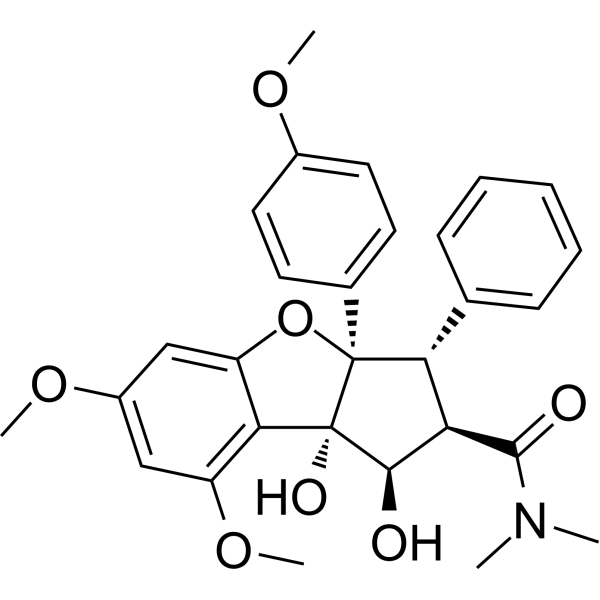
Cat. No.: HY-19356
CAS No.: 84573-16-0
Synonyms: Roc-A
Rocaglamide (Roc-A) is isolated from the genus Aglaia and can be used for coughs, injuries, asthma and inflammatory skin diseases. Rocaglamide is a potent inhibitor of NF-κB activation in T-cells. Rocaglamide is a potent and selective heat shock factor 1 (HSF1) activation inhibitor with an IC50 of ~50 nM. Rocaglamide inhibits the function of the translation initiation factor eIF4A. Rocaglamide also has anticancer properties in leukemia .
loading...
    loading...
4
4 Cited Publications
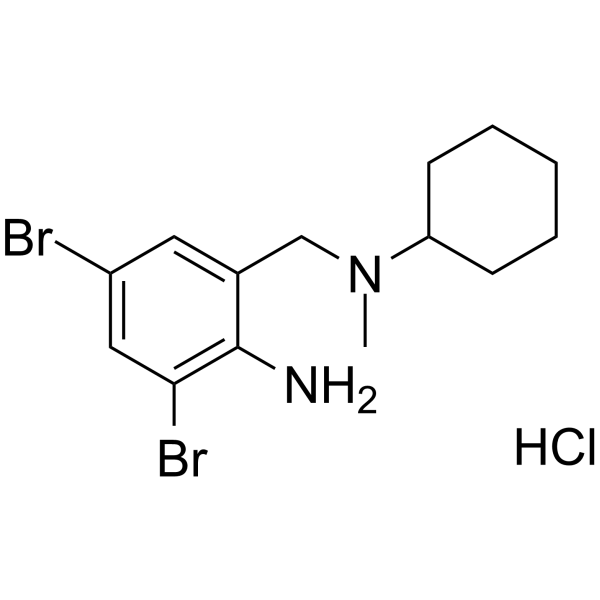
Cat. No.: HY-B0372A
CAS No.: 611-75-6
Target:  

SARS-CoV Autophagy HIV

Research Areas:  

Metabolic Disease

Bromhexine hydrochloride is a potent and specific TMPRSS2 protease inhibitor with an IC50 of 0.75 μM. Bromhexine hydrochloride can prevent and manage SARS-CoV-2 infection. Bromhexine hydrochloride is an autophagy agonist. Bromhexine hydrochloride is a mucolytic cough suppressant and has the potential for a range of respiratory conditions .
loading...
    loading...
3
3 Cited Publications
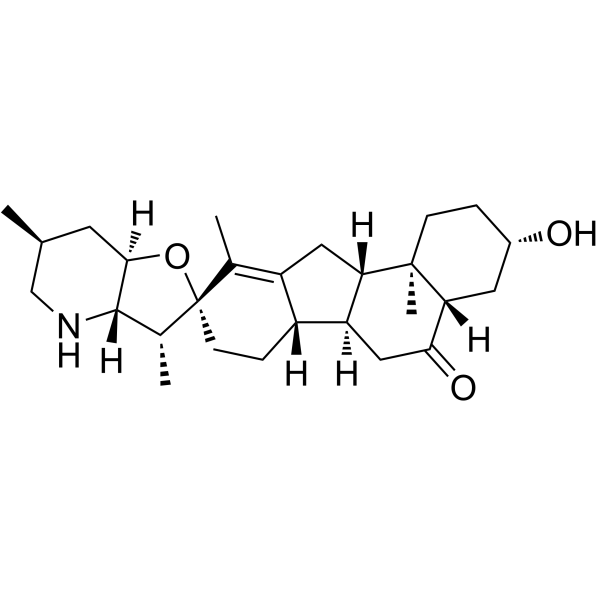
Cat. No.: HY-N0214
CAS No.: 19773-24-1
Synonyms: Ebeiensine
Peimisine (Ebeiensine) is a muscarinic M receptor antagonist and angiotensin converting enzyme (ACE) inhibitor. Peimisine shows anti-tumor, anti-inflammatory, antihypertensive activities. Peimisine can induce apoptosis and be used in cough and asthma research .
loading...
    loading...
3
3 Cited Publications
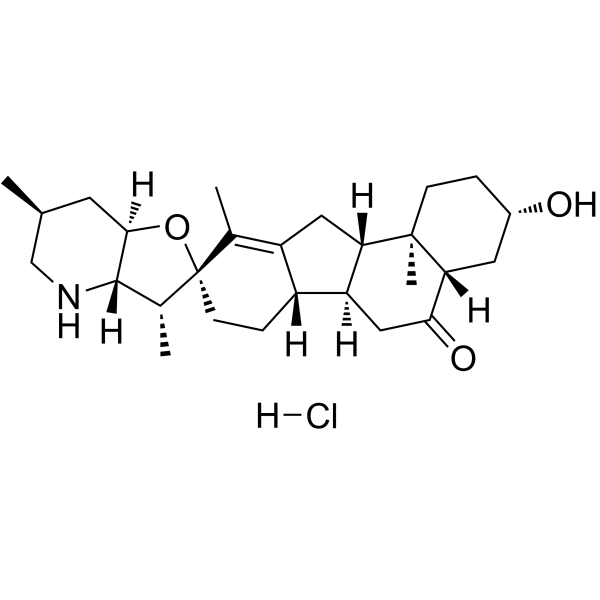
Cat. No.: HY-N0214A
CAS No.: 900498-44-4
Synonyms: Ebeiensine hydrochloride
Peimisine (Ebeiensine) hydrochloride is a muscarinic M receptor antagonist and angiotensin converting enzyme (ACE) inhibitor. Peimisine hydrochloride shows anti-tumor, anti-inflammatory, antihypertensive activities. Peimisine can induce apoptosis and be used in cough and asthma research .
loading...
    loading...
2
2 Cited Publications
Cat. No.: HY-114657A
CAS No.: 19428-14-9
Purity:  99.93%
Target:  

Arp2/3 Complex

Research Areas:  

Inflammation/Immunology Cancer

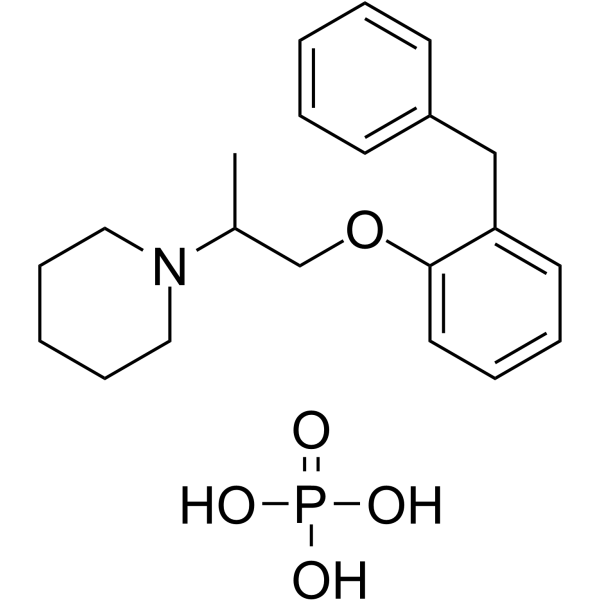
Benproperine phosphate is an orally active, potent actin-related protein 2/3 complex subunit 2 (ARPC2) inhibitor. Benproperine phosphate attenuates the actin polymerization rate of action polymerization nucleation by impairing Arp2/3 function. Benproperine phosphate has the potential for a cough suppressant and suppresses cancer cell migration and tumor metastasis .
loading...
    loading...
1
1 Cited Publications
Cat. No.: HY-18006
CAS No.: 177707-12-9
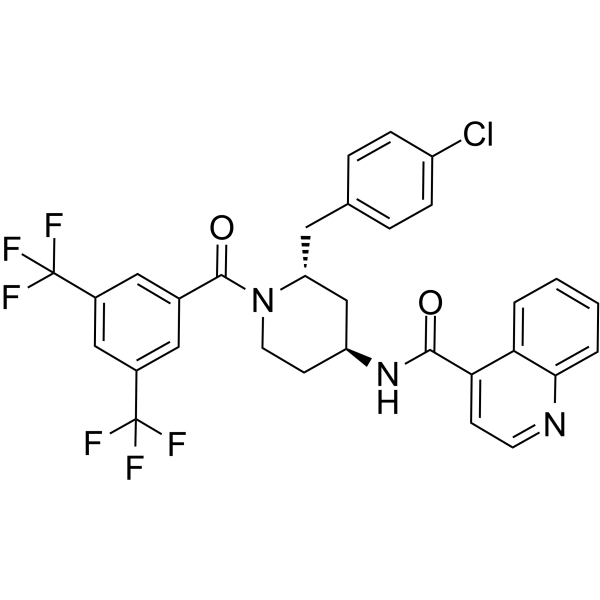
NKP608 is a non-peptidic derivative of 4-aminopiperidine, a highly selective, orally active, neurokinin-1 (NK1) receptor antagonist with IC50 of 2.6 nM. NKP608 is active both in vitro and in vivo, showing extremely low affinity for NK2, NK3 receptors. NKP608 exerts its effects by blocking the NK₁ receptor, regulate cell proliferation and apoptosis, affect neurotransmitter functions and gastric mucosal repair mechanisms, and suppress the Wnt/β-catenin pathway in antitumor research. NKP608 is applicable to research related to various diseases, including cough, anxiety disorders, depression, gastric mucosal injury, and colorectal cancer .
loading...
    loading...
Cat. No.: HY-112779
CAS No.: 70323-44-3
Target:  

Endogenous Metabolite

Research Areas:  

Infection

Pertussis Toxin is a protein-based AB5-type exotoxin produced by the bacterium Bordetella pertussis, which causes whooping cough. Pertussis Toxin inhibits G protein-coupled receptor (GPR) signaling through Gi proteins .
loading...
    loading...
Cat. No.: HY-B1551
CAS No.: 104-31-4
Synonyms: Benzononatine
Target:  

Sodium Channel

Research Areas:  

Neurological Disease

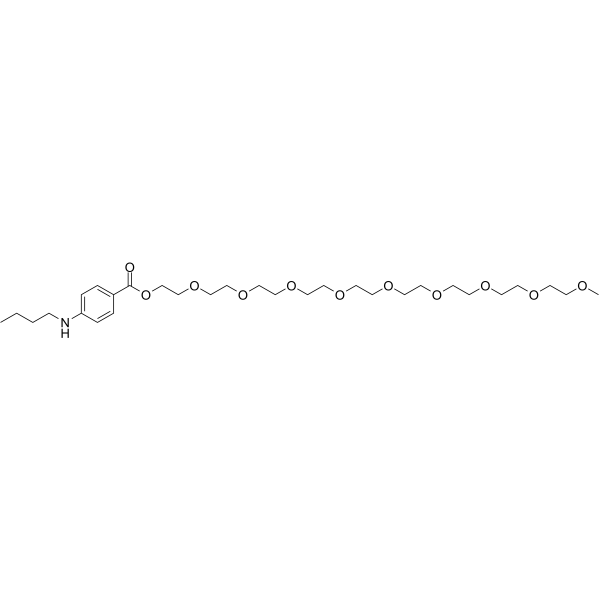
Benzonatate (Benzononatine) is an orally active and non-narcotic peripheral antitussive agent. Benzonatate is a reversible voltage-gated Na + channels inhibitor. Benzonatate dampens the activity of cough stretch receptors .
loading...
    loading...
Cat. No.: HY-109163
CAS No.: 1706528-83-7
Purity:  99.62%
Synonyms: INS-1009
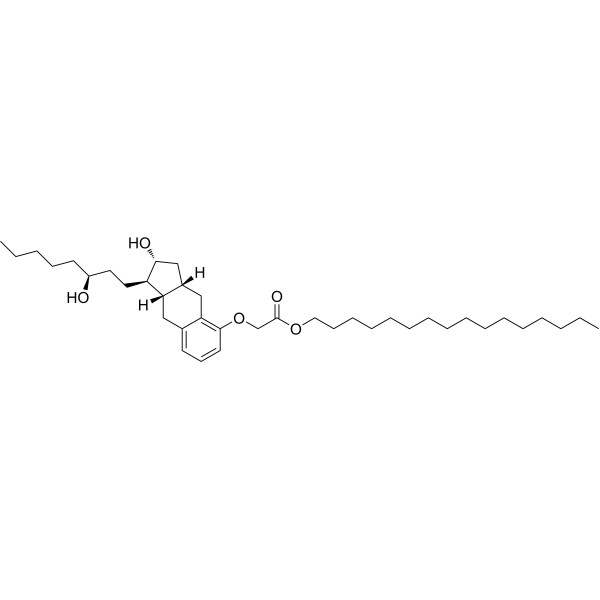
Treprostinil palmitil is a long-acting inhaled pulmonary vasodilator prodrug of Treprostinil (HY-100441), formulated in a lipid nanoparticle (LNP). Treprostinil palmitil can inhibit pulmonary vascular remodeling induced by Su/Hx challenge in rats. Treprostinil palmitil can induce cough. Treprostinil palmitil demonstrates a sustained presence in the lungs with reduced systemic exposure and prolonged inhibition of hypoxia-induced pulmonary vasoconstriction in vivo. Treprostinil palmitil can be studied in research for pulmonary arterial hypertension and interstitial lung disease .
loading...
    loading...
Cat. No.: HY-A0191
CAS No.: 132-21-8
Synonyms: (+)-Brompheniramine; (S)-Brompheniramine
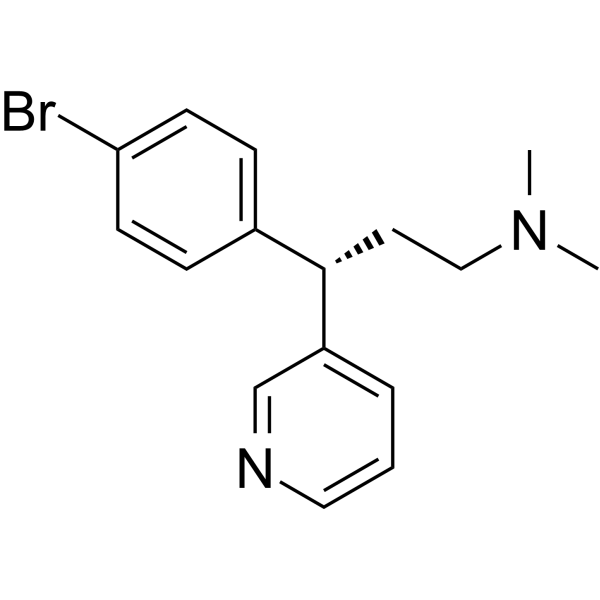
Dexbrompheniramine ((+)-Brompheniramine; (S)-Brompheniramine) is a dual inhibitor of histamine H1 receptor and TRPV1 receptor that can cross the blood-brain barrier. Dexbrompheniramine exerts its effects by functionally blocking H1 receptor activity and dose-dependently inhibiting TRPV1-mediated calcium responses, including Capsaicin (HY-10448)-induced responses. The combination of Dexbrompheniramine with Cimetidine (HY-14289) eliminates histamine-induced and sham-feeding-induced drinking behavior, whereas Dexbrompheniramine alone does not induce thirst or alter sham-feeding behavior in rats. Dexbrompheniramine can be used in the research of chronic cough and related pathological mechanisms .
loading...
    loading...
Cat. No.: HY-N3945
CAS No.: 475-81-0
Synonyms: O,O-Dimethylisoboldine; S-(+)-Glaucine; NSC 34396
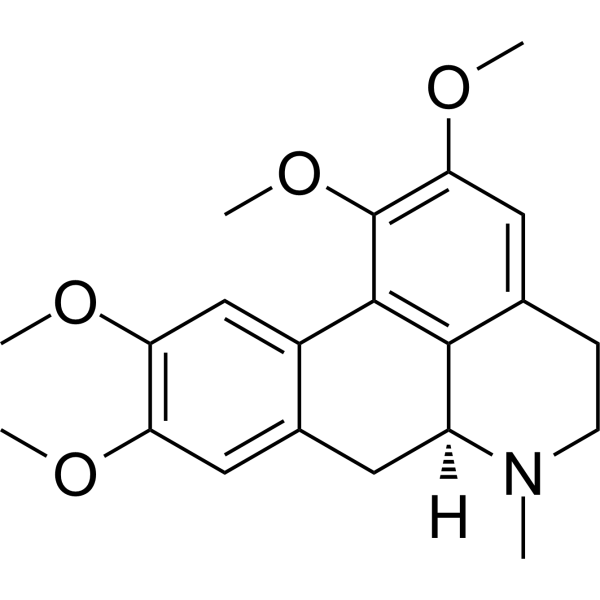
Glaucine (O,O-Dimethylisoboldine) is an alkaloid extracted from Glaucium flavum that possesses various activities, including cough relief, bronchodilation, anti-inflammatory effects, analgesia, antipyretic properties, and anticancer effects. Glaucine acts as a selective and orally active inhibitor of phosphodiesterase 4 (PDE4), with a Ki of 3.4 µM in human bronchial tissues and polymorphonuclear leukocytes. Glaucine induces relaxation of human isolated bronchi by antagonizing calcium channels. Additionally, Glaucine inhibits the activation of NF-κB, leading to a reduction in the expression of the MMP-9 gene, thereby suppressing the migration and invasion of breast cancer cells. Therefore, Glaucine holds potential for research in asthma and breast cancer .
loading...
    loading...
Cat. No.: HY-148802
CAS No.: 2489565-37-7
Purity:  ≥98.0%
Target:  

Sodium Channel

Research Areas:  

Inflammation/Immunology

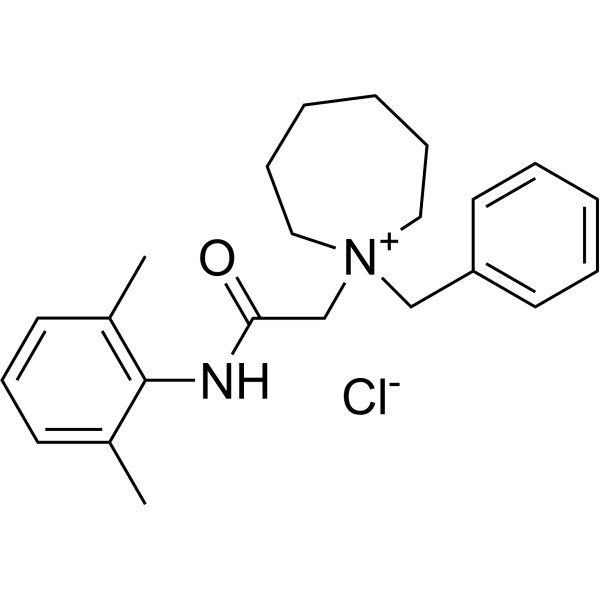
Taplucainium chloride is a sodium channel blocker. Taplucainium chloride selectively inhibits nociceptors in an activated or inflammatory state. Taplucainium chloride may be used in research on chronic cough .
loading...
    loading...
Cat. No.: HY-134004
CAS No.: 77-23-6
Purity:  98.91%
Synonyms: Carbetapentane
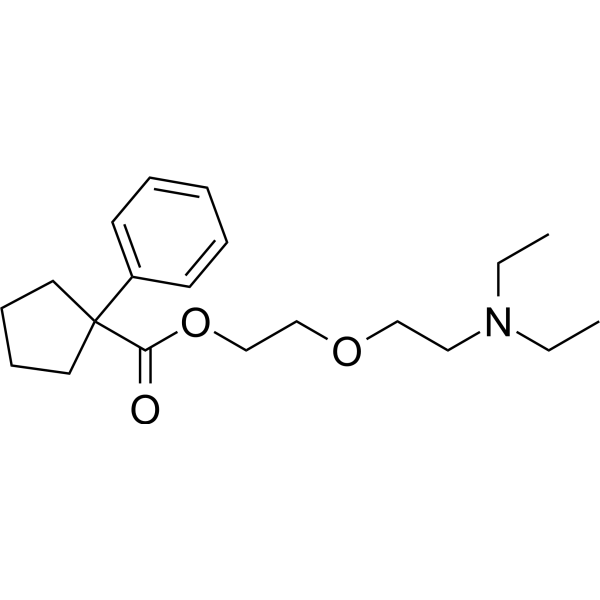
Pentoxyverine (Carbetapentane) is an orally active sigma-1 receptor agonist, with Kis of 41 nM, 894 nM and 75 nM for σ1, σ2 and guinea-pig brain membran σ1, respectively. Pentoxyverine is a muscarinic antagonist. Pentoxyverine is a potent antitussive, anticonvulsant, and spasmolytic agent. Pentoxyverine can be used for inhibiting bronchial interceptor, weakening of cough reflex, bronchial smooth muscle relaxation and reduction of airway resistance .
loading...
    loading...
Cat. No.: HY-B1055
CAS No.: 23142-01-0
Synonyms: Carbetapentane citrate
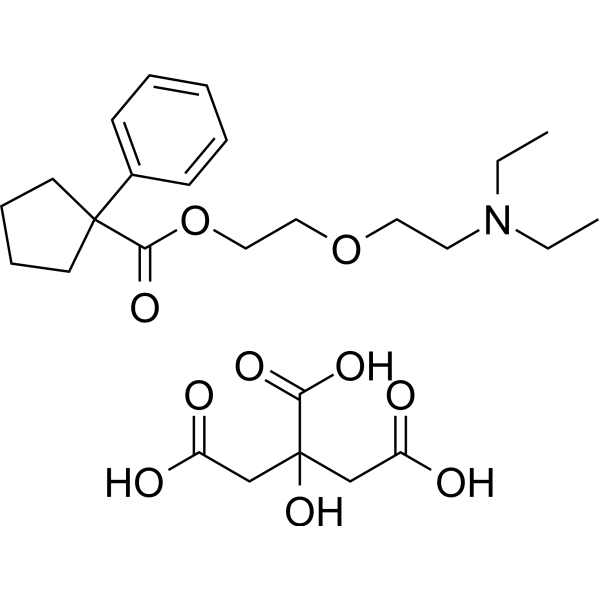
Pentoxyverine (Carbetapentane) citrate is an orally active and blood-brain barrier permeability sigma-1 receptor agonist, with Kis of 41 nM, 894 nM and 75 nM for σ1, σ2 and guinea-pig brain membrane σ1, respectively. Pentoxyverine citrate is a muscarinic antagonist. Pentoxyverine citrate is a potent antitussive, anticonvulsant, and spasmolytic agent. Pentoxyverine citrate can be used for inhibiting bronchial interceptor, weakening of cough reflex, bronchial smooth muscle relaxation and reduction of airway resistance .
loading...
    loading...
Cat. No.: HY-B1032
CAS No.: 17692-31-8
Synonyms: (±)-Dropropizine; UCB-196
Target:  

Histamine Receptor

Research Areas:  

Neurological Disease

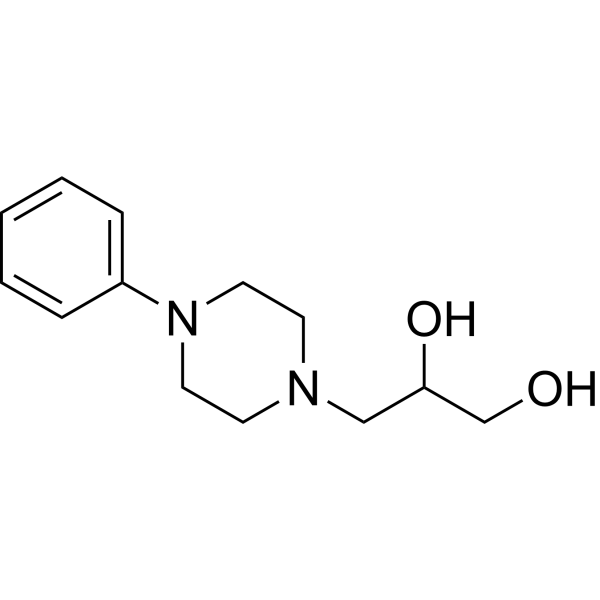
Dropropizine ((±)-Dropropizine; UCB-196) is an orally effective, peripherally selective antitussive that inhibits the activity of peripheral receptors and afferent nerves in the respiratory tract. Dropropizine acts on the cough reflex pathway, does not pass the blood-brain barrier, and has no central nervous system side effects. Dropropizine mainly regulates the level of sensory neuropeptides and inhibits the afferent signal transmission of the cough reflex, thereby alleviating the symptoms of dry cough, and has both mild local anesthetic and antihistamine activity. Dropropizine is mainly used for symptomatic research on dry cough caused by respiratory diseases .
loading...
    loading...
Cat. No.: HY-101765
CAS No.: 1092502-33-4
Purity:  99.91%
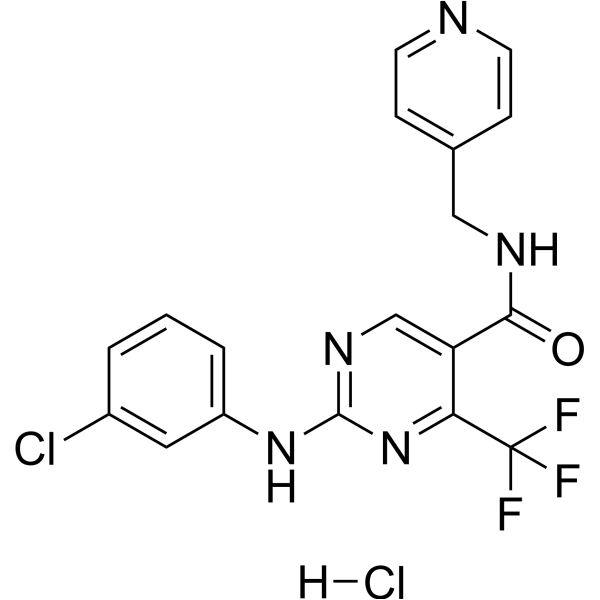
GW 833972A is a selective CB₂ receptor agonist with pEC₅₀ of the human CB₂ receptor for GW 833972A of 7.3, and its selectivity for the CB₂ receptor is approximately 1000 times higher than that for the CB₁ receptor. GW 833972A inhibits induced neuronal depolarization and suppresses coughing caused by citric acid in guinea pig models. GW 833972A can be used for the study of chronic cough .
loading...
    loading...
Cat. No.: HY-18060
CAS No.: 639489-84-2
Synonyms: TC-5619
Target:  

nAChR

Research Areas:  

Neurological Disease

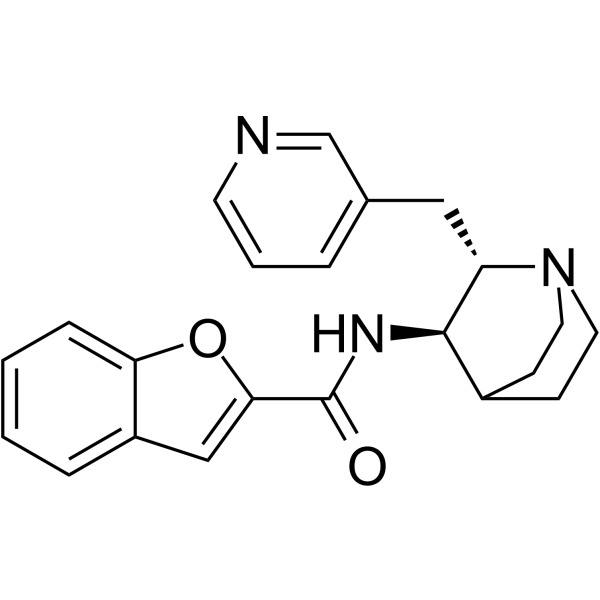
Bradanicline (TC-5619) is an orally active agonist of α7 nAChR with moderate blood-brain barrier penetration. Bradanicline exhibits high affinity and subtype selectivity for human α7 nAChR. Bradanicline possesses antitussive activity that depends on sustained receptor binding and activation. Bradanicline requires systemic administration to dose-dependently inhibit cough induced by citric acid, bradykinin and inhaled nicotine. Bradanicline is well tolerated in preclinical studies and is widely used in research related to chronic refractory cough .
loading...
    loading...
Cat. No.: HY-156684
CAS No.: 2376824-99-4
Purity:  99.77%
Synonyms: GDC-6599
Target:  

TRP Channel

Research Areas:  

Neurological Disease

GDC-6599 is an orally active TRPA1 inhibitor, with IC50 values of 5.3 nM in humans, 6.6 nM in rats, 9.3 nM in dogs, 7.2 nM in monkeys, and 15 nM in guinea pigs. GDC-6599 can be used in the research of neuropathic pain and respiratory diseases such as asthma and chronic cough .
loading...
    loading...
Cat. No.: HY-143481
CAS No.: 2756250-30-1
Nav1.8-IN-2 (compound 35A) is a Nav1.8 voltage-gated sodium ion inhibitor with an IC50 of 0.4 nM (HEK 293 cells). Nav1.8-IN-2 inhibits the activity of Nav1.8 voltage-gated sodium ion channels, mediates sodium ion influx in excitable cells, and is associated with the initiation and conduction of action potentials. Nav1.8-IN-2 can be used for research related to pain, cough, itching, etc .
loading...
    loading...
Cat. No.: HY-147240
CAS No.: 1824609-67-7
Purity:  99.92%
Synonyms: ADX-629
Target:  

Interleukin Related

Research Areas:  

Inflammation/Immunology

Acloproxalap (ADX-629) is an orally active reactive aldehyde species (RASP) inhibitor. Acloproxalap binds covalently to free aldehydes, sequesters reactive aldehyde species, malondialdehyde, acetaldehyde and preformed malondialdehyde-acetaldehyde adducts, and reduces elevated RASP levels. Acloproxalap decreases the formation of aldehyde adducts, reduces liver and serum triglyceride levels, hepatic fat accumulation, circulating anti-malondialdehyde-acetaldehyde adduct antibody levels, and inhibits the release of IL-6 and MCP-1. Acloproxalap improves cell viability of liver slices exposed to ethanol. Acloproxalap blocks ethanol-induced damage in animal models of alcoholic liver disease. Acloproxalap is applicable to research related to alcoholic liver disease, alcoholic fatty liver disease, non-alcoholic steatohepatitis, chronic cough, rheumatoid arthritis, ulcerative colitis and mild atopic asthma .
loading...
    loading...

