
1. Search Result
Search Result
Results for "

Cytochrome C

" in MedChemExpress (MCE) Product Catalog:

240

Inhibitors & Agonists

1

Screening Libraries

3

Fluorescent Dye

9

Biochemical Assay Reagents

11

Peptides

50

Natural
Products

8

Recombinant Proteins

22

Isotope-Labeled Compounds

36

Antibodies

1

Click Chemistry

4

Oligonucleotides

2

GMP Molecules

Targets Recommended:
Cat. No. Product Name Target Research Areas Chemical Structure
  • HY-13755
    Sulforaphane
    Maximum Cited Publications
    69 Publications Verification

    HDAC Keap1-Nrf2 Apoptosis Bcl-2 Family Caspase Reactive Oxygen Species (ROS) Inflammation/Immunology Cancer
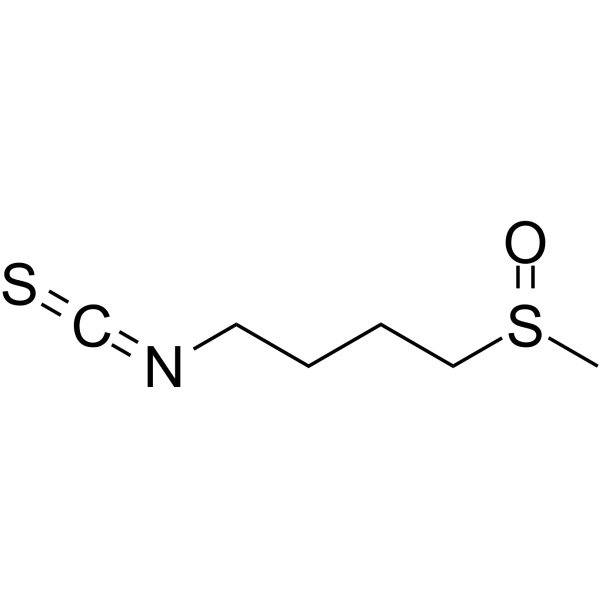
    Sulforaphane is an orally active inducer of the Keap1/Nrf2/ARE pathway. Sulforaphane promotes the transcription of tumor-suppressing proteins and effectively inhibits the activity of HDACs. Through the activation of the Keap1/Nrf2/ARE pathway and further induction of HO-1 expression, Sulforaphane protects the heart. Sulforaphane suppresses high glucose-induced pancreatic cancer through AMPK-dependent signal transmission. Sulforaphane exhibits both anticancer and anti-inflammatory properties .
    Sulforaphane
  • HY-17356
    Fenofibrate
    30+ Cited Publications

    PPAR Cytochrome P450 Autophagy Cardiovascular Disease Cancer
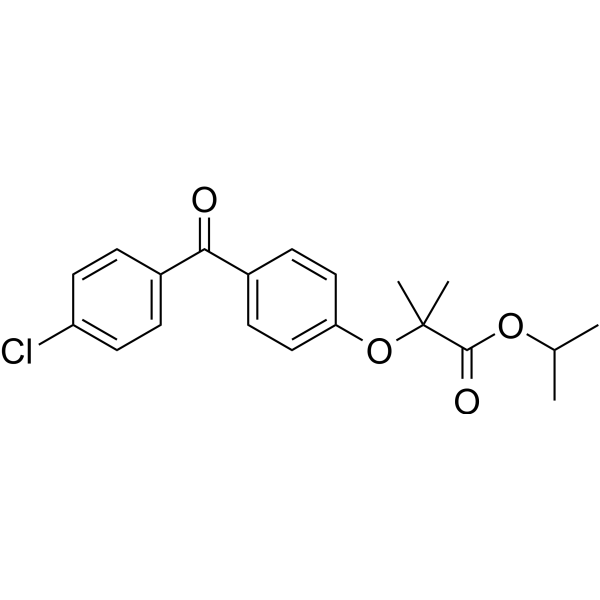
    Fenofibrate is a selective PPARα agonist with an EC50 of 30 μM. Fenofibrate also inhibits human cytochrome P450 isoforms, with IC50s of 0.2, 0.7, 9.7, 4.8 and 142.1 μM for CYP2C19, CYP2B6, CYP2C9, CYP2C8, and CYP3A4, respectively.
    Fenofibrate
  • HY-125857
    Cytochrome C
    1 Publications Verification

    Biochemical Assay Reagents Apoptosis Reactive Oxygen Species (ROS) Metabolic Disease
    Cytochrome C is a multi-functional enzyme involving in life and death decisions of the cell. Cytochrome C is essential in mitochondrial electron transport and intrinsic type II apoptosis .
    Cytochrome C
  • HY-N0305

    5-ALA hydrochloride; δ-Aminolevulinic acid hydrochloride; 5-Amino-4-oxopentanoic acid hydrochloride

    Reactive Oxygen Species (ROS) Neurological Disease Metabolic Disease Inflammation/Immunology Cancer
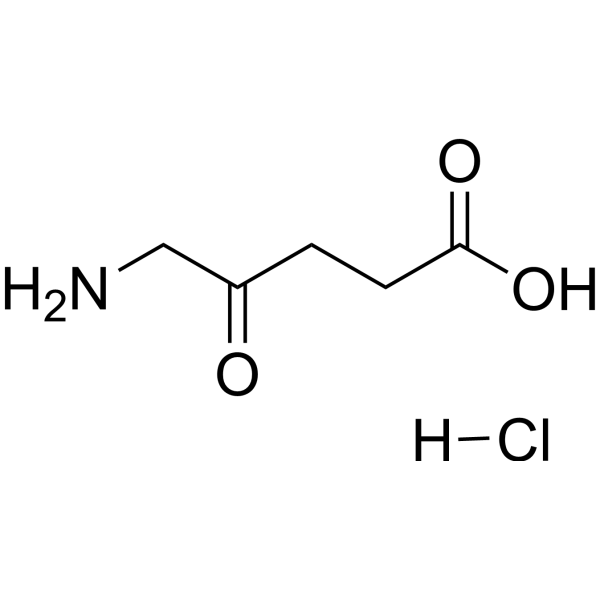
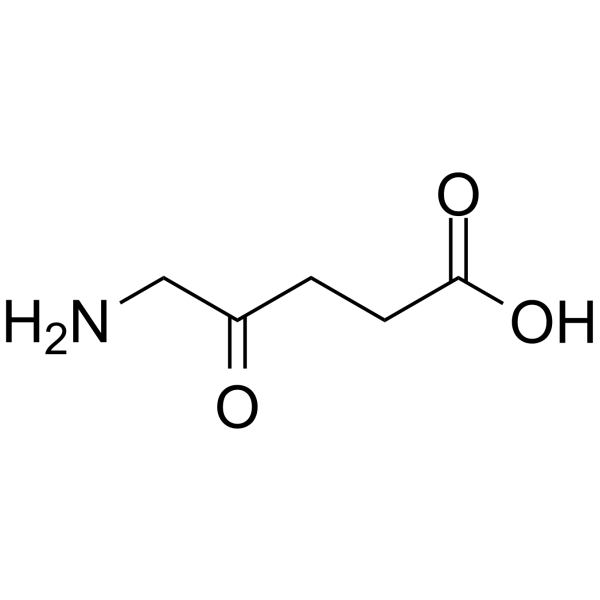
    5-Aminolevulinic acid (5-ALA; δ-Aminolevulinic acid; 5-Amino-4-oxopentanoic acid) hydrochloride is an orally active heme precursor. 5-Aminolevulinic acid hydrochloride promotes aerobic energy metabolism and increases ATP levels by enhancing the activity of cytochrome c oxidase. 5-Aminolevulinic acid hydrochloride enhances LPS-induced proinflammatory cytokine production and gene activation, and restores the phagocytic activity and ROS generation capacity of neutrophils. 5-Aminolevulinic acid hydrochloride selectively accumulates protoporphyrin IX in tumor cells; as a photosensitizer and radiosensitizer, it induces ROS burst upon light or X-ray irradiation to inhibit tumor growth. 5-Aminolevulinic acid hydrochloride can be applied to the research of septic shock, melanoma, and cancer radiotherapy .
    5-Aminolevulinic acid hydrochloride
  • HY-N0453
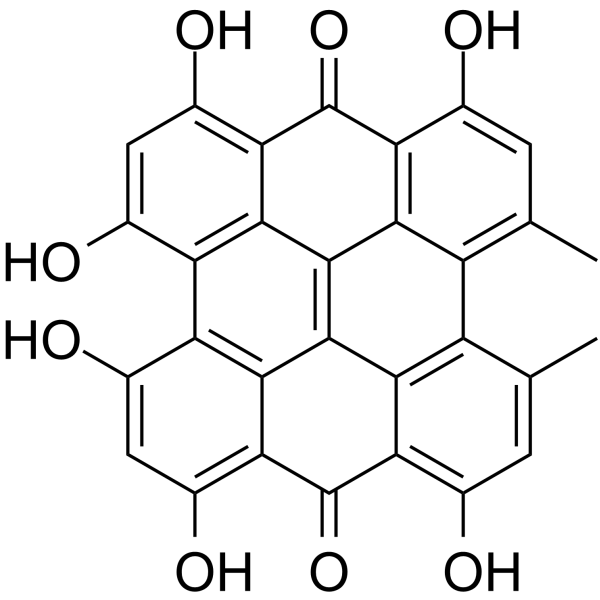
    Hypericin
    5+ Cited Publications

    Apoptosis Influenza Virus Antibiotic Monoamine Oxidase PKC Cytochrome P450 Dopamine β-hydroxylase Reverse Transcriptase Telomerase Infection Neurological Disease Cancer
    Hypericin is a naturally occurring substance found in Hyperlcurn perforatum L. Hypericin is an inhibitor of PKC (protein kinase C), MAO (monoaminoxidase), dopamine-beta-hydroxylase, reverse transcriptase, telomerase and CYP (cytochrome P450). Hypericin shows antitumor, antiviral, antidepressive activities, and can induce apoptosis .
    Hypericin
  • HY-B1184A

    (+)-Mephenytoin

    Cytochrome P450 Neurological Disease
    (S)-Mephenytoin ((+)-Mephenytoin) is an anticonvulsive agent. (S)-Mephenytoin is a substrate of the cytochrome P450 (CYP) isoform CYP2C19. (S)-Mephenytoin can be used for the analysis of cytochrome P450 metabolism .
    (S)-Mephenytoin
  • HY-150031
    MFI8
    5+ Cited Publications

    Mitochondrial Metabolism Others
    MFI8 is a small molecule inhibitor of mitochondrial .
    MFI8
  • HY-125857C

    Biochemical Assay Reagents Apoptosis Reactive Oxygen Species (ROS) Caspase Metabolic Disease
    Cytochrome C (bovine heart) is composed of 104 amino acids and is a nuclear-encoded mitochondrial protein. Cytochrome C (bovine heart) acts as an effective ROS scavenger, but when combined with the cofactor p66Shc, it promotes the generation of ROS to initiate apoptosis. Cytochrome C (bovine heart) can act as a single electron carrier .
    Cytochrome C (bovine heart)
  • HY-15550

    Drug Metabolite Neurological Disease Inflammation/Immunology
    4'-Hydroxy diclofenac is an orally active metabolite of Diclofenac (HY-15036) by cytochrome P450 2C9 (CYP2C9). 4'-Hydroxy diclofenac has anti-inflammatory and analgesic properties .
    4'-Hydroxy diclofenac
  • HY-N0319
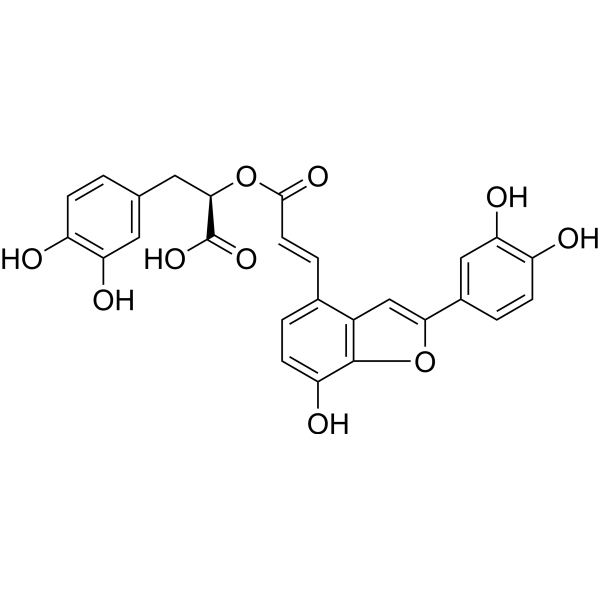
    Salvianolic acid C
    5+ Cited Publications

    Cytochrome P450 Cancer
    Salvianolic acid C is a noncompetitive Cytochrome P4502C8 (CYP2C8) inhibitor and a moderate mixed inhibitor of Cytochrome P45022J2 (CYP2J2), with Kis of 4.82 μM and 5.75 μM for CYP2C8 and CYP2J2, respectively.
    Salvianolic acid C
  • HY-B0657A
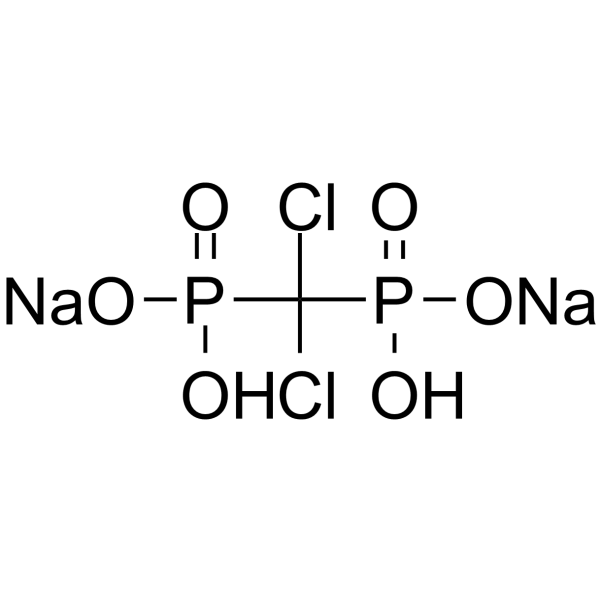
    Clodronic acid disodium salt
    4 Publications Verification

    Clodronate disodium salt

    Apoptosis Metabolic Disease Cancer
    Clodronic acid (Clodronate) disodium salt is an orally active bisphosphonate. Clodronic acid disodium salt inhibits osteoclast-mediated bone resorption. Clodronic acid disodium salt reduces skeletal event risk in malignant bone disease, impairs malignant osteolysis, blocks bone matrix growth-factor release, induces apoptosis in osteoclasts and macrophages. Clodronic acid disodium salt is effective in the maintenance or improvement of bone mineral density. Clodronic acid disodium salt can be used for the research of multiple myeloma and postmenopausal osteoporosis .
    Clodronic acid disodium salt
  • HY-125857A

    Biochemical Assay Reagents Apoptosis Caspase Metabolic Disease
    Cytochrome C (equine heart) is composed of 104 amino acids and is a nuclear-encoded mitochondrial protein. Cytochrome C (equine heart) is involved in mitochondrial electron transport and intrinsic type II apoptosis. Cytochrome C (equine heart) can act as a single electron carrier .
    Cytochrome C (equine heart)
  • HY-13755A
    (R)-Sulforaphane
    2 Publications Verification

    L-Sulforaphane

    Keap1-Nrf2 Bcl-2 Family Caspase Reactive Oxygen Species (ROS) NF-κB Inflammation/Immunology Cancer
    (R)-Sulforaphane (L-Sulforaphane) is a orally active, potent inducer of the Keap1/Nrf2/ARE pathway, exhibiting antioxidant and anticancer activities. (R)-Sulforaphane primarily functions by upregulating phase II detoxifying enzymes in cells, aiding in the removal of carcinogens and combating oxidative stress. (R)-Sulforaphane is capable of modulating gene expression, influencing various signaling pathways, including Nrf2, NF-κB, and AP-1. (R)-Sulforaphane can be used in studies of tumor biology, antioxidant defense mechanisms, as well as inflammation and immune responses .
    (R)-Sulforaphane
  • HY-15550S

    Drug Metabolite Neurological Disease Inflammation/Immunology
    4'-Hydroxy diclofenac-d4 is the deuterium labeled 4'-Hydroxy diclofenac. 4'-Hydroxy diclofenac is an orally active metabolite of Diclofenac (HY-15036) by cytochrome P450 2C9 (CYP2C9). 4'-Hydroxy diclofenac has anti-inflammatory and analgesic properties .
    4'-Hydroxy diclofenac-d4
  • HY-172262

    VDAC Bcl-2 Family Apoptosis Cancer
    WEHI-3773 is a VDAC2 ligand and apoptosis modulator. WEHI-3773 directly binds to the β7-β10 region of VDAC2 and disrupts its interaction with BAX and BAK. WEHI-3773 regulates BAX-mediated apoptosis in BAK-deficient cells by modulating conformational activation of BAX, mitochondrial redistribution, and cytochrome c release. WEHI-3773 overcomes Venetoclax (HY-15531) resistance, resensitizes leukemia cells carrying BAX mutations to BH3 mimetics, and enables long-term clonogenic survival of BAK-deficient cells treated with BH3 mimetics. WEHI-3773 is applicable to research related to acute myeloid leukemia .
    WEHI-3773
  • HY-U00448
    ADDA 5 hydrochloride
    4 Publications Verification

    Cytochrome P450 Cancer
    ADDA 5 hydrochloride is a partial non-competitive inhibitor of cytochrome c oxidase (CcO), with IC50s of 18.93 μM and 31.82 μM for purified CcO from human glioma and bovine heart, respectively.
    ADDA 5 hydrochloride
  • HY-N12257
    Antimycin A2
    2 Publications Verification

    Cytochrome P450 Reactive Oxygen Species (ROS) Apoptosis Infection Cancer
    Antimycin A2 is a selective inhibitor of the cytochrome b-c1 complex in the mitochondrial electron transport chain. Antimycin A2 disrupts mitochondrial membrane potential and produces reactive oxygen species (ROS) by inhibiting electron transfer between cytochrome b and c. Antimycin A2 has bactericidal and piscicidal activity, as well as tumor cell growth inhibitory effects, and can induce S-phase cell cycle arrest and apoptosis in HeLa cells. Antimycin A2 is suitable for research of cervical cancer and fisheries management. Antimycin A2 can be naturally isolated from the fermentation products of Streptomyces sp. strains .
    Antimycin A2
  • HY-P1333
    Dynorphin A
    1 Publications Verification

    Opioid Receptor Apoptosis Caspase Endogenous Metabolite Neurological Disease
    Dynorphin A is an endogenous opioid peptide involved in inhibitory neurotransmission in the central nervous system (CNS). Dynorphin A is a highy potent kappa opioid receptor (KOR) agonist, and is also an agonist for other opioid receptors, such as mu (MOR) and delta (DOR). Dynorphin A can induce neuronal death, and can be used in the research of neurological disease .
    Dynorphin A
  • HY-136615

    Potassium Channel Neurological Disease
    5-Hydroxydecanoate sodium is a selective ATP-sensitive K + (KATP) channel blocker (IC50 of ~30 μM). 5-Hydroxydecanoate sodium is a substrate for mitochondrial outer membrane acyl-CoA synthetase and has antioxidant activity .
    5-Hydroxydecanoate sodium
  • HY-14804
    Tasisulam
    1 Publications Verification

    LY 573636

    Molecular Glues Apoptosis Cancer
    Tasisulam is a anticancer agent and induces apoptosis via the intrinsic pathway, resulting in cytochrome c release and caspase-dependent cell death. Tasisulam inhibits mitotic progression and induces vascular normalization .
    Tasisulam
  • HY-W011978

    Endogenous Metabolite Mitochondrial Metabolism Neurokinin Receptor Caspase Interleukin Related Neurological Disease Inflammation/Immunology
    N-Acetyl-L-tryptophan is an antagonist of the neurokinin-1 receptor (NK-1R), disrupting the binding of substance P (SP) to NK-1R. This action provides neuroprotective effects, improving memory deficits and motor impairments. N-Acetyl-L-tryptophan is also an inhibitor of cytochrome c (Cytochrome c), and it exerts antioxidant and anti-inflammatory effects by inhibiting the expression of IL-1β and the activation of caspase-1. N-Acetyl-L-tryptophan holds promise for research in neurodegenerative and inflammatory diseases .
    N-Acetyl-L-tryptophan
  • HY-W006230

    Cytochrome P450 Cancer
    Anthraflavic acid specifically inhibits the activity of cytochrome P-448 without affecting phenobarbital-induced cytochrome P-450 or NADPH-dependent cytochrome c reduction. Anthraflavic acid inhibits cytosolic metabolic pathways, blocks the microsomal and cytosolic activation of IQ, and reduces the metabolic activation level of Glu-P-I. Anthraflavic acid may exert anticancer activity by inhibiting the metabolic activation of chemical carcinogens. Anthraflavic acid is applicable to cancer-related research .
    Anthraflavic acid
  • HY-119979

    Cardanol C15:1

    Apoptosis Reactive Oxygen Species (ROS) Mitochondrial Metabolism MMP CDK Caspase Bcl-2 Family PARP MDM-2/p53 Cholinesterase (ChE) Infection Inflammation/Immunology Cancer
    Cardanol monoene (Cardanol C15:1) is a phenolic compound which can be found in cashew nut shell liquid. Cardanol monoene can inhibit cancer cells proliferation, migration, cause S phase arrest, induce apoptosis, ROS production and mitochondrial depolarization. Cardanol monoene downregulates MMP-2, MMP-9, cyclinA1 expression, regulates CDK2, p53, Bax, cytochrome c, cleaved caspase-3, cleaved PARP, Apaf-1 expression and Bax/Bcl-2 ratio. Cardanol monoene shows weak DPPH radical scavenging activity and AChE inhibition activity. Cardanol monoene is lethal to Artemia salina nauplii. Cardanol monoene. Cardanol monoene can be used for the research of cancer, infection and inflamation .
    Cardanol monoene
  • HY-139109
    IR-783
    2 Publications Verification

    ADS 780WS

    Fluorescent Dye Apoptosis Mitochondrial Metabolism ATP Synthase Cytochrome P450 Dynamin Cancer
    IR-783 (ADS 780WS) is a heptamethine cyanine dye. IR-783 induces Mitochondrial membrane potential loss, ATP depletion, mitochondrial permeability transition pore opening, Cytochrome c release and Apoptosis in breast cancer cells. IR-783 promotes the translocation of Drp1 from the cytosol to mitochondria. IR-783 increases the expression of mitochondrial fission proteins such as MFF and Fission-1. IR-783 possesses imaging, cancer-targeting and anticancer properties. IR-783 exerts anticancer effects against breast cancer. IR-783 can be used in breast cancer-related research .
    IR-783
  • HY-A0069

    Histamine Receptor Cytochrome P450 Neurological Disease Metabolic Disease
    Doxylamine succinate is a first-generation antihistamine and acts as a histamine H1 receptor antagonist. Doxylamine succinate is orally active, possessing analgesic and hypnotic activities. Doxylamine succinate enhances the activities of CYP2B, CYP2A, CYP3A and thyroxine-glucuronosyltransferase via promoting substrate hydroxylation and thyroxine metabolic pathways. Doxylamine succinate decreases serum thyroxine (T4) level and elevates serum thyroid-stimulating hormone (TSH) level. Doxylamine succinate induces liver enlargement and increases the activities of hepatic microsomal cytochrome P450, cytochrome b5 and NADPH-cytochrome c reductase. Doxylamine succinate can be used for the research of nausea, allergy, insomnia .
    Doxylamine succinate
  • HY-136065
    bpV(phen)
    3 Publications Verification

    PTEN Phosphatase Parasite Apoptosis Infection Metabolic Disease Inflammation/Immunology Cancer
    bpV(phen), a insulin-mimetic agent, is a potent protein tyrosine phosphatase (PTP) and PTEN inhibitor with IC50s of 38 nM, 343 nM and 920 nM for PTEN, PTP-β and PTP-1B, respectively. bpV(phen) inhibits proliferation of the protozoan parasite Leishmania in vitro. bpV(phen) strongly induces the secretion of a large number of chemokines and pro-inflammatory cytokines, and it activates a Th1-type pathway (IL-12, IFNγ). bpV(phen) can also induce cell apoptosis, and has anti-angiogenic and anti-tumor activity .
    bpV(phen)
  • HY-N0566

    Anemosapogenin

    Apoptosis Autophagy Bcl-2 Family Caspase Survivin p38 MAPK MMP Cancer
    23-Hydroxybetulinic acid (Anemosapogenin) is an orally active triterpenoid with broad-spectrum anticancer activity. 23-Hydroxybetulinic acid reduces the levels of Bcl-2 and survivin, elevates the level of Bax, promotes the cleavage/activation of caspase-3 and caspase-9, and induces apoptosis via the endogenous mitochondrial pathway involving cytochrome C release and mitochondrial membrane potential disruption. 23-Hydroxybetulinic acid arrests the cell cycle at S and G1 phases, inhibits cancer cell proliferation, blocks the MAPK signaling pathway, regulates MMP2, and induces autophagic apoptosis by upregulating beclin-1. 23-Hydroxybetulinic acid inhibits the activity and efflux function of P-gp, increases the intracellular accumulation of chemotherapeutic drugs, and synergistically enhances cytotoxicity with Doxorubicin (HY-15142). 23-Hydroxybetulinic acid inhibits the phosphorylation and nuclear translocation of STAT6, blocks M2 macrophage polarization, and reduces M2 macrophage-mediated apoptosis resistance of colon cancer cells. 23-Hydroxybetulinic acid can be used in related studies on chronic myeloid leukemia, hepatocellular carcinoma, sarcoma 180, multidrug-resistant breast cancer, leukemia, Doxorubicin-induced cardiotoxicity, and colorectal cancer .
    23-Hydroxybetulinic acid
  • HY-N0688

    Cytochrome P450 Inflammation/Immunology
    Linderane, isolated from the root of Lindera aggregata, is an irreversible inhibitor cytochrome P450 2C9 (CYP2C9). Linderane has the potential to relieve pain and cramp .
    Linderane
  • HY-117026
    LKY-047
    1 Publications Verification

    Cytochrome P450 Metabolic Disease Inflammation/Immunology
    LKY-047, a Decursin derivative, is a potent and selective reversible competitive cytochrome P45022J2 (CYP2J2) inhibitor with an IC50 of 1.7 μM. LKY-047 is inactive against other human P450s, such as CYPs 1A2, 2A6, 2B6, 2C8, 2C9, 2C19, 2D6, 2E1, and 3A .
    LKY-047
  • HY-125857B

    Biochemical Assay Reagents Apoptosis Caspase Metabolic Disease
    Cytochrome C (Saccharomyces cerevisiae) is a type C cytochrome located in the intermembrane space of the mitochondria. As an electron carrier, Cytochrome C (Saccharomyces cerevisiae) transfers electrons between complex III (cytochrome c reductase) and complex IV (cytochrome c oxidase, CIV) of the respiratory chain. Cytochrome C (Saccharomyces cerevisiae) can play a crucial role in triggering apoptosis by being released from the mitochondria into the cytosol .
    Cytochrome C (Saccharomyces cerevisiae)
  • HY-111329
    JGB1741
    1 Publications Verification

    ILS-JGB-1741

    Sirtuin Apoptosis Cancer
    JGB1741 (ILS-JGB-1741) is a potent and specific SIRT1 activity inhibitor with an IC50 of ∼15 μM. JGB1741 is a weak SIRT2 and SIRT3 inhibitor with an all IC50>100 μM. JGB1741 increases the acetylated p53 levels leading to p53-mediated apoptosis with modulation of Bax/Bcl2 ratio, cytochrome c release and PARP cleavage. JGB1741 has the potential for breast cancer research .
    JGB1741
  • HY-108356

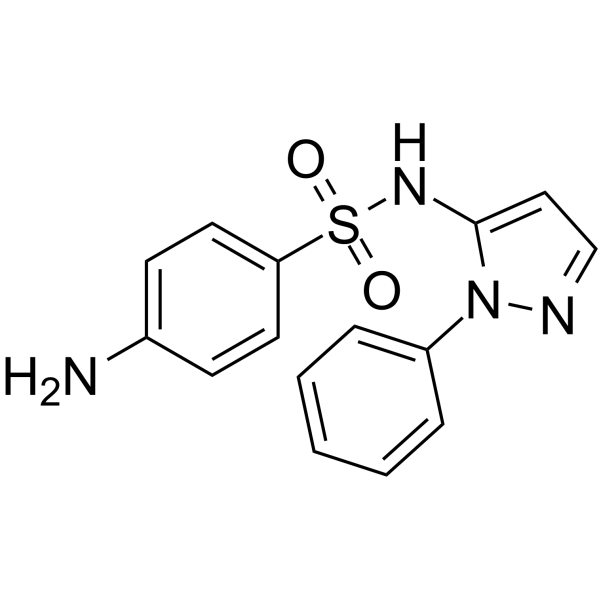
    Apoptosis Cancer
    NS3694, a diarylurea compound, is an apoptosome inhibitor. NS3694 inhibits apoptosome formation and caspase activation .
    NS3694
  • HY-103349
    PETCM
    1 Publications Verification

    Caspase Apoptosis Cancer
    PETCM is an activator of caspase-3 and acts as an cytochrome c (cyto c)-dependent manner. PETCM promotes Apaf-1 oligomerization and induces cell apoptosis in HeLa cells .
    PETCM
  • HY-124542

    Drug Metabolite Apoptosis Cancer
    5-Hydroxydiclofenac is a major metabolite of Diclofenac (HY-15036). 5-Hydroxydiclofenac is formed by the cytochrome P450 (CYP) isoforms CYP3A4, CYP2C189, CYP2C19, and CYP2C8. 5-Hydroxydiclofenac shows apoptotic effects in hepatocytes .
    5-Hydroxydiclofenac
  • HY-17356S

    Isotope-Labeled Compounds PPAR Cytochrome P450 Autophagy Cardiovascular Disease Cancer
    Fenofibrate-d6 is the deuterium labeled Fenofibrate. Fenofibrate is a selective PPARα agonist with an EC50 of 30 μM. Fenofibrate also inhibits human cytochrome P450 isoforms, with IC50s of 0.2, 0.7, 9.7, 4.8 and 142.1 μM for CYP2C19, CYP2B6, CYP2C9, CYP2C8, and CYP3A4, respectively.
    Fenofibrate-d6
  • HY-P3586

    Hunter-killer peptide ao; Prohibitin-targeting peptide 1; prohibitin-TP01; Adipotide

    Apoptosis Cancer
    HKPao (Hunter-killer peptide ao) is a biologically active peptide. HKPao (Hunter-killer peptide ao) has anti-obesity and anti-tumor pro-apoptotic activity to cause release of cytochrome c from vesicles .
    HKPao
  • HY-B1184AR

    (+)-Mephenytoin (Standard)

    Reference Standards Cytochrome P450 Neurological Disease
    (S)-Mephenytoin (Standard) is the analytical standard of (S)-Mephenytoin. This product is intended for research and analytical applications. (S)-Mephenytoin ((+)-Mephenytoin) is an anticonvulsive agent. (S)-Mephenytoin is a substrate of the cytochrome P450 (CYP) isoform CYP2C19. (S)-Mephenytoin can be used for the analysis of cytochrome P450 metabolism .
    (S)-Mephenytoin (Standard)
  • HY-147646

    CDK Apoptosis Cancer
    CDK1/Cyc B-IN-1 (Compound 5) is a selective CDK1/Cyc B complex inhibitor with an IC50 of 97 nM. CDK1/Cyc B-IN-1 triggers apoptosis and G2/M cell cycle arrest. CDK1/Cyc B-IN-1 shows broad-spectrum cytotoxic action against cancer cell lines .
    CDK1/Cyc B-IN-1
  • HY-132178B

    Biochemical Assay Reagents Metabolic Disease
    Cytochrome C oxidase (complex IV) (EC 7.1.1.9) is the unique terminal oxidase of the mitochondrial respiratory chain (RC) in mammals. Cytochrome C oxidase is made up of thirteen subunits that catalyze the transfer of electrons from ferro-cytochrome c to molecular oxygen .
    Cytochrome C oxidase
  • HY-148368

    Bcl-2 Family Apoptosis Cancer
    CYD-4-61 is a novel Bax activator used for breast cancer research. CYD-4-61 inhibits triple-negative breast cancer MDA-MB-231 and ER-positive breast cancer MCF-7 cell lines proliferation. CYD-4-61 activates Bax protein to induce cytochrome c release and regulate apoptotic biomarkers, leading to cancer cell apoptosis .
    CYD-4-61
  • HY-143230

    OGX-011

    Apoptosis Cancer
    Custirsen (OGX-011) is an antisense oligonucleotide that targets clusterin mRNA. Custirsen induces apoptosis by activating Bax, triggering mitochondrial translocation and cytochrome c release. Custirsen acts as a chemosensitizer, radiosensitizer and hormone sensitizer. Custirsen can be used in research related to prostate cancer, non-small cell lung cancer and metastatic breast cancer .
    Custirsen
  • HY-13833

    Parasite Infection
    Endochin is an antimalarial agent. Endochin inhibits T.gondii with an IC50 of 0.003 nM. Endochin is also active against experimental toxoplasmosis .
    Endochin
  • HY-118452

    Microtubule/Tubulin Apoptosis Cancer
    cis-3,4',5-Trimethoxy-3'-hydroxystilbene is a stilbene. cis-3,4',5-Trimethoxy-3'-hydroxystilbene induces cytochrome c release to the cytoplasm. cis-3,4',5-Trimethoxy-3'-hydroxystilbene-induced apoptosis is associated with mitochondrial release of cytochrome c. cis-3,4',5-Trimethoxy-3'-hydroxystilbene also suppresses tubulin polymerization. cis-3,4',5-Trimethoxy-3'-hydroxystilbene can be used for leukemic research .
    cis-3,4',5-Trimethoxy-3'-hydroxystilbene
  • HY-B1351

    Cytochrome P450 Metabolic Disease
    Bilberry Extract is a bilberry extract, and its components include: Anthocyanidins. Bilberry Extract has potential antioxidant activity and can regulate specific metabolic enzymes in the liver, such as cytochrome P450 (CYP) 2C11 and CYP2E1 involved in drug metabolism. .
    Bilberry Extract
  • HY-110073

    Apoptosis Inflammation/Immunology Cancer
    iMAC2 hydrochloride is a potent MAC (mitochondrial apoptosis-induced channel) inhibitor, with an IC50 of 28 nM and a LD50 of 15000 nM. iMAC2 hydrochloride shows anti-apoptotic effect. iMAC2 hydrochloride blocks cytochrome c release .
    iMAC2 hydrochloride
  • HY-W012568

    Reactive Oxygen Species (ROS) Others
    1-Methoxynaphthalene is used as the substrate to investigate the activity of cytochrome c peroxidase (CcP). 1-Methoxynaphthalene also can be used to synthesize prenyl naphthalen-ols .
    1-Methoxynaphthalene
  • HY-N10344

    Cytochrome P450 Quinone Reductase Cancer
    Glucoarabin is a bioactive glucosinolate. In Hepa1c1c7 cells, hydrolyzed Glucoarabin (hGSL 9) upregulates the phase II detoxification enzyme quinone reductase (NQO1), with no effect on cytochrome P450 (CYP) 1A1 activity .
    Glucoarabin
  • HY-B0476S1

    COX Inflammation/Immunology
    Phenacetin- 13C is the 13C labeled Phenacetin . Phenacetin (Acetophenetidin) is a non-opioid analgesic/antipyretic agent. Phenacetin is a selective COX-3 inhibitor. Phenacetin is used as probe of cytochrome P450 enzymes CYP1A2 in human liver microsomes and in rats .
    Phenacetin-13C
  • HY-15550R

    Reference Standards Drug Metabolite Neurological Disease Inflammation/Immunology
    4'-Hydroxy diclofenac (Standard) is the analytical standard of 4'-Hydroxy diclofenac. This product is intended for research and analytical applications. 4'-Hydroxy diclofenac is an orally active metabolite of Diclofenac (HY-15036) by cytochrome P450 2C9 (CYP2C9). 4'-Hydroxy diclofenac has anti-inflammatory and analgesic properties .
    4'-Hydroxy diclofenac (Standard)
  • HY-103272

    Apoptosis Inflammation/Immunology Cancer
    iMAC2 is a potent MAC inhibitor with an IC50 of 28 nM and an LD50 of 15000 nM. iMAC2 shows anti-apoptotic effect. iMAC2 blocks cytochrome c release .
    iMAC2

Inquiry Online

Your information is safe with us. * Required Fields.

Salutation


Country or Region *

Applicant Name *


Organization Name *

Department *


Email Address *


Product Name *

Cat. No.


Requested quantity *

Phone Number *


Remarks

Inquiry Online

Inquiry Information

Product Name:
Cat. No.:
Quantity:
MCE Japan Authorized Agent:

