

Search Result
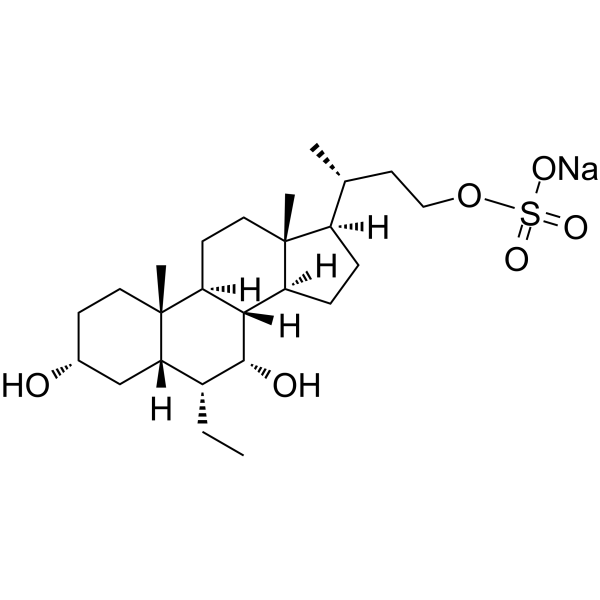
Results for "
Dual agonist
" in MedChemExpress (MCE) Product Catalog:
6
Isotope-Labeled Compounds
| Cat. No. |
Product Name |
Target |
Research Areas |
Chemical Structure |
-
- HY-P0090
-
|
Salmon calcitonin
|
CGRP Receptor
|
Cancer
|
|
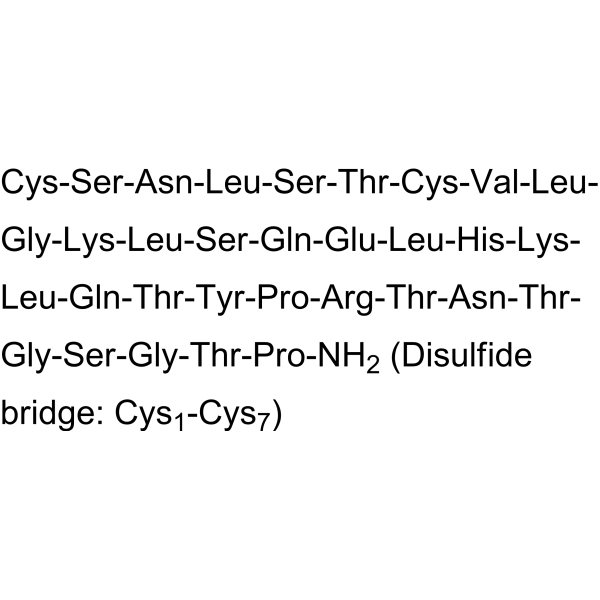
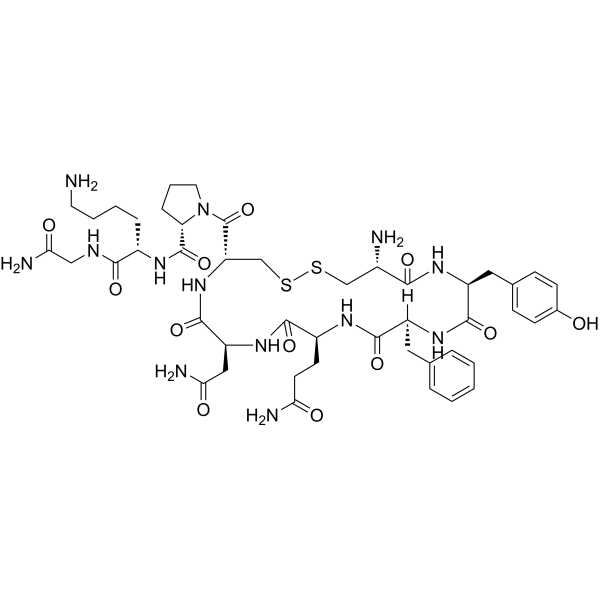
Calcitonin salmon, a calcium regulating hormone, is a dual-action amylin and calcitonin receptor agonist, could stimulate bone formation and inhibit bone resorption.
|
-
-
- HY-10626
-
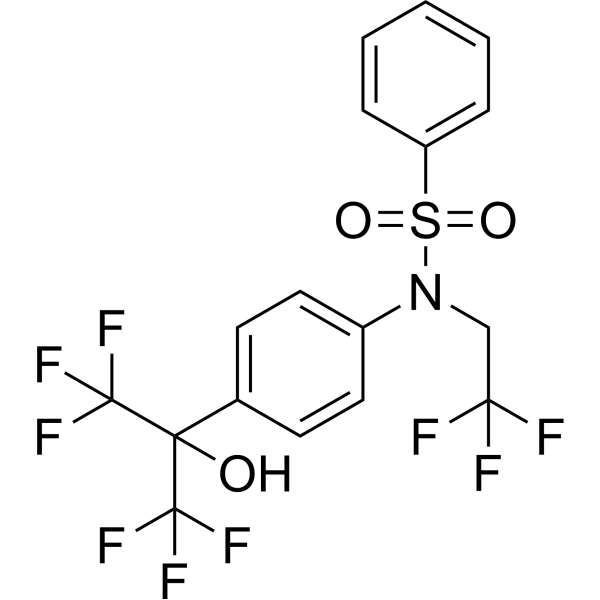
T0901317
Maximum Cited Publications
44 Publications Verification
|
LXR
FXR
ROR
Apoptosis
|
Cardiovascular Disease
Metabolic Disease
Cancer
|
|
T0901317 is an orally active and highly selective LXR agonist with an EC50 of 20 nM for LXRα . T0901317 activates FXR with an EC50 of 5 μM . T0901317 is RORα and RORγ dual inverse agonist with Ki values of 132 nM and 51 nM, respectively . T0901317 induces apoptosis and inhibits the development of atherosclerosis in low-density lipoprotein (LDL) receptor-deficient mice .
|
-
-
- HY-N0163
-
-
-
- HY-P10745
-
|
ZP8396
|
Amylin Receptor
|
Metabolic Disease
|
|
Petrelintide (ZP8396) is a dual amylin and calcitonin receptor agonist (DACRA) Petrelintide elicits a selective reduction in high-fat diet intake in diet-induced obese (DIO) rats, which is accompanied by a loss of fat mass and preservation of lean mass during weight reduction. Petrelintide can be utilized in diabetes research .
|
-
-
- HY-103698A
-
-
-
- HY-106266
-
|
Carfloglitazar
|
PPAR
|
Metabolic Disease
|
|
Chiglitazar (Carfloglitazar) is a PPARα/γ dual agonist, with EC50s of 1.2, 0.08, 1.7 μM for PPARα, PPARγ and PPARδ, respectively.
|
-
-
- HY-145632
-
|
ALT-801
|
GLP Receptor
GCGR
|
Metabolic Disease
|
|
Pemvidutide (ALT-801) is a GLP-1R/GCGR dual agonist, shows striking reductions in body weight, liver fat and serum lipids. Pemvidutide can be used in non-alcoholic steatohepatitis (NASH) and obesity research .
|
-
-
- HY-103698
-
-
-
- HY-P10956
-
|
LY3541105
|
Amylin Receptor
CGRP Receptor
|
Metabolic Disease
|
|
Colulintide (LY3541105) is an amylin-calcitonin dual receptor agonist with Amylin as its scaffold. Colulintide is applicable to research related to type 2 diabetes and obesity .
|
-
-
- HY-19574
-
-
-
- HY-N6869
-
|
|
Antibiotic
PPAR
Bacterial
Fungal
|
Infection
Metabolic Disease
Inflammation/Immunology
Cancer
|
|
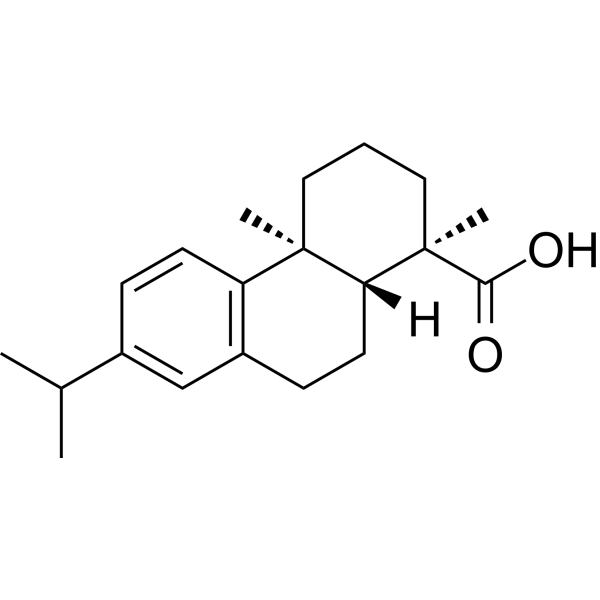
Dehydroabietic acid is a diterpene resin acid that can be isolated from Pinus and Picea. Dehydroabietic acid has anti-bacterial, anti-fungal, anti-inflammatory, and anticancer activities. Dehydroabietic acid is a dual PPAR-α/γ agonist and PPAR-γ partial agonist, which can attenuate insulin resistance (IR) and hepatic steatosis induced by HFD-consumption in mice .
|
-
-
- HY-P10302A
-
|
|
GLP Receptor
|
Metabolic Disease
Inflammation/Immunology
|
|
GLP-1R/GIPR agonist-1 sodium is a dual GLP-1/GIP receptor agonist, with an EC50 of 0.57 nM for GLP-1R and an EC50 of 0.75 nM for GIPR. GLP-1R/GIPR agonist-1 sodium reduces food intake, inhibits weight gain, repairs islet damage, improves glucose tolerance, regulates serum lipid and liver enzyme levels, ameliorates hepatic vacuolization, reduces hepatic fat accumulation, delays the progression of hepatic fibrosis, and exhibits long-lasting hypoglycemic activity. GLP-1R/GIPR agonist-1 sodium can be used in research related to type 2 diabetes, obesity, and non-alcoholic steatohepatitis .
|
-
-
- HY-12434
-
-
-
- HY-P11271
-
-
-
- HY-P10929
-
|
|
Drug Intermediate
|
Others
|
|
Fmoc-Lys(tBuO-Ara-Glu(AEEA-AEEA)-OtBu)-OH is a drug intermediate in the synthesis of Tirzepatide. Tirzepatide is a dual glucose-dependent insulinotropic peptide (GIP) and glucagon-like peptide-1 receptor (GLP-1R) agonist .
|
-
-
- HY-138139A
-
|
T785 hydrochloride
|
Toll-like Receptor (TLR)
|
Inflammation/Immunology
Cancer
|
|
AXC-715 (T785) hydrochloride is a TLR7/TLR8 dual agonist. AXC-715 can be used for synthesis of antibody-adjuvant immunoconjugates, comprising an antibody construct that binds programmed death-ligand 1 (PD-L1) linked to one or more adjuvants .
|
-
-
- HY-153476
-
|
|
GCGR
GLP Receptor
|
Inflammation/Immunology
|
|
GIP/GLP-1 dual receptor agonist-1 is a GIP/GLP-1 dual receptor agonist. GIP/GLP-1 dual receptor agonist-1 is used in the research of metabolic disorders and fatty liver diseases, including non-alcoholic steatohepatitis (NASH) and non-alcoholic fatty liver disease (NAFLD) .
|
-
-
- HY-101273
-
-
-
- HY-P10271
-
|
NNC0090-2746; MAR709; RO6811135
|
GLP Receptor
|
Metabolic Disease
|
|
RG7697 is a dual agonist for glucagon-like peptide receptor (GLP Receptor) and glucosedependent insulinotropic polypeptide receptor (GIPR), with EC50 of 5 and 3 pM, respectively. RG7697 exhibits antihyperglycemic property .
|
-
-
- HY-17445
-
|
BMS-298585
|
PPAR
|
Metabolic Disease
|
|
Muraglitazar is a PPAR α/γ dual agonist for the research of type 2 diabetes and associated dyslipidemia. Muraglitazar shows potent activity in vitro at human PPARα (EC50 = 320 nM) and PPARγ(EC50 = 110 nM) .
|
-
-
- HY-153476A
-
|
|
GLP Receptor
GCGR
|
Inflammation/Immunology
|
|
GIP/GLP-1 dual receptor agonist-1 sodium is a GIP/GLP-1 dual receptor agonist. GIP/GLP-1 dual receptor agonist-1 sodium is used in the research of metabolic disorders and fatty liver diseases, including non-alcoholic steatohepatitis (NASH) and non-alcoholic fatty liver disease (NAFLD) .
|
-
-
- HY-P10377
-
|
|
Neuropeptide FF Receptor
|
Metabolic Disease
|
|
GUB03385 is a long-acting PrRP31 analogue. GUB03385 is a potent dual agonist for GPR10 (full agonist, EC50: 0.4 nM) and NPFF2R (partial agonist, EC50: 20 nM). GUB03385 has anti-obesity effect .
|
-
-
- HY-19383
-
|
PTP 112
|
Phosphatase
IKK
PPAR
|
Metabolic Disease
|
|
Ertiprotafib is an inhibitor of PTP1B, IkB kinase β (IKK-β), and a dual PPARα and PPARβ agonist, with an IC50 of 1.6 μM for PTP1B, 400 nM for IKK-β, an EC50 of ~1 μM for PPARα/PPARβ.
|
-
-
- HY-128865
-
|
|
Opioid Receptor
|
Neurological Disease
|
|
BPR1M97 is a dual-acting mu opioid receptor (MOP) and nociceptin-orphanin FQ peptide (NOP) receptor agonist with Ki values of 1.8 and 4.2 nM, respectively. BPR1M97 shows high potency and blood-brain barrier penetration, and produces potent antinociceptive effects .
|
-
-
- HY-168049
-
|
|
PPAR
Akt
|
Metabolic Disease
|
|
ZLY06 is an orally active dual agonist of peroxisome proliferator-activated receptor (PPAR) δ and γ (PPAR δ: EC50=341 nM; PPAR γ: EC50=237 nM). ZLY06 induces hepatic lipid accumulation by inhibiting the phosphorylation of AKT1, mediating the upregulation of CD36. In addition, ZLY06 significantly improves glucose and lipid metabolism without increasing body weight, and alleviates fatty liver by promoting β-oxidation of fatty acids and inhibiting hepatic lipogenesis .
|
-
-
- HY-W318305
-
-
-
- HY-143239
-
|
|
PPAR
|
Metabolic Disease
|
|
PPARα/γ agonist 1 (compound 5b) is a potent and dual PPARα/γ partial agonist with EC50 values of 28 nM and 69 nM for PPARα and PPARγ, respectively. PPARα/γ agonist 1 is a promising prototype for dyslipidemia and diabetes research .
|
-
-
- HY-128538
-
|
ONO-9054
|
Prostaglandin Receptor
|
Neurological Disease
|
|
Sepetaprost (ONO-9054) is a dual agonist of the prostaglandin E3 receptor and prostaglandin F receptor. Sepetaprost reduces intraocular pressure in animal models. Sepetaprost is applicable for research on ocular hypertension and open-angle glaucoma .
|
-
-
- HY-145632A
-
|
ALT-801 TFA
|
GLP Receptor
GCGR
|
Metabolic Disease
|
|
Pemvidutide (ALT-801) TFA is a GLP-1R/GCGR dual agonist, shows striking reductions in body weight, liver fat and serum lipids. Pemvidutide TFA can be used in non-alcoholic steatohepatitis (NASH) and obesity research .
|
-
-
- HY-137818
-
-
-
- HY-P10591
-
|
Olatorepatidum
|
Insulin Receptor
GLP Receptor
|
Metabolic Disease
|
|
Olatorepatide (Olatorepatidum) is a dual gastric inhibitory polypeptide (GIP) receptor and glucagon like peptide 1 (GLP-1) receptor agonist, with antidiabetic effect .
|
-
-
- HY-P11271A
-
-
-
- HY-145278
-
|
|
RXFP Receptor
|
Neurological Disease
|
|
RXFP3/4 agonist 2 is a potent, nonpeptide dual RXFP3/4 agonist (EC50=3.1 and 2.7 nM). RXFP3/4 agonist 2 also potently promotes interactions between RXFP3 and β-arrestin-2 with EC50 values in the range of 10-22 nM .
|
-
-
- HY-144111
-
|
|
PPAR
|
Inflammation/Immunology
|
|
PPARα/δ agonist 1 is a potent PPARα/PPARδ dual agonist (PPARα EC50=7.0 nM; PPARδ EC50=8.4 nM). PPARα/δ agonist 1 is a high selectivity over PPARγ (PPARγ EC50=1316.1 nM). PPARα/δ agonist 1 has the potential for the research of nonalcoholic steatohepatitis .
|
-
-
- HY-14728
-
|
R1439; RO0728804
|
PPAR
|
Metabolic Disease
|
|
Aleglitazar (R1439) is a potent dual PPARα/γ agonist, with IC50s of 38 nM and 19 nM for human PPARa and PPARγ, respectively. Aleglitazar can be used for the research of type II diabetes .
|
-
-
- HY-161246
-
|
|
5-HT Receptor
|
Neurological Disease
|
|
uPSEM792 is a pharmacologically selective effector molecules (PSEM) agonist for PSAM 4-GlyR, with an affinity of Ki of 0.7 nM. uPSEM792 is a substrate for efflux transporters in brains of wild type and dual P-gp and BCRP knockout mice. uPSEM7952 is a possible lead for developing the PET radioligand for PSAM 4-GlyR .
|
-
-
- HY-138139B
-
|
T785 trihydrochloride
|
Toll-like Receptor (TLR)
|
Inflammation/Immunology
Cancer
|
|
AXC-715 (T785) trihydrochloride is a TLR7/TLR8 dual agonist. AXC-715 trihydrochloride can be used for synthesis of antibody-adjuvant immunoconjugates, comprising an antibody construct that binds programmed death-ligand 1 (PD-L1) linked to one or more adjuvants .
|
-
-
- HY-176837
-
-
-
- HY-144168
-
|
|
STING
|
Inflammation/Immunology
|
|
STING agonist-8 is a potent STING agonist with an EC50 of 27 nM in THP1-Dual KI-hSTING-R232 cells (WO2021239068A1, compound 5-AB) .
|
-
-
- HY-P11269
-
-
-
- HY-120596
-
|
|
PPAR
|
Neurological Disease
|
|
PPARδ/γ agonist 1 sodium is a chemically unique and brain penetrant dual PPAR delta/gamma agonist. PPARδ/γ agonist 1 sodium can be used for the research of Alzheimer’s disease .
|
-
-
- HY-P11233
-
|
|
GLP Receptor
|
Metabolic Disease
|
|
Acmopatide (Compound E-153) is a dual-acting GIP/GLP-1 receptor agonist. Acmopatide is used in anti-diabetic research .
|
-
-
- HY-P11237
-
|
CT-388
|
GCGR
Insulin Receptor
|
Metabolic Disease
|
|
Enicepatide is a dual gastric inhibitory polypeptide (GIP) and glucagon-like peptide 1 (GLP-1) receptor agonist. Enicepatide can be studied in antidiabetic research .
|
-
-
- HY-P3255
-
-
-
- HY-P11270
-
|
BGM0504; BG128
|
Insulin Receptor
GLP Receptor
|
Metabolic Disease
|
|
Relsipatide (BG128) is a dual gastric inhibitory polypeptide (GIP) and glucagon-like peptide 1 (GLP-1) receptor agonist. Enicepatide can be studied in antidiabetic research .
|
-
-
- HY-U00036A
-
|
LY519818
|
PPAR
|
Metabolic Disease
|
|
Naveglitazar (LY519818) is a nonthiozolidinedione peroxisome proliferator-activated receptor (PPAR) α-γ dual, γ-dominant agonist that has shown glucose-lowering potential in animal models .
|
-
-
- HY-19848
-
|
LBM-642
|
PPAR
|
Metabolic Disease
|
|
Cevoglitazar (LBM-642) is an orally active and highly potent PPARα and PPARγ dual agonist. Cevoglitazar can reduce food intake, body weight, and fasting plasma insulin in obese mice and cynomolgus monkeys. Cevoglitazar has the potential for diabetes and obesity-related disorders research .
|
-
-
- HY-144168A
-
|
|
STING
|
Inflammation/Immunology
|
|
STING agonist-8 dihydrochloride (compound 5-AB) is a potent STING agonist with an EC50 of 27 nM in THP1-Dual KI-hSTING-R232 cells .
|
-
-
- HY-14728S
-
|
Aleglitazar-d2; R1439-d2; RO0728804-d2
|
PPAR
|
Others
|
|
Deutaleglitazar (Aleglitazar-d2) is a agonist of dual peroxisome proliferatory activating receptor (PPARα and PPARγ) .
|
-
-
- HY-101649
-
|
TAK-559
|
PPAR
|
Cardiovascular Disease
|
|
Imiglitazar (TAK559) is a potent and dual human PPARα and PPARγ1 agonist with EC50 values of 67 and 31 nM.
|
-
- HY-175516
-
|
|
FXR
PPAR
|
Inflammation/Immunology
|
|
dual FXR/PPARδ agonist-2 is a FXR/PPARδ dual agonist through hybridation of FXR agonist GW-4064 and PPARδ agonist GW-0742.dual FXR/PPARδ agonist-2 displays potent dual-target activities with a FXR agonistic EC50 of 12.28 nM and 69 % PPARδ activation at 100 nM. dual FXR/PPARδ agonist-2 shows anti-fibrotic effects in pulmonary fibrosis mouse model .
|
-
- HY-111775
-
|
|
PPAR
|
Metabolic Disease
|
|
LJ570 is a PPARα/PPARγ dual agonist with EC50s of 1.05 and 0.12 μM, respectively .
|
-
- HY-157955
-
-
- HY-117761
-
|
|
PPAR
|
Metabolic Disease
Cancer
|
|
MHY908 is a potent dual agonist of PPARα and PPARγ . MHY908 also inhibits melanogenesis through inhibition of mushroom tyrosinase activity .
|
-
- HY-106266B
-
|
Carfloglitazar sodium
|
PPAR
|
Metabolic Disease
|
|
Chiglitazar (Carfloglitazar) is a PPARα/γ dual agonist, with EC50s of 1.2, 0.08, 1.7 μM for PPARα, PPARγ and PPARδ, respectively.
|
-
- HY-P0090A
-
|
Salmon calcitonin acetate
|
CGRP Receptor
|
Cancer
|
|
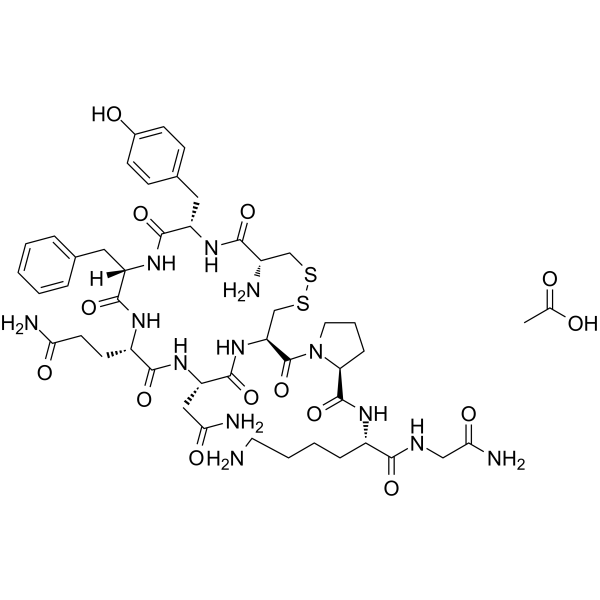
Calcitonin (salmon) (acetate) is a dual-action amylin and calcitonin receptor agonist, can stimulate bone formation and inhibit bone resorption .The acetate form can affect the absorption and efficacy of hormones .
|
-
- HY-159178
-
-
- HY-153543
-
|
|
Toll-like Receptor (TLR)
|
Cancer
|
|
TLR7/8 agonist 8 (compound 24m) is a potent toll-like receptor 7/8 (TLR7/8) dual agonist, with EC50s of 27 and 12 nM for hTLR7 and hTLR8, respectively. TLR7/8 agonist 8 can improve the antitumor activity of PD-1/PD-L1 blockade .
|
-
- HY-148533
-
|
|
mAChR
Adrenergic Receptor
|
Neurological Disease
|
|
β2AR agonist /M-receptor antagonist-1 is a potent dual muscarinic antagonist/beta 2 agonist (MABA). β2AR agonist /M-receptor antagonist-1 potently relaxes either Carbachol?(HY-B1208)-induced contraction, in the absence (MABA) or presence of Propranolol?(HY-B1208), or Histamine(HY-B1204)-induced contraction (β2) .
|
-
- HY-153895
-
|
|
Estrogen Receptor/ERR
|
Endocrinology
|
|
SLU-PP-1072 is a dual ERRα/γ inverse agonist, used in Prostate cancer (PCa) research. SLU-PP-1072 disrupts PCa cell metabolism, and induces apoptosis via dysregulating cell cycle .
|
-
- HY-179002
-
|
|
Estrogen Receptor/ERR
|
Inflammation/Immunology
|
|
(S)-STO021 is a highly selective, orally effective ERβ agonist. (S)-STO021 has a dual activity of inhibiting osteoclast activity and promoting osteoblast activity. (S)-STO021 can be used for research on osteoporosis .
|
-
- HY-N0163R
-
-
- HY-10626R
-
|
|
Reference Standards
LXR
FXR
ROR
Apoptosis
|
Cardiovascular Disease
Metabolic Disease
Cancer
|
|
T0901317 (Standard) is the analytical standard of T0901317. This product is intended for research and analytical applications. T0901317 is an orally active and highly selective LXR agonist with an EC50 of 20 nM for LXRα . T0901317 activates FXR with an EC50 of 5 μM . T0901317 is RORα and RORγ dual inverse agonist with Ki values of 132 nM and 51 nM, respectively . T0901317 induces apoptosis and inhibits the development of atherosclerosis in low-density lipoprotein (LDL) receptor-deficient mice .
|
-
- HY-120886
-
|
|
PPAR
|
Metabolic Disease
|
|
GW 2433 is a dual PPARα and PPARδ agonist. GW 2433 has the potential for the study of type II diabetes and dyslipidemia .
|
-
- HY-173474
-
|
|
Estrogen Receptor/ERR
Androgen Receptor
|
Cancer
|
|
ERβ agonist-1 (Compound 8) is a dual-active selective ERβ agonist (EC50: 46.8 nM) and AR antagonist (IC50: 1555 nM). ERβ agonist-1 activates ERβ signaling by binding to ERβ and inhibits AR activity. ERβ agonist-1 retains selective ERβ agonist activity in mouse models and can be used to study prostate cancer .
|
-
- HY-139175
-
|
|
PPAR
|
Others
|
|
ZLY032 is a dual FFA1/PPARδ agonist with the activity of improving glucose and lipid metabolism, alleviating liver fibrosis, and potentially inhibiting metabolic disorders.
|
-
- HY-173451
-
-
- HY-167950
-
|
|
PPAR
|
Metabolic Disease
|
|
PPARα/γ agonist 5 is a dual PPARα/γ agonist with significant biological activity exhibited at low concentrations. The EC50 of PPARα/γ agonist 5 are 0.358μM and 1.21μM respectively, showing its potential in inhibiting type 2 diabetes and lipid metabolism disorders. PPARα/γ agonist 5 was selected for clinical development due to its high efficacy .
|
-
- HY-P10327
-
|
|
GLP Receptor
|
Metabolic Disease
|
|
PP18 is a novel OXM-based dual GLP-1 and glucagon receptor agonist with EC50 values of 0.487 nM target hGLP-1R and 0.188 nM target hGcgR .
|
-
- HY-U00036
-
|
LY519818 racemate
|
PPAR
|
Metabolic Disease
|
|
Naveglitazar racemate (LY519818 racemate) is the racemate of Naveglitazar. Naveglitazar is a nonthiozolidinedione peroxisome proliferator-activated receptor (PPAR) α-γ dual, γ-dominant agonist that has shown glucose-lowering potential in animal models .
|
-
- HY-172231
-
|
|
Estrogen Receptor/ERR
|
Cardiovascular Disease
Cancer
|
|
Hexolame is an estrogen receptors agonist with dual anticoagulant and estrogenic properties. Hexolame binds to estrogen receptors to induce anticoagulant effects by modulating clotting factors or platelet activity. Hexolame is promising for research of prostatic cancer and prevention of thrombosis .
|
-
- HY-162122
-
|
|
PPAR
|
Inflammation/Immunology
|
|
PPARα/γ agonist 3 (Compound 4) is a dual agonist of PPARα/γ. PPARα/γ agonist 3 has anti-inflammatory activity, significantly reducing inflammatory markers such as IL-6 and MCP-1 on THP-1 macrophages through NF-κB activation. PPARα/γ agonist 3 can be used in the study of metabolic syndrome and metabolic dysfunction-related fatty liver disease (MAFLD) .
|
-
- HY-162578
-
|
|
PPAR
|
Metabolic Disease
|
|
PPARα/γ agonist 4 (Compound (S)-7) is an orally active dual potent agonist of PPARα and PPARγ, with EC50 values of 0.061 μM and 1.42 μM respectively. PPARα/γ agonist 4 acts through an insulin-independent mechanism and exhibits mitochondrial pyruvate carrier inhibition and anti-diabetic properties. PPARα/γ agonist 4 is expected to be used in research for dyslipidemic type 2 diabetes .
|
-
- HY-139172
-
|
|
PPAR
|
Metabolic Disease
|
|
MD001 is a PPARα/γ dual agonist and can increase the transcriptional activity of PPARα and PPARγ. MD001 enhances the expression of genes related to β-oxidation and fatty acid and glucose uptake .
|
-
- HY-118514
-
|
|
PPAR
|
Metabolic Disease
|
|
CAY10514 is an aromatic of 8(S)-HETE. CAY10514 acts as a dual agonist of peroxisome proliferator-activated receptor α (PPARα) and PPARγ with IC50 of 0.173 and 0.642 μM, respectively .
|
-
- HY-155168
-
|
|
Orphan Nuclear Receptor
|
Cancer
|
|
Iso-RJW100 (compound 24-endo) is a dual-liver receptor homologue-1 (LRH-1) and steroidogenic factor-1 (SF-1) agonist with pEC50 of 6.4 and 7.2, respectively .
|
-
- HY-12413A
-
|
|
Free Fatty Acid Receptor
|
Metabolic Disease
|
|
BMS-986118 is a potent, orally active, and selective GPR40 agonist with an EC50 of 0.07 µM. BMS-986118 has dual insulinotropic and GLP-1 secretory effects, resulting in robust plasma glucose lowering effects in acute animal models .
|
-
- HY-151963
-
|
|
PPAR
Glucocorticoid Receptor
|
Metabolic Disease
|
|
PPARγ/GR modulator 1 is an orally active dual agonist of PPARγ and glucocorticoid receptor (GR), with Kis of 3.3 and 33.6 μM, respectively. PPARγ/GR modulator 1 can be used for the research of metabolic diseases, such as diabetes .
|
-
- HY-N6869R
-
|
|
Antibiotic
Reference Standards
PPAR
Bacterial
Fungal
|
Infection
Metabolic Disease
Inflammation/Immunology
Cancer
|
|
Dehydroabietic acid (Standard) is the analytical standard of Dehydroabietic acid. This product is intended for research and analytical applications. Dehydroabietic acid is a diterpene resin acid that can be isolated from Pinus and Picea. Dehydroabietic acid has anti-bacterial, anti-fungal, anti-inflammatory, and anticancer activities. Dehydroabietic acid is a dual PPAR-α/γ agonist and PPAR-γ partial agonist, which can attenuate insulin resistance (IR) and hepatic steatosis induced by HFD-consumption in mice .
|
-
- HY-106056
-
|
D 16726
|
Estrogen Receptor/ERR
|
Cancer
|
|
Zindoxifene is a partial anti-estrogen. Zindoxifene works primarily by binding to estrogen receptors, thereby inhibiting the growth of estrogen-dependent tumor cells. Zindoxifene is able to exhibit the dual properties of estrogen agonists and antagonists and can be used in research and development to target estrogen-dependent tumors, such as prostate and breast cancer .
|
-
- HY-P11259
-
|
|
Urotensin Receptor
|
Cardiovascular Disease
Metabolic Disease
Inflammation/Immunology
Cancer
|
UPG-111 is a peptide compound that acts as a negative allosteric modulator of the Urotensin II receptor (UTR). UPG-111 exhibits a dual inhibitory effect on the vasoconstriction induced by UTR agonists - it reduces both the maximum response intensity and the sensitivity of the agonist. UPG-111 does not induce calcium release or cause contraction of the endothelium-deprived rat aortic rings. UPG-111 can be used for the study of various diseases related to the angiotensinergic system .
|
-
- HY-W759997
-
-
- HY-134189
-
|
|
Opioid Receptor
Sigma Receptor
|
Neurological Disease
|
|
EST73502 is a selective, orally active and blood-brain barrier (BBB) penetrant dual μ-opioid receptor (MOR) agonist and σ1 receptor (σ1R) antagonist, with Kis of 64 nM and 118 nM for MOR and σ1R, respectively. EST73502 has antinociceptive activity .
|
-
- HY-146333
-
|
|
Protease Activated Receptor (PAR)
|
Cardiovascular Disease
|
|
TRAP-6-IN-1 (Compound 8) is a dual collagen and TRAP-6 inhibitor with IC50 values of 17.12 µM and 11.88 µM against collagen and TRAP-6, respectively. TRAP-6-IN-1 inhibits agonist-induced platelet aggregation in a non-competitive manner .
|
-
- HY-179681
-
|
|
Adenosine Receptor
|
Inflammation/Immunology
|
|
A2A/A3 agonist-1 is a dual A2A/A3 adenosine receptor agonist. A2A/A3 agonist-1 has a Ki value of 2.9 nM and an EC50 of 0.51 nM for hA2AAR. A2A/A3 agonist-1 has a Ki of 0.8 nM and an EC50 < 0.10 nM for hA3AR. A2A/A3 agonist-1 possesses anti-inflammatory activity and can be used for the research of inflammatory diseases .
|
-
- HY-180185
-
|
|
5-HT Receptor
|
Neurological Disease
Metabolic Disease
|
|
5-HT2A&5-HT2C agonist-2 (Compound 3ci) is a highly selective dual 5-HT2A/5-HT2C agonist that can cross the blood-brain barrier and has an EC50 < 1 μM. 5-HT2A&5-HT2C agonist-2 has high selectivity for 5-HT2B related to the risk of heart valve disease. 5-HT2A&5-HT2C agonist-2 can induce head convulsive responses, but has a relatively low hallucinogenic potential. 5-HT2A&5-HT2C agonist-2 can be used in the research of diseases such as depression and obesity .
|
-
- HY-P992012
-
|
|
Opioid Receptor
|
Neurological Disease
Cancer
|
|
CA1001 is a small-molecule ZNF74 inhibitor and a peripherally restricted κ/δ dual opioid receptor agonist. CA1001 exhibits potent antitumor activity both in vitro and in vivo. CA1001, in combination with immune checkpoint inhibitors, significantly enhances tumor regression. CA1001 activates peripherally restricted κ/δ dual opioid receptors and exerts analgesic effects under conditions of inflammatory pain, neuropathic pain, and mechanical hyperalgesia. CA1001 can be used in research related to melanoma, mechanical hyperalgesia, neuropathic pain, and inflammatory arthritis pain.
|
-
- HY-P11665
-
-
- HY-180576
-
|
|
Nuclear Hormone Receptor 4A/NR4A
RAR/RXR
|
Neurological Disease
|
|
Nurr1/RXR dual agonist 1 is a dual activator of Nurr1 (EC50 = 2.6 µM) and RXR with K s of 0.6 and 1.1 µM, respectively. Nurr1/RXR dual agonist 1 exclusively activates the heterodimer response element DR5 by selectively destabilizing the Nurr1 homodimer and stabilizing the Nurr1:RXR heterodimer. Nurr1/RXR dual agonist 1 enhances expression of a specific subset of neuroprotective Nurr1 target genes while avoiding induction of genes associated with potential off-target effects in neuronal cells. Nurr1/RXR dual agonist 1 can be used for neurodegenerative diseases research .
|
-
- HY-103698R
-
-
- HY-103698AR
-
|
|
Reference Standards
Toll-like Receptor (TLR)
|
Inflammation/Immunology
|
|
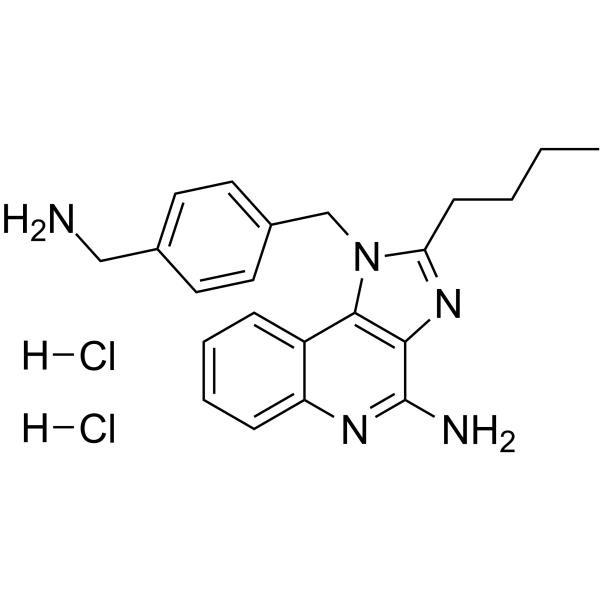
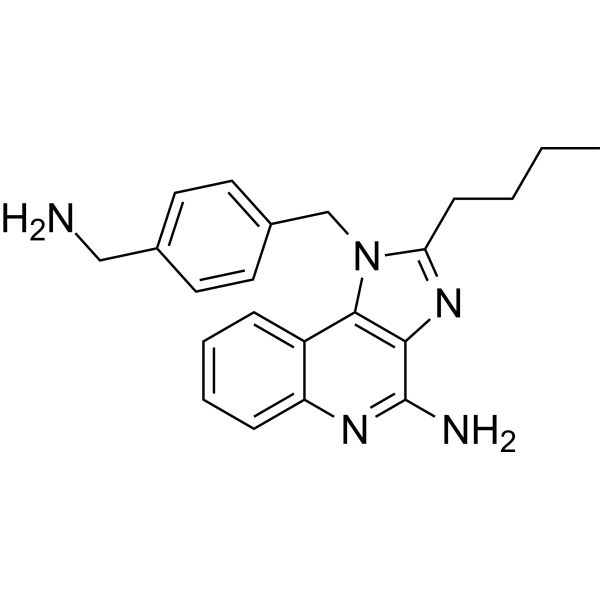
TLR7/8 agonist 1 dihydrochloride (Standard) is the analytical standard of TLR7/8 agonist 1 dihydrochloride (HY-103698A). This product is intended for research and analytical applications. TLR7/8 agonist 1 dihydrochloride is a toll-like receptor TLR7/TLR8 dual-agonistic imidazoquinoline .
|
-
- HY-P11666
-
|
LY-3537031
|
GLP Receptor
|
Metabolic Disease
|
|
Brenipatide (LY-3537031) is a dual glucagon-like peptide-1 (GLP-1) and gastric inhibitory polypeptide (GIP) receptor agonist. Brenipatide can be used for the study of metabolic disorders, obesity and diabetes .
|
-
- HY-183318
-
|
|
PPAR
|
Metabolic Disease
|
|
PPARα/δ agonist 4 is a potent orally active and selective dual peroxisome proliferator-activated receptor (PPAR) α/δ agonist with EC50s of 0.36 and 1.31 nM, respectively. PPARα/δ agonist 4 exhibits >123-fold selectivity over PPARγ (EC50 = 160.84 nM). PPARα/δ agonist 4 upregulates expression of downstream fatty acid oxidation genes PDK4, CPT1A, and ACADVL. PPARα/δ agonist 4 can be used for the research of metabolic dysfunction-associated steatohepatitis .
|
-
- HY-P11672
-
|
HDM1005
|
GLP Receptor
|
Metabolic Disease
|
|
Poterepatide (HDM1005) is a long-acting GLP-1R/GIPR peptide dual agonist. Poterepatide exhibits potent activity on both GLP-1 and GIP receptors. Poterepatide can be used for the study of obesity and type 2 diabetes .
|
-
- HY-131196
-
|
|
mAChR
|
Neurological Disease
|
|
M3 mAChR agonist 1 is an M3-preferring M3/M5 mAChR dual positive allosteric modulators (PAM). M3 mAChR agonist 1 shows excellent subtype selectivity over other subtypes of mAChRs including M1, M2, and M4 mAChRs. M3 mAChR agonist 1 increases the contraction of isolated rat bladder strips by modulating the M3 muscarinic acetylcholine receptor, leading to enhanced signaling pathways. M3 mAChR agonist 1 can be used for the research of endocrinology .
|
-
- HY-179519
-
|
|
GABA Receptor
Reactive Oxygen Species (ROS)
|
Neurological Disease
|
|
Umbelopsisin A is a GABAA and GABAB non-selective agonist. Umbelopsisin A activates the GABAergic pathway, including notch signaling and fatty acid metabolism. Umbelopsisin A shows dual neuroprotection against glutamate excitotoxicity in vitro (reducing ROS and cell death) and in vivo. Umbelopsisin A can be used for the study of glaucoma and broader neurodegenerative disease applications .
|
-
- HY-106266R
-
|
Carfloglitazar (Standard)
|
Reference Standards
PPAR
|
Metabolic Disease
|
|
Chiglitazar (Standard) is the analytical standard of Chiglitazar (HY-106266). This product is intended for research and analytical applications. Chiglitazar (Carfloglitazar) is a PPARα/γ dual agonist, with EC50s of 1.2, 0.08, 1.7 μM for PPARα, PPARγ and PPARδ, respectively.
|
-
- HY-19029
-
|
|
5-HT Receptor
Dopamine Receptor
|
Neurological Disease
|
|
SDZ 208-912 is a dual-action 5-HT1A/2 receptor agonist and dopamine D1 receptor antagonist. SDZ 208-912 exhibits partial dopamine agonism and atypical neurosedative effects in rodent models. SDZ 208-912 can be used in research on neurological disorders such as schizophrenia .
|
-
- HY-P11586
-
|
|
Amylin Receptor
|
Metabolic Disease
|
|
San45 is a nonselective dual amylin and calcitonin receptor agonist (DACRA) with nonselective potency relative to calcitonin receptor (CTR) and amylin 1 receptor (AMY₁R), and acts as a stabilizer of receptor-ligand complex and prolonged activator of cAMP signaling. San45 carries a conjugated lipid modification that can be used for the research of obesity .
|
-
- HY-P11843
-
|
|
Amylin Receptor
CGRP Receptor
|
Metabolic Disease
|
|
TPM004 is an ultralong-acting, nonaggregating dual amylin (AMY3R) and calcitonin receptor (CTR) agonist with EC50 values of 0.5 and 0.7 pM. TPM004 induces weight loss, attenuates adiposity rebound, lowers glucose, and improves glucose homeostasis. TPM004 can be used for the research of obesity, diabetes .
|
-
- HY-P10745A
-
|
ZP8396 acetate
|
Amylin Receptor
|
Metabolic Disease
|
|
Perelintide (ZP8396) acetate is a dual amylin and calcitonin receptor agonist (DACRA). Perelintide acetate elicits a selective reduction in high-fat diet intake in diet-induced obese (DIO) rats, which is accompanied by a loss of fat mass and preservation of lean mass during weight reduction. Perelintide acetate can be utilized in diabetes research .
|
-
- HY-164278
-
|
|
STING
Cathepsin
|
Cancer
|
|
diABZI-V/C-Mal is a STING agonist (with a STING EC50 of 314 nM in TH1 dual reporter cells) and a Cathepsin B substrate. diABZI-V/C-Mal activates STING, thereby triggering the IRF3 signaling pathway. diABZI-V/C-Mal is cleaved by Cathepsin B to regenerate diABZI-NH2 .
|
-
- HY-134189A
-
|
|
Sigma Receptor
Opioid Receptor
|
Neurological Disease
|
|
EST73502 monohydrochloride is a selective, orally active and blood-brain barrier (BBB) penetrant dual μ-opioid receptor (MOR) agonist and σ1 receptor (σ1R) antagonist, with Kis of 64 nM and 118 nM for MOR and σ1R, respectively. EST73502 monohydrochloride has antinociceptive activity .
|
-
- HY-P11587
-
|
|
Amylin Receptor
CGRP Receptor
|
Metabolic Disease
|
|
BGM1812 is a dual agonist of amylin (hAMY3R) (EC50 = 0.627 nM) and CGRP Receptor (hCTR) (EC50 = 2.27 nM). BGM1812 achieves weight loss, increases the proportion of lean body mass, and reduces fat mass in diet-induced obese (DIO) rats. BGM1812 is applicable to research related to obesity .
|
-
- HY-169001
-
|
|
5-HT Receptor
|
Neurological Disease
|
|
5-HT2A/5-HT2C inverse agonist 1 is a potent and dual 5-HT2A and 5-HT2C receptor inverse agonist with a hERG inhibitions, thus avoiding cardiovascular risks. 5-HT2A/5-HT2C inverse agonist 1 shows significant antipsychotic efficacy in the MK-801 (HY-15084B)-induced mouse model. 5-HT2A/5-HT2C inverse agonist 1 is promising for research of psychosis .
|
-
- HY-120802
-
|
AZD-8871; LAS191351
|
mAChR
Adrenergic Receptor
|
Inflammation/Immunology
|
|
Navafenterol (AZD-8871) is an inhaled dual-acting, potent, selective, and long-lasting M3-antagonist/β2-agonist (MABA) with long-lasting effects and favorable safety profile. The pIC50 is 9.5 for human M3 receptor, and the pEC50 is 9.5 for β2-adrenoceptor. Navafenterol can be used for the research of chronic obstructive pulmonary disease (COPD). Bronchoprotective and antisialagogue effects. Favorable cardiovascular profile .
|
-
- HY-139230
-
|
|
Cannabinoid Receptor
PPAR
|
Metabolic Disease
|
|
OLHHA is a dual CB1 receptor antagonist and PPARα agonist. OLHHA also is a alcohol intake inhibitor with an EC50 value of 0.2 mg/kg. OLHHA reduces both hepatic lipid accumulation and circulating triglyceride levels. OLHHA shows anti-steatotic activity and has the potential for the research of non-alcoholic fatty liver disease (NAFLD) .
|
-
- HY-128872
-
|
EHP-101; VCE-004.8
|
PPAR
Cannabinoid Receptor
HIF/HIF Prolyl-Hydroxylase
|
Metabolic Disease
Inflammation/Immunology
|
|
Etrinabdione (EHP-101; VCE-004.8) is an orally active, specific PPARγ and CB2 receptor dual agonist. Etrinabdione inhibits prolyl-hydroxylases (PHDs) and activates the HIF pathway. Etrinabdione, a semi-synthetic multitarget cannabinoquinoid, has potent anti-inflammatory activity. Etrinabdione attenuates adipogenesis and prevents diet-induced obesity .
|
-
- HY-121798
-
|
|
PPAR
|
Metabolic Disease
|
|
TZD18 is a potent and orally active PPARα and PPARγ dual agonist with IC50 values of 0.028, 0.057, >10 µM for PPARα, PPARγ, PPARδ, respectively. TZD18 reduces plasma levels of both glucose and triglycerides in diabetic mice. TZD18 has the potential for the research of type 2 diabetes .
|
-
- HY-14803
-
|
BMS-214778; VEC-162
|
Melatonin Receptor
|
Neurological Disease
Endocrinology
|
|
Tasimelteon (BMS-214778) is an orally active and selective dual melatonin receptor agonist (DMRA). Tasimelteon has 2.1-4.4 times greater affinity for the MT2 receptor than for the MT1 receptor. Tasimelteon is a circadian regulator and has the potential for Non-24-Hour Sleep-Wake Disorder (Non-24) .
|
-
- HY-124270
-
|
AR-C68397AA
|
Dopamine Receptor
Adrenergic Receptor
|
Inflammation/Immunology
|
|
Sibenadet hydrochloride (AR-C68397AA) is a dual D2 dopamine receptor, beta2-adrenoceptor agonist with bronchodilator activity. Investigation in animal models of key chronic obstructive pulmonary disease (COPD) symptoms has demonstrated that Sibenadet hydrochloride effectively inhibits sensory nerve activity, thereby reducing reflex cough, mucus production and tachypnoea.
|
-
- HY-P3291
-
|
ZP7570
|
GCGR
|
Metabolic Disease
|
|
Dapiglutide (ZP7570) is a long-acting glucagon-like peptide-1 receptor 1R (GLP-1R)/Glucagon-like peptide-2 receptor (GLP-2R) dual agonist. Dapiglutide alleviates intestinal dysfunction in a mouse short bowel model and has anti-obesity effects .
|
-
- HY-179591
-
|
326E
|
ATP Citrate Lyase
PPAR
|
Metabolic Disease
|
|
BGT-002 (326E) is an orally active dual ACLY inhibitor and PPARα agonist. BGT-002 reduces lipogenesis by inhibiting synthesis and promoting efflux. BGT-002 demonstrates efficacy in ameliorating metabolic dysfunction-associated steatohepatitis (MASH) and improving hyperlipidemia in vivo. BGT-002 can be used for hypercholesterolemia and MASH research .
|
-
- HY-128932
-
|
MT-141
|
Antibiotic
Bacterial
PPAR
Prostaglandin Receptor
PTEN
Akt
mTOR
|
Infection
Cardiovascular Disease
Endocrinology
|
|
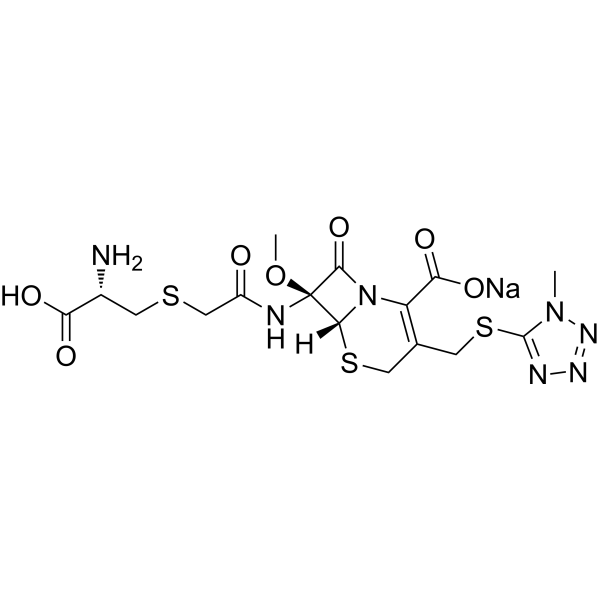
Cefminox sodium (MT-141) is a semisynthetic cephamycin, which exhibits antibacterial activity. Cefminox sodium is a broad-spectrum, bactericidal cephalosporin antibiotic. Cefminox sodium also acts as a dual agonist of prostacyclin receptor (IP) and PPARγ. Cefminox sodium upregulates cAMP production and PTEN expression and inhibits Akt/mTOR signaling. Cefminox sodium also prevents pulmonary arterial hypertension in rat model .
|
-
- HY-P10341
-
|
|
GCGR
|
Metabolic Disease
|
|
ZP3022 is a dual agonist of glucagon-like peptide-1 (GLP-1) and gastrin that has the ability to sustainably improve glycemic control. Additionally, ZP3022 can effectively increase β-cell mass, promote β-cell proliferation, and enhance the function of pancreatic islets. ZP3022 can be used in anti-diabetic research .
|
-
- HY-P10337
-
|
|
GCGR
GLP Receptor
|
Metabolic Disease
Endocrinology
|
|
OXM-7 is a dual agonist of GLP-1R (EC50=0.024 nM) and GCGR (EC50=0.082 nM). OXM-7 can enhance glucose-stimulated insulin secretion and hepatic glucose output. OXM-7 lowers blood glucose levels. OXM-7 improves lipid metabolism .
|
-
- HY-177300
-
|
|
Toll-like Receptor (TLR)
HBV
IFNAR
Interleukin Related
|
Infection
Inflammation/Immunology
|
|
TLR7/8 agonist 13 is an orally active dual agonist of TLR7 (lowest effective concentrations (LEC) [hTLR7] = 1.6 μM) and TLR8 (LEC [hTLR8] = 1.6 μM). TLR7/8 agonist 13 exhibits agonistic activity against human peripheral blood mononuclear cells (hPBMCs) (LEC [hPBMC] = 0.5 μM). TLR7/8 agonist 13 induces endogenous IFNα, activating myeloid dendritic cells and monocytes toward a TH1 phenotype in mice and cynomolgus monkeys. TLR7/8 agonist 13 reduces viral load and HBV surface antigen expression in a mouse model of chronic AAV-HBV infection. TLR7/8 agonist 13 has the potential to indirectly induce IFNγ, which may promote HBV antigen-specific CD8 T cell-mediated responses. TLR7/8 agonist 13 can be used to study hepatitis B virus .
|
-
- HY-120802A
-
|
AZD-8871 saccharinate; LAS191351 saccharinate
|
mAChR
Adrenergic Receptor
|
Infection
Inflammation/Immunology
|
|
Navafenterol (AZD-8871) saccharinate is an inhaled dual-acting, potent, selective, and long-lasting M3-antagonist/β2-agonist (MABA) with long-lasting effects and favorable safety profile. The pIC50 is 9.5 for human M3 receptor, and the pEC50 is 9.5 for β2-adrenoceptor. Navafenterol saccharinate can be used for the research of chronic obstructive pulmonary disease (COPD). Bronchoprotective and antisialagogue effects. Favorable cardiovascular profile .
|
-
- HY-P11610
-
|
|
Amylin Receptor
CGRP Receptor
|
Metabolic Disease
|
|
KBP-089 is a dual Amylin and Calcitonin Receptor agonist. KBP-089 reduces body weight, decreases adipose tissue mass and improves glucose tolerance in obese rats. KBP-089 also eliminates lipid accumulation in the liver and muscle, and ameliorates glycemic homeostasis and insulin sensitivity. KBP-089 is applicable to the research of diseases such as obesity and type 2 diabetes .
|
-
- HY-P2231
-
|
MEDI0382
|
GCGR
|
Metabolic Disease
|
|
Cotadutide (MEDI0382) is a potent dual agonist of glucagon-like peptide-1 (GLP-1) and GCGR with EC50 values of 6.9 pM and 10.2 pM, respectively. Cotadutide exhibits ability to facilitate both weight loss and glycaemic control, and alleviate fibrosis. Cotadutide can be used in the research of obesity and type 2 diabetes (T2D) .
|
-
- HY-P2231A
-
|
MEDI0382 acetate
|
GCGR
|
Metabolic Disease
|
|
Cotadutide (MEDI0382) acetate is a potent dual agonist of glucagon-like peptide-1 (GLP-1) and GCGR with EC50 values of 6.9 pM and 10.2 pM, respectively. Cotadutide acetate exhibits ability to facilitate both weight loss and glycaemic control, and alleviate fibrosis. Cotadutide acetate can be used in the research of obesity and type 2 diabetes (T2D) .
|
-
- HY-P0090S
-
|
Salmon calcitonin-13C6,15N4 TFA
|
CGRP Receptor
|
Metabolic Disease
|
|
Calcitonin- 13C6, 15N4 (salmon) (Salmon calcitonin- 13C6, 15N4) TFA is 13C and 15N-labeled Calcitonin (salmon) (HY-P0090). Calcitonin (salmon) , a calcium regulating hormone, is a dual-action amylin and calcitonin receptor agonist, could stimulate bone formation and inhibit bone resorption .
|
-
- HY-131288
-
|
|
mGluR
|
Neurological Disease
|
|
LY2934747 is a selective and blood-brain barrier-permeable dual mGlu2/mGlu3 receptor agonist, with Ki values of 260 nM and 177 nM, and EC50 values of 8.4 nM and 62.4 nM against human receptors, respectively. LY2934747 exhibits antipsychotic and analgesic activities in in vivo animal models. LY2934747 can be used in studies related to psychosis and pain .
|
-
- HY-169467
-
|
|
5-HT Receptor
Dopamine Receptor
|
Neurological Disease
|
|
5-Chloro-α-methyltryptamine (Compound 7b) is a potent and selective dual DA/5-HT releaser and 5-HT2a agonist. 5-Chloro-α-methyltryptamine releases DA and 5-HT with the EC50 values of 54.3 nM and 16.2 nM, respectively. 5-Chloro-α-methyltryptamine can be used in the study of neurotransmitter .
|
-
- HY-P10018
-
|
SAR425899
|
GLP Receptor
GCGR
|
Metabolic Disease
|
|
Bamadutide (SAR425899) is a potent dual glucagon-like peptide-1 receptor/glucagon receptor (GLP-1R/GCGR) agonist. Bamadutide improves post-meal blood glucose control by significantly enhancing β-cell function and slowing down the rate of glucose absorption in the body. Bamadutide can be used for the research of metabolic diseases such as type 2 diabetes .
|
-
- HY-14803S
-
|
BMS-214778-d5; VEC-162-d5
|
Isotope-Labeled Compounds
Melatonin Receptor
|
Neurological Disease
Endocrinology
|
|
Tasimelteon-d5 is the deuterium labeled Tasimelteon. Tasimelteon (BMS-214778) is an orally active and selective dual melatonin receptor agonist (DMRA). Tasimelteon has 2.1-4.4 times greater affinity for the MT2 receptor than for the MT1 receptor. Tasimelteon is a circadian regulator and has the potential for Non-24-Hour Sleep-Wake Disorder (Non-24) .
|
-
- HY-123008
-
|
|
Adrenergic Receptor
Phosphodiesterase (PDE)
|
Others
|
|
Reproterol hydrochloride is a dual-acting beta2-adrenoceptor agonist and phosphodiesterase inhibitor. Reproterol hydrochloride is more potent than albuterol and feterol in stimulating cAMP production in human monocytes, demonstrating its potential in enhancing airway function. Furthermore, Reproterol significantly inhibited the production of LTB4, indicating its anti-inflammatory properties. Reproterol hydrochloride may have inhibitory effects in respiratory diseases such as asthma and COPD .
|
-
- HY-179684
-
|
|
CGRP Receptor
5-HT Receptor
ERK
Epigenetic Reader Domain
|
Neurological Disease
|
|
PCC0105005 is a dual-target CGRP Receptor antagonist (IC50 = 1.01 nM) and a partial agonist of 5-HT1F Receptor (EC50 = 77.91 nM). PCC0105005 shows significant efficacy in the rat model of migraine. PCC0105005 significantly reduces the expression of CGRP and c-Fos proteins, and inhibits the phosphorylation levels of ERK and CREB. PCC0105005 can be used for research on migraine .
|
-
- HY-176287
-
|
|
Dopamine Receptor
GSK-3
PKA
P-glycoprotein
|
Neurological Disease
|
|
ARN25657 is a dual-acting D3R/GSK-3β modulator. ARN25657 has both partial D3R agonist activity (EC50 = 15.2 nM, Ki =1.5 nM) and potent GSK-3β inhibitor activity (IC50 = 19.3 nM). ARN25657 exhibits excellent GSK-3β selectivity over FYN, PKA, and CDK5/p35. ARN25657 inhibits P-glycoprotein (P-gP)-mediated acetoxymethyl calcein efflux and improves in vitro ADME properties while maintaining a balanced dual-target profile. ARN25657 is useful for studying bipolar disorder and related neuropsychiatric disorders .
|
-
- HY-P11584
-
|
|
Amylin Receptor
CGRP Receptor
|
Metabolic Disease
|
|
KBP-066A is a long-acting dual amylin and calcitonin receptor agonist. KBP-066A can activate the CTR and AMY-R potently, with no off-target activity. KBP-066A reduces fasting blood glucose levels, fasting insulin levels, and body weight in diabetic rat models. KBP-066A can be used for the research of type 2 diabetes mellitus, obesity .
|
-
- HY-17444
-
|
|
PPAR
|
Metabolic Disease
Cancer
|
|
Tesaglitazar is a dual-target PPARα/γ agonist with an EC50 of 13.4 μM for rat PPARα and 3.6 μM for human PPARα. Tesaglitazar affects lipid and glucose metabolism by activating PPARα and PPARγ receptors, and has the potential to improve blood sugar and relieve pain. Tesaglitazar can be used to induce in vivo tumor models and can be used in the study of type 2 diabetes, dyslipidemia, and neuropathic pain .
|
-
- HY-P4146
-
|
BI 456906
|
GLP Receptor
GCGR
|
Metabolic Disease
|
|
Survodutide (BI 456906) is a potent, selective glucagon receptor/GLP-1 receptor (GCGR/GLP-1R) dual agonist with EC50s of 0.52 nM and 0.33 nM in CHO-K1 cells, respectively. Survodutide, a 29-amino-acid peptide, is a potent acylated peptide containing a C18 fatty acid. Survodutide has robust anti-obesity efficacy achieved by increasing energy expenditure and decreasing food intake .
|
-
- HY-P10965
-
|
ZT002
|
GLP Receptor
|
Metabolic Disease
|
|
Zovaglutide (ZT002) is a long-acting, selective GLP-1 receptor agonist. Zovaglutide enhances albumin binding capacity via dual fatty acid chain modification. Zovaglutide exerts metabolic effects through central and peripheral GLP-1 pathways, thereby promoting satiety, reducing caloric intake and enhancing glucose-dependent insulin secretion, with no activity against GIP or glucagon receptors. Zovaglutide can be used in research on type 2 diabetes or obesity .
|
-
- HY-128932R
-
|
MT-141 (Standard)
|
Reference Standards
Antibiotic
Bacterial
PPAR
Prostaglandin Receptor
PTEN
Akt
mTOR
|
Infection
Cardiovascular Disease
Endocrinology
|
|
Cefminox (sodium) (MT-141) (Standard) is the analytical standard of Cefminox (sodium). This product is intended for research and analytical applications. Cefminox sodium is a semisynthetic cephamycin, which exhibits antibacterial activity. Cefminox sodium is a broad-spectrum, bactericidal cephalosporin antibiotic. Cefminox sodium also acts as a dual agonist of prostacyclin receptor (IP) and PPARγ. Cefminox sodium upregulates cAMP production and PTEN expression and inhibits Akt/mTOR signaling. Cefminox sodium also prevents pulmonary arterial hypertension in rat model .
|
-
- HY-P4146B
-
|
BI 456906 sodium
|
GLP Receptor
GCGR
|
Metabolic Disease
|
|
Survodutide (BI 456906) sodium is a potent, selective glucagon receptor/GLP-1 receptor (GCGR/GLP-1R) dual agonist with EC50s of 0.52 nM and 0.33 nM in CHO-K1 cells, respectively. Survodutide sodium, a 29-amino-acid peptide, is a potent acylated peptide containing a C18 fatty acid. Survodutide sodium has robust anti-obesity efficacy achieved by increasing energy expenditure and decreasing food intake .
|
-
- HY-14803R
-
|
BMS-214778 (Standard); VEC-162 (Standard)
|
Reference Standards
Melatonin Receptor
|
Neurological Disease
Endocrinology
|
|
Tasimelteon (Standard) is the analytical standard of Tasimelteon. This product is intended for research and analytical applications. Tasimelteon (BMS-214778) is an orally active and selective dual melatonin receptor agonist (DMRA). Tasimelteon has 2.1-4.4 times greater affinity for the MT2 receptor than for the MT1 receptor. Tasimelteon is a circadian regulator and has the potential for Non-24-Hour Sleep-Wake Disorder (Non-24) .
|
-
- HY-P11629
-
|
|
Amylin Receptor
CGRP Receptor
|
Neurological Disease
Metabolic Disease
Inflammation/Immunology
|
|
KBP-336 is a dual amylin and calcitonin receptor agonist (DACRA). KBP-336 exhibits antidiabetic and insulin-sensitizing properties, improves glucose levels, spatial learning, and memory in diabetic rats, and reduces blood glucose. KBP-336 also alleviates pain-like symptoms in osteoarthritis rats. KBP-336 also promotes weight and fat reduction. KBP-336 is useful for research on diabetes, obesity, and arthritis .
|
-
- HY-143712
-
|
|
Drug Metabolite
G protein-coupled Bile Acid Receptor 1
ROR
|
Metabolic Disease
Inflammation/Immunology
Cancer
|
|
Allolithocholic acid is an orally active metabolite of Lithocholic acid (HY-B0172). Allolithocholic acid is a dual GPBAR1 agonist (EC50 = 2.7 μM) and RORγt inverse agonist (IC50 = 3.4 μM). Allolithocholic acid modulates immune and metabolic pathways, regulates immune cell polarization, prevents M1 macrophage and Th17 CD4 cell polarization. Allolithocholic acid improves insulin sensitivity, reduces liver lipid accumulation, reverses liver immunological, inflammatory and metabolic signaling dysregulation, restores bile acid homeostasis, adipose tissue histopathology/function, and intestinal microbiota composition, modulates intestinal immunity. Allolithocholic acid can be used for the researches of cancer, inflammayion, immunology and metabolic disease .
|
-
- HY-123148
-
|
|
LXR
|
Inflammation/Immunology
|
|
IMB-808 is a potent LXRα/β dual agonist with EC50 values of 0.53 μM and 0.15 μM (0.15 μM, using GAL4-pGL4-luc reporter plasmid) for LXRβ and LXRα, respectively. IMB-808 promotes expression of genes related to reverse cholesterol transport (ABCA1 and ABCG1). IMB-808 can be used for the study of atherosclerosis research .
|
-
- HY-182580
-
|
|
GPR119
Dipeptidyl Peptidase
|
Metabolic Disease
Inflammation/Immunology
|
|
HBK001 is an orally active and selective dual GPR119 agonist and DPP-IV inhibitor. HBK001 triggers cAMP production, PKA activation, CREB phosphorylation, glucose-stimulated insulin secretion, plasma incretin elevation, β-cell proliferation, and β-cell function gene up-regulation. HBK001 reduces blood glucose, ameliorates hyperglycemia, improves glucose tolerance, and enhances islet morphology. HBK001 can be used for the research of type 2 diabetes mellitus .
|
-
- HY-163065
-
|
|
Opioid Receptor
Sigma Receptor
|
Neurological Disease
|
|
σ1 Receptor/μ Opioid receptor modulator 2 (compound 4x) is a dual μOR agonist/σ1R antagonist, and displays picomolar μOR agonism activity (EC50: 0.6 ± 0.2 nM) and good σ1R inhibitory activity (Ki: 363.7 ± 5.6 nM). σ1 Receptor/μ Opioid receptor modulator 2 exhibits robust analgesic effects in various pain models .
|
-
- HY-14402
-
|
|
LPL Receptor
|
Infection
Inflammation/Immunology
|
|
AMG 369 is an orally active and potent dual S1P1/S1P5 agonist with limited activity at S1P3 and no activity at S1P2/S1P4. AMG 369 reduces blood lymphocyte counts. AMG 369 delays onset and reduces severity of experimental autoimmune encephalomyelitis in rat .
|
-
- HY-123008R
-
|
|
Phosphodiesterase (PDE)
Adrenergic Receptor
Reference Standards
|
Others
|
|
Reproterol (hydrochloride) (Standard) is the analytical standard of Reproterol (hydrochloride). This product is intended for research and analytical applications. Reproterol hydrochloride is a dual-acting beta2-adrenoceptor agonist and phosphodiesterase inhibitor. Reproterol hydrochloride is more potent than albuterol and feterol in stimulating cAMP production in human monocytes, demonstrating its potential in enhancing airway function. Furthermore, Reproterol significantly inhibited the production of LTB4, indicating its anti-inflammatory properties. Reproterol hydrochloride may have inhibitory effects in respiratory diseases such as asthma and COPD .
|
-
- HY-121496
-
|
|
Toll-like Receptor (TLR)
Influenza Virus
|
Infection
Inflammation/Immunology
Cancer
|
|
3M-011 is a potent dual toll-like receptor TLR7/8 agonist and a cytokine inducer. 3M-011 significantly inhibits H3N2 influenza viral replication in the nasal cavity. 3M-011 is also a potent adjuvant to radiotherapy that induces local and profound systemic immune responses during radiotherapy. 3M-011 strongly has antitumor action .
|
-
- HY-N8268R
-
|
3α,12α-Dihydroxynorcholanic acid (Standard)
|
Drug Metabolite
Reference Standards
|
Metabolic Disease
|
|
Reproterol (hydrochloride) (Standard) is the analytical standard of Reproterol (hydrochloride). This product is intended for research and analytical applications. Reproterol hydrochloride is a dual-acting beta2-adrenoceptor agonist and phosphodiesterase inhibitor. Reproterol hydrochloride is more potent than albuterol and feterol in stimulating cAMP production in human monocytes, demonstrating its potential in enhancing airway function. Furthermore, Reproterol significantly inhibited the production of LTB4, indicating its anti-inflammatory properties. Reproterol hydrochloride may have inhibitory effects in respiratory diseases such as asthma and COPD .
|
-
- HY-P4146A
-
|
BI 456906 TFA
|
GLP Receptor
GCGR
|
Metabolic Disease
|
|
Survodutide (BI 456906) TFA is a potent, selective glucagon receptor/GLP-1 receptor (GCGR/GLP-1R) dual agonist with EC50s of 0.52 nM and 0.33 nM in CHO-K1 cells, respectively. Survodutide TFA, a 29-amino-acid peptide, is a potent acylated peptide containing a C18 fatty acid. Survodutide TFA has robust anti-obesity efficacy achieved by increasing energy expenditure and decreasing food intake .
|
-
- HY-P10379
-
|
|
Neuropeptide FF Receptor
|
Others
Neurological Disease
|
|
palm-PrRP31 is a potent dual receptor agonist for both GPR10 (EC50=72 pM) and NPFF-R2. palm-PrRP31 activates downstream signaling pathways through binding to its receptors, GPR10 and NPFF-R2, which results in reduced appetite and increased energy expenditure. Utilizing palm-PrRP31 facilitates the study of the mechanism of action in the nervous system, thereby elucidating the complex biological processes that regulate appetite and energy expenditure .
|
-
- HY-100769
-
|
YL0919
|
5-HT Receptor
|
Neurological Disease
|
|
Hypidone hydrochloride (YL0919) is an orally active antidepressant agent with dual activity as a highly seletive 5-HT uptake blocker and an effective 5-HT1A receptor agonist (Ki=0.19 nM). Hypidone hydrochloride inhibits the uptake of [ 3H]-5-HT into rat cerebral cortical synaptosomes and HEK293 cells with IC50s of 1.78 nM and 1.93 nM, respectively. Hypidone hydrochloride shows remarkable antidepressant effects in animal models and has the poential for the investigation of depressive disorder .
|
-
- HY-14863
-
|
CTA-018
|
VD/VDR
Cytochrome P450
|
Others
Endocrinology
|
|
Lunacalcipol (CTA-018), as a vitamin D analogue, has a dual role in the pathogenesis of Chronic Kidney Disease (CKD), as an agonist of vitamin D receptor and an antagonist of cytochrome P450 enzyme 24-hydroxylase. Lunacalcipol binds to VDR and regulates transcriptional activity of VDR by influencing ligand binding affinity, ligand-dependent coactivator recruitment or inhibitory factor dissociation, efficiency of ligand entry into target cells, tissue specificity and different metabolism of ligand. Lunacalcipol can be used in the study of CKD, especially Secondary Hyperparathyroidism (sHPT) .
|
-
- HY-135487
-
|
AR-C68397AA free base; AR-C68397XX
|
Dopamine Receptor
Adrenergic Receptor
|
Neurological Disease
|
|
Sibenadet (AR-C68397AA free base) is a dual dopamine D2/β2-adrenoceptor agonist with selective β2-adrenoceptor agonism. Sibenadet inhibits capsaicin-induced plasma protein extravasation in rat trachea. Sibenadet suppresses edema from sensory nerve fiber activation by activating β2-adrenoceptor. Sibenadet is promising for research of chronic obstructive pulmonary disease (COPD) .
|
-
- HY-143712R
-
|
|
Reference Standards
Drug Metabolite
G protein-coupled Bile Acid Receptor 1
ROR
|
Metabolic Disease
Inflammation/Immunology
Cancer
|
|
Allolithocholic acid (Standard) is the analytical standard of Allolithocholic acid (HY-143712). This product is intended for research and analytical applications. Allolithocholic acid is an orally active metabolite of Lithocholic acid (HY-B0172). Allolithocholic acid is a dual GPBAR1 agonist (EC50 = 2.7 μM) and RORγt inverse agonist (IC50 = 3.4 μM). Allolithocholic acid modulates immune and metabolic pathways, regulates immune cell polarization, prevents M1 macrophage and Th17 CD4 cell polarization. Allolithocholic acid improves insulin sensitivity, reduces liver lipid accumulation, reverses liver immunological, inflammatory and metabolic signaling dysregulation, restores bile acid homeostasis, adipose tissue histopathology/function, and intestinal microbiota composition, modulates intestinal immunity. Allolithocholic acid can be used for the researches of cancer, inflammayion, immunology and metabolic disease .
|
-
- HY-P10380
-
|
|
Neuropeptide FF Receptor
|
Neurological Disease
Metabolic Disease
|
|
palm11-PrRP31 is a lipidized endogenous appetite inhibitory neuropeptide (PrRP) analogue. palm11-PrRP31 is GPR10 (EC50=39 pM) and NPFF-R2 effective dual agonists. palm11-PrRP31 is able to mimic the natural function of PrRP by binding to these receptors to reduce food intake. palm11-PrRP31 can be used as a potential anti-obesity agent and for the study of neuropeptide-receptor interaction .
|
-
- HY-108942
-
|
|
Adenosine Receptor
|
Cardiovascular Disease
Neurological Disease
|
|
ASP5854 is an orally active, blood-brain barrier permeable adenosine A1/A2a dual receptor antagonist. ASP5854 blocks receptor activity and agonist-induced intracellular calcium elevation, and exhibits the characteristic of slow dissociation from striatal A2a receptors in primates. ASP5854 reverses catalepsy, enhances cognitive ability, improves motor function and exerts neuroprotective effects, while also alleviating dyskinesia and increasing contralateral turning behavior. ASP5854 is mainly used in studies related to ischemic stroke and Parkinson's disease .
|
-
- HY-152253
-
|
|
FAAH
Cannabinoid Receptor
|
Infection
Neurological Disease
Inflammation/Immunology
Cancer
|
|
CB2R/FAAH modulator-2 (compound 26) is a dual targeting modulator that acts as a CB2R agonist and FAAH inhibitor. The Ki values for CB2R/FAAH modulator-2 are 10.8 and 152.9 nM for CB2R and CB1R, respectively, and the IC50 value for FAAH is 6.2 μM. CB2R/FAAH modulator-2 can be used in studies related to cancer, deleterious inflammatory cascades occurring in neurodegenerative diseases, and COVID-19 infection .
|
-
- HY-P10380A
-
|
|
Neuropeptide FF Receptor
|
Neurological Disease
Metabolic Disease
|
|
palm11-PrRP31 TFA is a lipidized endogenous appetite inhibitory neuropeptide (PrRP) analogue. palm11-PrRP31 TFA is GPR10 (EC50=39 pM) and NPFF-R2 effective dual agonists. palm11-PrRP31 TFA is able to mimic the natural function of PrRP by binding to these receptors to reduce food intake. palm11-PrRP31 TFA can be used as a potential anti-obesity agent and for the study of neuropeptide-receptor interaction .
|
-
- HY-152254
-
|
|
FAAH
Cannabinoid Receptor
|
Infection
Neurological Disease
Inflammation/Immunology
Cancer
|
|
CB2R/FAAH modulator-3 (compound 27) is a dual targeting modulator that acts as a CB2R agonist and FAAH inhibitor. The Ki values for CB2R/FAAH modulator-3 are 20.1 and 67.6 nM for CB2R and CB1R, respectively, and the IC50 value for FAAH is 3.4 μM. CB2R/FAAH modulator-3 can be used in studies related to cancer, deleterious inflammatory cascades occurring in neurodegenerative diseases, and COVID-19 infection .
|
-
- HY-12355
-
|
BAF-312
|
LPL Receptor
Potassium Channel
|
Infection
Inflammation/Immunology
|
|
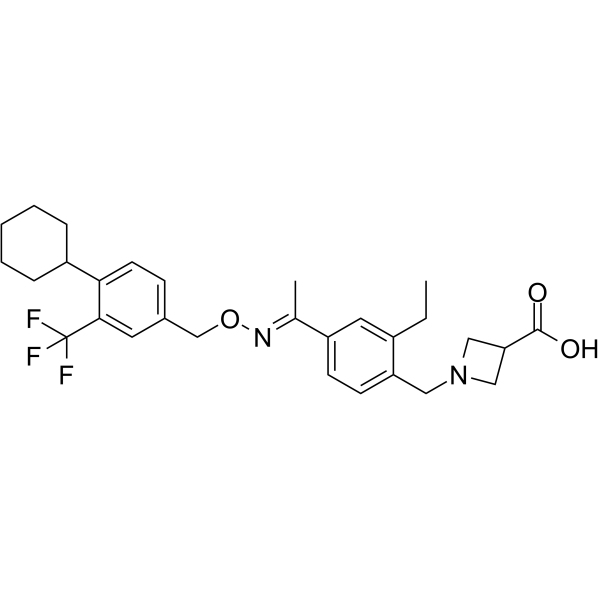
Siponimod (BAF-312) is an orally active, blood-brain barrier penetrant dual agonist of S1P1/S1P5, with EC50 values of 0.39 nM and 0.98 nM, respectively. Siponimod induces S1P1 internalization, activates GIRK channels, inhibits lymphocyte egress, reduces peripheral lymphocyte counts, triggers transient bradycardia, prevents synaptic neurodegeneration, promotes remyelination, alleviates demyelination, and prevents the loss of GABAergic interneurons. Siponimod can be used in research related to multiple sclerosis .
|
-
- HY-144501
-
|
|
Toll-like Receptor (TLR)
PD-1/PD-L1
|
Inflammation/Immunology
Cancer
|
|
D18 is an immune modulator. D18 acts as a TLR7/8 dual agonist (EC50 = 24 nM for hTLR7 and 10 nM for hTLR8, respectively). D18 increases PD-L1 expression through epigenetic regulation, thus sensitizing tumors to PD-1/PD-L1 blockade. D18 is a ADC cytotoxin uesd for the systhesis of ADC HE-S2 (HY-144497). D18 has strong immune activation and anti-tumor activity. D18 commonly used in cancer research, such as colon cancer .
|
-
- HY-12355A
-
|
BAF-312 hemifumarate
|
LPL Receptor
Potassium Channel
|
Neurological Disease
Inflammation/Immunology
|
|
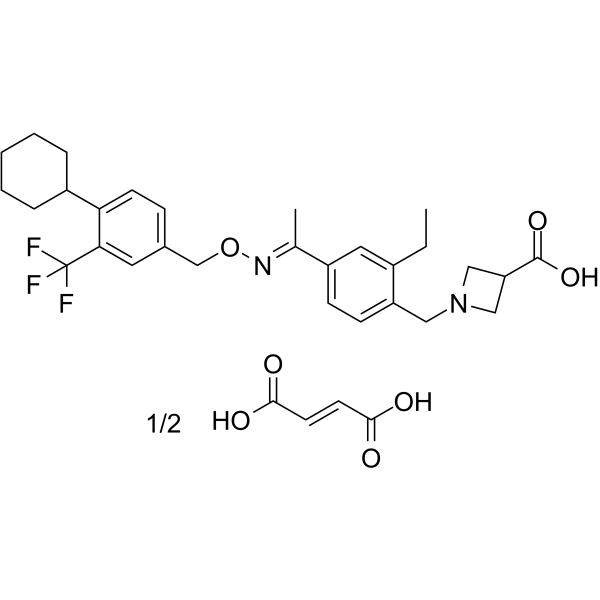
Siponimod (BAF-312) hemifumarate is an orally active, blood-brain barrier penetrant dual agonist of S1P1/S1P5, with EC50 values of 0.39 nM and 0.98 nM, respectively. Siponimod hemifumarate induces S1P1 internalization, activates GIRK channels, inhibits lymphocyte egress, reduces peripheral lymphocyte counts, triggers transient bradycardia, prevents synaptic neurodegeneration, promotes remyelination, alleviates demyelination, and prevents the loss of GABAergic interneurons. Siponimod hemifumarate can be used in research related to multiple sclerosis .
|
-
- HY-143712S1
-
|
3α-hydoxy-5α-Cholaoic Acid-d4, allo-LCA-d4
|
Isotope-Labeled Compounds
Drug Metabolite
G protein-coupled Bile Acid Receptor 1
ROR
|
Metabolic Disease
Inflammation/Immunology
Cancer
|
|
Allolithocholic Acid-d4 (3α-hydoxy-5α-Cholaoic Acid-d4, allo-LCA-d4) is deuterium labeled Allolithocholic acid (HY-143712). Allolithocholic acid is an orally active metabolite of Lithocholic acid (HY-B0172). Allolithocholic acid is a dual GPBAR1 agonist (EC50 = 2.7 μM) and RORγt inverse agonist (IC50 = 3.4 μM). Allolithocholic acid modulates immune and metabolic pathways, regulates immune cell polarization, prevents M1 macrophage and Th17 CD4 cell polarization. Allolithocholic acid improves insulin sensitivity, reduces liver lipid accumulation, reverses liver immunological, inflammatory and metabolic signaling dysregulation, restores bile acid homeostasis, adipose tissue histopathology/function, and intestinal microbiota composition, modulates intestinal immunity. Allolithocholic acid can be used for the researches of cancer, inflammayion, immunology and metabolic disease .
|
-
- HY-12355R
-
|
BAF-312 (Standard)
|
Reference Standards
LPL Receptor
Potassium Channel
|
Neurological Disease
Inflammation/Immunology
|
|
Siponimod (BAF-312) (Standard) is the analytical standard of Siponimod. This product is intended for research and analytical applications. Siponimod is an orally active, blood-brain barrier penetrant dual agonist of S1P1/S1P5, with EC50 values of 0.39 nM and 0.98 nM, respectively. Siponimod induces S1P1 internalization, activates GIRK channels, inhibits lymphocyte egress, reduces peripheral lymphocyte counts, triggers transient bradycardia, prevents synaptic neurodegeneration, promotes remyelination, alleviates demyelination, and prevents the loss of GABAergic interneurons. Siponimod can be used in research related to multiple sclerosis.
|
-
- HY-121900
-
|
|
PPAR
|
Metabolic Disease
Endocrinology
|
|
LT175, a dual PPARα/γ ligand, is an orally active partial agonist against PPARγ(hPPARα:EC50=0.22 μm; mPPARα:EC50=0.26 μm; hPPARγ:EC50=0.48 μm). LT175 interacts with PPARγ and affects the recruitment of the coregulators cyclic-AMP response element-binding protein-binding protein and nuclear corepressor 1 (NCoR1). LT175 interacts with PPARγ in a hydrophobic region called “diphenyl pocket”. LT175 has potent insulin-sensitizing effects and reduced adipogenic properties .
|
-
- HY-12355S
-
|
BAF-312-d11
|
Isotope-Labeled Compounds
LPL Receptor
Potassium Channel
|
Neurological Disease
Inflammation/Immunology
|
|
Siponimod-d11 (BAF-312-d11) is deuterium labeled Siponimod (HY-12355). Siponimod is an orally active, blood-brain barrier penetrant dual agonist of S1P1/S1P5, with EC50 values of 0.39 nM and 0.98 nM, respectively. Siponimod induces S1P1 internalization, activates GIRK channels, inhibits lymphocyte egress, reduces peripheral lymphocyte counts, triggers transient bradycardia, prevents synaptic neurodegeneration, promotes remyelination, alleviates demyelination, and prevents the loss of GABAergic interneurons. Siponimod can be used in research related to multiple sclerosis.
|
-
- HY-165459
-
|
MK-056
|
TRP Channel
|
Infection
Inflammation/Immunology
|
|
KJM429 (MK-056) is a high-affinity ligand for the rat vanilloid receptor rTRPV1 (Ki=30-63 nM) with a unique dual regulatory function. KJM429 acts as a competitive antagonist to inhibit TRPV1 receptor activation induced by Capsaicin (HY-10448), resiniferatoxin, thermal stimulation and weak acid (pH 6.0), and switches to a TRPV1 agonist under strong acid conditions (pH<5.5). KJM429 effectively blocks calcium influx induced by Capsaicin and partial thermal stimulation, and triggers calcium uptake under low pH conditions, with minimal effects on non-TRPV1-mediated calcium signaling. KJM429 can be used for research on the mechanisms of pain-related diseases such as postherpetic neuralgia, diabetic neuropathy, cluster headache, osteoarthritis and pruritus .
|
-
- HY-182905
-
|
|
Somatostatin Receptor
G protein-coupled Bile Acid Receptor 1
|
Metabolic Disease
|
|
SSTR5/TGR5-modulator-1 is an orally active and dual-target small molecule, balanced in vitro activity at human TGR5 and human SSTR5. SSTR5/TGR5-modulator-1 activates human TGR5 to promote cAMP accumulation. SSTR5/TGR5-modulator-1 blocks human SSTR5 to inhibit agonist-induced calcium mobilization. SSTR5/TGR5-modulator-1 improves glucose tolerance in mice. SSTR5/TGR5-modulator-1 alleviates gallbladder filling in mice at pharmacologically relevant doses. SSTR5/TGR5-modulator-1 has suboptimal physicochemical and metabolic properties.SSTR5/TGR5-modulator-1 can be used for the research of type 2 diabetes mellitus .
|
-
| Cat. No. |
Product Name |
Target |
Research Area |
-
- HY-P0090
-
|
Salmon calcitonin
|
CGRP Receptor
|
Cancer
|
|
Calcitonin salmon, a calcium regulating hormone, is a dual-action amylin and calcitonin receptor agonist, could stimulate bone formation and inhibit bone resorption.
|
-
- HY-P4146
-
|
BI 456906
|
GLP Receptor
GCGR
|
Metabolic Disease
|
|
Survodutide (BI 456906) is a potent, selective glucagon receptor/GLP-1 receptor (GCGR/GLP-1R) dual agonist with EC50s of 0.52 nM and 0.33 nM in CHO-K1 cells, respectively. Survodutide, a 29-amino-acid peptide, is a potent acylated peptide containing a C18 fatty acid. Survodutide has robust anti-obesity efficacy achieved by increasing energy expenditure and decreasing food intake .
|
-
- HY-P10745
-
|
ZP8396
|
Amylin Receptor
|
Metabolic Disease
|
|
Petrelintide (ZP8396) is a dual amylin and calcitonin receptor agonist (DACRA) Petrelintide elicits a selective reduction in high-fat diet intake in diet-induced obese (DIO) rats, which is accompanied by a loss of fat mass and preservation of lean mass during weight reduction. Petrelintide can be utilized in diabetes research .
|
-
- HY-P10745A
-
|
ZP8396 acetate
|
Amylin Receptor
|
Metabolic Disease
|
|
Perelintide (ZP8396) acetate is a dual amylin and calcitonin receptor agonist (DACRA). Perelintide acetate elicits a selective reduction in high-fat diet intake in diet-induced obese (DIO) rats, which is accompanied by a loss of fat mass and preservation of lean mass during weight reduction. Perelintide acetate can be utilized in diabetes research .
|
-
- HY-145632
-
|
ALT-801
|
GLP Receptor
GCGR
|
Metabolic Disease
|
|
Pemvidutide (ALT-801) is a GLP-1R/GCGR dual agonist, shows striking reductions in body weight, liver fat and serum lipids. Pemvidutide can be used in non-alcoholic steatohepatitis (NASH) and obesity research .
|
-
- HY-P10956
-
|
LY3541105
|
Amylin Receptor
CGRP Receptor
|
Metabolic Disease
|
|
Colulintide (LY3541105) is an amylin-calcitonin dual receptor agonist with Amylin as its scaffold. Colulintide is applicable to research related to type 2 diabetes and obesity .
|
-
- HY-P2231
-
|
MEDI0382
|
GCGR
|
Metabolic Disease
|
|
Cotadutide (MEDI0382) is a potent dual agonist of glucagon-like peptide-1 (GLP-1) and GCGR with EC50 values of 6.9 pM and 10.2 pM, respectively. Cotadutide exhibits ability to facilitate both weight loss and glycaemic control, and alleviate fibrosis. Cotadutide can be used in the research of obesity and type 2 diabetes (T2D) .
|
-
- HY-P2231A
-
|
MEDI0382 acetate
|
GCGR
|
Metabolic Disease
|
|
Cotadutide (MEDI0382) acetate is a potent dual agonist of glucagon-like peptide-1 (GLP-1) and GCGR with EC50 values of 6.9 pM and 10.2 pM, respectively. Cotadutide acetate exhibits ability to facilitate both weight loss and glycaemic control, and alleviate fibrosis. Cotadutide acetate can be used in the research of obesity and type 2 diabetes (T2D) .
|
-
- HY-P10302A
-
|
|
GLP Receptor
|
Metabolic Disease
Inflammation/Immunology
|
|
GLP-1R/GIPR agonist-1 sodium is a dual GLP-1/GIP receptor agonist, with an EC50 of 0.57 nM for GLP-1R and an EC50 of 0.75 nM for GIPR. GLP-1R/GIPR agonist-1 sodium reduces food intake, inhibits weight gain, repairs islet damage, improves glucose tolerance, regulates serum lipid and liver enzyme levels, ameliorates hepatic vacuolization, reduces hepatic fat accumulation, delays the progression of hepatic fibrosis, and exhibits long-lasting hypoglycemic activity. GLP-1R/GIPR agonist-1 sodium can be used in research related to type 2 diabetes, obesity, and non-alcoholic steatohepatitis .
|
-
- HY-P11271
-
-
- HY-P10929
-
|
|
Drug Intermediate
|
Others
|
|
Fmoc-Lys(tBuO-Ara-Glu(AEEA-AEEA)-OtBu)-OH is a drug intermediate in the synthesis of Tirzepatide. Tirzepatide is a dual glucose-dependent insulinotropic peptide (GIP) and glucagon-like peptide-1 receptor (GLP-1R) agonist .
|
-
- HY-P3291
-
|
ZP7570
|
GCGR
|
Metabolic Disease
|
|
Dapiglutide (ZP7570) is a long-acting glucagon-like peptide-1 receptor 1R (GLP-1R)/Glucagon-like peptide-2 receptor (GLP-2R) dual agonist. Dapiglutide alleviates intestinal dysfunction in a mouse short bowel model and has anti-obesity effects .
|
-
- HY-153476
-
|
|
GCGR
GLP Receptor
|
Inflammation/Immunology
|
|
GIP/GLP-1 dual receptor agonist-1 is a GIP/GLP-1 dual receptor agonist. GIP/GLP-1 dual receptor agonist-1 is used in the research of metabolic disorders and fatty liver diseases, including non-alcoholic steatohepatitis (NASH) and non-alcoholic fatty liver disease (NAFLD) .
|
-
- HY-P10271
-
|
NNC0090-2746; MAR709; RO6811135
|
GLP Receptor
|
Metabolic Disease
|
|
RG7697 is a dual agonist for glucagon-like peptide receptor (GLP Receptor) and glucosedependent insulinotropic polypeptide receptor (GIPR), with EC50 of 5 and 3 pM, respectively. RG7697 exhibits antihyperglycemic property .
|
-
- HY-153476A
-
|
|
GLP Receptor
GCGR
|
Inflammation/Immunology
|
|
GIP/GLP-1 dual receptor agonist-1 sodium is a GIP/GLP-1 dual receptor agonist. GIP/GLP-1 dual receptor agonist-1 sodium is used in the research of metabolic disorders and fatty liver diseases, including non-alcoholic steatohepatitis (NASH) and non-alcoholic fatty liver disease (NAFLD) .
|
-
- HY-P10018
-
|
SAR425899
|
GLP Receptor
GCGR
|
Metabolic Disease
|
|
Bamadutide (SAR425899) is a potent dual glucagon-like peptide-1 receptor/glucagon receptor (GLP-1R/GCGR) agonist. Bamadutide improves post-meal blood glucose control by significantly enhancing β-cell function and slowing down the rate of glucose absorption in the body. Bamadutide can be used for the research of metabolic diseases such as type 2 diabetes .
|
-
- HY-P10377
-
|
|
Neuropeptide FF Receptor
|
Metabolic Disease
|
|
GUB03385 is a long-acting PrRP31 analogue. GUB03385 is a potent dual agonist for GPR10 (full agonist, EC50: 0.4 nM) and NPFF2R (partial agonist, EC50: 20 nM). GUB03385 has anti-obesity effect .
|
-
- HY-145632A
-
|
ALT-801 TFA
|
GLP Receptor
GCGR
|
Metabolic Disease
|
|
Pemvidutide (ALT-801) TFA is a GLP-1R/GCGR dual agonist, shows striking reductions in body weight, liver fat and serum lipids. Pemvidutide TFA can be used in non-alcoholic steatohepatitis (NASH) and obesity research .
|
-
- HY-P10341
-
|
|
GCGR
|
Metabolic Disease
|
|
ZP3022 is a dual agonist of glucagon-like peptide-1 (GLP-1) and gastrin that has the ability to sustainably improve glycemic control. Additionally, ZP3022 can effectively increase β-cell mass, promote β-cell proliferation, and enhance the function of pancreatic islets. ZP3022 can be used in anti-diabetic research .
|
-
- HY-P10591
-
|
Olatorepatidum
|
Insulin Receptor
GLP Receptor
|
Metabolic Disease
|
|
Olatorepatide (Olatorepatidum) is a dual gastric inhibitory polypeptide (GIP) receptor and glucagon like peptide 1 (GLP-1) receptor agonist, with antidiabetic effect .
|
-
- HY-P11271A
-
-
- HY-P10380
-
|
|
Neuropeptide FF Receptor
|
Neurological Disease
Metabolic Disease
|
|
palm11-PrRP31 is a lipidized endogenous appetite inhibitory neuropeptide (PrRP) analogue. palm11-PrRP31 is GPR10 (EC50=39 pM) and NPFF-R2 effective dual agonists. palm11-PrRP31 is able to mimic the natural function of PrRP by binding to these receptors to reduce food intake. palm11-PrRP31 can be used as a potential anti-obesity agent and for the study of neuropeptide-receptor interaction .
|
-
- HY-P11269
-
-
- HY-P11233
-
|
|
GLP Receptor
|
Metabolic Disease
|
|
Acmopatide (Compound E-153) is a dual-acting GIP/GLP-1 receptor agonist. Acmopatide is used in anti-diabetic research .
|
-
- HY-P11237
-
|
CT-388
|
GCGR
Insulin Receptor
|
Metabolic Disease
|
|
Enicepatide is a dual gastric inhibitory polypeptide (GIP) and glucagon-like peptide 1 (GLP-1) receptor agonist. Enicepatide can be studied in antidiabetic research .
|
-
- HY-P3255
-
-
- HY-P11270
-
|
BGM0504; BG128
|
Insulin Receptor
GLP Receptor
|
Metabolic Disease
|
|
Relsipatide (BG128) is a dual gastric inhibitory polypeptide (GIP) and glucagon-like peptide 1 (GLP-1) receptor agonist. Enicepatide can be studied in antidiabetic research .
|
-
- HY-P10965
-
|
ZT002
|
GLP Receptor
|
Metabolic Disease
|
|
Zovaglutide (ZT002) is a long-acting, selective GLP-1 receptor agonist. Zovaglutide enhances albumin binding capacity via dual fatty acid chain modification. Zovaglutide exerts metabolic effects through central and peripheral GLP-1 pathways, thereby promoting satiety, reducing caloric intake and enhancing glucose-dependent insulin secretion, with no activity against GIP or glucagon receptors. Zovaglutide can be used in research on type 2 diabetes or obesity .
|
-
- HY-P4146A
-
|
BI 456906 TFA
|
GLP Receptor
GCGR
|
Metabolic Disease
|
|
Survodutide (BI 456906) TFA is a potent, selective glucagon receptor/GLP-1 receptor (GCGR/GLP-1R) dual agonist with EC50s of 0.52 nM and 0.33 nM in CHO-K1 cells, respectively. Survodutide TFA, a 29-amino-acid peptide, is a potent acylated peptide containing a C18 fatty acid. Survodutide TFA has robust anti-obesity efficacy achieved by increasing energy expenditure and decreasing food intake .
|
-
- HY-P0090A
-
|
Salmon calcitonin acetate
|
CGRP Receptor
|
Cancer
|
|
Calcitonin (salmon) (acetate) is a dual-action amylin and calcitonin receptor agonist, can stimulate bone formation and inhibit bone resorption .The acetate form can affect the absorption and efficacy of hormones .
|
-
- HY-P10337
-
|
|
GCGR
GLP Receptor
|
Metabolic Disease
Endocrinology
|
|
OXM-7 is a dual agonist of GLP-1R (EC50=0.024 nM) and GCGR (EC50=0.082 nM). OXM-7 can enhance glucose-stimulated insulin secretion and hepatic glucose output. OXM-7 lowers blood glucose levels. OXM-7 improves lipid metabolism .
|
-
- HY-P4146B
-
|
BI 456906 sodium
|
GLP Receptor
GCGR
|
Metabolic Disease
|
|
Survodutide (BI 456906) sodium is a potent, selective glucagon receptor/GLP-1 receptor (GCGR/GLP-1R) dual agonist with EC50s of 0.52 nM and 0.33 nM in CHO-K1 cells, respectively. Survodutide sodium, a 29-amino-acid peptide, is a potent acylated peptide containing a C18 fatty acid. Survodutide sodium has robust anti-obesity efficacy achieved by increasing energy expenditure and decreasing food intake .
|
-
- HY-P10380A
-
|
|
Neuropeptide FF Receptor
|
Neurological Disease
Metabolic Disease
|
|
palm11-PrRP31 TFA is a lipidized endogenous appetite inhibitory neuropeptide (PrRP) analogue. palm11-PrRP31 TFA is GPR10 (EC50=39 pM) and NPFF-R2 effective dual agonists. palm11-PrRP31 TFA is able to mimic the natural function of PrRP by binding to these receptors to reduce food intake. palm11-PrRP31 TFA can be used as a potential anti-obesity agent and for the study of neuropeptide-receptor interaction .
|
-
- HY-P10327
-
|
|
GLP Receptor
|
Metabolic Disease
|
|
PP18 is a novel OXM-based dual GLP-1 and glucagon receptor agonist with EC50 values of 0.487 nM target hGLP-1R and 0.188 nM target hGcgR .
|
-
- HY-P11259
-
|
|
Urotensin Receptor
|
Cardiovascular Disease
Metabolic Disease
Inflammation/Immunology
Cancer
|
UPG-111 is a peptide compound that acts as a negative allosteric modulator of the Urotensin II receptor (UTR). UPG-111 exhibits a dual inhibitory effect on the vasoconstriction induced by UTR agonists - it reduces both the maximum response intensity and the sensitivity of the agonist. UPG-111 does not induce calcium release or cause contraction of the endothelium-deprived rat aortic rings. UPG-111 can be used for the study of various diseases related to the angiotensinergic system .
|
-
- HY-P0090S
-
|
Salmon calcitonin-13C6,15N4 TFA
|
CGRP Receptor
|
Metabolic Disease
|
|
Calcitonin- 13C6, 15N4 (salmon) (Salmon calcitonin- 13C6, 15N4) TFA is 13C and 15N-labeled Calcitonin (salmon) (HY-P0090). Calcitonin (salmon) , a calcium regulating hormone, is a dual-action amylin and calcitonin receptor agonist, could stimulate bone formation and inhibit bone resorption .
|
-
- HY-P10379
-
|
|
Neuropeptide FF Receptor
|
Others
Neurological Disease
|
|
palm-PrRP31 is a potent dual receptor agonist for both GPR10 (EC50=72 pM) and NPFF-R2. palm-PrRP31 activates downstream signaling pathways through binding to its receptors, GPR10 and NPFF-R2, which results in reduced appetite and increased energy expenditure. Utilizing palm-PrRP31 facilitates the study of the mechanism of action in the nervous system, thereby elucidating the complex biological processes that regulate appetite and energy expenditure .
|
-
- HY-P11665
-
-
- HY-P11666
-
|
LY-3537031
|
GLP Receptor
|
Metabolic Disease
|
|
Brenipatide (LY-3537031) is a dual glucagon-like peptide-1 (GLP-1) and gastric inhibitory polypeptide (GIP) receptor agonist. Brenipatide can be used for the study of metabolic disorders, obesity and diabetes .
|
-
- HY-P11672
-
|
HDM1005
|
GLP Receptor
|
Metabolic Disease
|
|
Poterepatide (HDM1005) is a long-acting GLP-1R/GIPR peptide dual agonist. Poterepatide exhibits potent activity on both GLP-1 and GIP receptors. Poterepatide can be used for the study of obesity and type 2 diabetes .
|
-
- HY-P11586
-
|
|
Amylin Receptor
|
Metabolic Disease
|
|
San45 is a nonselective dual amylin and calcitonin receptor agonist (DACRA) with nonselective potency relative to calcitonin receptor (CTR) and amylin 1 receptor (AMY₁R), and acts as a stabilizer of receptor-ligand complex and prolonged activator of cAMP signaling. San45 carries a conjugated lipid modification that can be used for the research of obesity .
|
-
- HY-P11843
-
|
|
Amylin Receptor
CGRP Receptor
|
Metabolic Disease
|
|
TPM004 is an ultralong-acting, nonaggregating dual amylin (AMY3R) and calcitonin receptor (CTR) agonist with EC50 values of 0.5 and 0.7 pM. TPM004 induces weight loss, attenuates adiposity rebound, lowers glucose, and improves glucose homeostasis. TPM004 can be used for the research of obesity, diabetes .
|
-
- HY-P11587
-
|
|
Amylin Receptor
CGRP Receptor
|
Metabolic Disease
|
|
BGM1812 is a dual agonist of amylin (hAMY3R) (EC50 = 0.627 nM) and CGRP Receptor (hCTR) (EC50 = 2.27 nM). BGM1812 achieves weight loss, increases the proportion of lean body mass, and reduces fat mass in diet-induced obese (DIO) rats. BGM1812 is applicable to research related to obesity .
|
-
- HY-P11610
-
|
|
Amylin Receptor
CGRP Receptor
|
Metabolic Disease
|
|
KBP-089 is a dual Amylin and Calcitonin Receptor agonist. KBP-089 reduces body weight, decreases adipose tissue mass and improves glucose tolerance in obese rats. KBP-089 also eliminates lipid accumulation in the liver and muscle, and ameliorates glycemic homeostasis and insulin sensitivity. KBP-089 is applicable to the research of diseases such as obesity and type 2 diabetes .
|
-
- HY-P11584
-
|
|
Amylin Receptor
CGRP Receptor
|
Metabolic Disease
|
|
KBP-066A is a long-acting dual amylin and calcitonin receptor agonist. KBP-066A can activate the CTR and AMY-R potently, with no off-target activity. KBP-066A reduces fasting blood glucose levels, fasting insulin levels, and body weight in diabetic rat models. KBP-066A can be used for the research of type 2 diabetes mellitus, obesity .
|
-
- HY-P11629
-
|
|
Amylin Receptor
CGRP Receptor
|
Neurological Disease
Metabolic Disease
Inflammation/Immunology
|
|
KBP-336 is a dual amylin and calcitonin receptor agonist (DACRA). KBP-336 exhibits antidiabetic and insulin-sensitizing properties, improves glucose levels, spatial learning, and memory in diabetic rats, and reduces blood glucose. KBP-336 also alleviates pain-like symptoms in osteoarthritis rats. KBP-336 also promotes weight and fat reduction. KBP-336 is useful for research on diabetes, obesity, and arthritis .
|
| Cat. No. |
Product Name |
Target |
Research Area |
Image |
-
- HY-P992012
-
|
|
Opioid Receptor
|
Neurological Disease
Cancer
|
|
CA1001 is a small-molecule ZNF74 inhibitor and a peripherally restricted κ/δ dual opioid receptor agonist. CA1001 exhibits potent antitumor activity both in vitro and in vivo. CA1001, in combination with immune checkpoint inhibitors, significantly enhances tumor regression. CA1001 activates peripherally restricted κ/δ dual opioid receptors and exerts analgesic effects under conditions of inflammatory pain, neuropathic pain, and mechanical hyperalgesia. CA1001 can be used in research related to melanoma, mechanical hyperalgesia, neuropathic pain, and inflammatory arthritis pain.
|
-
(5)
| Cat. No. |
Product Name |
Category |
Target |
Chemical Structure |
-
- HY-N0163
-
-
-
- HY-143712
-
|
|
Structural Classification
Classification of Application Fields
Metabolic Disease
Endogenous metabolite
Disease Research Fields
Steroids
Source Classification
|
Drug Metabolite
G protein-coupled Bile Acid Receptor 1
ROR
|
|
Allolithocholic acid is an orally active metabolite of Lithocholic acid (HY-B0172). Allolithocholic acid is a dual GPBAR1 agonist (EC50 = 2.7 μM) and RORγt inverse agonist (IC50 = 3.4 μM). Allolithocholic acid modulates immune and metabolic pathways, regulates immune cell polarization, prevents M1 macrophage and Th17 CD4 cell polarization. Allolithocholic acid improves insulin sensitivity, reduces liver lipid accumulation, reverses liver immunological, inflammatory and metabolic signaling dysregulation, restores bile acid homeostasis, adipose tissue histopathology/function, and intestinal microbiota composition, modulates intestinal immunity. Allolithocholic acid can be used for the researches of cancer, inflammayion, immunology and metabolic disease .
|
-
-
- HY-N6869
-
-
-
- HY-N0163R
-
-
-
- HY-N6869R
-
-
-
- HY-N8268R
-
|
3α,12α-Dihydroxynorcholanic acid (Standard)
|
Animals
Source Classification
|
Drug Metabolite
Reference Standards
|
|
Reproterol (hydrochloride) (Standard) is the analytical standard of Reproterol (hydrochloride). This product is intended for research and analytical applications. Reproterol hydrochloride is a dual-acting beta2-adrenoceptor agonist and phosphodiesterase inhibitor. Reproterol hydrochloride is more potent than albuterol and feterol in stimulating cAMP production in human monocytes, demonstrating its potential in enhancing airway function. Furthermore, Reproterol significantly inhibited the production of LTB4, indicating its anti-inflammatory properties. Reproterol hydrochloride may have inhibitory effects in respiratory diseases such as asthma and COPD .
|
-
-
- HY-143712R
-
|
|
Structural Classification
Endogenous metabolite
Steroids
Source Classification
|
Reference Standards
Drug Metabolite
G protein-coupled Bile Acid Receptor 1
ROR
|
|
Allolithocholic acid (Standard) is the analytical standard of Allolithocholic acid (HY-143712). This product is intended for research and analytical applications. Allolithocholic acid is an orally active metabolite of Lithocholic acid (HY-B0172). Allolithocholic acid is a dual GPBAR1 agonist (EC50 = 2.7 μM) and RORγt inverse agonist (IC50 = 3.4 μM). Allolithocholic acid modulates immune and metabolic pathways, regulates immune cell polarization, prevents M1 macrophage and Th17 CD4 cell polarization. Allolithocholic acid improves insulin sensitivity, reduces liver lipid accumulation, reverses liver immunological, inflammatory and metabolic signaling dysregulation, restores bile acid homeostasis, adipose tissue histopathology/function, and intestinal microbiota composition, modulates intestinal immunity. Allolithocholic acid can be used for the researches of cancer, inflammayion, immunology and metabolic disease .
|
-
-
- HY-179519
-
-
| Cat. No. |
Product Name |
Chemical Structure |
-
- HY-12355S
-
|
|
|
Siponimod-d11 (BAF-312-d11) is deuterium labeled Siponimod (HY-12355). Siponimod is an orally active, blood-brain barrier penetrant dual agonist of S1P1/S1P5, with EC50 values of 0.39 nM and 0.98 nM, respectively. Siponimod induces S1P1 internalization, activates GIRK channels, inhibits lymphocyte egress, reduces peripheral lymphocyte counts, triggers transient bradycardia, prevents synaptic neurodegeneration, promotes remyelination, alleviates demyelination, and prevents the loss of GABAergic interneurons. Siponimod can be used in research related to multiple sclerosis.
|
-
-
- HY-14728S
-
|
|
|
Deutaleglitazar (Aleglitazar-d2) is a agonist of dual peroxisome proliferatory activating receptor (PPARα and PPARγ) .
|
-
-
- HY-143712S1
-
|
|
|
Allolithocholic Acid-d4 (3α-hydoxy-5α-Cholaoic Acid-d4, allo-LCA-d4) is deuterium labeled Allolithocholic acid (HY-143712). Allolithocholic acid is an orally active metabolite of Lithocholic acid (HY-B0172). Allolithocholic acid is a dual GPBAR1 agonist (EC50 = 2.7 μM) and RORγt inverse agonist (IC50 = 3.4 μM). Allolithocholic acid modulates immune and metabolic pathways, regulates immune cell polarization, prevents M1 macrophage and Th17 CD4 cell polarization. Allolithocholic acid improves insulin sensitivity, reduces liver lipid accumulation, reverses liver immunological, inflammatory and metabolic signaling dysregulation, restores bile acid homeostasis, adipose tissue histopathology/function, and intestinal microbiota composition, modulates intestinal immunity. Allolithocholic acid can be used for the researches of cancer, inflammayion, immunology and metabolic disease .
|
-
-
- HY-W759997
-
|
|
|
Reproterol-d3 is the deuterium labeled Reproterol (HY-135490). Reproterol is a dual acting β2-adrenoceptor agonist and PDE inhibitor. The theophylline constituent of Reproterol inhibits phosphodiesterase activity induced by adenylyl cyclase. Reproterol has the potential for asthma research .
|
-
-
- HY-P0090S
-
|
|
|
Calcitonin- 13C6, 15N4 (salmon) (Salmon calcitonin- 13C6, 15N4) TFA is 13C and 15N-labeled Calcitonin (salmon) (HY-P0090). Calcitonin (salmon) , a calcium regulating hormone, is a dual-action amylin and calcitonin receptor agonist, could stimulate bone formation and inhibit bone resorption .
|
-
-
- HY-14803S
-
|
|
|
Tasimelteon-d5 is the deuterium labeled Tasimelteon. Tasimelteon (BMS-214778) is an orally active and selective dual melatonin receptor agonist (DMRA). Tasimelteon has 2.1-4.4 times greater affinity for the MT2 receptor than for the MT1 receptor. Tasimelteon is a circadian regulator and has the potential for Non-24-Hour Sleep-Wake Disorder (Non-24) .
|
-
Your information is safe with us. * Required Fields.
Inquiry Information
- Product Name:
- Cat. No.:
- Quantity:
- MCE Japan Authorized Agent:

