

1. Search Result
Search Result
Results for "

EBP

" in MedChemExpress (MCE) Product Catalog:

91

Inhibitors & Agonists

6

Peptides

22

Natural
Products

11

Recombinant Proteins

7

Isotope-Labeled Compounds

33

Antibodies

16

Oligonucleotides

Cat. No. Product Name Target Research Areas Chemical Structure
  • HY-B0660
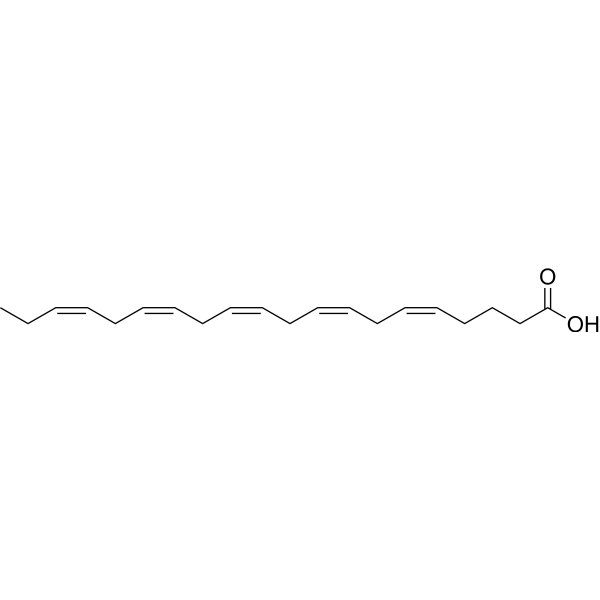
    Eicosapentaenoic Acid
    Maximum Cited Publications
    30 Publications Verification

    EPA; Timnodonic acid

    Endogenous Metabolite Histone Demethylase Neurological Disease Cancer
    Eicosapentaenoic Acid (EPA) is an orally active Omega-3 long-chain polyunsaturated fatty acid (ω-3 LC-PUFA). Eicosapentaenoic Acid exhibits a DNA demethylating action that promotes the re-expression of the tumor suppressor gene CCAAT/enhancer-binding protein δ (C/EBPδ). Eicosapentaenoic Acid activates RAS/ERK/C/EBPβ pathway through H-Ras intron 1 CpG island demethylation in U937 leukemia cells. Eicosapentaenoic Acid can promote relaxation of vascular smooth muscle cells and vasodilation .
    Eicosapentaenoic Acid
  • HY-N4103
    Fucosterol
    2 Publications Verification

    PARP Endogenous Metabolite Metabolic Disease Cancer
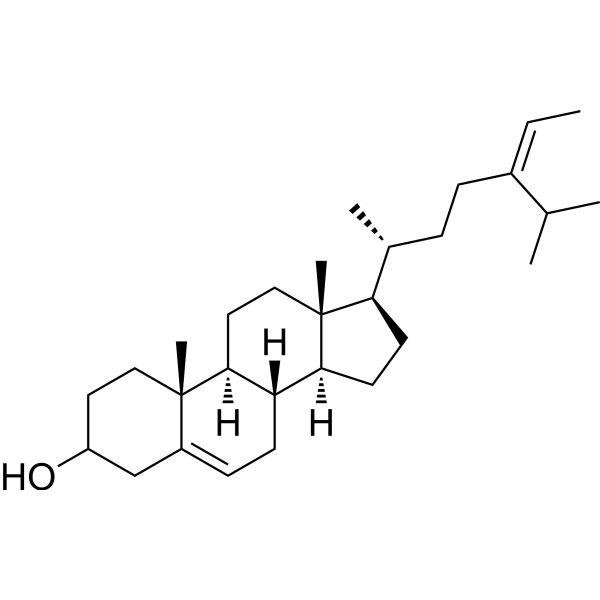
    Fucosterol is a sterol isolated from algae, seaweed or diatoms. Fucosterol exhibits various biological activities, including antioxidant, anti-adipogenic, blood cholesterol reducing, anti-diabetic and anti-cancer activities . Fucosterol regulates adipogenesis via inhibition of PPARα and C/EBPα expression and can be used for anti-obesity agents development research .
    Fucosterol
  • HY-10237
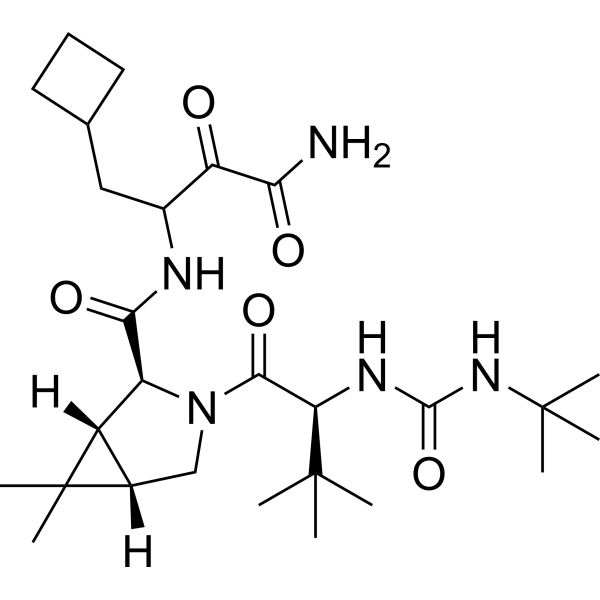
    Boceprevir
    30+ Cited Publications

    EBP 520; SCH 503034

    HCV Protease HCV SARS-CoV Infection
    Boceprevir (EBP 520) is a potent, highly selective, orally bioavailable HCV NS3 protease inhibitor with a Ki of 14 nM in both enzyme assay and an EC90 of 350 nM in cell-based replicon assay . Boceprevir inhibits SARS-CoV-2 3CL pro activity .
    Boceprevir
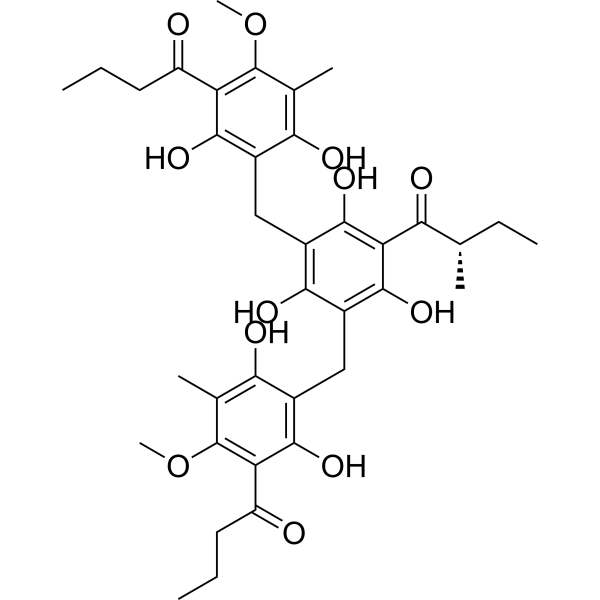
  • HY-N0704
    Agrimol B
    1 Publications Verification

    Sirtuin PPAR Fatty Acid Synthase (FASN) c-Myc Bacterial Infection Metabolic Disease Cancer
    Agrimol B, a polyphenol, is an orally active and potent SIRT1 activator. Agrimol B shows anti-adipogenic and anticancer activity. Agrimol B shows antibacterial activity against plant pathogens. Agrimol B dramatically inhibits 3T3-L1 adipocyte differentiation by reducing PPARγ, C/EBPα, FAS, UCP-1, and apoE expression. The action of Agrimol B on the cancer cells is likely derived from its effect on c-MYC, SKP2 and p27 .
    Agrimol B
  • HY-10466
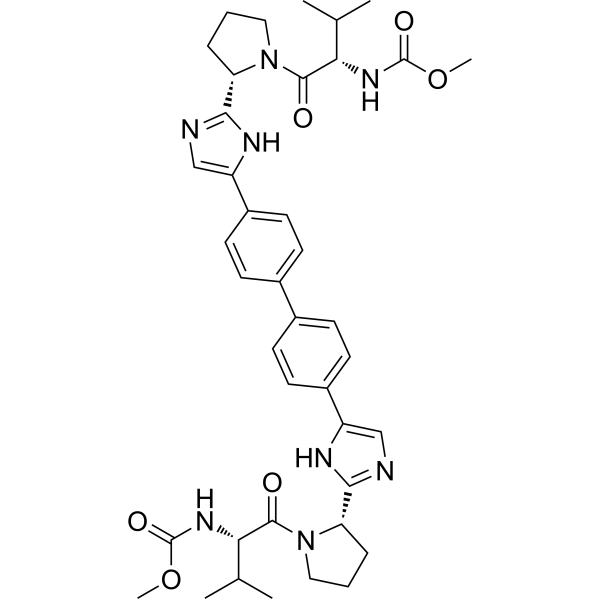
    Daclatasvir
    Maximum Cited Publications
    47 Publications Verification

    BMS-790052; EBP 883

    HCV Infection
    Daclatasvir (BMS-790052) is a potent and orally active HCV NS5A protein inhibitor with EC50s range of 9-146 pM for multiple HCV replicon genotypes. Daclatasvir is also a organic anion transporting polypeptide 1B (OATP1B) and OATP1B3 inhibitor with IC50s of 1.5 µM and 3.27 µM, respectively .
    Daclatasvir
  • HY-164561
    TASIN-30
    1 Publications Verification

    Emopamil Binding Protein Ferroptosis Apoptosis Cancer
    TASIN-30 is a selective EBP inhibitor with an EC50 of 0.097 μM. TASIN-30 blocks the production of 7-dehydrocholesterol (7-DHC) and downstream cholesterol biosynthesis processes. TASIN-30 depletes downstream sterols, disrupts the integrity of lipid rafts in tumor cells, accelerates intracellular cholesterol consumption, and inhibits tumor cell proliferation. TASIN-30 induces ferroptosis and apoptosis by reducing 7-DHC levels and increasing phospholipid peroxidation. TASIN-30 achieves tumor suppression in nude mice with osteosarcoma. TASIN-30 can be used in cancer-related research such as colorectal cancer and osteosarcoma .
    TASIN-30
  • HY-110188
    BiP inducer X
    5+ Cited Publications

    Apoptosis Neurological Disease
    BiP inducer X, a selective inducer of immunoglobulin heavy chain binding protein (BiP)/GRP78, is an effective ER (endoplasmic reticulum) stress inhibitor. BiP inducer X preferentially induces BiP with slight inductions of GRP94, calreticulin, and C/EBP homologous protein. BiP inducer X protects neurons from ER stress .
    BiP inducer X
  • HY-12461

    PI3K EGFR GABA Receptor FLT3 IKK Neurological Disease Metabolic Disease Inflammation/Immunology
    WS6 is an IkB kinase and EBP1 inhibitor, with IC50 values of 0.24 nM, 0.21 nM, and 40.48 nM in MV4-11, MOLM13, and K562 cells, respectively. WS6 promotes the proliferation of alpha and beta cells in the pancreas, has antioxidant and anti-inflammatory activities, and can alleviate depression like behavior in rats [1][2][4].
    WS6
  • HY-N0777
    Isorhamnetin-3-O-glucoside
    3 Publications Verification

    Others PERK ERK Akt PI3K Lipase Metabolic Disease
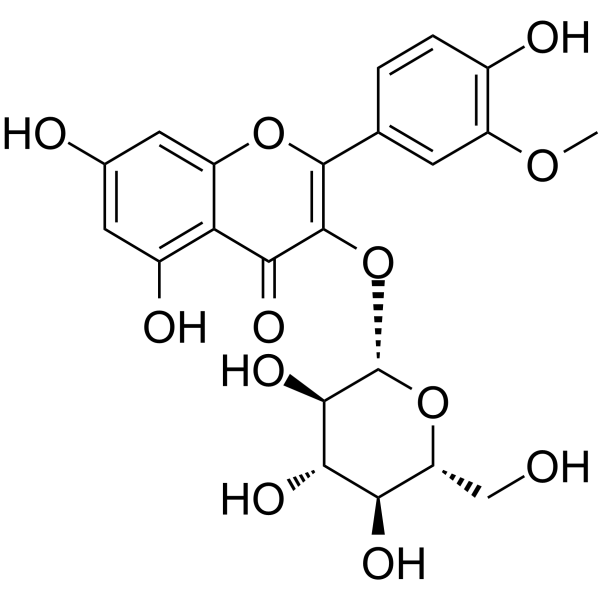
    Isorhamnetin-3-O-glucoside is an orally active natural compound. Isorhamnetin 3-O-glucoside increases P-ERK, ERK, P-Akt (Ser473), P-PI3K, and PDX-1. Isorhamnetin 3-O-glucoside downregulates C/EBPα and inhibits lipase. Isorhamnetin 3-O-glucoside reduces lipids and inhibits obesity .
    Isorhamnetin-3-O-glucoside
  • HY-162351

    Emopamil Binding Protein Metabolic Disease
    EBP-IN-1 is an orally active, blood-brain barrier-permeable inhibitor of emopamil binding protein (EBP). EBP-IN-1 has an IC50 of 8.2 μM against human ERG potassium channels (in CHO background). By inhibiting the sterol isomerase activity of EBP, EBP-IN-1 causes the accumulation of Zymostenol (HY-113345), and exhibits strong target binding in the brain after repeated administration in rodents. EBP-IN-1 also promotes oligodendrocyte formation in human cortical organoids and can be used in research related to multiple sclerosis .
    EBP-IN-1
  • HY-10465
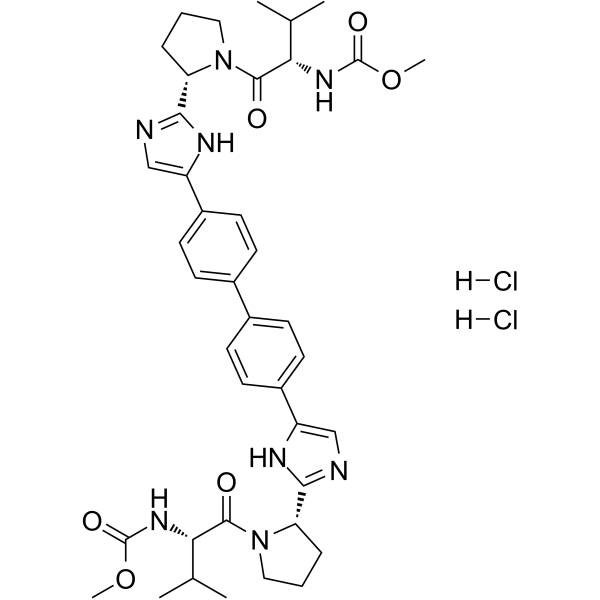
    Daclatasvir dihydrochloride
    Maximum Cited Publications
    47 Publications Verification

    BMS-790052 dihydrochloride; EBP 883 dihydrochloride

    HCV Infection
    Daclatasvir dihydrochloride (BMS-790052 dihydrochloride) is a potent and orally active HCV NS5A protein inhibitor with EC50s range of 9-146 pM for multiple HCV replicon genotypes. Daclatasvir dihydrochloride is also an organic anion transporting polypeptide 1B (OATP1B) and OATP1B3 inhibitor with IC50s of 1.5 μM and 3.27 μM, respectively .
    Daclatasvir dihydrochloride
  • HY-132168
    RMC-5552
    5 Publications Verification

    mTOR Cancer
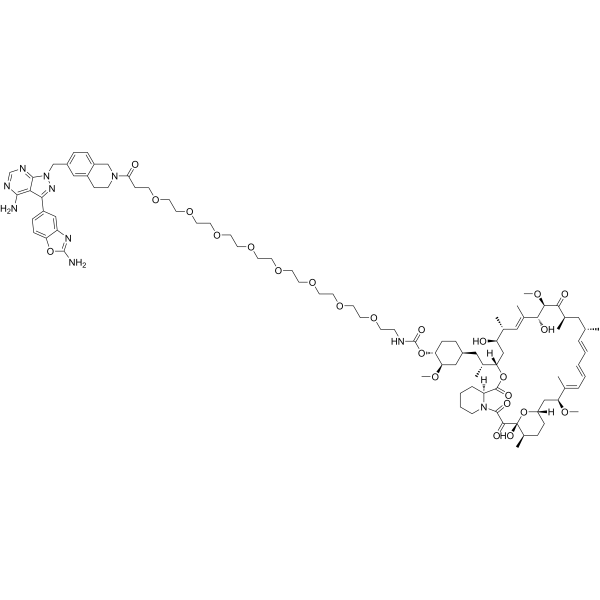
    RMC-5552 is a potent and selective mTORC1 inhibitor. RMC-5552 inhibits phosphorylation of mTORC1 pS6K and p4EBP1 with IC50s of 0.14 nM and 0.48 nM, respectively. RMC-5552 shows much lower pAKT inhibition (IC50 of 19 nM), resulting in mTORC1/mTORC2 selectivity approaching 40-fold. RMC-5552 has anti-cancer activity .
    RMC-5552
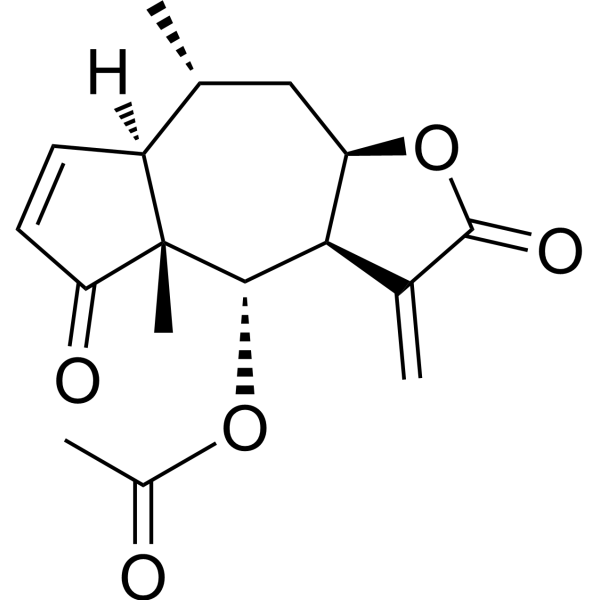
  • HY-114519
    Helenalin acetate
    2 Publications Verification

    Histone Demethylase NF-κB Inflammation/Immunology Cancer
    Helenalin acetate, a natural NF-κB inhibitor, is a potent C/EBPβ inhibitor. Helenalin acetate has anti-inflammatory and anticancer activities .
    Helenalin acetate
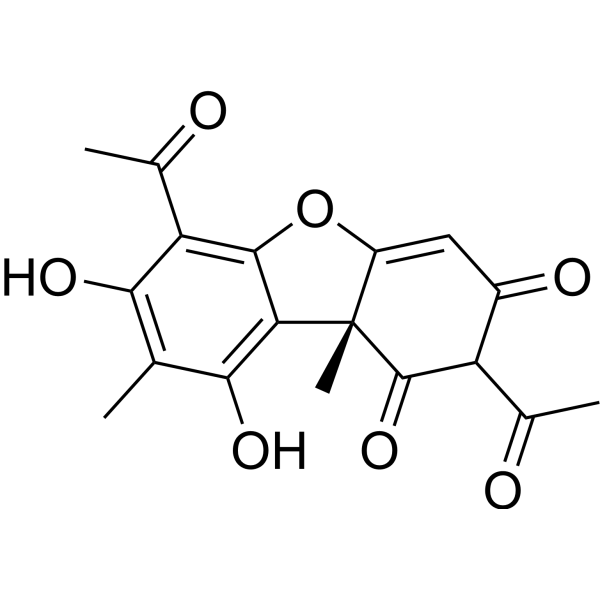
  • HY-N0656A
    (+)-Usnic acid
    2 Publications Verification

    mTOR Bacterial Autophagy Infection Inflammation/Immunology Cancer
    (+)-Usnic acid is isolated from isolated from lichens, binds at the ATP-binding pocket of mTOR, and inhibits mTORC1/2 activity. (+)-Usnic acid inhibits the phosphorylation of mTOR downstream effectors: Akt (Ser473), 4EBP1, S6K, induces autophay, with anti-cancer and anti-inflammatory activity. (+)-Usnic acid possesses antimicrobial activity against a number of planktonic gram-positive bacteria, including Staphylococcus aureus, Enterococcus faecalis, and Enterococcus faecium .
    (+)-Usnic acid
  • HY-116572A

    Reactive Oxygen Species (ROS) JNK Apoptosis Caspase Cancer
    TASIN-1 is a selective inhibitor of truncated APC TR (adenomatous polyposis coli gene) that exerts cytotoxic effects by inhibiting cholesterol biosynthesis. TASIN-1 specifically targets colorectal cancer (CRC) cells carrying APC truncated mutations, while having no significant toxicity to wild-type APC cells. TASIN-1 exerts cytotoxic effects by targeting Emopamil binding protein (EBP) to inhibit cholesterol biosynthesis, triggering endoplasmic reticulum (ER) stress, reactive oxygen species (ROS) generation, and JNK-mediated apoptosis, and inhibiting Akt survival signaling. TASIN-1 can be used to prevent and intervene in APC mutant colorectal cancer .
    TASIN-1
  • HY-N15574

    LXR Bacterial PPAR Infection Neurological Disease Metabolic Disease Inflammation/Immunology
    Saringosterol is an orally active steroid found in Sargassum muticum. Saringosterol is a LXR agonist. Saringosterol can lower cholesterol levels and inhibit the mRNA and protein expression of peroxisome proliferator-activated receptor γ (PPARγ) and CCAAT enhancer-binding protein α (C/EBPα). Saringosterol has anti-obesity, anti-atherosclerosis, anti-Mycobacterium tuberculosis and anti-depressant activities .
    Saringosterol
  • HY-128671

    6TI; 6-Mercaptopurine riboside

    PPAR LXR JNK NO Synthase Metabolic Disease
    6-Thioinosine (6TI) is a purine antimetabolite and an anti-adipogenic agent. 6-Thioinosine reduces the mRNA levels of PPARγ and C/EBPα and downregulates the mRNA levels of PPARγ target genes (LPL, CD36, aP2, and LXRα). 6-Thioinosine exerts its anti-adipogenic effects by downregulating PPARγ through JNK-dependent iNOS upregulation. 6-Thioinosine can be used to study adipocyte dysfunction .
    6-​Thioinosine
  • HY-126956

    Reactive Oxygen Species (ROS) MMP Collagen PPAR DNA/RNA Synthesis Apoptosis Caspase Metabolic Disease Inflammation/Immunology
    Porphyra 334 is a carnosine-like amino acid and a natural photoprotective agent and antioxidant. Porphyra-334 exerts its photoprotective effects by scavenging ROS, inhibiting the expression and activity of MMP-1/8, and promoting the synthesis of collagen and elastin. Porphyra 334 effectively inhibits linoleic acid oxidation induced by alkyl radicals (AAPH) and singlet oxygen. Porphyra 334 has anti-obesity potential by inhibiting the expression of PPARγ2 and C/EBPα. Porphyra 334 protects cells against UV-induced DNA damage and apoptosis by inhibiting the activation of caspase-3 .
    Porphyra 334
  • HY-N1677

    Akt mTOR Bacterial Fungal AMPK Infection Metabolic Disease Inflammation/Immunology Cancer
    2,6-Dimethoxy-1,4-benzoquinone is a 1,4-benzoquinone derivative. 2,6-Dimethoxy-1,4-benzoquinone promotes phosphorylation of AKT, S6K, mTOR, 4E-BP1, and AMPK, and attenuates mTORC1 activity as part of the AKT/mTOR pathway. 2,6-Dimethoxy-1,4-benzoquinone stimulates myoblast differentiation, increases myotube size, elevates MHC protein expression, enhances mitochondrial biogenesis, respiration, and DNA content, and increases skeletal muscle weights, fiber size, grip strength, and treadmill performance. 2,6-Dimethoxy-1,4-benzoquinone exerts anti-cancer, anti-inflammatory, anti-adipogenic, antibacterial, and antimutagenic effects, inhibits adipogenic transcription factors, nitric oxide production, skin tumor development, Magnaporthe oryzae growth, spore germination, appressorium formation, and growth of select bacterial species, induces H2O2 generation and rice defense gene expression, and reduces rice blast lesion formation. 2,6-Dimethoxy-1,4-benzoquinone can be used for the research of obesity, skin tumorigenesis, rice blast disease, and food-borne illness .
    2,6-Dimethoxy-1,4-benzoquinone
  • HY-143510

    mTOR Cancer
    RMC-4627 is a selective mTORC1 inhibitor that activates 4EBP1 and inhibits tumor growth.
    RMC-4627
  • HY-P5275

    CG-Lipoxyn

    NF-κB Histone Demethylase Metabolic Disease
    Tripeptide-41 (CG-Lipoxyn) is a signal peptide. Tripeptide-41 activates the NF-kB signaling pathway, inhibits the expression of C/EBP and increases cAMP. Tripeptide-41 is an important intracellular signaling factor that causes lipolysis by promoting the hydrolysis of lipids into triglycerides. Tripeptide-41 can be used in cosmetics that targets fat accumulation .
    Tripeptide-41
  • HY-176761

    Apoptosis Autophagy Caspase mTOR Cancer
    NSC647889 is an apoptosis and autophagy inducer. NSC647889 induces apoptosis, inhibits mTOR pathway and abrogates DNA synthesis. NSC647889 triggers LC3-positive vesicle formation, modulates AKT and 4EBP1 phosphorylation and shows heightened caspase-3 activation in multicellular spheroids. NSC647889 can be used for the research of solid cancer tumour, head-neck carcinoma, and colorectal cancer .
    NSC647889
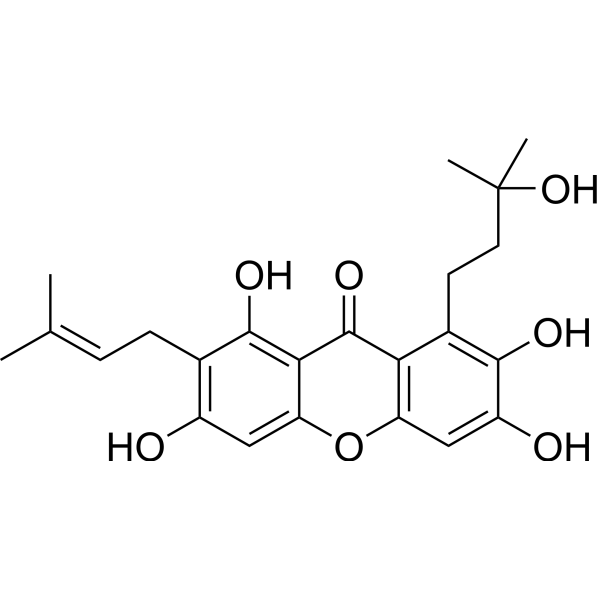
  • HY-N6954
    Garcinone C
    2 Publications Verification

    ATM/ATR STAT CDK Hedgehog Inflammation/Immunology Cancer
    Garcinone C, a xanthone derivative, is a natural compound extracted from Garcinia oblongifolia that is used as an anti-inflammatory, astringency and granulation-promoting medicine, and has potential cytotoxic effects on certain cancers. Garcinone C stimulates the expression levels of ATR and 4E-BP1, arrests the cell cycle, inhibits cell viability of the human Nasopharyngeal carcinoma (NPC) cell lines CNE1, CNE2, HK1 and HONE1 in a time‑ and dose‑dependent manner through inhibition of Hedgehog signaling pathway. Garcinone C is orally active .
    Garcinone C
  • HY-132607A

    CEBPA-51 sodium

    MicroRNA Inflammation/Immunology Cancer
    MTL-CEBPA (sodium) is the sodium form of MTL-CEBPA (HY-132607). MTL-CEBPA (sodium) is a small activating RNA targeting for upregulation of C/EBPα. MTL-CEBPA (sodium) has anti-inflammatory and anti-cancer activity .
    MTL-CEBPA sodium
  • HY-B0660R

    EPA (Standard); Timnodonic acid (Standard)

    Reference Standards Endogenous Metabolite Histone Demethylase Neurological Disease Cancer
    Eicosapentaenoic Acid (Standard) is the analytical standard of Eicosapentaenoic Acid. This product is intended for research and analytical applications. Eicosapentaenoic Acid (EPA) is an orally active Omega-3 long-chain polyunsaturated fatty acid (ω-3 LC-PUFA). Eicosapentaenoic Acid exhibits a DNA demethylating action that promotes the re-expression of the tumor suppressor gene CCAAT/enhancer-binding protein δ (C/EBPδ). Eicosapentaenoic Acid activates RAS/ERK/C/EBPβ pathway through H-Ras intron 1 CpG island demethylation in U937 leukemia cells. Eicosapentaenoic Acid can promote relaxation of vascular smooth muscle cells and vasodilation .
    Eicosapentaenoic Acid (Standard)
  • HY-W412264

    Pim Cancer
    Pim-1/2 kinase inhibitor 1 is an orally active pim-1/2 kinase inhibitor. Pim-1/2 kinase inhibitor 1 blocks the ability of Pim kinases to phosphorylate peptides, and inhibits the pim protein kinase directed phosphorylation of 4E-BP1 and p27 Kip1. Pim-1/2 kinase inhibitor 1 can be used in study of cancer, especially prostate cancer .
    Pim-1/2 kinase inhibitor 1
  • HY-N14035

    FABP PPAR Metabolic Disease
    Garcinia cambogia extract is an orally active anti-obesity agent . Garcinia cambogia extract upregulates the gene expression of aP2, SREBP1c, PPARγ2 and C/EBPα. Garcinia cambogia extract reduces the rate of body weight gain, visceral fat accumulation, lipid levels in blood and liver, as well as plasma insulin and leptin levels . Garcinia cambogia extract ameliorates high-fat diet-induced obesity .
    Garcinia cambogia extract
  • HY-134903

    mTOR Cancer
    (32-Carbonyl)-RMC-5552 is a potent mTOR inhibitor. (32-Carbonyl)-RMC-5552 inhibits mTORC1 and mTORC2 substrate (p-P70S6K-(T389), p-4E-BP1-(T37/36), AND p-AKT1/2/3-(S473)) phosphorylation with pIC50s of > 9, >9 and between 8 and 9, respectively (patent WO2019212990A1, example 2) .
    (32-Carbonyl)-RMC-5552
  • HY-134334

    DNA/RNA Synthesis Inflammation/Immunology
    C/EBPα inducer 1 (compound 78) is a potent inducer of C/EBPα and myeloid differentiation .
    C/EBPα inducer 1
  • HY-134333

    Apoptosis Cancer
    ICCB280 is a potent inducer of C/EBPα. ICCB280 exhibits anti-leukemic properties including terminal differentiation, proliferation arrest, and apoptosis through activation of C/EBPα and affecting its downstream targets (such as C/EBPε, G-CSFR and c-Myc) .
    ICCB280
  • HY-114267

    mTOR Others
    Cbz-B3A is a potent and selective inhibitor of mTORC1 signaling that appear to bind to ubiquilins 1, 2, and 4, and Cbz-B3A inhibits the phosphorylation of eIF4E-binding protein 1 (4EBP1).
    Cbz-B3A
  • HY-115590

    Pim Caspase Apoptosis Necroptosis PARP NF-κB Cancer
    JP-11646 is a pan-PIM inhibitor with increased potency against PIM2 (IC50 = 0.5 nM). JP11646 is freely reversible and ATP non-competitive. JP-11646 results in a decrease of PIM1, 2, and 3 mRNA. JP-11646 can effectively inhibit cell viability in small cell lung cancer (SCLC) and large cell neuroendocrine carcinomas of the lung (LCNEC). JP-11646 can cause a decrease in p-4EBP-1 protein, increasing the cleavage of caspases while decreasing caspase-3. JP-11646 induces apoptosis or necroptosis in cells. JP-11646 leads to reductions in MYC paralogs. JP-11646 can be used for the study of SCLC, LCNEC, human acute leukemia (AML), multiple myeloma (MM), and triple-negative breast cancer (TNBC) .
    JP-11646
  • HY-W348485

    mTOR Cancer
    WRX606 is an orally active nonrapalog inhibitor for mTOR complex 1 (mTORC1M). WRX606 inhibits the phosphorylation of mTORC1 substrate S6 kinase 1 (S6K1) (IC50 = 10 nM) and eukaryotic translation initiation factor 4E binding protein (p-4E-BP1) (IC50 = 0.27 μM) in MCF-7 cells. WRX606 suppresses tumor growth in mice without promotion of metastasis. WRX606 can be studied in research as an antitumor agent .
    WRX606
  • HY-172609

    Phosphatase Apoptosis MDM-2/p53 Caspase Metabolic Disease Cancer
    SL-176 is a PPM1D (Wip1) inhibitor. SL-176 inhibits lipid droplet formation, downregulates the mRNA and protein expression of PPARγ and C/EBPα, and blocks adipocyte differentiation. SL-176 induces G2/M cell cycle arrest, apoptosis and inhibits cell proliferation in breast cancer cells overexpressing PPM1D, and activates components of the p53 pathway. SL-176 suppresses tumor growth in a zebrafish model of neuroblastoma. SL-176 is applicable to research related to obesity, breast cancer and neuroblastoma .
    SL-176
  • HY-P10323

    Tumstatin (74-98), human

    Integrin FAK mTOR Apoptosis Cancer
    T7 Peptide is a protein synthesis inhibitor and anti-angiogenic agent, with a Kd of 10 nM for human transferrin receptor. T7 Peptide inhibits the phosphorylation of focal adhesion kinase, the activation of phosphatidylinositol 3-kinase and Akt, the kinase activity of mTOR, as well as the phosphorylation of 4E-BP1 in endothelial cells. T7 Peptide induces G0/G1 cell cycle arrest, apoptosis and protective autophagy in hepatocellular carcinoma cells, and suppresses tumor growth in mouse models. T7 Peptide is applicable to research related to cancer, glioblastoma, hepatocellular carcinoma and glioma .
    T7 Peptide
  • HY-P10323A

    Tumstatin (74-98), human TFA

    Integrin FAK mTOR Apoptosis Cancer
    T7 Peptide TFA is a protein synthesis inhibitor and anti-angiogenic agent, with a Kd of 10 nM for human transferrin receptor. T7 Peptide TFA inhibits the phosphorylation of focal adhesion kinase, the activation of phosphatidylinositol 3-kinase and Akt, the kinase activity of mTOR, as well as the phosphorylation of 4E-BP1 in endothelial cells. T7 Peptide TFA induces G0/G1 cell cycle arrest, apoptosis and protective autophagy in hepatocellular carcinoma cells, and suppresses tumor growth in mouse models. T7 Peptide TFA is applicable to research related to cancer, glioblastoma, hepatocellular carcinoma and glioma .
    T7 Peptide TFA
  • HY-N11709

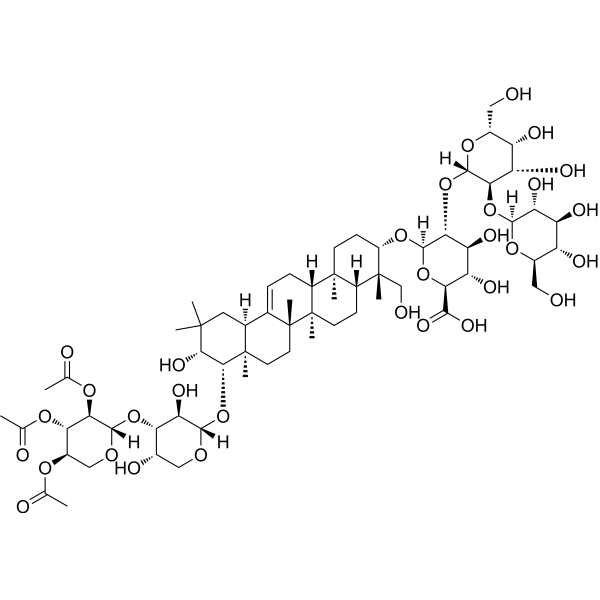
    Apoptosis VEGFR ATM/ATR PTEN Akt mTOR HIF/HIF Prolyl-Hydroxylase NF-κB Notch Cholinesterase (ChE) Amyloid-β γ-secretase Ferroptosis Fungal Infection Neurological Disease Metabolic Disease Cancer
    Theasaponin E1 is an orally effective tea saponin. Theasaponin E1 inhibits the proliferation of cancer cells by activating apoptosis. Theasaponin E1 inhibits angiogenesis in ovarian cancer cells and HUVECs by reducing the expression of VEGF. Theasaponin E1 upregulates the phosphorylation level of ATM protein and the expression level of PTEN protein in cancer cells, decreases the phosphorylation levels of Akt, mTOR, p70S6K and 4E-BP1 proteins, downregulates the expression of HIF-1α and NF-κB, and reduces the protein expression of Notch ligands Dll4 and Jagged1. Theasaponin E1 exerts neuroprotective effects by inhibiting the activity of acetylcholinesterase, activating α-secretase and neprilysin, reducing the concentration of , and inhibiting the activities of β-secretase and γ-secretase. Theasaponin E1 exhibits toxic effects on cancer cells and quinone reductase-inducing activity, and inhibits tumor growth in vivo. Theasaponin E1 induces ferroptosis in Pomacea canaliculata by synergistically disrupting cholesterol homeostasis and sphingolipid metabolism. Theasaponin E1 possesses anti-biofilm activity against Candida albicans. Theasaponin E1 can be used in the research of ovarian cancer, obesity, Alzheimer's disease and fungal infections .
    Theasaponin E1
  • HY-10465R

    BMS-790052 dihydrochloride (Standard); EBP 883 dihydrochloride (Standard)

    Reference Standards HCV Infection
    Daclatasvir (dihydrochloride) (Standard) is the analytical standard of Daclatasvir (dihydrochloride). This product is intended for research and analytical applications. Daclatasvir dihydrochloride (BMS-790052 dihydrochloride) is a potent and orally active HCV NS5A protein inhibitor with EC50s range of 9-146 pM for multiple HCV replicon genotypes. Daclatasvir dihydrochloride is also an organic anion transporting polypeptide 1B (OATP1B) and OATP1B3 inhibitor with IC50s of 1.5 µM and 3.27 µM, respectively .
    Daclatasvir dihydrochloride (Standard)
  • HY-130723A

    AMPK Cancer
    AMPK activator 2 (compound 7a) hydrochloride, a fluorine-containing proguanil derivative, up-regulates AMPK signal pathway and downregulates mTOR/4EBP1/p70S6K. AMPK activator 2 hydrochloride inhibits proliferation and migration of human cancer cell lines (UMUC3, T24, A549) .
    AMPK activator 2 hydrochloride
  • HY-N10612

    AMPK PPAR TRP Channel Mitochondrial Metabolism Metabolic Disease Cancer
    Petasin inhibits adipogenesis in cell 3T3-F442A with an IC50 of 0.95 μM. Petasin inhibits the expression of lipid synthesis factors ACC1, FAS and SCD1 by inhibiting transcription factors PPARγ and C/EBPα, as well as targeting TRPA1 and TRPV1 channels . Petasin inhibits mitochondrial complex I, thereby inhibiting tumor growth and metastasis. Petasin activates AMPK signaling pathway, participating in regulation of glucose and lipid metabolism. Petasin is orally active .
    Petasin
  • HY-132607

    CEBPA-51

    MicroRNA Inflammation/Immunology Cancer
    MTL-CEPBA is a small activating RNA targeting for upregulation of C/EBPα. MTL-CEPBA has anti-inflammatory and anti-cancer activity .
    MTL-CEBPA
  • HY-W011269
    Eicosapentaenoic Acid sodium
    Maximum Cited Publications
    30 Publications Verification

    EPA sodium; Timnodonic acid sodium

    Endogenous Metabolite Histone Demethylase Cardiovascular Disease Metabolic Disease Cancer
    Eicosapentaenoic Acid (EPA)sodium is an orally active Omega-3 long-chain polyunsaturated fatty acid (ω-3 LC-PUFA). Eicosapentaenoic Acid sodium exhibits a DNA demethylating action that promotes the re-expression of the tumor suppressor gene CCAAT/enhancer-binding protein δ (C/EBPδ). Eicosapentaenoic Acid sodium activates RAS/ERK/C/EBPβ pathway through H-Ras intron 1 CpG island demethylation in U937 leukemia cells. Eicosapentaenoic Acid sodium can promote relaxation of vascular smooth muscle cells and vasodilation .
    Eicosapentaenoic Acid sodium
  • HY-N4103R

    Reference Standards PARP Endogenous Metabolite Metabolic Disease Cancer
    Fucosterol (Standard) is the analytical standard of Fucosterol. This product is intended for research and analytical applications. Fucosterol is a sterol isolated from algae, seaweed or diatoms. Fucosterol exhibits various biological activities, including antioxidant, anti-adipogenic, blood cholesterol reducing, anti-diabetic and anti-cancer activities . Fucosterol regulates adipogenesis via inhibition of PPARα and C/EBPα expression and can be used for anti-obesity agents development research .
    Fucosterol (Standard)
  • HY-124348

    3,5-Dimethyl PIT-1

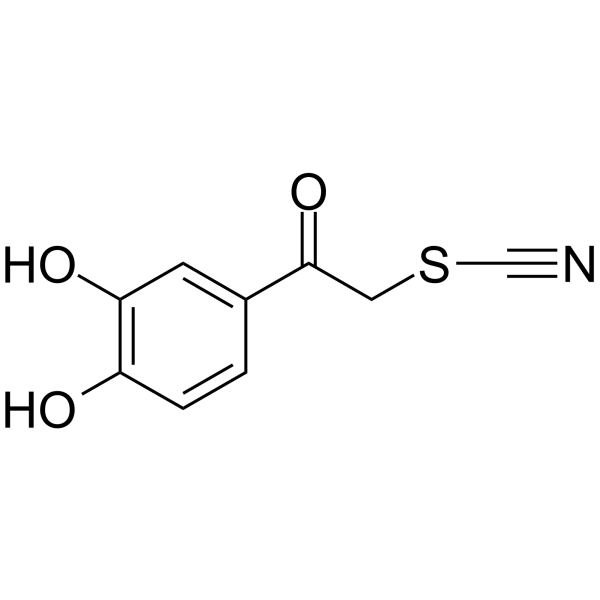
    PI3K Cancer
    DM-PIT-1 is a PIP3/PH (phosphatidylinositol-3,4,5-triphosphate/Pleckstrin) interaction inhibitor. DM-PIT-1 decreases he expression of P-Akt, P-GSK-3-β, P-p70S6K, P-S6, P-4E-BP1. DM-PIT-1 induces apoptosis and shows anticancer activity. DM-PIT-1 has the potential for the research of ovarian cancer .
    DM-PIT-1
  • HY-10237R

    EBP 520 (Standard); SCH 503034 (Standard)

    Reference Standards HCV Protease HCV SARS-CoV Infection
    Boceprevir (Standard) is the analytical standard of Boceprevir. This product is intended for research and analytical applications. Boceprevir (EBP 520) is a potent, highly selective, orally bioavailable HCV NS3 protease inhibitor with a Ki of 14 nM in both enzyme assay and an EC90 of 350 nM in cell-based replicon assay . Boceprevir inhibits SARS-CoV-2 3CL pro activity .
    Boceprevir (Standard)
  • HY-10062

    EBP-921

    Akt Farnesyl Transferase Cancer
    AZD3409 is a prenyl inhibitor that exhibits inhibitory activity against both farnesyl transferase and geranylgeranyl transferase I. AZD3409 inhibits the growth of breast cancer cells, with IC50s of 220 nM (MDA-MB-468), 180 nM (MDA-MB-361), and 290 nM (SK-Br-3). AZD3409 significantly reduces the activation level of AKT in breast cancer cell lines. AZD3409 induces G0/G1 phase arrest in MDA-MB-468 cells, causes G2/M phase arrest in MDA-MB-361 cells. AZD3409 can be used for the study of breast cancer .
    AZD3409
  • HY-115869

    mTOR Cancer
    RMC-4529 has an IC50 value of 1.0 nM against p-4E-BP1-(T37/46) in mTOR kinase cellular assay.
    RMC-4529
  • HY-149292

    Casein Kinase Cancer
    SR-4133 is a potent and highly CK1ε selective inhibitor with an IC50 of 58 nM. SR-4133 binds to the ATP-binding site of CK1ε. SR-4133 displays nanomolar growth inhibition of bladder cancer cells, and inhibits the phosphorylation of 4E-BP1 .
    SR-4133
  • HY-B0660S1

    EPA 1,2,3,4,5-13C, FA 20:5-13C5

    Isotope-Labeled Compounds Endogenous Metabolite Histone Demethylase Neurological Disease Cancer
    Eicosapentaenoic acid 1,2,3,4,5- 13C5 (EPA 1,2,3,4,5- 13C, FA 20:5- 13C5) is 13C labeled Eicosapentaenoic Acid. Eicosapentaenoic Acid (EPA) is an orally active Omega-3 long-chain polyunsaturated fatty acid (ω-3 LC-PUFA). Eicosapentaenoic Acid exhibits a DNA demethylating action that promotes the re-expression of the tumor suppressor gene CCAAT/enhancer-binding protein δ (C/EBPδ). Eicosapentaenoic Acid activates RAS/ERK/C/EBPβ pathway through H-Ras intron 1 CpG island demethylation in U937 leukemia cells. Eicosapentaenoic Acid can promote relaxation of vascular smooth muscle cells and vasodilation .
    Eicosapentaenoic acid 1,2,3,4,5-13C5
  • HY-121033

    Sigma Receptor p38 MAPK Apoptosis Cancer
    BS148 is a selective sigma-2 receptor (S2R) agonist with a Ki 20 nM. BS148 shows >80-fold selective for S2R than S1R. BS148 activates the endoplasmic reticulum stress response through the upregulation of protein kinase R-like ER kinase (PERK), activating transcription factor 4 (ATF4) genes, and C/EBP homologous protein (CHOP). BS148 induces apoptosis in melanoma cell. BS148 downregulates genes related to the cholesterol pathway and activates the MAPK signaling pathway. BS148 can be used for the study of melanoma .
    BS148

Inquiry Online

Your information is safe with us. * Required Fields.

Salutation


Country or Region *

Applicant Name *


Organization Name *

Department *


Email Address *


Product Name *

Cat. No.


Requested quantity *

Phone Number *


Remarks

Inquiry Online

Inquiry Information

Product Name:
Cat. No.:
Quantity:
MCE Japan Authorized Agent:

