
1. Search Result
Search Result
Isoforms Recommended: Estrogen receptor
Results for "

Estrogen Receptor

" in MedChemExpress (MCE) Product Catalog:

544

Inhibitors & Agonists

1

Screening Libraries

2

Fluorescent Dyes

4

Biochemical Assay Reagents

9

Peptides

71

Natural
Products

4

Recombinant Proteins

88

Isotope-Labeled Compounds

15

Antibodies

9

Click Chemistry

4

Oligonucleotides

1

GMP Molecules

Targets Recommended:
Cat. No. Product Name Target Research Areas Chemical Structure
  • HY-16950
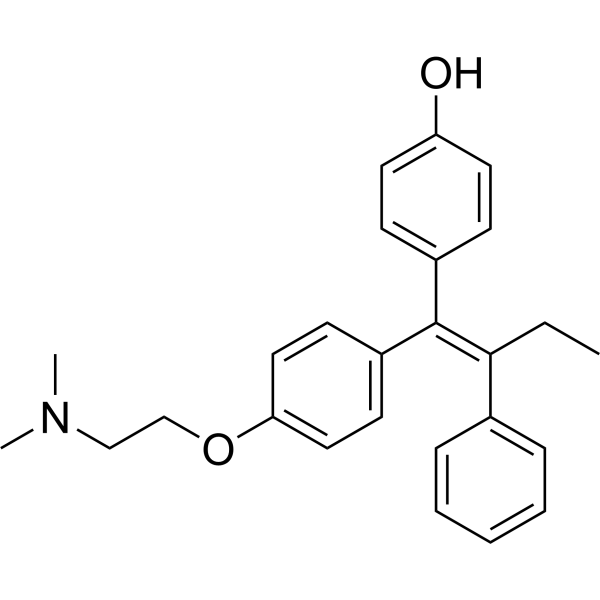
    4-Hydroxytamoxifen
    50+ Cited Publications

    (Z)-4-Hydroxytamoxifen; trans-4-Hydroxytamoxifen; (Z)-Afimoxifene

    Estrogen Receptor/ERR Cancer
    4-Hydroxytamoxifen ((Z)-4-Hydroxytamoxifen) is an orally active, selective estrogen receptor modulator (SERM). 4-Hydroxytamoxifen ((Z)-4-Hydroxytamoxifen) is also the active metabolic form of Tamoxifen (HY-13757A) in vivo and can be used to induce gene knockout in transgenic mice expressing CreER .
    4-Hydroxytamoxifen
  • HY-138642
    Vepdegestrant
    5+ Cited Publications

    ARV-471

    PROTACs Estrogen Receptor/ERR Cancer
    Vepdegestrant (ARV-471) is an orally active PROTAC estrogen receptor degrader against breast cancer. Vepdegestrant is a hetero-bifunctional molecule that facilitates the interactions between estrogen receptor alpha and an intracellular E3 ligase complex. Vepdegestrant leads to the ubiquitylation and subsequent degradation of estrogen receptors via the proteasome. Vepdegestrant robustly degrades ER in ER-positive breast cancer cell lines with a half-maximal degradation concentration (DC50) of about 2 nM .
    Vepdegestrant
  • HY-19822
    Elacestrant
    15+ Cited Publications

    RAD1901

    Estrogen Receptor/ERR Cancer
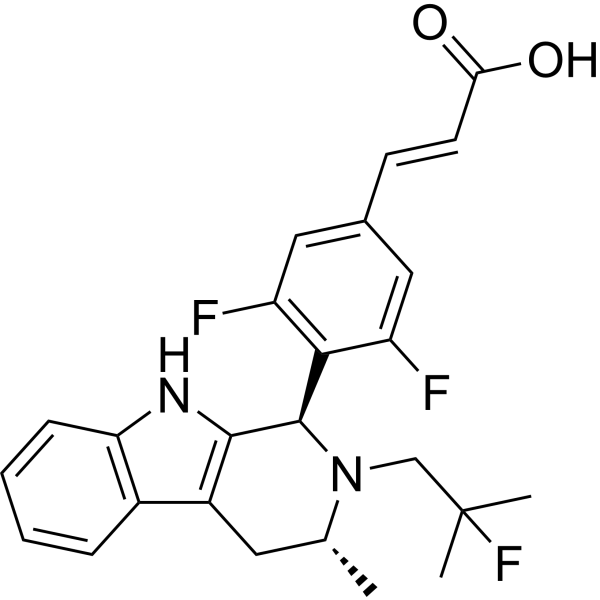
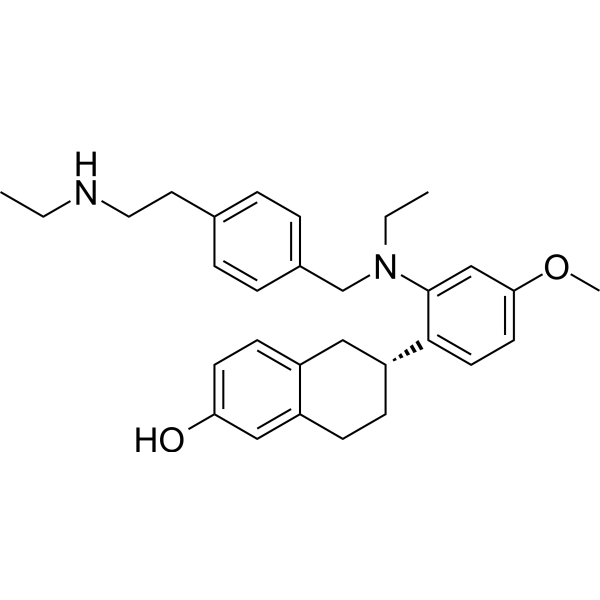
    Elacestrant (RAD1901) is an orally available and selective estrogen receptor degrader (SERD) with IC50s of 48 and 870 nM for ERα and ERβ, respectively. Elacestrant also can inhibit growth of ER + breast cancer cell lines in vitro and in vivo .
    Elacestrant
  • HY-A0036
    Bazedoxifene acetate
    15+ Cited Publications

    TSE-424 acetate

    Estrogen Receptor/ERR Cancer
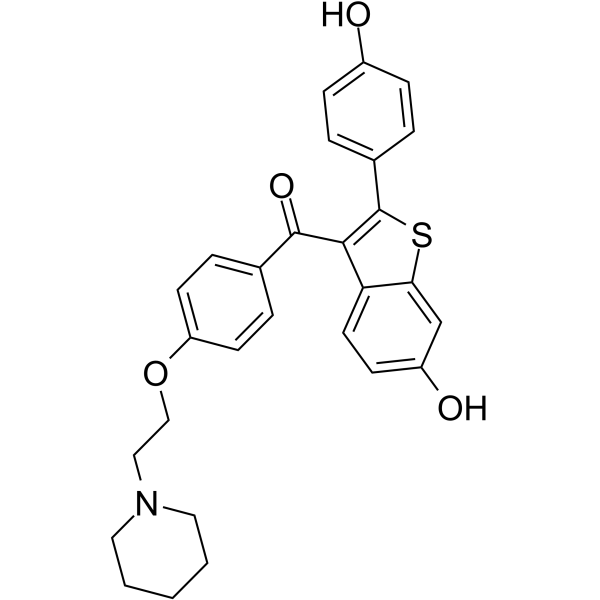
    Bazedoxifene acetate (TSE-424 acetate) is an oral, nonsteroidal selective estrogen receptor modulator (SERM), with IC50s of 23 nM and 99 nM for ERα and ERβ, respectively. Bazedoxifene acetate can be used for the research of osteoporosis. Bazedoxifene acetate also acts as an inhibitor of IL-6/GP130 protein-protein interactions and can be used for the research of pancreatic cancer .
    Bazedoxifene acetate
  • HY-A0031
    Bazedoxifene
    15+ Cited Publications

    TSE-424

    Estrogen Receptor/ERR Neurological Disease Cancer
    Bazedoxifene (TSE-424) is an oral, BBB-penetrant nonsteroidal selective estrogen receptor modulator (SERM), with IC50s of 23 nM and 99 nM for ERα and ERβ, respectively. Bazedoxifene can be used for the research of osteoporosis. Bazedoxifene also acts as an inhibitor of IL-6/GP130 protein-protein interactions and can be used for the research of pancreatic cancer .
    Bazedoxifene
  • HY-12452
    DPN
    15+ Cited Publications

    Diarylpropionitrile

    Estrogen Receptor/ERR Apoptosis Autophagy Neurological Disease
    DPN (Diarylpropionitrile) is a non-steroidal estrogen receptor β (ERβ) selective ligand, with an EC50 of 0.85 nM. DPN has neuroprotective effects in a number of neurological diseases .
    DPN
  • HY-118861A
    Enclomiphene citrate
    1 Publications Verification

    (E)-Clomiphene citrate; trans-Clomiphene citrate; Enclomifene citrate

    Estrogen Receptor/ERR Metabolic Disease Endocrinology
    Enclomiphene ((E)-Clomiphene) citrate is a potent and orally active non-steroidal estrogen receptor antagonist, with antioestrogenic property. Enclomiphene citrate can be used for the research of ovarian dysfunction, testosterone deficiency, male hypogonadism and type 2 diabetes .
    Enclomiphene citrate
  • HY-19822A
    Elacestrant dihydrochloride
    15+ Cited Publications

    RAD1901 dihydrochloride

    Estrogen Receptor/ERR Cancer
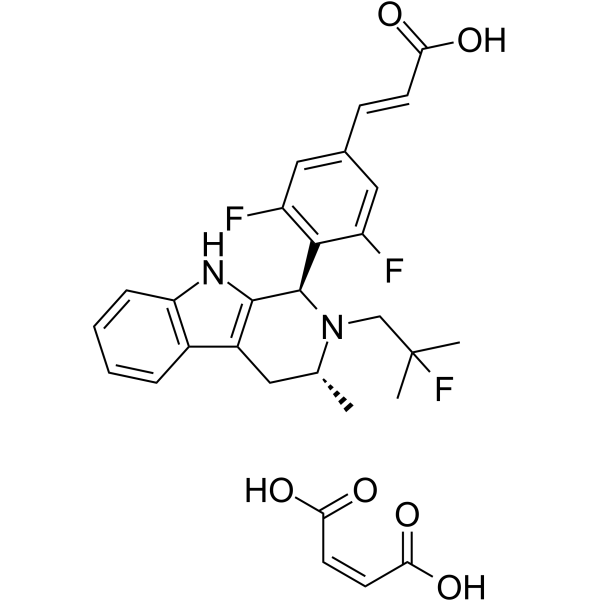
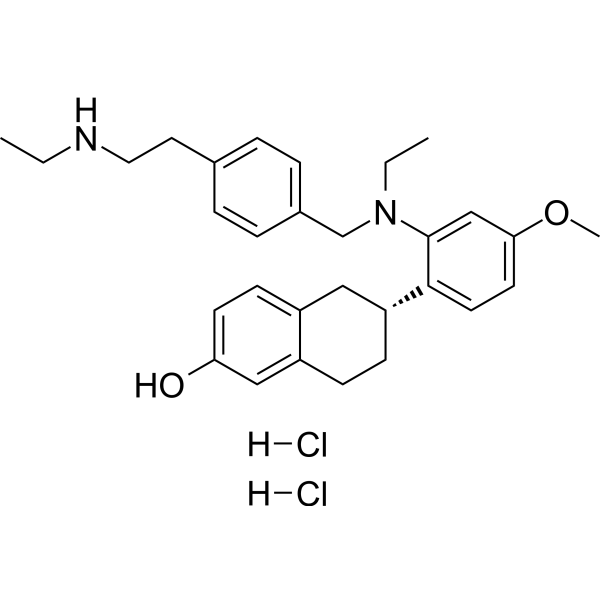
    Elacestrant (RAD1901) dihydrochloride is an orally available and selective estrogen receptor degrader (SERD) with IC50s of 48 and 870 nM for ERα and ERβ, respectively. Elacestrant dihydrochloride also can inhibit growth of ER + breast cancer cell lines in vitro and in vivo .
    Elacestrant dihydrochloride
  • HY-W011927

    Bisphenol S; Bis(4-hydroxyphenyl) sulfone

    Estrogen Receptor/ERR Histone Methyltransferase Thyroid Hormone Receptor PI3K Akt mTOR Androgen Receptor Drug Derivative Cardiovascular Disease Neurological Disease Metabolic Disease Inflammation/Immunology Cancer
    4,4'-Sulfonyldiphenol (Bisphenol S; Bis(4-hydroxyphenyl) sulfone), a substitute for Bisphenol A (HY-18260), is widely used in industrial and consumer products. 4,4'-Sulfonyldiphenol is an oally ative estrogen receptor (ER) agonist and can competitively bind to thyroid hormone receptors (TR) with IC50 values for TRα and TRβ are 2650 μM and 2294 μM respectively, thereby affecting breast development and reducing the expression of androgen receptor (AR) in fetal testes. 4,4'-Sulfonyldiphenol promotes the progression of glioblastoma by upregulating the EZH2 mediated PI3K/AKT/mTOR pathway. Under chronic exposure, 4,4'-Sulfonyldiphenol can cause significant lipid deposition and dyslipidemia in the mouse liver by upregulating JunB and Atf3, and has a role in causing obesity at low doses. 4,4'-Sulfonyldiphenol induces intestinal inflammation by altering the intestinal microbiome. 4,4'-Sulfonyldiphenol accelerates the progression of atherosclerosis in zebrafish embryo larvae .
    4,4'-Sulfonyldiphenol
  • HY-118861
    Enclomiphene
    5 Publications Verification

    (E)-Clomiphene; trans-Clomiphene; Enclomifene

    Estrogen Receptor/ERR Metabolic Disease Endocrinology
    Enclomiphene ((E)-Clomiphene) is a potent and orally active non-steroidal estrogen receptor antagonist, with antioestrogenic property. Enclomiphene can be used for the research of ovarian dysfunction, testosterone deficiency, male hypogonadism and type 2 diabetes .
    Enclomiphene
  • HY-144070

    Estrogen Receptor/ERR Cancer
    ErSO-DFP is an anticipatory unfolded protein response (a-UPR) activator. ErSO-DFP has enhanced selectivity for estrogen receptor alpha-positive (ERα+) cancer cells with a wider selectivity window than ErSO (HY-132247). ErSO-DFP displays antitumor activity against MCF-7 in mice. ErSO-DFP can cross the blood brain barrier .
    ErSO-DFP
  • HY-B0742
    Hydroxyprogesterone caproate
    5+ Cited Publications

    17α-Hydroxyprogesterone hexanoate; 17α-Hydroxyprogesterone caproate

    Progesterone Receptor Endocrinology
    Hydroxyprogesterone caproate (17α-Hydroxyprogesterone hexanoate; 17α-Hydroxyprogesterone caproate) is a progesterone receptor (progesterone receptor) ligand and steroid hormone transcription inhibitor. Hydroxyprogesterone caproate downregulates estrogen receptors in target tissues and activates their metabolic pathways, and exhibits equivalent affinity for progesterone receptor A and progesterone receptor B. Hydroxyprogesterone caproate shows no consistent teratogenicity or developmental toxicity in rat, mouse and monkey models, but induces resorption or abortion in rhesus monkeys at human-equivalent doses. Hydroxyprogesterone caproate promotes the production of TNF-α in lipopolysaccharide-stimulated whole blood from non-pregnant women. Hydroxyprogesterone caproate can be used in scientific research related to preterm birth .
    Hydroxyprogesterone caproate
  • HY-119437
    FLTX1
    2 Publications Verification

    Estrogen Receptor/ERR Cancer
    FLTX1 is a fluorescent Tamoxifen derivative that can specifically label intracellular Tamoxifen-binding sites (estrogen receptors) under permeabilized and non-permeabilized conditions. FLTX1 exhibits the potent antiestrogenic properties of Tamoxifen in breast cancer cells. FLTX1 is devoid of the estrogenic agonistic effect on the uterus .
    FLTX1
  • HY-W011927S
    4,4'-Sulfonyldiphenol-d8
    1 Publications Verification

    Bisphenol S (4,4'-Sulfonyldiphenol)-d8

    Isotope-Labeled Compounds Estrogen Receptor/ERR Histone Methyltransferase Thyroid Hormone Receptor PI3K Akt mTOR Androgen Receptor Cardiovascular Disease Metabolic Disease Inflammation/Immunology Endocrinology Cancer
    4,4'-Sulfonyldiphenol-d8 (Bisphenol S (4,4'-Sulfonyldiphenol)-d8) is the deuterium labeled 4,4'-Sulfonyldiphenol (HY-W011927).4,4'-Sulfonyldiphenol (Bisphenol S; Bis(4-hydroxyphenyl) sulfone), a substitute for Bisphenol A (HY-18260), is widely used in industrial and consumer products. 4,4'-Sulfonyldiphenol is an estrogen receptor (ER) agonist and can competitively bind to thyroid hormone receptors (TR) with IC50 values for TRα and TRβ are 2650 μM and 2294 μM respectively, thereby affecting breast development and reducing the expression of androgen receptor (AR) in fetal testes. 4,4'-Sulfonyldiphenol promotes the progression of glioblastoma by upregulating the EZH2 mediated PI3K/AKT/mTOR pathway. Under chronic exposure, 4,4'-Sulfonyldiphenol can cause significant lipid deposition and dyslipidemia in the mouse liver by upregulating JunB and Atf3, and has a role in causing obesity at low doses. 4,4'-Sulfonyldiphenol induces intestinal inflammation by altering the intestinal microbiome. 4,4'-Sulfonyldiphenol accelerates the progression of atherosclerosis in zebrafish embryo larvae.
    4,4'-Sulfonyldiphenol-d8
  • HY-W654077

    BPAF-d4; 4,4'-(Perfluoropropane-2,2-diyl)diphenol-d4

    Estrogen Receptor/ERR Endocrinology
    Bisphenol AF-d4 is the isotope labelled analog of Bisphenol AF (HY-W013782). Bisphenol AF is a full agonist for the estrogen receptor. Bisphenol AF acts as an endocrine-disrupting chemical (EDC), activating estrogen through the estrogen receptor Era. Bisphenol AF-d4 can be used for the research of endocrinology and cancer .
    Bisphenol AF-d4
  • HY-110157

    Estrogen Receptor/ERR Neurological Disease
    AC-186 is a selective non-steroidal estrogen receptor β (ERβ) agonist with EC50s of 6 nM and 5000 nM for ERβ and ERα, respectively. AC-186 shows gender selective neuroprotective effects in a male rat model of Parkinson's disease .
    AC-186
  • HY-W1006471

    Estrogen Receptor/ERR Endocrinology
    Estrogen receptor-agonist-1 (compound 4e) is a estrogen receptor (ER) agonist that binds to ERα with high affinity .
    Estrogen receptor-agonist-1
  • HY-150601
    Estrogen receptor-IN-1
    1 Publications Verification

    Estrogen Receptor/ERR Metabolic Disease
    Estrogen receptor-IN-1 (compound 16) is a potent estrogen receptor (ER) inhibitor with IC50s of 13, 5µM for ERα and Erβ, respectively .
    Estrogen receptor-IN-1
  • HY-110201

    Estrogen Receptor/ERR Cancer
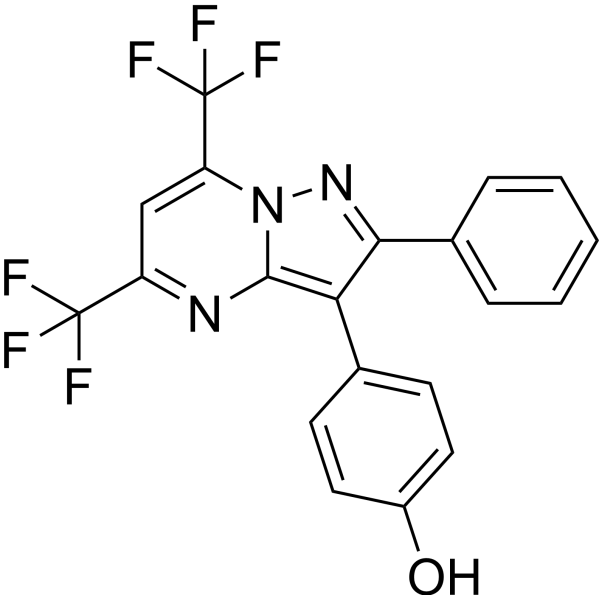
    Estrogen receptor modulator 1 (compound 18) is an orally active and selective estrogen receptor modulator (SERM), with a pIC50 of 0.46. Estrogen receptor modulator 1 induces regression of Tamoxifen-resistant, hormone independent xenograft tumors .
    Estrogen receptor modulator 1
  • HY-13724

    ERA-923

    Estrogen Receptor/ERR Cancer
    Pipendoxifene is a selective estrogen receptor modulator (SERM).
    Pipendoxifene
  • HY-145341

    Estrogen Receptor/ERR Cancer
    GNE-149 is an orally bioavailable full antagonist of estrogen receptor α (ERα; IC50=0.053 nM). GNE-149 is a selective estrogen receptor degrader (SERD). GNE-149 can be used for the research of breast cancer .
    GNE-149
  • HY-P5464

    Estrogen Receptor/ERR Others
    SRC-1 NR box peptide is a biological active peptide (This peptide is a 14-amino acid fragment from the steroid receptor cofactor SRC-1 NR II). SRC-1 NR box peptide can be used to study the regulatory mechanisms of estrogen receptor ligands .
    SRC-1 NR box peptide
  • HY-13636A

    ICI 182780 (S enantiomer); ZD 9238 (S enantiomer); ZM 182780 (S enantiomer)

    Drug Isomer Estrogen Receptor/ERR p38 MAPK Apoptosis Cancer
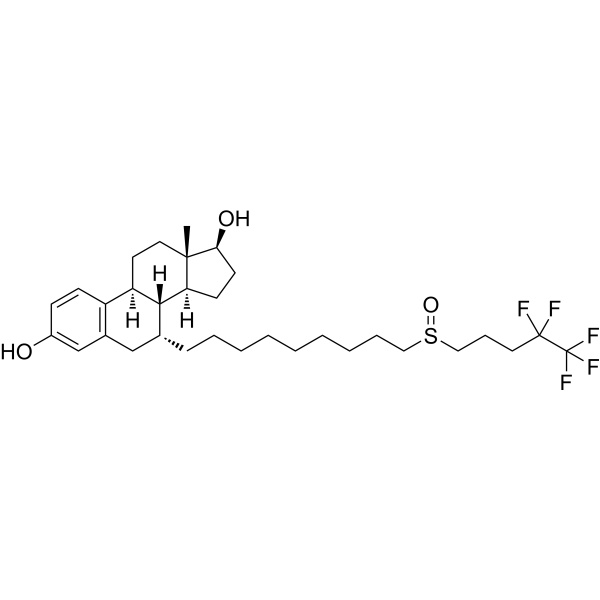
    Fulvestrant (ICI 182780; ZD 9238) S enantiomer is the S-enantiomer of Fulvestrant (HY-13636), a potent estrogen receptor inhibitor. Fulvestrant binds to and blocks the estrogen receptor, promotes its degradation, and thereby inhibits receptor dimerization, nucleocytoplasmic shuttling and transcriptional activity. Fulvestrant effectively blocks estrogen signaling, MAPK pathway activation and ER-regulated protein expression. Fulvestrant induces apoptosis, inhibits the proliferation of breast cancer and prolactinoma cells, and reduces the mineralization level, alkaline phosphatase activity and osteocalcin expression of preosteoblasts. Prenatal exposure to Fulvestrant impairs ovarian follicular development and causes ovarian structural damage. Fulvestrant has been widely used in studies related to breast cancer, prolactinoma and other conditions .
    Fulvestrant (S enantiomer)
  • HY-135312

    Estrogen Receptor/ERR PROTACs Cancer
    AZ'6421 acts as Protcolysis Targeting Chimera (PROTAC) to selectively degrade estrogen receptor alpha. AZ'6421 has a potent anti-tumour effect to inhibit the uncontrolled cellular proliferation which arises from malignant disease. AZ'6421 can be used for the research of cancer such as breast cancer .
    AZ'6421
  • HY-150693

    Estrogen Receptor/ERR Cancer
    Estrogen receptor β antagonist 2 is a potent and selective estrogen receptor β (ERβ) antagonist with IC50s of 109.10, 0.63 µM for Erα and Erβ, respectively .
    Estrogen receptor β antagonist 2
  • HY-79576

    Oestrone methyl ether; 3-O-Methylestrone

    Drug Intermediate Cancer
    Estrone 3-methyl ether (Oestrone methyl ether; 3-O-Methylestrone) is a synthetic intermediate useful for synthesis of estrogen receptor modulator .
    Estrone 3-methyl ether
  • HY-118861B

    (E)-Clomiphene hydrochloride; trans-Clomiphene hydrochloride; Enclomifene hydrochloride

    Estrogen Receptor/ERR Metabolic Disease Endocrinology
    Enclomiphene ((E)-Clomiphene) hydrochloride is a potent and orally active non-steroidal estrogen receptor antagonist, with antioestrogenic property. Enclomiphene hydrochloride can be used for the research of ovarian dysfunction, testosterone deficiency, male hypogonadism and type 2 diabetes .
    Enclomiphene hydrochloride
  • HY-A0287

    Clomifene; (Z/E)-Enclomiphene; (Z/E)-Enclomifene

    Estrogen Receptor/ERR Metabolic Disease Cancer
    Clomiphene (Clomifene; (Z/E)-Enclomiphene; (Z/E)-Enclomifene) is an orally active ovulation-inducing agent. Clomiphene binds to hypothalamic estrogen receptors to elevate FSH levels, and exhibits antiestrogenic or estrogenic properties. Clomiphene can induce erturbations during meiotic maturation and cytogenetic abnormalities in mouse oocytes. Clomiphene ameliorates memory impairment in PCOS models. Clomiphene mobilizes cytosolic calcium and reduces viability in prostate cancer cells. Clomiphene can be used for the research of polycystic ovary syndrome (PCOS) and prostate cancer .
    Clomiphene
  • HY-A0031A

    TSE-424 hydrochloride

    Estrogen Receptor/ERR Cancer
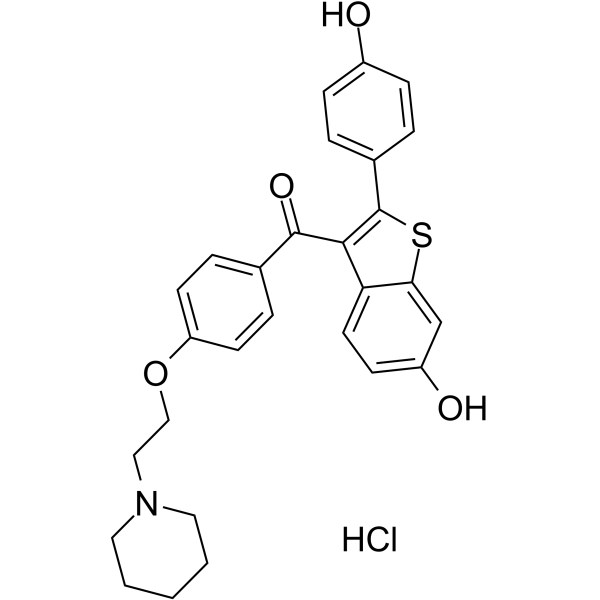
    Bazedoxifene hydrochloride (TSE-424 hydrochloride) is an oral active, BBB-penetrant nonsteroidal selective estrogen receptor modulator (SERM), with IC50s of 23 nM and 99 nM for ERα and ERβ, respectively. Bazedoxifene hydrochloride can be used for the research of osteoporosis. Bazedoxifene hydrochloride acts as an inhibitor of IL-6/GP130 protein-protein interactions. Bazedoxifene hydrochloride can be used for the research of pancreatic cancer .
    Bazedoxifene hydrochloride
  • HY-A0036R

    TSE-424 acetate (Standard)

    Reference Standards Estrogen Receptor/ERR Cancer
    Bazedoxifene (acetate) (Standard) is the analytical standard of Bazedoxifene (acetate). This product is intended for research and analytical applications. Bazedoxifene acetate (TSE-424 acetate) is an oral, nonsteroidal selective estrogen receptor modulator (SERM), with IC50s of 23 nM and 99 nM for ERα and ERβ, respectively. Bazedoxifene acetate can be used for the research of osteoporosis. Bazedoxifene acetate also acts as an inhibitor of IL-6/GP130 protein-protein interactions and can be used for the research of pancreatic cancer .
    Bazedoxifene acetate (Standard)
  • HY-B0412S

    Isotope-Labeled Compounds Estrogen Receptor/ERR Endogenous Metabolite Cancer
    Estriol-d2 is the deuterium labeled Estriol. Estriol is an antagonist of the G-protein coupled estrogen receptor in estrogen receptor-negative breast cancer cells.
    Estriol-d2
  • HY-B0412S2

    Isotope-Labeled Compounds Estrogen Receptor/ERR Endogenous Metabolite Cancer
    Estriol-d3 is the deuterium labeled Estriol. Estriol is an antagonist of the G-protein coupled estrogen receptor in estrogen receptor-negative breast cancer cells.
    Estriol-d3
  • HY-W011927R

    Bisphenol S (Standard); Bis(4-hydroxyphenyl) sulfone (Standard)

    Reference Standards Estrogen Receptor/ERR Histone Methyltransferase Thyroid Hormone Receptor PI3K Akt mTOR Androgen Receptor Drug Derivative Cardiovascular Disease Metabolic Disease Inflammation/Immunology Endocrinology Cancer
    4,4'-Sulfonyldiphenol (Bisphenol S; Bis(4-hydroxyphenyl) sulfone) (Standard) is the analytical standard of 4,4'-Sulfonyldiphenol (HY-W011927). This product is intended for research and analytical applications. 4,4'-Sulfonyldiphenol, a substitute for Bisphenol A (HY-18260), is widely used in industrial and consumer products. 4,4'-Sulfonyldiphenol is an estrogen receptor (ER) agonist and can competitively bind to thyroid hormone receptors (TR) with IC50 values for TRα and TRβ are 2650 μM and 2294 μM respectively, thereby affecting breast development and reducing the expression of androgen receptor (AR) in fetal testes. 4,4'-Sulfonyldiphenol promotes the progression of glioblastoma by upregulating the EZH2 mediated PI3K/AKT/mTOR pathway. Under chronic exposure, 4,4'-Sulfonyldiphenol can cause significant lipid deposition and dyslipidemia in the mouse liver by upregulating JunB and Atf3, and has a role in causing obesity at low doses. 4,4'-Sulfonyldiphenol induces intestinal inflammation by altering the intestinal microbiome. 4,4'-Sulfonyldiphenol accelerates the progression of atherosclerosis in zebrafish embryo larvae.
    4,4'-Sulfonyldiphenol (Standard)
  • HY-150692

    Estrogen Receptor/ERR Cancer
    Estrogen receptor α antagonist 1 (compound 35) is a highly selective antagonist of estrogen receptor α, with IC50s of 0.02, 6.55 and 7.73 μM for estrogen receptor α, estrogen receptor β and MCF-7 cells, respectively. Estrogen receptor α antagonist 1 can be used for the research of cancer .
    Estrogen receptor α antagonist 1
  • HY-151230

    Estrogen Receptor/ERR Cancer
    (-)-Erteberel is a selective estrogen receptor beta (ERβ) agonist. (-)-Erteberel can be utilized in the study of diseases mediated by estrogen receptor beta (ERβ), such as prostate cancer .
    (-)-Erteberel
  • HY-P5464A

    Estrogen Receptor/ERR Endocrinology
    SRC-1 NR box peptide acetate is a biological active peptide (This peptide is a 14-amino acid fragment from the steroid receptor cofactor SRC-1 NR II). SRC-1 NR box peptide acetate can be used to study the regulatory mechanisms of estrogen receptor ligands .
    SRC-1 NR box peptide acetate
  • HY-N7424

    4,7-DHC

    EGFR Estrogen Receptor/ERR Progesterone Receptor Cancer
    4,7-Dihydroxycoumarin is an EGFR inhibitor, estrogen receptor inhibitor, and progesterone receptor inhibitor. 4,7-Dihydroxycoumarin against breast cancer cells with an IC50 velue of 18.36 μg/mL. 4,7-Dihydroxycoumarin can be used for the research of breast cancer .
    4,7-Dihydroxycoumarin
  • HY-135588

    Drug Metabolite Metabolic Disease
    Raloxifene 6,4'-Bis-β-D-glucuronide (compound IV) is a metabolite of Raloxifene. Raloxifene is a selective estrogen receptor antagonist for the prevention of osteoporosis .
    Raloxifene 6,4'-Bis-β-D-glucuronide
  • HY-W554614

    Fosfestrol

    Estrogen Receptor/ERR Cancer
    Diethylstilbestrol diphosphate (Fosfestrol) is a diphosphate of diethylstilbestrol and an agonist of estrogen receptors. Diethylstilbestrol diphosphate is a prodrug of diethylstilbestrol and has a powerful anti-gonadotropin effect. Diethylstilbestrol diphosphate can be used in the research of prostate cancer .
    Diethylstilbestrol diphosphate
  • HY-160264

    PROTACs Estrogen Receptor/ERR Cancer
    PROTAC ER Degrader-12 (Compound 70) is an estrogen receptor PROTAC degrader (DC50: <10 nM), and inhibits MCF-7 proliferation (DC50: <10 nM). PROTAC ER Degrader-12 has anticancer effect. Pink: ER ligand (HY-169978); Blue: E3 ligase ligand (HY-138793); Black: linker (HY-30756) .
    PROTAC ER Degrader-12
  • HY-138642A

    (Rac)-ARV-471

    Estrogen Receptor/ERR PROTACs Cancer
    (Rac)-Vepdegestrant is the isomer of Vepdegestrant (HY-138642). Vepdegestrant ((R)-Lavandulol) is an orally active PROTAC estrogen receptor degrader against breast cancer. Vepdegestrant is a hetero-bifunctional molecule that facilitates the interactions between estrogen receptor alpha and an intracellular E3 ligase complex. Vepdegestrant leads to the ubiquitylation and subsequent degradation of estrogen receptors via the proteasome. Vepdegestrant robustly degrades ER in ER-positive breast cancer cell lines with a half-maximal degradation concentration (DC50) of about 2 nM .
    (Rac)-Vepdegestrant
  • HY-144204

    Estrogen Receptor/ERR Endocrinology Cancer
    Estrogen receptor antagonist 5 is a potent antagonist of Estrogen receptor. The estrogen receptor is a ligand-activated transcriptional regulatory protein that mediates induction of a variety of biological effects through its interaction with endogenous estrogens. Estrogen receptor antagonist 5 has the potential for the research of metastatic disease (extracted from patent WO2017174757A1, compound 165) .
    Estrogen receptor antagonist 5
  • HY-144206

    Estrogen Receptor/ERR Endocrinology
    Estrogen receptor antagonist 6 is a potent antagonist of Estrogen receptor. The estrogen receptor is a ligand-activated transcriptional regulatory protein that mediates induction of a variety of biological effects through its interaction with endogenous estrogens. Estrogen receptor antagonist 6 has the potential for the research of metastatic disease (extracted from patent WO2017174757A1, compound 166) .
    Estrogen receptor antagonist 6
  • HY-108028

    Estrogen Receptor/ERR DNA/RNA Synthesis Cancer
    NDC 1308 is an estradiol analogue. NDC 1308 can bind estrogen receptor beta and inhibit cancer cell proliferation by blocking chromosome replication. NDC 1308 can be used for the research of cancer, such as breast cancer .
    NDC 1308
  • HY-144138

    Estrogen Receptor/ERR Cancer
    Estrogen receptor antagonist 2 is a selective estrogen receptor downregulator. Estrogen (E2) and estrogen alpha receptor (ERα) are important drivers of breast cancer development. Estrogen receptor antagonist 2 has the potential for the research of breast cancer diseases (extracted from patent WO2021228210A1, compound 3) .
    Estrogen receptor antagonist 2
  • HY-144137

    Estrogen Receptor/ERR Cancer
    Estrogen receptor antagonist 1 is a selective estrogen receptor antagonist. Estrogen (E2) and estrogen alpha receptor (ERα) are important drivers of breast cancer development. Estrogen receptor antagonist 1 has the potential for the research of breast cancer diseases (extracted from patent WO2021249533A1, compound 4) .
    Estrogen receptor antagonist 1
  • HY-16950R

    (Z)-4-Hydroxytamoxifen (Standard); trans-4-Hydroxytamoxifen (Standard); (Z)-Afimoxifene (Standard)

    Estrogen Receptor/ERR Reference Standards Cancer
    4-Hydroxytamoxifen (Standard) is the analytical standard of 4-Hydroxytamoxifen. This product is intended for research and analytical applications. 4-Hydroxytamoxifen ((Z)-4-Hydroxytamoxifen) is an orally active, selective estrogen receptor modulator (SERM). 4-Hydroxytamoxifen ((Z)-4-Hydroxytamoxifen) is also the active metabolic form of Tamoxifen (HY-13757A) in vivo and can be used to induce gene knockout in transgenic mice expressing CreER .
    4-Hydroxytamoxifen (Standard)
  • HY-125037

    Estrogen Receptor/ERR HSP Cancer
    Diptoindonesin G is a 2-arylbenzofuran derivative and a modulator of estrogen receptor and HSP90 middle domain. Diptoindonesin G exhibits strong cytotoxicity against mouse leukemia P-388 cells with an IC50 of 13.2 μM. Diptoindonesin G has antitumor activity and can be used in the research of tumors such as breast cancer .
    Diptoindonesin G
  • HY-144139

    Estrogen Receptor/ERR Cancer
    Estrogen receptor antagonist 3 is a potent antagonist of estrogen receptor (ER). The estrogen signaling system plays an important role in regulating cell growth, differentiation and apoptosis. Estrogen receptor antagonist 3 has the potential for the research of cancer diseases (extracted from patent WO2021213358A1, compound 7) .
    Estrogen receptor antagonist 3
  • HY-144202

    Estrogen Receptor/ERR Cancer
    Estrogen receptor antagonist 4 is a potent antagonist of estrogen receptor (ER). The estrogen signaling system plays an important role in regulating cell growth, differentiation and apoptosis. Estrogen receptor antagonist 4 has the potential for the research of cancer diseases (extracted from patent WO2021213358A1, compound 1) .
    Estrogen receptor antagonist 4

Inquiry Online

Your information is safe with us. * Required Fields.

Salutation


Country or Region *

Applicant Name *


Organization Name *

Department *


Email Address *


Product Name *

Cat. No.


Requested quantity *

Phone Number *


Remarks

Inquiry Online

Inquiry Information

Product Name:
Cat. No.:
Quantity:
MCE Japan Authorized Agent:

