
33 Results for "

FDA-approved

" in MedChemExpress (MCE) Product Catalog:
Products (33)

33 Results for "FDA-approved" in MCE Product Catalog:

21
21 Publications Verification
Cat. No.: HY-A0293
CAS No.: 3546-41-6
Synonyms: Pyrvinium embonate
Target:  

Wnt

Research Areas:  

Cancer

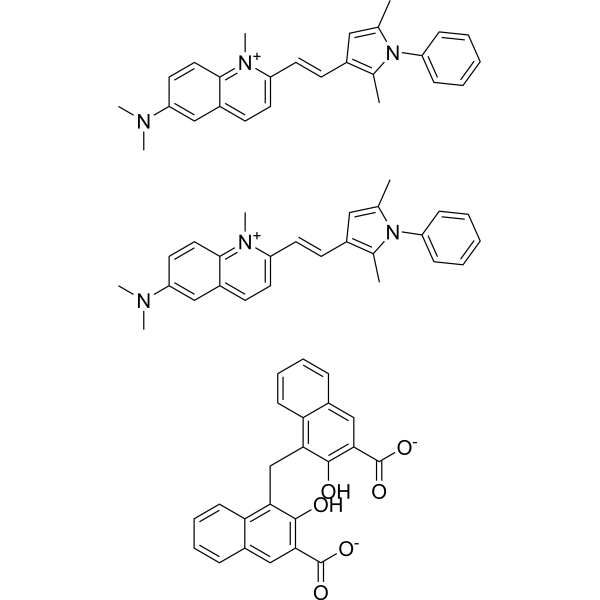
Pyrvinium pamoate is an FDA-approved antihelmintic agent that inhibits WNT pathway signaling.
loading...
    loading...
1
1 Cited Publications
Cat. No.: HY-W042416
CAS No.: 127-19-5
Synonyms: DMAc
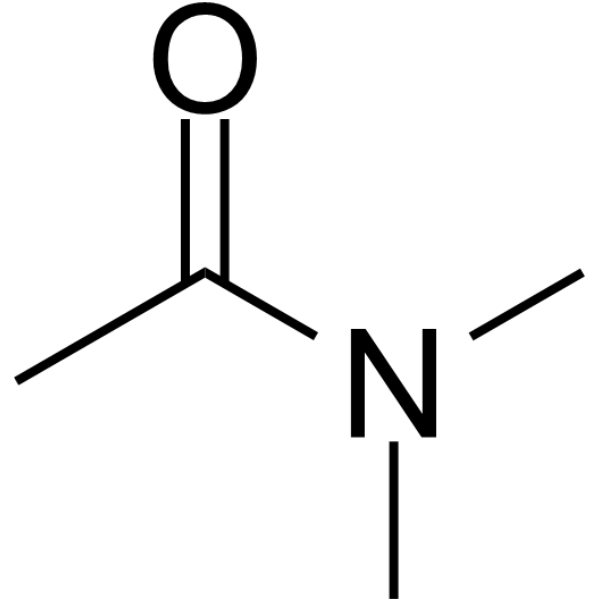
N,N-Dimethylacetamide (DMAc) is an organic solvent with blood-brain transmissibility and an FDA-approved drug excipient. N, N-dimethylacetamide exerts anti-inflammatory activity by inhibiting the NF-κB signaling pathway. N, N-dimethylacetamide can be used in studies of weight gain caused by a high-fat diet and neuroinflammation in Alzheimer's disease .
loading...
    loading...
1
1 Cited Publications
Cat. No.: HY-P99343
CAS No.: 2135632-29-8
Synonyms: REGN3470

Target:  

Filovirus

Research Areas:  

Infection

Atoltivimab (REGN3470), or maftivimab/odesivimab (Inmazeb) is the first Food and agent Administration (FDA)-approved monoclonal antibody to target Zaire ebolavirus (EBOVs) infection .
loading...
    loading...
Cat. No.: HY-15374
CAS No.: 26130-02-9
Purity:  99.21%
Target:  

Amyloid-β

Research Areas:  

Inflammation/Immunology

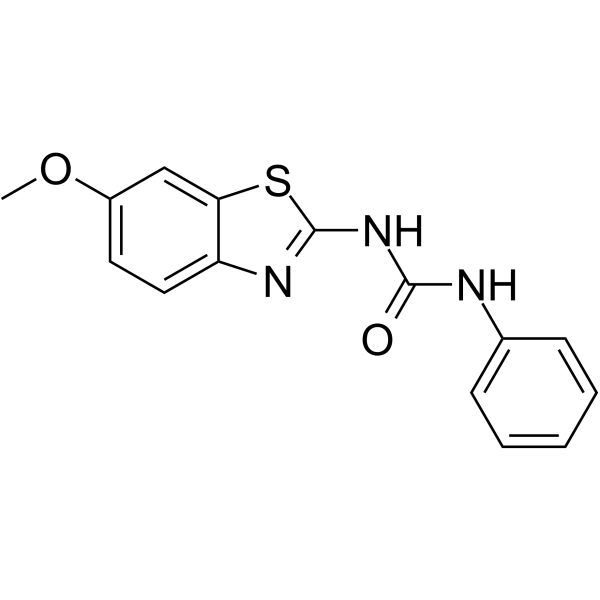
Frentizole, an FDA-approved immunosuppressant, is a Aβ-ABAD (binding alcohol dehydrogenase) interaction inhibitor with an IC50 value of 200 μM. Frentizole is used in studies of diseases related to rheumatoid arthritis and systemic lupus erythematosus .
loading...
    loading...
Cat. No.: HY-B0678
CAS No.: 1665-48-1
Synonyms: AHR438; NSC170959
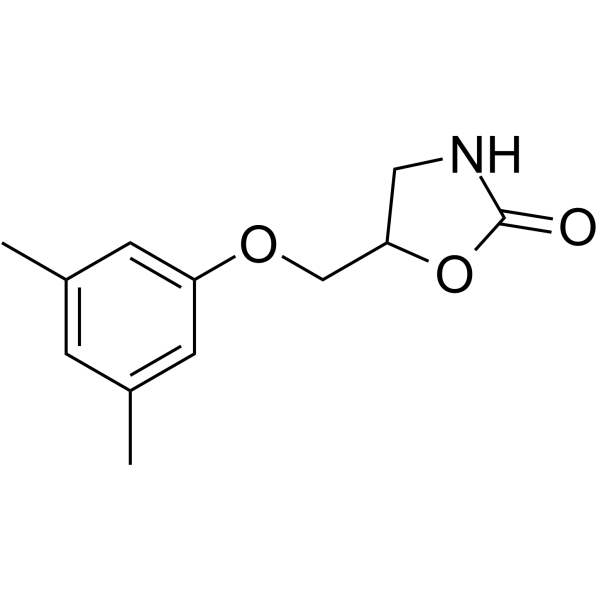
Metaxalone (AHR438; NSC170959) is an FDA-approved muscle relaxant. Metaxalone acts mainly on the central nervous system and achieves muscle relaxation by inhibiting polysynaptic reflex arcs. In addition, Metaxalone is an inhibitor of MAO-A, which has anti-inflammatory and antioxidant effects. Metaxalone inhibits IL-1β-induced inflammatory phenotype, modulates NF-κB and other related signaling pathways, and decreases MAO-A expression and activity in IL-1β-treated microglia .
loading...
    loading...
Cat. No.: HY-108894
CAS No.: 722492-56-0
Purity:  95.00%
Ferumoxytol is an FDA-approved ultrasmall superparamagnetic iron oxide preparation and iron replacement agent that exerts selective activity against leukemia cells with low ferroportin expression. Ferumoxytol increases intracellular iron levels, induces reactive oxygen species (ROS) production via the Fenton reaction, and triggers oxidative stress and cell death. Ferumoxytol reduces disease burden in mouse models and patient-derived leukemia models. As an MRI contrast agent, Ferumoxytol enables imaging of vascular lesions, tumors and lymph nodes. Ferumoxytol can be used in research related to acute myeloid leukemia and blast-phase chronic myeloid leukemia .
loading...
    loading...
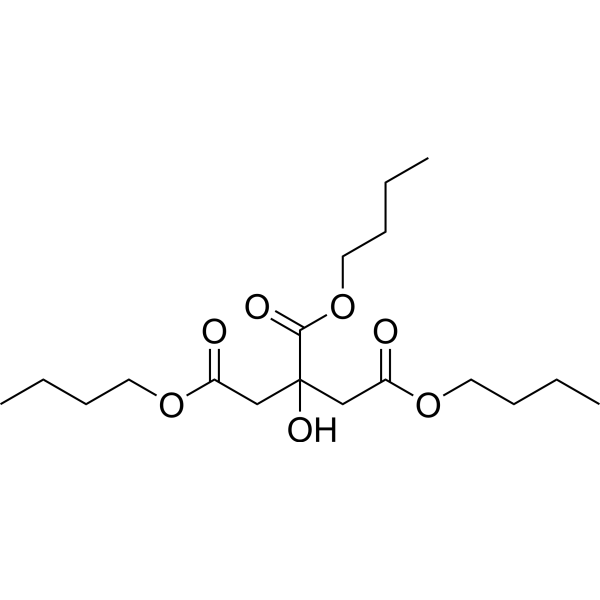
Cat. No.: HY-W013762
CAS No.: 77-94-1
Tributyl citrate is a low-toxicity and orally active citrate ester with no genotoxicity or skin sensitizing activity. Tributyl citrate also acts as a plasticizer, solvent, FDA-approved indirect food additive, and topical anesthetic, among other uses. Tributyl citrate induces a needle-prick insensitivity response that lasts for more than 2 hours, and a 5% suspension of it temporarily eliminates the corneal reflex in rabbits. Tributyl citrate causes no significant systemic toxicity in rats and cats at most tested doses, and only may cause growth retardation and gastrointestinal reactions such as diarrhea and nausea at high doses or with repeated oral administration .
loading...
    loading...
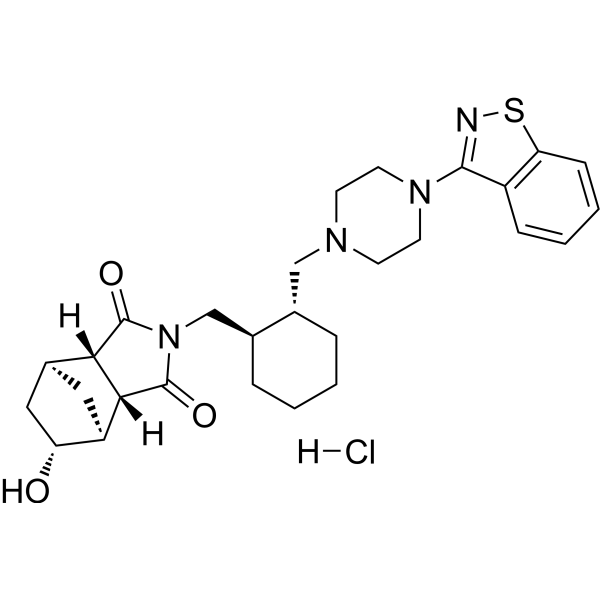
Cat. No.: HY-G0001A
CAS No.: 186204-32-0
Target:  

Drug Metabolite

Research Areas:  

Neurological Disease

Lurasidone Metabolite 14283 hydrochloride is a major active metabolite of Lurasidone. Lurasidone is a FDA approved agent for the treatment of schizophrenia.
loading...
    loading...
Cat. No.: HY-L022P
3,663 compounds

New drug development is a time-consuming and high-cost process. Drug repurposing (also called drug repositioning, reprofiling or re‑tasking) offers various advantages over developing an entirely new drug for a given indication. First, the risk of failure is lower. Second, the time frame for drug development can be reduced. Third, less investment is needed. Approved drugs have identified bioactivities, good pharmacokinetic characteristics and safety which are suitable for drug repurposing.

MCE owns a unique collection of 3,663 approved compounds which have been completed extensive preclinical and clinical studies and have well-characterized bioactivities, safety and bioavailability properties. MCE FDA-Approved Drug Library Plus, with more powerful screening capability, further complements FDA-Approved Drug Library (HY-L022) by adding some compounds with low solubility or solution stability (Part B) to this library. All those supplementary are supplied in powder form.

Cat. No.: HY-L022
3,236 compounds

New drug development is a time-consuming and high-cost process. Drug repurposing (also called drug repositioning, reprofiling or re‑tasking) offers various advantages over developing an entirely new drug for a given indication. First, the risk of failure is lower. Second, the time frame for drug development can be reduced. Third, less investment is needed. Approved drugs have identified bioactivities, good pharmacokinetic characteristics and safety which are suitable for drug repurposing.

MCE owns a unique collection of 3,236 approved compounds which have been completed extensive preclinical and clinical studies and have well-characterized bioactivities, safety and bioavailability properties. MCE FDA-Approved Drug Library is a good tool for drug repurposing which could dramatically accelerate drug development.

Cat. No.: HY-A0293R
CAS No.: 3546-41-6
Synonyms: Pyrvinium embonate (Standard)
Target:  

Reference Standards Wnt

Research Areas:  

Cancer

Pyrvinium pamoate (Standard) is the analytical standard of Pyrvinium pamoate. This product is intended for research and analytical applications. Pyrvinium pamoate is an FDA-approved antihelmintic agent that inhibits WNT pathway signaling.
loading...
    loading...
Cat. No.: HY-L261
167 compounds

MCE Classic FDA-Approved Drug Library features a curated selection of marketed drugs that have achieved the highest prescription volumes and greatest clinical impact in global practice since 2006. The collection covers eight major therapeutic areas, including cardiovascular diseases, oncology, metabolic disorders, infectious diseases, central nervous system disorders, respiratory diseases, digestive system diseases, and immunological conditions. All compounds have been validated through long‑term clinical use and possess well‑defined molecular targets, well‑established pharmacokinetic properties, quantifiable efficacy endpoints, and comprehensive toxicological safety profiles.

The library currently contains 167 representative drugs and is designed to serve as an efficient tool for drug repurposing, phenotypic screening, mechanism‑of‑action studies, and combination therapy strategy development.

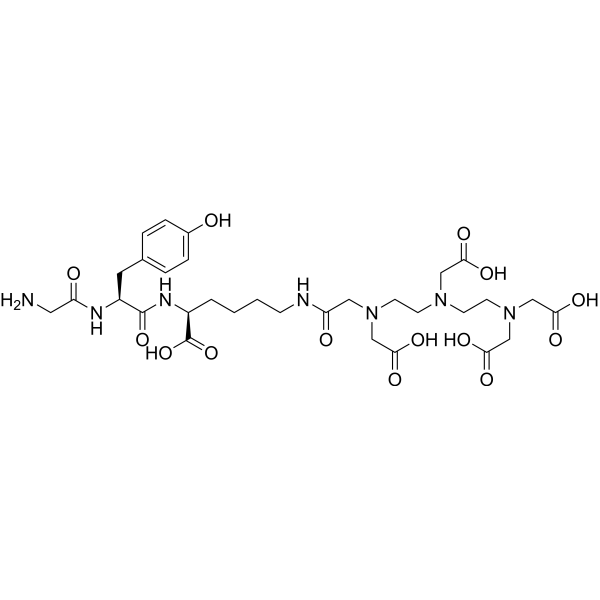
Cat. No.: HY-P10012
CAS No.: 148805-91-8
Synonyms: GYK-DTPA
Pendetide is a chelating agent, can be conjugated with Indium (111In) Capromab for further diagnostic use. Capromab pendetide is a FDA-approved imaging agent for the detection of soft tissue metastases in prostate carcinoma . Pendetide can be used for the synthesis/research of Radionuclide-Drug Conjugates (RDCs).
loading...
    loading...
Cat. No.: HY-L022M
3,236 compounds

New drug development is a time-consuming and high-cost process. Drug repurposing (also called drug repositioning, reprofiling or re‑tasking) offers various advantages over developing an entirely new drug for a given indication. First, the risk of failure is lower. Second, the time frame for drug development can be reduced. Third, less investment is needed. Approved drugs have identified bioactivities, good pharmacokinetic characteristics and safety which are suitable for drug repurposing.

MCE owns a unique collection of 3,236 approved compounds which have been completed extensive preclinical and clinical studies and have well-characterized bioactivities, safety and bioavailability properties. The package of this library is 96-well microplate with peelable foil seal, which makes the screening process easier and faster.

Cat. No.: HY-L122
1,540 compounds

Cancer is the second leading cause of death worldwide and a serious threat to human health. Multiple treatments have been developed for cancer treatment, but new anti-cancer drugs still need to be developed urgently. Approved drugs, have well-characterized bioactivities, safety and bioavailability properties, will dramatically accelerate drug development.

MCE offers a unique collection of 1,540 approved drugs with anti-cancer activity, which can be used for discovery of new anti-cancer drugs or as positive compounds used for anti-cancer research.

Cat. No.: HY-L163
306 compounds

Traditional Chinese medicine provides abundant natural resources for medicinal compounds, which are often considered effective and safe for drug discovery. Traditional Chinese medicine is based on the principle of "multiple components, multiple targets, and multiple pathways", and naturally has multiple pharmacological effects. As herbal medicine, the secondary plant metabolites in Chinese herbal medicine play an important role in alleviating many diseases in Traditional medicine and folk use. Therefore, the identification of traditional Chinese medicine derived compounds is also an important process in drug development and a necessary factor in dissecting the overall mechanism of action of traditional Chinese medicine. FDA listed compounds have completed extensive preclinical and clinical studies, exhibiting good biological activity, safety, and bioavailability.

MCE designs a unique collection of 306 FDA/EMA/NMPA/PMDA etc-approved traditional Chinese medicine active compounds, including flavonoids, polyphenols, alkaloids, terpenoids, and other structural types. It is a good tool for drug reuse and screening drugs from traditional Chinese medicine sources.

Cat. No.: HY-118326
CAS No.: 1190379-37-3
Target:  

Autophagy

Research Areas:  

Cancer

MRT 68601 is a potent TBK1 inhibitor with the activity of inhibiting autophagosome formation in lung cancer cells. MRT 68601 may have potential effects against targets associated with host-dependent factors identified in SARS-CoV-2 infection. The drug targets involved in MRT 68601 are related to existing FDA-approved drugs and compounds in clinical trials, which can provide support for the development of broad-spectrum antiviral therapies .
loading...
    loading...
Cat. No.: HY-W042416R
CAS No.: 127-19-5
Synonyms: DMAc (Standard)
N,N-Dimethylacetamide (Standard) is the analytical standard of N,N-Dimethylacetamide. This product is intended for research and analytical applications. N,N-Dimethylacetamide (DMAc) is an organic solvent with blood-brain transmissibility and an FDA-approved drug excipient. N, N-dimethylacetamide exerts anti-inflammatory activity by inhibiting the NF-κB signaling pathway. N, N-dimethylacetamide can be used in studies of weight gain caused by a high-fat diet and neuroinflammation in Alzheimer's disease .
loading...
    loading...
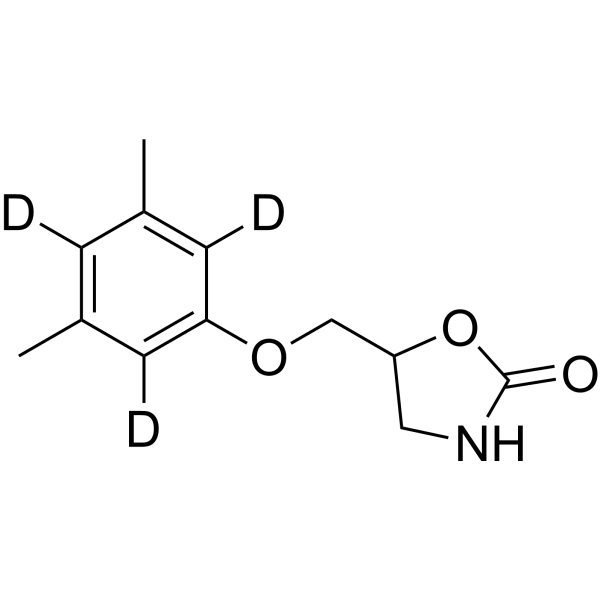
Cat. No.: HY-B0678S
CAS No.: 1192812-66-0
Metaxalone-d3 is the deuterium labeled Metaxalone. Metaxalone (AHR438; NSC170959) is an FDA-approved muscle relaxant. Metaxalone acts mainly on the central nervous system and achieves muscle relaxation by inhibiting polysynaptic reflex arcs. In addition, Metaxalone is an inhibitor of MAO-A, which has anti-inflammatory and antioxidant effects. Metaxalone inhibits IL-1β-induced inflammatory phenotype, modulates NF-κB and other related signaling pathways, and decreases MAO-A expression and activity in IL-1β-treated microglia .
loading...
    loading...
Cat. No.: HY-B0678S1
CAS No.: 1189944-95-3
Synonyms: AHR438-d6; NSC170959-d6
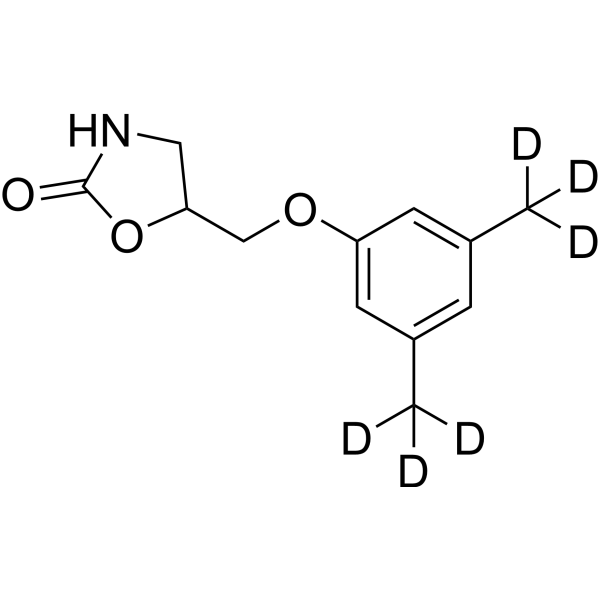
Metaxalone-d6 is deuterium labeled Metaxalone. Metaxalone (AHR438; NSC170959) is an FDA-approved muscle relaxant. Metaxalone acts mainly on the central nervous system and achieves muscle relaxation by inhibiting polysynaptic reflex arcs. In addition, Metaxalone is an inhibitor of MAO-A, which has anti-inflammatory and antioxidant effects. Metaxalone inhibits IL-1β-induced inflammatory phenotype, modulates NF-κB and other related signaling pathways, and decreases MAO-A expression and activity in IL-1β-treated microglia .
loading...
    loading...

