Search Result
Results for "
Glycine (Standard)
" in MedChemExpress (MCE) Product Catalog:
2
Biochemical Assay Reagents
| Cat. No. |
Product Name |
Target |
Research Areas |
Chemical Structure |
-
- HY-Y0966R
-
|
|
Reference Standards
Endogenous Metabolite
iGluR
VEGFR
|
Neurological Disease
|
|
Glycine (Standard) is the analytical standard of Glycine. This product is intended for research and analytical applications. Glycine is an inhibitory neurotransmitter in the CNS and also acts as a co-agonist along with glutamate, facilitating an excitatory potential at the glutaminergic N-methyl-D-aspartic acid (NMDA) receptors. Glycine is orally active. Glycine can be used to study cell protection, cancer, neurological diseases, and angiogenesis .
|
-
-
- HY-D0187R
-
-
-
- HY-B0863R
-
|
|
Reference Standards
Apoptosis
Autophagy
Necroptosis
|
Cancer
|
|
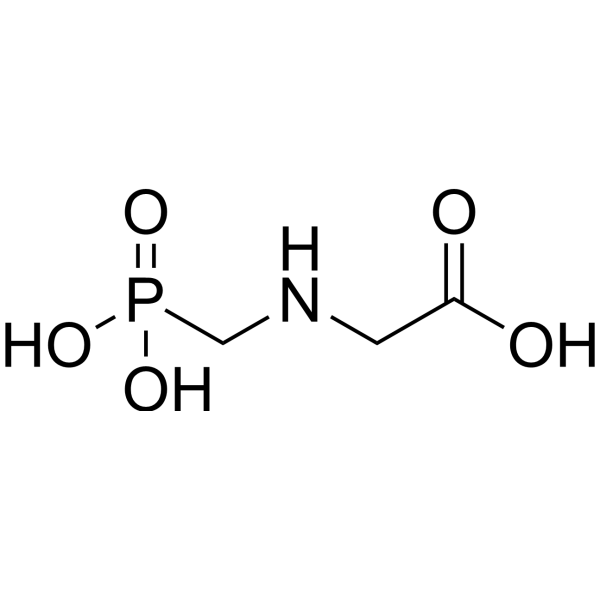
Glyphosate (Standard) is the analytical standard of Glyphosate. This product is intended for research and analytical applications. Glyphosate is an herbicidal derivative of the amino acid glycine. Glyphosate targets and blocks a plant metabolic pathway not found in animals, the shikimate pathway, required for the synthesis of aromatic amino acids in plants .
|
-
-
- HY-N0324R
-
|
|
Reference Standards
Endogenous Metabolite
|
Metabolic Disease
|
|
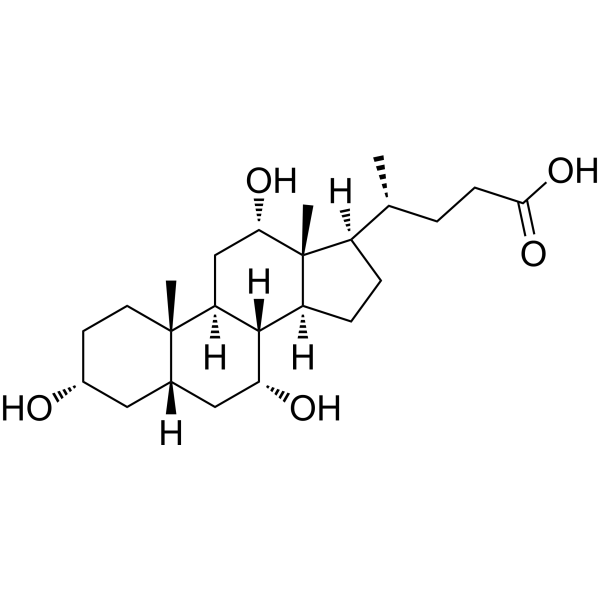
Cholic acid (Standard) is the analytical standard of Cholic acid. This product is intended for research and analytical applications. Cholic acid is a major primary bile acid produced in the liver and usually conjugated with glycine or taurine. It facilitates fat absorption and cholesterol excretion. Cholic acid is orally active .
|
-
-
- HY-N0215R
-
|
(S)-2-Amino-3-phenylpropionic acid (Standard)
|
Reference Standards
Calcium Channel
iGluR
Endogenous Metabolite
|
Metabolic Disease
|
|
L-Phenylalanine (Standard) is the analytical standard of L-Phenylalanine. This product is intended for research and analytical applications. L-Phenylalanine ((S)-2-Amino-3-phenylpropionic acid) is an essential amino acid isolated from Escherichia coli. L-Phenylalanine is a α2δ subunit of voltage-dependent Ca+ channels antagonist with a Ki of 980 nM. L-phenylalanine is a competitive antagonist for the glycine- and glutamate-binding sites of N-methyl-D-aspartate receptors (NMDARs) (KB of 573 μM ) and non-NMDARs, respectively. L-Phenylalanine is widely used in the production of food flavors and pharmaceuticals .
|
-
-
- HY-15893R
-
|
Dimethyloxallyl Glycine (Standard)
|
HIF/HIF Prolyl-Hydroxylase
Autophagy
Reference Standards
|
Cancer
|
|
DMOG (Standard) is the analytical standard of DMOG. This product is intended for research and analytical applications. DMOG (Dimethyloxallyl Glycine) is a cell permeable and competitive inhibitor of HIF-PH, which results in HIF-1α stabilisation and accmulation in vitro and in vivo . DMOG is an α-ketoglutarate analogue and inhibits α-KG-dependent hydroxylases. DMOG acts as a pro-angiogenic agent and plays a protective role in experimental model of colitis and diarrhoea via HIF-1 related signal . DMOG induces cell autophagy .
|
-
-
- HY-101037R
-
|
N-MethylGlycine (Standard); Sarcosin (Standard)
|
Reference Standards
Endogenous Metabolite
GlyT
|
Cancer
|
|
Sarcosine (Standard) is the analytical standard of Sarcosine. This product is intended for research and analytical applications. Sarcosine (N-Methylglycine), an endogenous amino acid, is a competitive glycine transporter type I (GlyT1) inhibitor and N-methyl-D-aspartate (NMDA) receptor co-agonist. Sarcosine increases the glycine concentration, resulting in an indirect potentiation of the NMDA receptor. Sarcosine is commonly used for the research of schizophrenia .
|
-
-
- HY-N2334R
-
|
ChenodeoxycholylGlycine (Standard)
|
Reference Standards
Endogenous Metabolite
Apoptosis
STAT
BCL6
Interleukin Related
Caspase
|
Metabolic Disease
Cancer
|
|
Glycochenodeoxycholic acid (Standard) is the analytical standard of Glycochenodeoxycholic acid. This product is intended for research and analytical applications. Glycochenodeoxycholic acid (Chenodeoxycholylglycine) is a relatively toxic bile salt generated in the liver from chenodeoxycholic acid and glycine. Glycochenodeoxycholic acid inhibits Autophagosome formation and impairs lysosomal function by inhibiting lysosomal proteolysis and increasing lysosomal pH in human normal liver cells, leading to the Apoptosis of human hepatocyte cells. Glycochenodeoxycholic acid induces stemness and chemoresistance via activating STAT3 signaling pathway in hepatocellular carcinoma cells (HCC). Glycochenodeoxycholic acid is promising for research in the field of cholestasis desease, hepatocellular carcinoma and primary sclerosing cholangitis (PSC)[1][2][3][4].
|
-
-
- HY-N2334AR
-
|
ChenodeoxycholylGlycine sodium salt (Standard); Sodium glycochenodeoxycholate (Standard)
|
Reference Standards
Endogenous Metabolite
Apoptosis
STAT
BCL6
Interleukin Related
Caspase
|
Metabolic Disease
Cancer
|
|
Glycochenodeoxycholic acid sodium salt (Standard) is the analytical standard of Glycochenodeoxycholic acid sodium salt. This product is intended for research and analytical applications. Glycochenodeoxycholic acid sodium salt (Sodium glycochenodeoxycholate) is a relatively toxic bile salt generated in the liver from chenodeoxycholic acid and glycine. Glycochenodeoxycholic acid sodium salt inhibits Autophagosome formation and impairs lysosomal function by inhibiting lysosomal proteolysis and increasing lysosomal pH in human normal liver cells, leading to the Apoptosis of human hepatocyte cells. Glycochenodeoxycholic acid sodium salt induces stemness and chemoresistance via activating STAT3 signaling pathway in hepatocellular carcinoma cells (HCC). Glycochenodeoxycholic acid sodium salt is promising for research in the field of cholestasis desease, hepatocellular carcinoma and primary sclerosing cholangitis (PSC) .
|
-
-
- HY-16569R
-
|
|
Reference Standards
Microtubule/Tubulin
NOD-like Receptor (NLR)
Autophagy
Apoptosis
|
Cancer
|
|
Colchicine (Standard) is the analytical standard of Colchicine. This product is intended for research and analytical applications. Colchicine, an orally active alkaloid, is a potent tubulin inhibitor and a microtubule disrupting agent. Colchicine inhibits microtubule polymerization with an IC50 of 3 nM. Colchicine is also a competitive antagonist of the α3 glycine receptors (GlyRs). Colchicine prevents non-steroidal anti-inflammatory drug (NSAID)-induced small intestinal injury by inhibiting activation of the NLRP3 inflammasome. Colchicine has extensive anti-inflammatory, immunosuppressive and strong anti-fibrosis effects and has the potential for gouty arthritis research .
|
-
-
- HY-D0889R
-
|
Gly-Gly (Standard); H-Gly-Gly-OH (Standard)
|
Reference Standards
Endogenous Metabolite
|
Metabolic Disease
|
|
Glycylglycine (Standard) is the analytical standard of Glycylglycine (HY-D0889). This product is intended for research and analytical applications. Glycylglycine is a non-selective glycylglycine dipeptidase substrate and iNOS inhibitor. Glycylglycine can cross the cell membrane by passive diffusion and is hydrolyzed to glycine in the cell, participating in energy metabolism and antioxidant processes. Glycylglycine promotes spermatogonial stem cells (SSCs) proliferation, inhibits astrocyte overactivation and reduces nitric oxide (NO) release, while upregulating the expression of neurotrophic factors (such as PDGFA, FGF2, CNTF) to support nerve myelin repair. Glycylglycine can be used to study male reproductive biology (such as SSCs proliferation regulation) and neurodegenerative diseases (such as neuroprotective mechanisms in multiple sclerosis) .
|
-
-
- HY-N1424R
-
|
GUDCA (Standard); UrsodeoxycholylGlycine (Standard)
|
Reference Standards
Endogenous Metabolite
|
Neurological Disease
|
|
Glycoursodeoxycholic acid (Standard) is the analytical standard of Glycoursodeoxycholic acid. This product is intended for research and analytical applications. Glycoursodeoxycholic acid, a acyl glycine and a bile acid-glycine conjugate, is a metabolite of ursodeoxycholic acid.
|
-
-
- HY-Y0511R
-
|
DimethylGlycine (Standard); DMG (Standard); N-Methylsarcosine (Standard)
|
Reference Standards
Endogenous Metabolite
iGluR
Amino Acid Derivatives
|
Neurological Disease
Metabolic Disease
|
|
N,N-Dimethylglycine (Dimethylglycine) (Standard) is the analytical standard of N,N-Dimethylglycine (HY-Y0511). This product is intended for research and analytical applications. N,N-Dimethylglycine (Dimethylglycine), a natural N-methylated glycine, is a nutrient supplement and acts as an NMDAR glycine site partial agonist. N,N-Dimethylglycine is a methyl donor that can improve immunity, act as an antioxidant to prevent oxidative stress, and scavenge excess free radicals. N,N-Dimethylglycine has antidepressant-like and surfactant effects.
|
-
-
- HY-126995R
-
|
|
Reference Standards
Endogenous Metabolite
|
Metabolic Disease
|
|
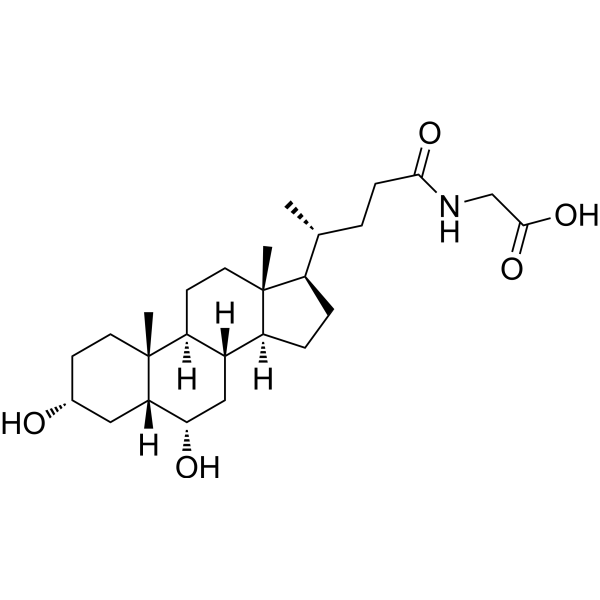
Glycohyodeoxycholic acid (Standard) is the analytical standard of Glycohyodeoxycholic acid. This product is intended for research and analytical applications. Glycohyodeoxycholic acid is a glycine-conjugated bile acid and also a metabolite of Hyodeoxycholic acid (HY-N0169). The serum level of Glycohyodeoxycholic acid is negatively correlated with the severity of non-alcoholic fatty liver disease. Glycohyodeoxycholic acid can be used in research related to non-alcoholic fatty liver disease.
|
-
-
- HY-113329R
-
|
Taurocyamine (Standard)
|
Endogenous Metabolite
Reference Standards
|
Metabolic Disease
|
|
Guanidinoethyl sulfonate (Standard) is the analytical standard of Guanidinoethyl sulfonate. This product is intended for research and analytical applications. Guanidinoethyl sulfonate is an orally available, blood-brain permeable competitive inhibitor of taurine transporters and a competitive antagonist of glycine receptors (GlyR) (IC50=565 μM). Guanidinoethyl sulfonate has both weak agonist and antagonist effects on GABAA receptors. Guanidinoethyl sulfonate inhibits taurine transmembrane transport and competitively binds to the GlyR ligand binding domain, thereby blocking glycine-mediated chloride influx, and may regulate brain pH to exert neuroprotective effects. Guanidinoethyl sulfonate can be used for neuroprotection studies of ischemic brain injury .
|
-
-
- HY-W074890R
-
|
N-palmitoyl Glycine (Standard)
|
Reference Standards
Calcium Channel
NO Synthase
|
Neurological Disease
Inflammation/Immunology
|
|
Palmitoylglycine (Standard) is the analytical standard of Palmitoylglycine. This product is intended for research and analytical applications. Palmitoylglycine (N-palmitoyl glycine), an endogenous lipid that acts as a modulator of calcium influx and nitric oxide () production in sensory neurons. Palmitoylglycine is linked to an increased risk of Background Brugada syndrome (BrS) and interacts with BrS-associated proteins, demonstrating moderate binding affinities for DCC, CR1, CTSB, NAAA, DEFB1, EPHA1, IGF1/IGFBP3/ALS, and LTA[1][2][3].
|
-
-
- HY-116374R
-
|
LithocholylGlycine (Standard)
|
Endogenous Metabolite
Reference Standards
|
Inflammation/Immunology
|
|
Glycolithocholic acid (Standard) is the analytical standard of Glycolithocholic acid. This product is intended for research and analytical applications. Glycolithocholic acid (Lithocholylglycine), an endogenous metabolite, is a glycine-conjugated secondary bile acid. Glycolithocholic acid can be used to diagnose ulcerative colitis (UC), non-alcoholic steatohepatitis (NASH) and primary sclerosing cholangitis (PSC) .
|
-
-
- HY-I0096R
-
|
|
Endogenous Metabolite
iGluR
Reference Standards
|
Neurological Disease
|
|
Indole-2-carboxylic acid (Standard) is the analytical standard of Indole-2-carboxylic acid. This product is intended for research and analytical applications. Indole-2-carboxylic acid is a strong inhibitor of lipid peroxidation. Indole-2-carboxylic acid (I2CA) specifically and competitively inhibits the potentiation by glycine of NMDA-gated current .
|
-
-
- HY-113085R
-
|
|
Reference Standards
Endogenous Metabolite
|
Others
|
|
3-Hydroxyhippuric acid (Standard) is the analytical standard of 3-Hydroxyhippuric acid. This product is intended for research and analytical applications. 3-Hydroxyhippuric acid is an acyl glycine. 3-Hydroxyhippuric acid inhibits kynureninase (Ki = 60 μM). 3-Hydroxyhippuric acid is found in higher concentrations in autistic group than in the controls. 3-Hydroxyhippuric acid is a marker of Clostridium species, and has a positive correlation with the level of Clostridia. 3-Hydroxyhippuric acid is one of the main metabolites formed from the catechin diet and wine polyphenol diets .
|
-
-
- HY-N0301R
-
|
|
Reference Standards
GABA Receptor
|
Neurological Disease
Inflammation/Immunology
|
|
Thiocolchicoside (Standard) is the analytical standard of Thiocolchicoside. This product is intended for research and analytical applications. Thiocolchicoside is a competitive γ-aminobutyric acid type A (GABAA) receptor antagonist and glycine receptor agonist in the central nervous system. Thiocolchicoside is a semisynthetic sulfur derivative of colchicoside. Thiocolchicoside is a muscle relaxant and has anti-inflammatory, and analgesic properties .
|
-
-
- HY-113110R
-
|
L-CysteinylGlycine (Standard); Cys-Gly (Standard); H-Cys-Gly-OH (Standard)
|
Reference Standards
Endogenous Metabolite
Reactive Oxygen Species (ROS)
DNA/RNA Synthesis
|
Cardiovascular Disease
Cancer
|
|
Cysteinylglycine (Standard) is the analytical standard of Cysteinylglycine. This product is intended for research and analytical applications. Cysteinylglycine is a dipeptide formed by the peptide bond linkage between cysteine (Cysteine) and glycine (Glycine). Cysteinylglycine is an important metabolic intermediate in the human body, mainly derived from the degradation of glutathione (GSH). Cysteinylglycine reduces ferric iron to ferrous iron, drives the redox cycle of iron, generates reactive oxygen species (ROS), stimulates oxidative reactions, induces lipid peroxidation of human plasma LDL lipoproteins, and causes oxidative damage to DNA bases. Cysteinylglycine can be used as a biomarker to evaluate ischemic heart disease, breast cancer and other conditions .
|
-
-
- HY-B1119R
-
|
|
Reference Standards
Bacterial
Fungal
Antibiotic
Apoptosis
|
Infection
Cancer
|
|
Triclosan (Standard) is the analytical standard of Triclosan. This product is intended for research and analytical applications. Triclosan is a broad-spectrum antibacterial agent that inhibits bacterial fatty acid synthesis at the enoyl-acyl carrier protein reductase (FabI) step. Triclosan inhibits E. coli enoyl-acyl carrier protein reductase (FabI) and FabI containing a glycine-to-valine substitution at position 93 (FabIG93V) with IC50s of 2 µM and 10 µM, respectively. Triclosan causes apoptotic effect in cultured rat neural stem cells (NSC). Triclosan exacerbates colitis and colitis-associated colorectal tumorigenesis in animal models .
|
-
-
- HY-113204R
-
|
|
Reference Standards
Endogenous Metabolite
Cannabinoid Receptor
Akt
|
Metabolic Disease
|
|
Diludine (Standard) is the analytical standard of Diludine. This product is intended for research and analytical applications. Diludine has antioxidant properties, targeting oxidative stress-related pathways. By improving antioxidative status and reducing β-hydroxybutyrate levels, Diludine alleviates oxidative stress during the parturition period in dairy cows. It is primarily used during the transition period in dairy cows to increase milk yield and milk fat content, as well as to improve health during parturition .
|
-
-
- HY-10809R
-
|
RG1678 (Standard); RO4917838 (Standard)
|
GlyT
Reference Standards
|
Neurological Disease
|
|
Bitopertin (Standard) is the analytical standard of Bitopertin. This product is intended for research and analytical applications. Bitopertin is a potent, noncompetitive glycine reuptake inhibitor, inhibits glycine uptake at human GlyT1 with a concentration exhibiting IC50 of 25 nM.
|
-
-
- HY-113353R
-
|
|
Reference Standards
Endogenous Metabolite
|
Others
|
|
Nicotinuric acid (Standard) is the analytical standard of Nicotinuric acid. This product is intended for research and analytical applications. Nicotinuric acid is an acyl glycine. Nicotinuric acid is a metabolite of nicotinic acid.
|
-
-
- HY-113210R
-
|
|
Endogenous Metabolite
Reference Standards
|
Metabolic Disease
|
|
Hydroxyphenylacetylglycine (Standard) is the analytical standard of Hydroxyphenylacetylglycine. This product is intended for research and analytical applications. Hydroxyphenylacetylglycine is an acyl glycine, and an endogenous human metabolite.
|
-
-
- HY-113367R
-
|
|
Endogenous Metabolite
Reference Standards
|
Metabolic Disease
|
|
Suberylglycine (Standard) is the analytical standard of Suberylglycine. This product is intended for research and analytical applications. Suberylglycine is an acyl glycine, which is a normally minor metabolite of fatty acid.
|
-
-
- HY-W015464R
-
|
|
Reference Standards
Endogenous Metabolite
|
Metabolic Disease
|
|
N-Isovaleroylglycine (Standard) is the analytical standard of N-Isovaleroylglycine. This product is intended for research and analytical applications. N-Isovaleroylglycine is an acyl glycine and could be used as a biomarker for the predispositon for weight gain and obesity.
|
-
-
- HY-N7403R
-
|
|
Amino Acid Derivatives
Reference Standards
|
Others
|
|
3-Phenylpropionylglycine (Standard) is the analytical standard of 3-Phenylpropionylglycine. This product is intended for research and analytical applications. 3-Phenylpropionylglycine is a Glycine (HY-Y0966) derivative .
|
-
-
- HY-W015236R
-
|
TriGlycine (Standard)
|
Biochemical Assay Reagents
Reference Standards
|
Others
|
|
H-Gly-Gly-Gly-OH (Standard) is the analytical standard of H-Gly-Gly-Gly-OH. This product is intended for research and analytical applications. H-Gly-Gly-Gly-OH, also known as Triglycine, is a tripeptide composed of glycine, glycine and glycine, which are linked by peptide bonds. Often used as a model compound in the study of protein structure and function. Glycylglycylglycine also acts as a neurotransmitter in the central nervous system and has been shown to have antioxidant properties. Furthermore, it may have potential research roles in various diseases such as cancer, diabetes and neurodegenerative diseases.
|
-
-
- HY-118700AR
-
|
Guanidinobiotin hydrobromide (Standard)
|
Reference Standards
NO Synthase
|
Neurological Disease
|
|
H-Gly-Gly-Gly-OH (Standard) is the analytical standard of H-Gly-Gly-Gly-OH. This product is intended for research and analytical applications. H-Gly-Gly-Gly-OH, also known as Triglycine, is a tripeptide composed of glycine, glycine and glycine, which are linked by peptide bonds. Often used as a model compound in the study of protein structure and function. Glycylglycylglycine also acts as a neurotransmitter in the central nervous system and has been shown to have antioxidant properties. Furthermore, it may have potential research roles in various diseases such as cancer, diabetes and neurodegenerative diseases.
|
-
-
- HY-41700R
-
|
(R)-Alanine (Standard); Ba 2776 (Standard); D-α-Alanine (Standard)
|
Reference Standards
Endogenous Metabolite
|
Neurological Disease
|
|
D-Alanine (Standard) is the analytical standard of D-Alanine. This product is intended for research and analytical applications. D-Alanine is a weak GlyR (inhibitory glycine receptor) and PMBA agonist, with an EC50 of 9 mM for GlyR .
|
-
-
- HY-W010249R
-
-
-
- HY-100803R
-
|
2-Aminoethanesulfinic acid (Standard)
|
Reference Standards
Endogenous Metabolite
|
Neurological Disease
|
|
Hypotaurine (Standard) is the analytical standard of Hypotaurine. This product is intended for research and analytical applications. Hypotaurine (2-aminoethanesulfinic acid), an intermediate in taurine biosynthesis from cysteine in astrocytes, is an endogenous inhibitory amino acid of the glycine receptor. Antioxidant[1].
|
-
-
- HY-101397R
-
|
|
Reference Standards
Parasite
Drug Metabolite
Endogenous Metabolite
|
Infection
|
|
Cholic acid (Standard) is the analytical standard of Cholic acid. This product is intended for research and analytical applications. Cholic acid is a major primary bile acid produced in the liver and usually conjugated with glycine or taurine. It facilitates fat absorption and cholesterol excretion. Cholic acid is orally active .
|
-
-
- HY-N0658AR
-
|
|
Reference Standards
Endogenous Metabolite
|
Inflammation/Immunology
|
|
DL-Threonine (Standard) is the analytical standard of DL-Threonine. This product is intended for research and analytical applications. DL-Threonine, an essential amino acid, is a precursor of Glycine (HY-Y0966). DL-Threonine has the potential for the study of hypostatic leg ulceration.
|
-
-
- HY-N0324AR
-
|
Sodium cholate (Standard)
|
Reference Standards
Endogenous Metabolite
|
Metabolic Disease
|
|
Cholic acid (sodium) (Standard) is the analytical standard of Cholic acid (sodium). This product is intended for research and analytical applications. Cholic acid sodium is a major primary bile acid produced in the liver and usually conjugated with glycine or taurine. It facilitates fat absorption and cholesterol excretion. Cholic acid sodium is orally active[1][2].
|
-
-
- HY-77641R
-
|
|
Reference Standards
Endogenous Metabolite
|
Metabolic Disease
|
|
Cinnamoylglycine (Standard) is the analytical standard of Cinnamoylglycine. This product is intended for research and analytical applications. Cinnamoylglycine is a glycine conjugate of cinnamic acid and a urinary metabolite in human. Cinnamoylglycine is used as a potential urinary biomarker indicating intact or disrupted colonization resistance during and after antibiotic treatment .
|
-
-
- HY-100834R
-
|
5,7-DCKA (Standard)
|
Reference Standards
iGluR
|
Neurological Disease
|
|
5,7-Dichlorokynurenic acid (Standard) is the analytical standard of 5,7-Dichlorokynurenic acid (HY-100834). This product is intended for research and analytical applications. 5,7-Dichlorokynurenic acid (5,7-DCKA) is a selective and competitive antagonist of the glycine site on NMDA receptor with a KB of 65 nM. 5,7-Dichlorokynurenic acid reduces NMDA-induced neuron injury. 5,7-Dichlorokynurenic acid increases social interaction time, increases open arm exploration time, disinhibits suppressed conflict responding in rodent models. 5,7-Dichlorokynurenic acid exhibits anxiolytic-like activity in rodent models and supports exploration of glycine’s role in NMDA receptor-mediated synaptic transmission .
|
-
-
- HY-130466R
-
|
|
Endogenous Metabolite
GlyT
|
Metabolic Disease
|
|
Stearoyl-L-carnitine (chloride) (Standard) is the analytical standard of Stearoyl-L-carnitine (chloride). This product is intended for research and analytical applications. Stearoyl-L-carnitine chloride is an endogenous long-chain acylcarnitine. Stearoyl-L-carnitine chloride is a less potent inhibitor of GlyT2. Stearoyl-L-carnitine chloride inhibits glycine responses by 16.8% at concentrations up 3 μM .
|
-
-
- HY-107782R
-
|
|
GABA Receptor
Reference Standards
|
Neurological Disease
|
|
Picrotin (Standard) is the analytical standard of Picrotin. This product is intended for research and analytical applications. Picrotin is an active compound, also is one of the composition of picrotoxin (an antagonist of GABAA receptors (GABAARs) and glycine receptors (GlyRs)). Picrotin has sensitivity for GlyRs with IC50 values range from 5.2 μM to 106 μM. Picrotin can be used for the research of neurotransmission .
|
-
-
- HY-122141R
-
|
GHCA (Standard)
|
Reference Standards
Endogenous Metabolite
|
Infection
Metabolic Disease
|
|
Glycohyocholic acid (Standard) is the analytical standard of Glycohyocholic acid (HY-122141). This product is intended for use in research and analytical applications. Glycohyocholic acid (GHCA) is a primary conjugated bile acid formed by the conjugation of Cholic acid (HY-N0324) and Glycine (HY-Y0966). Glycohyocholic acid can be used in the study of hepatitis C-related cirrhosis and diabetes mellitus .
|
-
-
- HY-W015912R
-
|
2-Furyl methyl ketone (Standard)
|
Reference Standards
Others
|
Others
|
|
2-Acetylfuran (Standard) is the analytical standard of 2-Acetylfuran. This product is intended for research and analytical applications. 2-Acetylfuran (2-Furyl methyl ketone), an important flavour compound or intermediate in foods, is isolated from essential oils, sweet corn products, fruits and flowers. 2-Acetylfuran also can be formed from glucose and glycine by Maillard reaction. 2-Acetylfuran can be used to synthesis Cefuroxime .
|
-
-
- HY-113158R
-
|
|
Reference Standards
Drug Metabolite
|
Metabolic Disease
|
|
4-Hydroxyhippuric acid (Standard) is the analytical standard of 4-Hydroxyhippuric acid (HY-113158). This product is intended for research and analytical applications. 4-Hydroxyhippuric acid is a metabolite of polyphenols. 4-Hydroxyhippuric acid is generated via medium-chain acyl-CoA dehydrogenase (MCAD)-dependent β-oxidation of microbially-produced 3-(4-hydroxyphenyl)propionic acid, followed by host glycine conjugation. 4-Hydroxyhippuric acid can be simultaneously detected in urine as a biomarker of dietary polyphenol intake .
|
-
-
- HY-100811AR
-
|
7-CKA sodium salt (Standard)
|
Reference Standards
iGluR
|
Neurological Disease
|
|
7-Chlorokynurenic acid (sodium salt) (Standard) is the analytical standard of 7-Chlorokynurenic acid (sodium salt). This product is intended for research and analytical applications. 7-Chlorokynurenic acid sodium salt (7-CKA sodium salt) is a potent and selective antagonist of the glycine B coagonist site of the N-methyl-D-aspartate (NMDA) receptor (IC50=0.56 μM). 7-Chlorokynurenic acid sodium salt is also a potent inhibitor of the reuptake of glutamate into synaptic vesicles with a Ki of 0.59 μM. 7-Chlorokynurenic acid sodium salt has potent antinociceptive actions after neuraxial delivery .
|
-
-
- HY-100811R
-
|
7-CKA (Standard)
|
Reference Standards
iGluR
|
Neurological Disease
|
|
7-Chlorokynurenic acid (Standard) is the analytical standard of 7-Chlorokynurenic acid. This product is intended for research and analytical applications. 7-Chlorokynurenic acid (7-CKA) is a potent and selective antagonist of the glycine B coagonist site of the N-methyl-D-aspartate (NMDA) receptor (IC50=0.56 μM). 7-Chlorokynurenic acid is also a potent inhibitor of the reuptake of glutamate into synaptic vesicles with a Ki of 0.59 μM. 7-Chlorokynurenic acid has potent antinociceptive actions after neuraxial delivery .
|
-
-
- HY-W014504R
-
|
|
Reference Standards
Endogenous Metabolite
|
Metabolic Disease
|
|
DL-Kynurenine (Standard) is the analytical standard of DL-Kynurenine. This product is intended for research and analytical applications. DL-Kynurenine is a key metabolite in the tryptophan metabolic pathway and can cross the blood-brain barrier. DL-Kynurenine has a bidirectional regulatory effect on neural excitability. DL-Kynurenine can enhance the convulsive and lethal effects caused by strychnine. DL-Kynurenine is the precursor of Kynurenic acid (HY-100806), which is an antagonist at the glycine site of NMDA receptors and can counteract excitatory toxins. DL-Kynurenine can be used for research on neurotoxicity.
|
-
-
- HY-138813R
-
|
SU-12662 hydrochloride (Standard)
|
Reference Standards
Drug Metabolite
|
Cancer
|
|
Glycochenodeoxycholic acid sodium salt (Standard) is the analytical standard of Glycochenodeoxycholic acid sodium salt. This product is intended for research and analytical applications. Glycochenodeoxycholic acid sodium salt (Sodium glycochenodeoxycholate) is a relatively toxic bile salt generated in the liver from chenodeoxycholic acid and glycine. Glycochenodeoxycholic acid sodium salt inhibits Autophagosome formation and impairs lysosomal function by inhibiting lysosomal proteolysis and increasing lysosomal pH in human normal liver cells, leading to the Apoptosis of human hepatocyte cells. Glycochenodeoxycholic acid sodium salt induces stemness and chemoresistance via activating STAT3 signaling pathway in hepatocellular carcinoma cells (HCC). Glycochenodeoxycholic acid sodium salt is promising for research in the field of cholestasis desease, hepatocellular carcinoma and primary sclerosing cholangitis (PSC) .
|
-
-
- HY-77519R
-
|
|
Amino Acid Derivatives
Reference Standards
|
Others
|
|
N-(4-Cyanophenyl)glycine (Standard) is the analytical standard of N-(4-Cyanophenyl)glycine. This product is intended for research and analytical applications. N-(4-Cyanophenyl)glycine is a Glycine (HY-Y0966) derivative .
|
-
-
- HY-W141890R
-
|
|
Reference Standards
Others
|
Others
|
|
2-Iodohippuric Acid (Standard) is the analytical standard of 2-Iodohippuric Acid. This product is intended for research and analytical applications. 2-Iodohippuric Acid is a Glycine (HY-Y0966) derivative .
|
-
- HY-100416AR
-
|
|
GlyT
Reference Standards
|
Neurological Disease
|
|
LY2365109 (hydrochloride) (Standard) is the analytical standard of LY2365109 (hydrochloride) (HY-100416A). This product is intended for research and analytical applications. LY2365109 hydrochloride is a potent and selective GlyT1 inhibitor, with an IC50 of 15.8 nM for glycine uptake in cells over-expressing hGlyT1a .
|
-
- HY-10716AR
-
|
|
Reference Standards
GlyT
|
Neurological Disease
|
|
PF-03463275 (Standard) is the analytical standard of PF-03463275 (HY-10716A). This product is intended for research and analytical applications. PF-03463275 is a centrally penetrant, orally available, selective, and competitive GlyT1 (glycine transporter-1) reversible inhibitor, with a Ki of 11.6 nM. PF-03463275 has the potential for Schizophrenia research .
|
-
- HY-103423R
-
|
|
Reference Standards
Dopamine Receptor
|
Neurological Disease
|
|
PAOPA (Standard) is the analytical standard of PAOPA (HY-103423). This product is intended for research and analytical applications. PAOPA, an analog of L-proline-l-leucine-glycine amide (PLG) peptide, is an allosteric modulator of Dopamine D2 Receptor. PAOPA can effectively reduce behavioral abnormalities in rodent models of schizophrenia. PAOPA increases the high affinity dopamine D2 receptor and promotes its binding to agonists .
|
-
- HY-100822R
-
|
(+)-HA-966 (Standard)
|
iGluR
Reference Standards
|
Neurological Disease
|
|
(R)-(+)-HA-966 (Standard) is the analytical standard of (R)-(+)-HA-966 (HY-100822). This product is intended for research and analytical applications. (R)-(+)-HA-966 ((+)-HA-966) is a partial agonist/antagonist of glycine site of the N-methyl-D-aspartate (NMDA) receptor complex. (R)-(+)-HA-966 selectively blocks the activation of the mesolimbic dopamine system by amphetamine . (R)-(+)-HA-966 can cross the blood-brain barrier and has the potential for neuropathic and acute pain .
|
-
- HY-109067AR
-
|
VVZ-149 hydrochloride (Standard)
|
Reference Standards
GlyT
5-HT Receptor
P2X Receptor
|
Neurological Disease
|
|
Opiranserin hydrochloride (Standard) is the analytical standard of Opiranserin (hydrochloride) (HY-109067A). This product is intended for research and analytical applications. Opiranserin (VVZ-149) hydrochloride, a non-opioid and non-NSAID analgesic candidate, is a dual antagonist of glycine transporter type 2 (GlyT2) and serotonin receptor 2A (5HT2A), with IC50s of 0.86 and 1.3 μM, respectively. Opiranserin hydrochloride shows antagonistic activity on rP2X3 (IC50=0.87 μM). Opiranserin hydrochloride is development as an injectable agent for the treatment of postoperative pain .
|
-
- HY-W015563R
-
|
|
Reference Standards
Others
|
Others
|
|
(R)-2-amino-2-(cyclohexa-1,4-dien-1-yl)acetic acid (Standard) is the analytical standard of (R)-2-amino-2-(cyclohexa-1,4-dien-1-yl)acetic acid. This product is intended for research and analytical applications. (R)-2-amino-2-(cyclohexa-1,4-dien-1-yl)acetic acid is a Glycine (HY-Y0966) derivative .
|
-
| Cat. No. |
Product Name |
Type |
-
- HY-D0187R
-
|
GSH (Standard); γ-L-Glutamyl-L-cysteinyl-Glycine (Standard)
|
Biochemical Assay Reagents
|
|
L-Glutathione reduced (Standard) is the analytical standard of L-Glutathione reduced. This product is intended for research and analytical applications. L-Glutathione reduced (GSH; γ-L-Glutamyl-L-cysteinyl-glycine) is an endogenous antioxidant and is capable of scavenging oxygen-derived free radicals.
|
-
- HY-W015236R
-
|
TriGlycine (Standard)
|
Biochemical Assay Reagents
|
|
H-Gly-Gly-Gly-OH (Standard) is the analytical standard of H-Gly-Gly-Gly-OH. This product is intended for research and analytical applications. H-Gly-Gly-Gly-OH, also known as Triglycine, is a tripeptide composed of glycine, glycine and glycine, which are linked by peptide bonds. Often used as a model compound in the study of protein structure and function. Glycylglycylglycine also acts as a neurotransmitter in the central nervous system and has been shown to have antioxidant properties. Furthermore, it may have potential research roles in various diseases such as cancer, diabetes and neurodegenerative diseases.
|
| Cat. No. |
Product Name |
Target |
Research Area |
-
- HY-D0187R
-
-
- HY-D0889R
-
|
Gly-Gly (Standard); H-Gly-Gly-OH (Standard)
|
Reference Standards
Endogenous Metabolite
|
Metabolic Disease
|
|
Glycylglycine (Standard) is the analytical standard of Glycylglycine (HY-D0889). This product is intended for research and analytical applications. Glycylglycine is a non-selective glycylglycine dipeptidase substrate and iNOS inhibitor. Glycylglycine can cross the cell membrane by passive diffusion and is hydrolyzed to glycine in the cell, participating in energy metabolism and antioxidant processes. Glycylglycine promotes spermatogonial stem cells (SSCs) proliferation, inhibits astrocyte overactivation and reduces nitric oxide (NO) release, while upregulating the expression of neurotrophic factors (such as PDGFA, FGF2, CNTF) to support nerve myelin repair. Glycylglycine can be used to study male reproductive biology (such as SSCs proliferation regulation) and neurodegenerative diseases (such as neuroprotective mechanisms in multiple sclerosis) .
|
-
- HY-N7403R
-
|
|
Amino Acid Derivatives
Reference Standards
|
Others
|
|
3-Phenylpropionylglycine (Standard) is the analytical standard of 3-Phenylpropionylglycine. This product is intended for research and analytical applications. 3-Phenylpropionylglycine is a Glycine (HY-Y0966) derivative .
|
-
- HY-W010249R
-
-
- HY-77519R
-
|
|
Amino Acid Derivatives
Reference Standards
|
Others
|
|
N-(4-Cyanophenyl)glycine (Standard) is the analytical standard of N-(4-Cyanophenyl)glycine. This product is intended for research and analytical applications. N-(4-Cyanophenyl)glycine is a Glycine (HY-Y0966) derivative .
|
-
- HY-W141890R
-
|
|
Reference Standards
Peptides
|
Others
|
|
2-Iodohippuric Acid (Standard) is the analytical standard of 2-Iodohippuric Acid. This product is intended for research and analytical applications. 2-Iodohippuric Acid is a Glycine (HY-Y0966) derivative .
|
-
- HY-W015563R
-
|
|
Reference Standards
Peptides
|
Others
|
|
(R)-2-amino-2-(cyclohexa-1,4-dien-1-yl)acetic acid (Standard) is the analytical standard of (R)-2-amino-2-(cyclohexa-1,4-dien-1-yl)acetic acid. This product is intended for research and analytical applications. (R)-2-amino-2-(cyclohexa-1,4-dien-1-yl)acetic acid is a Glycine (HY-Y0966) derivative .
|
| Cat. No. |
Product Name |
Category |
Target |
Chemical Structure |
-
- HY-Y0966R
-
-
-
- HY-D0187R
-
-
-
- HY-B0863R
-
|
|
Microorganisms
Source Classification
|
Reference Standards
Apoptosis
Autophagy
Necroptosis
|
|
Glyphosate (Standard) is the analytical standard of Glyphosate. This product is intended for research and analytical applications. Glyphosate is an herbicidal derivative of the amino acid glycine. Glyphosate targets and blocks a plant metabolic pathway not found in animals, the shikimate pathway, required for the synthesis of aromatic amino acids in plants .
|
-
-
- HY-N0324R
-
-
-
- HY-N0215R
-
|
(S)-2-Amino-3-phenylpropionic acid (Standard)
|
Structural Classification
Microorganisms
Animals
Amino acids
Endogenous metabolite
Source Classification
|
Reference Standards
Calcium Channel
iGluR
Endogenous Metabolite
|
|
L-Phenylalanine (Standard) is the analytical standard of L-Phenylalanine. This product is intended for research and analytical applications. L-Phenylalanine ((S)-2-Amino-3-phenylpropionic acid) is an essential amino acid isolated from Escherichia coli. L-Phenylalanine is a α2δ subunit of voltage-dependent Ca+ channels antagonist with a Ki of 980 nM. L-phenylalanine is a competitive antagonist for the glycine- and glutamate-binding sites of N-methyl-D-aspartate receptors (NMDARs) (KB of 573 μM ) and non-NMDARs, respectively. L-Phenylalanine is widely used in the production of food flavors and pharmaceuticals .
|
-
-
- HY-101037R
-
-
-
- HY-N2334R
-
|
ChenodeoxycholylGlycine (Standard)
|
Structural Classification
Microorganisms
Endogenous metabolite
Steroids
Source Classification
|
Reference Standards
Endogenous Metabolite
Apoptosis
STAT
BCL6
Interleukin Related
Caspase
|
|
Glycochenodeoxycholic acid (Standard) is the analytical standard of Glycochenodeoxycholic acid. This product is intended for research and analytical applications. Glycochenodeoxycholic acid (Chenodeoxycholylglycine) is a relatively toxic bile salt generated in the liver from chenodeoxycholic acid and glycine. Glycochenodeoxycholic acid inhibits Autophagosome formation and impairs lysosomal function by inhibiting lysosomal proteolysis and increasing lysosomal pH in human normal liver cells, leading to the Apoptosis of human hepatocyte cells. Glycochenodeoxycholic acid induces stemness and chemoresistance via activating STAT3 signaling pathway in hepatocellular carcinoma cells (HCC). Glycochenodeoxycholic acid is promising for research in the field of cholestasis desease, hepatocellular carcinoma and primary sclerosing cholangitis (PSC)[1][2][3][4].
|
-
-
- HY-N2334AR
-
|
ChenodeoxycholylGlycine sodium salt (Standard); Sodium glycochenodeoxycholate (Standard)
|
Structural Classification
Endogenous metabolite
Steroids
Source Classification
|
Reference Standards
Endogenous Metabolite
Apoptosis
STAT
BCL6
Interleukin Related
Caspase
|
|
Glycochenodeoxycholic acid sodium salt (Standard) is the analytical standard of Glycochenodeoxycholic acid sodium salt. This product is intended for research and analytical applications. Glycochenodeoxycholic acid sodium salt (Sodium glycochenodeoxycholate) is a relatively toxic bile salt generated in the liver from chenodeoxycholic acid and glycine. Glycochenodeoxycholic acid sodium salt inhibits Autophagosome formation and impairs lysosomal function by inhibiting lysosomal proteolysis and increasing lysosomal pH in human normal liver cells, leading to the Apoptosis of human hepatocyte cells. Glycochenodeoxycholic acid sodium salt induces stemness and chemoresistance via activating STAT3 signaling pathway in hepatocellular carcinoma cells (HCC). Glycochenodeoxycholic acid sodium salt is promising for research in the field of cholestasis desease, hepatocellular carcinoma and primary sclerosing cholangitis (PSC) .
|
-
-
- HY-16569R
-
|
|
Structural Classification
Natural Products
other families
Plants
Source Classification
|
Reference Standards
Microtubule/Tubulin
NOD-like Receptor (NLR)
Autophagy
Apoptosis
|
|
Colchicine (Standard) is the analytical standard of Colchicine. This product is intended for research and analytical applications. Colchicine, an orally active alkaloid, is a potent tubulin inhibitor and a microtubule disrupting agent. Colchicine inhibits microtubule polymerization with an IC50 of 3 nM. Colchicine is also a competitive antagonist of the α3 glycine receptors (GlyRs). Colchicine prevents non-steroidal anti-inflammatory drug (NSAID)-induced small intestinal injury by inhibiting activation of the NLRP3 inflammasome. Colchicine has extensive anti-inflammatory, immunosuppressive and strong anti-fibrosis effects and has the potential for gouty arthritis research .
|
-
-
- HY-D0889R
-
|
Gly-Gly (Standard); H-Gly-Gly-OH (Standard)
|
Structural Classification
Ketones, Aldehydes, Acids
Endogenous metabolite
Source Classification
|
Reference Standards
Endogenous Metabolite
|
|
Glycylglycine (Standard) is the analytical standard of Glycylglycine (HY-D0889). This product is intended for research and analytical applications. Glycylglycine is a non-selective glycylglycine dipeptidase substrate and iNOS inhibitor. Glycylglycine can cross the cell membrane by passive diffusion and is hydrolyzed to glycine in the cell, participating in energy metabolism and antioxidant processes. Glycylglycine promotes spermatogonial stem cells (SSCs) proliferation, inhibits astrocyte overactivation and reduces nitric oxide (NO) release, while upregulating the expression of neurotrophic factors (such as PDGFA, FGF2, CNTF) to support nerve myelin repair. Glycylglycine can be used to study male reproductive biology (such as SSCs proliferation regulation) and neurodegenerative diseases (such as neuroprotective mechanisms in multiple sclerosis) .
|
-
-
- HY-N1424R
-
-
-
- HY-Y0511R
-
-
-
- HY-126995R
-
-
-
- HY-113329R
-
|
Taurocyamine (Standard)
|
Structural Classification
Natural Products
Other disease
Disease markers
Endogenous metabolite
|
Endogenous Metabolite
Reference Standards
|
|
Guanidinoethyl sulfonate (Standard) is the analytical standard of Guanidinoethyl sulfonate. This product is intended for research and analytical applications. Guanidinoethyl sulfonate is an orally available, blood-brain permeable competitive inhibitor of taurine transporters and a competitive antagonist of glycine receptors (GlyR) (IC50=565 μM). Guanidinoethyl sulfonate has both weak agonist and antagonist effects on GABAA receptors. Guanidinoethyl sulfonate inhibits taurine transmembrane transport and competitively binds to the GlyR ligand binding domain, thereby blocking glycine-mediated chloride influx, and may regulate brain pH to exert neuroprotective effects. Guanidinoethyl sulfonate can be used for neuroprotection studies of ischemic brain injury .
|
-
-
- HY-W074890R
-
|
N-palmitoyl Glycine (Standard)
|
Human Gut Microbiota Metabolites
Microorganisms
Ketones, Aldehydes, Acids
Endogenous metabolite
Source Classification
|
Reference Standards
Calcium Channel
NO Synthase
|
|
Palmitoylglycine (Standard) is the analytical standard of Palmitoylglycine. This product is intended for research and analytical applications. Palmitoylglycine (N-palmitoyl glycine), an endogenous lipid that acts as a modulator of calcium influx and nitric oxide () production in sensory neurons. Palmitoylglycine is linked to an increased risk of Background Brugada syndrome (BrS) and interacts with BrS-associated proteins, demonstrating moderate binding affinities for DCC, CR1, CTSB, NAAA, DEFB1, EPHA1, IGF1/IGFBP3/ALS, and LTA[1][2][3].
|
-
-
- HY-116374R
-
-
-
- HY-I0096R
-
-
-
- HY-113085R
-
-
-
- HY-113110R
-
-
-
- HY-113204R
-
|
|
Ketones, Aldehydes, Acids
Endogenous metabolite
Source Classification
|
Reference Standards
Endogenous Metabolite
Cannabinoid Receptor
Akt
|
|
Diludine (Standard) is the analytical standard of Diludine. This product is intended for research and analytical applications. Diludine has antioxidant properties, targeting oxidative stress-related pathways. By improving antioxidative status and reducing β-hydroxybutyrate levels, Diludine alleviates oxidative stress during the parturition period in dairy cows. It is primarily used during the transition period in dairy cows to increase milk yield and milk fat content, as well as to improve health during parturition .
|
-
-
- HY-113353R
-
-
-
- HY-113210R
-
-
-
- HY-113367R
-
-
-
- HY-W015464R
-
-
-
- HY-41700R
-
-
-
- HY-100803R
-
-
-
- HY-101397R
-
-
-
- HY-N0658AR
-
-
-
- HY-N0324AR
-
-
-
- HY-77641R
-
-
-
- HY-130466R
-
|
|
Ketones, Aldehydes, Acids
Endogenous metabolite
Source Classification
|
Endogenous Metabolite
GlyT
|
|
Stearoyl-L-carnitine (chloride) (Standard) is the analytical standard of Stearoyl-L-carnitine (chloride). This product is intended for research and analytical applications. Stearoyl-L-carnitine chloride is an endogenous long-chain acylcarnitine. Stearoyl-L-carnitine chloride is a less potent inhibitor of GlyT2. Stearoyl-L-carnitine chloride inhibits glycine responses by 16.8% at concentrations up 3 μM .
|
-
-
- HY-107782R
-
-
-
- HY-122141R
-
|
GHCA (Standard)
|
Endogenous metabolite
Steroids
Source Classification
|
Reference Standards
Endogenous Metabolite
|
|
Glycohyocholic acid (Standard) is the analytical standard of Glycohyocholic acid (HY-122141). This product is intended for use in research and analytical applications. Glycohyocholic acid (GHCA) is a primary conjugated bile acid formed by the conjugation of Cholic acid (HY-N0324) and Glycine (HY-Y0966). Glycohyocholic acid can be used in the study of hepatitis C-related cirrhosis and diabetes mellitus .
|
-
-
- HY-W015912R
-
|
2-Furyl methyl ketone (Standard)
|
Microorganisms
Source Classification
|
Reference Standards
Others
|
|
2-Acetylfuran (Standard) is the analytical standard of 2-Acetylfuran. This product is intended for research and analytical applications. 2-Acetylfuran (2-Furyl methyl ketone), an important flavour compound or intermediate in foods, is isolated from essential oils, sweet corn products, fruits and flowers. 2-Acetylfuran also can be formed from glucose and glycine by Maillard reaction. 2-Acetylfuran can be used to synthesis Cefuroxime .
|
-
-
- HY-113158R
-
|
|
Immune System Disorder
Disease markers
Endogenous metabolite
|
Reference Standards
Drug Metabolite
|
|
4-Hydroxyhippuric acid (Standard) is the analytical standard of 4-Hydroxyhippuric acid (HY-113158). This product is intended for research and analytical applications. 4-Hydroxyhippuric acid is a metabolite of polyphenols. 4-Hydroxyhippuric acid is generated via medium-chain acyl-CoA dehydrogenase (MCAD)-dependent β-oxidation of microbially-produced 3-(4-hydroxyphenyl)propionic acid, followed by host glycine conjugation. 4-Hydroxyhippuric acid can be simultaneously detected in urine as a biomarker of dietary polyphenol intake .
|
-
-
- HY-W014504R
-
-
Your information is safe with us. * Required Fields.
Inquiry Information
- Product Name:
- Cat. No.:
- Quantity:
- MCE Japan Authorized Agent:

