50 Results for "

Hair Inhibitors

" in MedChemExpress (MCE) Product Catalog:
Products (50)

50 Results for "Hair Inhibitors" in MCE Product Catalog:

144
144 Publications Verification
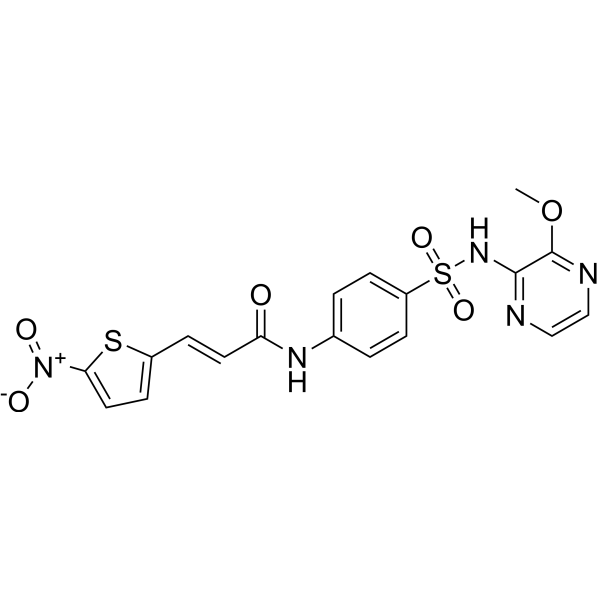
Cat. No.: HY-100573
CAS No.: 1360614-48-7
Purity:  99.47%
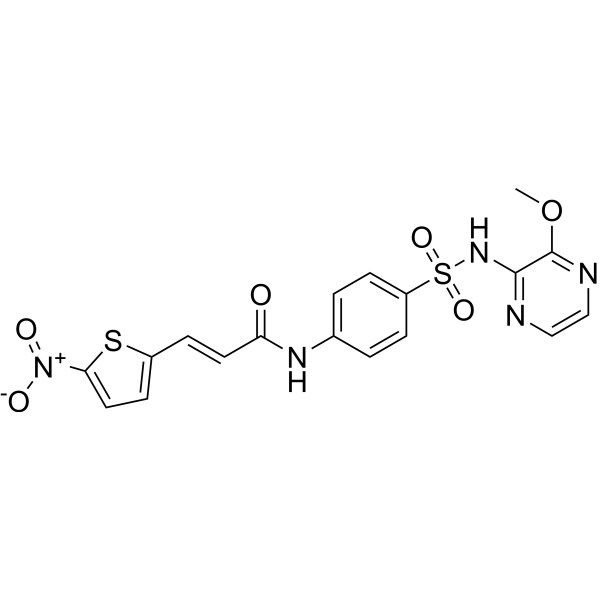
Necrosulfonamide is a MLKL and Gasdermin D (GSDMD) inhibitor, capable of separately inhibiting necroptosis and pyroptosis of cells. Necrosulfonamide does not affect the activation of upstream signals, but specifically inhibits the downstream executor oligomerization step. Necrosulfonamide reduces the expression of the key kinases NLRP3 and caspase-1 involved in necroptosis and pyroptosis, activate the Nrf2 pathway and the downstream antioxidant enzymes, and also downregulates a variety of inflammatory factors. Necrosulfonamide plays significant roles in various diseases such as neurodegenerative diseases (such as Parkinson’s disease), tissue damage and ischemia-reperfusion injury, inflammatory bowel disease, osteoarthritis and fracture repair, and hair loss by regulating two important programmed necrosis pathways .
loading...
    loading...
23
23 Cited Publications
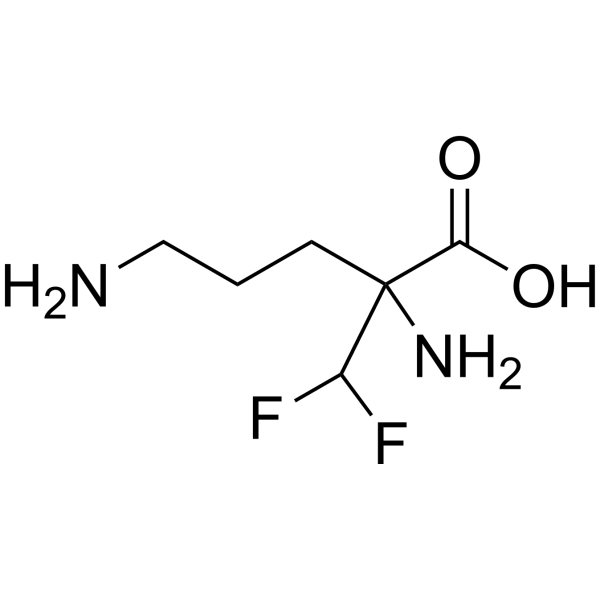
Cat. No.: HY-B0744
CAS No.: 70052-12-9
Synonyms: DFMO; MDL71782; RMI71782; α-difluoromethylornithine
Target:  

Parasite

Research Areas:  

Infection Cancer

Eflornithine is a specific, irreversible inhibitor of the enzyme ornithine decarboxylase. Eflornithine is a medication for the treatment of African trypanosomiasis and excessive facial hair growth in women.
loading...
    loading...
23
23 Cited Publications
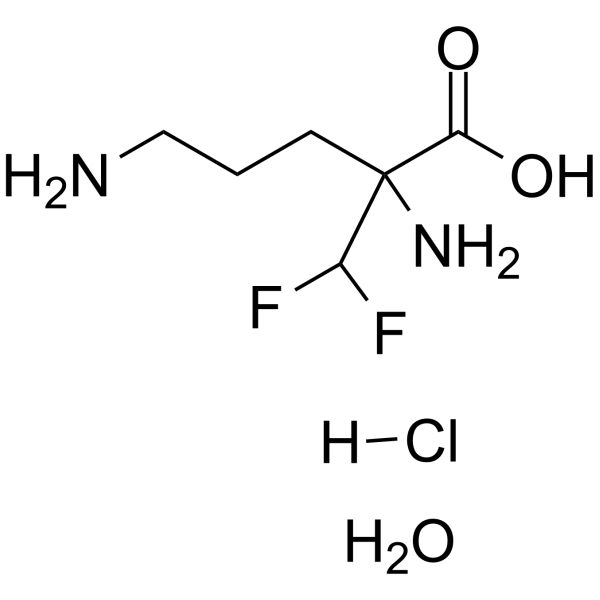
Cat. No.: HY-B0744B
CAS No.: 96020-91-6
Synonyms: DFMO hydrochloride hydrate; MDL-71782 hydrochloride hydrate; RMI-71782 hydrochloride hydrate; α-difluoromethylornithine hydrochloride hydrate
Target:  

Parasite

Research Areas:  

Cancer

Eflornithine hydrochloride hydrate (DFMO hydrochloride hydrate) is a specific, irreversible inhibitor of the enzyme ornithine decarboxylase. Eflornithine hydrochloride hydrate is a medication for the treatment of African trypanosomiasis and excessive facial hair growth in women .
loading...
    loading...
23
23 Cited Publications
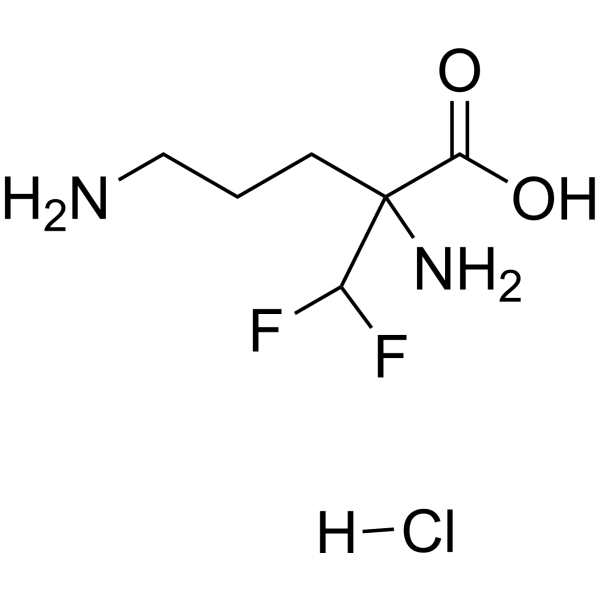
Cat. No.: HY-B0744A
CAS No.: 68278-23-9
Synonyms: DFMO hydrochloride; MDL71782 hydrochloride; RMI71782 hydrochloride; α-difluoromethylornithine hydrochloride
Target:  

Parasite

Research Areas:  

Infection Cancer

Eflornithine hydrochloride is a specific, irreversible inhibitor of the enzyme ornithine decarboxylase. Eflornithine is a medication for the treatment of African trypanosomiasis and excessive facial hair growth in women.
loading...
    loading...
11
11 Cited Publications
Cat. No.: HY-B0112
CAS No.: 38304-91-5
Synonyms: U10858
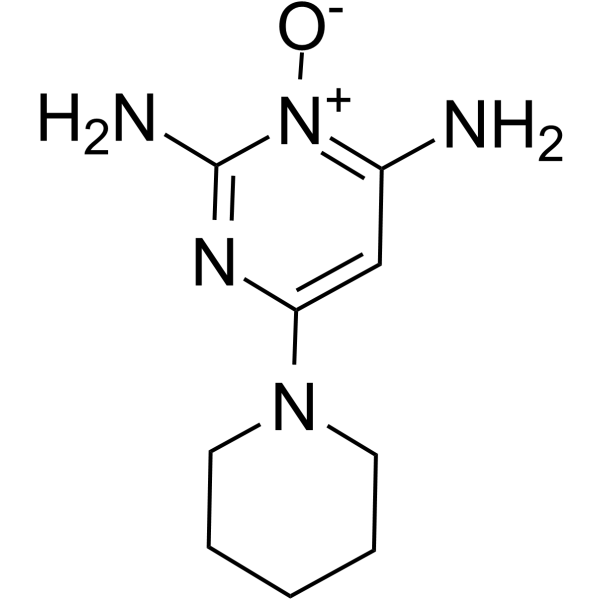
Minoxidil (U10858) is an ATP-sensitive potassium (KATP) channel opener, a potent oral antihypertensive agent and a peripheral vasodilator that promotes vasodilation also affects hair growth. Minoxidil is also a potent inhibitor of soybean lipoxygenaseare with an IC50 of 20 μM .
loading...
    loading...
5
5 Cited Publications
Cat. No.: HY-N5124
CAS No.: 60767-80-8
Synonyms: Isovitexin 2''-O-glucoside; Isovitexin 2''-O-β-D-glucoside
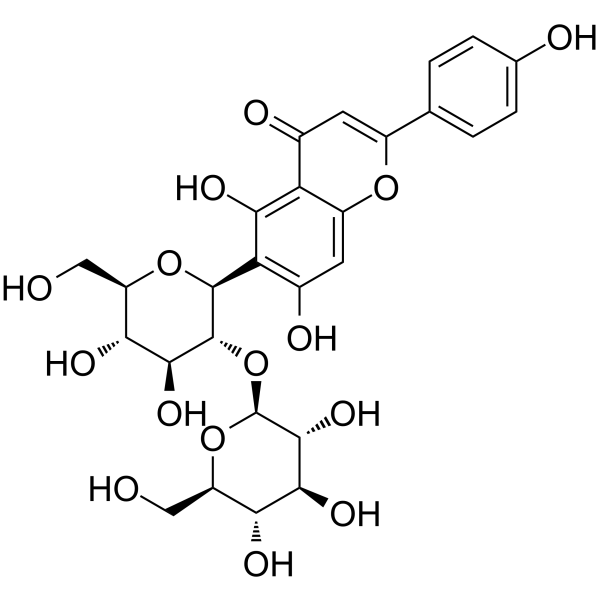
Meloside A (Isovitexin 2''-O-glucoside) is a flavonoid with antioxidant activity. Meloside A can inhibit cell apoptosis and ROS production. Meloside A can inhibit androgen receptor (AR) nuclear translocation and AR protein expression. Meloside A can reduce IL-6, TGF-β1 and DKK-1 levels. Meloside A can be used for the researches of inflammation and endocrinology, such as hair loss .
loading...
    loading...
3
3 Cited Publications
Cat. No.: HY-Y0351
CAS No.: 103-85-5
Synonyms: Phenylthiocarbamide
Research Areas:  

Others

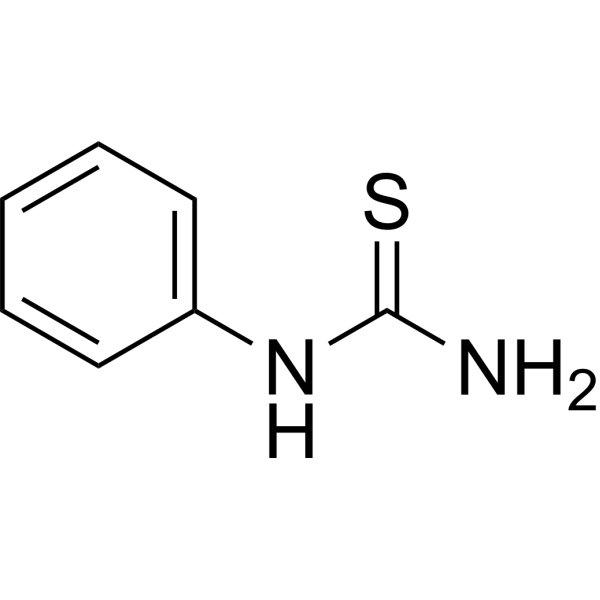
Phenylthiourea (Phenylthiocarbamide) is an inhibitor for phenoloxidase. Phenylthiourea inhibits enzymatic oxidation of DOPA by phenoloxidase (Ki = 0.21 μM). Phenylthiourea is an effective inhibitor for tyrosinase. Phenylthiourea can lead to graying of hair in black rats due to the interference with melanin formation .
loading...
    loading...
3
3 Cited Publications
Cat. No.: HY-N7123
CAS No.: 144-80-9
Synonyms: Sulphacetamide
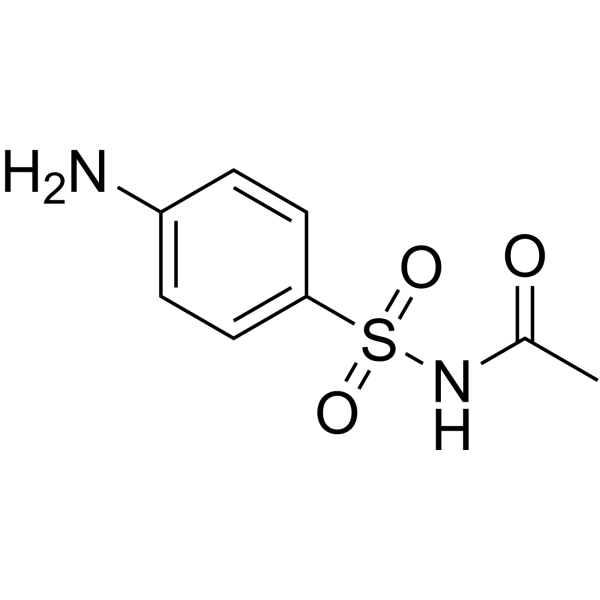
Sulfacetamide (Sulphacetamide) is a sulfonamide antibiotic. Sulfacetamide has antifungal and antibacterial activities. Sulfacetamide is employed as a topical formulation in various ophthalmic, dermatological, and hair solutions against bacterial infections, acne and scalp conditions. Sulfacetamide targets bacterial folic acid synthesis and is effective against various gram-positive and gram-negative bacteria. Sulfacetamide inhibits the synthesis of both dihydro-folic acid and para-aminobenzoic acid. Sulfacetamide can be used for the study of ocular infections .
loading...
    loading...
1
1 Cited Publications
Cat. No.: HY-129139
CAS No.: 111613-04-8
Purity:  95.71%
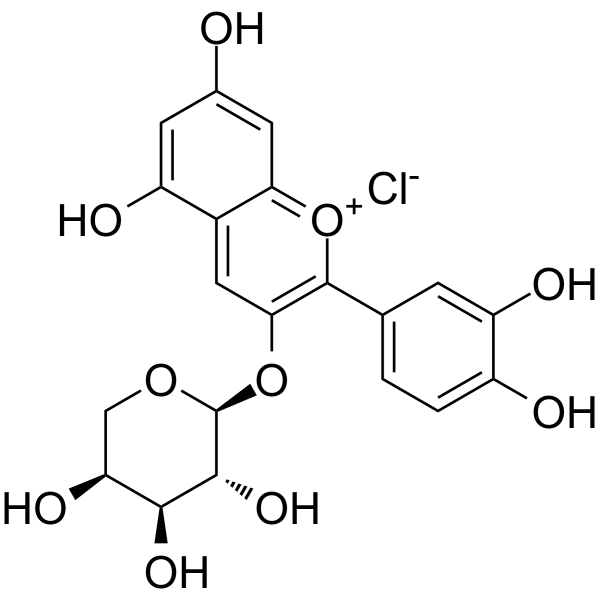
Cyanidin-3-O-arabinoside is a p38 MAPK phosphorylation inhibitor. Cyanidin-3-O-arabinoside reduces the expression of VDAC1, inhibits mtROS accumulation, reverses cellular senescence, blocks excessive mitochondrial calcium influx, reduces the formation of mitochondria-associated endoplasmic reticulum membranes, and suppresses the VDAC1-IP3R1 interaction. Cyanidin-3-O-arabinoside activates hair follicle stem cell proliferation and improves the condition of slowed hair growth. Cyanidin-3-O-arabinoside is applicable to research related to colon cancer and androgenetic alopecia .
loading...
    loading...
1
1 Cited Publications
Cat. No.: HY-B1820
CAS No.: 7733-02-0
Zinc sulphate is an orally active inhibitor of tyrosinase and glutathione reductase. Zinc sulphate enhances the activity of dopachrome tautomerase. Zinc sulphate delays anagen-related eumelanin production, induces hair hypopigmentation in mice, and accelerates wound healing. Zinc sulphate can be used in research related to benign gastric ulcers. Zinc sulphate can be used in research related to rheumatoid arthritis .
loading...
    loading...
1
1 Cited Publications
Cat. No.: HY-N2071
CAS No.: 77-53-2
Synonyms: (+)-Cedrol; α-Cedrol
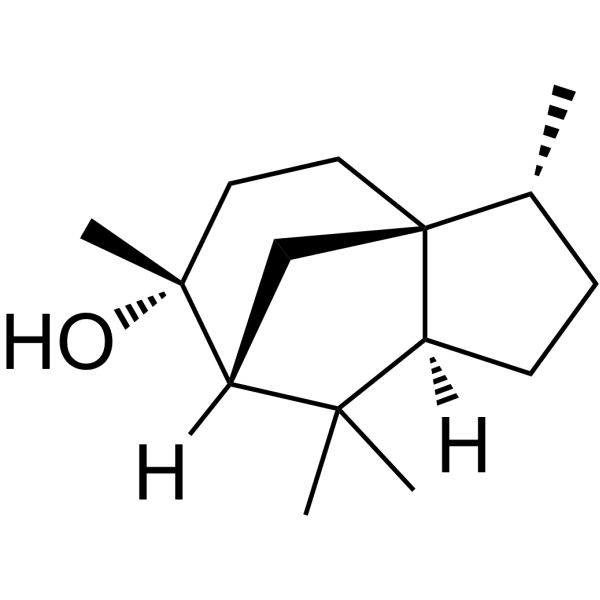
Cedrol is a potent competitive inhibitor of cytochrome P-450(CYP) enzyme. Cedrol plays an anticancer role by inducing cell cycle arrest and Caspase-dependent apoptosis. Cedrol acts as a neutrophil agonist that can desensitize cells to subsequent stimulation of N-formyl peptides. Cedrol prevents neuropathic pain caused by chronic contractile injury by inhibiting oxidative stress and inflammation. In addition, Cedrol has antibacterial, hair loss prevention and anti-anxiety properties .
loading...
    loading...
1
1 Cited Publications
Cat. No.: HY-16942
CAS No.: 1202868-75-4
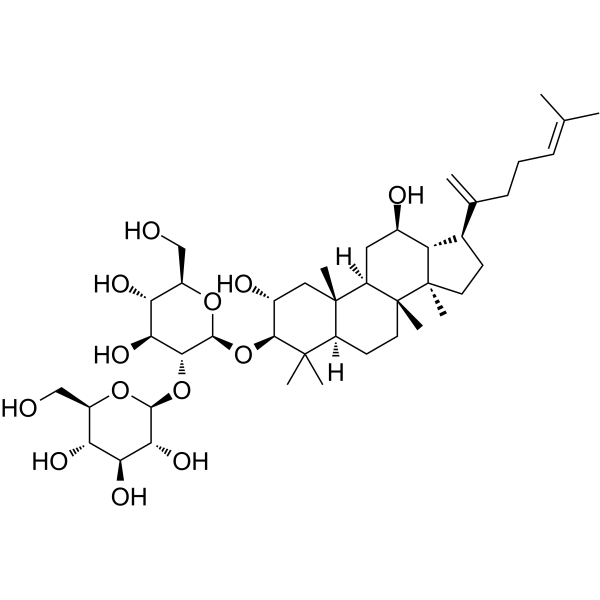
Damulin B is a dammarane-type saponin found in Gynostemma pentaphyllum. Damulin B can inhibit cancer cell apoptosis, decrease mitochondrial membrane potential, inhibit ROS production and cause G0/G1 phase arrest. Damulin B can prevent Cisplatin (HY-17394)-induced acute kidney injury and induce hair growth. Damulin B shows anti-inflammation anti-diabetic and anti-obesity effect. Damulin B can be used for the researches of cancer, inflammation, metabolic disease, such as lung cancer, osteoarthritis and diabetes .
loading...
    loading...
1
1 Cited Publications
Cat. No.: HY-100573A
CAS No.: 432531-71-0
Purity:  98.84%
(E/Z)-Necrosulfonamide is a racemic compound of Necrosulfonamide (HY-100573). Necrosulfonamide is a MLKL and Gasdermin D (GSDMD) inhibitor, capable of separately inhibiting necroptosis and pyroptosis of cells. Necrosulfonamide does not affect the activation of upstream signals, but specifically inhibits the downstream executor oligomerization step. Necrosulfonamide reduces the expression of the key kinases NLRP3 and caspase-1 involved in necroptosis and pyroptosis, activate the Nrf2 pathway and the downstream antioxidant enzymes, and also downregulates a variety of inflammatory factors. Necrosulfonamide plays significant roles in various diseases such as neurodegenerative diseases (such as Parkinson’s disease), tissue damage and ischemia-reperfusion injury, inflammatory bowel disease, osteoarthritis and fracture repair, and hair loss by regulating two important programmed necrosis pathways.
loading...
    loading...
Cat. No.: HY-165559
CAS No.: 2019994-90-0
Target:  

TRP Channel

Research Areas:  

Inflammation/Immunology

Trpvicin is a potent and subtype-selective TRPV3 inhibitor with IC50s of 0.41 and 0.22 μM for hTRPV3-WT and hTRPV3-G573S mutant, respectively. Trpvicin exhibits minimal effects on other TRP family members (such as TRPV1/2/4/5/6, TRPA1 and TRPM8). Trpvicin inhibits the TRPV3 channel by stabilizing it in a closed state via VSLD-PD binding. Trpvicin accesses additional binding sites inside the central cavity of the G573S mutant to remodel symmetry and block the channel. Trpvicin inhibits itch and hair loss in mouse models. Trpvicin can be used for study of inflammation and immunology .
loading...
    loading...
Cat. No.: HY-50856S
CAS No.: 1513883-39-0
Synonyms: CTP-543; Ruxolitinib-d8; INCB18424-d8
Target:  

JAK

Research Areas:  

Inflammation/Immunology

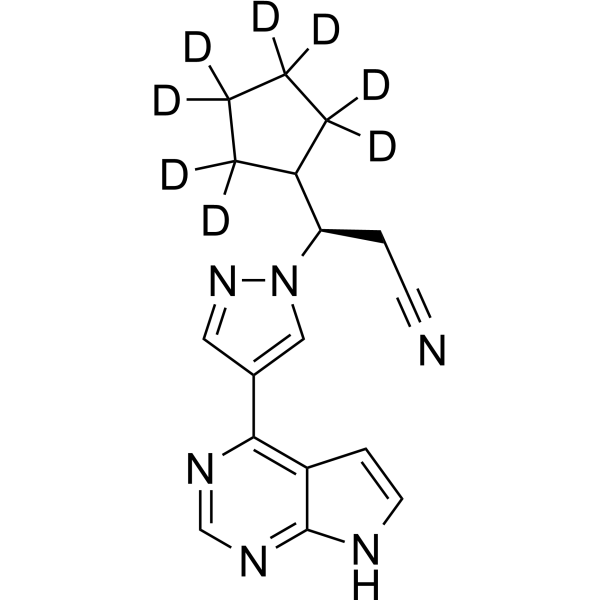
Deuruxolitinib, a deuterated Ruxolitinib (HY-50856), is an orally active JAK1 and JAK2 inhibitor. Deuruxolitinib demonstrates significant hair regrowth effects. Deuruxolitinib can be used for the research of alopecia areata .
loading...
    loading...
Cat. No.: HY-125616
CAS No.: 299157-54-3
Purity:  99.69%
Synonyms: Biotinyl-GHK; Bio-GHK
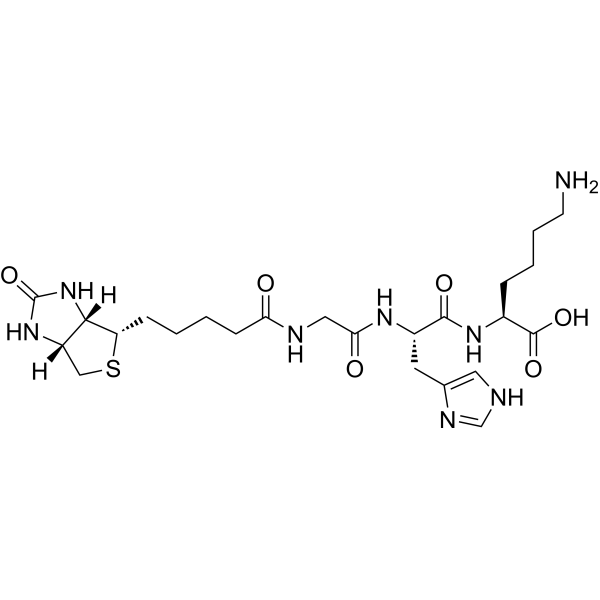
Biotinoyl tripeptide-1 (Biotinyl-GHK) is a biotinylating reagent linked to a GHK (glycyl-L-histidyl-L-lysine) tripeptide. Biotin tripeptide-1 is a bioactive peptide with hair care (improves the appearance and feel of hair) and hair growth effects. Biotinoyl tripeptide-1 has a certain affinity for streptavidin. Biotinoyl tripeptide-1 inhibits the production of ROS and has antioxidant effects. Biotinoyl tripeptide-1 reduces the production of carbonylated amyloid-β (Aβ) and inhibits Aβ aggregation. Biotinoyl tripeptide-1 can be used in the study of neurodegenerative diseases .
loading...
    loading...
Cat. No.: HY-136403
CAS No.: 1315459-30-3
Purity:  99.92%
Target:  

Phytohormone

Research Areas:  

Others

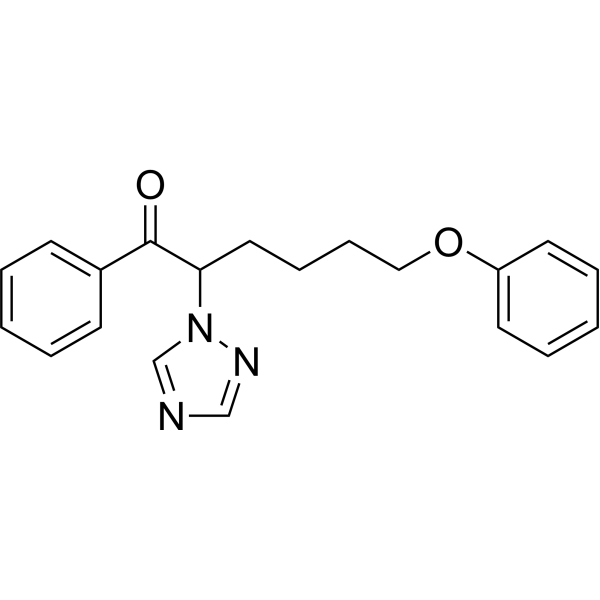
TIS108 is a triazole-type strigolactone biosynthesis inhibitor. TIS108 inhibits Arabidopsis embryogenesis and root hair growth, and promotes shoot branching. TIS108 can also increase the gibberellin content in Gastrodia elata. TIS108 can be used in the research of plant growth and development as well as plant responses to the environment .
loading...
    loading...
Cat. No.: HY-125283
CAS No.: 1643659-96-4
Purity:  99.38%
Synonyms: 2-Me-Phen hydrochloride; 2-Me-Phenformin hydrochloride
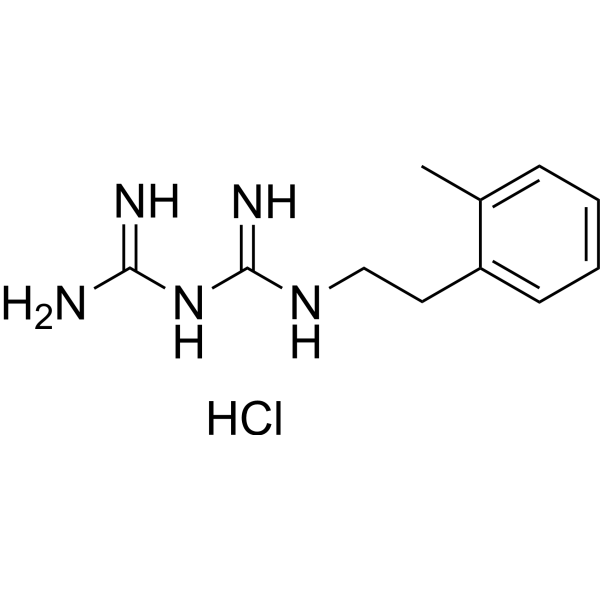
IM176OUT05 (2-Me-Phen hydrochloride), a biguanide, is a mitochondrial OXPHOS inhibitor. IM176OUT0 inhibits mitochondrial electron transport chain (ETC) activity with an IC50 of 3.2 μM. IM176OUT05 activates stem cell metabolism, promotes hair regrowth and increases stemness induction and maintenance during the pluripotent stem cell generation process .
loading...
    loading...
Cat. No.: HY-B1090
CAS No.: 298-57-7
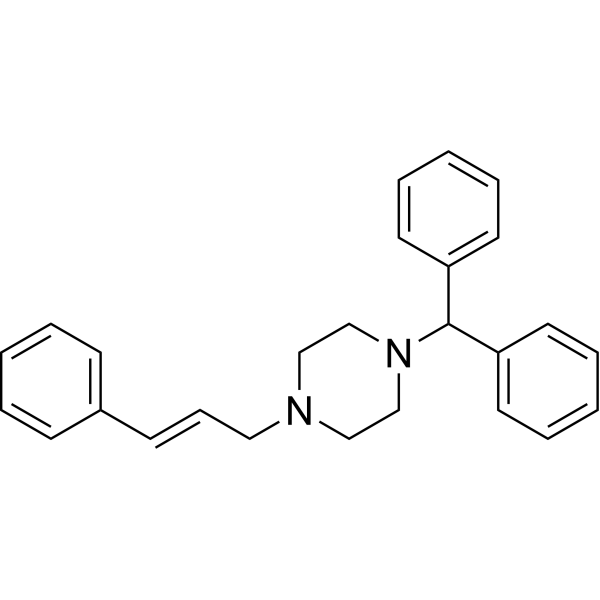
Cinnarizine is an orally active, effective and selective inhibitor of L-type calcium channel Cav1.3 with an IC50 of 1.5 μM (in vestibular hair cells). Cinnarizine can cross the blood-brain barrier and regulate calcium homeostasis and dopamine neurotransmission. Cinnarizine inhibits the influx of calcium ions into smooth muscle cells by blocking L-type calcium channels, thereby relaxing vascular smooth muscle, improving cerebral circulation and reducing blood viscosity, while antagonizing dopamine receptors. Cinnarizine can be used in the study of vestibular vertigo, Meniere's disease and cerebrovascular diseases .
loading...
    loading...
Cat. No.: HY-W009081
CAS No.: 2433-96-7
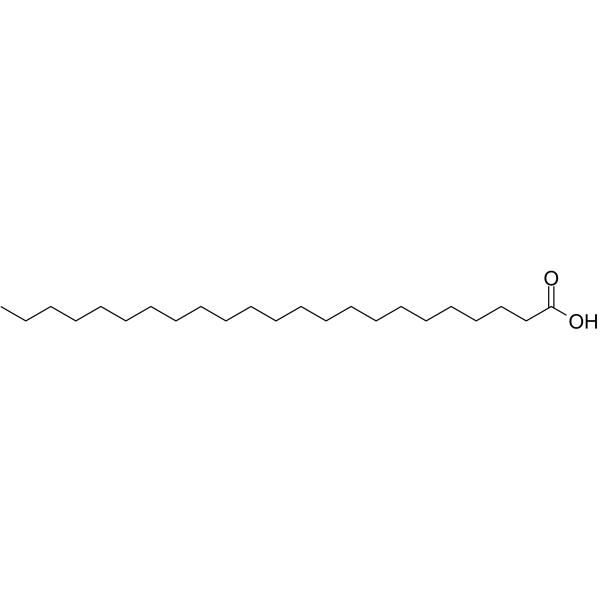
Tricosanoic acid is an endogenous agonist of long-chain saturated fatty acids and free fatty acid receptor FFAR1, which can activate hair growth. Tricosanoic acid (C23:0) has the activity of improving cognitive function by regulating neuronal membrane fluidity, inhibiting neuroinflammatory response, participating in myelination and neuronal energy metabolism. Tricosanoic acid expression levels are low in the prefrontal cortex of Alzheimer's disease (AD) models; while better cognitive performance corresponds to higher serum concentration levels. Tricosanoic acid can be used as a biomarker for diseases related to cognitive decline .
loading...
    loading...

