1. Search Result
Search Result
Pathways Recommended: Stem Cell/Wnt Cell Cycle/DNA Damage
Results for "

Human prostate cell

" in MedChemExpress (MCE) Product Catalog:

158

Inhibitors & Agonists

4

Fluorescent Dyes

5

Biochemical Assay Reagents

9

Peptides

1

MCE Kits

12

Inhibitory Antibodies

37

Natural
Products

3

Isotope-Labeled Compounds

1

Oligonucleotides

1

GMP Molecules

Cat. No. Product Name Target Research Areas Chemical Structure
  • HY-16985
    Darolutamide
    5+ Cited Publications

    ODM-201; BAY-1841788

    Androgen Receptor Cancer
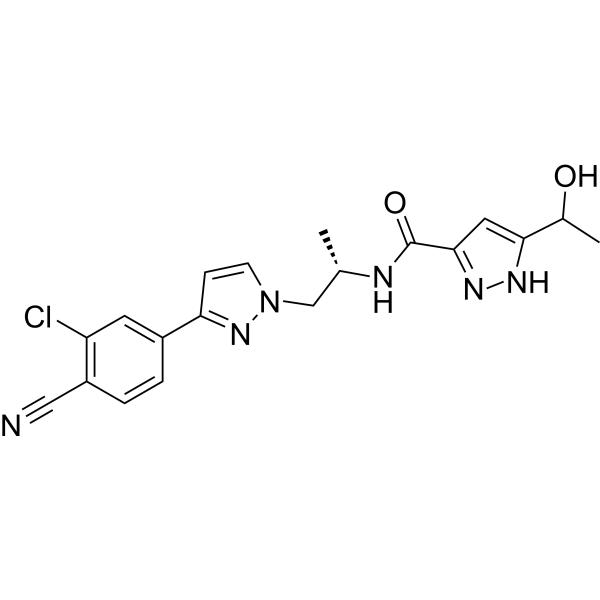
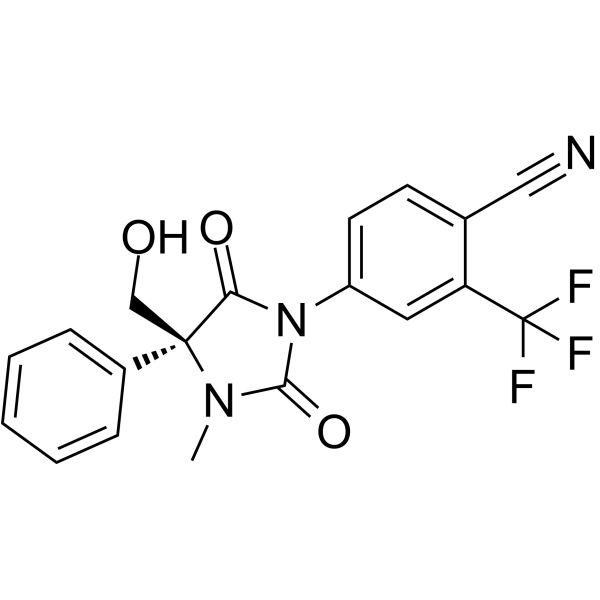
    Darolutamide (ODM-201) is an orally active competitive androgen receptor (AR) antagonist. Darolutamide has a Ki of 11 nM for rat wild-type AR (wtAR) and IC50 of 26 nM for human wild-type AR (hAR)-mediated transcriptional activation . Darolutamide inhibits testosterone-induced AR nuclear translocation and transcriptional activation . Darolutamide exerts selective effects on AR-positive cells by inhibiting AR-dependent signaling pathways, and its active metabolite retains full antagonistic activity against AR mutants . Darolutamide can be used for the research of prostate cancer, including androgen receptor-dependent prostate cancer .
    Darolutamide
  • HY-135794
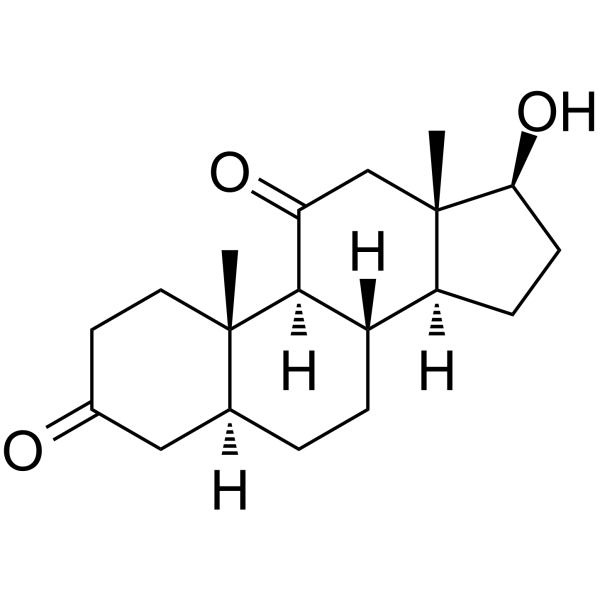
    11-Ketodihydrotestosterone
    1 Publications Verification

    11-KDHT; 5α-Dihydro-11-keto testosterone

    Androgen Receptor Endocrinology
    11-Ketodihydrotestosterone (11-KDHT; 5α-Dihydro-11-keto testosterone) is an endogenous steroid and a metabolite of 11β-Hydroxyandrostenedione. 11-Ketodihydrotestosterone is an active androgen and is also a potent androgen receptor (AR) agonist with a Ki of 20.4 nM and an EC50 of 1.35 nM for human AR. 11-Ketodihydrotestosterone drives gene regulation, protein expression and cell growth in androgen-dependent prostate cancer cells .
    11-Ketodihydrotestosterone
  • HY-110066
    (Z)-Guggulsterone
    Maximum Cited Publications
    6 Publications Verification

    Apoptosis VEGFR Akt Angiotensin-converting Enzyme (ACE) SARS-CoV FXR Cardiovascular Disease Cancer
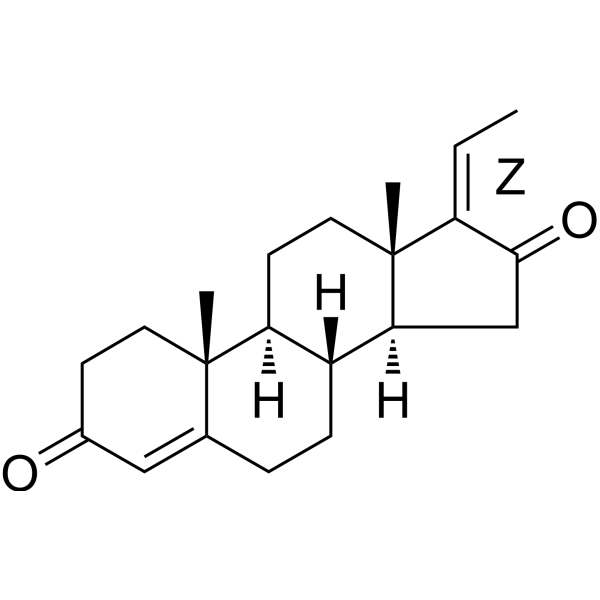
    (Z)-Guggulsterone, a constituent of Indian Ayurvedic medicinal plant Commiphora mukul, inhibits the growth of human prostate cancer cells by causing apoptosis. (Z)-Guggulsterone inhibits angiogenesis by suppressing the VEGF–VEGF-R2–Akt signaling axis . (Z)-Guggulsterone is also a potent FXR antagonist. (Z)-Guggulsterone reduces ACE2 expression and SARS-CoV-2 infection .
    (Z)-Guggulsterone
  • HY-14307
    Necrocide 1
    2 Publications Verification

    TRP Channel Eukaryotic Initiation Factor (eIF) Reactive Oxygen Species (ROS) Cancer
    Necrocide 1, a necrosis by sodium overload (NECSO) inducer, is a selective transient receptor potential melastatin 4 (TRPM4) agonist with an EC50 of 306.3 nM for human TRPM4. Necrocide 1 triggers TRPM4-dependent necrotic cell death through the induction of sodium influx. Necrocide 1 induces hallmarks of immunogenic cell death incurring calreticulin (CALR) exposure, ATP secretion and high mobility group box 1 (HMGB1) release. Necrocide 1 can be used for the study of breast and prostate cancer .
    Necrocide 1
  • HY-104040
    MKC8866
    Maximum Cited Publications
    16 Publications Verification

    Orin1001

    IRE1 Cancer
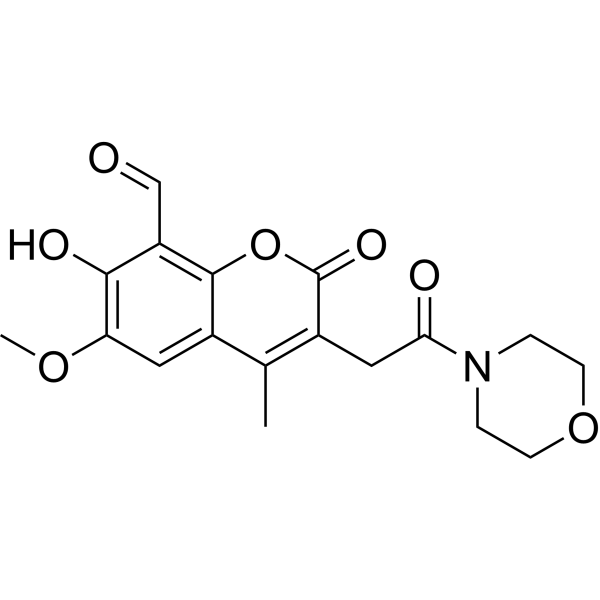
    MKC8866, a salicylaldehyde analog, is a potent, selective IRE1 RNase inhibitor with an IC50 of 0.29 μM in human vitro. MKC8866 strongly inhibits Dithiothreitol-induced X-box-binding protein 1-spliced (XBP1s) expression with an EC50 of 0.52 μM and unstresses RPMI 8226 cells with an IC50 of 0.14 μM . MKC8866 inhibits IRE1 RNase in breast cancer cells leading to the decreased production of pro-tumorigenic factors and it can inhibits prostate cancer (PCa) tumor growth .
    MKC8866
  • HY-P991015

    JNJ-78278343; KLCB-245

    CD3 Cancer
    Pasritamig (JNJ-78278343; KLCB-245) is a bispecific T-cell engager (BiTE) that targets the complex of human kallikrein KLK2 and CD3 receptor. Pasritamig redirects the cytotoxicity of T cells to KLK2-expressing tumor cells and induces T cell-mediated lysis of KLK2-expressing prostate cancer cells. Administered via subcutaneous injection, subcutaneous infusion or intravenous infusion, Pasritamig exhibits antitumor activity against metastatic castration-resistant prostate cancer. Pasritamig has a safety profile with an extremely low incidence of cytokine release syndrome and can be safely administered in an outpatient setting. Pasritamig is applicable to the research of metastatic castration-resistant prostate cancer .
    Pasritamig
  • HY-P990688

    AMG-509

    CD3 Cancer
    Xaluritamig (AMG-509) is a bispecific T cell engager and cytolytic agent with a Kd of 27.6 nM for human CD3ε. Xaluritamig binds to CD3ε via an anti-CD3 single-chain variable fragment (scFv) domain, and to STEAP1 via a bispecific anti-STEAP1 antigen-binding fragment (Fab) domain, thereby recruiting and activating T cells and forming a bridge between T cells and STEAP1-expressing cancer cells. Xaluritamig induces T cell-mediated redirected cytotoxicity, tumor cell lysis, cytokine release, CD8 + T cell activation and expansion, as well as tumor stasis or regression. Xaluritamig contains an Fc domain with no effector function, which prolongs serum half-life, exhibits only minimal activity against cells with low STEAP1 expression and normal cells, and shows extremely low target-related off-tumor toxicity in cynomolgus monkeys. Xaluritamig is used in STEAP1×CD3 XmAb 2+1 immunotherapy and in research on metastatic castration-resistant prostate cancer and Ewing sarcoma .
    Xaluritamig
  • HY-N6796
    Manumycin A
    2 Publications Verification

    Antibiotic Exosomes Farnesyl Transferase Ras Apoptosis Phospholipase TNF Receptor Atg8/LC3 Infection Inflammation/Immunology Cancer
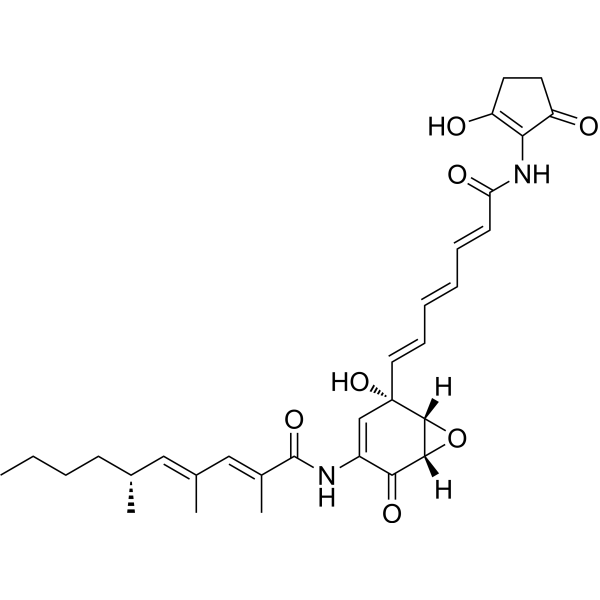
    Manumycin A is a polyketide antibiotic and an inhibitor of thioredoxin reductase 1 (TrxR-1). Manumycin A can inhibit the growth of breast cancer cells and exert its anti-tumor activity through LC3. Manumycin A can downregulate the release of pro-inflammatory cytokines in human monocytes stimulated by TNF α, and has potential anti-inflammatory activity. Manumycin A can inhibit the Ras/Raf/ERK1/2 signaling and hnRNP H1 in castration resistant prostate cancer cells to suppress exosome biogenesis and secretion .
    Manumycin A
  • HY-17473
    Embelin
    Maximum Cited Publications
    6 Publications Verification

    Embelic acid; Emberine; NSC 91874

    IAP NF-κB Apoptosis Autophagy Cancer
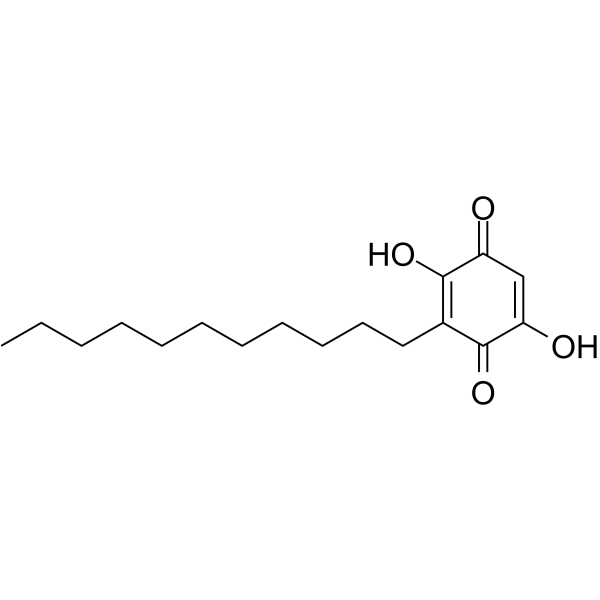
    Embelin (Embelic acid), a potent, nonpeptidic XIAP inhibitor (IC50=4.1 μM), inhibits cell growth, induces apoptosis, and activates caspase-9 in prostate cancer cells with high levels of XIAP. Embelin blocks NF-kappaB signaling pathway leading to suppression of NF-kappaB-regulated antiapoptotic and metastatic gene products. Embelin also induces autophagic and apoptotic cell death in human oral squamous cell carcinoma cells .
    Embelin
  • HY-P99802
    Pasotuxizumab
    1 Publications Verification

    BAY 2010112; AMG 212; MT112

    CD3 Cancer
    Pasotuxizumab (BAY 2010112) is a PSMA and CD3 bispecific T-cell engager (BiTE). Pasotuxizumab binds to CD3 and PSMA with KDs of 9.4 nM and 47.0 nM for human CD3 and PSMA. Pasotuxizumab can be used for research of metastatic castration-resistant prostate cancer (mCRPC) .
    Pasotuxizumab
  • HY-70006
    Galeterone
    3 Publications Verification

    TOK-001; VN-124-1

    Molecular Glues Androgen Receptor MNK Cytochrome P450 Apoptosis Cancer
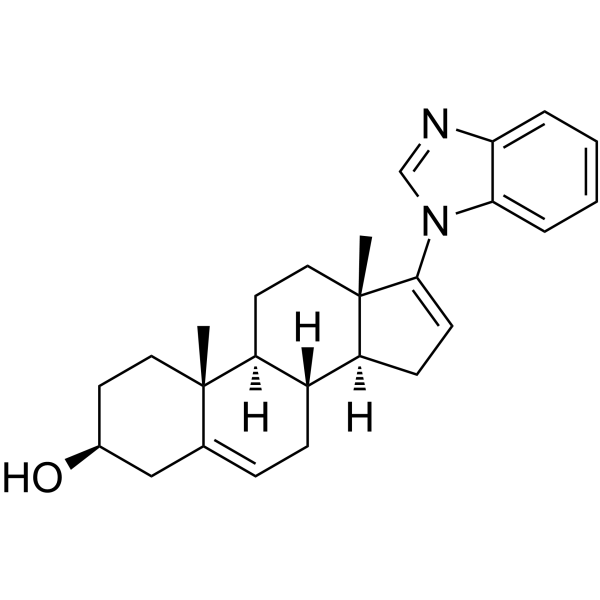
    Galeterone (TOK-001) is a potent, orally active molecular glue degrader, which degrades androgen receptor (AR) and its splice variants (AR-Vs) and MAP kinase-interacting serine/threonine protein kinase Mnk1/2. Galeterone also functions as a CYP17 inhibitor (IC50 = 47 nM). Galeterone induces cell apoptosis. Galeterone inhibits tumor growth in human prostate cancer xenograft mouse models. Galeterone can be used for castration resistant prostate cancer (CRPC) and pancreatic ductal adenocarcinoma (PDAC) research [1][2].
    Galeterone
  • HY-119272
    EF24
    2 Publications Verification

    ERK Caspase NF-κB Apoptosis p38 MAPK Reactive Oxygen Species (ROS) Inflammation/Immunology Cancer
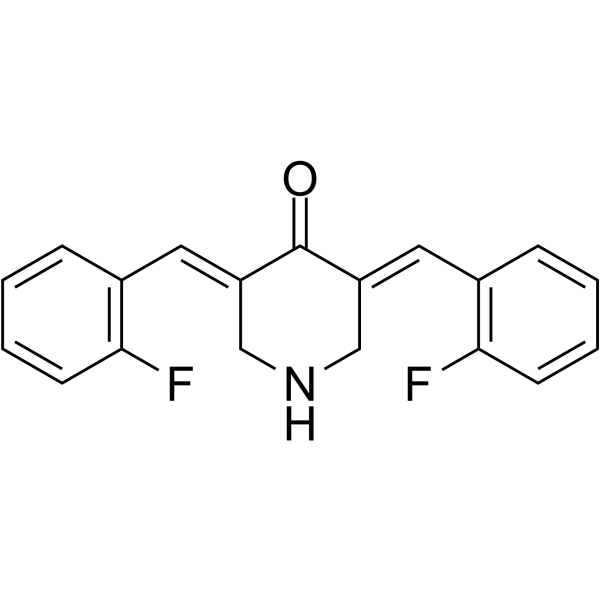
    EF24, a curcumin analogue, is an NF-kB inhibitor with great anti-tumor efficacy and oral bioavailability via deactivation of the MAPK/ERK signaling pathway in oral squamous cell carcinoma (OSCC). EF24 is active against melanoma and breast cancer cell lines with GI50 values of 0.7 μM and 0.8 μM, respectively. EF24 induces cell cycle arrest and apoptosis in MDA-MB-231 human breast cancer cells and DU-145 human prostate cancer cells. EF24 increases the levels of activated caspase 3 and 9, and decreases the phosphorylated forms of MEK1 and ERK .
    EF24
  • HY-164729

    Antibody-Drug Conjugates (ADCs) Topoisomerase Apoptosis Cancer
    FZ-AD005 is a DLL3-targeting antibody-drug conjugate (ADC) with high selectivity, composed of the anti-DLL3 antibody FZ-A038 (HY-P990896), a dipeptide linker (Val-Ala), and DXd (HY-13631D). The Kd value of FZ-AD005 for human DLL3 ranges from 13.29 to 58.3 pmol/L. After binding to DLL3 on the cell surface, FZ-AD005 mediates endocytosis, and the payload DXd is released via cleavage by lysosomal cathepsins. DXd inhibits topoisomerase TopI to induce double-strand DNA breaks, cell cycle arrest and apoptosis, and FZ-AD005 exhibits bystander killing activity against adjacent DLL3-negative cells. FZ-AD005 shows stable circulation in vivo, has good tolerance and acceptable pharmacokinetic profiles in rats and cynomolgus monkeys, and effectively inhibits the growth of DLL3-expressing tumor cells. FZ-AD005 serves as a promising candidate molecule for research on small cell lung cancer and human neuroendocrine prostate cancer .
    FZ-AD005
  • HY-113332
    Myristoleic acid
    1 Publications Verification

    Environmental Pollutants Endogenous Metabolite Apoptosis Inflammation/Immunology
    Myristoleic acid, a cytotoxic component in the extract from Serenoa repens, induces apoptosis and necrosis in human prostatic LNCaP cells .
    Myristoleic acid
  • HY-107582

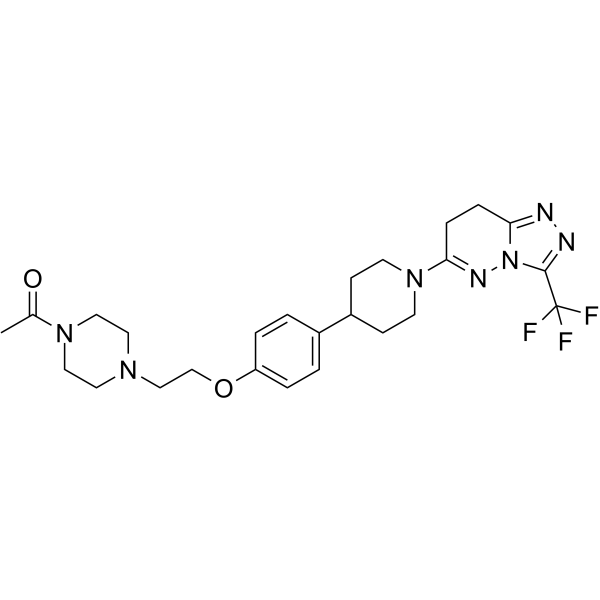
    Ser/Thr Protease Calcium Channel PKC Cancer
    JW480 is a selective KIAA1363/AADACL1 inhibitor with oral activity, featuring IC50 values of 12 nM against human KIAA1363, 20 nM against mouse KIAA1363. JW480 blocks lipid deacetylase activity to restrain HAG metabolism and lowers retinyl ester hydrolase function in hepatic stellate cells. JW480 reduces MAGE lipid levels and inhibits migration, invasion, survival and tumor growth of prostate cancer cells. JW480 lowers PKCδ phosphorylation, facilitates HAGP accumulation, diminishes platelet aggregation, dense granule secretion and Ca 2+ flux, delays arterial thrombosis and prolongs tail bleeding time in rats. JW480 can be used for the study of prostate cancer and thrombosis .
    JW480
  • HY-N11908

    cis-α-Santalol

    Akt Survivin Apoptosis Caspase PARP Metabolic Disease Cancer
    α-Santalol (cis-α-Santalol), a naturally occurring sesquiterpene, is an orally active anticancer agent and apoptosis inducer. α-Santalol activates caspase-3 to drive apoptotic processes. >α-Santalol induces apoptosis, decreases cell viability, and causes PARP cleavage in human prostate cancer cells. α-santalol inhibits Akt/Survivin pathway to induce cell death. α-Santalol can be used for the research of prostate cancer and diabetes mellitus .
    α-Santalol
  • HY-P9992

    BAY-2315497; PSMA-TTC

    PSMA Apoptosis Cancer
    Peligifatamab is a PSMA-targeted α-radioimmunoconjugate with an EC50 of 1.2 nM against human targets. Peligifatamab induces DNA damage, DNA double-strand breaks, cell cycle arrest and apoptosis (Apoptosis) in PSMA-positive prostate cancer cells. Peligifatamab reduces cell viability in a manner dependent on cellular PSMA expression levels. Peligifatamab inhibits tumor growth and tumor-induced abnormal bone growth in prostate cancer bone metastasis models. Peligifatamab exhibits antitumor efficacy in subcutaneous prostate cancer models and xenograft models. Peligifatamab can be used for the research of metastatic castration-resistant prostate cancer .
    Pelgifatamab
  • HY-P99189

    IMC-A12; NSC742460

    IGF-1R Cancer
    Cixutumumab (IMC-A12) is a human anti-IGF-1R monoclonal antibody with high affinity that inhibits ligand-dependent receptor activation and downstream signaling. Cixutumumab also mediates the internalization and degradation of IGF-IR. Cixutumumab shows broad-spectrum anti-tumour activity and can be used in studies of cancers such as lung cancer, malignancies, leukaemia, non-small cell lung cancer and prostate cancer .
    Cixutumumab
  • HY-N0539

    Aldose Reductase SARS-CoV Interleukin Related Infection Inflammation/Immunology Cancer
    Calceolarioside B is a phenylethanoid glycoside. Calceolarioside B can be isolated from the leaves of Akebia quinata. Calceolarioside B inhibits RLAR activity with an IC50 value of 23.99 μM. Calceolarioside B inhibits the entry of Omicron BA.2 into host cells. Calceolarioside B reduces IL-6 levels. Calceolarioside B has immunomodulatory activity. Calceolarioside B has anticancer activity against human hormone-independent prostate cancer .
    Calceolarioside B
  • HY-NP199
    Bovine pituitary extract
    1 Publications Verification

    Reactive Oxygen Species (ROS) Inflammation/Immunology
    Bovine pituitary extract is a bovine pituitary extract that can be used as a mitogenic supplement in serum-free growth media. Bovine pituitary extract is rich in growth factors. Bovine pituitary extract not only promotes the proliferation of corneal keratinocytes and maintains their phenotype, but also exerts significant antioxidant stress protective effects on human prostate epithelial cells .
    Bovine pituitary extract
  • HY-15694
    SMIP004
    4 Publications Verification

    E1/E2/E3 Enzyme Apoptosis Cancer
    SMIP004 is a SKP2 E3 ligase inhibitor, which downregulates SKP2 and to stabilise p27. SMIP004 is a cancer cell selective apoptosis inducer of human prostate cancer cells .
    SMIP004
  • HY-16079
    AZD3514
    3 Publications Verification

    Androgen Receptor Cancer
    AZD3514 is an orally activie and selective androgen receptor (AR) inhibitor. AZD3514 androgen-dependently and -independently inhibits AR signal. AZD351 down-regulates nuclear AR levels in human LNCaP prostate cancer cells in the absence of androgen with an pIC50 value of 5.75. AZD3514 can be used for the research of prostate cancer .
    AZD3514
  • HY-W587488

    3′-AMP

    Nucleoside Antimetabolite/Analog Cyclic GMP-AMP Synthase Cancer
    Adenosine 3’-monophosphate (3’-AMP) is a nucleotide. Adenosine 3’-monophosphate is a cyclic AMP production agonist. Adenosine 3’-monophosphate increases cyclic AMP levels concentration-dependently in NG108-15 cells. Adenosine 3’-monophosphate can be used in the determination of acid phosphatase activity of human serum, which is estabilished as a laboratory procedure in the diagnosis of prostate cancer, metastatic mammary cancer and Gaucher’s disease. Adenosine 3’-monophosphate inhibits human aortic and coronary vascular smooth muscle cell proliferation via A2B receptors .
    Adenosine 3′-monophosphate
  • HY-153937

    E1/E2/E3 Enzyme Cancer
    Skp2 inhibitor 2 is a Skp2-Cks1 protein-protein interaction inhibitor with a human IC50 of 0.57 μM. Skp2 inhibitor 2 binds to Skp2 at the interaction interface to block Skp2-Cks1 complex formation. Skp2 inhibitor 2 can be used for the research of gastric cancer, non-small cell lung cancer, breast cancer, prostate cancer .
    Skp2 inhibitor 2
  • HY-N0475

    Hypolide; (+)-Triptophenolide

    Androgen Receptor Pyroptosis Caspase Bcl-2 Family Apoptosis Inflammation/Immunology Cancer
    Triptophenolide (Hypolide) is a colorless crystal isolated from the ethyl acetate extract of Tripterygium wilfordii. Triptophenolide is an orally active pan‑antagonist of the androgen receptor (AR) with an IC50 of 467 nM against human wild‑type AR. Triptophenolide reduces AR expression, inhibits AR nuclear translocation, downregulates prostate‑specific antigen mRNA levels, and suppresses the growth of AR‑positive prostate cancer cells. Triptophenolide shows anti-tumor effects against breast cancer by inhibiting cell proliferation and migration, inducing G1-phase arrest and apoptosis, repressing xenograft tumor growth. Triptophenolide inhibits pyroptosis, alleviates tissue inflammation, and ameliorates synovial injury. Triptophenolide can be used for the study of prostate cancer, rheumatoid arthritis and breast cancer .
    Triptophenolide
  • HY-155994
    PIK5-12d
    1 Publications Verification

    PROTACs PIKfyve Autophagy Cancer
    PIK5-12d is a PROTAC PIKfyve degrader (DC50 = 1.48 nM). PIK5-12d induces massive cytoplasmic vacuolization and blocks autophagic flux in multiple prostate cancer cells. PIK5-12d inhibits prostate cancer cell proliferation. PIK5-12d significantly suppresses tumor proliferation in mice bearing LTL-331R human prostate cancer PDX tumors. PIK5-12d can be used for the study of prostate cancer. (Pink: PIKfyve ligand (HY-175631), Blue: VHL Ligand (HY-125845), Black: Linker, PIKfyve ligand-linker conjugate (HY-175632)) .
    PIK5-12d
  • HY-175023

    Phosphatase Cancer
    OncoACP3 is a small-molecule ligand of prostatic acid phosphatase (ACP3) with an IC50 of 0.30 nM. OncoACP3 has a modular structure that supports flexible payload delivery. After radiolabeling with Lu-177 it selectively accumulates in ACP3-expressing tumors with a long retention time, enabling targeted radiation delivery. OncoACP3 is applicable to research related to prostate cancer .
    OncoACP3
  • HY-147785
    Pim-1 kinase inhibitor 2
    1 Publications Verification

    Pim Caspase Bcl-2 Family Apoptosis Cancer
    Pim-1 kinase inhibitor 2 is a PIM-1 kinase inhibitor with a human IC50 of 0.63 μM. Pim-1 kinase inhibitor 2 exhibits high selectivity for cancer cells over normal cells. Pim-1 kinase inhibitor 2 induces apoptosis, increases active caspase-3 levels, upregulates BAX, downregulates Bcl-2, and elevates the Bax/Bcl-2 ratio. Pim-1 kinase inhibitor 2 suppresses cancer cell proliferation and induces cell cycle arrest. Pim-1 kinase inhibitor 2 can be used for the research of prostate carcinoma, hepatocellular carcinoma, and breast adenocarcinoma .
    Pim-1 kinase inhibitor 2
  • HY-124292
    Honokiol DCA
    1 Publications Verification

    Honokiol dichloroacetate

    Androgen Receptor Cancer
    Honokiol DCA (Honokiol dichloroacetate) is a dichloroacetate analog of Honokiol. Honokiol DCA can inhibit the growth of human prostate cancer cells in vitro and suppress the androgen receptor (AR) protein level .
    Honokiol DCA
  • HY-149091

    Histone Demethylase Cancer
    KDM5B-IN-4 (compound 11ad) is a lysine demethylase 5B (KDM5B) inhibitor with an IC50 of 0.025 μM KDM5B-IN-4 increases substrate H3K4me1/2/3 level by inhibiting KDM5B in PC-3 cells. KDM5B-IN-4 downregulates PI3K/AKT. KDM5B-IN-4 reduces tumor volume in mice and shows less toxic to organs .
    KDM5B-IN-4
  • HY-135794S

    11-KDHT-d3; 5α-Dihydro-11-keto testosterone-d3

    Isotope-Labeled Compounds Androgen Receptor Endocrinology
    11-Ketodihydrotestosterone-d3 is the deuterium labeled 11-Ketodihydrotestosterone. 11-Ketodihydrotestosterone (11-KDHT; 5α-Dihydro-11-keto testosterone) is an endogenous steroid and a metabolite of 11β-Hydroxyandrostenedione. 11-Ketodihydrotestosterone is an active androgen and is also a potent androgen receptor (AR) agonist with a Ki of 20.4 nM and an EC50 of 1.35 nM for human AR. 11-Ketodihydrotestosterone drives gene regulation, protein expression and cell growth in androgen-dependent prostate cancer cells .
    11-Ketodihydrotestosterone-d3
  • HY-N0597
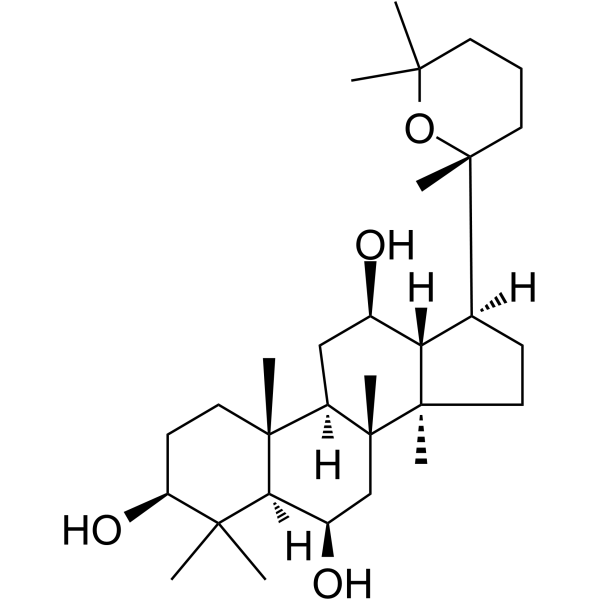
    Panaxatriol
    3 Publications Verification

    Others Insulin Receptor Cardiovascular Disease Others Metabolic Disease Cancer
    Panaxatriol is an orally active insulin sensitizer. Panaxatriol enhances the phosphorylation levels of Akt, insulin receptor and p70S6K in skeletal muscle. Panaxatriol reduces the mRNA expression level of Atrogin1 in skeletal muscle. Panaxatriol induces apoptosis, pre-G1 cell cycle arrest and increased intracellular ROS levels in prostate cancer cells, decreases mitochondrial membrane potential, inhibits cell migration and reduces colony formation. Panaxatriol can be used in research related to insulin resistance, myocardial ischemia/reperfusion injury and prostate cancer .
    Panaxatriol
  • HY-145312

    ATM/ATR Cancer
    ATR-IN-4 is a potent ATR (Ataxia telangiectasia mutated gene Rad 3-associated kinase) inhibitor. ATR-IN-4 inhibits growth of human prostate cancer cells DU145 and human lung cancer cells NCI-H460 with IC50s of 130.9 nM and 41 .33 nM, respectively. (Patent CN112142744A, compound 13) .
    ATR-IN-4
  • HY-16985S

    ODM-201-d4; BAY-1841788-d4

    Isotope-Labeled Compounds Androgen Receptor Cancer
    Darolutamide-d4 (ODM-201-d4) is deuterium labeled Darolutamide (HY-16985). Darolutamide (ODM-201) is an orally active competitive androgen receptor (AR) antagonist, with a Ki of 11 nM for rat wild-type AR (wtAR) and an IC50 of 26 nM for human wild-type AR (hAR)-mediated transcriptional activation . Darolutamide inhibits testosterone-induced AR nuclear translocation and transcriptional activation . Darolutamide exerts selective effects on AR-positive cells by inhibiting AR-dependent signaling pathways, and its active metabolite retains full antagonistic activity against AR mutants . Darolutamide can be used for the research of prostate cancer, including androgen receptor-dependent prostate cancer .
    Darolutamide-d4
  • HY-N0855

    Alisol-G; 25-Anhydroalisol A

    Carboxylesterase (CES) Bacterial HBV Infection Cancer
    Alisol G (25-Anhydroalisol A) is a human carboxylesterase 2 (hCES2) inhibitor with an IC50 of 3.85 μM. Alisol G exhibits cytotoxic activity against human cancer cells, antibacterial activity against Gram-positive strains, and anti-hepatitis B virus activity. Alisol G can be used in research related to lung cancer, breast cancer, prostate cancer, bacterial infections, and HBV infections .
    Alisol G
  • HY-148838

    c-Myc Cancer
    c-Myc inhibitor 8 (compound 56) is a c-Myc inhibitor. c-Myc inhibitor 8 effectively inhibits cell viability of a variety of cancer cells. c-Myc inhibitor 8 inhibits human prostate and lung cancer growth in mouse models. c-Myc inhibitor 8 can be used for cancer research .
    c-Myc inhibitor 8
  • HY-W008168

    2-Quinolinecarboxaldehyde

    Drug Intermediate Others
    Quinoline-2-carboxaldehyde (2-Quinolinecarboxaldehyde) is a quinoline derivative that serves as a synthetic precursor for Schiff base copper complexes. Quinoline-2-carboxaldehyde is applicable to research related to the synthetic design of biomaterials or organic compounds, such as fluorescent sensors .
    Quinoline-2-carboxaldehyde
  • HY-16985R

    ODM-201 (Standard); BAY-1841788 (Standard)

    Reference Standards Androgen Receptor Cancer
    Darolutamide (Standard) is the analytical standard of Darolutamide (HY-16985). This product is intended for research and analytical applications. Darolutamide (ODM-201) is an orally active competitive androgen receptor (AR) antagonist, with a Ki of 11 nM for rat wild-type AR (wtAR) and an IC50 of 26 nM for human wild-type AR (hAR)-mediated transcriptional activation . Darolutamide inhibits testosterone-induced AR nuclear translocation and transcriptional activation . Darolutamide exerts selective effects on AR-positive cells by inhibiting AR-dependent signaling pathways, and its active metabolite retains full antagonistic activity against AR mutants . Darolutamide can be used for the research of prostate cancer, including androgen receptor-dependent prostate cancer .
    Darolutamide (Standard)
  • HY-123045

    CDK Cancer
    PNU-292137 is an orally active, potent CDK2 inhibitor with IC50s of 37 nM and 92 nM for CDK2/cyclin A and CDK2/cyclin E, respectively. PNU-292137 makes interactions with the hydrophobic pocket at the back of the CDK2 ATP pocket. PNU-292137 efficiently inhibits tumor cell proliferation in human colon and prostate tumor cell lines. PNU-292137 exhibits antitumor activity (TGI>50%) in a mouse xenograft model .
    PNU-292137
  • HY-105314

    Others Cancer
    LY-33169 is an antitumor agent. LY-33169 had selective cytotoxicity against Colon Adenocarcinoma-38, Human Colon-116, Human Prostate LNCaP, and Human Breast WSU-Br-1 cells .
    LY-33169
  • HY-70006A

    TOK-001 hydrochloride; VN-124-1 hydrochloride

    Molecular Glues Androgen Receptor MNK Cytochrome P450 Apoptosis Cancer
    Galeterone (TOK-001) hydrochloride is a potent, orally active molecular glue degrader, which degrades androgen receptor (AR) and its splice variants (AR-Vs) and MAP kinase-interacting serine/threonine protein kinase Mnk1/2. Galeterone hydrochloride also functions as a CYP17 inhibitor (IC50 = 47 nM). Galeterone hydrochloride induces cell apoptosis. Galeterone hydrochloride inhibits tumor growth in human prostate cancer xenograft mouse models. Galeterone hydrochloride can be used for castration resistant prostate cancer (CRPC) and pancreatic ductal adenocarcinoma (PDAC) research [1][2].
    Galeterone hydrochloride
  • HY-103367

    Checkpoint Kinase (Chk) Cancer
    CHK1-IN-7 (Compound 10c) is a potent human CHK1 inhibitor. CHK1-IN-7 shows no single agent effect, potentiates the antiproliferative effect of Gemcitabine HY-17026 in both prostate and breast cancer cell lines. CHK1-IN-7 can be used for the research of cancer .
    CHK1-IN-7
  • HY-N16066

    CHNQD-0803

    AMPK Apoptosis NF-κB TNF Receptor Inflammation/Immunology
    Candidusin A (CHNQD-0803) (Compound 4) is a AMPK activator with a KD of 47.28 nM. Candidusin A can be isolated from marine fungus Aspergillus candidus. Candidusin A has cytotoxic activity and induces apoptosis in human prostate cancer cells (22Rv1, PC-3 and LNCaP cells). Candidusin A reduces adipogenesis genes expression and fat deposition, negatively regulates the NF-κB-TNFα inflammatory axis to suppress inflammation, and ameliorates liver injury and fibrosis. Candidusin A can be used for non-alcoholic steatohepatitis (NASH) research .
    Candidusin A
  • HY-118091A

    LY300502

    5 alpha Reductase Cancer
    Bexlosteride (LY300502) is a benzoquinolinone human type I 5α-reductase inhibitor. Bexlosteride shows metabolic inhibitory, antiproliferative, and antisecretory effects in LNCaP human prostatic adenocarcinoma cell cultures. Bexlosteride can be used for the research of prostatic cancer .
    Bexlosteride
  • HY-N15449

    HSP Caspase Apoptosis Reactive Oxygen Species (ROS) Bcl-2 Family Cancer
    Vicanicin is a depsidone compound found in lichens. Vicanicin inhibits the expression of Hsp70, regulates the redox-sensitive mechanisms within cells, promotes the increase of reactive oxygen species (ROS) in cancer cells, changes the Bax/Bcl-2 ratio, activates caspase-3, and triggers apoptosis. Vicanicin inhibits cell growth and induces apoptosis in androgen-sensitive (LNCaP) and androgen-insensitive (DU-145) human prostate cancer cells. Vicanicin is promising for research of prostate cancer .
    Vicanicin
  • HY-141830

    Histone Acetyltransferase Cancer
    SYY-B029-2 is a potent histone acetyltransferase (HAT) inhibitor with an IC50 of 1.4 nM. SYY-B029-2 cell growth of human mantle cell lymphoma (MCL) cell line MAVER-1 and human castration resistant prostate cancer cell line LNCaP clone FGC, with IC50 values of 15 nM and 13 nM, respectively .
    SYY-B029-2
  • HY-173186

    TLK Apoptosis Cancer
    TLK1-IN-1 is a TLK1B inhibitor with a human IC50 of 7.2 μM. TLK1-IN-1 causes accumulation of DNA damage and induces apoptotic cell death in cancer cells. TLK1-IN-1 can be used for the research of metastatic castration-resistant prostate cancer .
    TLK1-IN-1
  • HY-17473R

    Embelic acid (Standard); Emberine (Standard); NSC 91874 (Standard)

    Reference Standards IAP NF-κB Apoptosis Autophagy Cancer
    Embelin (Standard) is the analytical standard of Embelin. This product is intended for research and analytical applications. Embelin (Embelic acid), a potent, nonpeptidic XIAP inhibitor (IC50=4.1 μM), inhibits cell growth, induces apoptosis, and activates caspase-9 in prostate cancer cells with high levels of XIAP. Embelin blocks NF-kappaB signaling pathway leading to suppression of NF-kappaB-regulated antiapoptotic and metastatic gene products. Embelin also induces autophagic and apoptotic cell death in human oral squamous cell carcinoma cells .
    Embelin (Standard)
  • HY-153396

    Ceramidase Cancer
    Acid Ceramidase-IN-2 (compound 1) is an acid ceramidase inhibitor with potentially antiproliferative and cytostatic activities. Moreover, human acid ceramidase is overexpressed in prostate cancer cells, indicating potential anti-tumor effect of Acid Ceramidase-IN-2. And Acid Ceramidase-IN-2 hydrolysis can be inhibited by 3 a-ketoamides GT85, GT98 and GT99 inhibits in vitro .
    Acid Ceramidase-IN-2
  • HY-P991243

    EGFR Akt Cancer
    MP-RM-1 is an antibody-based, non-competitive ErbB-3 inhibitor with a Kd value of 32.7 nM. MP-RM-1 inhibits both ligand-dependent and ligand-independent ErbB-3 activation, blocks ErbB-2/ErbB-3 heterodimerization, induces ErbB-3 internalization and degradation, and suppresses the phosphorylation of downstream Akt. MP-RM-1 exerts its antagonistic effect through a non-competitive mechanism. MP-RM-1 inhibits tumor growth in melanoma and prostate cancer xenograft models in nude mice and reduces the proliferative activity of tumor cells .
    MP-RM-1

Inquiry Online

Your information is safe with us. * Required Fields.

Salutation


Country or Region *

Applicant Name *


Organization Name *

Department *


Email Address *


Product Name *

Cat. No.


Requested quantity *

Phone Number *


Remarks

Inquiry Online

Inquiry Information

Product Name:
Cat. No.:
Quantity:
MCE Japan Authorized Agent:

