

Search Result
Results for "
IL-2 secretion
" in MedChemExpress (MCE) Product Catalog:
| Cat. No. |
Product Name |
Target |
Research Areas |
Chemical Structure |
-
- HY-P99156
-
|
BMS-986016
|
LAG-3
|
Cancer
|
|
Relatlimab (BMS-986016) is a human monoclonal antibody anti-LAG-3 antibody generated by immunization of transgenic mice bearing human immunoglobulin miniloci with recombinant LAG-3 protein. Relatlimab blocks LAG-3/MHC II interaction with an IC50 value of 0.67 nM and LAG-3/FGL1 interaction with an IC50 value of 0.019 nM. Relatlimab can be used in research of cancer .
|
-
-
- HY-113494
-
|
Stigmastanol; 24α-Ethyl cholestanol
|
Interleukin Related
|
Others
Metabolic Disease
Inflammation/Immunology
Cancer
|
|
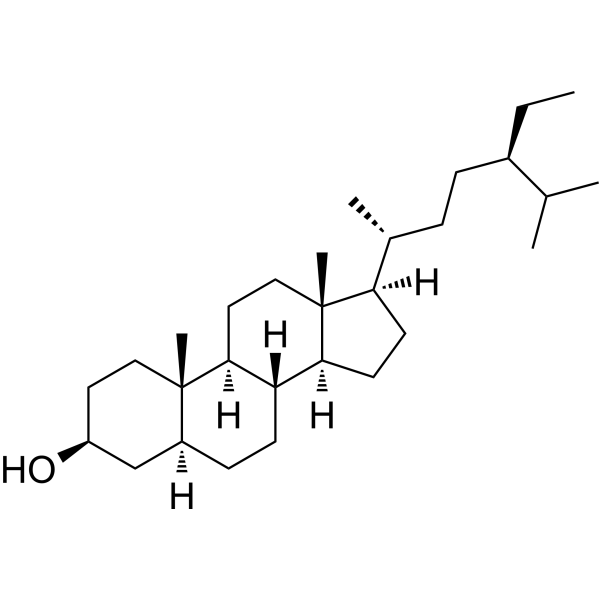
Stigmastanol is a 6-amino derivative. Stigmastanol can be isolated from Hypericum riparium. Stigmastanol increases the secretion of IL-2 and IL-10. Stigmastanol reduces the maximum mitochondrial respiration of cells. Stigmastanol has beneficial effects on the weakened immune function of asthma .
|
-
-
- HY-136339
-
|
|
E1/E2/E3 Enzyme
Interleukin Related
|
Inflammation/Immunology
Cancer
|
|
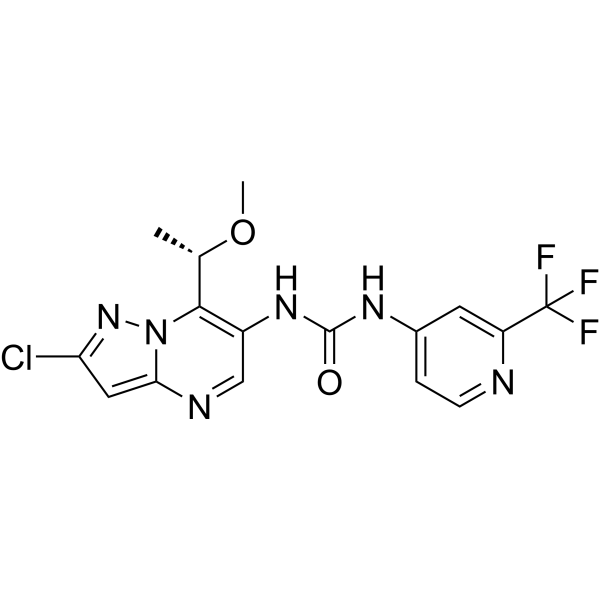
Cbl-b-IN-1 (Example 519) is an inhibitor of Cbl-b, with an IC50 of less than 100 nM. Cbl-b-IN-1 can promote the secretion of cytokines such as IL-2, IFN-γ, and TNF-α, facilitate T cell activation, and enhance the TCR signaling pathway. Cbl-b-IN-1 can be used in research on immunomodulation .
|
-
-
- HY-N0534
-
|
|
DNA/RNA Synthesis
Apoptosis
PI3K
Akt
Caspase
SOD
Interleukin Related
|
Cardiovascular Disease
Inflammation/Immunology
Cancer
|
|
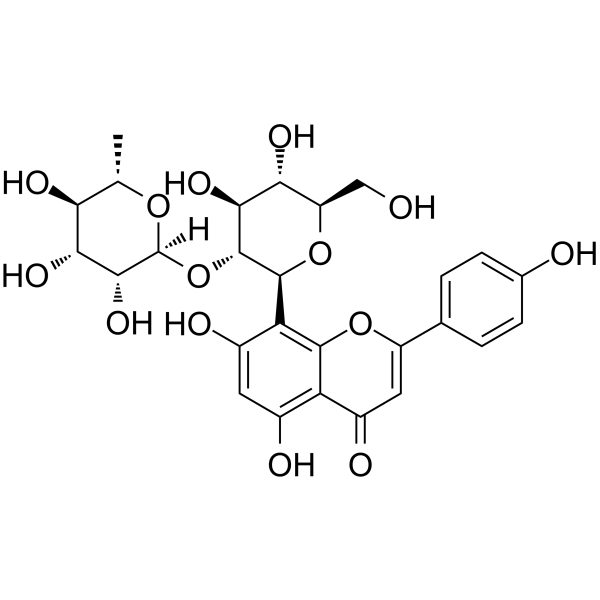
Vitexin-2"-O-rhamnoside is an orally active flavonoid glycoside. Vitexin-2"-O-rhamnoside inhibits Apoptosis, increases the phosphorylation levels of PI3K/Akt, inhibits caspase-3, SOD activity, and promotes cytokine (IL-2, IL-6, and IL-12) secretion. Vitexin-2"-O-rhamnoside strongly inhibits DNA synthesis in MCF-7 cells with an IC50 of 17.5 μM. Vitexin-2"-O-rhamnoside enhances immune function and improves the absorption of active compounds. Vitexin-2"-O-rhamnoside has antioxidant activity. Vitexin-2"-O-rhamnoside is used in the study of cardiovascular disease and immune-related diseases .
|
-
-
- HY-N6939
-
-
-
- HY-P99159
-
|
|
Interleukin Related
|
Cancer
|
|
Ivuxolimab is a fully human IgG2 agonist targeting OX40 (CD134), which selectively binds to the OX40 receptor on the surface of activated CD4 + and CD8 + T cells without inducing antibody-dependent cytotoxicity. Ivuxolimab can promote T cell proliferation, survival and cytokine (such as IFN-γ, IL-2) secretion, inhibit regulatory T cell function, and enhance anti-tumor immune response. Ivuxolimab can be used in the study of melanoma, hepatocellular carcinoma, head and neck squamous cell carcinoma, etc .
|
-
-
- HY-P99943
-
|
KN-046
|
PD-1/PD-L1
CTLA-4
|
Cancer
|
|
Erfonrilimab (KN-046) is a monoclonal antibody targeting PD-L1/CTLA-4. Erfonrilimab blocks the PD-L1 and CTLA-4 pathways, thereby regulating T cell function. Erfonrilimab enhances the secretion of IL-2 in superantigen-stimulated peripheral blood mononuclear cells. Erfonrilimab inhibits tumor growth in xenograft and double gene knock-in mouse models. Erfonrilimab can be used in research related to a variety of advanced solid tumors, including non-small cell lung cancer and nasopharyngeal carcinoma.
|
-
-
- HY-N0600
-
|
|
Interleukin Related
IFNAR
NF-κB
|
Inflammation/Immunology
|
|
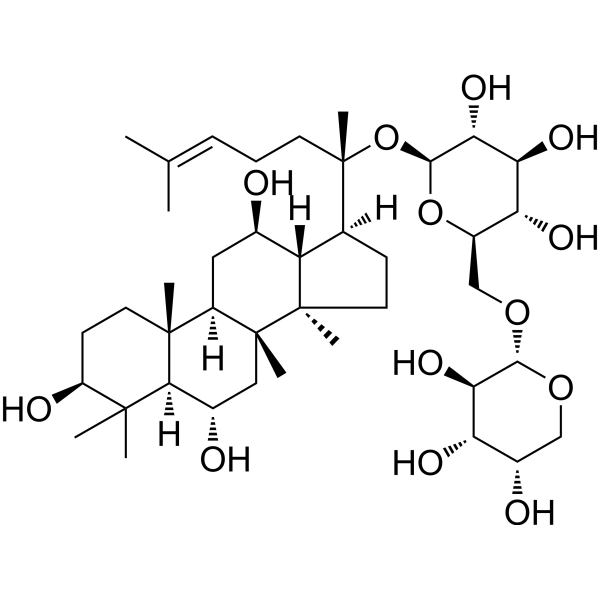
Ginsenoside F3 is a saponin extracted from the leaves of Panax ginseng with immunoenhancing and antitumor immunostimulatory activities. Ginsenoside F3 upregulates RIPOR2 with a Kd value of 3.77 μM. Ginsenoside F3 enhances NF‑κB activation, upregulates T‑bet and downregulates GATA‑3, increases the production of IL‑2 and IFN‑γ, decreases the production of IL‑4 and IL‑10, reverses CD8⁺ T‑cell exhaustion, restores cytokine secretion, and enhances antitumor immunity in a mouse non‑small cell lung cancer model. Ginsenoside F3 can be used for the research of non-small cell lung cancer .
|
-
-
- HY-100712
-
DPO-1
1 Publications Verification
|
Potassium Channel
Calcium Channel
NOD-like Receptor (NLR)
Interleukin Related
|
Cardiovascular Disease
Inflammation/Immunology
|
|
DPO-1 is a potent Kv1.5 and Kv1.3 (EC50 = 3.1 μM) channels inhibitor with potential immunomodulatory and anti-inflammatory effects. DPO-1 reduces Kv1.3 current density, blunts Ca 2+ influx in Ca 2+-depleted Jurkat cells, and inhibits IL-2 secretion in activated Jurkat cells. DPO-1 inhibits Uric acid sodium (HY-B2130A) (MSU)-induced NLRP3 inflammasome activation by blocking Kv1.5-mediated K + efflux. DPO-1 can be used for the study of immunologic disorders and atrial fibrillation .
|
-
-
- HY-134820
-
|
|
MALT1
|
Inflammation/Immunology
|
|
MLT-943 is a potent, selective and orally active MALT1 protease inhibitor. MLT-943 inhibits stimulated-IL-2 secretion in PBMC or in whole blood with a similar IC50 across species (0.07-0.09 μM in PBMC, 0.6-0.8 μM in whole blood). MLT-943 has anti-inflammatory activities and can be used for FcgR-mediated inflammation research .
|
-
-
- HY-173006
-
|
|
MAP4K
Interleukin Related
|
Cancer
|
|
AZ3246 is an orally active and selective inhibitor of HPK1 with an IC50 of < 3 nM. AZ3246 induces IL-2 secretion in T cells with an EC50 of 90 nM. AZ3246 is a low-clearance antitumor compound that can be used for the study of breast cancer .
|
-
-
- HY-13743
-
|
Linomide; FCF89; ABR212616
|
TNF Receptor
Interleukin Related
IFNAR
|
Neurological Disease
Inflammation/Immunology
Cancer
|
|
Roquinimex (Linomide) is an orally active immunomodulator with antineoplastic, anti-inflammatory, and antiangiogenic activity. Roquinimex suppresses TH1 lymphocyte cytokines (IL-2, IFN-γ), promotes TH2 lymphocyte cytokines (IL-4, IL-10), increases NK cell, activated monocyte, and T cell activity. Roquinimex blocks macrophage TNF-α production and suppresses IL-1/IL-6 secretion. Roquinimex exhibits in vivo antitumour activity, suppresses rodent autoimmune disease signs, and ameliorates murine colitis and psoriasis. Roquinimex can be used for the research of leukemia, inflammatory bowel disease, multiple sclerosis, and psoriasis .
|
-
-
- HY-149917
-
|
|
PROTACs
Itk
|
Cancer
|
|
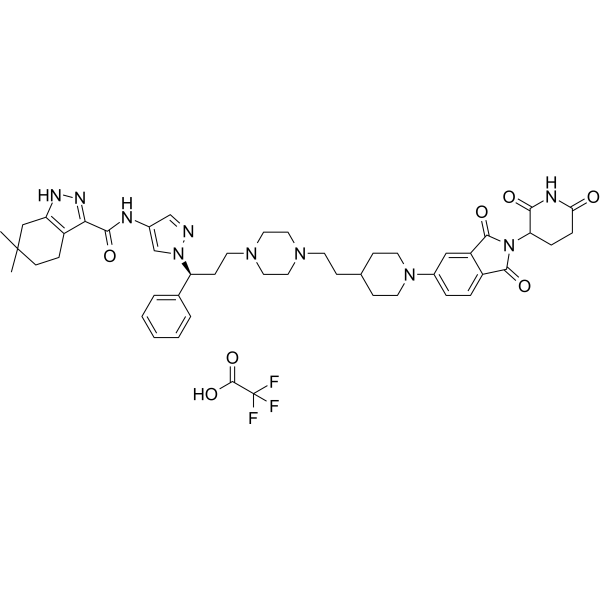
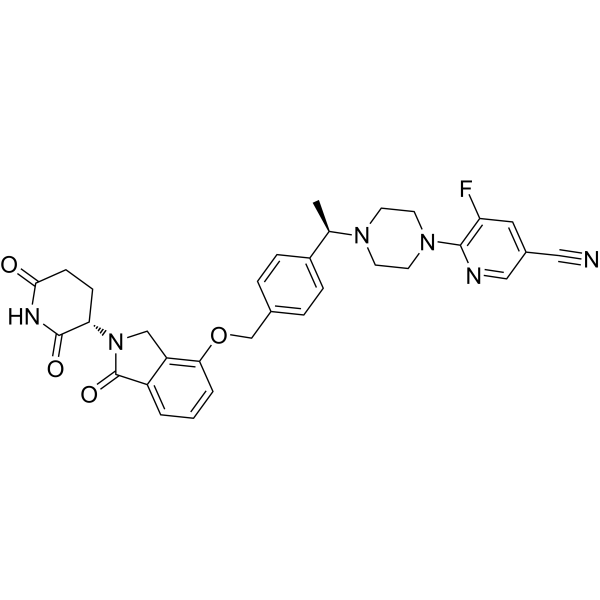
ITK degrader 1 is a highly selective degrader of interleukin-2-inducible T-cell kinase (ITK; DC50=3.6 nM in vivo in mice), with good plasma exposure levels. ITK degrader 1 induces rapid, and prolonged ITK degradation and suppresses IL-2 secretion (EC50=35.2 nM, Jurkat cells) stimulated by anti-CD3 antibodyin vivo. ITK degrader 1 consists of target protein ligand (red part) ITK ligand 1 (HY-168387), PROTAC linker (black part) Piperidine-C2-piperazine-Boc (HY-168388) and E3 ubiquitinase ligand (blue part) Thalidomide 5-fluoride (HY-W087383). E3 ubiquitinase and PROTAC linker can form Thalidomide-piperidine-C2-piperazine-Boc (HY-168389) .
|
-
-
- HY-157838
-
|
|
MAP4K
|
Cancer
|
|
HMC-B17 is a selective, orally bioavailable HPK1 inhibitor (IC50 = 1.39 nM) that potentiates anti-PD-L1 efficacy. HMC-B17 potently enhances the IL-2 secretion in Jurkat cells (EC50 = 11.56 nM). HMC-B17 can be used for the research of cancer .
|
-
-
- HY-123590
-
-
-
- HY-149232
-
|
|
MAP4K
|
Cancer
|
|
HPK1-IN-35 is a potent and selective HPK1 inhibitor with an IC50 value of 3.5 nM. HPK1-IN-35 decreases the expression of p-SLP76 and promotes IL-2 secretion .
|
-
-
- HY-169318
-
-
-
- HY-169317
-
-
-
- HY-153952
-
-
-
- HY-172875
-
|
|
MAP4K
Interleukin Related
|
Inflammation/Immunology
Cancer
|
|
HPK1-IN-58 (Compound 26) is an inhibitor of HPK1 (IC50: 2.6 nM) and SLP76 (IC50: 20 nM). HPK1-IN-58 enhances IL-2 secretion and reverses PGE2-induced immunosuppression. HPK1-IN-58 can be used in anti-tumor immunity research .
|
-
-
- HY-173311
-
|
|
E1/E2/E3 Enzyme
Interleukin Related
|
Inflammation/Immunology
Cancer
|
|
Cbl-b-IN-28 (Compound B2) is an orally active Cbl-b inhibitor. Cbl-b-IN-28 promotes the secretion of cytokines such as IL-2 and enhances the function of immune cells by regulating the phosphorylation levels of key proteins in the T-cell receptor signaling pathway. Cbl-b-IN-28 can be used in research in the field of cancer immunology .
|
-
-
- HY-113494R
-
|
Stigmastanol (Standard); 24α-Ethyl cholestanol (Standard)
|
Reference Standards
Interleukin Related
|
Others
Metabolic Disease
Inflammation/Immunology
Cancer
|
|
Stigmastanol (Standard) is the analytical standard of Stigmastanol. This product is intended for research and analytical applications. Stigmastanol is a 6-amino derivative. Stigmastanol can be isolated from Hypericum riparium. Stigmastanol increases the secretion of IL-2 and IL-10. Stigmastanol reduces the maximum mitochondrial respiration of cells. Stigmastanol has beneficial effects on the weakened immune function of asthma .
|
-
-
- HY-161335
-
|
|
MAP4K
Interleukin Related
IFNAR
|
Cancer
|
|
HPK1-IN-43 (compound 9f) is a HPK1 kinase inhibitor with the IC50 value of 0.32 nM. HPK1-IN-43 inhibits the phosphorylation of the downstream protein SLP-76 and enhances the secretion of interleukin-2 (IL-2) and interferon-γ (IFN-γ). HPK1-IN-43 can be used in cancer research .
|
-
-
- HY-P991353
-
|
|
PD-1/PD-L1
|
Cancer
|
|
Sym-021 is a human monoclonal antibody (mAb) targeting PDCD1/PD-1/CD279. Sym-021 blocks the binding of PD-L1 and PD-L2 ligands, inducing the secretion of interferon IFN-γ and IL-2 and the proliferation of T cells. Sym-021 has anti-tumor activity in PDX mouse models .
|
-
-
- HY-159902
-
|
|
Interleukin Related
|
Inflammation/Immunology
Cancer
|
|
KRN7000 analog 3 (Compound 14),α-GalCer (HY-102022) analogue, is a iNKT agonist. KRN7000 analog 3 induces higher levels of IL-2 cytokine secretion (49.2-62.6 ng/mL) than a-GalCer (44.1 ng/mL) in mNK1.2 cells. KRN7000 analog 3 is promising for research of antitumor agents and vaccine adjuvants .
|
-
-
- HY-N6939R
-
-
-
- HY-172594
-
|
|
MAP4K
Interleukin Related
|
Inflammation/Immunology
Cancer
|
|
HPK1-IN-57 (Compound 10c) is a hematopoietic progenitor kinase 1 (HPK1) inhibitor with an IC50 value of 0.09 nM. HPK1-IN-57 inhibits the activity of HPK1 kinase, hindering the phosphorylation of the downstream adaptor protein SLP76 (IC50 is 33.74 nM) and effectively stimulating the secretion of the T cell activation marker IL-2 (EC50 is 84.24 nM). HPK1-IN-57 is promising for research of tumor immunotherapy .
|
-
-
- HY-P5870
-
|
|
Potassium Channel
|
Inflammation/Immunology
|
|
KTX-Sp2 is a potassium channel toxin. KTX-Sp2 effectively blocks three types of exogenous voltage-gated potassium channels: Kv1.1, Kv1.2 and Kv1.3. Ktx-Sp2 inhibits endogenous Kv1.3 and suppresses Ca 2+ signaling in Jurkat T cells. Ktx-Sp2 inhibits IL-2 secretion from activated Jurkat T cells .
|
-
-
- HY-179111
-
|
|
MAP4K
Interleukin Related
|
Cancer
|
HPK1-IN-64 is a potent, selective, and orally active HPK1 inhibitor with an IC50 value of 1.9 nM. HPK1-IN-64 exhibits selectivity exceeding 100-fold, 80-fold, 300-fold, and 350-fold against off-target kinases such as GLK, MAP4K5, TBK1, and TNIK, respectively. HPK1-IN-64 inhibits SLP76 protein phosphorylation and IL-2 secretion. HPK1-IN-64 may be used in cancer research, such as for colorectal cancer .
|
-
-
- HY-175195
-
|
|
Adenosine Receptor
Interleukin Related
IFNAR
Cytochrome P450
|
Inflammation/Immunology
Cancer
|
|
Adenosine receptor antagonist 6 is an orally active and selective A2A adenosine receptor (A2AAR) antagonist, with a Ki of 19.18 nM. Adenosine receptor antagonist 6 inhibits 5’-N-ethylcarboxamide adenosine (NECA) (HY-103173)-mediated cAMP production (IC50 = 0.089 μM) and immunosuppression, while promoting IL-2 and IFN-γ secretion. Adenosine receptor antagonist 6 abolishes the immunosuppressive effects of adenosine on T-cell activation and cytokine release. Adenosine receptor antagonist 6 inhibits tumor growth in a CT26/MC38 xenograft model. Adenosine receptor antagonist 6 can be used for the study of colon cancer .
|
-
-
- HY-P990716
-
|
AZD7789
|
PD-1/PD-L1
Tim3
|
Inflammation/Immunology
|
|
Sabestomig (AZD7789) is a monovalent bispecific antibody targeting PD-1 and TIM-3. Sabestomig binds to PD-1 and an epitope in the TIM-3 IgV domain outside the phosphatidylserine-binding cleft, thereby precisely regulating immune responses. Sabestomig promotes IL-2 production, efferocytosis and cross-presentation of tumor antigens, and enhances the release of anti-tumor T cell cytokines, cytotoxicity, and secretion of IFN-γ. Sabestomig inhibits the growth of solid tumors, prolongs the duration of tumor suppression, and significantly enhances anti-tumor responses following anti-PD-1 therapy. Sabestomig has been used in studies related to non-small cell lung cancer and classical Hodgkin lymphoma .
|
-
-
- HY-159892
-
|
|
PD-1/PD-L1
IFNAR
Interleukin Related
PI3K
Akt
|
Cancer
|
|
PD-1/PD-L1-IN-54 (Compound 6) is a moderately affinic PD-1/PD-L1 inhibitor (KD: PD-1, 55.8 μM; PD-L1, 46.4 μM; IC50: 88.6 μM). PD-1/PD-L1-IN-54 inhibits PD-1/PD-L1 interactions and shows anticancer activity by activating CD8 + T cells, upregulating PD-1 expression, and increasing secretion of IFN-γ and IL-2. PD-1/PD-L1-IN-54 inhibits cancer cell proliferation and promotes apoptosis. PD-1/PD-L1-IN-54 also regulates T cell immunity through the PI3K/Akt pathway correlated with PD-1/PD-L1 .
|
-
-
- HY-N0534R
-
|
|
Reference Standards
DNA/RNA Synthesis
Apoptosis
PI3K
Akt
Caspase
SOD
Interleukin Related
|
Cardiovascular Disease
Inflammation/Immunology
Cancer
|
|
Vitexin-2"-O-rhamnoside (Standard) is the analytical standard of Vitexin-2"-O-rhamnoside (HY-N0534). This product is intended for research and analytical applications. Vitexin-2"-O-rhamnoside is an orally active flavonoid glycoside. Vitexin-2"-O-rhamnoside inhibits Apoptosis, increases the phosphorylation levels of PI3K/Akt, inhibits caspase-3, SOD activity, and promotes cytokine (IL-2, IL-6, and IL-12) secretion. Vitexin-2"-O-rhamnoside strongly inhibits DNA synthesis in MCF-7 cells with an IC50 of 17.5 μM. Vitexin-2"-O-rhamnoside enhances immune function and improves the absorption of active compounds. Vitexin-2"-O-rhamnoside has antioxidant activity. Vitexin-2"-O-rhamnoside is used in the study of cardiovascular disease and immune-related diseases .
|
-
-
- HY-149201
-
|
|
VISTA
Interleukin Related
|
Cancer
|
|
VISTA-IN-1 is an orally active VISTA inhibitor. VISTA-IN-1 inhibits the function of VISTA and promotes the secretion of IL-2. VISTA-IN-1 exerts inhibitory effects on mouse melanoma in vivo. VISTA-IN-1 is applicable to melanoma-related research .
|
-
-
- HY-P991960
-
|
|
CTLA-4
Interleukin Related
|
Cancer
|
|
JS007 is a humanized IgG1 monoclonal antibody and also a CTLA-4 binder, with a Kd of 0.21 nM for CTLA-4. JS007 blocks the interaction between CTLA-4 and B7-1. JS007 activates T cells, promotes increased IL-2 secretion, and inhibits tumor growth in CTLA-4 knock-in mouse syngeneic tumor models. JS007 is applicable to research related to cancer and advanced solid tumors.
|
-
-
- HY-179617
-
|
|
E1/E2/E3 Enzyme
Interleukin Related
|
Cancer
|
|
Cbl-b-IN-30 is an orally active Casitas B-lineage lymphoma-b (CBLB) inhibitor. Cbl-b-IN-30 specifically binds to CBLB and inhibits its E3 ubiquitin ligase activity with an IC50 of 9.1 nM. Cbl-b-IN-30 can promote IL-2 secretion (EC50 = 187.5 nM) and enhance T cell activation. Cbl-b-IN-30 exerts antitumor activity and can induce immune memory. Cbl-b-IN-30 can be used for the research of colon cancer .
|
-
-
- HY-179727
-
|
|
PROTACs
MAP4K
Interleukin Related
IFNAR
|
Inflammation/Immunology
|
|
PROTAC HPK1 Degrader-7 (compound D02) is a potent and selective PROTAC HPK1 degrader with an DC50 of 3.07 nM. PROTAC HPK1 Degrader-7 exhibits selectivity over GLK. PROTAC HPK1 Degrader-7 induces HPK1 degradation in a CRBN- and proteasome-dependent manner. PROTAC HPK1 Degrader-7 inhibits SLP-76 phosphorylation, induces IL-2 and IFN-γ secretion in human primary T cells. PROTAC HPK1 Degrader-7 can be used for immunology research .
|
-
-
- HY-13743R
-
|
Linomide (Standard); FCF89 (Standard); ABR212616 (Standard)
|
Reference Standards
TNF Receptor
Interleukin Related
IFNAR
|
Inflammation/Immunology
|
|
Roquinimex (Standard) is the analytical standard of Roquinimex (HY-13743). Roquinimex (Linomide) is an orally active immunomodulator with antineoplastic, anti-inflammatory, and antiangiogenic activity. Roquinimex suppresses TH1 lymphocyte cytokines (IL-2, IFN-γ), promotes TH2 lymphocyte cytokines (IL-4, IL-10), increases NK cell, activated monocyte, and T cell activity. Roquinimex blocks macrophage TNF-α production and suppresses IL-1/IL-6 secretion. Roquinimex exhibits in vivo antitumour activity, suppresses rodent autoimmune disease signs, and ameliorates murine colitis and psoriasis. Roquinimex can be used for the research of leukemia, inflammatory bowel disease, multiple sclerosis, and psoriasis .
|
-
-
- HY-182369
-
|
|
Toll-like Receptor (TLR)
TNF Receptor
Interleukin Related
IFNAR
Drug Derivative
|
Inflammation/Immunology
|
|
VA06 is a derivative of QS-21 (HY-101092A) that retains potent adjuvant activity while significantly reducing toxicity. VA06 self-assembles into flexible worm-like micelles with continuously elongated nanostructures and enhanced drug-loading encapsulation capacity. VA06 induces antigen-specific antibody production, enhances the secretion of TNF-α, IFN-γ and IL-2 in CD4 + and CD8 + T cells, and promotes the expression of immune-related and antiviral-related genes in mature dendritic cells. VA06 does not require liposome formulation, which simplifies production and storage processes. VA06 can be used in the research of varicella-zoster virus infection and Mycobacterium tuberculosis infection .
|
-
-
- HY-100712R
-
|
|
Potassium Channel
Reference Standards
Calcium Channel
NOD-like Receptor (NLR)
Interleukin Related
|
Cardiovascular Disease
Inflammation/Immunology
|
|
DPO-1 (Standard) is the analytical standard of DPO-1 (HY-100712). This product is intended for research and analytical applications. DPO-1 is a potent Kv1.5 and Kv1.3 (EC50 = 3.1 μM) channels inhibitor with potential immunomodulatory and anti-inflammatory effects. DPO-1 reduces Kv1.3 current density, blunts Ca2+ influx in Ca2+-depleted Jurkat cells, and inhibits IL-2 secretion in activated Jurkat cells. DPO-1 inhibits Uric acid sodium (HY-B2130A) (MSU)-induced NLRP3 inflammasome activation by blocking Kv1.5-mediated K+ efflux. DPO-1 can be used for the study of immunologic disorders and atrial fibrillation .
|
-
| Cat. No. |
Product Name |
Target |
Research Area |
-
- HY-P5870
-
|
|
Potassium Channel
|
Inflammation/Immunology
|
|
KTX-Sp2 is a potassium channel toxin. KTX-Sp2 effectively blocks three types of exogenous voltage-gated potassium channels: Kv1.1, Kv1.2 and Kv1.3. Ktx-Sp2 inhibits endogenous Kv1.3 and suppresses Ca 2+ signaling in Jurkat T cells. Ktx-Sp2 inhibits IL-2 secretion from activated Jurkat T cells .
|
| Cat. No. |
Product Name |
Target |
Research Area |
Image |
-
- HY-P99156
-
|
BMS-986016
|
LAG-3
|
Cancer
|
|
Relatlimab (BMS-986016) is a human monoclonal antibody anti-LAG-3 antibody generated by immunization of transgenic mice bearing human immunoglobulin miniloci with recombinant LAG-3 protein. Relatlimab blocks LAG-3/MHC II interaction with an IC50 value of 0.67 nM and LAG-3/FGL1 interaction with an IC50 value of 0.019 nM. Relatlimab can be used in research of cancer .
|
-
(5)
-
- HY-P99159
-
|
|
Interleukin Related
|
Cancer
|
|
Ivuxolimab is a fully human IgG2 agonist targeting OX40 (CD134), which selectively binds to the OX40 receptor on the surface of activated CD4 + and CD8 + T cells without inducing antibody-dependent cytotoxicity. Ivuxolimab can promote T cell proliferation, survival and cytokine (such as IFN-γ, IL-2) secretion, inhibit regulatory T cell function, and enhance anti-tumor immune response. Ivuxolimab can be used in the study of melanoma, hepatocellular carcinoma, head and neck squamous cell carcinoma, etc .
|
-
(5)
-
- HY-P99943
-
|
KN-046
|
PD-1/PD-L1
CTLA-4
|
Cancer
|
|
Erfonrilimab (KN-046) is a monoclonal antibody targeting PD-L1/CTLA-4. Erfonrilimab blocks the PD-L1 and CTLA-4 pathways, thereby regulating T cell function. Erfonrilimab enhances the secretion of IL-2 in superantigen-stimulated peripheral blood mononuclear cells. Erfonrilimab inhibits tumor growth in xenograft and double gene knock-in mouse models. Erfonrilimab can be used in research related to a variety of advanced solid tumors, including non-small cell lung cancer and nasopharyngeal carcinoma.
|
-
(5)
-
- HY-P991353
-
|
|
PD-1/PD-L1
|
Cancer
|
|
Sym-021 is a human monoclonal antibody (mAb) targeting PDCD1/PD-1/CD279. Sym-021 blocks the binding of PD-L1 and PD-L2 ligands, inducing the secretion of interferon IFN-γ and IL-2 and the proliferation of T cells. Sym-021 has anti-tumor activity in PDX mouse models .
|
-
(5)
-
- HY-P990716
-
|
AZD7789
|
PD-1/PD-L1
Tim3
|
Inflammation/Immunology
|
|
Sabestomig (AZD7789) is a monovalent bispecific antibody targeting PD-1 and TIM-3. Sabestomig binds to PD-1 and an epitope in the TIM-3 IgV domain outside the phosphatidylserine-binding cleft, thereby precisely regulating immune responses. Sabestomig promotes IL-2 production, efferocytosis and cross-presentation of tumor antigens, and enhances the release of anti-tumor T cell cytokines, cytotoxicity, and secretion of IFN-γ. Sabestomig inhibits the growth of solid tumors, prolongs the duration of tumor suppression, and significantly enhances anti-tumor responses following anti-PD-1 therapy. Sabestomig has been used in studies related to non-small cell lung cancer and classical Hodgkin lymphoma .
|
-
(5)
-
- HY-P991960
-
|
|
CTLA-4
Interleukin Related
|
Cancer
|
|
JS007 is a humanized IgG1 monoclonal antibody and also a CTLA-4 binder, with a Kd of 0.21 nM for CTLA-4. JS007 blocks the interaction between CTLA-4 and B7-1. JS007 activates T cells, promotes increased IL-2 secretion, and inhibits tumor growth in CTLA-4 knock-in mouse syngeneic tumor models. JS007 is applicable to research related to cancer and advanced solid tumors.
|
-
(5)
| Cat. No. |
Product Name |
Category |
Target |
Chemical Structure |
Your information is safe with us. * Required Fields.
Inquiry Information
- Product Name:
- Cat. No.:
- Quantity:
- MCE Japan Authorized Agent:

