
1. Search Result
Search Result
Results for "

Luc

" in MedChemExpress (MCE) Product Catalog:

51

Inhibitors & Agonists

7

Fluorescent Dyes

3

Peptides

3

Inhibitory Antibodies

3

Natural
Products

1

Isotope-Labeled Compounds

4

Oligonucleotides

Cat. No. Product Name Target Research Areas Chemical Structure
  • HY-12591B
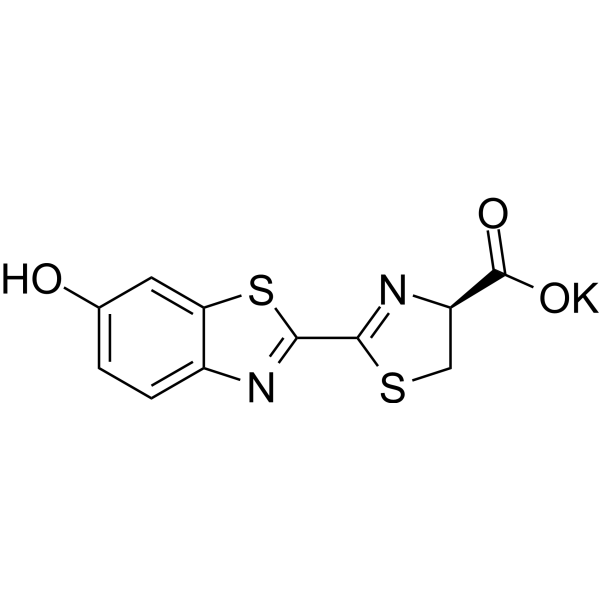
    D-Luciferin potassium
    Maximum Cited Publications
    110 Publications Verification

    D-(-)-Luciferin potassium; Firefly Luciferin potassium; Beetle Luciferin potassium

    Fluorescent Dye Others
    D-luciferin potassium is the natural substrate of the enzyme luciferase (Luc) that catalyzes the production of the typical yellowgreen light of fireflies. The 560 nm chemiluminescence from this reaction peaks within seconds, with light output that is proportional to luciferase concentration when the substrate luciferin is present in excess. The luciferase (luc) gene is a popular reporter gene for research and agent screening. Chemiluminescent techniques are virtually background-free, making the luc reporter gene ideal for detecting low-level gene expression. As little as 0.02 pg of luciferase can be reliably measured in a standard scintillation counter. In addition to its role as a reporter of gene expression, luciferase is commonly used in an extremely sensitive assay for ATP . We offer the firefly luciferase (HY-P1004A), luciferin free acid (HY-12591A), as well as its water-soluble sodium salts (HY-12591) and potassium salts (HY-12591B) .
    D-Luciferin potassium
  • HY-12591
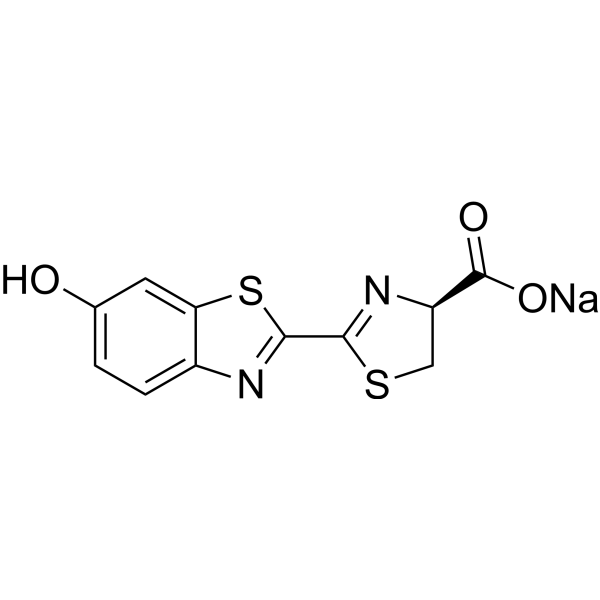
    D-Luciferin sodium
    Maximum Cited Publications
    110 Publications Verification

    D-(-)-Luciferin sodium; Firefly Luciferin sodium; Beetle Luciferin sodium

    Fluorescent Dye Others
    D-luciferin sodium is the natural substrate of the enzyme luciferase (Luc) that catalyzes the production of the typical yellowgreen light of fireflies. The 560 nm chemiluminescence from this reaction peaks within seconds, with light output that is proportional to luciferase concentration when the substrate luciferin is present in excess. The luciferase (luc) gene is a popular reporter gene for research and agent screening. Chemiluminescent techniques are virtually background-free, making the luc reporter gene ideal for detecting low-level gene expression. As little as 0.02 pg of luciferase can be reliably measured in a standard scintillation counter. In addition to its role as a reporter of gene expression, luciferase is commonly used in an extremely sensitive assay for ATP . We of er the firefly luciferase (HY-P1004A), luciferin free acid (HY-12591A), as well as its water-soluble sodium salts (HY-12591) and potassium salts (HY-12591B) .
    D-Luciferin sodium
  • HY-12591A
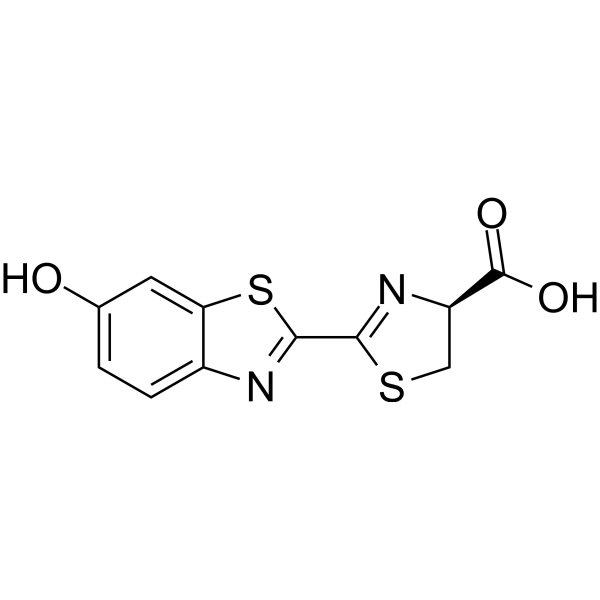
    D-Luciferin
    Maximum Cited Publications
    110 Publications Verification

    D-(-)-Luciferin; Firefly Luciferin; Beetle Luciferin

    Fluorescent Dye Others
    D-luciferin is the natural substrate of the enzyme luciferase (Luc) that catalyzes the production of the typical yellowgreen light of fireflies. The 560 nm chemiluminescence from this reaction peaks within seconds, with light output that is proportional to luciferase concentration when the substrate luciferin is present in excess. The luciferase (luc) gene is a popular reporter gene for research and agent screening. Chemiluminescent techniques are virtually background-free, making the luc reporter gene ideal for detecting low-level gene expression. As little as 0.02 pg of luciferase can be reliably measured in a standard scintillation counter. In addition to its role as a reporter of gene expression, luciferase is commonly used in an extremely sensitive assay for ATP . We of er the firefly luciferase (HY-P1004A), luciferin free acid (HY-12591A), as well as its water-soluble sodium salts (HY-12591) and potassium salts (HY-12591B) .
    D-Luciferin
  • HY-N0377
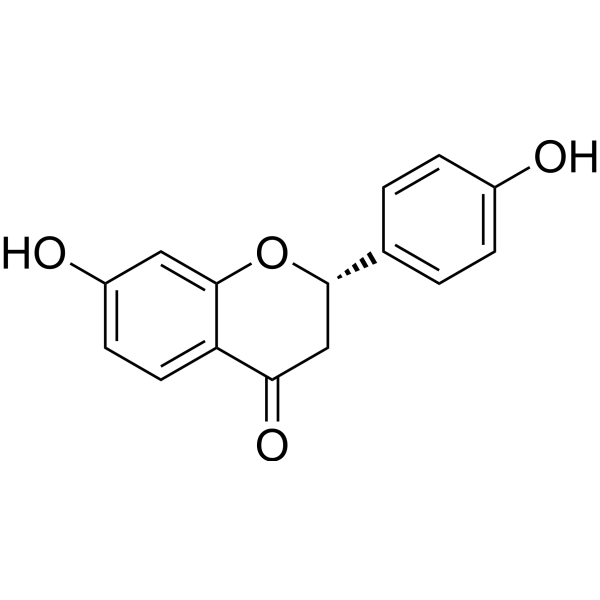
    Liquiritigenin
    10+ Cited Publications

    4',7-Dihydroxyflavanone

    Estrogen Receptor/ERR Neurological Disease Inflammation/Immunology Cancer
    Liquiritigenin, a flavanone isolated from Glycyrrhiza uralensis, is a highly selective estrogen receptor β (ERβ) agonist with an EC50 of 36.5 nM for activation of the ERE tk-Luc.
    Liquiritigenin
  • HY-128692
    Luc Yellow CH dilithium
    5 Publications Verification

    Fluorescent Dye Neurological Disease
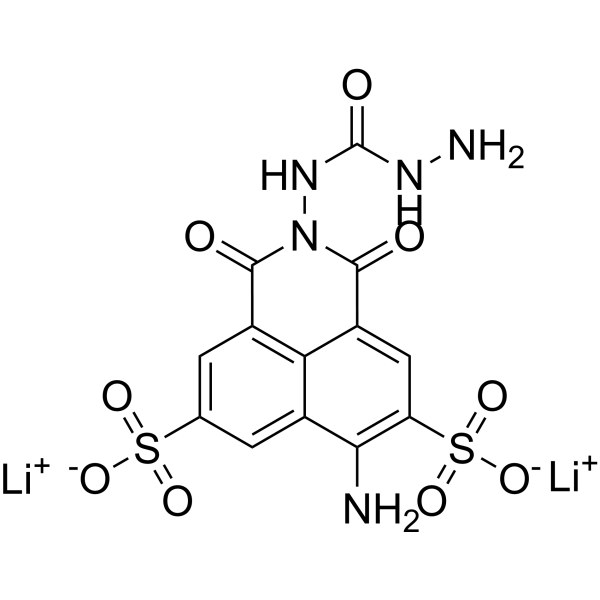
    Luc Yellow CH dilithium is a high-intensity fluorescent probe containing free hydrazyl groups. Luc Yellow CH can react with fatty aldehydes at room temperature. Luc Yellow CH serves as a biological tracer to monitor neuronal branching, regeneration, gap junction detection and characterization, and selective ablation of cells after aldehyde fixation. Luc Yellow CH displays the maximum excitation/emission of 430 nm/540 nm, respectively .
    Luc Yellow CH dilithium
  • HY-126994

    Fluorescent Dye Others
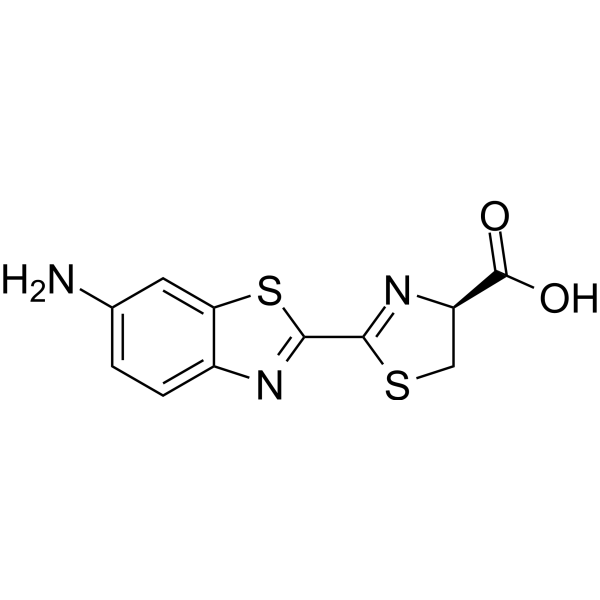
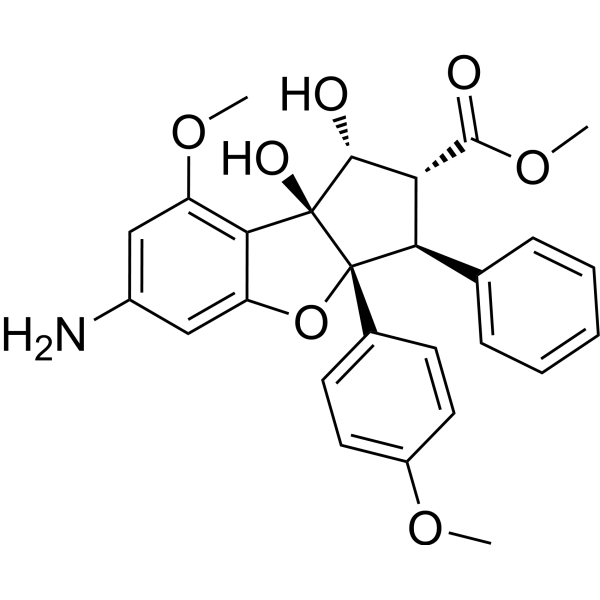
    6’-Amino-D-luciferin is a derivative of D-luciferin (HY-12591A) with an amino group replacing the 6-hydroxyl group. 6’-Amino-D-luciferin is a natural substrate of luciferase (Luc) and can be used for IVIS imaging in cell/animal experiments[1][2][3].
    6′-Amino-D-luciferin
  • HY-13250

    Drug Derivative Cancer
    Silvestrol aglycone is a Silvestrol analogue, inhibits protein translation initiation in cancer cells, with EC50s of 10 and 200 nM for myc-LUC and tub-LUC luciferase reporter protein translation, respectively. Anti-cancer activity .
    Silvestrol aglycone
  • HY-148448

    Eukaryotic Initiation Factor (eIF) Cancer
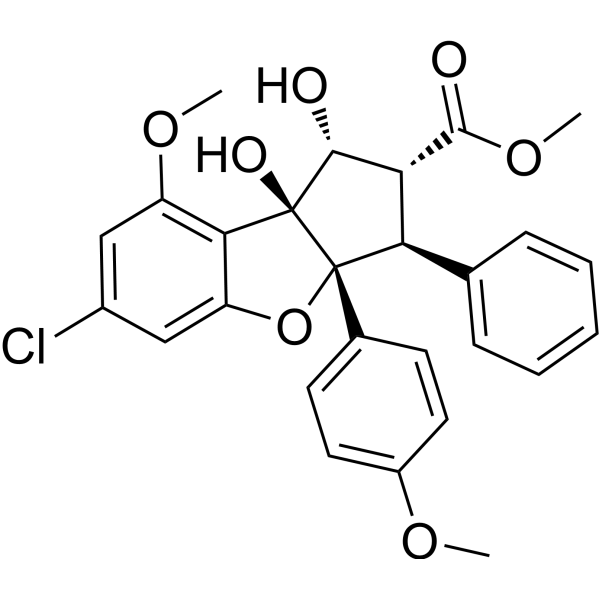
    eIF4A3-IN-9 is a Rocaglate analog. eIF4A3-IN-9 interferes with the assembly of the eIF4F translation complex, with EC50 values of 40 nM and > 2000 nM against myc-LUC and tub-LUC, respectively. eIF4A3-IN-9 can be used for the research of tumor pathogenesis .
    eIF4A3-IN-14
  • HY-123148

    LXR Inflammation/Immunology
    IMB-808 is a potent LXRα/β dual agonist with EC50 values of 0.53 μM and 0.15 μM (0.15 μM, using GAL4-pGL4-luc reporter plasmid) for LXRβ and LXRα, respectively. IMB-808 promotes expression of genes related to reverse cholesterol transport (ABCA1 and ABCG1). IMB-808 can be used for the study of atherosclerosis research .
    IMB-808
  • HY-148450

    Eukaryotic Initiation Factor (eIF) Cancer
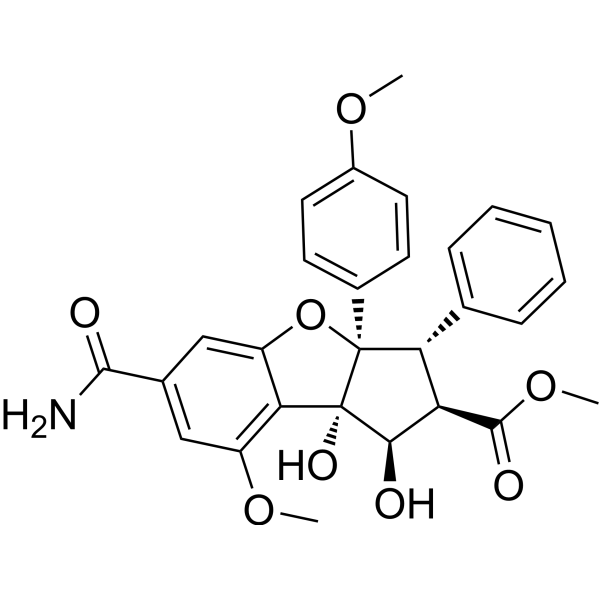
    eIF4A3-IN-16 (compound 60) is a Silvestrol (HY-13251) analogue. eIF4A3-IN-16 inhibits MBA-MB-231cell growth with an EC50 value of 1 nM. eIF4A3-IN-16 interferes the assembling of eIF4F translation complex with a myc-LUC EC50 value of 1 nM and a tub-LUC EC50 value of 30 nM. eIF4A3-IN-16 can be used for triple negative breast cancer (TNBC) research .
    eIF4A3-IN-16
  • HY-124813

    113B7

    FAK EGFR MMP NF-κB SDCBP Cancer
    PDZ1i (113B7) is a inhibitor of MDA-9/Syntenin, with selective binding to the PDZ1 domain. PDZ1i inhibits radiation-induced invasion of glioblastoma (GBM) cells, radiosensitizes GBM cells, and impairs GBM-related signaling pathways (including Src/EphA2, EGFRvIII/FAK, and NF-κB). PDZ1i reduces radiation-induced secretion of invasion-related proteases (MMP-2, MMP-9, ADAM9). PDZ1i shows anti-tumor effects in nude mice bearing intracranial U1242-luc xenografts or GBM xenografts. PDZ1i can be used for the study of glioblastoma (GBM), breast cancer and prostate cancer .
    PDZ1i
  • HY-18601
    (±)-BI-D
    5+ Cited Publications

    HIV HIV Integrase Infection
    (±)-BI-D is a potent ALLINI (allosteric integrase inhibitor). (±)-BI-D binds integrase at the LEDGF/p75 binding site. (±)-BI-D inhibits HIV-Luc infection in cells (IC50: 0.16 μM in Psip1 knockout E9 mouse embryonic fibroblasts, 2.9 μM in wild-type E9 mouse embryonic fibroblasts) .
    (±)-BI-D
  • HY-P99161

    BGB149

    TAM Receptor Cancer
    Tilvestamab (BGB149) is a humanized anti-AXL antibody that blocks AXL-mediated cell signaling. Tilvestamab significantly inhibits Gas6-induced AXL activation in 786-0-Luc RCC cells and inhibits downstream AKT phosphorylation. Tilvestamab can be used in cancer research, particularly in AXL overexpressing renal cell carcinomas .
    Tilvestamab
  • HY-153016
    HIF-2α agonist 2
    1 Publications Verification

    HIF/HIF Prolyl-Hydroxylase Inflammation/Immunology
    HIF-2α agonist 2 (compound 10) is a HIF-2α agonist with an EC50 value of 1.68 μM at the dose of 20 μM. HIF-2α agonist 2 is non-cytotoxic against 786-O-HRE-Luc cells. HIF-2α agonist 2 can be used for oxygen metabolism research .
    HIF-2α agonist 2
  • HY-148443

    Eukaryotic Initiation Factor (eIF) Cancer
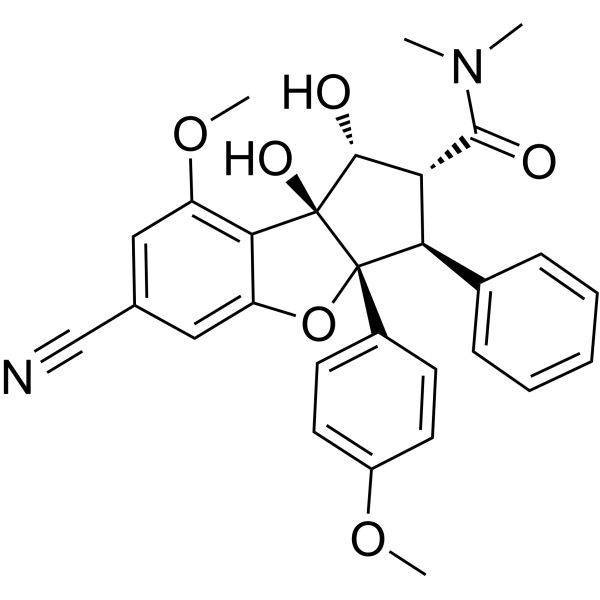
    eIF4A3-IN-9 is a Rocaglate analog. eIF4A3-IN-9 interferes with the assembly of the eIF4F translation complex, with EC50 values of 29 and 450 nM against myc-LUC and tub-LUC, respectively. eIF4A3-IN-9 can be used for the research of tumor pathogenesis .
    eIF4A3-IN-9
  • HY-148446

    Eukaryotic Initiation Factor (eIF) Cancer
    eIF4A3-IN-12 (compound 62) is a Silvestrol (HY-13251) analogue. eIF4A3-IN-12 interferes the assembling of eIF4F translation complex with EC50s of 4, 70 and 5 nM for myc-LUC, tub-LUC and the growth inhibition for MBA-MB-231 cells. eIF4A3-IN-12 can be used for the research of human cancer pathogenesis .
    eIF4A3-IN-12
  • HY-148452

    Eukaryotic Initiation Factor (eIF) Cancer
    eIF4A3-IN-18 (compound 74) is a Silvestrol (HY-13251) analogue. eIF4A3-IN-18 interferes the assembling of eIF4F translation complex with EC50 values of 0.8, 35 and 2 nM for myc-LUC, tub-LUC and the growth inhibition for MBA-MB-231 cells. eIF4A3-IN-18 also has cytotoxicity to RMPI-8226 cells with an LC50 of 0.06 nM. eIF4A3-IN-18 can be used for the research of human cancer pathogenesis .
    eIF4A3-IN-18
  • HY-N16500

    NF-κB Neurological Disease
    Hericenone C is a metabolite derived from Hericium erinaceus. Hericenone C inhibits LPS (HY-D1056)-induced NRE::Luc luciferase activity, reduces phosphorylation of p65 and inhibits NF-κB signaling. Hericenone C exhibits neuroprotective effect .
    Hericenone C
  • HY-174790

    mRNA Cancer
    Firefly Luciferase mRNA is a reporter mRNA that can be transfected into cells to express firefly luciferase protein. Firefly Luciferase mRNA induces cytotoxicity in cancer cells at low concentrations. In cancer cells, the expression level of luciferase shows a non-linear relationship with the dose of Firefly Luciferase mRNA. When combined with the H2S-responsive bioluminescent probe (H-Luc), Firefly Luciferase mRNA enables bioluminescence-based detection of endogenous hydrogen sulfide in non-transgenic NAFLD cell models and NAFLD mouse models. Firefly Luciferase mRNA can be used in studies related to non-alcoholic fatty liver disease .
    Firefly Luciferase mRNA
  • HY-174247

    PROTACs PAK Cadherin Cancer
    CPS-021 is a selective PAK4 PROTAC degrader with a DC50 of 50 nM. CPS-021 has potent antimigratory and invasive activity and significantly suppresses the invasion and metastasis of tumor cells in A549-luc lung metastasis mice model . Pink: PAK4 ligand (HY-174822); Blue: CRBN ligase ligand (HY-10984); Black: linker
    CPS-021
  • HY-148444

    Eukaryotic Initiation Factor (eIF) Cancer
    eIF4A3-IN-10 (compound 58) is a Silvestrol (HY-13251) analogue. eIF4A3-IN-10 interferes the assembling of eIF4F translation complex with EC50s of 35 and 100 nM for myc-LUC and the growth inhibition for MBA-MB-231 cells. eIF4A3-IN-10 can be used for the research of human cancer pathogenesis .
    eIF4A3-IN-10
  • HY-P990298

    CD28 Inflammation/Immunology Cancer
    Anti-Mouse BTLA/CD272 Antibody (6A6) is an Armenian hamster-derived anti-mouse BTLA/CD272 IgG κ type antibody inhibitor. Anti-Mouse BTLA/CD272 Antibody (6A6) can be used for the researches of cancer and immunology, such as graft versus host disease (GVHD) and WF-3/Luc tumor .
    Anti-Mouse BTLA/CD272 Antibody (6A6)
  • HY-P10256A

    Kisspeptin Receptor PKA PKC Endocrinology
    Kiss2 peptide acetate is the acetate form of Kiss2 pepride (HY-P10256). Kiss2 peptide acetate is a positive regulator of reproduction. Kiss2 peptide acetate binds with its cognate receptor Kiss2R (GPR54) in COS-7 cells, activates PKA and PKC signaling pathways through Gas and Gaq proteins, and thus enhances the activity of cAMP response element-dependent luciferase (CRE-luc) and serum response element-dependent luciferase (SRE-luc) .
    Kiss2 peptide acetate
  • HY-148451

    Eukaryotic Initiation Factor (eIF) Cancer
    eIF4A3-IN-17 (compound 61) is a Silvestrol (HY-13251) analogue. eIF4A3-IN-17 interferes the assembling of eIF4F translation complex with EC50s of 0.9, 15 and 1.8 nM for myc-LUC, tub-LUC and the growth inhibition for MBA-MB-231 cells. eIF4A3-IN-17 can be used for the research of human cancer pathogenesis .
    eIF4A3-IN-17
  • HY-19498

    SIM-688

    NF-κB Inflammation/Immunology
    WAY-204688 is an estrogen receptor (ER-α) selective, orally active inhibitor of NF-κB transcriptional activity with an IC50 of 122 ± 30 nM for NF-κB-luciferase (NF-κB-luc) in HAECT-1 cells.
    WAY-204688
  • HY-163902

    CRM1 Cancer
    SP100030 analogue 1 (compound 11), a SP100030 (HY-110177) analogue, is a selective inhibitor of transcriptional activation (SITA) with an EC50 of 137 nM for suppressing the XPO1-dependent upregulation of IL2 by Jurkat-based IL2-Luc reporter assay .
    SP100030 analogue 1
  • HY-148445

    Eukaryotic Initiation Factor (eIF) Cancer
    eIF4A3-IN-11 (compound 56) is a Silvestrol (HY-13251) analogue. eIF4A3-IN-11 interferes the assembling of eIF4F translation complex with EC50s of 0.2, 4 and 0.3 nM for myc-LUC, tub-LUC and the growth inhibition for MBA-MB-231 cells. eIF4A3-IN-11 can be used for the research of human cancer pathogenesis .
    eIF4A3-IN-11
  • HY-117485

    Hedgehog Inflammation/Immunology
    CBR-096-4 is a derivative of Itraconazole (HY-17514). CBR-096-4 is an orally active antifibrotic agent with no CYP3A4 inhibitory activity. CBR-096-4 inhibits the formation of matrix-secreting activated myofibroblasts (MFBs) from multiple tissue types. CBR-096-4 inhibits Hedgehog reporter activity (GLI-LUC), VEGF-dependent growth, and αSMA-LUC reporter activity. CBR-096-4 can be used for research of fibrosis .
    CBR-096-4
  • HY-117407

    Smo Cancer
    ALLO-2 is a potent drug-resistant Smoothened (Smo) mutant antagonist that inhibits Smo agonist Hh-Ag1.5-induced luciferase expression in TM3-Gli-Luc cells with IC50 of 6 nM .
    ALLO-2
  • HY-168012

    Ras Phosphatase Cancer
    Pan-RAS-IN-6 (compound 24) is an inhibitor targeting DUSP6, which reduces MAPK activation in the brain of the NCI-H1373-Luc model (DUSP6), at the same time, it shows significant tumor growth inhibition and tumor regression effects in the NSCLC brain metastasis mouse model. Pan-RAS-IN-6 shows high selectivity and strong inhibitory effects, especially in KRAS mutation-related signaling pathways, demonstrating varying inhibitory activity against different KRAS mutants and interacting proteins. The IC50 values for KRAS G12C, G12D, and G12V are 1.3 nM, 4.7 nM, and 0.3 nM, respectively .
    Pan-RAS-IN-6
  • HY-177267

    Drug Derivative ADC Payload Cancer
    Camptothecin derivative-3 (Compound 11) is a derivative of Camptothecin (HY-16560) and can serve as a payload for ADCs. Camptothecin derivative-3 has certain cytotoxicity, with IC50 values of 2 nM and 0.9 nM against HSC-2 and Namalwa/luc cells, respectively. Camptothecin derivative-3 can be used in tumor-related research .
    Camptothecin derivative-3
  • HY-RS07888

    Small Interfering RNA (siRNA) Others

    LUC7L Human Pre-designed siRNA Set A contains three designed siRNAs for LUC7L gene (Human), as well as a negative control, a positive control, and a FAM-labeled negative control.

    LUC7L Human Pre-designed siRNA Set A
    LUC7L Human Pre-designed siRNA Set A
  • HY-RS07890

    Small Interfering RNA (siRNA) Others

    LUC7L3 Human Pre-designed siRNA Set A contains three designed siRNAs for LUC7L3 gene (Human), as well as a negative control, a positive control, and a FAM-labeled negative control.

    LUC7L3 Human Pre-designed siRNA Set A
    LUC7L3 Human Pre-designed siRNA Set A
  • HY-RS07889

    Small Interfering RNA (siRNA) Others

    LUC7L2 Human Pre-designed siRNA Set A contains three designed siRNAs for LUC7L2 gene (Human), as well as a negative control, a positive control, and a FAM-labeled negative control.

    LUC7L2 Human Pre-designed siRNA Set A
    LUC7L2 Human Pre-designed siRNA Set A
  • HY-P10256

    Kisspeptin Receptor PKA PKC Endocrinology
    Kiss2 peptide is a positive regulator of reproduction. Kiss2 peptide binds with its cognate receptor Kiss2R (GPR54) in COS-7 cells, activates PKA and PKC signaling pathways through Gas and Gaq proteins, and thus enhances the activity of cAMP response element-dependent luciferase (CRE-luc) and serum response element-dependent luciferase (SRE-luc) .
    Kiss2 peptide
  • HY-148449

    Eukaryotic Initiation Factor (eIF) Cancer
    eIF4A3-IN-15 (compound 52) is a Silvestrol (HY-13251) analogue. eIF4A3-IN-15 interferes the assembling of eIF4F translation complex with EC50s of 11, 700 and 120 nM for myc-LUC, tub-LUC and the growth inhibition for MBA-MB-231 cells. eIF4A3-IN-15 can be used for the research of human cancer pathogenesis .
    eIF4A3-IN-15
  • HY-D1904

    Fluorescent Dye Others
    D-Luciferin 6'-methyl ether sodium salt is a firefly luciferase inhibitor. D-Luciferin 6'-methyl ether sodium salt is a cofactor in Luc-catalyzed synthesis of dinucleoside polyphosphates .
    D-Luciferin 6'-methyl ether
  • HY-135766

    (+)-Colletodiol

    Influenza Virus Infection
    Colletodiol is a fungal metabolite that has been found in D. grovesii and has immunosuppressant and antiviral activities. It inhibits concanavalin A- or LPS-induced proliferation of isolated mouse splenocytes (IC50s=12 and 5 μg/mL, respectively).1 Colletodiol inhibits influenza A viral replication in HeLa-IAV-Luc cells.
    Colletodiol
  • HY-176149

    CaMK MMP AMPK Apoptosis Autophagy Cancer
    Fluoxetine-Conjugated Platinum(IV) prodrug-1 (Compound 8) is an eEF2K inhibitor. Fluoxetine-Conjugated Platinum(IV) prodrug-1 inhibits cancer cell proliferation, induces DNA damage, cell cycle arrest at S phase and apoptosis. Fluoxetine-Conjugated Platinum(IV) prodrug-1 induces ROS accumulation and mitochondrial dysfunction. Fluoxetine-Conjugated Platinum(IV) prodrug-1 inhibits TNBC cell migration and invasion by inhibiting MMP-2 activity. Fluoxetine-Conjugated Platinum(IV) prodrug-1 induces autophagy in TNBC cells by activating AMPK. Fluoxetine-Conjugated Platinum(IV) prodrug-1 has antitumor activity and activates immunosuppression in the 4T1-Luc mouse model. Fluoxetine-Conjugated Platinum(IV) prodrug-1 can be used in triple-negative breast cancer (TNBC) research .
    Fluoxetine-Conjugated Platinum(IV) prodrug-1
  • HY-139002

    Cytochrome P450 Cancer
    CYP4Z1-IN-2 (compound 7) is a reversible inhibitor of CYP4Z1 (Ki=2.2 μM), which inhibits the production of 14,15-EET in breast cancer cells. CYP4Z1-IN-2 inhibits the CYP4Z1-mediated Luc-BE O-debenzylation reaction with an IC50 of 5.9 μM .
    CYP4Z1-IN-2
  • HY-D3436

    Pt-Luc
  • HY-D3154

    FK-Luc-BH
  • HY-168644

    Estrogen Receptor/ERR Endocrinology
    Erα-IN-1 (compound 3c) is an inhibitor of estrogen receptor α (ERα), blocking ERa activity in MCF7/ERE-LUC cells. .
    Erα-IN-1
  • HY-109061R

    YH25448 (Standard); GNS-1480 (Standard)

    Apoptosis Akt TRP Channel EGFR ERK Reference Standards Infection Neurological Disease Metabolic Disease Cancer
    Lazertinib (Standard) is the analytical standard of Lazertinib (HY-109061). This product is intended for research and analytical applications. Lazertinib (YH25448) is a potent, selective, CNS-penetrant, orally available and irreversible EGFR tyrosine Kinase inhibitor, exhibiting high selectivity for activating (EGFRm) and T790M resistance mutations. Lazertinib inhibits phosphorylation of EGFR, AKT and ERK, leading to apoptosis and suppression of tumor growth in mouse H1975-luc brain metastasis xenograft models. Lazertinib can be used in the study of non-small cell lung cancer .
    Lazertinib (Standard)
  • HY-P11618

    Glycoprotein VI Cancer
    10P3Me is a Glypican-3 (GPC3)-targeting probe with a Ka of 93.8 nM for the human target. 10P3Me exhibits high binding affinity to GPC3, targets GPC3-positive cells, and serves as an agent for PET imaging. 10P3Me selectively accumulates in GPC3-positive tumor tissues, including subcutaneous xenograft models and orthotopic HepG2-LUC liver cancer models, to achieve precise localization of lesions .
    10P3Me
  • HY-109061BR

    YH25448 mesylate (Standard); GNS-1480 mesylate (Standard)

    Reference Standards Cancer
    Lazertinib mesylate (Standard) is the analytical standard of Lazertinib (mesylate) (HY-109061B). This product is intended for research and analytical applications. Lazertinib (YH25448) mesylate is a potent, selective, CNS-penetrant, orally available and irreversible EGFR tyrosine Kinase inhibitor, exhibiting high selectivity for activating (EGFRm) and T790M resistance mutations. Lazertinib mesylate inhibits phosphorylation of EGFR, AKT and ERK, leading to apoptosis and suppression of tumor growth in mouse H1975-luc brain metastasis xenograft models. Lazertinib mesylate can be used in the study of non-small cell lung cancer .
    Lazertinib mesylate (Standard)
  • HY-N0377S

    4',7-Dihydroxyflavanone-d4

    Isotope-Labeled Compounds Estrogen Receptor/ERR Neurological Disease
    Liquiritigenin-d4 (4',7-Dihydroxyflavanone-d4) is the deuterium labeled Liquiritigenin (HY-N0377). Liquiritigenin, a flavanone isolated from Glycyrrhiza uralensis, is a highly selective estrogen receptor β (ERβ) agonist with an EC50 of 36.5 nM for activation of the ERE tk-Luc.
    Liquiritigenin-d4
  • HY-181032

    Hepatitis E Virus (HEV) Infection
    Antiviral agent 77 (Compound 46) is a potent, orally active, blood-brain-barrier permeable antiviral agent. Antiviral agent 77 shows antiviral activity against CedV (EC50: 1.08 μM in the rCedV-Luc reporter assay), NiV-M (EC50: 2.91 μM), NiV-B and HeV .
    Antiviral agent 77
  • HY-183747

    Parasite Infection
    Antitrypanosomal agent 32 is a antitrypanosomal agent with nanomolar potency against multiple Trypanosoma cruzi strains, including CL-Brener, Y, Dm28c-Luc and Tulahuen. Antitrypanosomal agent 32 sustains inhibition of parasite growth after washing and reduces parasitemia levels in BALB/c mice. Antitrypanosomal agent 32 can be used for the research of trypanosome infection .
    Antitrypanosomal agent 32
  • HY-103455

    Estrogen Receptor/ERR Others
    ZK164015 is an estrogen-glucocorticoid receptor chimera that can be used as a compound screening tool to evaluate tissue-selective estrogen activity. ZK164015 was used to evaluate its effects on ER function in osteoblasts in studies based on green fluorescent protein (GFP)-receptor chimeras. In osteoblast-like (ROS and U2OS) and breast cancer (MCF7) cells, ZK164015 showed different effects in response to ER agonists, including modulation of ERE-luc activity and effects on nuclear mobility.
    ZK164015

Inquiry Online

Your information is safe with us. * Required Fields.

Salutation


Country or Region *

Applicant Name *


Organization Name *

Department *


Email Address *


Product Name *

Cat. No.


Requested quantity *

Phone Number *


Remarks

Inquiry Online

Inquiry Information

Product Name:
Cat. No.:
Quantity:
MCE Japan Authorized Agent:

