
Search Result
Results for "
M2 channel
" in MedChemExpress (MCE) Product Catalog:
10
Isotope-Labeled Compounds
| Cat. No. |
Product Name |
Target |
Research Areas |
Chemical Structure |
-
- HY-12708
-
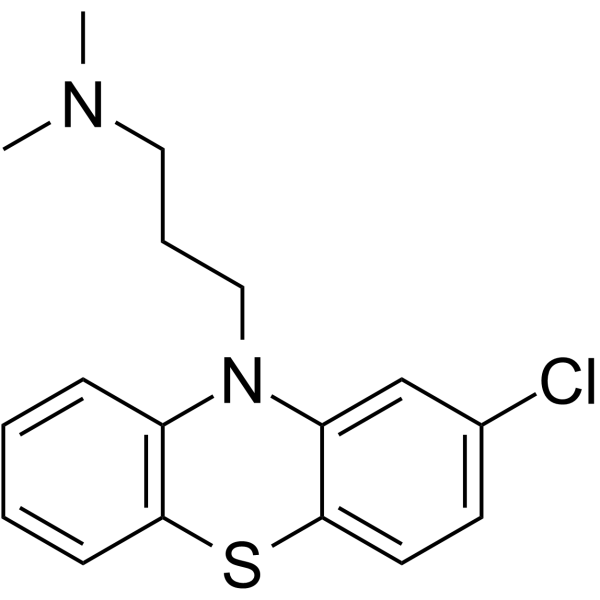
Chlorpromazine
Maximum Cited Publications
128 Publications Verification
|
Dopamine Receptor
Cytochrome P450
Autophagy
5-HT Receptor
|
Cardiovascular Disease
Neurological Disease
Cancer
|
|
Chlorpromazine is an orally active, blood-brain barrier-transparent antipsychotic agent that effectively antagonises D2 dopamine receptors and 5-HT2A, which is widely used in schizophrenia and other psychiatric disorders. Chlorpromazine exerts anti-cancer activity through a variety of pathways, including anti-proliferation, induction of autophagy and cycle arrest (G2-M phase), inhibition of cytochrome c oxidase (CcO), inhibition of tumour growth and metastasis, and inhibition of tumour immune escape. Chlorpromazine also blocks hNav1.7 channels (IC50=25.9 μM; concentration-dependent) and HERG potassium channels (IC50=21.6 μM), which has potential for analgesic and cardiac arrhythmic studies. Chlorpromazine also can inhibit clathrin-mediated endocytosis .
|
-
-
- HY-N0822
-
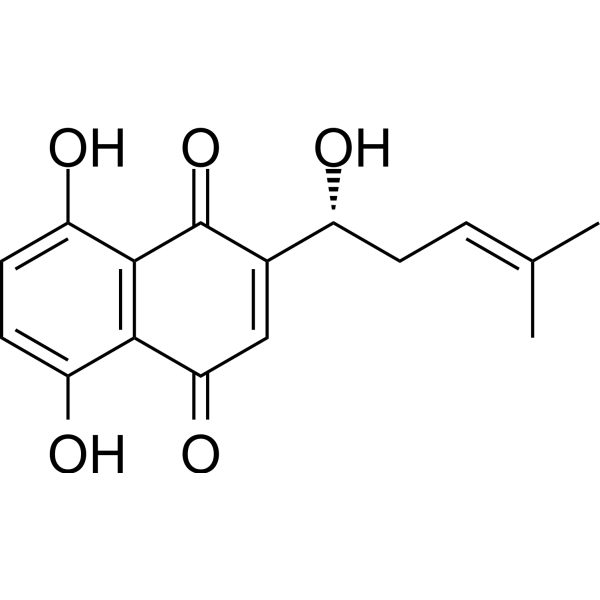
Shikonin
Maximum Cited Publications
66 Publications Verification
C.I. 75535; Isoarnebin 4
|
Exosomes
Chloride Channel
Pyruvate Kinase
NF-κB
TNF Receptor
HIV
AIM2
|
Cancer
|
|
Shikonin is a major component of a Chinese herbal medicine named zicao. Shikonin is a potent TMEM16A chloride channel inhibitor with an IC50 of 6.5 μM . Shikonin is a specific pyruvate kinase M2 (PKM2) inhibitor and can also inhibit TNF-α and NF-κB pathway . Shikonin decreases exosome secretion through the inhibition of glycolysis . Shikonin inhibits AIM2 inflammasome activation .
|
-
-
- HY-B1357
-
-
-
- HY-B0407A
-
|
|
Dopamine Receptor
Autophagy
Cytochrome P450
5-HT Receptor
|
Cardiovascular Disease
Neurological Disease
Cancer
|
|
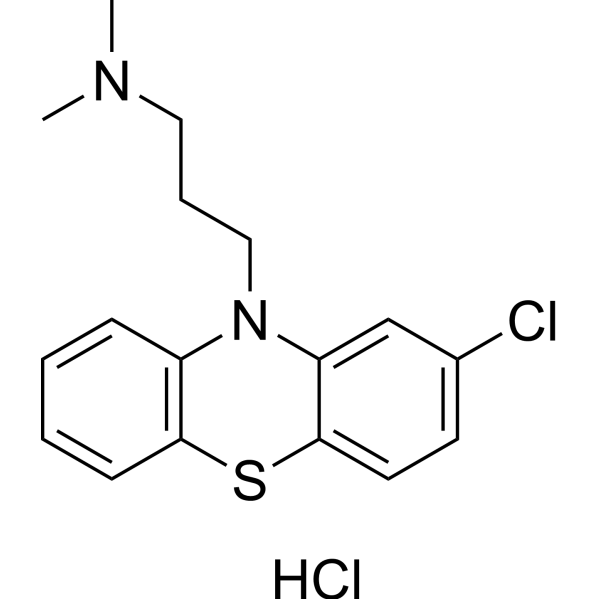
Chlorpromazine hydrochloride is an orally active, blood-brain barrier-transparent antipsychotic agent that effectively antagonises D2 dopamine receptors and 5-HT2A, which is widely used in schizophrenia and other psychiatric disorders. Chlorpromazine hydrochloride exerts anti-cancer activity through a variety of pathways, including anti-proliferation, induction of autophagy and cycle arrest (G2-M phase), inhibition of cytochrome c oxidase (CcO), inhibition of tumour growth and metastasis, and inhibition of tumour immune escape. Chlorpromazine hydrochloride also blocks hNav1.7 channels (IC50=25.9 μM; concentration-dependent) and HERG potassium channels (IC50=21.6 μM), which has potential for analgesic and cardiac arrhythmic studies. Chlorpromazine hydrochloride also can inhibit clathrin-mediated endocytosis .
|
-
-
- HY-B0527A
-
|
|
Serotonin Transporter
5-HT Receptor
mAChR
Histamine Receptor
Adrenergic Receptor
Trk Receptor
Sodium Channel
Potassium Channel
Dopamine Transporter
Apoptosis
|
Neurological Disease
Inflammation/Immunology
Endocrinology
|
|
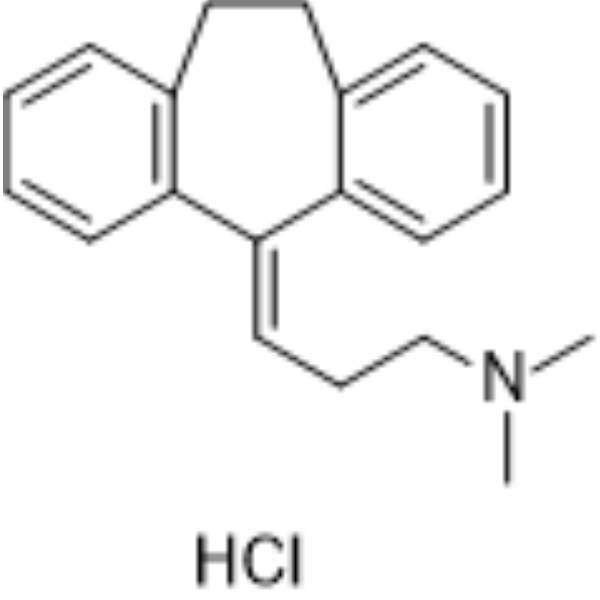
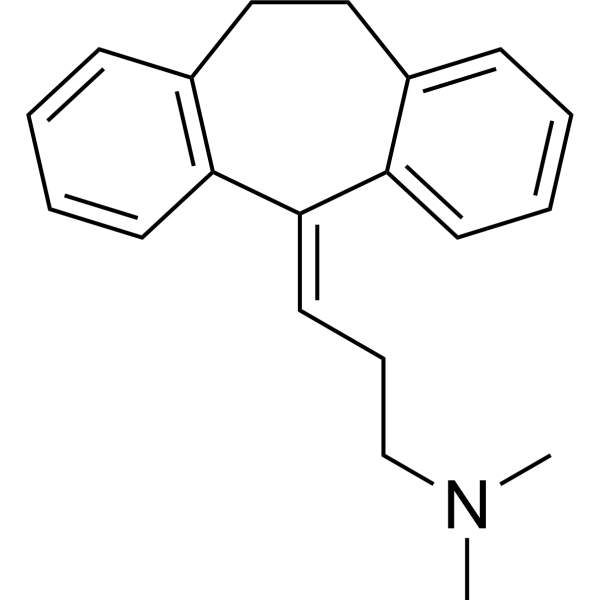
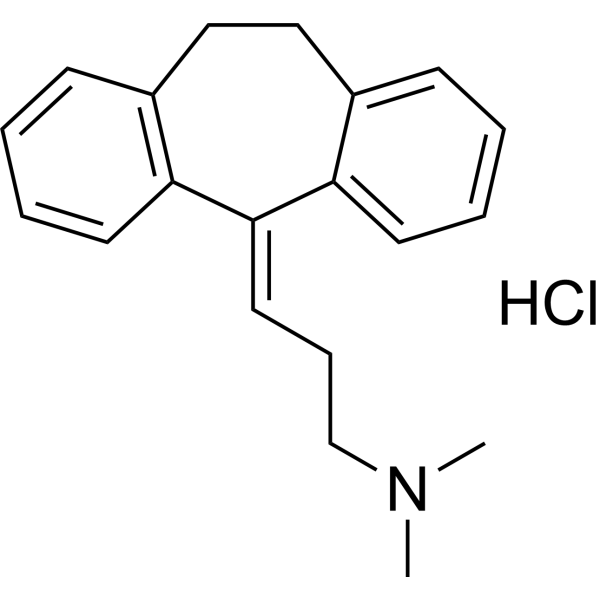
Amitriptyline hydrochloride is an orally active tricyclic antidepressant (TCA). Amitriptyline hydrochloride mainly exerts its antidepressant effect by blocking SERT (Ki = 3.45 nM) and NET (Ki = 13.3 nM), thereby increasing the concentrations of 5-hydroxytryptamine (5-HT) and norepinephrine (NE) in the synaptic cleft. Amitriptyline hydrochloride is also an agonist at α2A and TrkA/TrkB receptors, thereby exerting analgesic and neurotrophic activities (inhibiting cell apoptosis). Amitriptyline hydrochloride can reduce inflammation, angiogenesis and fibrosis. Amitriptyline hydrochloride binds to DAT (with Ki = 2.58 μM). Amitriptyline hydrochloride has high affinity for a series of receptors and can antagonize muscarinic cholinergic receptors (M1/M2/M3/M4/M5 receptors) (Ki = 11-24 nM), H1 receptors (Ki = 0.5-1.1 nM), adrenergic α1 receptors (Ki = 4.4 nM), etc., resulting in a series of side effects. Amitriptyline hydrochloride can block sodium channels and hERG potassium channel (IC50 = 4.78 μM) and it has cardiotoxicity .
|
-
-
- HY-100001
-
|
|
TRP Channel
CRAC Channel
Autophagy
CaMK
Akt
Apoptosis
Na+/Ca2+ Exchanger
Calcium Channel
|
Neurological Disease
Inflammation/Immunology
Cancer
|
|
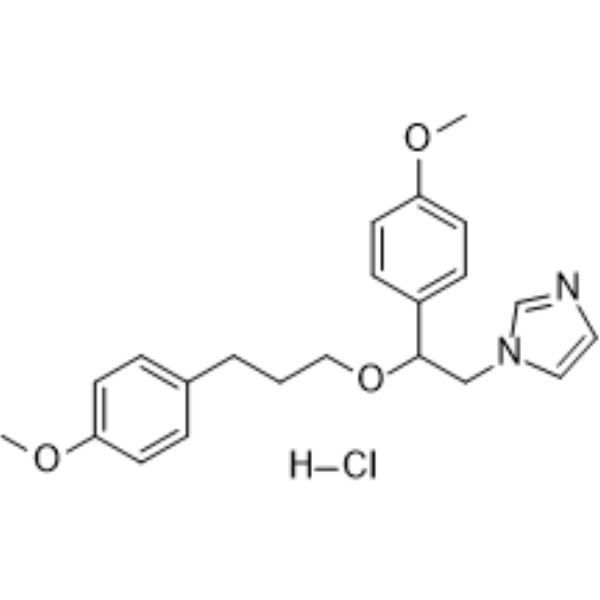
SKF-96365 hydrochloride is a TRPC channel antagonist and store-operated calcium entry (SOCE) inhibitor. SKF-96365 hydrochloride reduces calcium ion influx by inhibiting the activity and expression of TRPC6, STIM1 and Orai1. SKF-96365 hydrochloride inhibits voltage-gated sodium current (cardiac INa/NaV1.5) and slows myocardial conduction. SKF-96365 hydrochloride inhibits phosphorylation/activation of CaMKIIγ and suppresses the downstream AKT signaling pathway. SKF-96365 hydrochloride induces G2/M phase cell cycle arrest, apoptosis and cytoprotective autophagy in colorectal cancer cells. SKF-96365 hydrochloride alleviates allergic rhinitis symptoms by reducing inflammatory cytokine levels. SKF-96365 hydrochloride reduces intracellular calcium overload, inhibits Homer1 expression, prevents nuclear damage and suppresses apoptosis. SKF-96365 hydrochloride inhibits the growth of colorectal cancer xenografts in nude mice . SKF-96365 hydrochloride is applicable to research related to allergic rhinitis, colorectal cancer, Parkinson's disease, persistent spontaneous nociception and hyperalgesia .
|
-
-
- HY-B0527
-
|
|
Serotonin Transporter
Trk Receptor
Sodium Channel
5-HT Receptor
Histamine Receptor
Adrenergic Receptor
mAChR
Potassium Channel
Dopamine Transporter
Apoptosis
|
Neurological Disease
Inflammation/Immunology
Endocrinology
|
|
Amitriptyline is an orally active tricyclic antidepressant (TCA). Amitriptyline mainly exerts its antidepressant effect by blocking SERT (Ki = 3.45 nM) and NET (Ki = 13.3 nM), thereby increasing the concentrations of 5-hydroxytryptamine (5-HT) and norepinephrine (NE) in the synaptic cleft. Amitriptyline is also an agonist at α2A and TrkA/TrkB receptors, thereby exerting analgesic and neurotrophic activities (inhibiting cell apoptosis). Amitriptyline can reduce inflammation, angiogenesis and fibrosis. Amitriptyline binds to DAT (with Ki = 2.58 μM). Amitriptyline has high affinity for a series of receptors and can antagonize muscarinic cholinergic receptors (M1/M2/M3/M4/M5 receptors) (Ki = 11-24 nM), H1 receptors (Ki = 0.5-1.1 nM), adrenergic α1 receptors (Ki = 4.4 nM), etc., resulting in a series of side effects. Amitriptyline can block sodium channels and hERG potassium channel (IC50 = 4.78 μM) and it has cardiotoxicity .
|
-
-
- HY-B0402
-
|
1-Adamantanamine; 1-Aminoadamantane
|
Influenza Virus
Orthopoxvirus
SARS-CoV
Apoptosis
CDK
Bcl-2 Family
|
Infection
Neurological Disease
Cancer
|
|
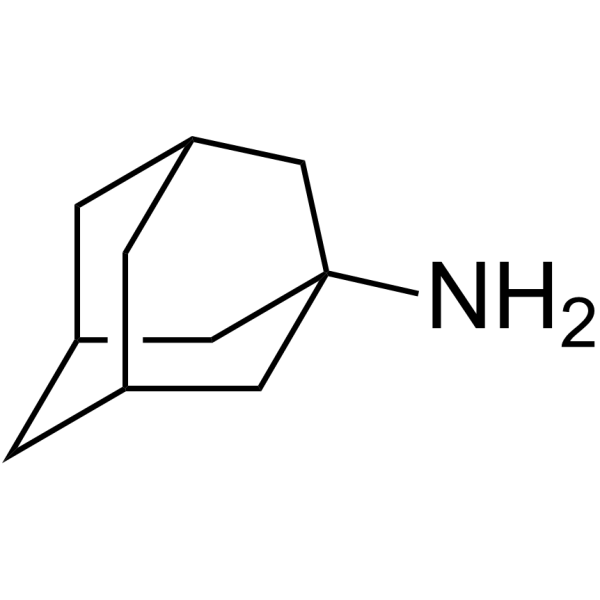
Amantadine (1-Adamantanamine) is an orally avtive and potent antiviral agent with activity against influenza A viruses. Amantadine inhibits several ion channels such as NMDA and M2, and also inhibits Coronavirus ion channels. Amantadine also has anti-orthopoxvirus and anticancer activity. Amantadine can be used for Parkinson's disease, postoperative cognitive dysfunction (POCD) and COVID-19 research .
|
-
-
- HY-B0402A
-
|
1-Adamantanamine hydrochloride; 1-Adamantylamine hydrochloride; 1-Aminoadamantane hydrochloride
|
Influenza Virus
Orthopoxvirus
SARS-CoV
Apoptosis
Bcl-2 Family
CDK
|
Infection
Neurological Disease
Cancer
|
|
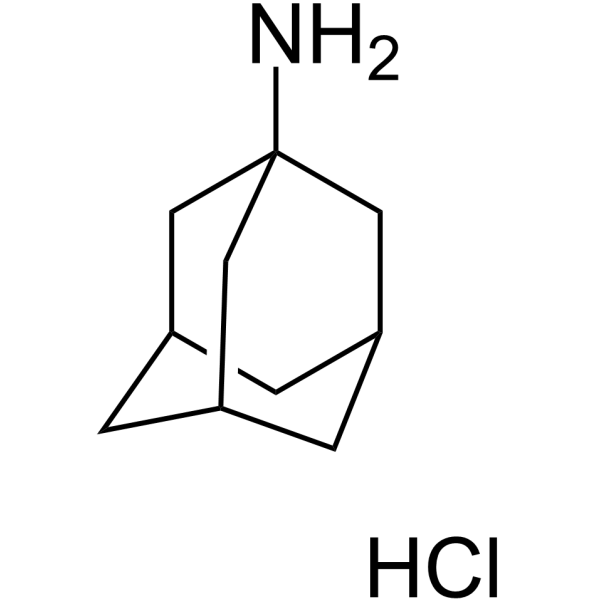
Amantadine (1-Adamantanamine) hydrochloride is an orally avtive and potent antiviral agent with activity against influenza A viruses. Amantadine hydrochloride inhibits several ion channels such as NMDA and M2, and also inhibits Coronavirus ion channels. Amantadine hydrochloride also has anti-orthopoxvirus and anticancer activity. Amantadine hydrochloride can be used for Parkinson's disease, postoperative cognitive dysfunction (POCD) and COVID-19 research .
|
-
-
- HY-B0338
-
|
1-Rimantadine
|
Influenza Virus
Autophagy
|
Infection
|
|
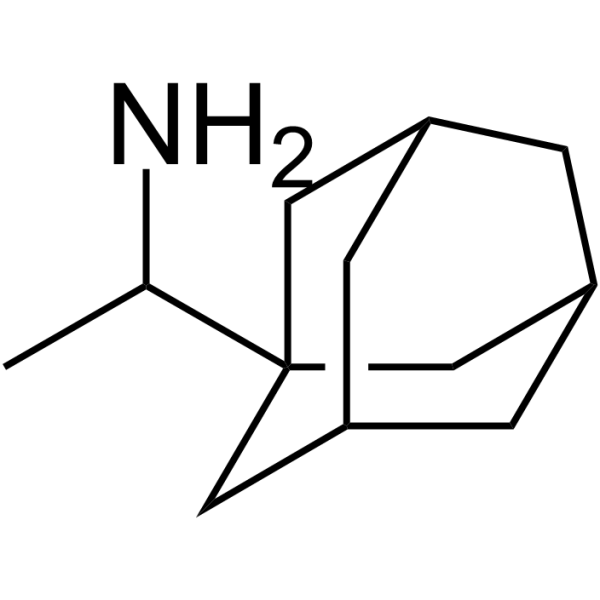
Rimantadine (1-Rimantadine) is an orally active inhibitor for M2 protein, which blocks the hydrogen ion channel activity, prevents the entry and replication of the virus, and exhibits board-spectrum antiviral activity. Rimantadine significantly inhibits hepatitis A virus (HAV) replication at the post-entry stage in Huh7 cells. Rimantadine enhances autophagy. Rimantadine has a significant protective effect against H3N2 virus in mouse model .
|
-
-
- HY-B0338A
-
|
|
Influenza Virus
Autophagy
|
Infection
|
|
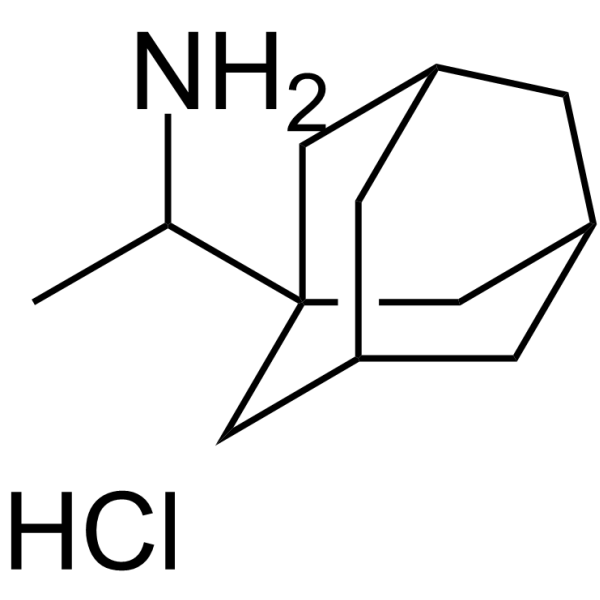
Rimantadine hydrochloride (Flumadine hydrochloride) is an orally active inhibitor for M2 protein, that blocks the hydrogen ion channel activity, prevents the entry and replication of the virus, and exhibits board-spectrum antiviral activity .
|
-
-
- HY-B0114
-
|
GP 47680
|
Sodium Channel
Apoptosis
|
Neurological Disease
Cancer
|
|
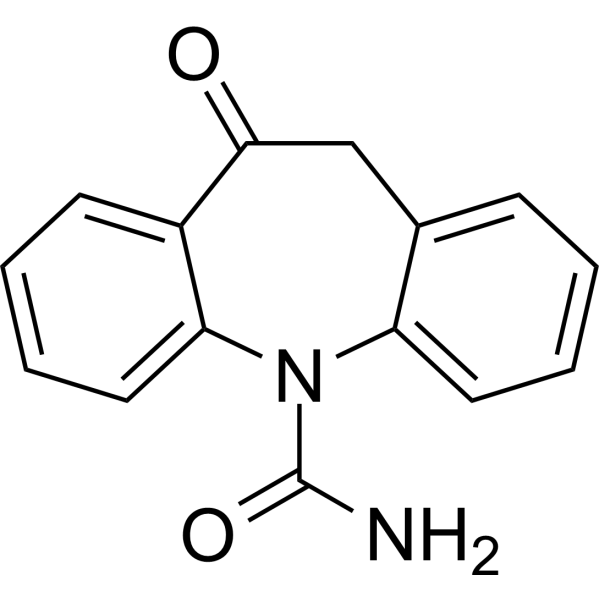
Oxcarbazepine is a sodium channel blocker . Oxcarbazepine significantly inhibits glioblastoma cell growth and induces apoptosis or G2/M arrest in glioblastoma cell lines . Anti-cancer and anticonvulsant effects .
|
-
-
- HY-W027553
-
|
NIK-247 free base; Amiridine free base
|
Cholinesterase (ChE)
Potassium Channel
Sodium Channel
|
Neurological Disease
Metabolic Disease
|
|
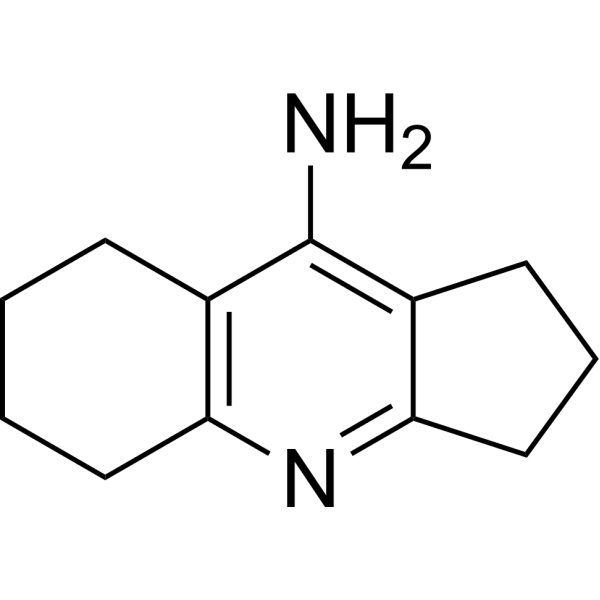
Ipidacrine is orally active and brain-penetrant AChE and BuChE inhibitors with IC50 values of 1 μM and 1.9 μM, respectively, which is also a partial agonist of M2-cholinergic receptors and a reversible cholinesterase inhibitor. Ipidacrine has a stimulating effect on neuromuscular transmission and excitation along the nerve fibres with a moderately anti-pain effect. Ipidacrine is an aminopyridines and is structurally similar to Tacrine (HY-111338). Ipidacrine is effective in various amnesia models, improves erectile function and inhibits K + and Na +-channels in the neuronal membrane in diabetic rats. Ipidacrine is promising for research of Alzheimer’s disease, ischaemic stroke, idiopathic neuropathy of the facial nerve, diabetes mellitus-induced erectile dysfunction and other deficits in central or peripheral cholinergic deseases .
|
-
-
- HY-P5883
-
|
tatM2NX
|
TRP Channel
|
Cardiovascular Disease
Neurological Disease
|
|
TAT-M2NX (tatM2NX) is a selective inhibitor targeting human TRPM2 channels and exerts inhibitory effects on ischemic stroke. TAT-M2NX reduces H2O2-induced calcium influx via TRPM2 channels. After traumatic brain injury in mice, TAT-M2NX preserves hippocampal long-term potentiation, improves memory function, and reduces infarct volume after middle cerebral artery occlusion, but it shows no effect on female mice. TAT-M2NX can be used in studies related to traumatic brain injury and ischemic stroke .
|
-
-
- HY-N2374
-
|
|
Apoptosis
NF-κB
MMP
Adrenergic Receptor
|
Inflammation/Immunology
Cancer
|
|
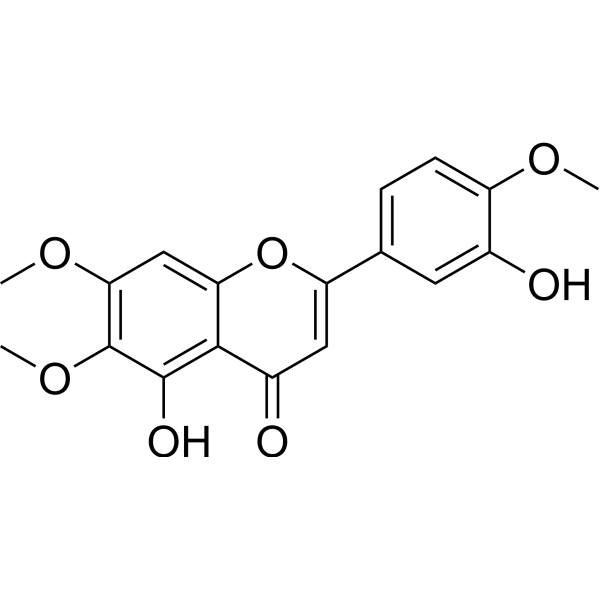
Eupatorin is an orally active flavonoid with antiproliferative and vasodilatory properties. Eupatorin downregulates the expression levels of NF-κB, MMP9, IL-1β and TNF-α. Eupatorin induces apoptosis, G2/M phase cell cycle arrest, and reactive oxygen species (ROS) production. Eupatorin modulates the activities of muscarinic receptors and β-adrenergic receptors; inhibits sarcoplasmic reticulum calcium release and calcium channels; and activates the NO/sGC/cGMP pathway, indomethacin-sensitive pathway, and potassium channel pathway. Eupatorin exerts cytotoxic effects on cancer cell lines, and is metabolized by CYP1A1 and CYP1 family enzymes to form metabolites with antiproliferative activity. Eupatorin can be used in research related to breast cancer, hypertension, and leukemia .
|
-
-
- HY-B0402S1
-
|
1-Adamantanamine-d6; 1-Aminoadamantane-d6
|
Apoptosis
CDK
SARS-CoV
Bcl-2 Family
Influenza Virus
Orthopoxvirus
|
Cancer
|
|
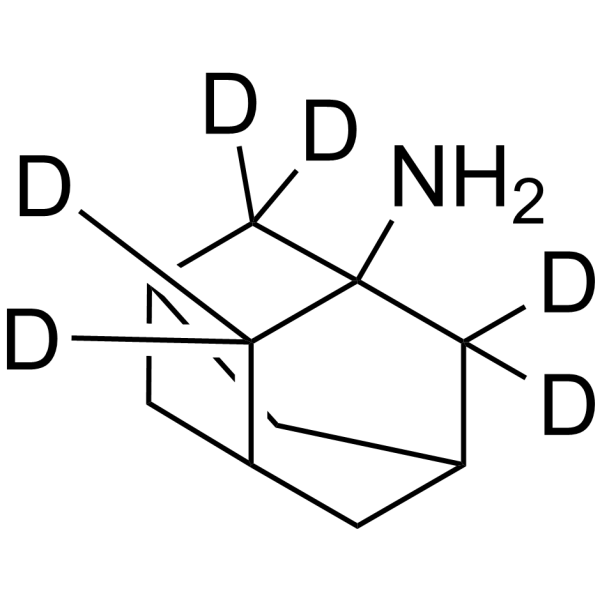
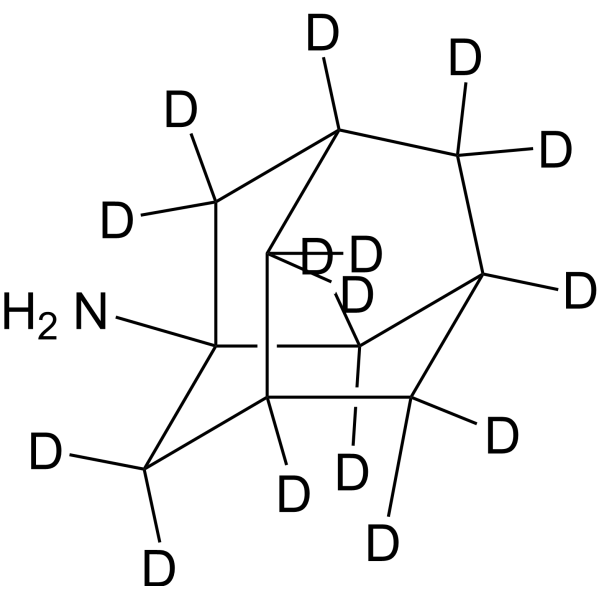
Amantadine-d6 is the deuterium labeled Amantadine . Amantadine (1-Adamantanamine) is an orally avtive and potent antiviral agent with activity against influenza A viruses. Amantadine inhibits several ion channels such as NMDA and M2, and also inhibits Coronavirus ion channels. Amantadine also has anti-orthopoxvirus and anticancer activity. Amantadine can be used for Parkinson's disease, postoperative cognitive dysfunction (POCD) and COVID-19 research .
|
-
-
- HY-B0402S
-
|
1-Adamantanamine-d15; 1-Aminoadamantane-d15
|
Influenza Virus
Orthopoxvirus
SARS-CoV
Apoptosis
|
Infection
Neurological Disease
Cancer
|
|
Amantadine-d15 is the deuterium labeled Amantadine. Amantadine (1-Adamantanamine) is an antiviral agent with activity against influenza A viruses. Amantadine blocks the proton flow through the M2 ion channel (M2 proton channel of influenza A) and thus prevents the release of viral RNA into the cytoplasm of the infected cells. Amantadine is an antiparkinsonian agent .
|
-
-
- HY-B0527AR
-
|
|
Reference Standards
Serotonin Transporter
5-HT Receptor
Histamine Receptor
mAChR
Adrenergic Receptor
Trk Receptor
Sodium Channel
Potassium Channel
Dopamine Transporter
Apoptosis
|
Neurological Disease
Inflammation/Immunology
Endocrinology
|
|
Amitriptyline hydrochloride (Standard) is the analytical standard of Amitriptyline hydrochloride (HY-B0527A). This product is intended for research and analytical applications. Amitriptyline hydrochloride is an orally active tricyclic antidepressant (TCA). Amitriptyline hydrochloride mainly exerts its antidepressant effect by blocking SERT (Ki = 3.45 nM) and NET (Ki = 13.3 nM), thereby increasing the concentrations of 5-hydroxytryptamine (5-HT) and norepinephrine (NE) in the synaptic cleft. Amitriptyline hydrochloride is also an agonist at α2A and TrkA/TrkB receptors, thereby exerting analgesic and neurotrophic activities (inhibiting cell apoptosis). Amitriptyline hydrochloride can reduce inflammation, angiogenesis and fibrosis. Amitriptyline hydrochloride binds to DAT (with Ki = 2.58 μM). Amitriptyline hydrochloride has high affinity for a series of receptors and can antagonize muscarinic cholinergic receptors (M1/M2/M3/M4/M5 receptors) (Ki = 11-24 nM), H1 receptors (Ki = 0.5-1.1 nM), adrenergic α1 receptors (Ki = 4.4 nM), etc., resulting in a series of side effects. Amitriptyline hydrochloride can block sodium channels and hERG potassium channel (IC50 = 4.78 μM) and it has cardiotoxicity.
|
-
-
- HY-B0402B
-
|
1-Adamantanamine sulfate; 1-Aminoadamantane sulfate
|
Influenza Virus
Orthopoxvirus
SARS-CoV
Apoptosis
CDK
Bcl-2 Family
|
Infection
Neurological Disease
Cancer
|
|
Amantadine (1-Adamantanamine) sulfate is an orally avtive and potent antiviral agent with activity against influenza A viruses. Amantadine sulfate inhibits several ion channels such as NMDA and M2, and also inhibits Coronavirus ion channels. Amantadine sulfate also has anti-orthopoxvirus and anticancer activity. Amantadine sulfate can be used for Parkinson's disease, postoperative cognitive dysfunction (POCD) and COVID-19 research .
|
-
-
- HY-125942
-
|
|
CRAC Channel
TRP Channel
CaMK
Akt
Apoptosis
Autophagy
Na+/Ca2+ Exchanger
Calcium Channel
|
Neurological Disease
Inflammation/Immunology
Cancer
|
|
SKF-96365 is a TRPC channel antagonist and store-operated calcium entry (SOCE) inhibitor. SKF-96365 reduces calcium ion influx by inhibiting the activity and expression of TRPC6, STIM1 and Orai1. SKF-96365 inhibits voltage-gated sodium current (cardiac INa/NaV1.5) and slows myocardial conduction. SKF-96365 inhibits phosphorylation/activation of CaMKIIγ and suppresses the downstream AKT signaling pathway. SKF-96365 induces G2/M phase cell cycle arrest, apoptosis and cytoprotective autophagy in colorectal cancer cells. SKF-96365 alleviates allergic rhinitis symptoms by reducing inflammatory cytokine levels. SKF-96365 reduces intracellular calcium overload, inhibits Homer1 expression, prevents nuclear damage and suppresses apoptosis. SKF-96365 inhibits the growth of colorectal cancer xenografts in nude mice . SKF-96365 is applicable to research related to allergic rhinitis, colorectal cancer, Parkinson's disease, persistent spontaneous nociception and hyperalgesia .
|
-
-
- HY-N0822R
-
|
C.I. 75535 (Standard); Isoarnebin 4 (Standard)
|
Reference Standards
Exosomes
Chloride Channel
Pyruvate Kinase
NF-κB
TNF Receptor
HIV
AIM2
|
Cancer
|
|
Shikonin (Standard) is the analytical standard of Shikonin. This product is intended for research and analytical applications. Shikonin is a major component of a Chinese herbal medicine named zicao. Shikonin is a potent TMEM16A chloride channel inhibitor with an IC50 of 6.5 μM . Shikonin is a specific pyruvate kinase M2 (PKM2) inhibitor and can also inhibit TNF-α and NF-κB pathway . Shikonin decreases exosome secretion through the inhibition of glycolysis . Shikonin inhibits AIM2 inflammasome activation .
|
-
-
- HY-75867
-
|
|
Influenza Virus
|
Infection
|
|
M2 ion channel blocker-1 is capable of inhibiting and blocking the activity of M2 ion channel;Antiviral agent.
|
-
-
- HY-B0527AS
-
|
|
Isotope-Labeled Compounds
Serotonin Transporter
5-HT Receptor
Histamine Receptor
mAChR
Adrenergic Receptor
Trk Receptor
Sodium Channel
Potassium Channel
Dopamine Transporter
Apoptosis
|
Neurological Disease
Inflammation/Immunology
Endocrinology
|
|
Amitriptyline-d6 hydrochloride is the deuterium labeled Amitriptyline hydrochloride (HY-B0527A). Amitriptyline hydrochloride is an orally active tricyclic antidepressant (TCA). Amitriptyline hydrochloride mainly exerts its antidepressant effect by blocking SERT (Ki = 3.45 nM) and NET (Ki = 13.3 nM), thereby increasing the concentrations of 5-hydroxytryptamine (5-HT) and norepinephrine (NE) in the synaptic cleft. Amitriptyline hydrochloride is also an agonist at α2A and TrkA/TrkB receptors, thereby exerting analgesic and neurotrophic activities (inhibiting cell apoptosis). Amitriptyline hydrochloride can reduce inflammation, angiogenesis and fibrosis. Amitriptyline hydrochloride binds to DAT (with Ki = 2.58 μM). Amitriptyline hydrochloride has high affinity for a series of receptors and can antagonize muscarinic cholinergic receptors (M1/M2/M3/M4/M5 receptors) (Ki = 11-24 nM), H1 receptors (Ki = 0.5-1.1 nM), adrenergic α1 receptors (Ki = 4.4 nM), etc., resulting in a series of side effects. Amitriptyline hydrochloride can block sodium channels and hERG potassium channel (IC50 = 4.78 μM) and it has cardiotoxicity.
|
-
-
- HY-145491
-
|
|
ERK
NF-κB
CCR
|
Inflammation/Immunology
|
|
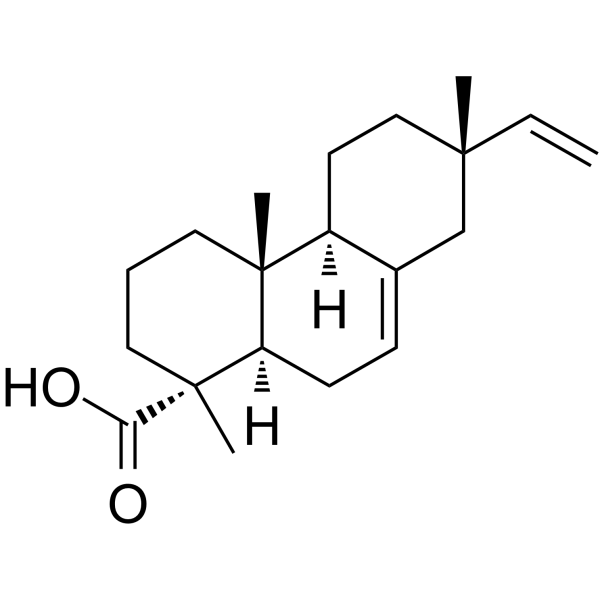
Resolvin D5 is an anti-inflammatory and analgesic agent produced in M2 macrophages. Resolvin D5 alleviates Paclitaxel (HY-B0015)-induced mechanical allodynia and inflammatory pain by activating the GPR32 receptor, with gender specificity (effective only in male mice) and independence from TRPV1 or TRPA1 channels. Resolvin D5 attenuates LPS-induced ERK phosphorylation and NF-κB nuclear translocation, downregulates proinflammatory mediators such as IL-6 and CCL5, inhibits Th17 cell differentiation and osteoclastogenesis, promotes regulatory T cell differentiation, and shows no cytotoxicity to human monocytes. The level of Resolvin D5 is elevated in arthritic SKG mice, but Resolvin D5 has no effect on dendritic cell differentiation or M1 macrophage polarization, nor does it prevent ZyA-induced arthritis progression. Resolvin D5 is suitable for research related to chemotherapy-induced peripheral neuropathy, inflammatory pain and rheumatoid arthritis .
|
-
-
- HY-175804
-
|
|
SARS-CoV
|
Infection
|
|
M2 ion channel blocker-2 (Compound 10) is a M2 channel blocker. M2 ion channel blocker-2 significantly blocks wild-type and mutant M2 (L27F and V27A) ion channels. M2 ion channel blocker-2 has potent antiviral activity against HCoV-229E (EC50: 4.7 μM in cytopathic effect) but not against influenza A virus. M2 ion channel blocker-2 has no significant inhibition of hERG and cytochrome P450 (CYP1A2, CYP2C19, and CYP3A4) activity .
|
-
-
- HY-B0114R
-
|
GP 47680 (Standard)
|
Reference Standards
Sodium Channel
Apoptosis
|
Neurological Disease
Cancer
|
|
Oxcarbazepine (Standard) is the analytical standard of Oxcarbazepine. This product is intended for research and analytical applications. Oxcarbazepine is a sodium channel blocker . Oxcarbazepine significantly inhibits glioblastoma cell growth and induces apoptosis or G2/M arrest in glioblastoma cell lines . Anti-cancer and anticonvulsant effects .
|
-
-
- HY-B0402AR
-
|
1-Adamantanamine hydrochloride (Standard); 1-Adamantylamine hydrochloride (Standard); 1-Aminoadamantane hydrochloride (Standard)
|
Reference Standards
Influenza Virus
Orthopoxvirus
SARS-CoV
Apoptosis
Bcl-2 Family
CDK
|
Infection
Neurological Disease
Cancer
|
|
Amantadine (hydrochloride) (Standard) is the analytical standard of Amantadine (hydrochloride). This product is intended for research and analytical applications. Amantadine (1-Adamantanamine) hydrochloride is an orally avtive and potent antiviral agent with activity against influenza A viruses. Amantadine hydrochloride inhibits several ion channels such as NMDA and M2, and also inhibits Coronavirus ion channels. Amantadine hydrochloride also has anti-orthopoxvirus and anticancer activity. Amantadine hydrochloride can be used for Parkinson's disease, postoperative cognitive dysfunction (POCD) and COVID-19 research .
|
-
-
- HY-B0402R1
-
|
1-Adamantanamine in Methanol (Standard); 1-Aminoadamantane in Methanol (Standard)
|
Reference Standards
Influenza Virus
Orthopoxvirus
SARS-CoV
Apoptosis
CDK
Bcl-2 Family
|
Infection
Neurological Disease
Cancer
|
|
Amantadine in Methanol (Standard) is the solution of Amantadine (Standard). This product is intended for research and analytical applications. Amantadine (1-Adamantanamine) is an orally avtive and potent antiviral agent with activity against influenza A viruses. Amantadine inhibits several ion channels such as NMDA and M2, and also inhibits Coronavirus ion channels. Amantadine also has anti-orthopoxvirus and anticancer activity. Amantadine can be used for Parkinson's disease, postoperative cognitive dysfunction (POCD) and COVID-19 research [4] .
|
-
-
- HY-B1357R
-
|
|
Reference Standards
Bcl-2 Family
Caspase
Apoptosis
HSV
Na+/K+ ATPase
Calcium Channel
|
Cardiovascular Disease
Cancer
|
|
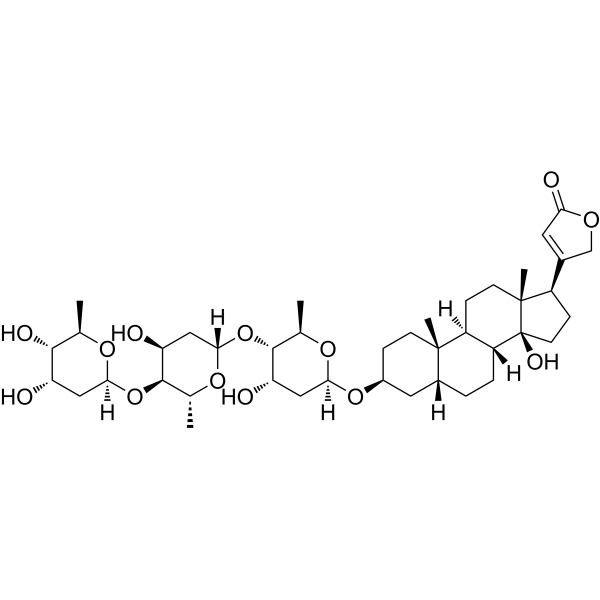
Digitoxin (Standard) is the analytical standard of Digitoxin. This product is intended for research and analytical applications. Digitoxin is an anti-cancer agent. Digitoxin induces apoptosis, inhibits influenza cytokine storm, causes DNA double-stranded breaks (DSBs) and blocks the cell cycle at the G2/M phase. Digitoxin induces calcium uptake into cells by forming transmembrane calcium channels and can be used for research of heart failure .
|
-
-
- HY-B0338R
-
|
1-Rimantadine (Standard)
|
Influenza Virus
Autophagy
Reference Standards
|
Infection
|
|
Rimantadine (Standard) is the analytical standard of Rimantadine. This product is intended for research and analytical applications. Rimantadine is an orally active inhibitor for M2 protein, that blocks the hydrogen ion channel activity, prevents the entry and replication of the virus, and exhibits board-spectrum antiviral activity .
|
-
-
- HY-N7423
-
|
Isoferulic acid methyl ester
|
Influenza Virus
|
Infection
|
|
Methyl isoferulate (Isoferulic acid methyl ester) is an anti-H1N1 swine flu compound. Methyl isoferulate exerts its anti-swine flu activity by blocking the influenza M2 proton channel .
|
-
-
- HY-W027553R
-
|
NIK-247 free base (Standard); Amiridine free base (Standard)
|
Reference Standards
Cholinesterase (ChE)
Potassium Channel
Sodium Channel
|
Neurological Disease
Metabolic Disease
|
|
Ipidacrine (Standard) is the analytical reference standard of Ipidacrine. This product is used for research and analytical applications. Ipidacrine is orally active and blood-brain-barrier-penetrant AChE and BuChE inhibitors with IC50 values of 1 μM and 1.9 μM, respectively, which is also a partial agonist of M2-cholinergic receptors and a reversible cholinesterase inhibitor. Ipidacrine has a stimulating effect on neuromuscular transmission and excitation along the nerve fibres with a moderately anti-pain effect. Ipidacrine is an aminopyridines and is structurally similar to Tacrine (HY-111338). Ipidacrine is effective in various amnesia models, improves erectile function and inhibits K + and Na +-channels in the neuronal membrane in diabetic rats. Ipidacrine is promising for research of Alzheimer’s disease, ischaemic stroke, idiopathic neuropathy of the facial nerve, diabetes mellitus-induced erectile dysfunction and other deficits in central or peripheral cholinergic deseases .
|
-
-
- HY-147881
-
|
|
Influenza Virus
|
Infection
|
|
Anti-Influenza agent 3 (compound 11h) is a potent anti-influenza agent with EC50 values of 3.29, 2.45 µM for A/HK/68 (H3N2, M2-WT), A/WSN/33 (H1N1, M2-S31N) strain, respectively. Anti-Influenza agent 3 shows low cytotoxicity for MDCK epithelial cells. Anti-Influenza agent 3 inhibits the M2 WT and S31N ion channel conductivity .
|
-
-
- HY-B0114S
-
|
GP 47680-d4
|
Isotope-Labeled Compounds
Sodium Channel
Apoptosis
|
Neurological Disease
Cancer
|
|
Oxcarbazepine-d4 (GP 47680-D4) is the deuterium labeled Oxcarbazepine. Oxcarbazepine is a sodium channel blocker . Oxcarbazepine significantly inhibits glioblastoma cell growth and induces apoptosis or G2/M arrest in glioblastoma cell lines . Anti-cancer and anticonvulsant effects .
|
-
-
- HY-W653905
-
|
1-Adamantanamine hydrochloride-d15
|
Isotope-Labeled Compounds
|
Infection
Neurological Disease
Cancer
|
|
Amantadine-d15 hydrochloride is deuterated labeled Amantadine. Amantadine (1-Adamantanamine) is an orally avtive and potent antiviral agent with activity against influenza A viruses. Amantadine inhibits several ion channels such as NMDA and M2, and also inhibits Coronavirus ion channels. Amantadine also has anti-orthopoxvirus and anticancer activity. Amantadine can be used for Parkinson's disease, postoperative cognitive dysfunction (POCD) and COVID-19 research .
|
-
-
- HY-B0402R
-
|
1-Adamantanamine (Standard); 1-Aminoadamantane (Standard)
|
Reference Standards
Influenza Virus
Orthopoxvirus
SARS-CoV
Apoptosis
CDK
Bcl-2 Family
|
Infection
Neurological Disease
Cancer
|
|
Amantadine (Standard) is the analytical standard of Amantadine. This product is intended for research and analytical applications. Amantadine (1-Adamantanamine) is an orally avtive and potent antiviral agent with activity against influenza A viruses. Amantadine inhibits several ion channels such as NMDA and M2, and also inhibits Coronavirus ion channels. Amantadine also has anti-orthopoxvirus and anticancer activity. Amantadine can be used for Parkinson's disease, postoperative cognitive dysfunction (POCD) and COVID-19 research [4] .
|
-
-
- HY-B0338S
-
|
|
Isotope-Labeled Compounds
Influenza Virus
Autophagy
|
Infection
|
|
Rimantadine-d4 (hydrochloride) is the deuterium labeled Rimantadine hydrochloride. Rimantadine is an orally active inhibitor for M2 protein, that blocks the hydrogen ion channel activity, prevents the entry and replication of the virus, and exhibits board-spectrum antiviral activity .
|
-
-
- HY-B0338AR
-
|
|
Reference Standards
Influenza Virus
Autophagy
|
Infection
|
|
Rimantadine (hydrochloride) (Standard) is the analytical standard of Rimantadine (hydrochloride). This product is intended for research and analytical applications. Rimantadine is an orally active inhibitor for M2 protein, that blocks the hydrogen ion channel activity, prevents the entry and replication of the virus, and exhibits board-spectrum antiviral activity .
|
-
-
- HY-B0407AR
-
|
|
Reference Standards
Dopamine Receptor
Autophagy
Cytochrome P450
5-HT Receptor
|
Cardiovascular Disease
Neurological Disease
Cancer
|
|
Chlorpromazine (hydrochloride) (Standard) is the analytical standard of Chlorpromazine (hydrochloride). This product is intended for research and analytical applications. Chlorpromazine hydrochloride is an orally active, blood-brain barrier-transparent antipsychotic agent that effectively antagonises D2 dopamine receptors and 5-HT2A, which is widely used in schizophrenia and other psychiatric disorders. Chlorpromazine hydrochloride exerts anti-cancer activity through a variety of pathways, including anti-proliferation, induction of autophagy and cycle arrest (G2-M phase), inhibition of cytochrome c oxidase (CcO), inhibition of tumour growth and metastasis, and inhibition of tumour immune escape. Chlorpromazine hydrochloride also blocks hNav1.7 channels (IC50=25.9 μM; concentration-dependent) and HERG potassium channels (IC50=21.6 μM), which has potential for analgesic and cardiac arrhythmic studies. Chlorpromazine hydrochloride also can inhibit clathrin-mediated endocytosis .
|
-
-
- HY-117503
-
|
|
Influenza Virus
|
Infection
|
|
M2WJ332 is an inhibitor of the M2 proton channel of the influenza A virus M2 S31N mutant M2. M2WJ332 potently inhibits the influenza A virus A/M2-S31N proton channel in Xenopus laevis oocytes, with an IC50 of 16 μM. M2WJ332 completely inhibits plaque formation by the influenza A virus carrying the M2 S31N mutant. M2WJ332 is applicable to research related to influenza A virus infection .
|
-
-
- HY-179482
-
|
|
Influenza Virus
|
Infection
|
|
Anti-Influenza agent 9 (Compound 3p) is a M2-S31N mutant influenza virus ion channel blocker. Anti-Influenza agent 9 exhibits inhibitory activity against both M2-WT and M2-S31N viruses, with its EC50 values being 0.92 and 0.55 μM respectively. Anti-Influenza agent 9 can be used in influenza research .
|
-
-
- HY-W027553S1
-
|
NIK-247-d9 free base
|
Isotope-Labeled Compounds
Cholinesterase (ChE)
Potassium Channel
Sodium Channel
|
Metabolic Disease
|
|
Ipidacrine-d9 (NIK-247-d9 (free base)) is the deuterium labeled Ipidacrine (HY-W027553). Ipidacrine is orally active and brain-penetrant AChE and BuChE inhibitors with IC50 values of 1 μM and 1.9 μM, respectively, which is also a partial agonist of M2-cholinergic receptors and a reversible cholinesterase inhibitor. Ipidacrine has a stimulating effect on neuromuscular transmission and excitation along the nerve fibres with a moderately anti-pain effect. Ipidacrine is an aminopyridines and is structurally similar to Tacrine (HY-111338). Ipidacrine is effective in various amnesia models, improves erectile function and inhibits K+ and Na+-channels in the neuronal membrane in diabetic rats. Ipidacrine is promising for research of Alzheimer’s disease, ischaemic stroke, idiopathic neuropathy of the facial nerve, diabetes mellitus-induced erectile dysfunction and other deficits in central or peripheral cholinergic deseases .
|
-
-
- HY-181885
-
|
|
Influenza Virus
Drug Derivative
|
Infection
|
|
Antiviral agent 80 is a conjugate of Zanamivir (HY-13210) and Amantadine (HY-13317), acting as a dual inhibitor of influenza virus M2 ion channel/neuraminidase (NA). Antiviral agent 80 exhibits potent inhibitory activity against both wild-type and drug-resistant influenza neuraminidase mutants, with an IC50 value range of 1.50 nM to 120.4 nM. Antiviral agent 80 can be used in influenza-related research .
|
-
-
- HY-B0114S1
-
-
-
- HY-B0114S3
-
|
GP 47680-d10
|
Isotope-Labeled Compounds
Apoptosis
Sodium Channel
|
Neurological Disease
Cancer
|
|
Oxcarbazepine-d10 (GP 47680-d10) is deuterium labeled Oxcarbazepine. Oxcarbazepine is a sodium channel blocker . Oxcarbazepine significantly inhibits glioblastoma cell growth and induces apoptosis or G2/M arrest in glioblastoma cell lines . Anti-cancer and anticonvulsant effects .
|
-
-
- HY-B0114S2
-
|
GP 47680-d8
|
Sodium Channel
Apoptosis
|
Neurological Disease
Cancer
|
|
Oxcarbazepine-d8-1 is a deuterium of Oxcarbazepine. Oxcarbazepine is a sodium channel blocker . Oxcarbazepine significantly inhibits glioblastoma cell growth and induces apoptosis or G2/M arrest in glioblastoma cell lines . Oxcarbazepine-d8-1 has anti-cancer and anticonvulsant effects .
|
-
-
- HY-W041470R
-
|
|
Reference Standards
Endogenous Metabolite
|
Metabolic Disease
|
|
Chlorpromazine (hydrochloride) (Standard) is the analytical standard of Chlorpromazine (hydrochloride). This product is intended for research and analytical applications. Chlorpromazine hydrochloride is an orally active, blood-brain barrier-transparent antipsychotic agent that effectively antagonises D2 dopamine receptors and 5-HT2A, which is widely used in schizophrenia and other psychiatric disorders. Chlorpromazine hydrochloride exerts anti-cancer activity through a variety of pathways, including anti-proliferation, induction of autophagy and cycle arrest (G2-M phase), inhibition of cytochrome c oxidase (CcO), inhibition of tumour growth and metastasis, and inhibition of tumour immune escape. Chlorpromazine hydrochloride also blocks hNav1.7 channels (IC50=25.9 μM; concentration-dependent) and HERG potassium channels (IC50=21.6 μM), which has potential for analgesic and cardiac arrhythmic studies. Chlorpromazine hydrochloride also can inhibit clathrin-mediated endocytosis .
|
-
-
- HY-182638
-
|
|
Phosphodiesterase (PDE)
mAChR
Potassium Channel
|
Neurological Disease
|
|
CPL500036 is an orally active, blood-brain barrier permeable phosphodiesterase 10A (PDE10A) inhibitor with IC50 values of 1 nM (Reference 1) and 35 nM (Reference 2). CPL500036 acts as a negative allosteric modulator of the M2 muscarinic receptor with an IC50 of 9.2 μM. CPL500036 alters cyclic nucleotide levels in basal ganglia circuits, inhibits the hydrolysis of cAMP and cGMP, and suppresses hERG potassium channel tail currents. CPL500036 induces catalepsy in rats and reverses injury-induced contralateral forelimb use impairment. CPL500036 can be used in research related to schizophrenia, Parkinson's disease, and levodopa-induced dyskinesia .
|
-
-
- HY-19689
-
|
NIK-247; Amiridine
|
Cholinesterase (ChE)
Potassium Channel
Sodium Channel
|
Cardiovascular Disease
Neurological Disease
Endocrinology
|
|
Ipidacrine (NIK-247; Amiridine) hydrochloride is orally active and blood-brain-barrier-penetrant AChE and BuChE inhibitors with IC50 values of 1 μM and 1.9 μM, respectively, which is also a partial agonist of M2-cholinergic receptors and a reversible cholinesterase inhibitor. Ipidacrine hydrochloride has a stimulating effect on neuromuscular transmission and excitation along the nerve fibres with a moderately anti-pain effect. Ipidacrine hydrochloride is an aminopyridines and is structurally similar to Tacrine (HY-111338). Ipidacrine hydrochloride is effective in various amnesia models, improves erectile function and inhibits K + and Na +-channels in the neuronal membrane in diabetic rats. Ipidacrine hydrochloride is promising for research of Alzheimer’s disease, ischaemic stroke, idiopathic neuropathy of the facial nerve, diabetes mellitus-induced erectile dysfunction and other deficits in central or peripheral cholinergic deseases .
|
-
-
- HY-131507
-
|
|
mAChR
|
Metabolic Disease
|
|
Emepronium bromide is an antispasmodic agent for the bladder and a muscarinic receptor ligand, with an IC50 of 236 nM. Emepronium bromide is applicable to research related to bladder diseases .
|
-
| Cat. No. |
Product Name |
Target |
Research Area |
-
- HY-P5883
-
|
tatM2NX
|
TRP Channel
|
Cardiovascular Disease
Neurological Disease
|
|
TAT-M2NX (tatM2NX) is a selective inhibitor targeting human TRPM2 channels and exerts inhibitory effects on ischemic stroke. TAT-M2NX reduces H2O2-induced calcium influx via TRPM2 channels. After traumatic brain injury in mice, TAT-M2NX preserves hippocampal long-term potentiation, improves memory function, and reduces infarct volume after middle cerebral artery occlusion, but it shows no effect on female mice. TAT-M2NX can be used in studies related to traumatic brain injury and ischemic stroke .
|
| Cat. No. |
Product Name |
Category |
Target |
Chemical Structure |
-
- HY-N0822
-
-
-
- HY-B1357
-
-
-
- HY-N2374
-
-
-
- HY-N0822R
-
-
-
- HY-145491
-
|
|
Structural Classification
Ketones, Aldehydes, Acids
Endogenous metabolite
Source Classification
|
ERK
NF-κB
CCR
|
|
Resolvin D5 is an anti-inflammatory and analgesic agent produced in M2 macrophages. Resolvin D5 alleviates Paclitaxel (HY-B0015)-induced mechanical allodynia and inflammatory pain by activating the GPR32 receptor, with gender specificity (effective only in male mice) and independence from TRPV1 or TRPA1 channels. Resolvin D5 attenuates LPS-induced ERK phosphorylation and NF-κB nuclear translocation, downregulates proinflammatory mediators such as IL-6 and CCL5, inhibits Th17 cell differentiation and osteoclastogenesis, promotes regulatory T cell differentiation, and shows no cytotoxicity to human monocytes. The level of Resolvin D5 is elevated in arthritic SKG mice, but Resolvin D5 has no effect on dendritic cell differentiation or M1 macrophage polarization, nor does it prevent ZyA-induced arthritis progression. Resolvin D5 is suitable for research related to chemotherapy-induced peripheral neuropathy, inflammatory pain and rheumatoid arthritis .
|
-
-
- HY-B1357R
-
-
-
- HY-N7423
-
-
-
- HY-W041470R
-
|
|
Ketones, Aldehydes, Acids
Endogenous metabolite
Source Classification
|
Reference Standards
Endogenous Metabolite
|
|
Chlorpromazine (hydrochloride) (Standard) is the analytical standard of Chlorpromazine (hydrochloride). This product is intended for research and analytical applications. Chlorpromazine hydrochloride is an orally active, blood-brain barrier-transparent antipsychotic agent that effectively antagonises D2 dopamine receptors and 5-HT2A, which is widely used in schizophrenia and other psychiatric disorders. Chlorpromazine hydrochloride exerts anti-cancer activity through a variety of pathways, including anti-proliferation, induction of autophagy and cycle arrest (G2-M phase), inhibition of cytochrome c oxidase (CcO), inhibition of tumour growth and metastasis, and inhibition of tumour immune escape. Chlorpromazine hydrochloride also blocks hNav1.7 channels (IC50=25.9 μM; concentration-dependent) and HERG potassium channels (IC50=21.6 μM), which has potential for analgesic and cardiac arrhythmic studies. Chlorpromazine hydrochloride also can inhibit clathrin-mediated endocytosis .
|
-
| Cat. No. |
Compare |
Product Name |
Species |
Source |
Image |
Compare Products
|
| Products |
|
| Cat. No. |
|
| Species |
|
| Source |
|
| Tag |
|
| Accession |
|
| Gene ID |
|
| Molecular Weight |
|
| Purity |
|
| Endotoxin Level |
|
| Biological Activity |
|
| Appearance |
|
| Formulation |
|
| Storage & Stability |
|
| Shipping |
|
| Free Sample |
Yes
No
|
| Size |
* This product has been "discontinued".
Optimized version of product available:
|
| Cat. No. |
Product Name |
Chemical Structure |
-
- HY-B0402S1
-
|
|
|
Amantadine-d6 is the deuterium labeled Amantadine . Amantadine (1-Adamantanamine) is an orally avtive and potent antiviral agent with activity against influenza A viruses. Amantadine inhibits several ion channels such as NMDA and M2, and also inhibits Coronavirus ion channels. Amantadine also has anti-orthopoxvirus and anticancer activity. Amantadine can be used for Parkinson's disease, postoperative cognitive dysfunction (POCD) and COVID-19 research .
|
-
-
- HY-B0402S
-
|
|
|
Amantadine-d15 is the deuterium labeled Amantadine. Amantadine (1-Adamantanamine) is an antiviral agent with activity against influenza A viruses. Amantadine blocks the proton flow through the M2 ion channel (M2 proton channel of influenza A) and thus prevents the release of viral RNA into the cytoplasm of the infected cells. Amantadine is an antiparkinsonian agent .
|
-
-
- HY-B0527AS
-
|
|
|
Amitriptyline-d6 hydrochloride is the deuterium labeled Amitriptyline hydrochloride (HY-B0527A). Amitriptyline hydrochloride is an orally active tricyclic antidepressant (TCA). Amitriptyline hydrochloride mainly exerts its antidepressant effect by blocking SERT (Ki = 3.45 nM) and NET (Ki = 13.3 nM), thereby increasing the concentrations of 5-hydroxytryptamine (5-HT) and norepinephrine (NE) in the synaptic cleft. Amitriptyline hydrochloride is also an agonist at α2A and TrkA/TrkB receptors, thereby exerting analgesic and neurotrophic activities (inhibiting cell apoptosis). Amitriptyline hydrochloride can reduce inflammation, angiogenesis and fibrosis. Amitriptyline hydrochloride binds to DAT (with Ki = 2.58 μM). Amitriptyline hydrochloride has high affinity for a series of receptors and can antagonize muscarinic cholinergic receptors (M1/M2/M3/M4/M5 receptors) (Ki = 11-24 nM), H1 receptors (Ki = 0.5-1.1 nM), adrenergic α1 receptors (Ki = 4.4 nM), etc., resulting in a series of side effects. Amitriptyline hydrochloride can block sodium channels and hERG potassium channel (IC50 = 4.78 μM) and it has cardiotoxicity.
|
-
-
- HY-B0114S
-
|
|
|
Oxcarbazepine-d4 (GP 47680-D4) is the deuterium labeled Oxcarbazepine. Oxcarbazepine is a sodium channel blocker . Oxcarbazepine significantly inhibits glioblastoma cell growth and induces apoptosis or G2/M arrest in glioblastoma cell lines . Anti-cancer and anticonvulsant effects .
|
-
-
- HY-W653905
-
|
|
|
Amantadine-d15 hydrochloride is deuterated labeled Amantadine. Amantadine (1-Adamantanamine) is an orally avtive and potent antiviral agent with activity against influenza A viruses. Amantadine inhibits several ion channels such as NMDA and M2, and also inhibits Coronavirus ion channels. Amantadine also has anti-orthopoxvirus and anticancer activity. Amantadine can be used for Parkinson's disease, postoperative cognitive dysfunction (POCD) and COVID-19 research .
|
-
-
- HY-B0338S
-
|
|
|
Rimantadine-d4 (hydrochloride) is the deuterium labeled Rimantadine hydrochloride. Rimantadine is an orally active inhibitor for M2 protein, that blocks the hydrogen ion channel activity, prevents the entry and replication of the virus, and exhibits board-spectrum antiviral activity .
|
-
-
- HY-W027553S1
-
|
|
|
Ipidacrine-d9 (NIK-247-d9 (free base)) is the deuterium labeled Ipidacrine (HY-W027553). Ipidacrine is orally active and brain-penetrant AChE and BuChE inhibitors with IC50 values of 1 μM and 1.9 μM, respectively, which is also a partial agonist of M2-cholinergic receptors and a reversible cholinesterase inhibitor. Ipidacrine has a stimulating effect on neuromuscular transmission and excitation along the nerve fibres with a moderately anti-pain effect. Ipidacrine is an aminopyridines and is structurally similar to Tacrine (HY-111338). Ipidacrine is effective in various amnesia models, improves erectile function and inhibits K+ and Na+-channels in the neuronal membrane in diabetic rats. Ipidacrine is promising for research of Alzheimer’s disease, ischaemic stroke, idiopathic neuropathy of the facial nerve, diabetes mellitus-induced erectile dysfunction and other deficits in central or peripheral cholinergic deseases .
|
-
-
- HY-B0114S1
-
|
|
|
Oxcarbazepine-d4-1 is deuterium labeled Oxcarbazepine. Oxcarbazepine is a sodium channel blocker . Oxcarbazepine significantly inhibits glioblastoma cell growth and induces apoptosis or G2/M arrest in glioblastoma cell lines . Anti-cancer and anticonvulsant effects .
|
-
-
- HY-B0114S3
-
|
|
|
Oxcarbazepine-d10 (GP 47680-d10) is deuterium labeled Oxcarbazepine. Oxcarbazepine is a sodium channel blocker . Oxcarbazepine significantly inhibits glioblastoma cell growth and induces apoptosis or G2/M arrest in glioblastoma cell lines . Anti-cancer and anticonvulsant effects .
|
-
-
- HY-B0114S2
-
|
|
|
Oxcarbazepine-d8-1 is a deuterium of Oxcarbazepine. Oxcarbazepine is a sodium channel blocker . Oxcarbazepine significantly inhibits glioblastoma cell growth and induces apoptosis or G2/M arrest in glioblastoma cell lines . Oxcarbazepine-d8-1 has anti-cancer and anticonvulsant effects .
|
-
Your information is safe with us. * Required Fields.
Inquiry Information
- Product Name:
- Cat. No.:
- Quantity:
- MCE Japan Authorized Agent:

