Search Result
Results for "
MDCK
" in MedChemExpress (MCE) Product Catalog:
2
Biochemical Assay Reagents
| Cat. No. |
Product Name |
Target |
Research Areas |
Chemical Structure |
-
- HY-B0892
-
-
-
- HY-134608
-
-
-
- HY-N7922
-
|
Decarboxyellagic acid
|
Influenza Virus
p38 MAPK
EGFR
Akt
Reactive Oxygen Species (ROS)
Apoptosis
|
Infection
Neurological Disease
|
|
Urolithin M5 (Decarboxyellagic acid) is an orally active influenza virus neuraminidase inhibitor and neuroprotective agent, with IC50 values of 174.8 μM (HK68), 191.5 μM (pdm09), 243.2 μM (WSN) and 257.1 μM (PR8) against four influenza virus neuraminidases, respectively. Urolithin M5 inhibits viral neuraminidase activity, thereby blocking influenza virus replication (including oseltamivir (HY-13317)-resistant strains), protecting infected mammals from death and improving pulmonary edema. Urolithin M5 forms a hydrogen-bond stabilized complex with IGF1R, and binds to MAPK14, AKT1, NFKB1 and EGFR. Urolithin M5 reduces reactive oxygen species production, inhibits neuronal apoptosis, restores mitochondrial transmembrane potential, and promotes neurite outgrowth of damaged neuronal cells. Urolithin M5 can be used in research related to influenza virus infection and Alzheimer's disease .
|
-
-
- HY-145586
-
|
ZSP1273
|
Influenza Virus
DNA/RNA Synthesis
|
Infection
|
|
Onradivir (ZSP1273) is an orally active antiviral agent targeting influenza A virus RNA polymerase PB2 subunit with an IC50 of 0.562 nM. Onradivir inhibits cap binding to influenza A virus RNA polymerase PB2 subunit, suppresses viral replication, reduces viral titres and RNA loads, and inhibits influenza A virus infection. Onradivir maintains high survival rates in influenza A virus-infected mice, and reduces influenza A virus titers in a murine model. Onradivir can be used for the research of influenza A virus infection .
|
-
-
- HY-B1289
-
|
Hexadecylpyridinium chloride monohydrate
|
Bacterial
|
Infection
|
|
Cetylpyridinium chloride monohydrate is a cationic quaternary ammonium compound used in some types of mouthwashes, toothpastes, and throat and nasal sprays as an antiseptic that kills bacteria and other microorganisms. Effectively prevents plaque and reduces gingivitis.
|
-
-
- HY-13727A
-
|
BBR 2778
|
Topoisomerase
|
Cancer
|
|
Pixantrone (BBR 2778) dimaleate is a topoisomerase II inhibitor and DNA intercalator, with anti-tumor activity.
|
-
-
- HY-B1589A
-
|
|
Histamine Receptor
Influenza Virus
|
Infection
Inflammation/Immunology
|
|
Carbinoxamine maleate salt is a blood-brain barrier-permeable histamine H1 receptor antagonist. Carbinoxamine maleate salt blocks the action of histamine on H1 receptors, reducing symptoms such as sneezing, rhinitis, rhinorrhea, erythema, pruritus and urticaria. Carbinoxamine maleate salt inhibits influenza virus entry into cells via endocytosis, targets the early stage of the viral life cycle, and simultaneously reduces viral replication levels in the lungs, alleviating pathological damage and inflammatory responses in lung tissues. Carbinoxamine maleate salt can be used in research on allergic rhinitis, influenza, etc.
|
-
-
- HY-N2057
-
|
|
Aquaporin
CFTR
Chloride Channel
|
Metabolic Disease
|
|
Steviol is the main metabolite of steviol glycosides and an inhibitor of AQP2/CFTR. Steviol slows down the growth of renal cysts by inhibiting the activity of CFTR, reducing the expression of AQP2, and promoting the degradation of AQP2 and CFTR. Steviol can be used in the research of polycystic kidney disease .
|
-
-
- HY-N6786
-
|
|
Endogenous Metabolite
|
Metabolic Disease
|
|
Ochratoxin B is an orally active secondary metabolite of Aspergillus ochraceus and non-chlorinated analog of the mycotoxin Ochratoxin A. Ochratoxin B reduces the toxic effects of Ochratoxin A (HY-N6788). Ochratoxin B inhibits cell division. Ochratoxin B causes craniofacial malformations in Xenopus laevis embryos .
|
-
-
- HY-N7719
-
-
-
- HY-P991446
-
|
|
Influenza Virus
|
Infection
|
|
MEDI-8852 is a human IgG1 monoclonal antibody against influenza A virus hemagglutinin (HA). MEDI-8852 binds to the conserved HA stalk epitope and neutralizes viral infectivity. MEDI-8852 reduces viral titers in mouse lung tissues. MEDI-8852 is applicable to research related to pandemic influenza . Recommended isotype control: Human IgG1 kappa, Isotype Control (HY-P99001).
|
-
-
- HY-128358
-
|
|
Phosphodiesterase (PDE)
|
Neurological Disease
|
|
MR-L2 is a reversible and noncompetitive allosteric activator of long-isoform phosphodiesterase-4 (PDE4), activates representative PDE4 long-isoform variants (PDE4A4, PDE4B1, PDE4C3, PDE4D5). MR-L2 suppresses PGE2-induced MDCK cell cyst formation with an EC50 of 1.2 μM .
|
-
-
- HY-N3286
-
|
|
Influenza Virus
|
Others
|
|
Methyl 4-O-feruloylquinate (4-O-Feruloylquinic acid methyl ester) is a natural product. Methyl 4-O-feruloylquinate can be purified from Stemona Japonica by preparative high-performance liquid chromatography. Methyl 4-O-feruloylquinate has anti-H5N1 activity with a 3% protective rate at 5 μM in MDCK cells .
|
-
-
- HY-W031757
-
|
|
Influenza Virus
Bacterial
Dipeptidyl Peptidase
COX
NF-κB
AP-1
RIG-I-like receptor (RLR)
STAT
|
Infection
Neurological Disease
Inflammation/Immunology
|
|
Anthraquinone-2-carboxylic acid is an orally active anthraquinone compound and Antibacterial agent. Anthraquinone-2-carboxylic acid can be isolated from Bajitian. Anthraquinone-2-carboxylic acid inhibits the activation of DPP-IV, COX-2, NF-κB and AP-1. Anthraquinone-2-carboxylic acid blocks IAV-induced activation of the RIG-I/STAT1 pathway, alleviates IAV-mediated weight loss, and protects against lethal IAV infection. Anthraquinone-2-carboxylic acid inhibits the growth of various Staphylococcus strains. It possesses potent anti-inflammatory, immunomodulatory, analgesic and antibacterial activities .\n
|
-
-
- HY-W781133
-
|
cis-[Pt(NH3)2N1-pyridineCl]Cl
|
DNA Alkylator/Crosslinker
|
Cancer
|
|
cDPCP (cis-[Pt(NH3)2(N1-pyridine)Cl]Cl) is a DNA crosslinking agent and also a substrate for OCT1 and OCT2. DPCP exhibits anticancer activity and can improve the survival rate of sarcoma-180 mice. cDPCP is suitable for the research of colorectal cancer and cancers with appropriate cation transporters .
|
-
-
- HY-P991059
-
|
|
Influenza Virus
|
Infection
|
|
VIS-410 is an antibody inhibitor targeting the stem region of hemagglutinin (HA). VIS-410 inhibits influenza virus replication by blocking HA-mediated membrane fusion. VIS-410 exhibits broad-spectrum neutralization against influenza A viruses with group 1 and group 2 hemagglutinins, including subtypes such as H1N1, H3N2, H5N1, and H7N9 (H5N1 IC50 = 1.5 μg/mL). VIS-410 is applicable to research related to influenza A virus infection .
|
-
-
- HY-B0892R
-
-
-
- HY-W013411A
-
|
UIC-1005
|
Raf
G Protein-coupled Receptor Kinase (GRK)
|
Cancer
|
|
Locostatin (UIC-1005) is a potent RKIP inhibitor. Locostatin binds Raf kinase inhibitor RKIP protein and disrupts the interaction of RKIP with Raf-1 kinase and G protein-coupled receptor kinase 2. Locostatin inhibits cell proliferation and migration. Locostatin can be used to synthesize chemical probes toward PEBP-proteins. Locostatin aggravates thioacetamide (HY-Y0698)-induced acute liver failure in mice .
|
-
-
- HY-128129
-
|
|
Urea Transporter
|
Metabolic Disease
|
|
UT-B-IN-1 (UTBINH-14) is a reversible, competitive and selective urea transporter-B (UT-B) inhibitor with IC50 values of 10 and 25 nM for human and mouse UT-B, respectively. UT-B-IN-1 shows low toxicity and high selectivity for UT-B over UT-A isoforms. UT-B-IN-1 increases urine output and reduces urine osmolality of mice. UT-B-IN-1 can be used for diuretic mechanism research .
|
-
-
- HY-130178
-
|
|
Endogenous Metabolite
|
Infection
|
|
CL-385319 is an N-substituted piperidine compound with inhibitory activity against H5N1 avian influenza A virus infection. CL-385319 exhibited an IC50 of 27.03±2.54 μM against infection of highly pathogenic H5N1 virus in Madin-Darby canine kidney cells (MDCK). CL-385319 had low cytotoxicity with a CC50 of 1.48 mM and was able to inhibit the entry of pseudoviruses carrying H5N1 strains from different sources, but had no inhibitory effect on the entry of VSV-G pseudotyped particles. Pseudoviruses with the M24A mutation in HA1 or the F110S mutation in HA2 were resistant to CL-385319, indicating that these two residues in the cavity region may be critical for the binding of CL-385319 .
|
-
-
- HY-P4079
-
-
-
- HY-P1837
-
|
|
Influenza Virus
HSV
|
Infection
|
|
Influenza HA (518-526) is an H-2d-restricted CTL epitope derived from influenza virus hemagglutinin. Influenza HA (518-526) is highly conserved across various H5N1, some H9N2, and H1N1 strains. Influenza HA (518-526) binds to the mouse MHC class I allele K d to form a complex, which is then recognized by specific CD8 + T cells. Influenza HA (518-526) is an immunodominant epitope in influenza-infected BALB/c mice, and it stimulates CD8 + T cells to secrete IFN-γ to induce a robust immune response. Currently, Influenza HA (518-526) is widely used in research related to respiratory syncytial virus (RSV), influenza virus, and H5N1 influenza .
|
-
-
- HY-143494
-
|
|
RSV
Influenza Virus
|
Infection
|
|
RSV/IAV-IN-3 (compound 14'i) is a dual inhibitor of respiratory syncytial virus (RSV) and influenza A virus (IAV) with EC50 values of 2.92 µM and 1.90 µM,respectively. RSV/IAV-IN-3 has antiviral effect against H1N1 and H3N2 with EC50 values of 3.25 µM and 1.50 µM in MDCK cells, respectively. RSV/IAV-IN-3 significantly inhibits the activity of luciferase in a dose-dependent manner, with an EC50 of 3.89 µM. RSV/IAV-IN-3 inhibits IAV infectivity and RdRp activity. RSV/IAV-IN-3 inhibits IAV and RSV replication at the post-entry stage .
|
-
-
- HY-116392H
-
|
|
Glucosylceramide Synthase (GCS)
|
Others
|
|
D,L-erythro-PDMP hydrochloride is an erythro isomer of PDMP. D,L-erythro-PDMP hydrochloride causes growth inhibition of cultured rabbit skin fibroblasts. PDMP is an effective inhibitor of UDP-glucose:ceramide glucosyltransferase .
|
-
-
- HY-134454
-
|
|
Prolyl Endopeptidase (PREP)
Parasite
|
Infection
|
|
Z-Pro-Pro-CHO is a potent inhibitor of prolyl oligopeptidase (POP), with extremely high affinity for human prolyl oligopeptidase (HsPOP) (IC50=0.012 μM), and it also effectively inhibits the activity of Schistosoma mansoni prolyl oligopeptidase (SmPOP) (IC50=0.16 μM). Z-Pro-Pro-CHO does not block the phosphorylation of ERK or the production of TNF-α or IFN-γ in immune cells from presensitized mice, nor does it induce harmful phenotypes in cultured Schistosoma mansoni schistosomula. Z-Pro-Pro-CHO only partially inhibits epithelial cell wound healing at extremely high concentrations. Z-Pro-Pro-CHO finds wide application in studies related to schistosomiasis .
|
-
-
- HY-W008864
-
|
β-Octaacetyllactose
|
Fungal
|
Infection
|
|
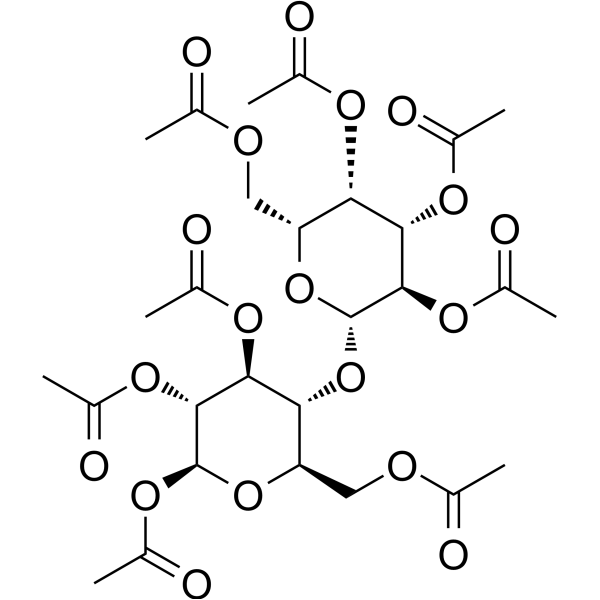
Lactose octaacetate shows mild to moderate antifungal activity against some fungi, but it has low or no activity against bacteria and yeast. Lactose octaacetate shows low cytotoxicity to MDBK cells, Hep-2 and MDCK cells. Lactose octaacetate has antiviral activity against PV-1 .
|
-
-
- HY-148309
-
|
|
Influenza Virus
|
Infection
|
|
Anti-Influenza agent 4 is a potent and selective influenza virus inhibitor with EC50s of 150 nM and 62 nM for strains A/Roma and A/Parma, respectively .
|
-
-
- HY-13727
-
|
BBR 2778 free base
|
Topoisomerase
|
Cancer
|
|
Pixantrone (BBR 2778 (free base)), a mitoxantrone analog, is a topoisomerase II inhibitor and DNA intercalator, with anti-tumor activity.
|
-
-
- HY-147974
-
|
|
HSP
Influenza Virus
|
Infection
|
|
HSP90-IN-14 (compound 4) is a potent Hsp90 (heat shock protein 90) inhibitor, with a Kd of 0.26 μM. HSP90-IN-14 shows anti-influenza virus activity in MDCK cells, with EC50 values of 2.6, 3.9, and 17 μM for influenza A/H3N2, A/H1N1, and B, respectively .
|
-
-
- HY-156207
-
|
AdaGb3; Adamantyl Gb3; C2 Adamantanyl Ceramide Trihexoside (d18:1/2:0)
|
P-glycoprotein
|
Cancer
|
|
C2 Adamantanyl globotriaosylceramide (d18:1/2:0) (AdaGb3), a water-soluble globotriaosylceramide analog, is a bioactive sphingolipid. C2 Adamantanyl globotriaosylceramide (d18:1/2:0) reverses MDR1-MDCK cell drug resistance. C2 Adamantanyl globotriaosylceramide (d18:1/2:0) has high affinity for verotoxin (VT) .
|
-
-
- HY-N15215
-
|
|
Enterovirus
Influenza Virus
RSV
HSV
|
Infection
Cancer
|
|
Antiviral agent 64 (Compound 12) is a diarylheptanoid that can be isolated from Alpinia officinarum. Antiviral agent 64 exhibits cytotoxicity in human neuroblastoma cell IMR-32 with an IC50 of 0.23 μM. Antiviral agent 64 exhibits antiviral efficacy, that inhibits RSV, poliovirus, measles virus, HSV-1, and influenza virus H1N1, with EC50 of 13.3, 3.7, 6.3, 5.7, and <10 μg/mL, respectively .
|
-
-
- HY-13727B
-
|
BBR 2778 hydrochloride
|
Topoisomerase
|
Cancer
|
|
Pixantrone (BBR 2778 (free base)) hydrochloride, a mitoxantrone analog, is a topoisomerase II inhibitor and DNA intercalator, with anti-tumor activity .
|
-
-
- HY-152078
-
|
|
Influenza Virus
|
Infection
|
|
Influenza virus-IN-6 (Compound 35) is a potent influenza N-terminal domain of the polymerase acidic protein subunit (PAN) endonuclease inhibitor with an IC50 of 0.20 μM .
|
-
-
- HY-N17236
-
|
|
β-glucuronidase
Influenza Virus
RSV
|
Infection
|
|
Foryshiyanine A is a triterpenoid alkaloid. Foryshiyanine A possesses anti-inflammatory activity, inhibiting the release of β-glucuronidase from rat polymorphonuclear leukocytes. Foryshiyanine A exhibits antiviral activity, with an EC50 of 4.5 μM against respiratory syncytial virus (RSV) and an IC50 of 7.3 μM against influenza A virus (H1N1). Foryshiyanine A reduces viral load by disrupting viral replication and entry. Foryshiyanine A may be used for the researches of inflammation and infection .
|
-
-
- HY-174312
-
|
|
NOD-like Receptor (NLR)
Pyroptosis
Caspase
Interleukin Related
|
Inflammation/Immunology
|
|
NLRP3-IN-81 (N102) is a BBB-penetrable inhibitor against NLRP3 inflammasome-dependent pyroptosis with an EC50 of 0.029 μM against cell pyroptosis induced by Nigericin (HY-127019). NLRP3-IN-81 potently inhibits NLRP3-dependent activation of caspase-1 and the release of IL-1β. NLRP3-IN-81 disturbs the interaction of NLRP3 with the adaptor protein ASC and inhibits ASC oligomerization. NLRP3-IN-81 can be used for pyroptosis-related diseases research, such as inflammatory bowel diseases and type 2 diabetes .
|
-
-
- HY-145586A
-
|
ZSP1273 monohydrate
|
Influenza Virus
DNA/RNA Synthesis
|
Infection
|
|
Onradivir (ZSP1273) monohydrate is an orally active antiviral agent targeting influenza A virus RNA polymerase PB2 subunit with an IC50 of 0.562 nM. Onradivir monohydrate inhibits cap binding to influenza A virus RNA polymerase PB2 subunit, suppresses viral replication, reduces viral titres and RNA loads, and inhibits influenza A virus infection. Onradivir monohydrate maintains high survival rates in influenza A virus-infected mice, and reduces influenza A virus titers in a murine model. Onradivir monohydrate can be used for the research of influenza A virus infection .
|
-
-
- HY-120885
-
|
|
Ras
|
Cancer
|
|
(+)-Oxanthromicin (Compound 1) mislocalizes the oncogenic mutant K-Ras from the plasma membrane of intact Madin-Darby canine kidney (MDCK) cells, and exhibits thereby antitumor efficacy .
|
-
-
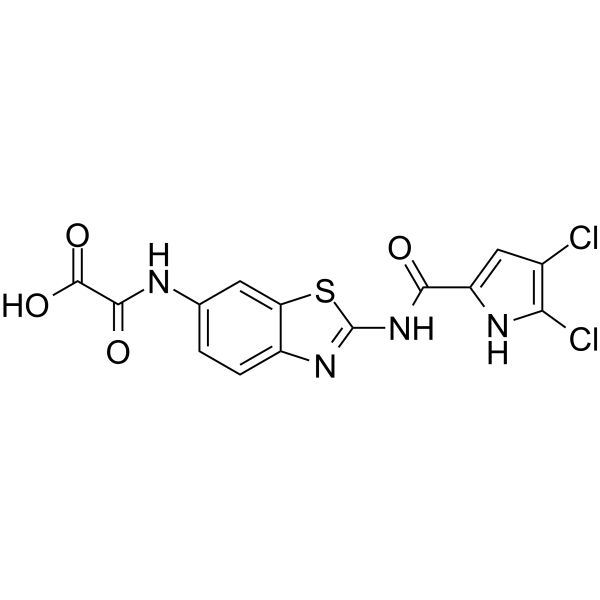
- HY-137971
-
|
|
Ras
|
Cancer
|
|
(±)-Spiro-oxanthromicin A (Compound 4), a polyketide, is a K-Ras inhibitor with an IC50 of 26.7 μM. (±)-Spiro-oxanthromicin A can be isolated from soil-derived Streptomyces sp. (±)-Spiro-oxanthromicin A can mislocalize oncogenic mutant K-Ras from the plasma membrane of intact MDCK cells. (±)-Spiro-oxanthromicin A can be used for cancers research .
|
-
-
- HY-174431
-
|
|
Endonuclease
Influenza Virus
|
Infection
|
|
PAN endonuclease-IN-3 is a potent PAN endonuclease inhibitor that against influenza virus polymerase complexes with an IC50 of 17.4 nM. PAN endonuclease-IN-3 demonstrates potent inhibitory activities against PAN endonuclease. PAN endonuclease-IN-3 demonstrates robust antiviral activities against multiple current and different influenza virus strains while showing minimal cytotoxicity in MDCK cells. PAN endonuclease-IN-3 significantly suppresses viral replication in an A/WSN/33 infected mouse model.
|
-
-
- HY-W082856A
-
|
|
BCRP
|
Cancer
|
|
Butein tetramethyl ether (Compound 20) is a potent and selective breast cancer resistance protein/ATP-binding cassette subfamily G member 2 (BCRP/ABCG2) inhibitor. Butein tetramethyl ether has inhibitory potencies against MCF-7 MX and MDCK BCRP cells with IC50 values of 2.2 and 1.03 μM, respectively. Butein tetramethyl ether is promising for research of cancers .
|
-
-
- HY-105395
-
|
|
Influenza Virus
|
Infection
|
|
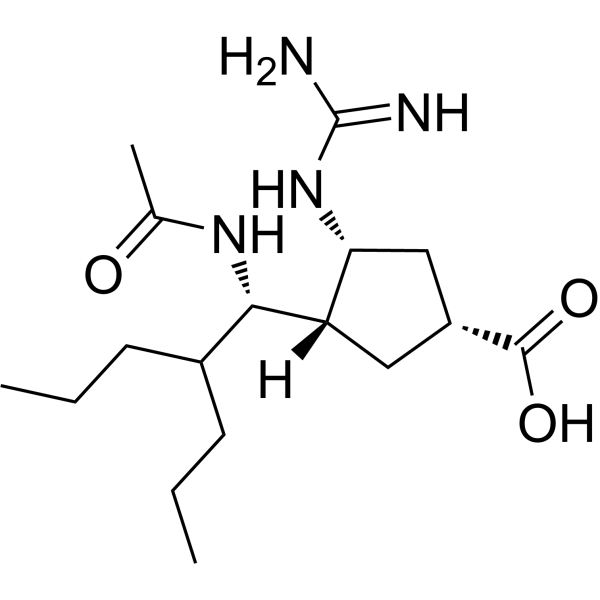
BCX-1898, a cyclopentane derivative, is an orally active and selective influenza virus neuraminidase inhibitor. BCX-1898 has antiviral activity with EC50s of <0.01-21 μM on influenza A (H1N1, H3N2, and H5N1) and influenza B viruses replication in MDCK cells. BCX-1898 shows protection against the mouse influenza model .
|
-
-
- HY-N9019
-
|
|
Influenza Virus
|
Infection
|
|
1,4-Epidioxybisabola-2,10-dien-9-one is a 1,4-epidioxy-bisabola-2,12-diene derivate, which can be isolated from Curcuma longa L. 1,4-Epidioxybisabola-2,10-dien-9-one exhibits antiviral activity against influenza virus A/PR/8/34 (H1N1) in the MDCK cell line with an IC50 of 16.79 ± 4.03 μg/mL .
|
-
-
- HY-147881
-
|
|
Influenza Virus
|
Infection
|
|
Anti-Influenza agent 3 (compound 11h) is a potent anti-influenza agent with EC50 values of 3.29, 2.45 µM for A/HK/68 (H3N2, M2-WT), A/WSN/33 (H1N1, M2-S31N) strain, respectively. Anti-Influenza agent 3 shows low cytotoxicity for MDCK epithelial cells. Anti-Influenza agent 3 inhibits the M2 WT and S31N ion channel conductivity .
|
-
-
- HY-158881
-
-
-
- HY-N14265
-
|
|
Influenza Virus
|
Infection
|
|
Kistamicin B has antiviral effect, and its ID50s against influenza virus MDCK cells and herpes simplex virus are respectively 1.8 μg/mL and 30 μg/mL .
|
-
-
- HY-144668
-
|
|
DNA/RNA Synthesis
Influenza Virus
|
Infection
|
|
RdRP-IN-4 (compound 11q), an aryl benzoyl hydrazide analog, is an orally active influenza A virus RNA-dependent RNA polymerase (RdRp) inhibitor by interacting with the PB1 subunit. RdRP-IN-4 exhibits potent inhibitory activity against the avian H5N1 flu strain with an EC50 of 18 nM in MDCK cells. RdRP-IN-4 displays excellent potency against the the H1N1 (A/PR/8/34) Flu A strain and Flu B strain (B/Lee/1940) with EC50 values of 53 nM and 20 nM, respectively. RdRP-IN-4 significantly inhibits the expression level of viral nucleoprotein (NP) in a dose-dependent manner. RdRP-IN-4 exhibits significant antiviral activity in infected mice .
|
-
-
- HY-119724
-
|
|
BCRP
|
Cancer
|
|
ABCG2-IN-3 (Compound 52) is a selective inhibitor for breast cancer resistance protein (ABCG2), with an IC50 of 0.238 µM. ABCG2-IN-3 reverses the ABCG2-mediated resistance toward SN-38 and inhibit the ATPase activity .
|
-
-
- HY-169194
-
|
|
Parasite
|
Infection
|
|
Antimalarial agent 44 (Compound 3) is an antimalarial agent against parasite. Antimalarial agent 44 has a good permeability across MDCK-MDR1 cell monolayers and a high clearance by mouse liver microsomes .
|
-
-
- HY-N14264
-
|
|
Influenza Virus
Bacterial
|
Infection
|
|
Kistamicin A has antiviral effect, and its ID50s against influenza virus MDCK cells and herpes simplex virus are respectively 3.6 μg/mL and 44 μg/mL. Kistamicin A also has anti-Gram-positive bacterial effects .
|
-
-
- HY-161820
-
|
|
Influenza Virus
|
Infection
|
|
IAV-IN-3 (Compound (R,S)-16s) is an anti-influenza A virus (IAV) agent (EC50 = 0.134 μM) with weak cytotoxicity (CC50 = 15.35 μM for MDCK cells). IAV-IN-3 inhibits IAV polymerase with an IC50 of 0.045 μM .
|
-
- HY-N10604
-
-
- HY-13646B
-
|
HM30181 hydrochloride; HM30181A hydrochloride
|
P-glycoprotein
|
Others
|
|
Encequidar hydrochloride (HM30181 hydrochloride) is an oral P-glycoprotein (P-gp) inhibitor with the activity of enhancing the oral bioavailability of P-gp substrate drugs. Encequidar shows the highest potency among various MDR1 inhibitors, with IC50=0.63nM. Encequidar effectively blocks the transepithelial transport of paclitaxel in MDCK monolayer cells, with IC50=35.4nM .
|
-
- HY-155152
-
|
|
P-glycoprotein
BCRP
|
Cancer
|
|
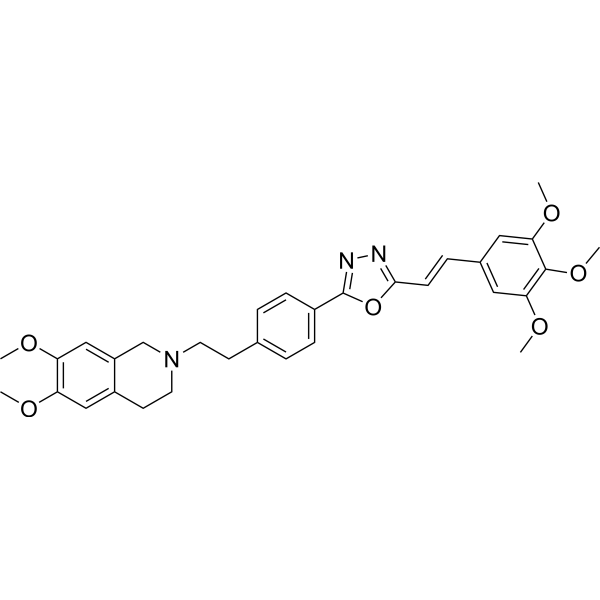
P-gp/BCRP-IN-2 (compound 15) is an oxadiazole derivative and a dual inhibitor of the ABC transporter P-glycoprotein (IC50: 1.6 nM) and BCRP (IC50: 600 nM). P-gp/BCRP-IN-2 also enhances the anti-proliferative effects of Doxorubicin (HY-15142A) in drug-resistant human adenocarcinoma colon cancer cell lines HT29/DX and MDCK-MDR1 cells .
|
-
- HY-147748
-
|
|
COX
|
Inflammation/Immunology
|
|
COX-2-IN-17 (compound 10) is a potent and BBB-penetrated COX-2 (cyclooxygenase-2) inhibitor, with an IC50 of 0.02 μM. COX-2-IN-17 shows anti-inflammatory and analgesic activities. COX-2-IN-17 attenuates hyperalgesia in the neurogenic phase as well as the inflammatory phase .
|
-
- HY-153570
-
|
|
Influenza Virus
|
Infection
|
|
Influenza virus-IN-7 (Example 16) is an orally active cap-dependent endonuclease inhibitor that can be used for the research of influenza viral infectious diseases .
|
-
- HY-N15302
-
|
|
Influenza Virus
|
Infection
|
|
Ostamycin A is a cyclic diterpene with antiviral activity. Ostamycin A inhibits the replication of influenza A virus by targeting the nucleoprotein, with an IC50 of 4.72 μM .
|
-
- HY-120690
-
|
|
Influenza Virus
|
Infection
|
|
RO5464466 is an hemagglutinin (HA) inhibitor of influenza H1N1 viruses. RO5464466 inhibits HA-mediated hemolysis of chicken erythrocytes with the IC50 of 0.29 μM .
|
-
- HY-143493
-
|
|
Influenza Virus
|
Inflammation/Immunology
|
|
Influenza virus-IN-2 (compound 19) is a potent influenza virus inhibitor with an EC50 of 2.58 µM and CC50 of 150.85 µM. Influenza virus-IN-2 shows a concentration dependent inhibition activity for PAN endonuclease with EC50 of 489.39 nM. Influenza virus-IN-2 shows shows anti-influenza A virus activities .
|
-
- HY-143492
-
|
|
Influenza Virus
|
Inflammation/Immunology
|
|
Influenza virus-IN-1 (compound 14) is a potent influenza A virus inhibitor with an EC50 of 2.46 µM and CC50 of >200 µM. Influenza virus-IN-1 shows a concentration dependent inhibition activity for PAN endonuclease with EC50 of 312.36 nM. Influenza virus-IN-1 shows shows anti-influenza A virus activities .
|
-
- HY-163364
-
|
|
Influenza Virus
|
Infection
|
|
DS-22-inf-021 is a neuraminidase (NA) inhibitor. DS-22-inf-021 has antiviral activity against influenza viruses .
|
-
- HY-173598
-
|
|
Bacterial
|
Infection
|
|
T3SS-1-IN-1 (Compound C26) is a T3SS-1 inhibitor. T3SS-1-IN-1 inhibits the secretion of SipA and the activity of HilD (IC50 values are 29.2 and 16.9 μM, respectively). T3SS-1-IN-1 can be used for the study of anti-virulence of Salmonella .
|
-
- HY-162812
-
|
|
Apoptosis
Cholinesterase (ChE)
Tau Protein
Ferroptosis
Histamine Receptor
|
Neurological Disease
|
|
H3R antagonist 4 (compound 11L) was a dual inhibitor of cholinesterase and histamine receptor (H3R), with corresponding IC50 of 7.04 μM (eeAChE), 9.73 μM (hAChE)(reversible) and 1.09 nM (H3R) , respectively. H3R antagonist 4 inhibited the aggregation of Aβ1-42 induced by itself and Cu 2+ (95.48% and 88.63%) , and degraded the Aβ1-42 fibrils induced by itself and Cu 2+ (80.16% and 89.30%) . H3R antagonist 4 chelate biometals such as Cu 2+, Zn 2+, Al 3+, and Fe 2+. H3R antagonist 4 significantly reduced tau protein hyperphosphorylation induced by Aβ1-42 and inhibited RSL-3-induced apoptosis and ferroptosis in PC12 cells. H3R antagonist 4 had the best blood-brain barrier permeability and intestinal absorption in hCMEC/D3 and hPepT1-MDCK cells.H3R antagonist 4 ameliorates learning and memory impairment in a mouse model of Alzheimer's disease induced by scopolamine (HY-N0296) .
|
-
- HY-155731
-
|
|
Influenza Virus
|
Infection
|
|
Antiviral agent 35 (compound 4d) is an orally active and potent influenza virus inhibitor, acting function in the early stage of virus replication. Antiviral agent 35 inhibits ROS accumulation, autophagy and apoptosis induced by influenza virus, and also inhibits inflammatory response mediated by RIG-1 pathway in mouse model with pulmonary infection. Antiviral agent 35 shows little cytotoxicity with CC50 >800 μM in MDCK cells, and anti-H1N1 (A/Weiss/43) activity with EC50 of 2.28 μM .
|
-
- HY-116392G
-
|
|
Glucosylceramide Synthase (GCS)
|
Others
|
|
D,L-erythro-PDMP is an erythro isomer of PDMP. D,L-erythro-PDMP causes growth inhibition of cultured rabbit skin fibroblasts. PDMP is an effective inhibitor of UDP-glucose:ceramide glucosyltransferase .
|
-
- HY-161983
-
|
|
Influenza Virus
|
Infection
|
|
Neuraminidase-IN-22 (compound 3e) is a potent, selective and orally active neuraminidase inhibitor with an IC50 value of 0.03 µM. Neuraminidase shows cytotoxicity and anti-influenza A virus activity .
|
-
- HY-13727AR
-
|
BBR 2778 (Standard)
|
Reference Standards
Topoisomerase
|
Cancer
|
|
Pixantrone (Standard) is the analytical standard of Pixantrone. This product is intended for research and analytical applications. Pixantrone (BBR 2778) dimaleate is a topoisomerase II inhibitor and DNA intercalator, with anti-tumor activity.
|
-
- HY-162606
-
|
|
Monoamine Oxidase
Cholinesterase (ChE)
|
Neurological Disease
|
|
MAO-A/B-IN-3 (Compound 12) stands out as a key dual MAO-AChE inhibitor, displaying excellent multi-target efficacy against MAO-A, MAO-B, and AChE with IC50 values of 67 nM, 29 nM, and 1370 nM respectively. MAO-A/B-IN-3 is adept at altering the A site (hydrophobic ring) and C site (semicarbazone chain) within ketone amine-based MTDLs to bolster the inhibitory potential against MAO-A/B while notably diminishing activity against AChE. MAO-A/B-IN-3 is poised for research applications in the field of neurodegenerative diseases .
|
-
- HY-147758
-
|
|
Beta-secretase
Amyloid-β
|
Neurological Disease
|
|
BACE1/2-IN-1 (compound 34) is a potent BACE1 and BACE2 inhibitor, with an IC50 of 0.01 and 0.0053 μM, respectively. BACE1/2-IN-1 shows a combination of lower Pgp efflux ratio and improved passive permeability. BACE1/2-IN-1 displays reduced liver microsomal metabolic stability .
|
-
- HY-175808
-
|
|
Influenza Virus
|
Infection
|
|
VF-57a (Compound 23) is an Influenza A virus (IAV) fusion inhibitor. VF-57 has potent antiviral activities against authentic A/H1N1 virus with EC50s of 0.92 and 0.31 μM for the A/H1N1 PR8 and A/H1N1 Virg09 strains, respectively. VF-57 significantly inhibits HA-mediated cell entry of A/H1N1- and A/H5N1-pseudoviruses, prevents the HA refolding at pH 5.2. VF-57a can be used for IAV infections research .
|
-
- HY-161524
-
|
|
HDAC
|
Cancer
|
|
HDAC6-IN-43 (compound 26) is a potent HDAC inhibitor. HDAC6-IN-43 effectively inhibits several HDACs, notably HDAC1, HDAC2, and HDAC6 (IC50 < 150 nM), displaying a particularly high sensitivity towards HDAC6 (IC50 = 11 nM). HDAC6-IN-43 can be used for the research of autosomal dominant polycystic kidney disease (ADPKD) .
|
-
- HY-162701
-
|
|
SARS-CoV
Influenza Virus
RSV
HSV
|
Infection
|
|
Antiviral agent 58 (Compound J1) is an orally active antiviral agent with broad-spectrum antiviral activity against enveloped viruses, including influenza A virus (IAV), respiratory syncytial virus (RSV), severe acute respiratory syndrome coronavirus 2 (SARS-CoV-2), human coronavirus OC43 (HCoV-OC43), herpes simplex virus type 1 (HSV-1), and HSV-2 .
|
-
- HY-149088
-
|
|
Influenza Virus
|
Infection
|
|
Neuraminidase-IN-16 (Compound 43b) is a potent neuraminidase inhibitor with IC50s of 0.031, 0.15, 0.25, 0.60, 0.63 and 10.08 μM against neuraminidase of H5N1, H5N8, H1N1, H3N2, H5N1-H274Y and H1N1-H274Y, respectively .
|
-
- HY-B1589
-
|
|
Histamine Receptor
|
Infection
Inflammation/Immunology
|
|
(±)-Carbinoxamine is a blood-brain barrier-permeable histamine H1 receptor antagonist. (±)-Carbinoxamine blocks the action of histamine on H1 receptors, reducing symptoms such as sneezing, rhinitis, rhinorrhea, erythema, pruritus and urticaria. (±)-Carbinoxamine inhibits influenza virus entry into cells via endocytosis, targets the early stage of the viral life cycle, and simultaneously reduces viral replication levels in the lungs, alleviating pathological damage and inflammatory responses in lung tissues. (±)-Carbinoxamine can be used in research on allergic rhinitis, influenza, etc.
|
-
- HY-153510
-
|
|
HIF/HIF Prolyl-Hydroxylase
|
Neurological Disease
Inflammation/Immunology
|
|
PHD-1-IN-2 is an orally active inhibitor of hypoxia-inducible factor prolyl hydroxylase domain 1 (PHD-1) with an IC50 of 0.07 μM. PHD-1-IN-2 acts as a substrate of MDR1 in MDR1-MDCK cell monolayer assays. PHD-1-IN-2 can be used in the research of ischemia, inflammatory responses and neurodegenerative diseases, such as inflammatory bowel disease and ischemia-reperfusion injury .
|
-
- HY-118083
-
|
MRS923
|
BCRP
|
Cancer
|
|
Pentamethoxymorin (MRS923) is a selective breast cancer resistance protein (BCRP/ABCG2) inhibitor. Pentamethoxymorin shows selectivity for BCRP over P-gp and MRP1. Pentamethoxymorin inhibits MDCK BCRP cells with IC50 vaues of 5.98 μM and 5.94 μM in Hoechst 33342 (HY-15559) assay and Pheophorbide A (HY-125665) assay, respectively. Pentamethoxymorin can be used for the study of ccancer .
|
-
- HY-183247
-
|
|
Epigenetic Reader Domain
|
Cancer
|
|
BRDT-IN-1 is a BRDT-BD1 and BRDT-T inhibitor with BRDT-BD1 IC50 19 nM, Ki 8.8 nM, Ka 1.6 nM, and BRDT-T IC50 56 nM, Ka 5.0 nM. BRDT-IN-1 displays in vitro metabolic stability and limited cellular permeability in MDCK-MDR1 cells. BRDT-IN-1 can be used for the research of multiple myeloma .
|
-
- HY-183548
-
|
|
PARP
|
Inflammation/Immunology
|
|
XW-17 is a PARP14 inhibitor with an IC50 of 3.03 nM and selectivity over other PARP family members.XW-17 suppresses PARP14-mediated mono-ADP-ribosylation, engages and stabilizes endogenous PARP14 protein.XW-17 attenuates skin lesions and decreases expression of IL-4, IL-13, IgE, and IL-17A in an atopic dermatitis-like mouse model.XW-17 can be used for the research of atopic dermatitis .
|
-
- HY-183637
-
-
- HY-N9628
-
|
|
Adrenergic Receptor
|
Neurological Disease
|
|
Polygalatenoside A is a noradrenaline reuptake inhibitor with an IC50 of 30.0 μM against human noradrenaline transporter. Polygalatenoside A can be used in the research of mental disorders .
|
-
- HY-183636
-
-
- HY-NP216
-
|
LecB
|
Integrin
Endogenous Metabolite
Bacterial
|
Infection
|
|
PA-IIL (LecB) is a lectin produced by Pseudomonas aeruginosa. PA-IIL binds to glycosylated β1-integrin, fucose-containing glycosphingolipids, fucosylated/mannosylated neutrophil glycoconjugates, and pre-formed neutrophil extracellular traps. PA-IIL disrupts host defenses: it creates favorable conditions for Pseudomonas aeruginosa infection and dissemination by modulating the bactericidal activity of neutrophils, impairing the trafficking and recruitment of immune cells, and compromising the repair capacity of epithelial barriers. PA-IIL can be used in studies related to Pseudomonas aeruginosa infection .
|
-
- HY-182429
-
|
|
Beta-secretase
Cathepsin
Amyloid-β
|
Neurological Disease
|
|
NB-533 is an orally active and brain-penetrant BACE-1 inhibitor with a human IC50 of 0.002 μM. NB-533 also inhibits human cathepsin D with an IC50 of 0.001 μM. NB-533 inhibits amyloidogenic amyloid precursor protein (APP) processing and reduces Aβ40 release. NB-533 reduces brain levels of APP metabolite C99 and Aβ40 in transgenic mice. NB-533 can be used for the research of Alzheimer’s disease .
|
-
- HY-105931
-
|
RS-82856
|
Phosphodiesterase (PDE)
|
Cardiovascular Disease
Endocrinology
|
|
Lixazinone (RS-82856) is a selective inhibitor of cGMP-inhibited phosphodiesterase (PDE3) with an IC50 value of 22 nM. Lixazinone exhibits positive inotropic effects, afterload reduction and antithrombotic properties. Lixazinone increases cyclic adenosine monophosphate (cAMP) levels in human platelets, inhibits thrombin-induced aggregation of human platelets, and blocks the photolabeling of PDE3 active sites by [ 32P]cGMP. Lixazinone can be used in the research of polycystic kidney disease and congestive heart failure .
|
-
- HY-186053
-
|
|
Parasite
|
Infection
|
|
Antimalarial agent 56 is an orally active antimalarial agent. Antimalarial agent 56 inhibits the growth of both drug-sensitive and drug-resistant Plasmodium falciparum strains in vitro. Antimalarial agent 56 can be used in malaria research .
|
-
- HY-134505
-
|
|
Ras
Phospholipase
ERK
Akt
|
Cancer
|
|
Avicin G is a sphingomyelinase inhibitor and plasma membrane disruptor. Avicin G inhibits the enzymatic activities of neutral sphingomyelinases (SMPD2/3) and acid sphingomyelinase (SMPD1), elevates intracellular sphingomyelin levels, and alters the distribution of sphingomyelin. Avicin G interferes with the lateral segregation of GTP- and GDP-bound H-Ras, inhibits the signal output of oncogenic K-Ras and H-Ras, reduces the phosphorylation of ERK and Akt, increases lysosomal pH, and inhibits the endocytic recycling of epidermal growth factor receptor. Avicin G can be used in research related to pancreatic ductal adenocarcinoma and non-small cell lung cancer .
|
-
- HY-181827
-
-
- HY-181691
-
|
|
JAK
Influenza Virus
|
Infection
|
JAK2-IN-20 is an orally active dual inhibitor targeting JAK2 kinase (IC50=49.17 nM) and influenza A virus PB2 protein (IC50=3.337 μM, Kd=2.82 μM). JAK2-IN-20 effectively blocks the JAK/STAT signaling pathway by reducing the phosphorylation levels of STAT1 and STAT3, thereby inhibiting viral replication and downregulating the expression of viral NP and PB2 proteins. In addition, JAK2-IN-20 significantly inhibits the mRNA expression of key inflammatory cytokines such as IL-6, TNF-α and IFN-β in inflammation and influenza infection models. JAK2-IN-20 serves as an important tool molecule for the study of influenza A virus infection and related pathologies .
|
-
- HY-182895
-
|
|
Influenza Virus
|
Infection
|
|
Influenza A virus-IN-19 (Compound (S)-63) is an orally active, selective Influenza A virus inhibitor with an EC50 of 0.44 μM. Influenza A virus-IN-19 exhibits moderate binding affinity to Hemagglutinin, with a Kd of 5.66 μM. Influenza A virus-IN-19 inhibits trypsin-mediated cleavage of HA0, blocks the early viral entry process, and suppresses the replication of Influenza A virus. Influenza A virus-IN-19 improves the survival rate of mice in lethal influenza models. Influenza A virus-IN-19 can be used in studies related to Influenza A virus infection .
|
-
- HY-181785
-
|
|
Influenza Virus
|
Infection
|
|
Influenza A virus-IN-18 (Compound C2e) is an orally active inhibitor of Influenza A virus (IC50: 2.5 μM against PR8/H1N1; 6.42 μM against H3N2). Influenza A virus-IN-18 binds directly to the H1N1/PR8 HA protein with high affinity, with a KD of 0.25 μM. Influenza A virus-IN-18 is applicable to research related to Influenza A virus infection .
|
-
- HY-206259
-
|
|
Glucosylceramide Synthase (GCS)
|
Metabolic Disease
|
|
CCG-203586 is a brain-penetrant glucosylceramide synthase (GCS) inhibitor. CCG-203586 reduces GCS production and brain levels, blocks the first committed step in ganglioside biosynthesis, and lowers downstream ganglioside levels. CCG-203586 can be used for the research of Tay-Sachs, Sandhoff disease, and types 2 and 3 Gaucher disease .
|
-
- HY-181913
-
|
|
Ras
ERK
|
Cancer
|
|
KRAS G12C-IN-76 (Compound 39) is an orally active KRAS G12C inhibitor. KRAS G12C-IN-76 inhibits the phosphorylation of ERK. KRAS G12C-IN-76 exhibits anticancer activity against pancreatic cancer .
|
-
- HY-181885
-
|
|
Influenza Virus
Drug Derivative
|
Infection
|
|
Antiviral agent 80 is a conjugate of Zanamivir (HY-13210) and Amantadine (HY-13317), acting as a dual inhibitor of influenza virus M2 ion channel/neuraminidase (NA). Antiviral agent 80 exhibits potent inhibitory activity against both wild-type and drug-resistant influenza neuraminidase mutants, with an IC50 value range of 1.50 nM to 120.4 nM. Antiviral agent 80 can be used in influenza-related research .
|
-
- HY-P992083
-
|
|
Influenza Virus
|
Infection
|
|
Anti-Influenza HA Antibody (CR9114) is an antibody against influenza virus hemagglutinin. Anti-Influenza HA Antibody (CR9114) binds to the conserved hemagglutinin (HA) stalk region of influenza A and B viruses, and mediates cross-subtype neutralization. Anti-Influenza HA Antibody (CR9114) is applicable for influenza-related research .
|
-
- HY-123599
-
|
|
DNA/RNA Synthesis
|
Cancer
|
|
IACS-4619 (compound 4) is a highly selective 2-aminopyrimidine-based MTH1 (MutT homolog 1) inhibitor (IC50=0.2 nM). IACS-4619 inhibits MTH1 by blocking its hydrolysis of oxidized purine nucleotides such as 8-oxo-dGTP, thereby preventing MTH1 from inhibiting the incorporation of oxidized nucleotides into DNA. IACS-4619 significantly inhibits endogenous MTH1 activity in MTH1-overexpressing U2OS cells, but without antiproliferative or cytotoxic effects on various human cancer and normal cell lines. IACS-4619 can be used in oncology research related to the MTH1 target .
|
-
- HY-117503
-
|
|
Influenza Virus
|
Infection
|
|
M2WJ332 is an inhibitor of the M2 proton channel of the influenza A virus M2 S31N mutant M2. M2WJ332 potently inhibits the influenza A virus A/M2-S31N proton channel in Xenopus laevis oocytes, with an IC50 of 16 μM. M2WJ332 completely inhibits plaque formation by the influenza A virus carrying the M2 S31N mutant. M2WJ332 is applicable to research related to influenza A virus infection .
|
-
| Cat. No. |
Product Name |
Type |
-
- HY-W008864
-
|
β-Octaacetyllactose
|
Biochemical Assay Reagents
|
|
Lactose octaacetate shows mild to moderate antifungal activity against some fungi, but it has low or no activity against bacteria and yeast. Lactose octaacetate shows low cytotoxicity to MDBK cells, Hep-2 and MDCK cells. Lactose octaacetate has antiviral activity against PV-1 .
|
-
- HY-NP216
-
|
LecB
|
Biochemical Assay Reagents
|
|
PA-IIL (LecB) is a lectin produced by Pseudomonas aeruginosa. PA-IIL binds to glycosylated β1-integrin, fucose-containing glycosphingolipids, fucosylated/mannosylated neutrophil glycoconjugates, and pre-formed neutrophil extracellular traps. PA-IIL disrupts host defenses: it creates favorable conditions for Pseudomonas aeruginosa infection and dissemination by modulating the bactericidal activity of neutrophils, impairing the trafficking and recruitment of immune cells, and compromising the repair capacity of epithelial barriers. PA-IIL can be used in studies related to Pseudomonas aeruginosa infection .
|
| Cat. No. |
Product Name |
Target |
Research Area |
-
- HY-P4079
-
-
- HY-P1837
-
|
|
Influenza Virus
HSV
|
Infection
|
|
Influenza HA (518-526) is an H-2d-restricted CTL epitope derived from influenza virus hemagglutinin. Influenza HA (518-526) is highly conserved across various H5N1, some H9N2, and H1N1 strains. Influenza HA (518-526) binds to the mouse MHC class I allele K d to form a complex, which is then recognized by specific CD8 + T cells. Influenza HA (518-526) is an immunodominant epitope in influenza-infected BALB/c mice, and it stimulates CD8 + T cells to secrete IFN-γ to induce a robust immune response. Currently, Influenza HA (518-526) is widely used in research related to respiratory syncytial virus (RSV), influenza virus, and H5N1 influenza .
|
-
- HY-134454
-
|
|
Prolyl Endopeptidase (PREP)
Parasite
|
Infection
|
|
Z-Pro-Pro-CHO is a potent inhibitor of prolyl oligopeptidase (POP), with extremely high affinity for human prolyl oligopeptidase (HsPOP) (IC50=0.012 μM), and it also effectively inhibits the activity of Schistosoma mansoni prolyl oligopeptidase (SmPOP) (IC50=0.16 μM). Z-Pro-Pro-CHO does not block the phosphorylation of ERK or the production of TNF-α or IFN-γ in immune cells from presensitized mice, nor does it induce harmful phenotypes in cultured Schistosoma mansoni schistosomula. Z-Pro-Pro-CHO only partially inhibits epithelial cell wound healing at extremely high concentrations. Z-Pro-Pro-CHO finds wide application in studies related to schistosomiasis .
|
-
- HY-K3002
-
|
|
|
DMEM/F-12 (Dulbecco's Modified Eagle Medium/Nutrient Mixture F-12) is a widely used basal medium for supporting the growth of many different mammalian cells. Cell successfully cultured in DMEM/F-12 include MDCK, glial cells, fibroblasts, human endothelial cells, etc. The 500 mL is defined as the base specification. All larger sizes correspond to incremental volumes of this base.
|
| Cat. No. |
Product Name |
Target |
Research Area |
Image |
-
- HY-P991446
-
|
|
Influenza Virus
|
Infection
|
|
MEDI-8852 is a human IgG1 monoclonal antibody against influenza A virus hemagglutinin (HA). MEDI-8852 binds to the conserved HA stalk epitope and neutralizes viral infectivity. MEDI-8852 reduces viral titers in mouse lung tissues. MEDI-8852 is applicable to research related to pandemic influenza . Recommended isotype control: Human IgG1 kappa, Isotype Control (HY-P99001).
|
-
(5)
-
- HY-P991059
-
|
|
Influenza Virus
|
Infection
|
|
VIS-410 is an antibody inhibitor targeting the stem region of hemagglutinin (HA). VIS-410 inhibits influenza virus replication by blocking HA-mediated membrane fusion. VIS-410 exhibits broad-spectrum neutralization against influenza A viruses with group 1 and group 2 hemagglutinins, including subtypes such as H1N1, H3N2, H5N1, and H7N9 (H5N1 IC50 = 1.5 μg/mL). VIS-410 is applicable to research related to influenza A virus infection .
|
-
(5)
-
- HY-P992083
-
|
|
Influenza Virus
|
Infection
|
|
Anti-Influenza HA Antibody (CR9114) is an antibody against influenza virus hemagglutinin. Anti-Influenza HA Antibody (CR9114) binds to the conserved hemagglutinin (HA) stalk region of influenza A and B viruses, and mediates cross-subtype neutralization. Anti-Influenza HA Antibody (CR9114) is applicable for influenza-related research .
|
-
(5)
| Cat. No. |
Product Name |
Category |
Target |
Chemical Structure |
-
- HY-B0892
-
-
-
- HY-N7922
-
|
Decarboxyellagic acid
|
Structural Classification
Canarium album (Lour.) Rauesch.
Phenols
Polyphenols
Plants
Burseraceae
Source Classification
|
Influenza Virus
p38 MAPK
EGFR
Akt
Reactive Oxygen Species (ROS)
Apoptosis
|
|
Urolithin M5 (Decarboxyellagic acid) is an orally active influenza virus neuraminidase inhibitor and neuroprotective agent, with IC50 values of 174.8 μM (HK68), 191.5 μM (pdm09), 243.2 μM (WSN) and 257.1 μM (PR8) against four influenza virus neuraminidases, respectively. Urolithin M5 inhibits viral neuraminidase activity, thereby blocking influenza virus replication (including oseltamivir (HY-13317)-resistant strains), protecting infected mammals from death and improving pulmonary edema. Urolithin M5 forms a hydrogen-bond stabilized complex with IGF1R, and binds to MAPK14, AKT1, NFKB1 and EGFR. Urolithin M5 reduces reactive oxygen species production, inhibits neuronal apoptosis, restores mitochondrial transmembrane potential, and promotes neurite outgrowth of damaged neuronal cells. Urolithin M5 can be used in research related to influenza virus infection and Alzheimer's disease .
|
-
-
- HY-N2057
-
-
-
- HY-N6786
-
-
-
- HY-N7719
-
-
-
- HY-N3286
-
-
-
- HY-W031757
-
-
-
- HY-B0892R
-
-
-
- HY-N15215
-
|
|
Structural Classification
Monophenols
Phenols
Alpinia officinarum Hance
Plants
Source Classification
Zingiberaceae
|
Enterovirus
Influenza Virus
RSV
HSV
|
|
Antiviral agent 64 (Compound 12) is a diarylheptanoid that can be isolated from Alpinia officinarum. Antiviral agent 64 exhibits cytotoxicity in human neuroblastoma cell IMR-32 with an IC50 of 0.23 μM. Antiviral agent 64 exhibits antiviral efficacy, that inhibits RSV, poliovirus, measles virus, HSV-1, and influenza virus H1N1, with EC50 of 13.3, 3.7, 6.3, 5.7, and <10 μg/mL, respectively .
|
-
-
- HY-N17236
-
-
-
- HY-120885
-
-
-
- HY-137971
-
|
|
Microorganisms
Ketones, Aldehydes, Acids
Source Classification
|
Ras
|
|
(±)-Spiro-oxanthromicin A (Compound 4), a polyketide, is a K-Ras inhibitor with an IC50 of 26.7 μM. (±)-Spiro-oxanthromicin A can be isolated from soil-derived Streptomyces sp. (±)-Spiro-oxanthromicin A can mislocalize oncogenic mutant K-Ras from the plasma membrane of intact MDCK cells. (±)-Spiro-oxanthromicin A can be used for cancers research .
|
-
-
- HY-N9019
-
-
-
- HY-N14265
-
-
-
- HY-N14264
-
-
-
- HY-N10604
-
-
-
- HY-N15302
-
-
-
- HY-N9628
-
-
-
- HY-134505
-
|
|
Structural Classification
Acacia victoriae Benth.
Terpenoids
Plants
Pentacyclic Triterpenoids
Fabaceae
Source Classification
|
Ras
Phospholipase
ERK
Akt
|
|
Avicin G is a sphingomyelinase inhibitor and plasma membrane disruptor. Avicin G inhibits the enzymatic activities of neutral sphingomyelinases (SMPD2/3) and acid sphingomyelinase (SMPD1), elevates intracellular sphingomyelin levels, and alters the distribution of sphingomyelin. Avicin G interferes with the lateral segregation of GTP- and GDP-bound H-Ras, inhibits the signal output of oncogenic K-Ras and H-Ras, reduces the phosphorylation of ERK and Akt, increases lysosomal pH, and inhibits the endocytic recycling of epidermal growth factor receptor. Avicin G can be used in research related to pancreatic ductal adenocarcinoma and non-small cell lung cancer .
|
-
| Cat. No. |
Compare |
Product Name |
Species |
Source |
Image |
Compare Products
|
| Products |
|
| Cat. No. |
|
| Species |
|
| Source |
|
| Tag |
|
| Accession |
|
| Gene ID |
|
| Molecular Weight |
|
| Purity |
|
| Endotoxin Level |
|
| Biological Activity |
|
| Appearance |
|
| Formulation |
|
| Storage & Stability |
|
| Shipping |
|
| Free Sample |
Yes
No
|
| Size |
* This product has been "discontinued".
Optimized version of product available:
|
| Cat. No. |
Product Name |
|
Classification |
-
- HY-B0892
-
|
Benzenemethanol
|
|
Preservatives
Solvents
|
|
Benzyl alcohol is an aromatic alcohol, a colorless liquid with a mild aromatic odor. Benzyl alcohol is an inhibitor of P450 enzyme. Benzyl alcohol mediated Toll-Like Receptor 4 to reduce the inflammatory response of liver injury in mice .
|
Your information is safe with us. * Required Fields.
Inquiry Information
- Product Name:
- Cat. No.:
- Quantity:
- MCE Japan Authorized Agent:

