
1. Search Result
Search Result
Results for "

MEK1/2

" in MedChemExpress (MCE) Product Catalog:

47

Inhibitors & Agonists

3

Peptides

7

Natural
Products

3

Isotope-Labeled Compounds

4

Antibodies

Targets Recommended:
Cat. No. Product Name Target Research Areas Chemical Structure
  • HY-50706
    Selumetinib
    Maximum Cited Publications
    90 Publications Verification

    AZD6244; ARRY-142886

    MEK Apoptosis Neurological Disease Metabolic Disease Inflammation/Immunology Cancer
    Selumetinib (AZD6244) is selective, non-ATP-competitive oral MEK1/2 inhibitor, with an IC50 of 14 nM for MEK1. Selumetinib (AZD6244) inhibits ERK1/2 phosphorylation. Selumetinib can penetrate the blood brain barrier (BBB) [1] .
    Selumetinib
  • HY-15202
    Binimetinib
    45+ Cited Publications

    MEK162; ARRY-162; ARRY-438162

    MEK Autophagy Cancer
    Binimetinib (MEK162) is an oral and selective MEK1/2 inhibitor. Binimetinib (MEK162) inhibits MEK with an IC50 of 12 nM.
    Binimetinib
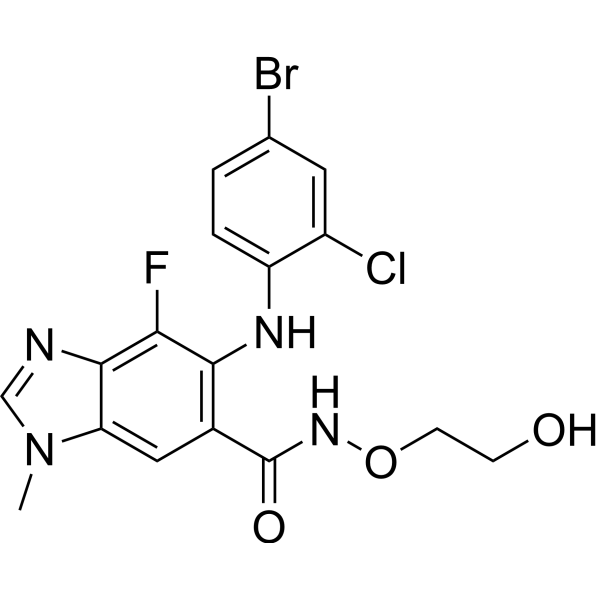
  • HY-132844

    HL-085

    MEK Cancer
    Tunlametinib is a highly selective, orally active MEK1/2 inhibitor (IC50=1.9 nM, MEK1). Tunlametinib blocks the RAS-RAF-MEK-ERK signaling pathway, arrests tumor cell cycle and promotes apoptosis. Tunlametinib potently inhibits the proliferation of RAS/RAF mutant cancer cells (such as BRAF V600E, KRAS G12C mutant cells). Tunlametinib shows synergistic anti-tumor effects with BRAF/KRASG12C/SHP2 inhibitors, Docetaxel (HY-B0011). Tunlametinib can be used to study targeted therapy for RAS/RAF mutation-driven malignancies (such as melanoma, colorectal cancer, and non-small cell lung cancer) [1] .
    Tunlametinib
  • HY-12042
    Pimasertib
    5+ Cited Publications

    AS703026; MSC1936369B

    MEK Cancer
    Pimasertib (AS703026) is a highly selective, ATP non-competitive allosteric orally available MEK1/2 inhibitor [1] .
    Pimasertib
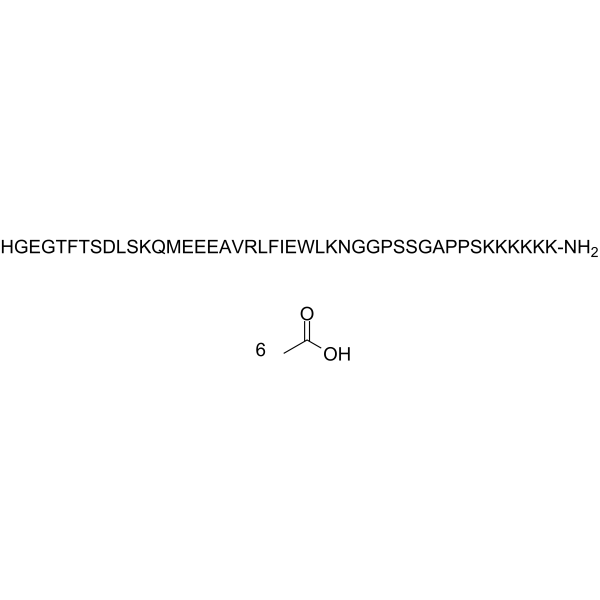
  • HY-P0119
    Lixisenatide
    2 Publications Verification

    GLP Receptor Akt MEK Apoptosis Reactive Oxygen Species (ROS) MMP Cardiovascular Disease Neurological Disease Metabolic Disease Inflammation/Immunology
    Lixisenatide is a glucagon-like peptide-1 (GLP-1) receptor agonist. Lixisenatide inhibits the inflammatory response through down regulation of pro-inflammatory cytokines, and suppresses of the Akt-MEK1/2 signaling pathway. Lixisenatide can inhibit oxidative stress, mitochondrial dysfunction and apoptosis. Lixisenatide can be used for the researches of inflammation, metabolic disease, neurological disease and cardiovascular disease, such as rheumatoid arthritis, diabetes, Alzheimer's disease and atherosclerosis [1] .
    Lixisenatide
  • HY-13425
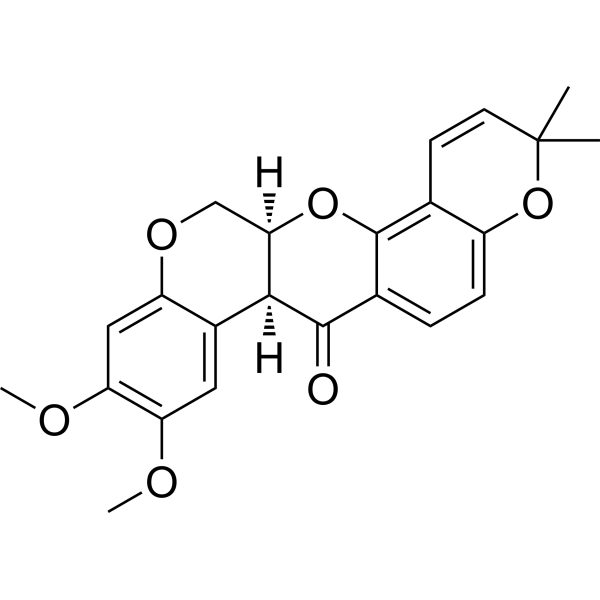
    Deguelin
    Maximum Cited Publications
    15 Publications Verification

    (-)-Deguelin; (-)-cis-Deguelin

    Akt Autophagy Apoptosis Cancer
    Deguelin, a naturally occurring rotenoid, acts as a chemopreventive agent by blocking multiple pathways like PI3K-Akt, IKK-NF-κB, and MAPK-mTOR-survivin-mediated apoptosis. Deguelin binding to Hsp90 leads to a decreased expression of numerous oncogenic proteins, including MEK1/2, Akt, HIF1α, COX-2, and NF-κB.
    Deguelin
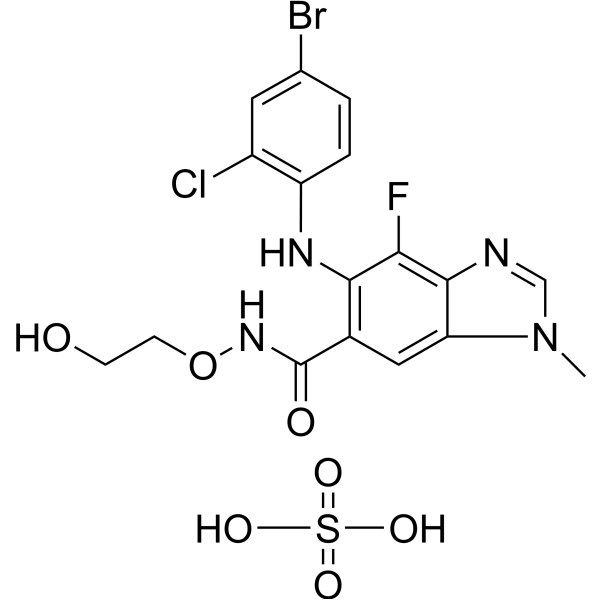
  • HY-50706A
    Selumetinib sulfate
    Maximum Cited Publications
    90 Publications Verification

    AZD6244 sulfate; ARRY-142886 sulfate

    MEK Apoptosis Neurological Disease Metabolic Disease Inflammation/Immunology Cancer
    Selumetinib (AZD6244) sulfate is selective, non-ATP-competitive oral MEK1/2 inhibitor, with an IC50 of 14 nM for MEK1. Selumetinib (AZD6244) sulfate inhibits ERK1/2 phosphorylation. Selumetinib sulfate can penetrate the blood brain barrier (BBB) [1] .
    Selumetinib sulfate
  • HY-N0226A
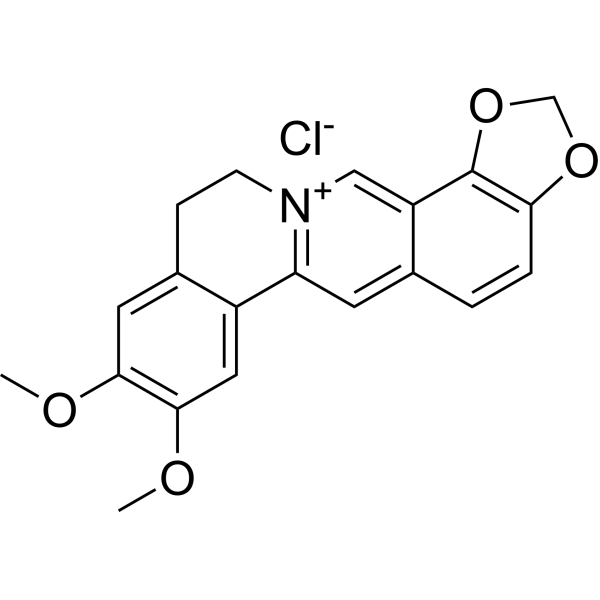
    Epiberberine chloride
    4 Publications Verification

    Cholinesterase (ChE) Beta-secretase Reactive Oxygen Species (ROS) Neurological Disease Metabolic Disease
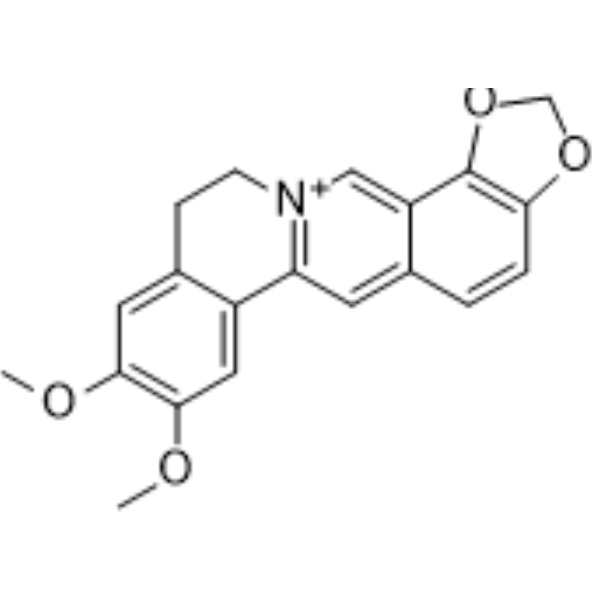
    Epiberberine chloride is an alkaloid isolated from Coptis chinensis, acts as a potent AChE and BChE inhibitor, and a non-competitive BACE1 inhibitor, with IC50s of 1.07, 6.03 and 8.55 μM, respectively. Epiberberine chloride has antioxidant activity, with peroxynitrite ONOO - scavenging effect (IC50, 16.83 μM), and may protect against Alzheimer disease [1]. Epiberberine chloride inhibits the early stage of differentiation of 3T3-L1 preadipocytes, downregulates the Raf/MEK1/2/ERK1/2 and AMPKα/Akt pathways . Epiberberine has the potential effect in the research of diabetic disease .
    Epiberberine chloride
  • HY-N0226

    Cholinesterase (ChE) Beta-secretase Neurological Disease Metabolic Disease
    Epiberberine is an alkaloid isolated from Coptis chinensis, acts as a potent AChE and BChE inhibitor, and a non-competitive BACE1 inhibitor, with IC50s of 1.07, 6.03 and 8.55 μM, respectively. Epiberberine has antioxidant activity, with peroxynitrite ONOO - scavenging effect (IC50, 16.83 μM), and can be used for the research of Alzheimer disease [1]. Epiberberine inhibits the early stage of differentiation of 3T3-L1 preadipocytes, downregulates the Raf/MEK1/2/ERK1/2 and AMPKα/Akt pathways . Epiberberinecan be used for the research of diabetic disease .
    Epiberberine
  • HY-B0023
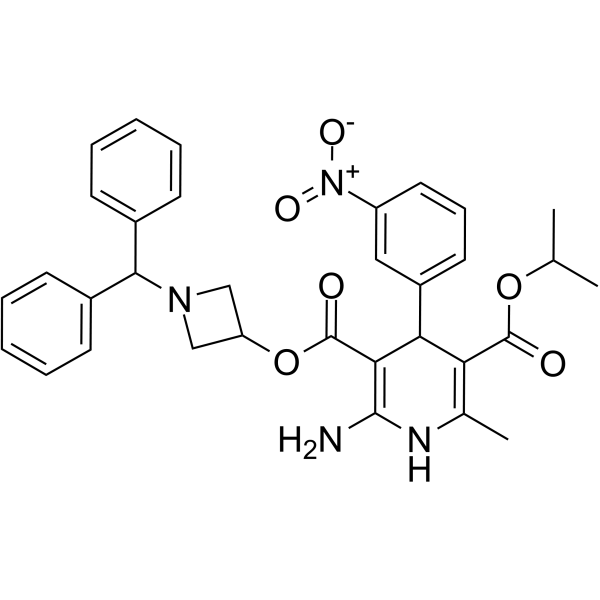
    Azelnidipine
    3 Publications Verification

    CS 905

    Calcium Channel MEK Cardiovascular Disease Neurological Disease Inflammation/Immunology Cancer
    Azelnidipine (CS 905) is a dihydropyridine calcium channel blocker that is effective orally. Azelnidipine inhibits the intracellular calcium ion flow and lower blood pressure by selectively blocking L-type calcium channel on the membrane of vascular smooth muscle. Azelnidipine inhibits esophageal squamous cell carcinoma proliferation by targeting MEK1/2. Azelnidipine also has anti-inflammatory, antioxidant and neuroprotective effects [1] .
    Azelnidipine
  • HY-12062
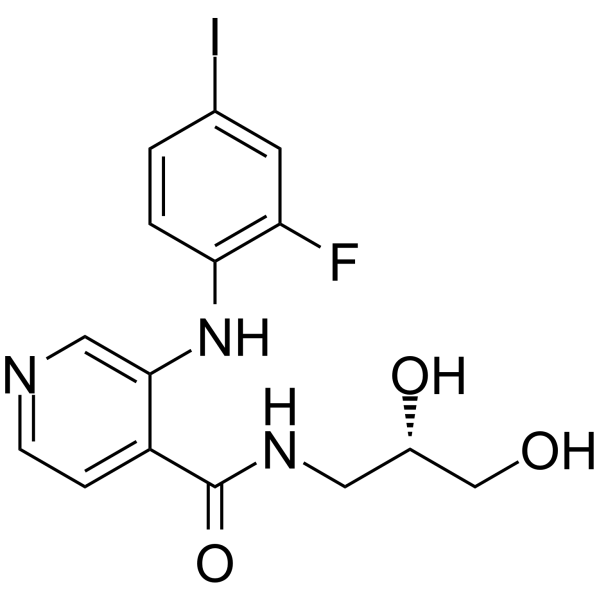
    PD318088
    1 Publications Verification

    MEK Cancer
    PD318088 is a potent, allosteric and non-ATP competitive MEK1/2 inhibitor, an analog of PD184352 (HY-50295). PD318088 binds simultaneously with ATP in a region of the MEK1 active site that is adjacent to the ATP-binding site. PD318088 can be used for cancer research [1].
    PD318088
  • HY-100627

    MEK Cancer
    APS-2-79 is a KSR-dependent MEK antagonist. APS-2-79 inhibits ATP biotin binding to KSR2 within the KSR2-MEK1 complexe with an IC50 of 120 nM. APS-2-79 makes the stabilization of the KSR inactive state antagonizes oncogenic Ras-MAPK signaling .
    APS-2-79
  • HY-145702

    MEK ERK Cancer
    MAP855 is a highly potent, selective, ATP-competitive and orally active MEK1/2 kinase inhibitor (MEK1 ERK2 cascade IC50=3 nM, pERK EC50=5 nM). MAP855 shows equipotent inhibition of wild-type and mutant MEK1/2 [1].
    MAP855
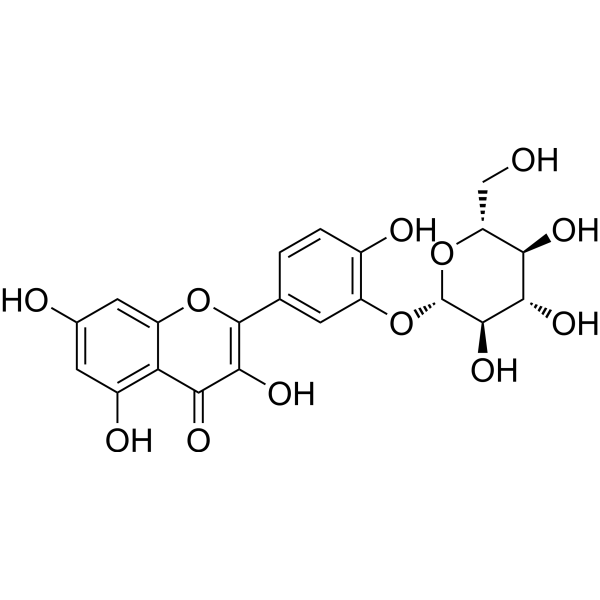
  • HY-N12445
    Quercetin-3'-O-glucoside
    1 Publications Verification

    Topoisomerase Caspase Apoptosis SOD Metabolic Disease Inflammation/Immunology Cancer
    Quercetin-3'-O-glucoside is an orally active flavonoid glycoside. Quercetin-3'-O-glucoside reduces liver glucose-6-phosphatase activity, alters serum insulin and glucose levels, and regulates the activities of antioxidant enzymes in the liver and kidney. Quercetin-3'-O-glucoside inhibits DNA topoisomerase II, induces S-phase cell cycle arrest and caspase-3-mediated apoptosis in hepatocellular carcinoma cells. Quercetin-3'-O-glucoside selectively inhibits EGFR-mediated signaling pathways targeting AKT, ERK1/2, FAK and MEK1/2. Quercetin-3'-O-glucoside inhibits growth factor-induced migration and invasion in pancreatic cancer cells. Quercetin-3'-O-glucoside exerts free radical scavenging effects. Quercetin-3'-O-glucoside is applicable to research related to pancreatic cancer, diabetes, hepatocellular carcinoma and malignant tumors [1] .
    Quercetin-3'-O-glucoside
  • HY-N0909
    Notoginsenoside R2
    1 Publications Verification

    20(S)-Notoginsenoside R2; Ginsenoside Ng-R2

    Apoptosis MEK ERK Reactive Oxygen Species (ROS) Caspase COX β-catenin Src MDM-2/p53 JAK STAT Neurological Disease Metabolic Disease Inflammation/Immunology
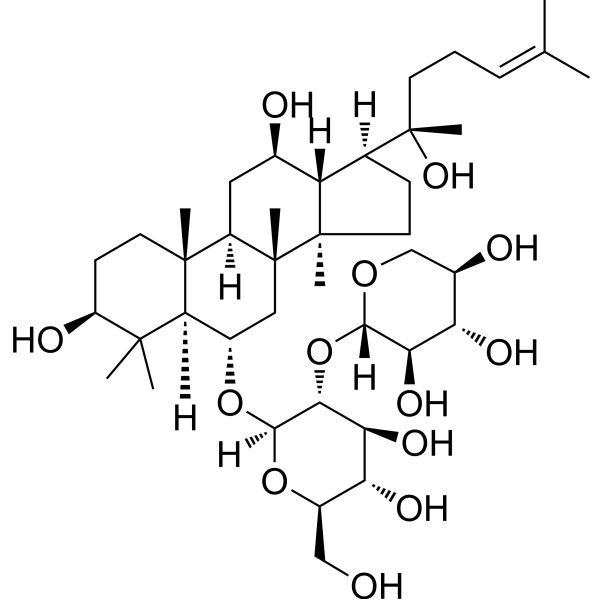
    Notoginsenoside R2 (20(S)-Notoginsenoside R2; Ginsenoside Ng-R2) is an orally active notoginsenoside . Notoginsenoside R2 activates P90RSK and Nrf2 via the MEK1/2-ERK1/2 pathway to inhibit 6-OHDA-induced apoptotic damage in nerve cells. Notoginsenoside R2 upregulates SOX8/β-catenin by reducing miR-27a, thereby suppressing Aβ25-35-induced neuronal apoptosis and inflammatory responses . Notoginsenoside R2 alleviates lipid accumulation and mitochondrial dysfunction in diabetic nephropathy by inhibiting c-Src. Notoginsenoside R2 alleviates hepatic fibrosis by inducing hepatic stellate cell senescence and inhibiting the inflammatory microenvironment via JAK/STAT3 suppression . Notoginsenoside R2 can be used in research related to Parkinson's disease, Alzheimer's disease, diabetic nephropathy and hepatic fibrosis [1] .
    Notoginsenoside R2
  • HY-153863

    PROTACs MEK Raf Cancer
    MS934 is a novel improved VHL-recruiting MEK 1/2 PROTAC degrader. MS934 also degrades CRAF. MS934 can be used for the research of variety of human cancers, such as melanoma, nonsmall cell lung cancer (NSCLC), colorectal cancer, primary brain tumors, and hepatocellular carcinoma (Pink: Target protein ligand (HY-168288); Black: linker (HY-168289); Blue: E3 ligase ligand (HY-112078)) [1] .
    MS934
  • HY-P0119A
    Lixisenatide acetate
    2 Publications Verification

    GLP Receptor Akt MEK Reactive Oxygen Species (ROS) Apoptosis MMP Cardiovascular Disease Neurological Disease Metabolic Disease Inflammation/Immunology
    Lixisenatide acetate is a glucagon-like peptide-1 (GLP-1) receptor agonist. Lixisenatide acetate inhibits the inflammatory response through down regulation of pro-inflammatory cytokines, and suppresses of the Akt-MEK1/2 signaling pathway. Lixisenatide acetate can inhibit oxidative stress, mitochondrial dysfunction and apoptosis. Lixisenatide acetate can be used for the researches of inflammation, metabolic disease, neurological disease and cardiovascular disease, such as rheumatoid arthritis, diabetes, Alzheimer's disease and atherosclerosis [1] .
    Lixisenatide acetate
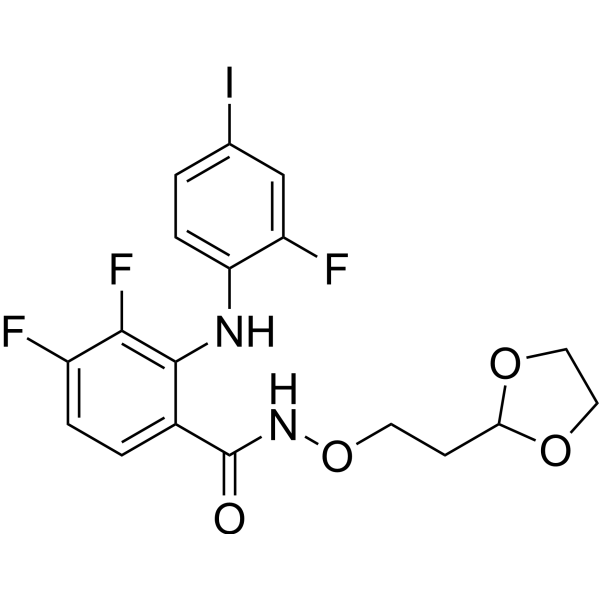
  • HY-131295
    PD0325901-O-C2-dioxolane
    2 Publications Verification

    MEK Ligands for Target Protein for PROTAC Cancer
    PD0325901-O-C2-dioxolane has main portion of MEK inhibitor PD0325901. PD0325901-O-C2-dioxolane and a ligand of VHL or CRBN E3 ligase can be used in the synthesis of MEK1/2 degrader [1].
    PD0325901-O-C2-dioxolane
  • HY-115674

    Glutathione S-transferase Akt MEK Neurological Disease Inflammation/Immunology
    ML175 is a specific glutathione transferase Omega 1-1 (GSTO1-1) inhibitor. ML175 can significantly activate Akt and MEK1/2 kinases. ML175 can be used in the research of diseases such as Parkinson's disease [1].
    ML175
  • HY-113592
    ERK-IN-4
    1 Publications Verification

    ERK Cancer
    ERK-IN-4 is an ERK inhibitor binds preferentially to ERK2 with a Kd of 5 μM. ERK-IN-4 specificity inhibits ERK Rsk-1 and Elk-1 phosphorylation. ERK-IN-4 has little effect on ERK protein phosphorylation by its upstream activator MEK1/2 [1].
    ERK-IN-4
  • HY-170982

    MEK PROTACs Cancer
    MS910 is an efficient and selective MEK1/2 PROTAC degrader. MS910 exhibits effective MEK1/2 degradation ability and anti proliferative activity in various cancer cells, such as HT-29 (MEK1 DC50 = 118 nM, MEK2 DC50 = 55 nM) and SK-MEL-28 (MEK1 DC50 = 94 nM, MEK2 DC50 = 38 nM) cells. MS910 is commonly used in cancer research. (Pink: MEK1/2 Ligand (HY-10254); Blue: CRBN Ligand (HY-W087383); Black: Linker (HY-W022240)) [1]
    MS910
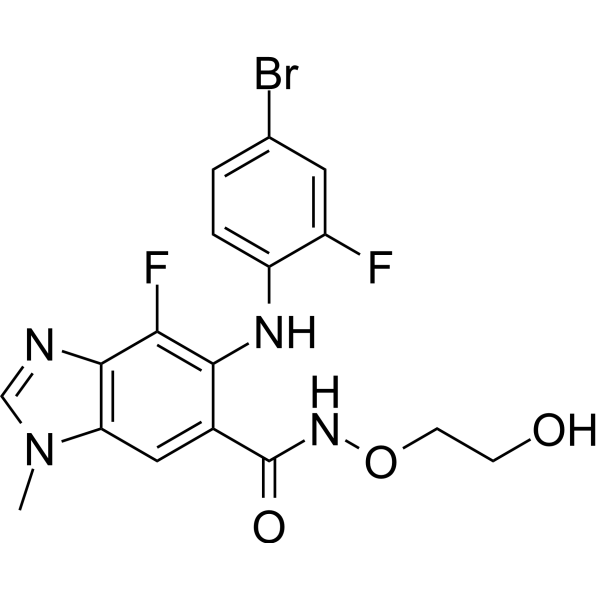
  • HY-145701

    MEK Cancer
    MEK1/2-IN-2 is a potent ATP-competitive MEK1/2 inhibitor and shows equipotent inhibition of WT MEK1/2 and a panel of MEK1/2 mutant cell lines [1].
    MEK1/2-IN-2
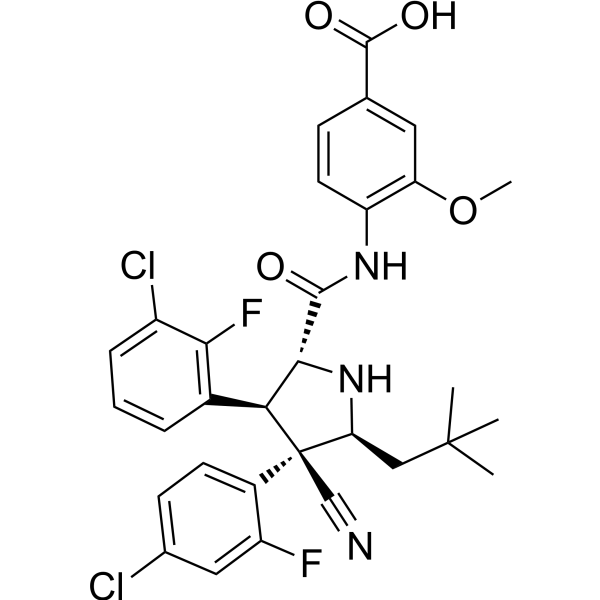
  • HY-111033

    MEK ERK Apoptosis p38 MAPK CDK PARP Inflammation/Immunology Cancer
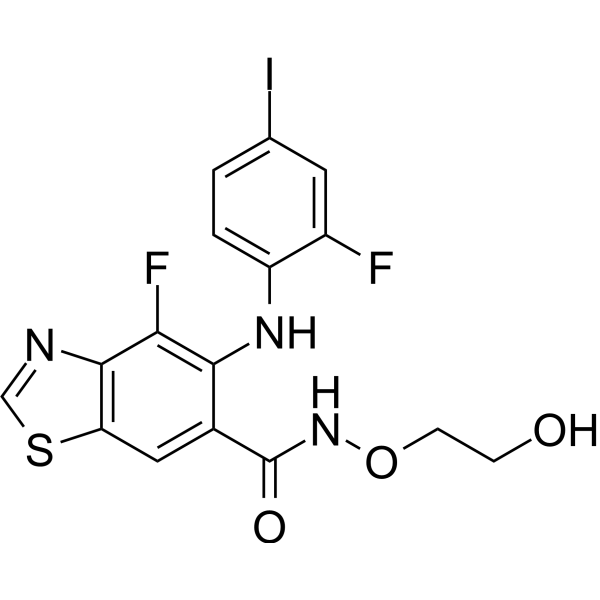
    RO5068760 is a potent, orally active and selective non-ATP-competitive MEK1/2 inhibitor with an IC50 of 0.025 μM for MEK1. RO5068760 significantly inhibits MAPK pathway activity, thereby inducing G1 cell cycle arrest and apoptosis to inhibit cancer cell growth. RO5068760 exhibits significant efficacy in a broad spectrum of tumors with aberrant MAPK pathway activation. RO5068760 can be used for melanoma, colorectal cancer, non-small cell lung cancer (NSCLC), and pancreatic cancer research [1].
    RO5068760
  • HY-13425R

    (-)-Deguelin (Standard); (-)-cis-Deguelin (Standard)

    Akt Autophagy Apoptosis Reference Standards Cancer
    Deguelin (Standard) is the analytical standard of Deguelin. This product is intended for research and analytical applications. Deguelin, a naturally occurring rotenoid, acts as a chemopreventive agent by blocking multiple pathways like PI3K-Akt, IKK-NF-κB, and MAPK-mTOR-survivin-mediated apoptosis. Deguelin binding to Hsp90 leads to a decreased expression of numerous oncogenic proteins, including MEK1/2, Akt, HIF1α, COX-2, and NF-κB.
    Deguelin (Standard)
  • HY-100627A

    MEK Cancer
    APS-2-79 hydrochloride is a KSR-dependent MEK antagonist. APS-2-79 inhibits ATP biotin binding to KSR2 within the KSR2-MEK1 complexe with an IC50 of 120 nM. APS-2-79 makes the stabilization of the KSR inactive state antagonizes oncogenic Ras-MAPK signaling .
    APS-2-79 hydrochloride
  • HY-50706R

    AZD6244 (Standard); ARRY-142886 (Standard)

    MEK Apoptosis Reference Standards Cancer
    Selumetinib (Standard) is the analytical standard of Selumetinib. This product is intended for research and analytical applications. Selumetinib (AZD6244) is selective, non-ATP-competitive oral MEK1/2 inhibitor, with an IC50 of 14 nM for MEK1. Selumetinib (AZD6244) inhibits ERK1/2 phosphorylation.
    Selumetinib (Standard)
  • HY-15202R

    MEK162 (Standard); ARRY-162 (Standard); ARRY-438162 (Standard)

    Reference Standards MEK Autophagy Cancer
    Binimetinib (Standard) is the analytical standard of Binimetinib. This product is intended for research and analytical applications. Binimetinib (MEK162) is an oral and selective MEK1/2 inhibitor. Binimetinib (MEK162) inhibits MEK with an IC50 of 12 nM.
    Binimetinib (Standard)
  • HY-12482

    PI3K Apoptosis PDK-1 MEK Akt ERK Cancer
    X-370 is a PI3Kδ inhibitor (IC50 = 7 nM). X-370 inhibits the survival of leukemia cells, inducing G1 arrest and apoptosis. X-370 blocks PDK1 binding and phosphorylation of MEK1/2, eliminating Akt and Erk1/2 signaling. X-370 can be used in research on B-cell acute lymphoblastic leukemia (B-ALL) [1].
    X-370
  • HY-10338A

    c-Met/HGFR VEGFR Cancer
    Foretinib phosphate is an orally bioavailable small molecule with potential anti-tumor activity. Foretinib phosphate can selectively inhibit hepatocyte growth factor (HGF) receptor c-MET and vascular endothelial growth factor receptor 2 (VEGFR2), thereby potentially inhibiting tumor angiogenesis, tumor cell proliferation and metastasis. Foretinib phosphate shows different anti-cancer activity from cabozantinib in lung cancer cells and has stronger inhibitory effects on targets such as MEK1/2, FER and AURKB [1].
    Foretinib phosphate
  • HY-123586

    MEK VEGFR FLT3 PDGFR Cancer
    L-783277 (Compound 4) is a MEK inhibitor (IC50 = 4 nM). L-783277 has potent inhibitory activity against a variety of kinases, including VEGFR2/3, FLT1/3/4, MEK1/2, KDR, and PDGFRα, but has low selectivity for the kinase community. L-783277 inhibits viability (IC50 = 22 mM) and cell proliferation (IC50 = 21 mM) of H295R cells. L-783277 could be used in research on cancers such as adrenocortical carcinoma [1] .
    L-783277
  • HY-12042A

    AS703026 hydrochloride; MSC1936369B hydrochloride

    MEK Cancer
    Pimasertib hydrochloride is a highly selective, ATP non-competitive allosteric orally available MEK1/2 inhibitor [1] .
    Pimasertib hydrochloride
  • HY-50706AR

    AZD6244 sulfate (Standard); ARRY-142886 sulfate (Standard)

    MEK Apoptosis Reference Standards Cancer
    Selumetinib (sulfate) (Standard) is the analytical standard of Selumetinib (sulfate). This product is intended for research and analytical applications. Selumetinib (AZD6244) is selective, non-ATP-competitive oral MEK1/2 inhibitor, with an IC50 of 14 nM for MEK1. Selumetinib (AZD6244) inhibits ERK1/2 phosphorylation.
    Selumetinib sulfate (Standard)
  • HY-12447

    MEK Apoptosis Cancer
    SMK-17 is a selective, non-ATP-competitive MEK1/MEK2 inhibitor with IC50s of 62 nM and 56 nM, respectively. SMK-17 binds to the allosteric pocket of MEK1/2. SMK-17 induces apoptosis in tumor cell lines harboring β-catenin mutations [1].
    SMK-17
  • HY-13303

    MEK Cancer
    RO 4927350 is a potent and selective non-ATP-competitive MEK1/2 inhibitor. RO 4927350 exhibits significant antitumor efficacy in a broad spectrum of tumor models [1].
    RO 4927350
  • HY-126048

    MEK Cancer
    JTP-70902, a p15 INK4b-inductive compound, is a MEK1/2 inhibitor. JTP-70902 exhibits potent antitumor effect [1].
    JTP-70902
  • HY-15202S3

    MEK162-d4; ARRY-162-d4; ARRY-438162-d4

    Isotope-Labeled Compounds Autophagy MEK Cancer
    Binimetinib-d4 (MEK162-d4) is deuterium labeled Binimetinib. Binimetinib (MEK162) is an oral and selective MEK1/2 inhibitor. Binimetinib (MEK162) inhibits MEK with an IC50 of 12 nM.
    Binimetinib-d4
  • HY-15202S1

    MEK162-d3; ARRY-162-d3; ARRY-438162-d3

    Isotope-Labeled Compounds MEK Autophagy Cancer
    Binimetinib-d3 (MEK162-d3) is deuterium labeled Binimetinib. Binimetinib (MEK162) is an oral and selective MEK1/2 inhibitor. Binimetinib (MEK162) inhibits MEK with an IC50 of 12 nM [1].
    Binimetinib-d3
  • HY-130642

    E3 Ligase Ligand-Linker Conjugates Cancer
    (S,R,S)-AHPC-Me-C10-Br is a synthesized E3 ligase ligand-linker conjugate. (S,R,S)-AHPC-Me-C10-Br incorporates a VHL E3 ligase linker and MS432 based on the MEK1/2 inhibitor PD0325901 [1].
    (S,R,S)-AHPC-Me-C10-Br
  • HY-120485

    IRFI-016

    p38 MAPK ERK PKC Cardiovascular Disease
    Raxofelast (IRFI-016) is an antioxidant agent in various models of ischemia-reperfusion injury. Raxofelast has antiproliferative activity in H2O2-stimulated rat aortic smooth muscle cells. Raxofelast attenuates the activation of mitogen-activating protein kinase (MAPK), ERK kinase 1, 2 (MEK1,2) and protein kinase C (PKC) without affecting Ras expression [1].
    Raxofelast
  • HY-168288

    MEK Ligands for Target Protein for PROTAC Cancer
    MEK ligand-2, a MEK1 and MEK2 inhibitor, is a ligand for target protein for PROTAC of MS934 (HY-153863). MS934 is a VHL-recruiting MEK 1/2 PROTAC degrader [1].
    MEK ligand-2
  • HY-173153

    JNK PERK MEK NO Synthase Inflammation/Immunology Cancer
    BRAFV600E/JNK-IN-1 (Compound 14c) is an inhibitor of JNK1, JNK2, JNK3 and BRAFV600E, with IC50 values of 0.51 μM, 0.53 μM, 1.02 μM and 0.009 μM, respectively. BRAFV600E/JNK-IN-1 can inhibit the phosphorylation of MEK1/2 and ERK1/2. In addition, BRAFV600E/JNK-IN-1 can inhibit tumor cell proliferation, NO release and PGE2 production, and has anti-tumor and anti-inflammatory activities [1].
    BRAFV600E/JNK-IN-1
  • HY-P0119S

    Isotope-Labeled Compounds GLP Receptor Akt MEK Apoptosis Reactive Oxygen Species (ROS) MMP Cardiovascular Disease Neurological Disease Metabolic Disease Inflammation/Immunology
    Lixisenatide (Leu- 13C6, 15N) TFA is the 13C- and 15N-labeled Lixisenatide (HY-P0119). Lixisenatide is a glucagon-like peptide-1 (GLP-1) receptor agonist. Lixisenatide inhibits the inflammatory response through down regulation of pro-inflammatory cytokines, and suppresses of the Akt-MEK1/2 signaling pathway. Lixisenatide can inhibit oxidative stress, mitochondrial dysfunction and apoptosis. Lixisenatide can be used for the researches of inflammation, metabolic disease, neurological disease and cardiovascular disease, such as rheumatoid arthritis, diabetes, Alzheimer's disease and atherosclerosis [1] .
    Lixisenatide (Leu-13C6,15N) TFA
  • HY-180327

    Drug Derivative Apoptosis Keap1-Nrf2 Raf MEK ERK Neurological Disease Inflammation/Immunology
    NEPP11 is a cyclopentenone prostaglandin analogue. NEPP11 can inhibit glutamate-induced HT22 cell death in mouse hippocampus and prevent manganese-induced apoptosis in PC12 cells. NEPP11 can activate Nrf2 and maintain MEK1/2 and ERK1/2 activity by inhibiting c-Raf downregulation. NEPP11 exerts a neuroprotective effect in a mouse model of focal cerebral ischemia caused by permanent middle cerebral artery occlusion [1].
    NEPP11
  • HY-168290

    E3 Ligase Ligand-Linker Conjugates Cancer
    (S,R,S)-AHPC-Me-12-((4-Bromobutyl)amino)dodecanamide incorporates a VHL ligand for the E3 ubiquitin ligase, and a PROTAC linker. (S,R,S)-AHPC-Me-12-((4-Bromobutyl)amino)dodecanamide can be used in the synthesis of PROTACs, such as MS934 (HY-153863). MS934 is a novel improved VHL-recruiting MEK 1/2 PROTAC degrader [1].
    (S,R,S)-AHPC-Me-12-((4-Bromobutyl)amino)dodecanamide
  • HY-100627R

    MEK Reference Standards Cancer
    APS-2-79 (Standard) is the analytical standard of APS-2-79 (HY-100627). This product is intended for research and analytical applications. APS-2-79 is a KSR-dependent MEK antagonist. APS-2-79 inhibits ATPbiotin binding to KSR2 within the KSR2-MEK1 complexe with an IC50 of 120 nM. APS-2-79 makes the stabilization of the KSR inactive state antagonizes oncogenic Ras-MAPK signaling .
    APS-2-79 (Standard)
  • HY-N9980

    PI3K Akt NF-κB p38 MAPK AP-1 Inflammation/Immunology
    Antcin K is a selective inhibitor targeting the PI3K/Akt, NF-κB, MEK1/2-ERK, p38 and AP-1 pathways. Antcin K upregulates IL-10 expression, thereby inhibiting the production of pro-inflammatory factors, blocking monocyte adhesion, reducing tissue damage, and promoting myogenesis. Antcin K has significant anti-inflammatory, anti-damage and tissue protective activities. Antcin K is mainly used in the research of inflammation-related diseases such as periodontitis, rheumatoid arthritis, and skeletal muscle injury [1] .
    Antcin K
  • HY-182899

    PERK Ras COX PD-1/PD-L1 Apoptosis DNA/RNA Synthesis Mitochondrial Metabolism Cancer
    DPAP is a p-ERK1/2 inhibitor with an IC50 of 7.85 μM against p-ERK1/2. DPAP inhibits the expression of p-MEK1/2 and disrupts the Ras-ERK signaling pathway. DPAP inhibits the expression of COX-2 in nerve cells. DPAP damages DNA and mitochondria, induces Apoptosis via the mitochondrial pathway, and upregulates PD-L1. DPAP inhibits melanoma metastasis and angiogenesis, and inactivates spinal microglia and astrocytes. DPAP exhibits anti-melanoma activity and can be combined with anti-PD-1 monoclonal antibodies to modify anti-tumor effects. DPAP is applicable for the research of melanoma [1].
    DPAP

Inquiry Online

Your information is safe with us. * Required Fields.

Salutation


Country or Region *

Applicant Name *


Organization Name *

Department *


Email Address *


Product Name *

Cat. No.


Requested quantity *

Phone Number *


Remarks

Inquiry Online

Inquiry Information

Product Name:
Cat. No.:
Quantity:
MCE Japan Authorized Agent:

