From 11:00 pm to 12:00 pm EST ( 8:00 pm to 9:00 pm PST ) on January 6th, the website will be under maintenance. We are sorry for the inconvenience. Please arrange your schedule properly.
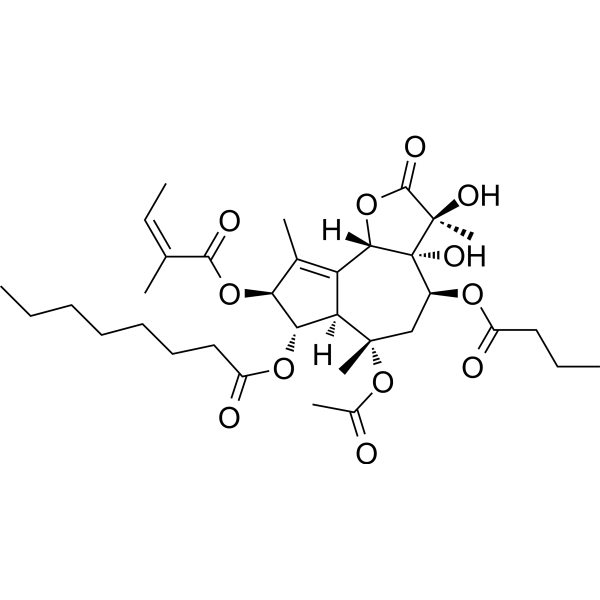
Thapsigargin, an endoplasmic reticulum (ER) stress inducer, is an inhibitor of microsomal Ca 2+-ATPase. Thapsigargin efficiently inhibits coronavirus (HCoV-229E, MERS-CoV, SARS-CoV-2) replication in different cell types .
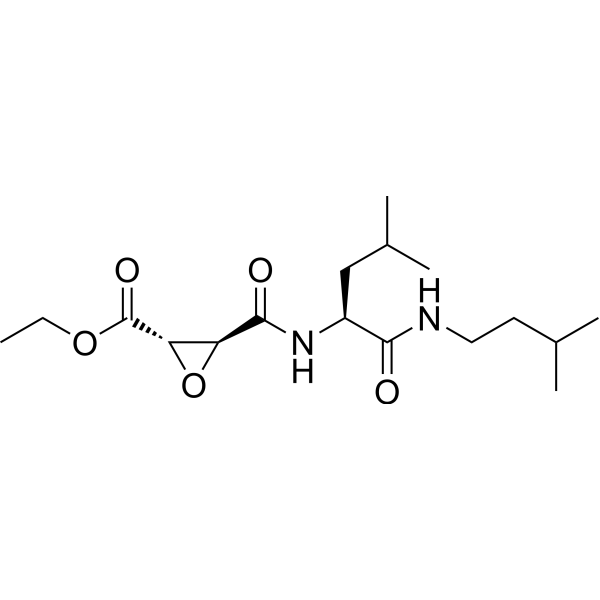
Aloxistatin (E64d) is a cell-permeable and irreversible broad-spectrum cysteine protease inhibitor. Aloxistatin (E64d) exhibits entry-blocking effect for MERS-CoV.
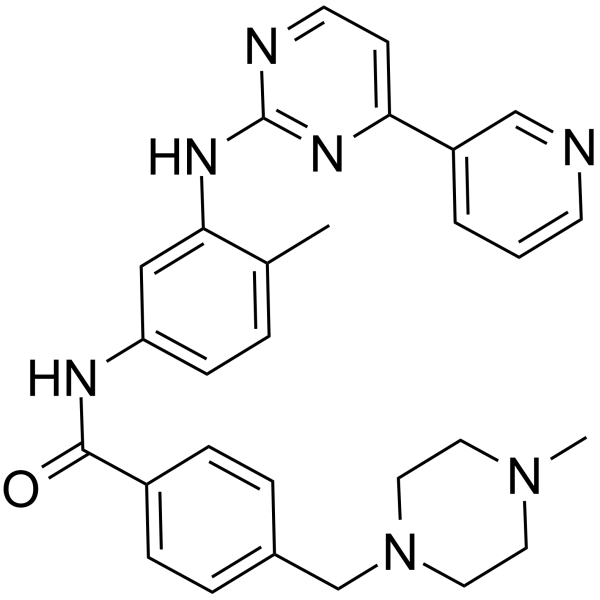
Imatinib (STI571) is an orally bioavailable tyrosine kinases inhibitor that selectively inhibits BCR/ABL, v-Abl, PDGFR and c-kit kinase activity. Imatinib (STI571) works by binding close to the ATP binding site, locking it in a closed or self-inhibited conformation, therefore inhibiting the enzyme activity of the protein semicompetitively . Imatinib also is an inhibitor of SARS-CoV and MERS-CoV .
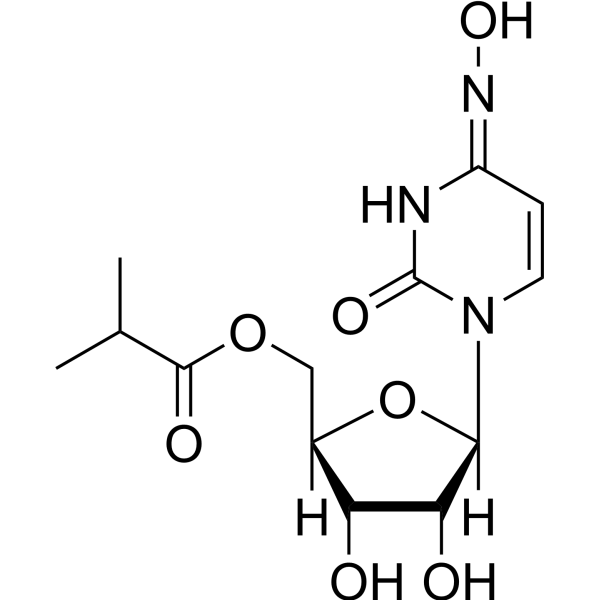
Molnupiravir (EIDD-2801) is an orally bioavailable proagent of the ribonucleoside analog EIDD-1931. Molnupiravir has broad spectrum antiviral activity against influenza virus and multiple coronaviruses, such as SARS-CoV-2, MERS-CoV, SARS-CoV. Molnupiravir has the potential for the research of COVID-19, and seasonal and pandemic influenza .
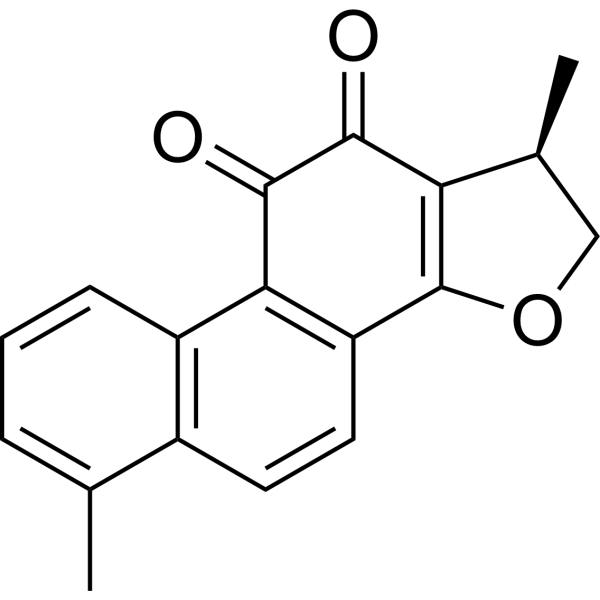
Dihydrotanshinone I is a natural compound extracted from Salvia miltiorrhiza Bunge which has been widely used for treating cardiovascular diseases. Dihydrotanshinone I exhibits entry-blocking effect for MERS-CoV.
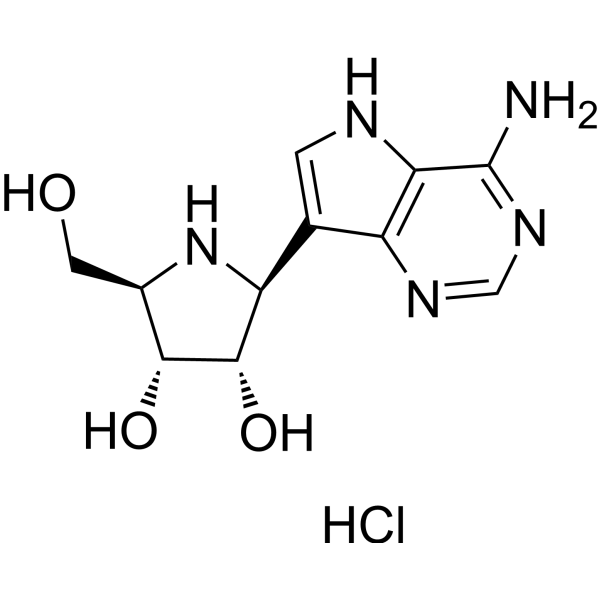
Galidesivir (BCX4430) hydrochloride, an adenosine analog and a direct-acting antiviral agent, disrupts viral RNA-dependent RNA polymerase (RdRp) activity. Galidesivir hydrochloride is active in vitro against many RNA viral pathogens, including the filoviruses and emerging infectious agents such as MERS-CoV, SARS-CoV, and SARS-CoV-2. Galidesivir hydrochloride inhibits some negative-sense RNA viruses with EC50s ranging from ~3 to ~68 μM .
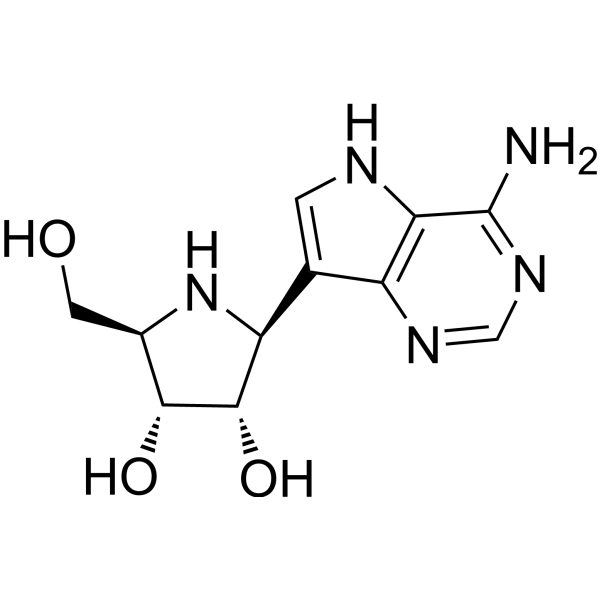
Galidesivir (BCX4430), an adenosine analog and a direct-acting antiviral agent, disrupts viral RNA-dependent RNA polymerase (RdRp) activity. Galidesivir is active in vitro against many RNA viral pathogens, including the filoviruses and emerging infectious agents such as MERS-CoV, SARS-CoV, and SARS-CoV-2. Galidesivir inhibits some negative-sense RNA viruses with EC50s ranging from ~3 to ~68 μM .
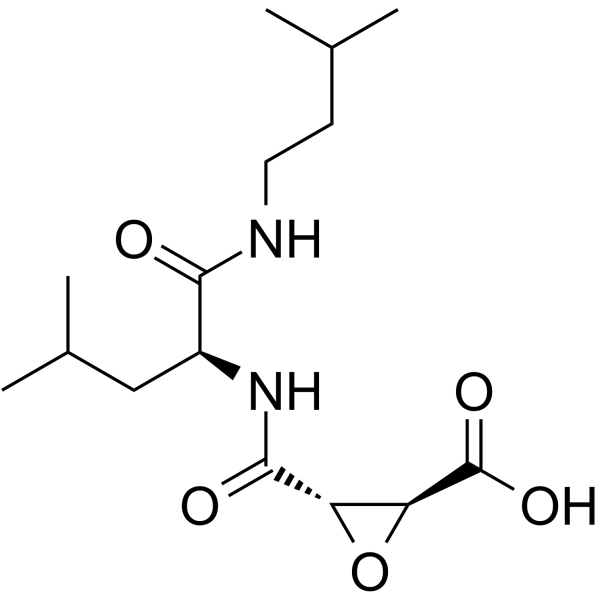
E 64c is a derivative of naturally occurring epoxide inhibitor of cysteine proteases, a Calcium-activated neutral protease (CANP) inhibitor and a very weak irreversible cathepsin C inhibitor. E 64c exhibits entry-blocking effect for MERS-CoV.
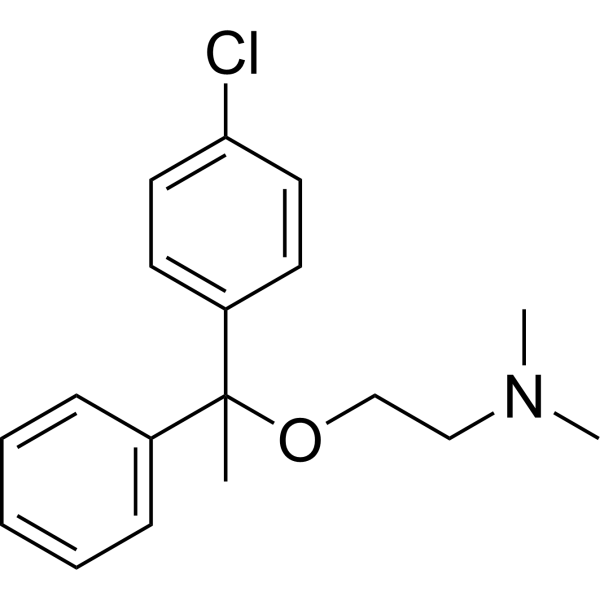
Chlorphenoxamine, an antihistamine and anticholinergic agent is a GPCR antagonist. Chlorphenoxamine inhibits multiple lethal viral diseases, such as SARS-CoV, MERS-CoV, EBOV and malaria. Chlorphenoxamine shows anti-filovirus activity against both EBOV and Marburg virus (MARV) with IC50s of 1.1 μM and 6.2 μM, respectively. Chlorphenoxamine is used for allergic conditions, urticaria, viral diseases and Parkinson’s disease .
MM3122 is a selective type II transmembrane serine protease (TMPRSS2) inhibitor with an IC50 value of 0.34 nM. MM3122 effectively blocks TMPRSS2, thereby inhibiting the entry of SARS-CoV-2 and MERS-CoV into human cells .
2-Thiouridine is an orally active modified nucleobase. 2-Thiouridine stabilizes U:A base pairs and destabilizes U:G wobble base pairs. 2-Thiouridine significantly improves the efficiency and accuracy of nonenzymatic replication of mixed-sequence A/U-containing RNA templates. 2-Thiouridine exhibits antiviral activity against multiple positive-sense single-stranded RNA viruses (DENV2, ZIKV, YFV, JEV, WNV, CHIKV, human coronaviruses ( [HCoV]-229E, HCoV-OC43, SARS-CoV), and MERS-CoV) .
Iscartrelvir (WU-04) is a non-covalent inhibitor of SARS-CoV-2, targeting the 3CLpro protein. Iscartrelvir has high inhibitory effect on the 3CLpro protein of 6 SARS-CoV-2 variants (Alpha, Beta, Gamma, Delta, Lambda and Omicron) and 2 coronaviruses (SARS-CoV and MERS-CoV) .
YS110 is a humanized anti-CD26 (DPP4) IgG1 monoclonal antibody. YS110 induces CD26 nuclear translocation through the caveolin pathway. YS110 inhibits the proliferation of tumor cell by delaying G2/M cell cycle transition. YS110 inhibits the infection of Middle East respiratory syndrome coronavirus (MERSCoV) by blocking the binding of MERSCoV S1 to CD26. YS110 can be used for researches on cancer or infection such as Malignant Mesothelioma and MERS .
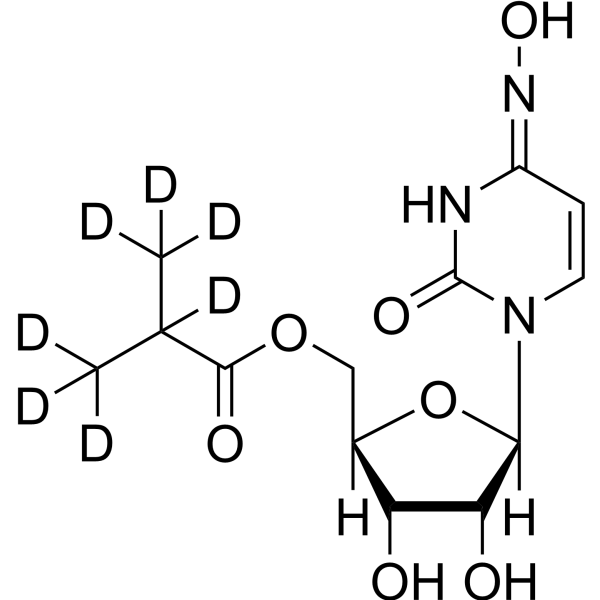
Molnupiravir-d7 is the deuterium labeled Molnupiravir. Molnupiravir (EIDD-2801) is an orally bioavailable prodrug of the ribonucleoside analog EIDD-1931. Molnupiravir has broad spectrum antiviral activity against influenza virus and multiple coronaviruses, such as SARS-CoV-2, MERS-CoV, SARS-CoV. Molnupiravir has the potential for the research of COVID-19, and seasonal and pandemic influenza .
Imatinib (Standard) is the analytical standard of Imatinib. This product is intended for research and analytical applications. Imatinib (STI571) is an orally bioavailable tyrosine kinases inhibitor that selectively inhibits BCR/ABL, v-Abl, PDGFR and c-kit kinase activity. Imatinib (STI571) works by binding close to the ATP binding site, locking it in a closed or self-inhibited conformation, therefore inhibiting the enzyme activity of the protein semicompetitively . Imatinib also is an inhibitor of SARS-CoV and MERS-CoV .
TDI-015051 is a highly selective, orally active antiviral agent that targets the coronavirus NSP14guanine-N7 methyltransferase. TDI-015051 binds to substrates in a non-competitive manner and forms a stable ternary complex, precisely blocking the capping and methylation processes of viral mRNA. TDI-015051 potently inhibits a variety of coronaviruses (including SARS-CoV-2 and MERS). By impairing viral replication and translation and inducing a moderate type I interferon-mediated immune response, it significantly reduces pulmonary viral load and exhibits a synergistic effect with Nirmatrelvir (HY-138687). In addition, TDI-015051 does not inhibit non-coronavirus methyltransferases, and the drug-resistant mutations it induces impair viral fitness, demonstrating excellent antiviral properties and safety. TDI-015051 can be used for research on COVID-19 and the replication mechanism of coronaviruses .The IC50 values of TDI-015051 against SARS-CoV-2, α-hCoV-NL63, α-hCoV-229E, β-hCoV-MERS are 0.15 nM, 1.7 nM, 2.6 nM and 3.6 nM, respectively, and the Ka value against SARS-CoV-2 is 0.061 nM .
SCR007 is a synthetic carbohydrate receptor (SCR) with broad-spectrum antiviral activity. SCR007 inhibits the entry of enveloped viruses across multiple families (Coronaviridae: SARS-CoV-1, SARS-CoV-2, MERS-CoV; Filoviridae: EBOV, MARV; Paramyxoviridae: NiV, HeV) and the glycosylated nonenveloped rotavirus. SCR007 binds viral envelope N-glycans, blocking viral binding to host cells or both binding and membrane fusion. SCR007 exerts prophylactic effects in hACE2 mice infected with SARS-CoV-2. SCR007 can be used for the study and prevention of enveloped virus pandemics .
CHIKV-IN-1 (Compound 3a) is a compound that inhibits the Chikungunya virus (CHIKV) with an EC50 of 0.12 μM. CHIKV-IN-1 is a potent inhibitor of the S-adenosyl-L-homocysteine hydrolase (SAH hydrolase), with an IC50 of 0.36 μM. CHIKV-IN-1 is only effective against CHIKV and some other alphaviruses, but has no activity against other RNA viruses such as SARS-CoV, MERS-CoV, and ZIKV. CHIKV-IN-1 has extremely low cytotoxicity (CC₅₀ > 250 μM), and it has an extremely high selectivity index (SI > 2083). CHIKV-IN-1 can be used in research on anti-Chikungunya virus .
MERS-CoV-IN-2 (compound 3c) is a MERS-CoV 3CLpro inhibitor (IC50=17nM). MERS-CoV-IN-2 inhibits the activity of the 3CLpro enzyme by binding to the active site of the enzyme, specifically the S4 subsite, thereby exhibiting antiviral activity against SARS-CoV-2 and MERS-CoV .
MERS-CoV-IN-1 exhibits excellent inhibitory activity against coronavirus. MERS-CoV-IN-1 is useful as a pharmaceutical composition for preventing coronavirus-induced diseases (MERS-CoV and SARS) (extracted from patent WO2018174442A1, compound 1) .
Anti-MERS-D12 mAb (MERS-D12; MERS Antibody-D12) is a human monoclonal IgG1. Anti-MERS-D12 mAb binds directly to the DPP4 interacting region of the MERS-CoV Spike receptor binding domain (RBD) and effect neutralization by directly blocking receptor binding .
PLpro-IN-5 (compound 21) is a PLPro protease inhibitor with an IC50 value of 91.14 nM. PLpro-IN-5 shows broad-spectrum antivirus, especially for SARS-CoV, MERS-CoV, SARS-CoV-2 .
SARS-CoV-2-IN-1 is a potent Mpro inhibitor. SARS-CoV-2-IN-1 inhibits the purified recombinant SARS-CoV-2 Mpro, SARS-CoV Mpro and MERS-CoV Mpro with IC50s of 0.67, 0.90 and 0.58 μM, respectively .
REGN3051 is a human IgG1 monoclonal antibody (mAb) targeting MERSCoV. REGN3051 reduces viral titers in the lungs of mice expressing human DPP4. REGN3051 decreases lung disease severity and viral replication in marmosets inoculated with MERS-CoV. Recommended isotype control: Human IgG1 kappa, Isotype Control (HY-P99001) .
TPG-20A is a SARS-CoV-2 main protease inhibitor with an IC50 of 27.8 nM. TPG-20A also inhibits MERS-CoV main protease. TPG-20A can be used for the research of infection, such as SARS-CoV-2 .
Arcapillin is a flavonoid that can be isolated from Artemisia capillaris Thunb. Arcapillin induces dose-dependent relaxation of ileum and pulmonary artery smooth muscle, causes slight urinary bladder smooth muscle contraction at highest tested concentrations. Arcapillin binds to the active site of SARS-CoV-2 Mpro via interactions with Gln139, His163, and His164, exhibits antiviral activity against SARS-CoV-2 and MERS-CoV. Arcapillin can be used for the research of gastrointestinal disorders, COVID-19, and Middle East respiratory syndrome (MERS) .
Remdesivir de(ethylbutyl 2-aminopropanoate) is an impurity of Remdesivir. Remdesivir, a nucleoside analogue with effective antiviral activity, has EC50s of 74 nM for SARS-CoV and MERS-CoV in HAE cells, and 30 nM for murine hepatitis virus in delayed brain tumor cells. Remdesivir is highly effective in the control of SARS-CoV-2 (COVID-19) infection in vitro .
Molnupiravir (Standard) is the analytical standard of Molnupiravir. This product is intended for research and analytical applications. Molnupiravir (EIDD-2801) is an orally bioavailable proagent of the ribonucleoside analog EIDD-1931. Molnupiravir has broad spectrum antiviral activity against influenza virus and multiple coronaviruses, such as SARS-CoV-2, MERS-CoV, SARS-CoV. Molnupiravir has the potential for the research of COVID-19, and seasonal and pandemic influenza .
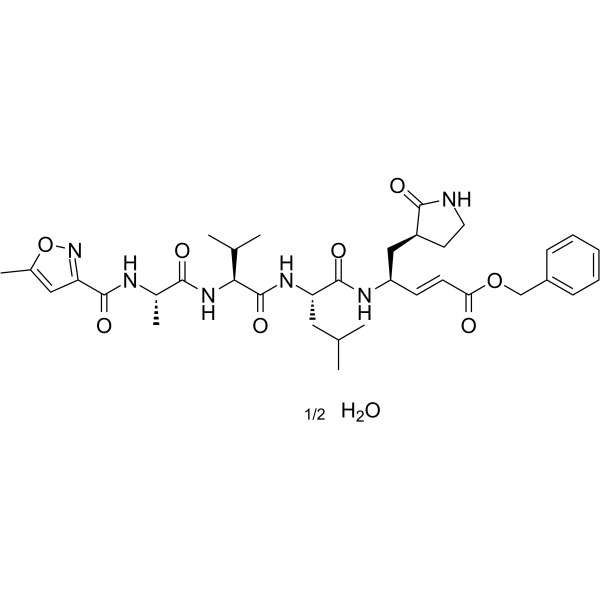
Mpro inhibitor N3 hemihydrate is a potent inhibitor of SARS-CoV-2 Mpro with an EC50 of 16.77 μM for SARS-CoV-2. Mpro inhibitor N3 hemihydrate specifically inhibits Mpro from multiple coronaviruses, including SARS-CoV and MERS-CoV. Mpro inhibitor N3 hemihydrate displays inhibition against HCoV-229E, FIPV, and MHV-A59 with individual IC50 of 4.0 μM, 8.8 μM, and 2.7 μM, respectively .
Aloxistatin (Standard) is the analytical standard of Aloxistatin. This product is intended for research and analytical applications. Aloxistatin (E64d) is a cell-permeable and irreversible broad-spectrum cysteine protease inhibitor. Aloxistatin (E64d) exhibits entry-blocking effect for MERS-CoV.
TMP1 is an orally active bispecific inhibitor of M pro (IC50 = 312.5 nM)/TMPRSS2 (IC50 = 1.28 μM, KD = 10.10 μM). TMP1 exhibits broad protection against different SARS-CoV-2 variants in vitro. TMP1 cross-protects against highly pathogenic coronaviruses (SARS-CoV-1,SARS-CoV-2, and MERS-CoV) in vivo and effectively blocks the transmission of SARS-CoV-2. TMP1 can inhibit infection by SARS-CoV-2 escape mutants that are resistant to Nivolumab (HY-P9903). TMP1 can be used in coronavirus research .
SCR005 is a synthetic carbohydrate receptor (SCR) with broad-spectrum antiviral activity. SCR005 inhibits the entry of enveloped viruses across multiple families (Coronaviridae: SARS-CoV-1, SARS-CoV-2, MERS-CoV; Filoviridae: EBOV, MARV; Paramyxoviridae: NiV, HeV) and the glycosylated nonenveloped rotavirus. SCR005 binds viral envelope N-glycans, blocking viral binding to host cells or both binding and membrane fusion. SCR005 exerts prophylactic effects in hACE2 mice infected with SARS-CoV-2. SCR005 can be used for the study and prevention of enveloped virus pandemics .
Imatinib- 13C,d3 (STI571- 13C,d3) is 13C labeled Imatinib. Imatinib (STI571) is an orally bioavailable tyrosine kinases inhibitor that selectively inhibits BCR/ABL, v-Abl, PDGFR and c-kit kinase activity. Imatinib (STI571) works by binding close to the ATP binding site, locking it in a closed or self-inhibited conformation, therefore inhibiting the enzyme activity of the protein semicompetitively . Imatinib also is an inhibitor of SARS-CoV and MERS-CoV .
P9R is an antiviral peptide. P9R has broad-spectrum antiviral activities against the coronaviruses (SARS-CoV-2,MERS-CoV and SARS-CoV), A(H1N1)pdm09, A(H7N9) virus, and rhinovirus. P9R directly binds to viruses and inhibits virus-host endosomal acidification. P9R significantly protects mice from A(H1N1)pdm09 infection without generating drug-resistant virus. P9R can be used for pH-dependent respiratory viruses research .
Anti-MERS-3A1 mAb (MERS-3A1) is a human monoclonal IgG1 antibody with the high binding affinity produced in CHO cells.
Anti-MERS-3A1 mAb bocks the binding of MERS-CoV spike protein to DPP4 receptor .
SARS-CoV-2-IN-92 (compound 11) inhibits SARS-CoV-2 variants (EC50 = 0.48 μM), as well as SARS-CoV and MERS-CoV. SARS-CoV-2-IN-92 (compound 11) potently and selectively blocks ERα-Glu II .
SBP1 peptide is a chemically synthesized 23-mer peptide fragment of the ACE2 PD α1 helix. SBP1 peptide associates with micromolar affinity to insect-derived SARS-CoV-2-RBD protein .
NSC89641 inhibits MERS-CoV M pro, with an IC50 value < 3.5 μM. NSC89641 exhibits the high inhibitory potency against SARS-CoV-2 M pro enzymatic activity, with an IC50 of 3.05 μM .
Bonducellpin D is a furanoditerpenoid lactone isolated from Caesalpinia minax. Bonducellpin D exhibits broad-spectrum inhibition potential against SARS-CoV M pro and MERS-CoV M pro, with an Ki of 467.11 and 284.86 nM, respectively. Bonducellpin D also exhibits moderate anti-cancer activity in vitro .
SARS-CoV-2 Mpro-IN-50 (Compound 30) is a noncovalent SARS-CoV-2 Mpro inhibitor with an IC50 of 14 nM. SARS-CoV-2 Mpro-IN-50 is also a pan-CoV Mpro inhibitor with IC50 s of 20-190 nM for SARS-CoV-1 Mpro, 229E Mpro, HKU1 Mpro, MERS Mpro, NL63 Mpro and OC43 Mpro. SARS-CoV-2 Mpro-IN-50 has significant antiviral activity against the SARS-CoV-2 omicron variant (EC50 : 22 nM). SARS-CoV-2 Mpro-IN-50 can be used for coronavirus infections research .
Imatinib-d3 (hydrochloride) is the deuterium labeled Imatinib. Imatinib (STI571) is an orally bioavailable tyrosine kinases inhibitor that selectively inhibits BCR/ABL, v-Abl, PDGFR and c-kit kinase activity. Imatinib (STI571) works by binding close to the ATP binding site, locking it in a closed or self-inhibited conformation, therefore inhibiting the enzyme activity of the protein semicompetitively. Imatinib also is an inhibitor of SARS-CoV and MERS-CoV.
SARS-CoV-IN-5 (compound 49) is a highly selective, nonpeptidic and noncovalent 3CL pro inhibitor with IC50s of 38 nM, 21.1 nM and 86 nM for 3CL pro of SARS-CoV-1, SARS-CoV-2, Bat coronavirus WIV1, respectively. SARS-CoV-IN-5 inhibits the replication of the SARS-CoV-2 delta variant with an EC50 of 0.272 μM. SARS-CoV-IN-5 significantly reduces the lung viral copies in a K18-hACE2 transgenic mouse model. SARS-CoV-IN-5 has good target-specific and potential broad-spectrum anticoronavirus activities against SARS-CoV-1, WIV1, MERS, HCoV-OC43, HCoV-229E, and HKU9 .
Imatinib Impurity E is the impurity of Imatinib. Imatinib is an orally bioavailable tyrosine kinases inhibitor that selectively inhibits BCR/ABL, v-Abl, PDGFR and c-kit kinase activity. Imatinib (STI571) works by binding close to the ATP binding site, locking it in a closed or self-inhibited conformation, therefore inhibiting the enzyme activity of the protein semicompetitively . Imatinib also is an inhibitor of SARS-CoV and MERS-CoV .
Dihydrotanshinone I (Standard) is the analytical standard of Dihydrotanshinone I. This product is intended for research and analytical applications. Dihydrotanshinone I is a natural compound extracted from Salvia miltiorrhiza Bunge which has been widely used for treating cardiovascular diseases. Dihydrotanshinone I exhibits entry-blocking effect for MERS-CoV.
PAMAM dendrimer G1.5 carboxylate (PAMAM G1.5 carboxylate) sodium is a polyanionic dendrimers comprising the terminal groups sodium carboxylate. PAMAM dendrimer G1.5 carboxylate shows antiviral activity with the MERS‐CoV plaque inhibition assay, with the inhibition rate of 40.5% .
PIH is an antiviral peptide that effectively inhibits the HR1/HR2-mediated membrane fusion between MERS-CoV and host cells, with an IC50 of 1.171 μM. By forming a complex with gold nanorods (AuNRs), the antiviral efficacy of PIH can be further enhanced by 10-fold .
Chlorphenoxamine (Standard) is the analytical standard of Chlorphenoxamine (HY-B1607). This product is intended for research and analytical applications. Chlorphenoxamine, an antihistamine and anticholinergic agent is a GPCR antagonist. Chlorphenoxamine inhibits multiple lethal viral diseases, such as SARS-CoV, MERS-CoV, EBOV and malaria. Chlorphenoxamine shows anti-filovirus activity against both EBOV and Marburg virus (MARV) with IC50s of 1.1 μM and 6.2 μM, respectively. Chlorphenoxamine is used for allergic conditions, urticaria, viral diseases and Parkinson’s disease.
GC813 is a MERS-CoV 3CL protease (3CLpro) and MERS-CoV main protease (Mpro) inhibitor.GC813 can be used for the research of middle east respiratory syndrome .
SB-140 is a selective, covalent PLpro inhibitor with an IC50 of ≤2.5 nM against SARS-CoV-2 PLpro. SB-140 has antiviral activity against SARS-CoV-2,MERS-CoV and SARS-CoV-1 .
(M)-AVI-4773 is an orally active, blood-brain barrier permeable coronaviruses M Pro inhibitor with an IC50 of 2.5 nM aginst SARS-CoV-2 M Pro. (M)-AVI-4773 produces a rapid onset antiviral effect in mouse models of MERS-CoV and SARS-CoV-2 infection .
SARS-CoV-2 Mpro-IN-37 (compound 8r) is a SARS-CoV-2 main protease (M pro) inhibitor, with an IC50 of 0.0199 μM. SARS-CoV-2 Mpro-IN-37 inhibits SARS-CoV-1 M pro and MERS-CoV M pro with IC50s of 0.00945 and 0.111 μM, respectively. SARS-CoV-2 Mpro-IN-37 displays high antiviral activity in the nanomolar range without showing cellular toxicity .
SARS-CoV-2 Mpro-IN-52 (compound 47) is a potent SARS-CoV-2 main protease (MPro) inhibitor (EC50 = 0.0099 µM) with antiviral activity. SARS-CoV-2 Mpro-IN-52 exhibits potent and broad-spectrum activity against MERS, OC43, 229E with EC50s of 0.00961, 0.138, and 0.117 µM. SARS-CoV-2 Mpro-IN-52 can be used for COVID-19 research .
Chlorphenoxamine hydrochloride, an antihistamine and anticholinergic agent is a GPCR antagonist. Chlorphenoxamine hydrochloride inhibits multiple lethal viral diseases, such as SARS-CoV, MERS-CoV, EBOV and malaria. Chlorphenoxamine hydrochloride shows anti-filovirus activity against both EBOV and Marburg virus (MARV) with IC50s of 1.1 μM and 6.2 μM, respectively. Chlorphenoxamine hydrochloride is used for allergic conditions, urticaria, viral diseases and Parkinson’s disease .
UAWJ9-36-3 is a M pro and cathepsin L (IC50: 1.81 μM) inhibitor. UAWJ9-36-3 shows potent binding and enzymatic inhibition against the M pros from SARS-CoV-2, SARS-CoV, MERS-CoV, HCoV-OC43, HCoV-NL63, HCoV-229E, and HCoV-HKU1. UAWJ9-36-3 demonstrates broad-spectrum antiviral activity against not only SARS-CoV-2, but also the common human coronaviruses HCoV-OC43, HCoV-NL63, and HCoV-229E .
2-Thiouridine is an orally active modified nucleobase. 2-Thiouridine stabilizes U:A base pairs and destabilizes U:G wobble base pairs. 2-Thiouridine significantly improves the efficiency and accuracy of nonenzymatic replication of mixed-sequence A/U-containing RNA templates. 2-Thiouridine exhibits antiviral activity against multiple positive-sense single-stranded RNA viruses (DENV2, ZIKV, YFV, JEV, WNV, CHIKV, human coronaviruses ( [HCoV]-229E, HCoV-OC43, SARS-CoV), and MERS-CoV) .
P9R is an antiviral peptide. P9R has broad-spectrum antiviral activities against the coronaviruses (SARS-CoV-2,MERS-CoV and SARS-CoV), A(H1N1)pdm09, A(H7N9) virus, and rhinovirus. P9R directly binds to viruses and inhibits virus-host endosomal acidification. P9R significantly protects mice from A(H1N1)pdm09 infection without generating drug-resistant virus. P9R can be used for pH-dependent respiratory viruses research .
SBP1 peptide is a chemically synthesized 23-mer peptide fragment of the ACE2 PD α1 helix. SBP1 peptide associates with micromolar affinity to insect-derived SARS-CoV-2-RBD protein .
PIH is an antiviral peptide that effectively inhibits the HR1/HR2-mediated membrane fusion between MERS-CoV and host cells, with an IC50 of 1.171 μM. By forming a complex with gold nanorods (AuNRs), the antiviral efficacy of PIH can be further enhanced by 10-fold .
YS110 is a humanized anti-CD26 (DPP4) IgG1 monoclonal antibody. YS110 induces CD26 nuclear translocation through the caveolin pathway. YS110 inhibits the proliferation of tumor cell by delaying G2/M cell cycle transition. YS110 inhibits the infection of Middle East respiratory syndrome coronavirus (MERSCoV) by blocking the binding of MERSCoV S1 to CD26. YS110 can be used for researches on cancer or infection such as Malignant Mesothelioma and MERS .
Anti-MERS-D12 mAb (MERS-D12; MERS Antibody-D12) is a human monoclonal IgG1. Anti-MERS-D12 mAb binds directly to the DPP4 interacting region of the MERS-CoV Spike receptor binding domain (RBD) and effect neutralization by directly blocking receptor binding .
REGN3051 is a human IgG1 monoclonal antibody (mAb) targeting MERSCoV. REGN3051 reduces viral titers in the lungs of mice expressing human DPP4. REGN3051 decreases lung disease severity and viral replication in marmosets inoculated with MERS-CoV. Recommended isotype control: Human IgG1 kappa, Isotype Control (HY-P99001) .
Anti-MERS-3A1 mAb (MERS-3A1) is a human monoclonal IgG1 antibody with the high binding affinity produced in CHO cells.
Anti-MERS-3A1 mAb bocks the binding of MERS-CoV spike protein to DPP4 receptor .
Thapsigargin, an endoplasmic reticulum (ER) stress inducer, is an inhibitor of microsomal Ca 2+-ATPase. Thapsigargin efficiently inhibits coronavirus (HCoV-229E, MERS-CoV, SARS-CoV-2) replication in different cell types .
Dihydrotanshinone I is a natural compound extracted from Salvia miltiorrhiza Bunge which has been widely used for treating cardiovascular diseases. Dihydrotanshinone I exhibits entry-blocking effect for MERS-CoV.
2-Thiouridine is an orally active modified nucleobase. 2-Thiouridine stabilizes U:A base pairs and destabilizes U:G wobble base pairs. 2-Thiouridine significantly improves the efficiency and accuracy of nonenzymatic replication of mixed-sequence A/U-containing RNA templates. 2-Thiouridine exhibits antiviral activity against multiple positive-sense single-stranded RNA viruses (DENV2, ZIKV, YFV, JEV, WNV, CHIKV, human coronaviruses ( [HCoV]-229E, HCoV-OC43, SARS-CoV), and MERS-CoV) .
Arcapillin is a flavonoid that can be isolated from Artemisia capillaris Thunb. Arcapillin induces dose-dependent relaxation of ileum and pulmonary artery smooth muscle, causes slight urinary bladder smooth muscle contraction at highest tested concentrations. Arcapillin binds to the active site of SARS-CoV-2 Mpro via interactions with Gln139, His163, and His164, exhibits antiviral activity against SARS-CoV-2 and MERS-CoV. Arcapillin can be used for the research of gastrointestinal disorders, COVID-19, and Middle East respiratory syndrome (MERS) .
Bonducellpin D is a furanoditerpenoid lactone isolated from Caesalpinia minax. Bonducellpin D exhibits broad-spectrum inhibition potential against SARS-CoV M pro and MERS-CoV M pro, with an Ki of 467.11 and 284.86 nM, respectively. Bonducellpin D also exhibits moderate anti-cancer activity in vitro .
Dihydrotanshinone I (Standard) is the analytical standard of Dihydrotanshinone I. This product is intended for research and analytical applications. Dihydrotanshinone I is a natural compound extracted from Salvia miltiorrhiza Bunge which has been widely used for treating cardiovascular diseases. Dihydrotanshinone I exhibits entry-blocking effect for MERS-CoV.
MERS-CoV Nucleoprotein/NP Protein is a phosphorylated basic protein and the second largest structural protein of MERS-CoV, containing 413 amino acid residues. The Nucleoprotein combines with the RNA genome to form a nucleocapsid, which is important in viral replication and assembly. In addition, Nucleoprotein plays an important role in enhancing the efficiency of subgenomic viral RNA transcription as well as viral replication. MERS-CoV Nucleoprotein/NP Protein (sf9, His) is the recombinant Virus-derived MERS-CoV Nucleoprotein/NP protein, expressed by Sf9 insect cells , with C-His labeled tag.
The SARS-CoV Spike glycoprotein (S) has three subunits S1, S2' and S2 through alternative splicing. The engagement of the MERS-CoV spike protein S1 with CD26 (also known as dipeptidyl peptidase 4, DPP4) mediates viral attachment to host cells and virus鈥揷ell fusion, thereby initiating infection. S2 mediates fusion of the virion and cellular membranes by acting as a class I viral fusion protein and S2' is unmasked following S2 cleavage occurring upon virus endocytosis. MERS-CoV Spike/S1 Protein (1297a.a, sf9, His) is the recombinant Virus-derived MERS-CoV Spike/S1 protein, expressed by Sf9 insect cells , with C-His labeled tag.
The SARS-CoV Spike glycoprotein (S) has three subunits S1, S2' and S2 through alternative splicing. The engagement of the MERS-CoV spike protein S1 with CD26 (also known as dipeptidyl peptidase 4, DPP4) mediates viral attachment to host cells and virus鈥揷ell fusion, thereby initiating infection. S2 mediates fusion of the virion and cellular membranes by acting as a class I viral fusion protein and S2' is unmasked following S2 cleavage occurring upon virus endocytosis. MERS-CoV Spike/S1 Protein (725a.a, sf9, His) is the recombinant Virus-derived MERS-CoV Spike/S1 protein, expressed by Sf9 insect cells , with C-His labeled tag.
The SARS-CoV Spike glycoprotein (S) has three subunits S1, S2' and S2 through alternative splicing. The engagement of the MERS-CoV spike protein S1 with CD26 (also known as dipeptidyl peptidase 4, DPP4) mediates viral attachment to host cells and virus鈥揷ell fusion, thereby initiating infection. S2 mediates fusion of the virion and cellular membranes by acting as a class I viral fusion protein and S2' is unmasked following S2 cleavage occurring upon virus endocytosis. MERS-CoV Spike/S1 Protein (HEK293, His) is the recombinant Virus-derived MERS-CoV Spike/S1 protein, expressed by HEK293 , with C-His labeled tag.
The SARS-CoV Spike glycoprotein (S) has three subunits S1, S2' and S2 through alternative splicing. The engagement of the MERS-CoV spike protein S1 with CD26 (also known as dipeptidyl peptidase 4, DPP4) mediates viral attachment to host cells and virus鈥揷ell fusion, thereby initiating infection. S2 mediates fusion of the virion and cellular membranes by acting as a class I viral fusion protein and S2' is unmasked following S2 cleavage occurring upon virus endocytosis. MERS-CoV Spike/S2 Protein (sf9, His) is the recombinant Virus-derived MERS-CoV Spike/S2 protein, expressed by Sf9 insect cells , with C-His labeled tag.
The SARS-CoV Spike glycoprotein (S) has three subunits S1, S2' and S2 through alternative splicing. The engagement of the MERS-CoV spike protein S1 with CD26 (also known as dipeptidyl peptidase 4, DPP4) mediates viral attachment to host cells and virus鈥揷ell fusion, thereby initiating infection. S2 mediates fusion of the virion and cellular membranes by acting as a class I viral fusion protein and S2' is unmasked following S2 cleavage occurring upon virus endocytosis. MERS-CoV Spike/S Protein RBD (sf9, Fc) is the recombinant Virus-derived MERS-CoV Spike/S protein RBD, expressed by Sf9 insect cells , with C-rFc labeled tag.
The SARS-CoV Spike glycoprotein (S) has three subunits S1, S2' and S2 through alternative splicing. The engagement of the MERS-CoV spike protein S1 with CD26 (also known as dipeptidyl peptidase 4, DPP4) mediates viral attachment to host cells and virus鈥揷ell fusion, thereby initiating infection. S2 mediates fusion of the virion and cellular membranes by acting as a class I viral fusion protein and S2' is unmasked following S2 cleavage occurring upon virus endocytosis. MERS-CoV Spike/S Protein RBD (sf9, His) is the recombinant Virus-derived MERS-CoV Spike/S protein RBD, expressed by Sf9 insect cells , with C-His labeled tag.
The SARS-CoV Spike glycoprotein (S) has three subunits S1, S2' and S2 through alternative splicing. The engagement of the MERS-CoV spike protein S1 with CD26 (also known as dipeptidyl peptidase 4, DPP4) mediates viral attachment to host cells and virus鈥揷ell fusion, thereby initiating infection. S2 mediates fusion of the virion and cellular membranes by acting as a class I viral fusion protein and S2' is unmasked following S2 cleavage occurring upon virus endocytosis. MERS-CoV Spike/S Protein RBD (Biotinylated, sf9, His) is the recombinant Virus-derived MERS-CoV Spike/S protein RBD, expressed by Sf9 insect cells , with C-His labeled tag.
MERS-CoV Spike/S1 Proteinas, a crucial component of the Middle East Respiratory Syndrome Coronavirus (MERS-CoV), mediates viral entry into host cells by binding to the host receptor DPP4. The Spike/S1 protein initiates the infection process and is a key target for antiviral strategies. Understanding its structure and interactions is vital for developing effective interventions against MERS-CoV. MERS-CoV Spike/S1 Protein (CHO, hFc) is the recombinant Virus-derived MERS-CoV Spike/S1 protein, expressed by CHO , with C-hFc labeled tag.
Molnupiravir-d7 is the deuterium labeled Molnupiravir. Molnupiravir (EIDD-2801) is an orally bioavailable prodrug of the ribonucleoside analog EIDD-1931. Molnupiravir has broad spectrum antiviral activity against influenza virus and multiple coronaviruses, such as SARS-CoV-2, MERS-CoV, SARS-CoV. Molnupiravir has the potential for the research of COVID-19, and seasonal and pandemic influenza .
Imatinib- 13C,d3 (STI571- 13C,d3) is 13C labeled Imatinib. Imatinib (STI571) is an orally bioavailable tyrosine kinases inhibitor that selectively inhibits BCR/ABL, v-Abl, PDGFR and c-kit kinase activity. Imatinib (STI571) works by binding close to the ATP binding site, locking it in a closed or self-inhibited conformation, therefore inhibiting the enzyme activity of the protein semicompetitively . Imatinib also is an inhibitor of SARS-CoV and MERS-CoV .
Imatinib-d3 (hydrochloride) is the deuterium labeled Imatinib. Imatinib (STI571) is an orally bioavailable tyrosine kinases inhibitor that selectively inhibits BCR/ABL, v-Abl, PDGFR and c-kit kinase activity. Imatinib (STI571) works by binding close to the ATP binding site, locking it in a closed or self-inhibited conformation, therefore inhibiting the enzyme activity of the protein semicompetitively. Imatinib also is an inhibitor of SARS-CoV and MERS-CoV.
(M)-AVI-4773 is an orally active, blood-brain barrier permeable coronaviruses M Pro inhibitor with an IC50 of 2.5 nM aginst SARS-CoV-2 M Pro. (M)-AVI-4773 produces a rapid onset antiviral effect in mouse models of MERS-CoV and SARS-CoV-2 infection .
Western blot analysis of extracts from THP-1(lane 2(20μg), Jurkat (lane 3(20μg) and NIH3T3(lane 4(20μg) using FOXO1A (HY-P80132) Rabbit mAb. Proteins were transferred
to a PVDF membrane and blocked with 5% non-fat milk in TBST for 2 hour at room temperature. The primary antibody (1/1000) and Loading control antibody (Beta Actin, HY-P80438, 1/10000) was
used in 5% non-fat milk in TBST at 4°C overnight. Goat Anti-Mouse/Rabbit IgG-HRP Secondary Antibody (1/10000) was used for 1 hour at room temperature.
Western blot analysis of extracts from THP-1(lane 2(20μg), Jurkat (lane 3(20μg) and NIH3T3(lane 4(20μg) using FOXO1A (HY-P80132) Rabbit mAb. Proteins were transferred
to a PVDF membrane and blocked with 5% non-fat milk in TBST for 2 hour at room temperature. The primary antibody (1/1000) and Loading control antibody (Beta Actin, HY-P80438, 1/10000) was
used in 5% non-fat milk in TBST at 4°C overnight. Goat Anti-Mouse/Rabbit IgG-HRP Secondary Antibody (1/10000) was used for 1 hour at room temperature.
Western blot analysis of extracts from THP-1(lane 2(20μg), Jurkat (lane 3(20μg) and NIH3T3(lane 4(20μg) using FOXO1A (HY-P80132) Rabbit mAb. Proteins were transferred
to a PVDF membrane and blocked with 5% non-fat milk in TBST for 2 hour at room temperature. The primary antibody (1/1000) and Loading control antibody (Beta Actin, HY-P80438, 1/10000) was
used in 5% non-fat milk in TBST at 4°C overnight. Goat Anti-Mouse/Rabbit IgG-HRP Secondary Antibody (1/10000) was used for 1 hour at room temperature.
Western blot analysis of extracts from THP-1(lane 2(20μg), Jurkat (lane 3(20μg) and NIH3T3(lane 4(20μg) using FOXO1A (HY-P80132) Rabbit mAb. Proteins were transferred
to a PVDF membrane and blocked with 5% non-fat milk in TBST for 2 hour at room temperature. The primary antibody (1/1000) and Loading control antibody (Beta Actin, HY-P80438, 1/10000) was
MedchemExpress Validation 03
Western blot analysis of extracts from THP-1(lane 2(20μg), Jurkat (lane 3(20μg) and NIH3T3(lane 4(20μg) using FOXO1A (HY-P80132) Rabbit mAb. Proteins were transferred
MedchemExpress Validation 04
Western blot analysis of extracts from THP-1(lane 2(20μg), Jurkat (lane 3(20μg) and NIH3T3(lane 4(20μg) using FOXO1A (HY-P80132) Rabbit mAb. Proteins were transferred
to a PVDF membrane and blocked with 5% non-fat milk in TBST for 2 hour at room temperature. The primary antibody (1/1000) and Loading control antibody (Beta Actin, HY-P80438, 1/10000) was
used in 5% non-fat milk in TBST at 4°C overnight. Goat Anti-Mouse/Rabbit IgG-HRP Secondary Antibody (1/10000) was used for 1 hour at room temperature.
MedchemExpress Validation
Western blot analysis of extracts from THP-1(lane 2(20μg), Jurkat (lane 3(20μg) and NIH3T3(lane 4(20μg) using FOXO1A (HY-P80132) Rabbit mAb. Proteins were transferred
to a PVDF membrane and blocked with 5% non-fat milk in TBST for 2 hour at room temperature. The primary antibody (1/1000) and Loading control antibody (Beta Actin, HY-P80438, 1/10000) was
used in 5% non-fat milk in TBST at 4°C overnight. Goat Anti-Mouse/Rabbit IgG-HRP Secondary Antibody (1/10000) was used for 1 hour at room temperature.
Western blot analysis of extracts from THP-1(lane 2(20μg), Jurkat (lane 3(20μg) and NIH3T3(lane 4(20μg) using FOXO1A (HY-P80132) Rabbit mAb. Proteins were transferred
to a PVDF membrane and blocked with 5% non-fat milk in TBST for 2 hour at room temperature. The primary antibody (1/1000) and Loading control antibody (Beta Actin, HY-P80438, 1/10000) was
used in 5% non-fat milk in TBST at 4°C overnight. Goat Anti-Mouse/Rabbit IgG-HRP Secondary Antibody (1/10000) was used for 1 hour at room temperature.
MedchemExpress Validation
Western blot analysis of extracts from THP-1(lane 2(20μg), Jurkat (lane 3(20μg) and NIH3T3(lane 4(20μg) using FOXO1A (HY-P80132) Rabbit mAb. Proteins were transferred
to a PVDF membrane and blocked with 5% non-fat milk in TBST for 2 hour at room temperature. The primary antibody (1/1000) and Loading control antibody (Beta Actin, HY-P80438, 1/10000) was
used in 5% non-fat milk in TBST at 4°C overnight. Goat Anti-Mouse/Rabbit IgG-HRP Secondary Antibody (1/10000) was used for 1 hour at room temperature.
MedchemExpress Validation
Western blot analysis of extracts from THP-1(lane 2(20μg), Jurkat (lane 3(20μg) and NIH3T3(lane 4(20μg) using FOXO1A (HY-P80132) Rabbit mAb. Proteins were transferred
to a PVDF membrane and blocked with 5% non-fat milk in TBST for 2 hour at room temperature. The primary antibody (1/1000) and Loading control antibody (Beta Actin, HY-P80438, 1/10000) was
used in 5% non-fat milk in TBST at 4°C overnight. Goat Anti-Mouse/Rabbit IgG-HRP Secondary Antibody (1/10000) was used for 1 hour at room temperature.
MedchemExpress Validation
Western blot analysis of extracts from THP-1(lane 2(20μg), Jurkat (lane 3(20μg) and NIH3T3(lane 4(20μg) using FOXO1A (HY-P80132) Rabbit mAb. Proteins were transferred
to a PVDF membrane and blocked with 5% non-fat milk in TBST for 2 hour at room temperature. The primary antibody (1/1000) and Loading control antibody (Beta Actin, HY-P80438, 1/10000) was
used in 5% non-fat milk in TBST at 4°C overnight. Goat Anti-Mouse/Rabbit IgG-HRP Secondary Antibody (1/10000) was used for 1 hour at room temperature.
MedchemExpress Validation
Western blot analysis of extracts from THP-1(lane 2(20μg), Jurkat (lane 3(20μg) and NIH3T3(lane 4(20μg) using FOXO1A (HY-P80132) Rabbit mAb. Proteins were transferred
to a PVDF membrane and blocked with 5% non-fat milk in TBST for 2 hour at room temperature. The primary antibody (1/1000) and Loading control antibody (Beta Actin, HY-P80438, 1/10000) was
used in 5% non-fat milk in TBST at 4°C overnight. Goat Anti-Mouse/Rabbit IgG-HRP Secondary Antibody (1/10000) was used for 1 hour at room temperature.
MedchemExpress Validation
Western blot analysis of extracts from THP-1(lane 2(20μg), Jurkat (lane 3(20μg) and NIH3T3(lane 4(20μg) using FOXO1A (HY-P80132) Rabbit mAb. Proteins were transferred
to a PVDF membrane and blocked with 5% non-fat milk in TBST for 2 hour at room temperature. The primary antibody (1/1000) and Loading control antibody (Beta Actin, HY-P80438, 1/10000) was
used in 5% non-fat milk in TBST at 4°C overnight. Goat Anti-Mouse/Rabbit IgG-HRP Secondary Antibody (1/10000) was used for 1 hour at room temperature.
MedchemExpress Validation
Western blot analysis of extracts from THP-1(lane 2(20μg), Jurkat (lane 3(20μg) and NIH3T3(lane 4(20μg) using FOXO1A (HY-P80132) Rabbit mAb. Proteins were transferred
to a PVDF membrane and blocked with 5% non-fat milk in TBST for 2 hour at room temperature. The primary antibody (1/1000) and Loading control antibody (Beta Actin, HY-P80438, 1/10000) was
used in 5% non-fat milk in TBST at 4°C overnight. Goat Anti-Mouse/Rabbit IgG-HRP Secondary Antibody (1/10000) was used for 1 hour at room temperature.
MedChemExpress values your privacy and your trust is important to us. We use cookies to enhance your website experience. Some cookies are necessary to run the website.
Privacy and Cookie Policy

