
1. Search Result
Search Result
Results for "

PPAR Inhibitor

" in MedChemExpress (MCE) Product Catalog:

271

Inhibitors & Agonists

1

Fluorescent Dyes

5

Biochemical Assay Reagents

3

Peptides

86

Natural
Products

46

Isotope-Labeled Compounds

1

Click Chemistry

4

Oligonucleotides

1

GMP Molecules

Targets Recommended:
Cat. No. Product Name Target Research Areas Chemical Structure
  • HY-15027
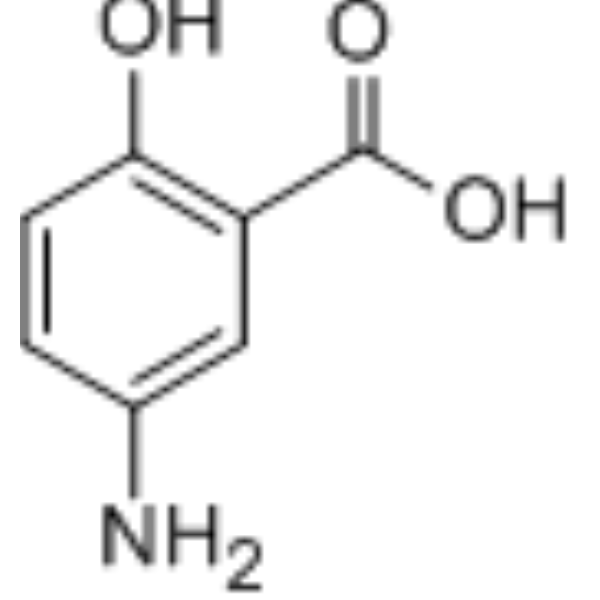
    5-Aminosalicylic Acid
    30+ Cited Publications

    Mesalamine; 5-ASA; Mesalazine

    PPAR PAK NF-κB Endogenous Metabolite Inflammation/Immunology Cancer
    5-Aminosalicylic acid (Mesalamine) acts as a specific PPARγ agonist and also inhibits p21-activated kinase 1 (PAK1) and NF-κB. 5-Aminosalicylic acid can inhibit the activity of osteopontin (OPN).
    5-Aminosalicylic Acid
  • HY-50935
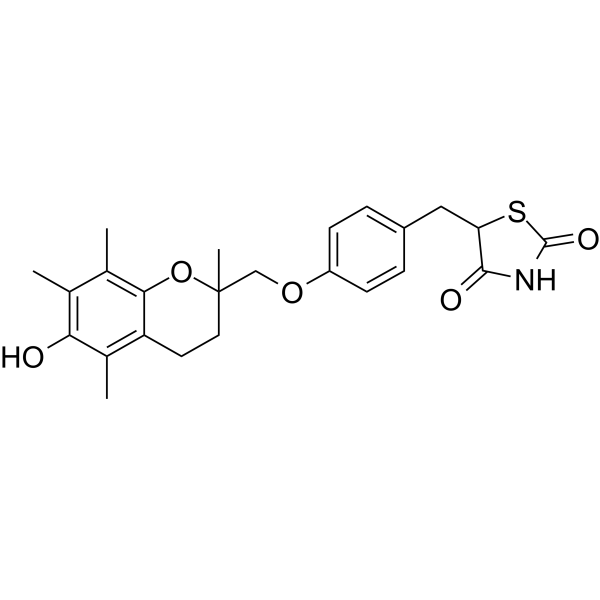
    Troglitazone
    30+ Cited Publications

    CS-045

    PPAR Autophagy Apoptosis Ferroptosis Metabolic Disease Cancer
    Troglitazone is an orally active PPARγ agonist, with EC50s of 550 nM and 780 nM for human and murine PPARγ receptor, respectively. Troglitazone has anticancer activity, prevents and inhibits the development of type 2 diabetes.
    Troglitazone
  • HY-N0014
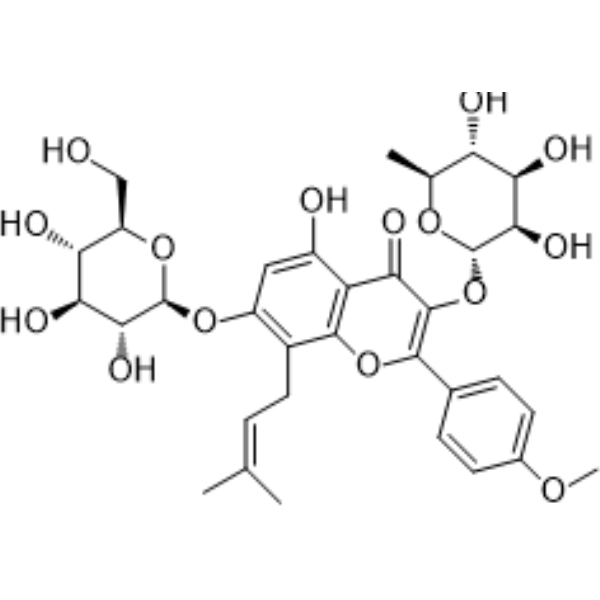
    Icariin
    25+ Cited Publications

    Ieariline

    Phosphodiesterase (PDE) PPAR Autophagy Cardiovascular Disease Infection Neurological Disease Inflammation/Immunology Cancer
    Icariin is a flavonol glycoside. Icariin inhibits PDE5 and PDE4 activities with IC50s of 432 nM and 73.50 μM, respectively. Icariin also is a PPARα activator.
    Icariin
  • HY-B0258
    Gemfibrozil
    5+ Cited Publications

    CI-719

    PPAR Cytochrome P450 Cardiovascular Disease Metabolic Disease Cancer
    Gemfibrozil is an activator of PPAR-α, used as a lipid-lowering agent; Gemfibrozil is also a nonselective inhibitor of several P450 isoforms, with Ki values for CYP2C9, 2C19, 2C8, and 1A2 of 5.8, 24, 69, and 82 μM, respectively.
    Gemfibrozil
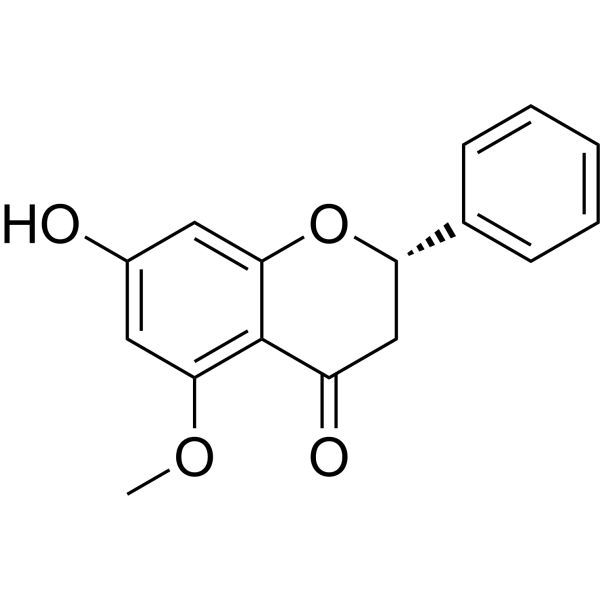
  • HY-N0625A
    Alpinetin
    5+ Cited Publications

    PPAR Keap1-Nrf2 Toll-like Receptor (TLR) Infection Cardiovascular Disease Inflammation/Immunology Cancer
    Alpinetin is a flavonoid isolated from cardamom and possesses antitumor, antiinflammation, hepatoprotective, cardiovascular protective, lung protective, antibacterial, antiviral, neuroprotective properties. Alpinetin inhibits lipopolysaccharide (LPS)-induced inflammation, activates PPAR-γ, activates Nrf2, and inhibits TLR4 expression to protect LPS-induced renal injury .
    Alpinetin
  • HY-N0234
    Bavachinin
    5+ Cited Publications

    7-O-Methylbavachin; Bavachinin A

    Amyloid-β PPAR HIF/HIF Prolyl-Hydroxylase Inflammation/Immunology Cancer
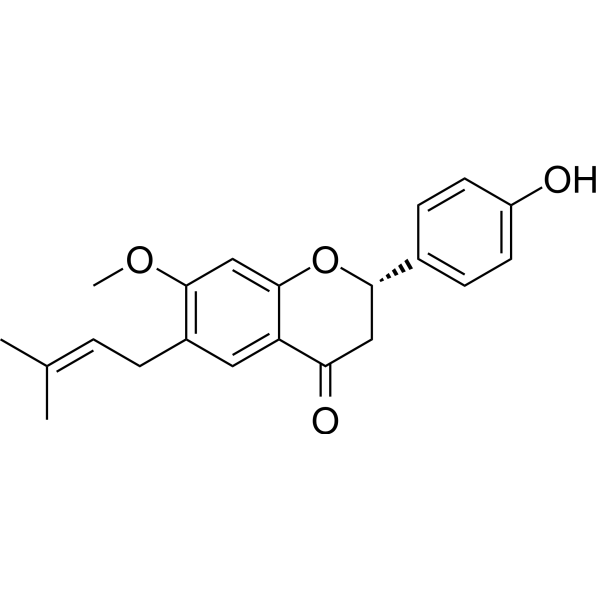
    Bavachinin is agonist of pan-peroxisome proliferator-activated receptor (PPAR), with the IC50 value of 21.043 μM, 12.819 μM, and 0.622 μM to PPAR-α, RRAR-β/δ, and PPAR-γ, respectively. Bavachinin is an inhibitor of HIF-1α. Bavachinin exhibits antitumor activity against non-small cell lung cancer by targeting RRAR-γ. Bavachinin is a natural compound with anti-inflammatory and anti-angiogenic activities. Bavachinin has orally bioactivity. .
    Bavachinin
  • HY-14600
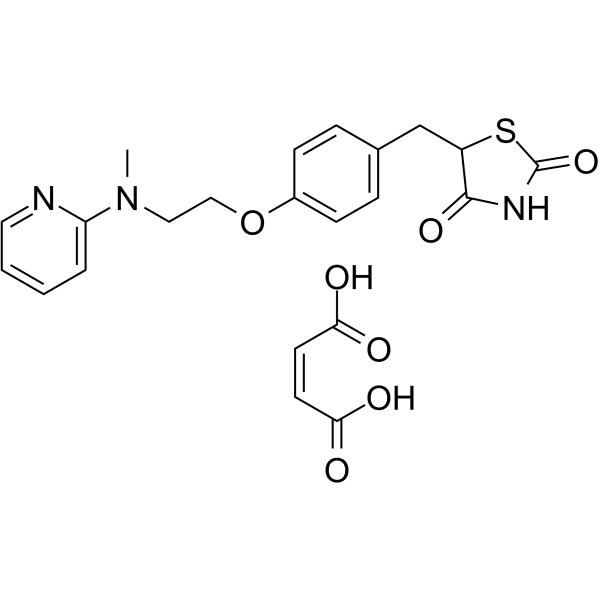
    Rosiglitazone maleate
    Maximum Cited Publications
    175 Publications Verification

    BRL 49653C

    PPAR TRP Channel Autophagy Ferroptosis Metabolic Disease Inflammation/Immunology Cancer
    Rosiglitazone maleate (BRL 49653C) is a potent and selective activator of PPARγ, with EC50s of 30 nM, 100 nM and 60 nM for PPARγ1, PPARγ2, and PPARγ, respectively, and a Kd of appr 40 nM for PPARγ; Rosiglitazone maleate is also an modulator of TRP channels, inhibits TRP melastatin 2 (TRPM2), TRPM3 and activates TRP canonical 5 (TRPC5).
    Rosiglitazone maleate
  • HY-N0604
    Ginsenoside Rh1
    5 Publications Verification

    Prosapogenin A2; Sanchinoside B2; Sanchinoside Rh1

    Interleukin Related PPAR TNF Receptor Endogenous Metabolite Inflammation/Immunology
    Ginsenoside Rh1 (Prosapogenin A2) inhibits the expression of PPAR-γ, TNF-α, IL-6, and IL-1β.
    Ginsenoside Rh1
  • HY-N0059

    Parasite Bacterial AMPK PPAR Infection Neurological Disease Metabolic Disease
    D-Arabinose is is an orally active antidepressant and a growth inhibitor of C. elegans (IC50 is 7.5 mM). D-Arabinose can penetrate the blood-brain barrier, selectively interfere with the metabolism of D-ribose and D-fructose, and inhibit the growth of nematodes. D-Arabinose can also inhibit the synthesis of cell biofilm and exert antibacterial activity. D-Arabinose activates the ACSS2-PPARγ/TFEB-CRTC1 axis through the lysosomal AXIN-LKB1-AMPK pathway, inducing CRTC1 transcription, exerts antidepressant-like activity. D-Arabinose is the ring-opened form of the aldopentose D-?Arabinose (HY-N7082) .
    D-Arabinose
  • HY-17386A
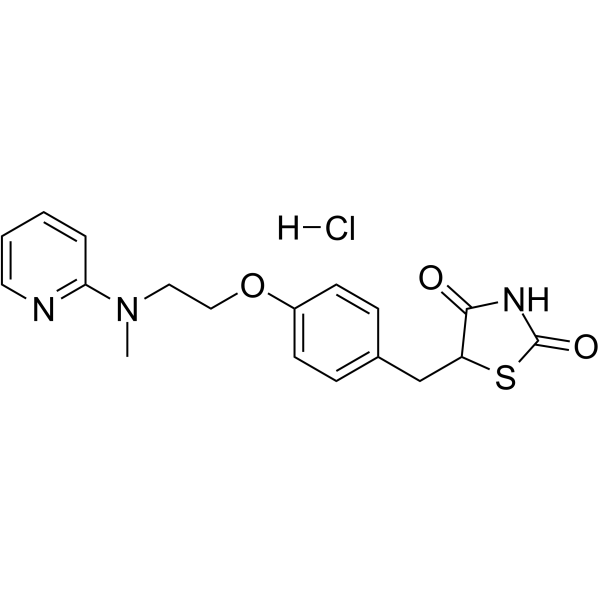
    Rosiglitazone hydrochloride
    Maximum Cited Publications
    175 Publications Verification

    BRL 49653 hydrochloride

    PPAR TRP Channel Autophagy Ferroptosis Apoptosis Neurological Disease Metabolic Disease Inflammation/Immunology Cancer
    Rosiglitazone (BRL 49653) hydrochloride is an orally active selective PPARγ agonist (EC50: 60 nM, Kd: 40 nM). Rosiglitazone hydrochloride is a TRPC5 activator (EC50: 30 μM) and TRPM3 inhibitor. Rosiglitazone hydrochloride can be used in the research of obesity and diabetes, senescence, ovarian cancer .
    Rosiglitazone hydrochloride
  • HY-B0760
    Fenofibric acid
    3 Publications Verification

    FNF acid

    PPAR COX Metabolic Disease
    Fenofibric acid, an active metabolite of fenofibrate, is a PPAR activitor, with EC50s of 22.4 μM, 1.47 μM, and 1.06 μM for PPARα, PPARγ and PPARδ, respectively; Fenofibric acid also inhibits COX-2 enzyme activity, with an IC50 of 48 nM.
    Fenofibric acid
  • HY-14928

    PPAR ERK JNK TGF-beta/Smad NO Synthase COX NF-κB Interleukin Related Cardiovascular Disease Metabolic Disease Inflammation/Immunology
    Lobeglitazone is a new type of thiazolidinedione. Lobeglitazone is the orally active agonist for PPAR with EC50 of 137.4 nM and 546.3 nM for PPARγ and PPARα. Lobeglitazone is the inhibitor for ERK/JNK/Smad/NF-κB signaling pathway. Lobeglitazone exhibits anti-inflammatory, anti-diabetic, anti-fibrotic and anti-atherosclerotic properties .
    Lobeglitazone
  • HY-15721
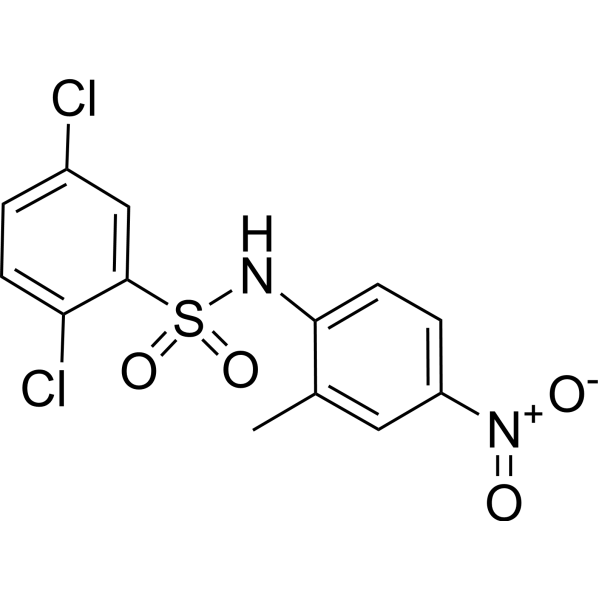
    FH535
    15+ Cited Publications

    PPAR Wnt β-catenin Cancer
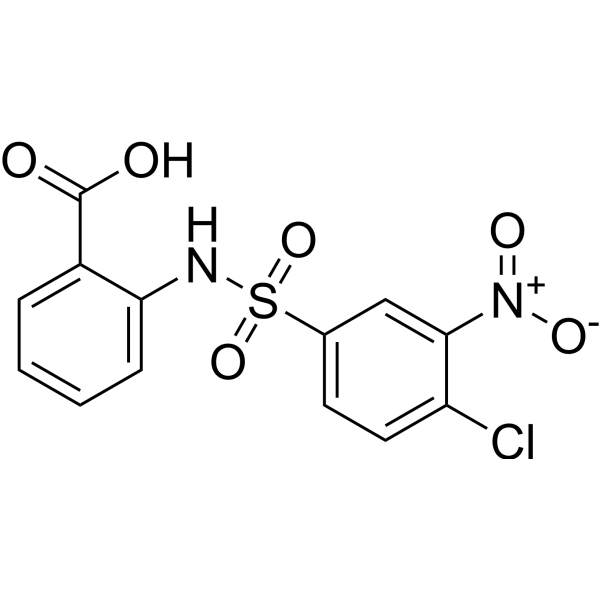
    FH535 is an inhibitor of Wnt/β-catenin and PPAR with anti-tumor activities .
    FH535
  • HY-Y0078
    Cinnamyl Alcohol
    2 Publications Verification

    Environmental Pollutants AMPK ERK Potassium Channel Akt ROCK NO Synthase PPAR Metabolic Disease Inflammation/Immunology
    Cinnamyl Alcohol is an active component from chestnut flower, inhibits increased PPARγ expression, exhibits anti-obesity, antioxidant and anti-inflammatory activities .
    Cinnamyl Alcohol
  • HY-N1029
    Norathyriol
    3 Publications Verification

    Mangiferitin

    Glycosidase PPAR Infection Inflammation/Immunology Cancer
    Norathyriol (Mangiferitin) is a natural metabolite of Mangifera. Norathyriol inhibits α-glucosidase in a noncompetitive manner with an IC50 of 3.12 μM . Norathyriol inhibits PPARα, PPARβ, and PPARγ with IC50s of 92.8 µM, 102.4 µM, and 153.5 µM, respectively . Antioxidant, anticancer, antimicrobial, anti-inflammatory, anti-bacterial activities.
    Norathyriol
  • HY-101491
    SR-18292
    60+ Cited Publications

    PGC-1α Autophagy Metabolic Disease
    SR-18292 is a PPAR gamma coactivator-1α (PGC-1α) inhibitor, which increases PGC-1α acetylation, suppresses gluconeogenic gene expression and reduces glucose production in hepatocytes.
    SR-18292
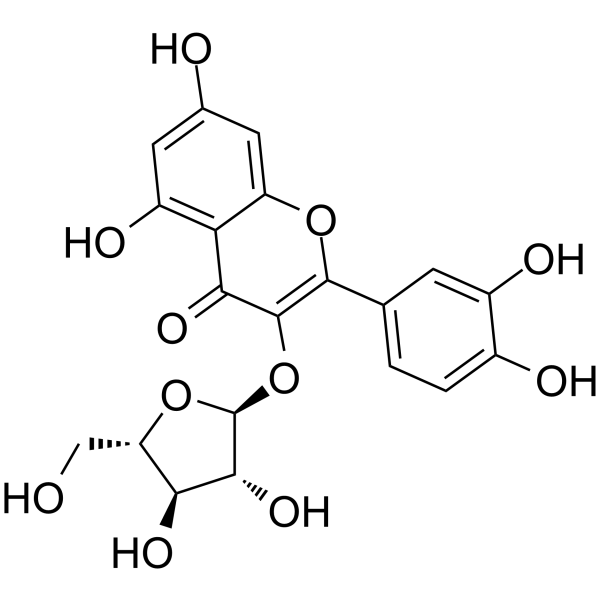
  • HY-N0222
    Avicularin
    5+ Cited Publications

    COX NF-κB PPAR ERK GLUT Apoptosis Infection Neurological Disease Inflammation/Immunology Cancer
    Avicularin is an orally active flavonoid. Avicularin inhibits NF-κB (p65), COX-2 and PPAR-γ activities. Avicularin has anti-inflammatory, anti-infectious anti-allergic, anti-oxidant, hepatoprotective, and anti-tumor activities .
    Avicularin
  • HY-108022
    Azemiglitazone
    1 Publications Verification

    MSDC-0602

    Mitochondrial Metabolism PPAR Neurological Disease Metabolic Disease Inflammation/Immunology
    Azemiglitazone (MSDC-0602) is an orally active thiazolidinedione (TZD) -like molecule, which binds to PPARγ with low binding and activating affinity. Azemiglitazone inhibits mitochondrial pyruvate carrier (MPC), which inhibits Alzheimer’s disease and diminishes nonalcoholic steatohepatitis (NASH) caused liver injury .
    Azemiglitazone
  • HY-12483

    PPAR Metabolic Disease
    SR1664 is a PPARγ antagonist. SR1664 binds to PPARγ and potently inhibits Cdk5-mediated PPARγ phosphorylation (IC50=80 nM; Ki= 28.67 nM) .
    SR1664
  • HY-114263
    NXT629
    4 Publications Verification

    PPAR Cancer
    NXT629 is a potent, selective, and competitive PPAR-α antagonist, with an IC50 of 77 nM for human PPARα, shows high selectivity over other nuclear hormone receptor, such as PPARδ, PPARγ, ERβ, GR and TRβ, IC50s are 6.0, 15, 15.2, 32.5 and >100 μM, respectively . NXT629 has potent anti-tumor activity and inhibits experimental metastasis of cancer cell in animal models .
    NXT629
  • HY-N0479
    Licarin B
    1 Publications Verification

    (-)-Licarin B

    PPAR GLUT Metabolic Disease
    Licarin B, a nitric oxide production inhibitor extracted from the component of the seeds of Myristica fragrans, improves insulin sensitivity via PPARγ and activation of GLUT4 in the IRS-1/PI3K/AKT pathway .
    Licarin B
  • HY-N7082

    Parasite Bacterial AMPK PPAR Infection Neurological Disease Metabolic Disease
    D-Arabinopyranose is a rare aldehyde pentose, and its ring-opened form is D-arabinose (HY-N0059). D-arabinose is is an orally active antidepressant and a growth inhibitor of C. elegans (IC50 is 7.5 mM). D-arabinose can penetrate the blood-brain barrier, selectively interfere with the metabolism of D-ribose and D-fructose, and inhibit the growth of nematodes. D-arabinose can also inhibit the synthesis of cell biofilm and exert antibacterial activity. D-arabinose activates the ACSS2-PPARγ/TFEB-CRTC1 axis through the lysosomal AXIN-LKB1-AMPK pathway, inducing CRTC1 transcription, exerts antidepressant-like activity. D-arabinose is the ring-opened form of the aldopentose D-?Arabinose (HY-N7082) .
    D-Arabinopyranose
  • HY-100277
    Mifobate
    1 Publications Verification

    SR-202

    PPAR Metabolic Disease
    Mifobate (SR-202) is a potent and specific PPARγ antagonist. Mifobate (SR-202) selectively inhibits Thiazolidinedione (TZD)-induced PPARγ transcriptional activity (IC50=140 μM). Mifobate (SR-202) does not affect basal or ligand-stimulated transcriptional activity of PPARα, PPARβ, or the farnesoid X receptor (FXR). Mifobate (SR-202) shows antiobesity and antidiabetic effects .
    Mifobate
  • HY-100428

    MCC-555; Isaglitazone

    PPAR Metabolic Disease
    Netoglitazone (MCC-555) is an orally active PPARγ ligand with an EC50 of 8 μM. Netoglitazone mediates cell type-specific functional regulation, and modulates the transcriptional activity of PPARγ as a full agonist, partial agonist or antagonist. Netoglitazone induces adipogenesis, inhibits osteoblastogenesis, alters the weight of extramedullary fat depots and enhances insulin sensitivity. Netoglitazone reduces blood glucose levels. Netoglitazone can be used in research related to type 2 diabetes and non-insulin-dependent diabetes mellitus .
    Netoglitazone
  • HY-111254

    PPAR NF-κB JNK Inflammation/Immunology
    GQ-16 is an orally active PPARγ partial agonist with an IC50 of 1.84 μM and a Ki of 160 nM against human PPARγ. GQ-16 inhibits Cdk5-mediated Ser-273 phosphorylation. GQ-16 improves insulin sensitivity and glucose tolerance in obese and diabetic mice. GQ-16 also exhibits certain cytotoxicity against tumor cells. GQ-16 can be used in research related to obesity, diabetes and cancer .
    GQ-16
  • HY-N1867

    PPAR Metabolic Disease
    trans-Cinnamyl alcohol is a trans-isomer of Cinnamyl alcohol. Cinnamyl Alcohol is an active component from chestnut flower, inhibits increased PPARγ expression, with anti-obesity activity. trans-Cinnamyl alcohol, belongs to the class of organic compounds known as cinnamyl alcohols, is a primary metabolite .
    trans-Cinnamyl alcohol
  • HY-121538
    CUDA
    1 Publications Verification

    Epoxide Hydrolase PPAR Cardiovascular Disease
    CUDA is a potent inhibitor of soluble epoxide hydrolase (sEH), with IC50s of 11.1 nM and 112 nM for mouse sEH and human sEH, respectively . CUDA selectively increases peroxisome proliferator-activated receptor (PPAR) alpha activity. CUDA may be valuable for the research of cardiovascular disease .
    CUDA
  • HY-19383
    Ertiprotafib
    2 Publications Verification

    PTP 112

    Phosphatase IKK PPAR Metabolic Disease
    Ertiprotafib is an inhibitor of PTP1B, IkB kinase β (IKK-β), and a dual PPARα and PPARβ agonist, with an IC50 of 1.6 μM for PTP1B, 400 nM for IKK-β, an EC50 of ~1 μM for PPARα/PPARβ.
    Ertiprotafib
  • HY-B0760S

    PPAR COX Metabolic Disease
    Fenofibric acid-d6 (FNF acid-d6) is the deuterium labeled Fenofibric acid. Fenofibric acid, an active metabolite of fenofibrate, is a PPAR activitor, with EC50s of 22.4 µM, 1.47 µM, and 1.06 µM for PPARα, PPARγ and PPARδ, respectively; Fenofibric acid also inhibits COX-2 enzyme activity, with an IC50 of 48 nM.
    Fenofibric acid-d6
  • HY-14928A

    PPAR ERK JNK TGF-beta/Smad NO Synthase COX NF-κB Interleukin Related Cardiovascular Disease Metabolic Disease Inflammation/Immunology
    Lobeglitazone sulfate is a new type of thiazolidinedione. Lobeglitazone sulfate is the orally active agonist for PPAR with EC50 of 137.4 nM and 546.3 nM for PPARγ and PPARα. Lobeglitazone sulfate is the inhibitor for ERK/JNK/Smad/NF-κB signaling pathway. Lobeglitazone sulfate exhibits anti-inflammatory, anti-diabetic, anti-fibrotic and anti-atherosclerotic properties .
    Lobeglitazone sulfate
  • HY-W011309

    1-O-HDG; HXDG

    PPAR PGE synthase Inflammation/Immunology
    1-O-Hexadecylglycerol can up-regulate PPAR-γ expression, inhibit pGE2, and exhibit anti-inflammatory properties . 1-O-Hexadecylglycerol is effective in oral administration .
    1-O-Hexadecylglycerol
  • HY-N1280

    Amyloid-β Neurological Disease
    Semilicoisoflavone B, an isoflavone, mainly derived from Glycyrrhiza uralensis Fisch.. Semilicoisoflavone B reduces amyloid β () secretion by inhibiting β-secretase-1 (BACE1) expression and activity. Semilicoisoflavone B decreases BACE1 expression mainly through increasing PPARγ expression and inhibiting STAT3 phosphorylation .
    Semilicoisoflavone B
  • HY-156010

    PPAR Metabolic Disease
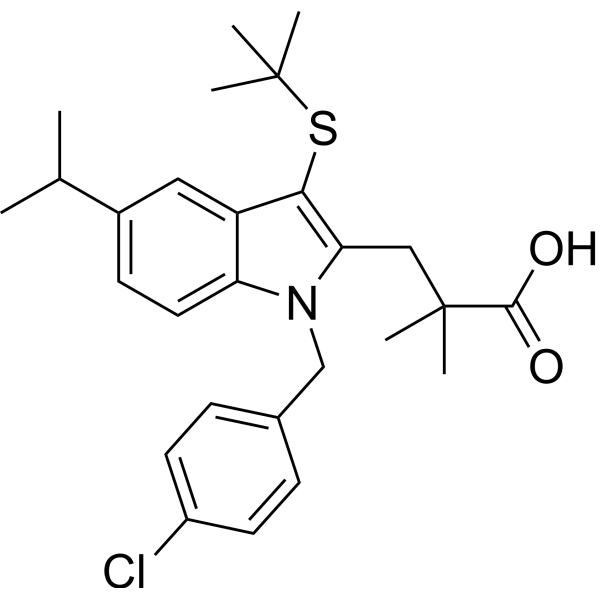
    PPARγ-IN-2 (Compound 5a) is a PPARγ inhibitor. PPARγ-IN-2 inhibits TG accumulation in 3T3-L1 preadipocytes (EC50: 0.106 μM). PPARγ-IN-2 inhibits high-cholesterol diet (HFC)-induced obesity and related metabolic syndrome, and reduces lipid accumulation in adipose tissue .
    PPARγ-IN-2
  • HY-B0760R
    Fenofibric acid (Standard)
    3 Publications Verification

    FNF acid (Standard)

    Reference Standards PPAR COX Metabolic Disease
    Fenofibric acid (Standard) is the analytical standard of Fenofibric acid. This product is intended for research and analytical applications. Fenofibric acid, an active metabolite of fenofibrate, is a PPAR activitor, with EC50s of 22.4 μM, 1.47 μM, and 1.06 μM for PPARα, PPARγ and PPARδ, respectively; Fenofibric acid also inhibits COX-2 enzyme activity, with an IC50 of 48 nM.
    Fenofibric acid (Standard)
  • HY-116247

    PPAR Metabolic Disease Inflammation/Immunology
    ST247 a potent PPARβ/δ inverse agonist. ST247 has a higher affinity to PPARβ/δ. ST247 modulates expression of the activation marker CCL2 in the opposite direction. ST247 efficiently induces the interaction with corepressors. ST247 inhibits the agonist-induced transcriptional activity of PPARβ/δ .
    ST247
  • HY-168049

    PPAR Akt Metabolic Disease
    ZLY06 is an orally active dual agonist of peroxisome proliferator-activated receptor (PPAR) δ and γ (PPAR δ: EC50=341 nM; PPAR γ: EC50=237 nM). ZLY06 induces hepatic lipid accumulation by inhibiting the phosphorylation of AKT1, mediating the upregulation of CD36. In addition, ZLY06 significantly improves glucose and lipid metabolism without increasing body weight, and alleviates fatty liver by promoting β-oxidation of fatty acids and inhibiting hepatic lipogenesis .
    ZLY06
  • HY-168376

    9(10)-Nitrated oleic acid

    PPAR ERK Akt NO Synthase Metabolic Disease Inflammation/Immunology
    9 (10)-Nitrooleate (9(10)-Nitrated oleic acid) is an endogenous lipid signaling mediator with vasoprotective effects. 9 (10)-Nitrooleate enhances enzymatic activity and improves nitric oxide bioavailability by inducing phosphorylation of Akt and ERK1/2, regulating the multi-site phosphorylation status of eNOS and optimizing its interaction with Hsp90. 9 (10)-Nitrooleate also activates PPARα, PPARδ and PPARγ receptors, thereby regulating adipogenesis, glucose uptake and inflammation-related gene expression, and exhibits immunosuppressive effects by inhibiting neutrophil migration and cytokine secretion. 9 (10)-Nitrooleate is widely used in studies of sepsis and related inflammatory diseases .
    9(10)-Nitrooleate
  • HY-N0014R
    Icariin (Standard)
    25+ Cited Publications

    Ieariline (Standard)

    Reference Standards Phosphodiesterase (PDE) PPAR Autophagy Cardiovascular Disease Inflammation/Immunology Cancer
    Icariin (Standard) is the analytical standard of Icariin. This product is intended for research and analytical applications. Icariin is a flavonol glycoside. Icariin inhibits PDE5 and PDE4 activities with IC50s of 432 nM and 73.50 μM, respectively. Icariin also is a PPARα activator.
    Icariin (Standard)
  • HY-119966

    Wnt β-catenin PPAR CDK Cancer
    CCT036477 is a Wnt/β-catenin pathway inhibitor. CCT036477 blocks transcription at β-catenin without altering its levels. CCT036477 inhibits proliferation of various cancer cells, development of embryos, and expression of Wnt target genes (PPARδ, Cyclin D1, TCF4, and ID2) .
    CCT036477
  • HY-17386S

    Isotope-Labeled Compounds PPAR TRP Channel Autophagy Ferroptosis Neurological Disease Metabolic Disease Inflammation/Immunology Cancer
    Rosiglitazone-d3 is the deuterium labeled Rosiglitazone. Rosiglitazone (BRL 49653) is a selective, orally active PPARγ agonist with EC50s of 30 nM, 100 nM and 60 nM for PPARγ1, PPARγ2, and PPARγ, respectively. Rosiglitazone binds to PPARγ with a Kd of approximately 40 nM. Rosiglitazone is also an activator of TRPC5 (EC50=~30 μM) and an inhibitor of TRPM3 .
    Rosiglitazone-d3
  • HY-N3027
    Soyasaponin Aa
    1 Publications Verification

    PPAR Reactive Oxygen Species (ROS) Metabolic Disease
    Soyasaponin Aa is a soyasaponin that can be found in soy. Soyasaponin Aa suppresses PPARγ transcriptional activity, reduces PPARγ and C/EBPα expression, inhibits adipocyte differentiation and lipid accumulation, and reduces adipogenic marker gene expression. Soyasaponin Aa reduces hydrogen peroxide-induced reactive oxygen species (ROS) production and malondialdehyde levels. Soyasaponin Aa exhibits cellular antioxidant activity. Soyasaponin Aa can be used for the research of obesity .
    Soyasaponin Aa
  • HY-N9768

    9-oxo-ODA

    Fungal PPAR Infection
    (10E,12E)-9-Oxo-10,12-octadecadienoic acid (9-oxo-ODA) is a PPARα agonist that can be isolated from the basidiomycete Gomphus floccosus. (10E,12E)-9-Oxo-10,12-octadecadienoic acid enhances fatty acid oxidation through PPARα activation, thereby inhibiting triglyceride accumulation. (10E,12E)-9-Oxo-10,12-octadecadienoic acid also has antifungal (Fungal) activity .
    (10E,12E)-9-Oxo-10,12-octadecadienoic acid
  • HY-159944

    PPAR Neurological Disease Metabolic Disease Inflammation/Immunology
    PPARγ agonist 14 (compound 3) is a PPARy agonist (EC50=2.4 μM) with anti-diabetic activity. PPARγ agonist 14 can improve intracellular glucose uptake, promote insulin release, and lower blood sugar. In addition, PPARγ agonist 14 also improves mitochondrial function, reduces oxidative stress, and inhibits inflammatory factors. PPARγ agonist 14 can be used in the study of neurodegenerative diseases, neuroinflammatory diseases, and other diseases .
    PPARγ agonist 14
  • HY-131265

    PPAR PAK NF-κB Inflammation/Immunology Cancer
    Mesalamine impurity P is an impurity of Mesalamine (HY-15027). 5-Aminosalicylic acid (Mesalamine) acts as a specific PPARγ agonist and also inhibits p21-activated kinase 1 (PAK1) and NF-κB .
    Mesalamine impurity P
  • HY-15027S

    Mesalamine-D3 hydrochloride; 5-ASA-D3 hydrochloride; Mesalazine-D3 hydrochloride

    Isotope-Labeled Compounds PPAR PAK NF-κB Endogenous Metabolite Inflammation/Immunology Cancer
    5-Aminosalicylic Acid-d3 (hydrochloride) is the deuterium labeled 5-Aminosalicylic Acid. 5-Aminosalicylic acid (Mesalamine) hydrochloride acts as a specific PPARγ agonist and also inhibits p21-activated kinase 1 (PAK1) and NF-κB.
    5-Aminosalicylic Acid-d3 hydrochloride
  • HY-N0604R

    Prosapogenin A2 (Standard); Sanchinoside B2 (Standard); Sanchinoside Rh1 (Standard)

    Interleukin Related Reference Standards PPAR TNF Receptor Endogenous Metabolite Inflammation/Immunology
    Ginsenoside Rh1 (Standard) is the analytical standard of Ginsenoside Rh1. This product is intended for research and analytical applications. Ginsenoside Rh1 (Prosapogenin A2) inhibits the expression of PPAR-γ, TNF-α, IL-6, and IL-1β.
    Ginsenoside Rh1 (Standard)
  • HY-N11924

    AMPK PPAR Metabolic Disease
    Foenumoside B is a triterpene saponin isolated from Lysimachia foenum-graecum. Foenumoside B activates AMPK signaling, inhibits PPARγ-induced adipogenesis, and shifts lipid metabolism toward lipolysis. Foenumoside B can be used in the study of obesity and obesity-related metabolic diseases .
    Foenumoside B
  • HY-117761

    PPAR Metabolic Disease Cancer
    MHY908 is a potent dual agonist of PPARα and PPARγ . MHY908 also inhibits melanogenesis through inhibition of mushroom tyrosinase activity .
    MHY908
  • HY-119248

    MK-0767

    PPAR Metabolic Disease
    KRP-297 is a PPARα and PPARγ agonist potentially for the research of type 2 diabetes and dyslipidemia. KRP-297 restores reduced lipid oxidation, and inhibits of enhanced lipogenesis and triglyceride accumulation in the liver.
    KRP-297
  • HY-173443

    PPAR Epoxide Hydrolase Metabolic Disease Inflammation/Immunology
    SP-C01 is an orally active soluble epoxide hydrolase (sEH) inhibitor and partial PPARγ agonist. SP-C01 can inhibit Ser273 phosphorylation .
    SP-C01

Inquiry Online

Your information is safe with us. * Required Fields.

Salutation


Country or Region *

Applicant Name *


Organization Name *

Department *


Email Address *


Product Name *

Cat. No.


Requested quantity *

Phone Number *


Remarks

Inquiry Online

Inquiry Information

Product Name:
Cat. No.:
Quantity:
MCE Japan Authorized Agent:

