Search Result
Results for "
RNA polymerase Inhibitor
" in MedChemExpress (MCE) Product Catalog:
2
Biochemical Assay Reagents
16
Isotope-Labeled Compounds
| Cat. No. |
Product Name |
Target |
Research Areas |
Chemical Structure |
-
- HY-19610
-
|
α-Amatoxin
|
DNA/RNA Synthesis
ADC Payload
|
Cancer
|
|
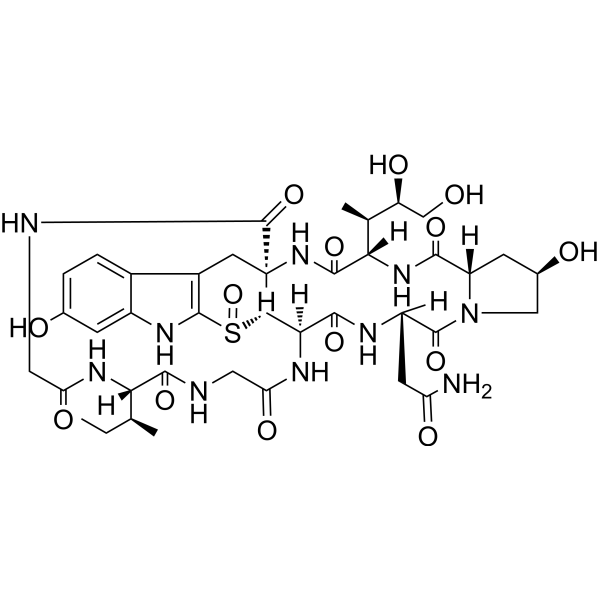
α-Amanitin is the principal toxin of several deadly poisonous mushrooms, exerting its toxic function by inhibiting RNA-polymerase II.
|
-
-
- HY-14768
-
|
T-705
|
DNA/RNA Synthesis
Influenza Virus
SARS-CoV
Bacterial
|
Infection
|
|
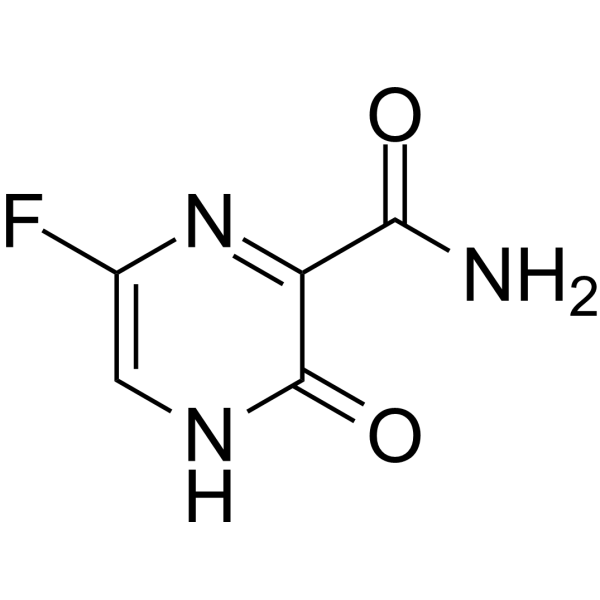
Favipiravir (T-705) is a potent viral RNA polymerase inhibitor, it is phosphoribosylated by cellular enzymes to its active form, Favipiravir-ribofuranosyl-5′-triphosphate (RTP). Favipiravir-RTP inhibits the influenza viral RNA-dependent RNA polymerase (RdRP) activity with an IC50 of 341 nM.
|
-
-
- HY-N0112
-
|
Ampelopsin; Ampeloptin
|
mTOR
Influenza Virus
DNA/RNA Synthesis
Autophagy
|
Infection
Cancer
|
|
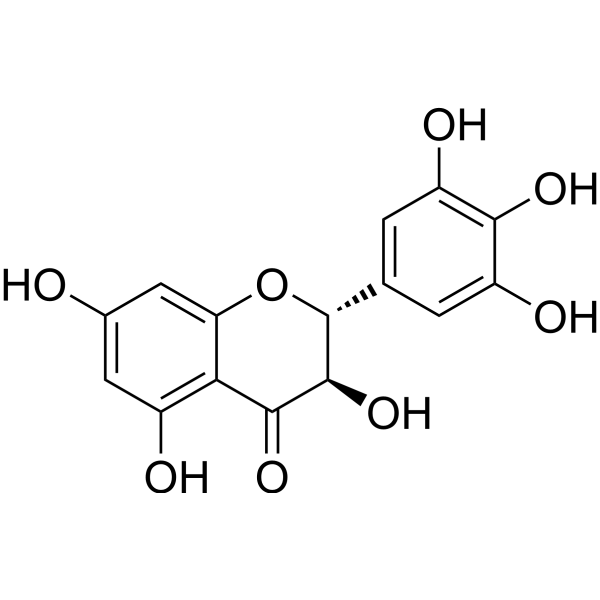
Dihydromyricetin is a potent inhibitor with an IC50 of 48 μM on dihydropyrimidinase. Dihydromyricetin can activate autophagy through inhibiting mTOR signaling. Dihydromyricetin suppresses the formation of mTOR complexes (mTORC1/2). Dihydromyricetin is also a potent influenza RNA-dependent RNA polymerase inhibitor with an IC50 of 22 μM.
|
-
-
- HY-N0540
-
|
Luteolin 7-glucoside; Luteolin 7-O-β-D-glucoside
|
Influenza Virus
DNA/RNA Synthesis
Apoptosis
Parasite
Bacterial
Fungal
|
Infection
Cardiovascular Disease
Cancer
|
|
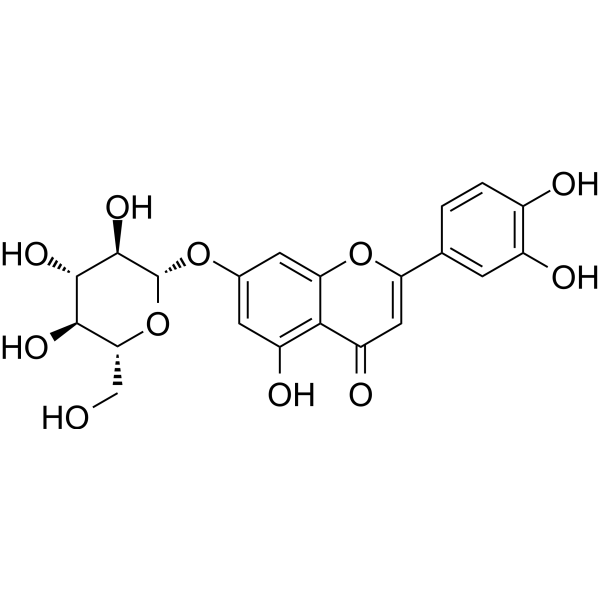
Cynaroside (Luteolin 7-glucoside) is a flavonoid compound that exhibits anti-oxidative capabilities. Cynaroside is also a potent influenza RNA-dependent RNA polymerase inhibitor with an IC50 of 32 nM. Cynaroside also is a promising inhibitor for H2O2-induced apoptosis, has cytoprotection against oxidative stress-induced cardiovascular diseases. Cynaroside also has antibacterial, antifungal and anticancer activities, antioxidant and anti-inflammatory activities .
|
-
-
- HY-17025
-
-
-
- HY-12484
-
|
|
DNA/RNA Synthesis
|
Cancer
|
|
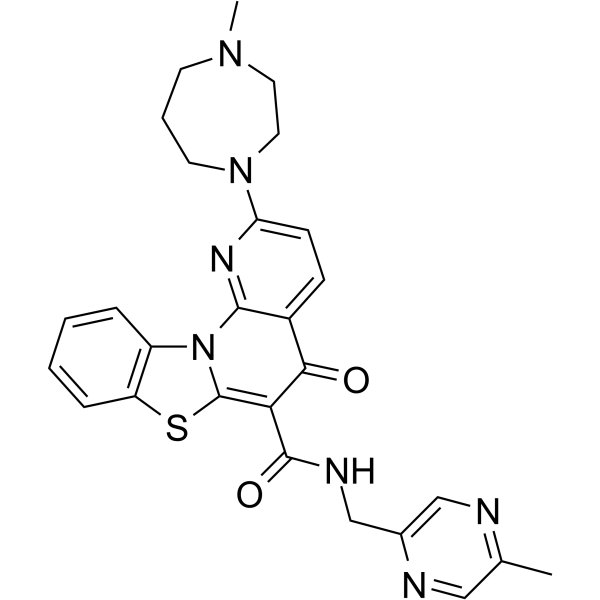
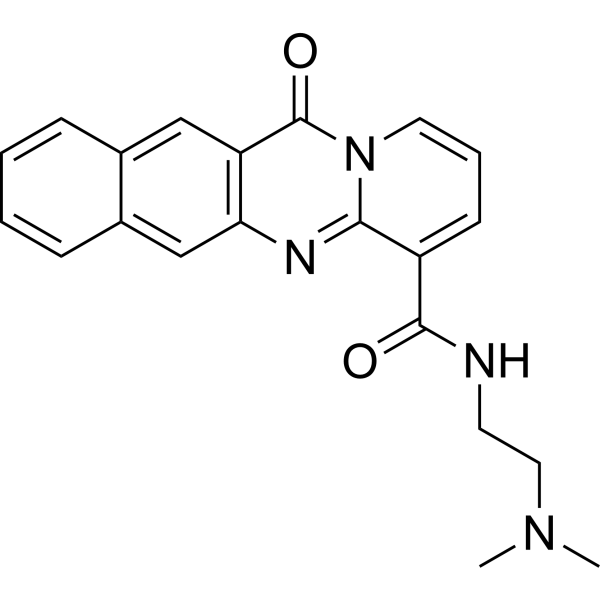
BMH-21 is a first-in-class DNA intercalator which inhibits RNA polymerase I (Pol I) transcription. BMH-21 possesses anticancer activity .
|
-
-
- HY-137067
-
|
LDC203974
|
DNA/RNA Synthesis
|
Cancer
|
|
IMT1B (LDC203974) is an orally active, noncompetitive and specific allosteric inhibitor of mitochondrial RNA polymerase (POLRMT) and inhibits mitochondrial DNA (mtDNA) expression. IMT1B has anti-tumour effects .
|
-
-
- HY-13998
-
|
ABT-333
|
HCV
DNA/RNA Synthesis
|
Infection
|
|
Dasabuvir (ABT-333) is a nonnucleoside hepatitis C virus (HCV) polymerase inhibitor. Dasabuvir inhibits RNA-dependent RNA polymerase encoded by the HCV NS5B gene. Dasabuvir inhibits genotype 1a (strain H77) and 1b (strain Con1) replicons, with EC50 values of 7.7 and 1.8 nM, respectively .
|
-
-
- HY-145586
-
|
ZSP1273
|
Influenza Virus
DNA/RNA Synthesis
|
Infection
|
|
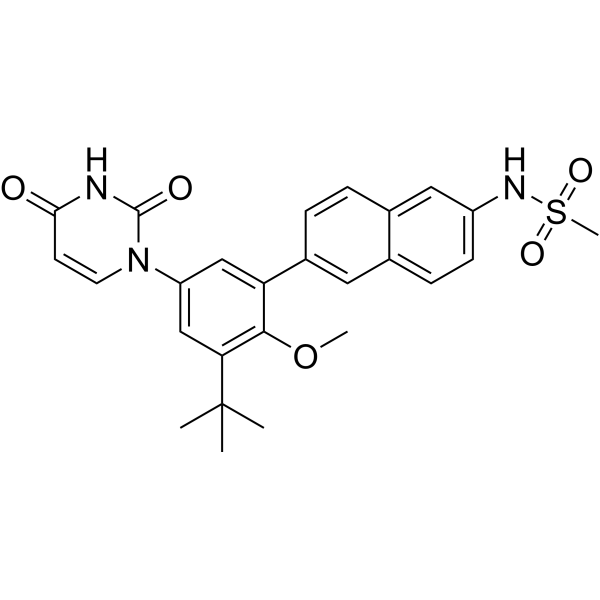
Onradivir (ZSP1273) is an orally active antiviral agent targeting influenza A virus RNA polymerase PB2 subunit with an IC50 of 0.562 nM. Onradivir inhibits cap binding to influenza A virus RNA polymerase PB2 subunit, suppresses viral replication, reduces viral titres and RNA loads, and inhibits influenza A virus infection. Onradivir maintains high survival rates in influenza A virus-infected mice, and reduces influenza A virus titers in a murine model. Onradivir can be used for the research of influenza A virus infection .
|
-
-
- HY-W011834
-
|
|
HCV
DNA/RNA Synthesis
|
Infection
|
|
2'-O-Methylcytidine is an orally active 2'-substituted nucleoside as a inhibitor of HCV replication with antiviral activity. 2'-O-Methylcytidine inhibits RNA-dependent RNA polymerase (NS5B)-catalyzed RNA synthesis in vitro, in a manner that is competitive with substrate nucleoside triphosphate .
|
-
-
- HY-W001951
-
|
Tetrakis(acetato)dirhodium(II); Rhodium(II) acetate dimer
|
DNA/RNA Synthesis
|
Cancer
|
|
Dirhodium tetraacetate (Tetrakis (acetato) dirhodium (II)) is an anticancer agent. Dirhodium tetraacetate functionally inhibits the activities of DNA polymerase I and RNA polymerase. It also acts as a catalyst and can be used to construct rhodium-based artificial metalloenzymes .
|
-
-
- HY-W015764
-
T-1105
2 Publications Verification
|
Flavivirus
|
Infection
|
|
T-1105, a structural analogue of T-705, is a novel broad-spectrum viral polymerase inhibitor. T-1105 inhibits the polymerases of RNA viruses after being converted to ribonucleoside triphosphate (RTP) metabolite. T-1105 has antiviral activity against various RNA viruses. T-1105 can be formed by nicotinamide mononucleotide adenylyltransferase .
|
-
-
- HY-16662
-
|
|
DNA/RNA Synthesis
Ras
Apoptosis
|
Cancer
|
|
Oncrasin-1 is an RNA polymerase inhibitor. Oncrasin-1 suppresses the phosphorylation of the largest subunit of RNA polymerase II and the expression of intronless reporter genes in sensitive cells. Oncrasin-1 effectively kills various human lung cancer cells with K-Ras mutations. Oncrasin-1 leads to coaggregation of PKCι and splicing factors into megaspliceosomes. Oncrasin-1 induces malfunction in the RNA processing machinery. Oncrasin-1 is an anti-cancer agent and can therefore be studied in research for lung cancer .
|
-
-
- HY-17025S
-
|
Ansamycin-d7; LM-427-d7
|
Isotope-Labeled Compounds
Bacterial
Antibiotic
|
Infection
|
|
Rifabutin-d7 is the deuterium labeled Rifabutin. Rifabutin (Ansamycin) is a semisynthetic ansamycin antibiotic with potent antimycobacterial properties. Rifabutin inhibits DNA-dependent RNA polymerase.
|
-
-
- HY-143584
-
|
|
CDK
Apoptosis
|
Cancer
|
|
AZ5576 is a potent and highly selective CDK9 inhibitor (IC50: <5 nM). AZ5576 inhibits the phosphorylation of RNA polymerase II at Ser2, thereby inhibiting transcriptional elongation. AZ5576 can be used for hematological Malignancy research .
|
-
-
- HY-75800
-
|
VX-222
|
DNA/RNA Synthesis
HCV
|
Infection
|
|
Lomibuvir (VX-222), a selective, non-nucleoside polymerase inhibitor, targets thumb pocket 2 of the HCV NS5B polymerase (RdRp) with a Kd of 17 nM. Lomibuvir inhibits the 1b/Con1 HCV subgenomic replicon with an EC50 of 5.2 nM. Lomibuvir preferentially inhibits elongative RNA synthesis rather than de novo-initiated RNA synthesis .
|
-
-
- HY-149648
-
|
|
RSV
DNA/RNA Synthesis
|
Infection
|
|
JNJ-8003 is a potent and orally active non-nucleoside RSV polymerase inhibitor with an IC50 of 0.29 nM. JNJ-8003 targets the L protein polymerase complex of RSV (IC50 = 0.67 nM), and blocks the transcription and replication of the viral genome by inhibiting the activity of RNA-dependent RNA polymerase (RdRp). JNJ-8003 displays subnanomolar activity in vitro as well as prominent efficacy in mice and a neonatal lamb models. JNJ-8003 can be used for the study of respiratory syncytial virus (RSV) .
|
-
-
- HY-10240
-
|
RG 7128; R-7128; PSI 6130 diisobutyrate
|
HCV
|
Infection
|
|
Mericitabine (RG 7128; R-7128) is a nucleoside inhibitor of the HCV NS5B polymerase that acts as an RNA chain terminator and prevents elongation of RNA transcripts during replication.
|
-
-
- HY-12429
-
|
BMS-791325
|
DNA/RNA Synthesis
HCV
|
Infection
|
|
Beclabuvir is an allosteric inhibitor that binds to thumb site 1 of the hepatitis C virus (HCV) NS5B RNA-dependent RNA polymerase, and inhibits recombinant NS5B proteins from HCV genotypes 1, 3, 4, and 5 with IC50 of < 28 nM .
|
-
-
- HY-126303
-
|
GS-441524 triphosphate; Remdesivir metabolite
|
DNA/RNA Synthesis
SARS-CoV
RSV
HCV
Drug Metabolite
|
Infection
|
|
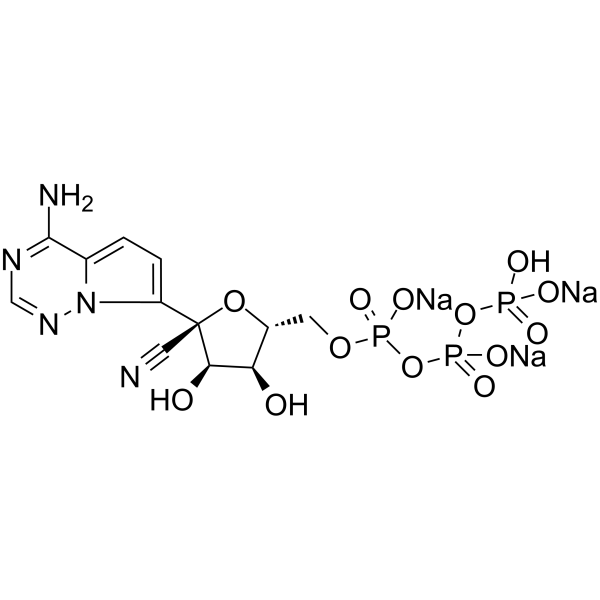
GS-443902 (GS-441524 triphosphate) is a potent viral RNA-dependent RNA-polymerases (RdRp) inhibitor with IC50s of 1.1 µM, 5 µM for RSV RdRp and HCV RdRp, respectively. GS-443902 is the active triphosphate metabolite of Remdesivir .
|
-
-
- HY-128917
-
-
-
- HY-128916
-
|
|
Antibiotic
Bacterial
|
Infection
|
|
dmDNA31 is a rifamycin-class antibiotic that inhibits bacterial DNA-dependent RNA polymerase with potent bactericidal activity against S. aureus .
|
-
-
- HY-134665
-
-
-
- HY-17025R
-
|
Ansamycin (Standard); LM-427 (Standard)
|
Reference Standards
Bacterial
Antibiotic
|
Infection
|
|
Rifabutin (Standard) is the analytical standard of Rifabutin. This product is intended for research and analytical applications. Rifabutin (Ansamycin) is a semisynthetic ansamycin antibiotic with potent antimycobacterial properties. Rifabutin inhibits DNA-dependent RNA polymerase.
|
-
-
- HY-100749
-
-
-
- HY-10118
-
|
|
HCV
DNA/RNA Synthesis
|
Infection
|
|
Filibuvir is an orally active, selective non-nucleoside inhibitor of the HCV nonstructural 5B protein (NS5B) RNA-dependent RNA polymerase (RdRp). Filibuvir binds noncovalently in the thumb II allosteric pocket of NS5B. Filibuvir inhibits genotype 1a and 1b replicons with EC50s of 59 nM for both isoforms, respectively . Filibuvir preferentially inhibits elongative RNA synthesis and potently decreases viral RNA accumulation .
|
-
-
- HY-135780A
-
-
-
- HY-148953
-
|
|
G-quadruplex
DNA/RNA Synthesis
Apoptosis
|
Cancer
|
|
MTR-106 is a potent and orally active G-quadruplex stabilizer and RNA polymerase I inhibitor. MTR-106 induces apoptosis and inhibits cell growth. MTR-106 can be used in research of cancer .
|
-
-
- HY-147917
-
|
|
ADC Payload
DNA/RNA Synthesis
|
Cancer
|
|
RNA polymerase II-IN-2 is a RNA polymerase II inhibitor with a Ki value of 74.1 nM. RNA polymerase II-IN-2 inhibits Pol II-mediated transcription and induces cytotoxicity in mammalian cells. RNA polymerase II-IN-2 serves as a payload for antibody-drug conjugates (ADC) and is applicable for cancer research .
|
-
-
- HY-134909
-
|
|
DNA/RNA Synthesis
|
Infection
|
|
AS-136A is an orally active non-nucleoside inhibitor of the measles virus RNA-dependent RNA polymerase (RdRp) with an IC50 of 2 µM for measles virus .
|
-
-
- HY-148478
-
|
(R)-GSK1729177A
|
DNA/RNA Synthesis
|
Infection
|
|
MMV688845 is a nontuberculous mycobacteria (NTM) RNA polymerase inhibitor with bactericidal activity against Mycobacterium abscessus and anti-tuberculosis efficacy .
|
-
-
- HY-148231
-
|
|
DNA/RNA Synthesis
ADC Payload
|
Cancer
|
|
Dideoxy-amanitin (compound 2), an α-Amanitin (HY-19610) derivative, is a potent and selective RNA polymerase II allosteric inhibitor with an IC50 value of 74.2 nM .
|
-
-
- HY-172918
-
|
|
Influenza Virus
Arenavirus
|
Infection
|
|
VV261 is an orally active prodrug of 4'-fluorouridine. VV261 inhibits viral RNA-dependent RNA polymerase. VV261 exhibits antiviral activity against CCHFV, SFTSV and LCMV. VV261 can be used in research related to viral infections .
|
-
-
- HY-N0540R
-
|
Luteolin 7-glucoside (Standard); Luteolin 7-O-β-D-glucoside (Standard)
|
Apoptosis
DNA/RNA Synthesis
Parasite
Bacterial
Influenza Virus
Fungal
Reference Standards
|
Infection
Cancer
|
|
Cynaroside (Standard) is the analytical standard of Cynaroside. This product is intended for research and analytical applications. Cynaroside (Luteolin 7-glucoside) is a flavonoid compound that exhibits anti-oxidative capabilities. Cynaroside is also a potent influenza RNA-dependent RNA polymerase inhibitor with an IC50 of 32 nM. Cynaroside also is a promising inhibitor for H2O2-induced apoptosis, has cytoprotection against oxidative stress-induced cardiovascular diseases. Cynaroside also has antibacterial, antifungal and anticancer activities, antioxidant and anti-inflammatory activities .
|
-
-
- HY-18079
-
|
|
DNA/RNA Synthesis
HCV
|
Infection
|
|
BILB 1941 is a potent and specific nonnucleoside inhibitor of the hepatitis C virus (HCV) RNA polymerase in vitro .
|
-
-
- HY-139442
-
|
|
DNA/RNA Synthesis
SARS-CoV
|
Infection
|
|
RdRP-IN-2 is a RNA dependent RNA polymerase (RdRp) inhibitor. RdRP-IN-2 significantly inhibits SARS-CoV-2 RdRp with an IC50 of 41.2 μM.RdRP-IN-2 also inhibits Feline coronavirus (FIPV) replication .
|
-
-
- HY-W004924
-
|
|
Endogenous Metabolite
|
Others
|
|
5-Hydroxymethyluracil is a product of oxidative DNA damage. 5-Hydroxymethyluracil can be used as a potential epigenetic mark enhancing or inhibiting transcription with bacterial RNA polymerase.
|
-
-
- HY-128897
-
|
|
Drug-Linker Conjugates for ADC
|
Cancer
|
|
MC-VC-PABC-DNA31 is a agent-linker conjugate for ADC with potent antitumor activity by using DNA31 (a potent RNA polymerase inhibitor), linked via the ADC linker MC-VC-PABC.
|
-
-
- HY-W011834S
-
|
|
Isotope-Labeled Compounds
HCV
|
Infection
|
|
2'-O-Methylcytidine-d3 is deuterium labeled 2'-O-Methylcytidine (HY-W011834). 2'-O-Methylcytidine is a 2'-substituted nucleoside as a inhibitor of HCV replication. 2'-O-Methylcytidine inhibits RNA-dependent RNA polymerase (NS5B)-catalyzed RNA synthesis in vitro, in a manner that is competitive with substrate nucleoside triphosphate.
|
-
-
- HY-163015
-
|
|
DNA/RNA Synthesis
|
Infection
|
|
RNA polymerase-IN-1 (compound 4) is s DNA-dependent RNA polymerase inhibitor. RNA polymerase-IN-1 inhibits CYP isozymes .
|
-
-
- HY-109047
-
|
AL-335
|
HCV
DNA/RNA Synthesis
|
Infection
|
|
Adafosbuvir (AL-335), a precursor compound of a uridine-based nucleotide analog polymerase (NS5B) inhibitor, has potent antiviral activity against HCV and acts as a potent inhibitor of HCV RNA polymerase .
|
-
-
- HY-P10980
-
|
|
DNA/RNA Synthesis
Bacterial
|
Infection
|
|
Citrocin is a potent bacterial RNA polymerase (RNAP) inhibitor. Citrocin shows significant inhibitory activity against Escherichia coli RNAP with an MIC range of 16-125 μM. Citrocin specifically binds to and inhibits RNA polymerase to block bacterial transcription and enters cells mainly through inner membrane protein SbmA. Citrocin is promising for research of Gram-negative bacterial infections, such as enterohemorrhagic E. coli .
|
-
-
- HY-148167
-
|
|
DNA/RNA Synthesis
Virus Protease
|
Infection
|
|
2'-Deoxy-2'-fluoro-l-uridine is an L-nucleoside compound. 2'-Deoxy-2'-fluoro-l-uridine is a potent, selective viral RNA polymerase inhibitor, thereby inhibiting RNA virus replication .
|
-
-
- HY-135780
-
-
-
- HY-162793
-
|
|
DNA/RNA Synthesis
Influenza Virus
|
Infection
|
|
RdRP-IN-8 (compound 45) is an anti-influenza virus compound. RdRP-IN-8 inhibits viral RNA-dependent RNA polymerase (RdRP) activity by disrupting heterodimerization of PA and PB1 subunits (EC50=0.13 μM) .
|
-
-
- HY-128909
-
|
|
Drug-Linker Conjugates for ADC
|
Cancer
|
|
MC-Val-Cit-PAB-rifabutin is a agent-linker conjugate for ADC with potent antitumor activity by using rifabutin (an DNA-dependent RNA polymerase inhibitor), linked via the ADC linker MC-Val-Cit-PAB.
|
-
-
- HY-14768A
-
|
T-705 sodium
|
DNA/RNA Synthesis
Influenza Virus
SARS-CoV
Bacterial
|
Infection
|
|
Favipiravir (T-705) sodium is an inhibitor of viral RNA polymerase (RNA polymerase), which is converted into its active form Favipiravir-ribofuranosyl-5′-triphosphate (RTP). Favipiravir-RTP inhibits the activity of influenza virus RNA-dependent RNA polymerase (RdRP) with an IC50 of 341 nM .
|
-
-
- HY-179249
-
|
|
DNA/RNA Synthesis
Nucleoside Antimetabolite/Analog
SARS-CoV
Dengue Virus
|
Infection
|
|
Fluoroneplanocin A-8N (Compound 3a) is an inhibitor targeting SAH hydrolase (IC50 = 1.51 μM) and viral RNA polymerase. Fluoroneplanocin A-8N exhibits broad-spectrum anti-SARS-CoV-2 and dengue virus activity, with EC50 values of 12.2 and 37.4 μM respectively. Fluoroneplanocin A-8N has no cytotoxicity. Fluoroneplanocin A-8N can be used for anti-positive-strand viruses .
|
-
-
- HY-153696
-
|
|
DNA/RNA Synthesis
Bacterial
|
Infection
|
|
MRL-436 is a RNA polymerase inhibitor with antibacterial activity. MRL-436 exerts its antibacterial activity dependent on residue 622 of the RNA polymerase β' subunit and the RNAP ω subunit. MRL-436 inhibits Rifampicin (HY-B0272)-resistant RNA polymerase derivatives and exhibits antibacterial activity against Rifampicin-resistant strains .
|
-
-
- HY-14768R
-
|
T-705 (Standard)
|
Reference Standards
DNA/RNA Synthesis
Influenza Virus
SARS-CoV
Bacterial
|
Infection
|
|
Favipiravir (Standard) is the analytical standard of Favipiravir. This product is intended for research and analytical applications. Favipiravir (T-705) is a potent viral RNA polymerase inhibitor, it is phosphoribosylated by cellular enzymes to its active form, Favipiravir-ribofuranosyl-5′-triphosphate (RTP). Favipiravir-RTP inhibits the influenza viral RNA-dependent RNA polymerase (RdRP) activity with an IC50 of 341 nM.
|
-
- HY-163016
-
|
|
DNA/RNA Synthesis
|
Infection
|
|
RNA polymerase-IN-2 (compound 5) is s DNA-dependent RNA polymerase inhibitor. RNA polymerase-IN-2 inhibits CYP isozymes .
|
-
- HY-126406
-
-
- HY-13998A
-
|
ABT-333 sodium
|
HCV
DNA/RNA Synthesis
|
Infection
|
|
Dasabuvir (ABT-333) sodium is a nonnucleoside hepatitis C virus (HCV) polymerase inhibitor. Dasabuvir sodium inhibits RNA-dependent RNA polymerase encoded by the HCV NS5B gene. Dasabuvir sodium inhibits genotype 1a (strain H77) and 1b (strain Con1) replicons, with EC50 values of 7.7 and 1.8 nM, respectively .
|
-
- HY-14768S
-
|
T-705-13C15N
|
Isotope-Labeled Compounds
Bacterial
DNA/RNA Synthesis
SARS-CoV
Influenza Virus
|
Infection
|
|
Favipiravir- 13C 15N (T-705- 13C 15N) is 13C and 15N labeled Favipiravir. Favipiravir (T-705) is a potent viral RNA polymerase inhibitor, it is phosphoribosylated by cellular enzymes to its active form, Favipiravir-ribofuranosyl-5′-triphosphate (RTP). Favipiravir-RTP inhibits the influenza viral RNA-dependent RNA polymerase (RdRP) activity with an IC50 of 341 nM.
|
-
- HY-131083
-
|
|
DNA/RNA Synthesis
ADC Payload
|
Cancer
|
|
ε-Amanitin, a cyclic peptide isolated from a variety of mushroom species, potently binds to and inhibits the activity of RNA polymerase II .
|
-
- HY-145586A
-
|
ZSP1273 monohydrate
|
Influenza Virus
DNA/RNA Synthesis
|
Infection
|
|
Onradivir (ZSP1273) monohydrate is an orally active antiviral agent targeting influenza A virus RNA polymerase PB2 subunit with an IC50 of 0.562 nM. Onradivir monohydrate inhibits cap binding to influenza A virus RNA polymerase PB2 subunit, suppresses viral replication, reduces viral titres and RNA loads, and inhibits influenza A virus infection. Onradivir monohydrate maintains high survival rates in influenza A virus-infected mice, and reduces influenza A virus titers in a murine model. Onradivir monohydrate can be used for the research of influenza A virus infection .
|
-
- HY-145840
-
|
|
DNA/RNA Synthesis
|
Cancer
|
|
Pol I-IN-1 is a potent RNA polymerase I (Pol I) inhibitor with IC50 0.21 µM for the Pol I large catalytic subunit RPA194 .
|
-
- HY-N0112R
-
|
Ampelopsin (Standard); Ampeloptin (Standard)
|
Reference Standards
mTOR
Influenza Virus
DNA/RNA Synthesis
Autophagy
|
Infection
Cancer
|
|
Dihydromyricetin (Standard) is the analytical standard of Dihydromyricetin. This product is intended for research and analytical applications. Dihydromyricetin is a potent inhibitor with an IC50 of 48 μM on dihydropyrimidinase. Dihydromyricetin can activate autophagy through inhibiting mTOR signaling. Dihydromyricetin suppresses the formation of mTOR complexes (mTORC1/2). Dihydromyricetin is also a potent influenza RNA-dependent RNA polymerase inhibitor with an IC50 of 22 μM.
|
-
- HY-134033A
-
|
2'-Fluoro dATP sodium
|
Nucleoside Antimetabolite/Analog
|
Infection
|
|
2'-Deoxy-2'-fluoroadenosine-5'-O-triphosphate sodium (2'-fluoro dATP) is a fluorinated derivative of ATP (HY-B2176). 2'-Deoxy-2'-fluoroadenosine-5'-O-triphosphate sodium is a substrate and an inhibitor for E.coli DNA-dependent RNA polymerase, with a Ki of 200 µM .
|
-
- HY-16750
-
|
GS-9669
|
DNA/RNA Synthesis
HCV
|
Infection
|
|
Radalbuvir (GS-9669) is a non-nucleoside inhibitor of nonstructural protein 5B (NS5B) RNA-dependent RNA polymerase (RdRp). Radalbuvir shows strong anti-HCV potency (GT1a intrinsic EC50 = 2.9 nM, GT1b EC50 = 6 nM) .
|
-
- HY-175468
-
|
|
Bacterial
DNA/RNA Synthesis
|
Infection
|
|
RNA polymerase-IN-3 (Compound 28) is a bacterial RNA polymerase (RNAP) inhibitor with antibacterial activity. RNA polymerase-IN-3 inhibits RNA synthesis by competitively blocking the binding of UTP to RNAP (IC50= 0.28 μM). RNA polymerase-IN-3 is promising for research of bacterial infections .
|
-
- HY-115755
-
|
6-Thioinosine 5′-triphosphate; 6-Mercaptopurine-riboside-5'-triphosphate; 6-Thio-ITP
|
DNA/RNA Synthesis
|
Cancer
|
|
Thio-ITP (6-Thioinosine 5′-triphosphate) is an RNA polymerase activity competitive inhibitor. Thio-ITP has a high apparent affinity for the polymerases (RNA polymerase I Ki: 40.9 μM; RNA polymerase II Ki: 38.0 μM) .
|
-
- HY-178334
-
|
|
CHIKV
|
Infection
|
|
GAP-1173149 is a Chikungunya Virus polymerase inhibitor targeting the CHIKV nsP4 RNA-dependent RNA polymerase .
|
-
- HY-179029
-
|
|
DNA/RNA Synthesis
Influenza Virus
|
Infection
|
|
RNA polymerase-IN-4 is a RNA polymerase inhibitor with an EC50 of 22.81 nM. RNA polymerase-IN-4 exhibits potent anti-influenza virus activity (EC50 = 3.76 nM), relatively low cytotoxicity (CC50 = 29.91 μM). RNA polymerase-IN-4 can be used for the research of infection, such as influenza virus infection .
|
-
- HY-115730
-
-
- HY-152294
-
|
|
DNA/RNA Synthesis
|
Infection
|
|
3′-Deoxy-3′-methyluridine is a nucleoside derivative, involving in preparation inhibitors of RNA-dependent RNA viral polymerase .
|
-
- HY-165430
-
|
|
DNA/RNA Synthesis
|
Infection
|
|
Antiviral agent 67 (compound PC6) is an inhibitor of DENV NS5 (RNA-dependent RNA polymerase) with a Ki value of 1.12 nM
|
-
- HY-W769714
-
|
T-705-13C3
|
Isotope-Labeled Compounds
DNA/RNA Synthesis
Influenza Virus
|
Infection
|
|
Favipiravir- 13C3 is the 13C labeled isotope of Favipiravir (HY-14768). Favipiravir (T-705) is a potent viral RNA polymerase inhibitor, it is phosphoribosylated by cellular enzymes to its active form, Favipiravir-ribofuranosyl-5′-triphosphate (RTP). Favipiravir-RTP inhibits the influenza viral RNA-dependent RNA polymerase (RdRP) activity with an IC50 of 341 nM.
|
-
- HY-155110
-
|
|
DNA/RNA Synthesis
Influenza Virus
|
Infection
|
|
Antiviral agent 34 is a potent and orally active antiviral agent against influenza A and B subtypes with an EC50 value of 0.8 nM for H1N1 proliferation. Antiviral agent 34 derivatives inhibited influenza virus proliferation by targeting influenza virus RNA-dependent RNA polymerase. Antiviral agent 34 can be used for influenza virus research .
|
-
- HY-156440
-
|
|
Influenza Virus
|
Infection
|
|
7-51A is a potent PB2 inhibitor with a KD value of 1.64 nM as determined by ITC. PB2 is an essential subunit of influenza RNA-dependent RNA polymerase (RdRP).
|
-
- HY-152239
-
-
- HY-160704
-
-
- HY-N7821
-
|
Aphidicolin 17-monoacetate
|
DNA/RNA Synthesis
|
Cancer
|
|
Aphidicolin 17-acetate is a selective eukaryotic DNA polymerase α inhibitor. Aphidicolin 17-acetate does not inhibit DNA polymerase β and γ. Aphidicolin 17-acetate markedly inhibits the in vivo DNA synthesis of sea urchin embryos and HeLa cells but not RNA and protein syntheses .
|
-
- HY-169746
-
|
|
DNA/RNA Synthesis
HCV
|
Infection
|
|
Antiviral agent 63 is a nucleoside analog with anti-HCV activity. Antiviral agent 63 can inhibit viral replication by inhibiting the activity of HCV RNA-dependent RNA polymerase or other virus-related enzymes .
|
-
- HY-N13915
-
-
- HY-152239B
-
|
|
DNA/RNA Synthesis
Influenza Virus
|
Infection
|
|
trans-RdRP-IN-5 (compound 18) is a potent influenza virus RNA-dependent RNA polymerase (RdRP) inhibitor. trans-RdRP-IN-5 can be used in research of influenza virus .
|
-
- HY-152239A
-
|
|
DNA/RNA Synthesis
Influenza Virus
|
Infection
|
|
cis-RdRP-IN-5 (compound 19) is a potent influenza virus RNA-dependent RNA polymerase (RdRP) inhibitor. cis-RdRP-IN-5 can be used in research of influenza virus .
|
-
- HY-171632
-
-
- HY-119161
-
-
- HY-154989
-
|
|
DNA/RNA Synthesis
|
Infection
Cancer
|
|
RdRP-IN-6 (compound 27) inhibits RNA dependent-RNA polymerase (RdRp) with an IC90 value of 14.1 μM. RdRP-IN-6 can be used for research on antiviral and anticancer .
|
-
- HY-13998R
-
|
ABT-333 (Standard)
|
Reference Standards
HCV
DNA/RNA Synthesis
|
Infection
|
|
Dasabuvir (Standard) is the analytical standard of Dasabuvir. This product is intended for research and analytical applications. Dasabuvir (ABT-333) is a nonnucleoside hepatitis C virus (HCV) polymerase inhibitor. Dasabuvir inhibits RNA-dependent RNA polymerase encoded by the HCV NS5B gene. Dasabuvir inhibits genotype 1a (strain H77) and 1b (strain Con1) replicons, with EC50 values of 7.7 and 1.8 nM, respectively .
|
-
- HY-171632A
-
-
- HY-168510
-
|
|
Influenza Virus
|
Infection
|
|
ATV03 is an anti-influenza virus agent with excellent anti-influenza A and B virus activity. ATV03 inhibits anti-influenza A (H3N2) and anti-influenza B with EC50 values of 0.78 nM and 2.02 nM, respectively. ATV03 exerts anti-influenza activity by inhibiting polymerase acidic protein (PA) and RNA-dependent RNA polymerase (RdRp), as well as disrupting nuclear protein .
|
-
- HY-147903
-
|
|
DNA/RNA Synthesis
HIV
|
Infection
|
|
HIV-1 inhibitor-42 (compound 5b) is a potent HIV-1 inhibitor, with an IC50 of 0.06 μM. HIV-1 inhibitor-42 inhibits HIV-1 RT RNA-dependent DNA polymerase and DNA-dependent DNA polymerase, with IC50 values of 0.518 and 0.072 μM .
|
-
- HY-75800R
-
|
VX-222 (Standard)
|
DNA/RNA Synthesis
HCV
Reference Standards
|
Infection
|
|
Lomibuvir (Standard) is the analytical standard of Lomibuvir. This product is intended for research and analytical applications. Lomibuvir (VX-222), a selective, non-nucleoside polymerase inhibitor, targets thumb pocket 2 of the HCV NS5B polymerase (RdRp) with a Kd of 17 nM. Lomibuvir inhibits the 1b/Con1 HCV subgenomic replicon with an EC50 of 5.2 nM. Lomibuvir preferentially inhibits elongative RNA synthesis rather than de novo-initiated RNA synthesis .
|
-
- HY-131817
-
|
|
DNA/RNA Synthesis
|
Others
|
|
5'-GMPS is an analogue of 5'-GMP and a substrate, competitive inhibitor or regulator of enzymes that interact with 5'-GMP. 5'-GMPS is suitable as a primer of RNA synthesis by T7 RNA polymerase .
|
-
- HY-149050
-
|
|
Influenza Virus
SARS-CoV
|
Infection
|
|
Viral polymerase-IN-1 hydrochloride, a Gemcitabine (HY-17026) derivative, potently inhibits influenza A and B viruses infection with IC90 values of 11.4-15.9 μM. Viral polymerase-IN-1 hydrochloride is active against SARS-CoV-2 infection. Viral polymerase-IN-1 hydrochloride suppresses influenza virus infection by affecting viral RNA replication/transcription in cells .
|
-
- HY-W004924R
-
|
|
Reference Standards
Endogenous Metabolite
|
Others
|
|
5-Hydroxymethyluracil is a product of oxidative DNA damage. 5-Hydroxymethyluracil can be used as a potential epigenetic mark enhancing or inhibiting transcription with bacterial RNA polymerase.
|
-
- HY-158028
-
|
|
Influenza Virus
|
Infection
|
|
PAN endonuclease-IN-2 (compound T-31) is a PAN endonuclease inhibitor (IC50: 0.15 μM) and antiviral agent with broad-spectrum anti- Influenza activity. PAN is the N-terminal PA subunit of the polymerase-RNA complex and the dependent endonuclease (CEN) active site. PAN initiates RNA replication by promoting cleavage of the RNA strand and allowing the polymerase to begin synthesizing new RNA molecules. PAN endonuclease-IN-2 targets both the influenza HA and RdRp complexes, thereby interfering with viral entry into host cells and viral replication .
|
-
- HY-10240R
-
|
RG 7128 (Standard); R-7128 (Standard); PSI 6130 diisobutyrate (Standard)
|
Reference Standards
HCV
|
Infection
|
|
Mericitabine (Standard) is the analytical standard of Mericitabine. This product is intended for research and analytical applications. Mericitabine (RG 7128; R-7128) is a nucleoside inhibitor of the HCV NS5B polymerase that acts as an RNA chain terminator and prevents elongation of RNA transcripts during replication.
|
-
- HY-12429A
-
|
BMS-791325 hydrochloride
|
DNA/RNA Synthesis
HCV
|
Infection
|
|
Beclabuvir (BMS-791325) hydrochloride is an allosteric inhibitor that binds to thumb site 1 of the hepatitis C virus (HCV) NS5B RNA-dependent RNA polymerase, and inhibits recombinant NS5B proteins from HCV genotypes 1, 3, 4, and 5 with IC50 of < 28 nM .
|
-
- HY-171647
-
|
|
DNA/RNA Synthesis
Bacterial
|
Infection
|
|
RNAP-σ interaction inhibitor1 (compound 5d) is an inhibitor of RNA polymerase-sigma factors interaction. RNAP-σ interaction inhibitor-1 exhibits the activity against Streptococci with MIC values of 1-2 µg/mL .
|
-
- HY-171648
-
|
|
Bacterial
Antibiotic
DNA/RNA Synthesis
|
Infection
|
|
RNAP-σ interaction inhibitor-2 (compound 7d) is an inhibitor of RNA polymerase-sigma factors interaction. RNAP-σ interaction inhibitor-2 exhibits the activity against S. aureus with MIC values of 2 µg/mL .
|
-
- HY-17025S1
-
|
Ansamycin-d6; LM-427-d6
|
Isotope-Labeled Compounds
Antibiotic
Bacterial
|
Infection
|
|
Rifabutin-d6 (Ansamycin-d6) is deuterium labeled Rifabutin. Rifabutin (Ansamycin) is a semisynthetic ansamycin antibiotic with potent antimycobacterial properties. Rifabutin inhibits DNA-dependent RNA polymerase.
|
-
- HY-154990
-
|
|
DNA/RNA Synthesis
SARS-CoV
|
Infection
|
|
RdRP-IN-7 is a RNA-dependent RNA polymerase (RdRp) inhibitor that shows the inhibition of SARS-CoV-2 infection with an IC50 of 8.2 μM, an IC90 of 14.1 μM and an CC90 of 79.1 μM. RdRP-IN-7 can be used for antiviral research .
|
-
- HY-N0112S
-
|
Ampelopsin-d4; Ampeloptin-d4
|
Isotope-Labeled Compounds
Autophagy
Influenza Virus
mTOR
DNA/RNA Synthesis
|
Infection
Cancer
|
|
Dihydromyricetin-d4 (Ampelopsin-d4) is deuterium labeled Dihydromyricetin. Dihydromyricetin is a potent inhibitor with an IC50 of 48 μM on dihydropyrimidinase. Dihydromyricetin can activate autophagy through inhibiting mTOR signaling. Dihydromyricetin suppresses the formation of mTOR complexes (mTORC1/2). Dihydromyricetin is also a potent influenza RNA-dependent RNA polymerase inhibitor with an IC50 of 22 μM.
|
-
- HY-185183
-
|
|
Enterovirus
DNA/RNA Synthesis
|
Infection
|
|
DTriP-22 is a highly potent and low-toxicity inhibitor of enterovirus 71 3D polymerase (EV71 3D polymerase). DTriP-22 exhibits broad-spectrum anti-RNA virus activity (particularly against picornaviruses) beyond EV71, but shows no activity against DNA viruses. DTriP-22 acts at the early stage of viral replication and exerts its function by specifically inhibiting viral RNA synthesis. DTriP-22 can be used in anti-enterovirus research .
|
-
- HY-181987
-
|
|
Dengue Virus
DNA/RNA Synthesis
|
Infection
|
|
PSCdb01560 is a Dengue virus NS5 RNA-dependent RNA polymerase (RdRp) inhibitor. PSCdb01560 binds stably to the conserved allosteric N-pocket of the polymerase, maintains persistent interactions with key residues Arg729 and Arg737, and induces polymerase structure stabilization. PSCdb01560 can be used for the research of dengue virus infection .
|
-
- HY-N14957
-
|
|
Antibiotic
|
Infection
|
|
Clavicoronic acid is an avian myeloblastosis virus and Moloney murine leukemia virus reverse transcriptases inhibitor with Ki values of 130, 68 µM, respectively. Clavicoronic acid inhibits the multiplication of vesicular stomatitis virus by interfering with this virus's RNA-directed RNA-polymerase. Clavicoronic acid shows no cytotoxicity .
|
-
- HY-12983B
-
|
|
Drug Metabolite
DNA/RNA Synthesis
|
Infection
|
|
ALS-8112-TP is the 5'-triphosphate metabolite of ALS-8112 (HY-12983). ALS-8112-TP is a potent, selective and competitive respiratory syncytial virus (RSV) RNA polymerase inhibitor, with selectivity against polymerases from host or viruses unrelated to RSV such as hepatitis C virus (HCV). ALS-8112-TP can be efficiently recognized by the recombinant RSV polymerase complex, causing chain termination of RNA synthesis. ALS-8112-TP can be used for RSV-infection research .
|
-
- HY-122587
-
|
|
DNA/RNA Synthesis
RSV
|
Infection
|
|
AVG-233 is a potent, orally active RNA dependent RNA polymerase (RdRp) inhibitor. AVG-233 prevents initiation of the viral polymerase complex at the promoter. AVG-233 binding site is present in the L1-1749 fragment. AVG-233 has nanomolar activity against both RSV strains and clinical RSV isolates (EC50=0.14-0.31 μM). AVG-233 can be used for research of respiratory syncytial virus (RSV) .
|
-
- HY-100126
-
|
7-Deazaadenosine
|
Bacterial
DNA/RNA Synthesis
Influenza Virus
Antibiotic
|
Infection
|
|
Tubercidin (7-Deazaadenosine) is an antibiotic obtained from Streptomyces tubercidicus. Tubercidin inhibits the growth of Streptococcus faecalis (8043) with an IC50 of 0.02 μM . Tubercidin inhibits polymerases by incorporating DNA or RNA, thereby inhibiting DNA replication, RNA and protein synthesis . Tubercidin is a weak inhibitor of adenosine phosphorylase, and interferes with the phosphorylation of adenosine and AMP . Tubercidin has antiviral activity .
|
-
- HY-16200
-
|
ECyD; TAS-106; 3'-C-Ethynylcytidine
|
DNA/RNA Synthesis
Nucleoside Antimetabolite/Analog
|
Cancer
|
|
Ethynylcytidine (ECyD), a nucleoside analog and a potent inhibitor of RNA synthesis, inhibits RNA polymerases I, II and II. Ethynylcytidine has robust antitumor activity in a wide range of models of cancer . Ethynylcytidine is a click chemistry reagent, it contains an Alkyne group and can undergo copper-catalyzed azide-alkyne cycloaddition (CuAAc) with molecules containing Azide groups.
|
-
- HY-112062
-
|
|
DNA/RNA Synthesis
|
Cancer
|
|
POL1-IN-1 is a RNA polymerase 1 (POL1, also known as Pol I) inhibitor with an IC50 of less than 0.5 uM. POL1-IN-1 inhibits ribosome biogenesis by inhibiting POL1 transcription .
|
-
- HY-114571
-
|
cis-VX-222
|
DNA/RNA Synthesis
HCV
|
Infection
|
|
cis-Lomibuvir (cis-VX-222) is the cis-isomer of Lomibuvir. Lomibuvir (VX-222), a selective, non-nucleoside polymerase inhibitor, targets thumb pocket 2 of the HCV NS5B polymerase (RdRp) with a Kd of 17 nM. Lomibuvir inhibits the 1b/Con1 HCV subgenomic replicon with an EC50 of 5.2 nM. Lomibuvir preferentially inhibits elongative RNA synthesis rather than de novo-initiated RNA synthesis . cis-Lomibuvir is a click chemistry reagent, it contains an Alkyne group and can undergo copper-catalyzed azide-alkyne cycloaddition (CuAAc) with molecules containing Azide groups.
|
-
- HY-B0843A
-
|
(R)-Metalaxyl
|
Environmental Pollutants
Fungal
DNA/RNA Synthesis
|
Infection
Inflammation/Immunology
|
|
Metalaxyl-M ((R)-Metalaxyl) is an orally active and selective inhibitor of fungal RNA polymerase, which exerts fungicidal activity by selectively interfering with the synthesis of fungal ribosomal RNA. Metalaxyl-M can also be used to induce inflammation in hepatocytes and regulate tryptophan metabolism. Metalaxyl-M can be used in ecotoxicology studies .
|
-
- HY-19643
-
|
|
HCV Protease
|
Infection
|
|
JTK-109 is a potent inhibitor of hepatitis C virus NS5B RNA-dependent RNA polymerase. JTK-109 has NS5B inhibitory activity with IC50 value of 0.017μM. JTK-109 can be used for the research of hepatitis C virus (HCV) .
|
-
- HY-13323
-
CX-5461
Maximum Cited Publications
66 Publications Verification
|
DNA/RNA Synthesis
|
Cancer
|
|
CX-5461 is a potent and oral rRNA synthesis inhibitor. It inhibits RNA polymerase I-driven transcription of rRNA with IC50s of 142, 113, and 54 nM in HCT-116, A375, and MIA PaCa-2 cells, respectively .
|
-
- HY-126683
-
|
|
Drug-Linker Conjugates for ADC
|
Cancer
|
|
Mal-C6-α-Amanitin is a agent-linker conjugate for ADC with potent antitumor activity by using α-Amanitin (an RNA polymerase II inhibitor), linked via the ADC linker Mal-C6.
|
-
- HY-105099R
-
|
KRM-1648 (Standard); ABI-1648 (Standard)
|
Antibiotic
Reference Standards
DNA/RNA Synthesis
Bacterial
|
Infection
Inflammation/Immunology
|
|
Rifalazil (Standard) is the analytical standard of Rifalazil. This product is intended for research and analytical applications. Rifalazil (KRM-1648; ABI-1648), a rifamycin derivative, inhibits the bacterial DNA-dependent RNA polymerase and kills bacterial cells by blocking off the β-subunit in RNA polymerase[1]. Rifalazil (KRM-1648; ABI-1648) is an antibiotic, exhibits high potency against mycobacteria, gram-positive bacteria, Helicobacter pylori, C. pneumoniae and C. trachomatis with MIC values from 0.00025 to 0.0025 μg/ml[3]. Rifalazil (KRM-1648; ABI-1648) has the potential for the treatment of Chlamydia infection, Clostridium difficile associated diarrhea (CDAD), and tuberculosis (TB)[2].
|
-
- HY-126303C
-
|
GS-441524 triphosphate trisodium; Remdesivir metabolite trisodium
|
DNA/RNA Synthesis
SARS-CoV
RSV
HCV
Drug Metabolite
|
Infection
|
|
GS-443902 trisodium (GS-441524 triphosphate trisodium) is a potent viral RNA-dependent RNA-polymerases (RdRp) inhibitor with IC50s of 1.1 μM, 5 μM for RSV RdRp and HCV RdRp, respectively. GS-443902 trisodium is the active triphosphate metabolite of Remdesivir (GS-5734) .
|
-
- HY-W011834R
-
|
|
Reference Standards
HCV
DNA/RNA Synthesis
|
Infection
|
|
2'-O-Methylcytidine (Standard) is the analytical standard of 2'-O-Methylcytidine. This product is intended for research and analytical applications. 2'-O-Methylcytidine is an orally active 2'-substituted nucleoside as a inhibitor of HCV replication with antiviral activity. 2'-O-Methylcytidine inhibits RNA-dependent RNA polymerase (NS5B)-catalyzed RNA synthesis in vitro, in a manner that is competitive with substrate nucleoside triphosphate .
|
-
- HY-18649
-
|
BCX4430 hydrochloride; Immucillin-A hydrochloride
|
DNA/RNA Synthesis
SARS-CoV
Filovirus
|
Infection
|
|
Galidesivir (BCX4430) hydrochloride, an adenosine analog and a direct-acting antiviral agent, disrupts viral RNA-dependent RNA polymerase (RdRp) activity. Galidesivir hydrochloride is active in vitro against many RNA viral pathogens, including the filoviruses and emerging infectious agents such as MERS-CoV, SARS-CoV, and SARS-CoV-2. Galidesivir hydrochloride inhibits some negative-sense RNA viruses with EC50s ranging from ~3 to ~68 μM .
|
-
- HY-18649A
-
|
BCX4430; Immucillin-A
|
DNA/RNA Synthesis
SARS-CoV
Filovirus
|
Infection
|
|
Galidesivir (BCX4430), an adenosine analog and a direct-acting antiviral agent, disrupts viral RNA-dependent RNA polymerase (RdRp) activity. Galidesivir is active in vitro against many RNA viral pathogens, including the filoviruses and emerging infectious agents such as MERS-CoV, SARS-CoV, and SARS-CoV-2. Galidesivir inhibits some negative-sense RNA viruses with EC50s ranging from ~3 to ~68 μM .
|
-
- HY-113659
-
-
- HY-171587
-
|
|
HCV
|
Infection
|
|
3′-Deoxy CTP is a nucleotide analogue and a mandatory chain terminator. 3′-Deoxy CTP can cause chain termination by lacking the 3′-hydroxyl group, inhibiting the RNA synthesis activity of HCV nonstructural protein (NS5B) polymerase and blocking viral replication. 3′-Deoxy CTP can be used to study the chain termination mechanism of HCV polymerase and the development of antiviral drugs .
|
-
- HY-109025A
-
|
Baloxavir acid; S-033447
|
Influenza Virus
|
Infection
Cancer
|
|
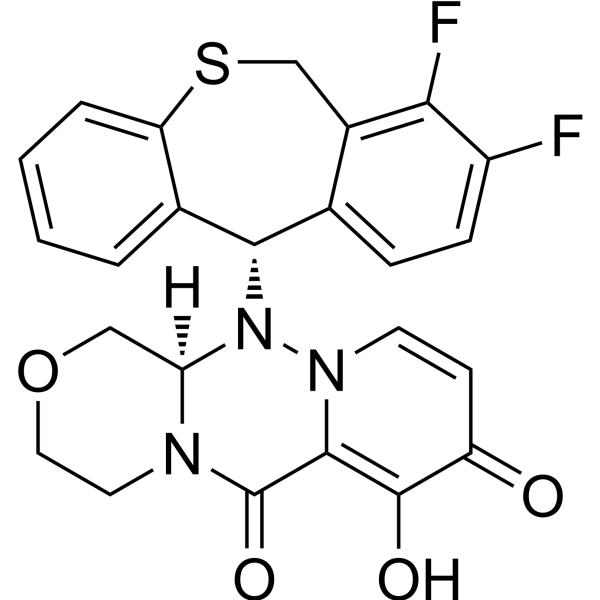
Baloxavir (Baloxavir acid), derived from the proagent Baloxavir marboxil, is a first-in-class, potent and selective cap-dependent endonuclease (CEN) inhibitor within the polymerase PA subunit of influenza A and B viruses. Baloxavir inhibits viral RNA transcription and replication and has potently antiviral activity .
|
-
- HY-115929
-
|
|
DNA/RNA Synthesis
|
Infection
|
|
DENV-IN-4 is a potent DENV inhibitor (DENV EC50=4.79 μM, Vero CC50>100 μM, SI>20.9). DENV-IN-4 can inhibit the expression level of DENV2 with concentration-dependence and reduce RNA-dependent RNA polymerase (RdRp) enzymatic activity. DENV-IN-4 has antiviral effect .
|
-
- HY-163147
-
|
|
Influenza Virus
DNA/RNA Synthesis
|
Infection
|
|
PAN endonuclease-IN-1 (Compound 23) is a potent PAN endonuclease inhibitor, with Kd values of 277 μM, 384 μM and 328 μM for WT, I38T and E23K PAN endonucleases, respectively. The RNA-dependent RNA polymerase acidic N-terminal (PAN) endonuclease, a critical component of influenza viral replication machinery, is an antiviral target .
|
-
- HY-W003943
-
|
|
Biochemical Assay Reagents
|
Infection
|
|
6-Hydroxypyridin-3-ylboronic acid is a heterocyclic building block, which can be used in the synthesis of non-nucleoside inhibitors of hepatitis C virus (HCV) RNA-dependent RNA polymerase nonstructural protein 5B (NS5B). 6-Hydroxypyridin-3-ylboronic acid has also been used in the synthesis of mammalian target of rapamycin (mTOR) inhibitors .
|
-
- HY-125586
-
|
|
DNA/RNA Synthesis
ADC Payload
|
Cancer
|
|
β-Amanitin is a cyclic peptide toxin in the poisonous Amanita phalloides mushroom. β-Amanitin inhibits inhibits eukaryotic RNA polymerase II and III. β-Amanitin inhibits protein synthesis. β-Amanitin can be used as a cytotoxic component of antibody-drug conjugates (ADCs) .
|
-
- HY-185449
-
|
|
HIV
Reverse Transcriptase
DNA/RNA Synthesis
|
Infection
|
|
HIV RT-IN-2 is a HIV reverse transcriptase inhibitor with an IC50 value of 1.2 μM for HIV-1 RT RNA-dependent DNA polymerase. HIV RT-IN-2 potently inhibits all three modes of HIV-1 RT-associated RNase H activity (internal, 3'-DNA directed, 5'-RNA directed cleavage) and inhibits HIV-1 replication. HIV RT-IN-2 can be used for the research of HIV-1 infection .
|
-
- HY-128306
-
|
|
HCV Protease
DNA/RNA Synthesis
|
Infection
|
|
HCV-IN-50 (Compound 2) is a competitive and selective HCV NS5B RNA-dependent RNA polymerase inhibitor with an IC50 of 0.3 μM for NS5B △C21 enzyme over △C55 enzyme. HCV-IN-50 has an antiviral activity and efficiently blocks replication of HCV subgenomic replicons especially mutant replicons .
|
-
- HY-16398
-
|
|
DNA Alkylator/Crosslinker
DNA/RNA Synthesis
|
Cancer
|
|
Pipobroman is a bromide derivative of piperazine and acts as an alkylating agent. Pipobroman plays its role by inhibiting DNA and RNA polymerase or by reducing pyrimidine nucleotide incorporation into DNA. Pipobroman can be used for the cancer research, including polycythemia vera, myeloproliferative neoplasm, and AML et.al .
|
-
- HY-105099
-
|
KRM-1648; ABI-1648
|
Antibiotic
DNA/RNA Synthesis
Bacterial
|
Infection
Inflammation/Immunology
|
|
Rifalazil (KRM-1648; ABI-1648), a rifamycin derivative, inhibits the bacterial DNA-dependent RNA polymerase and kills bacterial cells by blocking off the β-subunit in RNA polymerase . Rifalazil (KRM-1648; ABI-1648) is an antibiotic, exhibits high potency against mycobacteria, gram-positive bacteria, Helicobacter pylori, C. pneumoniae and C. trachomatis with MIC values from 0.00025 to 0.0025 μg/ml . Rifalazil (KRM-1648; ABI-1648) has the potential for the treatment of Chlamydia infection, Clostridium difficile associated diarrhea (CDAD), and tuberculosis (TB) .
|
-
- HY-160968
-
|
|
Drug Derivative
Antibiotic
Bacterial
DNA/RNA Synthesis
|
Infection
Cancer
|
|
4-Demethoxy-7,9-di-epi-daunorubicin, a derivative of Daunorubicin (HY-13062A), is an anthracycline antibiotics. 4-Demethoxy-7,9-di-epi-daunorubicin can bind to calf thymus DNA and forms a complex with the stacked DNA base pairs. 4-Demethoxy-7,9-di-epi-daunorubicin can inhibit prokaryotic nucleic acid polymerases, including E. coli DNA polymerase I and RNA polymerase. 4-Demethoxy-7,9-di-epi-daunorubicin can be used for researches of cancer and infection .
|
-
- HY-W004924S
-
|
|
Endogenous Metabolite
|
Others
|
|
5-Hydroxymethyluracil-d3 is the deuterium labeled 5-Hydroxymethyluracil . 5-Hydroxymethyluracil is a product of oxidative DNA damage. 5-Hydroxymethyluracil can be used as a potential epigenetic mark enhancing or inhibiting transcription with bacterial RNA polymerase .
|
-
- HY-145072
-
|
|
CDK
|
Cancer
|
|
BSJ-01-175 is a potent and selective CDK12/13 covalent inhibitor. BSJ-01-175 demonstrates exquisite selectivity, potent inhibition of RNA polymerase II phosphorylation, and downregulation of CDK12-targeted genes in cancer cells .
|
-
- HY-174162A
-
|
2'-Methyl GTP sodium
|
Nucleoside Antimetabolite/Analog
DNA/RNA Synthesis
|
Infection
|
|
2'-O-Methylguanosine-5'-O-triphosphate sodium (2'-Methyl GTP sodium), a methylated derivative of Guanosine 5'-triphosphate (HY-W010737), is a HCV NS5B RNA-dependent RNA polymerase inhibitor. 2'-O-Methylguanosine-5'-O-triphosphate sodium is a nucleotide competitor of GTP and acts as a chain terminator to inhibit RNA synthesis. 2'-O-Methylguanosine-5'-O-triphosphate sodium can be used for HCV infections research .
|
-
- HY-120118
-
|
ML246
|
DNA/RNA Synthesis
|
Cancer
|
|
Metarrestin (ML246) is an orally active, first-in-class and specific perinucleolar compartment inhibitor. Metarrestin disrupts the nucleolar structure and inhibits RNA polymerase (Pol) I transcription, at least in part by interacting with the translation elongation factor eEF1A2. Metarrestin blocks metastatic development and extends survival in mouse cancer models .
|
-
- HY-100126R
-
|
7-Deazaadenosine (Standard)
|
Reference Standards
Bacterial
DNA/RNA Synthesis
Influenza Virus
Antibiotic
|
Infection
|
|
Tubercidin (Standard) is the analytical standard of Tubercidin. This product is intended for research and analytical applications. Tubercidin (7-Deazaadenosine) is an antibiotic obtained from Streptomyces tubercidicus. Tubercidin inhibits the growth of Streptococcus faecalis (8043) with an IC50 of 0.02 μM[1]. Tubercidin inhibits polymerases by incorporating DNA or RNA, thereby inhibiting DNA replication, RNA and protein synthesis[2]. Tubercidin is a weak inhibitor of adenosine phosphorylase, and interferes with the phosphorylation of adenosine and AMP[1]. Tubercidin has antiviral activity[2].
|
-
- HY-D1020
-
-
- HY-103586
-
|
|
DNA/RNA Synthesis
SARS-CoV
|
Infection
|
|
GS-441524 is a potent, orally active and CNS-penetrant viral RNA-dependent RNA polymerase inhibitor. GS-441524 competes with natural nucleosides to block viral RNA transcription as an alternative substrate and RNA chain terminator. GS-441524 inhibits the replication of feline infectious peritonitis virus, African swine fever virus, and severe acute respiratory syndrome coronavirus 2. GS-441524 reduces viral RNA levels in cats. GS-441524 can be used in research related to feline infectious peritonitis, African swine fever, and coronavirus disease 2019 (COVID-19) .
|
-
- HY-103586A
-
|
|
DNA/RNA Synthesis
SARS-CoV
|
Infection
|
|
GS-441524 hydrochloride is a potent, orally active and CNS-penetrant viral RNA-dependent RNA polymerase inhibitor. GS-441524 hydrochloride competes with natural nucleosides to block viral RNA transcription as an alternative substrate and RNA chain terminator. GS-441524 hydrochloride inhibits the replication of feline infectious peritonitis virus, African swine fever virus, and severe acute respiratory syndrome coronavirus 2. GS-441524 hydrochloride reduces viral RNA levels in cats. GS-441524 hydrochloride can be used in research related to feline infectious peritonitis, African swine fever, and coronavirus disease 2019 (COVID-19) .
|
-
- HY-151254
-
|
|
Cytochrome P450
Influenza Virus
DNA/RNA Synthesis
|
Infection
|
|
CYP2C19-IN-1 (compound 20d) is a potent CYP2C19 inhibitor, possessing no hepatotoxicity and ames toxicity. CYP2C19-IN-1 inhibits RNA-dependent RNA polymerase (RdRP) with a Ki value of 6.16 µM. CYP2C19-IN-1 can be used in study of anti-ZIKV .
|
-
- HY-10241
-
|
TMC435; TMC435350
|
HCV
HCV Protease
SARS-CoV
DNA/RNA Synthesis
|
Infection
|
|
Simeprevir (TMC435; TMC435350) is an oral, potent and highly specific hepatitis C virus (HCV) NS3/4A protease inhibitor with a Ki of 0.36 nM. Simeprevir inhibits HCV replication with an EC50 of 7.8 nM. Simeprevir also potently suppresses SARS-CoV-2 replication and synergizes with Remdesivir. Simeprevir inhibits the main protease (M pro) and the RNA-dependent RNA polymerase (RdRp) of SARS-CoV-2, and also modulates host immune responses .
|
-
- HY-162719
-
|
|
DNA/RNA Synthesis
SARS-CoV
|
Infection
|
|
RH12 is a dual inhibitor for SARS-CoV-2 related RNA-dependent RNA polymerase (RdRp, IC50 is 4.42 nM) and human transmembrane serine protease 2 (TMPRSS2, IC50 is 4.2 nM). RH12 exhibits antiviral efficacy. RH12 inhibits viral replication and absorption, and exhibits a 90.5% virucidal effects on Vero-E6 cells. RH12 inhibits cell viability of Calu-3 with an IC50 of 17.5 nM .
|
-
- HY-10241A
-
|
TMC435 sodium; TMC435350 sodium
|
HCV
HCV Protease
SARS-CoV
DNA/RNA Synthesis
|
Infection
|
|
Simeprevir (TMC435; TMC435350) sodium is an oral, potent and highly specific hepatitis C virus (HCV) NS3/4A protease inhibitor with a Ki of 0.36 nM. Simeprevir sodium inhibits HCV replication with an EC50 of 7.8 nM. Simeprevir sodium also potently suppresses SARS-CoV-2 replication and synergizes with Remdesivir. Simeprevir sodium inhibits the main protease (M pro) and the RNA-dependent RNA polymerase (RdRp) of SARS-CoV-2, and also modulates host immune responses .
|
-
- HY-109025AS
-
|
Baloxavir acid-d5; S-033447-d5
|
Isotope-Labeled Compounds
Influenza Virus
|
Infection
|
|
Baloxavir-d5 is deuterium labeled Baloxavir. Baloxavir (Baloxavir acid), derived from the proagent Baloxavir marboxil, is a first-in-class, potent and selective cap-dependent endonuclease (CEN) inhibitor within the polymerase PA subunit of influenza A and B viruses. Baloxavir inhibits viral RNA transcription and replication and has potently antiviral activity .
|
-
- HY-174439
-
|
|
SARS-CoV
Virus Protease
Drug Metabolite
|
Infection
|
|
Nsp12-IN-2 (Compound 8), the triphosphate metabolite of 4'-thiouridine (HY-W113081), is a SARS-CoV-2 Nsp12 inhibitor. Nsp12-IN-2 inhibits the RNA-dependent RNA polymerase (RdRp) activity of the SARS-CoV-2 Nsp12-Nsp7-Nsp8 complex, terminates RNA synthesis and also blocks the RNAylation and NMPylation of Nsp9. Nsp12-IN-2 is promising for research of infections caused by SARS-CoV-2, other coronaviruses, and other RNA viruses .
|
-
- HY-135184
-
|
CBR-2092; TNP-2092
|
Antibiotic
Bacterial
DNA/RNA Synthesis
|
Infection
|
|
Rifaquizinone (CBR-2092) is a Rifamycin-Quinolone Hybrid Antibiotic. Rifaquizinone inhibits wild-type S. aureus RNA polymerase with an IC50 of 34 nM. Rifaquizinone is effective against S. aureus infections, with MICs ranged from 0.008 to 0.5 μg/mL for 300 clinical isolates of staphylococci and streptococci .
|
-
- HY-163856
-
|
|
Apoptosis
DNA/RNA Synthesis
CDK
|
Cancer
|
|
CDK7-IN-30 (Compound 22) is a CDK7 inhibitor (IC50 = 7.21 nM) that effectively inhibits the phosphorylation of RNA Polymerase II and CDK2. CDK7-IN-30 CDK7-IN-30 can induce cell apoptosis and has anti-cancer activity and can be used in cancer research .
|
-
- HY-176484
-
|
|
CDK
Apoptosis
|
Cancer
|
|
CDK9-IN-39 (1-7a-B1) is an orally active cyclin-dependent kinase 9 (CDK9) inhibitor with an IC50 of 6.51 nM. CDK9-IN-39 induces cell apoptosis by inhibiting the phosphorylation of RNA polymerase II at Ser2 and can be used for study of colorectal cancer .
|
-
- HY-125650
-
|
PUM
|
Antibiotic
DNA/RNA Synthesis
Bacterial
Nucleoside Antimetabolite/Analog
|
Infection
|
|
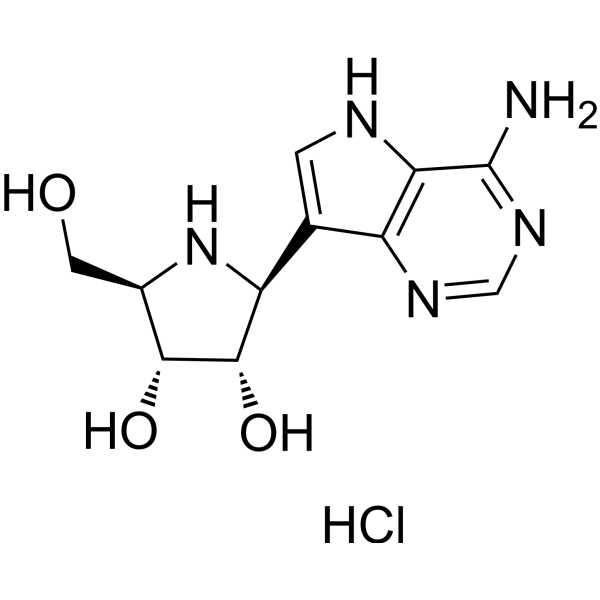
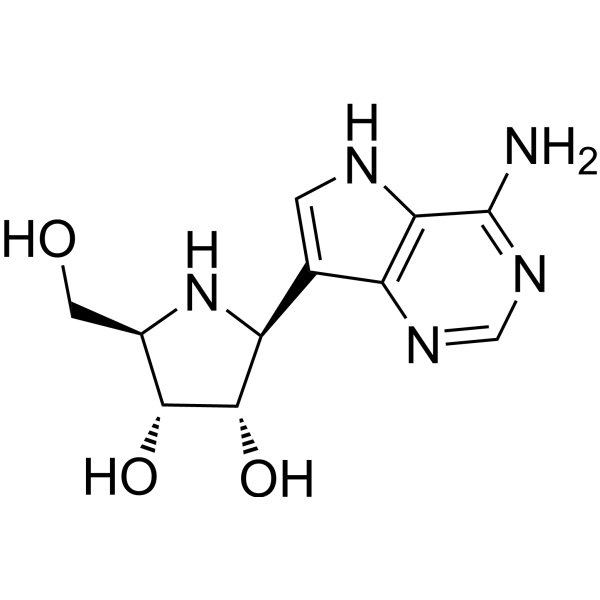
Pseudouridimycin (PUM) is an antibiotic that selectively inhibits bacterial RNA polymerase (RNAP), with an IC50 of about 0.1 μM and MICs of 4-6 μg/mL. Pseudouridimycin is a C-nucleoside analogue that's effective against both Gram-negative and Gram-positive bacteria. Pseudouridimycin inhibits bacterial growth in vitro and shows activity in a mouse model of purulent streptococcal peritonitis .
|
-
- HY-109025AS2
-
|
Baloxavir acid-d1; S-033447-d1
|
Isotope-Labeled Compounds
Influenza Virus
|
Infection
Cancer
|
|
Baloxavir-d1 is the deuterium labeled Baloxavir (HY-109025A). Baloxavir (Baloxavir acid), derived from the proagent Baloxavir marboxil, is a first-in-class, potent and selective cap-dependent endonuclease (CEN) inhibitor within the polymerase PA subunit of influenza A and B viruses. Baloxavir inhibits viral RNA transcription and replication and has potently antiviral activity .
|
-
- HY-109025AR
-
|
Baloxavir acid (Standard); S-033447 (Standard)
|
Reference Standards
Influenza Virus
|
Infection
|
|
Baloxavir (Standard) is the analytical standard of Baloxavir. This product is intended for research and analytical applications. Baloxavir (Baloxavir acid), derived from the proagent Baloxavir marboxil, is a first-in-class, potent and selective cap-dependent endonuclease (CEN) inhibitor within the polymerase PA subunit of influenza A and B viruses. Baloxavir inhibits viral RNA transcription and replication and has potently antiviral activity .
|
-
- HY-N14351
-
|
|
SARS-CoV
Bacterial
Antibiotic
|
Infection
|
|
Ferrocin A is a lipopeptide compound that targets the SARS-CoV-2 RNA-dependent RNA polymerase (nsp12). Ferrocin A can stably bind to nsp12, and as an iron-chelating peptide, it reduces the concentration of free iron in the environment via complexation, thereby inhibiting bacterial growth by repressing the acquisition of essential metal cations. As an iron-chelating antiviral molecule, Ferrocin A may be used in studies related to COVID-19 and bacterial infections .
|
-
- HY-100749R
-
|
|
Flavivirus
Dengue Virus
SARS-CoV
Reference Standards
|
Infection
|
|
HeE1-2Tyr (Standard) is the analytical standard of HeE1-2Tyr (HY-100749). This product is intended for research and analytical applications. HeE1-2Tyr, a pyridobenzothiazole compound, is a flavivirus RNA dependent RNA polymerases (RdRp) inhibitor. HeE1-2Tyr significantly inhibits West Nile, Dengue and SARS-CoV-2 RdRps (IC50 of 27.6 μM) activity in vitro .
|
-
- HY-131089
-
|
|
DNA/RNA Synthesis
Drug-Linker Conjugates for ADC
|
Cancer
|
|
MC-VC-PABC-C6-α-Amanitin is a Drug-Linker Conjugates for ADC, consisting of an anticancer toxin alpha-Amanitin (HY-19610) and a MC-VC-PABC-C6 linker. Among them, alpha-Amanitin is a potent inhibitor of RNA polymerase IIα.
|
-
- HY-144065
-
|
|
DNA/RNA Synthesis
Influenza Virus
|
Infection
|
|
Cap-dependent endonuclease-IN-19 is a potent inhibitor of cap-dependent endonuclease (CEN). Cap-dependent endonuclease-IN-19 is a spirocyclic pyridone derivative. Cap-dependent endonuclease-IN-19 has strong inhibitory effect on RNA polymerase activity of A virus (extracted from patent CN111410661A, compound 1) .
|
-
- HY-15353
-
|
MKC-442
|
HIV
|
Infection
Inflammation/Immunology
|
|
Emivirine (MKC-442) is a non-nucleoside reverse transcriptase inhibitors (NNRTIs) with Ki values of 0.20 and 0.01 μM for dTTP- and dGTP-dependent DNA or RNA polymerase activity, respectively. Emivirine displays potent and selective anti-human immunodeficiency virus type 1 (HIV-1) activity .
|
-
- HY-17580
-
|
OPT-80; PAR-101
|
DNA/RNA Synthesis
Bacterial
Apoptosis
Antibiotic
|
Infection
|
|
Fidaxomicin (OPT-80), a macrocyclic antibiotic, is an orally active and potent RNA polymerase inhibitor. Fidaxomicin has a narrow spectrum of antibacterial activity and a good anti-Clostridium difficile activity (MIC90=0.12 μg/mL). Fidaxomicin can be used for Clostridium difficile infection (CDI) research .
|
-
- HY-181778
-
|
|
SARS-CoV
DNA/RNA Synthesis
|
Infection
|
|
RdRP-IN-10 is a SARS-CoV-2 RNA-dependent RNA polymerase (RdRp) inhibitor with an IC50 value of 5.78 μM. RdRP-IN-10 forms covalent binds with SARS-CoV-2 nsp8 Cys114, disrupts nsp8-nsp12 stabilizing interactions. RdRP-IN-10 inhibits SARS-CoV-2 RdRp-mediated RNA polymerization without interfering with RNA-RdRp complex binding. RdRP-IN-10 exerts antiviral effects in cellular models. RdRP-IN-10 can be used for the research of SARS-CoV-2 infection .
|
-
- HY-103586R
-
|
|
Reference Standards
DNA/RNA Synthesis
SARS-CoV
|
Infection
|
|
GS-441524 (Standard) is the analytical standard of GS-441524 (HY-103586). GS-441524 is a potent, orally active and CNS-penetrant viral RNA-dependent RNA polymerase inhibitor. GS-441524 competes with natural nucleosides to block viral RNA transcription as an alternative substrate and RNA chain terminator. GS-441524 inhibits the replication of feline infectious peritonitis virus, African swine fever virus, and severe acute respiratory syndrome coronavirus 2. GS-441524 reduces viral RNA levels in cats. GS-441524 can be used in research related to feline infectious peritonitis, African swine fever, and coronavirus disease 2019 (COVID-19) .
|
-
- HY-103586S2
-
|
|
Isotope-Labeled Compounds
DNA/RNA Synthesis
SARS-CoV
|
Infection
|
|
GS-441524-d is the deuterium labeled GS-441524 (HY-103586). GS-441524 is a potent, orally active and CNS-penetrant viral RNA-dependent RNA polymerase inhibitor. GS-441524 competes with natural nucleosides to block viral RNA transcription as an alternative substrate and RNA chain terminator. GS-441524 inhibits the replication of feline infectious peritonitis virus, African swine fever virus, and severe acute respiratory syndrome coronavirus 2. GS-441524 reduces viral RNA levels in cats. GS-441524 can be used in research related to feline infectious peritonitis, African swine fever, and coronavirus disease 2019 (COVID-19) .
|
-
- HY-136650
-
|
F-ara-ATP
|
Nucleoside Antimetabolite/Analog
Drug Metabolite
DNA/RNA Synthesis
Apoptosis
|
Cancer
|
|
Fludarabine triphosphate (F-ara-ATP), the active metabolite of Fludarabine (HY-B0069), is a potent, noncompetitive and specific inhibitor of DNA primase, with an IC50 of 2.3 μM and a Ki of 6.1 μM. Fludarabine triphosphate inhibits DNA synthesis by blocking DNA primase and primer RNA formation. Fludarabine triphosphate inhibits ribonucleotide reductase and DNA polymerase and ultimately leads to cellular apoptosis .
|
-
- HY-125650A
-
|
PUM TFA
|
Antibiotic
DNA/RNA Synthesis
Bacterial
Nucleoside Antimetabolite/Analog
|
Infection
|
|
Pseudouridimycin (PUM) TFA is an antibiotic that selectively inhibits bacterial RNA polymerase (RNAP), with an IC50 of about 0.1 μM and MICs of 4-6 μg/mL. Pseudouridimycin TFA is a C-nucleoside analogue that's effective against both Gram-negative and Gram-positive bacteria. Pseudouridimycin TFA inhibits bacterial growth in vitro and shows activity in a mouse model of purulent streptococcal peritonitis .
|
-
- HY-13247
-
|
ANA598
|
DNA/RNA Synthesis
HCV
SARS-CoV
|
Infection
|
|
Setrobuvir (ANA598) is an orally active non-nucleosidic HCV NS5B polymerase inhibitor. ANA-598 inhibits both de novo RNA synthesis and primer extension, with IC50s between 4 and 5 nM. Setrobuvir also shows excellent binding affinity to SARS-CoV-2 RdRp and induces RdRp inhibition .
|
-
- HY-13323R
-
|
|
Reference Standards
DNA/RNA Synthesis
|
Cancer
|
|
CX-5461 (Standard) is the analytical standard of CX-5461. This product is intended for research and analytical applications. CX-5461 is a potent and oral rRNA synthesis inhibitor. It inhibits RNA polymerase I-driven transcription of rRNA with IC50s of 142, 113, and 54 nM in HCT-116, A375, and MIA PaCa-2 cells, respectively .
|
-
- HY-B0843AS
-
|
|
Isotope-Labeled Compounds
DNA/RNA Synthesis
Fungal
|
Infection
Inflammation/Immunology
|
|
Metalaxyl-M-d6 ((R)-Metalaxyl-d6) is the deuterium labeled Metalaxyl-M (HY-B0843A). Metalaxyl-M ((R)-Metalaxyl) is an orally active and selective inhibitor of fungal RNA polymerase, which exerts fungicidal activity by selectively interfering with the synthesis of fungal ribosomal RNA. Metalaxyl-M can also be used to induce inflammation in hepatocytes and regulate tryptophan metabolism. Metalaxyl-M can be used in ecotoxicology studies .
|
-
- HY-B0843AR
-
|
(R)-Metalaxyl (Standard)
|
DNA/RNA Synthesis
Fungal
|
Infection
Inflammation/Immunology
|
|
Metalaxyl-M ((R)-Metalaxyl) (Standard) is the analytical standard of Metalaxyl-M (HY-B0843A). This product is intended for research and analytical applications. Metalaxyl-M ((R)-Metalaxyl) is an orally active and selective inhibitor of fungal RNA polymerase, which exerts fungicidal activity by selectively interfering with the synthesis of fungal ribosomal RNA. Metalaxyl-M can also be used to induce inflammation in hepatocytes and regulate tryptophan metabolism. Metalaxyl-M can be used in ecotoxicology studies .
|
-
- HY-171587A
-
|
|
HCV
|
Infection
|
|
3′-Deoxy CTP trisodium is the sodium salt form of 3′-Deoxy CTP (HY-171587). 3′-Deoxy CTP trisodium is a nucleotide analogue and a mandatory chain terminator. 3′-Deoxy CTP trisodium can cause chain termination by lacking the 3′-hydroxyl group, inhibiting the RNA synthesis activity of HCV nonstructural protein (NS5B) polymerase and blocking viral replication. 3′-Deoxy CTP trisodium can be used to study the chain termination mechanism of HCV polymerase and the development of antiviral drugs .
|
-
- HY-124184
-
|
|
DNA/RNA Synthesis
Influenza Virus
|
Infection
|
|
D715-2441 is an influenza virus RNA polymerase inhibitor (IC50=1.7-4.4 μM). D715-2441 exhibits broad-spectrum antiviral activity against multiple influenza A strains. D715-2441 is promising for research of seasonal influenza and influenza viruses .
|
-
- HY-DY1099
-
|
7-AAD (solution)
|
DNA/RNA Synthesis
DNA Stain
Bacterial
Antibiotic
|
Cancer
|
7-Aminoactinomycin D (solution) (7-AAD (solution)) a cell-impermeant fluorescent DNA stain, is a potent RNA polymerase inhibitor. 7-Aminoactinomycin D selectively binds to GC regions of the DNA. 7-Aminoactinomycin D also has antibacterial effects . Solvent and concentration: DMSO: 1 mg/mL
|
-
- HY-W050151
-
|
|
Bacterial
DNA/RNA Synthesis
|
Infection
|
|
2,5-Di-tert-butyl-1,4-benzoquinone is a potent antibacterial agent that defends the emerging antibacterial resistance, which is found in marine Streptomyces sp. VITVSK1. 2,5-Di-tert-butyl-1,4-benzoquinone is also a potent inhibitor of RNA polymerase .
|
-
- HY-136650A
-
|
F-ara-ATP trisodium
|
Nucleoside Antimetabolite/Analog
Drug Metabolite
DNA/RNA Synthesis
Apoptosis
|
Cancer
|
|
Fludarabine triphosphate (F-ara-ATP) trisodium, the active metabolite of Fludarabine (HY-B0069), is a potent, noncompetitive and specific inhibitor of DNA primase, with an IC50 of 2.3 μM and a Ki of 6.1 μM. Fludarabine triphosphate trisodium inhibits DNA synthesis by blocking DNA primase and primer RNA formation. Fludarabine triphosphate trisodium inhibits ribonucleotide reductase and DNA polymerase and ultimately leads to cellular apoptosis .
|
-
- HY-10241S
-
|
TMC435-13C,d3; TMC435350-13C,d3
|
Isotope-Labeled Compounds
HCV
HCV Protease
SARS-CoV
DNA/RNA Synthesis
|
Infection
|
|
Simeprevir- 13C,d3 is the 13C- and deuterium labeled Simeprevir. Simeprevir is an oral, potent and highly specific hepatitis C virus (HCV) NS3/4A protease inhibitor with a Ki of 0.36 nM. Simeprevir inhibits HCV replication with an EC50 of 7.8 nM. Simeprevir also potently suppresses SARS-CoV-2 replication and synergizes with Remdesivir. Simeprevir inhibits the main protease (Mpro) and the RNA-dependent RNA polymerase (RdRp) of SARS-CoV-2, and also modulates host immune responses .
|
-
- HY-178455
-
|
|
Influenza Virus
|
Infection
|
|
Influenza virus-IN-10 is a dual-target antiviral agents for influenza that targets both PAC (KD = 8.9 μM) and NP (KD = 52.5 μM) simultaneously. Influenza virus-IN-10 exhibits an EC50 values of 1.64 μM) against influenza A virus (H1N1, A/WSN/33) and broad-spectrum activity against other influenza strains, including influenza B virus and multiple subtypes of influenza A .
|
-
- HY-177743
-
|
|
Molecular Glues
CDK
DNA/RNA Synthesis
|
Cancer
|
|
TR-213 is a potent molecular glue degrader that targets Cyclin K (CDK). TR-213 induces 91% and 56% decrease in CDK12 and Cyclin at 1 μM. TR-213 can inhibit RNA polymerase II activity and regulates alternative polyadenylation (APA) activity. TR-213 can be used for the research of cancer .
|
-
- HY-17580S
-
|
|
Isotope-Labeled Compounds
DNA/RNA Synthesis
Bacterial
Apoptosis
Antibiotic
|
Infection
|
|
Fidaxomicin-d7 (OPT-80-D7) is the deuterium labeled Fidaxomicin. Fidaxomicin (OPT-80), a macrocyclic RNA polymerase inhibitor, has a narrow spectrum of activity. Fidaxomicin selectively eradicates pathogenic Clostridium difficile with minimal disruption to the multiple species of bacteria that make up the normal, healthy intestinal flora .
|
-
- HY-16398R
-
|
|
DNA Alkylator/Crosslinker
DNA/RNA Synthesis
Reference Standards
|
Cancer
|
|
Pipobroman (Standard) is the analytical standard of Pipobroman. This product is intended for research and analytical applications. Pipobroman is a bromide derivative of piperazine and acts as an alkylating agent. Pipobroman plays its role by inhibiting DNA and RNA polymerase or by reducing pyrimidine nucleotide incorporation into DNA. Pipobroman can be used for the cancer research, including polycythemia vera, myeloproliferative neoplasm, and AML et.al .
|
-
- HY-B0879
-
|
|
Phosphatase
Sirtuin
Reverse Transcriptase
Topoisomerase
SARS-CoV
Parasite
Apoptosis
|
Infection
Cardiovascular Disease
Cancer
|
|
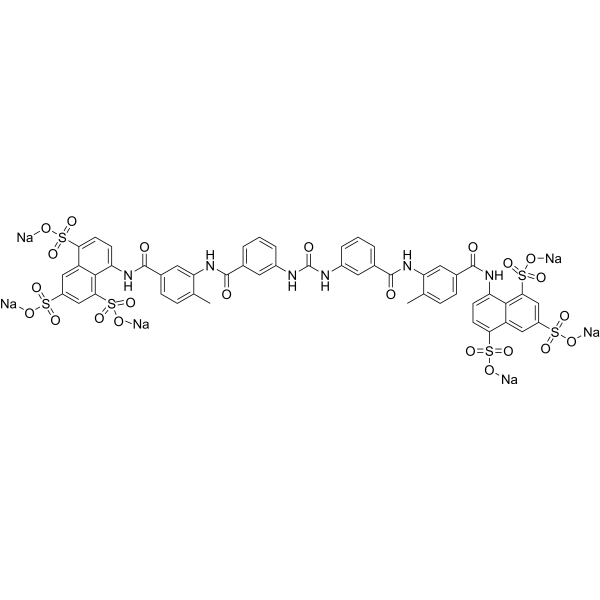
Suramin is a reversible and competitive protein-tyrosine phosphatases (PTPases) inhibitor . Suramin is a potent inhibitor of sirtuins: SirT1 (IC50=297 nM), SirT2 (IC50=1.15 μM), and SirT5 (IC50=22 μM) . Suramin is a competitive inhibitor of reverse transcriptase (DNA topoisomerase II: IC50=5 μM) . Suramin is a potent SARS-CoV-2 RNA-dependent RNA polymerase (RdRp) inhibitor .Suramin efficiently inhibits IP5K and is an antiparasitic, anti-neoplastic and anti-angiogenic agent .
|
-
- HY-153244
-
MFH290
1 Publications Verification
|
CDK
|
Cancer
|
|
MFH290 is a potent and highly selective cyclin-dependent kinase 12/13 (CDK12/13) covalent inhibitor. MFH290 forms a covalent bond with Cys-1039 of CDK12 and exhibits excellent kinome selectivity and inhibits the phosphorylation of serine-2 in the C-terminal domain (CTD) of RNA-polymerase II (Pol II). MFH290 is used for cancer research .
|
-
- HY-17026A
-
|
dFdCTP
|
Drug Metabolite
DNA/RNA Synthesis
Apoptosis
|
Cancer
|
|
Gemcitabine triphosphate (dFdCTP) is the active metabolite of Gemcitabine (HY-17026). The mechanism of Gemcitabine triphosphate cell-killing is its competition with cytidine triphosphate during DNA replication, which results in the inhibition of chain elongation. Gemcitabine triphosphate shows a Ki of 11.2 μM against DNA polymerase α and 14.4 μM against DNA polymerase ε. Gemcitabine triphosphate partially inhibits dCMP deaminase and acts as a substrate for DNA synthesis to incorporate into cellular DNA and RNA. Gemcitabine triphosphate disrupts DNA and RNA synthesis, arrests cell cycle in G0/G1 and S phases, triggers apoptosis, reduces tumor cell proliferation. Gemcitabine triphosphate can be used for the research of pancreatic cancer and non-small cell lung cancer .
|
-
- HY-17026E
-
|
dFdCTP trisodium
|
Drug Metabolite
DNA/RNA Synthesis
Apoptosis
|
Cancer
|
|
Gemcitabine triphosphate (dFdCTP) trisodium is the active metabolite of Gemcitabine (HY-17026). The mechanism of Gemcitabine triphosphate trisodium cell-killing is its competition with cytidine triphosphate during DNA replication, which results in the inhibition of chain elongation. Gemcitabine triphosphate trisodium shows a Ki of 11.2 μM against DNA polymerase α and 14.4 μM against DNA polymerase ε. Gemcitabine triphosphate trisodium partially inhibits dCMP deaminase and acts as a substrate for DNA synthesis to incorporate into cellular DNA and RNA. Gemcitabine triphosphate trisodium disrupts DNA and RNA synthesis, arrests cell cycle in G0/G1 and S phases, triggers apoptosis, reduces tumor cell proliferation. Gemcitabine triphosphate trisodium can be used for the research of pancreatic cancer and non-small cell lung cancer .
|
-
- HY-10241R
-
|
TMC435 (Standard); TMC435350 (Standard)
|
Reference Standards
HCV
HCV Protease
SARS-CoV
DNA/RNA Synthesis
|
Infection
|
|
Simeprevir (Standard) is the analytical standard of Simeprevir (HY-10241). This product is intended for research and analytical applications. Simeprevir (TMC435; TMC435350) is an oral, potent and highly specific hepatitis C virus (HCV) NS3/4A protease inhibitor with a Ki of 0.36 nM. Simeprevir inhibits HCV replication with an EC50 of 7.8 nM. Simeprevir also potently suppresses SARS-CoV-2 replication and synergizes with Remdesivir. Simeprevir inhibits the main protease (Mpro) and the RNA-dependent RNA polymerase (RdRp) of SARS-CoV-2, and also modulates host immune responses .
|
-
- HY-161356
-
|
|
DNA/RNA Synthesis
SARS-CoV
|
Infection
|
|
BPR3P0128 is an orally active, non-nucleoside RNA-dependent RNA polymerase (RdRp) inhibitor that has been shown to inhibit the activity of various SARS-CoV-2 variants. The EC50 for SARS-CoV-2 and HCoV-229E are 0.62 μM and 0.14 μM. BPR3P0128 demonstrates effective anti-pancoronavirus activity within the submicromolar range. PR3P0128 shows synergistic antiviral activity when combined with Remdesivir (HY-104077) .
|
-
- HY-170395
-
|
|
RSV
DNA/RNA Synthesis
|
Infection
|
|
GHP-88309 is a broad-spectrum, orally active antiviral agent targeting paramyxoviruses, that targets the viral polymerase, interupts the viral RNA synthesis, and inhibits respiratory syncytial virus (RSV), measles virus (MeV), and canine distemper virus (CDV) with EC50 of 0.06-1.2 μM. GHP-88309 exhibits anti-infectious efficacy in mouse models .
|
-
- HY-181071
-
|
|
DNA/RNA Synthesis
Drug Intermediate
|
Cancer
|
|
POLRMT-IN-3 is a photosensitive inhibitor of mitochondrial RNA polymerase (POLRMT). POLRMT-IN-3 is biologically inactive in the dark but rapidly releases the active parent compound LJ03 upon illumination with 405 nm light, enabling spatiotemporally precise inhibition of POLRMT. POLRMT-IN-3 exhibits antitumor activity and can be used in research on tumors such as pancreatic cancer and ovarian cancer .
|
-
- HY-105111
-
|
|
Parasite
Angiotensin-converting Enzyme (ACE)
HSV
DNA/RNA Synthesis
|
Cardiovascular Disease
Metabolic Disease
|
|
P-536 is a ACE inhibitor that also inhibits herpes simplex virus HSV-1 thymidine kinase and Trypanosoma cruzi RNA polymerase. By inhibiting the renin-angiotensin system, downregulating the expression of AT1R and NOX4, and reducing oxidative stress (decreasing plasma hydrogen peroxide (H2O2) and 8-isoprostaglandin levels), P-536 effectively reduces systolic blood pressure and improves vascular reactivity. P-536 also inhibits the replication of DNA/RNA viruses such as HSV-1 by blocking nucleotide metabolism and nucleic acid synthesis, competitively inhibits RNA synthesis in Trypanosoma cruzi, and inhibits amastigote replication, thereby impeding its growth. P-536 is suitable for research on hypertension, insulin resistance, and Chagas disease .
|
-
- HY-B0879A
-
|
Suramin hexasodium salt
|
Phosphatase
Sirtuin
Reverse Transcriptase
Topoisomerase
SARS-CoV
Parasite
Apoptosis
|
Infection
Cardiovascular Disease
Cancer
|
|
Suramin sodium salt (Suramin hexasodium salt) is a reversible and competitive protein-tyrosine phosphatases (PTPases) inhibitor . Suramin sodium salt is a potent inhibitor of sirtuins: SirT1 (IC50=297 nM), SirT2 (IC50=1.15 μM), and SirT5 (IC50=22 μM) . Suramin sodium salt is a competitive inhibitor of reverse transcriptase (DNA topoisomerase II: IC50=5 μM) . Suramin sodium salt is a potent SARS-CoV-2 RNA-dependent RNA polymerase (RdRp) inhibitor . Suramin sodium salt efficiently inhibits IP5K and is an antiparasitic, anti-neoplastic and anti-angiogenic agent .
|
-
- HY-10443A
-
|
Ro 4588161 hydrochloride; R1626 hydrochloride
|
HCV
DNA/RNA Synthesis
|
Infection
|
|
Balapiravir hydrochloride (Ro 4588161 hydrochloride; R1626 hydrochloride) is an orally active proagent of a nucleoside analogue inhibitor of the RNA-dependent RNA polymerase (RdRp) of HCV (R1479; 4'-Azidocytidine). Balapiravir hydrochloride has anti-HCV activity . Balapiravir (hydrochloride) is a click chemistry reagent, it contains an Azide group and can undergo copper-catalyzed azide-alkyne cycloaddition reaction (CuAAc) with molecules containing Alkyne groups. It can also undergo strain-promoted alkyne-azide cycloaddition (SPAAC) reactions with molecules containing DBCO or BCN groups.
|
-
- HY-10443
-
|
Ro 4588161; R1626
|
HCV
DNA/RNA Synthesis
|
Infection
|
|
Balapiravir (Ro 4588161; R1626) is an orally active proagent of a nucleoside analogue inhibitor of the RNA-dependent RNA polymerase (RdRp) of HCV (R1479; 4'-Azidocytidine). Balapiravir has anti-HCV activity . Balapiravir is a click chemistry reagent, it contains an Azide group and can undergo copper-catalyzed azide-alkyne cycloaddition reaction (CuAAc) with molecules containing Alkyne groups. It can also undergo strain-promoted alkyne-azide cycloaddition (SPAAC) reactions with molecules containing DBCO or BCN groups.
|
-
- HY-150641
-
|
|
CDK
Apoptosis
DNA/RNA Synthesis
Molecular Glues
|
Cancer
|
|
CDK-IN-9 (compound 24) is a potent CDK inhibitor, also as a molecular glue inducing an interaction between CDK12 and DDB1, with an IC50 values of 4 nM for CDK2/E. CDK-IN-9 leads to polyubiquitination of cyclin K and its subsequent degradation. CDK-IN-9 induce apoptosis through dephosphorylation of retinoblastoma protein and RNA polymerase II .
|
-
- HY-10444
-
R-1479
3 Publications Verification
4'-Azidocytidine
|
HCV
DNA/RNA Synthesis
|
Infection
|
|
R-1479 (4'-Azidocytidine), a nucleoside analogue, is a specific inhibitor of RNA-dependent RNA polymerase (RdRp) of HCV. R-1479 inhibits HCV replication in the HCV subgenomic replicon system (IC50=1.28 μM) . R-1479 is a click chemistry reagent, it contains an Azide group and can undergo copper-catalyzed azide-alkyne cycloaddition reaction (CuAAc) with molecules containing Alkyne groups. It can also undergo strain-promoted alkyne-azide cycloaddition (SPAAC) reactions with molecules containing DBCO or BCN groups.
|
-
- HY-17580R
-
|
OPT-80 (Standard); PAR-101 (Standard)
|
Reference Standards
DNA/RNA Synthesis
Bacterial
Apoptosis
Antibiotic
|
Infection
|
|
Fidaxomicin (Standard) is the analytical standard of Fidaxomicin. This product is intended for research and analytical applications. Fidaxomicin (OPT-80), a macrocyclic antibiotic, is an orally active and potent RNA polymerase inhibitor. Fidaxomicin has a narrow spectrum of antibacterial activity and a good anti-Clostridium difficile activity (MIC90=0.12 μg/mL). Fidaxomicin can be used for Clostridium difficile infection (CDI) research .
|
-
- HY-181072
-
|
|
Mitochondrial Metabolism
DNA/RNA Synthesis
Oxidative Phosphorylation
|
Cancer
|
|
POLRMT-IN-4 is a photoactivated mitochondrial RNA polymerase (POLRMT) inhibitor. POLRMT-IN-4 can be liberated from the photoactivatable prodrug upon irradiation, enables spatiotemporally precise inhibition and localized tissue selectivity. POLRMT-IN-4 disrupts mitochondrial transcription, impairs oxidative phosphorylation, and suppresses cancer cell proliferation. POLRMT-IN-4 can be used in research on various cancers, such as pancreatic cancer .
|
-
- HY-143755
-
|
|
DNA/RNA Synthesis
Influenza Virus
|
Infection
|
|
Cap-dependent endonuclease-IN-9 is a potent inhibitor of cap-dependent endonuclease (CEN). Not only can Cap-dependent endonuclease-IN-9 inhibit influenza virus well, but also has lower cytotoxicity, better in vivo agent kinetic properties and in vivo pharmacodynamic properties. Cap-dependent endonuclease-IN-9 has strong inhibitory effect on RNA polymerase activity of A virus (extracted from patent CN112521386A, compound VI-1) .
|
-
- HY-118723
-
|
|
DNA/RNA Synthesis
|
Cancer
|
|
BMH-22, a benzonaphthyridin, is a RNA polymerase I (Pol I) transcription inhibitor independent of p53 function. BMH-22 causes reorganization of nucleolar marker proteins consistent with segregation of the nucleolus. BMH-22 destabilizes RPA194 in a proteasome-dependent manner and inhibits nascent rRNA synthesis and expression of the 45S rRNA precursor. BMH-22 shows potent anticancer activity across many tumor types .
|
-
- HY-143743
-
|
|
DNA/RNA Synthesis
Influenza Virus
|
Infection
|
|
Cap-dependent endonuclease-IN-2 is a potent inhibitor of cap-dependent endonuclease (CEN). Not only can Cap-dependent endonuclease-IN-2 inhibit influenza virus well, but also has lower cytotoxicity, better in vivo agent kinetic properties and in vivo pharmacodynamic properties. Cap-dependent endonuclease-IN-2 has strong inhibitory effect on RNA polymerase activity of A virus (extracted from patent WO2019052565A1, compound 28) .
|
-
- HY-170799
-
|
|
DNA/RNA Synthesis
SARS-CoV
Arenavirus
|
Infection
|
|
HNC-1664 is the orally active inhibitor for RNA-dependent RNA polymerase (RdRP). HNC-1664 exhibits broad-spectrum antiviral activity against coronavirus (SARS-CoV-2 wildtype and its mutants XBB.1.18, HK.3.1, BF.7.14, BA.1HCoV-229E, HCoV-OC43) and arenavirus. HNC-1664 exhibits anti-infectious activity in SARS-CoV-2 Delta infected mouse models .
|
-
- HY-E70529
-
|
|
DNA/RNA Synthesis
Bacterial
|
Infection
|
|
Ribonucleoside vanadyl complexes are a class of potent RNase and Taq polymerase inhibitors. Ribonucleoside vanadyl complexes protect RNA during RNA isolation by inhibiting ribonucleases, and also reduce the viability of bacteria and eukaryotic cells by interfering with ribosomal subunit assembly. Ribonucleoside vanadyl complexes block PCR and reverse transcription reactions templated by viral nucleic acids and enhance the effects of antibiotics against Staphylococcus aureus, but do not directly inhibit protein synthesis. Ribonucleoside vanadyl complexes can be effectively removed by phenol-chloroform extraction, thus enabling subsequent PCR analysis. Ribonucleoside vanadyl complexes can be applied in research related to chronic hepatitis C (HCV) and Staphylococcus aureus infection .
|
-
- HY-131081
-
|
|
DNA/RNA Synthesis
ADC Payload
|
Cancer
|
|
γ-Amanitin an ADC cytotoxin and isolated from the mushroom. γ-Amanitin inhibits RNA polymerase II and disrupts synthesis of mRNA. γ-Amanitin shows similar effects to α-Amanitin and β-Amanitin. γ-Amanitin competitively binds to monoclonal antibody (mAb), with an IC50 of 163.1 ng/mL. γ-Amanitin is toxic to a variety of cells .
|
-
- HY-134539
-
|
|
Oxidative Phosphorylation
Mitochondrial Metabolism
DNA/RNA Synthesis
|
Metabolic Disease
Cancer
|
|
IMT1 is a first-in-class specific and noncompetitive human mitochondrial RNA polymerase (POLRMT) inhibitor. IMT1 causes a conformational change of POLRMT, which blocks substrate binding and transcription in a dose-dependent way in vitro. IMT1 reduces deoxynucleoside triphosphate levels and citric acid cycle intermediates, resulting in a marked depletion of cellular amino acid levels. IMT1 has the potential for mitochondrial transcription disorders related diseases .
|
-
- HY-B0879AR
-
|
Suramin hexasodium salt (Standard)
|
Reference Standards
Phosphatase
Sirtuin
Reverse Transcriptase
Topoisomerase
SARS-CoV
Parasite
Apoptosis
|
Infection
Cardiovascular Disease
Cancer
|
|
Suramin (sodium salt) (Standard) is the analytical standard of Suramin (sodium salt). This product is intended for research and analytical applications. Suramin sodium salt (Suramin hexasodium salt) is a reversible and competitive protein-tyrosine phosphatases (PTPases) inhibitor . Suramin sodium salt is a potent inhibitor of sirtuins: SirT1 (IC50=297 nM), SirT2 (IC50=1.15 μM), and SirT5 (IC50=22 μM) . Suramin sodium salt is a competitive inhibitor of reverse transcriptase (DNA topoisomerase II: IC50=5 μM) . Suramin sodium salt is a potent SARS-CoV-2 RNA-dependent RNA polymerase (RdRp) inhibitor . Suramin sodium salt efficiently inhibits IP5K and is an antiparasitic, anti-neoplastic and anti-angiogenic agent .
|
-
- HY-173273
-
|
|
CDK
Apoptosis
DNA/RNA Synthesis
Akt
|
Cancer
|
|
YJZ5118 is a selective CDK12/CDK13 inhibitor with IC50 values of 39.5 nM and 26.4 nM. YJZ5118 suppresses transcription of DNA damage response genes and induces DNA damage in tumor cells. YJZ5118 inhibits proliferation and triggers apoptosis. YJZ5118 inhibits RNA polymerase II Ser2 phosphorylation and increases Akt pathway activity. YJZ5118 exhibits synergistic effects with Akt inhibitors. YJZ5118 can be used for the research of cancer, such as prostate cancer .
|
-
- HY-175238
-
|
|
ATP Synthase
DNA/RNA Synthesis
|
Neurological Disease
Cancer
|
|
KI-DX-014 is a DDX21 inhibitor with high RNA-binding inhibitory activity (IC50 of 3.31 μM). KI-DX-014 targets DDX21’s intrinsically disordered C-terminal domain, inhibits DDX21-structured RNA interaction, modulates DDX21’s RNA-dependent ATPase activity, and disrupts DDX21 biomolecular condensate formation. KI-DX-014 attenuates in vitro P-TEFb release from the 7SK snRNP complex, suppresses P-TEFb-dependent RNA polymerase II CTD phosphorylation, and induces developmental defects in zebrafish embryos. KI-DX-014 acts as a chemical probe for dissecting DDX21 functions in normal physiology and disease states. KI-DX-014 can be used for cancers and neurodegenerative disorders research .
|
-
- HY-10443R
-
|
Ro 4588161 (Standard); R1626 (Standard)
|
Reference Standards
HCV
DNA/RNA Synthesis
|
Infection
|
|
Balapiravir (Standard) is the analytical standard of Balapiravir. This product is intended for research and analytical applications. Balapiravir (Ro 4588161; R1626) is an orally active proagent of a nucleoside analogue inhibitor of the RNA-dependent RNA polymerase (RdRp) of HCV (R1479; 4'-Azidocytidine). Balapiravir has anti-HCV activity . Balapiravir is a click chemistry reagent, it contains an Azide group and can undergo copper-catalyzed azide-alkyne cycloaddition reaction (CuAAc) with molecules containing Alkyne groups. It can also undergo strain-promoted alkyne-azide cycloaddition (SPAAC) reactions with molecules containing DBCO or BCN groups.
|
-
- HY-143587
-
|
|
CDK
|
Cancer
|
|
CDK7-IN-2 is a potent inhibitor of CDK7. CDK7 is implicated in both temporal control of the cell cycle and transcriptional activity. CDK7 is implicated in the transcriptional initiation process by phosphorylation of Rbpl subunit of RNA Polymerase II (RNAPII). CDK7 has the potential for the research of cancer disease, in particular aggressive and hard- to-treat cancers (extracted from patent WO2019099298A1, compound 1) .
|
-
- HY-130207
-
|
NSC-743380
|
Endogenous Metabolite
DNA/RNA Synthesis
|
Cancer
|
|
Oncrasin-72 (NSC-743380) is an RNA polymerase II inhibitor with activity in inhibiting growth and inducing cell death in human cancer cells. Oncrasin-72 exhibits antitumor activity through JNK activation and STAT3 inhibition. Analytical method development and validation for Oncrasin-72 is essential for quantifying its concentration in biological fluids for pharmacokinetic studies. This method was able to successfully quantify Oncrasin-72 in different dose groups when applied in rat plasma .
|
-
- HY-126877
-
|
|
HSV
|
Infection
|
|
3-Deaza-2 '-deoxyadenosine is a nucleoside analog synthesized from 2' -deoxyadenosine. 3-Deaza-2 '-deoxyadenosine inhibits RNA synthesis by binding to ribose fragments of ribonucleotides, thereby preventing the formation of enzyme-substrate complexes, thereby preventing chain elongation, It can also inhibit DNA synthesis by binding deoxyribose fragments of DNA and preventing DNA polymerase from adding nucleotides to the growth chain. 3-Deaza-2 '-deoxyadenosine has antiviral activity .
|
-
- HY-182986
-
|
|
CDK
Apoptosis
DNA/RNA Synthesis
Aurora Kinase
|
Cancer
|
|
LS-Q2 is a highly selective CDK4/9 inhibitor with IC50 values of 1.4 nM and 6.2 nM. LS-Q2 inhibits cancer cells proliferation, induces G2/M phase arrest, apoptosis and reduces pSer2 RNA polymerase II expression. LS-Q2 interacts synergistically with BET and Bcl-2 inhibitors to drive antitumor activity. LS-Q2 can be used for the research of cancer, such as malignant solid tumors .
|
-
- HY-P3103
-
|
|
DNA/RNA Synthesis
|
Cancer
|
|
PINT-87aa, an 87-amino acid (aa) peptide, is encoded by the circular form of the long intergenic non-protein-coding RNA p53-induced transcript (LINC-PINT). PINT-87aa directly interacts with polymerase associated factor complex (PAF1c) and inhibits the transcriptional elongation of multiple oncogenes. PINT-87aa suppresses glioblastoma cell proliferation in vitro and in vivo .
|
-
- HY-175454
-
|
|
DNA/RNA Synthesis
PDGFR
Oxidative Phosphorylation
Mitochondrial Metabolism
|
Cancer
|
|
YH-0623 is an orally active mitochondrial RNA polymerase (POLRMT) inhibitor (IC50 = 50.48 nM, Nanoluciferase Bioluminescence Resonance Energy Transfer (NanoBRET) assay). YH-0623 exhibits antiproliferative effects on 22Rv1 cells by reducing the expression of mitochondrial-related genes. YH-0623 inhibits 22Rv1 cell growth, colony formation, and the expression of OXPHOS-related proteins. YH-0623 significantly inhibits tumor growth in a prostate cancer xenograft mouse model. YH-0623 is indicated for prostate cancer research .
|
-
- HY-W013403
-
|
|
IFNAR
|
Infection
|
|
2'-Deoxy-2'-fluorouridine is a derivative of the pyrimidine nucleoside uridine. 2'-Deoxy-2'-fluorouridine is a nucleoside analog that inhibits the replication of wild-type viruses by binding to the viral RNA. Hepatitis C polyU/UC RNA strands containing 2'-Deoxy-2'-fluorouridine, bind to RIG-I but do not activate RIG-I signaling in a reporter assay using Huh7 cells. 2'-Deoxy-2'-fluorouridine also has been used as a starting material in the synthesis of respiratory syncytial virus (RSV) polymerase inhibitors. 2'-Deoxy-2'-fluorouridine can incorporate into DNA and RNA in rat and woodchuck model upon administration. 2'-Deoxy-2'-fluorouridine can be studied in anti-viral research .
|
-
- HY-160267
-
|
|
HIV
DNA/RNA Synthesis
|
Infection
Neurological Disease
Cancer
|
|
iPAF1C is a inhibitor of the polymerase-associated factor 1 complex (PAF1C) with specific targeting to the PAF1 binding groove of CTR9 (a key subunit of PAF1C). iPAF1C disrupts PAF1C assembly by interfering with the PAF1-CTR9 interaction. iPAF1C selectively impairs BRD4-mediated recruitment of PAF1 to chromatin at hypoxia-responsive genes and inhibits RNA polymerase II (RNAPII) pause release. iPAF1C increases the population of HIV-1 NL4.3 Nef-IRES-GFP infected primary human CD4 +T cells in a dose-dependent manner. PAF1C can be used for the study of infection and diseases associated with abnormal hypoxic adaptation (e.g., cancers, neurological disorders) .
|
-
- HY-10444R
-
|
4'-Azidocytidine (Standard)
|
Reference Standards
HCV
DNA/RNA Synthesis
|
Infection
|
|
R-1479 (Standard) is the analytical standard of R-1479 (HY-10444). This product is intended for research and analytical applications. R-1479 (4'-Azidocytidine), a nucleoside analogue, is a specific inhibitor of RNA-dependent RNA polymerase (RdRp) of HCV. R-1479 inhibits HCV replication in the HCV subgenomic replicon system (IC50=1.28 μM) . R-1479 is a click chemistry reagent, it contains an Azide group and can undergo copper-catalyzed azide-alkyne cycloaddition reaction (CuAAc) with molecules containing Alkyne groups. It can also undergo strain-promoted alkyne-azide cycloaddition (SPAAC) reactions with molecules containing DBCO or BCN groups.
|
-
- HY-P3103A
-
|
|
DNA/RNA Synthesis
|
Cancer
|
|
PINT-87aa TFA, an 87-amino acid (aa) peptide, is encoded by the circular form of the long intergenic non-protein-coding RNA p53-induced transcript (LINC-PINT). PINT-87aa TFA directly interacts with polymerase associated factor complex (PAF1c) and inhibits the transcriptional elongation of multiple oncogenes. PINT-87aa TFA suppresses glioblastoma cell proliferation in vitro and in vivo .
|
-
- HY-171786
-
|
|
CDK
|
Cancer
|
|
CDK12-IN-8 (Compound Cpd143) is an orally active and highly selective inhibitor of cyclin-dependent kinase 12 (CDK12). CDK12-IN-8 inhibits CDK12-mediated phosphorylation of the C-terminal domain (CTD) serine 2 of RNA polymerase II, interfering with gene transcription elongation and DNA damage repair pathways. CDK12-IN-8 is promising for research of cancers with high CDK12 expression such as small cell lung cancer and triple-negative breast cancer .
|
-
- HY-W751835
-
|
Baloxavir acid-d4; S-033447-d4
|
Isotope-Labeled Compounds
|
Others
Cancer
|
|
Baloxavir-d4 (Baloxavir acid-d4; S-033447-d4) is the deuterium-labeled Baloxavir (HY-109025A). Baloxavir-d4 (Baloxavir-d4 acid), derived from the proagent Baloxavir-d4 marboxil, is a first-in-class, potent and selective cap-dependent endonuclease (CEN) inhibitor within the polymerase PA subunit of influenza A and B viruses. Baloxavir-d4 inhibits viral RNA transcription and replication and has potently antiviral activity .
|
-
- HY-177786
-
|
|
Molecular Glues
CDK
|
Cancer
|
|
CDK12 ligand-3 is a molecular glucose degrading agent that targets the CDK12 protein (DC50 = 35 nM). CDK12 ligand-3 degrades CDK12, CDK13 and their regulatory subunit Cyclin K in a concentration dependent manner, and inhibits RNA polymerase II CTD (Ser2) phosphorylation. CDK12 ligand-3 exhibits potent anti proliferative activity against Jurkat cells. CDK12 ligand-3 can be used for research on cancers such as leukemia .
|
-
- HY-103019A
-
|
(±)-BAY-1251152; (±)-VIP152
|
CDK
Apoptosis
DNA/RNA Synthesis
|
Cancer
|
|
(±)-Enitociclib ((±)-BAY-1251152) is the racemic mixture of Enitociclib (HY-103019E). Enitociclib is a selective CDK9 inhibitor and apoptosis inducer. Enitociclib inhibits CDK9 activity and reduces the phosphorylation of Ser2 in the carboxyl-terminal domain (CTD) of RNA polymerase Pol II, thereby downregulating the transcription of key oncogenes such as MYC and MCL1. Enitociclib has anti-proliferative activity targeting MYC + lymphoma and multiple myeloma (MM) cells, and has synergistic effects with Bortezomib (HY-10227) and Lenalidomide (HY-A0003), and can be used in the research of hematological malignancies .
|
-
- HY-103019B
-
|
(R)-Enitociclib; (-)-BAY-1251152; (-)-VIP152
|
Drug Isomer
CDK
Apoptosis
DNA/RNA Synthesis
|
Cancer
|
|
(-)-Enitociclib ((R)-Enitociclib) is an enantiomer of Enitociclib (HY-103019E) with an optical rotation of (-). Enitociclib is a selective CDK9 inhibitor and apoptosis inducer. Enitociclib inhibits CDK9 activity and reduces the phosphorylation of Ser2 in the carboxyl-terminal domain (CTD) of RNA polymerase Pol II, thereby downregulating the transcription of key oncogenes such as MYC and MCL1. Enitociclib has anti-proliferative activity targeting MYC + lymphoma and multiple myeloma (MM) cells, and has synergistic effects with Bortezomib (HY-10227) and Lenalidomide (HY-A0003), and can be used in the research of hematological malignancies .
|
-
- HY-144668
-
|
|
DNA/RNA Synthesis
Influenza Virus
|
Infection
|
|
RdRP-IN-4 (compound 11q), an aryl benzoyl hydrazide analog, is an orally active influenza A virus RNA-dependent RNA polymerase (RdRp) inhibitor by interacting with the PB1 subunit. RdRP-IN-4 exhibits potent inhibitory activity against the avian H5N1 flu strain with an EC50 of 18 nM in MDCK cells. RdRP-IN-4 displays excellent potency against the the H1N1 (A/PR/8/34) Flu A strain and Flu B strain (B/Lee/1940) with EC50 values of 53 nM and 20 nM, respectively. RdRP-IN-4 significantly inhibits the expression level of viral nucleoprotein (NP) in a dose-dependent manner. RdRP-IN-4 exhibits significant antiviral activity in infected mice .
|
-
- HY-N6712
-
|
Acetopyrrothin
|
Antibiotic
Bacterial
Deubiquitinase
NOD-like Receptor (NLR)
DNA/RNA Synthesis
Pyroptosis
HMG-CoA Reductase (HMGCR)
|
Infection
Cardiovascular Disease
Cancer
|
|
Thiolutin (Acetopyrrothin) is a sulfur-containing antibiotic, which is a potent inhibitor of bacterial and yeast RNA polymerases. Thiolutin can be produced by Streptomyces. Thiolutin inhibits AMSH (IC50 = 4 μM) and Rpn11 (IC50 = 0.53 μM). Thiolutin is a dual inhibitor of BRCC36 and the NLRP3 inflammasome, exhibiting anti-inflammatory effects. Thiolutin effectively suppresses the interaction between BRCC36 and HMGCR, leading to the inhibition of HCC growth. Thiolutin attenuates pyroptosis and NLRP3 inflammasome activation. Thiolutin markedly alleviates renal injury and inflammatory process in IgAN. Thiolutin is an anti-angiogenic compound which can ease Doxorubicin-induced cardiotoxicity (DOXIC) [1][2][3][4][5].
|
-
- HY-112626
-
|
|
CDK
|
Cancer
|
|
CDK12-IN-2 is a potent, selective and nanomolar CDK12 inhibitor (IC50=52 nM) with good physicochemical properties. CDK12-IN-2 is also a strong CDK13 inhibitor due to CDK13 is the closest homologue of CDK12. CDK12-IN-2 shows excellent kinase selectivity for CDK12 over CDK2, 9, 8, and 7. CDK12-IN-2 inhibits the phosphorylation of Ser2 in the C-terminal domain of RNA polymerase II. CDK12-IN-2 can be used an excellent chemical probe for functional studies of CDK12 .
|
-
- HY-173059
-
|
|
CDK
|
Cancer
|
|
CDK12/13-IN-3 (Compound 12b) is the orally active inhibitor for CDK that inhibits CDK12 and CDK13 with IC50 of 107.4 nM and 79.4 nM. CDK12/13-IN-3 inhibits the phosphorylation of Ser2 on the CTD of RNA polymerase II, induces DNA damage, and downregulates the gene expression of DNA damage response (DDR). CDK12/13-IN-3 exhibits antiproliferative activity against multiple cancer cells with IC50 of nanomolar levels. CDK12/13-IN-3 exhibits antitumor effect in mouse models, exhibits good pharmacokinetic properties with an oral bioavailability of 53.6% .
|
-
- HY-179637
-
|
|
Bacterial
DNA/RNA Synthesis
|
Infection
|
|
RNAP-σ interaction-IN-4 (Compound 3a) is an inhibitor of the RNA polymerase-sigma factor interaction (RNAP-σ) with MIC values against S. pneumoniae and S. aureus of 1 μg/mL and 2 μg/mL, respectively. RNAP-σ interaction-IN-4 exhibits strong bactericidal properties by interfering with the interaction of β′CH−σ and disrupting the transcription of bacteria. RNAP-IN-2 shows significant efficacy in sepsis models. RNAP-σ interaction-IN-4 can be used to study Gram-positive bacterial infections caused by multi-drug resistant strains .
|
-
- HY-179633
-
|
|
CDK
Apoptosis
DNA/RNA Synthesis
Bcl-2 Family
IAP
|
Cancer
|
|
ZLMT-72 is an orally active dual CDK2 and CDK9 inhibitor with IC50s of 0.741 nM and 1.03 nM, respectively. ZLMT-72 shows good selectivity in kinase profiling andcholinesterase inhibition activity. ZLMT-72 has strong antiproliferative effects in the colorectal cancer (CRC) cell line HCT116 (GI50 < 0.1 nM). ZLMT-72 induces apoptosis by inhibiting thephosphorylation of retinoblastoma and RNA polymerase II, resulting in downregulation of antiapoptotic proteins (Mcl-1 and XIAP). ZLMT-72 can be used for the study of colorectal cancer (CRC) .
|
-
- HY-101257
-
|
|
CDK
|
Cancer
|
|
YKL-5-124 is a potent, selective, irreversible and covalent CDK7 inhibitor with IC50s of 53.5 nM and 9.7 nM for CDK7 and CDK7/Mat1/CycH, respectively. YKL-5-124 is >100-fold greater selective for CDK7 than CDK9 and CDK2, and inactive against CDK12 and CDK13. YKL-5-124 induces a strong cell-cycle arrest, inhibits E2F-driven gene expression, and exhibits little effect on RNA polymerase II phosphorylation status .
|
-
- HY-128974
-
|
Lauryl Maltoside
|
DNA/RNA Synthesis
|
Others
|
|
N-Dodecyl-β-D-maltoside (Lauryl Maltoside) is a non-ionic detergent. N-Dodecyl-β-D-maltoside has strong adsorption on alumina, titanium dioxide and hematite. N-Dodecyl-β-D-maltoside can promote the reactivation of various proteins. N-Dodecyl-β-D-maltoside can effectively stabilize photoactive reaction center complexes (RCs) and inhibit the degradation of Rhodopseudomonas spheroides R-26 reaction center in solution. N-Dodecyl-β-D-maltoside can be used for purification and stabilization of RNA polymerase and for detection of protein-lipid interactions .
|
-
- HY-101257B
-
|
|
CDK
|
Cancer
|
|
YKL-5-124 TFA is a potent, selective, irreversible and covalent CDK7 inhibitor with IC50s of 53.5 nM and 9.7 nM for CDK7 and CDK7/Mat1/CycH, respectively. YKL-5-124 TFA is >100-fold greater selective for CDK7 than CDK9 and CDK2, and inactive against CDK12 and CDK13. YKL-5-124 TFA induces a strong cell-cycle arrest, inhibits E2F-driven gene expression, and exhibits little effect on RNA polymerase II phosphorylation status .
|
-
- HY-W013403S
-
|
|
IFNAR
|
Infection
|
|
2'-Deoxy-2'-fluorouridine-d2 is the deuterium labeled 2'-Deoxy-2'-fluorouridine . 2'-Deoxy-2'-fluorouridine is a derivative of the pyrimidine nucleoside uridine. 2'-Deoxy-2'-fluorouridine is a nucleoside analog that inhibits the replication of wild-type viruses by binding to the viral RNA. Hepatitis C polyU/UC RNA strands containing 2'-Deoxy-2'-fluorouridine, bind to RIG-I but do not activate RIG-I signaling in a reporter assay using Huh7 cells. 2'-Deoxy-2'-fluorouridine also has been used as a starting material in the synthesis of respiratory syncytial virus (RSV) polymerase inhibitors. 2'-Deoxy-2'-fluorouridine can incorporate into DNA and RNA in rat and woodchuck model upon administration. 2'-Deoxy-2'-fluorouridine can be studied in anti-viral research .
|
-
- HY-103019AR
-
|
(±)-BAY-1251152 (Standard); (±)-VIP152 (Standard)
|
Reference Standards
CDK
Apoptosis
DNA/RNA Synthesis
|
Cancer
|
|
(±)-Enitociclib (Standard) is the analytical standard of (±)-Enitociclib (HY-103019A). This product is intended for research and analytical applications. (±)-Enitociclib ((±)-BAY-1251152) is the racemic mixture of Enitociclib (HY-103019E). Enitociclib is a selective CDK9 inhibitor and apoptosis inducer. Enitociclib inhibits CDK9 activity and reduces the phosphorylation of Ser2 in the carboxyl-terminal domain (CTD) of RNA polymerase Pol II, thereby downregulating the transcription of key oncogenes such as MYC and MCL1. Enitociclib has anti-proliferative activity targeting MYC+ lymphoma and multiple myeloma (MM) cells, and has synergistic effects with Bortezomib (HY-10227) and Lenalidomide (HY-A0003), and can be used in the research of hematological malignancies .
|
-
- HY-183710
-
|
|
CDK
Androgen Receptor
c-Myc
Apoptosis
DNA/RNA Synthesis
|
Cancer
|
|
CDK9-IN-50 is a selective and orally active CDK9 inhibitor with an IC50 of 2.2 nM. CDK9-IN-50 targets a distinct CDK9-specific subpocket to disrupt RNA polymerase II Ser2 phosphorylation and downregulate short-lived oncoproteins, including AR-V7 and Myc. CDK9-IN-50 exhibits antiproliferative activity against cancer cells, induces apoptosis and induces tumor growth inhibition in CRPC orthotopic mice models. CDK9-IN-50 can be used for the research of cancer, such as prostate cancer .
|
-
- HY-103019
-
|
(+)-BAY-1251152; (+)-VIP152; (S)-Enitociclib
|
Drug Isomer
CDK
Apoptosis
DNA/RNA Synthesis
|
Inflammation/Immunology
Cancer
|
Enitociclib ((+)-BAY-1251152; (+)-VIP152) is a selective CDK9 inhibitor (IC50=3 nM) that inhibits transcriptional elongation by blocking Ser2/Ser5 phosphorylation of RNA polymerase II. Enitociclib specifically depletes key short-lived proteins such as c-MYC, MCL-1 and induces tumor cell apoptosis. Enitociclib also interferes with the production of enhancer RNAs (eRNA) and enhancer-promoter interactions, and downregulates oncogene expression at the epigenetic level. Enitociclib exerts synergistic effects with agents including Bortezomib (HY-10227), Lenalidomide (HY-A0003), Pomalidomide (HY-10984), Venetoclax (HY-15531) and Paclitaxel (HY-B0015), and even reverses paclitaxel resistance. Enitociclib serves as a vital research tool for various malignancies such as double-hit diffuse large B-cell lymphoma, multiple myeloma and pancreatic ductal adenocarcinoma .
|
-
- HY-180269
-
|
|
Influenza Virus
DNA/RNA Synthesis
|
Infection
|
|
Anti-Influenza agent 10 (Compound 41) is an influenza A virus RNA-dependent RNA polymerase (RdRp) inhibitor. Anti-Influenza agent 10 exhibits potent antiviral activity against A/PR/8/34(H1N1) with an IC50 of 0.29μM and a KD of 4.11 μM. Anti-Influenza agent 10 can inhibit the assembly of the viral RdRp complex by disrupting the protein interaction between PA and PB1 subunits, thereby blocking the transcription and replication of the viral genome. Anti-Influenza agent 10 shows significant broad-spectrum effects on multiple influenza virus strains, such as H3N2, H3N8 and H9N2 with IC50 values of 3.96, 1.91 and 1.45 μM. Anti-Influenza agent 10 can be used for the research of influenza A Virus Infection .
|
-
- HY-123034
-
|
|
CDK
Bcl-2 Family
Apoptosis
|
Cancer
|
|
CDKI-83 is a potent CDK9 and CDK1 inhibitor with Ki values of 21 nM and 72 nM for CDK9/T1 and CDK1/B, respectively. CDKI-83 demonstrates effective anti-proliferative activity in human tumour cell lines with a GI50<1 μM. CDKI-83 effectively induces apoptosis in A2780 human ovarian cancer cells. CDKI-83 reduces phosphorylation at Ser-2 of RNA polymerase II (RNAPII) by inhibiting cellular CDK9 activity, and down-regulates Mcl-1 and Bcl-2. CDKI-83 has the potential for anti-cancer research .
|
-
- HY-180355
-
|
|
CDK
Ser/Thr Kinase
c-Myc
Apoptosis
|
Cancer
|
|
SY-5102 is a potent, selective and orally active cyclin-dependent kinase (CDK7) inhibitor with a Kd of 0.03 nM. SY-5102 shows anti-proliferative activity against HCC70 cells with an EC50 of 9 nM. SY-5102 can inhibit CDK7-mediated CAK function (downregulate CDK2 Thr160 phosphorylation) and TFIIH transcription function (downregulate RNA polymerase II Ser5 phosphorylation). SY-5102 can induce G2/M cell cycle arrest, downregulate the expression of the oncogene c-Myc, and ultimately trigger cancer cell apoptosis. SY-5102 can be used for the research of triple-negative breast cancer (TNBC) .
|
-
- HY-103019BR
-
|
(R)-Enitociclib (Standard); (-)-BAY-1251152 (Standard); (-)-VIP152 (Standard)
|
Reference Standards
Drug Isomer
CDK
Apoptosis
DNA/RNA Synthesis
|
Cancer
|
|
(-)-Enitociclib (Standard) is the analytical standard of (-)-Enitociclib (HY-103019B). This product is intended for research and analytical applications. (-)-Enitociclib ((R)-Enitociclib) is an enantiomer of Enitociclib (HY-103019E) with an optical rotation of (-). Enitociclib is a selective CDK9 inhibitor and apoptosis inducer. Enitociclib inhibits CDK9 activity and reduces the phosphorylation of Ser2 in the carboxyl-terminal domain (CTD) of RNA polymerase Pol II, thereby downregulating the transcription of key oncogenes such as MYC and MCL1. Enitociclib has anti-proliferative activity targeting MYC+ lymphoma and multiple myeloma (MM) cells, and has synergistic effects with Bortezomib (HY-10227) and Lenalidomide (HY-A0003), and can be used in the research of hematological malignancies .
|
-
- HY-177903
-
|
|
Drug Derivative
GLUT
DNA/RNA Synthesis
|
Cancer
|
|
Triptolide-6-succinate-β-D-glucose (Compound 2) is a glucose-conjugated derivative of Triptolide (HY-32735). Triptolide-6-succinate-β-D-glucose is a tumor-selective prodrug targeting glucose transporters ( GLUT). Triptolide-6-succinate-β-D-glucose can induce the degradation of the RPB subunit of RNA polymerase II. Triptolide-6-succinate-β-D-glucose inhibits the proliferation of HEK293T cells with an IC50 value of 268 nM. Triptolide-6-succinate-β-D-glucose can be used for the research of cancer, such as prostatic cancer .
|
-
- HY-N6712R
-
|
Acetopyrrothin (Standard)
|
Reference Standards
Antibiotic
Bacterial
Deubiquitinase
NOD-like Receptor (NLR)
DNA/RNA Synthesis
Pyroptosis
HMG-CoA Reductase (HMGCR)
|
Cardiovascular Disease
Inflammation/Immunology
Cancer
|
|
Thromycin (Standard) is the analytical standard of thromycin (Acetopyrrothin) (HY-N6712). Thiolutin is a sulfur-containing antibiotic, which is a potent inhibitor of bacterial and yeast RNA polymerases. Thiolutin can be produced by Streptomyces. Thiolutin inhibits AMSH (IC50 = 4 μM) and Rpn11 (IC50 = 0.53 μM). Thiolutin is a dual inhibitor of BRCC36 and the NLRP3 inflammasome, exhibiting anti-inflammatory effects. Thiolutin effectively suppresses the interaction between BRCC36 and HMGCR, leading to the inhibition of HCC growth. Thiolutin attenuates pyroptosis and NLRP3 inflammasome activation. Thiolutin markedly alleviates renal injury and inflammatory process in IgAN. Thiolutin is an anti-angiogenic compound which can ease Doxorubicin (HY-15142A)-induced cardiotoxicity (DOXIC) [1][2][3][4][5].
|
-
- HY-182312
-
|
|
CDK
Apoptosis
|
Cancer
|
|
CTX-439 is an orally active, ATP-competitive small-molecule inhibitor of CDK12 and CDK13, with an IC50 of 3.1 nM and a Kd of 0.38 nM against CDK12, and an IC50 of 9.2 nM against CDK13. CTX-439 induces DNA damage and apoptosis in tumor cells. CTX-439 is applicable for the research of breast cancer and ovarian cancer .
|
-
- HY-103019R
-
|
(+)-BAY-1251152 (Standard); (+)-VIP152 (Standard); (S)-Enitociclib (Standard)
|
Reference Standards
Drug Isomer
Apoptosis
DNA/RNA Synthesis
CDK
|
Cancer
|
|
Enitociclib (Standard) is the analytical standard of Enitociclib (HY-103019). This product is intended for research and analytical applications. Enitociclib ((+)-BAY-1251152; (+)-VIP152) is a selective CDK9 inhibitor (IC50=3 nM) that inhibits transcriptional elongation by blocking Ser2/Ser5 phosphorylation of RNA polymerase II. Enitociclib specifically depletes key short-lived proteins such as c-MYC, MCL-1 and induces tumor cell apoptosis. Enitociclib also interferes with the production of enhancer RNAs (eRNA) and enhancer-promoter interactions, and downregulates oncogene expression at the epigenetic level. Enitociclib exerts synergistic effects with agents including Bortezomib (HY-10227), Lenalidomide (HY-A0003), Pomalidomide (HY-10984), Venetoclax (HY-15531) and Paclitaxel (HY-B0015), and even reverses paclitaxel resistance. Enitociclib serves as a vital research tool for various malignancies such as double-hit diffuse large B-cell lymphoma, multiple myeloma and pancreatic ductal adenocarcinoma .
|
-
- HY-163944
-
|
|
DNA/RNA Synthesis
Molecular Glues
CDK
Apoptosis
RAD51
ATM/ATR
PARP
|
Cancer
|
LL-K12-18 is a CDK12 kinase inhibitor and a dual-site molecular glue. LL-K12-18 inhibits human CDK12 with an IC50 value of 283.9 nM, and selectively degrades cyclin K via the ubiquitin-proteasome system by stabilizing the CDK12-DDB1 complex. LL-K12-18 downregulates DNA damage response genes, reduces the phosphorylation level of CTD Ser2 in RNA polymerase II, and modulates biomarkers such as ATM, RAD51, γ-H2AX and cleaved PARP, thereby effectively inducing apoptosis and inhibiting proliferation of breast cancer cells. LL-K12-18 exhibits high target selectivity and serves as a research tool for studies on triple-negative breast cancer .
|
-
- HY-151829
-
|
|
ADC Linker
|
Others
|
|
Fmoc-L-Asn(EDA-N3)-OH is a click chemistry reagent containing an azide group. This building block is reported in literature for the modification of Amanitin via Click Chemistry. Alpha-Amanitin is the deadliest member of the amatoxin peptide family produced by the death-cap mushroom A. phalloides. It is an orally available, rigid, bicyclic octapeptide and one of the most lethal known natural products (LD50 = 50-100 μg/kg) acting as highly selective allosteric inhibitor of the RNA polymerase II . It contains an azide group and can undergo copper-catalyzed azide-alkyne cycloaddition (CuAAc) with molecules containing alkyne groups. It can also undergo ring strain-promoted alkyne-azide cycloaddition (SPAAC) with molecules containing DBCO or BCN groups.
|
-
- HY-128974S
-
|
Lauryl Maltoside-d25
|
Isotope-Labeled Compounds
DNA/RNA Synthesis
|
Others
|
|
N-Dodecyl-β-D-maltoside-d25 (Lauryl Maltoside-d25) is deuterium labeled N-Dodecyl-β-D-maltoside (HY-128974). N-Dodecyl-β-D-maltoside is a non-ionic detergent. N-Dodecyl-β-D-maltoside has strong adsorption on alumina, titanium dioxide and hematite. N-Dodecyl-β-D-maltoside can promote the reactivation of various proteins. N-Dodecyl-β-D-maltoside can effectively stabilize photoactive reaction center complexes (RCs) and inhibit the degradation of Rhodopseudomonas spheroides R-26 reaction center in solution. N-Dodecyl-β-D-maltoside can be used for purification and stabilization of RNA polymerase and for detection of protein-lipid interactions .
|
-
- HY-W001952
-
|
|
Fluorescent Dye
Drug Intermediate
|
Others
|
|
6-Bromo-2-naphthol is an RTP (real-time polymerase chain reaction) probe that forms a 1:1 or 2:1 complex with β-cyclodextrin (β-CD). 6-Bromo-2-naphthol is capable of real-time monitoring of PCR reactions and quantification of specific nucleic acid sequences. RTP probes are a class of small DNA or RNA sequences labeled with fluorescent dyes and quencher molecules, which can be widely used in gene expression analysis, SNP genotyping, and pathogen detection. 6-Bromo-2-naphthol embeds into the cyclodextrin cavity through hydrophobic interactions, inhibits the oxygen quenching effect, and emits a phosphorescent signal at room temperature. 6-Bromo-2-naphthol can also be used as an intermediate for the synthesis of antibacterial azo dyes, and its derivatives show antibacterial activity against Staphylococcus aureus, Escherichia coli and other bacteria .
|
-
- HY-180525
-
|
|
Influenza Virus
|
Infection
|
|
PB2-IN-2 is an orally active PB2 inhibitor with RNA-dependent RNA Polymerase (RNP) IC50 = 0.2 nM, LRA (Ligand Receptor Assay) EC50 = 0.8 nM, Cytopathic Effect (CPE) EC50 = 0.1 nM. PB2-IN-2 exhibits broad-spectrum, nanomolar antiviral potency against a panel of influenza A strains (including H1N1pdm09, Lyon/1337/2007/H1N1, Tex12-Like/H3N2, PR/8/34/H1N1, WSN/1933/H1N1, rPR8(H1N1)/H7N9 with EC50 = 1.5, 3.6, 3.7, 13.8, 2.9 and 9.8 nM and all the CC50 values > 2 μM. PB2-IN-2 possesses an excellent pharmacokinetic profile and metabolic stability. PB2-IN-2 can be used for anti-influenza research .
|
-
-
-
HY-L044
-
|
|
572 compounds
|
|
Nucleoside and nucleotide analogues are synthetic, chemically modified compounds that have been developed to mimic their physiological counterparts in order to exploit cellular metabolism and subsequently be incorporated into DNA and RNA to inhibit cellular division and viral replication. In addition to their incorporation into nucleic acids, nucleoside and nucleotide analogues can interact with and inhibit essential enzymes such as human and viral polymerases (that is, DNA-dependent DNA polymerases, RNA-dependent DNA polymerases or RNA-dependent RNA polymerases), kinases, ribonucleotide reductase, DNA methyltransferases, purine and pyrimidine nucleoside phosphorylase and thymidylate synthase. These actions of nucleoside and nucleotide analogues have potential therapeutic benefits — for example, in the inhibition of cancer cell growth, the inhibition of viral replication as well as other indications.
MCE offers a unique collection of 572 nucleotide compounds including nucleotide, nucleoside and their structural analogues. MCE Nucleotide Compound Library is a useful tool to discover anti-cancer and antiviral drugs for high throughput screening (HTS) and high content screening (HCS).
|
| Cat. No. |
Product Name |
Type |
-
- HY-D1020
-
|
7-AAD
|
Fluorescent Dyes
|
|
7-Aminoactinomycin D (7-AAD) a cell-impermeant fluorescent DNA stain, is a potent RNA polymerase inhibitor. 7-Aminoactinomycin D selectively binds to GC regions of the DNA. 7-Aminoactinomycin D also has antibacterial effects .
|
-
- HY-DY1099
-
|
7-AAD (solution)
|
Fluorescent Dyes
|
7-Aminoactinomycin D (solution) (7-AAD (solution)) a cell-impermeant fluorescent DNA stain, is a potent RNA polymerase inhibitor. 7-Aminoactinomycin D selectively binds to GC regions of the DNA. 7-Aminoactinomycin D also has antibacterial effects . Solvent and concentration: DMSO: 1 mg/mL
|
| Cat. No. |
Product Name |
Type |
-
- HY-W001951
-
|
Tetrakis(acetato)dirhodium(II); Rhodium(II) acetate dimer
|
Biochemical Assay Reagents
|
|
Dirhodium tetraacetate (Tetrakis (acetato) dirhodium (II)) is an anticancer agent. Dirhodium tetraacetate functionally inhibits the activities of DNA polymerase I and RNA polymerase. It also acts as a catalyst and can be used to construct rhodium-based artificial metalloenzymes .
|
-
- HY-W001952
-
|
|
Biochemical Assay Reagents
|
|
6-Bromo-2-naphthol is an RTP (real-time polymerase chain reaction) probe that forms a 1:1 or 2:1 complex with β-cyclodextrin (β-CD). 6-Bromo-2-naphthol is capable of real-time monitoring of PCR reactions and quantification of specific nucleic acid sequences. RTP probes are a class of small DNA or RNA sequences labeled with fluorescent dyes and quencher molecules, which can be widely used in gene expression analysis, SNP genotyping, and pathogen detection. 6-Bromo-2-naphthol embeds into the cyclodextrin cavity through hydrophobic interactions, inhibits the oxygen quenching effect, and emits a phosphorescent signal at room temperature. 6-Bromo-2-naphthol can also be used as an intermediate for the synthesis of antibacterial azo dyes, and its derivatives show antibacterial activity against Staphylococcus aureus, Escherichia coli and other bacteria .
|
| Cat. No. |
Product Name |
Target |
Research Area |
-
- HY-125586
-
|
|
DNA/RNA Synthesis
ADC Payload
|
Cancer
|
|
β-Amanitin is a cyclic peptide toxin in the poisonous Amanita phalloides mushroom. β-Amanitin inhibits inhibits eukaryotic RNA polymerase II and III. β-Amanitin inhibits protein synthesis. β-Amanitin can be used as a cytotoxic component of antibody-drug conjugates (ADCs) .
|
-
- HY-P10980
-
|
|
DNA/RNA Synthesis
Bacterial
|
Infection
|
|
Citrocin is a potent bacterial RNA polymerase (RNAP) inhibitor. Citrocin shows significant inhibitory activity against Escherichia coli RNAP with an MIC range of 16-125 μM. Citrocin specifically binds to and inhibits RNA polymerase to block bacterial transcription and enters cells mainly through inner membrane protein SbmA. Citrocin is promising for research of Gram-negative bacterial infections, such as enterohemorrhagic E. coli .
|
-
- HY-P3103
-
|
|
DNA/RNA Synthesis
|
Cancer
|
|
PINT-87aa, an 87-amino acid (aa) peptide, is encoded by the circular form of the long intergenic non-protein-coding RNA p53-induced transcript (LINC-PINT). PINT-87aa directly interacts with polymerase associated factor complex (PAF1c) and inhibits the transcriptional elongation of multiple oncogenes. PINT-87aa suppresses glioblastoma cell proliferation in vitro and in vivo .
|
-
- HY-P3103A
-
|
|
DNA/RNA Synthesis
|
Cancer
|
|
PINT-87aa TFA, an 87-amino acid (aa) peptide, is encoded by the circular form of the long intergenic non-protein-coding RNA p53-induced transcript (LINC-PINT). PINT-87aa TFA directly interacts with polymerase associated factor complex (PAF1c) and inhibits the transcriptional elongation of multiple oncogenes. PINT-87aa TFA suppresses glioblastoma cell proliferation in vitro and in vivo .
|
| Cat. No. |
Product Name |
Category |
Target |
Chemical Structure |
-
- HY-N0112
-
-
-
- HY-N0540
-
-
-
- HY-17580
-
-
-
- HY-100126
-
-
-
- HY-17026E
-
|
dFdCTP trisodium
|
Structural Classification
Natural Products
Classification of Application Fields
Endogenous metabolite
Disease Research Fields
Source Classification
Cancer
|
Drug Metabolite
DNA/RNA Synthesis
Apoptosis
|
|
Gemcitabine triphosphate (dFdCTP) trisodium is the active metabolite of Gemcitabine (HY-17026). The mechanism of Gemcitabine triphosphate trisodium cell-killing is its competition with cytidine triphosphate during DNA replication, which results in the inhibition of chain elongation. Gemcitabine triphosphate trisodium shows a Ki of 11.2 μM against DNA polymerase α and 14.4 μM against DNA polymerase ε. Gemcitabine triphosphate trisodium partially inhibits dCMP deaminase and acts as a substrate for DNA synthesis to incorporate into cellular DNA and RNA. Gemcitabine triphosphate trisodium disrupts DNA and RNA synthesis, arrests cell cycle in G0/G1 and S phases, triggers apoptosis, reduces tumor cell proliferation. Gemcitabine triphosphate trisodium can be used for the research of pancreatic cancer and non-small cell lung cancer .
|
-
-
- HY-131081
-
-
-
- HY-N6712
-
-
-
- HY-125650
-
-
-
- HY-17026A
-
|
dFdCTP
|
Structural Classification
Natural Products
Classification of Application Fields
Endogenous metabolite
Disease Research Fields
Source Classification
Cancer
|
Drug Metabolite
DNA/RNA Synthesis
Apoptosis
|
|
Gemcitabine triphosphate (dFdCTP) is the active metabolite of Gemcitabine (HY-17026). The mechanism of Gemcitabine triphosphate cell-killing is its competition with cytidine triphosphate during DNA replication, which results in the inhibition of chain elongation. Gemcitabine triphosphate shows a Ki of 11.2 μM against DNA polymerase α and 14.4 μM against DNA polymerase ε. Gemcitabine triphosphate partially inhibits dCMP deaminase and acts as a substrate for DNA synthesis to incorporate into cellular DNA and RNA. Gemcitabine triphosphate disrupts DNA and RNA synthesis, arrests cell cycle in G0/G1 and S phases, triggers apoptosis, reduces tumor cell proliferation. Gemcitabine triphosphate can be used for the research of pancreatic cancer and non-small cell lung cancer .
|
-
-
- HY-135780A
-
-
-
- HY-N0540R
-
-
-
- HY-W004924
-
-
-
- HY-135780
-
-
-
- HY-126406
-
-
-
- HY-131083
-
-
-
- HY-N0112R
-
-
-
- HY-17580R
-
-
-
- HY-N7821
-
-
-
- HY-N13915
-
-
-
- HY-W004924R
-
-
-
- HY-100126R
-
-
-
- HY-N14351
-
|
|
Natural Products
Microorganisms
Source Classification
|
SARS-CoV
Bacterial
Antibiotic
|
|
Ferrocin A is a lipopeptide compound that targets the SARS-CoV-2 RNA-dependent RNA polymerase (nsp12). Ferrocin A can stably bind to nsp12, and as an iron-chelating peptide, it reduces the concentration of free iron in the environment via complexation, thereby inhibiting bacterial growth by repressing the acquisition of essential metal cations. As an iron-chelating antiviral molecule, Ferrocin A may be used in studies related to COVID-19 and bacterial infections .
|
-
-
- HY-N6712R
-
-
-
- HY-N14957
-
|
|
Natural Products
Microorganisms
Source Classification
|
Antibiotic
|
|
Clavicoronic acid is an avian myeloblastosis virus and Moloney murine leukemia virus reverse transcriptases inhibitor with Ki values of 130, 68 µM, respectively. Clavicoronic acid inhibits the multiplication of vesicular stomatitis virus by interfering with this virus's RNA-directed RNA-polymerase. Clavicoronic acid shows no cytotoxicity .
|
-
| Cat. No. |
Product Name |
Chemical Structure |
-
- HY-17025S
-
|
|
|
Rifabutin-d7 is the deuterium labeled Rifabutin. Rifabutin (Ansamycin) is a semisynthetic ansamycin antibiotic with potent antimycobacterial properties. Rifabutin inhibits DNA-dependent RNA polymerase.
|
-
-
- HY-17580S
-
|
|
|
Fidaxomicin-d7 (OPT-80-D7) is the deuterium labeled Fidaxomicin. Fidaxomicin (OPT-80), a macrocyclic RNA polymerase inhibitor, has a narrow spectrum of activity. Fidaxomicin selectively eradicates pathogenic Clostridium difficile with minimal disruption to the multiple species of bacteria that make up the normal, healthy intestinal flora .
|
-
-
- HY-W011834S
-
|
|
|
2'-O-Methylcytidine-d3 is deuterium labeled 2'-O-Methylcytidine (HY-W011834). 2'-O-Methylcytidine is a 2'-substituted nucleoside as a inhibitor of HCV replication. 2'-O-Methylcytidine inhibits RNA-dependent RNA polymerase (NS5B)-catalyzed RNA synthesis in vitro, in a manner that is competitive with substrate nucleoside triphosphate.
|
-
-
- HY-128974S
-
|
|
|
N-Dodecyl-β-D-maltoside-d25 (Lauryl Maltoside-d25) is deuterium labeled N-Dodecyl-β-D-maltoside (HY-128974). N-Dodecyl-β-D-maltoside is a non-ionic detergent. N-Dodecyl-β-D-maltoside has strong adsorption on alumina, titanium dioxide and hematite. N-Dodecyl-β-D-maltoside can promote the reactivation of various proteins. N-Dodecyl-β-D-maltoside can effectively stabilize photoactive reaction center complexes (RCs) and inhibit the degradation of Rhodopseudomonas spheroides R-26 reaction center in solution. N-Dodecyl-β-D-maltoside can be used for purification and stabilization of RNA polymerase and for detection of protein-lipid interactions .
|
-
-
- HY-109025AS
-
|
|
|
Baloxavir-d5 is deuterium labeled Baloxavir. Baloxavir (Baloxavir acid), derived from the proagent Baloxavir marboxil, is a first-in-class, potent and selective cap-dependent endonuclease (CEN) inhibitor within the polymerase PA subunit of influenza A and B viruses. Baloxavir inhibits viral RNA transcription and replication and has potently antiviral activity .
|
-
-
- HY-14768S
-
|
|
|
Favipiravir- 13C 15N (T-705- 13C 15N) is 13C and 15N labeled Favipiravir. Favipiravir (T-705) is a potent viral RNA polymerase inhibitor, it is phosphoribosylated by cellular enzymes to its active form, Favipiravir-ribofuranosyl-5′-triphosphate (RTP). Favipiravir-RTP inhibits the influenza viral RNA-dependent RNA polymerase (RdRP) activity with an IC50 of 341 nM.
|
-
-
- HY-W004924S
-
|
|
|
5-Hydroxymethyluracil-d3 is the deuterium labeled 5-Hydroxymethyluracil . 5-Hydroxymethyluracil is a product of oxidative DNA damage. 5-Hydroxymethyluracil can be used as a potential epigenetic mark enhancing or inhibiting transcription with bacterial RNA polymerase .
|
-
-
- HY-10241S
-
|
|
|
Simeprevir- 13C,d3 is the 13C- and deuterium labeled Simeprevir. Simeprevir is an oral, potent and highly specific hepatitis C virus (HCV) NS3/4A protease inhibitor with a Ki of 0.36 nM. Simeprevir inhibits HCV replication with an EC50 of 7.8 nM. Simeprevir also potently suppresses SARS-CoV-2 replication and synergizes with Remdesivir. Simeprevir inhibits the main protease (Mpro) and the RNA-dependent RNA polymerase (RdRp) of SARS-CoV-2, and also modulates host immune responses .
|
-
-
- HY-W751835
-
|
|
|
Baloxavir-d4 (Baloxavir acid-d4; S-033447-d4) is the deuterium-labeled Baloxavir (HY-109025A). Baloxavir-d4 (Baloxavir-d4 acid), derived from the proagent Baloxavir-d4 marboxil, is a first-in-class, potent and selective cap-dependent endonuclease (CEN) inhibitor within the polymerase PA subunit of influenza A and B viruses. Baloxavir-d4 inhibits viral RNA transcription and replication and has potently antiviral activity .
|
-
-
- HY-W769714
-
|
|
|
Favipiravir- 13C3 is the 13C labeled isotope of Favipiravir (HY-14768). Favipiravir (T-705) is a potent viral RNA polymerase inhibitor, it is phosphoribosylated by cellular enzymes to its active form, Favipiravir-ribofuranosyl-5′-triphosphate (RTP). Favipiravir-RTP inhibits the influenza viral RNA-dependent RNA polymerase (RdRP) activity with an IC50 of 341 nM.
|
-
-
- HY-17025S1
-
|
|
|
Rifabutin-d6 (Ansamycin-d6) is deuterium labeled Rifabutin. Rifabutin (Ansamycin) is a semisynthetic ansamycin antibiotic with potent antimycobacterial properties. Rifabutin inhibits DNA-dependent RNA polymerase.
|
-
-
- HY-N0112S
-
|
|
|
Dihydromyricetin-d4 (Ampelopsin-d4) is deuterium labeled Dihydromyricetin. Dihydromyricetin is a potent inhibitor with an IC50 of 48 μM on dihydropyrimidinase. Dihydromyricetin can activate autophagy through inhibiting mTOR signaling. Dihydromyricetin suppresses the formation of mTOR complexes (mTORC1/2). Dihydromyricetin is also a potent influenza RNA-dependent RNA polymerase inhibitor with an IC50 of 22 μM.
|
-
-
- HY-B0843AS
-
|
|
|
Metalaxyl-M-d6 ((R)-Metalaxyl-d6) is the deuterium labeled Metalaxyl-M (HY-B0843A). Metalaxyl-M ((R)-Metalaxyl) is an orally active and selective inhibitor of fungal RNA polymerase, which exerts fungicidal activity by selectively interfering with the synthesis of fungal ribosomal RNA. Metalaxyl-M can also be used to induce inflammation in hepatocytes and regulate tryptophan metabolism. Metalaxyl-M can be used in ecotoxicology studies .
|
-
-
- HY-W013403S
-
|
|
|
2'-Deoxy-2'-fluorouridine-d2 is the deuterium labeled 2'-Deoxy-2'-fluorouridine . 2'-Deoxy-2'-fluorouridine is a derivative of the pyrimidine nucleoside uridine. 2'-Deoxy-2'-fluorouridine is a nucleoside analog that inhibits the replication of wild-type viruses by binding to the viral RNA. Hepatitis C polyU/UC RNA strands containing 2'-Deoxy-2'-fluorouridine, bind to RIG-I but do not activate RIG-I signaling in a reporter assay using Huh7 cells. 2'-Deoxy-2'-fluorouridine also has been used as a starting material in the synthesis of respiratory syncytial virus (RSV) polymerase inhibitors. 2'-Deoxy-2'-fluorouridine can incorporate into DNA and RNA in rat and woodchuck model upon administration. 2'-Deoxy-2'-fluorouridine can be studied in anti-viral research .
|
-
-
- HY-109025AS2
-
|
|
|
Baloxavir-d1 is the deuterium labeled Baloxavir (HY-109025A). Baloxavir (Baloxavir acid), derived from the proagent Baloxavir marboxil, is a first-in-class, potent and selective cap-dependent endonuclease (CEN) inhibitor within the polymerase PA subunit of influenza A and B viruses. Baloxavir inhibits viral RNA transcription and replication and has potently antiviral activity .
|
-
-
- HY-103586S2
-
|
|
|
GS-441524-d is the deuterium labeled GS-441524 (HY-103586). GS-441524 is a potent, orally active and CNS-penetrant viral RNA-dependent RNA polymerase inhibitor. GS-441524 competes with natural nucleosides to block viral RNA transcription as an alternative substrate and RNA chain terminator. GS-441524 inhibits the replication of feline infectious peritonitis virus, African swine fever virus, and severe acute respiratory syndrome coronavirus 2. GS-441524 reduces viral RNA levels in cats. GS-441524 can be used in research related to feline infectious peritonitis, African swine fever, and coronavirus disease 2019 (COVID-19) .
|
-
| Cat. No. |
Product Name |
|
Classification |
-
- HY-10443
-
|
Ro 4588161; R1626
|
|
Azide
|
|
Balapiravir (Ro 4588161; R1626) is an orally active proagent of a nucleoside analogue inhibitor of the RNA-dependent RNA polymerase (RdRp) of HCV (R1479; 4'-Azidocytidine). Balapiravir has anti-HCV activity . Balapiravir is a click chemistry reagent, it contains an Azide group and can undergo copper-catalyzed azide-alkyne cycloaddition reaction (CuAAc) with molecules containing Alkyne groups. It can also undergo strain-promoted alkyne-azide cycloaddition (SPAAC) reactions with molecules containing DBCO or BCN groups.
|
-
- HY-10444
-
R-1479
3 Publications Verification
4'-Azidocytidine
|
|
Azide
|
|
R-1479 (4'-Azidocytidine), a nucleoside analogue, is a specific inhibitor of RNA-dependent RNA polymerase (RdRp) of HCV. R-1479 inhibits HCV replication in the HCV subgenomic replicon system (IC50=1.28 μM) . R-1479 is a click chemistry reagent, it contains an Azide group and can undergo copper-catalyzed azide-alkyne cycloaddition reaction (CuAAc) with molecules containing Alkyne groups. It can also undergo strain-promoted alkyne-azide cycloaddition (SPAAC) reactions with molecules containing DBCO or BCN groups.
|
-
- HY-151829
-
|
|
|
Azide
|
|
Fmoc-L-Asn(EDA-N3)-OH is a click chemistry reagent containing an azide group. This building block is reported in literature for the modification of Amanitin via Click Chemistry. Alpha-Amanitin is the deadliest member of the amatoxin peptide family produced by the death-cap mushroom A. phalloides. It is an orally available, rigid, bicyclic octapeptide and one of the most lethal known natural products (LD50 = 50-100 μg/kg) acting as highly selective allosteric inhibitor of the RNA polymerase II . It contains an azide group and can undergo copper-catalyzed azide-alkyne cycloaddition (CuAAc) with molecules containing alkyne groups. It can also undergo ring strain-promoted alkyne-azide cycloaddition (SPAAC) with molecules containing DBCO or BCN groups.
|
-
- HY-10443A
-
|
Ro 4588161 hydrochloride; R1626 hydrochloride
|
|
Azide
|
|
Balapiravir hydrochloride (Ro 4588161 hydrochloride; R1626 hydrochloride) is an orally active proagent of a nucleoside analogue inhibitor of the RNA-dependent RNA polymerase (RdRp) of HCV (R1479; 4'-Azidocytidine). Balapiravir hydrochloride has anti-HCV activity . Balapiravir (hydrochloride) is a click chemistry reagent, it contains an Azide group and can undergo copper-catalyzed azide-alkyne cycloaddition reaction (CuAAc) with molecules containing Alkyne groups. It can also undergo strain-promoted alkyne-azide cycloaddition (SPAAC) reactions with molecules containing DBCO or BCN groups.
|
| Cat. No. |
Product Name |
|
Classification |
-
- HY-W011834
-
|
|
|
Nucleoside Analogs
Cytidine
|
|
2'-O-Methylcytidine is an orally active 2'-substituted nucleoside as a inhibitor of HCV replication with antiviral activity. 2'-O-Methylcytidine inhibits RNA-dependent RNA polymerase (NS5B)-catalyzed RNA synthesis in vitro, in a manner that is competitive with substrate nucleoside triphosphate .
|
-
- HY-16200
-
|
ECyD; TAS-106; 3'-C-Ethynylcytidine
|
|
Nucleoside Analogs
Cytidine
|
|
Ethynylcytidine (ECyD), a nucleoside analog and a potent inhibitor of RNA synthesis, inhibits RNA polymerases I, II and II. Ethynylcytidine has robust antitumor activity in a wide range of models of cancer . Ethynylcytidine is a click chemistry reagent, it contains an Alkyne group and can undergo copper-catalyzed azide-alkyne cycloaddition (CuAAc) with molecules containing Azide groups.
|
-
- HY-10444
-
R-1479
3 Publications Verification
4'-Azidocytidine
|
|
Nucleoside Analogs
Cytidine
|
|
R-1479 (4'-Azidocytidine), a nucleoside analogue, is a specific inhibitor of RNA-dependent RNA polymerase (RdRp) of HCV. R-1479 inhibits HCV replication in the HCV subgenomic replicon system (IC50=1.28 μM) . R-1479 is a click chemistry reagent, it contains an Azide group and can undergo copper-catalyzed azide-alkyne cycloaddition reaction (CuAAc) with molecules containing Alkyne groups. It can also undergo strain-promoted alkyne-azide cycloaddition (SPAAC) reactions with molecules containing DBCO or BCN groups.
|
-
- HY-148167
-
|
|
|
Nucleoside Analogs
Uridine
|
|
2'-Deoxy-2'-fluoro-l-uridine is an L-nucleoside compound. 2'-Deoxy-2'-fluoro-l-uridine is a potent, selective viral RNA polymerase inhibitor, thereby inhibiting RNA virus replication .
|
-
- HY-113659
-
|
|
|
Nucleoside Analogs
Cytidine
|
|
3',5'-O-Bis(isobutyryl)-4'-azido-2'-β-C-methyl-2'-deoxycytidine functions as an NS5B inhibitor of RNA polymerase, and is utilized in the treatment of HCV infection.
|
Your information is safe with us. * Required Fields.
Inquiry Information
- Product Name:
- Cat. No.:
- Quantity:
- MCE Japan Authorized Agent:

