1. Search Result
Search Result
Results for "

ROS aggregation

" in MedChemExpress (MCE) Product Catalog:

37

Inhibitors & Agonists

1

Peptides

11

Natural
Products

2

Click Chemistry

Cat. No. Product Name Target Research Areas Chemical Structure
  • HY-101200

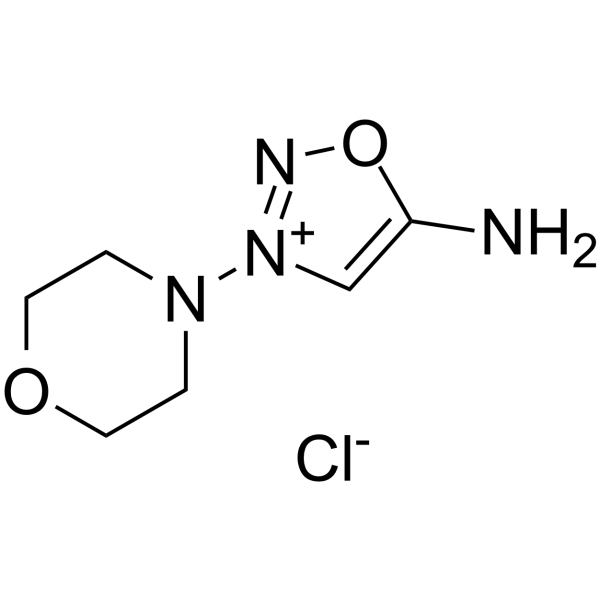
    SIN-1 chloride

    Apoptosis Autophagy Reactive Oxygen Species (ROS) Annexin A NF-κB Cardiovascular Disease Neurological Disease Inflammation/Immunology Cancer
    Linsidomine hydrochloride (SIN-1 chloride) is a spontaneous ROS/RNS generator and peroxynitrite donor. Linsidomine hydrochloride is a vasodilator and platelet aggregation inhibitor. Linsidomine hydrochloride induces oxidative stress-induced chondrocyte apoptosis and necrosis. Linsidomine hydrochloride inhibits the migration, proliferation and neointima formation of vascular smooth muscle cells by inhibiting the expression of annexin A2. In addition, low doses of Linsidomine hydrochloride shows protective effects on Zn 2+ treated nerve cells .
    Linsidomine hydrochloride
  • HY-N2515
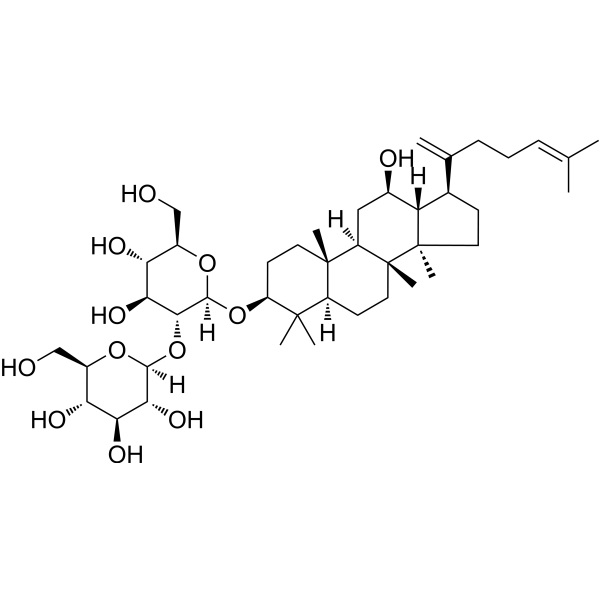
    Ginsenoside Rk1
    5+ Cited Publications

    NF-κB PI3K JAK Apoptosis Inflammation/Immunology Cancer
    Ginsenoside Rk1 is a unique component created by processing the ginseng plant (mainly Sung Ginseng, SG) at high temperatures . Ginsenoside Rk1 has anti-inflammatory effect, suppresses the activation of Jak2/Stat3 signaling pathway and NF-κB . Ginsenoside Rk1 has anti-tumor effect, antiplatelet aggregation activities, anti-insulin resistance, nephroprotective effect, antimicrobial effect, cognitive function enhancement, lipid accumulation reduction and prevents osteoporosis . Ginsenoside Rk1 induces cell apoptosis by triggering intracellular reactive oxygen species (ROS) generation and blocking PI3K/Akt pathway .
    Ginsenoside Rk1
  • HY-130237

    Reactive Oxygen Species (ROS) NF-κB Apoptosis Metabolic Disease Cancer
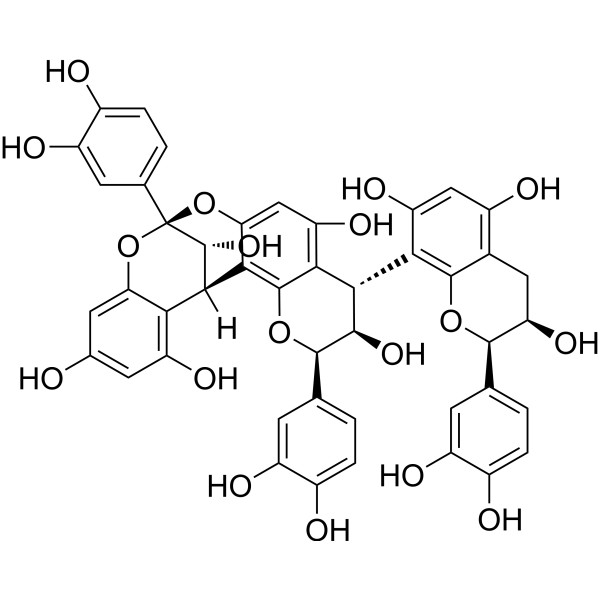
    Cinnamtannin B-1 is a anthocyanidin. Cinnamtannin B-1 inhibits the osteoclast formation by inhibiting NF-kB signaling pathway and ROS generation. Cinnamtannin B-1 exhibits antioxidant, anti-inflammatory, antitumor and anti-platelet aggregation activities. Cinnamtannin B-1 is orally active .
    Cinnamtannin B-1
  • HY-N0353
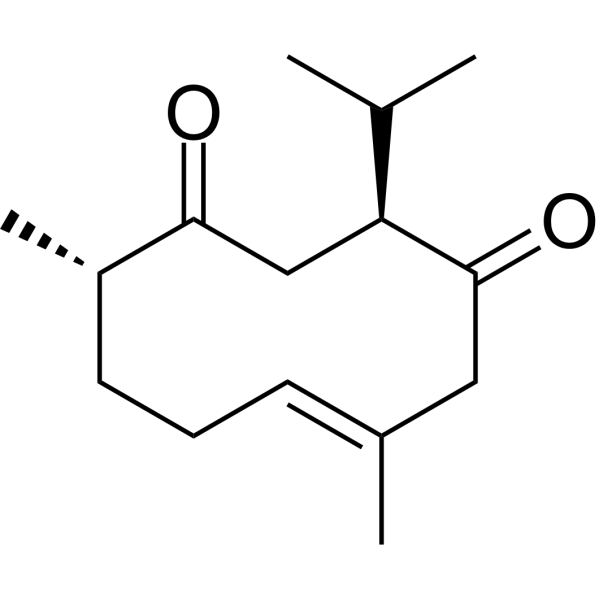
    Curdione
    2 Publications Verification

    (+)-Curdione

    Ferroptosis Apoptosis Reactive Oxygen Species (ROS) Autophagy Glutathione Peroxidase Keap1-Nrf2 Heme Oxygenase (HO) TGF-β Receptor Indoleamine 2,3-Dioxygenase (IDO) Cardiovascular Disease Neurological Disease Cancer
    Curdione ((+)-Curdione) is an orally active sesquiterpenoid. Curdione inhibits platelet aggregation. Curdione induces ferroptosis in colorectal cancer via m6A methylation mediated by METTL14 and YTHDF2. Curdione inhibits ferroptosis in Isoproterenol (HY-B0468)-induced myocardial infarction by regulating the Keap1/Trx1/GPX4 signaling pathway, suppressing oxidative stress (ROS) and apoptosis. Curdione ameliorates Doxorubicin (HY-15142)-induced cardiotoxicity by inhibiting oxidative stress (ROS) and activating the Nrf2/HO-1 pathway. Curdione ameliorates sepsis-induced lung injury by inhibiting platelet-mediated neutrophil extracellular trap formation. Curdione ameliorates Bleomycin (HY-17565A)-induced pulmonary fibrosis by inhibiting TGF-β-induced fibroblast-to-myofibroblast differentiation. Curdione exhibits neuroprotective effects against focal cerebral ischemia-reperfusion injury in rats. Curdione exerts antiproliferative effects against human uterine leiomyosarcoma by targeting IDO1. Curdione protects vascular endothelial cells and atherosclerosis by regulating DNMT1-mediated ERBB4 promoter methylation. Curdione inhibits inducible prostaglandin E2 production (IC50 = 1.1 μM) and cyclooxygenase 2 expression .
    Curdione
  • HY-125616

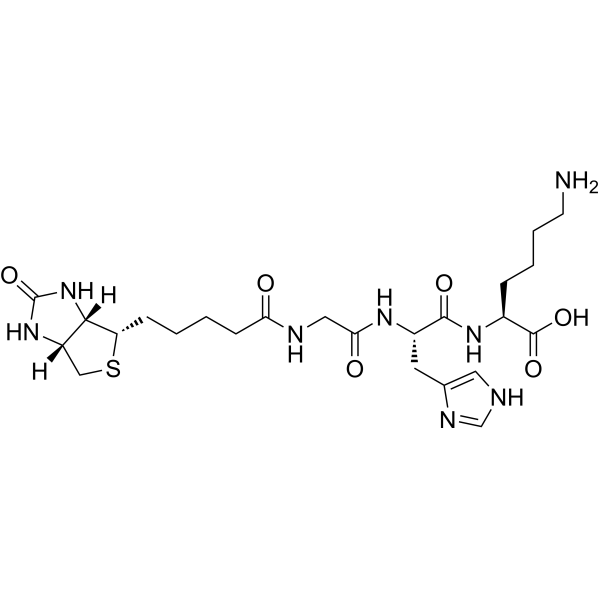
    Biotinyl-GHK; Bio-GHK

    Amyloid-β Reactive Oxygen Species (ROS) Neurological Disease
    Biotinoyl tripeptide-1 (Biotinyl-GHK) is a biotinylating reagent linked to a GHK (glycyl-L-histidyl-L-lysine) tripeptide. Biotin tripeptide-1 is a bioactive peptide with hair care (improves the appearance and feel of hair) and hair growth effects. Biotinoyl tripeptide-1 has a certain affinity for streptavidin. Biotinoyl tripeptide-1 inhibits the production of ROS and has antioxidant effects. Biotinoyl tripeptide-1 reduces the production of carbonylated amyloid-β (Aβ) and inhibits Aβ aggregation. Biotinoyl tripeptide-1 can be used in the study of neurodegenerative diseases .
    Biotinoyl tripeptide-1
  • HY-N1775

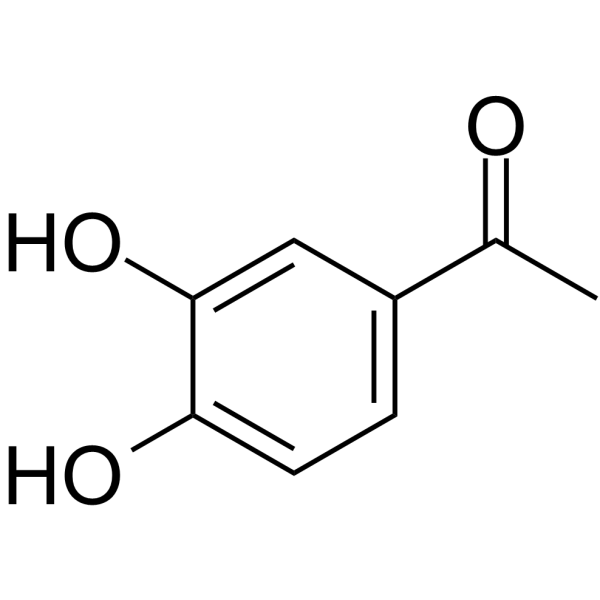
    3,4-DHAP

    Tyrosinase Reactive Oxygen Species (ROS) Keap1-Nrf2 PARP Autophagy Apoptosis Cardiovascular Disease Neurological Disease Metabolic Disease Inflammation/Immunology Cancer
    3',4'-Dihydroxyacetophenone (3,4-DHAP) is a phenolic compound with oral bioavailability, possessing potent antioxidant, anti-inflammatory, anticancer and cardiovascular protective activities. 3',4'-Dihydroxyacetophenone inhibits mushroom Tyrosinase activity with an IC50 of 10 μM, thereby suppressing melanogenesis . 3',4'-Dihydroxyacetophenone inhibits platelet aggregation in platelet-rich plasma. 3',4'-Dihydroxyacetophenone reduces ROS levels in human umbilical vein endothelial cells treated with high glucose, upregulates the expression of Nrf2, HO-1 and PARP-1 in cells, and promotes the nuclear translocation of Nrf2 . 3',4'-Dihydroxyacetophenone induces autophagy and apoptosis. 3',4'-Dihydroxyacetophenone inhibits seed germination/growth in most plants. 3',4'-Dihydroxyacetophenone can be used in the research of cancer, neurodegenerative diseases, non-alcoholic steatohepatitis, diabetes, obesity, skin pigmentation disorders, and cardiovascular and cerebrovascular diseases .
    3',4'-Dihydroxyacetophenone
  • HY-N2282

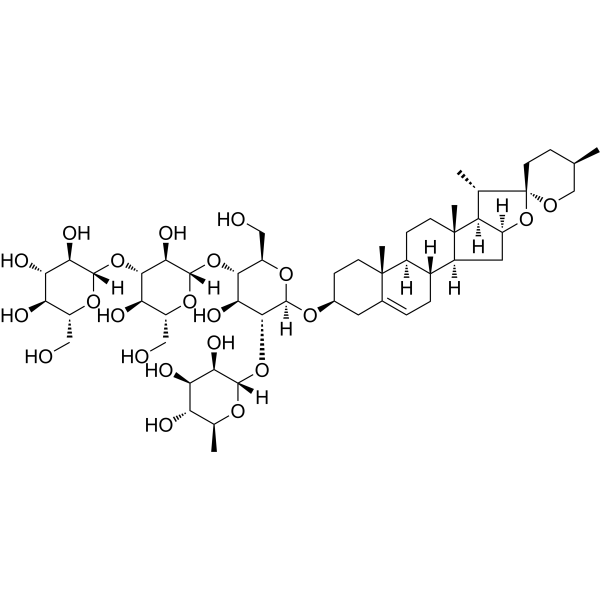
    Zingiberensis newsaponin

    Aldose Reductase JAK STAT Autophagy Apoptosis NF-κB SOD Reactive Oxygen Species (ROS) Cardiovascular Disease Neurological Disease Inflammation/Immunology Cancer
    Zingiberen Newsaponin (Zingiberensis newsaponin) is an orally active type of steroid saponin compound. Zingiberen Newsaponin exerts anti-hepatocellular carcinoma (HCC) effects by inhibiting autophagy and the AKR1C1/JAK2/STAT3 pathway. Zingiberen Newsaponin activates oxidative stress (upregulates ROS and MDA) and mitochondrial pathways, promoting cancer cell apoptosis. Zingiberen Newsaponin alleviates cerebral ischemia-reperfusion (I/R) injury by decreasing the concentration of pro-inflammatory cytokines and inhibits NF-κB. Zingiberen Newsaponin can enhance the activity of SOD, eliminate free radicals and protect nerve cells. Zingiberen Newsaponin induces platelet aggregation .
    Zingiberen newsaponin
  • HY-13219

    COX Lipoxygenase Reactive Oxygen Species (ROS) NF-κB Neurological Disease Inflammation/Immunology
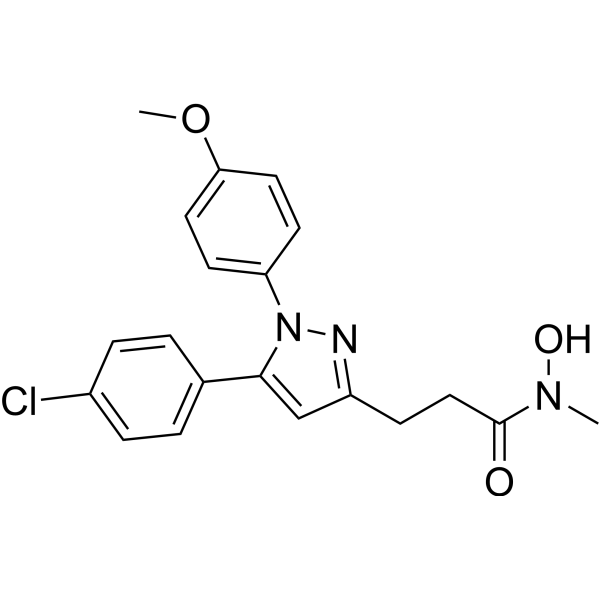
    Tepoxalin is an orally active dual inhibitor of Cyclooxygenase/Lipoxygenase, with IC50 values of 4.6 μM (sheep cyclooxygenase), 2.85 μM (rat cyclooxygenase), 0.15 μM (rat 5-lipoxygenase), and 3.0 μM (h12-lipoxygenase), respectively. Tepoxalin inhibits ROS production and NF-κB activation. Tepoxalin suppresses the production of thromboxane B2, leukotriene B4, prostaglandins and cytokines, and blocks platelet aggregation. Tepoxalin exhibits potent anti-inflammatory activity in rats with adjuvant-induced arthritis. Tepoxalin possesses analgesic activity. Tepoxalin shows no ulcerogenic activity within the anti-inflammatory dose range. Tepoxalin can be used in studies related to adjuvant-induced arthritis, skin inflammation and Alzheimer's disease .
    Tepoxalin
  • HY-W117986

    Amyloid-β Reactive Oxygen Species (ROS) Caspase Neurological Disease
    aggregation-IN-1 (Compound 1b) is a β-amyloid aggregation inhibitor/depolymerizer, with IC50 values of 3.92 μM and 7.19 μM, respectively. Aβ aggregation-IN-1 inhibits the activation of preformed β-amyloid fibrils, reactive oxygen species (ROS) and Caspase-3. Aβ aggregation-IN-1 can be used in research related to Alzheimer's disease .
    Aβ aggregation-IN-1
  • HY-N8671

    Amyloid-β Apoptosis Reactive Oxygen Species (ROS) SARS-CoV Infection Neurological Disease
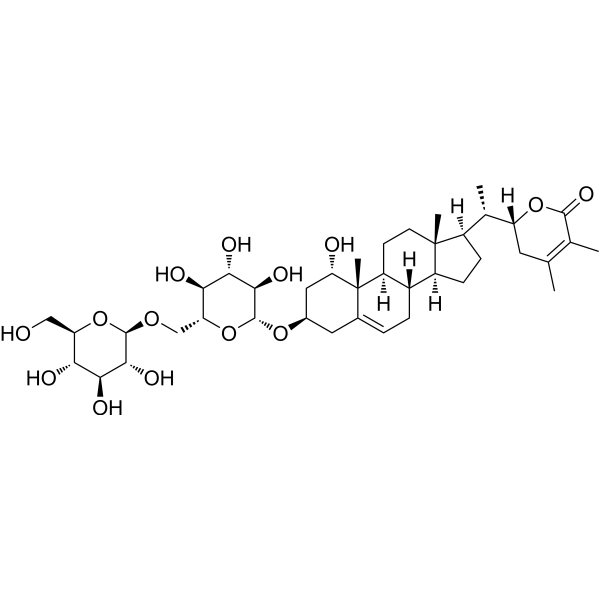
    Withanoside V is a blood-brain barrier-permeable withanolide derivative . Withanoside V binds strongly to Sudlow I (domain IIA) of human serum albumin (HSA) to form a stable complex and alter the secondary structure of albumin, thereby increasing helix content and reducing β-sheet and random coil. Withanoside V binds to Aβ (1-42) to block the interaction between monomers and subsequent aggregation. Withanoside V inhibits the viability of neuroblastoma cells, reduces the number of apoptotic cells induced by Aβ (1-42), and decreases ROS production. Withanoside V inhibits SARS-CoV-2 Mpro. Withanoside V can be used for research on Alzheimer's disease and coronavirus disease 2019 .
    Withanoside V
  • HY-N15272

    Bacterial COX NO Synthase Reactive Oxygen Species (ROS) p38 MAPK Infection Cardiovascular Disease Inflammation/Immunology
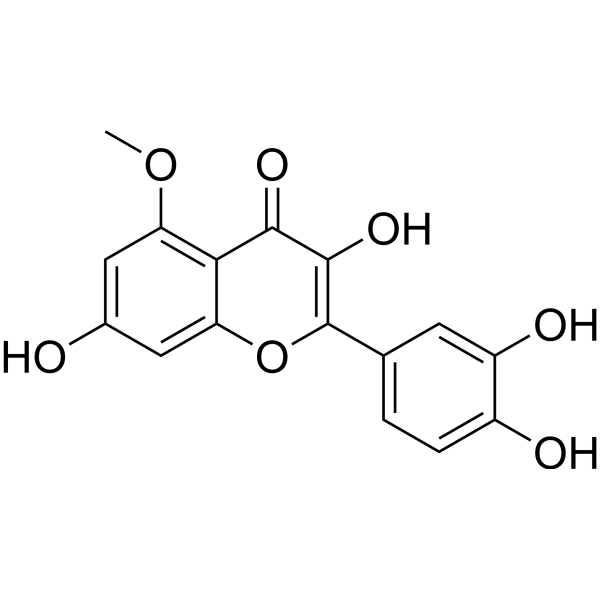
    Artocarpesin is a flavonoid compound. Artocarpesin has inhibitory effects on methicillin-resistant Staphylococcus aureus (MRSA). Artocarpesin inhibits the production of NO, PGE2 and ROS by inhibiting COX-2 and iNOS expression, and plays an anti-inflammatory role. In addition, Artocarpesin inhibits platelet aggregation by inhibiting cyclic nucleotides and MAPKs, which can be used in the study of cardiovascular diseases .
    Artocarpesin
  • HY-179167

    Cholinesterase (ChE) Monoamine Oxidase Neurological Disease
    K2V-9 is an AChE and MAO-B inhibitor with IC50 values of 1.72 μM and 0.950 μM against AChE and MAO-B, respectively. K2V-9 inhibits amyloid β self-aggregation and reduces ROS. K2V-9 has neuroprotective effects .
    K2V-9
  • HY-178454

    Monoamine Oxidase Amyloid-β Mitochondrial Metabolism Apoptosis Reactive Oxygen Species (ROS) COX NF-κB Neurological Disease
    Multitarget AD-IN-3 is a brain-penetrant neuroprotective agent. Multitarget AD-IN-3 can selectively inhibit MAO-B with an IC50 of 4.42 μM and a SI of 18.12. Multitarget AD-IN-3 can eliminate ROS. Multitarget AD-IN-3 Multitarget AD-IN-3 can inhibit 1-42 self-aggregation and can reverse Aβ1-42-induced mitochondrial membrane depolarization and inhibit apoptosis. Multitarget AD-IN-3 can be used for the research of neurological disease, such as Alzheimer’s disease .
    Multitarget AD-IN-3
  • HY-N8693

    COX Amyloid-β Sirtuin Reactive Oxygen Species (ROS) Apoptosis SARS-CoV Infection Neurological Disease
    Withanoside IV is an orally active, blood-brain barrier-permeable withanolide derivative. Withanoside IV specifically binds to the Sudlow I site of HSA, induces secondary structural changes in HSA, and forms stable HSA complexes. Withanoside IV inhibits the enzymatic activity of COX-2. Withanoside IV induces axonal regeneration, peripheral nervous system myelination and increased axonal density in spinal cord tissue, reduces reactive gliosis-related changes, and improves hindlimb motor function. Withanoside IV binds to amyloid-β 1-42 to inhibit its aggregation, induces neurite outgrowth and synapse reconstruction, repairs damaged axons and dendrites, enhances mitochondrial biogenesis, exerts neuroprotective effects via the BDNF and SIRT1 signaling pathways, reduces ROS production and neuronal apoptosis, and ameliorates memory deficits. Withanoside IV inhibits the activity of the SARS-CoV-2 main protease. Withanoside IV can be used in research related to spinal cord injury, Alzheimer's disease, and coronavirus disease 2019 (COVID-19) .
    Withanoside IV
  • HY-144392

    Cholinesterase (ChE) Neurological Disease
    AChE/BuChE-IN-1 (Compound 1), a chrysin derivative, is a selective butyrylcholinesterase (BuChE) inhibitor with an IC50 of 0.48 μM. AChE/BuChE-IN-1 inhibits acetylcholinesterase (AChE) with an IC50 of 7.16 μM. AChE/BuChE-IN-1 shows strong scavenging ·OH activities with a IC50 of 0.1674 μM. AChE/BuChE-IN-1 inhibits reactive oxygen species (ROS), Aβ1-42 aggregation (self-, Cu2+-induced, AChE-induced). AChE/BuChE-IN-1 has high BBB permeability and bioavailability and low cell toxicity. AChE/BuChE-IN-1 has the potential for Alzheimer' disease (AD) research .
    AChE/BuChE-IN-1
  • HY-151940

    Reactive Oxygen Species (ROS) Cancer
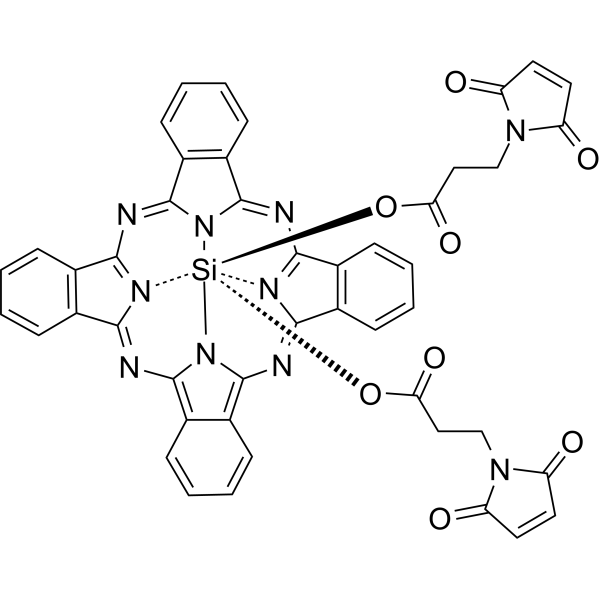
    Mal-Pc is a versatile molecular photosensitizer designed based phthalocyanine and maleimides. Mal-Pc can react with GSH to deplete GSH and reduce aggregation, thereby improving ROS (Reactive Oxygen Species)-mediated effect of photodynamic therapy (PDT) in cancer cells .
    Mal-Pc
  • HY-D1468

    Reactive Oxygen Species (ROS) Cancer
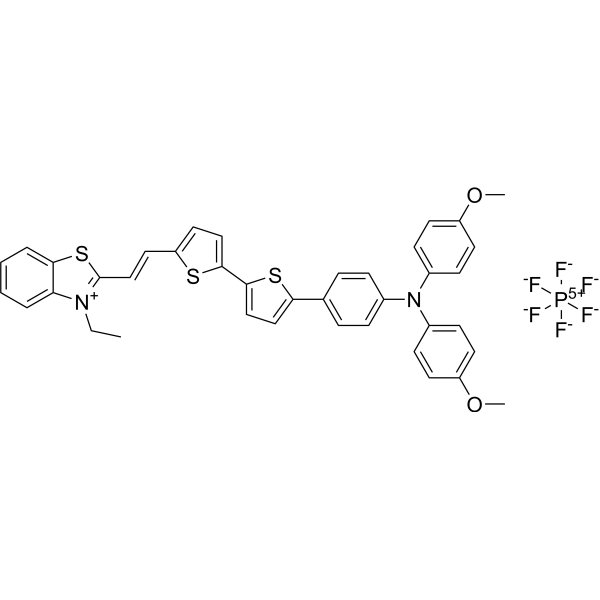
    Phototherapeutic agent-1 is a multi-modal light diagnosis agent with aggregation-induced emission properties. have certain Phototherapeutic agent-1 has certain reactive oxygen species (ROS) generation capacity in illumination condition. Phototherapeutic agent-1 can effectively kill cancer cells and tumor tissue .
    Phototherapeutic agent-1
  • HY-156149

    Fungal Cytochrome P450 PD-1/PD-L1 Infection
    CYP51/PD-L1-IN-1 (compound L11) is a quinazoline compound with antifungal activity. CYP51/PD-L1-IN-1 is a dual inhibitor of CYP51 (IC50: 0.884 μM) and PD-L1 (IC50: 0.083 μM), which can induce early apoptosis of fungal cells in the cell cycle. CYP51/PD-L1-IN-1 also significantly reduced intracellular IL-2, NLRP3, and NF-κBp65 protein levels, induced mitochondrial damage and ROS accumulation, and ultimately led to fungal lysis and death .
    CYP51/PD-L1-IN-1
  • HY-156150

    Fungal Cytochrome P450 PD-1/PD-L1 Infection
    CYP51/PD-L1-IN-2 (compound L20) is a quinazoline compound with antifungal activity. CYP51/PD-L1-IN-2 is a dual inhibitor of CYP51 (IC50: 0.263 μM) and PD-L1 (IC50: 0.017 μM), which can induce early apoptosis of fungal cells in the cell cycle. CYP51/PD-L1-IN-2 also significantly reduced intracellular IL-2, NLRP3, and NF-κBp65 protein levels, induced mitochondrial damage and ROS accumulation, and ultimately led to fungal lysis and death .
    CYP51/PD-L1-IN-2
  • HY-156151

    Fungal Cytochrome P450 PD-1/PD-L1 Infection
    CYP51/PD-L1-IN-3 (compound L21) is a quinazoline compound with antifungal activity. CYP51/PD-L1-IN-3 is a dual inhibitor of CYP51 (IC50: 0.205 μM) and PD-L1 (IC50: 0.039 μM), which can induce early apoptosis of fungal cells in the cell cycle. CYP51/PD-L1-IN-3 also significantly reduced intracellular IL-2, NLRP3, and NF-κBp65 protein levels, induced mitochondrial damage and ROS accumulation, and ultimately led to fungal lysis and death .
    CYP51/PD-L1-IN-3
  • HY-143413

    Amyloid-β Neurological Disease Inflammation/Immunology
    BuChE-IN-2 is an excellent butyrylcholinesterase (BuChE) inhibitor (IC50s of 1.28 μM and 0.67 μM for BuChE and NO). BuChE-IN-2 can inhibit the aggregation of Aβ, ROS formation and chelate Cu 2+, exhibiting proper blood-brain barrier (BBB) penetration. BuChE-IN-2 has potential to research Alzheimer’s disease .
    BuChE-IN-2
  • HY-173144

    Cholinesterase (ChE) Reactive Oxygen Species (ROS) Interleukin Related Lactate Dehydrogenase Amyloid-β Neurological Disease Inflammation/Immunology
    AChE-IN-85 (Compound 7k) is an AChE inhibitor with an IC50 of 0.083 μM. AChE-IN-85 can inhibit the release of NO, the production of TNF-α and IL-1β, the levels of LDH and ROS, as well as the aggregation of Aβ42. AChE-IN-85 has anti-inflammatory and neuroprotective effects and can be used in the research of diseases such as Alzheimer's disease .
    AChE-IN-85
  • HY-157440

    Amyloid-β Reactive Oxygen Species (ROS) Cholinesterase (ChE) Neurological Disease
    AChE/Aβ-IN-3 (compound AM5) is a dual inhibitor of AChE and Amyloid-β aggregation with IC50<.sub> values of 1.29 and 4.93 μM, respectively. AChE/Aβ-IN-3 has antioxidant properties that scavenge ROS and restore their normal levels. AChE/Aβ-IN-3 can be used in the study of neurological diseases, such as Alzheimer's disease .
    AChE/Aβ-IN-3
  • HY-172782

    Cholinesterase (ChE) Amyloid-β Interleukin Related Reactive Oxygen Species (ROS) NOD-like Receptor (NLR) Neurological Disease Inflammation/Immunology
    BuChE-IN-20 is a selective butyrylcholinesterase (hBuChE) inhibitor (IC50 = 0.13 μM) with BBB permeability. BuChE-IN-20 is a L-Tryptophan derivative. BuChE-IN-20 possesses neuroprotective properties by inhibiting the production of nitric oxide (NO) and lowering the levels of ROS. BuChE-IN-20 is proficient in inhibiting the self-aggregation of amyloid-beta (Aβ) peptides. BuChE-IN-20 can be used in research for Alzheimer’s disease .
    BuChE-IN-20
  • HY-130237R

    Reference Standards Reactive Oxygen Species (ROS) NF-κB Apoptosis Metabolic Disease Cancer
    Cinnamtannin B-1 (Standard) is the analytical standard of Cinnamtannin B-1. This product is intended for research and analytical applications. Cinnamtannin B-1 is a anthocyanidin. Cinnamtannin B-1 inhibits the osteoclast formation by inhibiting NF-kB signaling pathway and ROS generation. Cinnamtannin B-1 exhibits antioxidant, anti-inflammatory, antitumor and anti-platelet aggregation activities. Cinnamtannin B-1 is orally active .
    Cinnamtannin B-1 (Standard)
  • HY-101200R

    SIN-1 chloride (Standard)

    Reference Standards Apoptosis Autophagy Reactive Oxygen Species (ROS) Annexin A NF-κB Cardiovascular Disease Neurological Disease Inflammation/Immunology Cancer
    Linsidomine (hydrochloride) (Standard) is the analytical standard of Linsidomine (hydrochloride). This product is intended for research and analytical applications. Linsidomine hydrochloride (SIN-1 chloride) is a spontaneous ROS/RNS generator and peroxynitrite donor. Linsidomine hydrochloride is a vasodilator and platelet aggregation inhibitor. Linsidomine hydrochloride induces oxidative stress-induced chondrocyte apoptosis and necrosis. Linsidomine hydrochloride inhibits the migration, proliferation and neointima formation of vascular smooth muscle cells by inhibiting the expression of annexin A2. In addition, low doses of Linsidomine hydrochloride shows protective effects on Zn 2+ treated nerve cells .
    Linsidomine hydrochloride (Standard)
  • HY-159898

    Cholinesterase (ChE) Amyloid-β Tau Protein NOD-like Receptor (NLR) Reactive Oxygen Species (ROS) Mitochondrial Metabolism Neurological Disease
    AChE/BChE-IN-23 (Compound 6e) is an AChE/BChE inhibitor (IC50: 0.91 μM, 1.19 μM and 1.01 μM for hAChE, eq BChE and hBChE, respectively). AChE/BChE-IN-23 has antioxidant activity and inhibits 1-42 and Tau protein aggregation. AChE/BChE-IN-23 also inhibits microglial activation by reducing ROS release and mitochondrial injury. AChE/BChE-IN-23 suppresses NLRP3 inflammasome and pro-inflammatory cytokines in human microglial cells. AChE/BChE-IN-23 also reverses the Scopolamine (HY-N0296)-induced memory impairment in mice model .
    AChE/BChE-IN-23
  • HY-158978

    Cholinesterase (ChE) Monoamine Oxidase Neurological Disease
    Multitarget AD inhibitor-2 (Compound VN-19) is a multitargeting inhibitor acetylcholinesterase (AChE, IC50=0.14 μM), butyrylcholinesterase (BChE, IC50=11.6 μM), monoamine oxidase B (MAO B, IC50=0.45 μM). Multitarget AD inhibitor-2 inhibits self-induced aggregation of amyloid beta protein Aβ1-42 (inhibition rate is 47.3% at 20 μM), and downregulates the level of ROS in SH-SY5Y (80 inhibition rate at 25 μM). Multitarget AD inhibitor-2 ameliorates the cognitive decline in Scopolamine (HY-N0296)-induced Alzheimer’s Disease zebrafish models .
    Multitarget AD inhibitor-2
  • HY-N2515R

    Reference Standards NF-κB PI3K JAK Apoptosis Inflammation/Immunology Cancer
    Ginsenoside Rk1 (Standard) is the analytical standard of Ginsenoside Rk1. This product is intended for research and analytical applications. Ginsenoside Rk1 is a unique component created by processing the ginseng plant (mainly Sung Ginseng, SG) at high temperatures . Ginsenoside Rk1 has anti-inflammatory effect, suppresses the activation of Jak2/Stat3 signaling pathway and NF-κB . Ginsenoside Rk1 has anti-tumor effect, antiplatelet aggregation activities, anti-insulin resistance, nephroprotective effect, antimicrobial effect, cognitive function enhancement, lipid accumulation reduction and prevents osteoporosis . Ginsenoside Rk1 induces cell apoptosis by triggering intracellular reactive oxygen species (ROS) generation and blocking PI3K/Akt pathway .
    Ginsenoside Rk1 (Standard)
  • HY-N0353R

    (+)-Curdione (Standard)

    Reference Standards Ferroptosis Apoptosis Reactive Oxygen Species (ROS) Autophagy Glutathione Peroxidase Keap1-Nrf2 Heme Oxygenase (HO) TGF-β Receptor Indoleamine 2,3-Dioxygenase (IDO) Others
    Curdione (Standard) is the analytical standard of Curdione. This product is intended for research and analytical applications. Curdione ((+)-Curdione) is an orally active sesquiterpenoid. Curdione inhibits platelet aggregation. Curdione induces ferroptosis in colorectal cancer via m6A methylation mediated by METTL14 and YTHDF2. Curdione inhibits ferroptosis in Isoproterenol (HY-B0468)-induced myocardial infarction by regulating the Keap1/Trx1/GPX4 signaling pathway, suppressing oxidative stress (ROS) and apoptosis. Curdione ameliorates Doxorubicin (HY-15142)-induced cardiotoxicity by inhibiting oxidative stress (ROS) and activating the Nrf2/HO-1 pathway. Curdione ameliorates sepsis-induced lung injury by inhibiting platelet-mediated neutrophil extracellular trap formation. Curdione ameliorates Bleomycin (HY-17565A)-induced pulmonary fibrosis by inhibiting TGF-β-induced fibroblast-to-myofibroblast differentiation. Curdione exhibits neuroprotective effects against focal cerebral ischemia-reperfusion injury in rats. Curdione exerts antiproliferative effects against human uterine leiomyosarcoma by targeting IDO1. Curdione protects vascular endothelial cells and atherosclerosis by regulating DNMT1-mediated ERBB4 promoter methylation. Curdione inhibits inducible prostaglandin E2 production (IC50 = 1.1 μM) and cyclooxygenase 2 expression .
    Curdione (Standard)
  • HY-180997

    Amyloid-β Neurological Disease
    aggregation-IN-5 is a brain-penetrant amyloid-β aggregation inhibitor. Aβ aggregation-IN-5 inhibits Aβ aggregation/oligomerization, rescues cells from AB/ROS toxicity and reduces microglial activation/NO production. Aβ aggregation-IN-5 reduces amyloid burden, neuroinflammation, microglial activation in APP/PSEN1 mice. Aβ aggregation-IN-5 can be used for the research of Alzheimer's disease .
    Aβ aggregation-IN-5
  • HY-180843

    Tau Protein Amyloid-β Cholinesterase (ChE) Monoamine Oxidase Reactive Oxygen Species (ROS) Neurological Disease
    Aβ/tau aggregation-IN-4 (Compound D21) is an Aβ/tau aggregation inhibitor. Aβ/tau aggregation-IN-4 promotes the degradation of Aβ40/42 (Aβ40, IC50 = 2.151 μM; Aβ42, IC50 = 3.622 μM). Aβ/tau aggregation-IN-4 shows selective AChE inhibition (IC50: 5.56 μM). Aβ/tau aggregation-IN-4 inhibits MAO-A and MAO-B with IC50s of 0.59 μM and 0.09 μM, respectively. Aβ/tau aggregation-IN-4 suppresses intracellular ROS levels. Aβ/tau aggregation-IN-4 can be used in the research of Alzheimer's disease .
    Aβ/tau aggregation-IN-4
  • HY-183797

    Cancer
    Antitumor agent-218 is an aggregation-induced emission (AIE)-based photosensitizer. Antitumor agent-218 selectively accumulates in the endoplasmic reticulum, and generates ROS within the endoplasmic reticulum upon irradiation to induce necroptosis of tumor cells. Antitumor agent-218 can be used in cancer-related research .
    Antitumor agent-218
  • HY-182893

    α-synuclein Reactive Oxygen Species (ROS) Tyrosine Hydroxylase Neurological Disease
    SK-129 is a blood-brain barrier-permeable inhibitor of α-synuclein (αS) oligomers with a Kd of 221 nM. SK-129 preferentially binds to neurotoxic αS oligomers over physiological αS monomers, inhibits αS aggregation, blocks the interaction and co-aggregation of αS with tau protein, and prevents the maturation of αS-tau condensates into amyloid aggregates. SK-129 reduces ROS production, rescues dopaminergic neuron degeneration, improves motor function, restores endogenous dopamine synthesis, increases the number of Tyrosine Hydroxylase-positive neurons, prevents brain histopathological changes, alleviates neuroinflammation, and improves survival rates in relevant models. SK-129 can be used in research related to Parkinson's disease (PD) and Lewy body dementia (LBD) .
    SK-129
  • HY-131660

    Monoamine Oxidase Amyloid-β Reactive Oxygen Species (ROS) Neurological Disease
    MAO-B-IN-54 is a selective, reversible and competitiv monoamine oxidase B (MAOB) inhibitor with a human IC50 of 0.052 μM and a Ki of 0.028 μM. MAO-B-IN-54 shows weak activity MAOA. MAO-B-IN-54 occupies both the entrance and substrate cavity of MAOB, forming hydrophobic and hydrogen bonding interactions. MAO-B-IN-54 inhibits aggregation and ROS production. MAO-B-IN-54 can be used for the research of Alzheimer’s disease .
    MAO-B-IN-54
  • HY-156898

    α-synuclein Caspase Reactive Oxygen Species (ROS) Neurological Disease
    NPT100-18A is an αSyn oligomerization inhibitor. NPT10018A rescues cleaved caspase-3 levels to control levels. NPT10018A attenuates mitochondrial oxidative stress probe levels in a compartment-specific manner and, at higher concentrations, increases ATP signals. NPT100-18A can be used for the study of Parkinson’s disease (PD) .
    NPT100-18A
  • HY-180114

    Cholinesterase (ChE) Monoamine Oxidase Amyloid-β Reactive Oxygen Species (ROS) Neurological Disease
    NSS-18 is a potent and reversible inhibitor of AChE and MAO-B, with IC50 values of 1.53 and 1.51 μM respectively. NSS-18 can inhibit the self-aggregation of . NSS-18 inhibits the intracellular generation of ROS induced by Aβ. NSS-18 shows a moderate neuroprotective effect against 6-OHDA (HY-B1081)-induced neurotoxicity. NSS-18 can form chelates with metal ions such as Cu²⁺, Fe³⁺, and Zn²⁺, with the strongest chelation being with Cu²⁺. NSS-18 can be used for the study of Alzheimer's disease .
    NSS-18

Inquiry Online

Your information is safe with us. * Required Fields.

Salutation


Country or Region *

Applicant Name *


Organization Name *

Department *


Email Address *


Product Name *

Cat. No.


Requested quantity *

Phone Number *


Remarks

Inquiry Online

Inquiry Information

Product Name:
Cat. No.:
Quantity:
MCE Japan Authorized Agent:

