1. Search Result
Search Result
Results for "

Survivin

" in MedChemExpress (MCE) Product Catalog:

77

Inhibitors & Agonists

1

Screening Libraries

3

Biochemical Assay Reagents

5

Peptides

21

Natural
Products

12

Recombinant Proteins

1

Isotope-Labeled Compounds

7

Antibodies

2

Oligonucleotides

Targets Recommended:
Cat. No. Product Name Target Research Areas Chemical Structure
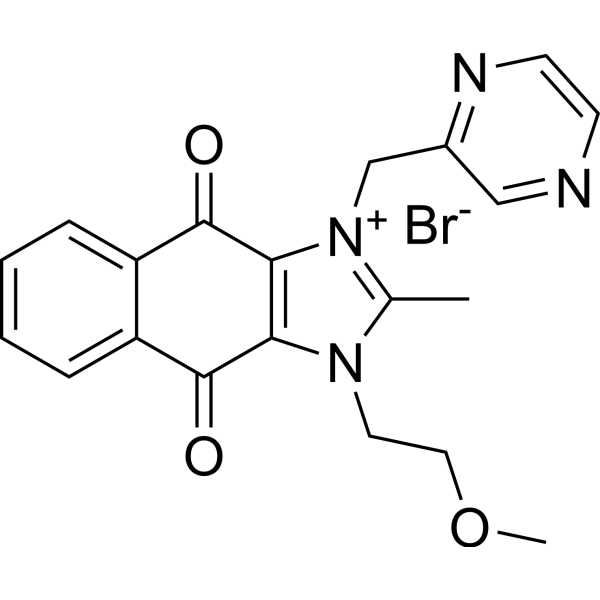
  • HY-10194
    Sepantronium bromide
    20+ Cited Publications

    YM-155

    Survivin Autophagy Cancer
    Sepantronium bromide (YM-155) is a survivin inhibitor with an IC50 of 0.54 nM .
    Sepantronium bromide
  • HY-12486
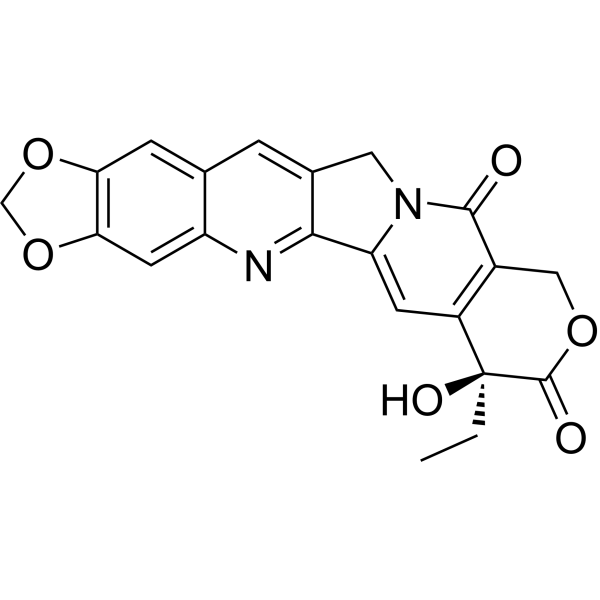
    FL118
    3 Publications Verification

    10,11-(Methylenedioxy)-20(S)-camptothecin

    Survivin Apoptosis IAP Cancer
    FL118 (10,11-(Methylenedioxy)-20(S)-camptothecin), a Camptothecin (HY-16560) analogue, is a potent and orally active survivin inhibitor. FL118 binds to oncoprotein DDX5 (p68) to dephosphorylates and degrades DDX5. FL118 can be used for the research of cancer .
    FL118
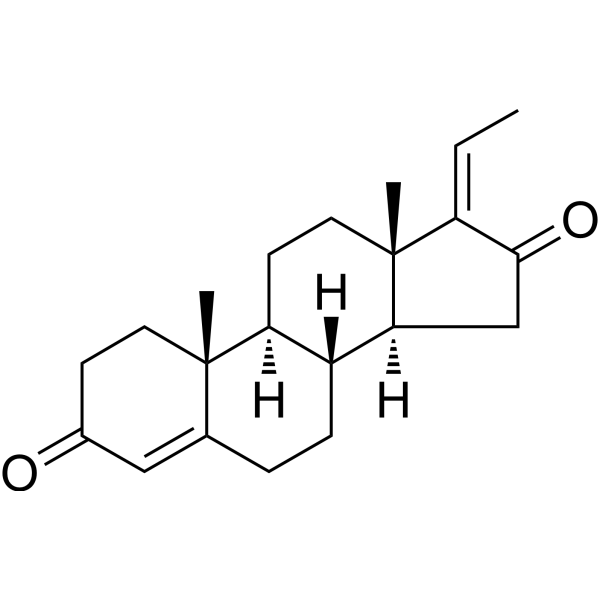
  • HY-107738
    Guggulsterone
    20+ Cited Publications

    Z/E-Guggulsterone

    Apoptosis JNK Akt Caspase FXR Autophagy Cancer
    Guggulsterone is a plant sterol derived from the gum resin of the tree Commiphora wightii. Guggulsterone inhibits the growth of a wide variety of tumor cells and induces apoptosis through down regulation of antiapoptotic gene products (IAP1, xIAP, Bfl-1/A1, Bcl-2, cFLIP and survivin), modulation of cell cycle proteins (cyclin D1 and c-Myc), activation of caspases and JNK, inhibition of Akt . Guggulsterone, a farnesoid X receptor (FXR) antagonist, with IC50s of 24.06 μM and 39.05 μM for (-)-(E)-Guggulsterone (HY-N7781) and (Z)-Guggulsterone (HY-110066), respectively .
    Guggulsterone
  • HY-15191
    Sabutoclax
    1 Publications Verification

    BI-97C1

    Bcl-2 Family Cancer
    Sabutoclax is a potent and effective Bcl-2 Family (Bcl-2, Bcl-XL, Mcl-1, Bfl-1) inhibitor with IC50s of 0.32 μM, 0.31 μM, 0.20 μM, and 0.62 μM, respectively. Sabutoclax increases Bax, Bim, PUMA and survivin expression .
    Sabutoclax
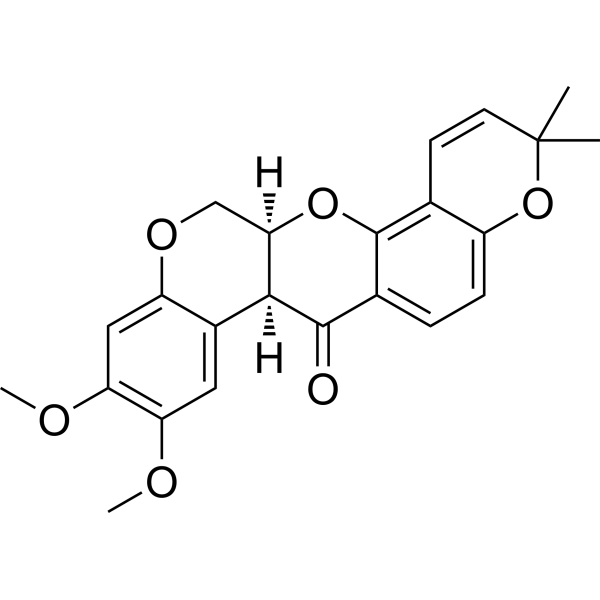
  • HY-13425
    Deguelin
    10+ Cited Publications

    (-)-Deguelin; (-)-cis-Deguelin

    Akt Autophagy Apoptosis Cancer
    Deguelin, a naturally occurring rotenoid, acts as a chemopreventive agent by blocking multiple pathways like PI3K-Akt, IKK-NF-κB, and MAPK-mTOR-survivin-mediated apoptosis. Deguelin binding to Hsp90 leads to a decreased expression of numerous oncogenic proteins, including MEK1/2, Akt, HIF1α, COX-2, and NF-κB.
    Deguelin
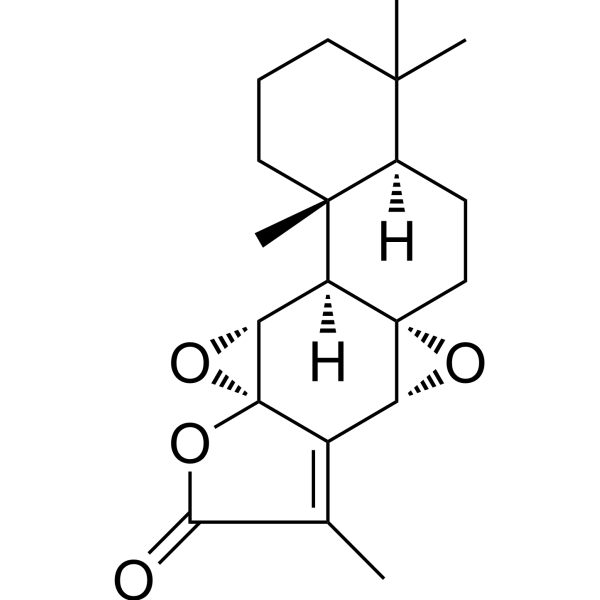
  • HY-N0732
    Jolkinolide B
    1 Publications Verification

    IAP Akt Caspase NF-κB TGF-beta/Smad JAK Bacterial Apoptosis Infection Metabolic Disease Inflammation/Immunology Cancer
    Jolkinolide B is a bioactive diterpene isolated from the roots of Euphorbia fischeriana Steud with oral activity. Jolkinolide B downregulates XIAP, cIAP1, cIAP2, and phosphorylated Akt, upregulates Smac, activates caspase-3 and caspase-9, and inhibits NF-κB, TGFβ/smad3 and JAK/STAT3 pathways. Jolkinolide B exerts comprehensive biological effects including inducing cancer cell apoptosis, suppressing inflammatory responses, improving lung function, alleviating hepatic steatosis and eliminating intracellular Mycobacterium tuberculosis. Jolkinolide B can be used for the research of leukemia, histiocytic lymphoma, asthma, metabolic dysfunction-associated steatotic liver disease and tuberculosis .
    Jolkinolide B
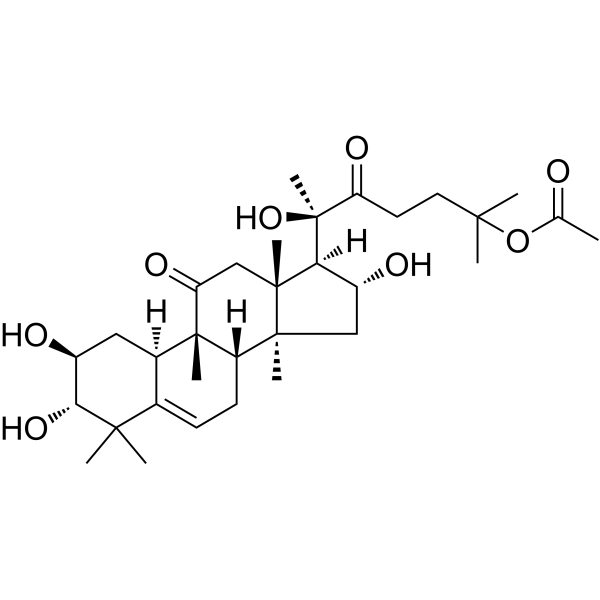
  • HY-N1988
    Cucurbitacin IIa
    1 Publications Verification

    Hemslecin A

    Survivin Apoptosis EGFR Caspase p38 MAPK Autophagy MEK Raf ERK STAT CaMK Inflammation/Immunology Cancer
    Cucurbitacin IIa (Hemslecin A) is an orally active, blood-brain barrier-permeable EGFR inhibitor with an IC50 of 1.455 nM against human EGFR. Cucurbitacin IIa induces caspase-3-dependent apoptosis, downregulates survivin expression, enhances autophagy levels, disrupts the actin cytoskeleton via actin aggregation, arrests the cell cycle at the G2/M phase, and exerts anti-inflammatory activity by inhibiting the EGFR-MAPK signaling pathway. Cucurbitacin IIa can be used in the research of inflammation-related diseases, depression, and cancers such as non-small cell lung cancer .
    Cucurbitacin IIa
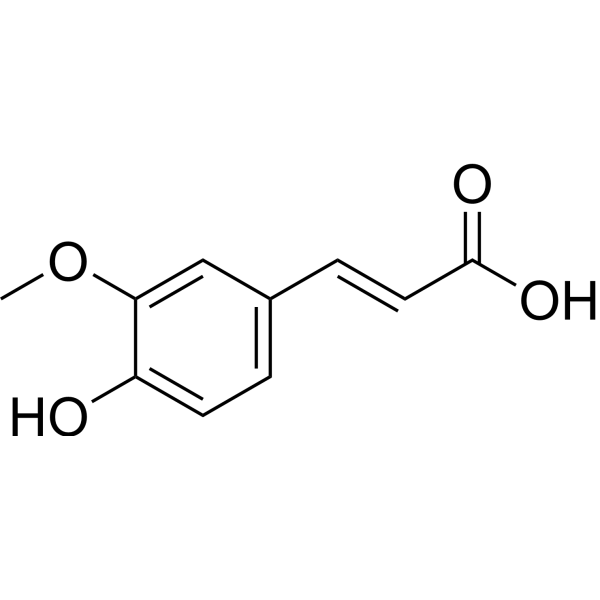
  • HY-N0060B
    (E)-Ferulic acid
    1 Publications Verification

    (E)-Coniferic acid

    β-catenin Bcl-2 Family Ferroptosis Endogenous Metabolite Cancer
    (E)-Ferulic acid is an isomer of ferulic acid, an aromatic compound abundant in plant cell walls. (E)-Ferulic acid causes phosphorylation of β-catenin (β-catenin), leading to proteasome degradation, increasing the expression of pro-apoptotic factor Bax and reducing pro-apoptotic factor Expression of the survival factor survivin. (E)-Ferulic acid can effectively remove reactive oxygen species (ROS) and inhibit lipid peroxidation. (E)-Ferulic acid exerts antiproliferative and antimigratory effects in the human lung cancer cell line H1299.
    (E)-Ferulic acid
  • HY-121705

    Endogenous Metabolite Apoptosis Bcl-2 Family NF-κB Survivin Src Akt AMPK NO Synthase Cardiovascular Disease Metabolic Disease Inflammation/Immunology
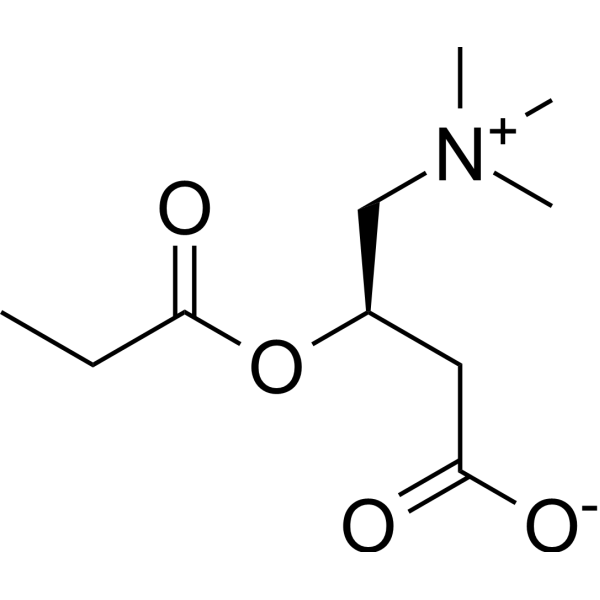
    Propionyl-L-carnitine is an orally active L-carnitine derivative. Propionyl-L-carnitine has a high affinity for muscle L-carnitine transferase. Propionyl-L-carnitine increases Apoptosis, Bax, and reduces NF-κB, VCAM-1, MCP-1, and survivin. Propionyl-L-carnitine activates Src kinase, Akt, induces p-AMPK and nitric oxide synthesis. Propionyl-L-carnitine alleviates cardiovascular disease, obesity, and colitis .
    Propionyl-L-carnitine
  • HY-N6682
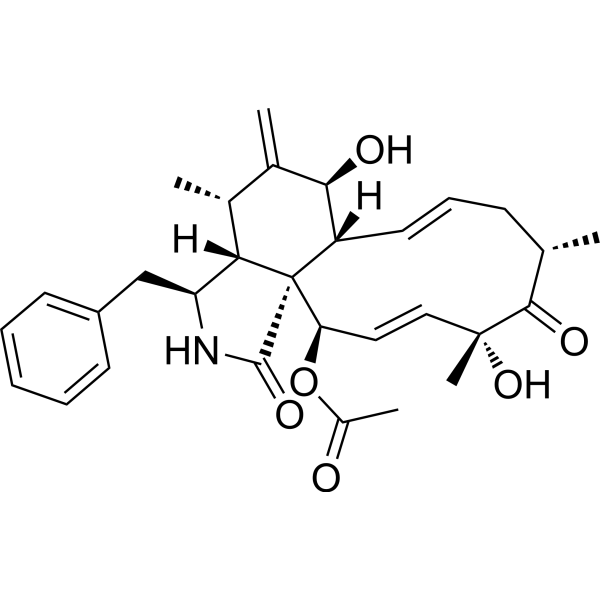
    Cytochalasin D
    Maximum Cited Publications
    91 Publications Verification

    Zygosporin A; NSC 209835

    Exosomes Arp2/3 Complex Antibiotic YAP Infection Cancer
    Cytochalasin D (Zygosporin A) is a potent actin polymerization inhibitor, could be derived from fungus. Cytochalasin D has cell-permeable activity. Cytochalasin D inhibits the G-actin–cofilin interaction by binding to G-actin. Cytochalasin D also inhibits the binding of cofilin to F-actin and decreases the rate of both actin polymerization and depolymerization in living cells. Cytochalasin D can reduce exosome release, in turn reducing the amount of survivin present in the tumour environment. Cytochalasin D induces phosphorylation and cytoplasmic retention of Yap .
    Cytochalasin D
  • HY-10447

    EM-1421

    Survivin COX TNF Receptor Apoptosis Infection Inflammation/Immunology Cancer
    Terameprocol is an inhibitor targeting the Sp1 transcription factor, which can selectively inhibit the transcription of Sp1-dependent genes. Terameprocol exerts its effects by inhibiting Sp1-mediated gene transcription, such as reducing the expression of genes like CDC2, survivin and HMGB1, thereby arresting the cell cycle, inducing apoptosis, and suppressing the inflammatory response. Terameprocol exhibits anti-proliferative, pro-apoptotic, and anti-inflammatory activities and is currently mainly used in the research of diseases such as cancer and pulmonary arterial hypertension[1][2][3].
    Terameprocol
  • HY-N11908

    cis-α-Santalol

    Akt Survivin Apoptosis Caspase PARP Metabolic Disease Cancer
    α-Santalol (cis-α-Santalol), a naturally occurring sesquiterpene, is an orally active anticancer agent and apoptosis inducer. α-Santalol activates caspase-3 to drive apoptotic processes. >α-Santalol induces apoptosis, decreases cell viability, and causes PARP cleavage in human prostate cancer cells. α-santalol inhibits Akt/Survivin pathway to induce cell death. α-Santalol can be used for the research of prostate cancer and diabetes mellitus .
    α-Santalol
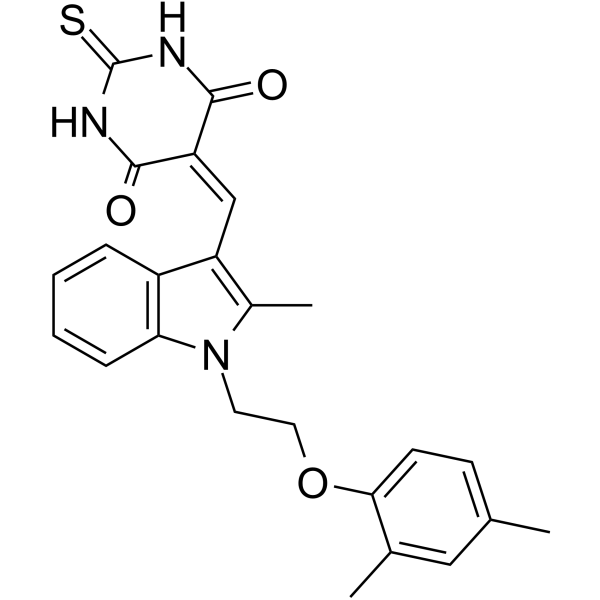
  • HY-136538

    Survivin Cancer
    LQZ-7I is a survivin-targeting inhibitor. LQZ-7I inhibits survivin dimerization. LQZ-7I orally effectively inhibits xenograft tumor growth and induces survivin loss in tumors .
    LQZ-7I
  • HY-12842

    IAP Survivin Apoptosis Caspase Inflammation/Immunology Cancer
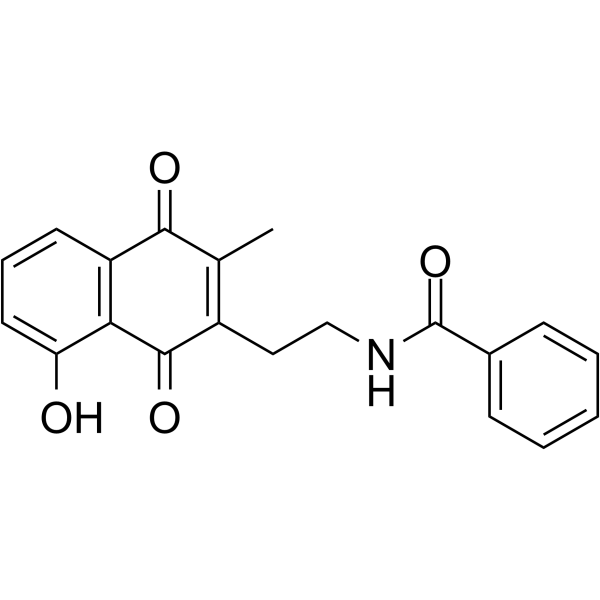
    UC-112 is a XIAP inhibitor with anticancer activity. UC-112 selectively downregulates and degrades survivin via the ubiquitin-mediated proteasomal degradation pathway. UC-112 reduces XIAP levels in in vivo tumor models. UC-112 activates caspase-3/7 and caspase-9, and induces cancer cell apoptosis. UC-112 is applicable to studies on melanoma, prostate cancer and cancer-related research .
    UC-112
  • HY-U00177
    GDP366
    2 Publications Verification

    Survivin Cancer
    GDP366, a dual inhibitor of survivin and Op18, induces cell growth inhibition, cellular senescence and mitotic catastrophe in human cancer cells.
    GDP366
  • HY-12830

    Pim Cancer
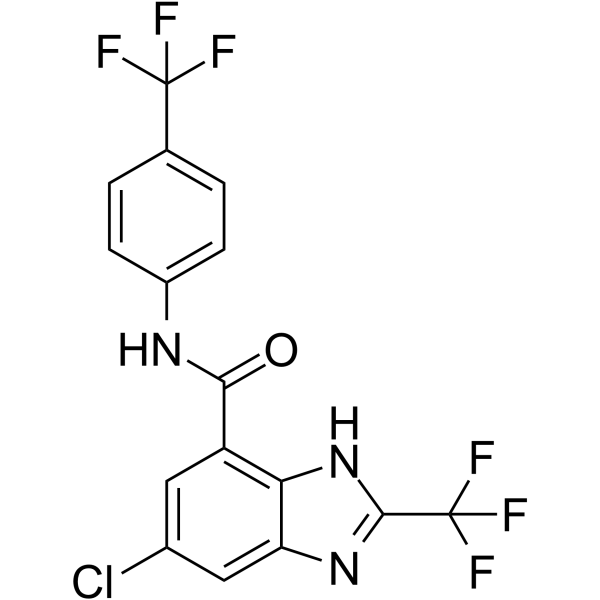
    M-110 is a highly selective, ATP-competitive inhibitor of PIM kinases with a preference for PIM-3 (IC50=47 nM). M-110 inhibits PIM-1 and PIM-2 with similar IC50s of 2.5 μM. M-110 inhibits the proliferation of prostate cancer cell lines with IC50s of 0.6 to 0.9 μM .
    M-110
  • HY-123931
    ZLDI-8
    1 Publications Verification

    Notch Phosphatase Apoptosis Cancer
    ZLDI-8 is a Notch activating/cleaving enzyme ADAM-17 inhibitor and inhibits the cleavage of Notch protein. ZLDI-8 decreases the expression of pro-survival/anti-apoptosis and epithelial-mesenchymal transition (EMT) related proteins. ZLDI-8 is also a competitive and irreversible tyrosine phosphatase (Lyp) inhibitor with an IC50 of 31.6 μM and a Ki of 26.22 μM. ZLDI-8 inhibits the growth of MHCC97-H cells with an IC50 of 5.32 μM .
    ZLDI-8
  • HY-N0566

    Anemosapogenin

    Apoptosis Autophagy Bcl-2 Family Caspase Survivin p38 MAPK MMP Cancer
    23-Hydroxybetulinic acid (Anemosapogenin) is an orally active triterpenoid with broad-spectrum anticancer activity. 23-Hydroxybetulinic acid reduces the levels of Bcl-2 and survivin, elevates the level of Bax, promotes the cleavage/activation of caspase-3 and caspase-9, and induces apoptosis via the endogenous mitochondrial pathway involving cytochrome C release and mitochondrial membrane potential disruption. 23-Hydroxybetulinic acid arrests the cell cycle at S and G1 phases, inhibits cancer cell proliferation, blocks the MAPK signaling pathway, regulates MMP2, and induces autophagic apoptosis by upregulating beclin-1. 23-Hydroxybetulinic acid inhibits the activity and efflux function of P-gp, increases the intracellular accumulation of chemotherapeutic drugs, and synergistically enhances cytotoxicity with Doxorubicin (HY-15142). 23-Hydroxybetulinic acid inhibits the phosphorylation and nuclear translocation of STAT6, blocks M2 macrophage polarization, and reduces M2 macrophage-mediated apoptosis resistance of colon cancer cells. 23-Hydroxybetulinic acid can be used in related studies on chronic myeloid leukemia, hepatocellular carcinoma, sarcoma 180, multidrug-resistant breast cancer, leukemia, Doxorubicin-induced cardiotoxicity, and colorectal cancer .
    23-Hydroxybetulinic acid
  • HY-136658
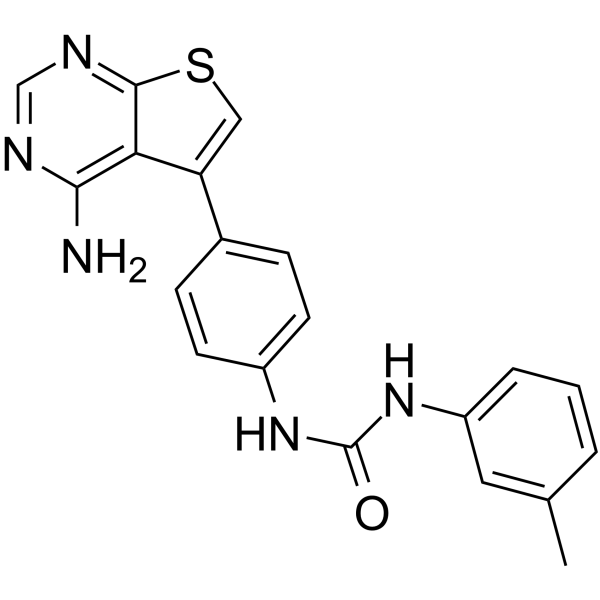
    STAT3-IN-48
    1 Publications Verification

    STAT Apoptosis Cancer
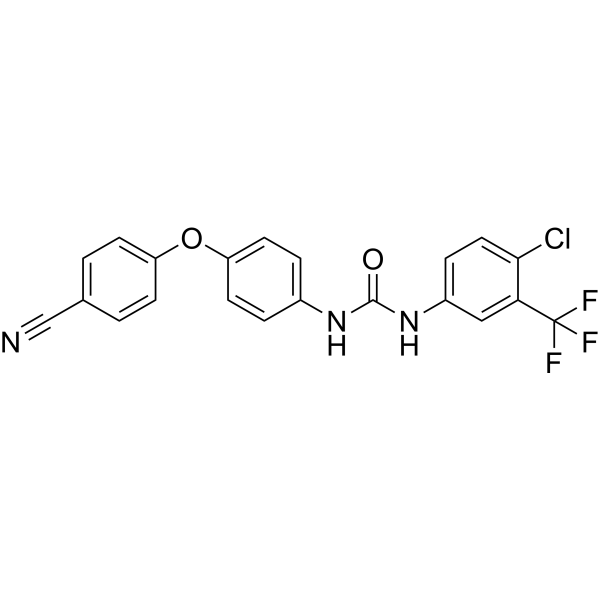
    STAT3-IN-48 is a Sorafenib analogue and potently inhibits the phosphorylation of STAT3. STAT3-IN-48 induces cell apoptosis through SHP-1 dependent STAT3 inactivation. STAT3-IN-48 does not inhibit kinase activity and has anticancer effects .
    STAT3-IN-48
  • HY-N6064
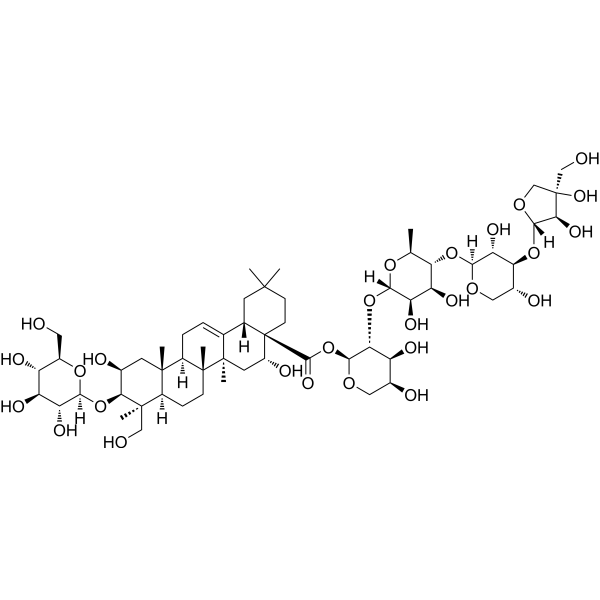
    Polygalacin D
    3 Publications Verification

    Apoptosis IAP Cancer
    Polygalacin D (PGD) is a bioactive compound isolated from Platycodon grandiflorum with anticancer and anti-proliferative properties. PGD suppresses the expression of the IAP family of proteins including survivin, cIAP-1 and cIAP-2 and blocks the PI3K/Akt pathway by inhibiting the phosphorylation of GSK3β, Akt and the expression of PI3K. Polygalacin D induces apoptosis
    Polygalacin D
  • HY-19831A

    Eukaryotic Initiation Factor (eIF) Cancer
    (Z)-4EGI-1 is the Z-isomer of 4EGI-1 and is an inhibitor of eIF4E/eIF4G interaction and of translation initiation. (Z)-4EGI-1 effectively binds to eIF4E with an IC50 of 43.5 μM and a Kd value of 8.74 μM. (Z)-4EGI-1 has anticancer activity .
    (Z)-4EGI-1
  • HY-122678

    Survivin Apoptosis Cancer
    LQZ-7F, a survivin dimerization inhibitor, induces spontaneous apoptosis and synergizes with Docetaxel in prostate cancer cells. LQZ-7F dose-dependently inhibits survival of both PC-3 and C4-2 cells with IC50s of 2.99 and 2.47 µM, respectively .
    LQZ-7F
  • HY-112799

    Wnt β-catenin c-Myc CDK Survivin Cancer
    DK419 is a potent and orally active Wnt/β-catenin signaling inhibitor, with an IC50 of 0.19 μM. DK419 reduces protein lelvels of Axin2, β-catenin, c-Myc, Cyclin D1 and Survivin and induces production of pAMPK .
    DK419
  • HY-149007
    STAT3-IN-11
    1 Publications Verification

    STAT Apoptosis Cancer
    STAT3-IN-11 (7a) is a selective STAT3 inhibitor that inhibits the phosphorylation of STAT3 at site pTyr705. STAT3-IN-11 inhibits the phosphorylation of downstream genes (Survivin and Mcl-1) without affecting its upstream tyrosine kinases (Src and JAK2) levels and p-STAT1 expression. STAT3-IN-11 can induce cancer cell apoptosis, which is potential for the discovery of effective STAT3 inhibitors and antitumor agents against cancers .
    STAT3-IN-11
  • HY-159059

    c-Myc Bcl-2 Family Eukaryotic Initiation Factor (eIF) Survivin β-catenin MMP Interleukin Related Cardiovascular Disease Neurological Disease Inflammation/Immunology Cancer
    Ganoderma Lucidum/Reishi Extract is a Ganoderma lucidum extract. Ganoderma Lucidum/Reishi Extract reduces the expression of c-Myc, BCL-2, BCL-XL, TERT, PDGFB, eIF4G, Survivin, β-catenin, and eIF4E. Ganoderma Lucidum/Reishi Extract downregulates the gene expression of MMP-9. Ganoderma Lucidum/Reishi Extract upregulates the expression of IL8. Ganoderma Lucidum/Reishi Extract is applicable to the research of inflammatory breast cancer. Ganoderma Lucidum is used in the research of various diseases, such as allergy, arthritis, hypertension, neurasthenia, inflammation, and cancer .
    Ganoderma Lucidum/Reishi Extract
  • HY-N8146

    STAT Bcl-2 Family Ser/Thr Kinase Survivin c-Myc Apoptosis Necroptosis CDK Infection Cancer
    Bruceantinol is a quassinoid that can be isolated from Brucea javanica, inhibits pepper mottle virus (PepMoV) in pepper. Bruceantinol is a STAT3 inhibitor demonstrating potent antitumor activity in in vitro and in vivo human colorectal cancer (CRC) models. Bruceantinol has potent anti-leukemic activity. Bruceantinol strongly inhibits STAT3 DNA-binding ability (IC50 = 2.4 pM), blocks the constitutive and IL-6-induced STAT3 activation, and suppresses transcription of MCL-1, PTTG1, survivin and c-Myc. Bruceantinol binds with CDK2/4/6 to facilitate protein degradation through proteasome pathway. Bruceantinol can dose- and time-dependently reduces the cell growth, impede cell proliferation, disrupts the cell cycle, and induces necrosis in MCF-7 cells and apoptosis in MDA-MB-231 cells .
    Bruceantinol
  • HY-N3000

    JNK IRE1 Akt mTOR YAP Reactive Oxygen Species (ROS) Autophagy Apoptosis Ferroptosis Fungal Infection Inflammation/Immunology Cancer
    6-Methoxydihydrosanguinarine is an alkaloid with activity across multiple cancer cell types. 6-Methoxydihydrosanguinarine activates IRE1/JNK signaling, blocks Akt/mTOR and PI3K/AKT/mTOR pathways, reduces expression of Cdc25C, CyclinB1, Cdc2, YAP/TAZ, Survivin, GPX4, and EGFR, upregulates IRE1 and DR5, and activates JNK and caspases. 6-Methoxydihydrosanguinarine induces apoptosis, G2/M phase arrest, DNA damage, ROS generation, lipid peroxidation, ferroptosis, autophagy, and suppresses cancer cell growth. 6-Methoxydihydrosanguinarine disruptes the biofilm formation of Candida albicans (C. albicans). 6-Methoxydihydrosanguinarine can be used for the research of non-small cell lung cancer, hepatocellular carcinoma, melanoma, colon carcinoma, ovarian cancer and breast cancer .
    6-Methoxydihydrosanguinarine
  • HY-178226

    ADC Payload Topoisomerase Survivin Bcl-2 Family IAP Cancer
    PBX-7016 is a Camptothecin (HY-16560) derivative. PBX-7016 can selectively inhibit Topoisomerase 1. PBX-7016 can specifically bind and degrade the cancer protein DDX5, thereby down-regulating the expression of anti-apoptotic proteins such as Survivin, Mcl-1, and XIAP, and promoting the apoptosis of cancer cells. PBX-7016 can be used to synthesis of ADCs .
    PBX-7016
  • HY-W010995

    Wnt Survivin β-catenin Cancer
    2,5-Dimethylcelecoxib is an analogue of celecoxib (HY-14398) with anticancer activity but without COX-2 inhibitory activity. 2,5-Dimethylcelecoxib exerts its anti-cancer cell proliferation effect by inhibiting the core mechanism of the Wnt/β-catenin signaling pathway. 2,5-Dimethylcelecoxib also inhibits T-cell factor-dependent transcriptional activity and inhibits expression of the Wnt/β-catenin target gene products cyclin D1 and survivin .
    2,5-Dimethylcelecoxib
  • HY-N0060BS

    (E)-Coniferic acid-d3

    β-catenin Bcl-2 Family Ferroptosis Endogenous Metabolite Cancer
    (E)-Ferulic acid-d3 is the deuterium labeled (E)-Ferulic acid. (E)-Ferulic acid is a isomer of Ferulic acid which is an aromatic compound, abundant in plant cell walls. (E)-Ferulic acid causes the phosphorylation of β-catenin, resulting in proteasomal degradation of β-catenin and increases the expression of pro-apoptotic factor Bax and decreases the expression of pro-survival factor survivin. (E)-Ferulic acid shows a potent ability to remove reactive oxygen species (ROS) and inhibits lipid peroxidation. (E)-Ferulic acid exerts both anti-proliferation and anti-migration effects in the human lung cancer cell line H1299 .
    (E)-Ferulic acid-d3
  • HY-173025

    Nuclear Hormone Receptor 4A/NR4A Neurological Disease
    Nurr1 agonist 12 (Compound 37) is the agonist for nuclear receptor-associated protein 1 (Nurr1) that activates the transcriptional activity of Nurr1 with an EC50 of 0.06 μM. Nurr1 agonist 12 activates the human response elements NBRE, NurRE, and DR5 with EC50 of 0.07 μM, 0.027 μM, and 0.014 μM, respectively. Nurr1 agonist 12 induces the expression of Nurr1-regulated neurotrophic genes, such as tyrosine hydroxylase (TH), SOD1/2, BDNF, Sestrin 3, and BIRC5 (Survivin). Nurr1 agonist 12 exhibits neuroprotective efficacy against Paraquat-induced neurotoxicity .
    Nurr1 agonist 12
  • HY-125964

    Survivin Cancer
    LLP-3 is a potent Survivin inhibitor that disrupts the Survivin-Ran interaction in cancer cells. LLP-3 can be used in the research of Glioblastoma multiforme (GBM) .
    LLP-3
  • HY-P1750

    HSP Survivin Cancer
    Shepherdin (79-87) is amino acids 79 to 87 fragment of Shepherdin. Shepherdin is a peptidomimetic antagonist of the complex between Hsp90 and Survivin. Anticancer activity .
    Shepherdin (79-87)
  • HY-P1750A

    HSP Survivin Cancer
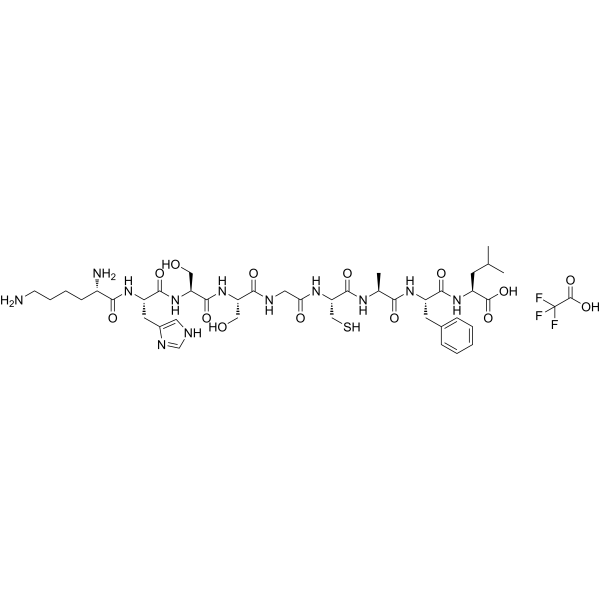
    Shepherdin (79-87) TFA is amino acids 79 to 87 fragment of Shepherdin. Shepherdin is a peptidomimetic antagonist of the complex between Hsp90 and Survivin. Anticancer activity .
    Shepherdin (79-87) TFA
  • HY-Y0396

    Biochemical Assay Reagents Survivin Bcl-2 Family Caspase Apoptosis mTOR Akt Cancer
    N-Hydroxyphthalimide is a blocking agent and catalyst. N-Hydroxyphthalimide promotes oxidation reactions by generating PINO free radicals and activating hydrogen atom transfer processes. N-Hydroxyphthalimide reduces the expression of anti-apoptotic proteins Survivin and Bcl-xL and activates caspase 9 and caspase 3. N-Hydroxyphthalimide induces Apoptosis. N-Hydroxyphthalimide inhibits the phosphorylation of mTOR (Ser2448, Ser2481) and Akt (Ser473). N-Hydroxyphthalimide has anticancer effects against breast and colon cancer .
    N-Hydroxyphthalimide
  • HY-125953

    Ceramide (Egg, Chicken)

    JNK p38 MAPK Phosphatase Akt Survivin CDK mTOR Apoptosis Autophagy Reactive Oxygen Species (ROS) Neurological Disease Cancer
    Ceramide (Egg) (Ceramide (Egg, Chicken)) is a ceramide from chicken. Ceramide (Egg) is a sphingomyelin signaling pathway second messenger. Ceramide (Egg) activates PP2A, JNK, p38 MAPK, CAPK, ceramide-activated protein phosphatase, Vav, PKCζ, and SAPK/JNK cascade. Ceramide (Egg) downregulates or inhibits AKT, survivin, CDK2, mTOR, and FLIP. Ceramide (Egg) mediates apoptosis, autophagy, cell cycle arrest, mitochondrial dysfunction, redox state shifts, and ROS generation. Ceramide (Egg) can be used for the research of cancer and neurological disease .
    Ceramide (Egg)
  • HY-175017

    Survivin Cancer
    Survivin-IN-2 is a survivin inhibitor. Survivin-IN-2 shows cytotoxicity in cells with IC50s of 0.53 μM (C4-2 cells) and 1.06 μM (PC-3 cells). Survivin-IN-2 effectively suppresses xenograft tumor growth without apparent toxicity and eliminates survivin in the tumors. Survivin-IN-2 can be used for the study of prostate cancer .
    Survivin-IN-2
  • HY-174336

    Survivin Apoptosis Cancer
    Survivin-IN-1 (Compound II₃) is a potent Survivin (a member of the Inhibitor of Apoptosis Protein family) inhibitor with an IC50 value of 8.1 μM against human lung cancer A549 cells and 9.0 μM against breast cancer MCF-7 cells. Survivin-IN-1 reduces Survivin protein levels and induces tumor cell apoptosis. Survivin-IN-1 is promising for research of malignant tumors such as lung cancer and breast cancer .
    Survivin-IN-1
  • HY-10194A

    YM-155 hydrochloride

    Survivin Autophagy Cancer
    Sepantronium hydrochloride (YM-155 hydrochloride) is a novel survivin suppressant with an IC50 of 0.54 nM for the inhibition of survivin promoter activity .
    Sepantronium hydrochloride
  • HY-137843

    DNA/RNA Synthesis Cancer
    NSC 80467, a DNA damaging agent, selectively inhibits survivin. NSC 80467 preferentially inhibits DNA synthesis and results in induction of γH2AX and pKAP1, two markers of DNA damage .
    NSC 80467
  • HY-162324

    Survivin Cancer
    MX106-4C is a survivin inhibitor that selectively kills ABCB1-positive colorectal cancer cells. MX106-4C can exert synergistic anticancer effects with Doxorubicin or resensitize drug-resistant ABCB1 cells to Doxorubicin .
    MX106-4C
  • HY-13425R

    (-)-Deguelin (Standard); (-)-cis-Deguelin (Standard)

    Akt Autophagy Apoptosis Reference Standards Cancer
    Deguelin (Standard) is the analytical standard of Deguelin. This product is intended for research and analytical applications. Deguelin, a naturally occurring rotenoid, acts as a chemopreventive agent by blocking multiple pathways like PI3K-Akt, IKK-NF-κB, and MAPK-mTOR-survivin-mediated apoptosis. Deguelin binding to Hsp90 leads to a decreased expression of numerous oncogenic proteins, including MEK1/2, Akt, HIF1α, COX-2, and NF-κB.
    Deguelin (Standard)
  • HY-174803

    p38 MAPK HDAC AMPK MDM-2/p53 Microtubule/Tubulin Pim Survivin Apoptosis Cancer
    WMJ-J-09 is an HDAC inhibitor with IC50 values of 7.5 nM (HDAC1), 21.3 nM (HDAC2), 18.4 nM (HDAC3), 90.9 nM (HDAC8), 3.9 nM (HDAC6) and 8715.7 nM (HDAC4). WMJ-J-09 blocks the cell cycle and induces apoptosis in cancer cells. WMJ-J-09 induces cancer cell death through the LKB1-AMPK-p38MAPK-p63-survivin signaling cascade.WMJ-J-09 inhibits HDAC enzyme activity, leading to acetylation of key proteins and thereby regulating cancer cell death. WMJ-J-09 can be used in HCT116 cells and FaDu cells research[1][2].
    WMJ-J-09
  • HY-177633

    LY 2181308

    Survivin Cancer
    Gataparsen is an antisense oligonucleotide directed against survivin mRNA with potential antitumor activity.
    Gataparsen
  • HY-P11379

    Survivin MHC Inflammation/Immunology Cancer
    ELTLGEFLKL is a survivin peptide. ELTLGEFLKL shows significant stabilization of HLA-A*0201. ELTLGEFLKL can be used in the research of tumor immunotherapy .
    ELTLGEFLKL
  • HY-160438B

    Bcl-2 Family Survivin Cancer
    PBX-7011 TFA is a derivative of camptothecin (HY-16560), which inhibits expressions of the cancer related survival genes DDX5, Survivin, Mcl-1 and XIAP in cells FaDu, degrades DDX5 proteins and exhibits anticancer activity .
    PBX-7011 TFA
  • HY-122759

    STAT Survivin Bcl-2 Family Apoptosis Cancer
    CPA7 is a novel Stat3 inhibitor. CPA7 downregulates survivin, Bcl-XL, and Mcl-1. CPA7 induces Apoptosis. CPA7 enhances the radiosensitivity of prostate cancer. CPA7 has anti-cancer effects against prostate cancer .
    CPA-7
  • HY-168704

    YAP TAM Receptor Survivin Cancer
    YAP/TAZ-TEAD-IN-2 (Compound 51) is a YAP/TAZ-TEAD inhibitor that inhibits the interaction between YAP/TAZ and TEAD. YAP/TAZ-TEAD-IN-2 suppresses the transcriptional activity of TEAD, with an IC50 of 1.2 nM. YAP/TAZ-TEAD-IN-2 inhibits YAP/TAZ-TEAD target genes expression (Cyr61, CTGF, AXL and Survivin) and breast cancer cell proliferation .
    YAP/TAZ-TEAD-IN-2
  • HY-162886

    JNK Reactive Oxygen Species (ROS) Cancer
    BSO-07 is a ROS/JNK activator with significant anticancer effects, having an IC50 value of 24.81 μM against human breast cancer (BC) cells. BSO-07 induces apoptosis (Apoptosis) and paraptosis by activating JNK and increasing ROS levels, including enhancing the expression of apoptosis-associated proteins such as PARP, Bax, phosphorylated p53, ATF4, and CHOP, while decreasing the levels of anti-apoptotic proteins like Bcl-2, Bcl-xL, and Survivin. BSO-07 holds promise for research in the field of breast cancer .
    BSO-07
  • HY-N0060BR

    (E)-Coniferic acid (Standard)

    Reference Standards β-catenin Bcl-2 Family Ferroptosis Endogenous Metabolite Cancer
    (E)-Ferulic acid (Standard) is the analytical standard of (E)-Ferulic acid. This product is intended for research and analytical applications. (E)-Ferulic acid is an isomer of ferulic acid, an aromatic compound abundant in plant cell walls. (E)-Ferulic acid causes phosphorylation of β-catenin (β-catenin), leading to proteasome degradation, increasing the expression of pro-apoptotic factor Bax and reducing pro-apoptotic factor Expression of the survival factor survivin. (E)-Ferulic acid can effectively remove reactive oxygen species (ROS) and inhibit lipid peroxidation. (E)-Ferulic acid exerts antiproliferative and antimigratory effects in the human lung cancer cell line H1299.
    (E)-Ferulic acid (Standard)

Inquiry Online

Your information is safe with us. * Required Fields.

Salutation


Country or Region *

Applicant Name *


Organization Name *

Department *


Email Address *


Product Name *

Cat. No.


Requested quantity *

Phone Number *


Remarks

Inquiry Online

Inquiry Information

Product Name:
Cat. No.:
Quantity:
MCE Japan Authorized Agent:

