From 11:00 pm to 12:00 pm EST ( 8:00 pm to 9:00 pm PST ) on January 6th, the website will be under maintenance. We are sorry for the inconvenience. Please arrange your schedule properly.
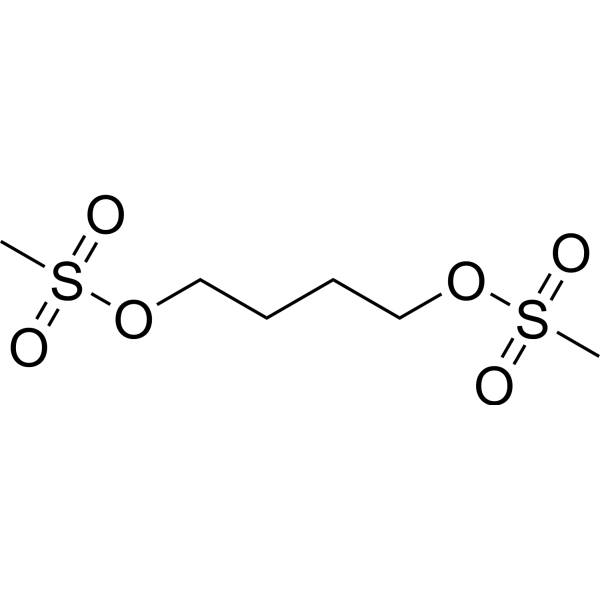
Busulfan is a potent alkylating antineoplastic agent. Busulfan causes DNA damage by cross-linking DNAs and DNA and proteins. Busulfan inhibits thioredoxin reductase. Busulfan induces apoptosis. Busulfan is an immunosuppressive and myeloablative chemotherapeutic agent .
Auranofin (SKF-39162) is a thioredoxin reductase (TrxR) inhibitor with an IC50 of 0.2 μM. Auranofin exhibits antiviral activity against SARS-CoV21, with a CC50 of 4.2 μM for monkey kidney Vero E6 cells.
NADPH is a coenzyme of glutathione reductase (GR), thioredoxin reductase (TrxR) and NADPH oxidase (NOX), and participates in redox reactions as a hydrogen donor. NADPH has the characteristic of selectively participating in the regulation of cellular redox homeostasis. NADPH exerts antioxidant activity and resists reactive oxygen species (ROS) damage by providing reducing equivalents for the regeneration of glutathione (GSH) and thioredoxin (Trx); at the same time, it acts as a substrate of NOX to generate superoxide anions, mediating oxidative stress and immune response. NADPH participates in maintaining the intracellular reducing environment, biosynthesis and regulating gene expression (such as the Nrf2 pathway), and is mainly used in the study of oxidative stress-related diseases (such as cardiovascular diseases, neurodegenerative diseases, cancer) and immune regulation mechanisms .
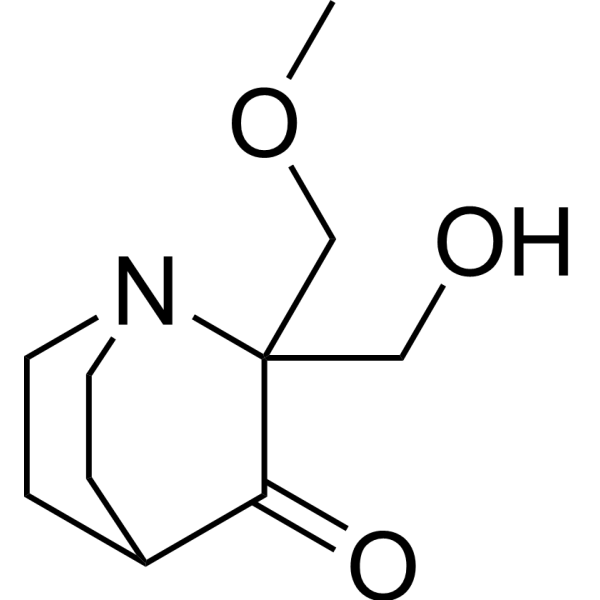
Eprenetapopt (APR-246) is a first-in-class, small molecule that restores wild-type p53 functions in TP53-mutant cells. Eprenetapopt triggers apoptosis in tumor cells. Eprenetapopt also targets the selenoprotein thioredoxin reductase 1 (TrxR1), a key regulator of cellular redox balance .
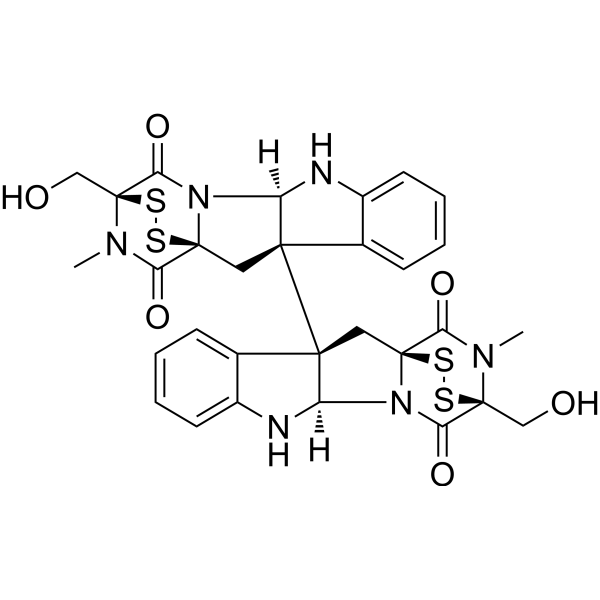
Chaetocin is a specific inhibitor of the histone methyltransferase (HMT) SU(VAR)3-9 with an IC50 of 0.6 μM for SU(VAR)3-9. It also inhibits thioredoxin reductase (TrxR) with an IC50 of 4 μM.
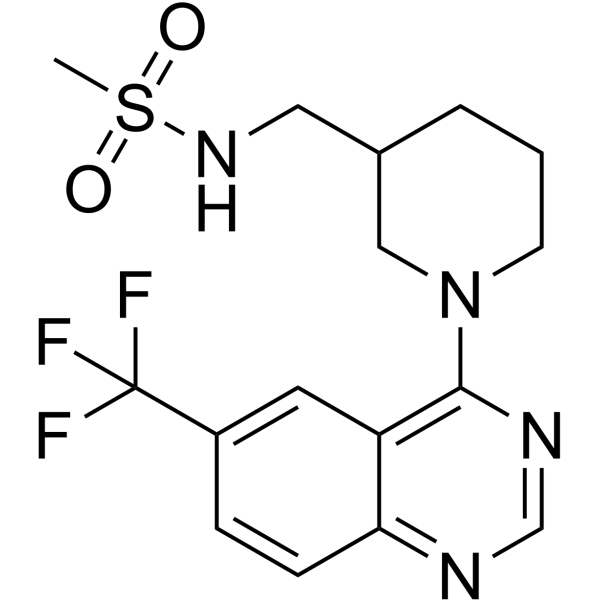
SRI-37330 is an orally bioavailable thioredoxin-interacting protein (TXNIP) inhibitor. SRI-37330 inhibits glucagon secretion and function, reduces hepatic glucose production and reverses hepatic steatosis. SRI-37330 can be used for type 2 diabetes research .
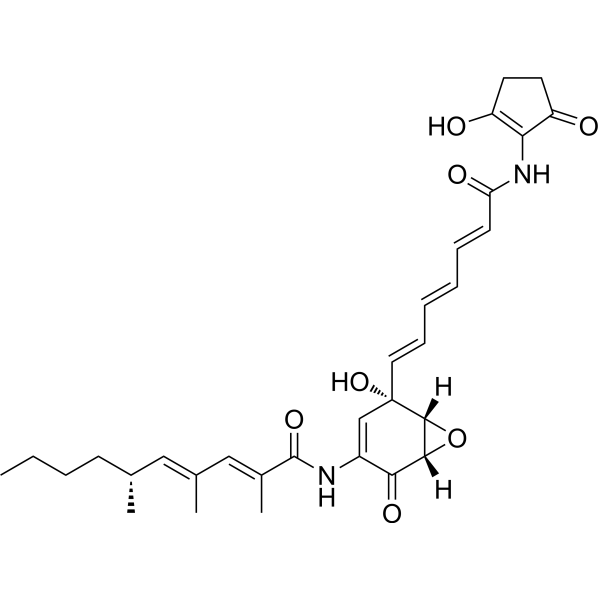
Manumycin A is a polyketide antibiotic and an inhibitor of thioredoxin reductase 1 (TrxR-1). Manumycin A can inhibit the growth of breast cancer cells and exert its anti-tumor activity through LC3. Manumycin A can downregulate the release of pro-inflammatory cytokines in human monocytes stimulated by TNF α, and has potential anti-inflammatory activity. Manumycin A can inhibit the Ras/Raf/ERK1/2 signaling and hnRNP H1 in castration resistant prostate cancer cells to suppress exosome biogenesis and secretion .
TRi-1 is a potent, specific and irreversible inhibitor of cytosolic thioredoxin reductase 1 (TXNRD1), with an IC50 of 12 nM. TRi-1 has little mitochondrial toxicity for anticancer therapy .
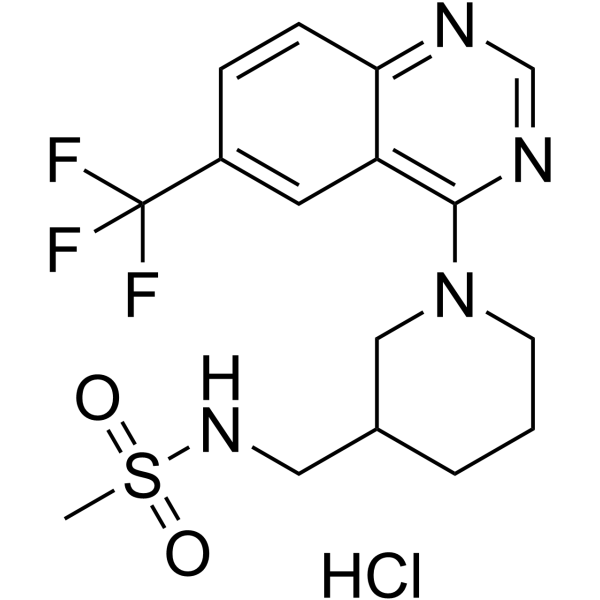
SRI-37330 hydrochloride is an orally bioavailable thioredoxin-interacting protein (TXNIP) inhibitor. SRI-37330 hydrochloride inhibits glucagon secretion and function, reduces hepatic glucose production and reverses hepatic steatosis. SRI-37330 hydrochloride can be used for type 2 diabetes research .
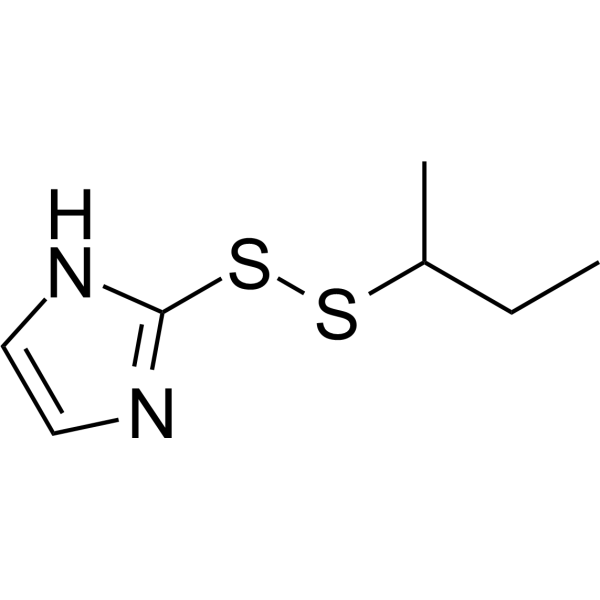
PX-12(IV-2) is an irreversible inhibitor of Thioredoxin-1 (Trx-1); inhibits the growth of MCF-7 and HT-29 cells with IC50 values of 1.9 and 2.9 μM, respectively.
Aceglutamide (α-N-Acetyl-L-glutamine; N2-Acetylglutamine) is a neuroprotectant that can penetrate the blood-brain barrier. Aceglutamide can enhance the antioxidant systems of glutathione (GSH), thioredoxin (Trx) and Nrf2. Aceglutamide also inhibits ASK1 and TRAF1, activates the Akt/Bcl-2 anti-apoptotic pathway, enhances the activity of antioxidant enzymes and reduces oxidative damage. Aceglutamide can improve neurological deficits after cerebral ischemia, reduce infarct volume, and inhibit neuronal apoptosis, especially substantia nigra dopaminergic neurons. Aceglutamide can reduce cerebral ischemia/reperfusion injury, improve motor dysfunction, and is used in ischemic stroke-related research .
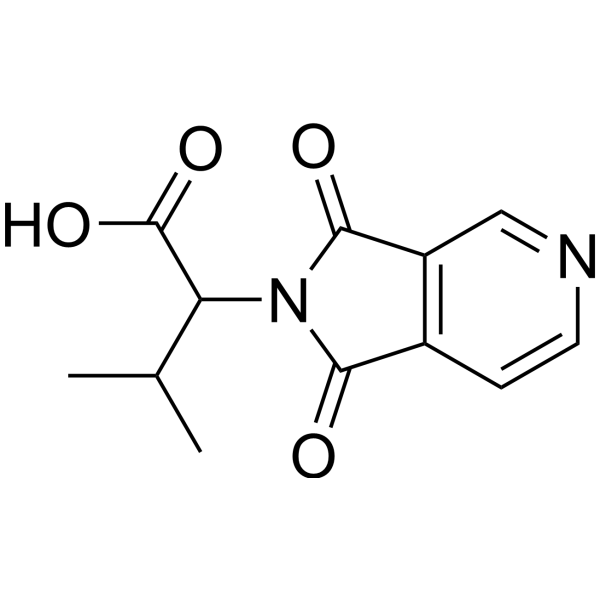
TXNIP-IN-1 is TXNIP-TRX (thioredoxin-interacting protein- thioredoxin) complex inhibitor extracted from patent US20200085800A1, Compound 1. TXNIP-IN-1 can be used in the research of TXNIP-TRX complex associated metabolic disorder (diabetes), cardiovascular disease, or inflammatory disease .
Aurothiomalate sodium is a potent and selective oncogenic PKCι signaling inhibitor. Aurothiomalate sodium inhibits tumor cell proliferation and not cell apoptosis. Aurothiomalate sodium is a potent thioredoxin reductase (TrxR) inhibitor. Aurothiomalate sodium, an anti-rheumatoid agent, exhibits potent anti-tumor activity .
Evernic Acid is an orally active thioredoxin reductase 1 (TrxR1) inhibitor and antiproliferative agent. Evernic Acid inhibits the proliferation and migration of human breast cancer cells. Evernic Acid blocks the NF-κB pathway by inhibiting p65 nuclear translocation and IκBα phosphorylation, thereby suppressing downstream inflammatory mediators. Evernic Acid acts as an antioxidant, anti-inflammatory agent and neuroprotective agent, protects neurons from cell death, mitochondrial dysfunction and oxidative stress damage, reduces astrocyte activation, and ameliorates dopaminergic neuron loss and neuroinflammation. Evernic Acid inhibits enoyl reductases FabI and FabZ of Plasmodium falciparum. Evernic Acid downregulates the expression of lasB and rhlA genes in Pseudomonas aeruginosa, inhibits quorum sensing and biofilm formation, and exerts antibacterial activity against Gram-positive bacteria, Gram-negative bacteria and fungi. Evernic Acid is applicable to research related to breast cancer, Parkinson's disease, bacterial infections and fungal infections.
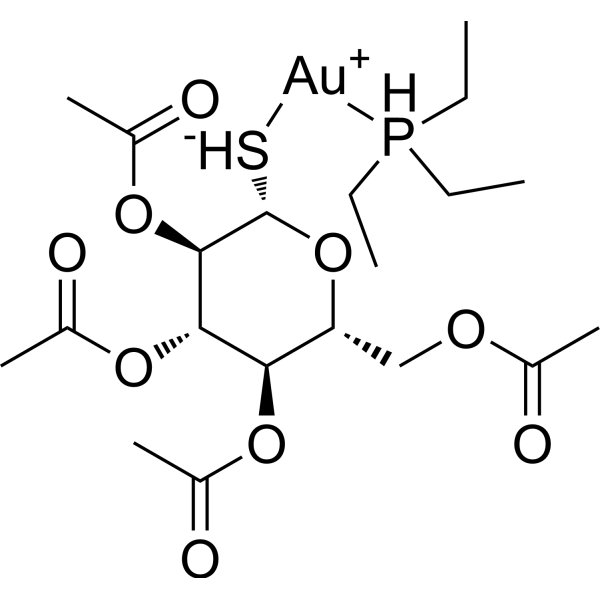
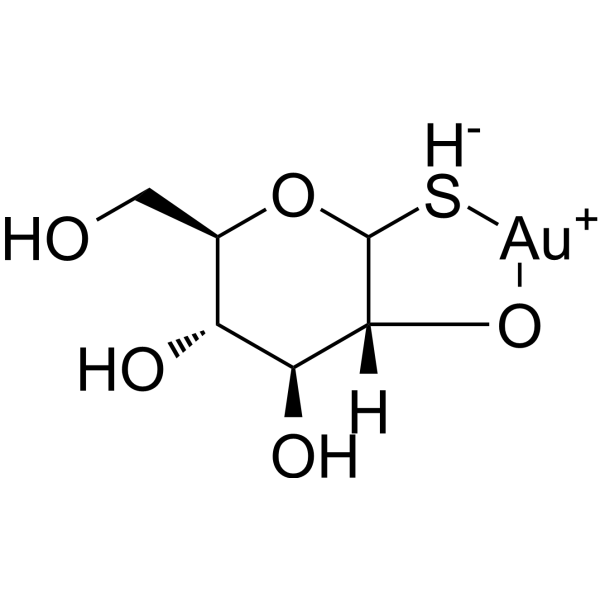
Aurothioglucose (Gold thioglucose), containing monovalent gold ion, is a potent active-site inhibitor of TrxR1 (thioredoxin reductase 1), with an IC50 of 65 nM. Aurothioglucose inhibits the DNA binding of NF-κB in vitro. Aurothioglucose shows anti-HIV and anti-rheumatic activities .
SBI-477 is a chemical probe that stimulates insulin signaling by deactivating the transcription factor MondoA. SBI-477 can lead to reduced expression of the insulin pathway suppressors thioredoxin-interacting protein (TXNIP) and arrestin domain-containing 4 (ARRDC4). SBI-477 coordinately inhibits triacylglyceride (TAG) synthesis and enhances basal glucose uptake in human skeletal myocytes .
Macranthoidin B (Macranthoiside I) is an orally active triterpene saponin. Macranthoidin B inhibits epithelial-mesenchymal transition in endometriosis via the COX‑2/PGE2 pathway, and also induces tumor cell apoptosis and inhibits their proliferation by regulating metabolism and increasing ROS levels . Macranthoidin B can be used in studies related to endometriosis, colorectal cancer and hepatocellular carcinoma .
TRFS-green is a highly selective off−on fluorescent probe for imaging selenoprotein thioredoxin reductase (TrxR) in living cells. TRFS-green has the maximum absorbance at around 373 nm. After it is activated by TrxR, the maximum absorbance shifts to around 440 nm .
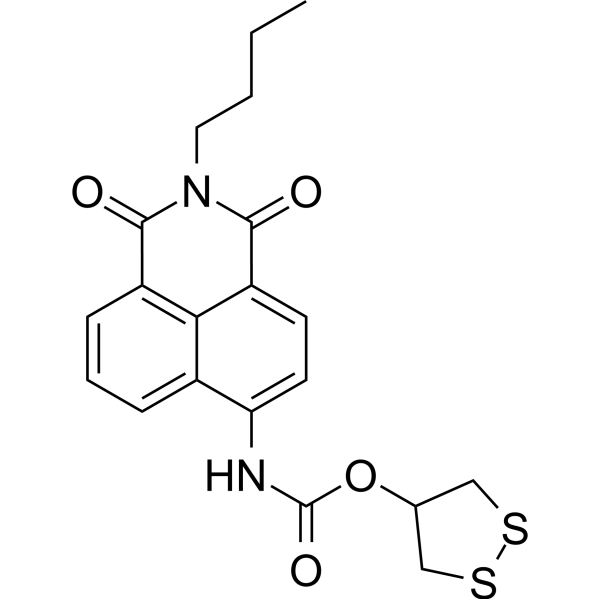
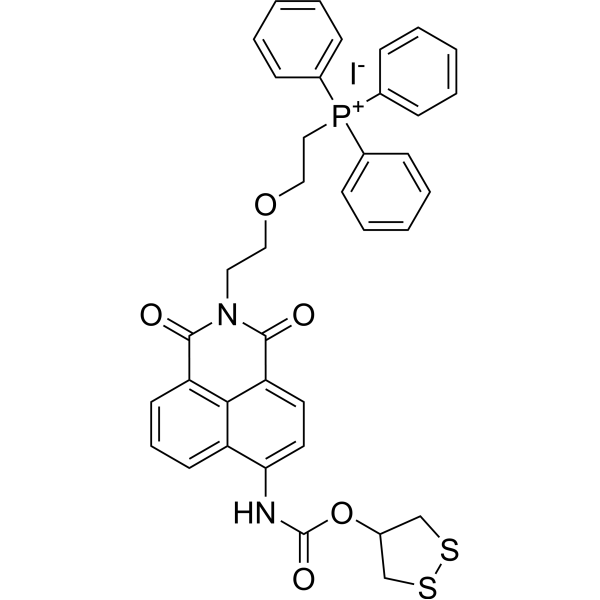
TRFS-red, a red fluorescence emission off-on probe, is selective for thioredoxin reductase (TrxR). TRFS-red exhibits high response rate and sensitivity. TRFS-red can be used for imaging live cells .
Busulfan-d8 is a deuterium labeled Busulfan. Busulfan is a potent alkylating antineoplastic agent. Busulfan causes DNA damage by cross-linking DNAs and DNA and proteins. Busulfan inhibits thioredoxin reductase. Busulfan induces apoptosis. Busulfan is an immunosuppressive and myeloablative chemotherapeutic agent .
Ethaselen (BBSKE) is an orally active, selective thioredoxin reductase (TrxR) inhibitor with IC50s of 0.5 and 0.35 μM for the wild-type human TrxR1 and rat TrxR1, respectively. Ethaselen specifically binds to the unique selenocysteine-cysteine redox pair in the C-terminal active site of mammalian TrxR1. Ethaselen, an organoselenium compound, is a potent antitumor candidate that exerts potent inhibition on non-small cell lung cancer (NSCLC) by targeting TrxR .
DVD-445 (Compound 7) is a potent peptidomimetic covalent thioredoxin reductase 1 (TrxR1) inhibitor with an IC50 of 0.60 μM for rat TrxR1. DVD-445 has good anticancer application .
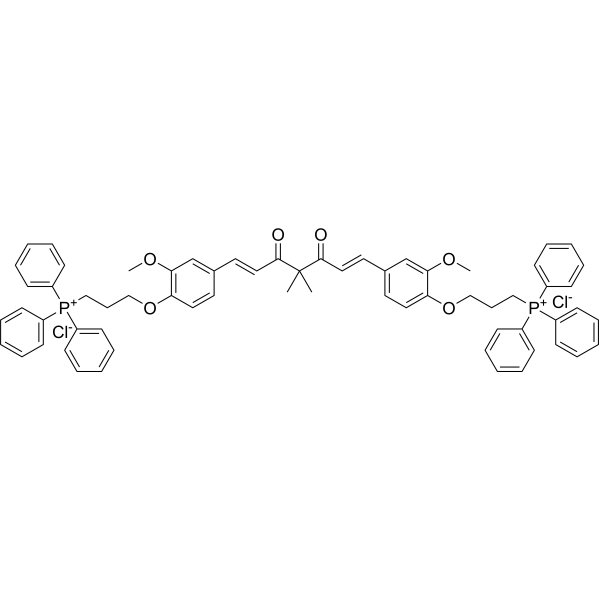
MitoCur-1, a curcumin analogue, is an inhibitor of mitochondrial antioxidative thioredoxin reductase 2 (TrxR2). MitoCur-1 has electrophilic and mitochondrial-targeting properties. MitoCur-1 induces reactive oxygen species (ROS) generation, exerts specifically antitumor efficacy .
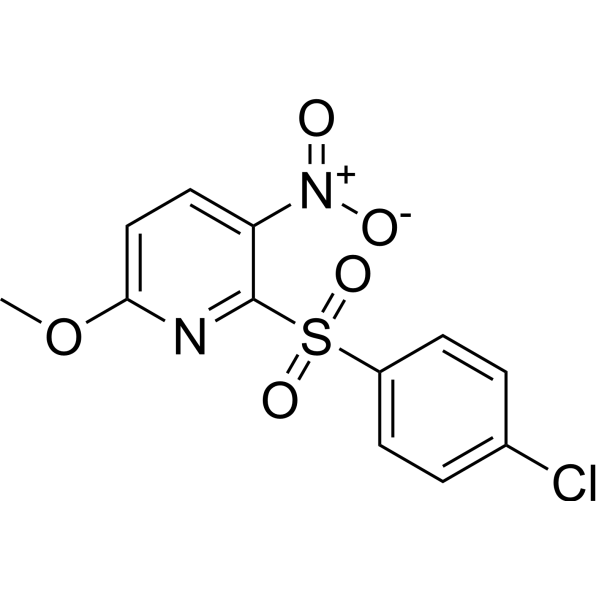
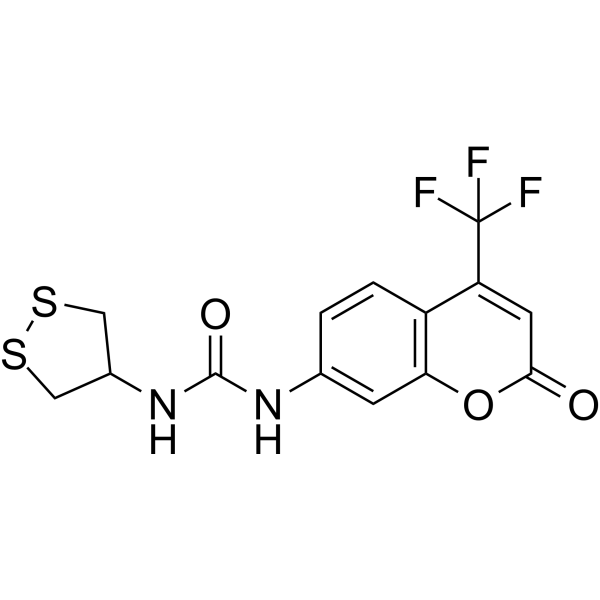
TrxR-IN-5 (compound 4f) is a potent TrxR (thioredoxin reductase) inhibitor, with an IC50 of 0.16 μM. TrxR-IN-5 increases the levels of ROS, thus leading to potent antiproliferative effects. TrxR-IN-5 exhibits prominent anticacer and anti-metastasis effects .
ROS-generating agent 1 is a selective ROS-generating agent. ROS-generating agent 1 inhibits TrxR activity and expression in cancer cells. ROS-generating agent 1 induces ROS-dependent apoptosis and ferroptosis in cancer cells. ROS-generating agent 1 selectively kills lung cancer cells and inhibits the growth of cancer cell xenograft tumors in nude mice. ROS-generating agent 1 can be used for the research of non-small cell lung cancer .
Thioredoxin reductase (TrxR) is a selenoprotein that plays a central role in cellular redox homeostasis by utilizing highly reactive selenocysteine (Sec) residues exposed to solvents at its active site. Thioredoxin reductase can be used for the study of diverse diseases, from rheumatoid arthritis and ischemia to cancer and parasitic infections .
Fast-TRFS is a selective and superfast fluorogenic probe of thioredoxin reductase (TrxR). Fast-TRFS can be used for imaging TrxR activity in live cells .
Busulfan (Standard) is the analytical standard of Busulfan. This product is intended for research and analytical applications. Busulfan is a potent alkylating antineoplastic agent. Busulfan causes DNA damage by cross-linking DNAs and DNA and proteins. Busulfan inhibits thioredoxin reductase. Busulfan induces apoptosis. Busulfan is an immunosuppressive and myeloablative chemotherapeutic agent .
LCS3 is a reversible and uncompetitive glutathione disulfide reductase (GSR) and thioredoxin reductase 1 (TXNRD1) inhibitor (IC50=3.3 µM and 3.8 µM, respectively). LCS3 shows anti-tumor activity, and induces apoptosis. LCS3 can be used in lung adenocarcinoma (LUAD) research .
Sel-green, a selective selenol fluorescent probe, is applied to quantify the Sec content in the selenoenzyme thioredoxin reductase and image endogenous Sec in live HepG2 cells .
TrxR inhibitor D9 is a potent and selective inhibitor of thioredoxin reductase (TrxR), with an EC50 of 2.8 nM. TrxR inhibitor D9 has the capability to inhibit tumor proliferation both in vitro and in vivo .
CS47 is a Thioredoxin Reductase 1 (TRXR1) inhibitor and ferroptosis inducer. CS47 binds non-covalently to sites between the FAD and NADPH pockets of TRXR1. CS47 drives glutathione depletion, lipid reactive oxygen species accumulation, HMOX1-dependent iron overload, and selective cytotoxicity in lung cancer cells. CS47 can be used for the research of lung cancer .
ZC0109 is a dual inhibitor of IDO1 and thioredoxin reductase 1 (TrxR1) with IC50s of 50 nM and 3.0 μM, respectively. ZC0109 induces ROS accumulation and cell cycle arrest at G1/S phase, thus leads to cancer cells apoptosis .
Trx-red (NBL-SS perchlorate) is a red-emitting fluorescent probe derivatized from the nile blue fluorophore. Trx-red is used for selectively imaging thioredoxin (Trx) in live cells and in vivo (λex=615 nm, λem=661 nm) .
FM-red (PSH-red) is a red-emitting and environment-sensitive probe for selectively detecting and labeling protein thiols. FM-red can be used to image protein sulfhydryl groups in live cells and in vivo. FM-red also could be used to measure of the redox states of thioredoxin (Trx) .
TrxR-IN-6 is a thioredoxin reductase (TrxR) inhibitor. TrxR-IN-6 induces reactive oxygen species (ROS) accumulation and cell apoptosis. TrxR-IN-6 induces mitochondrial dysfunction, endoplasmic reticulum stress and DNA damage. TrxR-IN-6 can be used for the research of breast cancer, leukemia .
KEA1-97 is a selective Thioredoxin-caspase 3 interaction disruptor (IC50=10 μM). KEA1-97 disrupts the interaction of thioredoxin with caspase 3, activates caspases, and induces apoptosis without affecting thioredoxin activity .
TrxR-IN-7 is a thioredoxin reductase (TrxR) inhibitor with an IC50 of 3.5 μM. TrxR-IN-7 induces reactive oxygen species (ROS) generation and apoptosis in tumor cells. TrxR-IN-7 can be used for the research of liver cancer and breast cancer .
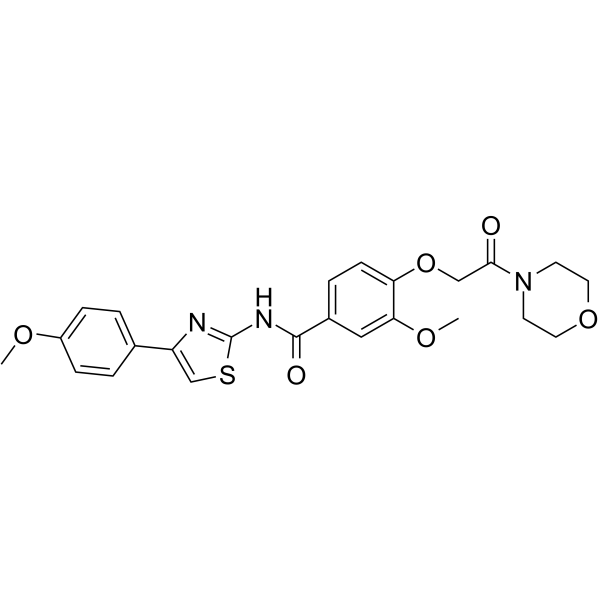
TrxR-IN-4 is a thioredoxin reductase (TrxR) inhibitor with a rat IC50 of 0.37 μM. TrxR-IN-4 inhibits TrxR activity, elevates reactive oxygen species (ROS) and induces apoptosis. TrxR-IN-4 mediates endoplasmic reticulum stress and induces mitochondrial dysfunction. TrxR-IN-4 can be used for the research of hepatocellular carcinoma .
TrxR-IN-2 is a thioredoxin reductase (TrxR) inhibitor. TrxR-IN-2 increases reactive oxidative species (ROS) levels and decreases mitochondrial transmembrane potential levels. TrxR-IN-2 triggers DNA damage via H2AX regulation, and induces autophagy via LC3, beclin-1, and p62 regulation. TrxR-IN-2 can be used for the research of drug-resistant hepatocellular carcinoma[1].
PMX464 (AW 464), a thiol-reactive quinol, is the inhibitor of thioredoxin-thioredoxin reductase (Trx/TrxR) system. PMX464 can inhibit NF-κB-mediated proinflammatory activation of human type II alveolar epithelial cells .
Santamarine (Santamarin; Balchanin) is a sesquiterpene lactone found in Artemisia scoparia. Santamarine shows anti-inflammatory, antioxidant, anticancer and anti-photoaging activities. Santamarine suppresses UVA-induced phosphorylation of JNK and p38 MAPK, nuclear translocation of phosphorylated c-Fos and c-Jun, and AP-1-mediated MMP-1 transcription and secretion. Santamarine suppresses NF-κB signaling, iNOS, COX-2, TNF-α, and IL-1β production. Santamarine inhibits thioredoxin reductase activity, induces ROS production, mitochondrial apoptosis, G2/M cell cycle arrest, and DNA damage, and reduces cancer cell growth. Santamarine can be used for the photoaging, inflammatory diseases and cancer .
(S)-TXNIP-IN-1 is the less active S-enantiomer of TXNIP-IN-1 (HY-115688). TXNIP-IN-1 is a TXNIP-TRX complex inhibitor which can be used in the research of TXNIP-TRX complex associated metabolic disorder (diabetes), cardiovascular disease, or inflammatory disease
Auranofin (Standard) is the analytical standard of Auranofin. This product is intended for research and analytical applications. Auranofin (SKF-39162) is a thioredoxin reductase (TrxR) inhibitor with an IC50 of 0.2 μM. Auranofin exhibits antiviral activity against SARS-CoV21, with a CC50 of 4.2 μM for monkey kidney Vero E6 cells.
PNRI-299 is a selective AP-1 transcription inhibitor with an IC50 of 20 uM. PNRI-299 is a selective APE/Ref-1 inhibitor. PNRI-299 has no effect on NF-κB transcription or thioredoxin (up to 200 uM). PNRI-299 significantly reduces airway eosinophil infiltration, mucus hypersecretion, edema, and IL-4 levels in a mouse asthma model .
Eprenetapopt (GMP) (APR-246(GMP)) is Eprenetapopt (HY-19980) in GMP grade. GMP small molecules works appropriately as an auxiliary reagent for cell therapy manufacture. Eprenetapopt (APR-246) is a first-in-class, small molecule that restores wild-type p53 functions in TP53-mutant cells. Eprenetapopt triggers apoptosis in tumor cells. Eprenetapopt also targets the selenoprotein thioredoxin reductase 1 (TrxR1), a key regulator of cellular redox balance .
DDHF20 is an antimicrobial agent against Staphylococcus aureus, targeting and inhibiting its thioredoxin reductase (TrxR). It acts as a competitive inhibitor for the NADPH binding site. DDHF20 is expected to be used in research related to antimicrobial infections caused by Staphylococcus aureus .
PAO-Nap is the modified PAO attached a naphthalimide fluorophore using aminocaproic acid as a linker. PAO induces oxidative stress-mediated apoptosis in HL-60 cells by selectively targeting thioredoxin reductase .
PX-12 (Standard) is the analytical standard of PX-12. This product is intended for research and analytical applications. PX-12(IV-2) is an irreversible inhibitor of Thioredoxin-1 (Trx-1); inhibits the growth of MCF-7 and HT-29 cells with IC50 values of 1.9 and 2.9 μM, respectively.
BGC4 is a biphenyl-based gold(III) complex. BGC4 inhibits human recombinant thioredoxin reductase (TrxR) with an IC50 of 10.7 μM, exhibits cytotoxicity (IC50 for MDA-MB-231 is 5.4 μM), and induces apoptosis. BGC4 exhibits antitumor efficacy in mouse models .
Antiangiogenic agent 7 (Compound 1) can induce cell apoptosis, increase Reactive Oxygen Species, and inhibit the intracellular enzyme thioredoxin reductase. Antiangiogenic agent 7 has anti-cancer activity, with an IC50 of 0.08-3.5 μM against cervical cancer cells HeLa, prostate cancer cells PC-3, and non-small cell lung cancer A549. Antiangiogenic agent 7 inhibits tumor growth in mouse xenograft models .
Aceglutamide (α-N-Acetyl-L-glutamine; N2-Acetylglutamine) (Standard) is the analytical standard of Aceglutamide (HY-B1065). This product is intended for research and analytical applications. Aceglutamide (α-N-Acetyl-L-glutamine; N2-Acetylglutamine) is a neuroprotectant that can penetrate the blood-brain barrier. Aceglutamide can enhance the antioxidant systems of glutathione (GSH), thioredoxin (Trx) and Nrf2. Aceglutamide also inhibits ASK1 and TRAF1, activates the Akt/Bcl-2 anti-apoptotic pathway, enhances the activity of antioxidant enzymes and reduces oxidative damage. Aceglutamide can improve neurological deficits after cerebral ischemia, reduce infarct volume, and inhibit neuronal apoptosis, especially substantia nigra dopaminergic neurons. Aceglutamide can reduce cerebral ischemia/reperfusion injury, improve motor dysfunction, and is used in ischemic stroke-related research .
Thioredoxin reductase (TrxR/NTR), an enzyme belonging to the flavoprotein family of pyridine nucleotide-disulfide oxidoreductases. Thioredoxin reductase (TrxR), a component of the thioredoxin system, including thioredoxin (Trx) and NADPH, catalyzes the transfer of electrons from NADPH to Trx, acts as a reductant of disulfide-containing proteins and participates in the defense system against oxidative stresses.
Thioredoxin Reductase, E. coli (EC 1.8.1.9) is an E. coli-derived thioredoxin reductase (TrxR) that, compared to mammalian TrxR, lacks the redox active site-the C-terminal -Cys-SeCys-.
TrxR2-IN-1 is a thioredoxin reductase 2 (TrxR2) inhibitor with an IC50 value of 0.83 μM. TrxR2-IN-1 accumulates in mitochondria, impairs mitochondrial function and membrane potential, increases reactive oxygen species (ROS) levels, activates ASK1-mediated caspase-dependent apoptosis (apoptosis), induces G2/M cell cycle arrest, and inhibits cancer cell migration. TrxR2-IN-1 can be used in the research of hepatocellular carcinoma .
Necroptosis inducer 1 is a necroptosis inducer. Necroptosis inducer 1 inhibits the activity of thioredoxin reductase (TrxR), elevates intracellular ROS levels, triggers ROS-mediated necroptosis, and induces necroptosis-dependent immunogenic cell death. Necroptosis inducer 1 inhibits tumor growth, remodels the tumor immune microenvironment, and exerts a synergistic effect with anti-PD-1 in animal models. Necroptosis inducer 1 is applicable to the research of colon cancer .
TrxR-IN-9 is a thioredoxin reductase (TrxR) inhibitor with an IC50 of 0.26 μM. TrxR-IN-9 disrupts cellular redox balance. TrxR-IN-9 induces S-phase cell cycle arrest, promotes apoptosis and exhibits antiproliferative activity across cancer cells. TrxR-IN-9 exerts effects via synergistic nitric oxide (NO) and reactive oxygen species (ROS) action. TrxR-IN-9 can be used for the research of breast cancer, gastric cancer, colorectal cancer, liver cancer .
As-CA11 is a Thioredoxin reductase (TrxR) inhibitor with an IC50 of 18.7 nM. As-CA11 can induce cancer cells apoptosis and ROS production. As-CA11 can reduce the level of reduced Trx and increase the level of oxidized Trx. As-CA11 demonstrates anti-tumor activity in the 4T1 tumor-bearing mouse model .
Teprenone Impurity 5 (5Z-GGA) is the cis-isomer of Teprenone (HY-B0779). Teprenone Impurity 5 has inhibitory activity on the proliferation of human ovarian cancer cells Caov-3, and can block the invasion process of cancer cells. Teprenone Impurity 5 can induce the expression of heat shock protein 70 (HSP70) and thioredoxin (Trx). Teprenone Impurity 5 can be used for the research of ovarian cancer .
SKL1223 is an orally effective thioredoxin-interacting protein (TXNIP) inhibitor with an IC50 of 0.64 µM. SKL1223 interacts with the E-box region of the TXNIP promoter to inhibit TXNIP transcription and related signaling pathways. SKL1223 reduces hepatic glucose output. SKL1223 exerts hypoglycemic effects by regulating the action of glucagon, and modulates blood glucose levels in Streptozotocin (HY-13753)-induced and obesity-induced diabetic mice. SKL1223 can be used in the research of type 1 diabetes and type 2 diabetes .
Platinum (IV) Prodrug-1 is a Pt (IV) prodrug and selective TrxR1 inhibitor. Platinum (IV) Prodrug-1 induces ferroptosis (Ferroptosis) by depleting glutathione, accumulating intracellular lipid peroxides, and inactivating Glutathione peroxidase 4. Platinum (IV) Prodrug-1 triggers endoplasmic reticulum stress and immunogenic cell death via excessive accumulation of intracellular ROS. Platinum (IV) Prodrug-1 exhibits anticancer activity against both Cisplatin (HY-17394)-sensitive and Cisplatin-resistant triple-negative breast cancer cells. Platinum (IV) Prodrug-1 can be used for the research of triple-negative breast cancer .
MMV085203 is a potent Plasmodium falciparum inhibitor, with a PfTrxREC50 of 900 nM. MMV085203 exerts potent antimalarial activity against both blood‑stage and sexual‑stage Plasmodium falciparum parasites, with superior efficacy toward clinical isolates of high clonal diversity. MMV085203 modulates parasite redox homeostasis, induces ROS production, and elevates mitochondrial TCA cycle intermediates. MMV085203 can be used for the research of malaria .
Fa-Au is a TrxR inhibitor. Fa-Au downregulates GPX4, induces oxidative stress, mitochondria-associated ferroptosis (ferroptosis) and immunogenic cell death. Fa-Au induces ROS production in hepatoma cells. Fa-Au remodels the tumor immune microenvironment via M1 macrophage polarization, dendritic cell maturation, CD8+ T cell activation and reduction of regulatory T cells. Fa-Au induces an anti-tumor immune feedback loop through the IFNγ/STAT1/SLC7A11 axis. Fa-Au inhibits tumor growth. Fa-Au is applicable to hepatocellular carcinoma-related research .
TRFS-red, a red fluorescence emission off-on probe, is selective for thioredoxin reductase (TrxR). TRFS-red exhibits high response rate and sensitivity. TRFS-red can be used for imaging live cells .
Fast-TRFS is a selective and superfast fluorogenic probe of thioredoxin reductase (TrxR). Fast-TRFS can be used for imaging TrxR activity in live cells .
Sel-green, a selective selenol fluorescent probe, is applied to quantify the Sec content in the selenoenzyme thioredoxin reductase and image endogenous Sec in live HepG2 cells .
Trx-red (NBL-SS perchlorate) is a red-emitting fluorescent probe derivatized from the nile blue fluorophore. Trx-red is used for selectively imaging thioredoxin (Trx) in live cells and in vivo (λex=615 nm, λem=661 nm) .
FM-red (PSH-red) is a red-emitting and environment-sensitive probe for selectively detecting and labeling protein thiols. FM-red can be used to image protein sulfhydryl groups in live cells and in vivo. FM-red also could be used to measure of the redox states of thioredoxin (Trx) .
Eprenetapopt (GMP) (APR-246(GMP)) is Eprenetapopt (HY-19980) in GMP grade. GMP small molecules works appropriately as an auxiliary reagent for cell therapy manufacture. Eprenetapopt (APR-246) is a first-in-class, small molecule that restores wild-type p53 functions in TP53-mutant cells. Eprenetapopt triggers apoptosis in tumor cells. Eprenetapopt also targets the selenoprotein thioredoxin reductase 1 (TrxR1), a key regulator of cellular redox balance .
Thioredoxin reductase peptide corresponds to residues 53–67 in thioredoxin reductase (TrxR), used in thioredoxin reductase research. Thioredoxin reductase acts as a reductant of disulfide-containing proteins and plays crucial role in cellular antioxidant defense .
Thioredoxin reductase peptide TFA corresponds to residues 53–67 in thioredoxin reductase (TrxR), used in thioredoxin reductase research. Thioredoxin reductase acts as a reductant of disulfide-containing proteins and plays crucial role in cellular antioxidant defense .
NADPH is a coenzyme of glutathione reductase (GR), thioredoxin reductase (TrxR) and NADPH oxidase (NOX), and participates in redox reactions as a hydrogen donor. NADPH has the characteristic of selectively participating in the regulation of cellular redox homeostasis. NADPH exerts antioxidant activity and resists reactive oxygen species (ROS) damage by providing reducing equivalents for the regeneration of glutathione (GSH) and thioredoxin (Trx); at the same time, it acts as a substrate of NOX to generate superoxide anions, mediating oxidative stress and immune response. NADPH participates in maintaining the intracellular reducing environment, biosynthesis and regulating gene expression (such as the Nrf2 pathway), and is mainly used in the study of oxidative stress-related diseases (such as cardiovascular diseases, neurodegenerative diseases, cancer) and immune regulation mechanisms .
Chaetocin is a specific inhibitor of the histone methyltransferase (HMT) SU(VAR)3-9 with an IC50 of 0.6 μM for SU(VAR)3-9. It also inhibits thioredoxin reductase (TrxR) with an IC50 of 4 μM.
Manumycin A is a polyketide antibiotic and an inhibitor of thioredoxin reductase 1 (TrxR-1). Manumycin A can inhibit the growth of breast cancer cells and exert its anti-tumor activity through LC3. Manumycin A can downregulate the release of pro-inflammatory cytokines in human monocytes stimulated by TNF α, and has potential anti-inflammatory activity. Manumycin A can inhibit the Ras/Raf/ERK1/2 signaling and hnRNP H1 in castration resistant prostate cancer cells to suppress exosome biogenesis and secretion .
Aceglutamide (α-N-Acetyl-L-glutamine; N2-Acetylglutamine) is a neuroprotectant that can penetrate the blood-brain barrier. Aceglutamide can enhance the antioxidant systems of glutathione (GSH), thioredoxin (Trx) and Nrf2. Aceglutamide also inhibits ASK1 and TRAF1, activates the Akt/Bcl-2 anti-apoptotic pathway, enhances the activity of antioxidant enzymes and reduces oxidative damage. Aceglutamide can improve neurological deficits after cerebral ischemia, reduce infarct volume, and inhibit neuronal apoptosis, especially substantia nigra dopaminergic neurons. Aceglutamide can reduce cerebral ischemia/reperfusion injury, improve motor dysfunction, and is used in ischemic stroke-related research .
Evernic Acid is an orally active thioredoxin reductase 1 (TrxR1) inhibitor and antiproliferative agent. Evernic Acid inhibits the proliferation and migration of human breast cancer cells. Evernic Acid blocks the NF-κB pathway by inhibiting p65 nuclear translocation and IκBα phosphorylation, thereby suppressing downstream inflammatory mediators. Evernic Acid acts as an antioxidant, anti-inflammatory agent and neuroprotective agent, protects neurons from cell death, mitochondrial dysfunction and oxidative stress damage, reduces astrocyte activation, and ameliorates dopaminergic neuron loss and neuroinflammation. Evernic Acid inhibits enoyl reductases FabI and FabZ of Plasmodium falciparum. Evernic Acid downregulates the expression of lasB and rhlA genes in Pseudomonas aeruginosa, inhibits quorum sensing and biofilm formation, and exerts antibacterial activity against Gram-positive bacteria, Gram-negative bacteria and fungi. Evernic Acid is applicable to research related to breast cancer, Parkinson's disease, bacterial infections and fungal infections.
Macranthoidin B (Macranthoiside I) is an orally active triterpene saponin. Macranthoidin B inhibits epithelial-mesenchymal transition in endometriosis via the COX‑2/PGE2 pathway, and also induces tumor cell apoptosis and inhibits their proliferation by regulating metabolism and increasing ROS levels . Macranthoidin B can be used in studies related to endometriosis, colorectal cancer and hepatocellular carcinoma .
Santamarine (Santamarin; Balchanin) is a sesquiterpene lactone found in Artemisia scoparia. Santamarine shows anti-inflammatory, antioxidant, anticancer and anti-photoaging activities. Santamarine suppresses UVA-induced phosphorylation of JNK and p38 MAPK, nuclear translocation of phosphorylated c-Fos and c-Jun, and AP-1-mediated MMP-1 transcription and secretion. Santamarine suppresses NF-κB signaling, iNOS, COX-2, TNF-α, and IL-1β production. Santamarine inhibits thioredoxin reductase activity, induces ROS production, mitochondrial apoptosis, G2/M cell cycle arrest, and DNA damage, and reduces cancer cell growth. Santamarine can be used for the photoaging, inflammatory diseases and cancer .
Aceglutamide (α-N-Acetyl-L-glutamine; N2-Acetylglutamine) (Standard) is the analytical standard of Aceglutamide (HY-B1065). This product is intended for research and analytical applications. Aceglutamide (α-N-Acetyl-L-glutamine; N2-Acetylglutamine) is a neuroprotectant that can penetrate the blood-brain barrier. Aceglutamide can enhance the antioxidant systems of glutathione (GSH), thioredoxin (Trx) and Nrf2. Aceglutamide also inhibits ASK1 and TRAF1, activates the Akt/Bcl-2 anti-apoptotic pathway, enhances the activity of antioxidant enzymes and reduces oxidative damage. Aceglutamide can improve neurological deficits after cerebral ischemia, reduce infarct volume, and inhibit neuronal apoptosis, especially substantia nigra dopaminergic neurons. Aceglutamide can reduce cerebral ischemia/reperfusion injury, improve motor dysfunction, and is used in ischemic stroke-related research .
Thioredoxin/TRX proteins participate in multiple redox reactions, utilizing their reactive dithiol centers for reversible oxidation and disulfide bond formation.It catalyzes important dithiol-disulfide exchange and plays a key role in S-nitrosylation of cysteine residues in response to intracellular nitric oxide.Thioredoxin/TRX Protein, Mouse is the recombinant mouse-derived Thioredoxin/TRX protein, expressed by E.coli , with tag free.
Thioredoxin/TRX proteins participate in multiple redox reactions, utilizing their reactive dithiol centers for reversible oxidation and disulfide bond formation.It catalyzes important dithiol-disulfide exchange and plays a key role in S-nitrosylation of cysteine residues in response to intracellular nitric oxide.Thioredoxin/TRX Protein, Mouse (N-His) is the recombinant mouse-derived Thioredoxin/TRX protein, expressed by E.coli , with N-6*His labeled tag.
Thioredoxin/TXN protein participates in multiple redox reactions, utilizing its active center dithiol for reversible oxidation and disulfide bond formation. It catalyzes important dithiol-disulfide exchange and plays a key role in S-nitrosylation of cysteine residues in response to intracellular nitric oxide. Thioredoxin/TXN Protein, Human is the recombinant human-derived Thioredoxin/TXN protein, expressed by E. coli , with tag free.
Thioredoxin/TXN protein participates in multiple redox reactions, utilizing its active center dithiol for reversible oxidation and disulfide bond formation. It catalyzes important dithiol-disulfide exchange and plays a key role in S-nitrosylation of cysteine residues in response to intracellular nitric oxide. Thioredoxin/TXN Protein, Human (Solution) is the recombinant human-derived Thioredoxin/TXN protein, expressed by E. coli , with tag free.
Thioredoxin-1/TRXA Protein participates in diverse redox reactions, facilitating reversible oxidation of its active center dithiol to form a disulfide bond and catalyzing critical dithiol-disulfide exchanges. Operating as a monomer, Thioredoxin-1 exhibits versatility in redox functions and interacts with bacteriophage T3 DNA polymerase, suggesting broader involvement in molecular processes beyond its primary redox activities. Thioredoxin-1/TRXA Protein, E.coli (His) is the recombinant E. coli-derived Thioredoxin-1/TRXA protein, expressed by E. coli , with N-His labeled tag.
As a monomer, the TXN2 protein is critical for maintaining mitochondrial reactive oxygen species (ROS) homeostasis, regulating apoptosis, and ensuring cell viability.Its unique dithiol reducing activity fine-tunes cellular redox balance, making a significant contribution to overall cellular health.TXN2 Protein, Human is the recombinant human-derived TXN2 protein, expressed by E.coli , with tag free.
The homodimeric flavoprotein TRXR1/TXNRD1 plays a key role in cellular redox regulation, growth and differentiation. It reduces the disulfide protein thioredoxin (Trx) to its dithiol-containing form and exhibits reductase activity towards hydrogen peroxide (H2O2). TRXR1/TXNRD1 Protein, Human (N-His) is the recombinant human-derived TRXR1/TXNRD1 protein, expressed by E. coli , with N-6*His labeled tag.
PRDX4, a thiol-specific peroxidase, enzymatically reduces hydrogen peroxide and organic hydroperoxides, crucial for cellular protection. It detoxifies peroxides, acts as a sensor for hydrogen peroxide-mediated signaling, and contributes to NF-kappa-B activation regulation. PRDX4's multifaceted activity underscores its significance in cellular redox homeostasis and potential impact on intracellular signaling. PRDX4 Protein, Human (His) is the recombinant human-derived PRDX4 protein, expressed by E. coli , with N-6*His labeled tag.
The TMX2 protein is an endoplasmic reticulum- and mitochondria-associated regulator that controls cellular redox status and affects post-translational modifications, protein folding, and mitochondrial activity. TMX2 Protein, Human (His) is the recombinant human-derived TMX2 protein, expressed by E. coli , with N-6*His labeled tag.
Thioredoxin/TXN Protein, E.coli (His) is a hydrogen carrier protein and exists widely in organism. Thioredoxin suppression disbalances insulin responsiveness in chicken cardiomyocytes through PI3K/Akt pathway inhibition.
Peroxiredoxin-1 (PRDX1) is a thiol-specific peroxidase that catalyzes the reduction of hydrogen peroxide and organic hydroperoxides and plays a crucial role in cellular protection against oxidative stress. It detoxifies peroxide and senses hydrogen peroxide-mediated signaling events. PRDX1/Peroxiredoxin-1 Protein, Human (His) is the recombinant human-derived PRDX1 protein, expressed by E. coli , with C-6*His, N-6*His labeled tag.
TMX1 Protein is a member of the protein disulfide isomerase (PDI) family and is a transmembrane thiol isomerase. TMX1 Protein can participate in various redox reactions, reversibly oxidizes to disulfide through its active center thiol, and catalyzes the thiol-disulfide exchange reaction. In addition, TMX1 Protein negatively regulates the activation of αibβ3 integrin and platelet aggregation outside the cell. TMX1 Protein, Human (HEK293, Fc) is the recombinant human-derived TMX1 protein, expressed by HEK293 , with C-mFc labeled tag.
TXNL4B Protein, vital for pre-mRNA splicing, is crucial for S/G(2) cell cycle transition, forming homodimers and interacting with the U5-102 kDa spliceosome subunit. It plays a key role in splicing intricacies and influences cell cycle dynamics. TXNL4B Protein, Human (His) is the recombinant human-derived TXNL4B protein, expressed by E. coli , with N-His labeled tag.
The TXNL4A protein plays a key role in pre-mRNA splicing and is an important component of U5 snRNP, U4/U6-U5 tri-snRNP complex, and precatalytic spliceosome (spliceosome B complex). It contributes to spliceosome assembly and is an integral part of the complex process of spliceosome function. TXNL4A Protein, Human (His) is the recombinant human-derived TXNL4A protein, expressed by E. coli , with N-His labeled tag.
The PRDX5 protein (or Peroxiredoxin-5) plays a critical role as a thiol-specific peroxidase that reduces hydrogen peroxide and organic hydroperoxides. This enzyme activity is essential for cells to defend against oxidative stress and detoxify peroxides. PRDX5/Peroxiredoxin-5 Protein, Human (HEK293, His) is the recombinant human-derived PRDX5/Peroxiredoxin-5 protein, expressed by HEK293 , with N-6*His labeled tag.
TXNDC15 Protein positively regulates ciliary hedgehog signaling, crucial in cellular communication. It actively participates in ciliogenesis, contributing to the structural and functional dynamics of the cellular organelle. TXNDC15 Protein, Human (HEK293, His) is the recombinant human-derived TXNDC15 protein, expressed by HEK293 , with C-6*His labeled tag.
The TXNDC4 protein is critical in cellular processes, mediating thiol-dependent retention in the early secretory pathway.Its conserved CRFS motif forms mixed disulfide bonds with substrate proteins to control oxidative protein folding in the endoplasmic reticulum and maintain cellular redox balance.TXNDC4 Protein, Human (HEK293, His) is the recombinant human-derived TXNDC4 protein, expressed by HEK293 , with C-6*His labeled tag.
Thioredoxin Domain-Containing Protein 12; Endoplasmic Reticulum Resident Protein 18; ER Protein 18; ERp18; Endoplasmic Reticulum Resident Protein 19; ER Protein 19; ERp19; Thioredoxin-Like Protein p19; hTLP19; TXNDC12; TLP19
The TXNDC12 protein is an important endoplasmic reticulum-localized protein disulfide bond reductase that plays a key role in promoting disulfide bond formation in client proteins. As an essential component of cellular machinery, TXNDC12 contributes to complex protein folding processes, highlighting its importance in maintaining correct protein structure and function. TXNDC12 Protein, Human (HEK293, His) is the recombinant human-derived TXNDC12 protein, expressed by HEK293 , with C-6*His labeled tag.
Peroxiredoxin-2 (PRDX2) is a thiol-specific peroxidase that catalyzes the reduction of hydrogen peroxide and organic hydroperoxides, which is essential for cellular protection against oxidative stress. It detoxifies peroxide, senses hydrogen peroxide-mediated signaling events, and may participate in signaling cascades initiated by growth factors and tumor necrosis factor-alpha. Peroxiredoxin-2/PRDX2 Protein, Human (His) is the recombinant human-derived Peroxiredoxin-2/PRDX2 protein, expressed by E. coli , with N-His labeled tag.
The PRDX3 protein is a thiol-specific peroxidase that plays a key role in cellular defense by reducing hydrogen peroxide and organic hydroperoxides to water and alcohols. It detoxifies peroxides and cooperates with MAP3K13 to regulate NF-kappa-B activation. PRDX3 Protein, Human is the recombinant human-derived PRDX3 protein, expressed by E. coli , with tag free.
Protein Disulfide-Isomerase A6; Endoplasmic Reticulum Protein 5; ER Protein 5; ERp5; Protein Disulfide Isomerase P5; Thioredoxin Domain-Containing Protein 7; PDIA6; ERP5; P5; TXNDC7
PDIA6 protein has molecular chaperone activity, which can inhibit the aggregation of misfolded proteins and contribute to quality control. It negatively regulates the unfolded protein response (UPR) by binding to ERN1 and inhibiting its signaling. PDIA6 Protein, Human (HEK293, His) is the recombinant human-derived PDIA6 protein, expressed by HEK293 , with C-6*His labeled tag.
Busulfan-d8 is a deuterium labeled Busulfan. Busulfan is a potent alkylating antineoplastic agent. Busulfan causes DNA damage by cross-linking DNAs and DNA and proteins. Busulfan inhibits thioredoxin reductase. Busulfan induces apoptosis. Busulfan is an immunosuppressive and myeloablative chemotherapeutic agent .
Eprenetapopt (GMP) (APR-246(GMP)) is Eprenetapopt (HY-19980) in GMP grade. GMP small molecules works appropriately as an auxiliary reagent for cell therapy manufacture. Eprenetapopt (APR-246) is a first-in-class, small molecule that restores wild-type p53 functions in TP53-mutant cells. Eprenetapopt triggers apoptosis in tumor cells. Eprenetapopt also targets the selenoprotein thioredoxin reductase 1 (TrxR1), a key regulator of cellular redox balance .
Inquiry Online
Your information is safe with us. * Required Fields.
Western blot analysis of extracts from THP-1(lane 2(20μg), Jurkat (lane 3(20μg) and NIH3T3(lane 4(20μg) using FOXO1A (HY-P80132) Rabbit mAb. Proteins were transferred
to a PVDF membrane and blocked with 5% non-fat milk in TBST for 2 hour at room temperature. The primary antibody (1/1000) and Loading control antibody (Beta Actin, HY-P80438, 1/10000) was
used in 5% non-fat milk in TBST at 4°C overnight. Goat Anti-Mouse/Rabbit IgG-HRP Secondary Antibody (1/10000) was used for 1 hour at room temperature.
Western blot analysis of extracts from THP-1(lane 2(20μg), Jurkat (lane 3(20μg) and NIH3T3(lane 4(20μg) using FOXO1A (HY-P80132) Rabbit mAb. Proteins were transferred
to a PVDF membrane and blocked with 5% non-fat milk in TBST for 2 hour at room temperature. The primary antibody (1/1000) and Loading control antibody (Beta Actin, HY-P80438, 1/10000) was
used in 5% non-fat milk in TBST at 4°C overnight. Goat Anti-Mouse/Rabbit IgG-HRP Secondary Antibody (1/10000) was used for 1 hour at room temperature.
Western blot analysis of extracts from THP-1(lane 2(20μg), Jurkat (lane 3(20μg) and NIH3T3(lane 4(20μg) using FOXO1A (HY-P80132) Rabbit mAb. Proteins were transferred
to a PVDF membrane and blocked with 5% non-fat milk in TBST for 2 hour at room temperature. The primary antibody (1/1000) and Loading control antibody (Beta Actin, HY-P80438, 1/10000) was
used in 5% non-fat milk in TBST at 4°C overnight. Goat Anti-Mouse/Rabbit IgG-HRP Secondary Antibody (1/10000) was used for 1 hour at room temperature.
Western blot analysis of extracts from THP-1(lane 2(20μg), Jurkat (lane 3(20μg) and NIH3T3(lane 4(20μg) using FOXO1A (HY-P80132) Rabbit mAb. Proteins were transferred
to a PVDF membrane and blocked with 5% non-fat milk in TBST for 2 hour at room temperature. The primary antibody (1/1000) and Loading control antibody (Beta Actin, HY-P80438, 1/10000) was
MedchemExpress Validation 03
Western blot analysis of extracts from THP-1(lane 2(20μg), Jurkat (lane 3(20μg) and NIH3T3(lane 4(20μg) using FOXO1A (HY-P80132) Rabbit mAb. Proteins were transferred
MedchemExpress Validation 04
Western blot analysis of extracts from THP-1(lane 2(20μg), Jurkat (lane 3(20μg) and NIH3T3(lane 4(20μg) using FOXO1A (HY-P80132) Rabbit mAb. Proteins were transferred
to a PVDF membrane and blocked with 5% non-fat milk in TBST for 2 hour at room temperature. The primary antibody (1/1000) and Loading control antibody (Beta Actin, HY-P80438, 1/10000) was
used in 5% non-fat milk in TBST at 4°C overnight. Goat Anti-Mouse/Rabbit IgG-HRP Secondary Antibody (1/10000) was used for 1 hour at room temperature.
MedchemExpress Validation
Western blot analysis of extracts from THP-1(lane 2(20μg), Jurkat (lane 3(20μg) and NIH3T3(lane 4(20μg) using FOXO1A (HY-P80132) Rabbit mAb. Proteins were transferred
to a PVDF membrane and blocked with 5% non-fat milk in TBST for 2 hour at room temperature. The primary antibody (1/1000) and Loading control antibody (Beta Actin, HY-P80438, 1/10000) was
used in 5% non-fat milk in TBST at 4°C overnight. Goat Anti-Mouse/Rabbit IgG-HRP Secondary Antibody (1/10000) was used for 1 hour at room temperature.
Western blot analysis of extracts from THP-1(lane 2(20μg), Jurkat (lane 3(20μg) and NIH3T3(lane 4(20μg) using FOXO1A (HY-P80132) Rabbit mAb. Proteins were transferred
to a PVDF membrane and blocked with 5% non-fat milk in TBST for 2 hour at room temperature. The primary antibody (1/1000) and Loading control antibody (Beta Actin, HY-P80438, 1/10000) was
used in 5% non-fat milk in TBST at 4°C overnight. Goat Anti-Mouse/Rabbit IgG-HRP Secondary Antibody (1/10000) was used for 1 hour at room temperature.
MedchemExpress Validation
Western blot analysis of extracts from THP-1(lane 2(20μg), Jurkat (lane 3(20μg) and NIH3T3(lane 4(20μg) using FOXO1A (HY-P80132) Rabbit mAb. Proteins were transferred
to a PVDF membrane and blocked with 5% non-fat milk in TBST for 2 hour at room temperature. The primary antibody (1/1000) and Loading control antibody (Beta Actin, HY-P80438, 1/10000) was
used in 5% non-fat milk in TBST at 4°C overnight. Goat Anti-Mouse/Rabbit IgG-HRP Secondary Antibody (1/10000) was used for 1 hour at room temperature.
MedchemExpress Validation
Western blot analysis of extracts from THP-1(lane 2(20μg), Jurkat (lane 3(20μg) and NIH3T3(lane 4(20μg) using FOXO1A (HY-P80132) Rabbit mAb. Proteins were transferred
to a PVDF membrane and blocked with 5% non-fat milk in TBST for 2 hour at room temperature. The primary antibody (1/1000) and Loading control antibody (Beta Actin, HY-P80438, 1/10000) was
used in 5% non-fat milk in TBST at 4°C overnight. Goat Anti-Mouse/Rabbit IgG-HRP Secondary Antibody (1/10000) was used for 1 hour at room temperature.
MedchemExpress Validation
Western blot analysis of extracts from THP-1(lane 2(20μg), Jurkat (lane 3(20μg) and NIH3T3(lane 4(20μg) using FOXO1A (HY-P80132) Rabbit mAb. Proteins were transferred
to a PVDF membrane and blocked with 5% non-fat milk in TBST for 2 hour at room temperature. The primary antibody (1/1000) and Loading control antibody (Beta Actin, HY-P80438, 1/10000) was
used in 5% non-fat milk in TBST at 4°C overnight. Goat Anti-Mouse/Rabbit IgG-HRP Secondary Antibody (1/10000) was used for 1 hour at room temperature.
MedchemExpress Validation
Western blot analysis of extracts from THP-1(lane 2(20μg), Jurkat (lane 3(20μg) and NIH3T3(lane 4(20μg) using FOXO1A (HY-P80132) Rabbit mAb. Proteins were transferred
to a PVDF membrane and blocked with 5% non-fat milk in TBST for 2 hour at room temperature. The primary antibody (1/1000) and Loading control antibody (Beta Actin, HY-P80438, 1/10000) was
used in 5% non-fat milk in TBST at 4°C overnight. Goat Anti-Mouse/Rabbit IgG-HRP Secondary Antibody (1/10000) was used for 1 hour at room temperature.
MedchemExpress Validation
Western blot analysis of extracts from THP-1(lane 2(20μg), Jurkat (lane 3(20μg) and NIH3T3(lane 4(20μg) using FOXO1A (HY-P80132) Rabbit mAb. Proteins were transferred
to a PVDF membrane and blocked with 5% non-fat milk in TBST for 2 hour at room temperature. The primary antibody (1/1000) and Loading control antibody (Beta Actin, HY-P80438, 1/10000) was
used in 5% non-fat milk in TBST at 4°C overnight. Goat Anti-Mouse/Rabbit IgG-HRP Secondary Antibody (1/10000) was used for 1 hour at room temperature.
MedchemExpress Validation
Western blot analysis of extracts from THP-1(lane 2(20μg), Jurkat (lane 3(20μg) and NIH3T3(lane 4(20μg) using FOXO1A (HY-P80132) Rabbit mAb. Proteins were transferred
to a PVDF membrane and blocked with 5% non-fat milk in TBST for 2 hour at room temperature. The primary antibody (1/1000) and Loading control antibody (Beta Actin, HY-P80438, 1/10000) was
used in 5% non-fat milk in TBST at 4°C overnight. Goat Anti-Mouse/Rabbit IgG-HRP Secondary Antibody (1/10000) was used for 1 hour at room temperature.
MedChemExpress values your privacy and your trust is important to us. We use cookies to enhance your website experience. Some cookies are necessary to run the website.
Privacy and Cookie Policy

