1. Search Result
Search Result
Results for "

TrkA/TrkB

" in MedChemExpress (MCE) Product Catalog:

37

Inhibitors & Agonists

1

Isotope-Labeled Compounds

2

Antibodies

Targets Recommended:
Cat. No. Product Name Target Research Areas Chemical Structure
  • HY-B0527A
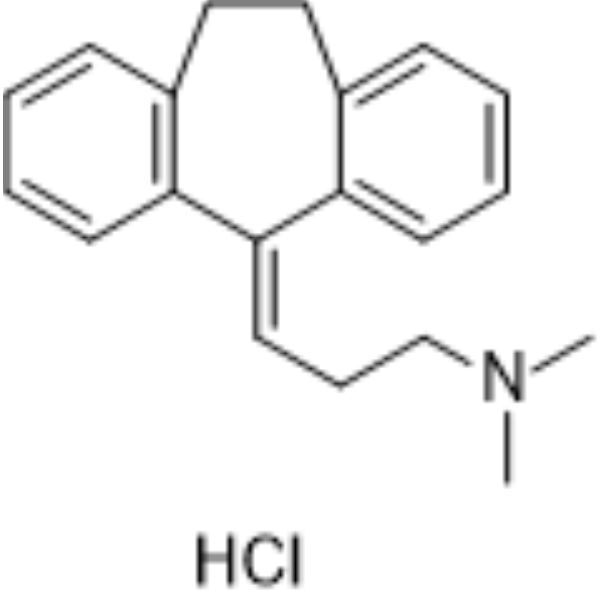
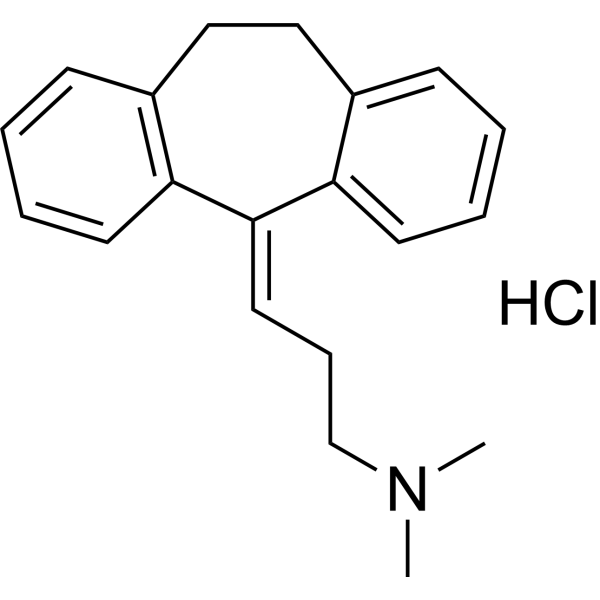
    Amitriptyline hydrochloride
    5+ Cited Publications

    Serotonin Transporter 5-HT Receptor mAChR Histamine Receptor Adrenergic Receptor Trk Receptor Sodium Channel Potassium Channel Dopamine Transporter Apoptosis Neurological Disease Inflammation/Immunology Endocrinology
    Amitriptyline hydrochloride is an orally active tricyclic antidepressant (TCA). Amitriptyline hydrochloride mainly exerts its antidepressant effect by blocking SERT (Ki = 3.45 nM) and NET (Ki = 13.3 nM), thereby increasing the concentrations of 5-hydroxytryptamine (5-HT) and norepinephrine (NE) in the synaptic cleft. Amitriptyline hydrochloride is also an agonist at α2A and TrkA/TrkB receptors, thereby exerting analgesic and neurotrophic activities (inhibiting cell apoptosis). Amitriptyline hydrochloride can reduce inflammation, angiogenesis and fibrosis. Amitriptyline hydrochloride binds to DAT (with Ki = 2.58 μM). Amitriptyline hydrochloride has high affinity for a series of receptors and can antagonize muscarinic cholinergic receptors (M1/M2/M3/M4/M5 receptors) (Ki = 11-24 nM), H1 receptors (Ki = 0.5-1.1 nM), adrenergic α1 receptors (Ki = 4.4 nM), etc., resulting in a series of side effects. Amitriptyline hydrochloride can block sodium channels and hERG potassium channel (IC50 = 4.78 μM) and it has cardiotoxicity .
    Amitriptyline hydrochloride
  • HY-16961
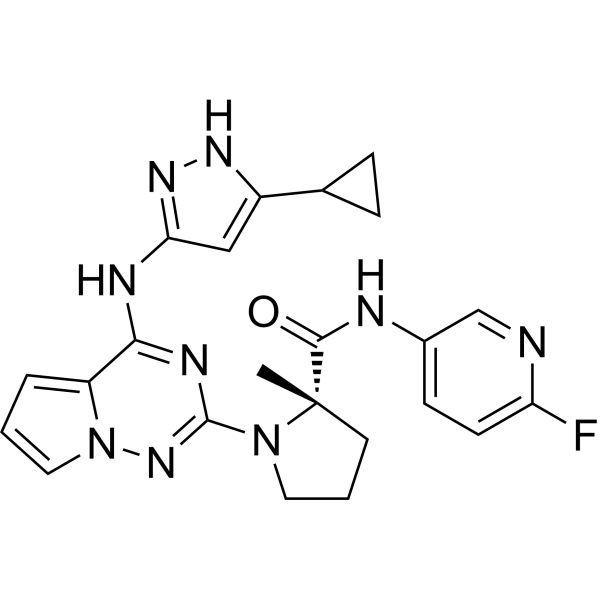
    Sitravatinib
    5+ Cited Publications

    MGCD516; MG-516

    VEGFR c-Kit FLT3 Discoidin Domain Receptor Trk Receptor Inflammation/Immunology Cancer
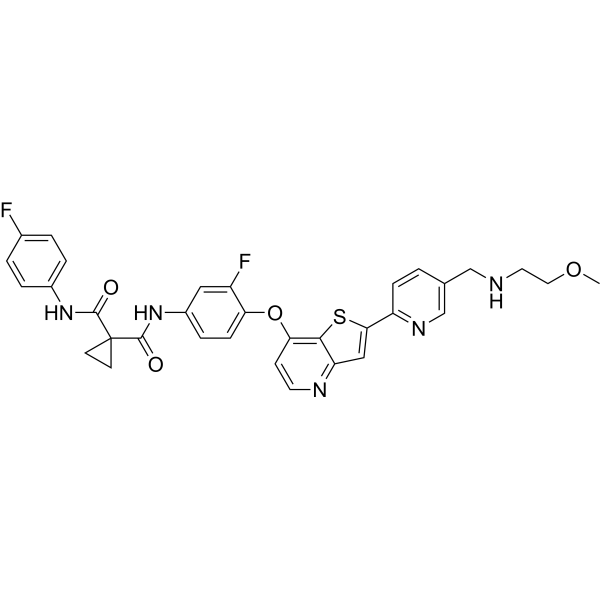
    Sitravatinib (MGCD516) is an orally bioavailable receptor tyrosine kinase (RTK) inhibitor with IC50s of 1.5 nM, 2 nM, 2 nM, 5 nM, 6 nM, 6 nM, 8 nM, 0.5 nM, 29 nM, 5 nM, and 9 nM for Axl, MER, VEGFR3, VEGFR2, VEGFR1, KIT, FLT3, DDR2, DDR1, TRKA, TRKB, respectively . Sitravatinib shows potent single-agent antitumor efficacy and enhances the activity of PD-1 blockade through promoting an antitumor immune microenvironment .
    Sitravatinib
  • HY-13491
    GNF-5837
    4 Publications Verification

    Trk Receptor Cancer
    GNF-5837 is a potent, selective, and orally bioavailable pan-tropomyosin receptor kinase (TRK) inhibitor which display antiproliferative effects in cellular Ba/F3 assays ( IC50 values of 7 nM, 9 nM and 11 nM for cells containing the fusion proteins Tel-TrkC, Tel-TrkB and Tel-TrkA, respectively) .
    GNF-5837
  • HY-B0527
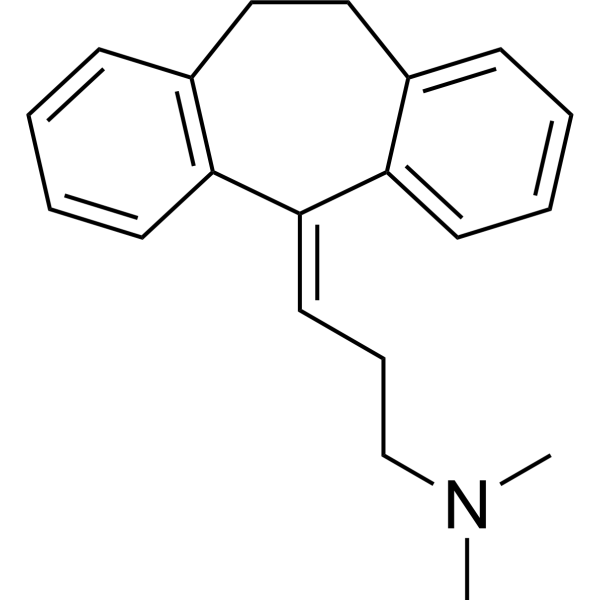
    Amitriptyline
    5+ Cited Publications

    Serotonin Transporter Trk Receptor Sodium Channel 5-HT Receptor Histamine Receptor Adrenergic Receptor mAChR Potassium Channel Dopamine Transporter Apoptosis Neurological Disease Inflammation/Immunology Endocrinology
    Amitriptyline is an orally active tricyclic antidepressant (TCA). Amitriptyline mainly exerts its antidepressant effect by blocking SERT (Ki = 3.45 nM) and NET (Ki = 13.3 nM), thereby increasing the concentrations of 5-hydroxytryptamine (5-HT) and norepinephrine (NE) in the synaptic cleft. Amitriptyline is also an agonist at α2A and TrkA/TrkB receptors, thereby exerting analgesic and neurotrophic activities (inhibiting cell apoptosis). Amitriptyline can reduce inflammation, angiogenesis and fibrosis. Amitriptyline binds to DAT (with Ki = 2.58 μM). Amitriptyline has high affinity for a series of receptors and can antagonize muscarinic cholinergic receptors (M1/M2/M3/M4/M5 receptors) (Ki = 11-24 nM), H1 receptors (Ki = 0.5-1.1 nM), adrenergic α1 receptors (Ki = 4.4 nM), etc., resulting in a series of side effects. Amitriptyline can block sodium channels and hERG potassium channel (IC50 = 4.78 μM) and it has cardiotoxicity .
    Amitriptyline
  • HY-10200
    BMS-754807
    Maximum Cited Publications
    14 Publications Verification

    IGF-1R Insulin Receptor Endocrinology Cancer
    BMS-754807 is a potent and reversible IGF-1R/IR inhibitor (IC50=1.8 and 1.7 nM, respectively; Ki=<2 nM for both). BMS-754807 also shows potent activities against Met, RON, TrkA, TrkB, AurA, and AurB with IC50 values of 6, 44, 7, 4, 9, and 25 nM, respectively .
    BMS-754807
  • HY-148811

    ICP-723

    c-Met/HGFR Trk Receptor Cancer
    Zurletrectinib is a brain-penetrant, orally active TRK inhibitor (TRKA IC50 = 0.81 nM; TRKB IC50 = 0.145 nM; TRKC IC50 = 0.184 nM). Zurletrectinib exhibits stronger activity as a consequence of its augmented binding affinity for TRK kinases. Zurletrectinib exhibits higher activity against most TRK inhibitor resistance mutations (13 out of 18 mutations). Zurletrectinib can be used for the study of glioma .
    Zurletrectinib
  • HY-15590
    AZ-23
    3 Publications Verification

    AZD1332

    Trk Receptor Cancer
    AZ-23 is an ATP-competitive and orally bioavailable Trk kinase A/B/C inhibitor with IC50s of 2 nM (TrkA), 8 nM (TrkB), 24 nM (FGFR1), 52 nM (Flt3), 55 nM (Ret), 84 nM (MuSk), 99 nM (Lck), respectively.
    AZ-23
  • HY-137465

    PROTACs Trk Receptor Cancer
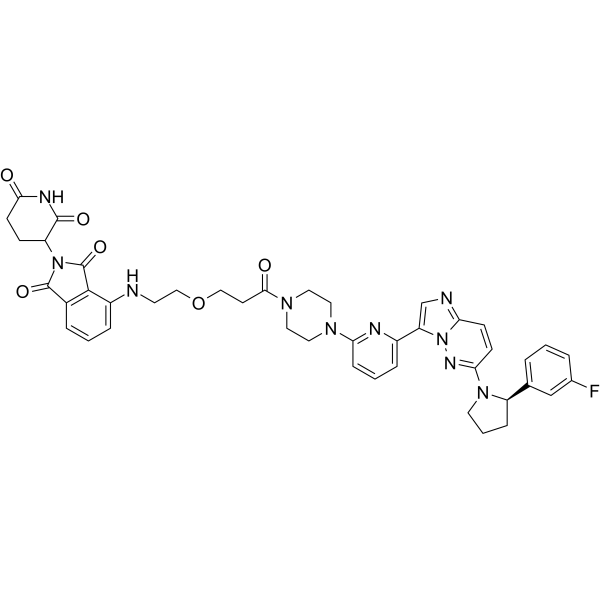
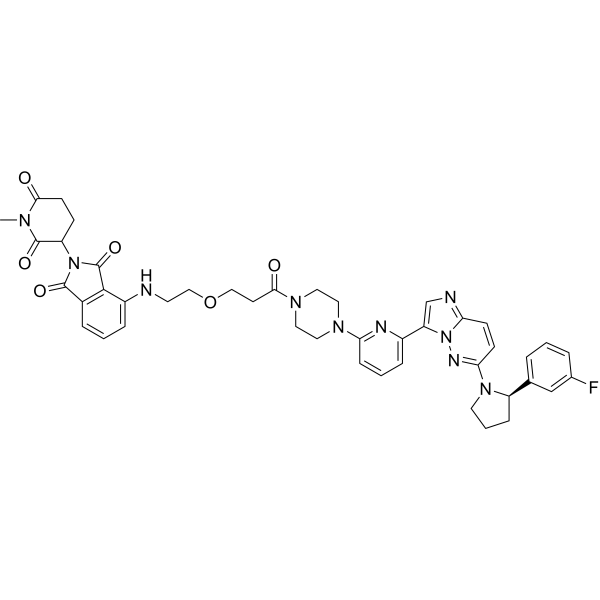
    CG428 is a potent and selective CRBN-dependent tropomyosin receptor kinase (TRK) PROTAC degrader that has anti-tumor activity. CG428 reduces levels of the tropomyosin 3 TPM3-TRKA fusion protein in KM12 colorectal carcinoma cells (DC50 = 0.36 nM) and inhibits downstream PLCγ1 phosphorylation (IC50 = 0.33 nM). CG428 has a higher binding affinity for TRKA than TRKB and TRKC (Kd = 1 nM, 28 nM and 4.2 nM, respectively). CG428 can be used for the research of colorectal carcinoma .
    CG428
  • HY-122616

    Trk Receptor Neurological Disease
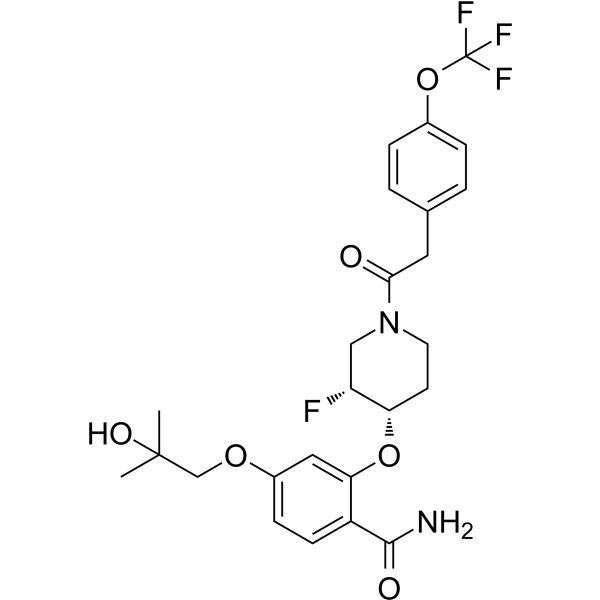
    PF-06273340 is a peripherally restricted pan-Trk inhibitor with IC50 values of 6, 4, 3 nM for TrkA, TrkB, and TrkC receptors. PF-06273340 binds in a DFG-out conformation, targeting less conserved kinase ligand binding domain regions outside the ATP binding pocket. PF-06273340 exhibits anti-hyperalgesic and analgesic effects. PF-06273340 can be used for the research of pain .
    PF-06273340
  • HY-17603
    Belizatinib
    1 Publications Verification

    TSR-011

    Anaplastic lymphoma kinase (ALK) Trk Receptor Cancer
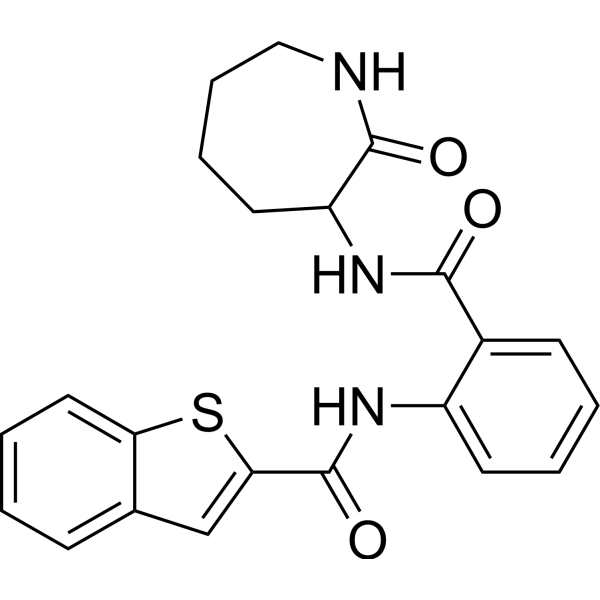
    Belizatinib (TSR-011) is an orally active, potent inhibitor of ALK and TRKA, TRKB, and TRKC, with IC50 of 0.7 nM for wild-type recombinant ALK kinase.
    Belizatinib
  • HY-119933

    RIP kinase Cancer
    RIPK1-IN-7 is a potent and selective RIPK1 inhibitor with a Kd of 4 nM and an enzymatic IC50 of 11 nM. RIPK1-IN-7 exhibits excellent antimetastasis activity in the experimental B16 melanoma lung metastasis model .
    RIPK1-IN-7
  • HY-20878
    Tyrphostin AG 879
    3 Publications Verification

    AG 879

    Trk Receptor EGFR Apoptosis Cancer
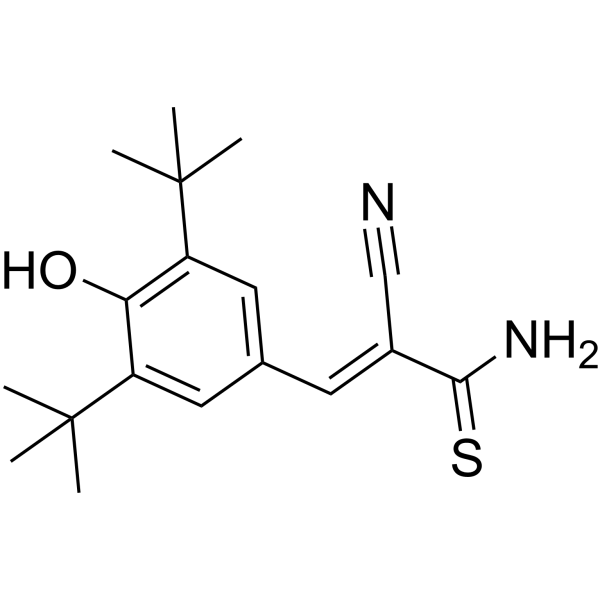
    Tyrphostin AG 879 (AG 879) is a tyrosine kinase inhibitor that inhibits TrKA phosphorylation (IC50 of 10 μM), but not TrKB and TrKC. Tyrphostin AG 879 is also a selective ErbB2 tyrosine kinase inhibitor with an IC50 of 1 μM, and has at least 500-fold higher selectivity to ErbB2 than EGFR. Tyrphostin AG 879 has anticancer activity .
    Tyrphostin AG 879
  • HY-112436

    Trk-IN-4

    Trk Receptor Neurological Disease
    PF-6683324 (Trk-IN-4) is a potent pan-Trk inhibitor in cell-based assays with IC50s of 1.9 nM, 2.6 nM and 1.1 nM for TrkA, TrkB and TrkC, respectively . Anti-hyperalgesic effect .
    PF-6683324
  • HY-151948

    Trk Receptor Neurological Disease
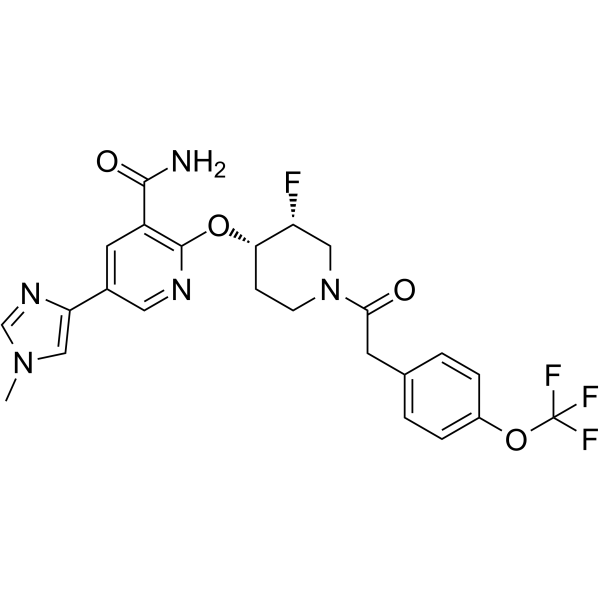
    TrkA-IN-3 is a potent, subselective and allosteric TrkA inhibitor, with an IC50 of 22.4 nM. TrkA-IN-3 shows more than 8000-fold selectivity for TrkA over TrkB and TrkC. TrkA-IN-3 can be used for the research of pain .
    TrkA-IN-3
  • HY-B0527AR
    Amitriptyline hydrochloride (Standard)
    4 Publications Verification

    Reference Standards Serotonin Transporter 5-HT Receptor Histamine Receptor mAChR Adrenergic Receptor Trk Receptor Sodium Channel Potassium Channel Dopamine Transporter Apoptosis Neurological Disease Inflammation/Immunology Endocrinology
    Amitriptyline hydrochloride (Standard) is the analytical standard of Amitriptyline hydrochloride (HY-B0527A). This product is intended for research and analytical applications. Amitriptyline hydrochloride is an orally active tricyclic antidepressant (TCA). Amitriptyline hydrochloride mainly exerts its antidepressant effect by blocking SERT (Ki = 3.45 nM) and NET (Ki = 13.3 nM), thereby increasing the concentrations of 5-hydroxytryptamine (5-HT) and norepinephrine (NE) in the synaptic cleft. Amitriptyline hydrochloride is also an agonist at α2A and TrkA/TrkB receptors, thereby exerting analgesic and neurotrophic activities (inhibiting cell apoptosis). Amitriptyline hydrochloride can reduce inflammation, angiogenesis and fibrosis. Amitriptyline hydrochloride binds to DAT (with Ki = 2.58 μM). Amitriptyline hydrochloride has high affinity for a series of receptors and can antagonize muscarinic cholinergic receptors (M1/M2/M3/M4/M5 receptors) (Ki = 11-24 nM), H1 receptors (Ki = 0.5-1.1 nM), adrenergic α1 receptors (Ki = 4.4 nM), etc., resulting in a series of side effects. Amitriptyline hydrochloride can block sodium channels and hERG potassium channel (IC50 = 4.78 μM) and it has cardiotoxicity.
    Amitriptyline hydrochloride (Standard)
  • HY-112437

    Trk Receptor Neurological Disease
    PF-06737007 is a potent pan-Trk inhibitor in cell-based assays with IC50s of 7.7 nM, 15 nM and 3.9 nM for TrkA, TrkB and TrkC, respectively . Anti-hyperalgesic effect .
    PF-06737007
  • HY-135096

    Serotonin Transporter 5-HT Receptor Histamine Receptor mAChR Adrenergic Receptor Sodium Channel Trk Receptor Neurological Disease
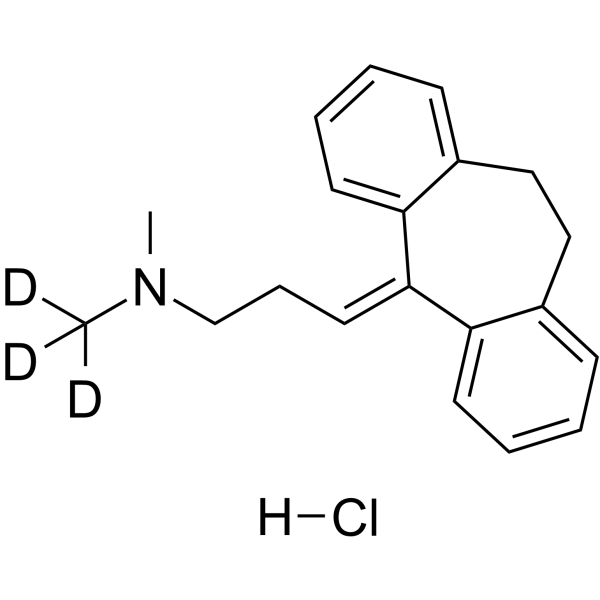
    Amitriptyline-d3 hydrochloride is the deuterium labeled Amitriptyline (hydrochloride). Amitriptyline hydrochloride is an inhibitor of serotonin reuptake transporter (SERT) and noradrenaline reuptake transporter (NET), with Kis of 3.45 nM and 13.3 nM for human SERT and NET, respectively. Amitriptyline hydrochloride also weakly binds to dopamine reuptake transporter (DAT) with a Ki of 2.58 μM. Amitriptyline hydrochloride also inhibits adrenergic, muscarinic, histamine and 5-HT receptors. Amitriptyline hydrochloride is a TrkA and TrkB receptors agonist with potent neurotrophic activity. Amitriptyline hydrochloride has antidepressant activity .
    Amitriptyline-d3 hydrochloride
  • HY-B0527AS

    Isotope-Labeled Compounds Serotonin Transporter 5-HT Receptor Histamine Receptor mAChR Adrenergic Receptor Trk Receptor Sodium Channel Potassium Channel Dopamine Transporter Apoptosis Neurological Disease Inflammation/Immunology Endocrinology
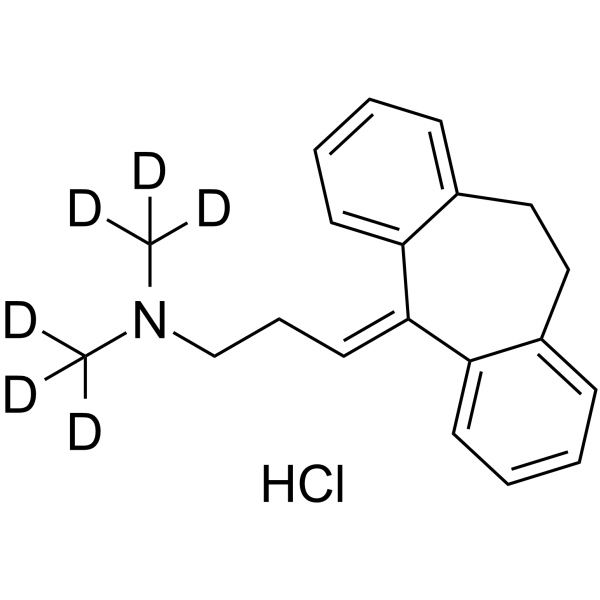
    Amitriptyline-d6 hydrochloride is the deuterium labeled Amitriptyline hydrochloride (HY-B0527A). Amitriptyline hydrochloride is an orally active tricyclic antidepressant (TCA). Amitriptyline hydrochloride mainly exerts its antidepressant effect by blocking SERT (Ki = 3.45 nM) and NET (Ki = 13.3 nM), thereby increasing the concentrations of 5-hydroxytryptamine (5-HT) and norepinephrine (NE) in the synaptic cleft. Amitriptyline hydrochloride is also an agonist at α2A and TrkA/TrkB receptors, thereby exerting analgesic and neurotrophic activities (inhibiting cell apoptosis). Amitriptyline hydrochloride can reduce inflammation, angiogenesis and fibrosis. Amitriptyline hydrochloride binds to DAT (with Ki = 2.58 μM). Amitriptyline hydrochloride has high affinity for a series of receptors and can antagonize muscarinic cholinergic receptors (M1/M2/M3/M4/M5 receptors) (Ki = 11-24 nM), H1 receptors (Ki = 0.5-1.1 nM), adrenergic α1 receptors (Ki = 4.4 nM), etc., resulting in a series of side effects. Amitriptyline hydrochloride can block sodium channels and hERG potassium channel (IC50 = 4.78 μM) and it has cardiotoxicity.
    Amitriptyline-d6 hydrochloride
  • HY-16961A

    MGCD516 malate; MG-516 malate

    VEGFR c-Kit FLT3 Discoidin Domain Receptor Trk Receptor Inflammation/Immunology Cancer
    Sitravatinib malate (MGCD516 malate) is an orally bioavailable receptor tyrosine kinase (RTK) inhibitor with IC50s of 1.5 nM, 2 nM, 2 nM, 5 nM, 6 nM, 6 nM, 8 nM, 0.5 nM, 29 nM, 5 nM, and 9 nM for Axl, MER, VEGFR3, VEGFR2, VEGFR1, KIT, FLT3, DDR2, DDR1, TRKA, TRKB, respectively . Sitravatinib malate shows potent single-agent antitumor efficacy and enhances the activity of PD-1 blockade through promoting an antitumor immune microenvironment .
    Sitravatinib malate
  • HY-19704

    CT327; SNA-120

    Trk Receptor Inflammation/Immunology Cancer
    Pegcantratinib (CT327) is a potent and selective TRKA antagonist with activity against TRKB and TRKC. Pegcantratinib can be used for research of CYLD cutaneous syndrome (CCS) and inflammatory dermatoses, such as psoriasis and concomitant pruritus .
    Pegcantratinib
  • HY-12327

    Trk Receptor Neurological Disease Cancer
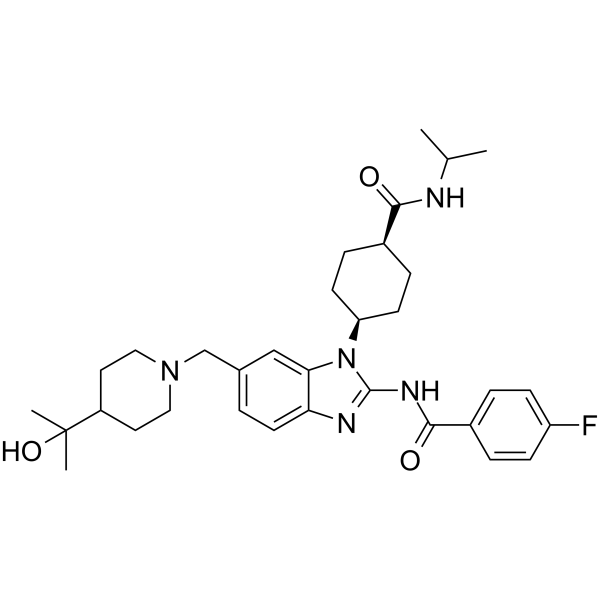
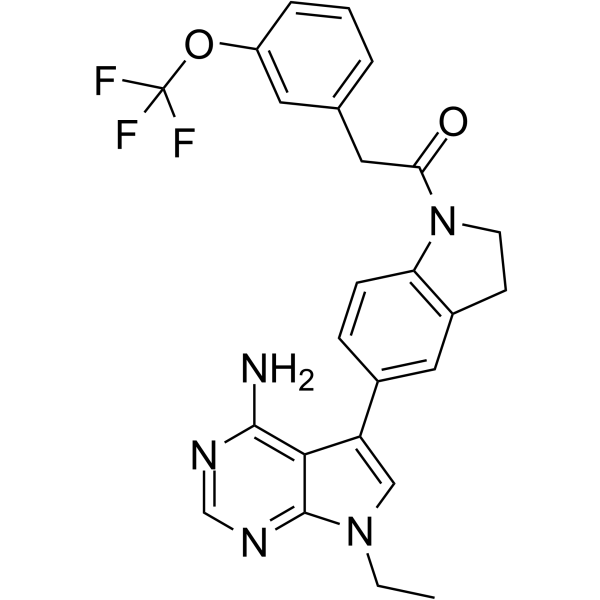
    Trk-IN-1 (example 9), a potent tropomyosin-related kinase (Trk) inhibitor, shows potency against TrkA (3.7 nM) and TrkB (94 nM), respectively .
    Trk-IN-1
  • HY-402309

    IGF-1R EGFR Trk Receptor Neurological Disease
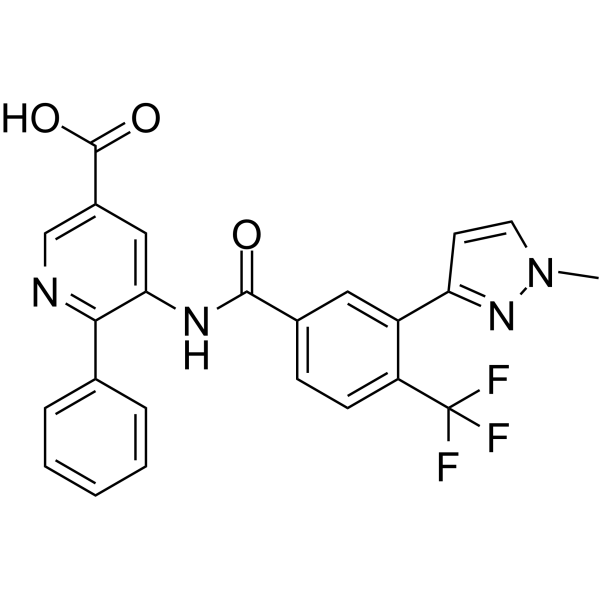
    IGF-1R modulator 1 (Example 5) is an IGF-1R modulator, with EC50s of 0.29 μM (FGFR1), 0.25 μM (IGF1R), 0.34 μM (TrkA), 0.39 μM (TrkB). IGF-1R modulator 1 can be used for research of diseases characterised by impaired signalling of neurotrophins and/or other trophic factors, such as Alzheimer's disease .
    IGF-1R modulator 1
  • HY-172802

    Trk Receptor Cancer
    TrkA-IN-10 (PI-15R) is a TrkA inhibitor with the IC50 values of 17 nM, 8 nM, and 5 nM for TrkA, TrkB and TrkC, respectively. TrkA-IN-10 can be used in cancer research .
    TrkA-IN-10
  • HY-144069

    Trk Receptor Apoptosis Cancer
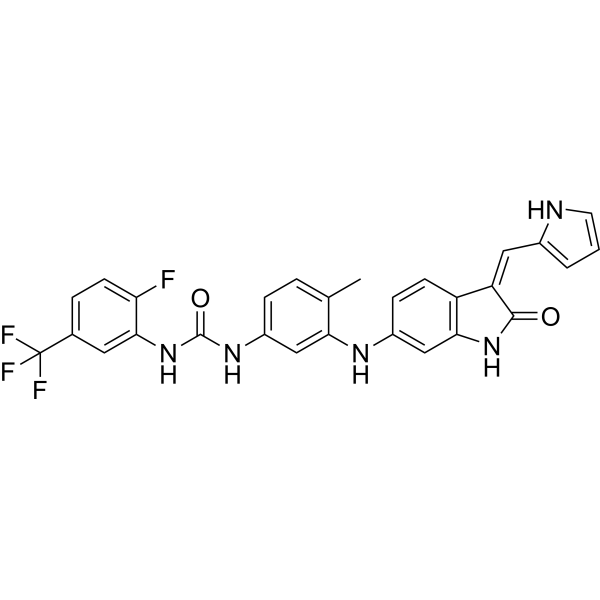
    Pan-Trk-IN-3 (Compound 11g) is a potent inhibitor of pan-Trk and their drug-resistant mutants with IC50 values of 2, 3, 2, 21, 26, 5, 7 and 6 nM against TrkA, TrkB, TrkC, TrkA G595R, TrkA G667C, TrkA G667S, TrkA F589L and TrkC G623R, respectively. Pan-Trk-IN-3 displays excellent antitumor activity and induces apoptosis .
    Pan-Trk-IN-3
  • HY-164514

    Trk Receptor Cancer
    NMS-P626 is an inhibitor of TRKA, TRKB, and TRKC, with IC50 values of 8 nM, 7 nM, and 3 nM, respectively. NMS-P626 inhibits the growth of KM12 cells by suppressing the phosphorylation of TPM3-TRKA and downstream signaling in KM12 cells, with an IC50 of 19 nM for KM12 cells. NMS-P626 can be used in colorectal cancer research .
    NMS-P626
  • HY-118271

    Ligands for Target Protein for PROTAC Trk Receptor Cancer
    GNF-8625 is a broad-spectrum TRK inhibitor that can combine with Thalidomide to form a PROTAC degrader. The IC50 of GNF-8625 for inhibiting TRKA, TRKB, and TRKC are 0.8 nM, 22 nM, and 5.4 nM, respectively.
    GNF-8625
  • HY-163366

    Trk Receptor Cancer
    TRK-IN-28 (compound 30f) is a TRK inhibitor with the IC50 values of 0.55 nM, 25.1 nM and 5.4 nM against TRK WT, TRK G595R and TRK G667C, respectively. TRK-IN-2 shows antiproliferative activity with IC50 values of 9.5, 3.7, 205.0 and 48.3 nM against Ba/F3-ETV6-TRKA WT, Ba/F3-ETV6-TRKB WT, Ba/F3-LMNA-TRK G595R and Ba/F3-LMNA-TRKA G667C, respectively .
    TRK-IN-28
  • HY-112434

    Trk Receptor Neurological Disease
    PF-06733804 is a potent pan-Trk inhibitor in cell-based assays with IC50s of 8.4 nM, 6.2 nM and 2.2 nM for TrkA, TrkB and TrkC, respectively . Anti-hyperalgesic effect .
    PF-06733804
  • HY-120393

    Trk Receptor Cancer
    GZ-389988 is a potent pan-TRK inhibitor with IC50 values ​​of 0.3, 0.1, and 0.5 nM for TRKA, TRKB, and TRKC, respectively. GZ-389988 can be used to study NTRK fusion-positive tumors .
    GZ-389988
  • HY-126287

    Trk Receptor Apoptosis Cancer
    JND4135 is a Type II TRK inhibitor with IC50 values of 2.79, 3.19, and 3.01 nM against TRKA, TRKB, TRKC, respectively. JND4135 can overcome resistance from TRK xDFG and other mutant forms in the BaF3 stable model, inhibiting phosphorylation of both WT and xDFG mutant TRKs, along with their downstream signaling molecules. JND4135 can induce G0/G1 phase arrest and apoptosis in BaF3–CD74-TRKA-G667C cells. JND4135 shows tumor growth inhibition activity in the BaF3-CD74-TRKA-G667C mouse xenograft model .
    JND4135
  • HY-168858

    Trk Receptor Cancer
    TRK-IN-30 (Compound C11) is the inhibitor for tropomyosin receptor kinase (TRK) that inhibits TRKA, TRKB and TRKC and drug resistant mutant TRKA G595R with an IC50 of 1.8, 0.98, 3.8, and 54 nM, respectively. TRK-IN-30 inhibits the activation of the downstream PI3K/AKT and MEK/ERK signaling pathways. TRK-IN-30 inhibits the colony formation and cell migration of Km-12, arrests the cell cycle at G0/G1 phase, and induces apoptosis in Km-12 .
    TRK-IN-30
  • HY-143557

    Trk Receptor Cancer
    Trk-IN-7 (compound I-6) is a potent TRK inhibitor with IC50s of ranging from 0.25-10 nM for TRKA, TRKB and TRKC, respectively. Trk-IN-7 shows inhibition against EML4-ALK (IC50<15 nM) ALK G1202R, ALK C1156Y, ALK R1275Q, ALK F1174L, ALK L1197M, and ALK G1269A (IC50=5-50 nM) .
    Trk-IN-7
  • HY-176942

    ROS1-IN-3

    ROS Kinase Trk Receptor Cancer
    YP0322 (ROS1-IN-3) is a potent orally active, selective, and CNS-penetrant ROS1 inhibitor. JYP0322 selectively inhibits human wild-type ROS1 and human ROS1 G2032R with IC50s of 0.37 and 0.3 nM, respectively, showing 6-130-fold selectivity over TRKA, TRKB, and TRKC. JYP0322 inhibits proliferation of ROS1 fusion-expressing cells, and inhibits tumor growth in mouse xenograft models. JYP0322 can be used for the research of non-small cell lung cancer (NSCLC) .
    JYP0322
  • HY-181871

    Trk Receptor Akt ERK Apoptosis Cancer
    DZX19 (Compound C02) is an orally active, selective TRK inhibitor with a TRKA IC50 value of 1.32 nM, a TRKB IC50 of 2.28 nM, and a TRKC IC50 of 4.05 nM. DZX19 inhibits the kinase activities of wild-type TRKA, TRKA mutants (G595R, F589L, G667C), wild-type TRKB, and wild-type TRKC, and suppresses the phosphorylation of TRKA as well as its downstream AKT and ERK signaling pathways. DZX19 induces apoptosis. DZX19 inhibits tumor growth in a colorectal cancer xenograft mouse model. DZX19 is applicable for the research of colorectal cancer .
    DZX19
  • HY-10200R

    Reference Standards IGF-1R Insulin Receptor Endocrinology Cancer
    BMS-754807 (Standard) is the analytical standard of BMS-754807 (HY-10200). This product is intended for research and analytical applications. BMS-754807 is a potent and reversible IGF-1R/IR inhibitor (IC50=1.8 and 1.7 nM, respectively; Ki=<2 nM for both). BMS-754807 also shows potent activities against Met, RON, TrkA, TrkB, AurA, and AurB with IC50 values of 6, 44, 7, 4, 9, and 25 nM, respectively .
    BMS-754807 (Standard)
  • HY-101977A

    (R,S)-LOXO-195

    Trk Receptor Cancer
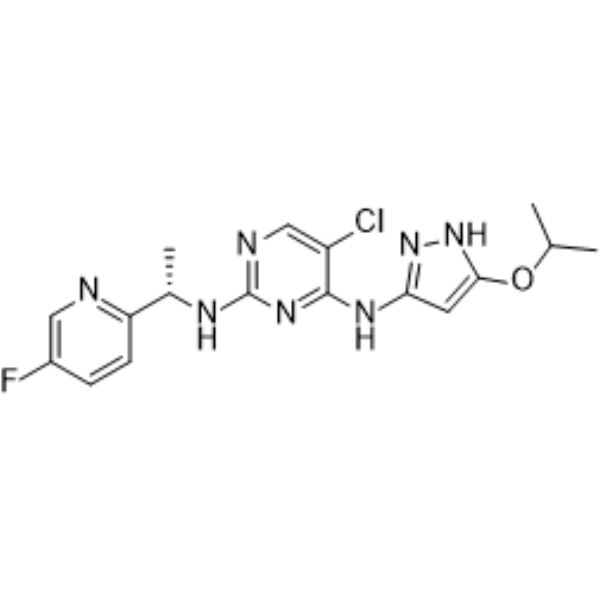
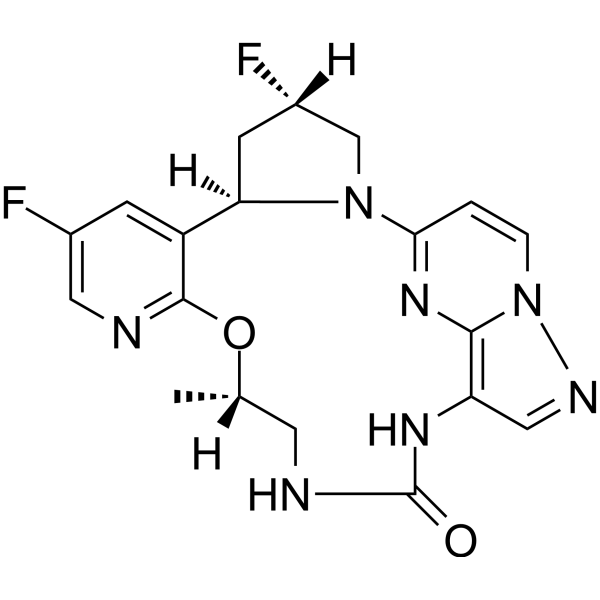
    (R,S)-Selitrectinib ((R,S)-LOXO-195) (compound 17) is a Trk inhibitor with activity against cancers harboring Trk inhibitor-resistant point mutations in NTRK1, NTRK2, or NTRK3 genes. (R,S)-Selitrectinib can be used for the research of trk inhibitor-resistant cancer .
    (R,S)-Selitrectinib
  • HY-182335

    Itk Trk Receptor Interleukin Related IFNAR Inflammation/Immunology
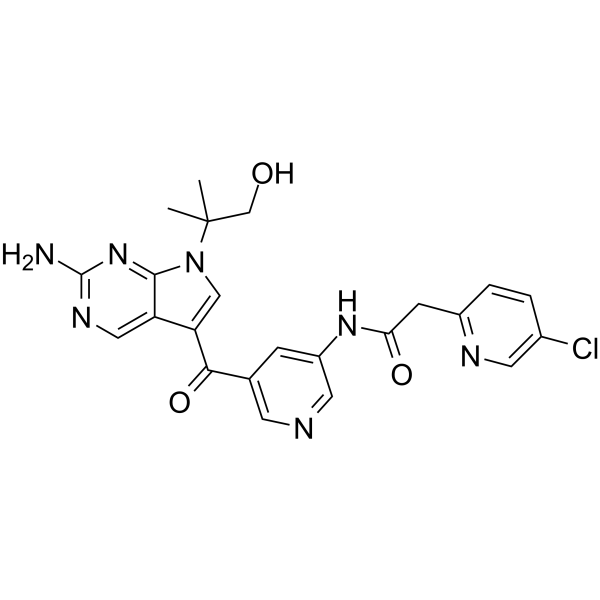
    PF-07245303 is a ITK/TRK inhibitor. PF-07245303 reduces the production of inflammatory cytokines such as IL-4 and IFNγ, and inhibits the phosphorylation of PLCγ1. PF-07245303 inhibits nerve growth factor-induced basophil activation and the phosphorylation of TRKA. PF-07245303 reduces oxazolone-induced ear swelling in mouse ear tissues. PF-07245303 is applicable to research related to atopic dermatitis .
    PF-07245303

Inquiry Online

Your information is safe with us. * Required Fields.

Salutation


Country or Region *

Applicant Name *


Organization Name *

Department *


Email Address *


Product Name *

Cat. No.


Requested quantity *

Phone Number *


Remarks

Inquiry Online

Inquiry Information

Product Name:
Cat. No.:
Quantity:
MCE Japan Authorized Agent:

