1. Search Result
Search Result
Results for "

Wnt-β-catenin

" in MedChemExpress (MCE) Product Catalog:

195

Inhibitors & Agonists

2

Screening Libraries

2

Fluorescent Dyes

3

Biochemical Assay Reagents

12

Peptides

2

MCE Kits

46

Natural
Products

4

Isotope-Labeled Compounds

1

GMP Molecules

Cat. No. Product Name Target Research Areas Chemical Structure
  • HY-12238
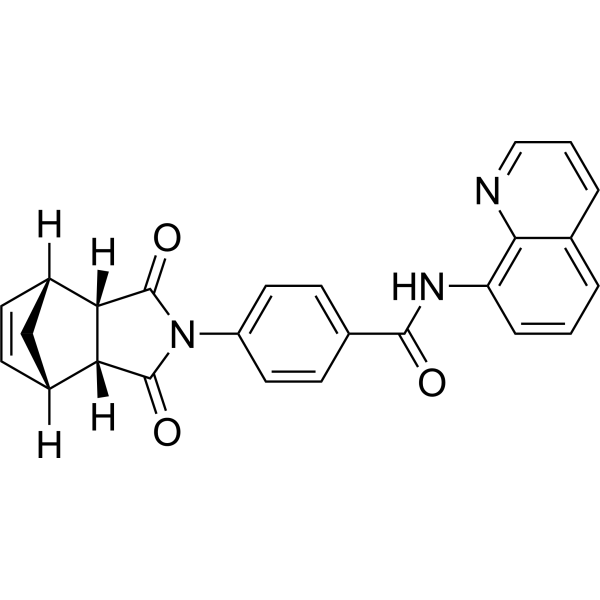
    IWR-1
    60+ Cited Publications

    endo-IWR 1; IWR-1-endo

    Organoid Wnt Inflammation/Immunology Cancer
    IWR-1 (IWR-1-endo) is a tankyrase inhibitor targeting Wnt/β-catenin (IC50 = 180 nM). IWR-1 compromises critical steps of the canonical Wnt signaling, namely translocation of β-catenin to the nucleus and subsequent TCF/LEF activation and expression of Wnt/β-catenin downstream targets. IWR-1 promotes β-catenin phosphorylation by promoting stability of Axin-scaffolded destruction complexes. IWR-1 can be studied in research for anti-tumor purposes, and diseases such as osteosarcoma, colorectal cancer and psoriasis .
    IWR-1
  • HY-N0020
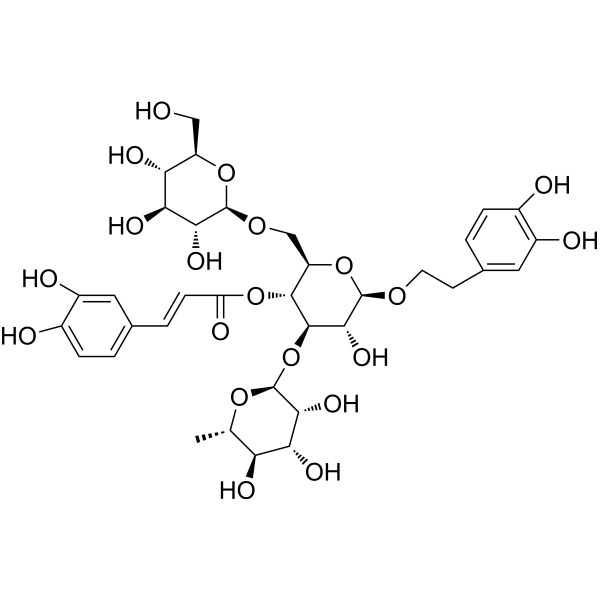
    Echinacoside
    15+ Cited Publications

    Wnt Reactive Oxygen Species (ROS) Neurological Disease
    Echinacoside, one of the phenylethanoids isolated from the stems of Cistanche deserticola, effectively inhibits Wnt/β-catenin signaling. Echinacoside elicits neuroprotection by activating Trk receptors and their downstream signal pathways. Antiosteoporotic activity .
    Echinacoside
  • HY-120697
    MSAB
    45+ Cited Publications

    Wnt β-catenin Cancer
    MSAB is a potent and selective inhibitor of Wnt/β-catenin signaling. MSAB binds to β-catenin and promotes its degradation, and specifically downregulates Wnt/β-catenin target genes. MSAB exhibits potent anti-tumor effects selectively on Wnt-dependent cancer cells .
    MSAB
  • HY-15597
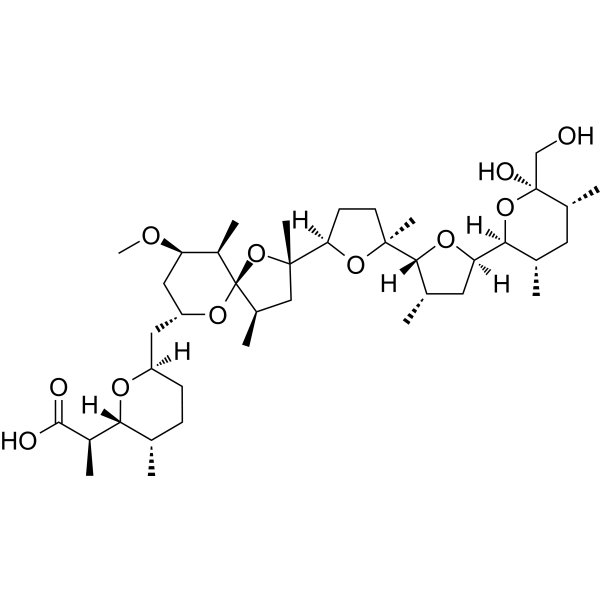
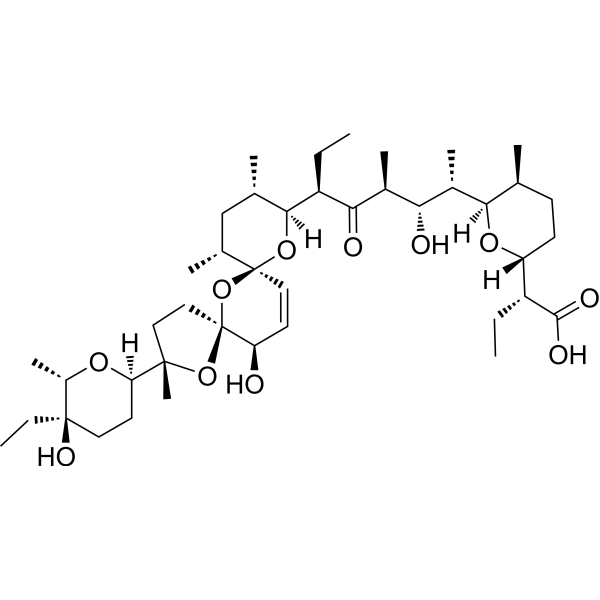
    Salinomycin
    45+ Cited Publications

    Procoxacin

    Bacterial Wnt β-catenin Mitophagy Autophagy Apoptosis Antibiotic Parasite Cancer
    Salinomycin (Procoxacin), a polyether potassium ionophore antibiotic, selectively inhibits the growth of gram-positive bacteria. Salinomycin is a potent inhibitor of Wnt/β-catenin signaling, blocks Wnt-induced LRP6 phosphorylation. Salinomycin shows selective activity against human cancer stem cells .
    Salinomycin
  • HY-17439
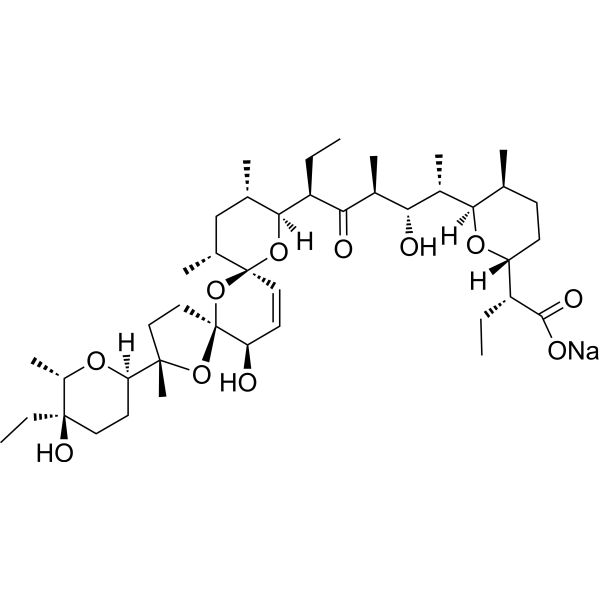
    Salinomycin sodium salt
    45+ Cited Publications

    Salinomycin sodium; Sodium salinomycin

    Wnt β-catenin Bacterial Autophagy Apoptosis Antibiotic Parasite Cancer
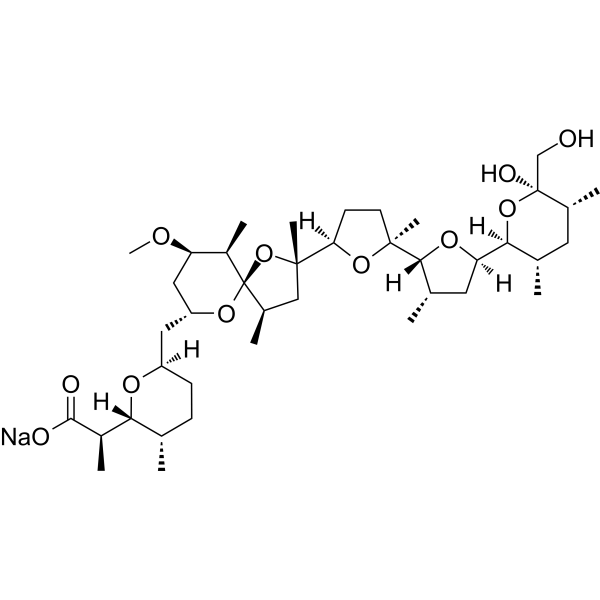
    Salinomycin sodium salt (Salinomycin sodium), an antibiotic potassium ionophore, is a potent inhibitor of Wnt/β-catenin signaling. Salinomycin sodium salt acts on the Wnt/Fzd/LRP complex, blocks Wnt-induced LRP6 phosphorylation, and causes degradation of the LRP6 protein. Salinomycin sodium salt shows selective activity against human cancer stem cells .
    Salinomycin sodium salt
  • HY-101085
    SKL2001
    60+ Cited Publications

    Wnt β-catenin Cancer
    SKL2001 is an agonist of the Wnt/β-catenin pathway, with anti-cancer activity. SKL2001 stabilizes intracellular β-catenin via disruption of the Axin/β-catenin interaction .
    SKL2001
  • HY-10590
    TWS119
    30+ Cited Publications

    Wnt GSK-3 Autophagy Neurological Disease Cancer
    TWS119 is an inhibitor of GSK-3β, with an IC50 of 30 nM, and activates the wnt/β-catenin pathway.
    TWS119
  • HY-N1499

    Wnt β-catenin TGF-beta/Smad Bacterial Infection Neurological Disease Metabolic Disease Inflammation/Immunology Cancer
    Nystose is a tetrasaccharide with two fructose molecules linked via beta (1→2) bonds to the fructosyl moiety of sucrose. Nystose exhibits prebiotic, immunomodulatory, and metabolism regulating activities. Nystose promotes the bone mineralization by activating the Wnt/β-catenin signaling pathway .
    Nystose
  • HY-11035
    WAY-262611
    10+ Cited Publications

    β-catenin Wnt Cancer
    WAY-262611 is a Wnt/β-Catenin agonist that increases bone formation rate with an EC50 of 0.63 μM in TCF-Luciferase assay. WAY-262611 is also a Dkk1 inhibitor .
    WAY-262611
  • HY-N0101
    Neohesperidin
    5+ Cited Publications

    Hesperetin 7-O-neohesperidoside

    β-catenin Wnt Inflammation/Immunology
    Neohesperidin is a flavonoid compound abundant in citrus plants with antioxidant and anti-inflammatory effects. Neohesperidin can upregulate the Wnt/β-catenin signaling pathway, enhance the nuclear translocation of β-catenin and the differentiation of bone marrow stromal cells .
    Neohesperidin
  • HY-N1411
    Platycodin D
    5+ Cited Publications

    AMPK Wnt Metabolic Disease
    Platycodin D is a saponin isolated from Platycodon grandiflorus, acts as an activator of AMPKα, with anti-obesity property. WNT/β-catenin pathway mediates the anti-adipogenic effect of platycodin D .
    Platycodin D
  • HY-100711
    Prodigiosin
    3 Publications Verification

    Prodigiosine; NSC47147

    Bacterial Apoptosis Wnt Fungal Parasite Infection Inflammation/Immunology Cancer
    Prodigiosin (Prodigiosine) is a red pigment produced by bacteria as a bioactive secondary metabolite. Prodigiosin is a potent inhibitor of the Wnt/β-catenin pathway. Prodigiosin has antibacterial, antifungal, antiprotozoal, antimalarial, immunosuppressive, and anticancer properties .
    Prodigiosin
  • HY-151520

    Wnt Cancer
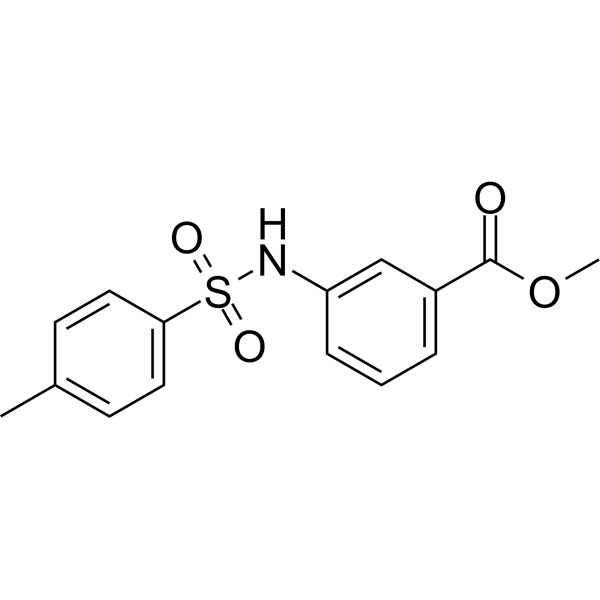
    Wnt/β-catenin agonist 4 (Derivative 83) is an agonist of Wnt that activates Wnt/β-catenin signal transmission .
    Wnt/β-catenin agonist 4
  • HY-75342
    Methyl vanillate
    2 Publications Verification

    Wnt Reactive Oxygen Species (ROS) Endogenous Metabolite Inflammation/Immunology Cancer
    Methyl vanillate, one of the ingredients in Oryza sativa Linn., is a Wnt/β-catenin pathway activator . A benzoate ester that is the methyl ester of vanillic acid. It has a role as an antioxidant and a plant metabolite.
    Methyl vanillate
  • HY-15721
    FH535
    15+ Cited Publications

    PPAR Wnt β-catenin Cancer
    FH535 is an inhibitor of Wnt/β-catenin and PPAR with anti-tumor activities .
    FH535
  • HY-101130
    PNU-74654
    10+ Cited Publications

    Wnt β-catenin Apoptosis Cancer
    PNU-74654 is an inhibitor of Wnt/β-catenin pathway with an IC50 of 129.8 μM in NCI-H295 cell.
    PNU-74654
  • HY-16910
    WIKI4
    4 Publications Verification

    PARP β-catenin Wnt Cancer
    WIKI4 is a potent tankyrase inhibitor with an IC50 of 26 nM for TNKS2. WIKI4 potently inhibits Wnt/β-catenin signaling and that its half-maximal response dose is 75 nM. WIKI4 mediates its effects on Wnt/β-catenin signaling by inhibiting the enzymatic activity of TNKS2 . WIKI4 is cytotoxic to SCLC cells with an IC50 value of 0.02 μM .
    WIKI4
  • HY-N0432

    Astrasieversianin IV; Cyclosieversioside B

    Wnt β-catenin Metabolic Disease
    Astragaloside I, one of the main active ingredients in Astragalus membranaceus, has osteogenic properties. Astragaloside I stimulates osteoblast differentiation through activating the Wnt/β-catenin signaling pathway .
    Astragaloside I
  • HY-N0279
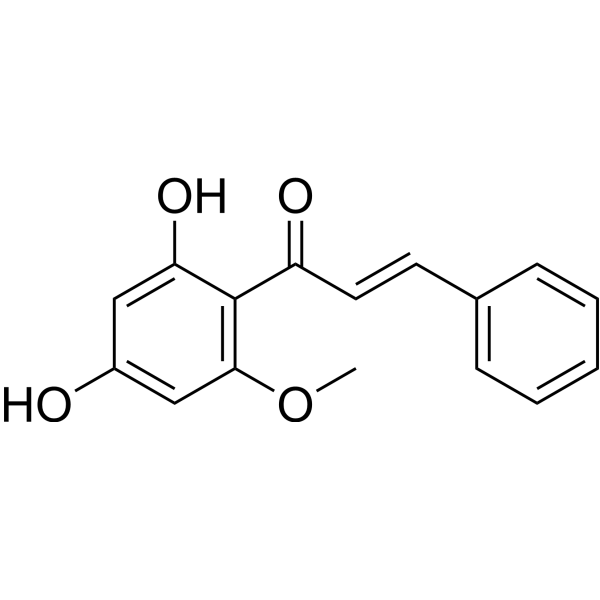
    Cardamonin
    15+ Cited Publications

    Cardamomin; Alpinetin chalcone

    NF-κB STAT Wnt β-catenin Bcl-2 Family Apoptosis Cardiovascular Disease Metabolic Disease Inflammation/Immunology Cancer
    Cardamonin can be found from cardamom, and can target various signaling molecules, transcriptional factors, cytokines and enzymes. Cardamonin can inhibit mTOR, NF-κB, Akt, STAT3, Wnt/β-catenin and COX-2. Cardamonin shows anticancer, anti-inflammatory, antimicrobial and antidiabetic activities .
    Cardamonin
  • HY-145267

    PARP Wnt Cancer
    OM-153 is a potent and orally active tankyrase inhibitor with IC50s of 13 nM and 2 nM for tankyrase 1 and tankyrase 2 (TNKS1/2), respectively. OM-153 inhibits luciferase-based Wnt/β-catenin signaling reporter activity with an IC50 value of 0.63 nM. OM-153 shows inhibition of Wnt/β-catenin signaling and proliferation in COLO 320DM .
    OM-153
  • HY-141891

    Wnt E1/E2/E3 Enzyme Cardiovascular Disease Neurological Disease Inflammation/Immunology Cancer
    M435-1279 is a UBE2T inhibitor. M435-1279 inhibits the Wnt/β-catenin signaling pathway hyperactivation through blocking UBE2T-mediated degradation of RACK1 .
    M435-1279
  • HY-119711

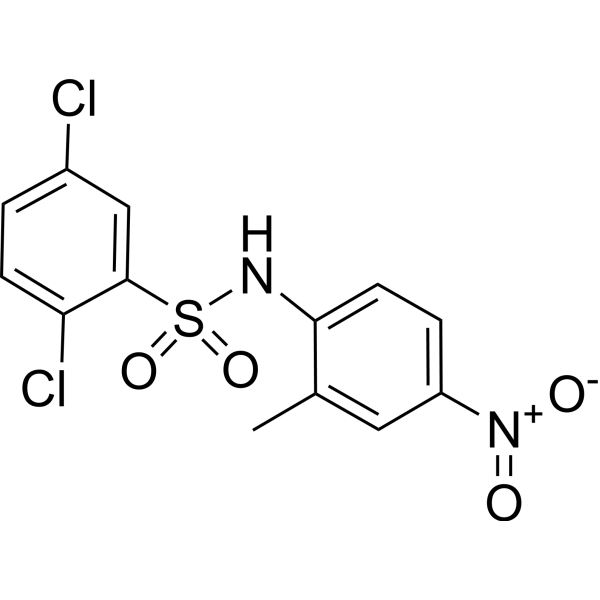
    MMP Cancer
    NNGH is a stromelysin-1 (MMP-3) inhibitor. MMP-3 is both a direct transcriptional target and a necessary contributor of the Wnt/β-catenin signaling pathway. Matrix metalloproteinases (MMPs) play a well-defined role in later stages of tumor progression .
    NNGH
  • HY-P5819
    xStAx-VHLL
    3 Publications Verification

    Wnt PROTACs β-catenin Cancer
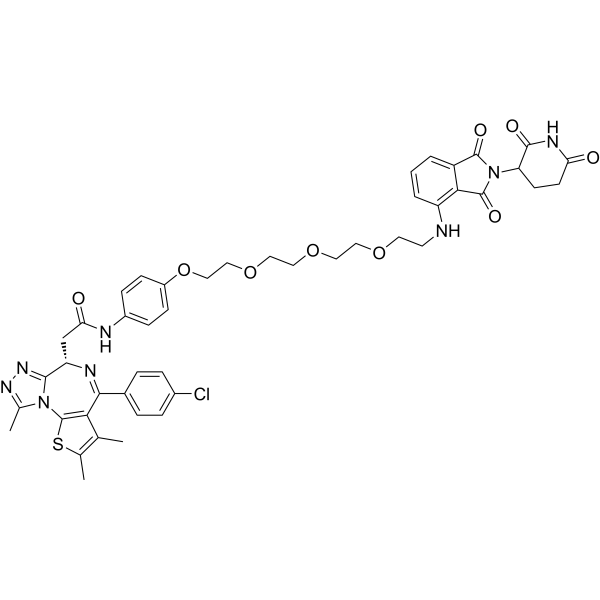
    xStAx-VHLL is a β-catenin PROTAC degrader that promotes ubiquitination and proteasome degradation of β-catenin. xStAx-VHLL inhibits the Wnt/β-catenin signaling pathway. xStAx-VHLL can inhibit the proliferation of colon cancer cells and has anti-tumor activity .
    xStAx-VHLL
  • HY-12762
    QS11
    2 Publications Verification

    β-catenin Wnt Arf Family GTPase Cancer
    QS11 is an inhibitor of ARFGAP1 (ADP-ribosylation factor GTPase-activating protein 1), with an EC50 of 1.5 μM. QS11 activates Wnt/β-catenin signaling through an effect on protein trafficking. QS11 inhibits migration of ARFGAP overexpressing breast cancer cells .
    QS11
  • HY-129566

    ERK Wnt β-catenin RUNX Neurological Disease Metabolic Disease Inflammation/Immunology Cancer
    Withanolide B is an active component of W. somnifera Dunal. Withanolide B promotes osteogenic differentiation of hBMSCs via ERK1/2 and Wnt/β-catenin signaling pathways. Withanolide B exhibits neuroprotective, anti-arthritic, anti-aging and anti-cancer effects .
    Withanolide B
  • HY-172920

    Wnt β-catenin EGFR ERK COX Akt GSK-3 c-Myc Apoptosis Interleukin Related JNK Inflammation/Immunology Cancer
    Wnt/β-catenin-IN-6 is an orally active Wnt/β-catenin pathway inhibitor. Wnt/β-catenin-IN-6 blocks the AKT/GSK-3β/β-catenin signaling pathway, leading to reduced expression of Wnt target genes (c-Myc, c-Jun). Wnt/β-catenin-IN-6 reduces COX2 expression and IL-8 levels, highlighting its dual anti-inflammatory and antitumor effects. Wnt/β-catenin-IN-6 can induce apoptosis. Wnt/β-catenin-IN-6 serves as a tool for non-small cell lung cancer (NSCLC) research .
    Wnt/β-catenin-IN-6
  • HY-148055

    Wnt β-catenin Cardiovascular Disease
    Wnt/β-catenin agonist 3 (compound 98) is a Wnt/β-catenin signalling pathway agonist. Wnt/β-catenin agonist 3 can be used for the research of osteoporosis .
    Wnt/β-catenin agonist 3
  • HY-101090
    KYA1797K
    15+ Cited Publications

    Wnt β-catenin Cancer
    KYA1797K is a potent and selective Wnt/β-catenin inhibitor with an IC50 of 0.75 µM.
    KYA1797K
  • HY-141873
    Wnt/β-catenin agonist 2
    1 Publications Verification

    Wnt β-catenin Others
    Wnt/β-catenin agonist 2 is a potent Wnt agonist. Wnt/β-catenin agonist 2 activates Wnt/β-catenin signaling and can be used in the research of diseases related to the signal transduction . (From patent WO2007078113A1, compound 39)
    Wnt/β-catenin agonist 2
  • HY-114321
    Wnt/β-catenin agonist 1
    5+ Cited Publications

    Wnt Cancer
    Wnt/β-catenin agonist 1 (compound 3f) is a Wnt/β-catenin signalling pathway agonist, with an EC50 of 0.27 μM .
    Wnt/β-catenin agonist 1
  • HY-164478

    PARP Wnt β-catenin Cancer
    G-631 is an orally active tankyrase(TNKS1/TNKS2) inhibitor. G-631 stabilizes AXIN and inhibits the Wnt/β-catenin signaling pathway. G-631 can be used in studies related to cancers such as colorectal cancer .
    G-631
  • HY-102028
    KY1220
    3 Publications Verification

    Wnt β-catenin Cancer
    KY1220 is a compound that destabilizes both β-catenin and Ras, via targeting the Wnt/β-catenin pathway, with an IC50 of 2.1 μM in HEK293 reporter cells .
    KY1220
  • HY-18959
    CWP232228
    5+ Cited Publications

    β-catenin Wnt Cancer
    CWP232228, a highly potent selective Wnt/β-catenin signaling inhibitor, antagonizes binding of β-catenin to T-cell factor (TCF) in the nucleus. CWP232228 suppresses tumor formation and metastasis without toxicity through the inhibition of the growth of breast and liver cancer stem cells (CSCs) .
    CWP232228
  • HY-P10392AF

    Wnt β-catenin Cancer
    fStAx-35R TFA is the hydrocarbon-stapled peptide. fStAx-35R TFA inhibits Wnt/β-catenin signaling pathway by disrupting the β-catenin-TCF interaction. fStAx-35R TFA can be used in cancer research .
    fStAx-35R TFA
  • HY-121993
    Combretastatin A-1
    1 Publications Verification

    Wnt Microtubule/Tubulin Cancer
    Combretastatin A-1 is a microtubule polymerization inhibitor that binds to the colchicine-binding site of tubulin. Combretastatin A-1 inhibits the Wnt/β-catenin pathway through tubulin depolymerization mediated AKT deactivation. Combretastatin A-1 exhibits anti-tumor and anti-vascular effects .
    Combretastatin A-1
  • HY-160709

    Wnt β-catenin Cancer
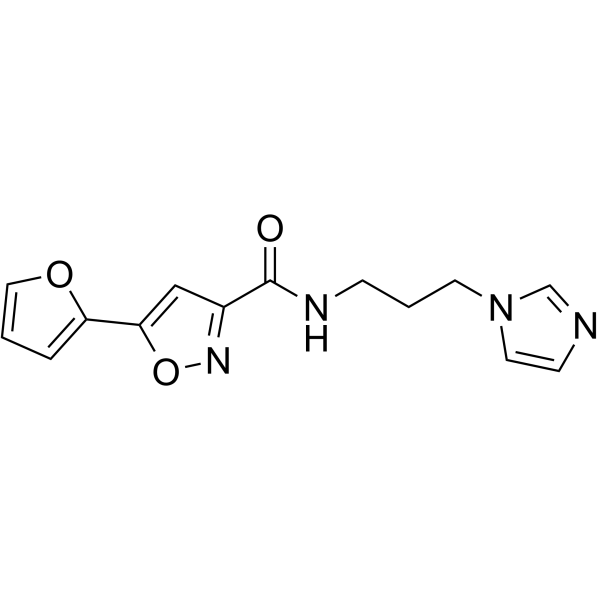
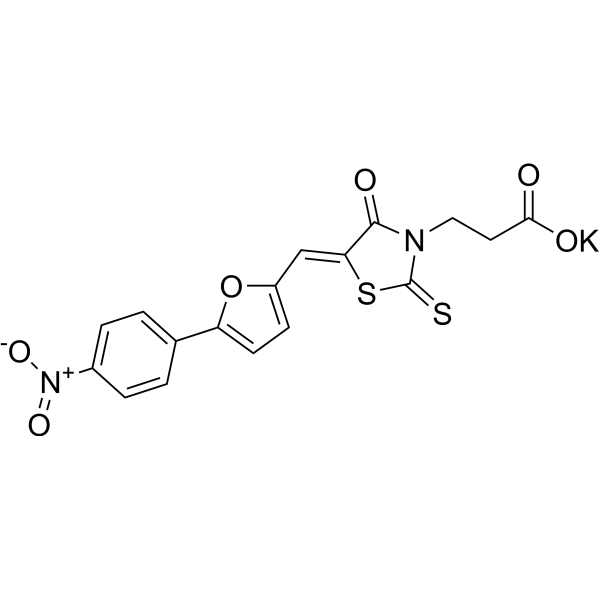
    Wnt/β-catenin-IN-2 (Compound 3235-0367) is a Wnt/β-catenin signaling pathway inhibitor, with IC50 and KD values of 7.1 and 2.5 μM, respectively. Wnt/β-catenin-IN-2 can be used for the research of cancer .
    Wnt/β-catenin-IN-2
  • HY-N2156

    ERK TGF-beta/Smad Wnt β-catenin JNK p38 MAPK Metabolic Disease Inflammation/Immunology
    Paeonolide, found in Paeonia suffruticosa, is an ERK1/2 activator. Paeonolide promotes early and late osteoblast differentiation, stimulates pre-osteoblast transmigration, and activates the BMP-Smad1/5/8, Wnt-β-catenin, JNK and p38 pathways. Paeonolide can be used for the research of osteoporosis, periodontitis .
    Paeonolide
  • HY-P1454
    Fz7-21
    3 Publications Verification

    Ac-LPSDDLEFWCHVMY-NH2

    Wnt Cancer
    Fz7-21 (Ac-LPSDDLEFWCHVMY-NH2) is a potent peptide antagonist of FZD7 receptors , selectively binds to FZD7 CRD subclass and alters the conformation of the CRD and the architecture of its lipid-binding groove. The EC50 values are 58 and 34 nM for human and mouse FZD7 CRD, respectively. Fz7-21 impairs the function of FZD7 in Wnt–β-catenin signalling and stem cell function in intestinal organoids .
    Fz7-21
  • HY-N2785

    Wnt Metabolic Disease
    Desmethylicaritin is a phytoestrogenic molecule, has inducible effect on directional differentiation of embryonic stem cells into cardiomyocytes. Desmethylicaritin also suppresses adipogenesis via Wnt/β-catenin signaling pathway .
    Desmethylicaritin
  • HY-124156A

    Wnt Metabolic Disease
    KY-02327 acetate, a metabolically stabilized KY-02061 analog, is a potent Dishevelled (Dvl)-CXXC5 interaction inhibitor. KY-02327 acetate shows an activating effect on the Wnt/β-catenin pathway, resulting in promotion of osteoblast differentiation .
    KY-02327 acetate
  • HY-P4858

    GSK-3 Wnt Cancer
    C-Peptide 1 (rat), a peptide, is aβ-catenin/GSK-3β activator. C-Peptide 1 (rat) can regulate the Wnt/β-catenin signaling pathway. C-Peptide 1 (rat) can be used for the research of cancer .
    C-Peptide 1 (rat)
  • HY-112799

    Wnt β-catenin c-Myc CDK Survivin Cancer
    DK419 is a potent and orally active Wnt/β-catenin signaling inhibitor, with an IC50 of 0.19 μM. DK419 reduces protein lelvels of Axin2, β-catenin, c-Myc, Cyclin D1 and Survivin and induces production of pAMPK .
    DK419
  • HY-151463

    Wnt CDK β-catenin Cancer
    CDK8-IN-11 is a potent and selective CDK8 inhibitor with an IC50 value of 46 nM. CDK8-IN-11 inhibits WNT/β-catenin signaling pathway. CDK8-IN-11 can be used in the research of colon cancer .
    CDK8-IN-11
  • HY-N3149A

    Wnt β-catenin STAT Apoptosis Inflammation/Immunology
    2-Hydroxycinnamaldehyde is a phenylpropanoid that can be isolated from the bark of Cinnamomum cassia. 2-Hydroxycinnamaldehyde inhibits Wnt/β-catenin, STAT3 signaling. 2-Hydroxycinnamaldehyde induces cell apoptosis 2-Hydroxycinnamaldehyde has antitumor and anti-inflammation activities .
    2-Hydroxycinnamaldehyde
  • HY-P5819A
    xStAx-VHLL TFA
    3 Publications Verification

    PROTACs β-catenin Wnt Cancer
    xStAx-VHLL TFA is a β-catenin PROTAC degrader that promotes ubiquitination and proteasome degradation of β-catenin. xStAx-VHLL TFA inhibits the Wnt/β-catenin signaling pathway. xStAx-VHLL TFA can inhibit the proliferation of colon cancer cells and has anti-tumor activity .
    xStAx-VHLL TFA
  • HY-115539

    Wnt β-catenin Histone Acetyltransferase Cancer
    Windorphen is a Wnt/β-catenin signal inhibitor that specifically targets the function of the c-terminal transactivation domain of β-catenin-1 but not β-catenin-2. Windorphen selectively targets p300, disrupting the association of the mammalian β-catenin with p300 but not CBP .
    Windorphen
  • HY-173482

    Wnt β-catenin Cancer
    TFAP4/Wnt/β-catenin-IN-1 (Compound A61) is an orally active TFAP4/Wnt/β-catenin inhibitor. TFAP4/Wnt/β-catenin-IN-1 has significant anticancer activity against a variety of cancer cells (such as gastric cancer, lung cancer, breast cancer, etc.), and has the strongest anticancer activity against MGC-803 gastric cancer cells (IC50: 3.92 μM). TFAP4/Wnt/β-catenin-IN-1 induces apoptosis and cell cycle arrest (S phase) in cancer cells by inhibiting the TFAP4/Wnt/β-catenin signaling pathway. TFAP4/Wnt/β-catenin-IN-1 can be used in the study of gastric cancer .
    TFAP4/Wnt/β-catenin-IN-1
  • HY-137454
    Teplinovivint
    2 Publications Verification

    Wnt β-catenin Inflammation/Immunology
    Teplinovivint is a potent wnt/β-catenin signaling pathway inhibitor. Teplinovivint has anti-inflammatory activity and has the potential for tendinopathy research .
    Teplinovivint
  • HY-W010995

    Wnt Survivin β-catenin Cancer
    2,5-Dimethylcelecoxib is an analogue of celecoxib (HY-14398) with anticancer activity but without COX-2 inhibitory activity. 2,5-Dimethylcelecoxib exerts its anti-cancer cell proliferation effect by inhibiting the core mechanism of the Wnt/β-catenin signaling pathway. 2,5-Dimethylcelecoxib also inhibits T-cell factor-dependent transcriptional activity and inhibits expression of the Wnt/β-catenin target gene products cyclin D1 and survivin .
    2,5-Dimethylcelecoxib
  • HY-P11112

    β-catenin Wnt Collagen Inflammation/Immunology
    PTD-DBM is a CXXC5-Dvl protein-protein interaction inhibitor and also a Wnt/β-catenin pathway activator. PTD-DBM interferes with the Dvl-binding function of CXXC5, disrupts the negative feedback regulation of the Wnt/β-catenin pathway, induces β-catenin expression and nuclear translocation, and increases the production of type I collagen, α-smooth muscle actin and endothelin-1. PTD-DBM is applicable to studies related to androgenetic alopecia and skin wound healing .
    PTD-DBM

Inquiry Online

Your information is safe with us. * Required Fields.

Salutation


Country or Region *

Applicant Name *


Organization Name *

Department *


Email Address *


Product Name *

Cat. No.


Requested quantity *

Phone Number *


Remarks

Inquiry Online

Inquiry Information

Product Name:
Cat. No.:
Quantity:
MCE Japan Authorized Agent:

