


39 Results for "

acute ischemic stroke

" in MedChemExpress (MCE) Product Catalog:
Products (39)

39 Results for "acute ischemic stroke" in MCE Product Catalog:

12
12 Publications Verification
Cat. No.: HY-N0390S1
CAS No.: 184161-19-1
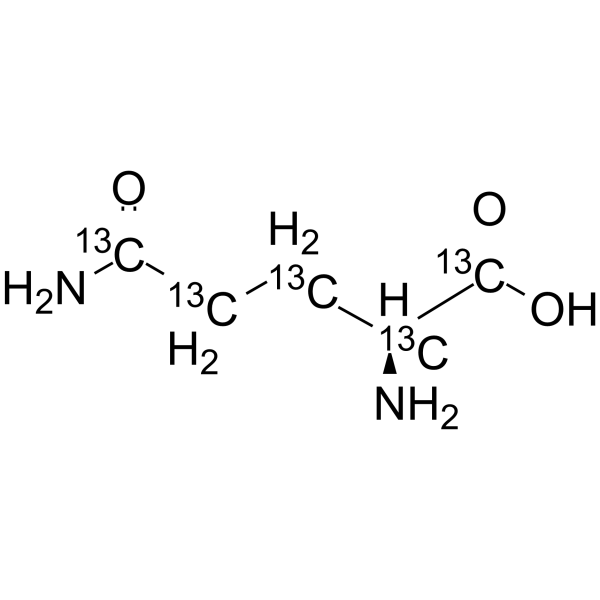
Synonyms: L-Glutamic acid 5-amide-13C5
L-Glutamine- 13C5 is the 13C-labeled L-Glutamine (HY-N0390). L-Glutamine is an orally active nutritional agent and cellular metabolism regulator. L-Glutamine is taken up in a Na +-dependent manner and targets multiple key molecules including glutaminase, mTORC1, NF-κB, STAT-3 and HIF-1α. L-Glutamine enhances glutaminolytic catabolism, drives the conversion of glutamate to α-ketoglutarate, thereby regulating gene expression, integrating metabolic signals, mediating glutamine flux and maintaining redox homeostasis. L-Glutamine also promotes cell proliferation, osteogenic differentiation and fracture healing, exerts neuroprotective and cardioprotective effects, and inhibits osteoarthritis. L-Glutamine can be applied to research related to osteoporosis, osteoarthritis, ischemic stroke and acute cantharidin-induced cardiotoxicity .
loading...
    loading...
4
4 Cited Publications
Cat. No.: HY-N0390S9
CAS No.: 59681-32-2
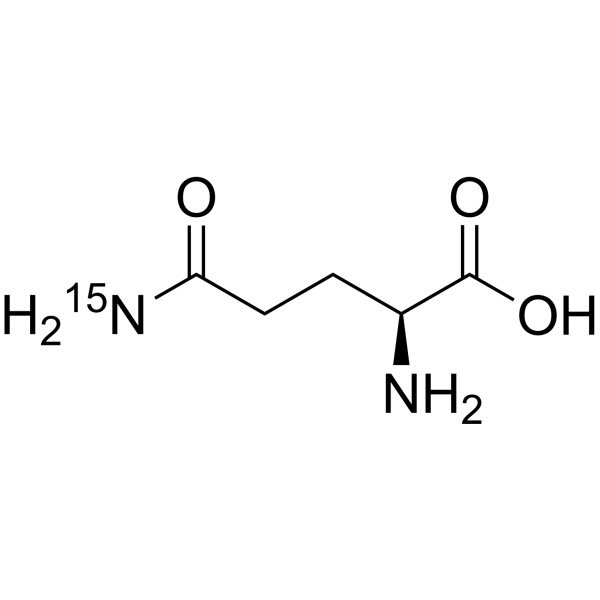
Synonyms: L-Glutamic acid 5-amide-15N-1
L-Glutamine- 15N-1 is the 15N-labeled L-Glutamine (HY-N0390). L-Glutamine is an orally active nutritional agent and cellular metabolism regulator. L-Glutamine is taken up in a Na +-dependent manner and targets multiple key molecules including glutaminase, mTORC1, NF-κB, STAT-3 and HIF-1α. L-Glutamine enhances glutaminolytic catabolism, drives the conversion of glutamate to α-ketoglutarate, thereby regulating gene expression, integrating metabolic signals, mediating glutamine flux and maintaining redox homeostasis. L-Glutamine also promotes cell proliferation, osteogenic differentiation and fracture healing, exerts neuroprotective and cardioprotective effects, and inhibits osteoarthritis. L-Glutamine can be applied to research related to osteoporosis, osteoarthritis, ischemic stroke and acute cantharidin-induced cardiotoxicity .
loading...
    loading...
3
3 Cited Publications
Cat. No.: HY-N0390S
CAS No.: 80143-57-3
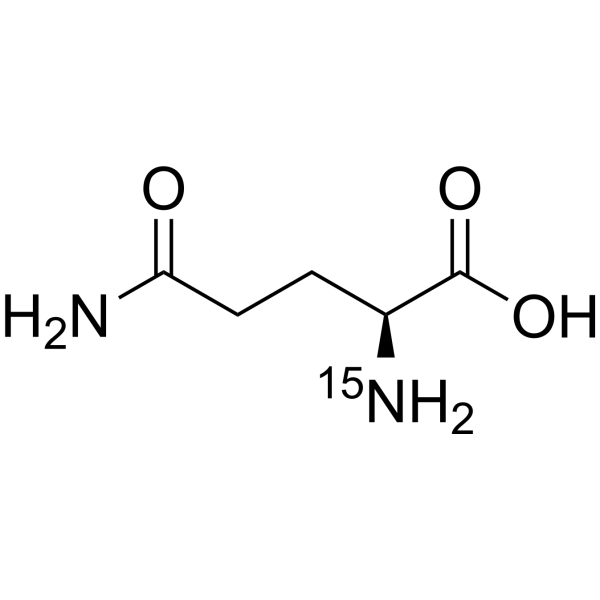
Synonyms: L-Glutamic acid 5-amide-15N
L-Glutamine- 15N is the 15N-labeled L-Glutamine (HY-N0390). L-Glutamine is an orally active nutritional agent and cellular metabolism regulator. L-Glutamine is taken up in a Na +-dependent manner and targets multiple key molecules including glutaminase, mTORC1, NF-κB, STAT-3 and HIF-1α. L-Glutamine enhances glutaminolytic catabolism, drives the conversion of glutamate to α-ketoglutarate, thereby regulating gene expression, integrating metabolic signals, mediating glutamine flux and maintaining redox homeostasis. L-Glutamine also promotes cell proliferation, osteogenic differentiation and fracture healing, exerts neuroprotective and cardioprotective effects, and inhibits osteoarthritis. L-Glutamine can be applied to research related to osteoporosis, osteoarthritis, ischemic stroke and acute cantharidin-induced cardiotoxicity .
loading...
    loading...
2
2 Cited Publications
Cat. No.: HY-P99644
CAS No.: 2101829-58-5

Target:  

Glycoprotein VI

Research Areas:  

Cardiovascular Disease

ACT017 is a Fab fragment of humanized anti-GPVI monoclonal antibody. ACT017 inhibits collagen-induced platelet aggregation. ACT017 has the potential for the research of acute ischemic stroke .
loading...
    loading...
1
1 Cited Publications
Cat. No.: HY-N0390S8
CAS No.: 204451-48-9
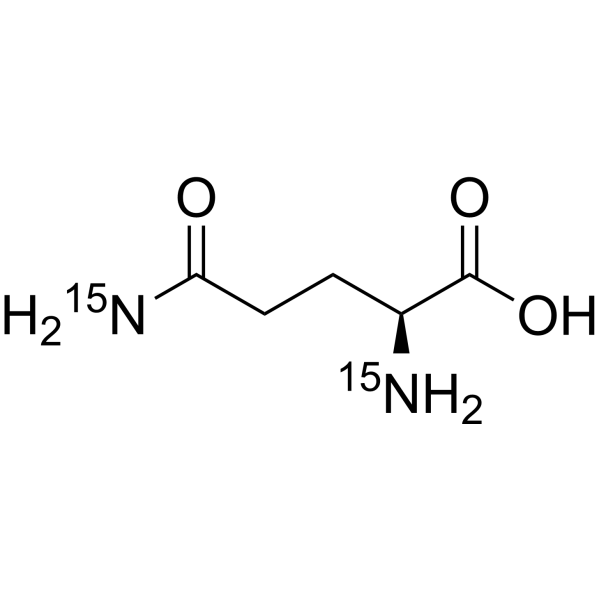
Synonyms: L-Glutamic acid 5-amide-15N2
L-Glutamine- 15N2 is the 15N-labeled L-Glutamine (HY-N0390). L-Glutamine is an orally active nutritional agent and cellular metabolism regulator. L-Glutamine is taken up in a Na +-dependent manner and targets multiple key molecules including glutaminase, mTORC1, NF-κB, STAT-3 and HIF-1α. L-Glutamine enhances glutaminolytic catabolism, drives the conversion of glutamate to α-ketoglutarate, thereby regulating gene expression, integrating metabolic signals, mediating glutamine flux and maintaining redox homeostasis. L-Glutamine also promotes cell proliferation, osteogenic differentiation and fracture healing, exerts neuroprotective and cardioprotective effects, and inhibits osteoarthritis. L-Glutamine can be applied to research related to osteoporosis, osteoarthritis, ischemic stroke and acute cantharidin-induced cardiotoxicity .
loading...
    loading...
1
1 Cited Publications
Cat. No.: HY-N0559
CAS No.: 52659-56-0
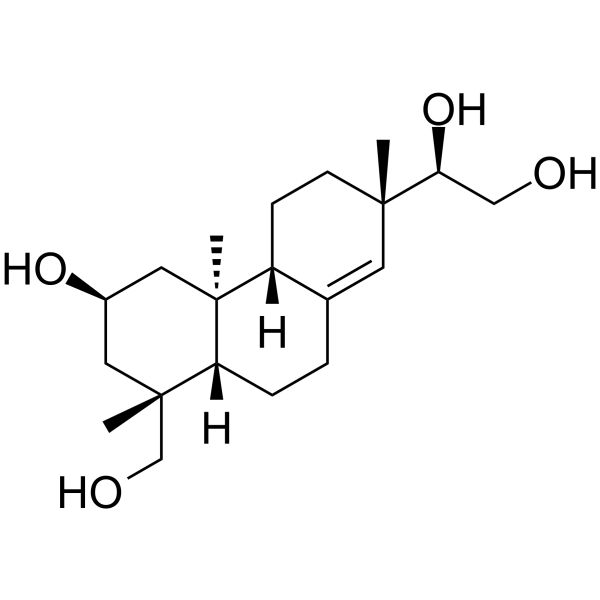
Kirenol is a diterpenoid compound, an orally active apoptosis inducer and signaling pathway regulator, with a Kd value of 5.47 μM against the target CK2. Kirenol promotes the cleavage of Bid into tBid, regulates the protein levels/phosphorylation of Bax, Bcl-2, p53 and p21, and induces caspase-independent apoptosis, S-phase cell cycle arrest, ROS accumulation and cytotoxicity in cancer cells. Kirenol activates the CK2/AKT and AMPK-mTOR-ULK1 pathways, inhibits the signaling of NF-κB, TGF-β/Smads and NLRP3 inflammasome, and regulates the GSK3β, BMP and Wnt/β-catenin pathways. Kirenol induces autophagy, mitophagy and osteoblast differentiation, promotes mitochondrial fusion, and exerts antioxidant, anti-inflammatory, antifibrotic, renoprotective, cardioprotective, neuroprotective and analgesic effects. Kirenol is applicable to research related to chronic myeloid leukemia, ischemic stroke, diabetic nephropathy, heart failure, acute lung injury and osteoporosis .
loading...
    loading...
1
1 Cited Publications
Cat. No.: HY-N0390S2
CAS No.: 14341-78-7
Synonyms: L-Glutamic acid 5-amide-d5
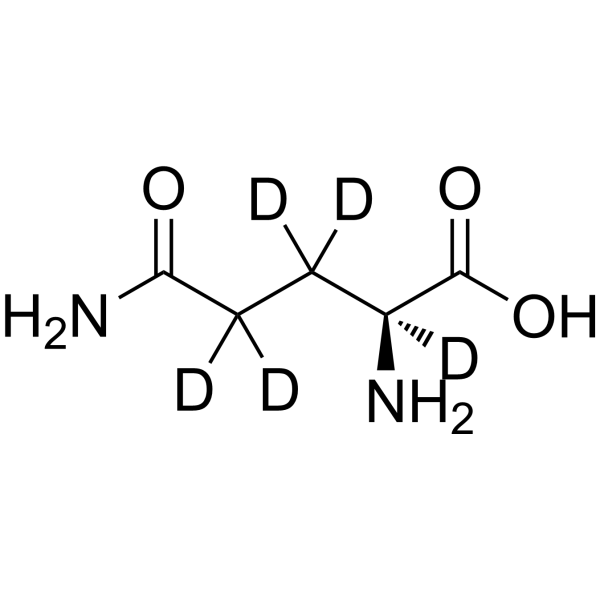
L-Glutamine-d5 is the deuterium labeled L-Glutamine (HY-N0390). L-Glutamine is an orally active nutritional agent and cellular metabolism regulator. L-Glutamine is taken up in a Na +-dependent manner and targets multiple key molecules including glutaminase, mTORC1, NF-κB, STAT-3 and HIF-1α. L-Glutamine enhances glutaminolytic catabolism, drives the conversion of glutamate to α-ketoglutarate, thereby regulating gene expression, integrating metabolic signals, mediating glutamine flux and maintaining redox homeostasis. L-Glutamine also promotes cell proliferation, osteogenic differentiation and fracture healing, exerts neuroprotective and cardioprotective effects, and inhibits osteoarthritis. L-Glutamine can be applied to research related to osteoporosis, osteoarthritis, ischemic stroke and acute cantharidin-induced cardiotoxicity .
loading...
    loading...
1
1 Cited Publications
Cat. No.: HY-115460
CAS No.: 634913-39-6
Purity:  98.00%
Target:  

Aquaporin

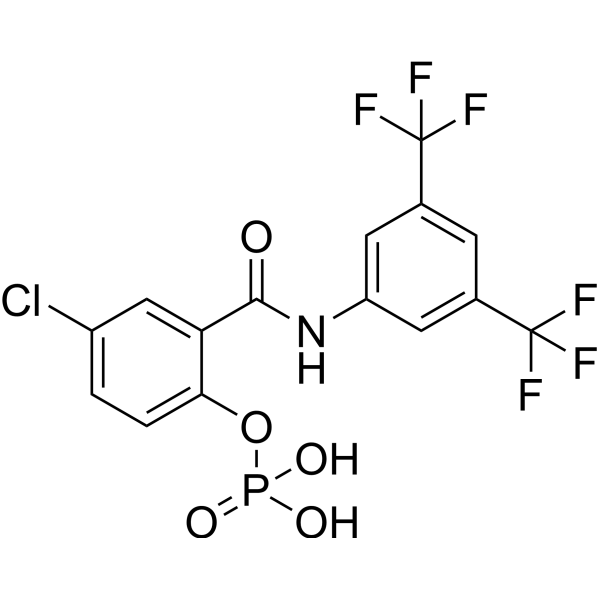
AER-271, a phosphonate proagent derivative of AER-270, is an aquaporin-4 (AQP4) inhibitor for the research of acute ischemic stroke .
loading...
    loading...
1
1 Cited Publications
Cat. No.: HY-120380
CAS No.: 133314-07-5
Purity:  99.8%
Target:  

MOFs PARP

Research Areas:  

Neurological Disease

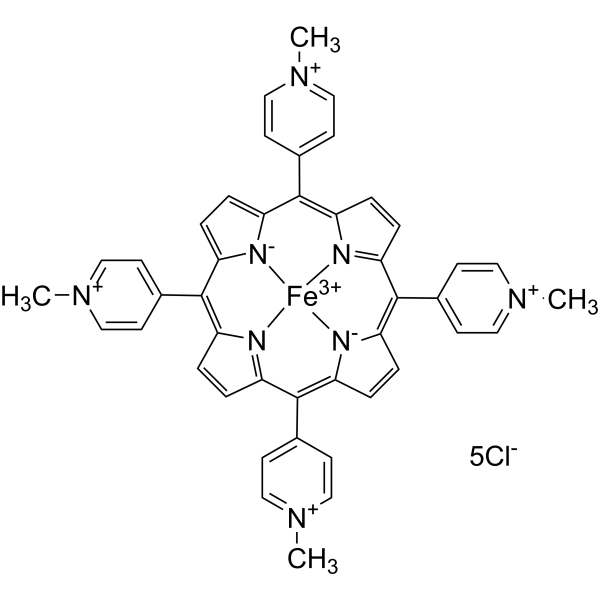
FeTMPyP is an orally active poly (ADP-ribose) polymerase (PARP) inhibitor. FeTMPyP inhibits cell death, nitrotyrosine formation, and depolarization of mitochondrial transmembrane potential. FeTMPyP reduces homocysteine-induced nitrosative stress and partially restores TFEB protein and mRNA levels. FeTMPyP improves functional and behavioral deficits caused by chronic constriction injury in rats. FeTMPyP alleviates acute cerebral infarction in a rat model of middle cerebral artery occlusion with mild hyperglycemia. FeTMPyP can be used in studies related to neuropathic pain, renal aging, ischemic penumbra, and hyperglycemic stroke .
loading...
    loading...
1
1 Cited Publications
Cat. No.: HY-126562
CAS No.: 5950-12-9
Purity:  99.31%
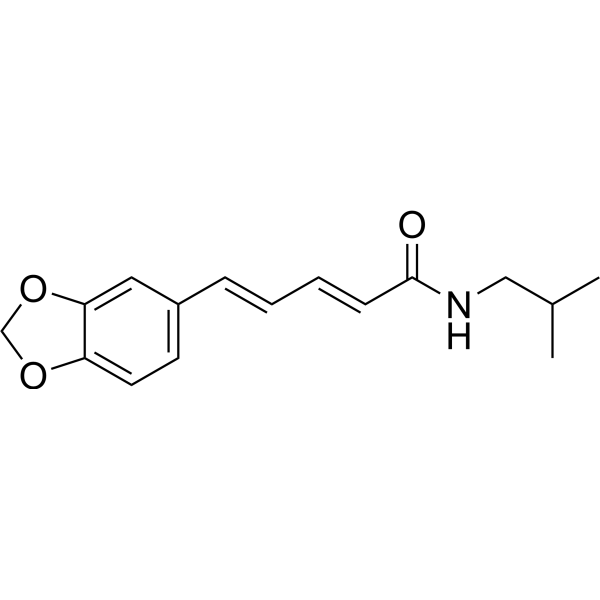
Piperlonguminine is a cytochrome P450 (CYP450) inhibitor. Piperlonguminine also inhibits the growth of epimastigotes and intracellular amastigotes of Trypanosoma cruzi, with IC50 values of 53.8 and 33.9 μM, respectively . Piperlonguminine regulates HMGB1/TLR4-NF-κB/MAPK-related inflammatory responses, endothelial protein C receptor (EPCR) shedding, melanogenesis, glycolipid metabolism, ischemic brain injury and tumor growth. Piperlonguminine can be used in research on hyperlipidemia, sepsis, Chagas disease, ischemic stroke, sarcoma and severe acute pancreatitis-associated lung injury .
loading...
    loading...
1
1 Cited Publications
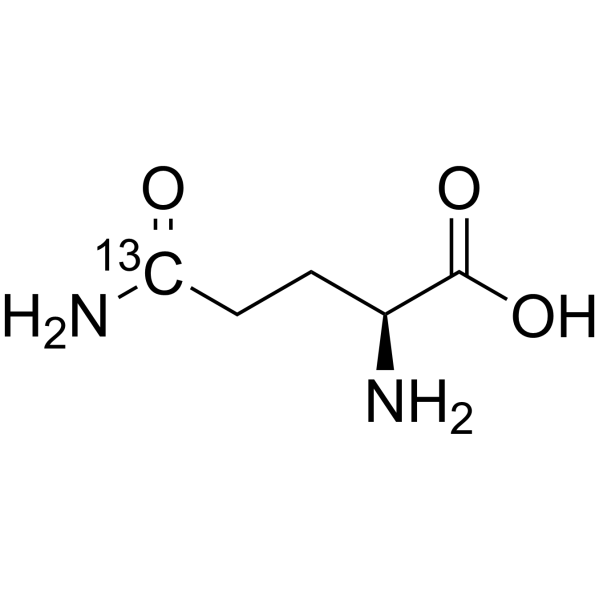
Cat. No.: HY-N0390S5
CAS No.: 159663-16-8
Synonyms: L-Glutamic acid 5-amide-1-13C
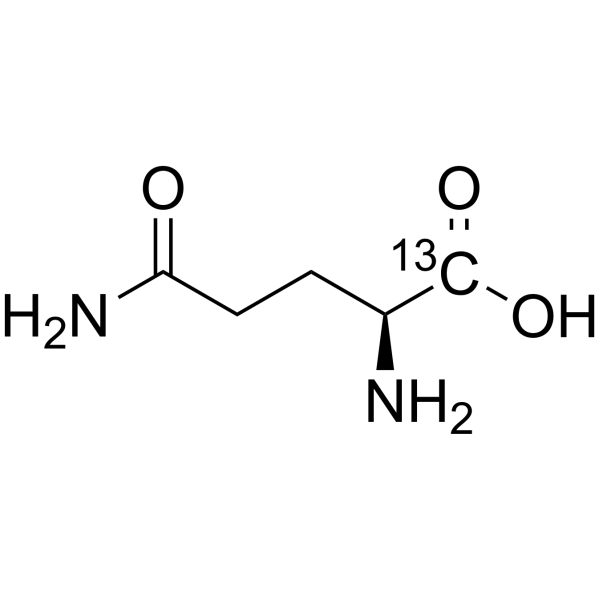
L-Glutamine-1- 13C is the 13C-labeled L-Glutamine (HY-N0390). L-Glutamine is an orally active nutritional agent and cellular metabolism regulator. L-Glutamine is taken up in a Na +-dependent manner and targets multiple key molecules including glutaminase, mTORC1, NF-κB, STAT-3 and HIF-1α. L-Glutamine enhances glutaminolytic catabolism, drives the conversion of glutamate to α-ketoglutarate, thereby regulating gene expression, integrating metabolic signals, mediating glutamine flux and maintaining redox homeostasis. L-Glutamine also promotes cell proliferation, osteogenic differentiation and fracture healing, exerts neuroprotective and cardioprotective effects, and inhibits osteoarthritis. L-Glutamine can be applied to research related to osteoporosis, osteoarthritis, ischemic stroke and acute cantharidin-induced cardiotoxicity .
loading...
    loading...
Cat. No.: HY-108865
CAS No.: 105857-23-6
Synonyms: Actilyse; Activase
Target:  

Ser/Thr Protease

Research Areas:  

Cardiovascular Disease Cancer

Alteplase (Actilyse; Activase), a tissue plasminogen activator prepared by recombination, is a thrombolytic agent that play important roles in acute ischemic stroke, pulmonary embolism, acute myocardial infarction, and occluded catheters .
The product size below only indicate the effective content of Alteplase. The ratio of Alteplase effective content : total content = 1:46-1:50. The actual ratio depends on the batch.)
loading...
    loading...
Cat. No.: HY-N0390S6
CAS No.: 285978-14-5
Synonyms: L-Glutamic acid 5-amide-13C5,15N2
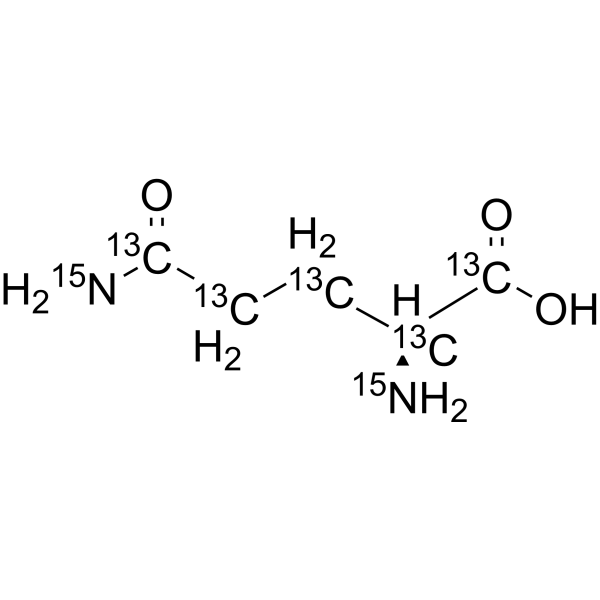
L-Glutamine- 13C5, 15N2 is the 13C- and 15N-labeled L-Glutamine (HY-N0390). L-Glutamine is an orally active nutritional agent and cellular metabolism regulator. L-Glutamine is taken up in a Na +-dependent manner and targets multiple key molecules including glutaminase, mTORC1, NF-κB, STAT-3 and HIF-1α. L-Glutamine enhances glutaminolytic catabolism, drives the conversion of glutamate to α-ketoglutarate, thereby regulating gene expression, integrating metabolic signals, mediating glutamine flux and maintaining redox homeostasis. L-Glutamine also promotes cell proliferation, osteogenic differentiation and fracture healing, exerts neuroprotective and cardioprotective effects, and inhibits osteoarthritis. L-Glutamine can be applied to research related to osteoporosis, osteoarthritis, ischemic stroke and acute cantharidin-induced cardiotoxicity .
loading...
    loading...
Cat. No.: HY-162596
CAS No.: 1973494-16-4
Synonyms: BA-1049 free base
Target:  

ROCK

Research Areas:  

Neurological Disease

NRL-1049 (BA-1049 (free base)) is an orally available and selective ROCK2 inhibitor with IC50 values of 0.59 µM for ROCK2 and 26 µM for ROCK1, respectively. NRL-1049 modulates ROCK signaling, preserves blood-brain barrier integrity, reduces edema, seizures and hemorrhage, and alleviates cerebral cavernous malformation lesion burden. NRL-1049 can be used for the study of acute brain injury, ischemic stroke, and cerebral cavernous malformations .
loading...
    loading...
Cat. No.: HY-N0390R
CAS No.: 56-85-9
Synonyms: L-Glutamic acid 5-amide (Standard)
L-Glutamine (Standard) is the analytical standard of L-Glutamine (HY-N0390). This product is intended for research and analytical applications. L-Glutamine is an orally active nutritional agent and cellular metabolism regulator. L-Glutamine is taken up in a Na +-dependent manner and targets multiple key molecules including glutaminase, mTORC1, NF-κB, STAT-3 and HIF-1α. L-Glutamine enhances glutaminolytic catabolism, drives the conversion of glutamate to α-ketoglutarate, thereby regulating gene expression, integrating metabolic signals, mediating glutamine flux and maintaining redox homeostasis. L-Glutamine also promotes cell proliferation, osteogenic differentiation and fracture healing, exerts neuroprotective and cardioprotective effects, and inhibits osteoarthritis. L-Glutamine can be applied to research related to osteoporosis, osteoarthritis, ischemic stroke and acute cantharidin-induced cardiotoxicity .
loading...
    loading...
Cat. No.: HY-108845
CAS No.: 191588-94-0
Synonyms: TNK-tPA
Tenecteplase (TNK-tPA) is a modified tissue plasminogen activator. Tenecteplase is a recombinant human tissue plasminogen activator (rt-PA) that has been bioengineered to produce mutations in three gene loci. Tenecteplase (TNK-tPA) can be used in the study of acute ischemic stroke .
loading...
    loading...
Cat. No.: HY-107700
CAS No.: 153436-38-5
Purity:  99.38%
Synonyms: GV 150526A
Target:  

iGluR

Research Areas:  

Cardiovascular Disease

Gavestinel (GV 150526A) is a potent, selective, orally active and non-competitive antagonist of NMDA receptor. Gavestinel binds to the glycine site of the NMDA receptor, with a pKi of 8.5. Gavestinel can be used for the research of acute ischemic stroke .
loading...
    loading...
Cat. No.: HY-N0390S4
CAS No.: 159680-32-7
Synonyms: L-Glutamic acid 5-amide-5-13C
L-Glutamine-5- 13C is the 13C-labeled L-Glutamine (HY-N0390). L-Glutamine is an orally active nutritional agent and cellular metabolism regulator. L-Glutamine is taken up in a Na +-dependent manner and targets multiple key molecules including glutaminase, mTORC1, NF-κB, STAT-3 and HIF-1α. L-Glutamine enhances glutaminolytic catabolism, drives the conversion of glutamate to α-ketoglutarate, thereby regulating gene expression, integrating metabolic signals, mediating glutamine flux and maintaining redox homeostasis. L-Glutamine also promotes cell proliferation, osteogenic differentiation and fracture healing, exerts neuroprotective and cardioprotective effects, and inhibits osteoarthritis. L-Glutamine can be applied to research related to osteoporosis, osteoarthritis, ischemic stroke and acute cantharidin-induced cardiotoxicity .
loading...
    loading...
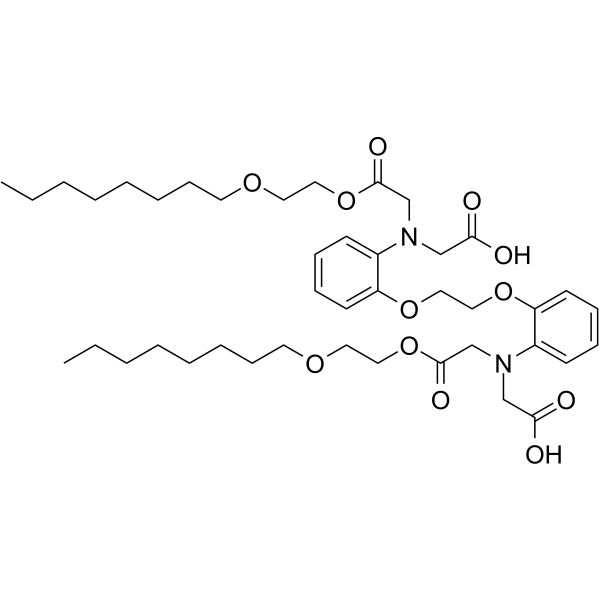
Cat. No.: HY-121872
CAS No.: 222315-88-0
Purity:  ≥95.0%
Research Areas:  

Neurological Disease

DP-b99 is a blood-brain barrier-permeable inhibitor of CYP2C9 and MMP-9, with a Ki value of 4.655 μM against CYP2C9. DP-b99 inhibits CYP2C9 via apparent non-competitive inhibition, mainly chelates pathological Zn 2+ in the membrane environment, attenuates the elevation of intracellular Zn 2+ and Ca 2+ levels, delays seizure onset and reduces seizure severity, and also prevents MMP-9-dependent dendritic spine remodeling, β-dystroglycan cleavage and gelatinase activity. DP-b99 can be used in the research of acute ischemic stroke, epileptogenesis and stroke .
loading...
    loading...
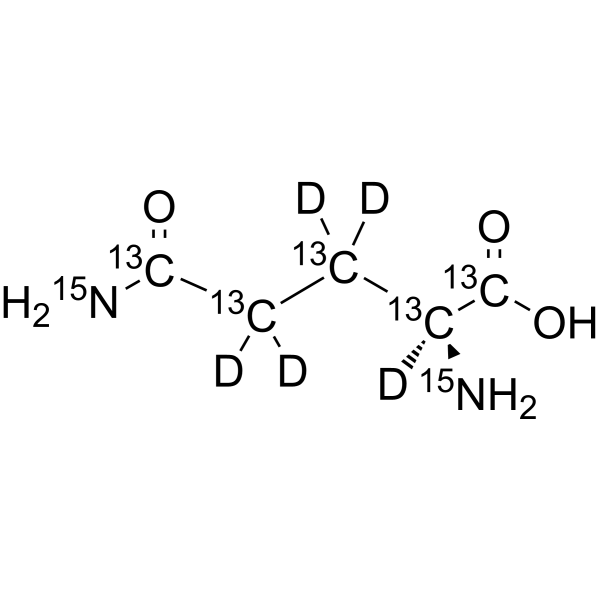
Cat. No.: HY-N0390S3
CAS No.: 2123439-02-9
Synonyms: L-Glutamic acid 5-amide-13C5,15N2,d5
L-Glutamine- 13C5, 15N2,d5 is the deuterium, 13C-, and 15N-labeled L-Glutamine (HY-N0390). L-Glutamine is an orally active nutritional agent and cellular metabolism regulator. L-Glutamine is taken up in a Na +-dependent manner and targets multiple key molecules including glutaminase, mTORC1, NF-κB, STAT-3 and HIF-1α. L-Glutamine enhances glutaminolytic catabolism, drives the conversion of glutamate to α-ketoglutarate, thereby regulating gene expression, integrating metabolic signals, mediating glutamine flux and maintaining redox homeostasis. L-Glutamine also promotes cell proliferation, osteogenic differentiation and fracture healing, exerts neuroprotective and cardioprotective effects, and inhibits osteoarthritis. L-Glutamine can be applied to research related to osteoporosis, osteoarthritis, ischemic stroke and acute cantharidin-induced cardiotoxicity .
loading...
    loading...

