1. Search Result
Search Result
Results for "

antimicrobial properties

" in MedChemExpress (MCE) Product Catalog:

99

Inhibitors & Agonists

2

Screening Libraries

16

Biochemical Assay Reagents

25

Peptides

36

Natural
Products

3

Isotope-Labeled Compounds

5

Oligonucleotides

Cat. No. Product Name Target Research Areas Chemical Structure
  • HY-W250308

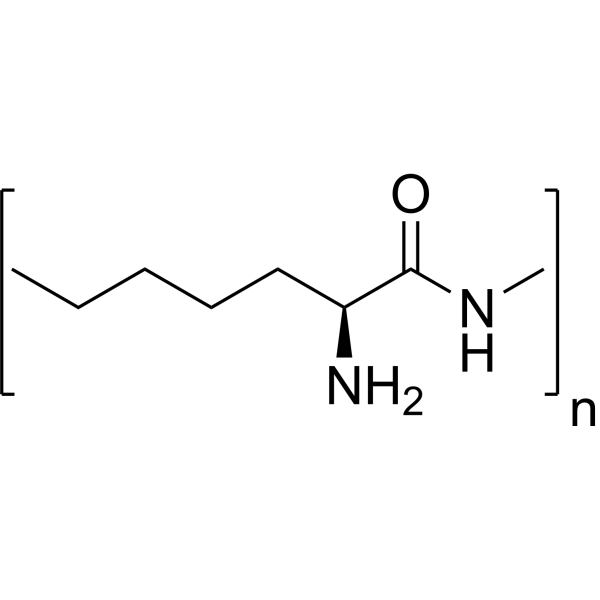
    Epsilon-polylysine (MW 3800-4200); ε-Polylysine (MW 3800-4200); ε-PL (MW 3800-4200)

    Bacterial Others
    Epsilon-polylysine is an antimicrobial peptide that can be produced by bacteria such as Streptomyces. Epsilon-polylysine inhibits the growth of microorganisms such as bacteria, yeasts and molds and is therefore often used as a green food additive and preservative in various food and beverage products. Epsilon-polylysine has a variety of properties, including thermal stability, resistance to acidic conditions, and broad-spectrum antimicrobial activity. Epsilon-polylysine can be loaded on other materials to form nanoparticles or form nanofiber membranes for targeted delivery to exert sustained antibacterial efficacy. Epsilon-polylysine is also used as a liposome stabilizer .
    ε-Poly-L-lysine (MW 3800-4200)
  • HY-N0575
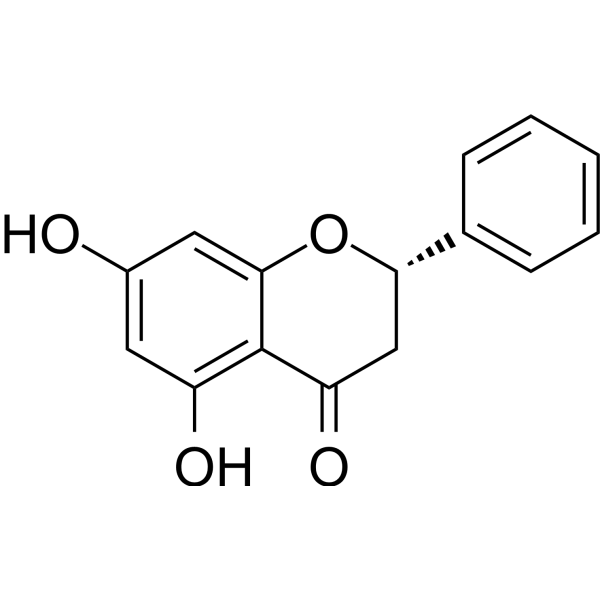
    Pinocembrin
    Maximum Cited Publications
    12 Publications Verification

    (+)-Pinocoembrin; Dihydrochrysin; Galangin flavanone

    Bacterial Reactive Oxygen Species (ROS) Autophagy Infection Inflammation/Immunology Cancer
    Pinocembrin ((+)-Pinocoembrin) is a flavonoid found in propolis, acts as a competitive inhibitor of histidine decarboxylase, and is an effective anti-allergic agent, with antioxidant, antimicrobial and anti-inflammatory properties .
    Pinocembrin
  • HY-121295

    Bacterial Infection
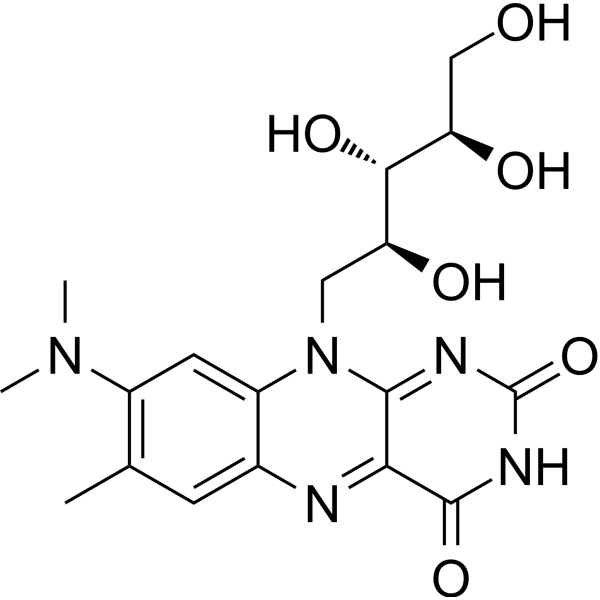
    Roseoflavin, a natural pigment originally isolated from Streptomyces davawensis, is an antimetabolite analog of Riboflavin and flavin mononucleotide that has antimicrobial properties .
    Roseoflavin
  • HY-P1940

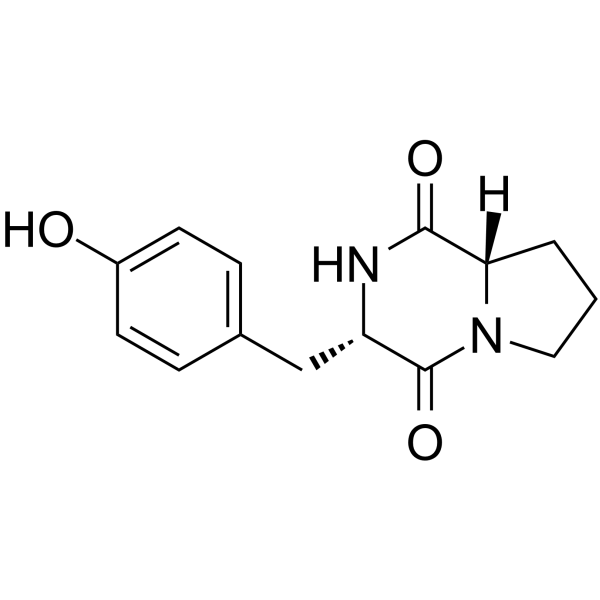
    Cyclo(Tyr-Pro)

    Endogenous Metabolite Bacterial Fungal Infection Cancer
    Maculosin (Cyclo (Tyr-Pro)) is a host-specific phytotoxin for spotted knapweed from Alternaria alternata. Maculosin is a quorum-sensing molecule involved in cell-cell communication. Maculosin also acts as a signaling molecule regulating virulence gene expression. Maculosin shows antimicrobial, antifungal, antioxidant and anti-cancer properties .Maculosin (Cyclo (Tyr-Pro)) is a host-specific phytotoxin for spotted knapweed from Alternaria alternata. Maculosin is a quorum-sensing molecule involved in cell-cell communication. Maculosin also acts as a signaling molecule regulating virulence gene expression. Maculosin shows antimicrobial, antifungal, antioxidant and anti-cancer properties .
    Maculosin
  • HY-B0903

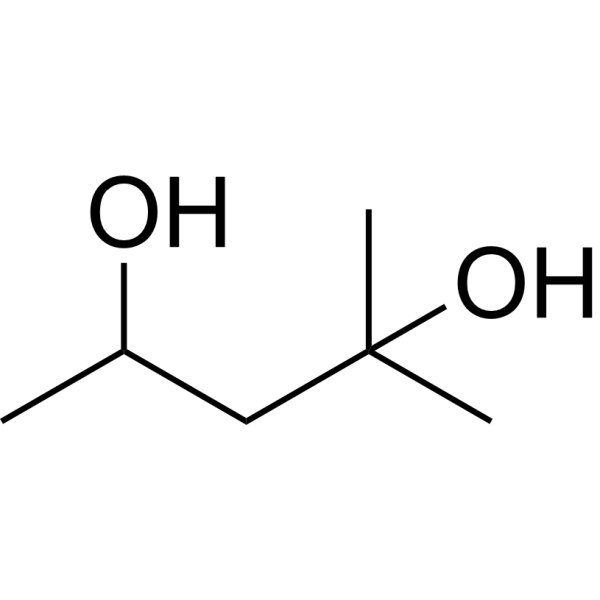
    2-Methyl-2,4-pentanediol; MPD

    Environmental Pollutants Biochemical Assay Reagents Infection
    Hexylene glycol is a low molecular weight surfactant with antimicrobial properties. Hexylene glycol is widely used in industrial chemicals and cosmetics .
    Hexylene glycol
  • HY-B1064
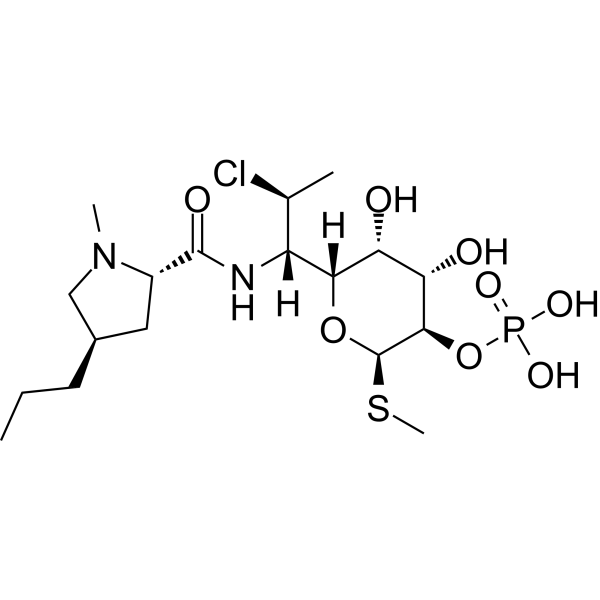
    Clindamycin phosphate
    4 Publications Verification

    Clindamycin 2-phosphate; U-28508

    Bacterial Antibiotic Parasite Infection Cancer
    Clindamycin phosphate (Clindamycin 2-phosphate) is a broad-spectrum bacteriostatic lincosamide antibiotic. Clindamycin phosphate is the proagent of Clindamycin (HY-B1455) with no antimicrobial activity in vitro but can be rapidly converted in vivo to the active parent agent, Clindamycin, by phosphatase ester hydrolysis. Clindamycin phosphate can be used for researching acne and bacterial vaginosis . Clindamycin phosphate has no cytotoxicity. Combined with platelet rich fibrin (PRF), PRF-Clindamycin phosphate enhances antimicrobial properties .
    Clindamycin phosphate
  • HY-N2011
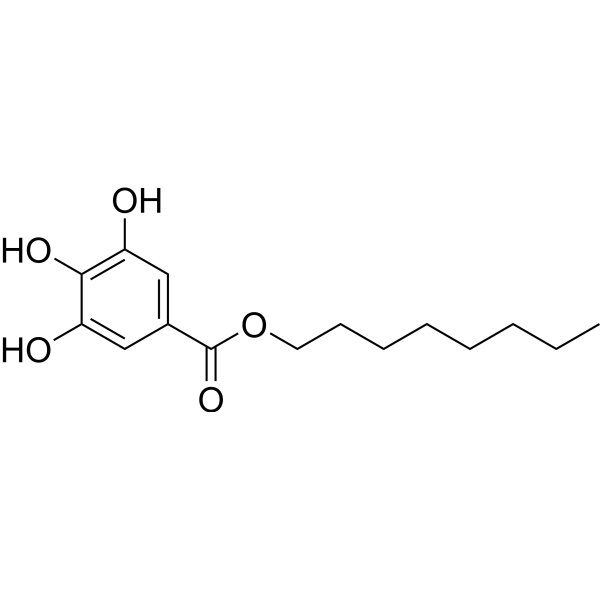
    Octyl gallate
    3 Publications Verification

    n-Octyl gallate; Stabilizer GA 8

    VSV Bacterial HSV Influenza Virus Reactive Oxygen Species (ROS) Infection
    Octyl gallate (Progallin O) is widely used as a food additive, with antimicrobial and antioxidant activity . Octyl gallate (Progallin O) shows selective and sensitive fluorescent property . Octyl gallate shows a marked antiviral effect against HSV-1, vesicular stomatitis virus (VSV) and poliovirus .
    Octyl gallate
  • HY-N7059

    Bacterial Reactive Oxygen Species (ROS) Infection
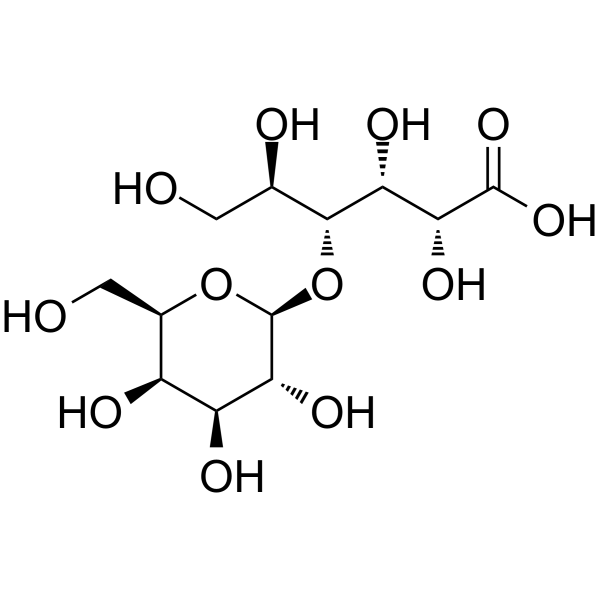
    Lactobionic acid is a bionic acid that can be naturally found in the Caspian Sea yogurt and chemically constituted of a gluconic acid bonded to a galactose. Lactobionic acid has antioxidant, antimicrobial, chelating, stabilizer, acidulant, and moisturizing properties. Lactobionic acid can be obtained by electrolytic methods, microbial fermentation or biocatalytic approaches. Lactobionic acid can be used in foodstuffs, to produce new functional products and against food-borne pathogens. Lactobionic acid inhibits DNA repair and protein synthesis, induction of oxidative stress and inhibition of metabolic pathways against MRSA .
    Lactobionic acid
  • HY-W010639

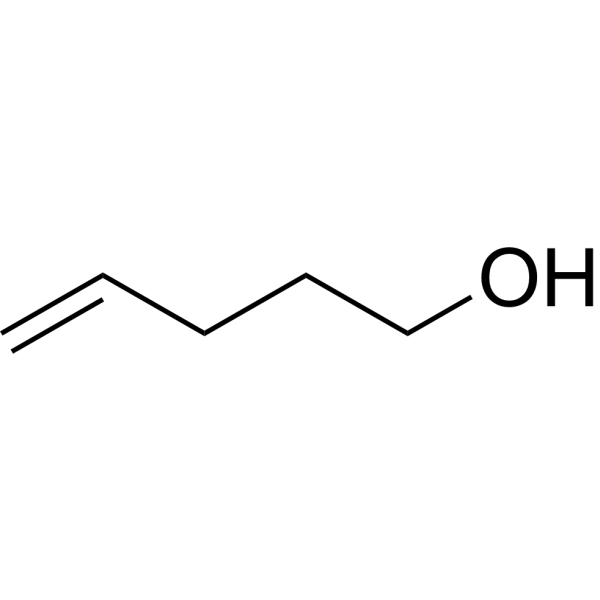
    Pent-4-en-1-ol

    Biochemical Assay Reagents Others
    4-Penten-1-ol is commonly used as a flavor ingredient in various products, including food, beverages, and perfumes, and can also be used as a starting material for the synthesis of various organic compounds, including pharmaceuticals and agrochemicals. In addition, 4-Penten -1-ol has been investigated for its potential use as a biobased solvent due to its low toxicity and biodegradability, and its antimicrobial properties against certain bacteria and fungi, which may make it useful for developing new Antibacterial agents.
    4-Penten-1-ol
  • HY-N2736
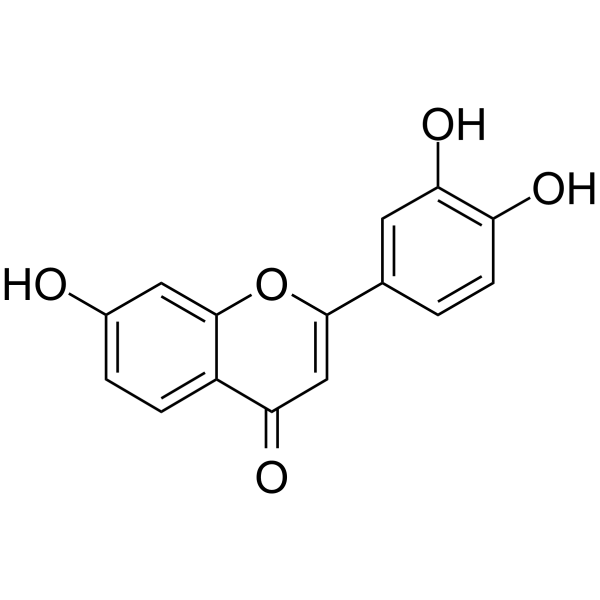
    3′,4′,7-Trihydroxyflavone
    1 Publications Verification

    Beta-lactamase COX Interleukin Related Bacterial JNK ERK p38 MAPK STAT Apoptosis NO Synthase Nuclear Factor of activated T Cells (NFAT) Lactate Dehydrogenase Reactive Oxygen Species (ROS) SOD Akt Caspase Bcl-2 Family Infection Neurological Disease Inflammation/Immunology
    3′,4′,7-Trihydroxyflavone is an orally active inhibitor of OXA-48 (IC50 = 1.89 μM) and COX-1 (IC50 = 36.37 μM). 3′,4′,7-Trihydroxyflavone exhibits antioxidant and anti-inflammatory properties, inhibiting the release of inflammatory cytokines such as IL-6, IL-8, and TNF-α. 3′,4′,7-Trihydroxyflavone inhibits H2O2-induced neuronal apoptosis and ROS accumulation, and exerts anti-neuroinflammatory effects by suppressing the JNK-STAT1 pathway. 3′,4′,7-Trihydroxyflavone exhibits antimicrobial and antibiotic-modifying activities against multidrug-resistant Gram-negative enteric bacteria. 3′,4′,7-Trihydroxyflavone inhibits RANKL-induced osteoclast formation via NFATc1. 3′,4′,7-Trihydroxyflavone activates the CREB-BDNF axis and restores scopolamine (HY-N0296)-induced memory deficits in mice .
    3′,4′,7-Trihydroxyflavone
  • HY-W012531
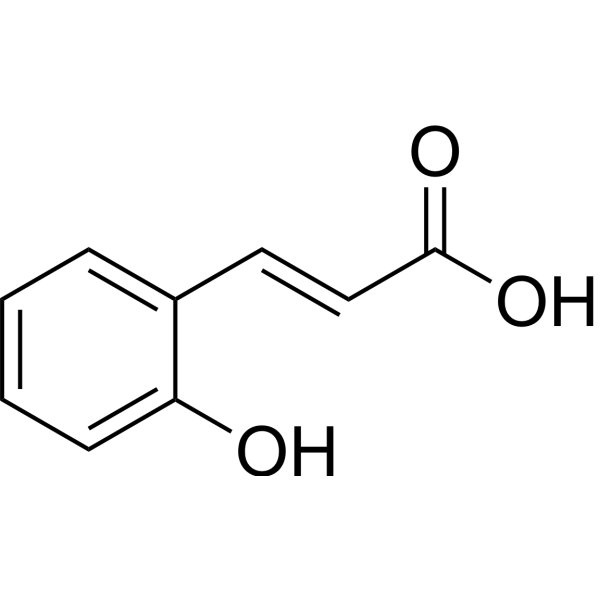
    2-Hydroxycinnamic acid
    1 Publications Verification

    HIV SARS-CoV Endogenous Metabolite Bacterial Infection Neurological Disease Inflammation/Immunology Cancer
    2-Hydroxycinnamic acid is a phenolic acid with antimicrobial and antioxidant properties. 2-Hydroxycinnamic acid has antimicrobial activity against Staphylococcus aureus and is not susceptible to drug resistance. 2-Hydroxycinnamic acid shows inhibitory effects on infection of HIV/SARS-CoV S pseudovirus with an IC50 of 0.3 mM. In addition, 2-Hydroxycinnamic acid has neuroprotective and antitumor activity .
    2-Hydroxycinnamic acid
  • HY-N2078

    Neodiosgenin

    LXR Reactive Oxygen Species (ROS) Apoptosis Fatty Acid Synthase (FASN) Metabolic Disease
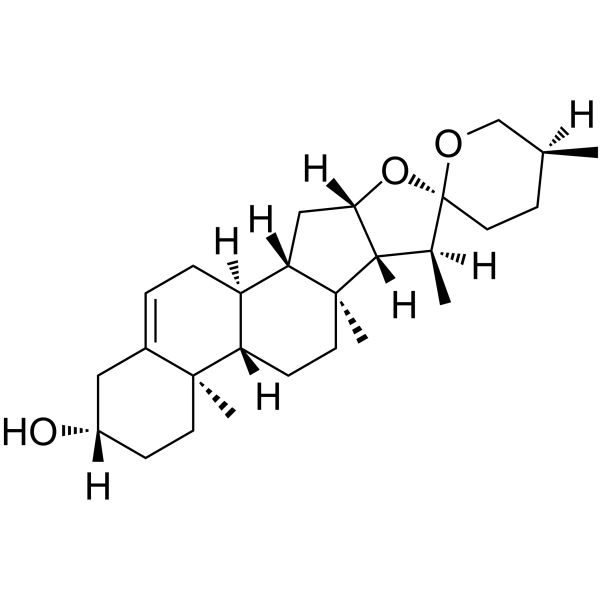
    Yamogenin (Neodiosgenin) is a diastereomer of diosgenin. Yamogenin antagonizes the activation of the liver X receptor (LXR) in luciferase ligand assay. Yamogenin inhibits triacylglyceride (TG) accumulation through the suppression of gene expression of fatty acid synthesis in HepG2 hepatocytes. Yamogenin is a steroidal saponin that can be obtained from plant species with in vitro cytotoxicity, antioxidant, and antimicrobial properties. Yamogenin induces cell death via the extrinsic and intrinsic way of apoptosis. Yamogenin inhibits protein denaturation with an IC50 of 1421.92 μg/mL. Yamogenin can be studied in research on gastric cancer .
    Yamogenin
  • HY-W099594

    Benzyldimethyldodecylammonium bromide

    Environmental Pollutants Biochemical Assay Reagents Others
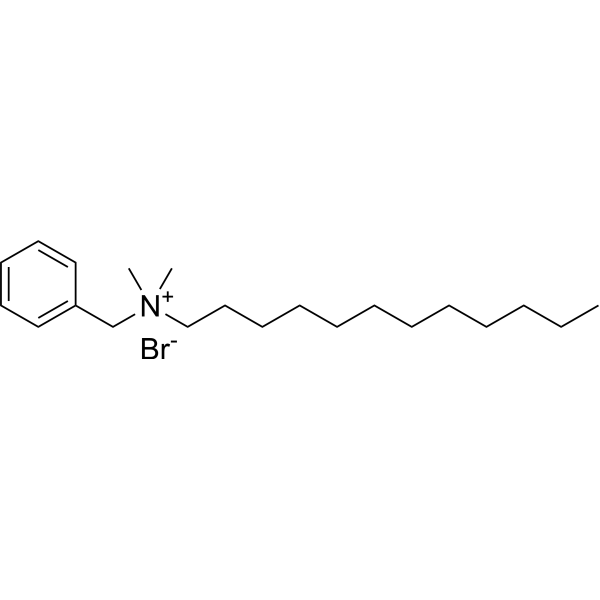
    N-Benzyl-N, N-dimethyldodecan-1-aminium bromide, also known as Benzalkonium Chloride (BAC), is a quaternary ammonium compound widely used as an antimicrobial and surfactant in various industries. BAC is commonly used as a disinfectant and antiseptic in a variety of products including hand sanitizers, disinfectant wipes and eye drops. Its ability to kill bacteria, viruses and fungi makes it an effective tool in preventing the spread of infection. BAC is also used as a preservative and disinfectant in the food industry. It is added to food packaging and processing equipment to prevent the growth of microorganisms and increase the shelf life of foods. Additionally, BACs are found in many household products such as cleaning solutions, fabric softeners and personal care products. Its surfactant properties allow it to be used to reduce surface tension and increase the effectiveness of cleaning agents. Although BAC has many uses, ingestion or exposure to high concentrations of BAC can cause skin irritation and other adverse effects.
    Benzalkonium bromide
  • HY-N3544

    (-)-Caryophyllene oxide

    Environmental Pollutants Apoptosis Bacterial Fungal Parasite Infection Neurological Disease Inflammation/Immunology Cancer
    Caryophyllene oxide ((-)-Caryophyllene oxide) is a bicyclic sesquiterpene with anticancer effects. Caryophyllene oxide induces apoptosis of PC-3 cells. Caryophyllene oxide shows analgesic and anti-inflammatory activities. Caryophyllene oxide has insecticidal, antioxidant, antimicrobial, antifungal, and antiparasitic properties .
    Caryophyllene oxide
  • HY-P2460

    Bacterial Fungal Interleukin Related TNF Receptor Infection Inflammation/Immunology
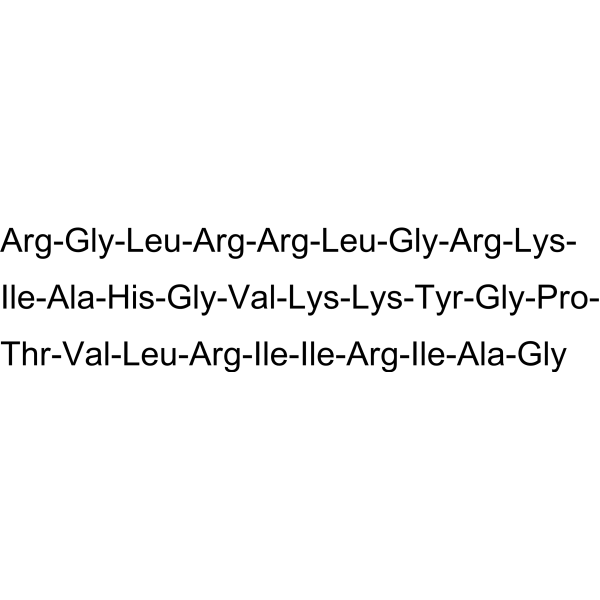
    SMAP‑29 is a cathelicidin antimicrobial peptide with LPS‑binding and anti‑inflammatory properties. SMAP‑29 exerts broad‑spectrum antimicrobial activity against bacteria, fungi and multidrug‑resistant isolates. SMAP‑29 kills pathogens by permeabilizing bacterial membranes, inducing depolarization and cell lysis, and also inhibits inflammatory cytokines while reducing lethality in septic shock and pneumonia models. SMAP-29 can be used for research on bacterial infections, drug-resistant infections, septic shock .
    SMAP-29
  • HY-127032

    Polidronium chloride

    Biochemical Assay Reagents Infection
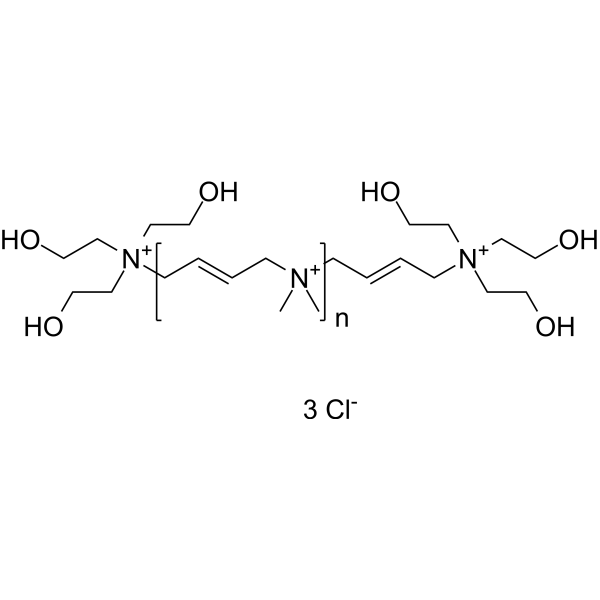
    Polyquaternium-1 (Polidronium chloride; PQ-1) is an antimicrobial preservative and an activator of NF-κB. Polyquaternium-1 targets bacterial cell membranes, commonly used in ophthalmic surgery. Polyquaternium-1 adsorbs to the surface of microbial membranes through its polycationic properties, destroying membrane integrity and inducing potassium ion leakage, leading to bacterial death. Polyquaternium-1 exerts antimicrobial effects at a concentration of 0.001% and has low toxicity to mammalian cells. Polyquaternium-1 can be used to prepare products such as glaucoma eye drops (Travoprost preparations containing PQ-1), artificial tears, and contact lens solutions to reduce the ocular surface toxicity of traditional preservatives such as benzalkonium chloride (HY-B2232) .
    Polyquaternium-1
  • HY-150726
    ODN 1668
    1 Publications Verification

    Toll-like Receptor (TLR) Bacterial Infection Neurological Disease Inflammation/Immunology
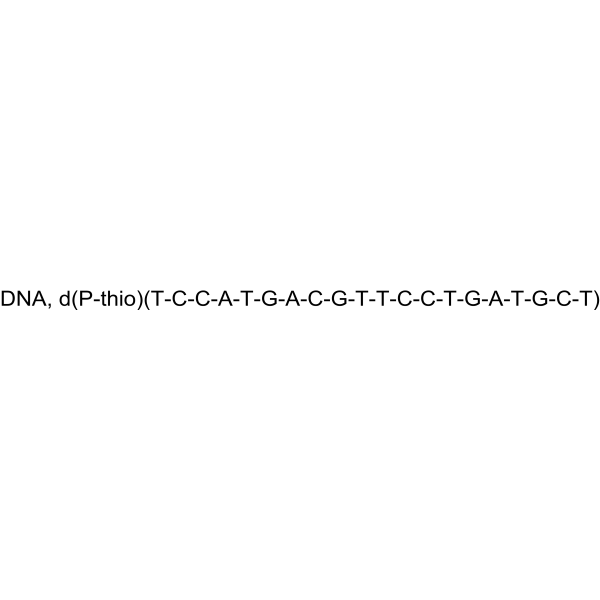
    ODN 1668, a class B CpG ODN (oligodeoxynucleotide), is a TLR-9 agonist. ODN 1668 has strong immune regulatory properties, can enhance the level of antibody IgG2 subtype, promote the immune response of T cells and B cells, and can be used in the study of vaccine adjuvants. In addition, CpG ODN 1668 induces an antimicrobial immune response via a CaTLR9 dependent pathway in groupers. Sequence: 5'-tccatgacgttcctgatgct-3’ .
    ODN 1668
  • HY-150726C
    ODN 1668 sodium
    1 Publications Verification

    Toll-like Receptor (TLR) Bacterial Infection Neurological Disease Inflammation/Immunology
    ODN 1668 sodium, a class B CpG ODN (oligodeoxynucleotide), is a TLR-9 agonist. ODN 1668 sodium has strong immune regulatory properties, can enhance the level of antibody IgG2 subtype, promote the immune response of T cells and B cells, and can be used in the study of vaccine adjuvants. In addition, CpG ODN 1668 sodium induces an antimicrobial immune response via a CaTLR9 dependent pathway in groupers. Sequence: 5'-tccatgacgttcctgatgct-3’ .
    ODN 1668 sodium
  • HY-P5601

    Bacterial Fungal Infection
    Thanatin is an inducible cationic antimicrobial peptide. Thanatin is a pathogen-inducible single-disulfide-bond-containing β-hairpin AMP. Thanatin displays broad-spectrum activity against both Gram-negative and Gram-positive bacteria as well as against various species of fungi with MICs of 0.3-40 µM, 0.6-40 µM and 0.6-20 µM, respectively. Thanatin has the property of competitive replacement of divalent cations from bacterial outer membrane (OM), leading to OM disruption .
    Thanatin
  • HY-P5601A

    Bacterial Fungal Infection
    Thanatin TFA is an inducible cationic antimicrobial peptide. Thanatin TFA s a pathogen-inducible single-disulfide-bond-containing β-hairpin AMP. Thanatin TFA displays broad-spectrum activity against both Gram-negative and Gram-positive bacteria as well as against various species of fungi with MICs of 0.3-40 µM, 0.6-40 µM and 0.6-20 µM, respectively. Thanatin TFA has the property of competitive replacement of divalent cations from bacterial outer membrane (OM), leading to OM disruption .
    Thanatin TFA
  • HY-165613

    Dipalmitoyl-S-glyceryl-cysteine; S-[2,3-Bis(palmitoyloxy)propyl]cysteine

    Toll-like Receptor (TLR) Influenza Virus NF-κB Infection Inflammation/Immunology
    Pam2Cys (Dipalmitoyl-S-glyceryl-cysteine; S-[2,3-Bis(palmitoyloxy)propyl]cysteine) is a TLR2 agonist and immunostimulant. Pam2Cys binds to TLR2 to activate dendritic cells and trigger the TLR2-dependent NF-κB signaling pathway. Pam2Cys also induces dendritic cell maturation by upregulating the expression of cell surface MHC II molecules. Pam2Cys activates innate immune signaling pathways, drives pro-inflammatory and antimicrobial responses, enhances the expression of macrophage activation markers, increases phagocytic activity, induces the release of IL-12 and pro-inflammatory cytokines, and polarizes macrophages into a pro-inflammatory, antimicrobial phenotype without interfering with IL-10-induced macrophage polarization. Pam2Cys also serves as the lipid moiety in synthetic lipopeptide vaccines and possesses self-adjuvant properties. Pam2Cys enhances the immunogenicity of conjugated peptide segments and induces cellular and humoral immune responses. However, it does not activate CD4 T cells in mouse splenocyte cultures when used alone. Pam2Cys activates pulmonary TLR2 signaling pathways, triggers innate immune responses, recruits neutrophils and macrophages, induces the secretion of various cytokines, alleviates symptoms and damages associated with influenza A virus infection in mice without impairing adaptive immunity. Pam2Cys can be used in studies related to tuberculosis and influenza A virus infection .
    Pam2Cys
  • HY-122381
    Kyotorphin
    1 Publications Verification

    Bacterial Endogenous Metabolite Neurological Disease
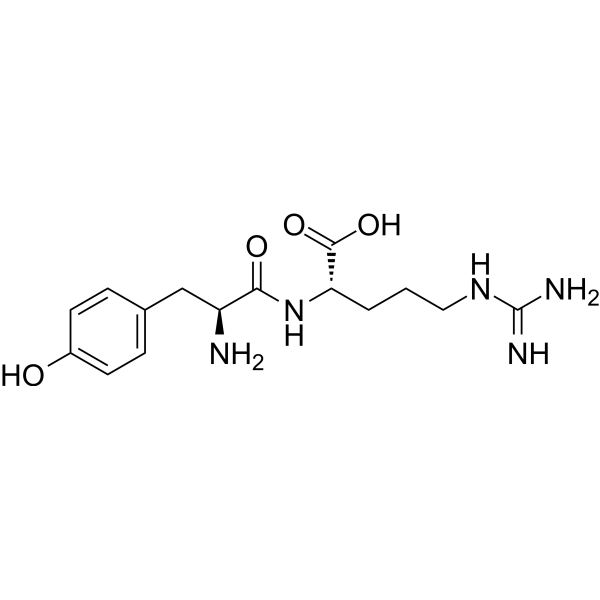
    Kyotorphin is an endogenou neuroactive dipeptide with analgesic properties. Kyotorphin possesses anti-inflammatory and antimicrobial activity. Kyotorphin levels in cerebro-spinal fluid correlate negatively with the progression of neurodegeneration in Alzheimer's Disease patients .
    Kyotorphin
  • HY-N3307
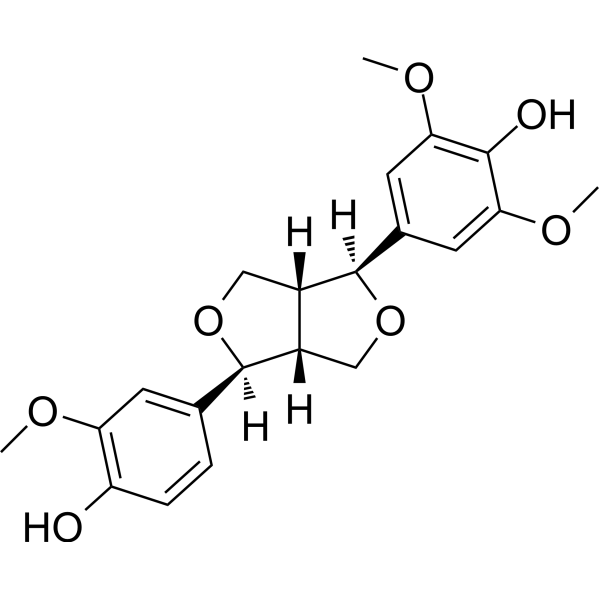
    (+)-Medioresinol
    1 Publications Verification

    Bacterial Fungal Reactive Oxygen Species (ROS) Apoptosis MMP Interleukin Related PI3K Akt mTOR PPAR PGC-1α Pyroptosis Infection Neurological Disease Inflammation/Immunology
    (+)-Medioresinol is a furofuran-type lignan with antifungal and antibacterial properties. (+)-Medioresinol synergizes with antibiotics to exert antimicrobial and antibiofilm effects. (+)-Medioresinol induces intracellular ROS accumulation and mitochondrial-mediated apoptosis in Candida albicans. (+)-Medioresinol inhibits LPS (HY-D1056)-stimulated IL-12p40 production. (+)-Medioresinol is a PGC-1α activator that protects against endothelial cell pyroptosis in ischemic stroke via the PPARα-GOT1 axis. (+)-Medioresinol can be used in research on fungal and bacterial infection, inflammation, and ischemic stroke .
    (+)-Medioresinol
  • HY-N10544

    (+)-δ-Cadinene

    Bacterial Parasite Fungal Apoptosis Infection Cancer
    δ-Cadinene ((+)-δ-Cadinene) is a sesquiterpene in essential oils. δ-Cadinene shows antiproliferative and pro-apoptotic effects on human ovary cancer (OVCAR-3) cells. δ-Cadinene has trichomonacidal, antimicrobial, antifungal and anticancer properties .
    δ-Cadinene
  • HY-N6067

    Bacterial Infection Cancer
    Primin is a natural product stored in trichomes on leaves and stems of Primula obconica, with antimicrobial and antitumour properties .
    Primin
  • HY-P3914

    Oct-CA(1-7)M(2-9)

    Bacterial Infection
    Cecropin A (1-7)-Melittin A (2-9) is an antimicrobial peptide with antimicrobial activity against a broad spectrum of Gram-positive and Gram-negative aerobic bacteria, as well as antimalarial activity, without the adverse hemolytic properties of bee venom peptides .
    Cecropin A (1-7)-Melittin A (2-9)
  • HY-P2523

    Bacterial Fungal Infection
    Temporin L is a potent antimicrobial peptide and is active against Gram-negative bacteria and yeast strains. Temporin L also has antiendotoxin properties .
    Temporin L
  • HY-P1632

    Bacterial Infection Cancer
    Tachyplesin I is a β-hairpin antimicrobial peptide that contains 17 amino acid residues. Tachyplesin I exhibits cytotoxic properties against various human tumor cell lines acting primarily by impairing the integrity of the outer cell membrane .
    Tachyplesin I
  • HY-N4005

    Bacterial Tyrosinase Infection Neurological Disease
    Isoastilbin is a dihydroflavonol glycoside compound in Rhizoma Smilacis glabrae and Astragalus membranaceus. Isoastilbin inhibits glucosyltransferase (GTase) with an IC50 value of 54.3 μg/mL, and also inhibits tyrosinase activity. Isoastilbin shows neuroprotective, antioxidation, antimicrobial and anti-apoptotic properties and has the potential for Alzheimer’s disease research .
    Isoastilbin
  • HY-W011087

    Environmental Pollutants Biochemical Assay Reagents Others
    Benzyldimethyltetradecylammonium chloride is a quaternary ammonium salt consisting of a positively charged N-benzyl-N,N-dimethyltetradecyl-1-amine cation and a negatively charged chloride anion. The compound is commonly used as a surfactant and emulsifier in a variety of applications including detergents, fabric softeners and personal care products. It also has antimicrobial properties and is used as a disinfectant or antiseptic in some products.
    Benzyldimethyltetradecylammonium chloride
  • HY-N3138

    Bacterial Apoptosis Reactive Oxygen Species (ROS) ERK JNK Caspase SOD Fungal Infection Neurological Disease
    Ombuoside has antioxidant properties, inhibiting ROS production and apoptosis. Ombuoside exerts neuroprotective effects through the ERK-JNK-caspase-3 system. Ombuoside promotes Dopamine biosynthesis through TH and CREB activation. Ombuoside exhibits antimicrobial activity against several Gram-positive and Gram-negative bacteria, as well as Candida albicans
    Ombuoside
  • HY-Y0683A

    Biochemical Assay Reagents Infection Inflammation/Immunology
    Petrolatum (white) is mainly composed of hydrocarbons, possesses strong water resistance and moisturizing properties, and is commonly used as a pharmaceutical excipient. Petrolatum (white) penetrates into stratum corneum cells, improves skin barrier function, repairs epidermal structure, and reduces transepidermal water loss and the risk of skin damage. Petrolatum (white) induces the expression of antimicrobial peptides, innate immune genes, filaggrin and loricrin. Petrolatum (white) is used in research on atopic dermatitis and post-operative skin infections .
    Petrolatum (white)
  • HY-W031471A

    Bacterial Fungal Infection
    Pyrazine-2-amidoxime is a structural analogue of pyrazine-2-carboxamide with antimicrobial activity. Pyrazine-2-amidoxime shows killing and inhibiting properties against Candida albicans, fungal pathogen and Gram-positive bacteria .
    Pyrazine-2-amidoxime
  • HY-W013076

    tetra(decyl)ammonium bromide

    Biochemical Assay Reagents Others
    Tetrakis(decyl)ammonium bromide is a compound belonging to the class of quaternary ammonium compounds. It is a salt with cationic properties and is used in various industrial and biomedical applications. Tetrakis(decyl)ammonium bromide is commonly used as an emulsifier, solubilizer and antimicrobial agent in personal care products, cleansers and pharmaceutical formulations. It is also used as a phase transfer catalyst in organic synthesis reactions, facilitating the movement of reactants between immiscible phases.
    Tetrakis(decyl)ammonium bromide
  • HY-N2011R

    n-Octyl gallate (Standard); Stabilizer GA 8 (Standard)

    VSV Reference Standards Bacterial HSV Influenza Virus Reactive Oxygen Species (ROS) Infection
    Octyl gallate (Standard) is the analytical standard of Octyl gallate. This product is intended for research and analytical applications. Octyl gallate (Progallin O) is widely used as a food additive, with antimicrobial and antioxidant activity . Octyl gallate (Progallin O) shows selective and sensitive fluorescent property . Octyl gallate shows a marked antiviral effect against HSV-1, vesicular stomatitis virus (VSV) and poliovirus .
    Octyl gallate (Standard)
  • HY-W099930

    Trimethylpropylammonium bromide

    Biochemical Assay Reagents Others
    N,N,N-Trimethylpropan-1-aminium bromide is a quaternary ammonium compound belonging to the class of alkylammonium salts. This compound is widely used as a phase transfer catalyst in organic synthesis, facilitating the transfer of reactants between immiscible phases. It can also be used as a surfactant, corrosion inhibitor or antimicrobial. Due to its unique chemical properties, N,N,N-Trimethylpropan-1-aminium bromide has applications in various industries such as pharmaceuticals, agrochemicals, and materials science.
    N,N,N-Trimethylpropan-1-aminium bromide
  • HY-P10913

    Bacterial Infection
    HYNIC-UBI29-41 is composed of a bifunctional chelator HYNIC and an antimicrobial peptide UBI 29-41 (HY-P10364) (HY-P10364). HYNIC-UBI29-41 retains the antibacterial properties of UBI 29-41, and exhibits good affinity to Gram-positive and Gram-negative bacteria. HYNIC-UBI29-41 can be used as an imaging agent for bacterial infection detection in mouse models, when labeled with the radioactive element technetium (99mTc) .
    HYNIC-UBI29-41
  • HY-146133

    Bacterial Antibiotic Infection
    LA-Bac8c is a Lipoic acid modified antimicrobial peptide with enhanced antimicrobial properties. LA-Bac8c inhibits S. aureus, MRSA, S. epidermidis, E. coli, and P. aeruginosa with MICs of 1, 4, 8, 8, and 8 μg/mL .
    LA-Bac8c
  • HY-P10370

    Bacterial Apoptosis Infection Cancer
    d-(KLAKLAK)2, as an antibacterial and anti-tumor polypeptide, is a representative of the antimicrobial peptide group, and also has good anticancer properties. d-(KLAKLAK)2 is able to kill bacteria by damaging their cell membranes, causing cell contents to leak out. d-(KLAKLAK)2 can also inhibit tumor cell proliferation by causing mitochondrial swelling and mitochondrial membrane destruction, triggering apoptosis (programmed cell death) .
    d-(KLAKLAK)2, Proapoptotic Peptide
  • HY-N9987

    Antibiotic Bacterial Infection Inflammation/Immunology Cancer
    11β,13-Dihydrolactucin is an antimicrobial agent. 11β,13-Dihydrolactucin also has several biological properties, including antioxidant, anti-inflammatory, and antitumor activities .
    11β,13-Dihydrolactucin
  • HY-134645

    Heneicosyl alcohol

    Biochemical Assay Reagents Others
    1-Heneicosanol is a long-chain alcohol with 21 carbon atoms commonly used in the production of surfactants, lubricants and pharmaceuticals. It can be found in various natural sources such as vegetable waxes and insect pheromones. Additionally, it has been shown to be bioactive against plants and animals and has antimicrobial properties.
    1-Heneicosanol
  • HY-P5640

    Bacterial Parasite Infection
    Tritrpticin is a porcine-derived antimicrobial peptide with properties such as membrane disruption and hemolysis. Tritrpticin disrupts the cell membranes of bacteria, fungi and Jurkat T cell leukemia cells and induces their death. Tritrpticin also enhances the efficacy of Metronidazole (HY-B0318) against *Trichomonas vaginalis*, reduces plasma endotoxin and inflammatory cytokine levels, restricts bacterial growth in blood and visceral tissues, decreases the mortality rate of septic shock in rats and enhances the therapeutic effect of ertapenem. Tritrpticin exhibits selective cytotoxicity against Jurkat T cell leukemia cells, while showing low toxicity to normal peripheral blood mononuclear cells and red blood cells, and can serve as a template for antimicrobial peptide design. Tritrpticin can be applied to research related to bacterial infections, fungal infections, trichomoniasis, septic shock and leukemia .
    Tritrpticin
  • HY-P5272

    Bacterial Inflammation/Immunology
    Histatin-3 TFA, a 32 amino acid peptide, possesses powerful antimicrobial properties. Histatin-3 TFA behaves as a substrate for proprotein convertase 1 (PC1), being cleaved by this endoprotease primarily at a site carboxy terminal to the single Arg25 residue (HRGYR decrease SN). Histatin-3 TFA is a moderately potent, reversible and competitive inhibitor of the furin-mediated cleavage of the pentapeptide pGlu-Arg-Thr-Lys-Arg-MCA fluorogenic substrate, with an estimated inhibition constant Ki of 1.98 μM .
    Histatin-3 TFA
  • HY-B1568A

    Ambodryl hydrochloride

    Histamine Receptor Bacterial Infection Inflammation/Immunology
    Bromodiphenhydramine hydrochloride is a potent antihistamine with antimicrobial property. Bromodiphenhydramine hydrochloride inhibits a large number of Gram negative and Gram positive bacteria. Bromodiphenhydramine hydrochloride can be used for cutaneous allergies research .
    Bromodiphenhydramine hydrochloride
  • HY-P1978

    Bacterial Infection
    CysHHC10 is a synthetic antimicrobial peptide (AMP), and exhibits strong anti-microbial properties against both Gram-positive and Gram-negative bacteria. The MIC values of CysHHC10 against E. coli, P. aeruginosa, S. aureus and S. epidermidis are 10.1 mM, 20.2 mM, 2.5 mM and 1.3 mM, respectively .
    CysHHC10
  • HY-128384

    Bacterial Infection
    Benzyldodecyldimethylammonium chloride dihydrate is a quaternary ammonium compound (QAC) and can be used as a biocide to target antibiotic-resistant bacteria, such as methicillin-resistant Staphylococcus aureus (MRSA), multidrug-resistant (MDR) P. aeruginosa et. al. Benzyldodecyldimethylammonium chloride dihydrate, an antimicrobial agent, bacteriostatic or bactericidal properties depending on the concentration.
    Benzyldodecyldimethylammonium chloride dihydrate
  • HY-N1101

    Bacterial Inflammation/Immunology
    Vasicinolone, a natural alkaloid, exhibits anti-inflammatory and antimicrobial properties .
    Vasicinolone
  • HY-B1568

    Ambodryl

    Histamine Receptor Bacterial Infection Inflammation/Immunology
    Bromodiphenhydramine (Ambodryl) is a potent antihistamine with antimicrobial property. Bromodiphenhydramine inhibits a large number of Gram negative and Gram positive bacteria. Bromodiphenhydramine can be used for cutaneous allergies research .
    Bromodiphenhydramine
  • HY-P10556

    Bacterial Infection
    (KFF)3K is a cell penetrating peptide that can promote the absorption of other antibiotics by disrupting the outer membrane of bacteria. (KFF)3K can be introduced into a hydrocarbon scaffold to induce its antibacterial properties, making it an effective antimicrobial peptide. (KFF)3K can be used in the development of new antimicrobial agents .
    (KFF)3K
  • HY-N0575R

    (+)-Pinocoembrin (Standard); Dihydrochrysin (Standard); Galangin flavanone (Standard)

    Reference Standards Bacterial Reactive Oxygen Species (ROS) Autophagy Infection Inflammation/Immunology Cancer
    Pinocembrin (Standard) is the analytical standard of Pinocembrin. This product is intended for research and analytical applications. Pinocembrin ((+)-Pinocoembrin) is a flavonoid found in propolis, acts as a competitive inhibitor of histidine decarboxylase, and is an effective anti-allergic agent, with antioxidant, antimicrobial and anti-inflammatory properties .
    Pinocembrin (Standard)

Inquiry Online

Your information is safe with us. * Required Fields.

Salutation


Country or Region *

Applicant Name *


Organization Name *

Department *


Email Address *


Product Name *

Cat. No.


Requested quantity *

Phone Number *


Remarks

Inquiry Online

Inquiry Information

Product Name:
Cat. No.:
Quantity:
MCE Japan Authorized Agent:

