



1. Search Result
Search Result
Results for "

bacterial degradation

" in MedChemExpress (MCE) Product Catalog:

43

Inhibitors & Agonists

1

Fluorescent Dyes

5

Biochemical Assay Reagents

4

Peptides

1

MCE Kits

2

Natural
Products

7

Isotope-Labeled Compounds

1

GMP Molecules

Targets Recommended:
Cat. No. Product Name Target Research Areas Chemical Structure
  • HY-W145667
    Mannan
    1 Publications Verification

    Endogenous Metabolite Glycosidase Bacterial Interleukin Related Reactive Oxygen Species (ROS) Infection Metabolic Disease Inflammation/Immunology
    Mannan is an orally active polysaccharide compound that binds to the mannose receptor (MR). Mannan promotes bacterial uptake and endosomal degradation by binding to MR, thereby enhancing the production of IL-12 in immune cells. Mannan enhances ROS production. Mannan modulates immunity, inhibits Aflatoxin B1 (HY-N6615)-induced toxicity, and reduces lipid .
    Mannan
  • HY-N8332

    Ox bile extract

    Bacterial DNA/RNA Synthesis Infection
    Bile extract (Ox bile extract) is a complex mixture of substances, containing bile acids, cholesterol, and bilirubin. Bile extract has antimicrobial activity and can induce DNA damage and degrade viral and bacterial membranes. Bile extract can be used in bacterial culture media as a selective inhibitor for the isolation and identification of pathogens .
    Bile extract
  • HY-P1068
    Lysozyme
    5+ Cited Publications

    Muramidase

    Bacterial TNF Receptor Interleukin Related TGF-β Receptor Infection Inflammation/Immunology
    Lysozyme (Muramidase) is a conserved antimicrobial protein. Lysozyme exerts its bactericidal effect by hydrolyzing bacterial cell wall peptidoglycan (PG). Lysozyme plays an important role in limiting bacterial growth on mucosal surfaces and other sites, not only controlling potential pathogens but also limiting overgrowth of microbiota to prevent dysbiosis. Extracellular lysozyme can also degrade polymeric PG into soluble fragments, activate NOD receptors in mucosal epithelial cells, and lead to the secretion of chemokines and activating factors by neutrophils and macrophages .
    Lysozyme
  • HY-W008923
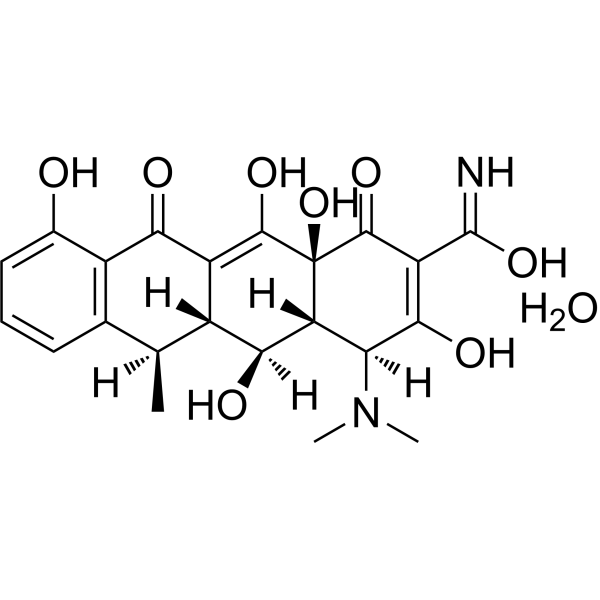
    Doxycycline monohydrate
    Maximum Cited Publications
    173 Publications Verification

    MMP Parasite Bacterial Antibiotic Apoptosis Akt PI3K Infection Neurological Disease Inflammation/Immunology Cancer
    Doxycycline monohydrate is an orally active highly lipophilic, tissue-permeable MMP inhibitor with broad-spectrum antibacterial activity. Doxycycline monohydrate is also a semi-synthetic antibiotic with chelating properties, which blocks bacterial protein synthesis and inhibits extracellular matrix degradation through interactions with zinc and calcium atoms. Doxycycline monohydrate also inhibits mitochondrial biogenesis, translation, and the expression of respiratory chain proteins. Doxycycline monohydrate induces apoptosis, inhibits autophagy and EMT, downregulates stem cell markers, and activates the PI3K-AKT pathway, thereby effectively inhibiting the viability and proliferation of cancer cells such as breast cancer cells. Doxycycline monohydrate also promotes the survival and self-renewal of embryonic stem cells and neural stem cells, and reduces the frequency of medium changes in culture. Doxycycline monohydrate has been applied in studies related to breast cancer, prostate cancer, bladder cancer, and other cancers .
    Doxycycline monohydrate
  • HY-W099580S1

    n-Hexadecane-d34; Cetane-d34

    Isotope-Labeled Compounds Bacterial Others
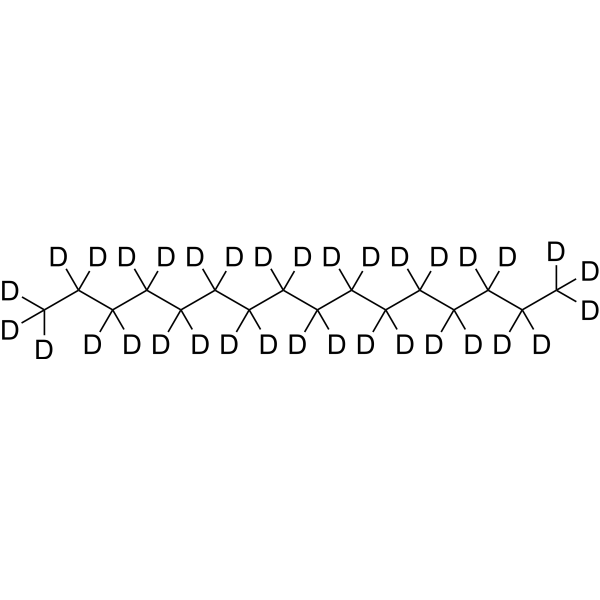
    Hexadecane-d34 (n-Hexadecane-d34) is the deuterium labeled Hexadecane (HY-W099580). Hexadecane (n-Hexadecane) is a saturated hydrocarbon of alkanes or paraffins and can be used as an organic solvent. Hexadecane is a component of petroleum, belongs to hydrophobic substrates, and is a model substance for studying bacterial degradation of hydrophobic compounds .
    Hexadecane-d34
  • HY-G0006
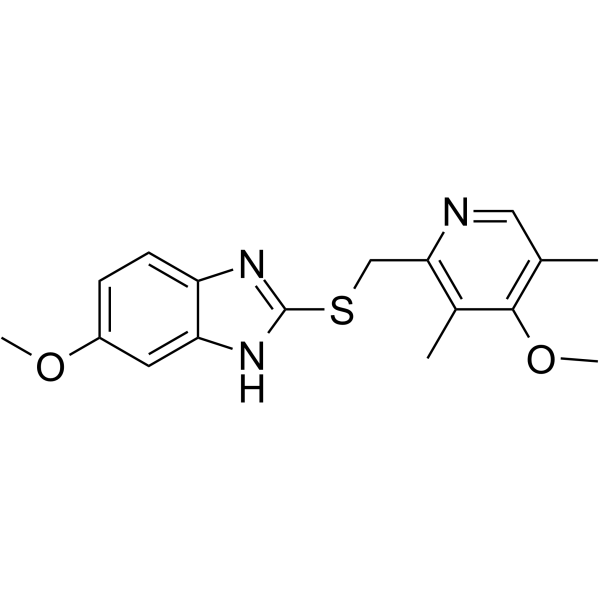
    Omeprazole sulfide
    2 Publications Verification

    Ufiprazole

    Drug Metabolite Aryl Hydrocarbon Receptor Bacterial Infection Metabolic Disease
    Omeprazole sulfide (Ufiprazole) is a metabolic degradation product of Omeprazole (HY-B0113). Omeprazole sulfide acts as a modulator of AhR. Omeprazole sulfide in cells with low CYP3A4 expression, functions as an AhR antagonist; however, in cells with high CYP3A4 expression, it is rapidly metabolized to Omeprazole, thereby acting as an AhR agonist. Omeprazole sulfide exhibits antibacterial activity when conjugated with silver nanoparticles (AgNPs). Omeprazole sulfide can be used in research on acid suppression and bacterial infections .
    Omeprazole sulfide
  • HY-B0268A
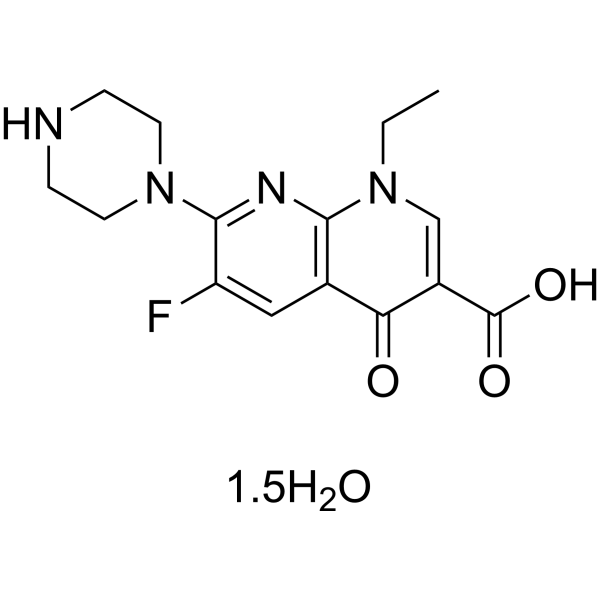
    Enoxacin hydrate
    2 Publications Verification

    Enoxacin sesquihydrate; AT-2266 hydrate; CI-919 hydrate

    Bacterial DNA/RNA Synthesis MicroRNA Antibiotic Infection Cancer
    Enoxacin hydrate (Enoxacin sesquihydrate), a fluoroquinolone, interferes with DNA replication and inhibits bacterial DNA gyrase (IC50=126 µg/ml) and topoisomerase IV (IC50=26.5 µg/ml). Enoxacin hydrate is a miRNA processing activator and enhances siRNA-mediated mRNA degradation and promotes the biogenesis of endogenous miRNAs. Enoxacin hydrate has potent activities against gram-positive and -negative bacteria. Enoxacin hydrate is a cancer-specific growth inhibitor that acts by enhancing TAR RNA-binding protein 2 (TRBP)-mediated microRNA processing .
    Enoxacin hydrate
  • HY-B0268
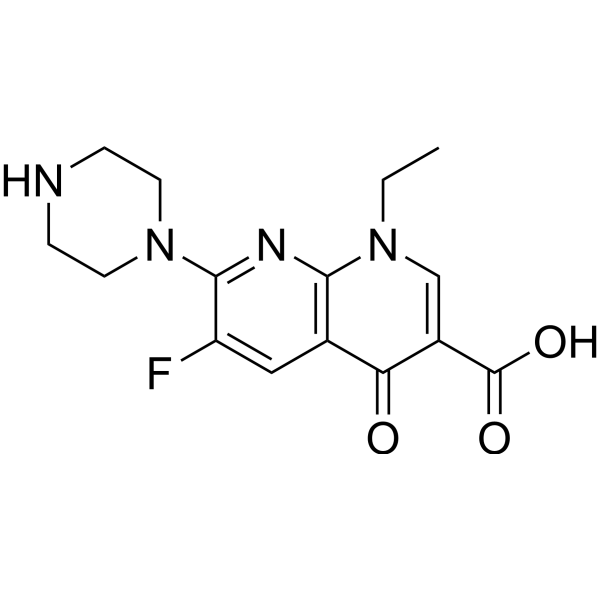
    Enoxacin
    2 Publications Verification

    AT 2266; CI 919

    Bacterial DNA/RNA Synthesis MicroRNA Antibiotic Infection Cancer
    Enoxacin (AT 2266), a fluoroquinolone, interferes with DNA replication and inhibits bacterial DNA gyrase (IC50=126 µg/ml) and topoisomerase IV (IC50=26.5 µg/ml). Enoxacin is a miRNA processing activator and enhances siRNA-mediated mRNA degradation and promotes the biogenesis of endogenous miRNAs. Enoxacin has potent activities against gram-positive and -negative bacteria. Enoxacin is a cancer-specific growth inhibitor that acts by enhancing TAR RNA-binding protein 2 (TRBP)-mediated microRNA processing .
    Enoxacin
  • HY-N10549
    Gigantol
    1 Publications Verification

    Ferroptosis c-Myc Glutathione Peroxidase JNK Reactive Oxygen Species (ROS) GSK-3 Infection Metabolic Disease Cancer
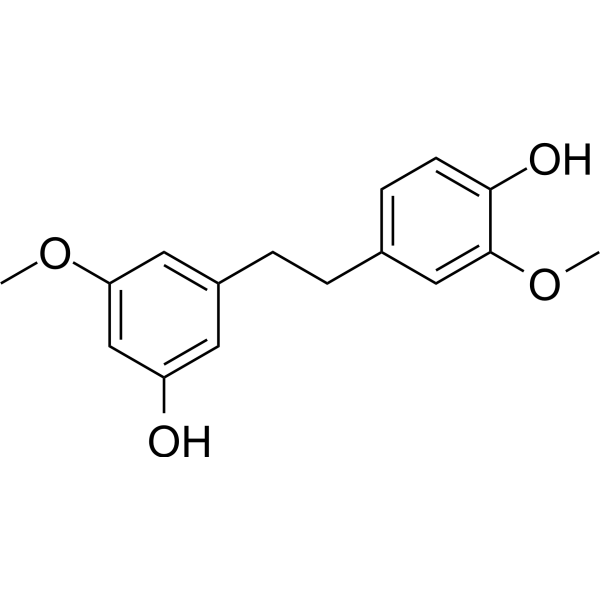
    Gigantol is an orally active bibenzyl compound. Gigantol targets MYC to promote its ubiquitin-proteasomal degradation and inhibit the growth of lung cancer cells. Gigantol exerts anti-lung cancer activity by inducing ferroptosis (Ferroptosis) via the SLC7A11-GPX4 axis. Gigantol restores the sensitivity of mcr-harboring multidrug-resistant bacteria to colistin. Gigantol ameliorates carbon tetrachloride-induced liver injury by inhibiting the activation of the JNK/cPLA2/12-LOX inflammatory pathway. Gigantol promotes cholesterol metabolism and progesterone biosynthesis in Leydig cells. Gigantol can be used in studies related to diseases such as lung cancer, multidrug-resistant Gram-negative bacterial infections, and acute liver injury .
    Gigantol
  • HY-125168
    EGA
    2 Publications Verification

    EGFR Infection Inflammation/Immunology
    EGA is an inhibitor that selectively targets the endosomal trafficking pathways. EGA targets the proteins involved in the endosomal trafficking pathways through which multiple toxins and viruses enter cells. EGA exerts its activity by inhibiting the trafficking from early endosomes to late endosomes, blocking the entry of multiple acid-dependent bacterial toxins and viruses into mammalian cells and delaying the lysosomal targeting and degradation of EGFR .
    EGA
  • HY-N0565S1

    Isotope-Labeled Compounds MMP Parasite Bacterial Antibiotic Apoptosis Akt PI3K Infection Neurological Disease Inflammation/Immunology Cancer
    Doxycycline-d3 hyclate (major) is the deuterium labeled Doxycycline hyclate (HY-N0565B). Doxycycline hyclate is an orally active highly lipophilic, tissue-permeable MMP inhibitor with broad-spectrum antibacterial activity. Doxycycline hyclate is also a semi-synthetic antibiotic with chelating properties, which blocks bacterial protein synthesis and inhibits extracellular matrix degradation through interactions with zinc and calcium atoms. Doxycycline hyclate also inhibits mitochondrial biogenesis, translation, and the expression of respiratory chain proteins. Doxycycline hyclate induces apoptosis, inhibits autophagy and EMT, downregulates stem cell markers, and activates the PI3K-AKT pathway, thereby effectively inhibiting the viability and proliferation of cancer cells such as breast cancer cells. Doxycycline hyclate also promotes the survival and self-renewal of embryonic stem cells and neural stem cells, and reduces the frequency of medium changes in culture. Doxycycline hyclate has been applied in studies related to breast cancer, prostate cancer, bladder cancer, and other cancers .
    Doxycycline-d3 (hyclate) (major)
  • HY-41465

    Drug Intermediate Others
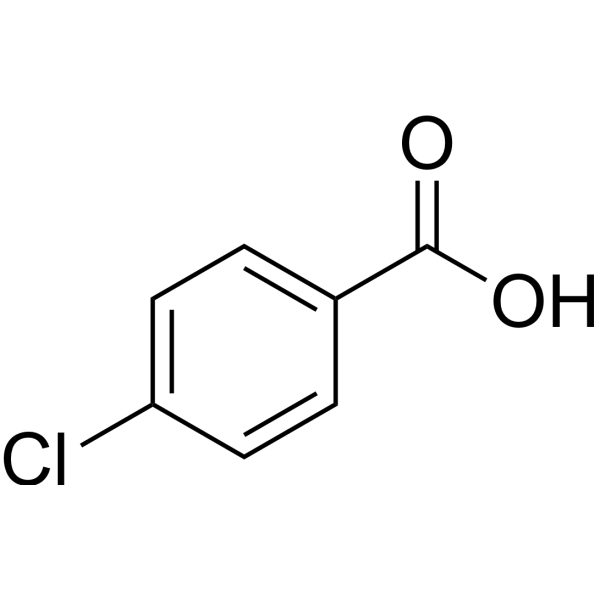
    4-Chlorobenzoic acid is a halogenated aromatic compound that can be used as an industrial chemical and an intermediate in drug synthesis. 4-Chlorobenzoic acid is a persistent organic micropollutant and can be biodegraded through a direct dehalogenation pathway .
    4-Chlorobenzoic acid
  • HY-148062

    PROTACs CDK AAK1 Cyclin G-associated Kinase (GAK) Salt-inducible Kinase (SIK) LIM Kinase (LIMK) Wee1 SnRK Others
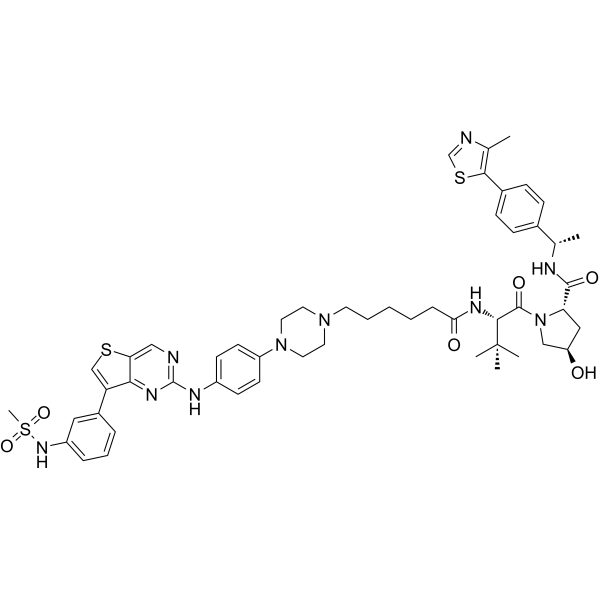
    RSS0680 is a small noncoding RNA (sRNA) targeting the mRNA ribosome binding site (RBS) and a PROTAC with protein kinase degradation activity (Pink: FLT3-IN-17 (HY-148070); Black: Linker (HY-W041970); Blue: E3 ligase Ligand (HY-112078)). RSS0680 competitively binds to RBS through the conserved CCUCCUCCC anti-Shine-Dalgarno (aSD) sequence and inhibits the translation initiation of target genes. RSS0680 can interact with the DUF1127 protein CcaF1, regulate its own stability and participate in bacterial oxidative stress defense, enhancing the host's resistance to heat shock and oxidative damage by affecting pathways such as C1 metabolism and pyruvate dehydrogenase complex. RSS0680 degrades AAK1, CDK1, CDK16, CDK2, CDK4, CDK6, EIF2AK4, GAK, LATSl, LIMK2, MAPK6, MAPKAPK5, MARK2, MARK4, MKNK2, NEK9, RPS6KB1, SIK2, SNRK, STK17A, STK17B, STK35, and WEEl. RSS0680 can be used to study diseases or disorders mediated by aberrant kinase activity and regulatory mechanisms of noncoding RNAs in α-proteobacteria[1][2].
    RSS0680
  • HY-N0565AR

    Reference Standards MMP Parasite Bacterial Antibiotic Apoptosis Akt PI3K Infection Neurological Disease Inflammation/Immunology Cancer
    Doxycycline hydrochloride (Standard) is the analytical standard of Doxycycline hydrochloride (HY-N0565A). This product is intended for research and analytical applications. Doxycycline hydrochloride is an orally active highly lipophilic, tissue-permeable MMP inhibitor with broad-spectrum antibacterial activity. Doxycycline hydrochloride is also a semi-synthetic antibiotic with chelating properties, which blocks bacterial protein synthesis and inhibits extracellular matrix degradation through interactions with zinc and calcium atoms. Doxycycline hydrochloride also inhibits mitochondrial biogenesis, translation, and the expression of respiratory chain proteins. Doxycycline hydrochloride induces apoptosis, inhibits autophagy and EMT, downregulates stem cell markers, and activates the PI3K-AKT pathway, thereby effectively inhibiting the viability and proliferation of cancer cells such as breast cancer cells. Doxycycline hydrochloride also promotes the survival and self-renewal of embryonic stem cells and neural stem cells, and reduces the frequency of medium changes in culture. Doxycycline hydrochloride has been applied in studies related to breast cancer, prostate cancer, bladder cancer, and other cancers .
    Doxycycline (hydrochloride) (Standard)
  • HY-N0565R

    Reference Standards MMP Parasite Bacterial Antibiotic Apoptosis Akt PI3K Infection Neurological Disease Inflammation/Immunology Cancer
    Doxycycline (Standard) is the analytical standard of Doxycycline (HY-N0565). This product is intended for research and analytical applications. Doxycycline is an orally active highly lipophilic, tissue-permeable MMP inhibitor with broad-spectrum antibacterial activity. Doxycycline is also a semi-synthetic antibiotic with chelating properties, which blocks bacterial protein synthesis and inhibits extracellular matrix degradation through interactions with zinc and calcium atoms. Doxycycline also inhibits mitochondrial biogenesis, translation, and the expression of respiratory chain proteins. Doxycycline induces apoptosis, inhibits autophagy and EMT, downregulates stem cell markers, and activates the PI3K-AKT pathway, thereby effectively inhibiting the viability and proliferation of cancer cells such as breast cancer cells. Doxycycline also promotes the survival and self-renewal of embryonic stem cells and neural stem cells, and reduces the frequency of medium changes in culture. Doxycycline has been applied in studies related to breast cancer, prostate cancer, bladder cancer, and other cancers .
    Doxycycline (Standard)
  • HY-N0565BR

    Doxycycline (hydrochloride hemiethanolate hemihydrate) (Standard); WC2031 (Standard)

    Reference Standards MMP Parasite Bacterial Antibiotic Apoptosis Akt PI3K Infection Neurological Disease Inflammation/Immunology Cancer
    Doxycycline hyclate (Standard) is the analytical standard of Doxycycline hyclate (HY-N0565B). This product is intended for research and analytical applications. Doxycycline hyclate is an orally active highly lipophilic, tissue-permeable MMP inhibitor with broad-spectrum antibacterial activity. Doxycycline hyclate is also a semi-synthetic antibiotic with chelating properties, which blocks bacterial protein synthesis and inhibits extracellular matrix degradation through interactions with zinc and calcium atoms. Doxycycline hyclate also inhibits mitochondrial biogenesis, translation, and the expression of respiratory chain proteins. Doxycycline hyclate induces apoptosis, inhibits autophagy and EMT, downregulates stem cell markers, and activates the PI3K-AKT pathway, thereby effectively inhibiting the viability and proliferation of cancer cells such as breast cancer cells. Doxycycline hyclate also promotes the survival and self-renewal of embryonic stem cells and neural stem cells, and reduces the frequency of medium changes in culture. Doxycycline hyclate has been applied in studies related to breast cancer, prostate cancer, bladder cancer, and other cancers .
    Doxycycline hyclate (Standard)
  • HY-W157689
    IDE-IN-2
    1 Publications Verification

    Proteolytic Enzyme IDE Infection Metabolic Disease Cancer
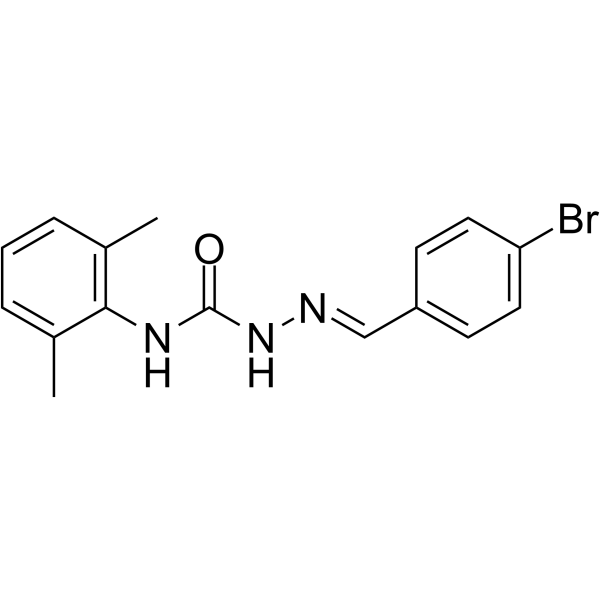
    IDE-IN-2 (Compound 4) is an inhibitor for insulin-degrading enzyme. IDE-IN-2 is predicted to have CYP3A4, CYP2C19, hERG, NADP+, HIF1α and histidine kinase inhibitory activities, and has potential biological activity in anti-diabetic, anti-tumor, anti-bacterial aspects, according to the in silico prediction .
    IDE-IN-2
  • HY-W764182

    Bacterial Infection
    Cephalosporinase, bacillus are enzymes produced by bacillus, inactivated and degrade the ability of the cephalosporin class of antibiotics. Cephalosporins are a class of β-lactam antibiotics that are widely used to study bacterial infections .
    Cephalosporinase,bacillus
  • HY-N0565AS

    Isotope-Labeled Compounds MMP Parasite Bacterial Antibiotic Apoptosis Akt PI3K Infection Neurological Disease Inflammation/Immunology Cancer
    Doxycycline-d3 hydrochloride is deuterium labeled Doxycycline hydrochloride (HY-N0565A). Doxycycline hydrochloride is an orally active highly lipophilic, tissue-permeable MMP inhibitor with broad-spectrum antibacterial activity. Doxycycline hydrochloride is also a semi-synthetic antibiotic with chelating properties, which blocks bacterial protein synthesis and inhibits extracellular matrix degradation through interactions with zinc and calcium atoms. Doxycycline hydrochloride also inhibits mitochondrial biogenesis, translation, and the expression of respiratory chain proteins. Doxycycline hydrochloride induces apoptosis, inhibits autophagy and EMT, downregulates stem cell markers, and activates the PI3K-AKT pathway, thereby effectively inhibiting the viability and proliferation of cancer cells such as breast cancer cells. Doxycycline hydrochloride also promotes the survival and self-renewal of embryonic stem cells and neural stem cells, and reduces the frequency of medium changes in culture. Doxycycline hydrochloride has been applied in studies related to breast cancer, prostate cancer, bladder cancer, and other cancers .
    Doxycycline-d3 (hydrochloride)
  • HY-N0565S3

    Isotope-Labeled Compounds MMP Parasite Bacterial Antibiotic Apoptosis Akt PI3K Infection Neurological Disease Inflammation/Immunology Cancer
    Doxycycline- 13C,d3 is 13C and deuterium labeled Doxycycline (HY-N0565). Doxycycline is an orally active highly lipophilic, tissue-permeable MMP inhibitor with broad-spectrum antibacterial activity. Doxycycline is also a semi-synthetic antibiotic with chelating properties, which blocks bacterial protein synthesis and inhibits extracellular matrix degradation through interactions with zinc and calcium atoms. Doxycycline also inhibits mitochondrial biogenesis, translation, and the expression of respiratory chain proteins. Doxycycline induces apoptosis, inhibits autophagy and EMT, downregulates stem cell markers, and activates the PI3K-AKT pathway, thereby effectively inhibiting the viability and proliferation of cancer cells such as breast cancer cells. Doxycycline also promotes the survival and self-renewal of embryonic stem cells and neural stem cells, and reduces the frequency of medium changes in culture. Doxycycline has been applied in studies related to breast cancer, prostate cancer, bladder cancer, and other cancers .
    Doxycycline-13C,d3
  • HY-E70420

    Bacterial Inflammation/Immunology
    SpeB cysteine protease is a potent modifier of immunologically important host and bacterial proteins. SpeB cysteine protease degrades streptolysin O (SLO) in extracellular vesicles .
    SpeB cysteine protease
  • HY-W150695

    N-(Naphthalen-1-yl)acetamide

    Bacterial Infection
    1-Acetamidonaphthalene (N-(Naphthalen-1-yl)acetamide) is a degradation product of Digitoxigenin (HY-B2151). 1-Acetamidonaphthalene is weakly mutagenic to Salmonella typhimurium TA98 with metabolic activation. 1-Acetamidonaphthalene can be used for the research of bacterial infection .
    1-Acetamidonaphthalene
  • HY-12824

    Antibiotic Bacterial Infection
    RNPA1000, an antibiotic, is a potent RnpA inhibitor and inhibits RnpA-mediated cellular RNA degradation. RNPA1000 inhibits tRNA maturation with an IC50 of 175 μM. RNPA1000 displays broad-spectrum antimicrobial activities and inhibits staphylococcal and all Gram-positive bacterial pathogens activity .
    RNPA1000
  • HY-158047

    PROTACs STING Infection
    UNC8900 is a VHL recruiting STING PROTAC degrader (DC50: 0.0.924 μM). UNC8900 can be used for research of viral or bacterial infection. (Blue: VHL ligand, black: linker; Pink: STING inhibitor) .
    UNC8900
  • HY-158046

    PROTACs STING Infection
    UNC8899 is a VHL-recruiting STING PROTAC degrader (DC50: 0.0.924 μM). UNC8899 can be used for viral or bacterial infection research (Blue: VHL ligand, Black: linker; Pink: STING inhibitor) .
    UNC8899
  • HY-B0268S1

    Isotope-Labeled Compounds Bacterial DNA/RNA Synthesis MicroRNA Antibiotic Infection Cancer
    Enoxacin-d8 (hydrochloride) is deuterium labeled Enoxacin. Enoxacin (AT 2266), a fluoroquinolone, interferes with DNA replication and inhibits bacterial DNA gyrase (IC50=126 μg/ml) and topoisomerase IV (IC50=26.5 μg/ml). Enoxacin is a miRNA processing activator and enhances siRNA-mediated mRNA degradation and promotes the biogenesis of endogenous miRNAs. Enoxacin has potent activities against gram-positive and -negative bacteria. Enoxacin is a cancer-specific growth inhibitor that acts by enhancing TAR RNA-binding protein 2 (TRBP)-mediated microRNA processing .
    Enoxacin-d8 hydrochloride
  • HY-12824R

    Reference Standards Antibiotic Bacterial Infection
    Phenyl salicylate (Standard) is the analytical standard of Phenyl salicylate. This product is intended for research and analytical applications. Phenyl salicylate (PS) has antibacterial activity when hydrolyzed in small intestine and is often used as nervous system inhibitor and intestinal preservative .
    RNPA1000 (Standard)
  • HY-W141788

    Bacterial Infection
    N-Butyryl-DL-homocysteine thiolactone is an N-acyl homoserine lactone (AHL) analogue. AHLs are potent inhibitors of biofilm formation and virulence factors, and has been used for degrading microbial communities, reducing bacterial pathogenicity .
    N-Butyryl-DL-homocysteine thiolactone
  • HY-P5924A

    Bacterial Infection
    D-K6L9 shows antimicrobial and antibiofilm activities against P. aeruginosa from cystic fibrosis patients. D-K6L9 is stable and resistant to degradation by cystic fibrosis sputum proteases and will not induce bacterial resistance .
    D-K6L9
  • HY-P5924

    Bacterial Infection
    L-K6L9 shows antimicrobial and antibiofilm activities against P. aeruginosa from cystic fibrosis patients. L-K6L9 is stable and resistant to degradation by cystic fibrosis sputum proteases and will not induce bacterial resistance .
    L-K6L9
  • HY-W099580R

    n-Hexadecane (Standard); Cetane (Standard)

    Reference Standards Biochemical Assay Reagents Others
    Hexadecane (Standard) (n-Hexadecane (Standard)) is the analytical standard of Hexadecane (HY-W099580). This product is intended for research and analytical applications. Hexadecane (n-Hexadecane) is a saturated hydrocarbon of alkanes or paraffins and can be used as an organic solvent. Hexadecane is a component of petroleum, belongs to hydrophobic substrates, and is a model substance for studying bacterial degradation of hydrophobic compounds .
    Hexadecane (Standard)
  • HY-170398

    Antibiotic Bacterial Infection
    ZG297 is an agonist for Staphylococcus aureus ClpP (SaClpP ) with an EC50 of 0.26 μM. ZG297 degrades SaFtsZ, inhibits the bacterial cell division, thereby exhibiting antistaphylococcal activity, that inhibits S. aureus 8325-4 strains and MRSA strains with MIC of 0.063-256 μg/mL. ZG297 exhibits anti-infectious efficacy in mouse models .
    ZG297
  • HY-W099580S

    n-Hexadecane-1,2-13C2; Cetane-1,2-13C2

    Isotope-Labeled Compounds Bacterial Others
    Hexadecane-1,2- 13C2 (n-Hexadecane-1,2- 13C2) is the 13C labeled Hexadecane (HY-W099580). Hexadecane (n-Hexadecane) is a saturated hydrocarbon of alkanes or paraffins and can be used as an organic solvent. Hexadecane is a component of petroleum, belongs to hydrophobic substrates, and is a model substance for studying bacterial degradation of hydrophobic compounds .
    Hexadecane-1,2-13C2
  • HY-174985

    Bacterial Infection
    Anti-MRSA agent 32 (Compound 26) is an orally active and selective SaClpP (Staphylococcus aureus ClpP protease) activator with an EC50 value of 0.98 μM. Anti-MRSA agent 32 activates SaClpP to abnormally degrade bacterial proteins, inhibiting the proliferation of Staphylococcus aureus. Anti-MRSA agent 32 promotes wound healing in a murine skin infection model. Anti-MRSA agent 32 is promising for research of infectious diseases such as methicillin-resistant Staphylococcus aureus (MRSA) infections .
    Anti-MRSA agent 32
  • HY-B0268S2

    Isotope-Labeled Compounds Antibiotic MicroRNA DNA/RNA Synthesis Bacterial Infection Cancer
    Enoxacin-d8 (hydrate) is deuterium labeled Enoxacin. Enoxacin (AT 2266), a fluoroquinolone, interferes with DNA replication and inhibits bacterial DNA gyrase (IC50=126 μg/ml) and topoisomerase IV (IC50=26.5 μg/ml). Enoxacin is a miRNA processing activator and enhances siRNA-mediated mRNA degradation and promotes the biogenesis of endogenous miRNAs. Enoxacin has potent activities against gram-positive and -negative bacteria. Enoxacin is a cancer-specific growth inhibitor that acts by enhancing TAR RNA-binding protein 2 (TRBP)-mediated microRNA processing .
    Enoxacin-d8 hydrate
  • HY-B0268AR

    Enoxacin sesquihydrate (Standard); AT-2266 hydrate (Standard); CI-919 hydrate (Standard)

    Reference Standards Bacterial DNA/RNA Synthesis MicroRNA Antibiotic Infection Cancer
    Enoxacin (hydrate) (Standard) is the analytical standard of Enoxacin (hydrate). This product is intended for research and analytical applications. Enoxacin hydrate (Enoxacin sesquihydrate), a fluoroquinolone, interferes with DNA replication and inhibits bacterial DNA gyrase (IC50=126 μg/ml) and topoisomerase IV (IC50=26.5 μg/ml). Enoxacin hydrate is a miRNA processing activator and enhances siRNA-mediated mRNA degradation and promotes the biogenesis of endogenous miRNAs. Enoxacin hydrate has potent activities against gram-positive and -negative bacteria. Enoxacin hydrate is a cancer-specific growth inhibitor that acts by enhancing TAR RNA-binding protein 2 (TRBP)-mediated microRNA processing [4].
    Enoxacin hydrate (Standard)
  • HY-N0565C

    MMP Parasite Bacterial Antibiotic Apoptosis Akt PI3K Infection Neurological Disease Inflammation/Immunology Cancer
    Doxycycline calcium is an orally active highly lipophilic, tissue-permeable MMP inhibitor with broad-spectrum antibacterial activity. Doxycycline calcium is also a semi-synthetic antibiotic with chelating properties, which blocks bacterial protein synthesis and inhibits extracellular matrix degradation through interactions with zinc and calcium atoms. Doxycycline calcium also inhibits mitochondrial biogenesis, translation, and the expression of respiratory chain proteins. Doxycycline calcium induces apoptosis, inhibits autophagy and EMT, downregulates stem cell markers, and activates the PI3K-AKT pathway, thereby effectively inhibiting the viability and proliferation of cancer cells such as breast cancer cells. Doxycycline calcium also promotes the survival and self-renewal of embryonic stem cells and neural stem cells, and reduces the frequency of medium changes in culture. Doxycycline calcium has been applied in studies related to breast cancer, prostate cancer, bladder cancer, and other cancers .
    Doxycycline calcium
  • HY-W008923R

    Reference Standards MMP Parasite Bacterial Antibiotic Apoptosis Akt PI3K Infection Neurological Disease Inflammation/Immunology Cancer
    Doxycycline monohydrate (Standard) is the analytical standard of Doxycycline monohydrate (HY-W008923). Doxycycline monohydrate is an orally active highly lipophilic, tissue-permeable MMP inhibitor with broad-spectrum antibacterial activity. Doxycycline monohydrate is also a semi-synthetic antibiotic with chelating properties, which blocks bacterial protein synthesis and inhibits extracellular matrix degradation through interactions with zinc and calcium atoms. Doxycycline monohydrate also inhibits mitochondrial biogenesis, translation, and the expression of respiratory chain proteins. Doxycycline monohydrate induces apoptosis, inhibits autophagy and EMT, downregulates stem cell markers, and activates the PI3K-AKT pathway, thereby effectively inhibiting the viability and proliferation of cancer cells such as breast cancer cells. Doxycycline monohydrate also promotes the survival and self-renewal of embryonic stem cells and neural stem cells, and reduces the frequency of medium changes in culture. Doxycycline monohydrate has been applied in studies related to breast cancer, prostate cancer, bladder cancer, and other cancers .
    Doxycycline monohydrate (Standard)
  • HY-P11242

    Bacterial NF-κB p38 MAPK JNK ERK TNF Receptor Interleukin Related Infection
    Cm-CATH2 is an antimicrobial peptide discovered from Chelonia mydas. Cm-CATH2 has a potent, broad-spectrum and rapid bactericidal ability by rapidly destroying the integrity of bacterial cell membranes. It shows strong activity against Gram-positive bacteria (such as VREF, Staphylococcus aureus), Gram-negative bacteria (such as Escherichia coli, Klebsiella pneumoniae), and fungi (such as Candida albicans) with MICs ranges from 1.17 to 18.75 μg/mL. Cm-CATH2 is also effective against various aquatic pathogenic bacteria. Cm-CATH2 not only inhibits biofilm formation but can also remove the formed biofilms. Cm-CATH2 has immunomodulatory functions and chemotactic effects on immune cells, and can inhibit the production of pro-inflammatory cytokines by macrophages stimulated by LPS (HY-D1056). Cm-CATH2 prevents the activation of NF-κB by inhibiting the degradation of IκBα, and also inhibits the phosphorylation of MAPK signaling pathways (p38, JNK, ERK). Cm-CATH2 demonstrates strong anti-infective ability in mouse peritonitis models and pneumonia models .
    Cm-CATH2
  • HY-E71290

    Biochemical Assay Reagents Others
    β-Diketone hydrolase (EC 3.7.1.7) acts on the product of the action of EC 1.1.3.18 secondary-alcohol oxidase, on polyvinyl alcohols; involved in the bacterial degradation of polyvinyl alcohol.
    β-Diketone hydrolase
  • HY-E71072

    Biochemical Assay Reagents Others
    (4S)-4-Hydroxy-5-phosphonooxypentane-2,3-dione isomerase (EC 5.3.1.32) participates in a degradation pathway of the bacterial quorum-sensing autoinducer molecule AI-2.
    (4S)-4-Hydroxy-5-phosphonooxypentane-2,3-dione isomerase
  • HY-185351

    Ampicillin/Sulbactam combination

    Bacterial Antibiotic Infection
    Ampicillin sodium and Sulbactam sodium are formed by mixing HY-B0522A Ampicillin sodium with HY-B0334A Sulbactam sodium (each 1.5 g of this product contains 1 g amoxicillin sodium and 0.5 g sulbactam sodium). Ampicillin is a β-lactam antimicrobial, whereas sulbactam is a β-lactamase inhibitor. Ampicillin has a broad spectrum of bactericidal activity against many gram-positive and gram-negative aerobic and anaerobic bacteria. However, ampicillin is degraded by beta-lactamases. The combination of ampicillin and sulbactam demonstrates synergy in addressing bacterial strains resistant to ampicillin, thus providing broader coverage. Bacteria susceptible to ampicillin/sulbactam include Haemophilus influenzae, Escherichia coli, Acinetobacter, Klebsiella, Staphylococcus aureus, Enterobacter, and anaerobes.
    Ampicillin sodium and Sulbactam sodium
  • HY-N0565AG

    Apoptosis MMP Akt PI3K Infection Neurological Disease Inflammation/Immunology Cancer
    Doxycycline hydrochloride GMP is Doxycycline (hydrochloride) (HY-N0565A) produced by using GMP guidelines. GMP small molecules works appropriately as an auxiliary reagent for cell therapy manufacture. Doxycycline hydrochloride is an orally active highly lipophilic, tissue-permeable MMP inhibitor with broad-spectrum antibacterial activity. Doxycycline hydrochloride is also a semi-synthetic antibiotic with chelating properties, which blocks bacterial protein synthesis and inhibits extracellular matrix degradation through interactions with zinc and calcium atoms. Doxycycline hydrochloride also inhibits mitochondrial biogenesis, translation, and the expression of respiratory chain proteins. Doxycycline hydrochloride induces apoptosis, inhibits autophagy and EMT, downregulates stem cell markers, and activates the PI3K-AKT pathway, thereby effectively inhibiting the viability and proliferation of cancer cells such as breast cancer cells. Doxycycline hydrochloride also promotes the survival and self-renewal of embryonic stem cells and neural stem cells, and reduces the frequency of medium changes in culture. Doxycycline hydrochloride has been applied in studies related to breast cancer, prostate cancer, bladder cancer, and other cancers .
    Doxycycline (hydrochloride)

Inquiry Online

Your information is safe with us. * Required Fields.

Salutation


Country or Region *

Applicant Name *


Organization Name *

Department *


Email Address *


Product Name *

Cat. No.


Requested quantity *

Phone Number *


Remarks

Inquiry Online

Inquiry Information

Product Name:
Cat. No.:
Quantity:
MCE Japan Authorized Agent:

