
Search Result
Results for "
biochemical dye
" in MedChemExpress (MCE) Product Catalog:
40
Biochemical Assay Reagents
| Cat. No. |
Product Name |
Target |
Research Areas |
Chemical Structure |
-
- HY-D0018
-
|
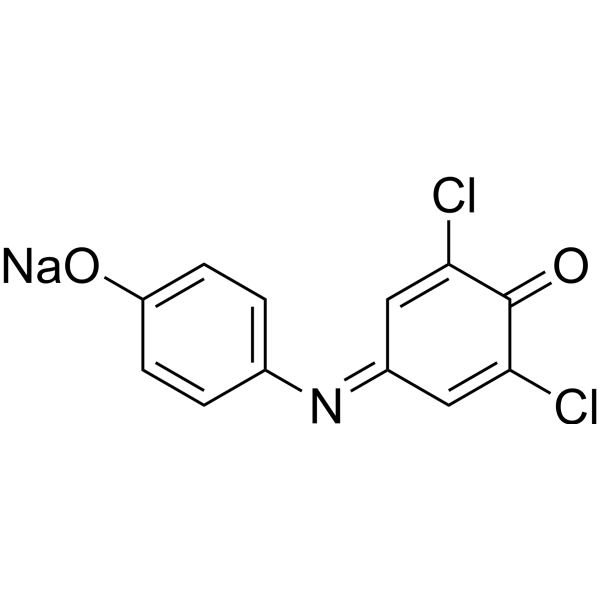
Dichlorophenylindophenol sodium; DCPIP sodium; Indochlorophenol sodium
|
Biochemical Assay Reagents
|
Others
|
|
DCIP sodium is a blue dye commonly used in various biochemical and biotechnological applications as an indicator of redox reactions. DCIP sodium has unique chemical properties that change color according to the oxidation state of the substance being tested. It is commonly used in enzyme assays, such as measuring the activity of succinate dehydrogenase, or in protein quantification methods, such as the Lowry assay.
|
-
-
- HY-D0719
-
|
3,6-Diacetoxyfluoran; Di-O-acetylfluorescein
|
Fluorescent Dye
|
Others
|
|
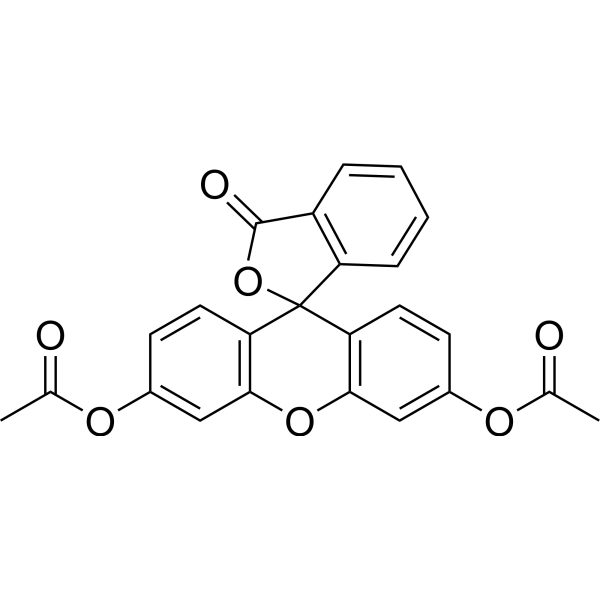
Fluorescein diacetate is a cell permeable esterase-substrate. Fluorescein diacetate can be used as a fluorogenic substrate for hGSTP1-1.
|
-
-
- HY-W127711
-
|
|
Phosphatase
Lipase
|
Metabolic Disease
Inflammation/Immunology
|
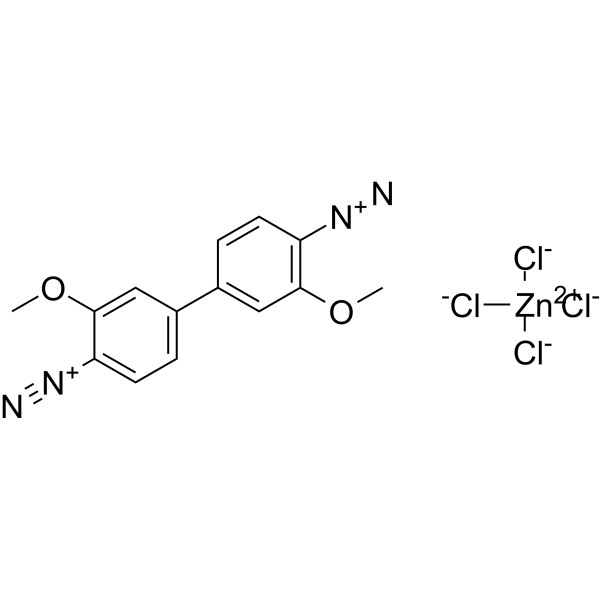
Fast Blue B Salt, Dye content ~95% is a diazo dye, primarily used as a chromogenic substrate in biochemical analysis. Fast Blue B Salt, Dye content ~95% is the coupling agent for the histochemical demonstration of proteases. Fast Blue B Salt, Dye content ~95% can be used for the detection of acid phosphatase in Clostridium perfringens, and also for the determination of lipase activity. Fast Blue B Salt, Dye content ~95% reacts directly with the active hydroxyl groups in phenolic compounds to determine the content of phenolic substances .
|
-
-
- HY-D0896
-
ANS
1 Publications Verification
ANSA; 8-Anilino-1-naphthalenesulfonic acid
|
Bacterial
|
Infection
|
|
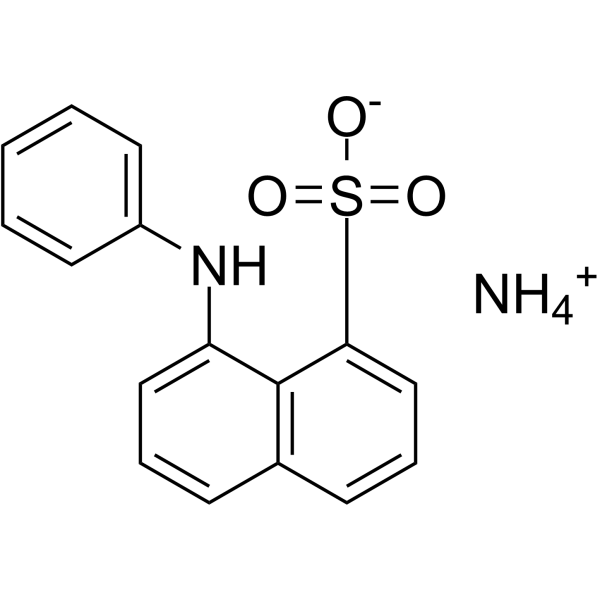
ANS (8-Anilino-1-naphthalenesulfonic acid) is a competitive inhibitor targeting thyroxine binding globulin (TBG) (Ki=2.09×10 6 M -1). ANS is used in radioimmunoassay by displacing bound triiodothyronine (T3) to improve detection sensitivity. ANS can block the protein binding site of T3 and release free T3 for antibody recognition. As a fluorescent probe, ANS can specifically bind to the hydrophobic region of proteins (such as membrane proteins) and monitor the dynamics of protein conformation through changes in fluorescent signals. It is widely used in biochemical research and antibacterial material development .
|
-
-
- HY-15943
-
6-TAMRA
1 Publications Verification
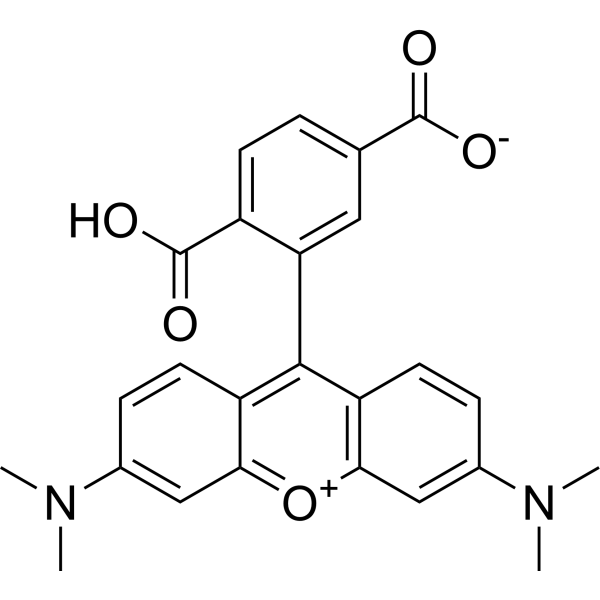
6-Carboxytetramethylrhodamine
|
Fluorescent Dye
|
Others
|
|
6-TAMRA (6-Carboxytetramethylrhodamine) is a fluorescent dye. 6-TAMRA is often used in combination with 6-FAM (HY-66021) as an acceptor or fluorescence quencher for fluorescence resonance energy transfer (FRET) in biochemical studies such as potassium ion detection and ribonuclease activity assays .
|
-
-
- HY-D0155
-
|
|
Fluorescent Dye
|
Others
|
|
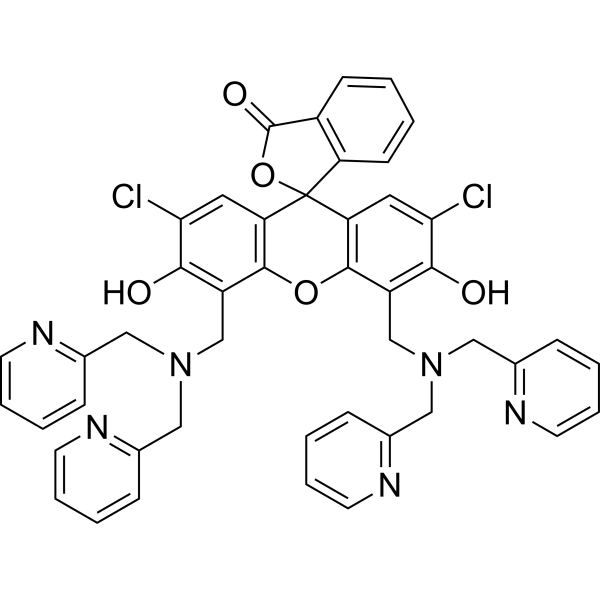
Zinpyr-1 is a zinc-responsive fluorescent indicator and a membrane-permeable metal-binding probe. Zinpyr-1 forms a complex with Mn 2+ ions and generates a fluorescence turn-on signal. Zinpyr-1 binds to free zinc ions in serum, enabling quantitative detection of free zinc concentration. Zinpyr-1 produces fluorescence signals reflecting the relative zinc concentration in plant root cells, localizes to specific layers of plant root cells, and can be used to support analyses related to plant zinc transporter mutations and homeostasis .
|
-
-
- HY-158082C
-
|
Tetramethyl rhodamine isothiocyanate glucan, MW 70000
|
Fluorescent Dye
|
Others
|
|
TRITC-dextran MW 70000 (Tetramethyl rhodamine isothiocyanate glucan, MW 70000) is a fluorescent dye with a molecular weight of 70 kD. The excitation wavelength of TRITC-dextran MW 70000 is 555 nm, and its emission wavelength is 570 nm. TRITC-dextran MW 70000 is used for drug delivery because TRITC maintains stability over a wide pH range (i.e., pH 2-11) and exhibits photobleaching resistance .
|
-
-
- HY-D0232
-
-
-
- HY-D0286
-
|
2,8-Dimethylnaphtho[3,2,1-kl]xanthene
|
Fluorescent Dye
|
Others
|
|
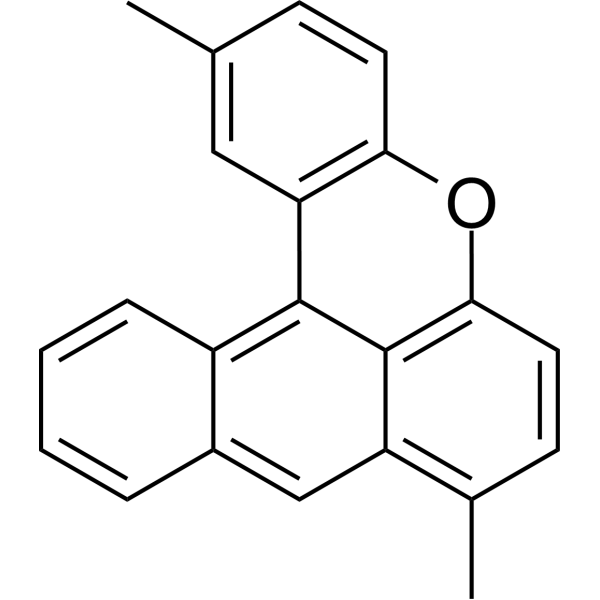
Fluorol Yellow 088 is a fluorescent dye that can be used as a biological material or an organic compound for life science research. Fluorol Yellow 088 is suitable for lipid staining in plant tissues, particularly for the fluorescence imaging of suberized cell walls and hydrophobic structures, with an excitation wavelength of 365 nm and an emission wavelength of ≥420 nm .
|
-
-
- HY-D1872
-
|
|
Fluorescent Dye
|
Others
|
|
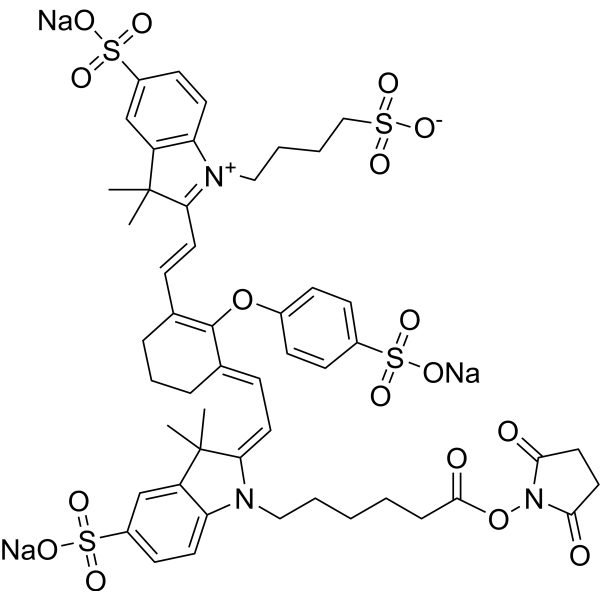
800CW NHS ester is a near-infrared fluorescent dye active ester that can conjugate with amine-containing small molecules, antibodies, peptides, and other substances to form fluorescent conjugates. 800CW NHS ester exhibits high fluorescence quantum yield and low non-specific binding properties. 800CW NHS ester can be used in biomedical research such as microbial infection imaging, tumor imaging, and biochemical detection .
|
-
-
- HY-W040144
-
|
|
Fluorescent Dye
|
Others
|
|
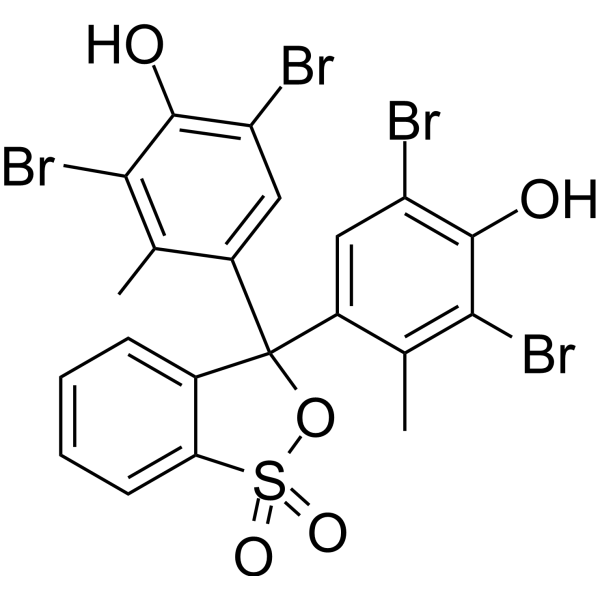
Bromocresol green is a pH-sensitive triphenylmethane dye commonly used for the determination of protein and albumin in serum. Bromocresol green is a bio-based dye with a yellow-green to blue-green color. Bromocresol green turns yellow (λmax=435 nm, protonated form) when placed in acidic solution (e.g. pH=4.15), and turns blue in basic solution (λmax=615 nm, deprotonated form). Bromocresol green is widely used as a pH indicator in the field of biochemical analysis. In addition, Bromocresol green is also used to detect the concentration of molecules such as creatinine, and to judge the viability of cells .
|
-
-
- HY-169798
-
|
|
Fluorescent Dye
VSV
|
Infection
|
1,9-Dimethylmethylene blue is a photosensitizer, virus inactivator and hemoglobin oxidant derived from methylene blue. When activated, 1,9-Dimethylmethylene blue generates reactive oxygen species including singlet oxygen, and acts as a metachromatic dye. When activated in monomeric or dimeric form, 1,9-Dimethylmethylene blue induces photoinactivation of R17 phage and vesicular stomatitis virus and oxidizes hemoglobin via non-singlet oxygen reactive oxygen species or singlet oxygen-mediated pathways, respectively. The monomeric form, with higher nucleic acid affinity, achieves virus inactivation under specific conditions without forming methemoglobin. 1,9-Dimethylmethylene blue binds to substances such as glycosaminoglycans to produce color changes. Although it is susceptible to interference from non-glycosaminoglycan components in urine, it is still applicable to spectrophotometric analysis for glycosaminoglycan quantification. With these unique photochemical and binding properties, 1,9-Dimethylmethylene blue is widely used in studies of viral infections and related biochemical analyses .
|
-
-
- HY-D0304
-
|
Solvent red 49
|
Fluorescent Dye
|
Others
|
|
Rhodamine B base (Solvent red 49) is a fluorescent dye (Ex=543 nM; Em=565 nM) .
|
-
-
- HY-15929
-
TBHBA
1 Publications Verification
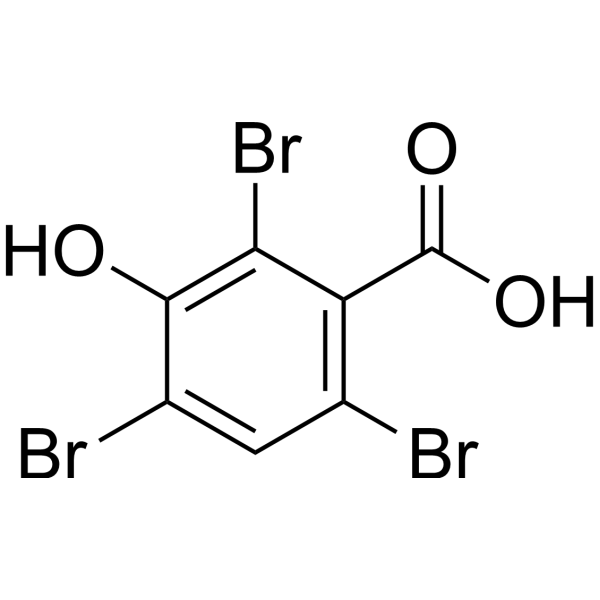
2,4,6-Tribromo-3-hydroxybenzoic acid
|
Biochemical Assay Reagents
|
Others
|
|
TBHBA (2,4,6-Tribromo-3-hydroxybenzoic acid) is a chemical colorimetric agent and nanomaterial surface modifier. TBHBA can react with some oxidants (such as H2O2) to generate high-absorbance quinoneimine dyes, which enhance the sensitivity of HDL cholesterol enzymatic determination. TBHBA can be used as a bromine-containing coupling agent to modify the surface of silica nanoparticles through esterification reaction. Thereby, organic flame retardant groups are introduced to improve the thermal stability and flame retardant properties of nanocomposites. TBHBA can be used in clinical biochemical testing (such as serum lipoprotein analysis) and the preparation of flame-retardant polymer nanocomposites .
|
-
-
- HY-D0942
-
|
Euchrysine 3RX
|
Parasite
Fluorescent Dye
DNA Stain
|
Others
|
|
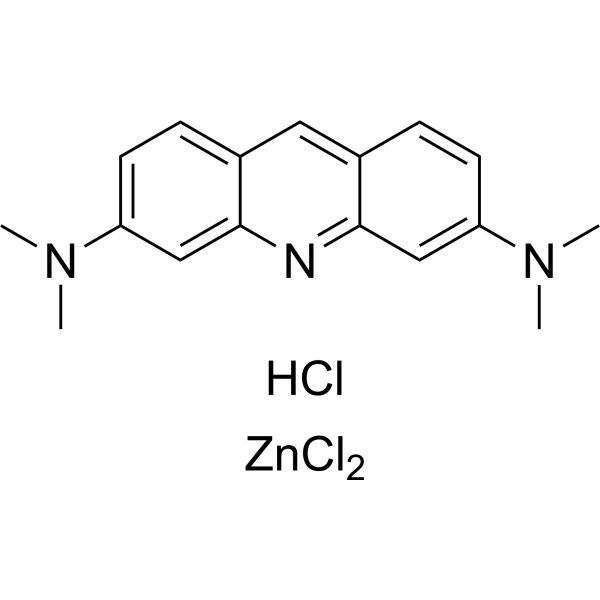
Acridine Orange (Euchrysine 3RX) zinc chloride salt is a cell-penetrable nucleic acid-selective fluorescent dye. Acridine Orange zinc chloride salt produces orange fluorescence when it binds to ssDNA or RNA, and green fluorescence when it binds to dsDNA (Ex: 488 nM; Em: green fluorescence at 530 nm, orange fluorescence at 640 nm) .
|
-
-
- HY-D0945
-
|
|
Fluorescent Dye
|
Others
|
|
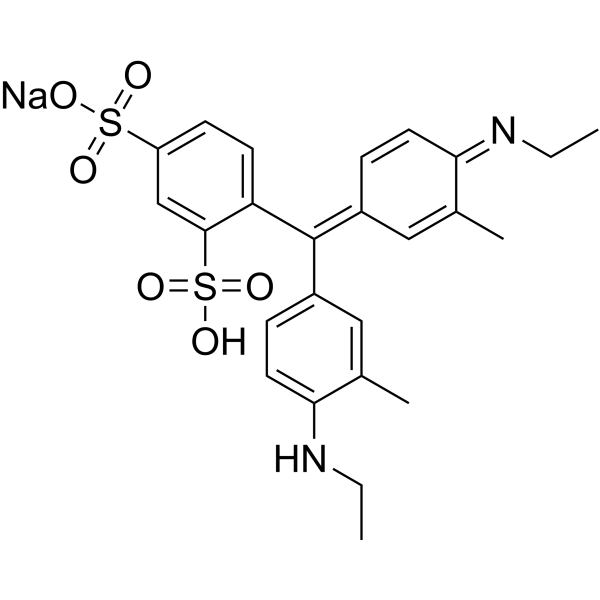
Xylene Cyanol FF is an acid triphenylmethane dye. Xylene Cyanol FF can be used for histochemical staining of hemoglobin peroxidase or as a tracking dye for DNA sequencing in electrophoresis. Xylene Cyanol FF will be catalyzed by Fe and Al to accelerate oxidation under the addition of double oxidant hydrogen peroxide and potassium periodate. Xylene Cyanol FF thus enables the spectrophotometric determination of Fe and Al in the solution to be tested .
|
-
-
- HY-D1078
-
|
|
Fluorescent Dye
Reactive Oxygen Species (ROS)
P-glycoprotein
|
Others
|
|
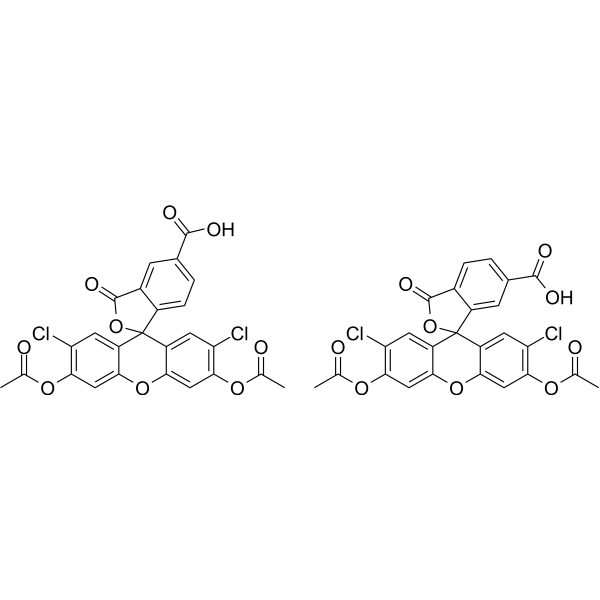
5 (6)-Carboxy-2',7'-dichlorofluorescein diacetate is a fluorescein-based reactive oxygen species (ROS) probe and also a MRP2 substrate. 5 (6)-Carboxy-2',7'-dichlorofluorescein diacetate serves as a substrate for intracellular esterases, which cleave its acetate groups to generate a fluorescent product capable of detecting intracellular ROS. 5 (6)-Carboxy-2',7'-dichlorofluorescein diacetate is ATP-dependent and is transported via a single MRP2 binding site; it competes with LTC4 for MRP2 binding sites and inhibits MRP2-mediated LTC4 transport (Ex/Em = 496/525 nm) .
|
-
-
- HY-D0014
-
|
|
Environmental Pollutants
Biochemical Assay Reagents
|
Others
|
|
Brilliant Blue G-250 is a dye commonly used for the visualization of proteins separated by SDS-PAGE, offering a simple staining procedure and high quantitation. In the Bradford protein assay, protein concentrations are determined by the absorbance at 595 nm due to the binding of Brilliant Blue G-250 to proteins. Brilliant Blue G-250 is a safe highly selective P2×7R antagonist with promising consequent inactivation of NLRP3 inflammasome .
|
-
-
- HY-158082A
-
|
Tetramethyl rhodamine isothiocyanate glucan, MW 20000
|
Fluorescent Dye
|
Others
|
|
TRITC-dextran, MW 20000 (Tetramethyl rhodamine isothiocyanate glucan, MW 20000) is a fluorescent dye, with the molecular weight of 20 kD. TRITC-dextran MW 20000 exhibits an excitation wavelength of 555 nm. TRITC-dextran MW 20000 is vessel penetrate, which could label blood plasma to visualize the vasculature. TRITC-dextran MW 20000 is utilized in drug delivery for the stability of TRITC over a wide pH range (i.e. pH 2–11) and resistance to photo-bleaching .
|
-
-
- HY-D0800
-
|
|
Biochemical Assay Reagents
|
Others
|
|
Chromeazurol S is a compound belonging to the class of azo dyes. It is often used as an indicator in analytical chemistry to detect metal ions such as copper, nickel, and cobalt. Chromeazurol S turns from yellow to blue in the presence of metal ions, allowing them to be detected and quantified. It can be applied to a test strip or added directly to a solution for analysis.
|
-
-
- HY-59303
-
|
|
Biochemical Assay Reagents
|
Others
|
|
1H-Imidazole-5-carboxaldehyde can be used as a chemical reagent in organic synthesis reactions. 1H-Imidazole-5-carboxaldehyde can be used to prepare other imidazole compounds, such as imidazole pyrimidine and imidazolone. 1H-Imidazole-5-carboxaldehyde can also be used as biochemical dyes and fluorescent probes.
|
-
-
- HY-D0896A
-
|
NSC 1746 ammonium; Peri acid, phenyl- ammonium; Phenyl peri acid ammonium
|
Bacterial
|
Infection
|
|
ANS ammonium is a potent antibacterial agent and a textile dye. ANS ammonium can be used as fluorescence probe. ANS ammonium blocks the binding of triiodothyronine to thyroxine binding globulin in radioimmunoassay of triiodothyronine .
|
-
-
- HY-W035138
-
|
|
Fluorescent Dye
MOFs
|
Others
|
|
Tetra(p-bromophenyl)porphyrin (compound 5c) is a fluorescent dye. Tetra(p-bromophenyl)porphyrin can be used for the synthesis of perfuoroalkyl-substituted tetrakisphenylporphyrins .
|
-
-
- HY-D0871
-
|
N-Cyclohexyltaurine
|
Biochemical Assay Reagents
Influenza Virus
|
Infection
|
|
CHES (N-Cyclohexyltaurine) is a biological buffer reagent that binds to influenza virus hemagglutinin (HA). CHES mimics the binding mode of sialic acid to the HA receptor-binding site .
|
-
-
- HY-D0906
-
|
|
Biochemical Assay Reagents
|
Others
|
|
AHMT is a biochemical reagent that can be used as a biological material or organic compound for life science related research .
|
-
-
- HY-W440916
-
|
|
Liposome
|
Others
|
|
DSPE-PEG3400-FITC is a fluorescein attached PEG lipid. It can be used to prepare liposomes as drug carrier in targeted drug delivery. The polymer is modified with fluorescein (green) dye which can be used for staining cells, tissues, biomarkers, or nanoparticles.
|
-
-
- HY-D1208
-
-
-
- HY-D2100
-
|
|
Fluorescent Dye
|
Others
|
|
Cy5-DSPE is a far-infrared fluorescent phospholipid (λex/λem = 600/665 nm). Cy5-DSPE is used to label liposomes, membranes and lipid nanoparticles, and can be applied to tracking and imaging studies of liposomes .
|
-
-
- HY-D0265
-
|
|
Environmental Pollutants
Fluorescent Dye
|
Others
|
|
Thymolphthalein is an electrochemically active dye due to the presence of thymol fragments. Thymolphthalein is a Phthalein dye used as an acid-base indicator. It is colourless in acid pH and is blue in basic pH .
|
-
-
- HY-130767A
-
|
|
Biochemical Assay Reagents
|
Cancer
|
|
Naphthol AS-TR Phosphate disodium is a water-soluble dye commonly used as an enzymatic substrate in various biochemical assays to detect alkaline phosphatase activity. Naphthol AS-TR Phosphate disodium has unique chemical properties that allow it to be hydrolyzed by alkaline phosphatase, forming a colored product that can be detected spectrophotometrically. This makes it a useful tool for monitoring enzyme activity in biological samples such as serum or urine.
|
-
-
- HY-W110925
-
|
|
Biochemical Assay Reagents
|
Others
|
|
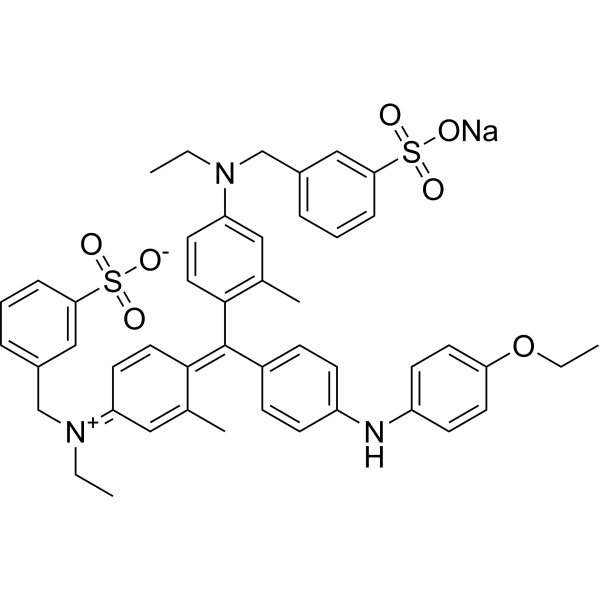
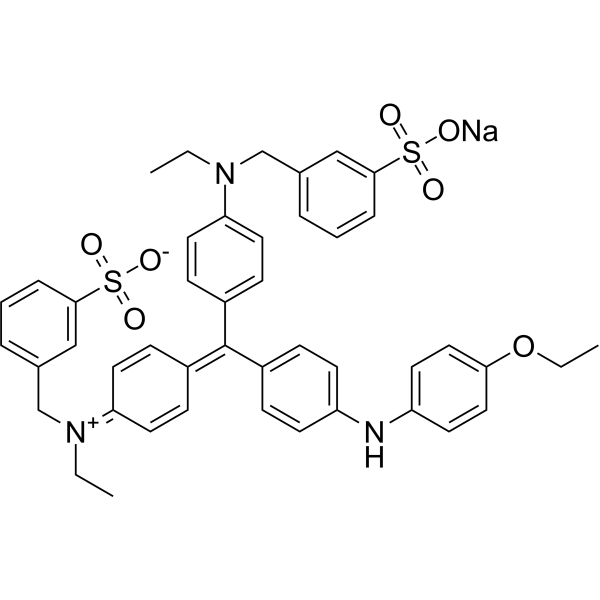
Alkali blue 6B monosodium (IND) is a basic dye that can be used as a reagent in biochemical and medical research. Alkali blue 6B monosodium (IND) interacts with various proteins, and can be used in protein adsorption studies. Alkali blue 6B monosodium (IND) contains SO3H -, NH and OH groups that may react with divalent heavy metal ions, and can be used for the removal of heavy metals from aqua .
|
-
-
- HY-D0719R
-
|
3,6-Diacetoxyfluoran (Standard); Di-O-acetylfluorescein (Standard)
|
Biochemical Assay Reagents
Reference Standards
|
Others
|
|
Fluorescein Diacetate (Standard) is the analytical standard of Fluorescein Diacetate. This product is intended for research and analytical applications. Fluorescein diacetate is a cell permeable esterase-substrate. Fluorescein diacetate can be used as a fluorogenic substrate for hGSTP1-1.
|
-
-
- HY-135269
-
|
|
Biochemical Assay Reagents
|
Others
|
|
QUIN 2, Tetrapotassium Salt is a biochemical reagent that can be used as a biological material or organic compound for life science related research.
|
-
-
- HY-D0252
-
|
|
Fluorescent Dye
|
Others
|
|
m-Cresol purple is a pH indicator dye with large cross section and halochromic property in neutral pH range .
|
-
-
- HY-D0015
-
|
|
Fluorescent Dye
|
Others
|
|
Cresol red, 97% is an acidic phenolsulfonphthalein triphenylmethane dye. Cresol red, 97% generates reactive oxygen species and singlet oxygen under ultrasonic irradiation, interacts with bovine serum albumin, alters the structure of bovine serum albumin, and oxidizes the fluorescent amino acid residues of bovine serum albumin. Cresol red, 97% can be decolorized and biodegraded by *Absidia spinosa* M15, producing phenylacetic acid and benzoic acid metabolites. Cresol red, 97% serves as a pH indicator (orange at pH 1.8-yellow at pH 2.0, yellow at pH 7.0-purple at pH 8.8). Cresol red, 97% can be used to indicate pH, temperature and salinity .
|
-
-
- HY-W038237
-
|
|
Fluorescent Dye
|
Others
|
|
2-(4-Hydroxyphenyl)-5-pyrimidinol is a biochemical dye and a polarizable material .
|
-
-
- HY-D1916A
-
|
|
Fluorescent Dye
|
Others
|
|
ATTO 594 TEA is a highly hydrophilic fluorescent dye used to label the outermost position of the glycan moiety of glycosphingolipids to retain the biophysical and biochemical properties of native glycosphingolipids .
|
-
-
- HY-D0011
-
|
|
Biochemical Assay Reagents
|
Others
|
|
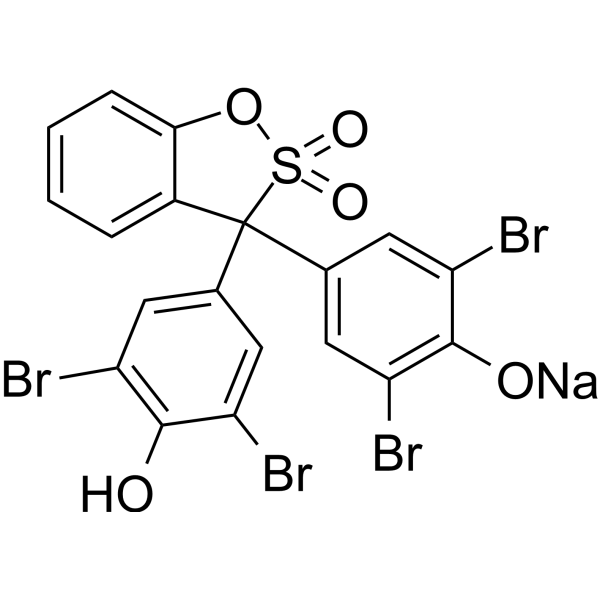
Bromophenol blue sodium is a pH indicator. It changes from yellow at pH 3.0 to blue at pH 4.6. Bromophenol blue sodium is also used as a tracking dye to monitor the process of agarose gel electrophoresis and polyacrylamide gel electrophoresis .
|
-
-
- HY-D0896AR
-
|
NSC 1746 ammonium (Standard); Peri acid, phenyl- ammonium (Standard); Phenyl peri acid ammonium (Standard)
|
Bacterial
Reference Standards
|
Infection
|
|
ANS (ammonium) (Standard) is the analytical standard of ANS (ammonium). This product is intended for research and analytical applications. ANS ammonium is a potent antibacterial agent and a textile dye. ANS ammonium can be used as fluorescence probe. ANS ammonium blocks the binding of triiodothyronine to thyroxine binding globulin in radioimmunoassay of triiodothyronine .
|
-
-
- HY-W127720
-
|
|
Biochemical Assay Reagents
|
Others
|
|
Cyanine 3 Bihexanoic Acid Dye, Potassium Salt is a biochemical reagent that can be used as a biological material or organic compound for life science related research.
|
-
-
- HY-W127721
-
|
Phthalocyanine tetrasulfonic acid
|
Biochemical Assay Reagents
|
Others
|
|
Tetrasulfophthalocyanine is an organic compound commonly used as dyes, photosensitive materials and catalysts. It can be used in certain organic batteries, solar cells, and laser printing, and is widely used in chemical analysis, biotechnology, and environmental monitoring. In addition, this compound is also used as a substrate or catalyst in certain biochemical reactions.
|
-
-
- HY-130767
-
|
|
Biochemical Assay Reagents
|
Others
|
|
Naphthol AS-TR Phosphate is a water-soluble dye commonly used as an enzyme substrate in various biochemical assays to detect alkaline phosphatase activity. Naphthol AS-TR Phosphate has unique chemical properties that allow it to be hydrolyzed by alkaline phosphatase to form a colored product that can be detected spectrophotometrically. This makes it a useful tool for monitoring enzyme activity in biological samples such as serum or urine.
|
-
-
- HY-D0018R
-
|
Dichlorophenylindophenol sodium (Standard); DCPIP sodium (Standard); Indochlorophenol sodium (Standard)
|
Biochemical Assay Reagents
Reference Standards
|
Others
|
|
DCIP (sodium) (Standard) is the analytical standard of DCIP (sodium). This product is intended for research and analytical applications. DCIP sodium is a blue dye commonly used in various biochemical and biotechnological applications as an indicator of redox reactions. DCIP sodium has unique chemical properties that change color according to the oxidation state of the substance being tested. It is commonly used in enzyme assays, such as measuring the activity of succinate dehydrogenase, or in protein quantification methods, such as the Lowry assay.
|
-
-
- HY-W127775
-
-
-
- HY-15560A
-
-
-
- HY-W794825
-
-
-
- HY-W134020
-
|
Semixylenol orange
|
Biochemical Assay Reagents
|
Others
|
|
Semixylenol orange is a metallochromic indicator that can complex with various metal ions and is used for the testing and analysis of metal ions such as zinc and zirconium .
|
-
-
- HY-W353607A
-
-
-
- HY-D0906R
-
|
|
Biochemical Assay Reagents
Reference Standards
|
Others
|
|
AHMT (Standard) is the analytical standard of AHMT. This product is intended for research and analytical applications. AHMT is a biochemical reagent that can be used as a biological material or organic compound for life science related research .
|
-
-
- HY-D1639A
-
-
| Cat. No. |
Product Name |
Type |
-
- HY-D0018
-
|
Dichlorophenylindophenol sodium; DCPIP sodium; Indochlorophenol sodium
|
Fluorescent Dyes
|
|
DCIP sodium is a blue dye commonly used in various biochemical and biotechnological applications as an indicator of redox reactions. DCIP sodium has unique chemical properties that change color according to the oxidation state of the substance being tested. It is commonly used in enzyme assays, such as measuring the activity of succinate dehydrogenase, or in protein quantification methods, such as the Lowry assay.
|
-
- HY-D0719
-
|
3,6-Diacetoxyfluoran; Di-O-acetylfluorescein
|
Fluorescent Dyes
|
|
Fluorescein diacetate is a cell permeable esterase-substrate. Fluorescein diacetate can be used as a fluorogenic substrate for hGSTP1-1.
|
-
- HY-W127711
-
|
|
Fluorescent Dyes
|
Fast Blue B Salt, Dye content ~95% is a diazo dye, primarily used as a chromogenic substrate in biochemical analysis. Fast Blue B Salt, Dye content ~95% is the coupling agent for the histochemical demonstration of proteases. Fast Blue B Salt, Dye content ~95% can be used for the detection of acid phosphatase in Clostridium perfringens, and also for the determination of lipase activity. Fast Blue B Salt, Dye content ~95% reacts directly with the active hydroxyl groups in phenolic compounds to determine the content of phenolic substances .
|
-
- HY-D0896
-
ANS
1 Publications Verification
ANSA; 8-Anilino-1-naphthalenesulfonic acid
|
Fluorescent Dyes
|
|
ANS (8-Anilino-1-naphthalenesulfonic acid) is a competitive inhibitor targeting thyroxine binding globulin (TBG) (Ki=2.09×10 6 M -1). ANS is used in radioimmunoassay by displacing bound triiodothyronine (T3) to improve detection sensitivity. ANS can block the protein binding site of T3 and release free T3 for antibody recognition. As a fluorescent probe, ANS can specifically bind to the hydrophobic region of proteins (such as membrane proteins) and monitor the dynamics of protein conformation through changes in fluorescent signals. It is widely used in biochemical research and antibacterial material development .
|
-
- HY-15943
-
6-TAMRA
1 Publications Verification
6-Carboxytetramethylrhodamine
|
Fluorescent Dyes
|
|
6-TAMRA (6-Carboxytetramethylrhodamine) is a fluorescent dye. 6-TAMRA is often used in combination with 6-FAM (HY-66021) as an acceptor or fluorescence quencher for fluorescence resonance energy transfer (FRET) in biochemical studies such as potassium ion detection and ribonuclease activity assays .
|
-
- HY-D0155
-
|
|
Fluorescent Dyes
|
|
Zinpyr-1 is a zinc-responsive fluorescent indicator and a membrane-permeable metal-binding probe. Zinpyr-1 forms a complex with Mn 2+ ions and generates a fluorescence turn-on signal. Zinpyr-1 binds to free zinc ions in serum, enabling quantitative detection of free zinc concentration. Zinpyr-1 produces fluorescence signals reflecting the relative zinc concentration in plant root cells, localizes to specific layers of plant root cells, and can be used to support analyses related to plant zinc transporter mutations and homeostasis .
|
-
- HY-158082C
-
|
Tetramethyl rhodamine isothiocyanate glucan, MW 70000
|
Fluorescent Dyes
|
|
TRITC-dextran MW 70000 (Tetramethyl rhodamine isothiocyanate glucan, MW 70000) is a fluorescent dye with a molecular weight of 70 kD. The excitation wavelength of TRITC-dextran MW 70000 is 555 nm, and its emission wavelength is 570 nm. TRITC-dextran MW 70000 is used for drug delivery because TRITC maintains stability over a wide pH range (i.e., pH 2-11) and exhibits photobleaching resistance .
|
-
- HY-D0232
-
|
Brilliant Blue R
|
Fluorescent Dyes
|
|
Brilliant blue R250 (Brilliant Blue R), an anionic dye, is the most popular stain to detect proteins resolved in SDS-PAGE gels .
|
-
- HY-D0286
-
|
2,8-Dimethylnaphtho[3,2,1-kl]xanthene
|
Fluorescent Dyes
|
|
Fluorol Yellow 088 is a fluorescent dye that can be used as a biological material or an organic compound for life science research. Fluorol Yellow 088 is suitable for lipid staining in plant tissues, particularly for the fluorescence imaging of suberized cell walls and hydrophobic structures, with an excitation wavelength of 365 nm and an emission wavelength of ≥420 nm .
|
-
- HY-D1872
-
|
|
Fluorescent Dyes
|
|
800CW NHS ester is a near-infrared fluorescent dye active ester that can conjugate with amine-containing small molecules, antibodies, peptides, and other substances to form fluorescent conjugates. 800CW NHS ester exhibits high fluorescence quantum yield and low non-specific binding properties. 800CW NHS ester can be used in biomedical research such as microbial infection imaging, tumor imaging, and biochemical detection .
|
-
- HY-D0304
-
|
Solvent red 49
|
Fluorescent Dyes
|
|
Rhodamine B base (Solvent red 49) is a fluorescent dye (Ex=543 nM; Em=565 nM) .
|
-
- HY-D0942
-
|
Euchrysine 3RX
|
Fluorescent Dyes
|
|
Acridine Orange (Euchrysine 3RX) zinc chloride salt is a cell-penetrable nucleic acid-selective fluorescent dye. Acridine Orange zinc chloride salt produces orange fluorescence when it binds to ssDNA or RNA, and green fluorescence when it binds to dsDNA (Ex: 488 nM; Em: green fluorescence at 530 nm, orange fluorescence at 640 nm) .
|
-
- HY-D0945
-
|
|
Fluorescent Dyes
|
|
Xylene Cyanol FF is an acid triphenylmethane dye. Xylene Cyanol FF can be used for histochemical staining of hemoglobin peroxidase or as a tracking dye for DNA sequencing in electrophoresis. Xylene Cyanol FF will be catalyzed by Fe and Al to accelerate oxidation under the addition of double oxidant hydrogen peroxide and potassium periodate. Xylene Cyanol FF thus enables the spectrophotometric determination of Fe and Al in the solution to be tested .
|
-
- HY-D1078
-
|
|
Fluorescent Dyes
|
|
5 (6)-Carboxy-2',7'-dichlorofluorescein diacetate is a fluorescein-based reactive oxygen species (ROS) probe and also a MRP2 substrate. 5 (6)-Carboxy-2',7'-dichlorofluorescein diacetate serves as a substrate for intracellular esterases, which cleave its acetate groups to generate a fluorescent product capable of detecting intracellular ROS. 5 (6)-Carboxy-2',7'-dichlorofluorescein diacetate is ATP-dependent and is transported via a single MRP2 binding site; it competes with LTC4 for MRP2 binding sites and inhibits MRP2-mediated LTC4 transport (Ex/Em = 496/525 nm) .
|
-
- HY-D0014
-
|
|
Fluorescent Dyes
|
|
Brilliant Blue G-250 is a dye commonly used for the visualization of proteins separated by SDS-PAGE, offering a simple staining procedure and high quantitation. In the Bradford protein assay, protein concentrations are determined by the absorbance at 595 nm due to the binding of Brilliant Blue G-250 to proteins. Brilliant Blue G-250 is a safe highly selective P2×7R antagonist with promising consequent inactivation of NLRP3 inflammasome .
|
-
- HY-158082A
-
|
Tetramethyl rhodamine isothiocyanate glucan, MW 20000
|
Fluorescent Dyes
|
|
TRITC-dextran, MW 20000 (Tetramethyl rhodamine isothiocyanate glucan, MW 20000) is a fluorescent dye, with the molecular weight of 20 kD. TRITC-dextran MW 20000 exhibits an excitation wavelength of 555 nm. TRITC-dextran MW 20000 is vessel penetrate, which could label blood plasma to visualize the vasculature. TRITC-dextran MW 20000 is utilized in drug delivery for the stability of TRITC over a wide pH range (i.e. pH 2–11) and resistance to photo-bleaching .
|
-
- HY-D0800
-
|
|
Fluorescent Dyes
|
|
Chromeazurol S is a compound belonging to the class of azo dyes. It is often used as an indicator in analytical chemistry to detect metal ions such as copper, nickel, and cobalt. Chromeazurol S turns from yellow to blue in the presence of metal ions, allowing them to be detected and quantified. It can be applied to a test strip or added directly to a solution for analysis.
|
-
- HY-D0896A
-
|
NSC 1746 ammonium; Peri acid, phenyl- ammonium; Phenyl peri acid ammonium
|
Fluorescent Dyes
|
|
ANS ammonium is a potent antibacterial agent and a textile dye. ANS ammonium can be used as fluorescence probe. ANS ammonium blocks the binding of triiodothyronine to thyroxine binding globulin in radioimmunoassay of triiodothyronine .
|
-
- HY-W035138
-
|
|
Fluorescent Dyes
|
|
Tetra(p-bromophenyl)porphyrin (compound 5c) is a fluorescent dye. Tetra(p-bromophenyl)porphyrin can be used for the synthesis of perfuoroalkyl-substituted tetrakisphenylporphyrins .
|
-
- HY-D0871
-
|
N-Cyclohexyltaurine
|
Fluorescent Dyes
|
|
CHES (N-Cyclohexyltaurine) is a biological buffer reagent that binds to influenza virus hemagglutinin (HA). CHES mimics the binding mode of sialic acid to the HA receptor-binding site .
|
-
- HY-D0906
-
|
|
Fluorescent Dyes
|
|
AHMT is a biochemical reagent that can be used as a biological material or organic compound for life science related research .
|
-
- HY-W440916
-
|
|
Fluorescent Dyes
|
|
DSPE-PEG3400-FITC is a fluorescein attached PEG lipid. It can be used to prepare liposomes as drug carrier in targeted drug delivery. The polymer is modified with fluorescein (green) dye which can be used for staining cells, tissues, biomarkers, or nanoparticles.
|
-
- HY-D1208
-
|
|
Fluorescent Dyes
|
|
Alkaline phosphatase substrate is a chemiluminescent substrate for alkaline phosphatase. Alkaline phosphatase substrate can be used for enzyme-linked immunoassays .
|
-
- HY-D2100
-
|
|
Fluorescent Dyes
|
|
Cy5-DSPE is a far-infrared fluorescent phospholipid (λex/λem = 600/665 nm). Cy5-DSPE is used to label liposomes, membranes and lipid nanoparticles, and can be applied to tracking and imaging studies of liposomes .
|
-
- HY-D0265
-
|
|
Fluorescent Dyes
|
|
Thymolphthalein is an electrochemically active dye due to the presence of thymol fragments. Thymolphthalein is a Phthalein dye used as an acid-base indicator. It is colourless in acid pH and is blue in basic pH .
|
-
- HY-D0719R
-
|
3,6-Diacetoxyfluoran (Standard); Di-O-acetylfluorescein (Standard)
|
Fluorescent Dyes
|
|
Fluorescein Diacetate (Standard) is the analytical standard of Fluorescein Diacetate. This product is intended for research and analytical applications. Fluorescein diacetate is a cell permeable esterase-substrate. Fluorescein diacetate can be used as a fluorogenic substrate for hGSTP1-1.
|
-
- HY-135269
-
|
|
Fluorescent Dyes
|
|
QUIN 2, Tetrapotassium Salt is a biochemical reagent that can be used as a biological material or organic compound for life science related research.
|
-
- HY-D0252
-
|
|
Fluorescent Dyes
|
|
m-Cresol purple is a pH indicator dye with large cross section and halochromic property in neutral pH range .
|
-
- HY-D0015
-
|
|
Fluorescent Dyes
|
|
Cresol red, 97% is an acidic phenolsulfonphthalein triphenylmethane dye. Cresol red, 97% generates reactive oxygen species and singlet oxygen under ultrasonic irradiation, interacts with bovine serum albumin, alters the structure of bovine serum albumin, and oxidizes the fluorescent amino acid residues of bovine serum albumin. Cresol red, 97% can be decolorized and biodegraded by *Absidia spinosa* M15, producing phenylacetic acid and benzoic acid metabolites. Cresol red, 97% serves as a pH indicator (orange at pH 1.8-yellow at pH 2.0, yellow at pH 7.0-purple at pH 8.8). Cresol red, 97% can be used to indicate pH, temperature and salinity .
|
-
- HY-D1916A
-
|
|
Fluorescent Dyes
|
|
ATTO 594 TEA is a highly hydrophilic fluorescent dye used to label the outermost position of the glycan moiety of glycosphingolipids to retain the biophysical and biochemical properties of native glycosphingolipids .
|
-
- HY-D0011
-
|
|
Fluorescent Dyes
|
|
Bromophenol blue sodium is a pH indicator. It changes from yellow at pH 3.0 to blue at pH 4.6. Bromophenol blue sodium is also used as a tracking dye to monitor the process of agarose gel electrophoresis and polyacrylamide gel electrophoresis .
|
-
- HY-D0896AR
-
|
NSC 1746 ammonium (Standard); Peri acid, phenyl- ammonium (Standard); Phenyl peri acid ammonium (Standard)
|
Fluorescent Dyes
|
|
ANS (ammonium) (Standard) is the analytical standard of ANS (ammonium). This product is intended for research and analytical applications. ANS ammonium is a potent antibacterial agent and a textile dye. ANS ammonium can be used as fluorescence probe. ANS ammonium blocks the binding of triiodothyronine to thyroxine binding globulin in radioimmunoassay of triiodothyronine .
|
-
- HY-W127720
-
|
|
Fluorescent Dyes
|
|
Cyanine 3 Bihexanoic Acid Dye, Potassium Salt is a biochemical reagent that can be used as a biological material or organic compound for life science related research.
|
-
- HY-W127721
-
|
Phthalocyanine tetrasulfonic acid
|
Fluorescent Dyes
|
|
Tetrasulfophthalocyanine is an organic compound commonly used as dyes, photosensitive materials and catalysts. It can be used in certain organic batteries, solar cells, and laser printing, and is widely used in chemical analysis, biotechnology, and environmental monitoring. In addition, this compound is also used as a substrate or catalyst in certain biochemical reactions.
|
-
- HY-D0018R
-
|
Dichlorophenylindophenol sodium (Standard); DCPIP sodium (Standard); Indochlorophenol sodium (Standard)
|
Fluorescent Dyes
|
|
DCIP (sodium) (Standard) is the analytical standard of DCIP (sodium). This product is intended for research and analytical applications. DCIP sodium is a blue dye commonly used in various biochemical and biotechnological applications as an indicator of redox reactions. DCIP sodium has unique chemical properties that change color according to the oxidation state of the substance being tested. It is commonly used in enzyme assays, such as measuring the activity of succinate dehydrogenase, or in protein quantification methods, such as the Lowry assay.
|
-
- HY-W127775
-
|
|
Fluorescent Dyes
|
|
Demethyl Rhod-2 AM is a fluorescent mitochondrial probe (λex=552 nm, λem=581 nm).
|
-
- HY-15560A
-
|
|
Fluorescent Dyes
|
|
Hoechst 34580 (trihydrochloride) is a biochemical assay reagent.
|
-
- HY-W794825
-
|
|
Fluorescent Dyes
|
|
Basic Green 5 is a biological material or organic compound that can be used in life science research .
|
-
- HY-W134020
-
|
Semixylenol orange
|
Fluorescent Dyes
|
|
Semixylenol orange is a metallochromic indicator that can complex with various metal ions and is used for the testing and analysis of metal ions such as zinc and zirconium .
|
-
- HY-W353607A
-
|
|
Fluorescent Dyes
|
|
Bromochlorophenol Blue sodium salt, an acid-sensitive dye, is a pH-indicating dye .
|
-
- HY-D0906R
-
|
|
Fluorescent Dyes
|
|
AHMT (Standard) is the analytical standard of AHMT. This product is intended for research and analytical applications. AHMT is a biochemical reagent that can be used as a biological material or organic compound for life science related research .
|
-
- HY-D1639A
-
| Cat. No. |
Product Name |
Type |
-
- HY-D0719
-
|
3,6-Diacetoxyfluoran; Di-O-acetylfluorescein
|
Biochemical Assay Reagents
|
|
Fluorescein diacetate is a cell permeable esterase-substrate. Fluorescein diacetate can be used as a fluorogenic substrate for hGSTP1-1.
|
-
- HY-W127711
-
|
|
Biochemical Assay Reagents
|
Fast Blue B Salt, Dye content ~95% is a diazo dye, primarily used as a chromogenic substrate in biochemical analysis. Fast Blue B Salt, Dye content ~95% is the coupling agent for the histochemical demonstration of proteases. Fast Blue B Salt, Dye content ~95% can be used for the detection of acid phosphatase in Clostridium perfringens, and also for the determination of lipase activity. Fast Blue B Salt, Dye content ~95% reacts directly with the active hydroxyl groups in phenolic compounds to determine the content of phenolic substances .
|
-
- HY-D0896
-
ANS
1 Publications Verification
ANSA; 8-Anilino-1-naphthalenesulfonic acid
|
Biochemical Assay Reagents
|
|
ANS (8-Anilino-1-naphthalenesulfonic acid) is a competitive inhibitor targeting thyroxine binding globulin (TBG) (Ki=2.09×10 6 M -1). ANS is used in radioimmunoassay by displacing bound triiodothyronine (T3) to improve detection sensitivity. ANS can block the protein binding site of T3 and release free T3 for antibody recognition. As a fluorescent probe, ANS can specifically bind to the hydrophobic region of proteins (such as membrane proteins) and monitor the dynamics of protein conformation through changes in fluorescent signals. It is widely used in biochemical research and antibacterial material development .
|
-
- HY-D0155
-
|
|
Biochemical Assay Reagents
|
|
Zinpyr-1 is a zinc-responsive fluorescent indicator and a membrane-permeable metal-binding probe. Zinpyr-1 forms a complex with Mn 2+ ions and generates a fluorescence turn-on signal. Zinpyr-1 binds to free zinc ions in serum, enabling quantitative detection of free zinc concentration. Zinpyr-1 produces fluorescence signals reflecting the relative zinc concentration in plant root cells, localizes to specific layers of plant root cells, and can be used to support analyses related to plant zinc transporter mutations and homeostasis .
|
-
- HY-158082C
-
|
Tetramethyl rhodamine isothiocyanate glucan, MW 70000
|
Biochemical Assay Reagents
|
|
TRITC-dextran MW 70000 (Tetramethyl rhodamine isothiocyanate glucan, MW 70000) is a fluorescent dye with a molecular weight of 70 kD. The excitation wavelength of TRITC-dextran MW 70000 is 555 nm, and its emission wavelength is 570 nm. TRITC-dextran MW 70000 is used for drug delivery because TRITC maintains stability over a wide pH range (i.e., pH 2-11) and exhibits photobleaching resistance .
|
-
- HY-D0232
-
|
Brilliant Blue R
|
Biochemical Assay Reagents
|
|
Brilliant blue R250 (Brilliant Blue R), an anionic dye, is the most popular stain to detect proteins resolved in SDS-PAGE gels .
|
-
- HY-D0286
-
|
2,8-Dimethylnaphtho[3,2,1-kl]xanthene
|
Biochemical Assay Reagents
|
|
Fluorol Yellow 088 is a fluorescent dye that can be used as a biological material or an organic compound for life science research. Fluorol Yellow 088 is suitable for lipid staining in plant tissues, particularly for the fluorescence imaging of suberized cell walls and hydrophobic structures, with an excitation wavelength of 365 nm and an emission wavelength of ≥420 nm .
|
-
- HY-W040144
-
|
|
Biochemical Assay Reagents
|
|
Bromocresol green is a pH-sensitive triphenylmethane dye commonly used for the determination of protein and albumin in serum. Bromocresol green is a bio-based dye with a yellow-green to blue-green color. Bromocresol green turns yellow (λmax=435 nm, protonated form) when placed in acidic solution (e.g. pH=4.15), and turns blue in basic solution (λmax=615 nm, deprotonated form). Bromocresol green is widely used as a pH indicator in the field of biochemical analysis. In addition, Bromocresol green is also used to detect the concentration of molecules such as creatinine, and to judge the viability of cells .
|
-
- HY-D0304
-
-
- HY-15929
-
TBHBA
1 Publications Verification
2,4,6-Tribromo-3-hydroxybenzoic acid
|
Biochemical Assay Reagents
|
|
TBHBA (2,4,6-Tribromo-3-hydroxybenzoic acid) is a chemical colorimetric agent and nanomaterial surface modifier. TBHBA can react with some oxidants (such as H2O2) to generate high-absorbance quinoneimine dyes, which enhance the sensitivity of HDL cholesterol enzymatic determination. TBHBA can be used as a bromine-containing coupling agent to modify the surface of silica nanoparticles through esterification reaction. Thereby, organic flame retardant groups are introduced to improve the thermal stability and flame retardant properties of nanocomposites. TBHBA can be used in clinical biochemical testing (such as serum lipoprotein analysis) and the preparation of flame-retardant polymer nanocomposites .
|
-
- HY-D0942
-
|
Euchrysine 3RX
|
Biochemical Assay Reagents
|
|
Acridine Orange (Euchrysine 3RX) zinc chloride salt is a cell-penetrable nucleic acid-selective fluorescent dye. Acridine Orange zinc chloride salt produces orange fluorescence when it binds to ssDNA or RNA, and green fluorescence when it binds to dsDNA (Ex: 488 nM; Em: green fluorescence at 530 nm, orange fluorescence at 640 nm) .
|
-
- HY-D0945
-
|
|
Biochemical Assay Reagents
|
|
Xylene Cyanol FF is an acid triphenylmethane dye. Xylene Cyanol FF can be used for histochemical staining of hemoglobin peroxidase or as a tracking dye for DNA sequencing in electrophoresis. Xylene Cyanol FF will be catalyzed by Fe and Al to accelerate oxidation under the addition of double oxidant hydrogen peroxide and potassium periodate. Xylene Cyanol FF thus enables the spectrophotometric determination of Fe and Al in the solution to be tested .
|
-
- HY-D1078
-
|
|
Biochemical Assay Reagents
|
|
5 (6)-Carboxy-2',7'-dichlorofluorescein diacetate is a fluorescein-based reactive oxygen species (ROS) probe and also a MRP2 substrate. 5 (6)-Carboxy-2',7'-dichlorofluorescein diacetate serves as a substrate for intracellular esterases, which cleave its acetate groups to generate a fluorescent product capable of detecting intracellular ROS. 5 (6)-Carboxy-2',7'-dichlorofluorescein diacetate is ATP-dependent and is transported via a single MRP2 binding site; it competes with LTC4 for MRP2 binding sites and inhibits MRP2-mediated LTC4 transport (Ex/Em = 496/525 nm) .
|
-
- HY-D0014
-
|
|
Biochemical Assay Reagents
|
|
Brilliant Blue G-250 is a dye commonly used for the visualization of proteins separated by SDS-PAGE, offering a simple staining procedure and high quantitation. In the Bradford protein assay, protein concentrations are determined by the absorbance at 595 nm due to the binding of Brilliant Blue G-250 to proteins. Brilliant Blue G-250 is a safe highly selective P2×7R antagonist with promising consequent inactivation of NLRP3 inflammasome .
|
-
- HY-158082A
-
|
Tetramethyl rhodamine isothiocyanate glucan, MW 20000
|
Biochemical Assay Reagents
|
|
TRITC-dextran, MW 20000 (Tetramethyl rhodamine isothiocyanate glucan, MW 20000) is a fluorescent dye, with the molecular weight of 20 kD. TRITC-dextran MW 20000 exhibits an excitation wavelength of 555 nm. TRITC-dextran MW 20000 is vessel penetrate, which could label blood plasma to visualize the vasculature. TRITC-dextran MW 20000 is utilized in drug delivery for the stability of TRITC over a wide pH range (i.e. pH 2–11) and resistance to photo-bleaching .
|
-
- HY-D0800
-
|
|
Biochemical Assay Reagents
|
|
Chromeazurol S is a compound belonging to the class of azo dyes. It is often used as an indicator in analytical chemistry to detect metal ions such as copper, nickel, and cobalt. Chromeazurol S turns from yellow to blue in the presence of metal ions, allowing them to be detected and quantified. It can be applied to a test strip or added directly to a solution for analysis.
|
-
- HY-59303
-
|
|
Biochemical Assay Reagents
|
|
1H-Imidazole-5-carboxaldehyde can be used as a chemical reagent in organic synthesis reactions. 1H-Imidazole-5-carboxaldehyde can be used to prepare other imidazole compounds, such as imidazole pyrimidine and imidazolone. 1H-Imidazole-5-carboxaldehyde can also be used as biochemical dyes and fluorescent probes.
|
-
- HY-D0896A
-
|
NSC 1746 ammonium; Peri acid, phenyl- ammonium; Phenyl peri acid ammonium
|
Biochemical Assay Reagents
|
|
ANS ammonium is a potent antibacterial agent and a textile dye. ANS ammonium can be used as fluorescence probe. ANS ammonium blocks the binding of triiodothyronine to thyroxine binding globulin in radioimmunoassay of triiodothyronine .
|
-
- HY-W035138
-
|
|
Biochemical Assay Reagents
|
|
Tetra(p-bromophenyl)porphyrin (compound 5c) is a fluorescent dye. Tetra(p-bromophenyl)porphyrin can be used for the synthesis of perfuoroalkyl-substituted tetrakisphenylporphyrins .
|
-
- HY-D0871
-
|
N-Cyclohexyltaurine
|
Biochemical Assay Reagents
|
|
CHES (N-Cyclohexyltaurine) is a biological buffer reagent that binds to influenza virus hemagglutinin (HA). CHES mimics the binding mode of sialic acid to the HA receptor-binding site .
|
-
- HY-D0906
-
|
|
Biochemical Assay Reagents
|
|
AHMT is a biochemical reagent that can be used as a biological material or organic compound for life science related research .
|
-
- HY-W440916
-
|
|
Biochemical Assay Reagents
|
|
DSPE-PEG3400-FITC is a fluorescein attached PEG lipid. It can be used to prepare liposomes as drug carrier in targeted drug delivery. The polymer is modified with fluorescein (green) dye which can be used for staining cells, tissues, biomarkers, or nanoparticles.
|
-
- HY-D1208
-
|
|
Biochemical Assay Reagents
|
|
Alkaline phosphatase substrate is a chemiluminescent substrate for alkaline phosphatase. Alkaline phosphatase substrate can be used for enzyme-linked immunoassays .
|
-
- HY-D2100
-
|
|
Biochemical Assay Reagents
|
|
Cy5-DSPE is a far-infrared fluorescent phospholipid (λex/λem = 600/665 nm). Cy5-DSPE is used to label liposomes, membranes and lipid nanoparticles, and can be applied to tracking and imaging studies of liposomes .
|
-
- HY-D0265
-
|
|
Biochemical Assay Reagents
|
|
Thymolphthalein is an electrochemically active dye due to the presence of thymol fragments. Thymolphthalein is a Phthalein dye used as an acid-base indicator. It is colourless in acid pH and is blue in basic pH .
|
-
- HY-W110925
-
|
|
Biochemical Assay Reagents
|
|
Alkali blue 6B monosodium (IND) is a basic dye that can be used as a reagent in biochemical and medical research. Alkali blue 6B monosodium (IND) interacts with various proteins, and can be used in protein adsorption studies. Alkali blue 6B monosodium (IND) contains SO3H -, NH and OH groups that may react with divalent heavy metal ions, and can be used for the removal of heavy metals from aqua .
|
-
- HY-D0719R
-
|
3,6-Diacetoxyfluoran (Standard); Di-O-acetylfluorescein (Standard)
|
Biochemical Assay Reagents
|
|
Fluorescein Diacetate (Standard) is the analytical standard of Fluorescein Diacetate. This product is intended for research and analytical applications. Fluorescein diacetate is a cell permeable esterase-substrate. Fluorescein diacetate can be used as a fluorogenic substrate for hGSTP1-1.
|
-
- HY-135269
-
|
|
Biochemical Assay Reagents
|
|
QUIN 2, Tetrapotassium Salt is a biochemical reagent that can be used as a biological material or organic compound for life science related research.
|
-
- HY-D0252
-
|
|
Biochemical Assay Reagents
|
|
m-Cresol purple is a pH indicator dye with large cross section and halochromic property in neutral pH range .
|
-
- HY-D0015
-
|
|
Biochemical Assay Reagents
|
|
Cresol red, 97% is an acidic phenolsulfonphthalein triphenylmethane dye. Cresol red, 97% generates reactive oxygen species and singlet oxygen under ultrasonic irradiation, interacts with bovine serum albumin, alters the structure of bovine serum albumin, and oxidizes the fluorescent amino acid residues of bovine serum albumin. Cresol red, 97% can be decolorized and biodegraded by *Absidia spinosa* M15, producing phenylacetic acid and benzoic acid metabolites. Cresol red, 97% serves as a pH indicator (orange at pH 1.8-yellow at pH 2.0, yellow at pH 7.0-purple at pH 8.8). Cresol red, 97% can be used to indicate pH, temperature and salinity .
|
-
- HY-D0011
-
|
|
Biochemical Assay Reagents
|
|
Bromophenol blue sodium is a pH indicator. It changes from yellow at pH 3.0 to blue at pH 4.6. Bromophenol blue sodium is also used as a tracking dye to monitor the process of agarose gel electrophoresis and polyacrylamide gel electrophoresis .
|
-
- HY-D0896AR
-
|
NSC 1746 ammonium (Standard); Peri acid, phenyl- ammonium (Standard); Phenyl peri acid ammonium (Standard)
|
Biochemical Assay Reagents
|
|
ANS (ammonium) (Standard) is the analytical standard of ANS (ammonium). This product is intended for research and analytical applications. ANS ammonium is a potent antibacterial agent and a textile dye. ANS ammonium can be used as fluorescence probe. ANS ammonium blocks the binding of triiodothyronine to thyroxine binding globulin in radioimmunoassay of triiodothyronine .
|
-
- HY-130767
-
|
|
Biochemical Assay Reagents
|
|
Naphthol AS-TR Phosphate is a water-soluble dye commonly used as an enzyme substrate in various biochemical assays to detect alkaline phosphatase activity. Naphthol AS-TR Phosphate has unique chemical properties that allow it to be hydrolyzed by alkaline phosphatase to form a colored product that can be detected spectrophotometrically. This makes it a useful tool for monitoring enzyme activity in biological samples such as serum or urine.
|
-
- HY-W127775
-
-
- HY-15560A
-
-
- HY-W794825
-
-
- HY-W134020
-
|
Semixylenol orange
|
Biochemical Assay Reagents
|
|
Semixylenol orange is a metallochromic indicator that can complex with various metal ions and is used for the testing and analysis of metal ions such as zinc and zirconium .
|
-
- HY-W353607A
-
-
- HY-D0906R
-
|
|
Biochemical Assay Reagents
|
|
AHMT (Standard) is the analytical standard of AHMT. This product is intended for research and analytical applications. AHMT is a biochemical reagent that can be used as a biological material or organic compound for life science related research .
|
-
- HY-D1639A
-
| Cat. No. |
Product Name |
|
Classification |
-
- HY-W440916
-
|
|
|
Pegylated Lipids
Fluorescent Lipids
|
|
DSPE-PEG3400-FITC is a fluorescein attached PEG lipid. It can be used to prepare liposomes as drug carrier in targeted drug delivery. The polymer is modified with fluorescein (green) dye which can be used for staining cells, tissues, biomarkers, or nanoparticles.
|
-
- HY-D2100
-
|
|
|
Fluorescent Lipids
|
|
Cy5-DSPE is a far-infrared fluorescent phospholipid (λex/λem = 600/665 nm). Cy5-DSPE is used to label liposomes, membranes and lipid nanoparticles, and can be applied to tracking and imaging studies of liposomes .
|
Your information is safe with us. * Required Fields.
Inquiry Information
- Product Name:
- Cat. No.:
- Quantity:
- MCE Japan Authorized Agent:

