

1. Search Result
Search Result
Results for "

biological effect

" in MedChemExpress (MCE) Product Catalog:

79

Inhibitors & Agonists

7

Screening Libraries

4

Fluorescent Dye

6

Biochemical Assay Reagents

11

Peptides

28

Natural
Products

3

Isotope-Labeled Compounds

2

Oligonucleotides

Cat. No. Product Name Target Research Areas Chemical Structure
  • HY-Y1269
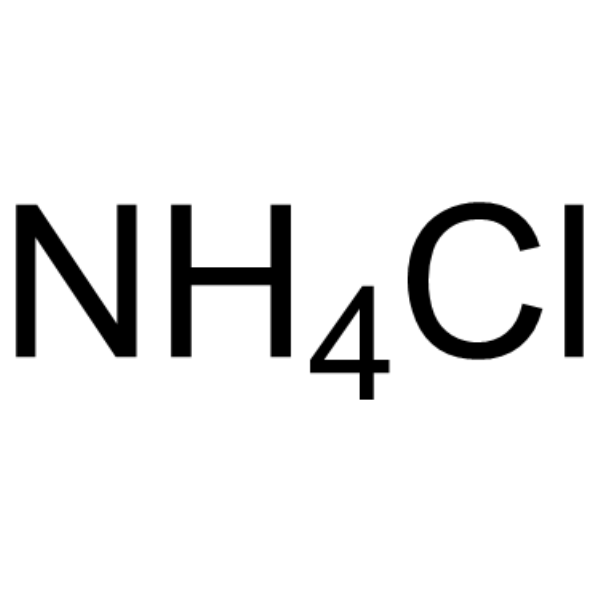
    Ammonium chloride, AR, 99.5%
    45+ Cited Publications

    Environmental Pollutants Autophagy Cancer
    Ammonium chloride, as a heteropolar compound with pH value regulation, can cause intracellular alkalization and metabolic acidosis thus effecting enzymatic activity and influencing the process of biological system. Ammonium chloride is an autophagy inhibitor. Ammonium chloride is also a lysosome inhibitor .
    Ammonium chloride, AR, 99.5%
  • HY-N6693
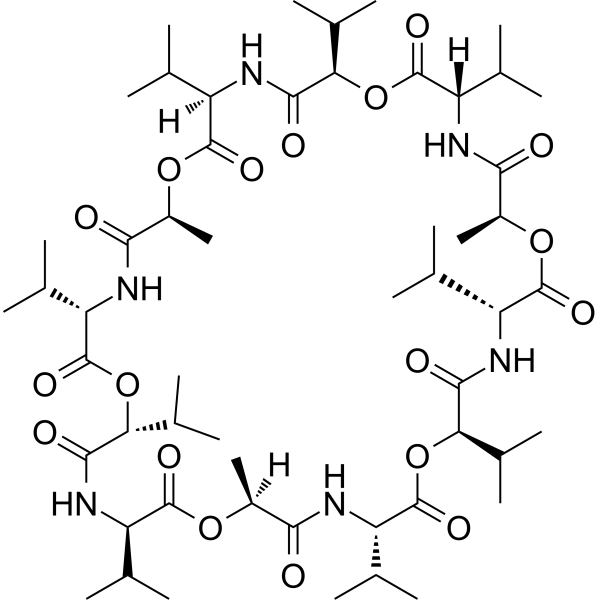
    Valinomycin
    5+ Cited Publications

    NSC 122023

    Apoptosis Antibiotic Autophagy Fungal Infection Others Cancer
    Valinomycin is a potassium-specific ionophore, the valinomycin-K + complex can be incorporated into biological bilayer membranes with the hydrophobic surface of valinomycin, destroys the normal K + gradient across the membrane, and as a result kills the cells, incorporating into liposomes can significantly reduces the cytotoxicity and enhances the targeting effect. Valinomycin exhibits antibiotic, antifungal, antiviral, antitumor and insecticidal efficacy, thus can be used for relevant research .
    Valinomycin
  • HY-N6771
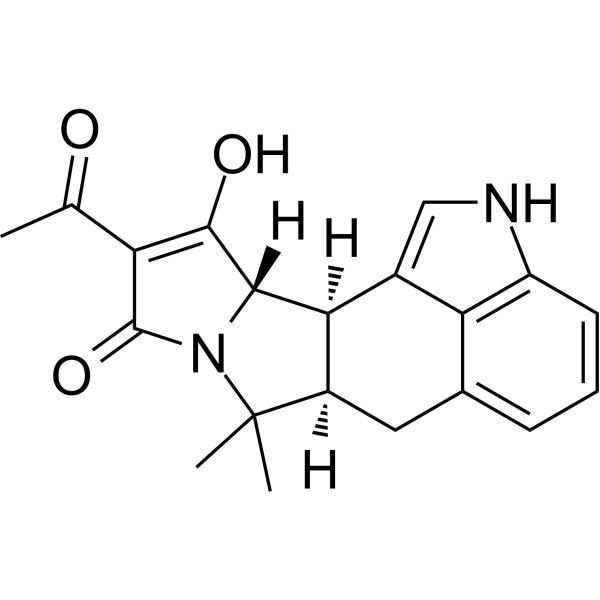
    Cyclopiazonic acid
    Maximum Cited Publications
    7 Publications Verification

    Calcium Channel 5-HT Receptor MDM-2/p53 Apoptosis RSV Infection
    Cyclopiazonic acid is an endoplasmic reticulum calcium ATPase (ECAs) inhibitor and human respiratory syncytial virus (RSV) inhibitor (EC50 value of 4.13 μ M), which can reduce the antagonistic effect of 5-HT receptors in rat thoracic aorta, induce p53 dependent cell apoptosis and reproductive toxicity in mouse testes, and inhibit the biological activation of aflatoxin B [1][4][5].
    Cyclopiazonic acid
  • HY-112624B

    Dextran 70; Dextran D70; Dextran T70(MW 64000-76000)

    Bacterial Others
    Dextran 70,000 is a high molecular weight polysaccharide formed by glucose linked by α-(1→6) glycosidic bonds. Dextran 70,000 can expand blood volume through colloidal osmotic pressure effect and inhibit cell adhesion and platelet aggregation through steric hindrance. At the same time, Dextran 70,000 can be used as a drug carrier to achieve targeted delivery through endocytosis. Dextran 70,000 is biologically inert and has low immunogenicity. It can be used for clinical blood volume expansion, anti-thrombotic research, and evaluation of vascular permeability in in vitro experiments. It can also be combined with fluorescent dyes for cell tracking and drug delivery research. The Dextran series of compounds are also natural polysaccharide drug carriers that can be connected to drugs through covalent bonding methods such as ester bonds, amide bonds or click chemistry, or self-assembled to form carriers such as nanoparticles and hydrogels. Dextran is biodegradable and biocompatible, and can achieve targeted delivery and controlled release of drugs. Dextran derivatives can prolong the half-life of drugs, increase local concentrations, and reduce the activity of immune clearance.
    Dextran T70 (MW 70,000)
  • HY-B1391
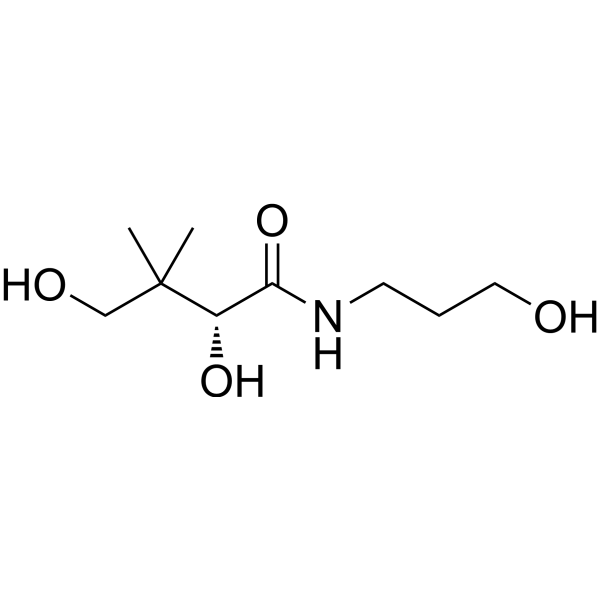
    D-Panthenol
    1 Publications Verification

    Dexpanthenol

    Environmental Pollutants Endogenous Metabolite Inflammation/Immunology Cancer
    D-Panthenol is the biologically-active alcohol of pantothenic acid, which leads to an elevation in the amount of coenzyme A in the cell. D-panthenol exhibits nephroprotective effect in AKI, promotes tissue repair and regeneration.
    D-Panthenol
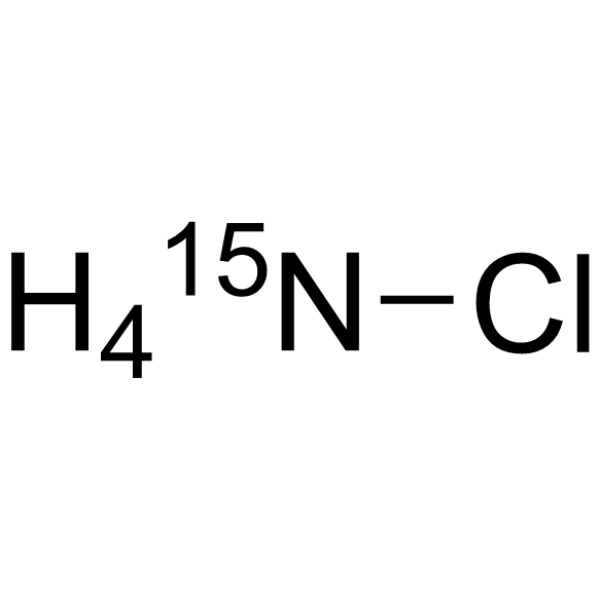
  • HY-Y1269S

    Autophagy Isotope-Labeled Compounds Cancer
    Ammonium chloride- 15N is the 15N labeled Ammonium chloride (HY-Y1269). Ammonium chloride, as a heteropolar compound with pH value regulation, can cause intracellular alkalization and metabolic acidosis thus effecting enzymatic activity and influencing the process of biological system. Ammonium chloride is an autophagy inhibitor. Ammonium chloride is also a lysosome inhibitor .
    Ammonium chloride-15N
  • HY-Y0836
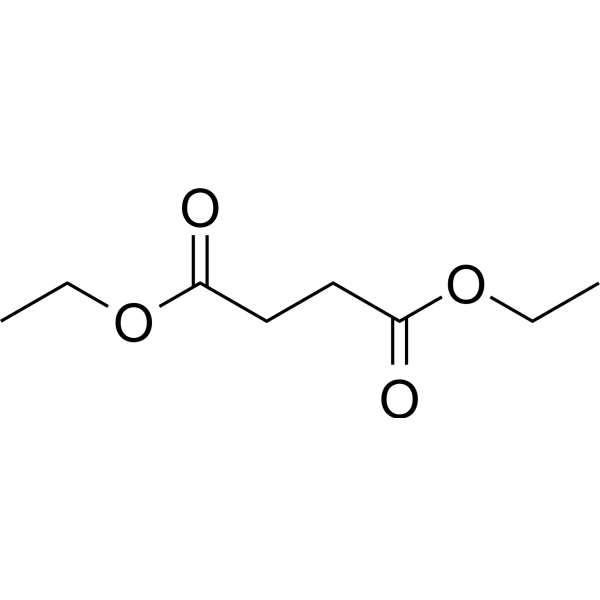
    Diethyl succinate
    3 Publications Verification

    Diethyl Butanedioate

    Environmental Pollutants Biochemical Assay Reagents Reactive Oxygen Species (ROS) Metabolic Disease Inflammation/Immunology
    Diethyl succinate (Diethyl Butanedioate) can be utilized at physiological pH, allowing it to penetrate biological membranes and integrate into the cells of tissue cultures, where it is metabolized via the tricarboxylic acid cycle. Diethyl succinate modulates the polarization and activation of microglial cells by reducing mitochondrial fission and the levels of reactive oxygen species (ROS), thereby exerting an inflammatory protective effect in primary microglial cells. Furthermore, Diethyl succinate is non-toxic and can be used in flavorings and seasonings .
    Diethyl succinate
  • HY-N2389
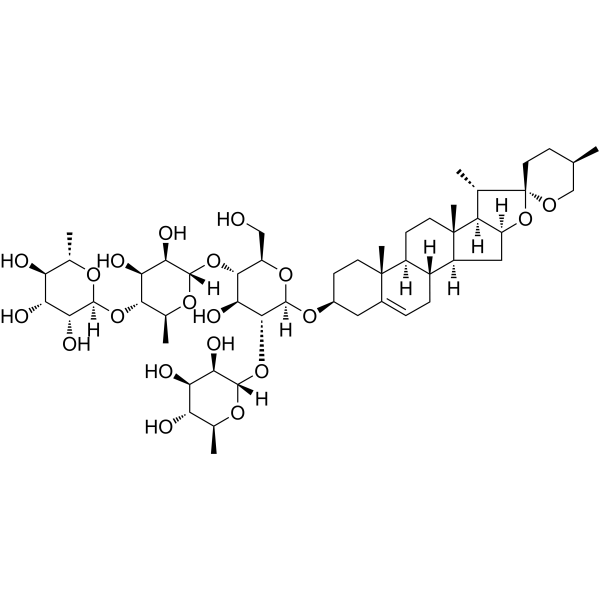
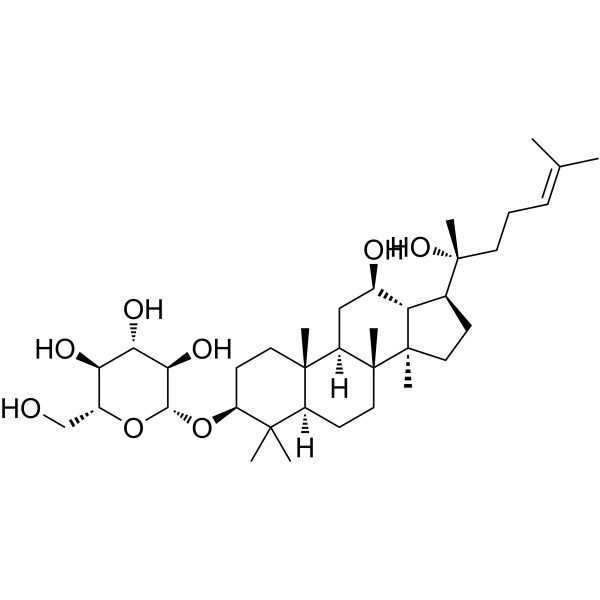
    Formosanin C
    5 Publications Verification

    Apoptosis Autophagy Ferroptosis NF-κB Fungal Infection Inflammation/Immunology Cancer
    Formosanin C is a diosgenin saponin with multiple biological activities. Formosanin C possesses multiple anti-tumor mechanisms, including inducing apoptosis and autophagy, blocking the cell cycle, inhibiting metastasis and inducing ferroptosis. Formosanin C can inhibit the NF-κB signaling pathway to exert anti-inflammatory effects, and enhance the activity of immune cells. Formosanin C exhibits the inhibiting effect against C. albicans. Formosanin C can be used for the study of anti-inflammation, antifungal anti and anti-cancer (including lung cancer, liver cancer, breast cancer and colorectal cancer, etc.) .
    Formosanin C
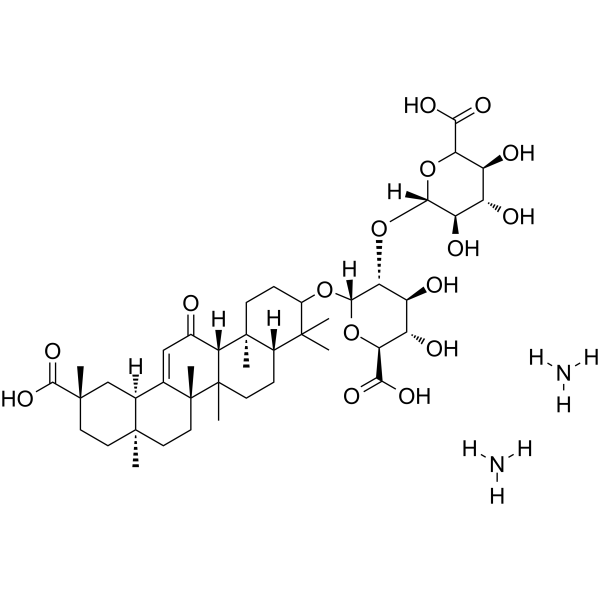
  • HY-N6804

    NF-κB Reactive Oxygen Species (ROS) Inflammation/Immunology Cancer
    Diammonium glycyrrhizinate is a substance that can be extracted and purified from a traditional Chinese medicinal herb. Diammonium glycyrrhizinate has anti-inflammatory effect, resistance to biologic oxidation, membranous protection and a weak steroidal action. Diammonium glycyrrhizinate exerts protective effect by downregulating inflammation cytokines, suppressing the NF-κB pathway, and restoring superoxide dismutase. Diammonium glycyrrhizinate can be used as a hepatic protector and can therefore be studied in research for most liver diseases .
    Diammonium Glycyrrhizinate
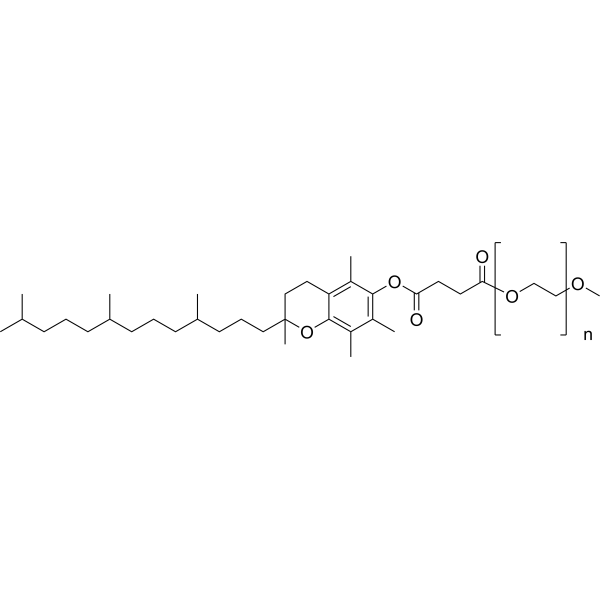
  • HY-114362

    TPGS-750-M

    Biochemical Assay Reagents Others
    DL-alpha-Tocopherol methoxypolyethylene glycol succinate (TPGS-750-M) is an amphiphile, acts as a surfactant. DL-alpha-Tocopherol methoxypolyethylene glycol succinate has a positive effect on Suzuki-Miyaura cross coupling. DL-alpha-Tocopherol methoxypolyethylene glycol succinate increases the styrene titer. DL-alpha-Tocopherol methoxypolyethylene glycol succinate is used in the stability test of NPYM-modified drugs in biological fluids .
    DL-alpha-Tocopherol methoxypolyethylene glycol succinate
  • HY-Y0850U6

    Polyvinyl alcohol (Mw 205000); Poly(Ethenol) (Mw 205000)

    Biochemical Assay Reagents Infection Inflammation/Immunology
    PVA (Polyvinyl alcohol) (Mw 205000) is a polyvinyl alcohol with a molecular weight of 205000, which is used as a biological additive. PVA (Mw 205000) can be cross-linked through physical or chemical methods to form hydrogels, and is widely applied in fields such as biomedicine, food packaging, textiles, papermaking, sensing, and electronic devices. After PVA enema, it has an improving effect on acute colitis induced by DSS (HY-116282C) in mice .
    PVA (Mw 205000)
  • HY-P0242

    Neurokinin Receptor Neurological Disease Endocrinology
    Neurokinin B belongs to the tachykinin family of peptides. Neurokinin B binds a family of GPCRs-including neurokinin receptor 1 (NK1R), NK2R, and NK3R-to mediate their biological effect .
    Neurokinin B
  • HY-P0242A

    Neurokinin Receptor Neurological Disease Endocrinology
    Neurokinin B TFA belongs to the tachykinin family of peptides. Neurokinin B binds a family of GPCRs-including neurokinin receptor 1 (NK1R), NK2R, and NK3R-to mediate their biological effect .
    Neurokinin B TFA
  • HY-N2447
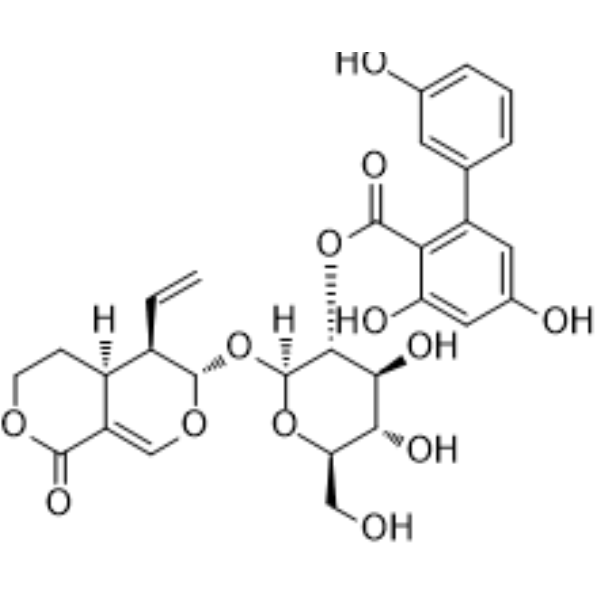
    Amarogentin
    2 Publications Verification

    AMPK Apoptosis Metabolic Disease Cancer
    Amarogentin is a secoiridoid glycoside that is mainly extracted from Swertia and Gentiana roots. Amarogentin exhibits many biological effects, including anti-oxidative, anti-tumour, and anti-diabetic activities. Amarogentin exerts hepatoprotective and immunomodulatory effects. Amarogentin promotes apoptosis, arrests G2/M cell cycle and downregulates of PI3K/Akt/mTOR signalling pathways. Amarogentin exerts beneficial vasculo-metabolic effect by activating AMPK .
    Amarogentin
  • HY-W127770

    Basic red 9

    Fluorescent Dye Infection
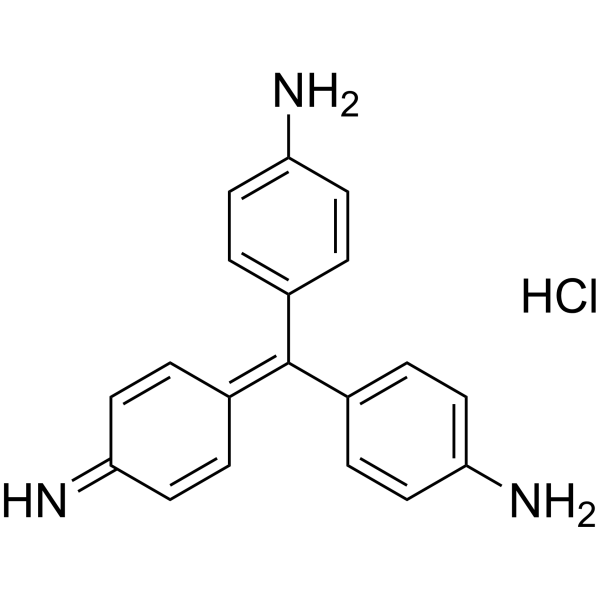
    Pararosaniline hydrochloride (Basic red 9) is a pH-responsive basic dye, as a biological stain to track certain proteins. The pH of the acidified Pararosaniline hydrochloride reagent has a significant effect on the color and the maximum absorption wavelength (λmax) of the reaction system, with its optimum pH 0.48 and a λmax at 549 nm. Pararosaniline hydrochloride is also a strong modifier of RNA splicing. Pararosaniline hydrochloride has been used in the analysis of SO2 and formaldehyde and staining of bacteria or other organisms. Pararosaniline hydrochloride is extensively used in industries like textile, printing, paper, cosmetic, and leather .
    Pararosaniline hydrochloride
  • HY-N1401
    20(R)-Ginsenoside Rh2
    2 Publications Verification

    MMP Apoptosis HSV DNA/RNA Synthesis NO Synthase Prostaglandin Receptor Reactive Oxygen Species (ROS) Akt Infection Inflammation/Immunology Cancer
    20(R)-Ginsenoside Rh2 is an orally active protopanaxadiol-type saponin with multiple biological activities. 20(R)-Ginsenoside Rh2 exerts a significant inhibitory effect on non-small cell lung cancer and liver cancer by inducing cell cycle arrest and promoting apoptosis. 20(R)-Ginsenoside Rh2 exerts anti-γ-herpesvirus effects by inhibiting viral DNA replication. 20(R)-Ginsenoside Rh2 inhibits inflammatory mediators by reducing the levels of NO, PGE2, and ROS; it can delay skin photoaging by reducing ROS and inhibiting MMP-9/2 activity. 20(R)-Ginsenoside Rh2 accelerates the recovery after muscle injury by activating the Akt1/PKB signaling pathway. 20(R)-Ginsenoside Rh2 can inhibit osteoclast formation and exert an anti-osteoporosis effect .
    20(R)-Ginsenoside Rh2
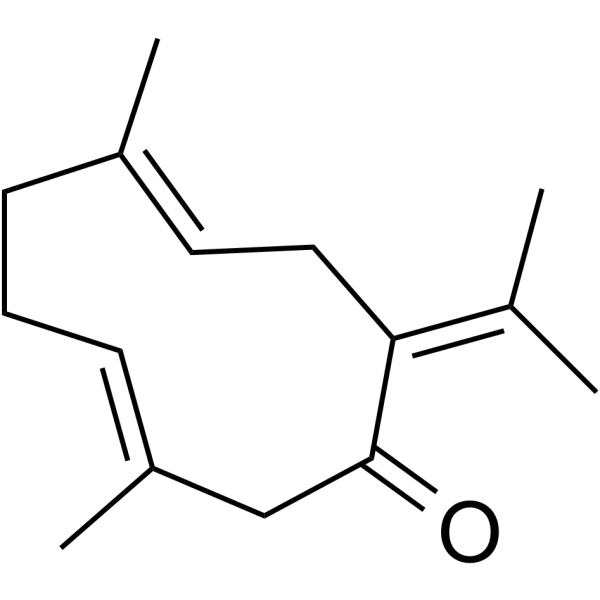
  • HY-N0440
    Germacrone
    2 Publications Verification

    Influenza Virus NF-κB 5 alpha Reductase Keap1-Nrf2 Lactate Dehydrogenase Apoptosis Infection Neurological Disease Inflammation/Immunology Endocrinology Cancer
    Germacrone is a sesquiterpene compound with multiple biological activities. Germacrone inhibits the H1N1 and H3N2 influenza A virus and the influenza B virus. Germacrone blocks the progressionof arthritis by regulating Th1/Th2 balance and inhibiting NF-κB signaling. Germacrone can arrest the cell cycle at G0/G1 and G2/M phases and induce apoptosis in breast cancer cells. Germacrone inhibits 5α-reductase and has anti-androgenic effect. Germacrone has neuroprotective functions and can be used for the study of traumatic brain injury (TBI). Germacrone also has antioxidant activity .
    Germacrone
  • HY-N0442

    4'-O-β-D-Glucosyl-5-O-methylvisamminol

    NF-κB p38 MAPK JNK Src TNF Receptor NOD-like Receptor (NLR) Amyloid-β MEK ERK Ferroptosis VEGFR Anaplastic lymphoma kinase (ALK) Reactive Oxygen Species (ROS) Neurological Disease Metabolic Disease Inflammation/Immunology Cancer
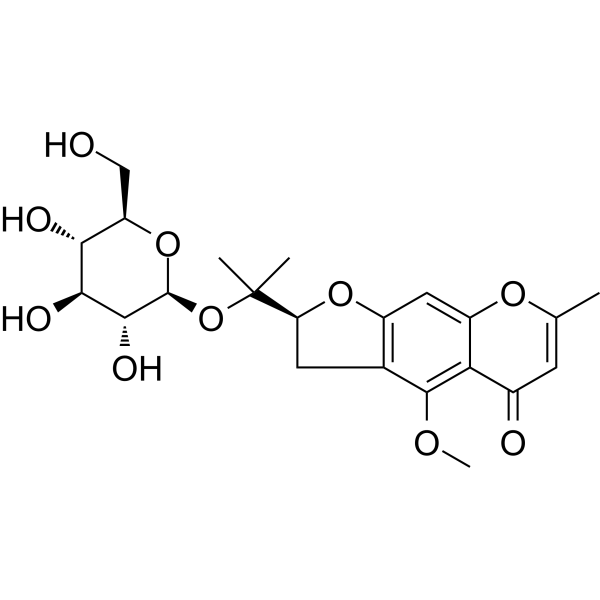
    5-O-Methylvisammioside (4'-O-β-D-Glucosyl-5-O-methylvisamminol) is an orally active natural chromone glycoside and multiple biological activities. 5-O-Methylvisammioside inhibits ferroptosis by activating the Nrf2/HO-1 signaling axis. 5-O-Methylvisammioside alleviates intestinal barrier damage by inhibiting the ROS/NF-κB/NLRP3 pathway. 5-O-Methylvisammioside exerts a protective effect against acute liver injury by reducing ALT/AST, decreasing inflammatory infiltration, and inhibiting IκB-α phosphorylation and NF-κB nuclear translocation. 5-O-Methylvisammioside blocks the HMGB1/RAGE/MEK/ERK signaling axis to exert anti-tumor and anti-angiogenic effects. 5-O-Methylvisammioside improves depression-like behaviors by inhibiting Src kinase and the NF-κB pathway .
    5-O-Methylvisammioside
  • HY-N7513

    TNF Receptor Drug Metabolite Cardiovascular Disease
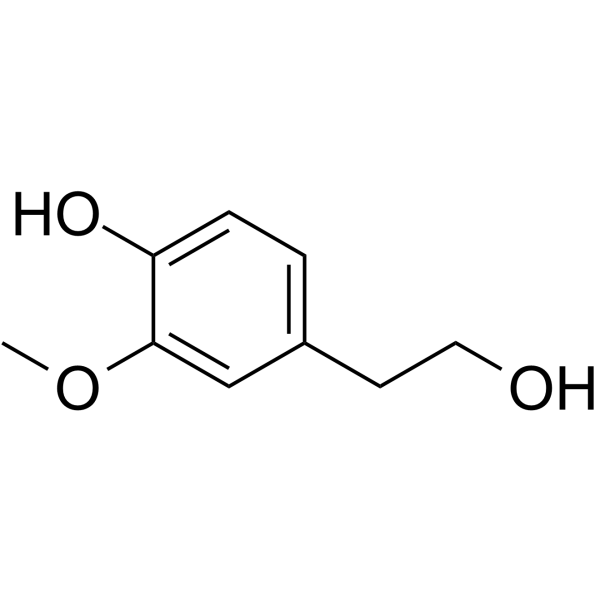
    Homovanillyl alcohol is a biological metabolite of Hydroxytyrosol. Hydroxytyrosol is a phenolic compound that is present in virgin olive oil (VOO) and wine. Homovanillyl alcohol protects red blood cells (RBCs) from oxidative injury and has protective effect on cardiovascular disease .
    Homovanillyl alcohol
  • HY-N0206

    Deglucocyclamin; LTS-4; Saxifragifolin B

    Antibiotic Cancer
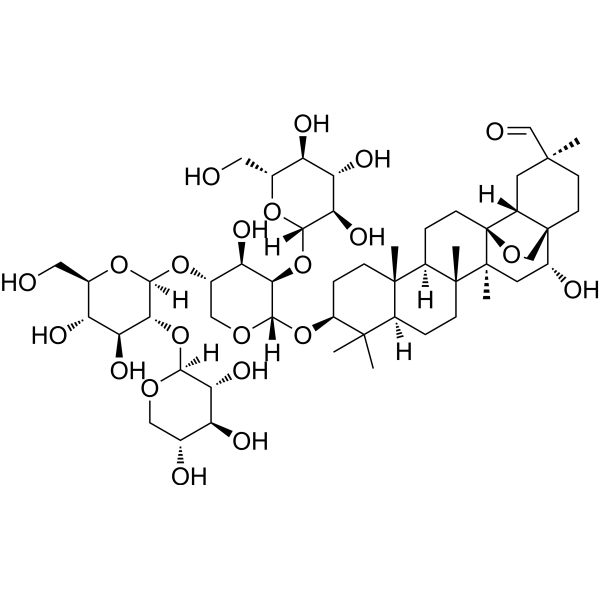
    Ardisiacrispin A (Deglucocyclamin) is a common triterpenoid saponin from Ardisia species. Ardisiacrispin A has similar biological properties with some triterpenoid saponins in A. crenata which is one of the species of genus Ardisia and exhibits cytotoxic effect on tumor cells, immunomodulatory and antiviral activities .
    Ardisiacrispin A
  • HY-P5391

    Bacterial Others
    LL-37(17-32) is a biological active peptide. (This peptide is an active segment of LL-37, a peptide derived from the C-terminal domain of human cathelicidin antimicrobial peptide. It has been reported that the LL17-32 peptide exhibits reversal effect on ABCG2-mediated multidrug resistance in cancer cell lines.)
    LL-37(17-32)
  • HY-10320A
    Doramapimod hydrochloride
    Maximum Cited Publications
    51 Publications Verification

    BIRB 796 hydrochloride

    Autophagy Raf p38 MAPK Inflammation/Immunology
    Doramapimod hydrochloride (BIRB 796 hydrochloride) is an anti-inflammatory compound with biological activity through inhibition of p38 MAPK. Doramapimod hydrochloride can significantly inhibit the activities of TNF-α and IL-1β induced by LPS, LTA and PGN. Doramapimod hydrochloride showed a stronger inhibitory effect on inflammation induced by all three bacterial toxins, which was more significant compared with the effects of other compounds. Doramapimod hydrochloride can be used in the research of autoimmune diseases .
    Doramapimod hydrochloride
  • HY-P1341

    Orexin A (17-33) (human, mouse, rat, bovine)

    Orexin Receptor (OX Receptor) Sigma Receptor Phospholipase Neurological Disease
    OXA (17-33) (Orexin A (17-33) (human, mouse, rat, bovine)) is the shortest active orexin peptide that selectively targets OX1 (EC50=8.29 nM), with 23-fold selectivity for the OX1 receptor over the OX2 receptor. The activity of OXA (17-33) depends on the Tyr17, Leu20, Asn25, His26 residues and the spatial conformation of the α-helix. OXA (17-33) activates signaling pathways involving inositol-1,4,5-trisphosphate receptor (IP3R), phospholipase D (PL-D) and choline-Sigma-1R, thereby increasing the cytoplasmic Ca 2+ level in nucleus accumbens neurons, an effect that is blocked by Sigma-1R antagonists. OXA (17-33) serves as an important biological probe for investigating the function of the OX1 receptor. OXA (17-33) can be modified via incorporation of mixed disulfide bonds of homocysteine and cysteamine, and is widely used in studies related to insomnia and narcolepsy .
    OXA(17-33)
  • HY-D0164

    Fluorescent Dye β-glucuronidase Others
    Naphthol AS-BI is a substrate of β-glucuronidase and produces a bright red effect after staining biological tissues.
    Naphthol AS-BI
  • HY-Y1269AS

    Isotope-Labeled Compounds Autophagy Cancer
    Ammonium chloride-d4 is the deuterium labeled Ammonium chloride. Ammonium chloride, as a heteropolar compound with pH value regulation, can cause intracellular alkalization and metabolic acidosis thus effecting enzymatic activity and influencing the process of biological system. Ammonium chloride is an autophagy inhibitor. Ammonium chloride is also a lysosome inhibitor .
    Ammonium chloride-d4
  • HY-P10471A

    MARCKS-ED TFA

    MARCKS PKC Others
    MPSD TFA (MARCKS-ED TFA) is the TFA salt form of MPSD (HY-P10471). MPSD TFA is a 25-amino acid peptide based on the effector domain sequence of the intracellular membrane protein myristoylated alanine-rich C-kinase substrate (MARCKS). MPSD TFA can sense membrane curvature and recognize phosphatidylserine. MPSD TFA can be utilized as biological probe to study membrane shape and lipid composition .
    MPSD TFA
  • HY-N7659A

    Phytohormone Microtubule/Tubulin Apoptosis Others
    Glucobrassicin potassium is an indole-based anticancer agent and plant growth-regulating hormone. Glucobrassicin potassium exerts its biological activity by disrupting the integrity of microtubule networks in both plant and mammalian cells. At high concentrations, Glucobrassicin potassium inhibits seed germination and root growth; it can also specifically induce apoptosis in mammalian cancer cells and interfere with the intercellular transmission of viruses that rely on microtubules. In plants, Glucobrassicin potassium can be catalyzed by myrosinase to release growth-regulating substances, exhibiting a concentration-dependent growth-regulating effect .
    Glucobrassicin potassium
  • HY-N7659

    Phytohormone Apoptosis Microtubule/Tubulin Cancer
    Glucobrassicin is an indole-based anticancer agent and plant growth-regulating hormone. Glucobrassicin exerts its biological activity by disrupting the integrity of microtubule networks in both plant and mammalian cells. At high concentrations, Glucobrassicin inhibits seed germination and root growth; it can also specifically induce apoptosis in mammalian cancer cells and interfere with the intercellular transmission of viruses that rely on microtubules. In plants, Glucobrassicin can be catalyzed by myrosinase to release growth-regulating substances, exhibiting a concentration-dependent growth-regulating effect .
    Glucobrassicin
  • HY-N0440R

    Reference Standards Influenza Virus NF-κB 5 alpha Reductase Keap1-Nrf2 Lactate Dehydrogenase Apoptosis Infection Neurological Disease Inflammation/Immunology Endocrinology Cancer
    Germacrone (Standard) is an analytical standard of Gemmacrone (HY-N0440). This product is intended for research and analytical applications. Germacrone (Standard) is a sesquiterpene compound with multiple biological activities. Germacrone (Standard) inhibits the H1N1 and H3N2 influenza A viruses and the influenza B virus. Germacrone (Standard) blocks the progressionof arthritis by regulating Th1/Th2 balance and inhibiting NF-κB signaling. Germacrone (Standard) can arrest the cell cycle at G0/G1 and G2/M phases and induce apoptosis in breast cancer cells. Germacrone (Standard) inhibits 5α-reductase and has anti-androgenic effect. Germacrone (Standard) has neuroprotective functions and can be used for the study of traumatic brain injury (TBI). Germacrone (Standard) also has antioxidant activity .
    Germacrone (Standard)
  • HY-B1391R

    Dexpanthenol (Standard)

    Reference Standards Endogenous Metabolite Inflammation/Immunology Cancer
    D-Panthenol (Standard) is the analytical standard of D-Panthenol. This product is intended for research and analytical applications. D-Panthenol is the biologically-active alcohol of pantothenic acid, which leads to an elevation in the amount of coenzyme A in the cell. D-panthenol exhibits nephroprotective effect in AKI, promotes tissue repair and regeneration.
    D-Panthenol (Standard)
  • HY-W342092

    Biochemical Assay Reagents Endogenous Metabolite
    1,3,4,6-Tetrachloro-3α,6α-diphenylglycouril is a chemical agent that has the property of inhibiting enzyme activity in organisms. 1,3,4,6-Tetrachloro-3α,6α-diphenylglycouril is used as a potential anti-tumor agent in compound development. 1,3,4,6-Tetrachloro-3α,6α-diphenylglycouril has the effect of regulating cell signaling pathways and can be used to study cell biology. 1,3,4,6-Tetrachloro-3α,6α-diphenylglycouril is considered to be a potent compound that can exert biological activity under specific conditions.
    1,3,4,6-Tetrachloro-3α,6α-diphenylglycouril
  • HY-P5437

    PKC Others
    PKCε (85-92) is a biological active peptide. (This peptide is the e-PKC specific activator, it also activates MARCKS phosphorylation in wild type cells, and has no effect on MARCKS phosphorylation in the cells derived from knockout mice.)
    PKCε (85-92)
  • HY-W698586

    Drug Isomer Others
    (R)-Lotaustralin is a cyanogenic compound derived from Manihot Utilissima, playing a role in the plant's biological defense mechanism. When plant tissue is damaged, (R)-Lotaustralin is hydrolyzed by enzymes such as linamarase, releasing cyanide and thereby exerting a toxic defensive effect .
    (R)-Lotaustralin
  • HY-116567A

    Endogenous Metabolite Endocrinology
    (S)-OPC-51803 is an agonist of the vasopressin V2 receptor, with activity in suppressing nocturia and urinary incontinence. (S)-OPC-51803 was evaluated in terms of biological activity and showed a stronger V2 receptor agonist effect compared to its (R)-isomer. The use of (S)-OPC-51803 may improve the patient's ability to control nocturnal polyuria .
    (S)-OPC-51803
  • HY-119963A

    Bacterial Infection Inflammation/Immunology
    trans-β-Terpineol is a cyclic monoterpene alcohol present in Greek propolis and the essential oil of Peganum harmala seeds, with biological activities. trans-β-Terpineol serves as a substrate for biotransformation in tobacco suspension cells, where allylic hydroxylation occurs at specific sites. trans-β-Terpineol can be isolated from the leaves of Euryops arabicus. Terpineol (HY-N7851) exhibits antioxidant and antibacterial activities, and trans-β-terpineol is the bioactive compound responsible for the antibacterial effect in Euryops arabicus .
    trans-β-Terpineol
  • HY-W030338

    Endogenous Metabolite Inflammation/Immunology
    aPKC-IN-2 is a small molecule inhibitor that inhibits aPKC activity. aPKC-IN-2 can effectively block vascular endothelial permeability in cell culture and in vivo experiments. aPKC-IN-2 shows biological activity in interfering with NFκB-driven gene transcription and is associated with inflammatory responses. aPKC-IN-2 has a significant inhibitory effect on vascular endothelial permeability induced by VEGF and TNF, and its EC50 value is in the low nanomolar range. The structural characteristics of aPKC-IN-2 reveal key elements of its inhibitory activity, providing the possibility for further development of small molecule aPKC inhibitors .
    aPKC-IN-2
  • HY-174296

    PI5P4K Others
    TMX-4102 is a highly selective phosphatidylinositol 5-phosphate 4-kinase type II gamma (PIP4K2C) binder. TMX-4102 has binding activity to PIP4K2C (Kd = 0.45 nM) and has no significant effect on other lipid and non-lipid kinases.TMX-4102 specifically binds to PIP4K2C, regulating its scaffold function rather than its enzymatic activity. TMX-4102 can be used as a tool molecule to study the biological function and potential therapeutic value of PIP4K2C .
    TMX-4102
  • HY-P10471

    MARCKS-ED

    MARCKS PKC Others
    MPSD (MARCKS-ED) is a 25-amino acid peptide based on the effector domain sequence of the intracellular membrane protein myristoylated alanine-rich C-kinase substrate (MARCKS). MPSD can sense membrane curvature and recognize phosphatidylserine. MPSD can be utilized as biological probe to study membrane shape and lipid composition .
    MPSD
  • HY-174641

    mRNA Inflammation/Immunology
    Human IL12B mRNA encodes the human interleukin 12B (IL12B) protein, a subunit of interleukin 12, is a cytokine that acts on T and natural killer cells, and has a broad array of biological activities. IL12B has been found to be important for sustaining a sufficient number of memory/effector Th1 cells to mediate long-term protection to an intracellular pathogen.
    Human IL12B mRNA
  • HY-N4192

    Others Cardiovascular Disease Cancer
    Toringin, a bioflavonoid, is isolated from the bark of Docyniopsis tschonoski. Toringin progressively decreases not only the cis-effect of the expanded CTG repeats but cytotoxicity as well. Exposure to isosakuranetin, Toringin rescues PC12 neuronal cells. Flavonoids are efficacious for ameliorating the RNA gain of function caused by expanded CTG repeats, and have various biological activities and beneficial actions against cancers, coronary heart disease, among other pathologies .
    Toringin
  • HY-P10471D

    MARCKS-ED control peptide

    MARCKS PKC Others
    MPSD control peptide (MARCKS-ED control peptide) is a control peptide for MPSD peptide (HY-P10471). MPSD (MARCKS-ED) is a 25-amino acid peptide based on the effector domain sequence of the intracellular membrane protein myristoylated alanine-rich C-kinase substrate (MARCKS). MPSD can sense membrane curvature and recognize phosphatidylserine. MPSD can be utilized as biological probe to study membrane shape and lipid composition .
    MPSD control peptide
  • HY-B0317F

    Calcium Channel Infection
    Amlodipine hydrochloride is a biologically active drug used to lower blood pressure and prevent chest pain. Amlodipine hydrochloride has shown synergistic effects with antimicrobial drugs in in vitro studies, especially against carbene peptide-resistant Acinetobacter baumannii. Amlodipine hydrochloride can be used in combination with other antibiotics to enhance the inhibitory effect against resistant bacteria. The use of amlodipine hydrochloride helps reduce the dosage requirements of the drug, reduce toxic effects, and delay the emergence of drug resistance .
    Amlodipine hydrochloride
  • HY-N6609

    nAChR Others
    Magnocurarine is a neuromuscular junction blocker that inhibits muscle contraction by functionally blocking signal transmission without directly damaging nerve or muscle tissues. In frog, mouse and rabbit models, Magnocurarine exerts a dose-dependent paralytic effect, which progresses gradually from limb weakness and loss of righting reflex to respiratory depression and even cardiac arrest. Although high doses cause complete cessation of movement, Magnocurarine does not affect the spinal multineuronal reflex in frogs. Magnocurarine exhibits biological activity similar to that of tubocurarine (HY-125901) in various animal models .
    Magnocurarine
  • HY-W050154R

    Reference Standards Parasite Tyrosinase NF-κB CDK Infection Inflammation/Immunology Cancer
    Kojic acid (Standard) is the analytical standard of Kojic acid. This product is intended for research and analytical applications. Kojic acid is a substance produced by Aspergillus oryzae, with various biological activities including antitumor, insecticidal, antibacterial, antioxidant, and radioprotective effects. Kojic acid exhibits tyrosinase inhibition activity by capturing copper ions that bind to the active site of tyrosinase, preventing its activation. Tyrosinase is a key enzyme in the biosynthesis of melanin, so kojic acid can block melanin production. Additionally, kojic acid shows potential inhibition of NF-κB activity in human keratinocytes, which may also be related to the anti-melanogenic effect induced by kojic acid. Kojic acid is effective when administered orally and can also be absorbed transdermally. Nano-carrier systems prepared with kojic acid demonstrate effective delivery of anticancer drugs. Kojic acid holds promise for research in cancer, infectious diseases, and skin whitening among other fields .
    Kojic acid (Standard)
  • HY-Y0790R

    p-Isopropylbenzaldehyde (Standard)

    α-synuclein Reference Standards Infection Neurological Disease Inflammation/Immunology Cancer
    Cuminaldehyde Standard is the analytical standard of Cuminaldehyde. This product is intended for research and analytical applications. Cuminaldehyde is the main component of Cuminum cyminum and has multiple biological activities, including anti-inflammatory, anti-cancer, anti-diabetic, anti-injury, anti-neuropathy and antibacterial effects. Cuminaldehyde is an inhibitor of aldose reductase (IC50= 0.00085 mg/mL) and α-glucosidase (IC50=0.5 mg/mL). Cuminaldehyde also inhibits the fibrillation of α-synuclein and prevents its aggregation Cuminaldehyde can induce apoptosis in colon adenocarcinoma cells by targeting topoisomerase I and II. In addition, Cuminaldehyde also exerts anti-inflammatory activity by inhibiting lipoxygenase. Cuminaldehyde has a strong inhibitory effect on the growth of Aspergillus flavus and the biosynthesis of aflatoxin B1 (AFB1). Cuminaldehyde can exert anti-injury and anti-neuropathy effects by participating in opioid receptors, L-arginine/NO/cGMP pathways and anti-inflammatory effects. Cuminaldehyde has potential application value in the research of neurodegenerative diseases, cancer, diabetes and neuropathic pain diseases .
    Cuminaldehyde (Standard)
  • HY-P3630

    Biochemical Assay Reagents Others
    Stick Insect Hypertrehalosaemic Factor II is a synthetic peptide. Stick Insect Hypertrehalosaemic Factor II has the same FAB spectra, reversed-phase high-performance liquid chromatographic behavior, and biological behavior as the natural material. Stick Insect Hypertrehalosaemic Factor II can be used for the research of hypertrehalosaemic effect .
    Stick Insect Hypertrehalosaemic Factor II
  • HY-117980

    AB 132

    DNA/RNA Synthesis Cancer
    Meturedepa (AB 132) functions as a radiation sensitizer, enhancing the biological effects of radiation. When combined with suboptimal doses of X-ray radiation, this combined therapy achieves better outcomes in terms of tumor shrinkage compared to Meturedepa used alone. Meturedepa is applicable in the research of bronchogenic carcinoma .
    Meturedepa
  • HY-W040156

    Fungal Infection
    Oxadixyl is a fungicide with activity that inhibits the growth of fungi. Oxadixyl was tested during the malic fermentation of red wine, where its concentration may be affected. The biological activity of Oxadixyl helps to evaluate its effect on microorganisms during the winemaking process .
    Oxadixyl
  • HY-124408

    Fungal Infection
    Mepronil, a compound belonging to the carboxyamine group of fungicides, has a particularly strong bactericidal effect on basidiomycete fungi. Mepronil acts as a single point inhibitor of the succinate ubiquinone reductase or succinate dehydrogenase complex. Mepronil can be used in the study of cross resistance and biological infection .
    Mepronil
  • HY-119069

    Dopamine Receptor Neurological Disease
    FAUC 3019 is a partial agonist of dopamine D(4) receptors and has the activity of promoting penile erection. FAUC 3019 has a strong stimulatory effect on penile erection in male rats at low concentrations. The biological activity of FAUC 3019 makes it a promising compound candidate .
    FAUC 3019

Inquiry Online

Your information is safe with us. * Required Fields.

Salutation


Country or Region *

Applicant Name *


Organization Name *

Department *


Email Address *


Product Name *

Cat. No.


Requested quantity *

Phone Number *


Remarks

Inquiry Online

Inquiry Information

Product Name:
Cat. No.:
Quantity:
MCE Japan Authorized Agent:

