24 Results for "

block PI3K/AKT/mTOR signaling

" in MedChemExpress (MCE) Product Catalog:
Products (24)

24 Results for "block PI3K/AKT/mTOR signaling" in MCE Product Catalog:

136
136 Publications Verification
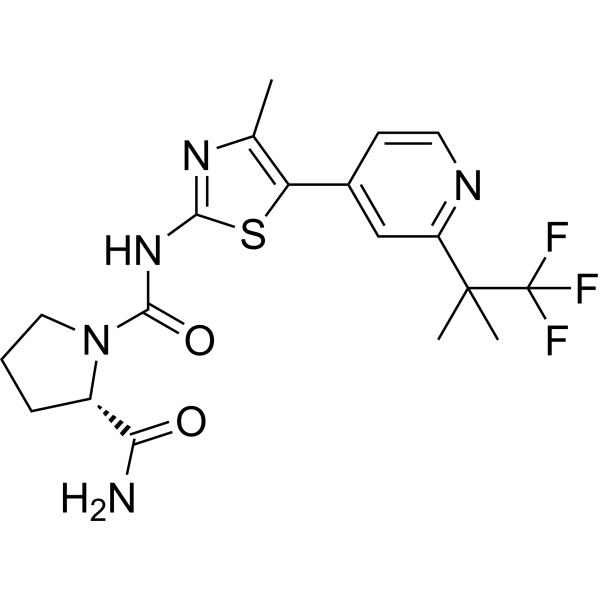
Cat. No.: HY-15244
CAS No.: 1217486-61-7
Purity:  99.88%
Synonyms: BYL-719
Alpelisib (BYL-719) is an orally active PI3Kα-selective inhibitor that blocks the conversion of PIP2 to PIP3, thereby inhibiting pathways including PI3K/AKT/mTOR, MAPK/ERK, Notch and JAK-STAT. Alpelisib also induces apoptosis, G0/G1 phase arrest and senescence; it significantly inhibits the proliferation, self-renewal, stemness and epithelial-mesenchymal transition (EMT) of tumor cells, reduces cancer stem cell populations and decreases the expression of stem cell markers. Alpelisib not only enhances the sensitivity to Eribulin (HY-13442) and exerts a synergistic effect with Paclitaxel (HY-B0015), but may also induce drug resistance by upregulating the SGK3/GSK3β/β-catenin signaling pathway. Alpelisib can be applied to research related to breast cancer, gastric cancer and lipomas associated with PTEN hamartoma tumor syndrome .
loading...
    loading...
136
136 Publications Verification
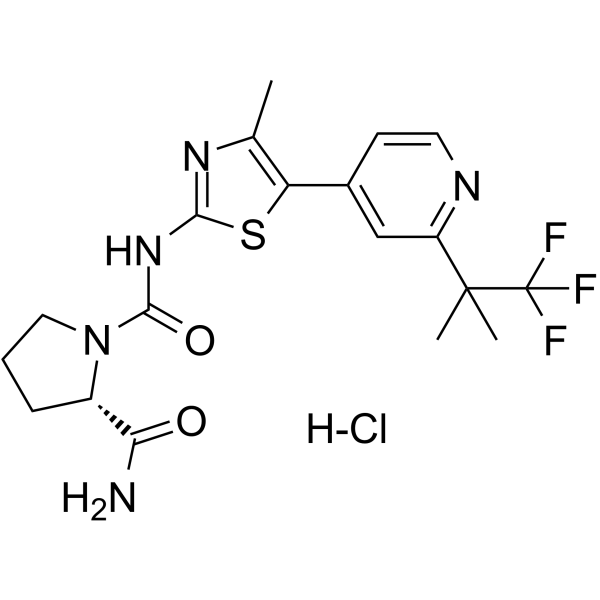
Cat. No.: HY-15244A
CAS No.: 1584128-91-5
Synonyms: BYL-719 hydrochloride
Alpelisib (BYL-719) hydrochloride is an orally active PI3Kα-selective inhibitor that blocks the conversion of PIP2 to PIP3, thereby inhibiting pathways including PI3K/AKT/mTOR, MAPK/ERK, Notch and JAK-STAT. Alpelisib hydrochloride also induces apoptosis, G0/G1 phase arrest and senescence; it significantly inhibits the proliferation, self-renewal, stemness and epithelial-mesenchymal transition (EMT) of tumor cells, reduces cancer stem cell populations and decreases the expression of stem cell markers. Alpelisib hydrochloride not only enhances the sensitivity to Eribulin (HY-13442) and exerts a synergistic effect with Paclitaxel (HY-B0015), but may also induce drug resistance by upregulating the SGK3/GSK3β/β-catenin signaling pathway. Alpelisib hydrochloride can be applied to research related to breast cancer, gastric cancer and lipomas associated with PTEN hamartoma tumor syndrome .
loading...
    loading...
5
5 Cited Publications
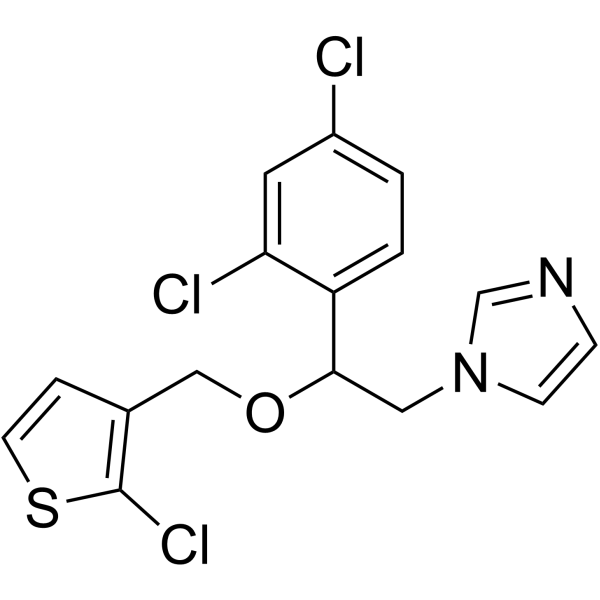
Cat. No.: HY-B0319
CAS No.: 65899-73-2
Synonyms: UK-20349
Research Areas:  

Infection Cancer

Tioconazole (UK-20349) is a broad-spectrum antifungal imidazole derivative. Tioconazole inhibits several dermatophytes and yeasts, with MIC50 values of less than 3.12 mg/L and 9 mg/L, respectively. Additionally, Tioconazole exhibits anti-parasitic activity. Tioconazole exerts anticancer activity by inhibiting the PI3K/AKT/mTOR signaling pathway and blocking autophagy. Tioconazole is applicable for research in the fields of anti-infection and anticancer therapy .
loading...
    loading...
4
4 Cited Publications
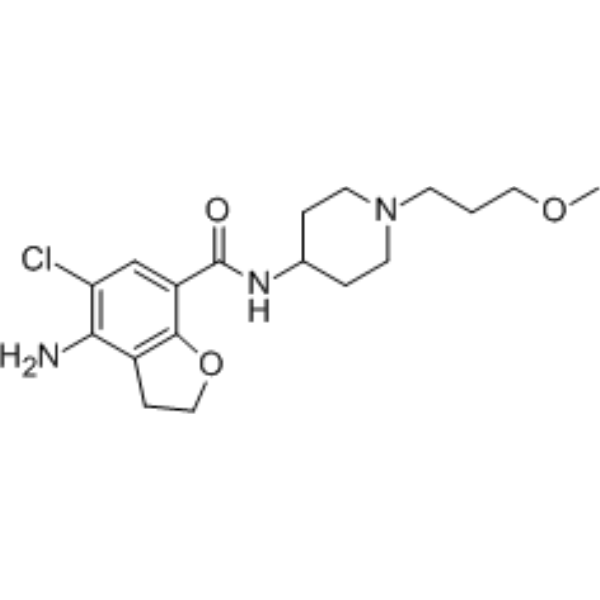
Cat. No.: HY-14151
CAS No.: 179474-81-8
Purity:  99.81%
Research Areas:  

Neurological Disease Cancer

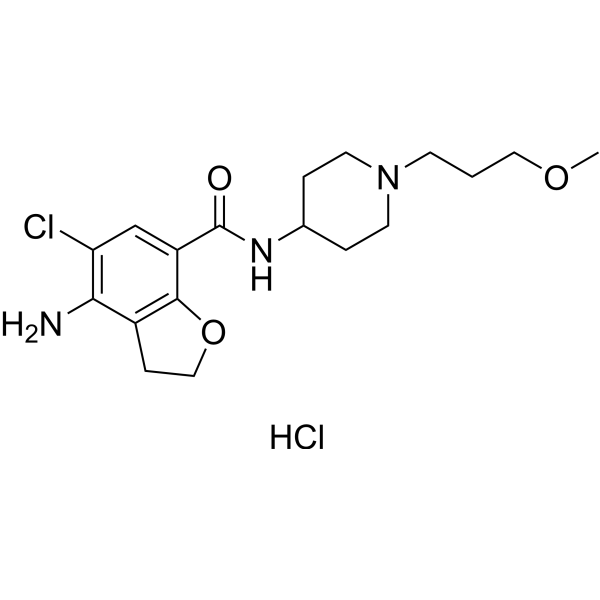
Prucalopride is an orally active, selective and specific 5-HT 4 receptor agonist (high affinity), with pKis of 8.6 and 8.1 for human 5-HT4a/4b receptors, respectively. Prucalopride improves intestinal motility by promoting regeneration of the intestinal nervous system in rats. Prucalopride also shows anticancer activity by blocking of the PI3K/AKT/mTor signaling pathway. Prucalopride can be used in studies of chronic constipation, pseudo-intestinal obstruction and cancer .
loading...
    loading...
4
4 Cited Publications
Cat. No.: HY-12694
CAS No.: 179474-85-2
Purity:  99.95%
Synonyms: R-108512
Research Areas:  

Metabolic Disease Cancer

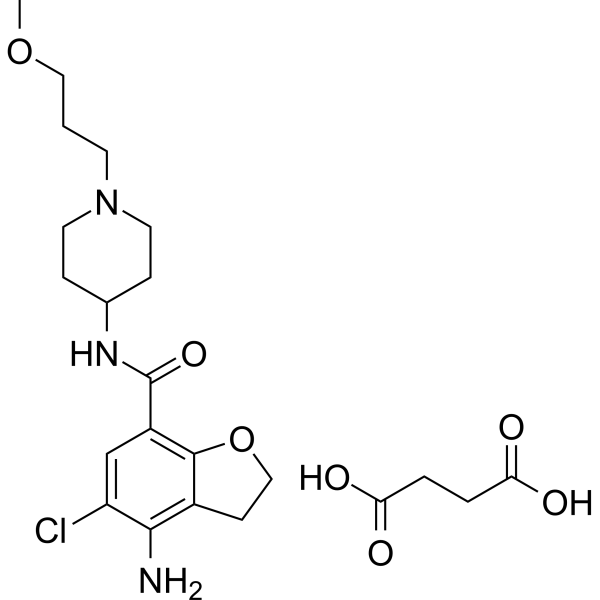
Prucalopride succinate is an orally active, selective and specific 5-HT 4 receptor agonist (high affinity), with pKis of 8.6 and 8.1 for human 5-HT4a/4b receptors, respectively. Prucalopride succinate improves intestinal motility by promoting regeneration of the intestinal nervous system in rats. Prucalopride succinate also shows anticancer activity by blocking of the PI3K/AKT/mTor signaling pathway. Prucalopride succinate can be used in studies of chronic constipation, pseudo-intestinal obstruction and cancer .
loading...
    loading...
1
1 Cited Publications
Cat. No.: HY-139534
CAS No.: 3078120-01-8
Purity:  99.16%
Target:  

ROR Apoptosis Akt mTOR PARP

Research Areas:  

Cancer

ARI-1 is a receptor tyrosine kinase-like orphan receptor 1 (ROR1) inhibitor. ARI-1 blocks the PI3K/AKT/mTOR signaling pathway in a ROR1-dependent manner. ARI-1 upregulates cleaved-PARP and p-P38. ARI-1 induces Apoptosis. ARI-1 has anticancer activity against non-small cell lung cancer .
loading...
    loading...
Cat. No.: HY-16441
CAS No.: 150863-82-4
Synonyms: S-1; TS-1
Research Areas:  

Cancer

Tegafur-gimeracil-oteracil potassium (S-1; TS-1) is an orally active anticancer agent composed of Tegafur (HY-17400), Gimeracil (HY-17469), and Oteracil potassium (HY-17511). Tegafur-gimeracil-oteracil potassium inhibits the proliferation, migration and invasion of endometrial cancer cells and induces apoptosis by blocking the PI3K/AKT/mTOR signaling pathway. Tegafur-gimeracil-oteracil potassium can be used in research related to endometrial cancer and gastric cancer with peritoneal metastasis .
loading...
    loading...
Cat. No.: HY-143883
CAS No.: 2376137-41-4
Target:  

PROTACs Akt

Research Areas:  

Cancer

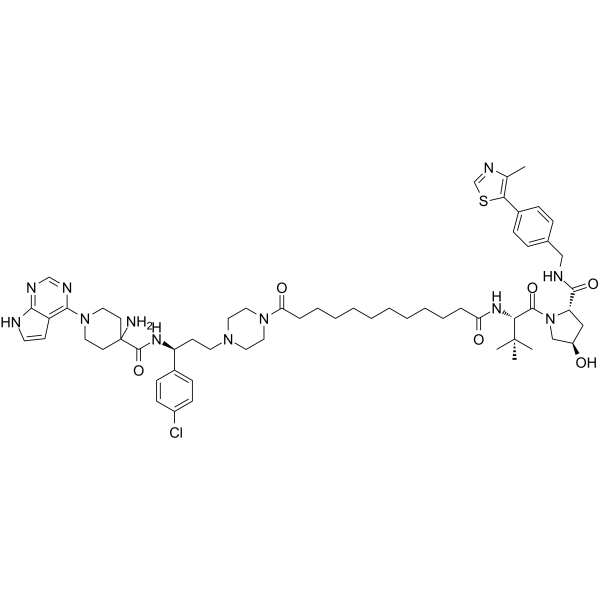
MS143 is a VHL-recruiting AKT protein PROTAC degrader with a DC50 of 46 nM in PC3 prostate cancer cells. MS143 preferentially binds to AKT1 and AKT3, with weaker binding activity towards AKT2. MS143 degrades AKT and blocks the phosphorylation of downstream signaling molecules in the PI3K/AKT/mTOR pathway. MS143 inhibits cancer cell growth and xenograft tumor growth. MS143 can be used for research on prostate cancer, triple-negative breast cancer, and breast cancer .
loading...
    loading...
Cat. No.: HY-N3000
CAS No.: 72401-54-8
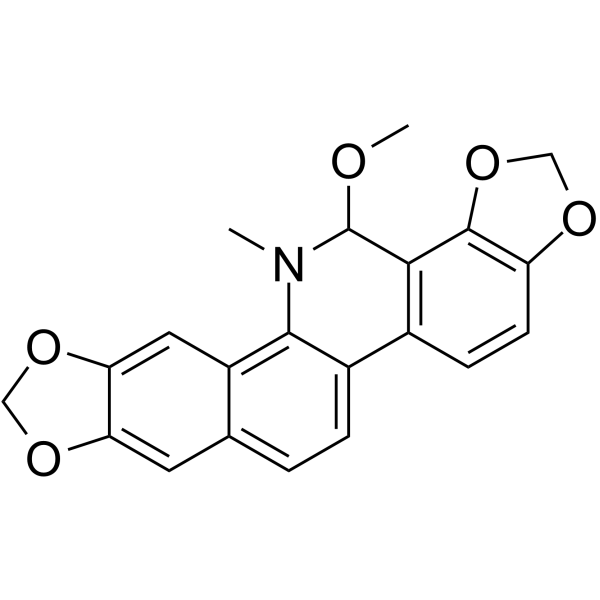
6-Methoxydihydrosanguinarine is an alkaloid with activity across multiple cancer cell types. 6-Methoxydihydrosanguinarine activates IRE1/JNK signaling, blocks Akt/mTOR and PI3K/AKT/mTOR pathways, reduces expression of Cdc25C, CyclinB1, Cdc2, YAP/TAZ, Survivin, GPX4, and EGFR, upregulates IRE1 and DR5, and activates JNK and caspases. 6-Methoxydihydrosanguinarine induces apoptosis, G2/M phase arrest, DNA damage, ROS generation, lipid peroxidation, ferroptosis, autophagy, and suppresses cancer cell growth. 6-Methoxydihydrosanguinarine disruptes the biofilm formation of Candida albicans (C. albicans). 6-Methoxydihydrosanguinarine can be used for the research of non-small cell lung cancer, hepatocellular carcinoma, melanoma, colon carcinoma, ovarian cancer and breast cancer .
loading...
    loading...
Cat. No.: HY-15244R
CAS No.: 1217486-61-7
Synonyms: BYL-719 (Standard)
Alpelisib (BYL-719) (Standard) is the analytical standard of Alpelisib (HY-15244). This product is intended for research and analytical applications. Alpelisib (BYL-719) is an orally active PI3Kα-selective inhibitor that blocks the conversion of PIP2 to PIP3, thereby inhibiting pathways including PI3K/AKT/mTOR, MAPK/ERK, Notch and JAK-STAT. Alpelisib also induces apoptosis, G0/G1 phase arrest and senescence; it significantly inhibits the proliferation, self-renewal, stemness and epithelial-mesenchymal transition (EMT) of tumor cells, reduces cancer stem cell populations and decreases the expression of stem cell markers. Alpelisib not only enhances the sensitivity to Eribulin (HY-13442) and exerts a synergistic effect with Paclitaxel (HY-B0015), but may also induce drug resistance by upregulating the SGK3/GSK3β/β-catenin signaling pathway. Alpelisib can be applied to research related to breast cancer, gastric cancer and lipomas associated with PTEN hamartoma tumor syndrome .
loading...
    loading...
Cat. No.: HY-15872
CAS No.: 170006-73-2
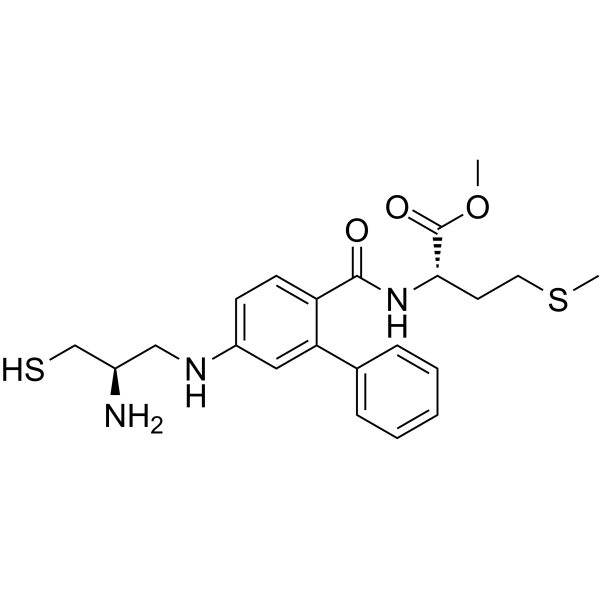
FTI-277 is a farnesyltransferase (FTase) inhibitor. FTI-277 inhibits Ras farnesylation, blocks the phosphorylation of downstream ERK1/2 and mTOR, and reduces membrane-bound active N-ras protein. FTI-277 activates caspase 3, upregulates Bim expression, induces cell apoptosis, suppresses regulatory T cell expansion, enhances macrophage phagocytosis, and improves bacterial clearance. FTI-277 activates the PI3K/Akt signaling pathway, inhibits osteoblast differentiation, and reduces the proliferation ability of neuroblastoma cells. FTI-277 can be used in research related to head and neck squamous cell carcinoma, neuroblastoma, sepsis, and vascular calcification .
loading...
    loading...
Cat. No.: HY-110038
CAS No.: 1217447-06-7
FTI-277 TFA is a farnesyltransferase (FTase) inhibitor. FTI-277 TFA inhibits Ras farnesylation, blocks the phosphorylation of downstream ERK1/2 and mTOR, and reduces membrane-bound active N-ras protein. FTI-277 TFA activates caspase 3, upregulates Bim expression, induces cell apoptosis, suppresses regulatory T cell expansion, enhances macrophage phagocytosis, and improves bacterial clearance. FTI-277 TFA activates the PI3K/Akt signaling pathway, inhibits osteoblast differentiation, and reduces the proliferation ability of neuroblastoma cells. FTI-277 TFA can be used in research related to head and neck squamous cell carcinoma, neuroblastoma, sepsis, and vascular calcification .
loading...
    loading...
Cat. No.: HY-130133
CAS No.: 2378831-21-9
DHW-221 is a potent orally active dual PI3K/mTOR inhibitor, exhibiting low nanomolar potency against all four Class I PI3K isoforms and mTOR (PI3Kα, IC50 = 0.50 nM; PI3Kβ, IC50 = 1.9 nM; PI3Kγ, IC50 = 1.8 nM; PI3Kδ, IC50 = 0.74 nM; mTOR, IC50 = 3.9 nM). DHW-221 exerts antitumor effects by blocking the PI3K/Akt/mTOR pathway and inducing mitochondrial apoptosis and paraptosis (via Endoplasmic Reticulum (ER) stress and MAPK signaling) and arrests cell cycle, thereby inhibiting cell migration, invasion and angiogenesis. DHW-221 inhibits tumor growth in both the A549/Taxol (HY-B0015) and the HCC827 xenograft mouse models. DHW-221 can be used for non-small cell lung cancer (NSCLC), colon and breast cancer research .
loading...
    loading...
Cat. No.: HY-174396
CAS No.: 3075011-99-0
PI3Kδ/HDAC6-IN-1 (Compound 22E) is an orally active and dual inhibitor of PI3Kδ and HDAC6 with IC50 values of 2.4 nM and 6.2 nM, respectively. PI3Kδ/HDAC6-IN-1 exhibits potent antiproliferative effects on non-Hodgkin lymphoma (NHL) cells and possesses in vivo antitumor activity without significant toxicity. PI3Kδ/HDAC6-IN-1 arrests the cell cycle at the G0/G1 phase and induces apoptosis. PI3Kδ/HDAC6-IN-1 blocks the PI3K/AKT/mTOR signaling pathway and increases the acetylation levels of α-tubulin and histone H3 .
loading...
    loading...
Cat. No.: HY-P10833
Target:  

VEGFR PI3K Akt mTOR ERK Apoptosis

Research Areas:  

Cardiovascular Disease Cancer

C-VGB3 is a selective vascular endothelial growth factor receptor 2 (VEGFR2) antagonist, which inhibits VEGFR2-mediated PI3K/AKT/mTOR and PLCγ/ERK1/2 signaling pathways. C-VGB3 binds to the extracellular domain of VEGFR2, blocking ligand-receptor interaction and inducing apoptosis in endothelial and tumor cells through both intrinsic (involving Bcl2 family and caspases) and extrinsic (death receptor-mediated) pathways. C-VGB3 is promising for research of angiogenesis-related cancers, such as breast cancer .
loading...
    loading...
Cat. No.: HY-P990610

Target:  

Akt mTOR PI3K

Research Areas:  

Cancer

KHK-2898 is a monoclonal antibody targeting CD98, which binds to the extracellular domain of CD98 on the tumor cell membrane in a non-covalent antigen-specific mode. KHK-2898 can disrupt the heterodimeric complex formed by CD98 with LAT1 and xCT light chains, reduce the amino acid uptake capacity of tumor cells, block the PI3K/AKT/mTOR proliferative signaling cascade, and mediate antibody-dependent cytotoxicity. KHK-2898 can be used for cancer-related research. The isotype control of KHK-2898 can be found in Human IgG1 kappa, Isotype Control (HY-P99001) .
loading...
    loading...
Cat. No.: HY-12694R
CAS No.: 179474-85-2
Synonyms: R-108512 (Standard)
Prucalopride (succinate) (Standard) is the analytical standard of Prucalopride (succinate). This product is intended for research and analytical applications. Prucalopride succinate is an orally active, selective and specific 5-HT 4 receptor agonist (high affinity), with pKis of 8.6 and 8.1 for human 5-HT4a/4b receptors, respectively. Prucalopride succinate improves intestinal motility by promoting regeneration of the intestinal nervous system in rats. Prucalopride succinate also shows anticancer activity by blocking of the PI3K/AKT/mTor signaling pathway. Prucalopride succinate can be used in studies of chronic constipation, pseudo-intestinal obstruction and cancer .
loading...
    loading...
Cat. No.: HY-14152
CAS No.: 179474-80-7
Target:  

5-HT Receptor

Research Areas:  

Cancer

Prucalopride hydrochloride is an orally active, selective and specific 5-HT4 receptor agonist (high affinity), with pKis of 8.6 and 8.1 for human 5-HT4a/4b receptors, respectively. Prucalopride hydrochloride improves intestinal motility by promoting regeneration of the intestinal nervous system in rats. Prucalopride hydrochloride also shows anticancer activity by blocking of the PI3K/AKT/mTor signaling pathway. Prucalopride hydrochloride can be used in studies of chronic constipation, pseudo-intestinal obstruction and cancer .
loading...
    loading...
Cat. No.: HY-W753806
CAS No.: 70918-01-3
Synonyms: UK 33274 hydrochloride
Target:  

Akt

Research Areas:  

Cardiovascular Disease

Doxazosin hydrochloride (UK 33274 hydrochloride) is a compound used to inhibit hypertension and prostate hyperplasia, with activity that inhibits postsynaptic α1-adrenoceptors on vascular smooth muscle. Doxazosin hydrochloride can cause vasodilation, thereby reducing peripheral vascular resistance. Doxazosin hydrochloride was found to inhibit the proliferation and migration of hepatic stellate cells in a mouse liver fibrosis model. Doxazosin hydrochloride regulates fibrosis, autophagy, and apoptosis of hepatic stellate cells by activating the PI3K/Akt/mTOR signaling pathway. Doxazosin hydrochloride also blocks autophagic flux and induces apoptosis of hepatic stellate cells .
loading...
    loading...
Cat. No.: HY-14151R
CAS No.: 179474-81-8
Prucalopride (Standard) is the analytical standard of Prucalopride. This product is intended for research and analytical applications. Prucalopride is an orally active, selective and specific 5-HT 4 receptor agonist (high affinity), with pKis of 8.6 and 8.1 for human 5-HT4a/4b receptors, respectively. Prucalopride improves intestinal motility by promoting regeneration of the intestinal nervous system in rats. Prucalopride also shows anticancer activity by blocking of the PI3K/AKT/mTor signaling pathway. Prucalopride can be used in studies of chronic constipation, pseudo-intestinal obstruction and cancer .
loading...
    loading...

