60 Results for "

carcinogenesis

" in MedChemExpress (MCE) Product Catalog:
Products (60)

60 Results for "carcinogenesis" in MCE Product Catalog:

20
20 Publications Verification
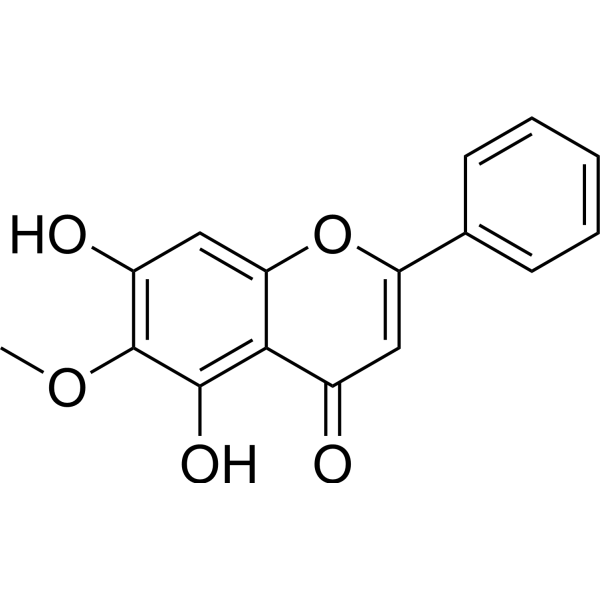
Cat. No.: HY-N0560
CAS No.: 480-11-5
Synonyms: Baicalein 6-methyl ether; 6-Methoxybaicalein
Oroxylin A is an active flavonoid compound with strong anti-cancer effects. Oroxylin A inhibits the IL-6/STAT3 pathway and NF-κB signaling, inhibits cell proliferation and induces apoptosis. Oroxylin A inhibits colitis-related carcinogenesis .
loading...
    loading...
7
7 Cited Publications
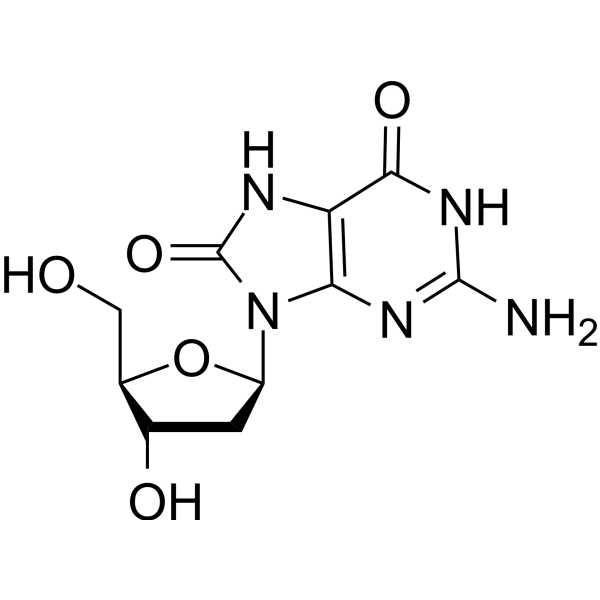
Cat. No.: HY-W011540
CAS No.: 88847-89-6
Synonyms: 8-Oxo-2-deoxyguanosine
8-Hydroxy-2'-deoxyguanosine is a critical biomarker of oxidative stress and carcinogenesis.
loading...
    loading...
4
4 Cited Publications
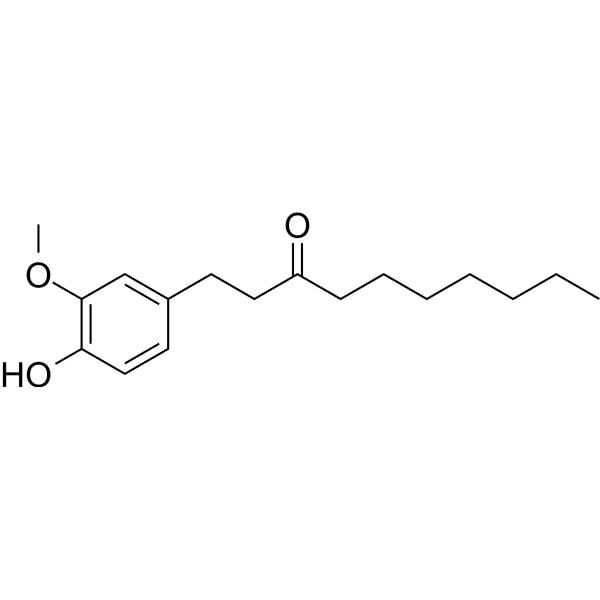
Cat. No.: HY-14617
CAS No.: 27113-22-0
Purity:  99.87%
Synonyms: [6]-Gingerone; [6]-Paradol
Paradol is a pungent phenolic substance found in ginger and other Zingiberaceae plants. Paradol is an effective inhibitor of tumor promotion in mouse skin carcinogenesis, binds to cyclooxygenase (COX)-2 active site.
loading...
    loading...
2
2 Cited Publications
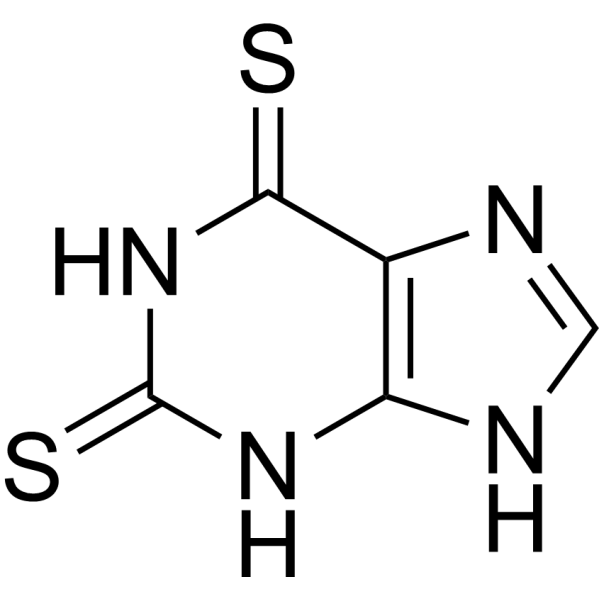
Cat. No.: HY-W016286
CAS No.: 5437-25-2
Synonyms: 2,6-Dimercaptopurine
Research Areas:  

Cancer

2,6-Dithiopurine (2,6-Dimercaptopurine) is a nucleophilic scavenger for electrophilic carcinogens. 2,6-Dithiopurine abolishes both DNA adduct formation and the initiation of carcinogenesis .
loading...
    loading...
1
1 Cited Publications
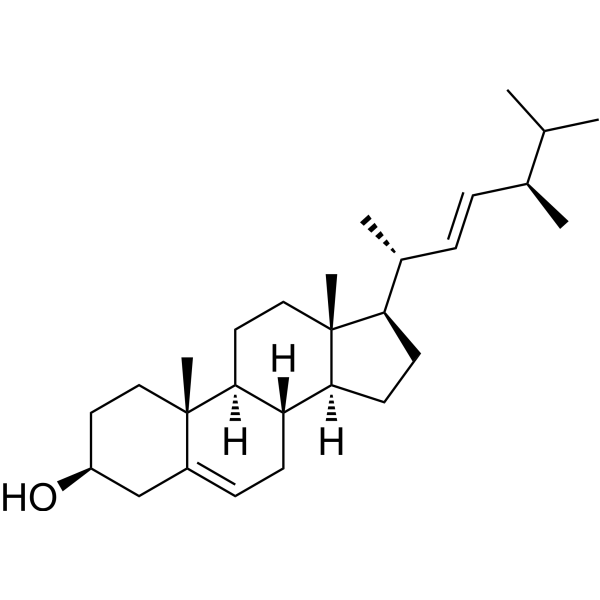
Cat. No.: HY-113289
CAS No.: 474-67-9
Purity:  98.71%
Brassicasterol is a metabolite of Ergosterol and has cardiovascular protective effects. Brassicasterol exerts anticancer effects in prostate cancer through dual targeting of AKT and androgen receptor signaling pathways. Brassicasterol inhibits HSV-1 (IC50=1.2 μM) and Mycobacterium tuberculosis. Brassicasterol also inhibits sterol δ 24-reductase, slowing the progression of atherosclerosis. Brassicasterol is also a cerebrospinal fluid biomarker for Alzheimer's disease .
loading...
    loading...
1
1 Cited Publications
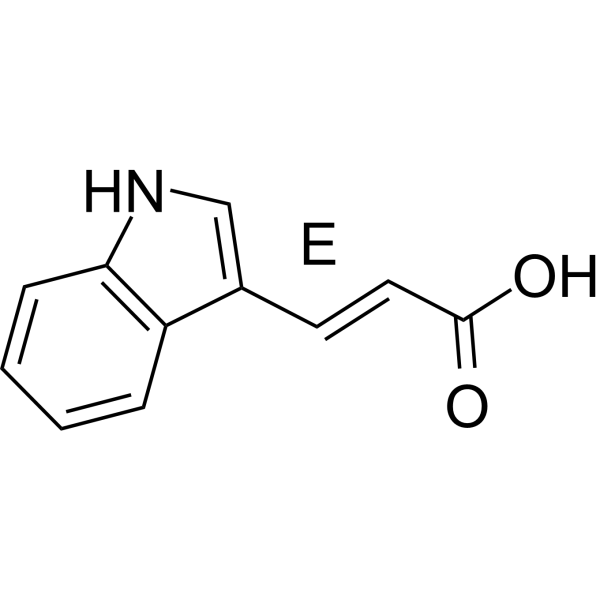
Cat. No.: HY-W015273A
CAS No.: 29953-71-7
Trans-3-Indoleacrylic acid is a tryptophan metabolite, which promotes tumor development through inhibition of RSL3 (HY-100218A) induced ferroptosis via AHR-ALDH1A3-FSP1-CoQ10 axis, and facilitates colorectal carcinogenesis
loading...
    loading...
1
1 Cited Publications
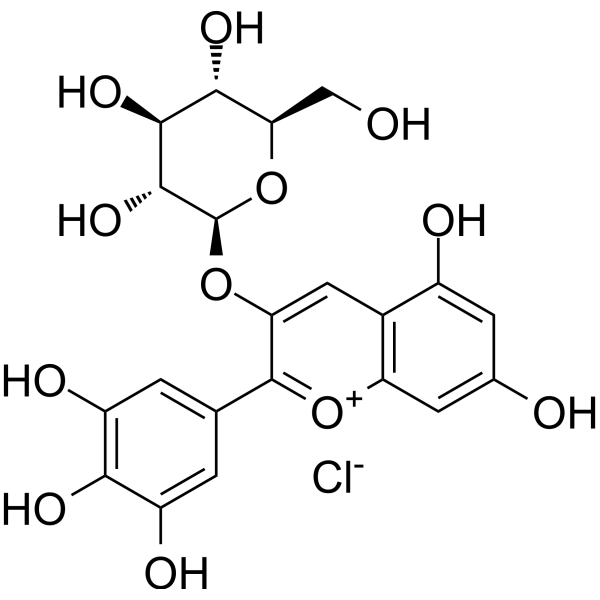
Cat. No.: HY-108052
CAS No.: 6906-38-3
Purity:  99.89%
Synonyms: Delphinidin 3-O-glucoside chloride; Delphinidin 3-O-β-glucoside chloride
Delphinidin 3-glucoside chloride (Delphinidin 3-O-glucoside chloride) is an active anthocyanin found in Hibiscus sabdariffa extract. Delphinidin 3-glucoside chloride induces a pro-apoptotic effect in B cell chronic lymphocytic leukaemia (B CLL) . Delphinidin 3-glucoside chloride exerts phytoestrogen activity by binding to ERβ, with an IC50 of 9.7 μM . Delphinidin-3-O-glucoside chloride inhibits EGFR with an IC50 of 2.37 µM . Delphinidin 3-glucoside chloride exhibits antitumor effects through pAKT/IRF1/HOTAIR pathway. Delphinidin 3-glucoside chloride exhibits efficacy against oxidative stress, inhibits platelet activation and endothelial dysfunction .
loading...
    loading...
1
1 Cited Publications
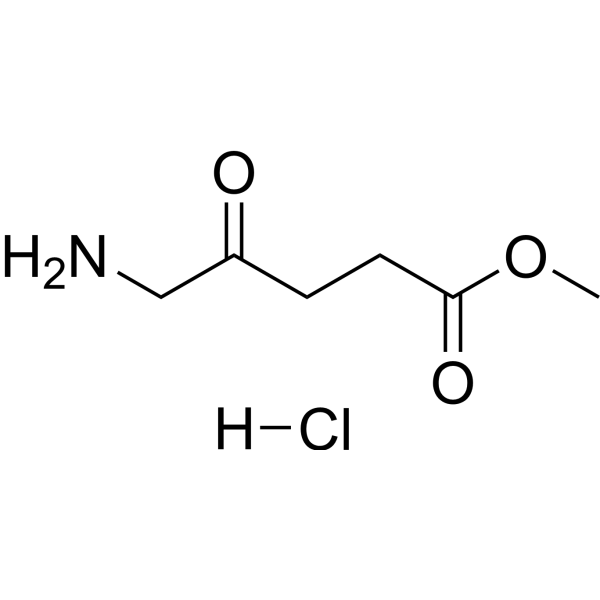
Cat. No.: HY-A0169A
CAS No.: 79416-27-6
Research Areas:  

Cancer

Methyl aminolevulinate hydrochloride is a sensitizer used in photodynamic therapy (PDT). Methyl aminolevulinate hydrochloride penetrates the skin and induces the production of photoactive porphyrins including protoporphyrin IX in cells; upon exposure to appropriate light, it generates ROS, which triggers cellular oxidation and cell death. Methyl aminolevulinate hydrochloride acts as a photo-damage reversing agent through epidermal reconstruction, cytokine-mediated activation of dermal fibroblasts, elastin breakdown, new collagen formation, and compression of dilated capillaries. Methyl aminolevulinate hydrochloride reduces the expression of the proliferation marker Ki-67 and the early skin carcinogenesis marker TP53. Methyl aminolevulinate hydrochloride delays the onset of ultraviolet-induced skin tumors and reduces tumor burden in hairless mice. Methyl aminolevulinate hydrochloride is applicable to research related to actinic keratosis and basal cell carcinoma .
loading...
    loading...
1
1 Cited Publications
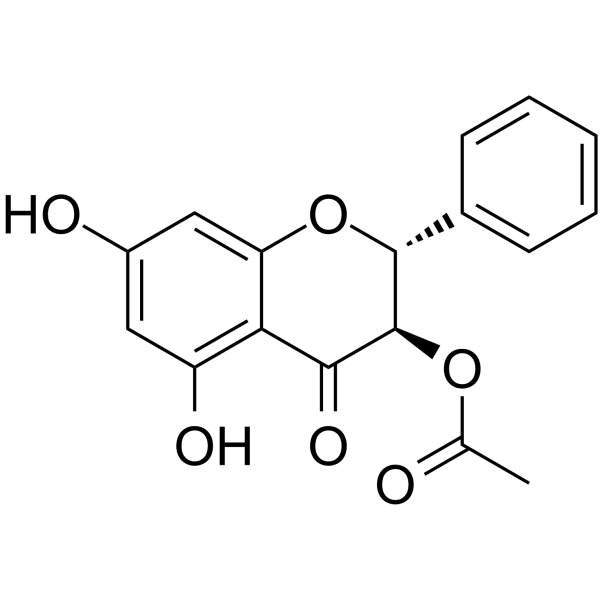
Cat. No.: HY-N1854
CAS No.: 52117-69-8
Pinobanksin 3-acetate is a flavanone and flavonoid ester with antioxidant activity. Pinobanksin 3-acetate is naturally present in Sonoran propolis, honey, medicinal plants, and forestry coproducts of Pinus caribaea. Pinobanksin 3-acetate exerts anti-colorectal cancer activity by modulating proliferation, apoptosis, cell cycle, and Wnt signaling pathways. Pinobanksin 3-acetate can be used for the research of colon cancer .
loading...
    loading...
1
1 Cited Publications
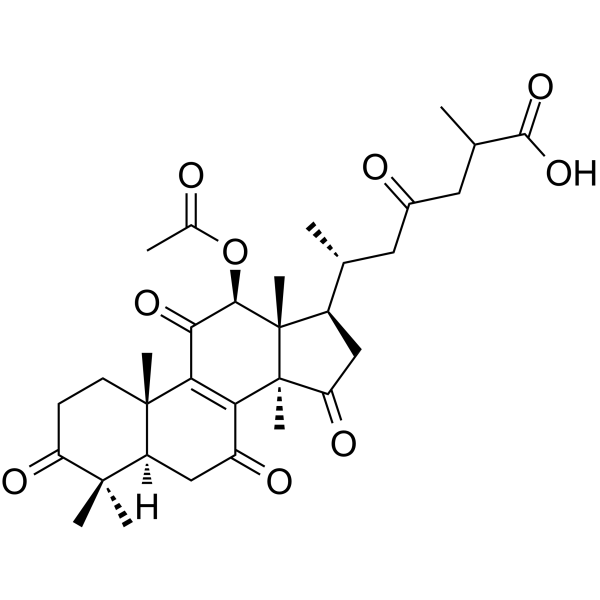
Cat. No.: HY-N6036
CAS No.: 98665-15-7
Ganoderic acid F is a ganoderic acid. Ganoderic acid F exhibits antitumor and antimetastatic activities through inhibition of angiogenesis and alteration of proteins involving cell proliferation and/or cell death, carcinogenesis, oxidative stress, calcium signaling, and endoplasmic reticulum stress .
loading...
    loading...
1
1 Cited Publications
Cat. No.: HY-14617R
CAS No.: 27113-22-0
Synonyms: [6]-Gingerone (Standard); [6]-Paradol (Standard)
Paradol (Standard) is the analytical standard of Paradol. This product is intended for research and analytical applications. Paradol is a pungent phenolic substance found in ginger and other Zingiberaceae plants. Paradol is an effective inhibitor of tumor promotion in mouse skin carcinogenesis, binds to cyclooxygenase (COX)-2 active site.
loading...
    loading...
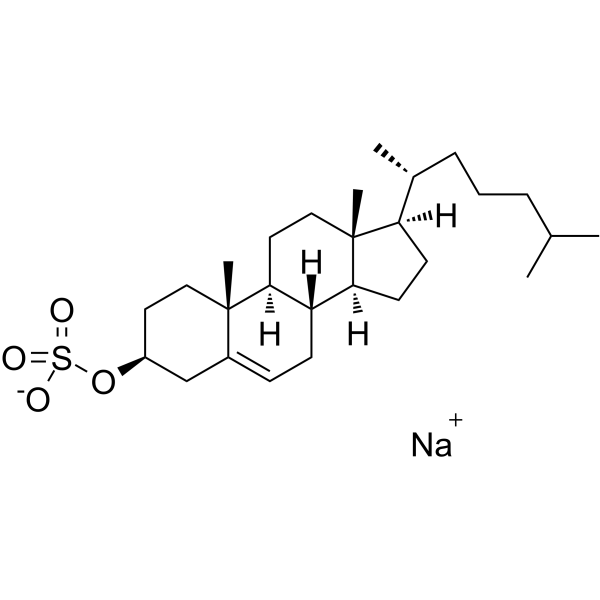
Cat. No.: HY-111355B
CAS No.: 2864-50-8
Purity:  98.22%
Cholesterol sulfate sodium is a naturally occurring, orally active cholesterol derivative that is widely distributed in various tissues and body fluids. Cholesterol sulfate sodium acts as a DOCK2 inhibitor, with IC50 values of 2 μM and 2.9 μM against mouse and human targets, respectively. Cholesterol sulfate sodium restricts excessive neutrophil infiltration and alleviates intestinal inflammation and damage. Cholesterol sulfate sodium serves as an activator of protein kinase C (PKC), which promotes squamous cell differentiation and inhibits skin carcinogenesis. Cholesterol sulfate sodium regulates cholesterol homeostasis and cellular metabolism by activating the AMPK-Sirt1 pathway. Cholesterol sulfate sodium can be used in research related to actinic keratitis, ulcerative colitis, skin cancer, and other conditions .
loading...
    loading...
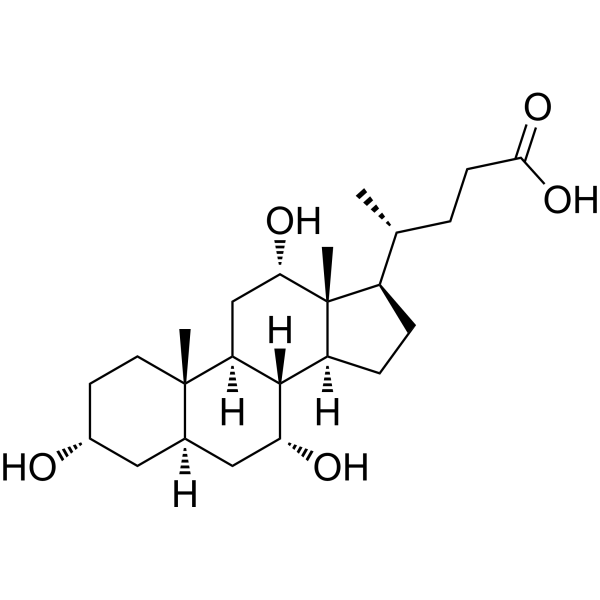
Cat. No.: HY-125934
CAS No.: 2464-18-8
Allocholic acid is a typically fetal bile acid found in vertebrates and reappears during liver regeneration and carcinogenesis, besides it is also a conjugate acid of allocholate and an isomer of cholic acid. Allocholic acid is a potent and specific stimulant of the adult olfactory system, it has a role as a marine metabolite, a rat metabolite and a human metabolite .
loading...
    loading...
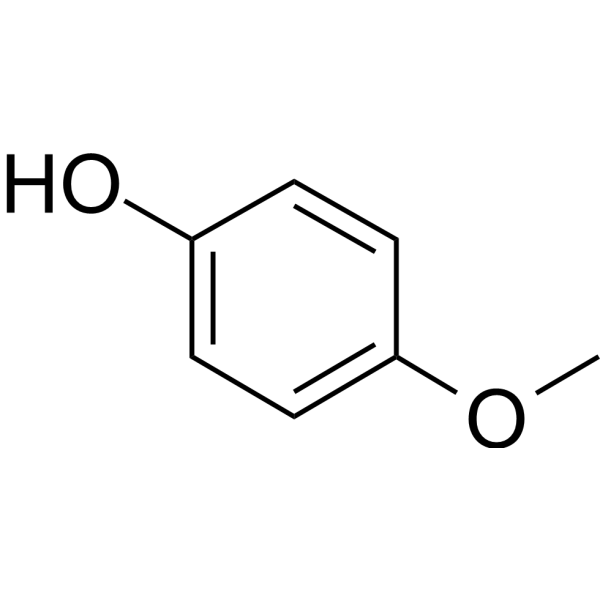
Cat. No.: HY-30270
CAS No.: 150-76-5
Synonyms: p-Hydroxyanisole
Mequinol (4-Methoxyphenol)yes MercurialisOne of the bioactive ingredients, mainly used for skin discoloration . MequinolIs an antioxidant that has additive/synergistic effects on carcinogenesis when combined with other phenolic antioxidants. Mequinolalso promote hERαDependent chaperone production with potential estrogenic activity .
loading...
    loading...
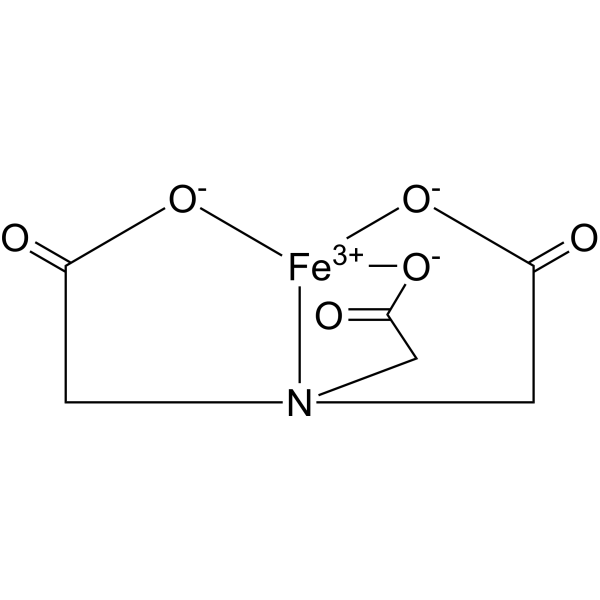
Cat. No.: HY-145157
CAS No.: 16448-54-7
Purity:  ≥98.0%
Research Areas:  

Metabolic Disease Cancer

Ferric nitrilotriacetate (Fe-NTA), a complexation of nitriloacetic acid with iron, is a highly reactive compound used to induce degenerative disorders through oxidative stress (OS). Ferric nitrilotriacetate is also used in several studies to induce hyperglycemia, glycosuria, and both renal and liver carcinogenesis .
loading...
    loading...
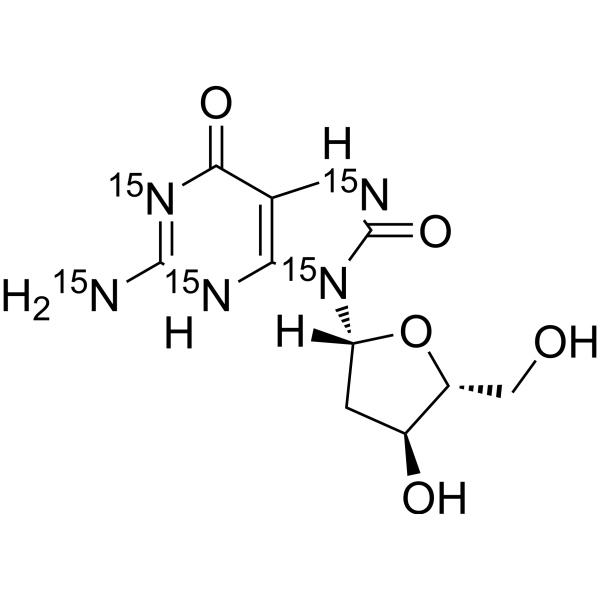
Cat. No.: HY-W011540S
CAS No.: 569649-11-2
8-Hydroxy-2'-deoxyguanosine- 15N5 is the 15N labeled 8-Hydroxy-2'-deoxyguanosine . 8-Hydroxy-2'-deoxyguanosine is a critical biomarker of oxidative stress and carcinogenesis .
loading...
    loading...
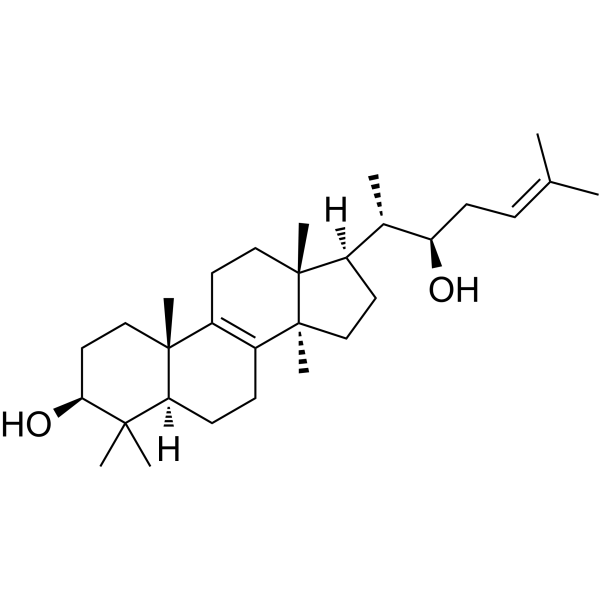
Cat. No.: HY-120149
CAS No.: 35963-37-2
Purity:  98.29%
Inotodiol activates p53 signaling pathway, inhibits MMP-2/9, and exhibits antitumor activity in cancer cell HeLa. Inotodiol inhibits the generation of ROS and exhibits antioxidant and neuroprotective effects. Inotodiol inhibits the activation of MAPK and NF-κB signaling pathway, and exhibits anti-inflammatory activity. Inotodiol inhibits TLR-4 mediated TNF-α production (IC50s in BMMC and BMDM is 0.7 μM and 3.0 μM), inhibits the degranulation in mast cell, exhibits anti-allergic activity. Inotodiol is orally active .
loading...
    loading...
Cat. No.: HY-111355
CAS No.: 1256-86-6
Cholesterol sulfate is a naturally occurring, orally active cholesterol derivative that is widely distributed in various tissues and body fluids. Cholesterol sulfate acts as a DOCK2 inhibitor, with IC50 values of 2 μM and 2.9 μM against mouse and human targets, respectively. Cholesterol sulfate restricts excessive neutrophil infiltration and alleviates intestinal inflammation and damage. Cholesterol sulfate serves as an activator of protein kinase C (PKC), which promotes squamous cell differentiation and inhibits skin carcinogenesis. Cholesterol sulfate regulates cholesterol homeostasis and cellular metabolism by activating the AMPK-Sirt1 pathway. Cholesterol sulfate can be used in research related to actinic keratitis, ulcerative colitis, skin cancer, and other conditions .
loading...
    loading...
Cat. No.: HY-W116576
CAS No.: 934-00-9
Target:  

Drug Intermediate

Research Areas:  

Cancer

3-Methoxycatechol is intermediate for the antivascular agents combretastatin A-1 (HY-121993) and combretastatin B-1. 3-Methoxycatechol promotes esophageal carcinogenesis in rats models .
loading...
    loading...
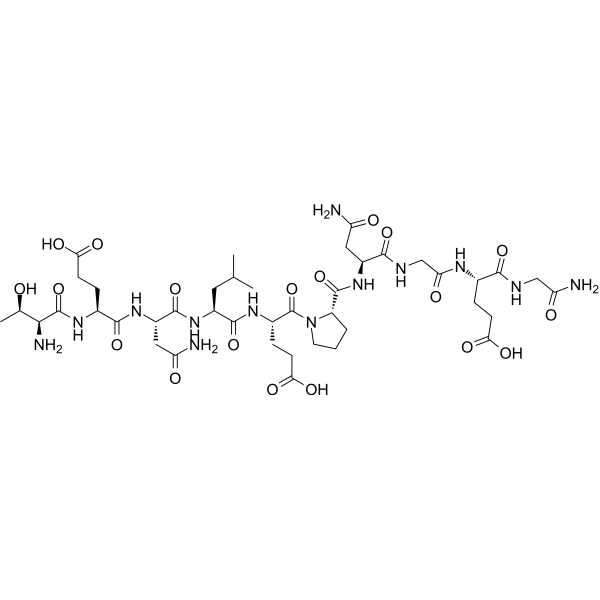
Cat. No.: HY-P4190
CAS No.: 163973-98-6
Target:  

GnRH Receptor

Research Areas:  

Endocrinology

FSH receptor-binding inhibitor fragment(bi-10) is a potent FSH antagonist. FSH receptor-binding inhibitor fragment(bi-10) blocks the binding of FSH to FSHR, and alteres FSH action at the receptor level. FSH receptor-binding inhibitor fragment(bi-10) results in the suppression of ovulation and causes follicular atresia of mice. FSH receptor-binding inhibitor fragment(bi-10) has the potential for utilizing to restrain the carcinogenesis of ovarian cancer by down-regulating overexpression of FSHR and ERβ in the ovaries .
loading...
    loading...

