1. Search Result
Search Result
Results for "

cardiovascular effects

" in MedChemExpress (MCE) Product Catalog:

181

Inhibitors & Agonists

2

Screening Libraries

1

Fluorescent Dyes

3

Biochemical Assay Reagents

12

Peptides

2

Inhibitory Antibodies

57

Natural
Products

9

Isotope-Labeled Compounds

1

Click Chemistry

2

Oligonucleotides

Cat. No. Product Name Target Research Areas Chemical Structure
  • HY-N0567
    Hydroxysafflor yellow A
    10+ Cited Publications

    Safflomin A; HSYA

    Apoptosis Autophagy Cardiovascular Disease Cancer
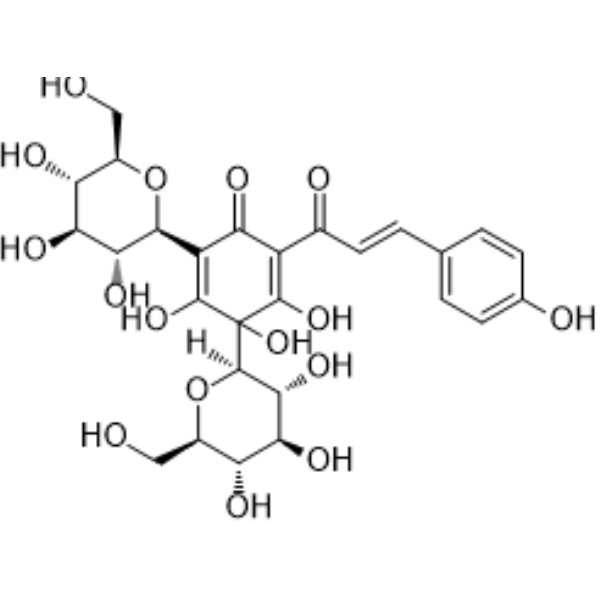
    Hydroxysafflor yellow A (Safflomin A) is a natural product of flavonoids isolated from safflower. Hydroxysafflor yellow A can inhibit cell proliferation and promote apoptosis through the autophagy pathway. Hydroxysafflor yellow A has anti-inflammatory, antioxidant and antitumor effects. Hydroxysafflor yellow A can be used in the study of cardiovascular disease .
    Hydroxysafflor yellow A
  • HY-15306
    Eltrombopag
    20+ Cited Publications

    SB-497115

    Thrombopoietin Receptor Bacterial Apoptosis Infection Cardiovascular Disease Cancer
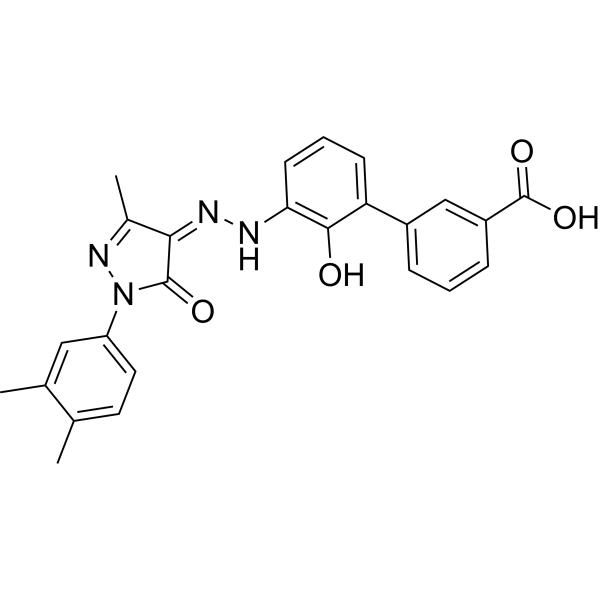
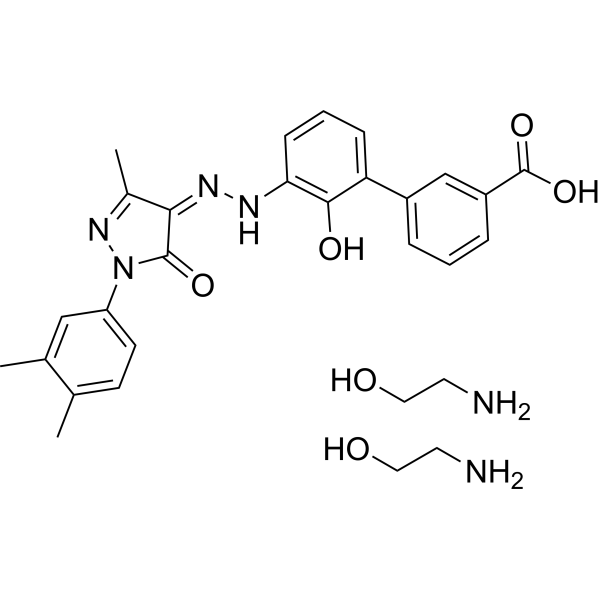
    Eltrombopag (SB-497115) is an orally active thrombopoietin receptor nonpeptide agonist. Eltrombopag owns thrombopoietic activity, and has been used to research low blood platelet counts with chronic immune thrombocytopenia. Eltrombopag can be used for the research of cardiovascular. Eltrombopag also has highly inhibitory effects against multidrug resistant Staphylococcus aureus. Eltrombopag can induce apoptosis in hepatocellular carcinomab (HCC) as well .
    Eltrombopag
  • HY-W001171
    3-Hydroxyanthranilic acid
    1 Publications Verification

    Endogenous Metabolite Cardiovascular Disease Neurological Disease Metabolic Disease Inflammation/Immunology Endocrinology Cancer
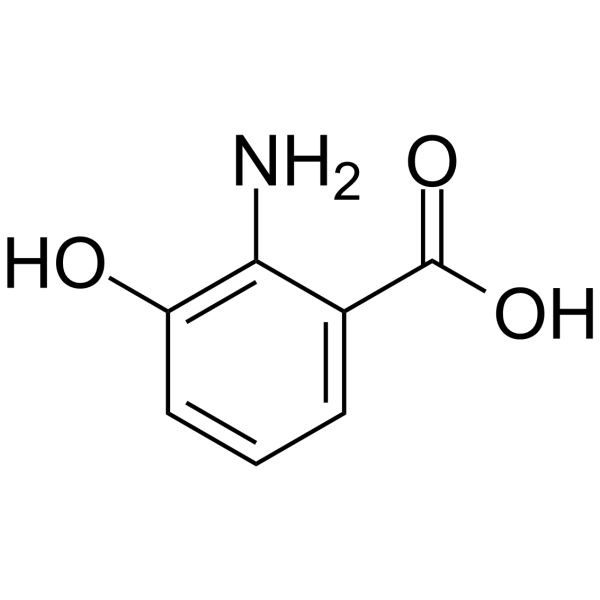
    3-Hydroxyanthranilic acid is a tryptophan metabolite in the kynurenine pathway.3-hydroxyanthranilic acid has anti-inflammatory, neuroprotective, and lipid-lowering effects. 3-hydroxyanthranilic acid can be used for researches of cardiovascular diseases, tumors, and metabolic diseases .
    3-Hydroxyanthranilic acid
  • HY-N1485
    Cycloastragenol
    5+ Cited Publications

    Astramembrangenin; Cyclosieversigenin

    Telomerase Cardiovascular Disease Neurological Disease Inflammation/Immunology
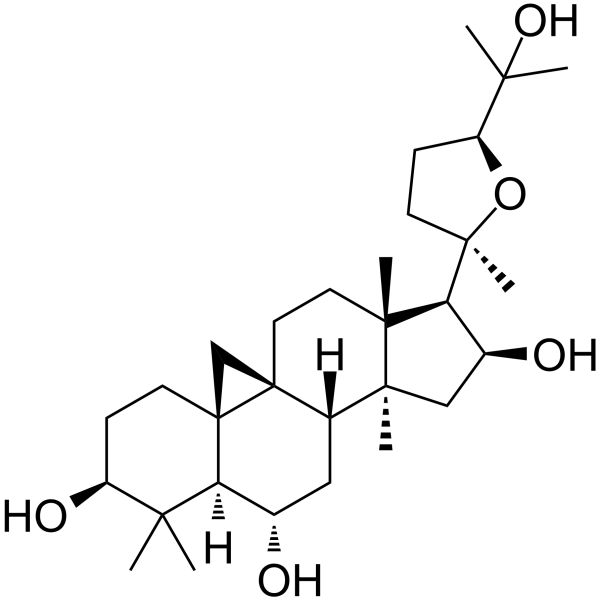
    Cycloastragenol (Astramembrangenin), the active form of astragaloside IV, has anti-oxidant, anti-inflammatory, anti-aging, anti-apoptotic, and cardiovascular protective effects. Cycloastragenol is a potent telomerase activator and can lengthen telomeres. Cycloastragenol alleviates age-related bone loss and improves bone microstructure and biomechanical properties .
    Cycloastragenol
  • HY-D0803
    Thymoquinone
    Maximum Cited Publications
    14 Publications Verification

    Apoptosis VEGFR PI3K Akt Infection Cardiovascular Disease Neurological Disease Inflammation/Immunology Cancer
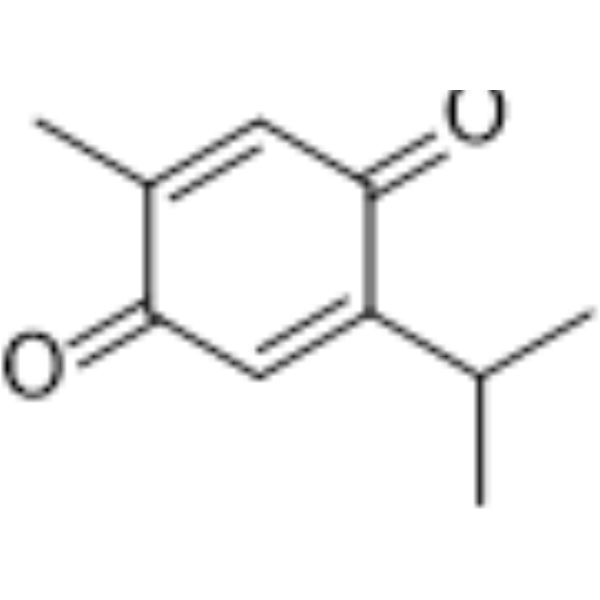
    Thymoquinone is an orally active natural product isolated from N. sativa Thymoquinone down-regulates the VEGFR2-PI3K-Akt pathway. Thymoquinone has antioxidant, anti-inflammatory, anticancer, antiviral, anticonvulsant, antifungal, antiviral, antiangiogenic activity and hepatoprotective effects. Thymoquinone can be used to study Alzheimer's disease, cancer, cardiovascular disease, infectious disease and inflammation .
    Thymoquinone
  • HY-N0799

    Endogenous Metabolite Cardiovascular Disease Cancer
    Protodioscin, a major steroidal saponin in Trigonella foenum-graecum Linn., has been shown to exhibit multiple biological actions, such as anti-hyperlipidemia, anti-cancer, sexual effects and cardiovascular properties.
    Protodioscin
  • HY-113289
    Brassicasterol
    1 Publications Verification

    Akt Androgen Receptor Bacterial Drug Metabolite HSV Infection Cardiovascular Disease Neurological Disease Cancer
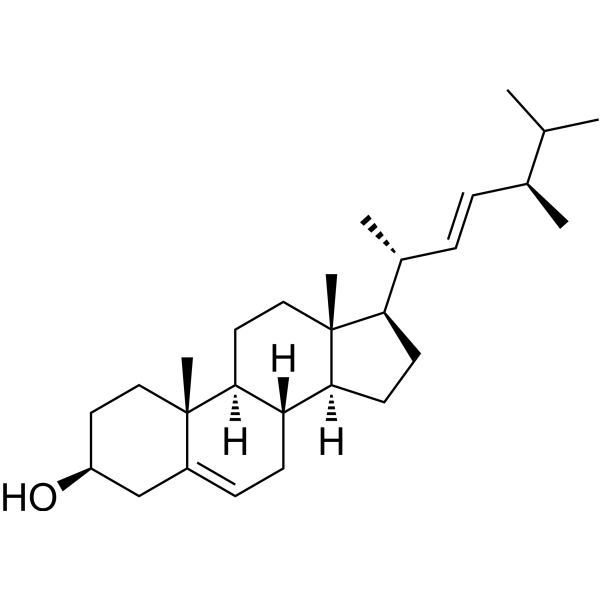
    Brassicasterol is a metabolite of Ergosterol and has cardiovascular protective effects. Brassicasterol exerts anticancer effects in prostate cancer through dual targeting of AKT and androgen receptor signaling pathways. Brassicasterol inhibits HSV-1 (IC50=1.2 μM) and Mycobacterium tuberculosis. Brassicasterol also inhibits sterol δ 24-reductase, slowing the progression of atherosclerosis. Brassicasterol is also a cerebrospinal fluid biomarker for Alzheimer's disease .
    Brassicasterol
  • HY-N1356
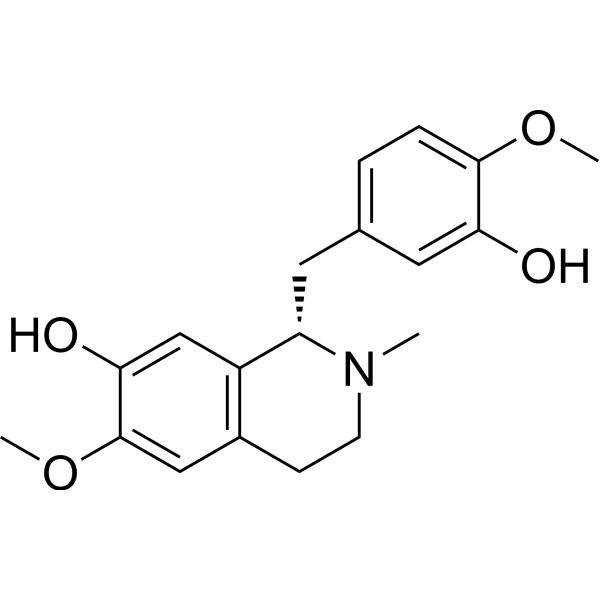
    Reticuline
    1 Publications Verification

    JAK STAT NF-κB Endogenous Metabolite Cardiovascular Disease Inflammation/Immunology
    Reticuline shows anti-inflammatory effects through JAK2/STAT3 and NF-κB signaling pathways. Reticuline inhibits mRNA expressions of TNF-α, and IL-6 and reduces the phosphorylation levels of JAK2 and STAT3 . Reticuline exhibits cardiovascular effects .
    Reticuline
  • HY-N6948
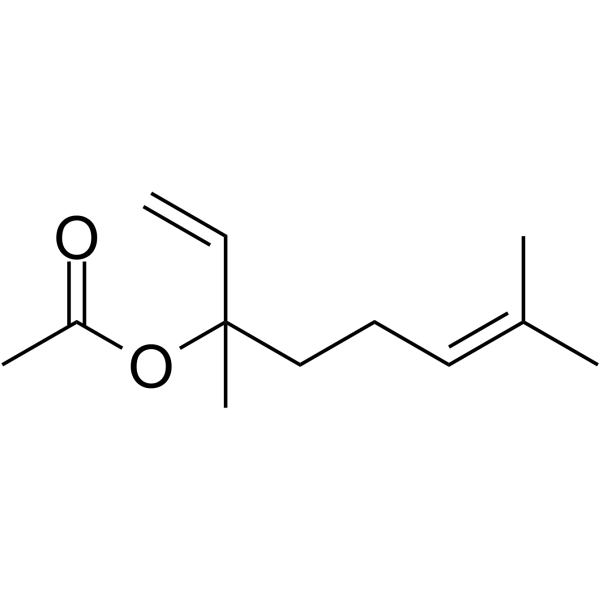
    Linalyl acetate
    1 Publications Verification

    Environmental Pollutants Lactate Dehydrogenase Cardiovascular Disease Neurological Disease Metabolic Disease Inflammation/Immunology
    Linalyl acetate is the principal components of many plant essential oils. Linalyl acetate exhibits anti-anxiety, anti-inflammatory, anti-diabetic, anti-stress, and cardiovascular-regulatory effects. Linalyl acetate is orally active .
    Linalyl acetate
  • HY-119515

    (R)-(-)-Denopamine; TA-064

    Adrenergic Receptor Cardiovascular Disease Cancer
    Denopamine ((R)-(-)-Denopamine) is an orally active, selective β1-adrenergic agonist. Denopamine prolongs survival in a murine model of congestive heart failure induced by viral myocarditis: suppression of tumor necrosis factor-α production in the heart. Cardiovascular effects .
    Denopamine
  • HY-N0655
    D-Pinitol
    1 Publications Verification

    3-O-Methyl-D-chiro-inositol

    Influenza Virus Infection Cardiovascular Disease Inflammation/Immunology
    D-pinitol (3-O-Methyl-D-chiro-inositol) is a natural compound presented in several plants, like Pinaceae and Leguminosae plants. D-pinitol exerts hypoglycemic activity and protective effects in the cardiovascular system . D-pinitol has antiviral and larvicidal activities .
    D-Pinitol
  • HY-NP165

    AGEs

    Biochemical Assay Reagents Cardiovascular Disease Metabolic Disease Inflammation/Immunology
    Advanced glycation end products (AGEs) are a series of stable compounds generated through non-enzymatic reactions between reducing sugars and proteins, lipids, or nucleic acids. Advanced glycation end products are often used as targets to evaluate the inhibitory effects of anti-glycation compounds. Advanced glycation end products can be applied to research on diabetes, cardiovascular and cerebrovascular diseases, inflammation, aging, and other conditions .
    Advanced glycation end products
  • HY-178872

    Sodium 2-propenyl thiosulfate; 2PTS

    COX Inflammation/Immunology Cancer
    Allyl thiosulfate (Sodium 2-propenyl thiosulfate) is found in Allium plants such as garlic and onion. Allyl thiosulfate can inhibit COX activity and reduce GSH concentration in platelets. Allyl thiosulfate exhibits anti-aggregatory and anti-cancer effects. Allyl thiosulfate can be used for the researches of cancer, inflammation and cardiovascular disease .
    Allyl thiosulfate
  • HY-N3225

    NAMPT Sirtuin Microtubule/Tubulin Apoptosis Autophagy PDGFR NF-κB AMPK Cardiovascular Disease Neurological Disease Metabolic Disease Inflammation/Immunology Cancer
    Myricanol is a diarylheptanoid and a Nampt activator. Myricanol exerts anti-inflammatory effects and alleviates glucocorticoid-induced muscle atrophy by increasing Sirtuin 1 (SIRT1) and PRDX5 activities while regulating inflammatory factors. Myricanol exhibits growth inhibition and induces apoptosis in human lung adenocarcinoma A549 cells. Myricanol promotes autophagy-mediated clearance of microtubule-associated protein tau to exert neuroprotective effects. Myricanol protects cardiovascular function by inhibiting PDGFRβ and NF-κB signaling pathways. Myricanol activates mitochondrial transcription factor A (TFAM) expression to exert anti-renal fibrosis effects. Myricanol improves insulin resistance through AMPK activation .
    Myricanol
  • HY-106616

    BAY-g 2821; Edrul

    Sodium Channel Cardiovascular Disease
    Muzolimine (BAY-g 282) is a slow and long lasting diuresis agent. Muzolimine produces a diuresis in the loop of Henle and also shows anti-hypertensive and natriuresis effects. Muzolimine can be used for the research of cardiovascular disease .
    Muzolimine
  • HY-107345

    Ombolan

    Prostaglandin Receptor Inflammation/Immunology
    Droxicam (Ombolan) is a non-steroidal anti-inflammatory agent, with strong analgesic activity. Droxicam acts by inhibiting PGE2 varies, and is characterised by being a pro-drug of Piroxicam (HY-B0253). Droxicam is well tolerated with slight side effects in the said mucosa. Droxicam does not show cardiovascular or respiratory effects in cats, and inhibits peritoneal capillary permeability in mouse .
    Droxicam
  • HY-W062836

    Guanylate Cyclase Cardiovascular Disease
    BAY 41-8543 is an orally active, nitric oxide (NO)-independent stimulator of soluble guanylyl cyclase (sGC). BAY 41-8543 has vasodilator activity in the pulmonary and systemic vascular beds in the rat. BAY 41-8543 has antiplatelet effects and has the potential for cardiovascular diseases research .
    BAY 41-8543
  • HY-134769

    Mitochondrial Metabolism Reactive Oxygen Species (ROS) Cardiovascular Disease Metabolic Disease
    OPC-163493 is an orally active and liver-targeted mitochondrial uncoupling agent. OPC-163493 reduces the production of mitochondrial Δψ and ROS. OPC-163493 has anti-diabetic and lipid-lowering effects. In addition, OPC-163493 has a protective effect on cardiovascular disease .
    OPC-163493
  • HY-16952A
    Bepridil hydrochloride hydrate
    5+ Cited Publications

    (±)-Bepridil hydrochloride hydrate; Org 5730 hydrochloride hydrate

    Calcium Channel Cardiovascular Disease
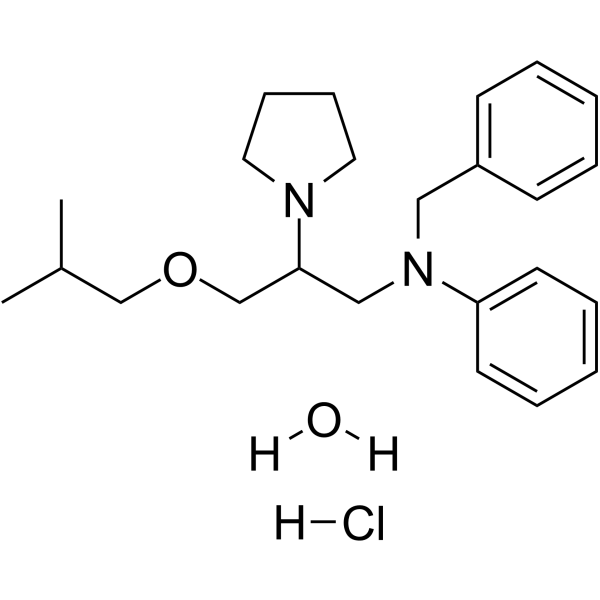
    Bepridil hydrochloride hydrate ((±)-Bepridil hydrochloride hydrate) is a non-selective, long-acting Ca + channel antagonist and Na +, K + channel inhibitor, with antianginal and type I antiarrhythmic effects. Bepridil hydrochloride hydrate also acts as a cardiac Na +/Ca2 + exchange (NCX1) inhibitor. Bepridil hydrochloride hydrate can be used for the research of cardiovascular disorders .
    Bepridil hydrochloride hydrate
  • HY-103137
    Zacopride hydrochloride
    1 Publications Verification

    5-HT Receptor Cardiovascular Disease Neurological Disease
    Zacopride hydrochloride is an orally active 5-HT3 receptor (Ki of 0.38 nM) antagonist and 5-HT4 receptor (Ki of 373 nM) agonist. Zacopride hydrochloride exhibits multiple activities, such as regulating gastrointestinal motility, affecting cardiac function, and exerting anxiolytic and antiemetic effects. Zacopride hydrochloride is currently mainly used in the research of gastrointestinal diseases, cardiovascular diseases, and psychiatric diseases such as anxiety .
    Zacopride hydrochloride
  • HY-P2491

    Fluorescent Dye Cardiovascular Disease Endocrinology
    Atrial Natriuretic Peptide (1-28), human, porcine, Biotin-labeled, one of three mammalian natriuretic peptides (NPs), has endocrine effects on fluid homeostasis and blood pressure. Atrial Natriuretic Peptide has the potential for cardiovascular diseases research .
    Atrial Natriuretic Peptide (1-28), human, porcine, Biotin-labeled
  • HY-B1538A

    DL-Bamethane hemisulfate

    Endogenous Metabolite Cardiovascular Disease
    Bamethan (DL-Bamethane) hemisulfate is a vasodilator that exhibits significant activity in enhancing blood flow and reducing vascular resistance. Bamethan hemisulfate plays a crucial role in the treatment of cardiovascular conditions by improving oxygen delivery to tissues. Bamethan hemisulfate also aids in the management of hypertension through its relaxing effects on blood vessels.
    Bamethan hemisulfate
  • HY-119747

    Potassium Channel Cardiovascular Disease
    WAY-123223 is an orally active potassium channel (Potassium Channel) blocker. WAY-123223 prolongs the transmembrane action potential duration and cardiac refractory period of canine Purkinje fibers. In canine models, WAY-123223 increases the ventricular fibrillation threshold, restores sinus rhythm from ventricular fibrillation, and exerts antiarrhythmic effects. WAY-123223 can be used in research related to cardiovascular diseases such as arrhythmias .
    WAY-123223
  • HY-P3395

    Human chromogranin A 352–372

    nAChR Cardiovascular Disease Inflammation/Immunology
    Catestatin human, a catecholamine release-inhibitory peptide, is a pleiotropic peptide involved in cardiovascular protection with its antihypertensive and angiogenic effects. Catestatin human can be used in the study of inflammatory diseases .
    Catestatin (human)
  • HY-N10151

    Others Cardiovascular Disease
    Notoginsenoside R3 is an active principle components of P. notoginseng. Notoginsenoside R3 act as a signaling molecule that is associated with various physiological effects. P. notoginseng and its components are used as traditional Chinese medicine for cardiovascular disease .
    Notoginsenoside R3
  • HY-121955
    FW1256
    1 Publications Verification

    NF-κB Apoptosis Cardiovascular Disease Inflammation/Immunology Cancer
    FW1256 is a phenyl analogue and a slow-releasing hydrogen sulfide (H2S) donor. FW1256 inhibits NF-κB activity and induces cell apoptosis. FW1256 exerts potent anti-inflammatory effects and has the potential for cancer and cardiovascular disease treatment .
    FW1256
  • HY-121609A

    Drug Metabolite Cardiovascular Disease
    Pholedrine hydrochloride, the main metabolite of methamphetamine, is an indirectly acting sympathomimetic amine. Pholedrine hydrochloride is a cardiovascular agent exerting hypertensive and adrenergic effects. Pholedrine hydrochloride can produce mydriatic response and allow localization of the site of the interruption in the oculosympathetic pathway. Pholedrine hydrochloride can be used as a topical eye drop and a diagnostic agent for use in Horner's syndrome .
    Pholedrine hydrochloride
  • HY-120802

    AZD-8871; LAS191351

    mAChR Adrenergic Receptor Inflammation/Immunology
    Navafenterol (AZD-8871) is an inhaled dual-acting, potent, selective, and long-lasting M3-antagonist/β2-agonist (MABA) with long-lasting effects and favorable safety profile. The pIC50 is 9.5 for human M3 receptor, and the pEC50 is 9.5 for β2-adrenoceptor. Navafenterol can be used for the research of chronic obstructive pulmonary disease (COPD). Bronchoprotective and antisialagogue effects. Favorable cardiovascular profile .
    Navafenterol
  • HY-19057
    Vatinoxan
    2 Publications Verification

    MK-467; L-659066

    Adrenergic Receptor Cardiovascular Disease Neurological Disease
    Vatinoxan (MK-467) is an alpha 2-adrenergic receptor antagonist. The peripheral selectivity of Vatinoxan determines that it has limited penetration across the blood-brain barrier and therefore has low concentrations in the central nervous system. Vatinoxan antagonizes alpha 2-adrenergic receptor receptors by binding to them, thereby reducing or preventing cardiovascular effects caused by α2-adrenergic agonists. Vatinoxan can be used in studies of cardiovascular effects, sedation and analgesia .
    Vatinoxan
  • HY-P99560

    C4G1; YM-337

    Integrin Cardiovascular Disease
    Tadocizumab (C4G1; YM-337) is a humanized monoclonal antibody tageting integrin αIIbβ3. Tadocizumab has antiplatelet and antithrombotic effects, and can be used for cardiovascular disease research .
    Tadocizumab
  • HY-105697

    NSC 7526; Protalba; Protoveratrin

    Glutamate Dehydrogenase (GLDH) Cardiovascular Disease
    Protoveratrine A (NSC 7526; Protalba; Protoveratrin) is an alkaloid with strong cardiostimulant and vasoconstrictive effects, which can be used in the study of hypertension and other cardiovascular diseases .
    Protoveratrine A
  • HY-118643
    Cimlanod
    1 Publications Verification

    BMS-986231; CXL-1427

    Drug Intermediate Cardiovascular Disease
    Cimlanod (BMS-986231) is a second-generation Nitroxyl (HNO) donor for heart failure. Cimlanod (BMS-986231) delivers HNO via pH-dependent chemical breakdown when exposed to the neutral pH environment of the bloodstream. Cimlanod (BMS-986231) possesses positive lusitropic and inotropic as well as vasodilatory effects. Cimlanod is the prodrug of CXL-1020 (HY-147384) .
    Cimlanod
  • HY-N2174

    Others Cardiovascular Disease
    Ophiogenin 3-O-α-L-rhamnopyranosyl-(1→2)-β-D-glucopyranoside, a terpenoid glycoside from Ophiopogon japonicus roots, has good pharmacological effects on the cardiovascular system .
    Ophiogenin 3-O-α-L-rhamnopyranosyl-(1→2)-β-D-glucopyranoside
  • HY-P0049A

    Arg8-vasopressin diacetate; AVP diacetate; ADH

    Apoptosis Vasopressin Receptor Neurological Disease Cancer
    Argipressin (diacetate) (AVP (diacetate), also known as antidiuretic hormone (ADH)) is a 9 amino acid neuropeptide secreted by the posterior pituitary. Argipressin (diacetate) (AVP (diacetate)) can regulate the biological effects of fluid balance, osmolality and cardiovascular through three separate G-protein coupled receptors (GPCRs), namely Avpr1a (V1a), Avpr1b (V1b) and Avpr2 (V2). Argipressin (diacetate) (AVP (diacetate)) also have potentially important effects on centrally regulated metabolic processes .
    Argipressin diacetate
  • HY-131896

    NOR4

    NO Synthase Cardiovascular Disease
    FR144420 (NOR4) is an orally active nitric oxide (NO)-releasing agent with vasodilatory and antiplatelet effects. FR144420 induces cGMP-mediated vasodilation and inhibits platelet aggregation. FR144420 is promising for research of cardiovascular diseases, particularly angina pectoris and coronary artery spasm .
    FR144420
  • HY-155297

    FLA-136

    Histamine Receptor Cardiovascular Disease
    Nebidrazine is a centrally-acting hypotensive agent compared to clonidine, demonstrating weaker cardiovascular effects in rats. It induces dose-dependent hypotension and bradycardia when administered intracerebroventricularly (i.c.v.), with significantly lower sedative potential than clonidine in conscious rats. Yohimbine attenuates the cardiovascular effects of both Nebidrazine and clonidine, suggesting involvement of central alpha-autoreceptors sensitive to yohimbine. Unlike clonidine, Nebidrazine does not affect peripheral alpha-adrenoceptors in pithed rats, indicating a selective central mechanism. Chemical sympathectomy reduces Nebidrazine's cardiovascular effects more than clonidine's, and metiamide diminishes responses to both drugs, implicating central histamine receptors. These findings highlight Nebidrazine's distinct pharmacological profile and potential therapeutic application in managing hypertension through central alpha-autoreceptor stimulation .
    Nebidrazine
  • HY-13711

    Endothelin Receptor Cardiovascular Disease
    S-1255 is an orally active and highly selective endothelin ETA receptor antagonist (Kd=0.39 nM). S-1255 blocks vasoconstriction and sustains hypotensive effects in hypertensive rats. S-1255 is promising for research of hypertension and cardiovascular disorders .
    S-1255
  • HY-Z15823

    Dexverapamil

    Calcium Channel Potassium Channel Somatostatin Receptor Arrestin Apoptosis P-glycoprotein Metabolic Disease Inflammation/Immunology
    (R)-Verapamil (Dexverapamil) is an optically enantiomer of the oral-active Verapamil (HY-14275). (R)-Verapamil has a relatively low affinity for L-type calcium channels (Cav1.2) (IC50 > 300 μM), and its IC50 for sodium channels (sodium channel) is 3.19 μM. (R)-Verapamil exhibits SSTR2 agonistic activity, with an EC50 of 1.3 μM. (R)-Verapamil significantly downregulates the expression of TXNIP protein in diabetic mouse models and significantly inhibits β-cell apoptosis (apoptosis), effectively controlling blood sugar. (R)-Verapamil can be used as a PET tracer for the function of P-glycoprotein (P-gp) .
    (R)-Verapamil
  • HY-107054

    ETC-1001

    PPAR Cardiovascular Disease
    ESP-31015 (ETC-1001) is an orally active and non-fibrate based PPARα agonists. ESP-31015 demonstrates significant lipid-regulating effects in the obese Zucker rat model. ESP-31015 can be used in cardiovascular disease research .
    ESP-31015
  • HY-134271

    PKG Cardiovascular Disease
    8-Br-cGMP-AM is a derivative of 8-Br-cGMP. As an activator of PKG (cGMP-dependent protein kinase), it can lead to a variety of biological effects such as vasodilation and platelet inhibition. 8-Br-cGMP-AM can be used in the study of cardiovascular diseases .
    8-Br-cGMP-AM
  • HY-123384

    P-glycoprotein Cardiovascular Disease Cancer
    KR30031, a Verapamil (HY-14275) analog, is an orally active P-glycoprotein (P-gp) inhibitor. KR30031 enhances the cytotoxicity of anticancer agents by inhibiting P-gp with fewer cardiovascular adverse effects. KR30031 can be used to study multidrug resistance (MDR) reversal in cancer .
    KR30031
  • HY-167082

    NKCC Potassium Channel Sodium Channel Cardiovascular Disease
    AY 31906 is an orally active pyrimidine sulfonamide diuretic. AY 31906 exhibits potent diuretic and natriuretic activities in rats and dogs, along with relatively potassium-sparing properties. AY 31906 exhibits superior activity to Furosemide (HY-B0135). AY-31906 also has antihypertensive effects and can be used in the research of cardiovascular diseases .
    AY 31906
  • HY-N15272

    Bacterial COX NO Synthase Reactive Oxygen Species (ROS) p38 MAPK Infection Cardiovascular Disease Inflammation/Immunology
    Artocarpesin is a flavonoid compound. Artocarpesin has inhibitory effects on methicillin-resistant Staphylococcus aureus (MRSA). Artocarpesin inhibits the production of NO, PGE2 and ROS by inhibiting COX-2 and iNOS expression, and plays an anti-inflammatory role. In addition, Artocarpesin inhibits platelet aggregation by inhibiting cyclic nucleotides and MAPKs, which can be used in the study of cardiovascular diseases .
    Artocarpesin
  • HY-N1485R

    Astramembrangenin (Standard); Cyclosieversigenin (Standard)

    Reference Standards Telomerase Neurological Disease Inflammation/Immunology
    Cycloastragenol (Standard) is the analytical standard of Cycloastragenol. This product is intended for research and analytical applications. Cycloastragenol (Astramembrangenin), the active form of astragaloside IV, has anti-oxidant, anti-inflammatory, anti-aging, anti-apoptotic, and cardiovascular protective effects. Cycloastragenol is a potent telomerase activator and can lengthen telomeres. Cycloastragenol alleviates age-related bone loss and improves bone microstructure and biomechanical properties .
    Cycloastragenol (Standard)
  • HY-122489A

    Opioid Receptor GABA Receptor Cardiovascular Disease Neurological Disease
    (S)-Laudanosine is an alkaloid that can be found in poppies and is the S-enantiomer of Laudanosine. Laudanosine acts on the central nervous system and cardiovascular system, inhibiting low-affinity GABA receptors with an IC50 value of 10 μM, and can cause seizures, hypotension, and bradycardia. Additionally, Laudanosine exerts analgesic effects by competitively binding to the opioid Mu-1 receptor (Ki = 2.7 μM) .
    (S)-Laudanosine
  • HY-B0919R

    CI-337 (Standard); O-Diazoacetyl-L-serine (Standard); P-165 (Standard)

    Reference Standards Bacterial Antibiotic DNA/RNA Synthesis Infection Cancer
    Bamethan (hemisulfate) (Standard) is the analytical standard of Bamethan (hemisulfate). This product is intended for research and analytical applications. Bamethan (DL-Bamethane) hemisulfate is a vasodilator that exhibits significant activity in enhancing blood flow and reducing vascular resistance. Bamethan hemisulfate plays a crucial role in the treatment of cardiovascular conditions by improving oxygen delivery to tissues. Bamethan hemisulfate also aids in the management of hypertension through its relaxing effects on blood vessels.
    Azaserine (Standard)
  • HY-N0567R

    Safflomin A (Standard); HSYA (Standard)

    Reference Standards Apoptosis Autophagy Cardiovascular Disease Cancer
    Hydroxysafflor yellow A (Standard) is the analytical standard of Hydroxysafflor yellow A. This product is intended for research and analytical applications. Hydroxysafflor yellow A (Safflomin A) is a natural product of flavonoids isolated from safflower. Hydroxysafflor yellow A can inhibit cell proliferation and promote apoptosis through the autophagy pathway. Hydroxysafflor yellow A has anti-inflammatory, antioxidant and antitumor effects. Hydroxysafflor yellow A can be used in the study of cardiovascular disease .
    Hydroxysafflor yellow A (Standard)
  • HY-P3565

    STX-b

    Calcium Channel Cardiovascular Disease
    Sarafotoxin S6d (STX-b) is a polypeptide toxin isolated from the venom of the Israeli sand boa constrictor. Sarafotoxin S6d induces multiple electrocardiogram (ECG) changes including myocardial ischemia and hyperkalemia. Sarafotoxin S6d induces strong extracellular calcium-dependent vasoconstriction in rat aorta and exhibits positive inotropic effects in rat atria. Sarafotoxin S6d can be used in the study of cardiovascular diseases .
    Sarafotoxin S6d
  • HY-146731

    PPAR Cardiovascular Disease Metabolic Disease
    PPARγ agonist 1 (compound 15) is a potent agonist of PPARγ. PPARγ agonist 1 shows high efficacy to activate hPPARγ without raising a full agonism and probably avoiding adverse effects. PPARγ agonist 1 has the potential for the research of cardiovascular diseases associated with metabolic disorders .
    PPARγ agonist 1
  • HY-N15147

    DNA/RNA Synthesis Cardiovascular Disease Neurological Disease Metabolic Disease Inflammation/Immunology Cancer
    Panax saponin C is a ginsenoside found in Ginseng with biological activities including regulatory effects on immunomodulation, protection functions in the central nervous and cardiovascular systems, anti-diabetic, anti-aging, anti-carcinogenic, anti-fatigue, anti-pyretic, anti-stress, boosting physical vitality, and promotion of DNA, RNA, and protein synthesis activities .
    Panax saponin C

Inquiry Online

Your information is safe with us. * Required Fields.

Salutation


Country or Region *

Applicant Name *


Organization Name *

Department *


Email Address *


Product Name *

Cat. No.


Requested quantity *

Phone Number *


Remarks

Inquiry Online

Inquiry Information

Product Name:
Cat. No.:
Quantity:
MCE Japan Authorized Agent:

