24 Results for "

cationic phospholipids

" in MedChemExpress (MCE) Product Catalog:
Products (24)

24 Results for "cationic phospholipids" in MCE Product Catalog:

14
14 Publications Verification
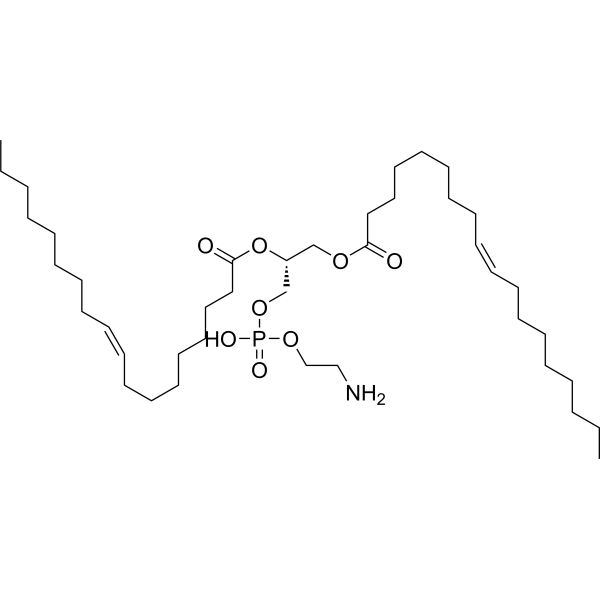
Cat. No.: HY-112005
CAS No.: 4004-05-1
Purity:  98.80%
Synonyms: Dioleoylphosphatidylethanolamine; 1,2-Dioleoyl-sn-glycero-3-phosphoethanolamine
DOPE (Dioleoylphosphatidylethanolamine; 1,2-Dioleoyl-sn-glycero-3-phosphoethanolamine) is an orally active inhibitor of ferroptosis with anti-inflammatory and intestinal barrier maintenance activities. DOPE regulates the expression of ACSL4, SLC7A11 and GPX4 to restore the redox system balance, thereby reducing the levels of lipid peroxides, iron ions and intestinal inflammatory factors (IL-1β and IL-6). DOPE promotes the migration and proliferation of intestinal epithelial cells and increases the level of tight junction proteins; it also destabilizes endosomal membranes, mediates the conjugation of RVG peptides with mesenchymal stem cell-derived exosomes to enhance brain targeting. DOPE can be applied to research related to neonatal necrotizing enterocolitis and Alzheimer's disease .
loading...
    loading...
13
13 Cited Publications
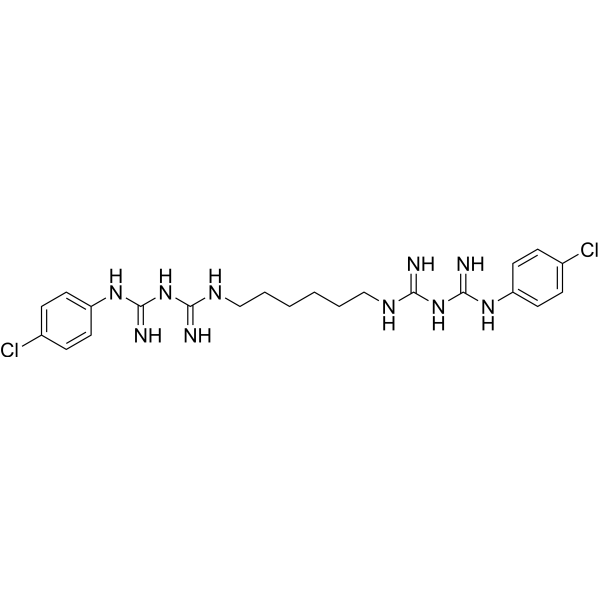
Cat. No.: HY-B1248
CAS No.: 55-56-1
Chlorhexidine is a orally active cationic antimicrobial agent that targets microbial cell membranes. Chlorhexidine binds to cell membrane phospholipids non-specifically, destroys membrane structure and induces leakage of cell contents. Chlorhexidine has broad-spectrum bactericidal activity against both Gram-positive and Gram-negative bacteria. Chlorhexidine can interfere with membrane permeability, cause protein precipitation and energy metabolism disorders, such as rapid inhibition of microbial growth and induction of cell death (necrosis or apoptosis) .
loading...
    loading...
13
13 Cited Publications
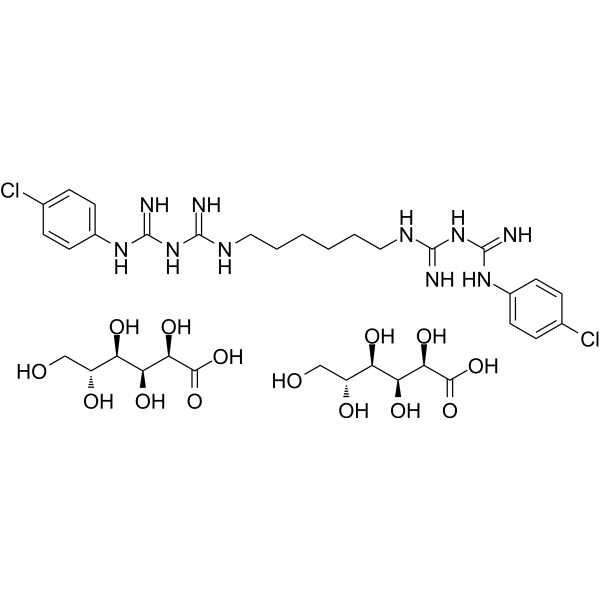
Cat. No.: HY-B0608
CAS No.: 18472-51-0
Chlorhexidine digluconate (20% in water) is a orally active cationic antimicrobial agent that targets microbial cell membranes. Chlorhexidine digluconate (20% in water) binds to cell membrane phospholipids non-specifically, destroys membrane structure and induces leakage of cell contents. Chlorhexidine digluconate (20% in water) has broad-spectrum bactericidal activity against both Gram-positive and Gram-negative bacteria. Chlorhexidine digluconate (20% in water) can interfere with membrane permeability, cause protein precipitation and energy metabolism disorders, such as rapid inhibition of microbial growth and induction of cell death (necrosis or apoptosis) .
loading...
    loading...
13
13 Cited Publications
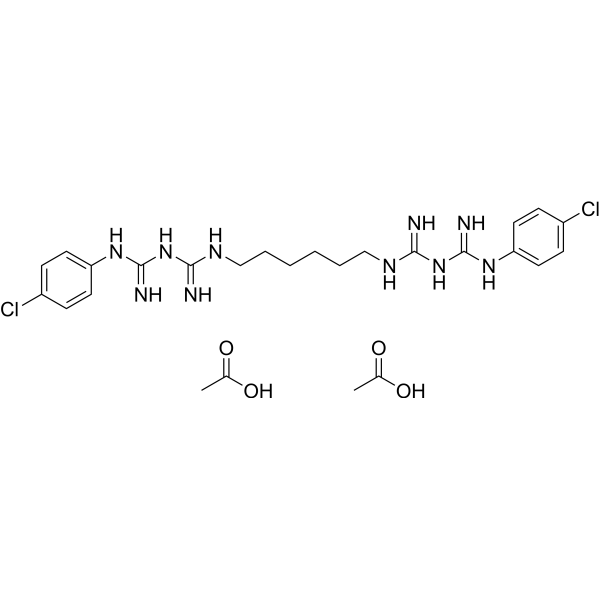
Cat. No.: HY-W013699
CAS No.: 56-95-1
Chlorhexidine diacetate is a orally active cationic antimicrobial agent that targets microbial cell membranes. Chlorhexidine diacetate binds to cell membrane phospholipids non-specifically, destroys membrane structure and induces leakage of cell contents. Chlorhexidine diacetate has broad-spectrum bactericidal activity against both Gram-positive and Gram-negative bacteria. Chlorhexidine diacetate can interfere with membrane permeability, cause protein precipitation and energy metabolism disorders, such as rapid inhibition of microbial growth and induction of cell death (necrosis or apoptosis) .
loading...
    loading...
13
13 Cited Publications
Cat. No.: HY-B1145
CAS No.: 3697-42-5
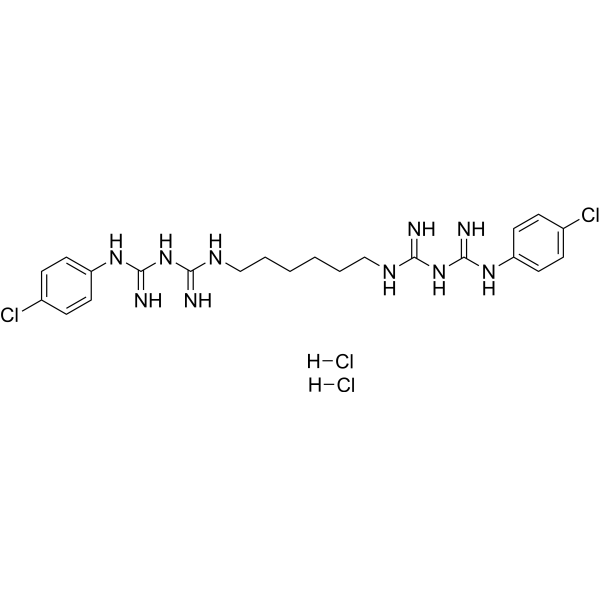
Chlorhexidine dihydrochloride is a orally active cationic antimicrobial agent that targets microbial cell membranes. Chlorhexidine dihydrochloride binds to cell membrane phospholipids non-specifically, destroys membrane structure and induces leakage of cell contents. Chlorhexidine dihydrochloride has broad-spectrum bactericidal activity against both Gram-positive and Gram-negative bacteria. Chlorhexidine dihydrochloride can interfere with membrane permeability, cause protein precipitation and energy metabolism disorders, such as rapid inhibition of microbial growth and induction of cell death (necrosis or apoptosis) .
loading...
    loading...
2
2 Cited Publications
Cat. No.: HY-P5712
CAS No.: 113-73-5
Synonyms: Gramicidin soviet
Research Areas:  

Infection

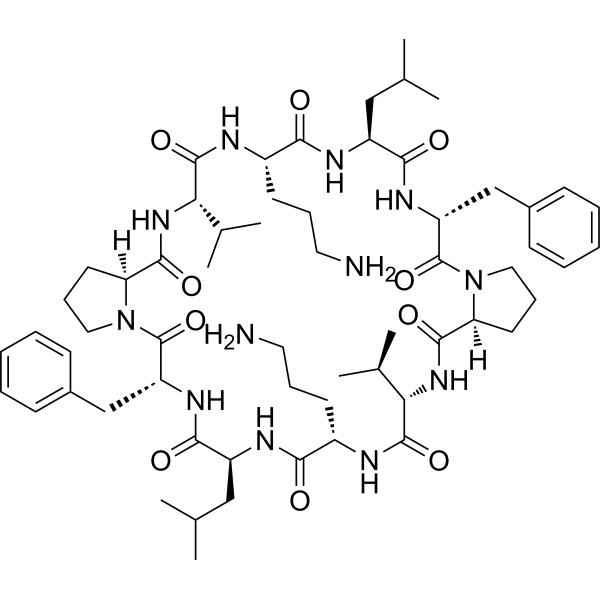
Gramicidin S (Gramicidin soviet) is a cationic cyclic peptide antibiotic that selectively targets bacterial cell membranes and has anticancer activity. Gramicidin S also exerts antibacterial activity by destroying membrane integrity and interfering with membrane protein function. Gramicidin S inserts into the phospholipid bilayer through hydrophobic amino acid residues, specifically binds to negatively charged membrane lipids and disrupts membrane structure, thereby inhibiting cell division and cell wall synthesis, and ultimately causing bacterial death. Gramicidin S also inhibits ion channels, with IC50s of 41 μM, 24 μM, and 3 μM for Na +/K +-ATPase, tobacco leaf plasma membrane Mg 2+/K +-ATPase, and rat heart plasma membrane Ca 2+-ATPase, respectively .
loading...
    loading...
Cat. No.: HY-170422
CAS No.: 1246303-07-0
Synonyms: Lysyl-DOPG
Target:  

Bacterial

Research Areas:  

Infection

18:1 Lysyl PG (Lysyl-DOPG) is a cationic phospholipid contains a lysine group and a DOPG. 18:1 Lysyl PG inhibits cationic antimicrobial peptide-induced membrane permeabilization. 18:1 Lysyl PG can be used for the research of infection .
loading...
    loading...
Cat. No.: HY-144018
CAS No.: 474945-24-9
Purity:  ≥99.0%
Target:  

Liposome

Research Areas:  

Others

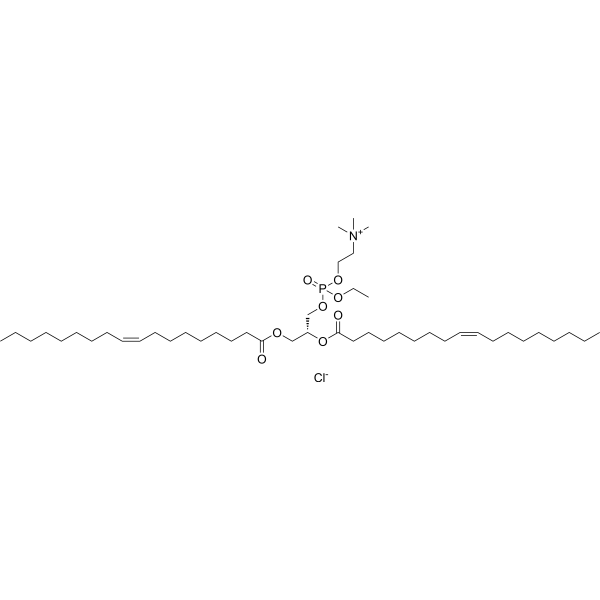
18:1 EPC chloride is a cationic alkylated phospholipid and also an egg yolk phosphatidylcholine. 18:1 EPC chloride can be used in research on liposomes and drug delivery .
loading...
    loading...
Cat. No.: HY-W590683
CAS No.: 2760467-57-8
Target:  

Liposome

Research Areas:  

Others

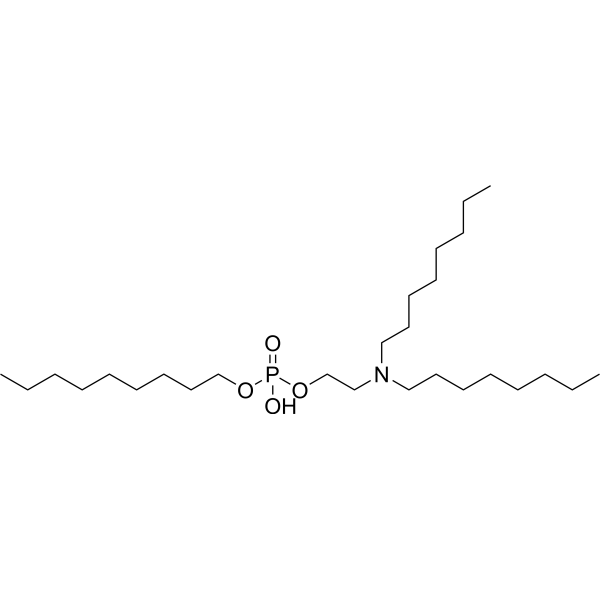
9A1P9 is a multi-tail ionizable cationic phospholipid. 9A1P9 induces membrane destabilization. 9A1P9 can be used for mRNA delivery t .
loading...
    loading...
Cat. No.: HY-142991
CAS No.: 185435-28-3
Synonyms: POPG
Target:  

Liposome

Research Areas:  

Others

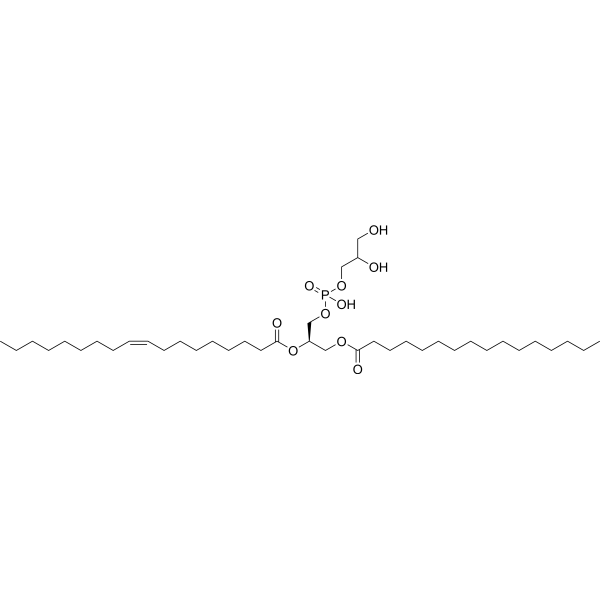
1-Palmitoyl-2-oleoyl-sn-glycero-3-phosphatidylglycerol (POPG) is an anionic phosphatidylglycerol that often serves as a key component to co-construct model phospholipid bilayers with phosphatidylcholine (e.g., at a 3:1 POPC:POPG ratio) for investigating the structure and dynamics of transmembrane proteins. 1-Palmitoyl-2-oleoyl-sn-glycero-3-phosphatidylglycerol acts as a fundamental material for mimicking the physicochemical properties of biological membranes and enables the elucidation of membrane protein interaction mechanisms .
loading...
    loading...
Cat. No.: HY-B1145S
CAS No.: 2012598-75-1
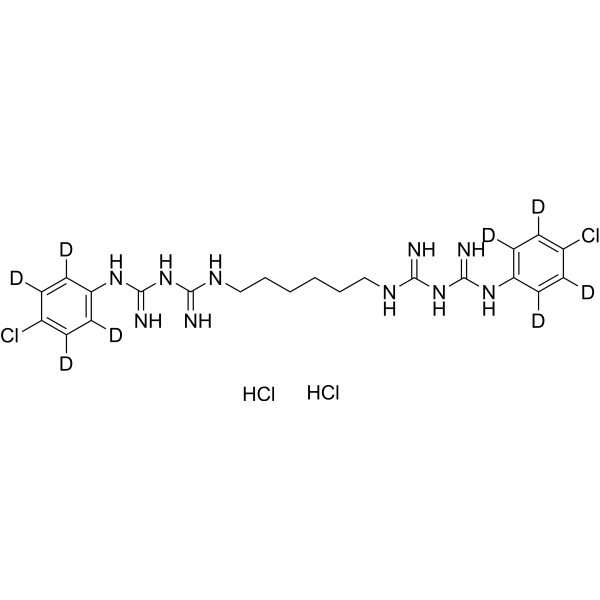
Chlorhexidine-d8 (dihydrochloride) is the deuterium labeled Chlorhexidine dihydrochloride (HY-B1145). Chlorhexidine dihydrochloride is a orally active cationic antimicrobial agent that targets microbial cell membranes. Chlorhexidine dihydrochloride binds to cell membrane phospholipids non-specifically, destroys membrane structure and induces leakage of cell contents. Chlorhexidine dihydrochloride has broad-spectrum bactericidal activity against both Gram-positive and Gram-negative bacteria. Chlorhexidine dihydrochloride can interfere with membrane permeability, cause protein precipitation and energy metabolism disorders, such as rapid inhibition of microbial growth and induction of cell death (necrosis or apoptosis) .
loading...
    loading...
Cat. No.: HY-B1248R
CAS No.: 55-56-1
Chlorhexidine (Standard) is the analytical standard of Chlorhexidine (HY-B1248). This product is intended for research and analytical applications. Chlorhexidine is a orally active cationic antimicrobial agent that targets microbial cell membranes. Chlorhexidine binds to cell membrane phospholipids non-specifically, destroys membrane structure and induces leakage of cell contents. Chlorhexidine has broad-spectrum bactericidal activity against both Gram-positive and Gram-negative bacteria. Chlorhexidine can interfere with membrane permeability, cause protein precipitation and energy metabolism disorders, such as rapid inhibition of microbial growth and induction of cell death (necrosis or apoptosis) .
loading...
    loading...
Cat. No.: HY-112005GL
CAS No.: 4004-05-1
Synonyms: Dioleoylphosphatidylethanolamine (GMP Like); 1,2-Dioleoyl-sn-glycero-3-phosphoethanolamine (GMP Like)
DOPE (GMP Like) is the GMP Like class DOPE (HY-112005), and can be used as pharmaceutical excipients. GMP small molecules works appropriately as an auxiliary reagent for cell therapy manufacture. DOPE is a neutral helper lipid for cationic liposome and combines with cationic phospholipids to improve transfection efficiency of naked siRNA .
loading...
    loading...
Cat. No.: HY-B1248A
CAS No.: 206986-79-0
Research Areas:  

Infection

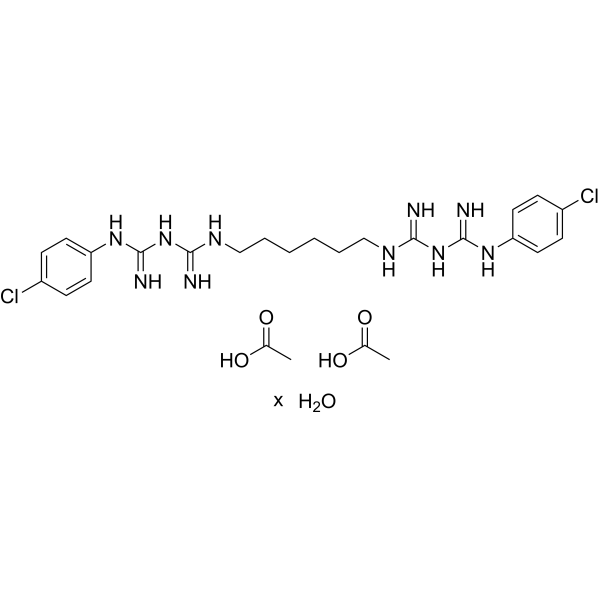
Chlorhexidine acetate hydrate is a orally active cationic antimicrobial agent that targets microbial cell membranes. Chlorhexidine acetate hydrate binds to cell membrane phospholipids non-specifically, destroys membrane structure and induces leakage of cell contents. Chlorhexidine acetate hydrate has broad-spectrum bactericidal activity against both Gram-positive and Gram-negative bacteria. Chlorhexidine acetate hydrate can interfere with membrane permeability, cause protein precipitation and energy metabolism disorders, such as rapid inhibition of microbial growth and induction of cell death (necrosis or apoptosis) .
loading...
    loading...
Cat. No.: HY-W013699R
CAS No.: 56-95-1
Chlorhexidine diacetate (Standard) is the analytical standard of Chlorhexidine diacetate (HY-W013699). This product is intended for research and analytical applications. Chlorhexidine diacetate is a orally active cationic antimicrobial agent that targets microbial cell membranes. Chlorhexidine diacetate binds to cell membrane phospholipids non-specifically, destroys membrane structure and induces leakage of cell contents. Chlorhexidine diacetate has broad-spectrum bactericidal activity against both Gram-positive and Gram-negative bacteria. Chlorhexidine diacetate can interfere with membrane permeability, cause protein precipitation and energy metabolism disorders, such as rapid inhibition of microbial growth and induction of cell death (necrosis or apoptosis) .
loading...
    loading...
Cat. No.: HY-144019
CAS No.: 328268-13-9
Target:  

Liposome

Research Areas:  

Infection

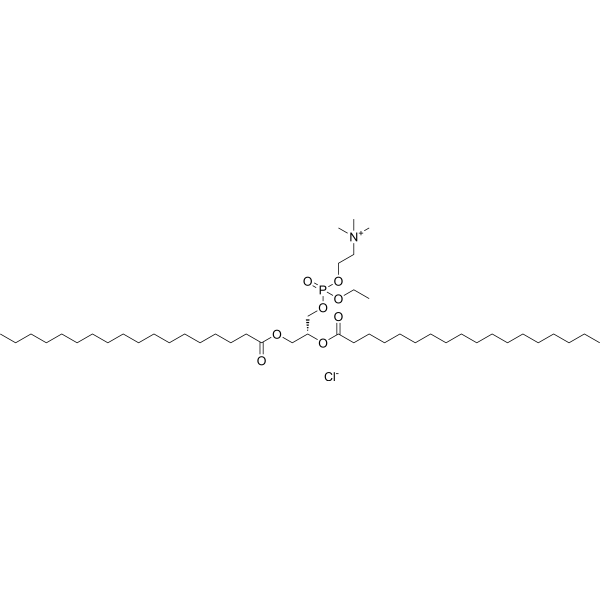
18:0 EPC chloride is a synthetic cationic phospholipid. 18:0 EPC chloride (at the critical synergistic concentrations of 2.34-2.93 μM) significantly improves the inactivation effect of eugenol against Escherichia coli .
loading...
    loading...
Cat. No.: HY-160275
Target:  

Liposome

Research Areas:  

Others

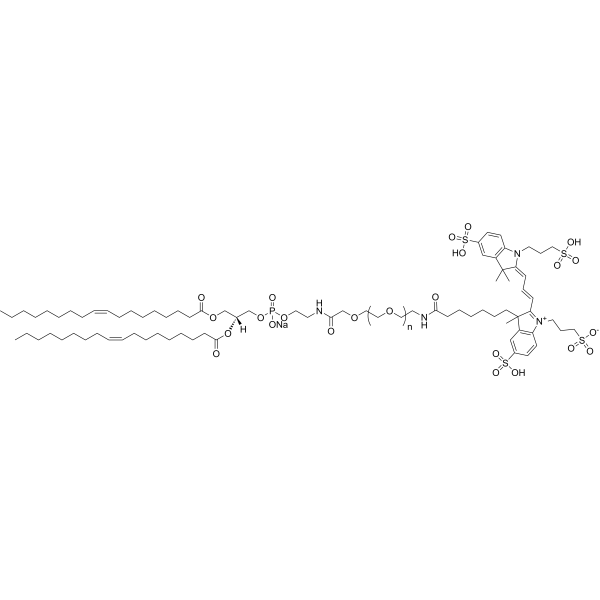
DOPE-PEG2000-Fluor 555 is a PEG-lipid-dye conjugate featuring a DOPE phospholipid and a Fluor 555 dye. DOPE (HY-112005) is a neutral helper lipid for cationic liposome. Fluor 555 is a fluorescent dye .
loading...
    loading...
Cat. No.: HY-144017
CAS No.: 474945-22-7
Target:  

Liposome

Research Areas:  

Others

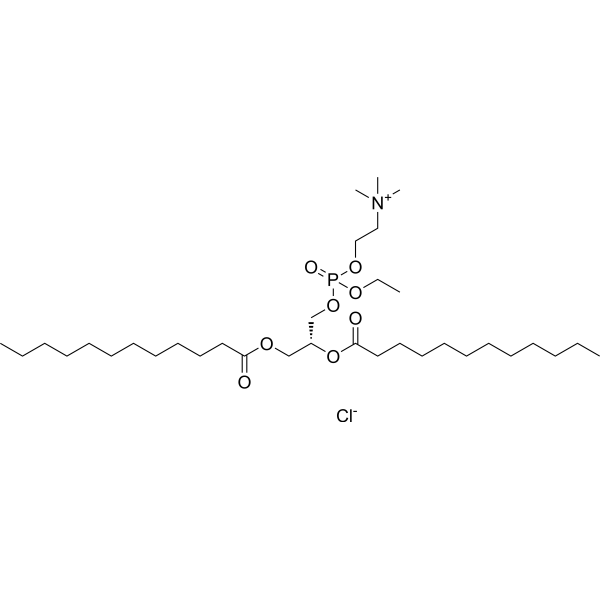
12:0 EPC chloride is a cationic phospholipid. 12:0 EPC chloride can be used for drug delivery .
loading...
    loading...
Cat. No.: HY-P10970
CAS No.: 1539295-33-4
Target:  

Bacterial

Research Areas:  

Infection

RT2 is a tryptophan-rich cationic amphipathic antibacterial peptide, with main targets including lipopolysaccharide (LPS) on the bacterial surface and intracellular DNA. RT2 binds to bacterial surface LPS, and interacts with cytoplasmic membrane phospholipids, enabling it to rapidly penetrate the bacterial cell membrane and enter the cell, and then bind to components such as DNA in the cytoplasmic membrane, thereby exerting antibacterial effects. RT2 is promising for research of acute and chronic infections caused by planktonic bacteria .
loading...
    loading...
Cat. No.: HY-B1145R
CAS No.: 3697-42-5
Chlorhexidine dihydrochloride (Standard) is the analytical standard of Chlorhexidine dihydrochloride (HY-B1145). This product is intended for research and analytical applications. Chlorhexidine dihydrochloride is a orally active cationic antimicrobial agent that targets microbial cell membranes. Chlorhexidine dihydrochloride binds to cell membrane phospholipids non-specifically, destroys membrane structure and induces leakage of cell contents. Chlorhexidine dihydrochloride has broad-spectrum bactericidal activity against both Gram-positive and Gram-negative bacteria. Chlorhexidine dihydrochloride can interfere with membrane permeability, cause protein precipitation and energy metabolism disorders, such as rapid inhibition of microbial growth and induction of cell death (necrosis or apoptosis) .
loading...
    loading...

