


29 Results for "

central nervous system inflammation

" in MedChemExpress (MCE) Product Catalog:
Products (29)

29 Results for "central nervous system inflammation" in MCE Product Catalog:

12
12 Publications Verification
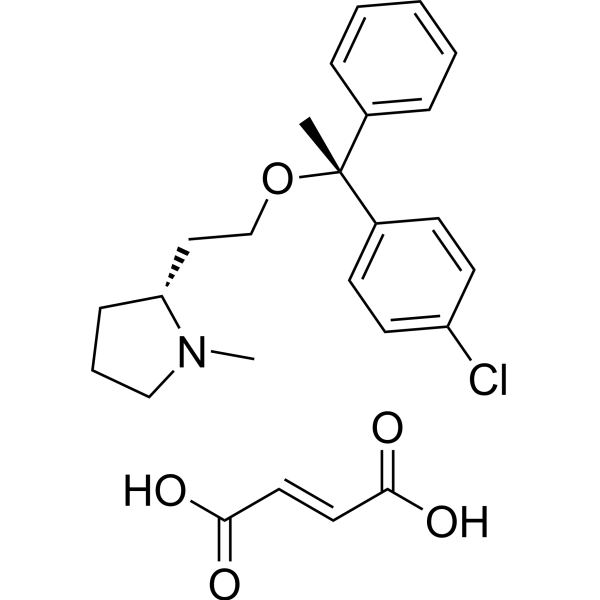
Cat. No.: HY-B0298A
CAS No.: 14976-57-9
Synonyms: HS-592 fumarate; Meclastine fumarate
Clemastine (HS-592; Meclastine) fumarate is an orally active, blood-brain barrier-permeable H1 histamine receptor (H1 histamine receptor) antagonist with potent antiallergic effects. Clemastine fumarate also antagonizes muscarinic acetylcholine receptors (mAChR), particularly the M1 and M4 subtypes. In addition to antihistamine effects, Clemastine fumarate exhibits multiple pharmacological activities, especially in promoting central nervous system remyelination, activating autophagy and pyroptosis, exerting anti-apoptotic and neuroprotective effects, and suppressing inflammation .
loading...
    loading...
12
12 Publications Verification
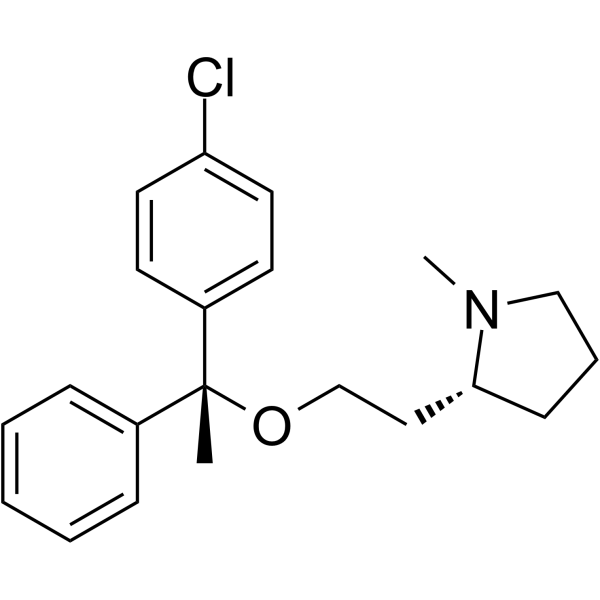
Cat. No.: HY-B0298
CAS No.: 15686-51-8
Synonyms: HS-592; Meclastine
Clemastine (HS-592; Meclastine) is an orally active, blood-brain barrier-permeable H1 histamine receptor (H1 histamine receptor) antagonist with potent antiallergic effects. Clemastine also antagonizes muscarinic acetylcholine receptors (mAChR), particularly the M1 and M4 subtypes. In addition to antihistamine effects, Clemastine exhibits multiple pharmacological activities, especially in promoting central nervous system remyelination, activating autophagy and pyroptosis, exerting anti-apoptotic and neuroprotective effects, and suppressing inflammation .
loading...
    loading...
4
4 Cited Publications
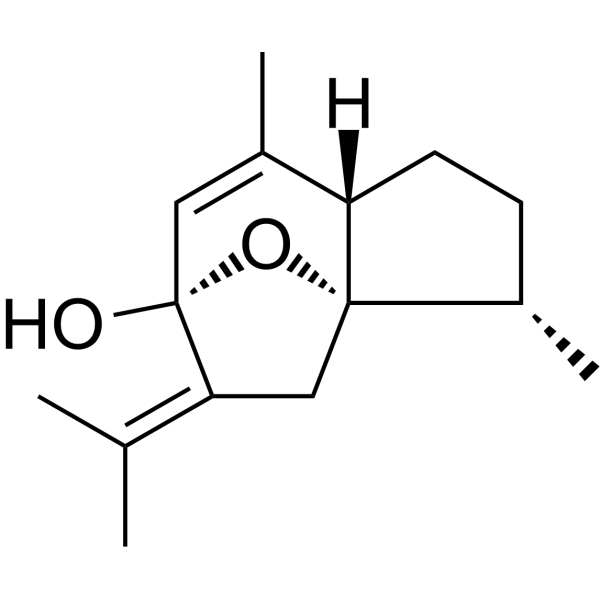
Cat. No.: HY-N2259
CAS No.: 19431-84-6
Synonyms: (+)-Curcumenol
Curcumenol ((+)-Curcumenol) is a natural compound with oral efficacy, exhibiting an IC50 of 12.6 μM and a Ki of 10.8 μM against human CYP3A4. Curcumenol inhibits TNFα-induced phosphorylation/degradation of IκBα, phosphorylation/nuclear translocation of NF-κB p65, as well as the upregulation of MMP3, MMP9, MMP13, TRAF3, IL1RL1, TNFα and IL-1β. Curcumenol suppresses LPS-induced phosphorylation of Akt and p38 MAPK, as well as the production of pro-inflammatory mediators/proteins, and downregulates the SLC7A11/NF-κB/TGF-β pathway. Curcumenol binds to and inhibits the activation of Fyn and Lyn, blocks the function of downstream FcεRI signaling components, and reduces the release of allergic mediators/cytokines. Curcumenol upregulates the expression of KDM6B, and promotes chondrocyte proliferation and cartilage repair. Curcumenol induces ferroptosis and apoptosis, regulates the EMT process, and inhibits tumor growth and metastasis of triple-negative breast cancer. Curcumenol possesses anti-inflammatory, neuroprotective, antioxidant, antitumor, antiviral and hepatoprotective activities. Curcumenol can be used in research related to intervertebral disc degeneration, cancer, inflammation, central nervous system neurodegenerative diseases, allergic reactions and knee osteoarthritis .
loading...
    loading...
3
3 Cited Publications
Cat. No.: HY-108831A
CAS No.: 189261-10-7
Purity:  98.72%
Synonyms: AN100226; BG00002
Natalizumab (Anti-CD49d) (AN100226; BG00002) Solution is a humanized monoclonal IgG4 antibody inhibitor that selectively targets α4 integrin (CD49d), blocking the interaction of integrins such as α4β1 (VLA-4) with vascular cell adhesion molecule VCAM-1, intercellular adhesion molecule ICAM-1, and fibronectin by competitively binding to the α4 subunit. Natalizumab solution inhibits the adhesion, retention, and transendothelial migration of immune cells (such as CD4 + T cells), reducing the infiltration of inflammatory cells into the central nervous system or lesion sites, thereby exerting anti-inflammatory and immunomodulatory activity. Natalizumab (Anti-CD49d) solution is used in the study of relapsing-remitting multiple sclerosis (RRMS) and is also applied in the research of autoimmune or inflammation-related diseases such as Crohn's disease, B-cell lymphoma, and non-infectious uveitis. Natalizumab (Anti-CD49d) can also prevent lymphocytes from entering the central nervous system, thus preventing acute demyelinating relapses .
loading...
    loading...
3
3 Cited Publications
Cat. No.: HY-108831
CAS No.: 189261-10-7
Purity:  99.10%
Natalizumab (AN100226; BG00002) is a humanized monoclonal IgG4 antibody inhibitor that selectively targets α4 integrin (CD49d). It blocks the interaction of integrins such as α4β1 (VLA-4) with vascular cell adhesion molecule VCAM-1, intercellular adhesion molecule ICAM-1, and fibronectin by competitively binding to the α4 subunit. Natalizumab inhibits the adhesion, retention, and transendothelial migration of immune cells (such as CD4 + T cells), reducing the infiltration of inflammatory cells into the central nervous system or lesion sites, thus exerting anti-inflammatory and immunomodulatory activity. Natalizumab is used in the study of relapsing-remitting multiple sclerosis (RRMS) and also has applications in the study of autoimmune or inflammation-related diseases such as Crohn's disease, B-cell lymphoma, and non-infectious uveitis. Natalizumab can also prevent lymphocytes from entering the central nervous system, thereby preventing acute demyelinating relapses .
loading...
    loading...
2
2 Cited Publications
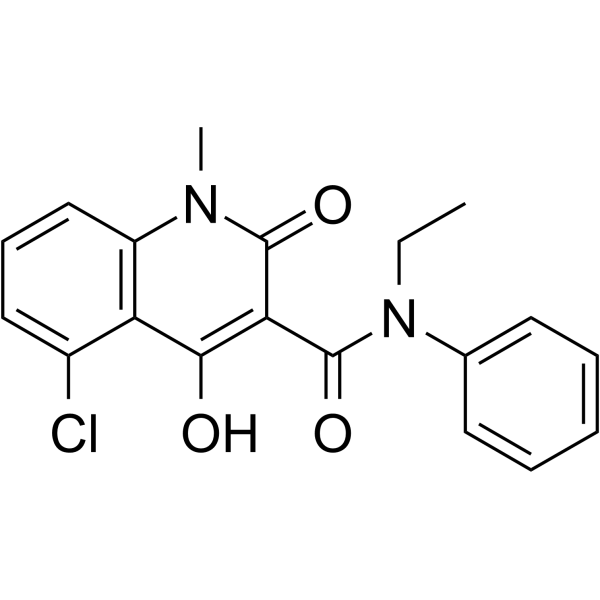
Cat. No.: HY-13010
CAS No.: 248281-84-7
Purity:  99.46%
Synonyms: ABR-215062
Target:  

NF-κB Apoptosis

Research Areas:  

Inflammation/Immunology

Laquinimod (ABR-215062), an orally available carboxamide derivative, is a potent immunomodulator which prevents neurodegeneration and inflammation in the central nervous system. Laquinimod reduces astrocytic NF-κB activation to protect from Cuprizone-induced demyelination. Laquinimod has the potential for relapsing remitting (RR) and chronic progressive (CP) forms of multiple sclerosis (MS; RRMS or CPMS) as well as neurodegenerative diseases research .
loading...
    loading...
2
2 Cited Publications
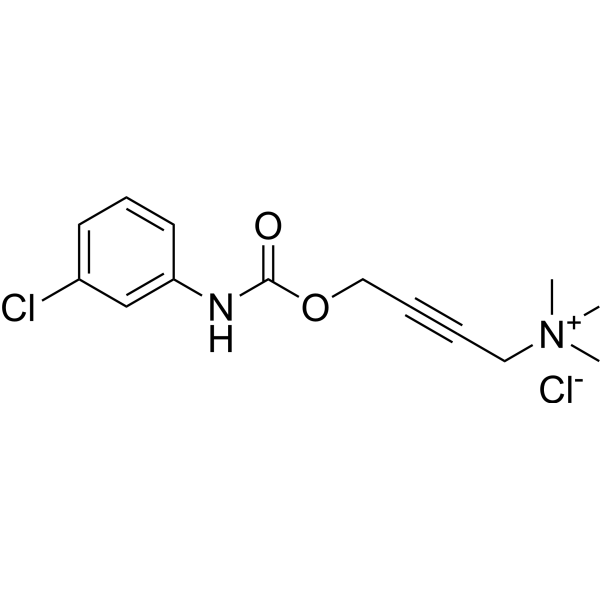
Cat. No.: HY-107648
CAS No.: 55-45-8
Purity:  99.81%
Target:  

mAChR

McN-A-343 is a selective M1 muscarinic agonist that stimulates muscarinic transmission in sympathetic ganglia. McN-A-343 produces a significant inhibitory effect on Muscarine (HY-121404)-evoked catecholamine secretion from the isolated perfused rat adrenal gland. McN-A-343 is involved in the regulation of neuronal firing and activates enteroendocrine L cells to release glucagon-like peptide 1 (GLP-1) and modulates the secretion of α-melanocyte stimulating hormone (α-MSH) from the pituitary gland in the central nervous system. McN-A-343 reduces colonic inflammation and oxidative stress in Acetic acid (HY-Y0319)-induced ulcerative colitis (UC) mice. McN-A-343 can be used for the study of ulcerative colitis .
loading...
    loading...
1
1 Cited Publications
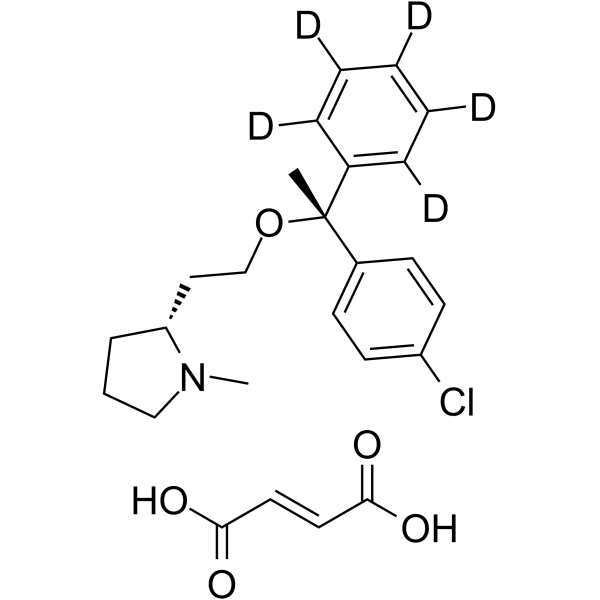
Cat. No.: HY-B0298AS
Synonyms: HS-592-d5 fumarate; Meclastine-d5 fumarate
Clemastine (HS-592; Meclastine)-d5 fumarate is the deuterium labeled Clemastine fumarate. Clemastine fumarate is an orally active, blood-brain barrier-permeable H1 histamine receptor (H1 histamine receptor) antagonist with potent antiallergic effects. Clemastine fumarate also antagonizes muscarinic acetylcholine receptors (mAChR), particularly the M1 and M4 subtypes. In addition to antihistamine effects, Clemastine fumarate exhibits multiple pharmacological activities, especially in promoting central nervous system remyelination, activating autophagy and pyroptosis, exerting anti-apoptotic and neuroprotective effects, and suppressing inflammation .
loading...
    loading...
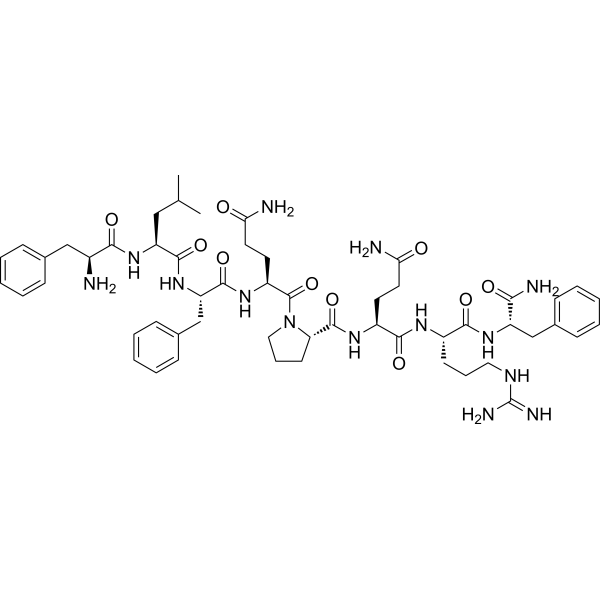
Cat. No.: HY-P1248
CAS No.: 99566-27-5
Synonyms: NPFF
Neuropeptide FF (NPFF), an octapeptide belonging to the RF-amide family of peptides, is a NPFF1 and NPFF2 receptors agonist with Ki values of 2.82 nM and 0.21 nM, respectively. Neuropeptide FF induces abstinence syndrome, exerts antiopioid and analgesic effects, releases via calcium-dependent mechanisms from rat spinal cord, regulates memory, autonomic function, and neuroendocrine function, modulates pain and opioid antinociception, reduces food intake, stimulates water intake, alters cardiovascular parameters, and shows differential activity in hypothalamic paraventricular nucleus neurons. Neuropeptide FF is present in mammalian central nervous system and periphery, with NPFF-immunoreactivity increases in rat cerebrospinal fluid during opiate tolerance, and its NPFF gene and NPFF-R2 gene are up-regulated in rat spinal cord and dorsal root ganglia during peripheral inflammation. Neuropeptide FF can be used for the research of opioid tolerance, morphine-induced analgesia, abstinence syndrome, pain, hypertension, nociception, inflammatory pain, and neuropathic pain .
loading...
    loading...
Cat. No.: HY-P2459
CAS No.: 163158-19-8
Target:  

Peptides

Research Areas:  

Inflammation/Immunology

MOG (35-55), human is a synthetic encephalitogenic peptide fragment (residues 35-55) of human myelin oligodendrocyte glycoprotein, and also serves as a myelin oligodendrocyte glycoprotein peptide epitope. MOG (35-55), human induces mild central nervous system inflammation in mice, but does not trigger demyelinating lesions, only causing mild clinical neurological symptoms. MOG (35-55) induces experimental autoimmune encephalomyelitis mouse models that recapitulate the features of optic neuritis, multiple sclerosis, myelin oligodendrocyte glycoprotein antibody-associated diseases, and neuromyelitis optica spectrum disorders .
loading...
    loading...
Cat. No.: HY-164049
CAS No.: 2490544-50-6
Research Areas:  

Inflammation/Immunology

TG8-260 is a second-generation EP2 antagonist developed to alleviate the pathology of central nervous system and peripheral diseases driven by inflammation. TG8-260 can reduce neuroinflammation and gliosis in the hippocampus of rats after pilocarpine-induced persistent epileptic status. Pharmacokinetic data of TG8-260 showed that its plasma half-life was 2.14 hours and its oral bioavailability was 77.3%. TG8-260 is also a potent inhibitor of CYP450 and shows antagonistic activity in inhibiting EP2 receptor-mediated inflammatory gene expression in BV2-hEP2 microglia, which is suitable for studying anti-inflammatory pathways in animal models of peripheral inflammatory diseases .
loading...
    loading...
Cat. No.: HY-176800
CAS No.: 521979-59-9
Target:  

CCR

LMD-902, a LMD-009 (HY-121885) analog, is a CCR8 agonist with an EC50 of 15  nM. LMD-902 has a superior binging capacity depending on key residues such as PheVI:16. LMD-902 can be used for inflammation diseases like bronchial asthma and central nervous system diseases like multiple sclerosis research .
loading...
    loading...
Cat. No.: HY-P2781
CAS No.: 9040-59-9
3′,5′-Cyclic nucleotide phosphodiesterase is a hydrolytic enzyme that degrades cyclic 3', 5' -adenosine monophosphate (cyclic AMP). 3′,5′-Cyclic nucleotide phosphodiesterase is promising for research of cardiovascular diseases, inflammation, central nervous system disorders, and metabolic syndrome .
loading...
    loading...
Cat. No.: HY-N9164
CAS No.: 62874-52-6
Hecubine is a monoterpene indole alkaloid found in Ervatamia ocinalis. Hecubine activates TREM2 expression, reduces LPS (HY-D1056)-stimulated inammatory cytokines (TNF-αIL-6IL-1β) overexpression, as well as suppresses the levels of TLR4-, MyD88-, MAPK/PI3K/AKT- and NF-κB-related proteins. Hecubin also exhibits antioxidative effect, reduces ROS production and activates of the Nrf2/HO-1 pathway. Hecubine rescues LPS-induced behavioral deficits in zebrash larvae. Hecubine can be used for the research of neural inflammation-associated central nervous system diseases .
loading...
    loading...
Cat. No.: HY-160446
CAS No.: 2407658-21-1
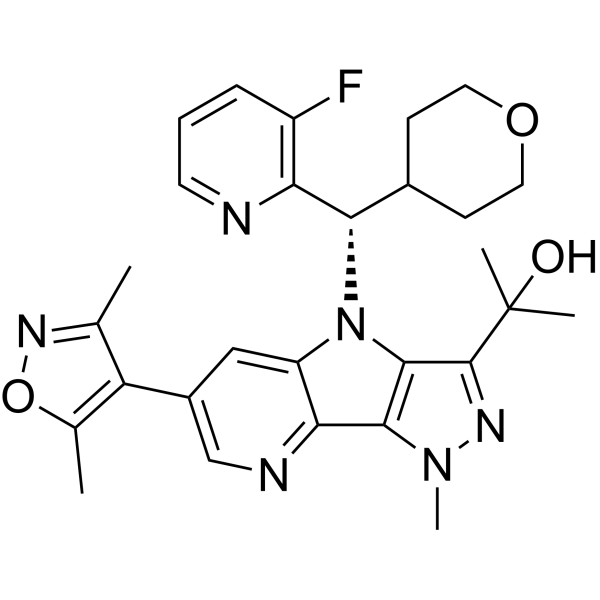
Bet-in-24 (example 2) is a bromodomain and extra-terminal (BET) inhibitor. BET-IN-24 can be used in the study of virology, heart failure, inflammation, central nervous system (CNS) diseases and many cancers
loading...
    loading...
Cat. No.: HY-118689
CAS No.: 1867107-62-7
RA-2 is a negative-gating modulator of KCa2/3 channels with an IC50 of 17 nM. RA-2 inhibits bradykinin-induced endothelium-derived hyperpolarization (EDH)-type relaxation in U46619-precontracted rings. RA-2 can help to define the physiologic and pathomechanistic roles of KCa2/3 in the vasculature, central nervous system, and during inflammation .
loading...
    loading...
Cat. No.: HY-174339
CAS No.: 2522599-69-3
Neuroprotective agent 12 is an orally active and BBB-penetrable neuroprotective agent. Neuroprotective agent 12 has potent neuroprotective effects with robust anti-oxidation and anti-inflammation. Neuroprotective agent 12 significantly inhibits glutamate- and acrolein-induced cell death, reduces PDE4B expression but increases the HO-1, p-CREB and BDNF levels. Neuroprotective agent 12 exhibits potent neuroprotection in traumatic brain injury (TBI) mice model, promising for TBI and other central nervous system diseases .
loading...
    loading...
Cat. No.: HY-N2259R
CAS No.: 19431-84-6
Synonyms: (+)-Curcumenol (Standard)
Curcumenol (Standard) ((+)-Curcumenol (Standard)) is the analytical standard of Curcumenol (HY-N2259). This product is intended for research and analytical applications. Curcumenol ((+)-Curcumenol) is a natural compound with oral efficacy, exhibiting an IC50 of 12.6 μM and a Ki of 10.8 μM against human CYP3A4. Curcumenol inhibits TNFα-induced phosphorylation/degradation of IκBα, phosphorylation/nuclear translocation of NF-κB p65, as well as the upregulation of MMP3, MMP9, MMP13, TRAF3, IL1RL1, TNFα and IL-1β. Curcumenol suppresses LPS-induced phosphorylation of Akt and p38 MAPK, as well as the production of pro-inflammatory mediators/proteins, and downregulates the SLC7A11/NF-κB/TGF-β pathway. Curcumenol binds to and inhibits the activation of Fyn and Lyn, blocks the function of downstream FcεRI signaling components, and reduces the release of allergic mediators/cytokines. Curcumenol upregulates the expression of KDM6B, and promotes chondrocyte proliferation and cartilage repair. Curcumenol induces ferroptosis and apoptosis, regulates the EMT process, and inhibits tumor growth and metastasis of triple-negative breast cancer. Curcumenol possesses anti-inflammatory, neuroprotective, antioxidant, antitumor, antiviral and hepatoprotective activities. Curcumenol can be used in research related to intervertebral disc degeneration, cancer, inflammation, central nervous system neurodegenerative diseases, allergic reactions and knee osteoarthritis .
loading...
    loading...
Cat. No.: HY-117670
CAS No.: 168570-35-2
Target:  

Neurokinin Receptor

Research Areas:  

Neurological Disease

PD-161182 is a non-peptide NK-3 antagonist. PD-161182 can be studied in NK-3-related central nervous system disturbances, pain, inflammation, pulmonary and skin diseases .
loading...
    loading...
Cat. No.: HY-153548
CAS No.: 1217483-98-1
P2X2/3 modulator-1 (Compound 46) is a P2X2/3 modulator. P2X2/3 modulator-1 can be used in the study of pain, central nervous system disorders and inflammation .
loading...
    loading...

