
Search Result
Results for "
cosmetic peptides
" in MedChemExpress (MCE) Product Catalog:
5
Biochemical Assay Reagents
| Cat. No. |
Product Name |
Target |
Research Areas |
Chemical Structure |
-
- HY-D0187
-
-
-
- HY-P2738
-
|
|
MMP
|
Inflammation/Immunology
|
|
Collagen, Type I, from bovine achilles tendon are extracellular matrix proteins and show many applications in food, cosmetic, pharmaceutical and biomedical industries. This product is enzymatically hydrolyzed collagen peptide .
|
-
-
- HY-W013494
-
|
|
Endogenous Metabolite
|
Metabolic Disease
Inflammation/Immunology
|
|
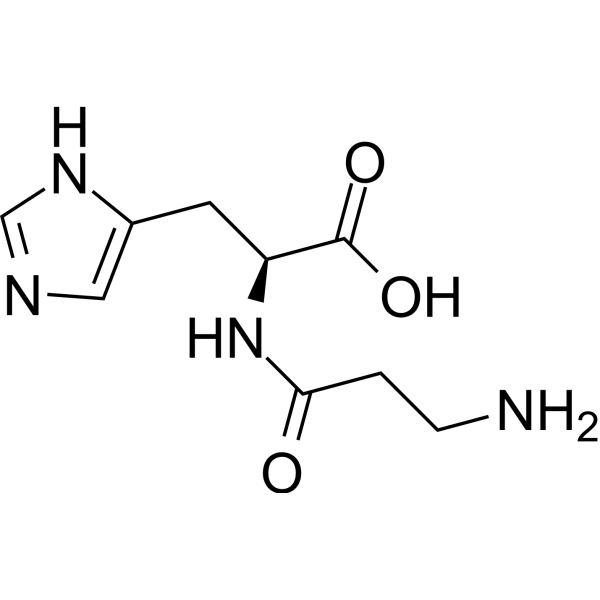
L-Carnosine is a dipeptide composed of beta-alanine and histidine. L-Carnosine is an endogenous metabolite found in human brain, muscle and gastrointestinal tissues and is present in all vertebrates. L-Carnosine is a non-enzymatic free radical scavenger and natural antioxidant with anti-inflammatory and neuroprotective properties that can inhibit biochemical changes associated with aging .
|
-
-
- HY-P0063
-
|
GHK-Cu
|
Biochemical Assay Reagents
|
Inflammation/Immunology
|
|
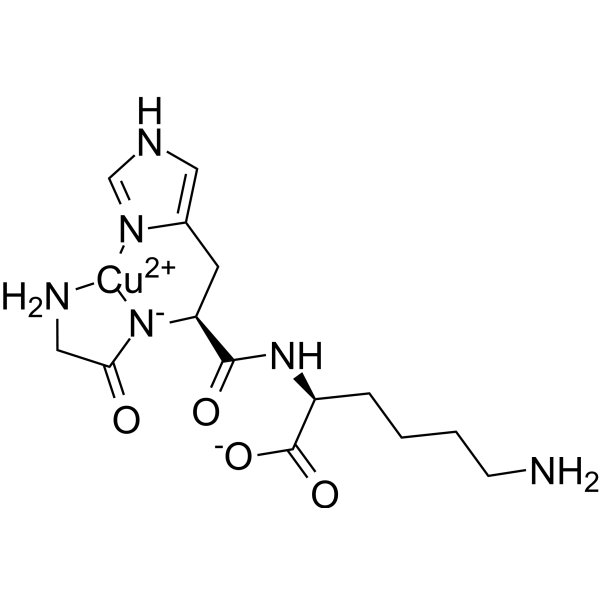
Copper tripeptide (GHK-Cu) is a tripeptide. During wound healing, Copper tripeptide may be freed from existing extracellular proteins via proteolysis and serves as a chemoattractant for inflammatory and endothelial cells. Copper tripeptide has been shown to increase messenger RNA production for collagen, elastin, proteoglycans, and glycosaminoglycans in fibroblasts. Copper tripeptide is a natural modulator of multiple cllular pathways in skin regeneration .
|
-
-
- HY-P0033
-
|
Acetyl hexapeptide-3; Acetyl hexapeptide-8
|
Calcium Channel
|
Neurological Disease
|
|
Argireline (Acetyl hexapeptide-3) is a non-toxic, skin-permeable, antiwrinkle peptide. Argireline significantly inhibits Ca 2+ dependent neurotransmitter release (acetylcholine) at the neuromuscular junction. Argireline has antiwrinkle and anti-aging activity .
|
-
-
- HY-P0045
-
|
Matrixyl; Palmitoyl pentapeptide 3; Matrixyl (Palmitoyl Pentapeptide)
|
Collagen
|
Others
|
|
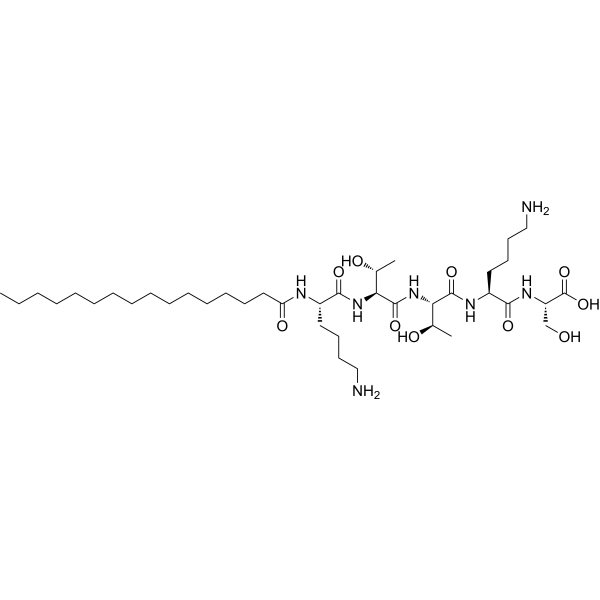
Palmitoyl pentapeptide 4 (Matrixyl; Palmitoyl pentapeptide 3; Matrixyl (Palmitoyl Pentapeptide) is a bioactive peptide with anti-ageing effect and has been reported used as a cosmetic ingredient [1]
|
-
-
- HY-A0299
-
|
Tripeptide 29
|
MMP
|
Inflammation/Immunology
|
|
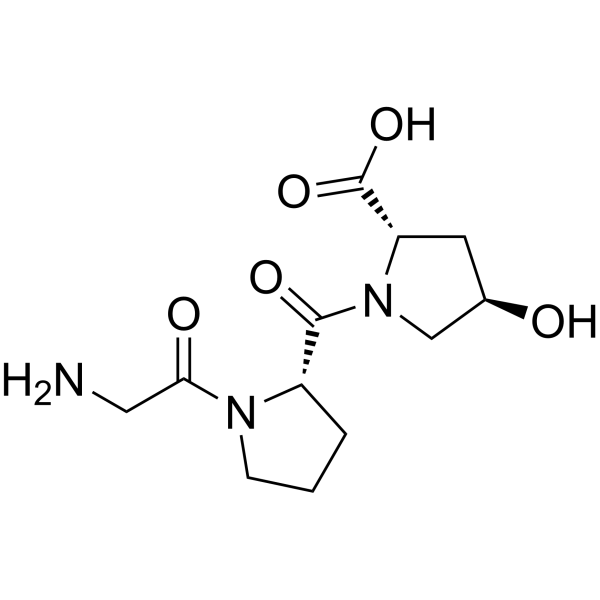
H-Gly-Pro-Hyp-OH is a collagen-derived peptide and also a dipeptidyl peptidase-4 inhibitor.\nH-Gly-Pro-Hyp-OH inhibits the activity of dipeptidyl peptidase-4 in vitro. H-Gly-Pro-Hyp-OH binds to the DNA-binding site of the JUN/FOS complex, blocks the formation of the DNA-JUN/FOS complex, and inhibits transcriptional activity. H-Gly-Pro-Hyp-OH is applicable to research related to skin photoaging, UVB-induced skin aging/photoaging, and thrombosis .
|
-
-
- HY-D0889
-
|
Gly-Gly; H-Gly-Gly-OH
|
Endogenous Metabolite
|
Metabolic Disease
|
|
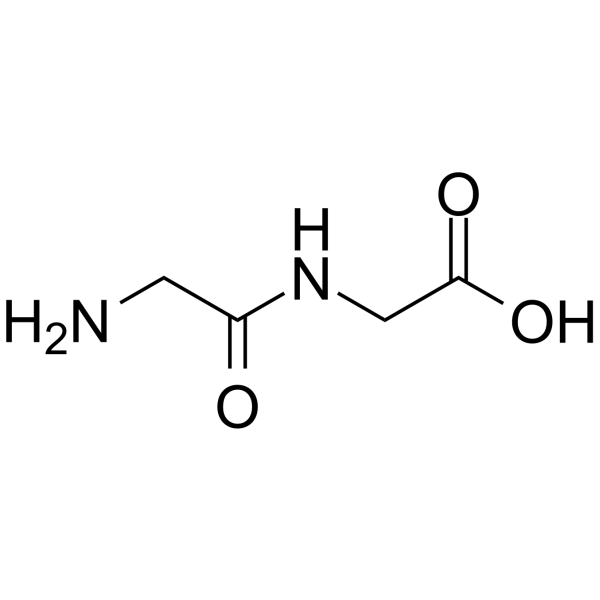
Glycylglycine is a non-selective glycylglycine dipeptidase substrate and iNOS inhibitor. Glycylglycine can cross the cell membrane by passive diffusion and is hydrolyzed to glycine in the cell, participating in energy metabolism and antioxidant processes. Glycylglycine promotes spermatogonial stem cells (SSCs) proliferation, inhibits astrocyte overactivation and reduces nitric oxide (NO) release, while upregulating the expression of neurotrophic factors (such as PDGFA, FGF2, CNTF) to support nerve myelin repair. Glycylglycine can be used to study male reproductive biology (such as SSCs proliferation regulation) and neurodegenerative diseases (such as neuroprotective mechanisms in multiple sclerosis) .
|
-
-
- HY-17490
-
|
N-Acetyl-L-hydroxyproline
|
Amino Acid Derivatives
|
Inflammation/Immunology
|
|
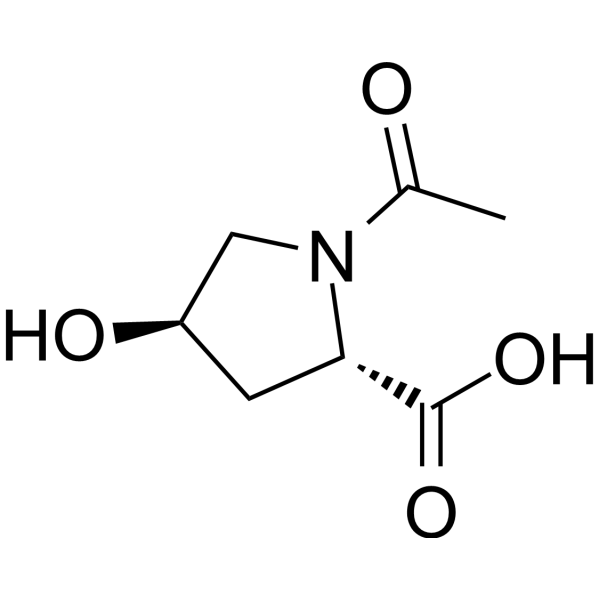
Oxaceprol (N-Acetyl-L-hydroxyproline), an orally active derivative of L-proline, possesses distinct anti-inflammatory activity. Oxaceprol is usually used for the research of osteoarthritis and rheumatoid arthritis .
|
-
-
- HY-D0187R
-
-
-
- HY-P0097
-
|
Melanostatine-5
|
Melanocortin Receptor
|
Metabolic Disease
Endocrinology
Cancer
|
|
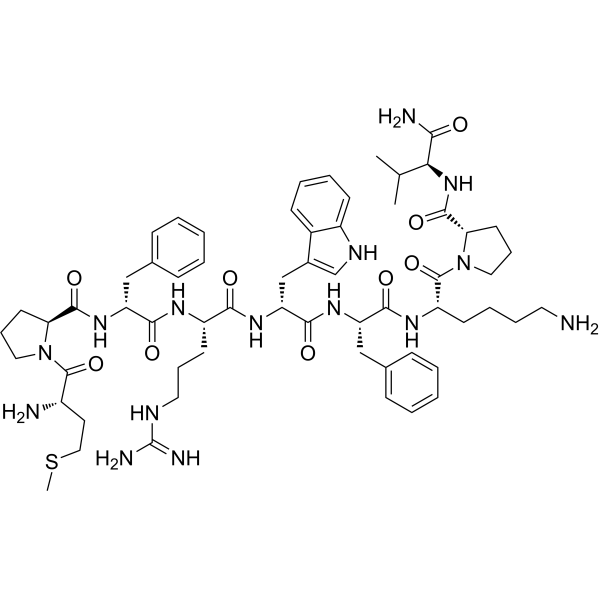
Nonapeptide-1 (Melanostatine-5), a peptide hormone, is a selective antagonist of MC1R (Ki: 40 nM). Nonapeptide-1 is a competitive α-MSH antagonist that potently inhibits intracellular cAMP and melanosome dispersion induced by α-MSH in melanocytes (IC50: 2.5 nM and 11 nM, respectively). Nonapeptide-1 inhibits melanin synthesis, and can be used in the research of skin pigmentation and regulation of steroid production in the adrenal gland, skin cancer .
|
-
-
- HY-P0102
-
|
|
nAChR
|
Neurological Disease
Metabolic Disease
|
|
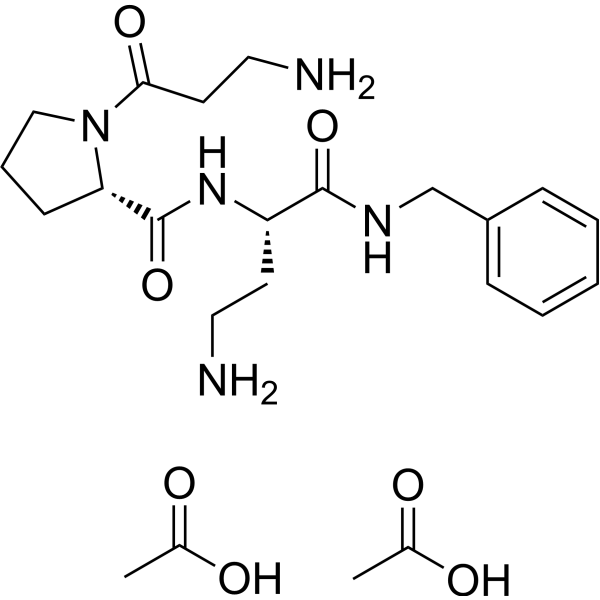
Dipeptide diaminobutyroyl benzylamide diacetate, a Wagerlin-1-mimicking peptide, is a nAChR antagonist. Dipeptide diaminobutyroyl benzylamide diacetate mimics Waglerin-1 to block neuromuscular junction nicotinic acetylcholine receptors, partially inhibits neuronal signal transduction, and relaxes muscles. Dipeptide diaminobutyroyl benzylamide diacetate reduces appearance of facial wrinkles linked to repeated muscle movement.Dipeptide diaminobutyroyl benzylamide diacetate can be used for the research of mild-to-moderate fine and coarse periocular and perioral wrinkles and periorbital ageing .
|
-
-
- HY-125616
-
|
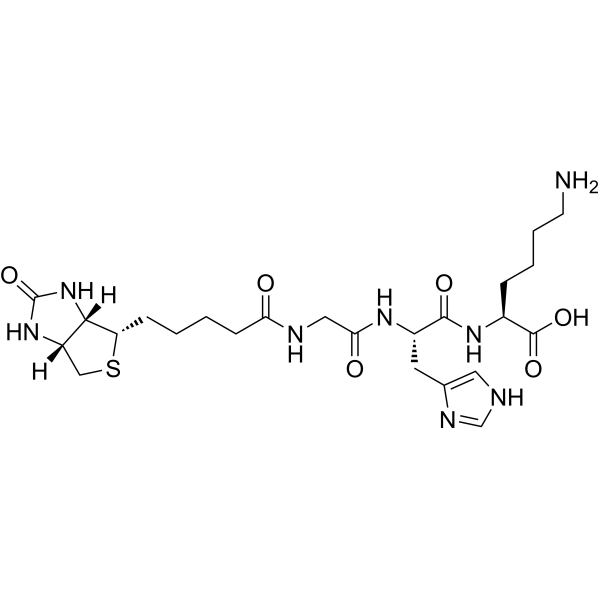
Biotinyl-GHK; Bio-GHK
|
Amyloid-β
Reactive Oxygen Species (ROS)
|
Neurological Disease
|
|
Biotinoyl tripeptide-1 (Biotinyl-GHK) is a biotinylating reagent linked to a GHK (glycyl-L-histidyl-L-lysine) tripeptide. Biotin tripeptide-1 is a bioactive peptide with hair care (improves the appearance and feel of hair) and hair growth effects. Biotinoyl tripeptide-1 has a certain affinity for streptavidin. Biotinoyl tripeptide-1 inhibits the production of ROS and has antioxidant effects. Biotinoyl tripeptide-1 reduces the production of carbonylated amyloid-β (Aβ) and inhibits Aβ aggregation. Biotinoyl tripeptide-1 can be used in the study of neurodegenerative diseases .
|
-
-
- HY-P0064
-
|
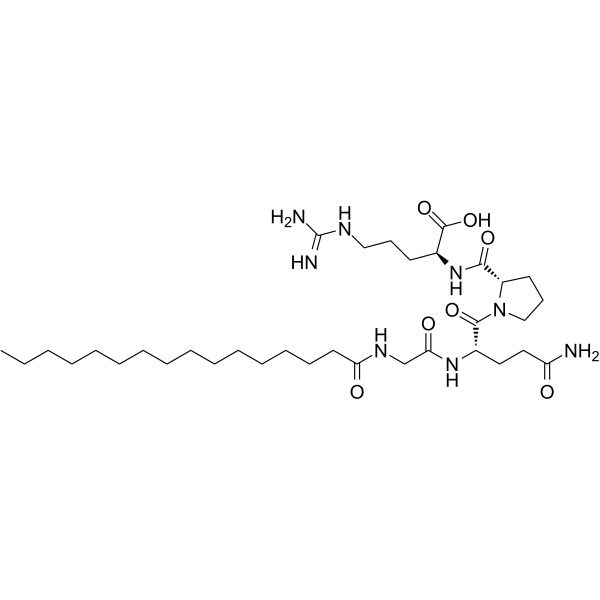
Palmitoyl Tetrapeptide-7
|
Interleukin Related
|
Inflammation/Immunology
|
|
Palmitoyl Tetrapeptide-3 (Palmitoyl Tetrapeptide-7) is a synthetic peptide corresponding to amino acids 341-344 of the human immunoglobulin heavy chain, with the ability to stimulate phagocytosis. Palmitoyl tetrapeptide-3 reduces interleukin-6 (IL-6) secretion in keratinocytes and inhibits the UVB radiation-exposure inflammatory response of skin. Palmitoyl tetrapeptide-3 It also has anti-inflammatory and anti-aging effects, reducing skin wrinkles by promoting the production of elastic fibers in the papillary dermis .
|
-
-
- HY-133026
-
-
-
- HY-P1626
-
|
|
Opioid Receptor
|
Neurological Disease
|
|
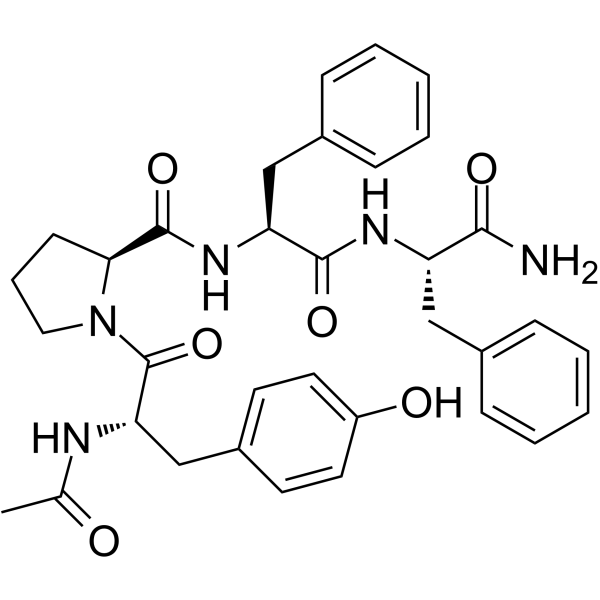
Acetyl tetrapeptide-15 is a synthetic peptide. Acetyl tetrapeptide-15 is derived from endomorphin-2 (Tyr-Pro-Phe-Phe-NH2), a human μ-opioid agonist with selective anti-nociceptive effect. Acetyl tetrapeptide-15 reduces skin hyperreactivity producing inflammatory, chronic and neuropathic pain, by increasing the threshold of neuronal excitability in μ-opioid receptor via an endorphin-like pathway. Acetyl tetrapeptide-15 is used in the cosmetics for sensitive skin .
|
-
-
- HY-66015
-
|
|
Interleukin Related
|
Endocrinology
|
|
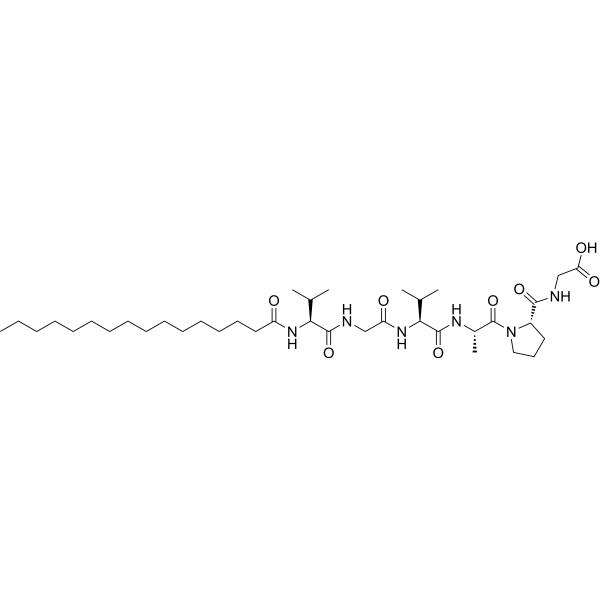
Palmitoyl hexapeptide-12 is a bioactive peptide. Palmitoyl hexapeptide-12 reduces IL-6. Palmitoyl hexapeptide-12 has anti-aging effects. Palmitoyl hexapeptide-12 can be used in the research of photoaging and related aging skin problems .
|
-
-
- HY-P5225
-
|
|
PGC-1α
|
Others
|
|
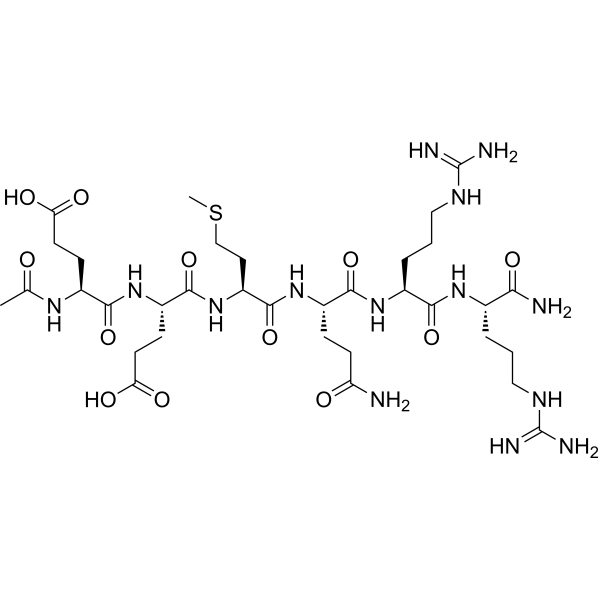
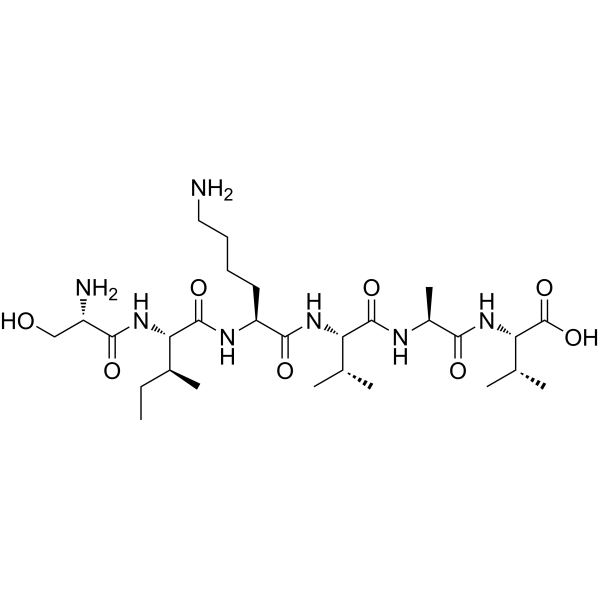
Acetyl hexapeptide-38 is a tissue repair promoter that targets fibroblasts in the dermis of the skin. It works by promoting collagen synthesis in the dermis and thickening of subcutaneous fat. Acetyl hexapeptide-38 can activate the skin repair mechanism, increase the collagen content in the dermis, improve the skin tissue structure, and has the activity of promoting local tissue repair. Acetyl hexapeptide-38 can be used in the field of cosmetic medicine to repair congenital soft tissue defects, reduce tear grooves and nasolabial folds, eliminate postoperative scars, and conduct micro-plastic surgery of skin tissue .
|
-
-
- HY-W129161
-
|
|
Amino Acid Derivatives
|
Metabolic Disease
|
|
Acetyl tetrapeptide-3 is a synthetic peptide. Acetyl tetrapeptide-3 enhances the adhesion of hair follicles to the scalp but also promotes the development of new hair follicles. Acetyl tetrapeptide-3 stimulates the synthesis of collagen III in hair follicles. Acetyl tetrapeptide-3 combined with Biochanin A (HY-14595) and ginseng extracts, can stimulate dermal papilla extracellular matrix (ECM) proteins by increasing hydroxyproline, Collagen Type 3, and laminin, yielding a significant improvement in hair follicle size and hair anchoring .
|
-
-
- HY-118060
-
|
N-Valyltryptophan; Val-Trp
|
Angiotensin-converting Enzyme (ACE)
Calcium Channel
NO Synthase
|
Cardiovascular Disease
|
|
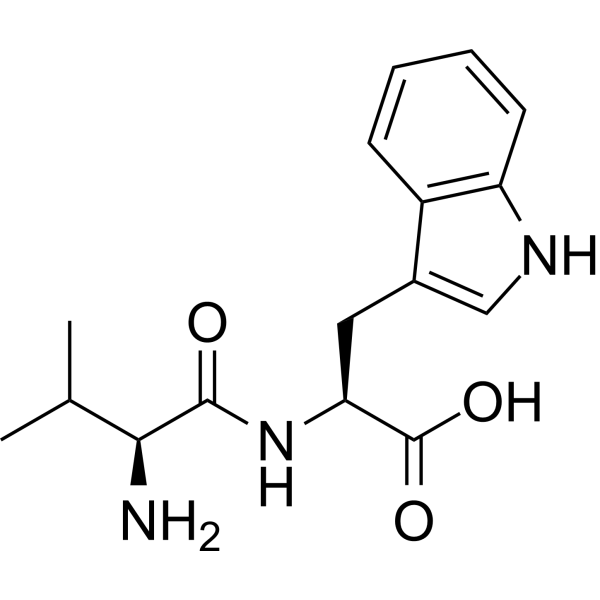
Dipeptide 2 (N-Valyltryptophan) is an orally active, competitive angiotensin-converting enzyme (ACE) inhibitory peptide with an IC50 of 10.50 μM. Dipeptide 2 reduces intracellular Calcium ions. Dipeptide 2 significantly increases the content of NO, inhibits the production of ET-1, and induces the phosphorylation of eNOS. Dipeptide 2 decreases the systolic and diastolic blood pressure of spontaneously hypertensive rats .
|
-
-
- HY-P0095
-
|
|
Angiotensin-converting Enzyme (ACE)
|
Others
|
|
Acetyl tetrapeptide-5 inhibits glycosylation and ACE-1 activity. Acetyl tetrapeptide-5 reduces edema and relieves vascular pressure by improving the vascular system and strengthening the skin under the eyes. Acetyl tetrapeptide-5 can be used in the research of Antioxidant, anti-aging skin care .
|
-
-
- HY-125553
-
|
Serilesine
|
Amino Acid Derivatives
|
Others
|
|
Hexapeptide-10 (Serilesine) is a synthetic hexapeptide. Hexapeptide-10 promotes wound healing and tissue remodeling. Hexapeptide-10 is applicable in cosmetic research .
|
-
-
- HY-P5255
-
|
|
Bacterial
|
Infection
Inflammation/Immunology
|
|
Oligopeptide-10 is a bioactive peptide with antimicrobial activity. Oligopeptide-10 exhibits broad-spectrum bactericidal effects against Gram-positive bacteria including Propionibacterium acnes and Staphylococcus aureus. Oligopeptide-10 targets lipoteichoic acid (LTA) on the surface of bacterial cell membranes, induces bacterial osmotic imbalance by disrupting the integrity of bacterial membranes, and reduces the release of pro-inflammatory cytokines induced by bacteria. Oligopeptide-10 possesses skin-protective activity. Oligopeptide-10 can be applied in research related to acne vulgaris, dandruff, seborrheic dermatitis, and tinea pedis .
|
-
-
- HY-P5251
-
-
-
- HY-P5250
-
|
|
MMP
|
Others
|
|
Palmitoyl tripeptide-5 is a bioactive peptide with anti-aging effect and has been reported used as a cosmetic ingredient .
|
-
-
- HY-P3163
-
|
|
PPAR
Collagen
SOD
|
Inflammation/Immunology
|
|
Hexapeptide-9 is a signaling peptide. Hexapeptide-9 can promote collagen production. Hexapeptide-9 has anti-aging activity, and can be used in cosmetic research .
|
-
-
- HY-P5275
-
|
CG-Lipoxyn
|
NF-κB
Histone Demethylase
|
Metabolic Disease
|
|
Tripeptide-41 (CG-Lipoxyn) is a signal peptide. Tripeptide-41 activates the NF-kB signaling pathway, inhibits the expression of C/EBP and increases cAMP. Tripeptide-41 is an important intracellular signaling factor that causes lipolysis by promoting the hydrolysis of lipids into triglycerides. Tripeptide-41 can be used in cosmetics that targets fat accumulation .
|
-
-
- HY-122381
-
|
|
Bacterial
Endogenous Metabolite
|
Neurological Disease
|
|
Kyotorphin is an endogenou neuroactive dipeptide with analgesic properties. Kyotorphin possesses anti-inflammatory and antimicrobial activity. Kyotorphin levels in cerebro-spinal fluid correlate negatively with the progression of neurodegeneration in Alzheimer's Disease patients .
|
-
-
- HY-W092109
-
|
Phenylalanyltryptophan; Phe-Trp
|
Endogenous Metabolite
|
Neurological Disease
Cancer
|
|
H-Phe-Trp-OH (Phenylalanyltryptophan) is an endogenous metabolite. H-Phe-Trp-OH can be used in the research of hepatocellular carcinoma and tic disorders .
|
-
-
- HY-P2663
-
|
|
TNF Receptor
|
Metabolic Disease
|
|
Acetyl tetrapeptide-2 is a bio-active peptide that exhibits anti-aging activity. Acetyl tetrapeptide-2 can reduce loss of thymic factors. Acetyl tetrapeptide-2 can increase the stiffness of HaCaT cells. Acetyl tetrapeptide-2 is a stimulator of structural skin elements including collagen and elastin .
|
-
-
- HY-P5248
-
|
|
Collagen
|
Metabolic Disease
|
|
Tetrapeptide-1 is a tetrapeptide exhibiting antiaging and antioxidant activity. Tetrapeptide-1 can be used for cosmetics research .
|
-
-
- HY-P5247
-
|
PTP20
|
Melanocortin Receptor
Sirtuin
|
Metabolic Disease
Inflammation/Immunology
|
|
Palmitoyl tetrapeptide-20 (PTP20) is a biomimetic peptide agonist of α-MSH. Palmitoyl tetrapeptide-20 promotes hair pigmentation and delays hair graying by activating the MC1-R pathway (AC50: 0.16 nM), enhancing catalase activity to reduce H2O2 accumulation, and upregulating SIRT1 activity. Palmitoyl tetrapeptide-20 can be used in research on preventing hair loss and improving hair graying .
|
-
-
- HY-P2096
-
|
|
Reactive Oxygen Species (ROS)
ATM/ATR
MDM-2/p53
MMP
Keap1-Nrf2
HSP
|
Inflammation/Immunology
|
|
Hexapeptide-11 is an anti-aging peptide that can protect fibroblasts from premature cell senescence mediated by oxidative stress. Hexapeptide-11 is also a potential stimulator of hyaluronic acid in keratinocytes, and can enhance skin barrier function by upregulating the expression of HAS2 and EGR3, and downregulating the expression of HYAL2. Hexapeptide-11 can also improve skin elasticity .
|
-
-
- HY-P0098
-
-
-
- HY-P5243
-
|
AHK-Cu
|
Others
Bcl-2 Family
|
Others
|
|
Copper tripeptide-3 (AHK-Cu) is a bioactive peptide with promotion of hair growth effect. Copper tripeptide-3 increases dermal cell proliferation and viability while increasing the deposition of collagen to renew the extracellular matrix. Copper tripeptide-3 stimulates the elongation of human hair follicles and proliferation of dermal papilla cells .
|
-
-
- HY-P0104
-
|
|
Collagen
|
Metabolic Disease
|
|
Palmitoyl tripeptide-38 is a lipopeptide that increases the production of dermal and epidermal collagen, fibronectin, and hyaluronic acid. Palmitoyl tripeptide-38 is used in research related to skin aging (fine lines, wrinkles, reduced skin elasticity, decreased skin water content, uneven skin tone) .
|
-
-
- HY-P0099
-
|
|
nAChR
|
Others
|
|
Pentapeptide-3 is a pentapeptide fragment of neurotoxin waglerin-1, it can be extracted from the venom of Temple Viper. Pentapeptide-3 is a competitive antagonist of nicotinic acetylcholine receptors (nAChRs), it can blocks nerves at the post-synaptic membrane. Pentapeptide-3 has anti-aging effects and it can be used together with other cosmetic peptides .
|
-
-
- HY-P5232
-
|
|
Collagen
|
Metabolic Disease
|
|
Tetrapeptide-21 is a bioactive peptide composed of four amino acids. Tetrapeptide-21 effectively enhances the vitality of human dermal fibroblasts. Tetrapeptide-21 upregulates the expression of key extracellular matrix (ECM) genes and promotes the synthesis of ECM proteins (such as type I collagen, hyaluronic acid synthase 1, and fibronectin). Tetrapeptide-21 has the efficacy of anti-wrinkle and improving skin elasticity, and has been reported to be used as a cosmetic ingredient .
|
-
-
- HY-P5253
-
|
|
Apoptosis
|
Metabolic Disease
|
|
Octapeptide-2 is a biomimetic peptide that mimics the thymosin-β4 growth factor. Octapeptide-2 can promote hair growth, reduce cell apoptosis, and increase the proliferation of keratinocytes. Octapeptide-2 can be used in the research of hair loss and alopecia areata .
|
-
-
- HY-P0266
-
-
-
- HY-W013494R
-
|
|
Reference Standards
Endogenous Metabolite
|
Metabolic Disease
Cancer
|
L-Carnosine (Standard) is the analytical standard of L-Carnosine. This product is intended for research and analytical applications. L-Carnosine is a dipeptide of the amino acids beta-alanine and histidine and has the potential to suppress many of the biochemical changes that accompany aging.
In Vitro: L-Carnosine is a dipeptide of the amino acids beta-alanine and histidine and has the potential to suppress many of the biochemical changes that accompany aging . L-Carnosine also exhibits some antioxidant effects. The antioxidant mechanism of L-Carnosine is attributed to its chelating effect against metal ions, superoxide dismutase (SOD)-like activity, and ROS and free radicals scavenging ability .
|
-
-
- HY-P4998
-
|
|
Biochemical Assay Reagents
|
Cancer
|
|
Chemotactic Domain of Elastin is an elastin-derived peptide with chemotactic effects on certain tumor cells, such as M27 tumor cells. Chemotactic Domain of Elastin can be used in cancer research .
|
-
-
- HY-P0096
-
|
|
Tyrosinase
Sirtuin
|
Inflammation/Immunology
Endocrinology
|
|
Decapeptide-12, a small oligopeptide, is a tyrosinase inhibitor that interacts with C-terminal residue of tyrosinase (Kd: 61.1 μM). Decapeptide-12 is a competitive inhibitor of mushroom tyrosinase (IC50: 40 μM). Decapeptide-12 also increases transcription of SIRT. Decapeptide-12 reduces melanin content in melanocytes. Decapeptide-12 is used for the research of melanogenesis, senescence, inflammation .
|
-
-
- HY-D0889R
-
|
Gly-Gly (Standard); H-Gly-Gly-OH (Standard)
|
Reference Standards
Endogenous Metabolite
|
Metabolic Disease
|
|
Glycylglycine (Standard) is the analytical standard of Glycylglycine (HY-D0889). This product is intended for research and analytical applications. Glycylglycine is a non-selective glycylglycine dipeptidase substrate and iNOS inhibitor. Glycylglycine can cross the cell membrane by passive diffusion and is hydrolyzed to glycine in the cell, participating in energy metabolism and antioxidant processes. Glycylglycine promotes spermatogonial stem cells (SSCs) proliferation, inhibits astrocyte overactivation and reduces nitric oxide (NO) release, while upregulating the expression of neurotrophic factors (such as PDGFA, FGF2, CNTF) to support nerve myelin repair. Glycylglycine can be used to study male reproductive biology (such as SSCs proliferation regulation) and neurodegenerative diseases (such as neuroprotective mechanisms in multiple sclerosis) .
|
-
-
- HY-P5220
-
|
Melitane
|
Melanocortin Receptor
|
Others
|
|
Acetyl hexapeptide-1 (Melitane) is a biomimetic peptide that mimics the activity of α-melanocyte-stimulating hormone (α-MSH). Acetyl hexapeptide-1 regulates muscle contraction, thereby reducing facial expression lines. Acetyl hexapeptide-1 is one of the components of anti-aging skincare serums targeting dynamic wrinkles. Acetyl hexapeptide-1 can be used in research related to mild photoaged facial skin and premature gray hair .
|
-
-
- HY-P5237
-
|
|
Collagen
|
Others
|
|
Tetrapeptide-4 is a synthetic tetrapeptide. Tetrapeptide-4 upregulates hyaluronic acid synthetase, and collagen production in human dermal fibroblasts. Tetrapeptide-4 reduces skin aging, improves skin firmness, elasticity, and appearance, and benefits hair .
|
-
-
- HY-P0100
-
-
-
- HY-P5239
-
|
|
Collagen
|
Others
|
|
Myristoyl pentapeptide-4 is a bioactive peptide with promotion of hair growth effect and has been reported used as a cosmetic ingredient .
|
-
-
- HY-W108953A
-
|
|
TGF-beta/Smad
|
Others
|
|
Myristoyl tetrapeptide-12 dihydrochloride is a peptide containing lysine and alanin. Myristoyl tetrapeptide-12 dihydrochloride is utilized as hair cair preparations agent in cosmetics industry .
|
-
-
- HY-P0103
-
|
|
LPL Receptor
|
Metabolic Disease
|
|
Myristoyl pentapeptide-17 can stimulate eyelash growth by stimulating keratin production. Myristoyl pentapeptide-17 promotes the delivery of key ingredients in the serum, such as the growth factors and lysophosphatidic acid .
|
-
- HY-P5227
-
|
|
Interleukin Related
|
Inflammation/Immunology
|
|
Acetyl hexapeptide-49 (example 13) is a bioactive peptide with anti-allergen effect and has been reported used as a cosmetic ingredient. Acetyl hexapeptide-49 can alleviate stimulation of mammalian skin cells and protect cell vitality .
|
-
- HY-P5233
-
|
|
Procollagen C Proteinase
|
Others
|
|
Acetyltetrapeptide 11 is a bioactive peptide with anti-aging effect and has been reported used as a cosmetic ingredient .
|
-
- HY-P5256
-
|
|
Bacterial
|
Others
|
|
Oligopeptide-20 is a bioactive peptide with skin repair effect and has been reported used as a cosmetic ingredient .
|
-
- HY-P5258
-
|
|
EGFR
|
Metabolic Disease
|
|
Oligopeptide-41 is a bioactive peptide with promotion of hair growth effect and has been reported used as a cosmetic ingredient .
|
-
- HY-P5252
-
|
|
Tyrosinase
|
Metabolic Disease
|
|
Diaminopropionoyl tripeptide-33isa bioactive peptide with protects skin cells from UVA-induced DNA damages and has been reported used as a cosmetic ingredient .
|
-
- HY-117134
-
-
- HY-P2738B
-
|
|
MMP
|
Inflammation/Immunology
|
|
Collagen petide Type II is an extracellular matrix proteins and show many applications in food, cosmetic, pharmaceutical and biomedical industries. This product is enzymatically hydrolyzed collagen peptide .
|
-
- HY-W092109R
-
|
Phenylalanyltryptophan (Standard); Phe-Trp (Standard)
|
Reference Standards
Endogenous Metabolite
|
Neurological Disease
|
|
H-Phe-Trp-OH (Phenylalanyltryptophan; Phe-Trp) (Standard) is an analytical standard of H-Phe-Trp-OH (HY-W092109). This product is intended for research and analytical applications. H-Phe-Trp-OH, a dipeptide, is an endogenous metabolite. H-Phe-Trp-OH can be used for the research of tic disorder .
|
-
- HY-W108953
-
|
|
TGF-beta/Smad
|
Metabolic Disease
|
|
Myristoyl tetrapeptide-12 directly activates SMAD2 and induces the linking of SMAD3 with DNA. Myristoyl tetrapeptide-12 is capable of stimulating hair growth, especially at the level of eyelashes .
|
-
- HY-P3164
-
|
AcTP1
|
Biochemical Assay Reagents
|
Others
|
|
Caprooyl-tetrapeptide-9 (AcTP1) is a bioactive peptide with anti-aging effect and has been reported used as a cosmetic ingredient .
|
-
- HY-42649
-
|
|
Bacterial
|
Neurological Disease
|
|
NSC 14699 is a small molecule non-peptide inhibitor of botulinum neurotoxin serotype E. NSC 14699 is promising for research of therapeutic and cosmetic agents .
|
-
- HY-121432
-
|
|
Drug Metabolite
|
Others
|
|
Kitol is peptide used for after-sun repair cosmetics. The dominant degradation reaction for vitamin A derivatives is heat-induced formation of kitols, i.e., dimers or higher oligomers. Vitamin A esters are used as a model system to evaluate microcalorimetry as a tool for monitoring the stability of heat-sensitive substances .
|
-
- HY-P5265
-
|
|
DNA/RNA Synthesis
|
Metabolic Disease
|
|
Tetrapeptide, an analogue of α-MSH, induces melanin synthesis. Tetrapeptide diminishes DNA damage by reducing the production of reactive oxidative species and enhancing repair of DNA photoproducts .
|
-
- HY-118060R
-
|
N-Valyltryptophan (Standard); Val-Trp (Standard)
|
Angiotensin-converting Enzyme (ACE)
Reference Standards
|
Cardiovascular Disease
|
|
Dipeptide 2 (Standard) is the analytical standard of Dipeptide 2. This product is intended for research and analytical applications. Dipeptide 2 (N-Valyltryptophan; Val-Trp) is a bioactive peptide with anti-aging effect and has been reported used as a cosmetic ingredient . Dipeptide 2 is an angiotensin-converting Enzyme (ACE) .
|
-
- HY-122381R
-
|
|
Bacterial
Endogenous Metabolite
Reference Standards
|
Neurological Disease
|
|
Kyotorphin (Standard) is the analytical standard of Kyotorphin. This product is intended for research and analytical applications. Kyotorphin is an endogenou neuroactive dipeptide with analgesic properties. Kyotorphin possesses anti-inflammatory and antimicrobial activity. Kyotorphin levels in cerebro-spinal fluid correlate negatively with the progression of neurodegeneration in Alzheimer's Disease patients .
|
-
- HY-133026R
-
|
N-Acetyl-L-carnosine (Standard)
|
Drug Intermediate
Endogenous Metabolite
Reference Standards
|
Inflammation/Immunology
|
|
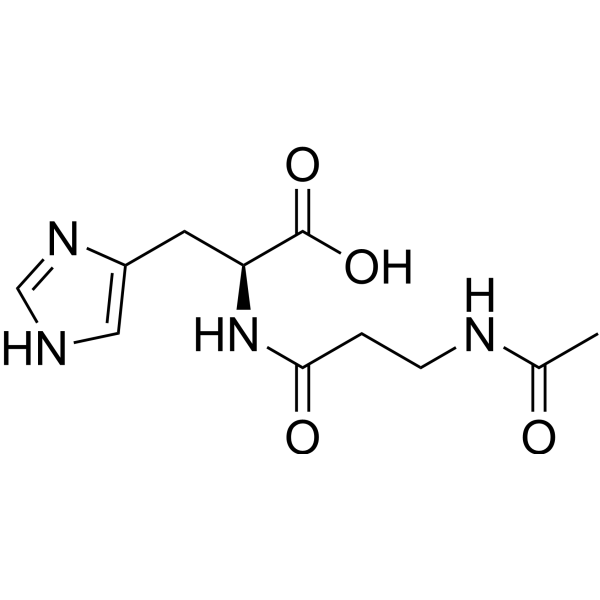
N-Acetylcarnosine (Standard) is the analytical standard of N-Acetylcarnosine. This product is intended for research and analytical applications. N-Acetylcarnosine, a natural histidine-containing dipeptide, is a source of pharmacological principal L-carnosine. N-Acetylcarnosine is a potent ophthalmic agent in human cataracts .
|
-
- HY-P5263
-
|
|
MMP
|
Others
|
|
YYRADDA is a polypeptide. YYRADDA stimulates the growth of collagen in the extracellular matrix of the skin. YYRADDA improves the appearance of the skin and promotes the healing of damaged skin .
|
-
- HY-17490R
-
|
N-Acetyl-L-hydroxyproline (Standard)
|
Amino Acid Derivatives
Reference Standards
|
Inflammation/Immunology
|
|
Oxaceprol (Standard) is the analytical standard of Oxaceprol. This product is intended for research and analytical applications. Oxaceprol (N-Acetyl-L-hydroxyproline), an orally active derivative of L-proline, possesses distinct anti-inflammatory activity. Oxaceprol is usually used for the research of osteoarthritis and rheumatoid arthritis .
|
-
| Cat. No. |
Product Name |
Type |
-
- HY-D0187
-
|
GSH; γ-L-Glutamyl-L-cysteinyl-glycine
|
Biochemical Assay Reagents
|
|
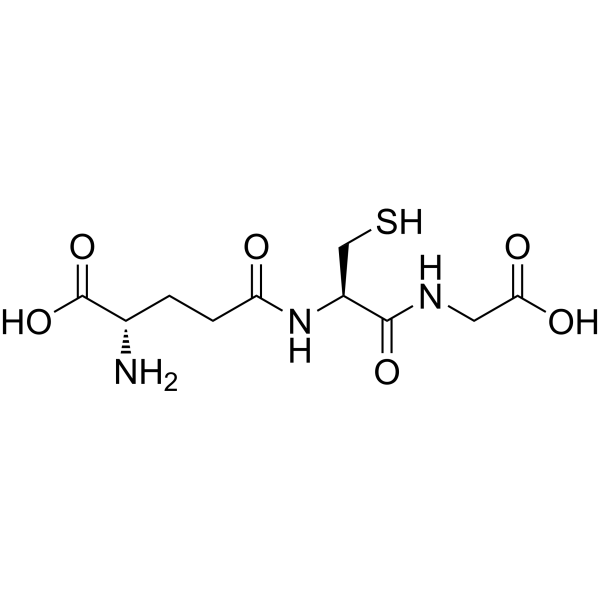
L-Glutathione reduced (GSH; γ-L-Glutamyl-L-cysteinyl-glycine) is an endogenous antioxidant and is capable of scavenging oxygen-derived free radicals.
|
-
- HY-P2738
-
|
|
Biochemical Assay Reagents
|
|
Collagen, Type I, from bovine achilles tendon are extracellular matrix proteins and show many applications in food, cosmetic, pharmaceutical and biomedical industries. This product is enzymatically hydrolyzed collagen peptide .
|
-
- HY-D0187R
-
|
GSH (Standard); γ-L-Glutamyl-L-cysteinyl-glycine (Standard)
|
Biochemical Assay Reagents
|
|
L-Glutathione reduced (Standard) is the analytical standard of L-Glutathione reduced. This product is intended for research and analytical applications. L-Glutathione reduced (GSH; γ-L-Glutamyl-L-cysteinyl-glycine) is an endogenous antioxidant and is capable of scavenging oxygen-derived free radicals.
|
-
- HY-117134
-
|
Octyl palmitate
|
Biochemical Assay Reagents
|
|
2-Ethylhexyl palmitate is a cosmetic peptide. 2-Ethylhexyl palmitate can be used in the preparation of UV sunscreening composition .
|
-
- HY-P2738B
-
|
|
Biochemical Assay Reagents
|
|
Collagen petide Type II is an extracellular matrix proteins and show many applications in food, cosmetic, pharmaceutical and biomedical industries. This product is enzymatically hydrolyzed collagen peptide .
|
| Cat. No. |
Product Name |
Target |
Research Area |
-
- HY-W013494
-
|
|
Endogenous Metabolite
|
Metabolic Disease
Inflammation/Immunology
|
|
L-Carnosine is a dipeptide composed of beta-alanine and histidine. L-Carnosine is an endogenous metabolite found in human brain, muscle and gastrointestinal tissues and is present in all vertebrates. L-Carnosine is a non-enzymatic free radical scavenger and natural antioxidant with anti-inflammatory and neuroprotective properties that can inhibit biochemical changes associated with aging .
|
-
- HY-P0063
-
|
GHK-Cu
|
Biochemical Assay Reagents
|
Inflammation/Immunology
|
|
Copper tripeptide (GHK-Cu) is a tripeptide. During wound healing, Copper tripeptide may be freed from existing extracellular proteins via proteolysis and serves as a chemoattractant for inflammatory and endothelial cells. Copper tripeptide has been shown to increase messenger RNA production for collagen, elastin, proteoglycans, and glycosaminoglycans in fibroblasts. Copper tripeptide is a natural modulator of multiple cllular pathways in skin regeneration .
|
-
- HY-P0045
-
|
Matrixyl; Palmitoyl pentapeptide 3; Matrixyl (Palmitoyl Pentapeptide)
|
Collagen
|
Others
|
|
Palmitoyl pentapeptide 4 (Matrixyl; Palmitoyl pentapeptide 3; Matrixyl (Palmitoyl Pentapeptide) is a bioactive peptide with anti-ageing effect and has been reported used as a cosmetic ingredient [1]
|
-
- HY-A0299
-
|
Tripeptide 29
|
MMP
|
Inflammation/Immunology
|
|
H-Gly-Pro-Hyp-OH is a collagen-derived peptide and also a dipeptidyl peptidase-4 inhibitor.\nH-Gly-Pro-Hyp-OH inhibits the activity of dipeptidyl peptidase-4 in vitro. H-Gly-Pro-Hyp-OH binds to the DNA-binding site of the JUN/FOS complex, blocks the formation of the DNA-JUN/FOS complex, and inhibits transcriptional activity. H-Gly-Pro-Hyp-OH is applicable to research related to skin photoaging, UVB-induced skin aging/photoaging, and thrombosis .
|
-
- HY-D0889
-
|
Gly-Gly; H-Gly-Gly-OH
|
Endogenous Metabolite
|
Metabolic Disease
|
|
Glycylglycine is a non-selective glycylglycine dipeptidase substrate and iNOS inhibitor. Glycylglycine can cross the cell membrane by passive diffusion and is hydrolyzed to glycine in the cell, participating in energy metabolism and antioxidant processes. Glycylglycine promotes spermatogonial stem cells (SSCs) proliferation, inhibits astrocyte overactivation and reduces nitric oxide (NO) release, while upregulating the expression of neurotrophic factors (such as PDGFA, FGF2, CNTF) to support nerve myelin repair. Glycylglycine can be used to study male reproductive biology (such as SSCs proliferation regulation) and neurodegenerative diseases (such as neuroprotective mechanisms in multiple sclerosis) .
|
-
- HY-17490
-
|
N-Acetyl-L-hydroxyproline
|
Amino Acid Derivatives
|
Inflammation/Immunology
|
|
Oxaceprol (N-Acetyl-L-hydroxyproline), an orally active derivative of L-proline, possesses distinct anti-inflammatory activity. Oxaceprol is usually used for the research of osteoarthritis and rheumatoid arthritis .
|
-
- HY-P0097
-
|
Melanostatine-5
|
Melanocortin Receptor
|
Metabolic Disease
Endocrinology
Cancer
|
|
Nonapeptide-1 (Melanostatine-5), a peptide hormone, is a selective antagonist of MC1R (Ki: 40 nM). Nonapeptide-1 is a competitive α-MSH antagonist that potently inhibits intracellular cAMP and melanosome dispersion induced by α-MSH in melanocytes (IC50: 2.5 nM and 11 nM, respectively). Nonapeptide-1 inhibits melanin synthesis, and can be used in the research of skin pigmentation and regulation of steroid production in the adrenal gland, skin cancer .
|
-
- HY-P0102
-
|
|
nAChR
|
Neurological Disease
Metabolic Disease
|
|
Dipeptide diaminobutyroyl benzylamide diacetate, a Wagerlin-1-mimicking peptide, is a nAChR antagonist. Dipeptide diaminobutyroyl benzylamide diacetate mimics Waglerin-1 to block neuromuscular junction nicotinic acetylcholine receptors, partially inhibits neuronal signal transduction, and relaxes muscles. Dipeptide diaminobutyroyl benzylamide diacetate reduces appearance of facial wrinkles linked to repeated muscle movement.Dipeptide diaminobutyroyl benzylamide diacetate can be used for the research of mild-to-moderate fine and coarse periocular and perioral wrinkles and periorbital ageing .
|
-
- HY-125616
-
|
Biotinyl-GHK; Bio-GHK
|
Amyloid-β
Reactive Oxygen Species (ROS)
|
Neurological Disease
|
|
Biotinoyl tripeptide-1 (Biotinyl-GHK) is a biotinylating reagent linked to a GHK (glycyl-L-histidyl-L-lysine) tripeptide. Biotin tripeptide-1 is a bioactive peptide with hair care (improves the appearance and feel of hair) and hair growth effects. Biotinoyl tripeptide-1 has a certain affinity for streptavidin. Biotinoyl tripeptide-1 inhibits the production of ROS and has antioxidant effects. Biotinoyl tripeptide-1 reduces the production of carbonylated amyloid-β (Aβ) and inhibits Aβ aggregation. Biotinoyl tripeptide-1 can be used in the study of neurodegenerative diseases .
|
-
- HY-P0064
-
|
Palmitoyl Tetrapeptide-7
|
Interleukin Related
|
Inflammation/Immunology
|
|
Palmitoyl Tetrapeptide-3 (Palmitoyl Tetrapeptide-7) is a synthetic peptide corresponding to amino acids 341-344 of the human immunoglobulin heavy chain, with the ability to stimulate phagocytosis. Palmitoyl tetrapeptide-3 reduces interleukin-6 (IL-6) secretion in keratinocytes and inhibits the UVB radiation-exposure inflammatory response of skin. Palmitoyl tetrapeptide-3 It also has anti-inflammatory and anti-aging effects, reducing skin wrinkles by promoting the production of elastic fibers in the papillary dermis .
|
-
- HY-133026
-
-
- HY-P1626
-
|
|
Opioid Receptor
|
Neurological Disease
|
|
Acetyl tetrapeptide-15 is a synthetic peptide. Acetyl tetrapeptide-15 is derived from endomorphin-2 (Tyr-Pro-Phe-Phe-NH2), a human μ-opioid agonist with selective anti-nociceptive effect. Acetyl tetrapeptide-15 reduces skin hyperreactivity producing inflammatory, chronic and neuropathic pain, by increasing the threshold of neuronal excitability in μ-opioid receptor via an endorphin-like pathway. Acetyl tetrapeptide-15 is used in the cosmetics for sensitive skin .
|
-
- HY-66015
-
|
|
Interleukin Related
|
Endocrinology
|
|
Palmitoyl hexapeptide-12 is a bioactive peptide. Palmitoyl hexapeptide-12 reduces IL-6. Palmitoyl hexapeptide-12 has anti-aging effects. Palmitoyl hexapeptide-12 can be used in the research of photoaging and related aging skin problems .
|
-
- HY-P5238
-
|
|
Peptides
|
Others
|
|
Trifluoroacetyl tripeptide-2 is a tripeptide with strong cosmetic activity. Trifluoroacetyl tripeptide-2 can regulate progerin synthesis, promote extracellular matrix synthesis, and improve skin elasticity. Trifluoroacetyl tripeptide-2 has anti-wrinkle and firming effects and can be used as an anti-aging ingredient in cosmetic research .
|
-
- HY-P5225
-
|
|
PGC-1α
|
Others
|
|
Acetyl hexapeptide-38 is a tissue repair promoter that targets fibroblasts in the dermis of the skin. It works by promoting collagen synthesis in the dermis and thickening of subcutaneous fat. Acetyl hexapeptide-38 can activate the skin repair mechanism, increase the collagen content in the dermis, improve the skin tissue structure, and has the activity of promoting local tissue repair. Acetyl hexapeptide-38 can be used in the field of cosmetic medicine to repair congenital soft tissue defects, reduce tear grooves and nasolabial folds, eliminate postoperative scars, and conduct micro-plastic surgery of skin tissue .
|
-
- HY-W129161
-
|
|
Amino Acid Derivatives
|
Metabolic Disease
|
|
Acetyl tetrapeptide-3 is a synthetic peptide. Acetyl tetrapeptide-3 enhances the adhesion of hair follicles to the scalp but also promotes the development of new hair follicles. Acetyl tetrapeptide-3 stimulates the synthesis of collagen III in hair follicles. Acetyl tetrapeptide-3 combined with Biochanin A (HY-14595) and ginseng extracts, can stimulate dermal papilla extracellular matrix (ECM) proteins by increasing hydroxyproline, Collagen Type 3, and laminin, yielding a significant improvement in hair follicle size and hair anchoring .
|
-
- HY-118060
-
|
N-Valyltryptophan; Val-Trp
|
Angiotensin-converting Enzyme (ACE)
Calcium Channel
NO Synthase
|
Cardiovascular Disease
|
|
Dipeptide 2 (N-Valyltryptophan) is an orally active, competitive angiotensin-converting enzyme (ACE) inhibitory peptide with an IC50 of 10.50 μM. Dipeptide 2 reduces intracellular Calcium ions. Dipeptide 2 significantly increases the content of NO, inhibits the production of ET-1, and induces the phosphorylation of eNOS. Dipeptide 2 decreases the systolic and diastolic blood pressure of spontaneously hypertensive rats .
|
-
- HY-P0095
-
|
|
Angiotensin-converting Enzyme (ACE)
|
Others
|
|
Acetyl tetrapeptide-5 inhibits glycosylation and ACE-1 activity. Acetyl tetrapeptide-5 reduces edema and relieves vascular pressure by improving the vascular system and strengthening the skin under the eyes. Acetyl tetrapeptide-5 can be used in the research of Antioxidant, anti-aging skin care .
|
-
- HY-125553
-
|
Serilesine
|
Amino Acid Derivatives
|
Others
|
|
Hexapeptide-10 (Serilesine) is a synthetic hexapeptide. Hexapeptide-10 promotes wound healing and tissue remodeling. Hexapeptide-10 is applicable in cosmetic research .
|
-
- HY-P5255
-
|
|
Bacterial
|
Infection
Inflammation/Immunology
|
|
Oligopeptide-10 is a bioactive peptide with antimicrobial activity. Oligopeptide-10 exhibits broad-spectrum bactericidal effects against Gram-positive bacteria including Propionibacterium acnes and Staphylococcus aureus. Oligopeptide-10 targets lipoteichoic acid (LTA) on the surface of bacterial cell membranes, induces bacterial osmotic imbalance by disrupting the integrity of bacterial membranes, and reduces the release of pro-inflammatory cytokines induced by bacteria. Oligopeptide-10 possesses skin-protective activity. Oligopeptide-10 can be applied in research related to acne vulgaris, dandruff, seborrheic dermatitis, and tinea pedis .
|
-
- HY-P3047
-
|
|
Peptides
|
Others
|
|
Ac-Decapeptide is a bioactive peptide with anti-aging effect and has been reported used as a cosmetic ingredient .
|
-
- HY-P5251
-
-
- HY-P5250
-
|
|
MMP
|
Others
|
|
Palmitoyl tripeptide-5 is a bioactive peptide with anti-aging effect and has been reported used as a cosmetic ingredient .
|
-
- HY-P5242
-
|
T10-C
|
Peptides
|
Others
|
|
Tripeptide-10 citrulline (T10-C) is a bioactive peptide with anti-aging effect and has been reported used as a cosmetic ingredient .
|
-
- HY-P3163
-
|
|
PPAR
Collagen
SOD
|
Inflammation/Immunology
|
|
Hexapeptide-9 is a signaling peptide. Hexapeptide-9 can promote collagen production. Hexapeptide-9 has anti-aging activity, and can be used in cosmetic research .
|
-
- HY-P5275
-
|
CG-Lipoxyn
|
NF-κB
Histone Demethylase
|
Metabolic Disease
|
|
Tripeptide-41 (CG-Lipoxyn) is a signal peptide. Tripeptide-41 activates the NF-kB signaling pathway, inhibits the expression of C/EBP and increases cAMP. Tripeptide-41 is an important intracellular signaling factor that causes lipolysis by promoting the hydrolysis of lipids into triglycerides. Tripeptide-41 can be used in cosmetics that targets fat accumulation .
|
-
- HY-122381
-
|
|
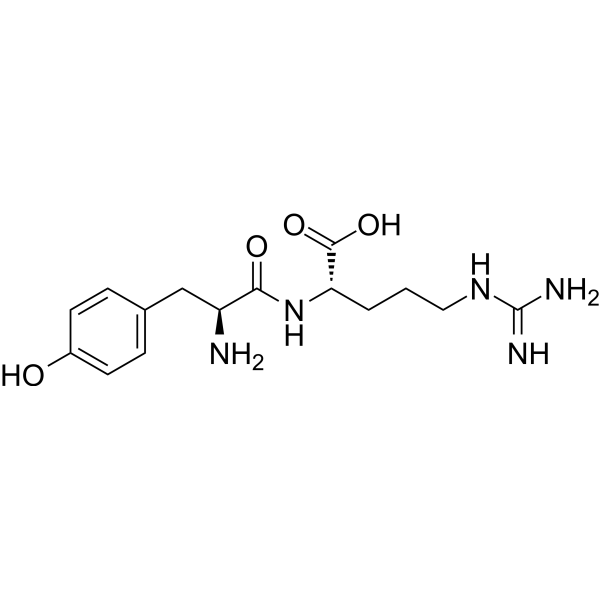
Bacterial
Endogenous Metabolite
|
Neurological Disease
|
|
Kyotorphin is an endogenou neuroactive dipeptide with analgesic properties. Kyotorphin possesses anti-inflammatory and antimicrobial activity. Kyotorphin levels in cerebro-spinal fluid correlate negatively with the progression of neurodegeneration in Alzheimer's Disease patients .
|
-
- HY-P5244
-
|
|
Peptides
|
Metabolic Disease
|
|
Tripeptide-32 is a bioactive peptide that targets the PER1 gene. Tripeptide-32 can regulate circadian rhythms and stimulate the synthesis of cellular repair proteins, with anti-aging activity .
|
-
- HY-W092109
-
|
Phenylalanyltryptophan; Phe-Trp
|
Endogenous Metabolite
|
Neurological Disease
Cancer
|
|
H-Phe-Trp-OH (Phenylalanyltryptophan) is an endogenous metabolite. H-Phe-Trp-OH can be used in the research of hepatocellular carcinoma and tic disorders .
|
-
- HY-P2663
-
|
|
TNF Receptor
|
Metabolic Disease
|
|
Acetyl tetrapeptide-2 is a bio-active peptide that exhibits anti-aging activity. Acetyl tetrapeptide-2 can reduce loss of thymic factors. Acetyl tetrapeptide-2 can increase the stiffness of HaCaT cells. Acetyl tetrapeptide-2 is a stimulator of structural skin elements including collagen and elastin .
|
-
- HY-P5248
-
|
|
Collagen
|
Metabolic Disease
|
|
Tetrapeptide-1 is a tetrapeptide exhibiting antiaging and antioxidant activity. Tetrapeptide-1 can be used for cosmetics research .
|
-
- HY-P5247
-
|
PTP20
|
Melanocortin Receptor
Sirtuin
|
Metabolic Disease
Inflammation/Immunology
|
|
Palmitoyl tetrapeptide-20 (PTP20) is a biomimetic peptide agonist of α-MSH. Palmitoyl tetrapeptide-20 promotes hair pigmentation and delays hair graying by activating the MC1-R pathway (AC50: 0.16 nM), enhancing catalase activity to reduce H2O2 accumulation, and upregulating SIRT1 activity. Palmitoyl tetrapeptide-20 can be used in research on preventing hair loss and improving hair graying .
|
-
- HY-P2096
-
|
|
Reactive Oxygen Species (ROS)
ATM/ATR
MDM-2/p53
MMP
Keap1-Nrf2
HSP
|
Inflammation/Immunology
|
|
Hexapeptide-11 is an anti-aging peptide that can protect fibroblasts from premature cell senescence mediated by oxidative stress. Hexapeptide-11 is also a potential stimulator of hyaluronic acid in keratinocytes, and can enhance skin barrier function by upregulating the expression of HAS2 and EGR3, and downregulating the expression of HYAL2. Hexapeptide-11 can also improve skin elasticity .
|
-
- HY-P0098
-
-
- HY-P5243
-
|
AHK-Cu
|
Peptides
Bcl-2 Family
|
Others
|
|
Copper tripeptide-3 (AHK-Cu) is a bioactive peptide with promotion of hair growth effect. Copper tripeptide-3 increases dermal cell proliferation and viability while increasing the deposition of collagen to renew the extracellular matrix. Copper tripeptide-3 stimulates the elongation of human hair follicles and proliferation of dermal papilla cells .
|
-
- HY-P0104
-
|
|
Collagen
|
Metabolic Disease
|
|
Palmitoyl tripeptide-38 is a lipopeptide that increases the production of dermal and epidermal collagen, fibronectin, and hyaluronic acid. Palmitoyl tripeptide-38 is used in research related to skin aging (fine lines, wrinkles, reduced skin elasticity, decreased skin water content, uneven skin tone) .
|
-
- HY-P0099
-
|
|
nAChR
|
Others
|
|
Pentapeptide-3 is a pentapeptide fragment of neurotoxin waglerin-1, it can be extracted from the venom of Temple Viper. Pentapeptide-3 is a competitive antagonist of nicotinic acetylcholine receptors (nAChRs), it can blocks nerves at the post-synaptic membrane. Pentapeptide-3 has anti-aging effects and it can be used together with other cosmetic peptides .
|
-
- HY-P5221
-
|
|
Peptides
|
Others
|
|
Acetyl hexapeptide-37 is a bioactive peptide with anti-aging effect and has been reported used as a cosmetic ingredient .
|
-
- HY-P0065
-
|
|
Peptides
|
Others
|
|
Acetyl octapeptide-1 is a bioactive peptide with anti-wrinkle effect and has been reported used as a cosmetic ingredient .
|
-
- HY-P5232
-
|
|
Collagen
|
Metabolic Disease
|
|
Tetrapeptide-21 is a bioactive peptide composed of four amino acids. Tetrapeptide-21 effectively enhances the vitality of human dermal fibroblasts. Tetrapeptide-21 upregulates the expression of key extracellular matrix (ECM) genes and promotes the synthesis of ECM proteins (such as type I collagen, hyaluronic acid synthase 1, and fibronectin). Tetrapeptide-21 has the efficacy of anti-wrinkle and improving skin elasticity, and has been reported to be used as a cosmetic ingredient .
|
-
- HY-P5253
-
|
|
Apoptosis
|
Metabolic Disease
|
|
Octapeptide-2 is a biomimetic peptide that mimics the thymosin-β4 growth factor. Octapeptide-2 can promote hair growth, reduce cell apoptosis, and increase the proliferation of keratinocytes. Octapeptide-2 can be used in the research of hair loss and alopecia areata .
|
-
- HY-P0266
-
-
- HY-134017
-
|
Calmosensine
|
Peptides
|
Others
|
|
Acetyl dipeptide-1 cetyl ester (Calmosensine) is a bioactive peptide with anti-aging effect and has been reported used as a cosmetic ingredient .
|
-
- HY-66018
-
|
|
Peptides
|
Others
|
|
Palmitoyl tripeptide-5 biTFA is a bioactive peptide with anti-aging effect and has been reported used as a cosmetic ingredient .
|
-
- HY-P5226
-
|
|
Peptides
|
Inflammation/Immunology
|
|
Palmitoyl tripeptide-8 s a bioactive peptide with anti-allergen effect and has been reported used as a cosmetic ingredient .
|
-
- HY-P4998
-
|
|
Biochemical Assay Reagents
|
Cancer
|
|
Chemotactic Domain of Elastin is an elastin-derived peptide with chemotactic effects on certain tumor cells, such as M27 tumor cells. Chemotactic Domain of Elastin can be used in cancer research .
|
-
- HY-P0096
-
|
|
Tyrosinase
Sirtuin
|
Inflammation/Immunology
Endocrinology
|
|
Decapeptide-12, a small oligopeptide, is a tyrosinase inhibitor that interacts with C-terminal residue of tyrosinase (Kd: 61.1 μM). Decapeptide-12 is a competitive inhibitor of mushroom tyrosinase (IC50: 40 μM). Decapeptide-12 also increases transcription of SIRT. Decapeptide-12 reduces melanin content in melanocytes. Decapeptide-12 is used for the research of melanogenesis, senescence, inflammation .
|
-
- HY-D0889R
-
|
Gly-Gly (Standard); H-Gly-Gly-OH (Standard)
|
Reference Standards
Endogenous Metabolite
|
Metabolic Disease
|
|
Glycylglycine (Standard) is the analytical standard of Glycylglycine (HY-D0889). This product is intended for research and analytical applications. Glycylglycine is a non-selective glycylglycine dipeptidase substrate and iNOS inhibitor. Glycylglycine can cross the cell membrane by passive diffusion and is hydrolyzed to glycine in the cell, participating in energy metabolism and antioxidant processes. Glycylglycine promotes spermatogonial stem cells (SSCs) proliferation, inhibits astrocyte overactivation and reduces nitric oxide (NO) release, while upregulating the expression of neurotrophic factors (such as PDGFA, FGF2, CNTF) to support nerve myelin repair. Glycylglycine can be used to study male reproductive biology (such as SSCs proliferation regulation) and neurodegenerative diseases (such as neuroprotective mechanisms in multiple sclerosis) .
|
-
- HY-P5220
-
|
Melitane
|
Melanocortin Receptor
|
Others
|
|
Acetyl hexapeptide-1 (Melitane) is a biomimetic peptide that mimics the activity of α-melanocyte-stimulating hormone (α-MSH). Acetyl hexapeptide-1 regulates muscle contraction, thereby reducing facial expression lines. Acetyl hexapeptide-1 is one of the components of anti-aging skincare serums targeting dynamic wrinkles. Acetyl hexapeptide-1 can be used in research related to mild photoaged facial skin and premature gray hair .
|
-
- HY-P5237
-
|
|
Collagen
|
Others
|
|
Tetrapeptide-4 is a synthetic tetrapeptide. Tetrapeptide-4 upregulates hyaluronic acid synthetase, and collagen production in human dermal fibroblasts. Tetrapeptide-4 reduces skin aging, improves skin firmness, elasticity, and appearance, and benefits hair .
|
- HY-P0100
-
- HY-P5259
-
|
|
Peptides
|
Metabolic Disease
|
|
Oligopeptide-6 is a bioactive peptide with moisturizing effect and has been reported used as a cosmetic ingredient .
|
- HY-P5239
-
|
|
Collagen
|
Others
|
|
Myristoyl pentapeptide-4 is a bioactive peptide with promotion of hair growth effect and has been reported used as a cosmetic ingredient .
|
- HY-P5261
-
|
KP1
|
Peptides
|
Metabolic Disease
|
|
SA1-III(KP1) is a bioactive peptide withanti-agingeffect and has been reported used as a cosmetic ingredient .
|
- HY-P5257
-
|
CG-EDP3
|
Peptides
|
Others
|
|
Oligopeptide-24 (CG-EDP3) is a 13 amino acids biomimetic peptide with skin repair effect. Oligopeptide-24 upregulates expression of elastin and hyaluronic acid, and increases fibroblast activity. Oligopeptide-24 can be used in cosmetics as an anti-wrinkle and firming agent .
|
- HY-W108953A
-
|
|
TGF-beta/Smad
|
Others
|
|
Myristoyl tetrapeptide-12 dihydrochloride is a peptide containing lysine and alanin. Myristoyl tetrapeptide-12 dihydrochloride is utilized as hair cair preparations agent in cosmetics industry .
|
- HY-P3121
-
|
|
Peptides
|
Metabolic Disease
|
|
Caprooyl-tetrapeptide-3 acetate is used for fine lines and wrinkle reduction. Caprooyl-tetrapeptide-3 acetate stimulates the expression of collagen VII and laminin-5 in a model of corticoid-induced skin ageing .
|
- HY-P0103
-
|
|
LPL Receptor
|
Metabolic Disease
|
|
Myristoyl pentapeptide-17 can stimulate eyelash growth by stimulating keratin production. Myristoyl pentapeptide-17 promotes the delivery of key ingredients in the serum, such as the growth factors and lysophosphatidic acid .
|
- HY-P5227
-
|
|
Interleukin Related
|
Inflammation/Immunology
|
|
Acetyl hexapeptide-49 (example 13) is a bioactive peptide with anti-allergen effect and has been reported used as a cosmetic ingredient. Acetyl hexapeptide-49 can alleviate stimulation of mammalian skin cells and protect cell vitality .
|
- HY-P5233
-
|
|
Procollagen C Proteinase
|
Others
|
|
Acetyltetrapeptide 11 is a bioactive peptide with anti-aging effect and has been reported used as a cosmetic ingredient .
|
- HY-P5256
-
|
|
Bacterial
|
Others
|
|
Oligopeptide-20 is a bioactive peptide with skin repair effect and has been reported used as a cosmetic ingredient .
|
- HY-P5258
-
|
|
EGFR
|
Metabolic Disease
|
|
Oligopeptide-41 is a bioactive peptide with promotion of hair growth effect and has been reported used as a cosmetic ingredient .
|
- HY-P5260
-
|
|
Peptides
|
Metabolic Disease
|
|
Oligopeptide-74 is a bioactive peptide with promotion of hair growth effect and has been reported used as a cosmetic ingredient .
|
- HY-P5252
-
|
|
Tyrosinase
|
Metabolic Disease
|
|
Diaminopropionoyl tripeptide-33isa bioactive peptide with protects skin cells from UVA-induced DNA damages and has been reported used as a cosmetic ingredient .
|
- HY-P5269
-
|
|
Peptides
|
Metabolic Disease
Endocrinology
|
|
Palmitoyl tetrapeptide-10 is a bioactive peptide. Palmitoyl tetrapeptide-10 works synergistically with other active ingredients to increase the expression of corneodesmosin (a marker of keratinocyte adhesion) and filaggrin (a marker of keratinocyte terminal differentiation), thereby reducing skin permeability and improving skin barrier function. Palmitoyl tetrapeptide-10 can be used in the research of sensitive skin syndrome and skin pigmentation .
|
- HY-W092109R
-
|
Phenylalanyltryptophan (Standard); Phe-Trp (Standard)
|
Reference Standards
Endogenous Metabolite
|
Neurological Disease
|
|
H-Phe-Trp-OH (Phenylalanyltryptophan; Phe-Trp) (Standard) is an analytical standard of H-Phe-Trp-OH (HY-W092109). This product is intended for research and analytical applications. H-Phe-Trp-OH, a dipeptide, is an endogenous metabolite. H-Phe-Trp-OH can be used for the research of tic disorder .
|
- HY-W108953
-
|
|
TGF-beta/Smad
|
Metabolic Disease
|
|
Myristoyl tetrapeptide-12 directly activates SMAD2 and induces the linking of SMAD3 with DNA. Myristoyl tetrapeptide-12 is capable of stimulating hair growth, especially at the level of eyelashes .
|
- HY-P5231
-
|
|
Peptides
|
Others
|
|
Pentapeptide-31 is a bioactive peptide with anti-aging effect and has been reported used as a cosmetic ingredient .
|
- HY-P5219
-
|
|
Peptides
|
Others
|
|
Acetyl heptapeptide-4 is a bioactive peptide with antiallergic effect and has been reported used as a cosmetic ingredient .
|
- HY-P5267
-
|
|
Peptides
|
Metabolic Disease
|
|
Palmitoyl dipeptide-7 is a bioactive peptide with anti-aging effect and has been reported used as a cosmetic ingredient .
|
- HY-P5270
-
|
|
Peptides
|
Metabolic Disease
|
|
Hexapeptide-12isa bioactive peptide with anti-aging effect and has been reported used as a cosmetic ingredient .
|
- HY-P2709
-
|
Tetrapeptide-3; GQPR
|
Peptides
|
Others
|
|
Rigin (Tetrapeptide-3; GQPR) is a bioactive peptide with anti-wrinkle effect and has been reported used as a cosmetic ingredient .
|
- HY-P5218
-
|
|
Peptides
|
Others
|
|
Acetyl dipeptide-3 aminohexanoate is a bioactive peptide with anti-aging effect and has been reported used as a cosmetic ingredient .
|
- HY-P5235
-
|
|
Peptides
|
Others
|
|
Myristoyl hexapeptide-16 is a bioactive peptide with stimulate eyelash growth effect and has been reported used as a cosmetic ingredient .
|
- HY-P3164
-
|
AcTP1
|
Biochemical Assay Reagents
|
Others
|
|
Caprooyl-tetrapeptide-9 (AcTP1) is a bioactive peptide with anti-aging effect and has been reported used as a cosmetic ingredient .
|
- HY-P5223
-
|
|
Peptides
|
Others
|
|
Hexapeptide-42 is a bioactive peptide and has been reported used as a cosmetic ingredient .
|
- HY-P5222
-
|
|
Peptides
|
Others
|
|
Angio-S is a bioactive peptide and has been reported used as a cosmetic ingredient .
|
- HY-P0101A
-
|
|
Peptides
|
Others
|
|
Palmitoyl dipeptide-5 diaminohydroxybutyrate is a bioactive peptide with anti-aging effect and has been reported used as a cosmetic ingredient .
|
- HY-P5265
-
|
|
DNA/RNA Synthesis
|
Metabolic Disease
|
|
Tetrapeptide, an analogue of α-MSH, induces melanin synthesis. Tetrapeptide diminishes DNA damage by reducing the production of reactive oxidative species and enhancing repair of DNA photoproducts .
|
- HY-P5245
-
- HY-P5224
-
|
|
Peptides
|
Others
|
|
Lipospondin is a bioactive peptide with anti-wrinkl effect and has been reported used as a cosmetic ingredient .
|
- HY-P5249
-
|
|
Peptides
|
Metabolic Disease
|
|
KLKKTETQ is a bioactive peptide with anti-aging effect and has been reported used as a cosmetic ingredient .
|
- HY-P5262
-
|
|
Peptides
|
Metabolic Disease
|
|
Tripeptide-10 is a bioactive peptide withanti-wrinkleeffect and has been reported used as a cosmetic ingredient .
|
- HY-P5241
-
|
|
Peptides
|
Others
|
|
Acetylarginyltryptophyl diphenylglycine is a bioactive peptide with anti-aging effect and has been reported used as a cosmetic ingredient .
|
- HY-P5264
-
- HY-P5279
-
|
|
Peptides
|
Metabolic Disease
|
|
Palmitoyl dipeptide-7 is a bioactive peptide with anti-aging effects that has been reported for use as a cosmetic ingredient.
|
- HY-P5234
-
|
|
Peptides
|
Others
|
|
Tetrapeptide-26 is a bioactive peptide with anti-aging effect and has been reported used as a cosmetic ingredient .
|
- HY-P5236
-
|
|
Peptides
|
Others
|
|
Acetyl tetrapeptide-22 is a bioactive peptide with repair skin effect and has been reported used as a cosmetic ingredient .
|
- HY-P5254
-
|
|
Peptides
|
Metabolic Disease
|
|
Hexapeptide-3isa bioactive peptide with repair skin effect and has been reported used as a cosmetic ingredient .
|
- HY-P5240
-
|
|
Peptides
|
Others
|
|
Acetyl tripeptide-30 citrulline is a bioactive peptide with anti-wrinkle effect and has been reported used as a cosmetic ingredient .
|
- HY-P5268
-
|
Palmitoyl hexapeptide-6
|
Peptides
|
Metabolic Disease
|
|
Palmitoyl hexapeptide-14(Palmitoyl hexapeptide-6)isa bioactive peptide withanti-inflammatoryeffect and has been reported used as a cosmetic ingredient .
|
- HY-118060R
-
|
N-Valyltryptophan (Standard); Val-Trp (Standard)
|
Angiotensin-converting Enzyme (ACE)
Reference Standards
|
Cardiovascular Disease
|
|
Dipeptide 2 (Standard) is the analytical standard of Dipeptide 2. This product is intended for research and analytical applications. Dipeptide 2 (N-Valyltryptophan; Val-Trp) is a bioactive peptide with anti-aging effect and has been reported used as a cosmetic ingredient . Dipeptide 2 is an angiotensin-converting Enzyme (ACE) .
|
- HY-122381R
-
|
|
Bacterial
Endogenous Metabolite
Reference Standards
|
Neurological Disease
|
|
Kyotorphin (Standard) is the analytical standard of Kyotorphin. This product is intended for research and analytical applications. Kyotorphin is an endogenou neuroactive dipeptide with analgesic properties. Kyotorphin possesses anti-inflammatory and antimicrobial activity. Kyotorphin levels in cerebro-spinal fluid correlate negatively with the progression of neurodegeneration in Alzheimer's Disease patients .
|
- HY-133026R
-
|
N-Acetyl-L-carnosine (Standard)
|
Drug Intermediate
Endogenous Metabolite
Reference Standards
|
Inflammation/Immunology
|
|
N-Acetylcarnosine (Standard) is the analytical standard of N-Acetylcarnosine. This product is intended for research and analytical applications. N-Acetylcarnosine, a natural histidine-containing dipeptide, is a source of pharmacological principal L-carnosine. N-Acetylcarnosine is a potent ophthalmic agent in human cataracts .
|
- HY-106945
-
|
Bisprezatide copper; Iamin; PC 1020
|
Peptides
|
Others
|
|
Prezatide copper (Bisprezatide copper; Iamin) is used for inhibiting hair loss. Prezatide copper also known as Iamin, is a human growth factor with multiple wound-healing properties .
|
- HY-P5293
-
|
|
Peptides
|
Others
|
|
Acetyl sh-heptapeptide-1 is a polypeptide. Acetyl sh-heptapeptide-1 is effective against facial aging .
|
- HY-P2634
-
|
|
Peptides
|
Metabolic Disease
|
|
Acetyl pentapeptide-1 is a pentapeptide. Acetyl pentapeptide-1 combined with other oligopeptides can enhance the skin barrier function.
|
- HY-P5263
-
|
|
MMP
|
Others
|
|
YYRADDA is a polypeptide. YYRADDA stimulates the growth of collagen in the extracellular matrix of the skin. YYRADDA improves the appearance of the skin and promotes the healing of damaged skin .
|
- HY-17490R
-
|
N-Acetyl-L-hydroxyproline (Standard)
|
Amino Acid Derivatives
Reference Standards
|
Inflammation/Immunology
|
|
Oxaceprol (Standard) is the analytical standard of Oxaceprol. This product is intended for research and analytical applications. Oxaceprol (N-Acetyl-L-hydroxyproline), an orally active derivative of L-proline, possesses distinct anti-inflammatory activity. Oxaceprol is usually used for the research of osteoarthritis and rheumatoid arthritis .
|
- HY-P10266
-
|
|
Peptides
|
Others
|
|
Myristoyl tripeptide-1 is the reaction product of Myristic acid (HY-N2041) and Tripeptide-1. Myristoyl tripeptide-1 is utilized in cosmetics as the conditioning agent of skin .
|
- HY-P0033
-
|
Acetyl hexapeptide-3; Acetyl hexapeptide-8
|
Calcium Channel
|
Neurological Disease
|
|
Argireline (Acetyl hexapeptide-3) is a non-toxic, skin-permeable, antiwrinkle peptide. Argireline significantly inhibits Ca 2+ dependent neurotransmitter release (acetylcholine) at the neuromuscular junction. Argireline has antiwrinkle and anti-aging activity .
|
- HY-W013494R
-
|
|
Reference Standards
Endogenous Metabolite
|
Metabolic Disease
Cancer
|
L-Carnosine (Standard) is the analytical standard of L-Carnosine. This product is intended for research and analytical applications. L-Carnosine is a dipeptide of the amino acids beta-alanine and histidine and has the potential to suppress many of the biochemical changes that accompany aging.
In Vitro: L-Carnosine is a dipeptide of the amino acids beta-alanine and histidine and has the potential to suppress many of the biochemical changes that accompany aging . L-Carnosine also exhibits some antioxidant effects. The antioxidant mechanism of L-Carnosine is attributed to its chelating effect against metal ions, superoxide dismutase (SOD)-like activity, and ROS and free radicals scavenging ability .
|
- HY-D0187
-
- HY-D0187R
-
- HY-P0046
-
|
GHK; Tripeptide-1
|
Peptides
|
Neurological Disease
Inflammation/Immunology
|
|
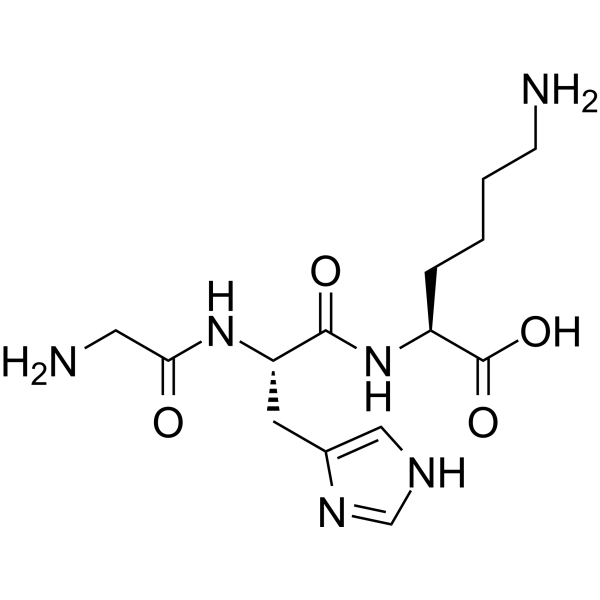
Glycyl-L-histidyl-L-lysine is a tripeptide consisting of glycine, L-histidine and L-lysine residues joined in sequence. Glycyl-L-histidyl-L-lysine is a hepatotropic immunosuppressor and shows anxiolytic effect. Glycyl-L-histidyl-L-lysine and its copper complexes show good skin tolerance .
|
| Cat. No. |
Product Name |
Category |
Target |
Chemical Structure |
Your information is safe with us. * Required Fields.
Inquiry Information
- Product Name:
- Cat. No.:
- Quantity:
- MCE Japan Authorized Agent:

