72 Results for "

dental

" in MedChemExpress (MCE) Product Catalog:
Products (72)

72 Results for "dental" in MCE Product Catalog:

57
57 Publications Verification
Cat. No.: HY-B0356B
CAS No.: 86393-32-0
Synonyms: Bay-09867 hydrochloride monohydrate
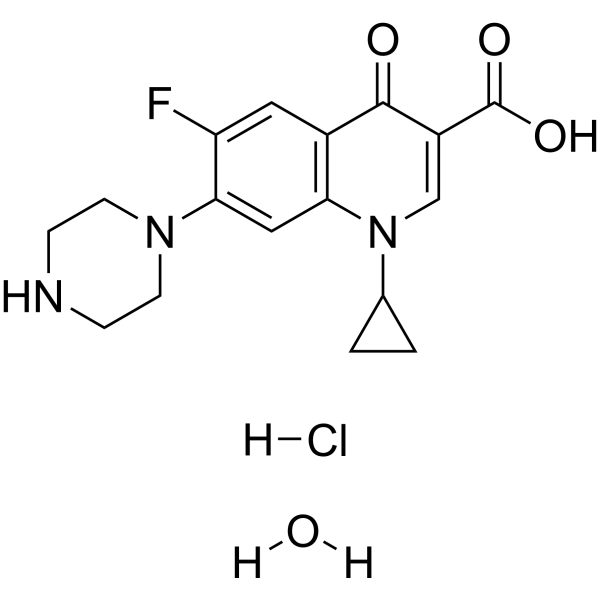
Ciprofloxacin (Bay-09867) hydrochloride monohydrate is an orally active, blood-brain barrier permeable fluoroquinolone antibacterial agent. Ciprofloxacin hydrochloride monohydrate exerts bactericidal effects primarily by inhibiting topoisomerase II and IV. Ciprofloxacin hydrochloride monohydrate inhibits the proliferation of human dental pulp stem cells and chondrocytes from young rats, and also activates the Akt signaling pathway and upregulates markers such as β-catenin and Nanog to maintain the morphological characteristics of stem cells. Ciprofloxacin hydrochloride monohydrate induces significant neurotoxicity and tissue damage, including reducing serotonin and glutathione levels in the brain, inducing oxidative stress and depression-like behaviors, and causing articular cartilage damage. Ciprofloxacin hydrochloride monohydrate can be applied to research related to infections of necrotic young permanent teeth and neurotoxicity .
loading...
    loading...
57
57 Publications Verification
Cat. No.: HY-B0356A
CAS No.: 93107-08-5
Synonyms: Bay-09867 monohydrochloride
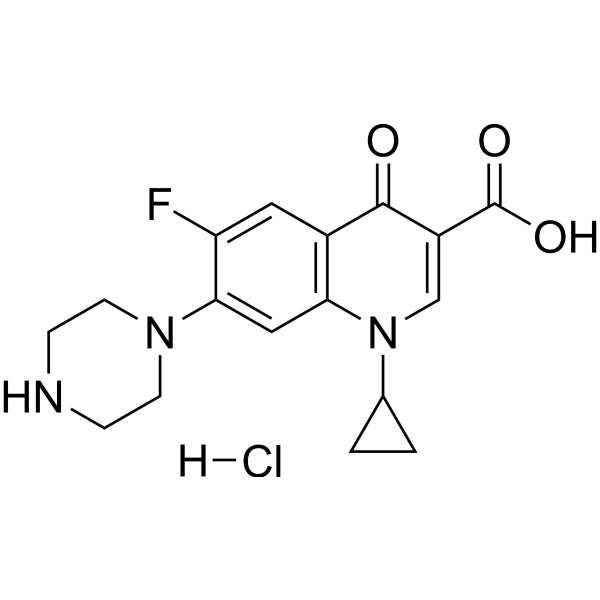
Ciprofloxacin (Bay-09867) monohydrochloride is an orally active, blood-brain barrier permeable fluoroquinolone antibacterial agent. Ciprofloxacin monohydrochloride exerts bactericidal effects primarily by inhibiting topoisomerase II and IV. Ciprofloxacin monohydrochloride inhibits the proliferation of human dental pulp stem cells and chondrocytes from young rats, and also activates the Akt signaling pathway and upregulates markers such as β-catenin and Nanog to maintain the morphological characteristics of stem cells. Ciprofloxacin monohydrochloride induces significant neurotoxicity and tissue damage, including reducing serotonin and glutathione levels in the brain, inducing oxidative stress and depression-like behaviors, and causing articular cartilage damage. Ciprofloxacin monohydrochloride can be applied to research related to infections of necrotic young permanent teeth and neurotoxicity .
loading...
    loading...
3
3 Cited Publications
Cat. No.: HY-A0182
CAS No.: 56-59-7
Synonyms: PLV-2
Target:  

Vasopressin Receptor

Research Areas:  

Cardiovascular Disease

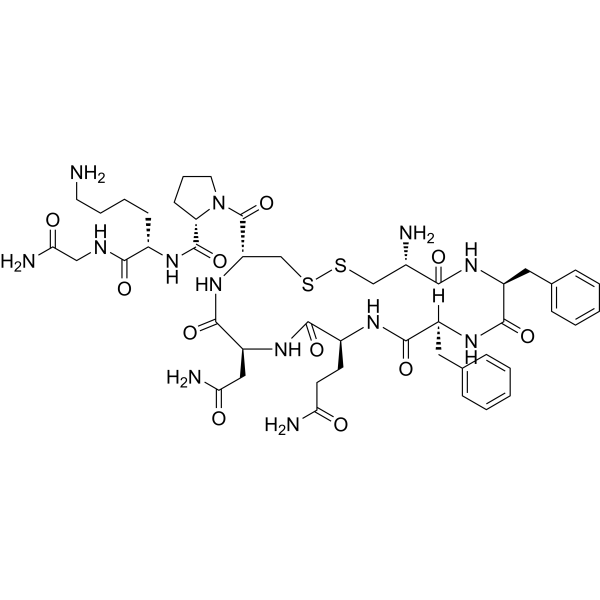
Felypressin (PLV-2) is a non-catecholamine vasoconstrictor and a vasopressin 1 agonist. Felypressin is widely used in dental procedures .
loading...
    loading...
3
3 Cited Publications
Cat. No.: HY-A0182A
CAS No.: 914453-97-7
Synonyms: PLV-2 acetate
Target:  

Vasopressin Receptor

Research Areas:  

Cardiovascular Disease

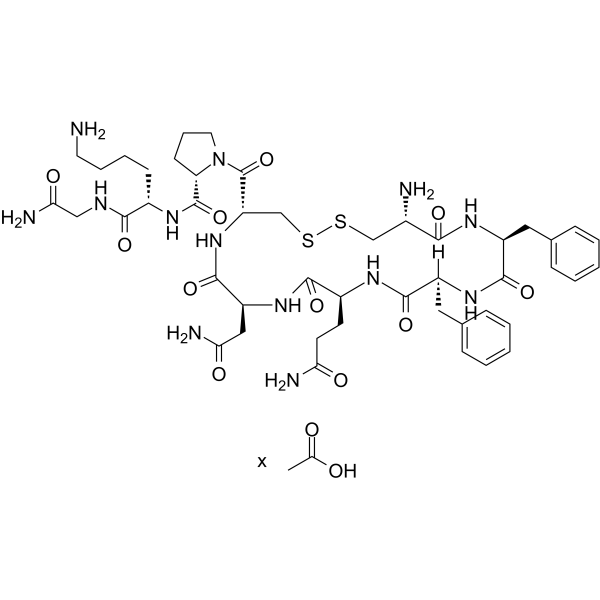
Felypressin acetate (PLV-2 acetate) is a non-catecholamine vasoconstrictor and a vasopressin 1 agonist. Felypressin acetate is widely used in dental procedures .
loading...
    loading...
2
2 Cited Publications
Cat. No.: HY-101180
CAS No.: 3102-57-6
Purity:  99.85%
Synonyms: Ceramide 2
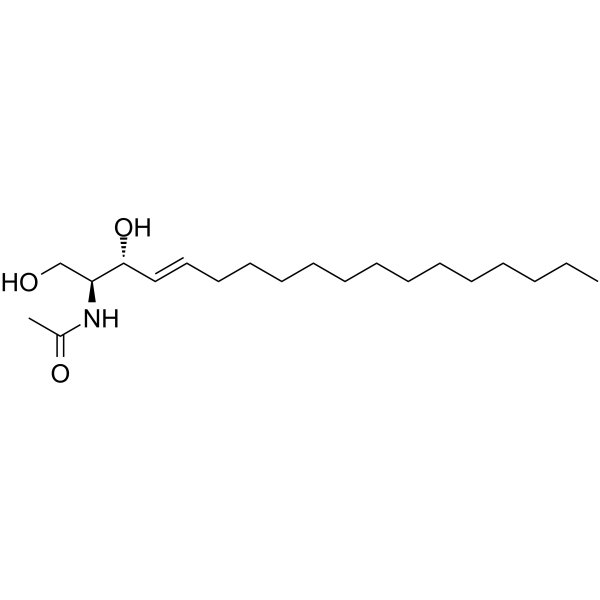
C2 Ceramide (Ceramide 2) is the main lipid of the stratum corneum and a protein phosphatase 1 (PP1) activator. C2 Ceramide activates PP2A and ceramide-activated protein phosphatase (CAPP). C2 Ceramide induces cells differentiation, autophagy and apoptosis, inhibits mitochondrial respiratory chain complex III. C2 Ceramide is also a skin conditioning agent that protects the epidermal barrier from water loss .
loading...
    loading...
1
1 Cited Publications
Cat. No.: HY-N6082
CAS No.: 34298-86-7
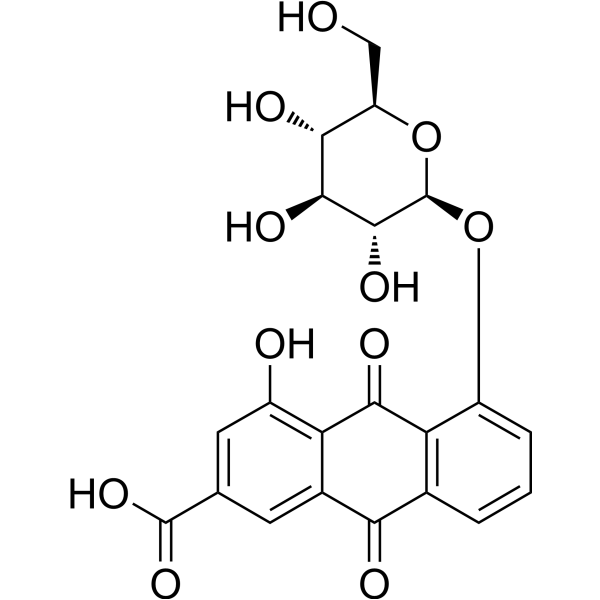
Rhein 8-O-β-D-Glucopyranoside is an orally active glycoside found in Rhubarb. Rhein 8-O-β-D-Glucopyranoside attenuates high glucose-induced apoptosis, recovers altered lincRNA ANRIL and let-7a expression, reverses high glucose-altered Bcl-2 and cleaved caspase-3 protein expression, and inhibits TGF-β1/Smad signaling. Rhein 8-O-β-D-Glucopyranoside accelerates Sennoside A (HY-N0365) metabolism, stimulates sennoside A purgative activity. Rhein 8-O-β-D-Glucopyranoside inhibits bacterial biofilm formation, suppresses its virulence gene expression, and exerts antibacterial activity. Rhein 8-O-β-D-Glucopyranoside can be used for the research of diabetic nephropathy, constipation, and infection .
loading...
    loading...
1
1 Cited Publications
Cat. No.: HY-B1243
CAS No.: 550-83-4
Target:  

Sodium Channel

Research Areas:  

Neurological Disease

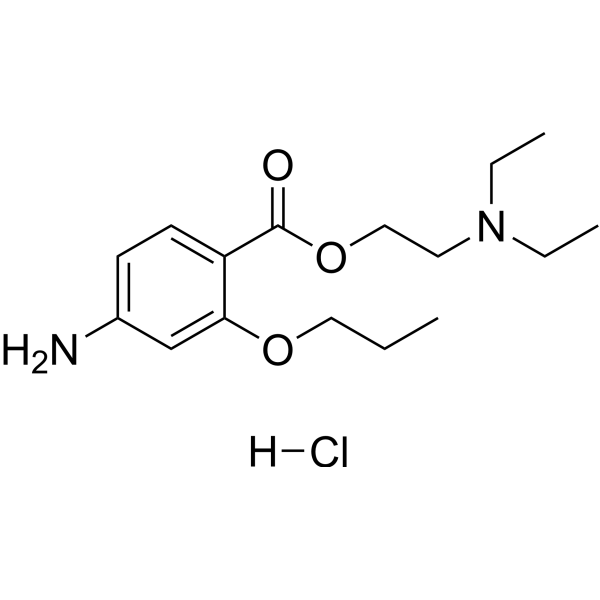
Propoxycaine hydrochloride is a voltage-gated sodium channel inhibitor. Propoxycaine hydrochloride delays monophasic A spike action potential recovery. Propoxycaine hydrochloride increases bulk lateral, rotational, and annular lipid fluidity in neuronal membrane lipid bilayers, with greater inner monolayer fluidization, and induces membrane protein clustering. Propoxycaine hydrochloride can be used for the research of pain .
loading...
    loading...
1
1 Cited Publications
Cat. No.: HY-113440
CAS No.: 712-09-4
Purity:  99.95%
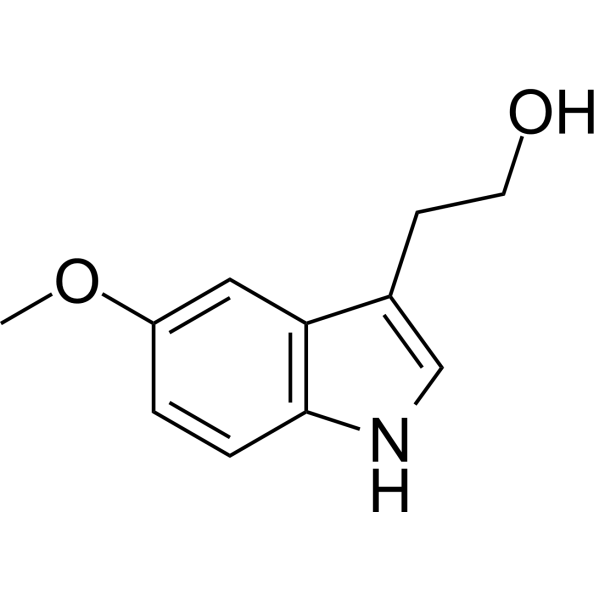
5-Methoxytryptophol is a 5-methoxyindole alcohol structurally homologous to Melatonin (HY-B0075). It is secreted by the mammalian pineal gland and exhibits an inverse circadian rhythm. 5-Methoxytryptophol regulates bone metabolism by activating the ERK1/2 pathway. It reduces the levels of pro-inflammatory cytokines TNF-α and IL-1β, as well as proteolytic enzymes MMP-1 and MMP-2, in serum and dental pulp tissues, thereby ameliorating acute pulpitis. 5-Methoxytryptophol induces rapid sleep in mice, while high doses cause respiratory depression and death. 5-Methoxytryptophol. 5-Methoxytryptophol can be used in studies related to acute pulpitis, hypnosis, and bone metabolism .
loading...
    loading...
Cat. No.: HY-W110551
CAS No.: 67881-98-5
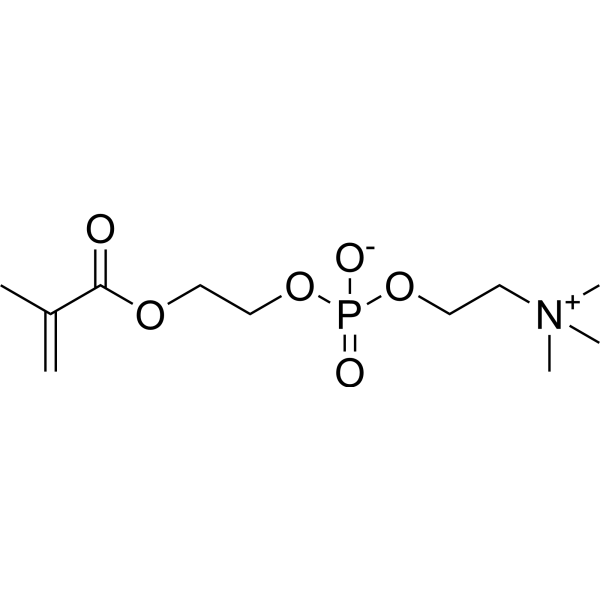
2-Methacryloyloxyethyl phosphorylcholine is a polymer monomer containing a phospholipid polar group. 2-Methacryloyloxyethyl phosphorylcholine polymers modify the surface properties of materials and reduce protein-surface interactions, reduce IL-8 production, inhibit cell, Staphylococcus aureus, and Porphyromonas gingivalis adhesion. 2-Methacryloyloxyethyl phosphorylcholine is used in the study of medical device-associated infections, periodontitis, and dental caries .
loading...
    loading...
Cat. No.: HY-Y0332B
CAS No.: 7778-77-0
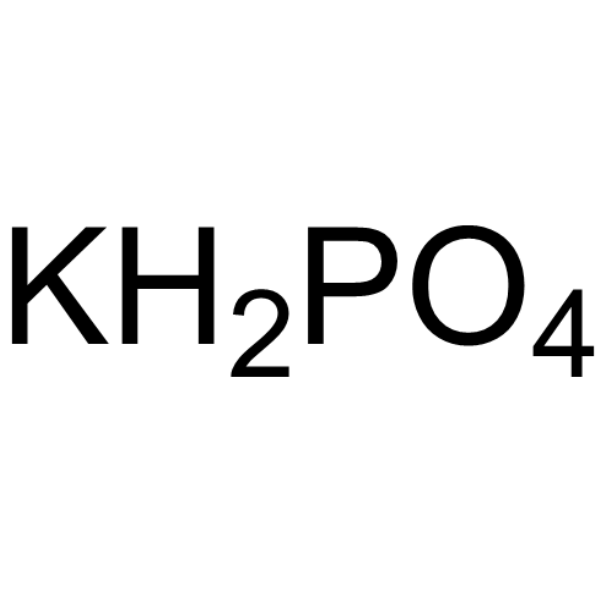
Potassium dihydrogen phosphate, AR,99.5% is a potassium salt. Potassium dihydrogen phosphate, AR,99.5% activates NF-κB. Potassium dihydrogen phosphate, AR,99.5% upregulates the expression of dental/osteogenic markers (OCN, DSP/DSPP, OSX, RUNX2, ALP) and enhances the mineralization capacity of human periodontal ligament stem cells. Potassium dihydrogen phosphate, AR,99.5% promotes the proliferation of human periodontal ligament stem cells in logarithmic growth phase. Potassium dihydrogen phosphate, AR,99.5% promotes the growth of somatic embryos of Dendrobium Sonia, increases leaf number, leaf length and fresh weight of tissue-cultured seedlings. Potassium dihydrogen phosphate, AR,99.5% is applicable to periodontal disease-related research .
loading...
    loading...
Cat. No.: HY-Y0332K
CAS No.: 7778-77-0
Synonyms: Potassium phosphate monobasic, for cell culture
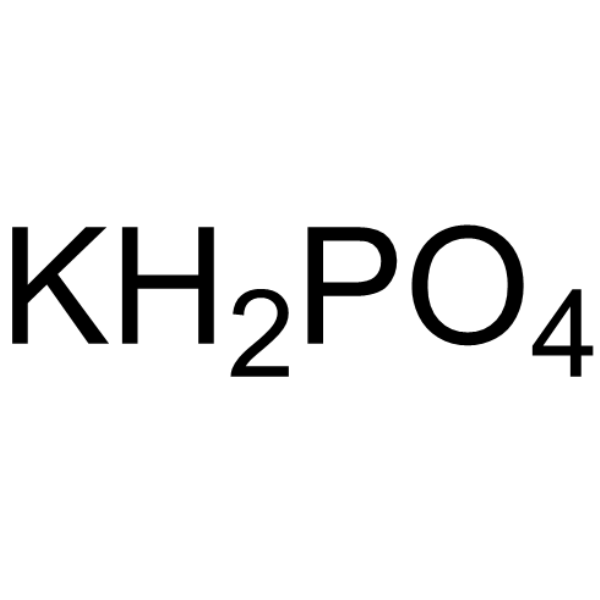
Potassium dihydrogen phosphate, for cell culture (Potassium phosphate monobasic, for cell culture) is a cell culture reagent. Potassium dihydrogen phosphate, for cell culture activates NF-κB. Potassium dihydrogen phosphate, for cell culture upregulates the expression of dental/osteogenic markers (OCN, DSP/DSPP, OSX, RUNX2, ALP) and enhances the mineralization capacity of human periodontal ligament stem cells. Potassium dihydrogen phosphate, for cell culture promotes the proliferation of human periodontal ligament stem cells in logarithmic growth phase. Potassium dihydrogen phosphate, for cell culture promotes the growth of somatic embryos of Dendrobium Sonia, increases leaf number, leaf length and fresh weight of tissue-cultured seedlings. Potassium dihydrogen phosphate, for cell culture is applicable to periodontal disease-related research .
loading...
    loading...
Cat. No.: HY-42680
CAS No.: 87-81-0
Synonyms: D-(-)-Tagatose
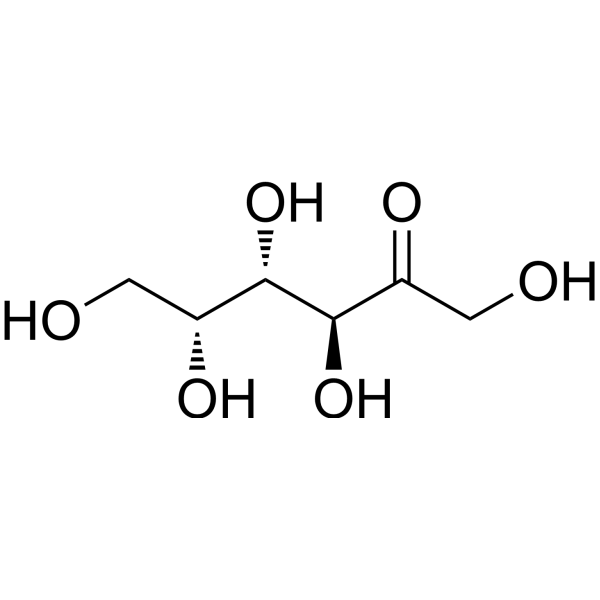
D-Tagatose (D-(-)-Tagatose) is a natural low-calorie rare sugar. D-Tagatose inhibits the activities of sucrase, maltase and intestinal disaccharidases, reduces the digestion of sucrose and starch, and blocks the absorption of sucrose, maltose and glucose. D-Tagatose promotes glucokinase activity and inhibits glycogen phosphorylase activity via tagatose-1-phosphate, regulates the synthesis and decomposition of hepatic glycogen, reduces postprandial and fasting blood glucose levels, and improves hyperinsulinemia. D-Tagatose regulates lipid profiles, stimulates GLP-1 secretion, and exhibits prebiotic effects. D-Tagatose is a bulking sweetener. D-Tagatose can be used in research related to diabetes, hyperlipidemia, dental caries, atherosclerosis and type 2 diabetes .
loading...
    loading...
Cat. No.: HY-W012723
CAS No.: 868-77-9
Research Areas:  

Others

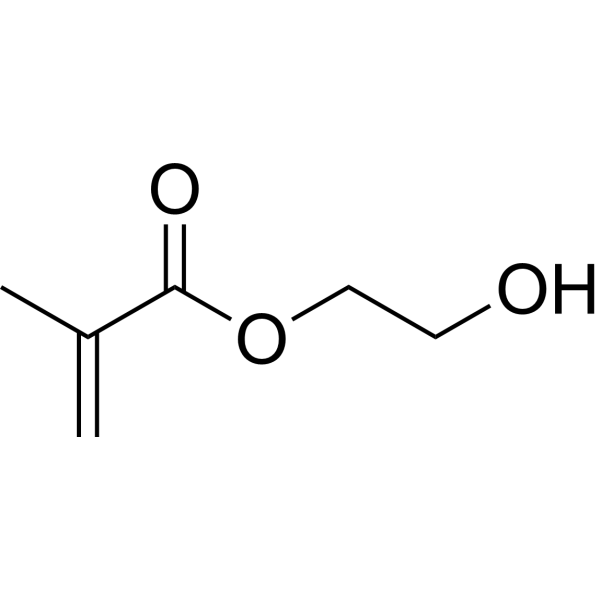
2-Hydroxyethyl methacrylate (HEMA) is a monomer used in the synthesis of various polymers, and the polymer PHEMA of 2-Hydroxyethyl methacrylate is widely used in the synthesis of dental composite materials .
loading...
    loading...
Cat. No.: HY-Y0975
CAS No.: 7775-41-9
Research Areas:  

Others

Silver(I) fluoride is a drug intermediate for synthesis of various active compounds. Silver(I) fluoride is a silver(I) complex that can form hydrates in aqueous solutions and in the solid state, enabling its localized application to the tooth decay area for oral health research .
loading...
    loading...
Cat. No.: HY-B0516
CAS No.: 23964-57-0
Synonyms: Hoe-045
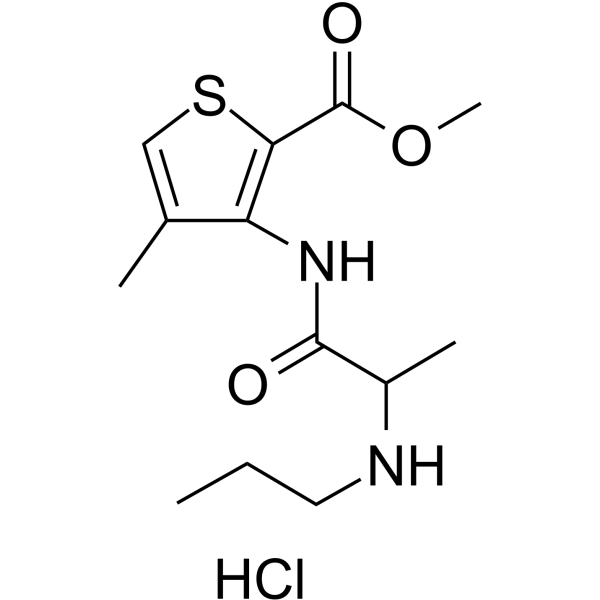
Articaine (Hoe-045) hydrochloride is a selective inhibitor of voltage-gated sodium channels (such as rNav1.4, hNav1.7, and rNav1.8), with an IC50 of 15.8 μM for open-state Na + channels, and IC50 of 40.6 μM and 378 μM for inactivated and resting-state Na + channels, respectively. Articaine hydrochloride exerts local anesthetic activity by inhibiting Na + influx to block nerve impulse conduction, and can also inhibit NF-κB activation and NLRP3 inflammasome pathways, exhibiting anti-inflammatory function. Articaine hydrochloride can be used in the study of dental local anesthesia and inflammatory-related diseases (such as acute kidney injury) .
loading...
    loading...
Cat. No.: HY-Y1885
CAS No.: 7722-88-5
Tetrasodium pyrophosphate is a water-soluble inorganic salt commonly used as a buffering agent, emulsifier, and sequestrant. Tetrasodium pyrophosphate is an antimicrobial agent that can reduce microbial colonization. Tetrasodium pyrophosphate blocks IPP translocation, enhances astaxanthin, phenol, flavonoid, and H2O2 levels, activates PAL and DPPH scavenging activity. Tetrasodium pyrophosphate can be used for the research of alleviating symptoms post COVID-19 .
loading...
    loading...
Cat. No.: HY-P990795

Target:  

Osteopontin

Research Areas:  

Inflammation/Immunology Cancer

Anti-Mouse osteopontin/SPP1 Antibody (100D3) is an anti-mouse osteopontin/SPP1 IgG2c monoclonal antibody. Anti-Mouse osteopontin/SPP1 Antibody (100D3) can reverse the inhibition of osteopontin (OPN) on T cells and enhance cytotoxic T lymphocyte (CTL) killing ability. Anti-Mouse osteopontin/SPP1 Antibody (100D3) can improve dentin density. Anti-Mouse osteopontin/SPP1 Antibody (100D3) can be used for researches on cancer and dental related conditions such as colon cancer. The recommend isotype control of Anti-Mouse osteopontin/SPP1 Antibody (100D3): Mouse IgG2c kappa, Isotype Control (HY-P99981) .
loading...
    loading...
Cat. No.: HY-P2840
CAS No.: 9025-70-1
Target:  

Glycosidase

Research Areas:  

Metabolic Disease

Dextranase, Trichoderma reesei belongs to glycoside hydrolase family 49. It catalyzes the hydrolysis of α-1,6-glycosidic linkages in dextran via a single-displacement reaction, ultimately releasing shorter isomaltooligosaccharides. Dextranase, Trichoderma reesei reduces the molecular size of dextran, inhibits the formation of insoluble dextran and dental plaque, and decreases the viscosity of dextran-contaminated sugar juice. Dextranase, Trichoderma reesei can be used in relevant research in fields such as chemical production, including beer manufacturing, feed additives, and toothpaste formulations .
loading...
    loading...
Cat. No.: HY-B2091
CAS No.: 17243-38-8
Target:  

Antibiotic Bacterial

Research Areas:  

Infection

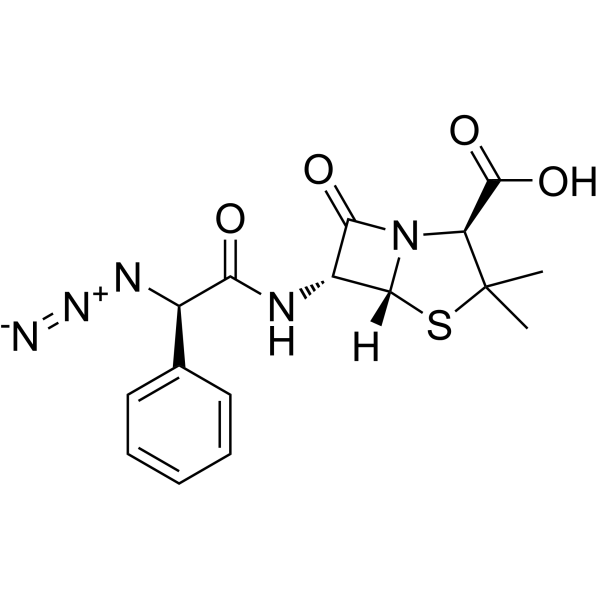
Azidocillin, a semi-synthetic Penicillin, is an orally active β-lactam antibiotic. Azidocillin bears an azide functionality and retains on-target activity within bacteria. Azidocillin can be used to research osteitis caused by dental surgery, otitis media, enterococcal septicemia and other bacterial infectious diseases . Azidocillin is a click chemistry reagent, it contains an Azide group and can undergo copper-catalyzed azide-alkyne cycloaddition reaction (CuAAc) with molecules containing Alkyne groups. It can also undergo strain-promoted alkyne-azide cycloaddition (SPAAC) reactions with molecules containing DBCO or BCN groups.
loading...
    loading...
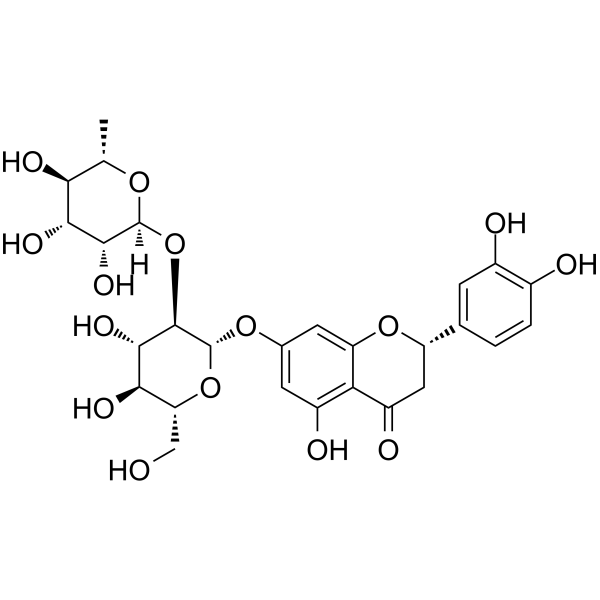
Cat. No.: HY-N4119
CAS No.: 13241-32-2
Neoeriocitrin is a Naringin (HY-N0153) analogue found in Drynaria Rhizome. Neoeriocitrin induces cells proliferation, differentiation, up-regulates type I collagen, osteocalcin, and key osteogenic markers, and increases ALP activity. Neoeriocitrin increases expression of Runx2, COL I, OCN and Beclin1. Neoeriocitrin inhibits phosphorylation of P38 mitogen-activated protein kinase, reduces acetylcholinesterase (AChE) activity, and increases choline acetyltransferase (ChAT) activity. Neoeriocitrin reduces apoptosis and induces autophagy. Neoeriocitrin can be used for the researches of osteoporosis and Alzheimer's disease .
loading...
    loading...

