1. Search Result
Search Result
Results for "

downstream

" in MedChemExpress (MCE) Product Catalog:

658

Inhibitors & Agonists

4

Screening Libraries

6

Fluorescent Dyes

12

Biochemical Assay Reagents

46

Peptides

7

MCE Kits

56

Inhibitory Antibodies

57

Natural
Products

1

Recombinant Proteins

8

Isotope-Labeled Compounds

2

Antibodies

5

Click Chemistry

18

Oligonucleotides

2

GMP Molecules

Cat. No. Product Name Target Research Areas Chemical Structure
  • HY-100573
    Necrosulfonamide
    135+ Cited Publications

    Mixed Lineage Kinase Necroptosis Pyroptosis Caspase NOD-like Receptor (NLR) Keap1-Nrf2 TNF Receptor Interleukin Related NO Synthase Heme Oxygenase (HO) Cardiovascular Disease Neurological Disease Metabolic Disease Inflammation/Immunology Endocrinology
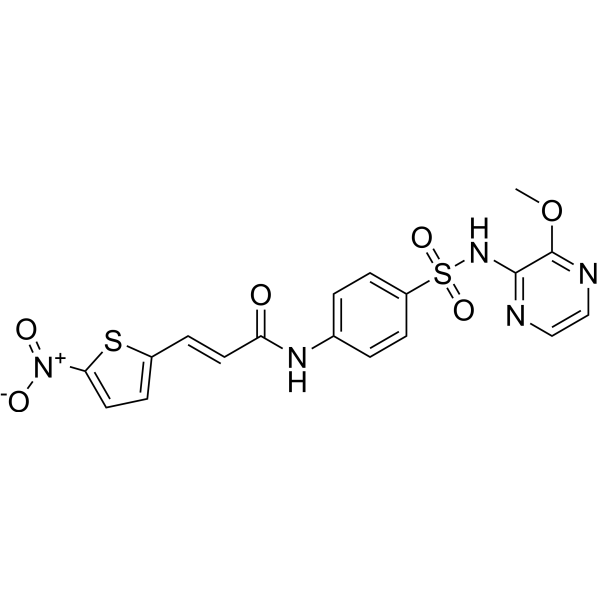
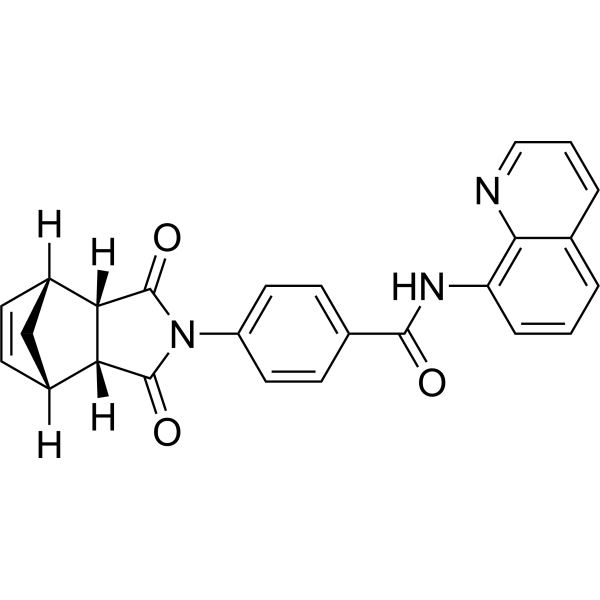
    Necrosulfonamide is a MLKL and Gasdermin D (GSDMD) inhibitor, capable of separately inhibiting necroptosis and pyroptosis of cells. Necrosulfonamide does not affect the activation of upstream signals, but specifically inhibits the downstream executor oligomerization step. Necrosulfonamide reduces the expression of the key kinases NLRP3 and caspase-1 involved in necroptosis and pyroptosis, activate the Nrf2 pathway and the downstream antioxidant enzymes, and also downregulates a variety of inflammatory factors. Necrosulfonamide plays significant roles in various diseases such as neurodegenerative diseases (such as Parkinson’s disease), tissue damage and ischemia-reperfusion injury, inflammatory bowel disease, osteoarthritis and fracture repair, and hair loss by regulating two important programmed necrosis pathways .
    Necrosulfonamide
  • HY-N0020
    Echinacoside
    15+ Cited Publications

    Wnt Reactive Oxygen Species (ROS) Neurological Disease
    Echinacoside, one of the phenylethanoids isolated from the stems of Cistanche deserticola, effectively inhibits Wnt/β-catenin signaling. Echinacoside elicits neuroprotection by activating Trk receptors and their downstream signal pathways. Antiosteoporotic activity .
    Echinacoside
  • HY-108473
    CU-CPT 4a
    10+ Cited Publications

    TLR3-IN-1

    Toll-like Receptor (TLR) Cancer
    CU-CPT 4a (TLR3-IN-1) is a potent, highly selective TLR3 signaling inhibitor. CU-CPT 4a represses the expression of downstream signaling pathways mediated by the TLR3/dsRNA complex, including TNF-α and IL-1β .
    CU-CPT 4a
  • HY-P99412
    Lusvertikimab
    1 Publications Verification

    OSE-127

    Interleukin Related Cancer
    Lusvertikimab (OSE-127) is a humanized IL7R monoclonal antibody. Lusvertikimab is not internalized by target cells and prevents IL7R heterodimerization and subsequent downstream signaling. Lusvertikimab has anti-leukemic efficacy and has the potential for B cell precursor acute lymphoblastic leukemia (BCP-ALL) research .
    Lusvertikimab
  • HY-149652

    Toll-like Receptor (TLR) Inflammation/Immunology
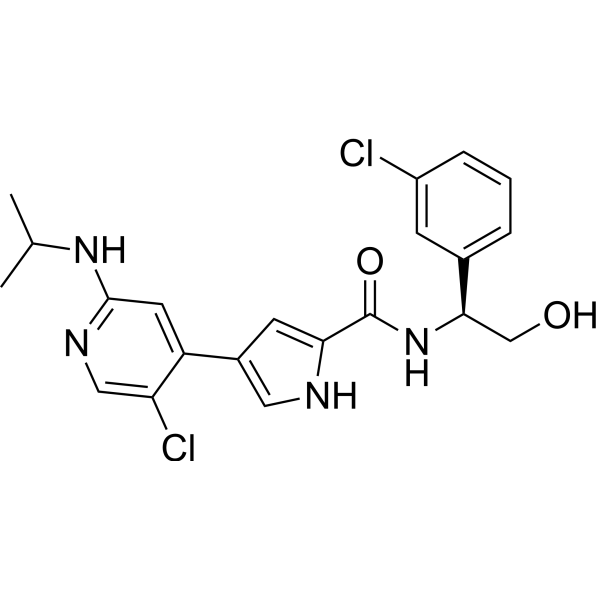
    IRF5-IN-1 (Compound C5) is a conformationally locked inhibitor for SLC15A4. IRF5-IN-1 blocks the downstream IRF5 activation, inhibits the TLR7/8 signaling pathway. IRF5-IN-1 exhibits anti-inflammatory responses .
    IRF5-IN-1
  • HY-N6966
    Ethyl Caffeate
    2 Publications Verification

    NF-κB NO Synthase COX PGE synthase Inflammation/Immunology Cancer
    Ethyl Caffeate is a natural phenolic compound isolated from Bidens pilosa. Ethyl caffeate suppresses NF-κB activation and its downstream inflammatory mediators, inducible nitric oxide synthase (iNOS), cyclooxygenase-2 (COX-2), and prostaglandin E2 (PGE2) in vitro or in mouse skin .
    Ethyl Caffeate
  • HY-12754
    ML228
    5+ Cited Publications

    CID-46742353

    HIF/HIF Prolyl-Hydroxylase Cancer
    ML228 (CID-46742353) is a potent the Hypoxia Inducible Factor (HIF) pathway activator with EC50 of 1 μM. ML228 potently activates HIF in vitro as well as its downstream target VEGF .
    ML228
  • HY-164561
    TASIN-30
    1 Publications Verification

    Emopamil Binding Protein Ferroptosis Apoptosis Cancer
    TASIN-30 is a selective EBP inhibitor with an EC50 of 0.097 μM. TASIN-30 blocks the production of 7-dehydrocholesterol (7-DHC) and downstream cholesterol biosynthesis processes. TASIN-30 depletes downstream sterols, disrupts the integrity of lipid rafts in tumor cells, accelerates intracellular cholesterol consumption, and inhibits tumor cell proliferation. TASIN-30 induces ferroptosis and apoptosis by reducing 7-DHC levels and increasing phospholipid peroxidation. TASIN-30 achieves tumor suppression in nude mice with osteosarcoma. TASIN-30 can be used in cancer-related research such as colorectal cancer and osteosarcoma .
    TASIN-30
  • HY-15002
    AST 487
    5 Publications Verification

    NVP-AST 487

    RET FLT3 VEGFR c-Kit Bcr-Abl Cancer
    AST 487 is a RET kinase inhibitor with IC50 of 880 nM, inhibits RET autophosphorylation and activation of downstream effectors, also inhibits Flt-3 with IC50 of 520 nM.
    AST 487
  • HY-N0253

    Kalopanaxsaponin B

    Bacterial p38 MAPK NF-κB Apoptosis Infection Inflammation/Immunology
    Hederacoside C (Kalopanaxsaponin B) is an ingredient that can be obtained mainly from ivy leaves. Hederacoside C mediates inflammation by inhibiting activation of MAPK/NF-κB and its downstream signaling pathway. Hederacoside C has anti-inflammatory and antibacterial activity .
    Hederacoside C
  • HY-P99494
    Carotuximab
    1 Publications Verification

    TRC105; DE-122

    TGF-beta/Smad Cancer
    Carotuximab (TRC105) is a IgG1 monoclonal antibody that blocks endoglin (CD105) and its downstream Smad signaling pathway. Carotuximab has immunomodulatory and antineoplastic actions .
    Carotuximab
  • HY-111358

    Toll-like Receptor (TLR) Inflammation/Immunology
    TLR7 agonist 1 is a selective TLR7 agonist with an LEC value of 90 nM. TLR7 agonist 1 activates downstream immune regulation and shows no activity against TLR8. TLR7 agonist 1 induces endogenous IFN-α production in mice .
    TLR7 agonist 1
  • HY-109198

    ME-401; PWT-143

    PI3K Akt Cancer
    Zandelisib (ME-401) is a selective, orally active, non-covalent inhibitor of PI3Kδ. Zandelisib can sustainably inhibit AKT phosphorylation and downstream signaling pathways. Zandelisib can be used in the study of malignancies such as relapsed/refractory B-cell lymphoma .
    Zandelisib
  • HY-157581

    EGFR PROTACs Cancer
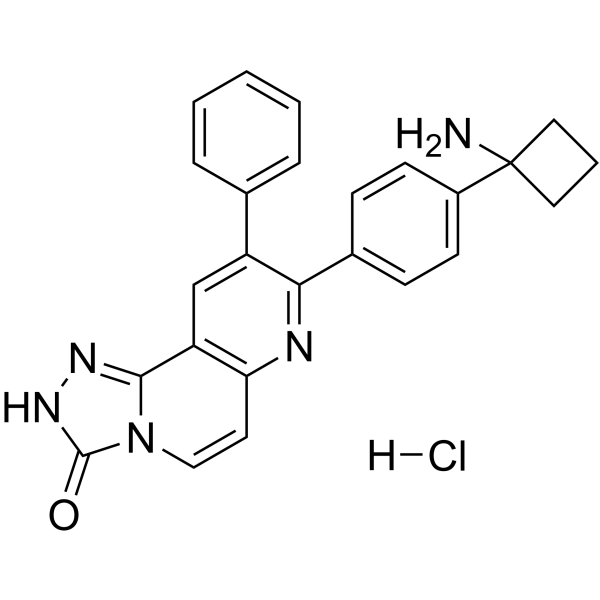
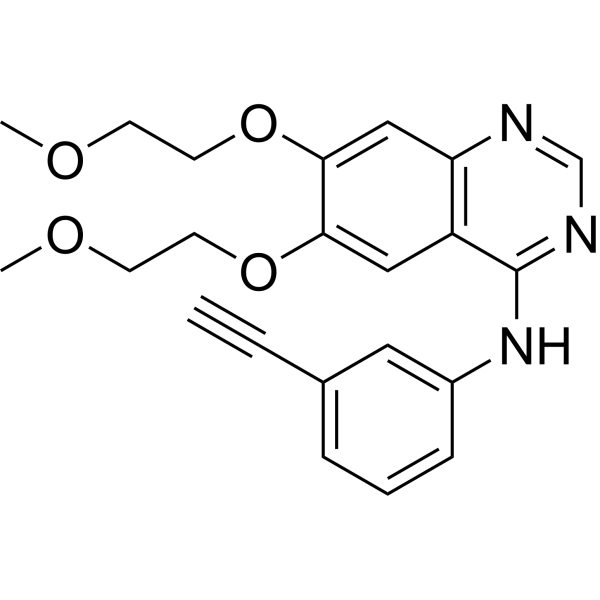
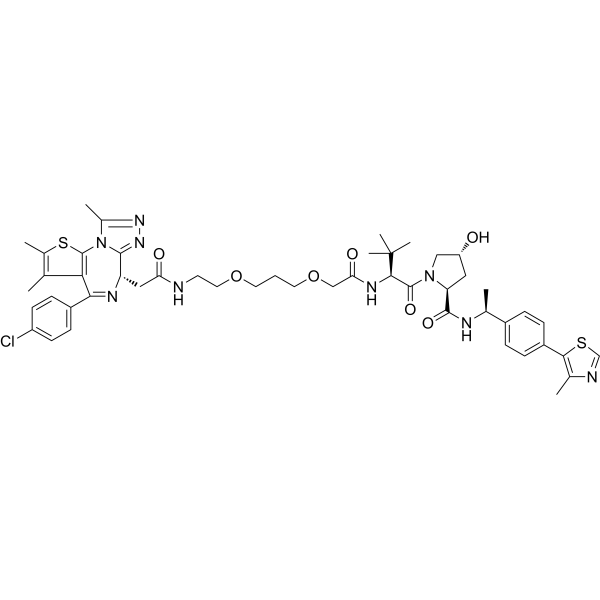
    MS39 (compound 6) is a PROTAC targeting EGFR. MS39 reduces the expression of EGFR and downstream signaling in HCC-827 and H3255 cells. MS39 inhibits the proliferation of H3255 cells .
    MS39
  • HY-100538
    DTP3
    1 Publications Verification

    DNA/RNA Synthesis JAK Cancer
    DTP3 TFA is a potent and selective GADD45β/MKK7 inhibitor. DTP3 TFA targets an essential, cancer-selective cell-survival module downstream of the NF-κB pathway .
    DTP3
  • HY-P9969

    EMD 72000

    EGFR Cancer
    Matuzumab (EMD 72000) is a humanized anti-EGFR monoclonal antibody that blocks EGFR activation and downstream signaling, inhibits tumor growth. Deglycosylation and the possible elimination of ADCC activity can reduce the in vivo anti-tumor activity of Mattuzumab .
    Matuzumab
  • HY-N2344
    Procyanidin A1
    2 Publications Verification

    Proanthocyanidin A1

    PKC Inflammation/Immunology
    Procyanidin A1 (Proanthocyanidin A1) is a procyanidin dimer, which inhibits degranulation downstream of protein kinase C activation or Ca 2+ influx from an internal store in RBL-213 cells. Procyanidin A1 has antiallergic effects .
    Procyanidin A1
  • HY-173176

    Biochemical Assay Reagents Others
    4-(2-Azidoethyl)phenol (Ph_N3) is a clickable APEX2 probe. 4-(2-Azidoethyl)phenol (Ph_N3) exhibits reliable labeling ability and enabled two biotinylation routes for downstream analysis .
    4-(2-Azidoethyl)phenol
  • HY-117113
    JI051
    1 Publications Verification

    Notch Cancer
    JI051 is a stabilizer for the Hes1-PHB2 interaction. JI051 interacts with a cancer-associated protein chaperone prohibitin 2 (PHB2), induces cell-cycle arrest by inhibiting the Notch downstream effector gene Hes1. Anti-cancer activity .
    JI051
  • HY-137506
    XST-14
    2 Publications Verification

    ULK p38 MAPK TGF-β Receptor Anaplastic lymphoma kinase (ALK) CaMK Apoptosis Cancer
    XST-14 is a potent, competitive and highly selective ULK1 inhibitor with an IC50 of 26.6 nM. XST-14 induces autophagy inhibition by reducing the phosphorylation of the ULK1 downstream substrate. XST-14 induces apoptosis in hepatocellular carcinoma (HCC) cells and has antitumor effects .
    XST-14
  • HY-P99031

    CAM 3001

    c-Fms Cardiovascular Disease Inflammation/Immunology
    Mavrilimumab (CAM 3001) is a monoclonal antibody that binds to the α subunit of the granulocyte-macrophage colony stimulating factor (GM-CSF) receptor and blocks intracellular signalling downstream of GM-CSF. GM-CSF might be a mediator of the hyperactive inflammatory response associated with respiratory failure and death .
    Mavrilimumab
  • HY-W016477

    Bacterial Infection
    Phenazine is an electron shuttles, which modulates the redox state of cells and the downstream gene expression related to biofilm formation and bacterial survival. Phenazines is a biocontrol agents, which affects the growth of plants and induces the systemic resistance in plants. Phenazine maintains NAD+/NADH balance .
    Phenazine
  • HY-P10227

    ONL-1204

    Fatty Acid Synthase (FASN) Apoptosis Interleukin Related Toll-like Receptor (TLR) NOD-like Receptor (NLR) Caspase Neurological Disease
    Xelafaslatide (ONL-1204) is a Fas receptor antagonist. Xelafaslatide blocks the Fas receptor signaling pathway and inhibits downstream apoptosis and inflammatory pathways. Xelafaslatide suppresses neuroinflammation and microglial activation in glaucoma models, protects retinal ganglion cells and prevents axonal degeneration. Xelafaslatide is applicable to relevant research on glaucoma .
    Xelafaslatide
  • HY-P2265A

    SOS1 Ras Cancer
    SAH-SOS1A TFA is a peptide-based SOS1/KRAS protein interaction inhibitor. SAH-SOS1A TFA binds to wild-type and mutant KRAS (G12D, G12V, G12C, G12S, and Q61H) with nanomolar affinity (EC50=106-175 nM). SAH-SOS1A TFA directly and independently blocks nucleotide association. SAH-SOS1A TFA impairs KRAS-driven cancer cell viability and exerts its effects by on-mechanism blockade of the ERK-MAPK phosphosignaling cascade downstream of KRAS .
    SAH-SOS1A TFA
  • HY-N9484

    Drug Metabolite Others
    Menthofuran is a proximate toxic metabolite of (R)-(+)-Pulegone. Menthofuran regulates essential oil biosynthesis in peppermint by controlling a downstream monoterpene reductase .
    Menthofuran, 84%
  • HY-119989

    Herbicide Infection
    Cyclopyrimorate, a highly effective bleaching herbicide for weed control in rice fields, targets homogentisate solanesyltransferase (HST). HST is a downstream enzyme of 4-hydroxyphenylpyruvate dioxygenase in the plastoquinone (PQ) biosynthesis pathway .
    Cyclopyrimorate
  • HY-126133

    Ras Cardiovascular Disease Others
    AM-001 is a non-competitive inhibitor of Epac1 that blocks the activation of Rap1, a downstream effector of Epac1, in cultured cells. AM-001 can be used in heart disease-related research .
    AM-001
  • HY-P99895

    PD-1/PD-L1 Inflammation/Immunology Cancer
    Rulonilimab is a human IgG1 monoclonal antibody against PD-1 that targets, binds and inhibits PD-1 and its downstream signalling pathways with potential immune checkpoint inhibition and anti-tumour activity .
    Rulonilimab
  • HY-112316

    Epigenetic Reader Domain Cancer
    BAY1238097 is a potent and selective inhibitor of BET binding to histones and has strong anti-proliferative activity in different AML (acute myeloid leukemia) and MM (multiple myeloma) models through down-regulation of c-Myc levels and its downstream transcriptome (IC50 <100 nM).
    BAY1238097
  • HY-P990084

    AVE1642; VRDN-001

    IGF-1R Akt Neurological Disease Endocrinology
    Veligrotug (AVE1642) is a selective, fully human IGF-1R antagonist antibody with a Kd value of 0.55 nM for hIGF-1R. Veligrotug blocks the phosphorylation of downstream AKT. Veligrotug is applicable to research related to thyroid eye disease .
    Veligrotug
  • HY-P2282
    APTSTAT3-9R
    1 Publications Verification

    STAT Cancer
    APTSTAT3-9R, a specific STAT3-binding peptide, inhibits STAT3 activation and downstream signaling by specifically blocking STAT3 phosphorylation. APTSTAT3-9R exerts antiproliferative effects and antitumor activity .
    APTSTAT3-9R
  • HY-100573A
    (E/Z)-Necrosulfonamide
    1 Publications Verification

    Mixed Lineage Kinase Necroptosis Pyroptosis Caspase NOD-like Receptor (NLR) Keap1-Nrf2 TNF Receptor Interleukin Related NO Synthase Heme Oxygenase (HO) Cardiovascular Disease Neurological Disease Metabolic Disease Inflammation/Immunology Endocrinology
    (E/Z)-Necrosulfonamide is a racemic compound of Necrosulfonamide (HY-100573). Necrosulfonamide is a MLKL and Gasdermin D (GSDMD) inhibitor, capable of separately inhibiting necroptosis and pyroptosis of cells. Necrosulfonamide does not affect the activation of upstream signals, but specifically inhibits the downstream executor oligomerization step. Necrosulfonamide reduces the expression of the key kinases NLRP3 and caspase-1 involved in necroptosis and pyroptosis, activate the Nrf2 pathway and the downstream antioxidant enzymes, and also downregulates a variety of inflammatory factors. Necrosulfonamide plays significant roles in various diseases such as neurodegenerative diseases (such as Parkinson’s disease), tissue damage and ischemia-reperfusion injury, inflammatory bowel disease, osteoarthritis and fracture repair, and hair loss by regulating two important programmed necrosis pathways.
    (E/Z)-Necrosulfonamide
  • HY-114645

    PDK-1 Cancer
    PDK1-IN-RS2 is a mimic of peptide docking motif (PIFtide) and is a substrate-selective PDK1 inhibitor with a Kd of 9 μM. PDK1-IN-RS2 suppresses the activation of the downstream kinases S6K1 by PDK1 .
    PDK1-IN-RS2
  • HY-144339
    AhR agonist 2
    1 Publications Verification

    Aryl Hydrocarbon Receptor Others
    AhR agonist 2 (Compound 12a) is a potent agonist of aryl hydrocarbon receptor (AhR) with an EC50 of 0.03 nM. AhR agonist 2 induces rapid nuclear enrichment of AhR, triggers the transcription of downstream genes and promote skin barrier repair. AhR agonist 2 has the potential for the research of psoriasis .
    AhR agonist 2
  • HY-P3970

    TGF-β Receptor Inflammation/Immunology
    KRFK, a peptide derived from TSP-1, can activate TGF-β. KRFK promotes TGF-β-mediated signaling and its downstream role, independent of thrombospondin (TSP) receptors such as CD47 and CD36. KRFK can be used for chronic ocular surface inflammatory disorders reseach .
    KRFK
  • HY-123141

    Pim Cancer
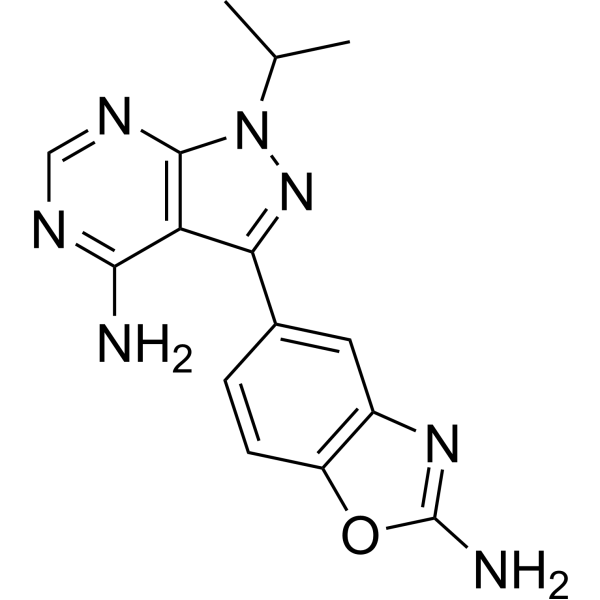
    K00135 is a potent and selective inhibitor of PIM kinases. K00135 inhibits survival and clonogenic growth of acute leukemia cells. K00135 inhibits the phosphorylation of PIM downstream targets .
    K00135
  • HY-161235

    SOS1 Molecular Glues Ras Cancer
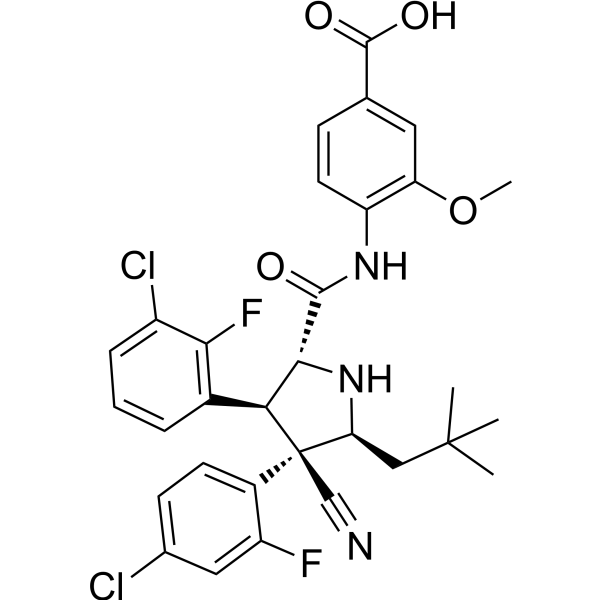
    BTX-7312 is a cereblon-based SOS1 bifunctional degrader and a molecular glue. BTX-7312 reduces downstream signaling markers pERK and pS6 and shows antiproliferative activity in various KRAS-mutated cells .
    BTX-7312
  • HY-160765

    APS-8-100-2

    Wnt Apoptosis Cancer
    WNTinib (APS-8-100-2) is a multi-kinase inhibitor that selectively antagonizes β-catenin (CTNNB1) mutated hepatocellular carcinoma (HCC). WNTinib downregulates oncogenicWntsignaling by inhibiting KIT/MAPK and downstream EZH2 activation .
    WNTinib
  • HY-176205

    AB801

    TAM Receptor Cancer
    Ligritinib (AB801) is an orally active AXL receptor tyrosine kinase inhibitor. Ligritinib blocks the downstream signaling pathway by inhibiting the kinase activity of AXL. Ligritinib can be used in cancer research, especially in combination with chemotherapy for non-small cell lung cancer (NSCLC) .
    Ligritinib
  • HY-134333

    Apoptosis Cancer
    ICCB280 is a potent inducer of C/EBPα. ICCB280 exhibits anti-leukemic properties including terminal differentiation, proliferation arrest, and apoptosis through activation of C/EBPα and affecting its downstream targets (such as C/EBPε, G-CSFR and c-Myc) .
    ICCB280
  • HY-138937

    FXR Metabolic Disease
    NDB is a selective human FXRα (hFXRα) antagonist that is effective in modulating transcription of FXRα downstream genes. NDB can be used in anti-diabetes research .
    NDB
  • HY-150308

    PPAR Cancer
    SR10221, a noncovalent inverse agonist of PPARγ, represses downstream PPARγ target genes leading to growth inhibition in bladder cancer cell lines .
    SR10221
  • HY-P11162

    FGFR Akt ERK mTOR Apoptosis Inflammation/Immunology
    FGF7p is a small molecule peptide and a potential bladder protector. FGF7p can activate downstream signaling pathways of FGFR2 in the urinary tract epithelium (pFRS2α, pAKT and pERK). FGF7p alleviates cyclophosphamide induced apoptosis and tissue damage in urinary tract epithelial cells by activating AKT and its downstream anti apoptotic targets (pBAD, pS6/mTORC1). FGF7p is commonly used in the study of inflammatory conditions .
    FGF7p
  • HY-153493A

    Small Interfering RNA (siRNA) Metabolic Disease
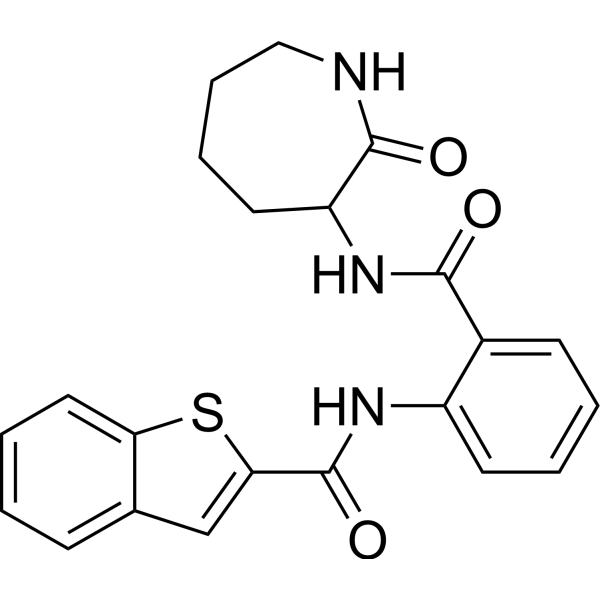
    PF-04523655 sodium is a siRNA directed against RTP801 gene. RTP801 sodium is an inhibitor of the mammalian target of rampamycin complex 1 (mTORC1) and downstream transcription factor HIF-1.
    PF-04523655 sodium
  • HY-149464

    Ras Cancer
    ARN22089 is a oral active novel class of trisubstituted pyrimidine, blocks the interaction of CDC42 GTPases with specific downstream effectors. ARN22089 blocks tumor growth in BRAF mutant mouse melanoma model .
    ARN22089
  • HY-162141

    Glutaminase Apoptosis Cancer
    MD102 is a potent TG2 inhibitor with an IC50 value of 0.35 μM. MD102 stabilizes p53 by inhibiting TG2, inducing a decrease in p-AKT and p-mTOR downstream signaling, leading to tumor cell apoptosis .
    MD102
  • HY-161233A

    PROTACs SOS1 ERK Cancer
    BTX-6654 formate is a target-dependent and -specific cereblon-based bifunctional SOS1 PROTAC degrader. BTX-6654 formate reduces downstream signaling markers pERK and pS6, and displays antiproliferative activity in cells harboring various KRAS mutations .
    BTX-6654 formate
  • HY-110114
    Gue1654
    1 Publications Verification

    Orphan GPCR Others
    Gue1654 is a modulator of OXE-R. Gue1654 inhibits Gβγ but not Gα signaling triggered upon activation of Gα(i)-βγ by the chemoattractant receptor OXE-R. Gue1654 does not interfere nonspecifically with signaling directly at or downstream of Gβγ .
    Gue1654
  • HY-150212

    IMO-2125

    Toll-like Receptor (TLR) Inflammation/Immunology Cancer
    Tilsotolimod (IMO-2125) is a TLR9 agonist. Tilsotolimod activates the TLR9 signaling pathway, triggers downstream pro-inflammatory and immunostimulatory pathways, enhances the uptake and killing of cancer cells, and induces adaptive immune responses. Tilsotolimod is applicable to research related to melanoma and colorectal cancer .
    Tilsotolimod
  • HY-150212A

    IMO-2125 sodium

    Toll-like Receptor (TLR) Inflammation/Immunology Cancer
    Tilsotolimod (IMO-2125) sodium is a TLR9 agonist. Tilsotolimod sodium activates the TLR9 signaling pathway, triggers downstream pro-inflammatory and immunostimulatory pathways, enhances the uptake and killing of cancer cells, and induces adaptive immune responses. Tilsotolimod sodium is applicable to research related to melanoma and colorectal cancer .
    Tilsotolimod sodium

Inquiry Online

Your information is safe with us. * Required Fields.

Salutation


Country or Region *

Applicant Name *


Organization Name *

Department *


Email Address *


Product Name *

Cat. No.


Requested quantity *

Phone Number *


Remarks

Inquiry Online

Inquiry Information

Product Name:
Cat. No.:
Quantity:
MCE Japan Authorized Agent:

