1. Search Result
Search Result
Results for "

energy

" in MedChemExpress (MCE) Product Catalog:

584

Inhibitors & Agonists

22

Screening Libraries

29

Fluorescent Dye

43

Biochemical Assay Reagents

45

Peptides

1

MCE Kits

2

Inhibitory Antibodies

137

Natural
Products

105

Isotope-Labeled Compounds

8

Click Chemistry

24

Oligonucleotides

Cat. No. Product Name Target Research Areas Chemical Structure
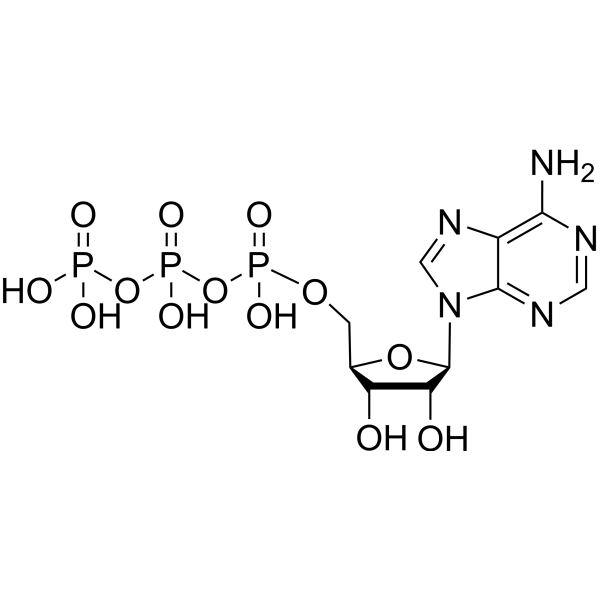
  • HY-B2176
    ATP
    Maximum Cited Publications
    152 Publications Verification

    Adenosine 5'-triphosphate

    Endogenous Metabolite NOD-like Receptor (NLR) Interleukin Related Bacterial Infection Metabolic Disease Inflammation/Immunology
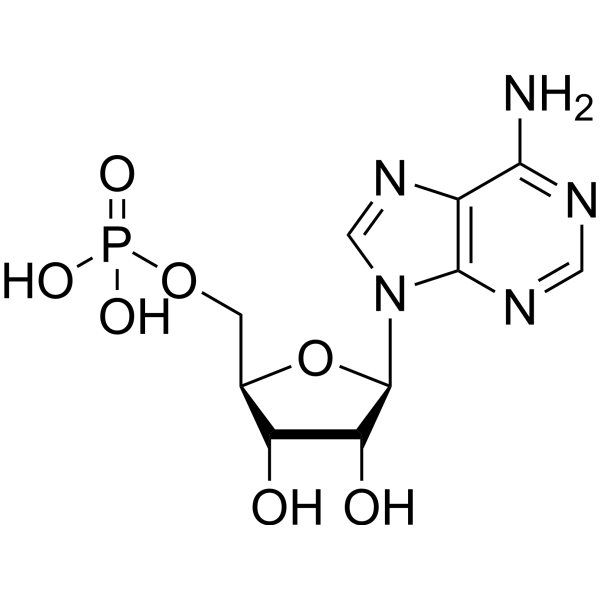
    ATP (Adenosine 5'-triphosphate) is a central component of energy storage and metabolism in vivo. ATP provides the metabolic energy to drive metabolic pumps and serves as a coenzyme in cells. ATP is an important endogenous signaling molecule in immunity and inflammation. ATP can activate the NLRP3 inflammasome and induce IL-1β and chemokines secretion. ATP has anti-bacterial infection effects and can protect mice against bacterial infection in mice .
    ATP
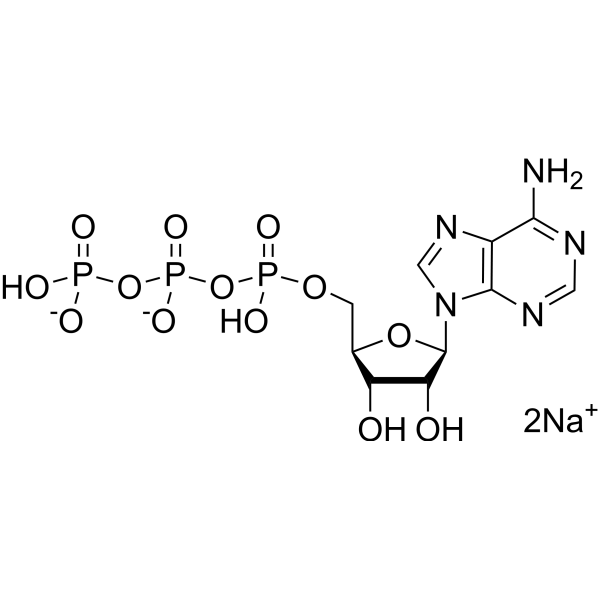
  • HY-B0345A
    ATP disodium salt
    145+ Cited Publications

    Adenosine 5'-triphosphate disodium salt; Disodium adenosine triphosphate

    Endogenous Metabolite Metabolic Disease Inflammation/Immunology Cancer
    ATP disodium salt (Adenosine 5'-triphosphate disodium salt) is a central component of energy storage and metabolism in vivo, provides the metabolic energy to drive metabolic pumps and serves as a coenzyme in cells. ATP disodium salt is an important endogenous signaling molecule in immunity and inflammation .
    ATP disodium salt
  • HY-W010388
    Creatine
    5 Publications Verification

    Endogenous Metabolite Dopamine Receptor Neurological Disease Metabolic Disease Cancer
    Creatine, an endogenous amino acid derivative, plays an important role in cellular energy, especially in muscle and brain.
    Creatine
  • HY-N0305

    5-ALA hydrochloride; δ-Aminolevulinic acid hydrochloride; 5-Amino-4-oxopentanoic acid hydrochloride

    Reactive Oxygen Species (ROS) Neurological Disease Metabolic Disease Inflammation/Immunology Cancer
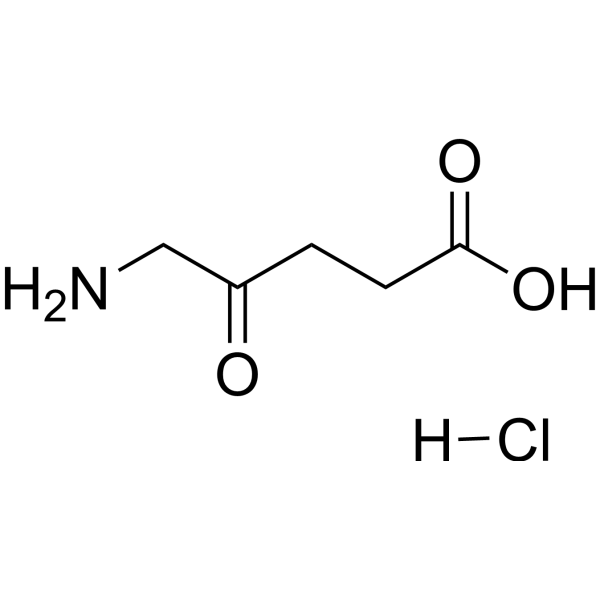
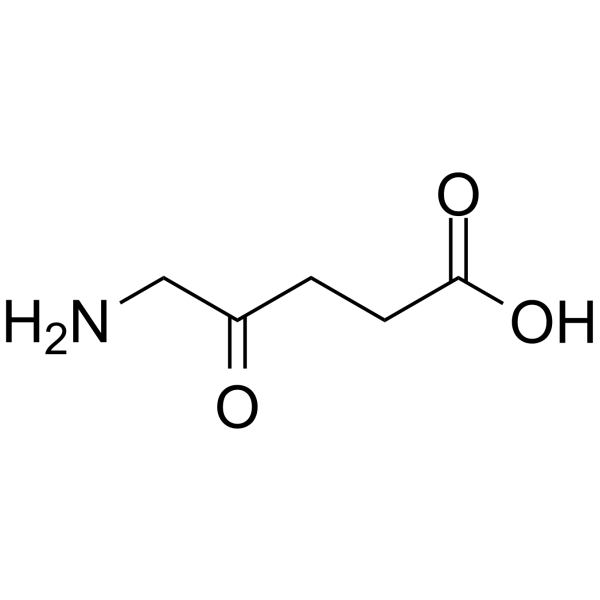
    5-Aminolevulinic acid (5-ALA; δ-Aminolevulinic acid; 5-Amino-4-oxopentanoic acid) hydrochloride is an orally active heme precursor. 5-Aminolevulinic acid hydrochloride promotes aerobic energy metabolism and increases ATP levels by enhancing the activity of cytochrome c oxidase. 5-Aminolevulinic acid hydrochloride enhances LPS-induced proinflammatory cytokine production and gene activation, and restores the phagocytic activity and ROS generation capacity of neutrophils. 5-Aminolevulinic acid hydrochloride selectively accumulates protoporphyrin IX in tumor cells; as a photosensitizer and radiosensitizer, it induces ROS burst upon light or X-ray irradiation to inhibit tumor growth. 5-Aminolevulinic acid hydrochloride can be applied to the research of septic shock, melanoma, and cancer radiotherapy .
    5-Aminolevulinic acid hydrochloride
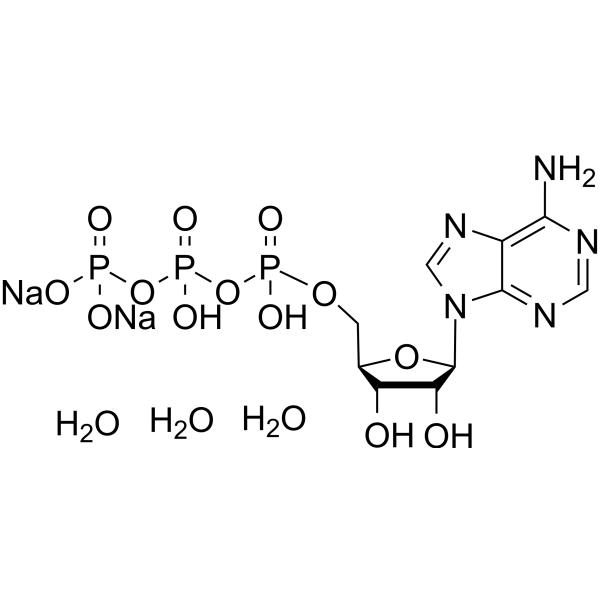
  • HY-B2176A
    ATP disodium trihydrate
    Maximum Cited Publications
    152 Publications Verification

    Adenosine-5'-triphosphate disodium trihydrate

    Endogenous Metabolite Metabolic Disease Inflammation/Immunology Cancer
    ATP disodium trihydrate (Adenosine 5'-triphosphate disodium trihydrate) is a central component of energy storage and metabolism in vivo. ATP disodium trihydrate provides the metabolic energy to drive metabolic pumps and serves as a coenzyme in cells. ATP disodium trihydrate is an important endogenous signaling molecule in immunity and inflammation .
    ATP disodium trihydrate
  • HY-W008807
    Phosphoenolpyruvic acid potassium
    1 Publications Verification

    Phosphoenolpyruvate potassium

    Endogenous Metabolite Metabolic Disease
    Phosphoenolpyruvic acid (Phosphoenolpyruvate) potassium is a glycolysis metabolite with a high-energy phosphate group. Phosphoenolpyruvic acid potassium is involved in glycolysis and gluconeogenesis, and used as energy source to produce ATP, under the energy-limited conditions. Phosphoenolpyruvic acid potassium also exhibits cytoprotective and anti-oxidative properties .
    Phosphoenolpyruvic acid potassium
  • HY-15453
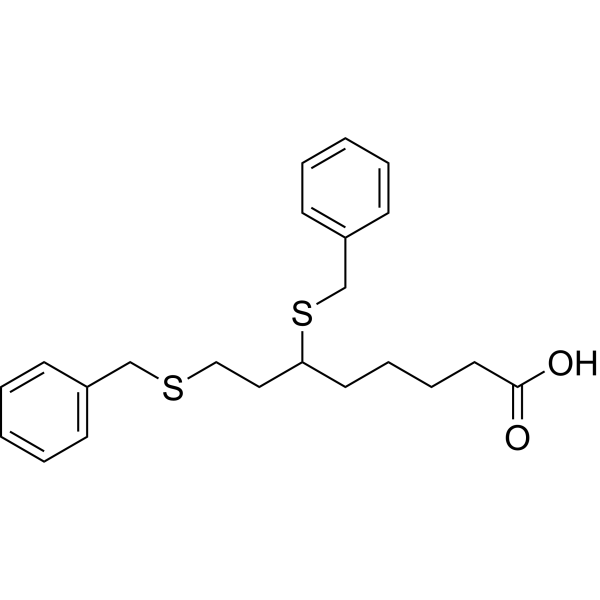
    Devimistat
    20+ Cited Publications

    CPI-613

    Apoptosis Mitochondrial Metabolism Cancer
    Devimistat is a mitochondrial metabolism inhibitor. Devimistat is a lipoic acid antagonist that abrogates mitochondrial energy metabolism to induce apoptosis in various cancer cells .
    Devimistat
  • HY-P4146

    BI 456906

    GLP Receptor GCGR Metabolic Disease
    Survodutide (BI 456906) is a potent, selective glucagon receptor/GLP-1 receptor (GCGR/GLP-1R) dual agonist with EC50s of 0.52 nM and 0.33 nM in CHO-K1 cells, respectively. Survodutide, a 29-amino-acid peptide, is a potent acylated peptide containing a C18 fatty acid. Survodutide has robust anti-obesity efficacy achieved by increasing energy expenditure and decreasing food intake .
    Survodutide
  • HY-W010735
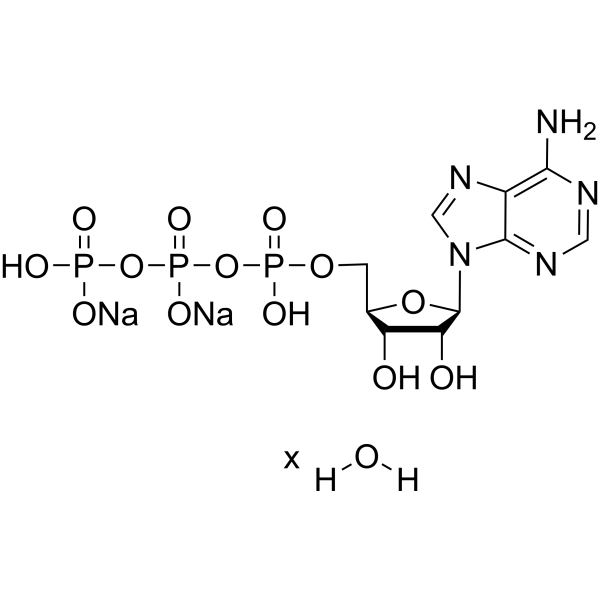
    ATP disodium salt hydrate
    145+ Cited Publications

    Adenosine 5'-triphosphate disodium salt hydrate

    Endogenous Metabolite Metabolic Disease Inflammation/Immunology Cancer
    ATP disodium salt hydrate (Adenosine 5'-triphosphatedisodium salt hydrate) is a central component of energy storage and metabolism in vivo, provides the metabolic energy to drive metabolic pumps and serves as a coenzyme in cells. ATP disodium salt hydrate is an important endogenous signaling molecule in immunity and inflammation .
    ATP disodium salt hydrate
  • HY-W012241

    Endogenous Metabolite PROTAC Linkers Metabolic Disease
    Dodecanedioic acid is an orally active straight-chain dicarboxylic acid. As an alternative energy substrate between lipids and carbohydrates, Dodecanedioic acid can be rapidly oxidized during exercise, reducing muscle fatigue without stimulating insulin secretion. Dodecanedioic acid also exhibits blood glucose-lowering activity in non-insulin-dependent diabetes mellitus .
    Dodecanedioic acid
  • HY-W018772
    D-Ribose(mixture of isomers)
    5 Publications Verification

    Endogenous Metabolite Inflammation/Immunology Cancer
    D-Ribose(mixture of isomers) is an energy enhancer, and acts as a sugar moiety of ATP, and widely used as a metabolic therapy supplement for chronic fatigue syndrome or cardiac energy metabolism. D-Ribose(mixture of isomers) is active in protein glycation, induces NF-κB inflammation in a RAGE-dependent manner .
    D-Ribose(mixture of isomers)
  • HY-W017462
    Creatine monohydrate
    5 Publications Verification

    Endogenous Metabolite PI3K Akt Metabolic Disease Cancer
    Creatine monohydrate, an endogenous amino acid derivative, plays an important role in cellular energy, especially in muscle and brain .
    Creatine monohydrate
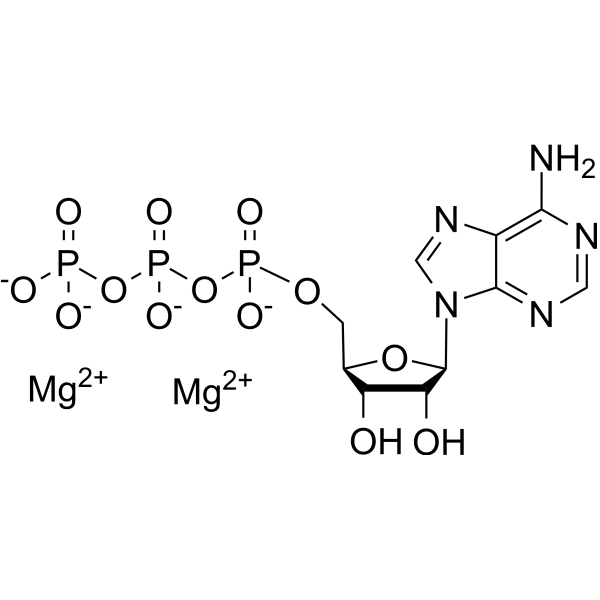
  • HY-B2176B
    ATP dimagnesium
    Maximum Cited Publications
    152 Publications Verification

    Adenosine 5'-triphosphate dimagnesium

    Endogenous Metabolite Inflammation/Immunology
    ATP (Adenosine 5'-triphosphate) dimagnesium is a central component of energy storage and metabolism in vivo. ATP dimagnesium provides the metabolic energy to drive metabolic pumps and serves as a coenzyme in cells. ATP dimagnesium is an important endogenous signaling molecule in immunity and inflammation .
    ATP dimagnesium
  • HY-B2176R

    Adenosine 5'-triphosphate (Standard)

    Reference Standards Endogenous Metabolite Metabolic Disease Inflammation/Immunology
    ATP (Standard) is the analytical standard of ATP. This product is intended for research and analytical applications. ATP (Adenosine 5'-triphosphate) is a central component of energy storage and metabolism in vivo. ATP provides the metabolic energy to drive metabolic pumps and serves as a coenzyme in cells. ATP is an important endogenous signaling molecule in immunity and inflammation . In Vitro: ATP (5 mM; 1 hour) co-treatment with LPS (1 μg/mL) has a synergistic effect on the activation of the NLRP3 inflammasome in HGFs .
    ATP (2 mM; 0.5-24 hours) induces secretion of IL-1β, KC and MIP-2 from BMDMs in a caspase-1 activation-dependent manner .
    ATP promotes neutrophil chemotaxis in vitro .
    In Vivo: ATP (50 mg/kg; i.p.) protects mice against bacterial infection in vivo .
    ATP induces the secretion of IL-1β, KC and MIP-2 and neutrophils recruitment in vivo .
    ATP (Standard)
  • HY-15943
    6-TAMRA
    1 Publications Verification

    6-Carboxytetramethylrhodamine

    Fluorescent Dye Others
    6-TAMRA (6-Carboxytetramethylrhodamine) is a fluorescent dye. 6-TAMRA is often used in combination with 6-FAM (HY-66021) as an acceptor or fluorescence quencher for fluorescence resonance energy transfer (FRET) in biochemical studies such as potassium ion detection and ribonuclease activity assays .
    6-TAMRA
  • HY-B2176S6

    Adenosine 5'-triphosphate-13C10 dilithium

    Isotope-Labeled Compounds Endogenous Metabolite Metabolic Disease Inflammation/Immunology
    ATP- 13C10 (Adenosine 5'-triphosphate- 13C10) dilithium is 13C-labeled ATP (HY-B2176). ATP (Adenosine 5'-triphosphate) is a central component of energy storage and metabolism in vivo. ATP provides the metabolic energy to drive metabolic pumps and serves as a coenzyme in cells. ATP is an important endogenous signaling molecule in immunity and inflammation.
    ATP-13C10 dilithium
  • HY-D1080
    EDANS
    3 Publications Verification

    1,5-EDANS

    Fluorescent Dye Others
    EDANS (1,5-EDANS) is a novel and quenched fluorogenic substrate for assaying retroviral protease by resonance energy transfer (RET) .
    EDANS
  • HY-113511
    Glycogen, Mussel
    2 Publications Verification

    Endogenous Metabolite Metabolic Disease
    Glycogen, Mussel is a glycolytic intermediates and high-energy phosphates that can serve as a form of energy storage in humans, animals, fungi, and bacteria .
    Glycogen, Mussel
  • HY-B1162
    Sulisobenzone
    1 Publications Verification

    Benzophenone-4

    Environmental Pollutants Biochemical Assay Reagents Metabolic Disease
    Sulisobenzone (Benzophenone-4) is a benzophenone-type UV filter. Sulisobenzone can act as a endocrine disrupting compound. Sulisobenzone disrupts energy metabolism, nucleotide synthesis, oxidative stress response, and endocrine function. Sulisobenzone thyroid hormone biosynthesis and induces oxidative stress .
    Sulisobenzone
  • HY-17598
    Rafoxanide
    5+ Cited Publications

    Oxidative Phosphorylation Parasite p38 MAPK Raf Apoptosis Infection Cancer
    Rafoxanide is a poent, orally active halogenated salicylaniline agent with antiparasitic activity. Rafoxanide interferes with energy metabolism in trematodes by uncoupling oxidative phosphorylation. Rafoxanide is also found to be a potent inhibitor of the BRAF V600E mutant protein, which is important in colorectal cancer. Rafoxanide can be used for the control of infestation with Hemonchus species or Fasciola species in sheep and cattle as well as Oestrus ovis in sheep. Rafoxanide can also be used for cancer research .
    Rafoxanide
  • HY-B2176S

    Adenosine 5'-triphosphate-13C10,15N5

    Endogenous Metabolite Metabolic Disease
    ATP- 13C10, 15N5 is the 13C and 15N labeled ATP . ATP (Adenosine 5'-triphosphate) is a central component of energy storage and metabolism in vivo. ATP provides the metabolic energy to drive metabolic pumps and serves as a coenzyme in cells. ATP is an important endogenous signaling molecule in immunity and inflammation .
    ATP-13C10,15N5
  • HY-P2952

    Myokinase; Adk

    Endogenous Metabolite Others
    Recombinant myokinase, Rabbit muscle (Myokinase), is a phosphotransferase enzyme, is often used in biochemical studies. Recombinant myokinase, Rabbit muscle catalyzes the interconversion of adenosine phosphates. Recombinant myokinase, Rabbit muscle monitors phosphate nucleotide levels inside the cell, it plays an important role in cellular energy homeostasis .
    Recombinant myokinase, Rabbit muscle
  • HY-113511C

    Biochemical Assay Reagents Others
    Glycogen, from bovine liver, ≥85% is a branched polymer of glucose synthesized by animal cells for energy storage and release that can be isolated from bovine liver. Glycogen, from bovine liver, ≥85% is a biochemical reagent that can be used for life science related research .
    Glycogen, from bovine liver, ≥85%
  • HY-152231

    Fluorescent Dye Ligands for E3 Ligase Others
    BODIPY FL thalidomide is a high-affinity and selective human cereblon (CRBN)-targeting fluorescent probe with a Kd of 3.6 nM. BODIPY FL thalidomide enables use as a probe in time-resolved fluorescence resonance energy transfer (TR-FRET) binding assays for cereblon ligands. BODIPY FL thalidomide supports development of highly sensitive, selective, stable cereblon TR-FRET binding assays (Ex/Em = 502/510 nm) .
    BODIPY FL thalidomide
  • HY-B2176S5

    Adenosine 5'-triphosphate-15N5 dilithium

    Isotope-Labeled Compounds Endogenous Metabolite Metabolic Disease Inflammation/Immunology
    ATP- 15N5 (Adenosine 5'-triphosphate- 15N5) dilithium is 15N labeled ATP (HY-B2176). ATP (Adenosine 5'-triphosphate) is a central component of energy storage and metabolism in vivo. ATP provides the metabolic energy to drive metabolic pumps and serves as a coenzyme in cells. ATP is an important endogenous signaling molecule in immunity and inflammation.
    ATP-15N5 dilithium
  • HY-W013707

    Cytidine triphosphate disodium dihydrate; 5'-CTP disodium dihydrate

    Endogenous Metabolite Metabolic Disease
    Cytidine-5'-triphosphate disodium dihydrate (5'-CTP disodium dihydrate) is a molecule of high energy, and acts as a coenzyme in glycerophospholipid biosynthesis and protein glycosylation .
    Cytidine-5'-triphosphate disodium dihydrate
  • HY-113049

    Phosphoenolpyruvate

    Endogenous Metabolite Metabolic Disease
    Phosphoenolpyruvic acid (Phosphoenolpyruvate) is a glycolysis metabolite with a high-energy phosphate group. Phosphoenolpyruvic acid is involved in glycolysis and gluconeogenesis, and used as energy source to produce ATP, under the energy-limited conditions. Phosphoenolpyruvic acid also exhibits cytoprotective and anti-oxidative properties .
    Phosphoenolpyruvic acid
  • HY-P3722
    Mca-PLAQAV-Dpa-RSSSR-NH2
    1 Publications Verification

    Fluorescent Dye MMP Others
    Mca-PLAQAV-Dpa-RSSSR-NH2 is a fluorescent substrate peptide that can be used to detect ADAM9, ADAM10, and tumor necrosis factor-α converting enzyme (TACE/ADAM17). Mca-PLAQAV-Dpa-RSSSR-NH2 is a fluorescence resonance energy transfer-based substrate, and its activity can be determined by changes in fluorescence intensity upon cleavage (Ex = 320 nm ; Em = 405 nm) .
    Mca-PLAQAV-Dpa-RSSSR-NH2
  • HY-D1090

    DNA Stain Fluorescent Dye Others
    JOE is a xanthene fluorophore (i.e., 4′,5′-dichloro-2′,7′-dimethoxy-5 (6)-carboxyfluorescein; 2',7'-dimethoxy-4',5'-dichloro-6-carboxyfluorescein) with an absorption wavelength of approximately 525 nm and an emission wavelength of approximately 550 nm. The fluorescence quantum yield of JOE correlates with the rigidity of the linker arm and the distance to dG nucleoside. JOE is commonly used as a fluorescent label for oligonucleotides and molecular beacon probes, and also serves as the acceptor fluorophore in fluorescence energy transfer primers for DNA sequencing .
    ​JOE
  • HY-W017054

    Biochemical Assay Reagents Others
    2-Amino-2-methyl-1,3-propanediol is a solid-solid phase change material with energy release and heat storage properties. 2-Amino-2-methyl-1,3-propanediol can crystallize from a supercooled solid state, release thermal energy during heating, and store thermal energy in the supercooled solid state. 2-Amino-2-methyl-1,3-propanediol can be used in the production of surfactants, vulcanization accelerators, and as a biological buffer .
    2-Amino-2-methyl-1,3-propanediol
  • HY-100935

    CL 263780; (±)-2-Amino-5-[1-hydroxy-2-[(1-methylethyl)amino]ethyl]benzonitrile

    Adrenergic Receptor Metabolic Disease
    Cimaterol (CL 263780) is a β-adrenergic agonist on energy metabolism in ob/ob mice . The Kd for Cimaterol binding to the L6 β-receptor is 26 nM which is compatible with its EC50 for the stimulation of protein synthesis (approx 5 nM) .
    Cimaterol
  • HY-109538

    Secretin Receptor Neurological Disease Metabolic Disease
    Secretin (swine), a neuroendocrine hormone, is the first hormone to be identifie and is secreted by S cells that are localized primarily in the mucosa of the duodenum. Secretin also is a 27-amino acid peptide, which acts on secretin receptors. Secretin is expressed by cells in all mature enteroendocrine cell subsets and can be prompted by fatty acids. Secretin stimulates the secretion of pancreatic water and bicarbonate. Secretin exerts various effects in organs, can be used for the research of digestive system, central nervous system and energy metabolism .
    Secretin (swine)
  • HY-W008807S

    Phosphoenolpyruvate potassium-13C2

    Isotope-Labeled Compounds Endogenous Metabolite Metabolic Disease
    Phosphoenolpyruvic acid (potassium)- 13C2 is the 13C labeled Phosphoenolpyruvic acid potassium (HY-W008807) . Phosphoenolpyruvic acid (Phosphoenolpyruvate) potassium is a glycolysis metabolite with a high-energy phosphate group. Phosphoenolpyruvic acid potassium is involved in glycolysis and gluconeogenesis, and used as energy source to produce ATP, under the energy-limited conditions. Phosphoenolpyruvic acid potassium also exhibits cytoprotective and anti-oxidative properties .
    Phosphoenolpyruvic acid potassium-13C2
  • HY-D0705

    Hydrogen 4-aminoazobenzene-3,4'-disulphonate sodium salt

    Fluorescent Dye Others
    Acid Yellow 9 monosodium salt is an azo dye, degraded by Pseudomonas fluorescens as sole source of carbon, nitrogen and energy for the bacterium .
    Acid Yellow 9 monosodium salt
  • HY-B2176C
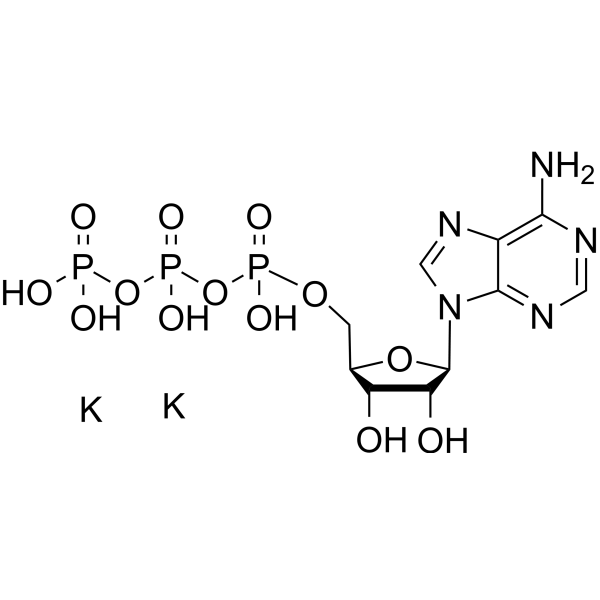
    ATP dipotassium
    140+ Cited Publications

    Adenosine 5'-triphosphate dipotassium

    Endogenous Metabolite Metabolic Disease Inflammation/Immunology Cancer
    ATP dipotassium (Adenosine 5'-triphosphate dipotassium) is a central component of energy storage and metabolism in vivo. ATP dipotassium provides the metabolic energy to drive metabolic pumps and serves as a coenzyme in cells. ATP dipotassium is an important endogenous signaling molecule in immunity and inflammation .
    ATP dipotassium
  • HY-B2176S4

    Adenosine 5'-triphosphate-d14 dilithium

    Isotope-Labeled Compounds Endogenous Metabolite Metabolic Disease Inflammation/Immunology
    ATP-d14 (Adenosine 5'-triphosphate-d14) dilithium is deuterium labeled ATP (HY-B2176). ATP (Adenosine 5'-triphosphate) is a central component of energy storage and metabolism in vivo. ATP provides the metabolic energy to drive metabolic pumps and serves as a coenzyme in cells. ATP is an important endogenous signaling molecule in immunity and inflammation.
    ATP-d14 dilithium
  • HY-N9625

    Photosystem II Others
    Violaxanthin is a lipophilic epoxy carotenoid and a light energy scavenger with biological activities such as antioxidation and anti-inflammation. Violaxanthin exists in photosynthetic eukaryotes including higher plants and participates in the xanthophyll cycle. As a component of the xanthophyll cycle, violaxanthin can be synthesized from zeaxanthin under the catalysis of epoxidase and scavenge excess light energy in photosynthetic eukaryotes .
    Violaxanthin
  • HY-D1682

    Fluorescent Dye Others
    NFQ1 is a non-fluorescent quencher (absorption wavelength: 474 nm), and is used for a new type of One Sample Fluorescence Resonance Energy Transfer (OS-FRET) method. OS-FRET enable measurement of unquenched donor emission in the same sample. NFQ1 shows broad absorption spectrum ensuring its utility as a dark acceptor for many donors .
    NFQ1
  • HY-117771A

    DAGL Neurological Disease Metabolic Disease
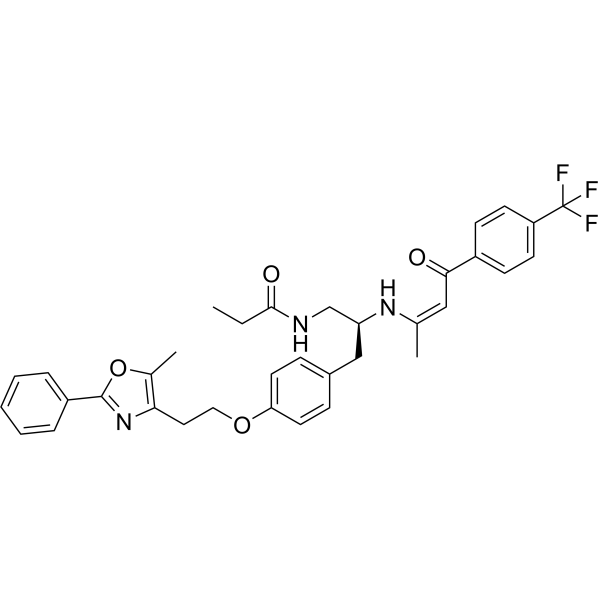
    DO34 analog is a structural analog of DO34 (HY-117771). DO34 is a selective DAGL inhibitor, with an IC50 of 6 nM for DAGLα conversion of SAG to 2-AG. DO34 can be used for the research of energy balance disorder and neuroinflammation .
    DO34 analog
  • HY-W011704

    Phosphoenolpyruvate cyclohexylammoniu​m salt

    Endogenous Metabolite Metabolic Disease
    Phosphoenolpyruvic acid (Phosphoenolpyruvate) cyclohexylammonium salt is a glycolysis metabolite with a high-energy phosphate group. Phosphoenolpyruvic acid cyclohexylammonium salt is involved in glycolysis and gluconeogenesis, and used as energy source to produce ATP, under the energy-limited conditions. Phosphoenolpyruvic acid cyclohexylammonium salt also exhibits cytoprotective and anti-oxidative properties .
    Phosphoenolpyruvic acid cyclohexylammoniu​m salt
  • HY-W018772S12

    Isotope-Labeled Compounds Endogenous Metabolite Inflammation/Immunology Cancer
    D-Ribose-d6 is the deuterium labeled D-Ribose. D-Ribose is an energy enhancer, and acts as a sugar moiety of ATP, and widely used as a metabolic therapy supplement for chronic fatigue syndrome or cardiac energy metabolism. D-Ribose is active in protein gl
    D-Ribose-d6
  • HY-113006

    Endogenous Metabolite Cardiovascular Disease Metabolic Disease Cancer
    3-Methylglutarylcarnitine is a biomarker of disease associated with compromised mitochondrial energy metabolism .
    3-Methylglutarylcarnitine
  • HY-B0345AS

    Endogenous Metabolite Metabolic Disease
    ATP- 18O4 (disodium salt) is the 18O labeled ATP disodium salt . ATP disodium salt (Adenosine 5'-triphosphate disodium salt) is a central component of energy storage and metabolism in vivo, provides the metabolic energy to drive metabolic pumps and serves as a coenzyme in cells. ATP disodium salt is an important endogenous signaling molecule in immunity and inflammation .
    ATP-18O4 sodium
  • HY-B2176S7

    Adenosine 5'-triphosphate-13C2 dilithium

    Isotope-Labeled Compounds Endogenous Metabolite Metabolic Disease Inflammation/Immunology
    ATP- 13C2 (Adenosine 5'-triphosphate- 13C2) dilithium is 13C-labeled ATP (HY-B2176). ATP (Adenosine 5'-triphosphate) is a central component of energy storage and metabolism in vivo. ATP provides the metabolic energy to drive metabolic pumps and serves as a coenzyme in cells. ATP is an important endogenous signaling molecule in immunity and inflammation.
    ATP-13C2 dilithium
  • HY-145249

    PROTAC Linkers Inflammation/Immunology
    ATP-PEG8-Biotin is a PEG-based linker that incorporates ATP. ATP is a central component of energy storage and metabolism in vivo. ATP provides the metabolic energy to drive metabolic pumps and serves as a coenzyme in cells. ATP is an important endogenous signaling molecule in immunity and inflammation .
    ATP-PEG8-Biotin
  • HY-B2176E
    ATP magnesium
    140+ Cited Publications

    Adenosine 5'-triphosphate magnesium

    Endogenous Metabolite Metabolic Disease Inflammation/Immunology
    ATP (Adenosine 5'-triphosphate) magnesium is a central component of energy storage and metabolism in vivo. ATP magnesium provides the metabolic energy to drive metabolic pumps and serves as a coenzyme in cells. ATP magnesium is an important endogenous signaling molecule in immunity and inflammation .
    ATP magnesium
  • HY-W010283

    Biochemical Assay Reagents Others
    2,3-Dimethylindol is an organic liquid hydrogen carrier (LOHC). 2,3-Dimethylindol enables reversible hydrogen storage and release via catalytic hydrogenation/dehydrogenation reactions. 2,3-Dimethylindol is promising for research of clean energy storage .
    2,3-Dimethylindole
  • HY-B0345AR

    Adenosine 5'-triphosphate disodium (Standard); Disodium adenosine triphosphate (Standard)

    Reference Standards Endogenous Metabolite Metabolic Disease Inflammation/Immunology Cancer
    ATP disodium salt (Standard) is the analytical standard of ATP disodium salt (HY-B0345A). This product is intended for research and analytical applications. ATP disodium salt (Adenosine 5'-triphosphate disodium salt) is a central component of energy storage and metabolism in vivo, provides the metabolic energy to drive metabolic pumps and serves as a coenzyme in cells. ATP disodium salt is an important endogenous signaling molecule in immunity and inflammation .
    ATP disodium (Standard)
  • HY-D1080R

    1,5-EDANS (Standard)

    Fluorescent Dye Reference Standards Others
    EDANS (1,5-EDANS) (Standard) is an analytical standard for EDANS. This product is intended for research and analytical applications. EDANS (1,5-EDANS) is a novel quenched fluorogenic substrate for the analysis of retroviral proteases by resonance energy transfer .
    EDANS (Standard)
  • HY-W010062

    Drug Derivative Cytochrome P450 Estrogen Receptor/ERR Metabolic Disease Cancer
    4-Chlorophenylacetic acid is a halogenated phenylacetic acid derivative. 4-Chlorophenylacetic acid is a potent aromatase inhibitor and antagonizes estrogen signaling. 4-Chlorophenylacetic acid can provide carbon and energy for Pseudomonas sp. strain CBS3. 4-Chlorophenylacetic acid is effective against estrogen-induced mammary tumorigenesis .
    4-Chlorophenylacetic acid

Inquiry Online

Your information is safe with us. * Required Fields.

Salutation


Country or Region *

Applicant Name *


Organization Name *

Department *


Email Address *


Product Name *

Cat. No.


Requested quantity *

Phone Number *


Remarks

Inquiry Online

Inquiry Information

Product Name:
Cat. No.:
Quantity:
MCE Japan Authorized Agent:

