Search Result
Results for "
exposure
" in MedChemExpress (MCE) Product Catalog:
10
Biochemical Assay Reagents
27
Isotope-Labeled Compounds
| Cat. No. |
Product Name |
Target |
Research Areas |
Chemical Structure |
-
- HY-A0183
-
|
Phospholipids, phosphatidylserines; Serine glycerophosphatides
|
Akt
TGF-β Receptor
|
Inflammation/Immunology
|
|
Phosphatidylserine (Phospholipids) is a well-conserved anti-inflammatory and immunosuppressive signal. Phosphatidylserine is involved in membrane translocation and the activation of protein kinase C, participating in Akt signaling through its interaction with PIP3. The local exposure of Phosphatidylserine can interact with complement and other proteins, promoting microglial phagocytosis during critical periods of synaptic refinement. Phosphatidylserine can promote blood coagulation in the extracellular environment and acts as a "eat me" signal to clear out apoptotic cells. Phosphatidylserine can suppress inflammation in tissues by inducing TGF-β secretion and inhibiting immune responses .
|
-
-
- HY-15234
-
|
|
Glucocorticoid Receptor
|
Inflammation/Immunology
|
|
Fluticasone furoate is a topical, intranasal, enhanced-affinity synthetic trifluorinated corticosteroid with a Kd of 0.3 nM. Fluticasone furoate has potent anti-inflamatory and anti-asthmatic activity, and low systemic exposure. Fluticasone furoate has the potential for allergic rhinitis treatment .
|
-
-
- HY-W011689
-
6PPD
1 Publications Verification
|
Reactive Oxygen Species (ROS)
|
Others
|
|
6PPD is a rubber antioxidant that scavenges ozone and forms nitro radicals. Exposure to 6PPD reduces the hatching rate, impairs spontaneous locomotor activity, shortens body length and causes malformations in zebrafish embryos. 6PPD also induces oxidative stress in zebrafish embryos .
|
-
-
- HY-156618
-
|
ABSK011
|
FGFR
|
Cancer
|
|
Irpagratinib (ABSK011) is an orally active FGFR4 inhibitor (IC50<10 nM). Irpagratinib inhibits FGFR4 autophosphorylation and blocks signaling from FGFR4 to downstream pathway activation. Irpagratinib has shown high exposure in PK studies in mice, rats, and dogs, and also demonstrated antitumor activity in a subcutaneous xenograft tumor model .
|
-
-
- HY-113093
-
|
|
Endogenous Metabolite
Toll-like Receptor (TLR)
|
Neurological Disease
|
|
Ethyl glucuronide is an endogenous metabolite. Ethyl glucuronide is the metabolite of ethanol. Ethyl glucuronide is a biomarker for ethanol exposure that accumulates in hair and reflects the alcohol intake over a time period. Ethyl glucuronide is the agonist for TLR4 .
|
-
-
- HY-113247
-
|
|
Drug Metabolite
|
Others
|
|
trans-trans-Muconic acid is a urinary metabolite of Benzene. trans-trans-Muconic acid serves as a urinary biomarker for occupational benzene exposure .
|
-
-
- HY-15043
-
|
|
Bradykinin Receptor
|
Inflammation/Immunology
Endocrinology
|
|
ELN-441958 is a potent, neutral, competitive and selective bradykinin B1 receptor antagonist with a Ki of 0.26 nM against native human bradykinin B1 receptor. ELN-441958 has high oral bioavailability, and has low CNS exposure in the mouse .
|
-
-
- HY-16100
-
|
|
Fatty Acid Synthase (FASN)
|
Metabolic Disease
Cancer
|
|
BI 99179, a chemical probe, is a potent and selective type I fatty acid synthase (FAS) inhibitor with an IC50 of 79 nM. BI 99179 is a tool compound suitable for the in vivo validation of FAS as a target for lipid metabolism related diseases. BI 99179 exhibits significant exposure (both peripheral and central) upon oral administration in rats .
|
-
-
- HY-W014075
-
|
|
Aryl Hydrocarbon Receptor
Cytochrome P450
Collagen
|
Inflammation/Immunology
|
|
1-Hydroxypyrene, a biomarker of exposure to polycyclic aromatic hydrocarbons (PAHs), is analyzed in urine samples. 1-Hydroxypyrene is the major biomarker of exposure to pyrenes. 1-Hydroxypyrene is the orally active agonist for aryl hydrocarbon receptor (AhR) and can lead to renal fibrosis .
|
-
-
- HY-B1444
-
|
|
Bacterial
Fungal
Antibiotic
|
Infection
|
|
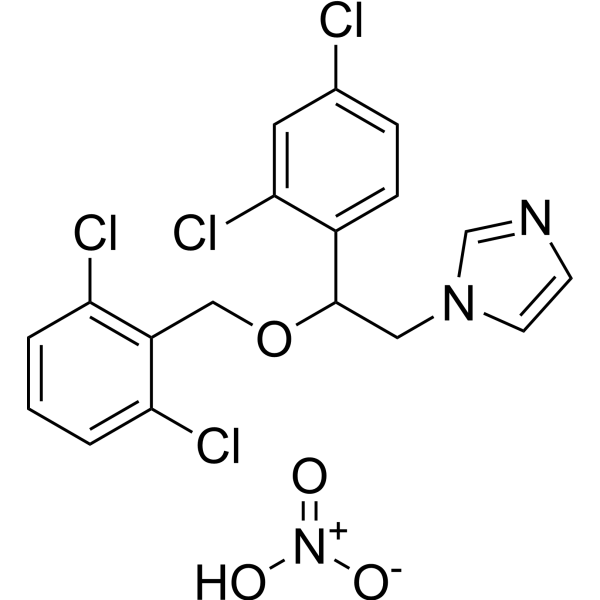
Isoconazole nitrate is a broad-spectrum antimicrobial agent with a highly effective antimycotic and gram-positive antibacterial activity, exhibiting a rapid rate of absorption and low systemic exposure potential .
|
-
-
- HY-W010255
-
-
-
- HY-B0487
-
|
Pregneninolone; 17α-Ethynyltestosterone
|
Estrogen Receptor/ERR
|
Metabolic Disease
|
|
Ethisterone (Pregneninolone; 17α-Ethynyltestosterone) is a synthetic steroidal estrogen, is an orally active steroidal contraceptive agent. Ethisterone has almost no effect on the phagocytic activity of the reticuloendothelial system in male guinea pigs, while in utero exposure can induce abnormalities in the urogenital system of offspring .
|
-
-
- HY-76025S
-
|
p-Dibromobenzene-d4
|
Isotope-Labeled Compounds
|
Inflammation/Immunology
|
|
1,4-Dibromobenzene-d4 is a deuterium labeled 1,4-Dibromobenzene. 1,4-Dibromobenzene is used as a fumigant and as a chemical intermediate for pharmaceuticals. Inhalation exposure gives rise to dizziness and chokingwhereas contact with skin or eye produces inflammation and burning in humans .
|
-
-
- HY-116565
-
|
SUVN-D4010
|
5-HT Receptor
|
Neurological Disease
|
|
Usmarapride (SUVN-D4010) (Example 3)is a potent, selective, orally active and brain penetrant 5-HT4 receptor partial agonist (EC50=27.5 nM). Usmarapride (SUVN-D4010) can be used for the research of cognitive deficits associated with Alzheimer's disease .
|
-
-
- HY-B0459
-
Scopine
2 Publications Verification
6,7-Epoxytropine
|
Drug Metabolite
|
Neurological Disease
Cancer
|
|
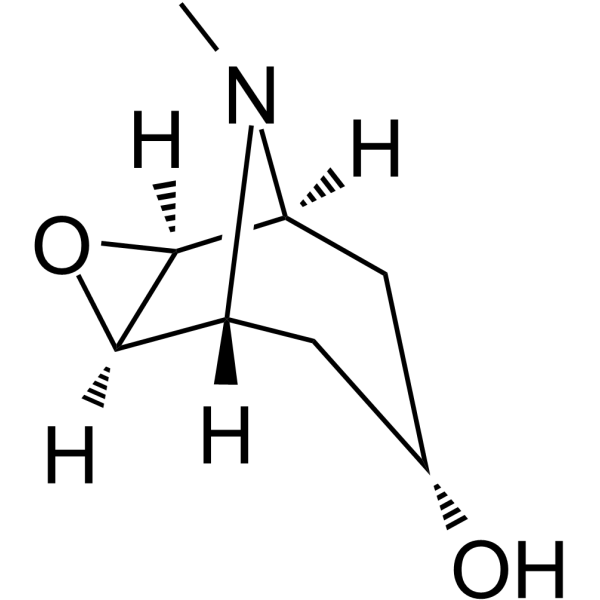
Scopine is a metabolite of Scopolamine (HY-N0296) and brain-targeting compound. Scopine significantly increases the brain exposure of Chlorambucil (HY-13593) and enhances its anti-glioma activity. Scopine can be used in targeted therapy research for brain gliomas .
|
-
-
- HY-B0459A
-
|
6,7-Epoxytropine hydrochloride
|
Drug Metabolite
|
Neurological Disease
Cancer
|
|
Scopine hydrochloride is a metabolite of Scopolamine (HY-N0296) and brain-targeting compound. Scopine hydrochloride significantly increases the brain exposure of Chlorambucil (HY-13593) and enhances its anti-glioma activity. Scopine hydrochloride can be used in targeted therapy research for brain gliomas .
|
-
-
- HY-148233S
-
|
|
Casein Kinase
|
Others
|
|
JNJ-6204 is a dual inhibitor for CSNK1D (Casein Kinase 1 Delta) and CSNK1E (Casein Kinase 1 Epsilon) (CSNK1D IC50=2.3 nM; CSNK1E IC50=137 nM). JNJ-6204 shows good brain exposure .
|
-
-
- HY-163087
-
-
-
- HY-W014075S
-
-
-
- HY-113266
-
|
|
Endogenous Metabolite
|
Metabolic Disease
|
|
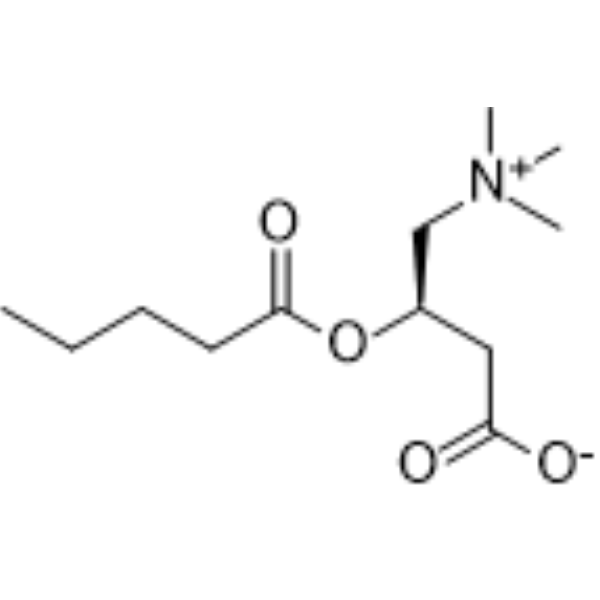
Valerylcarnitine is an endogenous metabolite, belonging to the short-chain acylcarnitines. Valerylcarnitine acts as a metabolomic biomarker for ionizing radiation exposure in nonhuman primates. Valerylcarnitine can be used for the research of type 1 diabetes .
|
-
-
- HY-W013989
-
|
|
Epoxide Hydrolase
|
Cardiovascular Disease
|
|
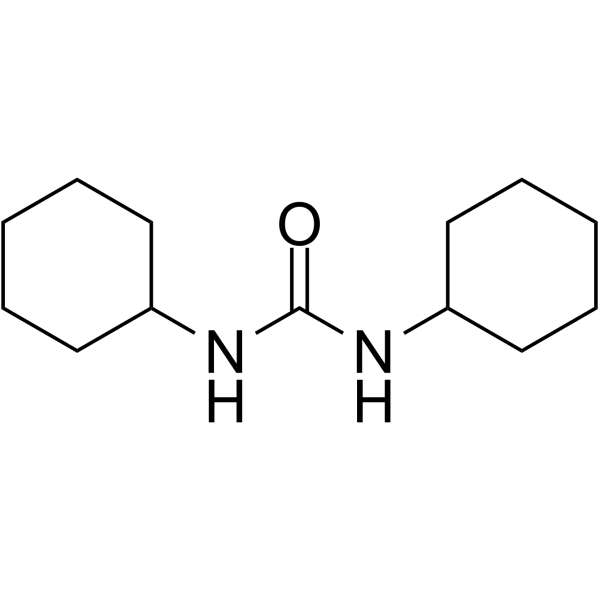
1,3-Dicyclohexylurea (DCU) is an orally active and potent sEH (soluble epoxide hydrolase) inhibitor. Oral Delivery of 1,3-Dicyclohexylurea nanosuspension enhances exposure and lowers blood pressure in hypertensive Rats .
|
-
-
- HY-W014815
-
|
2-Bromopyridine-5-boronic acid
|
Biochemical Assay Reagents
|
Others
|
|
BPBA (2-Bromopyridine-5-boronic acid) is a new labeling reagent. BPBA is used to derivatize brassinosteroids (BRs). BPBA is used for biomarker analysis of exposure to environmental pollutants such as styrene and 1,3-butadiene .
|
-
-
- HY-126316
-
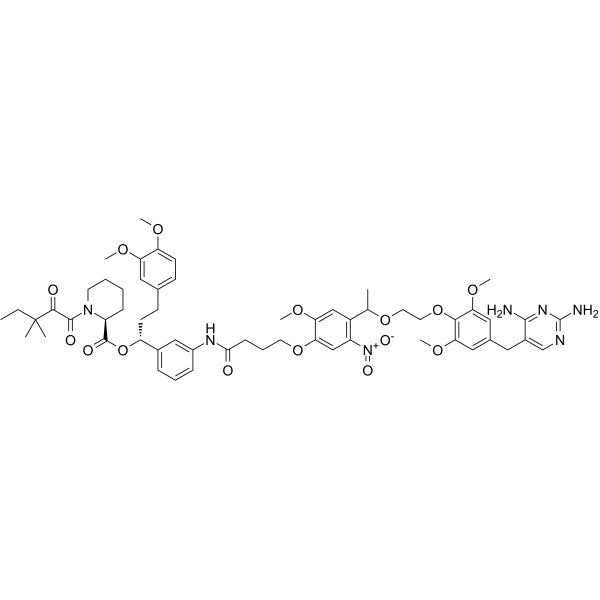
Zapalog
1 Publications Verification
|
FKBP
|
Others
|
|
Zapalog is a photocleavable small-molecule heterodimerizer that can be used to repeatedly initiate, and instantaneously terminate, a physical interaction between two target proteins. Zapalog dimerizes any two proteins tagged with the FKBP and DHFR domains until exposure to light causes its photolysis .
|
-
-
- HY-21200
-
|
1-Perfluoroheptanesulfonic acid; Perfluoroheptanesulphonic acid; PFHpS
|
iGluR
|
Infection
|
|
Perfluoroheptanesulfonic acid (1-Perfluoroheptanesulfonic acid; Perfluoroheptanesulphonic acid) is a perfluoroalkyl substance (PFAS). PFHpS can induce malformations in zebrafish larvae (EC50=168.1 μM). It has also been found in landfill leachate, and fetal exposure to PFHpS can lead to reduced birth weight.
|
-
-
- HY-110146
-
|
|
mGluR
|
Neurological Disease
|
|
XAP044 is a potent and selective antagonist of mGlu7. The metabotropic glutamate receptor subtype 7 (mGlu7) is an important presynaptic regulator of neurotransmission in the mammalian CNS. XAP044 demonstrates good brain exposure and wide spectrum anti-stress and antidepressant- and anxiolytic-like efficacy in rodent behavioral paradigms .
|
-
-
- HY-136612
-
|
|
Drug Metabolite
|
Others
|
|
DCBA is a metabolite of insect repellent N-N-diethyl-meta-toluamide (DEET). The concentration of DCBA in urine can assess exposure to DEET .
|
-
-
- HY-W101367
-
|
N-Acetyl-S-benzyl-L-cysteine; Benzylmercapturic acid
|
Drug Metabolite
|
Others
|
|
Ac-Cys(Bzl)-OH (N-Acetyl-S-benzyl-L-cysteine) is a toluene metabolite. Ac-Cys(Bzl)-OH in urine samples is a good marker of occupational toluene exposure.
|
-
-
- HY-P99792
-
|
NM57; rhRIG
|
RABV
|
Infection
|
|
Ormutivimab (rhRIG) is a recombinant human monoclonal antibody, targeting rabies virus. Ormutivimab neutralizes a variety of rabies virus strains. Ormutivimab exhibits potent potency against rabies post-exposure prophylaxis (PEP) model .
|
-
-
- HY-163671
-
|
|
GPR52
|
Neurological Disease
|
|
PW0729 (compound 15b) is an orphan GPR52 agonist with potential applications in GPR52 activation, signaling bias, and neuropsychiatric and neurological disorders. The brain exposure characteristics of PW0729 need to be further optimized .
|
-
-
- HY-128431
-
|
|
Reactive Oxygen Species (ROS)
|
Neurological Disease
Metabolic Disease
|
|
Arochlor 1254 is a polychlorinated biphenyl (PCB) mixture with biphenyl and 54% chlorine. Aroclor 1254 reduced cell viability and induced overproduction of intracellular reactive oxygen species in a dose-dependent manner. Arochlor 1254 exposure reduces calcium homeostasis, osteoblast differentiation and bone formation .
|
-
-
- HY-124713
-
|
|
DNA/RNA Synthesis
|
Neurological Disease
|
|
ML372 inhibits survival motor neuron (SMN) protein ubiquitination, increases SMN protein stability without affecting mRNA expression. ML372 improves spinal muscular atrophy (SMA) in mice. ML372 is brain penetrant and has a reasonable exposure and half-life in vivo .
|
-
-
- HY-N11222
-
|
C9 carnitine
|
Endogenous Metabolite
|
Cardiovascular Disease
Cancer
|
|
Nonanoylcarnitine is a metabolite associated with chronic environmental exposure to polycyclic aromatic hydrocarbons (PAH) and fragmented QRS waves in acute myocardial infarction. Nonanoylcarnitine can be used as a potential biomarker for the metabolic outcome of PAH exposure and the prognosis of acute myocardial infarction .
|
-
-
- HY-116787
-
|
5-OHTBZ
|
Drug Metabolite
|
Others
|
|
5-Hydroxythiabendazole (5-OHTBZ) is a biomarker of Thiabendazole (HY-B0263) exposure .
|
-
-
- HY-116496
-
|
N7-Methyladenine
|
DNA Alkylator/Crosslinker
|
Cancer
|
|
7-Methyladenine (N7-Methyladenine), a methylated analog of Adenine (HY-B0152), is a biomarker of DNA damage from exposure to methylating agents .
|
-
-
- HY-148177
-
|
ZY-19489; MMV 253; AZ13721412
|
Parasite
|
Infection
|
|
Sutidiazine (ZY-19489) is an orally active and antimalarial agent. Sutidiazine inhibits parasitemia-induced infection. Sutidiazine shows short half-lives (approximately 7 h) and an exposure effect .
|
-
-
- HY-143368S
-
|
|
Isotope-Labeled Compounds
|
Others
|
|
L-Phenylmercapturic acid-d5 is the deuterium labeled L-Phenylmercapturic acid (HY-143368) . L-Phenylmercapturic acid is often used as a biomarker for exposure to aniline compounds such as aniline and xylene .
|
-
-
- HY-113247S
-
|
|
Endogenous Metabolite
|
Metabolic Disease
|
|
trans-trans-Muconic acid-d4 is the deuterium labeled trans-trans-Muconic acid . trans-trans-Muconic acid is a urinary metabolite of benzene and has been used as a biomarker of exposure to benzene in human .
|
-
-
- HY-161092
-
|
|
HCN Channel
Potassium Channel
|
Neurological Disease
|
|
KIO-301 chloride is an azobenzene photoswitch compound that can block voltage-gated ion channels, including hyperpolarisation-activated cyclic nucleotide-gated (HCN) and voltage-gated potassium channels during exposure to visible light .
|
-
-
- HY-161092A
-
|
|
HCN Channel
Potassium Channel
|
Neurological Disease
|
|
KIO-301 chloride hydrochloride is an azobenzene photoswitchable compound that blocks voltage-gated ion channels, including hyperpolarization-activated cyclic nucleotide gating (HCN, during exposure to visible light) ) and voltage-gated potassium channels (voltage-gated potassium channels) .
|
-
-
- HY-175045
-
|
|
Bacterial
|
Infection
|
|
77PD-Q is a p-phenylenediamine (PPD) derivative. 77PD-Q exhibits toxic to the aquatic bacterium V. fischeri. 77PD-Q can be used as an exposure biomarker in environmental monitoring .
|
-
-
- HY-114652
-
|
2-Amino-α-carboline; AαC
|
Endogenous Metabolite
|
Cancer
|
|
AalphaC (AαC) is a potential carcinogen with carcinogenic activity. AalphaC is an important biomarker in tobacco smoke and is associated with tobacco smoke exposure. Urinary concentrations of AalphaC are significantly higher in dedicated smokers than in non-smokers, indicating its importance in monitoring tobacco exposure. AalphaC levels increase significantly with increasing serum nicotine levels, indicating its close relationship with tobacco use. In addition, consuming high-temperature cooked beef significantly increases the amount of AalphaC in urine, while consuming vegetables is associated with a decrease in AalphaC concentrations. Smoking half a pack of cigarettes is associated with a significant increase in the amount of AalphaC, which further confirms the biological activity of AalphaC and its association with dietary habits .
|
-
-
- HY-118622
-
|
|
Others
|
Others
|
Isogentisin is a cell protector. Isogentisin can shield human umbilical vein endothelial cells (HUVEC) from cell death caused by H202 and UV exposure. Isogentisin can also prevent endothelial damage triggered by smoking by activating cell repair functions to promote cell survival .
|
-
-
- HY-161685
-
-
-
- HY-155672
-
|
|
5-HT Receptor
|
Neurological Disease
|
|
JPC0323 is a dual 5-HT2C/5-HT2A receptor positive allosteric modulator. JPC0323 has on-target properties, acceptable plasma exposure and brain penetration. JPC0323 can be used for the research of neurological disease .
|
-
-
- HY-W011848S
-
|
2-((Benzyloxy)carbonyl)benzoic acid-d4
|
Isotope-Labeled Compounds
Endogenous Metabolite
|
Metabolic Disease
|
|
Monobenzyl phthalate-d4 is the deuterium labeled Monobenzyl phthalate. Monobenzyl phthalate (2-((Benzyloxy)carbonyl)benzoic acid) is the urinary metabolite exposuring to phthalates, such as, diethylhexyl phthalate (DEHP) .
|
-
-
- HY-158615
-
|
Stimulator of interferon genes 18
|
Others
|
Others
|
|
STING18 (Stimulator of interferon genes 18) is a compound that inhibits STING protein by utilizing a small molecule active site dimer, with good oral exposure, slow binding kinetics, and functional inhibitory activity on STING-mediated cytokine release.
|
-
-
- HY-W587741
-
|
Dihydroxybutyl mercapturic acid; DHBMA
|
Drug Metabolite
|
Others
|
|
N-Acetyl-S-(3,4-dihydroxybutyl)-L-cysteine (Dihydroxybutyl mercapturic acid) is a biomarkersof 1,3-butadiene exposure. 1,3-Butadiene is a known human carcinogen present in cigarette smoke and in automobile exhaust.
|
-
-
- HY-B1855
-
|
Epoxyheptachlor
|
Biochemical Assay Reagents
|
Others
|
|
(±)-cis-Heptachlor epoxides, are degradation products of heptachlor that can occur in or on soil and crops when treated with heptachlor, a pesticide. Heptachlor is readily formed upon exposure to air. Everett CJ, Thompson OM. Environmental Health Pastor. 2015;30(2):93-7.
|
-
-
- HY-142644
-
-
-
- HY-141810
-
|
|
Myosin
|
Others
|
|
MT-134 is a SkMII-specific inhibitor and has excellent exposure in muscles.
|
-
- HY-18237
-
|
|
Src
|
Others
|
|
KX1-004 is a potent and non-ATP competitive Src-PTK inhibitor with an IC50 of 40 μM. KX1-004 protects the cochlea from hazardous noise and prevents noise-induced hearing loss (NIHL) .
|
-
- HY-116565A
-
|
SUVN-D4010 free base
|
5-HT Receptor
|
Neurological Disease
|
|
Usmarapride (SUVN-D4010) free base is a potent, selective, orally active and brain penetrant 5-HT4 receptor partial agonist (EC50=44 nM). Usmarapride (SUVN-D4010) free base can be used for the research of cognitive deficits associated with Alzheimer's disease .
|
-
- HY-14404
-
|
|
HBV
HCV Protease
|
Infection
|
|
MK-1220 is a covalently reversible inhibitor of the hepatitis C virus (HCV) NS3/4A protease (NS3/4A protease) with a Ki of 0.02 nM. MK-1220 in cell models simulating viral replication exhibits EC50s of 4 (with 10% fetal bovine serum) and 11 nM (50% normal human serum). MK-1220 can be used for the study of chronic hepatitis C virus infection .
|
-
- HY-W653780
-
|
DMTP; O,O-Dimethyl phosphorothionate
|
Endogenous Metabolite
|
Others
|
|
Dimethyl phosphorothioate (DMTP; O,O-Dimethyl phosphorothionate) is a metabolite of organophosphate pesticides. Dimethyl phosphorothioate can be used as a biomonitoring indicator for assessing pesticide exposure levels of organophosphate pesticides and identifying high-risk groups .
|
-
- HY-W328786
-
|
|
Drug Metabolite
|
Metabolic Disease
|
|
4-Hydroxy-BHT is metabolite of Butylated hydroxytoluene (HY-Y0172) and used as an indicator of exposure to Butylated hydroxytoluene. Butylated hydroxytoluene is a phenolic antioxidant used widely in processed foods and petroleum products .
|
-
- HY-W017431
-
|
|
Drug Metabolite
|
Metabolic Disease
|
|
2,5-Dimethylbenzoic acid is one of the main urinary metabolites of Pseudocumene (1,2,4-trimethylbenzene) in rats. 2,5-Dimethylbenzoic acid can be used to quantitatively determine the inhalation exposure level of Pseudocumene .
|
-
- HY-B1444R
-
|
|
Reference Standards
Bacterial
Fungal
Antibiotic
|
Infection
|
|
Isoconazole (nitrate) (Standard) is the analytical standard of Isoconazole (nitrate). This product is intended for research and analytical applications. Isoconazole nitrate is a broad-spectrum antimicrobial agent with a highly effective antimycotic and gram-positive antibacterial activity, exhibiting a rapid rate of absorption and low systemic exposure potential .
|
-
- HY-130609A
-
|
|
γ-secretase
|
Neurological Disease
|
|
Aβ42-IN-1 free base (compound 1v) is an orally active, high brain exposure γ-secretase modulator. Aβ42-IN-1 free base potently reduces Aβ42 levels with an IC50 value of 0.091 μM, and significantly reduces brain Aβ42 levels in mice. Aβ42-IN-1 free base is a promising compound for the treatment of Alzheimer’s disease .
|
-
- HY-157455
-
|
|
Androgen Receptor
|
Cancer
|
|
AR antagonist 5 (compound 30a) is a selective androgen receptor (AR) antagonist with an IC50 value of 134.8 nM. AR antagonist 5 has favorable pharmacokinetic properties and shows a high skin exposure and low plasma exposure [1.
|
-
- HY-169512
-
-
- HY-W014075R
-
|
|
Reference Standards
Aryl Hydrocarbon Receptor
Cytochrome P450
Collagen
|
Inflammation/Immunology
|
|
1-Hydroxypyrene (Standard) is the analytical standard of 1-Hydroxypyrene (HY-W014075). This product is intended for research and analytical applications. 1-Hydroxypyrene, a biomarker of exposure to polycyclic aromatic hydrocarbons (PAHs), is analyzed in urine samples. 1-Hydroxypyrene is the major biomarker of exposure to pyrenes. 1-Hydroxypyrene is the orally active agonist for aryl hydrocarbon receptor (AhR) and can lead to renal fibrosis.
|
-
- HY-W736950
-
|
|
Insecticide
|
Others
|
|
HL-Cys(MDNPE)-OH (compound 2) is a genetically encoded photocaged cysteine compound that has the activity to activate TEV protease upon light exposure in mammalian cells.
|
-
- HY-130609
-
|
|
γ-secretase
|
Neurological Disease
|
|
Aβ42-IN-1, compound 1v, is a novel, potent and orally active?γ-secretase modulator (GSM). Aβ42-IN-1 potently reduced Aβ42 levels with an IC50?value of 0.091?μM without CYP3A4 inhibition. Aβ42-IN-1 shows a sustained pharmacokinetic profile.
|
-
- HY-126816
-
|
|
Endogenous Metabolite
|
Others
|
|
Atrazine mercapturate is a metabolite of herbicide Atrazine (HY-N7091), which is detectable in urinary excretion. Atrazine mercapturate serve as an unambiguous confirmation of human exposure to Atrazine .
|
-
- HY-163008
-
|
|
Biochemical Assay Reagents
|
Inflammation/Immunology
|
|
Dicamba-5-aminopentanoic acid (DCc) is an immunizing and heterologous hapten, designed using the carboxylic acid group of dicamba to introduce a spacer arm for a better exposure of the herbicide's structure .
|
-
- HY-W010143
-
|
(Rac)-Norcotinine
|
Drug Metabolite
|
Cardiovascular Disease
|
|
(R,S)-Norcotinine ((Rac)-Norcotinine) is the racemic mixture of Norcotinine. (R,S)-Norcotinine is a biomarker of secondhand smoke exposure and is associated with the toxic mechanisms of secondhand smoke on cardiovascular development .
|
-
- HY-169199
-
|
|
MAP4K
|
Cancer
|
|
BAY-405 (compund 38) is a MAP4K1 inhibitor that exhibits nanomolar potency in biochemical and cellular assays and achieves in vivo exposure after oral administration .
|
-
- HY-W010255A
-
-
- HY-114574
-
|
|
CGRP Receptor
|
Neurological Disease
|
|
BMS-694153 is a potent antagonist of the human calcitonin gene-related peptide receptor (CGRP Receptor). BMS-694153 can be used for migraine with rapid and efficient intranasal exposure .
|
-
- HY-139089
-
|
|
COMT
|
Metabolic Disease
|
|
(Z)-Entacapone is a metabolite of the catechol-O-methyltransferase (COMT) inhibitor Entacapone (HY-14280). It is also a potential impurity found in commercial preparations of Entacapone and a degradant of Entacapone formed by UV light exposure.
|
-
- HY-128419
-
|
|
Photosensitizer
|
Others
|
|
Biguanidinium-porphyrin is a mitochondria-targeting photosensitizer. Biguanidinium-porphyrin distributes within cell membranes with a large component in vesicles that correlated to some extent with the lysosomes and, upon longer exposures, in mitochondria and the cytosolic membrane .
|
-
- HY-W011848R
-
|
2-((Benzyloxy)carbonyl)benzoic acid (Standard)
|
Reference Standards
Endogenous Metabolite
|
Metabolic Disease
|
|
Monobenzyl phthalate (Standard) is the analytical standard of Monobenzyl phthalate. This product is intended for research and analytical applications. Monobenzyl phthalate (2-((Benzyloxy)carbonyl)benzoic acid) is the urinary metabolite exposuring to phthalates, such as, diethylhexyl phthalate (DEHP) .
|
-
- HY-116787R
-
|
5-OHTBZ (Standard)
|
Drug Metabolite
Reference Standards
|
Others
|
|
5-Hydroxythiabendazole (Standard) is the analytical standard of 5-Hydroxythiabendazole. This product is intended for research and analytical applications. 5-Hydroxythiabendazole (5-OHTBZ) is a biomarker of Thiabendazole (HY-B0263) exposure .
|
-
- HY-153494
-
|
PNT100
|
Bcl-2 Family
|
Cancer
|
|
PNT100 is a 24-base, chemically unmodified DNA oligonucleotide sequence that is complementary to the regulatory region upstream of the BCL-2 gene. Exposure of tumor cells to PNT100 results in suppression of proliferation and cell death.
|
-
- HY-153494A
-
|
PNT100 sodium
|
Bcl-2 Family
|
Cancer
|
|
PNT100 sodium is a 24-base, chemically unmodified DNA oligonucleotide sequence that is complementary to the regulatory region upstream of the BCL-2 gene. Exposure of tumor cells to PNT100 results in suppression of proliferation and cell death.
|
-
- HY-113247S1
-
-
- HY-131587
-
|
|
Others
|
Others
|
|
Integerrimine N-oxide, the main pyrrolizidine alkaloid found in the butanolic residue (BR) of Senecio brasiliensis. Prenatal exposure to integerrimine N-oxide induces maternal toxicity, impairment of maternal care and delays in physical and behavioral development of the offspring .
|
-
- HY-113266R
-
|
|
Reference Standards
Endogenous Metabolite
|
Metabolic Disease
|
|
Valerylcarnitine (Standard) is the analytical standard of Valerylcarnitine. Valerylcarnitine is an endogenous metabolite, belonging to the short-chain acylcarnitines. Valerylcarnitine acts as a metabolomic biomarker for ionizing radiation exposure in nonhuman primates. Valerylcarnitine can be used for the research of type 1 diabetes .
|
-
- HY-N0153A
-
|
Naringoside hydrate
|
Cytochrome P450
Apoptosis
Mitophagy
|
Cancer
|
|
Niacinamide ascorbate is a vitamin complex that combines niacinamide (vitamin B3) and ascorbic acid (vitamin C). Niacinamide ascorbate reduces the risk of radiation-induced acute leukemia, breast cancer, thyroid cancer, and other somatic and genetic mutations following exposure to ionizing radiation doses .
|
-
- HY-109587A
-
|
|
Bacterial
|
Infection
|
|
BM635 hydrochloride is a MmpL3 inhibitor with outstanding anti-mycobacterial activity. BM635 hydrochloride has an MIC50 of 0.08 μM against M.tuberculosis H37Rv. BM635 hydrochloride doubles the in vivo exposure with respect to the free base BM635 .
|
-
- HY-174777
-
|
|
mRNA
|
Cancer
|
|
Human BAK1 mRNA encodes the human BCL2 antagonist/killer 1 (BAK1) protein, a member of the BCL2 protein family. BAK1 localizes to mitochondria, and functions to induce apoptosis. It also interacts with the tumor suppressor P53 after exposure to cell stress.
|
-
- HY-167735
-
|
Bisdequalinium diacetate
|
Bacterial
|
Infection
|
|
Salvizol (Bisdequalinium diacetate) is a chemotherapeutic agent with a broad spectrum of bactericidal activity, effective in the apical third of root canals. Salvizol possesses the ability to dissolve organic dentin matrix, facilitating mineralization and tubule exposure. Salvizol maintains a neutral pH, ensuring biological compatibility while exhibiting significant cleansing potency.
|
-
- HY-113247R
-
|
|
Reference Standards
Endogenous Metabolite
|
Metabolic Disease
|
|
trans-trans-Muconic acid (Standard) is the analytical standard of trans-trans-Muconic acid. This product is intended for research and analytical applications. trans-trans-Muconic acid is a urinary metabolite of benzene and has been used as a biomarker of exposure to benzene in human. trans-trans-Muconic acid is mutagenic in an E. coli assay .
|
-
- HY-180967
-
|
|
Bcr-Abl
PROTACs
Apoptosis
|
Cancer
|
|
PROTAC BCR-ABL Degrader-2 is a selective Bcr-Abl T315 PROTAC degrader with a DC50 of 108.7 nM in Ba/F3 Bcr-Abl T315I cells. PROTAC BCR-ABL Degrader-2 exhibits the most potent degradation efficacy with DR of 69.89% and 94.23% at 100 and 300 nM, respectively. PROTAC BCR-ABL Degrader-2 demonstrates high plasma exposure, and induces significant tumor regression and induces tumor cell apoptosis with a good safety profile in vivo. PROTAC BCR-ABL Degrader-2 can be used for chronic myeloid leukemia (CML) research .
|
-
- HY-177901
-
|
|
DNA/RNA Synthesis
|
Others
|
|
3'-O-(2-Nitrobenzyl)-dATP is a reversible and photolabile DNA synthesis terminator. 3'-O-(2-Nitrobenzyl)-dATP incorporates into growing DNA strands to terminate synthesis in a base-specific manner. 3'-O-(2-Nitrobenzyl)-dATP undergoes efficient photolytic removal of its 3'-protecting group upon UV exposure to enable reinitiation of DNA synthesis. 3'-O-(2-Nitrobenzyl)-dATP supports development of the Base Addition Sequencing Scheme (BASS) via a complete stop-start DNA synthesis cycle .
|
-
- HY-W653736
-
|
|
DNA/RNA Synthesis
|
Others
|
|
N-Nitrosoatrazine is an Atrazine nitrosation product. Exposure to N-Nitrosoatrazine led to notable increases in chromosome breakage levels.
|
-
- HY-W587484
-
|
|
Drug Metabolite
|
Metabolic Disease
|
|
N-Acetyl-S-(N-methylcarbamoyl) cysteine is a metabolite of solvent N,N-dimethylformamide and could be used for monitoring industrial exposure.
|
-
- HY-W585890
-
|
3-OHBaP
|
Drug Metabolite
|
Others
|
|
3-Hydroxybenzo[a]pyrene (3-OHBaP) is a preferable biomarker to assess exposure to benzo[a]pyrene (BaP) , a carcinogenic agent.
|
-
- HY-182320
-
|
|
CETP
|
Cardiovascular Disease
|
|
DRL-17822 is a selective cholesteryl ester transfer protein (CETP) inhibitor. DRL-17822 increases high-density lipoprotein levels. The exposure of DRL-17822 nanocrystal formulation increases significantly after a high-fat breakfast. The exposure of DRL-17822 in the fasted state is higher than that of its nanocrystal formulation. DRL-17822 can be used in the research of type II hyperlipidemia and atherosclerotic cardiovascular disease .
|
-
- HY-W653722
-
|
(S)-N-NAT; (S)-N'-Nitrosoanatabine
|
Drug Isomer
|
Cancer
|
|
(S) -N-Nitrosoanatabine ( (S) -N-NAT) is a potent carcinogen and biomarker of exposure to cigarette smoke. It′s found in a variety of tobacco products and oral snuff.
|
-
- HY-W970291
-
|
|
Drug Metabolite
|
Metabolic Disease
|
|
N-Acetyl-S-(2-hydroxypropyl) -l-cysteine is a metabolite of propylene oxide and is used as the biomarker of propylene oxide exposure. It is significantly positively associated with diabetes and dyslexia.
|
-
- HY-W140665
-
|
|
Drug Metabolite
|
Others
|
|
3-Nonanol is a urinary metabolite of n-nonane in male rats after gavage administration. 3-Nonanol appears in urine of the rats following exposure to n-nonane .
|
-
- HY-183137
-
|
|
Fluorescent Dye
|
Others
|
|
Neotetrazolium chloride is a photoreducible tetrazolium dye. Neotetrazolium chloride undergoes photoreduction to form a stable red monoformazan via a transient tetrazolinyl radical-tetrazolium intermediate upon UV exposure. Neotetrazolium chloride can be as a UV dosimeter .
|
-
- HY-W706930
-
|
|
Isotope-Labeled Compounds
Drug Metabolite
|
Others
|
|
DCBA-d10 is the deuterium labeled DCBA (HY-136612). DCBA is a metabolite of insect repellent N-N-diethyl-meta-toluamide (DEET). The concentration of DCBA in urine can assess exposure to DEET .
|
-
- HY-W587982
-
|
|
Drug Metabolite
|
Metabolic Disease
|
|
1-(7-Hydroxy-4-methyloctyl) 1,2-cyclohexanedicarboxylate is a metabolite of di (isononyl) cyclohexane-1,2-dicarboxylate (DINCH) , an alternative for phthalate plasticizers. It can be used as a biomarker of exposure to DINCH.
|
-
- HY-185398
-
|
Amikacin disulfate liposome; Liposomal amikacin
|
Liposome
Antibiotic
Bacterial
|
Infection
|
|
Amikacin liposome is a liposome-encapsulated form of Amikacin disulfate (HY-B0509B), an aminoglycoside antibiotic with antibactericidal avtivity. Amikacin liposome prolongs the release of amikacin in the lungs and reduces systemic exposure, thereby lowering systemic toxicity.
|
-
- HY-Z1074
-
|
|
Endogenous Metabolite
|
Others
|
|
Previtamin D2 is a precursor to Vitamin D2 (ergocalciferol) , formed through the photoisomerization of ergosterol, a compound found in fungi and some plants. Exposure to ultraviolet (UV) light triggers the conversion of ergosterol to previtamin D2, which then rapidly isomerizes to vitamin D2.
|
-
- HY-W033687
-
|
|
Herbicide
|
Others
|
|
Triclopyr triethylamine is a herbicide. Triclopyr triethylamine causes lethargy in metamorphic northern red-legged frogs during exposure, and delays the completion time of metamorphosis in northern red-legged frogs. Triclopyr triethylamine is used to control broadleaf emergent aquatic weeds, such as the invasive species Lythrum salicaria .
|
-
- HY-W747910A
-
|
|
Drug Metabolite
|
Inflammation/Immunology
|
|
S584 dihydrochloride is a catechol metabolite of the oral-effective Piribedil (HY-12707), with anti-lipid peroxidation activity. S584 dihydrochloride significantly inhibits lipid peroxidation in rat synaptosomes under basal conditions and Fe³⁺ stimulation. S584 dihydrochloride significantly antagonizes the increase in thiobarbituric acid reactive substances (TBARS) in the brains of mice exposed to high oxygen and under normal air conditions .
|
-
- HY-123165
-
-
- HY-120253
-
|
BY-108330
|
Environmental Pollutants
Insecticide
SOD
Glutathione Peroxidase
Carboxylesterase (CES)
|
Infection
Metabolic Disease
|
|
Spirotetramat (BY-108330) is an orally active Insecticide and lipid biosynthesis inhibitor. Spirotetramat regulates the activities of superoxide dismutase (SOD) and glutathione peroxidase (GSH-Px), with short-term exposure increasing their activities and long-term exposure altering their activities. Spirotetramat induces the activity and mRNA expression of carboxylesterase (CarE). Spirotetramat induces oxidative stress and lipid peroxidation in tadpoles. Spirotetramat is toxic to amphibian tadpoles and exhibits sublethal/non-lethal toxicity to amphibians. Spirotetramat causes death in immature psyllids, aphids, scale insects, mealybugs, whiteflies and thrips, and shows a high lethal rate against Cacopsylla pyri nymphs. Spirotetramat reduces the fecundity of Aphis gossypii. Spirotetramat induces tolerance in the offspring of exposed Aphis gossypii, and acts on Myzus persicae, Bemisia tabaci and Tetranychus urticae .
|
-
- HY-161276
-
BFC1108
1 Publications Verification
|
Apoptosis
Bcl-2 Family
|
Cancer
|
|
BFC1108 is a small molecule Bcl-2 functional converter. BFC1108 induces a conformational change in Bcl-2, resulting in the exposure of its BH3 domain both in vitro and in vivo. BFC1108 effectively induces apoptosis in Bcl-2 expressing cancers. .
|
-
- HY-W027382
-
|
|
Endogenous Metabolite
|
Cancer
|
|
SEP-227900 is an orally active and potent DAAO (DAO) inhibitor with potential inhibitory applications. The biological activity of SEP-227900 may show benefits in diseases associated with vitamin D or sunlight exposure. SEP-227900 is expected to play an important role in improving cancer prognosis .
|
-
- HY-183648
-
|
|
Endogenous Metabolite
|
Others
|
|
N-Acetyl-S-(3-hydroxy-1-methylpropyl)-L-cysteine (3HMPMA) is a mercapturic acid and biomarker for crotonaldehyde exposure. N-Acetyl-S-(3-hydroxy-1-methylpropyl)-L-cysteine helps distinguish smokers from non-smokers .
|
-
- HY-156593
-
|
|
ROCK
|
Cancer
|
|
ROCK-IN-9 (Compound T345) is a ROCK inhibitor. ROCK-IN-9 shows cytotoxicity in HepG2 cell, with an IC50 of 40.8 μM. ROCK-IN-9 has good pharmacokinetic properties in mice, and shows high in vivo exposure and oral bioavailability at lower doses .
|
-
- HY-Y1097S
-
|
2-(Methoxycarbonyl)benzoic acid-d4
|
Isotope-Labeled Compounds
|
Cancer
|
|
Monomethyl phthalate-d4 (2-(Methoxycarbonyl)benzoic acid-d4) is the deuterium labeled Monomethyl phthalate. Monomethyl phthalate is a phthalate metabolite. Monomethyl phthalate acts as a urinary biomarker of phthalates exposure and can be used as a standard for the determination of thyroid cancer and benign nodule .
|
-
- HY-W714200
-
|
|
Herbicide
Aryl Hydrocarbon Receptor
Notch
Apoptosis
|
Others
|
|
Neburon is a phenylurea herbicide whose main mechanism of action is to inhibit photosynthetic electron transport, thereby disrupting algal growth. Neburon activates the Ahr and Notch1 signaling pathways, and induces oxidative stress and apoptosis. Long-term exposure causes significant male reproductive toxicity and cardiotoxicity in zebrafish .
|
-
- HY-W704878
-
|
|
Isotope-Labeled Compounds
COMT
|
Metabolic Disease
|
|
(Z)-Entacapone-d10-1 is the deuterium labeled (Z)-Entacapone (HY-139089). (Z)-Entacapone is a metabolite of the catechol-O-methyltransferase (COMT) inhibitor Entacapone (HY-14280). It is also a potential impurity found in commercial preparations of Entacapone and a degradant of Entacapone formed by UV light exposure.
|
-
- HY-161436
-
|
|
Small Interfering RNA (siRNA)
|
Others
|
|
TPA-dT is a thymidine analog with a tris[(2-pyridyl)methyl]amine (TPA) group. TPA-dT can be used to modify siRNAs. The TPA-modified siRNAs remain functionally inactive and is incapable of silencing gene expression until the TPA moiety is removed upon exposure to Cu(I) .
|
-
- HY-W127739
-
|
Zinc ethylene-1, 2-bisdithiocarbamate
|
Environmental Pollutants
Biochemical Assay Reagents
|
Others
|
|
Zineb is an agricultural fungicide of the dithiocarbamate class. Its toxicity is relatively low, and there is little evidence of human harm from exposure. Oxidative stress is one of the main factors contributing to diseases caused by Zineb. Zineb does not alter the activity of any superoxide dismutase enzymes. Catalase (CAT) activity was reduced only by Zineb.
|
-
- HY-W116007
-
|
|
Environmental Pollutants
DNA/RNA Synthesis
|
Endocrinology
|
|
Octamethylcyclotetrasiloxane promotes the anchorage-independent growth of MCF-10A and MCF-10F cells. Octamethylcyclotetrasiloxane induces DNA damage, inhibits the expression of DNA-repairing protein BRCA1 under long-term and high-concentration exposure. Octamethylcyclotetrasiloxane exhibits intrinsic estrogenic activity .
|
-
- HY-164512
-
|
|
Drug Intermediate
|
Neurological Disease
|
|
NRMA-I is the amide produrg of the small molecule nuclear receptor modulator. NRMA-I exhibits a higher exposure in the brain, indicating that a good blood-brain barrier (BBB) penetration. NRMA-I can be used for research of central nervous system diseases related to nuclear receptors, such as Alzheimer's disease and Parkinson's disease .
|
-
- HY-125920
-
|
Sarkosyl NL sodium
|
Environmental Pollutants
Biochemical Assay Reagents
|
Others
|
|
Lauroylsarcosine sodium is a surfactant commonly used in personal care and cosmetics such as shampoos, facial cleansers and toothpaste. It works by lowering the surface tension of water, allowing it to better penetrate and clean surfaces. Lauroylsarcosine sodium is considered safe for cosmetic use and is approved for use in several countries. However, it can cause skin irritation in high concentrations or with prolonged exposure.
|
-
- HY-162459
-
|
|
Cyclic GMP-AMP Synthase
|
Inflammation/Immunology
|
|
cGAS-IN-3 (compound 30d-S) is an orally active cyclic GMP-AMP synthase (Cyclic GMP-AMP Synthase/cGAS) inhibitor with good plasma exposure and low clearance. cGAS-IN-3 has anti-inflammatory activity and can significantly reduce lung inflammation in rats .
|
-
- HY-136924
-
|
|
FAAH
|
Others
|
|
FP-biotin is a potent organophosphorus toxicant, well-suited for searching for new biomarkers of organophosphorus toxicants exposure. FP-Biotin quantifies FAAH, ABHD6, and MAG-lipase activity. FP-biotin is used for studies with plasma because biotinylated peptides are readily purified by binding to immobilized avidin beads .
|
-
- HY-150605
-
|
|
ERK
|
Cancer
|
|
ERK5-IN-3 (compound 33j) is a potent and selective ERK5 (extracellular signal-related kinase 5) inhibitor, with an IC50 of 6 nM. ERK5-IN-3 shows antiproliferation activity against Hela cells, with an IC50 of 31 nM .
|
-
- HY-170945
-
|
|
iGluR
Serotonin Transporter
|
Neurological Disease
|
|
Antidepressant agent 9 (Compound 24) is an orally active and BBB-penetrable NMDAR and SERT inhibitor with IC50 values of 3.50 μM and 1044 nM, respectively. Antidepressant agent 9 has good metabolic stability and plasma exposure. Antidepressant agent 9 can exert antidepressant-like activity in the mouse forced swim test .
|
-
- HY-W010255R
-
|
Benzoylformic acid (Standard)
|
Reference Standards
Endogenous Metabolite
Drug Intermediate
|
Metabolic Disease
Inflammation/Immunology
|
|
Phenylglyoxylic acid (Standard) (Benzoylformic acid (Standard)) is the analytical standard of Phenylglyoxylic acid (HY-W010255). This product is intended for research and analytical applications. Phenylglyoxylic acid (Benzoylformic acid) is a metabolite of ethylbenzene and styrene (EB/S) and can be used as a biomarker of exposure to EB/S in human. Phenylglyoxylic acid can be used as drug intermediate for synthesis of antineoplastic compounds .
|
-
- HY-W585831
-
|
BDCPP
|
Biochemical Assay Reagents
|
Others
|
|
Bis(1,3-dichloro-2-propyl) phosphate (BDCPP) is a metabolite of the flame retardant TDCPP (HY-108712) and has endocrine disrupting properties. Bis(1,3-dichloro-2-propyl) phosphate can be used in environmental monitoring, toxicology, and exposure assessment studies .
|
-
- HY-W010255S
-
-
- HY-W750144
-
|
Benzoylformic acid-13C8
|
Isotope-Labeled Compounds
Endogenous Metabolite
Drug Intermediate
|
Metabolic Disease
|
|
Phenylglyoxylic acid- 13C8 (Benzoylformic acid- 13C8) is the 13C-labeled Phenylglyoxylic acid (HY-W010255). Phenylglyoxylic acid (Benzoylformic acid) is a metabolite of ethylbenzene and styrene (EB/S) and can be used as a biomarker of exposure to EB/S in human. Phenylglyoxylic acid can be used as drug intermediate for synthesis of antineoplastic compounds .
|
-
- HY-Y1097
-
|
2-(Methoxycarbonyl)benzoic acid
|
Endogenous Metabolite
Reactive Oxygen Species (ROS)
|
Cancer
|
|
Monomethyl phthalate is an orally active metabolite of phthalic acid. Monomethyl phthalate, as a urine biomarker after exposure to phthalate, can be used as a detection indicator for thyroid cancer and benign nodules. Monomethyl phthalate reduces the survival rate of young frogs. Monomethyl phthalate induces oxidative damage to red blood cells in rats .
|
-
- HY-113093S
-
-
- HY-147720
-
|
|
γ-secretase
|
Neurological Disease
|
|
γ-Secretase modulator 11 (1o) showed high potency in vitro and brain exposure, inducing brain a β 42 levels were significantly reduced and showed undetectable inhibition of cytochrome P450 enzymes. In addition, compound 1o showed excellent anti cognitive deficit effect in AD model mice.
|
-
- HY-W010255AS
-
|
Benzoylformic acid-d5sodium; Sodium phenylglyoxylate-d5
|
Isotope-Labeled Compounds
Endogenous Metabolite
Drug Intermediate
|
Metabolic Disease
Inflammation/Immunology
|
|
Phenylglyoxylic acid-d5 (Benzoylformic acid-d5) sodium is the deuterium labeled Phenylglyoxylic acid sodium (HY-W010255A). Phenylglyoxylic acid (Benzoylformic acid) is a metabolite of ethylbenzene and styrene (EB/S) and can be used as a biomarker of exposure to EB/S in human. Phenylglyoxylic acid can be used as drug intermediate for synthesis of antineoplastic compounds .
|
-
- HY-177083
-
|
AVA-6000
|
FAP
|
Cancer
|
|
Faridoxorubicin (AVA-6000) is a prodrug targeting fibroblast activation protein α (FAPα). Faridoxorubicin releases active doxorubicin through FAPα-mediated cleavage, enhancing intratumoral drug exposure and reducing cardiac toxicity. Faridoxorubicin is promising for research of solid tumors (e.g., colorectal cancer liver metastasis) .
|
-
- HY-15234S
-
|
|
Isotope-Labeled Compounds
Glucocorticoid Receptor
|
Inflammation/Immunology
|
|
Fluticasone furoate-d3 is deuterium labeled Fluticasone furoate. Fluticasone furoate is a topical, intranasal, enhanced-affinity synthetic trifluorinated corticosteroid with a Kd of 0.3 nM. Fluticasone furoate has potent anti-inflamatory and anti-asthmatic activity, and low systemic exposure. Fluticasone furoate has the potential for allergic rhinitis treatment .
|
-
- HY-147684
-
|
|
FGFR
|
Neurological Disease
|
|
FGFR-IN-7 (compound 17) is an orally active, potent and BBB-penetrated FGFR (fibroblast growth factor receptor) modulator. FGFR-IN-7 shows neuroprotective activity. FGFR-IN-7 improves brain exposure and reduced risk of phospholidosis. FGFR-IN-7 can be used for neurodegenerative diseases research .
|
-
- HY-B1073
-
|
|
Parasite
|
Infection
|
|
Morantel tartrate is an anthelmintic agent. Sustained-release three-layer composite tablets of Morantel tartrate are administered orally and release after exposure to rumen fluid. Morantel tartrate reduces the fecal egg output and worm burden of gastrointestinal nematodes in Hereford calves. Morantel tartrate is used in research related to gastrointestinal nematode infections .
|
-
- HY-W700491
-
|
2-Amino-α-carboline-15N3; AαC-15N3
|
Isotope-Labeled Compounds
Endogenous Metabolite
|
Cancer
|
|
AalphaC- 15N3 (2-Amino-α-carboline- 15N3) is 15N labeled AalphaC. AalphaC (AαC) is a potential carcinogen with carcinogenic activity. AalphaC is an important biomarker in tobacco smoke and is associated with tobacco smoke exposure. Urinary concentrations of AalphaC are significantly higher in dedicated smokers than in non-smokers, indicating its importance in monitoring tobacco exposure. AalphaC levels increase significantly with increasing serum nicotine levels, indicating its close relationship with tobacco use. In addition, consuming high-temperature cooked beef significantly increases the amount of AalphaC in urine, while consuming vegetables is associated with a decrease in AalphaC concentrations. Smoking half a pack of cigarettes is associated with a significant increase in the amount of AalphaC, which further confirms the biological activity of AalphaC and its association with dietary habits .
|
-
- HY-158220D
-
|
HAMA (MW 300000)
|
Biochemical Assay Reagents
|
Inflammation/Immunology
|
|
Hyaluronic acid methacryloyl (MW 300000) (HAMA (MW 300000)), a natural extracellular matrix (ECM) with anti-inflammatory effects, promoting cell adhesion and proliferation. Hyaluronic acid methacryloyl (MW 300000) can be widely used in tissue engineering and regenerative medicine. Hyaluronic acid methacryloyl (MW 300000) can rapidly form a hydrogel after exposure to UV light .
|
-
- HY-164505
-
|
|
Drug Intermediate
|
Neurological Disease
|
|
NRMA-9 is the amide produrg of the small molecule nuclear receptor modulator. NRMA-9 exhibits a higher exposure in the brain, indicating that a good blood-brain barrier (BBB) penetration. NRMA-9 can be used for research of central nervous system diseases related to nuclear receptors, such as Alzheimer's disease and Parkinson's disease .
|
-
- HY-137265
-
|
|
Flavivirus
|
Infection
|
|
Aminomethyltrioxsalen hydrochloride is a psoralen derivative and nucleic acid intercalator. Aminomethyltrioxsalen hydrochloride can penetrate intact cells and react with nucleic acid secondary structures in vivo without disrupting the tissue structure of natural nucleoproteins. Aminomethyltrioxsalen hydrochloride inactivates viruses by crosslinking nucleic acid pyrimidine residues after exposure to UV-A radiation. Aminomethyltrioxsalen hydrochloride can be used in research related to dengue virus infection .
|
-
- HY-130602
-
|
|
PROTACs
MEK
|
Cancer
|
|
MS432 is a first-in-class and highly selective PD0325901-based von Hippel-Lindau-recruiting PROTAC degrader for MEK1 and MEK2. MS432 displays good plasma exposure in mice, exhibiting DC50 values of 31 nM and 17 nM for MEK1, MEK2 in HT29 cells respectively .
|
-
- HY-162958
-
|
|
Apoptosis
TrxR
|
Cancer
|
|
Photosensitizer-6 (Compound 4) is a gold (I) complex and exhibits inhibitory activity against TrxR. Photosensitizer-6 induces apoptosis in 4T1 cell, targets and eradicates tumors through chemo-phototherapy and immunogenic cell death under light exposure. Photosensitizer-6 can be used for tumor imaging .
|
-
- HY-175400
-
|
6-PPD-quinone-4-OH
|
Drug Metabolite
|
Others
|
|
6-PPD-Q-4-OH (6-PPD-quinone-4-OH) is a metabolite of 6PPD-Q (HY-153169). 6-PPD-Q-4-OH is applicable to exposure studies of 6PPD-Q, an environmental pollutant .
|
-
- HY-175728
-
|
|
Potassium Channel
Sodium Channel
Calcium Channel
|
Metabolic Disease
|
|
VU6032735 is a potent and subtype-selective sperm-specific potassium channel 3 (SLO3) inhibitor with IC50 values of 165 nM (hSLO3) and 730 nM (mSLO3). VU6032735 also inhibits sodium channel and L-type calcium channel VU6032735 can sustain high tissue exposure in the fertilized oviduct. VU6032735 can be used for the research of contraception .
|
-
- HY-130406
-
|
|
Fungal
|
Infection
|
|
Benthiavalicarb isopropyl is a fungicide with specific activity against downy mildew and blight. Benthiavalicarb isopropyl is evaluated for use where necessary to control a serious threat to plant health that cannot be treated by other methods, including non-chemical methods. The use of Benthiavalicarb isopropyl can be considered representative of field applications in potatoes. Environmental and human exposures of Benthiavalicarb isopropyl are considered to be negligible .
|
-
- HY-113266S
-
|
C5:0 L-carnitine-d9
|
Isotope-Labeled Compounds
Endogenous Metabolite
|
Metabolic Disease
|
|
Valerylcarnitine-d9 (C5:0 L-carnitine-d9) is the deuterium labeled Valerylcarnitine (HY-113266). Valerylcarnitine is an endogenous metabolite, belonging to the short-chain acylcarnitines. Valerylcarnitine acts as a metabolomic biomarker for ionizing radiation exposure in nonhuman primates. Valerylcarnitine can be used for the research of type 1 diabetes .
|
-
- HY-B0815S
-
|
|
Cholinesterase (ChE)
|
Neurological Disease
|
|
Chlorpyrifos-d10 is the deuterium labeled Chlorpyrifos. Chlorpyrifos is an organophosphate insecticide that is classified as a phosphorothionate. The oxon metabolite of Chlorpyrifos is an inhibitor of acetylcholinesterase (AChE), affecting neurological function in insects, humans, and other animals. The Chlorpyrifos oxon (CPO) metabolite is hydrolyzed by the plasma enzyme paraoxonase 1 (PON1), and susceptibility to neurotoxicity associated with CPO exposure is mitigated by PON1 overexpression.
|
-
- HY-141728
-
|
BCIPP
|
Endogenous Metabolite
|
Metabolic Disease
|
|
Bis(1-chloro-2-propyl) phosphate (BCIPP) is a metabolite of organophosphate flame retardants (OPFR) that may alter energy metabolism by influencing the levels of steroid hormones, such as cortisol and cortisone. Bis(1-chloro-2-propyl) phosphate holds potential for research on metabolism-related diseases caused by environmental exposure .
|
-
- HY-21197
-
|
Perfluoroheptanoic acid; Tridecafluoroheptanoic acid; PFHpA
|
PPAR
|
Neurological Disease
Metabolic Disease
Inflammation/Immunology
|
|
Perfluoroenanthic acid (Perfluoroheptanoic acid) is a kind of perfluoroalkyl carboxylic acid organic pollutant. Perfluoroenanthic acid has environmental persistence and bioaccumulation, and exposure can occur via oral, dermal and other routes. Perfluoroenanthic acid exhibits reproductive toxicity, neurotoxicity, hepatotoxicity, immunotoxicity and endocrine-disrupting effects. Perfluoroenanthic acid exerts definite adverse effects on development, spermatogenesis, neuronal activity and liver tissue .
|
-
- HY-15234R
-
|
|
Reference Standards
Glucocorticoid Receptor
|
Inflammation/Immunology
|
|
Fluticasone furoate (Standard) is the analytical standard of Fluticasone furoate. This product is intended for research and analytical applications. Fluticasone furoate is a topical, intranasal, enhanced-affinity synthetic trifluorinated corticosteroid with a Kd of 0.3 nM. Fluticasone furoate has potent anti-inflamatory and anti-asthmatic activity, and low systemic exposure. Fluticasone furoate has the potential for allergic rhinitis treatment .
|
-
- HY-W762060
-
|
|
Fungal
|
Infection
|
|
Metiram is a polymeric dithiocarbamate pesticide active as a fungicide. Metiram is widely used to protect crops such as tomatoes, potatoes, apples, grapevines, etc. Human and environmental exposure from the representative use of Metiram on potatoes is considered non-negligible. Metiram is considered necessary in the control of serious threats to plant health that cannot be suppressed by other available means, including non-chemical methods .
|
-
- HY-109113
-
|
GPX-150
|
Topoisomerase
|
Cancer
|
|
Camsirubicin (GPX-150) is a non-cardiotoxic Doxorubicin (HY-15142) analog that selectively targets topoisomerase IIβ. Camsirubicin reduces cell viability and clone formation of MDA-MB-468 breast cancer cells. Camsirubicin increases the exposure of CALR and HSP90 on the cell surface. Camsirubicin can be used for the study of breast cancer .
|
-
- HY-W013989R
-
|
|
Reference Standards
Epoxide Hydrolase
|
Cardiovascular Disease
|
|
1,3-Dicyclohexylurea (Standard) is the analytical standard of 1,3-Dicyclohexylurea. This product is intended for research and analytical applications. 1,3-Dicyclohexylurea (DCU) is an orally active and potent sEH (soluble epoxide hydrolase) inhibitor. Oral Delivery of 1,3-Dicyclohexylurea nanosuspension enhances exposure and lowers blood pressure in hypertensive Rats .
|
-
- HY-B1855R
-
|
Epoxyheptachlor (Standard)
|
Biochemical Assay Reagents
Reference Standards
|
Others
|
|
cis-Heptachlor epoxide (Standard) is the analytical standard of cis-Heptachlor epoxide. This product is intended for research and analytical applications. (±)-cis-Heptachlor epoxides, are degradation products of heptachlor that can occur in or on soil and crops when treated with heptachlor, a pesticide. Heptachlor is readily formed upon exposure to air. Everett CJ, Thompson OM. Environmental Health Pastor. 2015;30(2):93-7.
|
-
- HY-163672
-
|
|
Glucocorticoid Receptor
|
Metabolic Disease
Inflammation/Immunology
|
|
Glucocorticoid receptor modulator 3 (Payload 6) is a thioester-containing glucocorticoid receptor modulator (IC50=0.6 nM). Glucocorticoid receptor modulator 3 is designed to inactivate unconjugated payloads rapidly through liver metabolism, thereby minimizing systemic exposure. Glucocorticoid receptor modulator 3 can be utilized in the development of antibody-drug conjugates (ADCs) targeting autoimmune diseases .
|
-
- HY-143439
-
|
|
Estrogen Receptor/ERR
|
Cancer
|
|
LX-039 is a highly potent, selective and orally active estrogen receptor degrader with EC50 value of 2.29 nM. LX-039 has indole C-3 chlorine atom. LX-039 exhibits excellent mouse pharmacokinetics, low clearance, high Cmax and oral exposure. LX-039 has anti-tumor activity .
|
-
- HY-147927
-
|
|
Enteropeptidase
|
Metabolic Disease
|
|
Human enteropeptidase-IN-1 (compound 6b) is a highly potent, orally active and low systemic exposure enteropeptidase inhibitor. Human enteropeptidase-IN-1 boosts the increase in fecal protein output, and exhibits potent body weight loss in diet-induced obese (DIO) rat model. Human enteropeptidase-IN-1 can be used for anti-obesity research .
|
-
- HY-B0166D
-
|
|
Drug Derivative
|
Others
|
|
Niacinamide ascorbate is a micronutrient with radioprotective properties. Niacinamide ascorbate works as an antioxidant along with vitamin C, vitamin E and other compounds to mitigate the risks associated with exposure to ionizing radiation. Niacinamide ascorbate helps reduce the likelihood of radiation-induced diseases such as acute leukemia, breast cancer, thyroid cancer and mutations, thereby protecting the human body from the harmful effects of radiation .
|
-
- HY-158627
-
|
|
5-HT Receptor
|
Others
|
|
JPC0323 Oleate is a derivative of JPC0323 (HY-155672). JPC0323 is a dual 5-HT2C/5-HT2A receptor positive allosteric modulator. JPC0323 has on-target properties, acceptable plasma exposure and brain penetration. JPC0323 can be used for the research of neurological disease .
|
-
- HY-16035A
-
|
|
DNA/RNA Synthesis
Antibiotic
|
Infection
|
|
Alatrofloxacin mesylate is an antibiotic with antibacterial activity. Alatrofloxacin mesylate exhibits significant hydrophilicity in the aqueous phase, forming a very stable suspension. The degradation products of Alatrofloxacin mesylate become hydrophobic upon exposure, causing aggregation of its particles. The long-term stability of Alatrofloxacin mesylate is closely related to its polar interaction. The changes in surface tension characteristics of Alatrofloxacin mesylate particles under different lighting conditions affect their physical and chemical properties .
|
-
- HY-160828
-
|
PF-05199265
|
Drug Metabolite
EGFR
|
Cancer
|
|
O-Desmethyl dacomitinib (PF-05199265) is the major circulating metabolite of dacomitinib (HY-13272) and acts as a pan-epidermal growth factor receptor (ErbB) tyrosine kinase inhibitor. O-Desmethyl dacomitinib exhibits a much lower exposure level than dacomitinib in the body. O-Desmethyl dacomitinib is highly dependent on the enzymatic activity of CYP2D6 for its formation .
|
-
- HY-Y1097R
-
|
2-(Methoxycarbonyl)benzoic acid (Standard)
|
Reference Standards
Endogenous Metabolite
|
Cancer
|
|
Monomethyl phthalate (Standard) is the analytical standard of Monomethyl phthalate. This product is intended for research and analytical applications. Monomethyl phthalate is an orally active metabolite of phthalic acid. Monomethyl phthalate, as a urine biomarker after exposure to phthalate, can be used as a detection indicator for thyroid cancer and benign nodules. Monomethyl phthalate reduces the survival rate of young frogs. Monomethyl phthalate induces oxidative damage to red blood cells in rats.
|
-
- HY-125920R
-
|
Sarkosyl NL sodium (Standard)
|
Biochemical Assay Reagents
Reference Standards
|
Others
|
|
Lauroylsarcosine (sodium) (Standard) is the analytical standard of Lauroylsarcosine (sodium). This product is intended for research and analytical applications. Lauroylsarcosine sodium is a surfactant commonly used in personal care and cosmetics such as shampoos, facial cleansers and toothpaste. It works by lowering the surface tension of water, allowing it to better penetrate and clean surfaces. Lauroylsarcosine sodium is considered safe for cosmetic use and is approved for use in several countries. However, it can cause skin irritation in high concentrations or with prolonged exposure.
|
-
- HY-105110
-
|
SM-8668
|
Fungal
|
Infection
|
|
SM-8668 is an effective orally active antifungal agent, with median effective doses (ED50) of 0.18, 3.7, and 5.9 mg/kg for systemic candidiasis, aspergillosis, and cryptococcosis in mice, respectively. Pharmacokinetic studies in mice and rats indicate that SM-8668 has a long half-life and a high total exposure. SM-8668 can be used in anti-infective research .
|
-
- HY-12570
-
|
|
Casein Kinase
Wnt
|
Cancer
|
|
CK2-IN-9 is a potent and selective inhibitor of CK2 kinase with an IC50 of 3 nM. CK2-IN-9 reduces Wnt reporter activity with an IC50 of 75 nM. CK2-IN-9 has low exposure (AUC=0.36 μM/h) and high clearance (CL=65 mL/min/kg) properties in rat .
|
-
- HY-W013755
-
|
DNOP; Di-n-octyl phthalate; Phthalic acid dioctyl ester
|
Biochemical Assay Reagents
Aminotransferases (Transaminases)
Phosphatase
Bacterial
|
Inflammation/Immunology
|
|
Dioctyl phthalate (DNOP) is a plasticizer. Dioctyl phthalate increases the activities of alanine aminotransferase (ALT) and alkaline phosphatase (ALP) in the liver, as well as the levels of creatinine and urea in the kidney. Exposure to Dioctyl phthalate disrupts the homeostasis of the intestinal microbial community, increases the abundance of pathogenic bacteria, and reduces the abundance of beneficial bacteria such as Lactobacillus. Dioctyl phthalate induces significant and dose-dependent inflammatory responses in the liver, spleen and kidney of mice .
|
-
- HY-169310
-
|
|
ATM/ATR
|
Cancer
|
|
ATM Inhibitor-11 (Compound 1) is an inhibitor for ATM with an IC50 of 0.32 nM. ATM Inhibitor-11 inhibits the KAP1 phosphorylation with an IC50 of 0.97 nM. ATM Inhibitor-11 exhibits high exposure in the brain, heart and plasma of ICR mouse. ATM Inhibitor-11 exhibits anti-tumor efficacy in NCI-H441 xenograft mouse model .
|
-
- HY-W653739
-
|
Abscisic aldehyde
|
Drug Intermediate
|
Others
|
|
(+)-Abscisic Aldehyde (ABAld) is an intermediate in the biosynthesis of the plant hormone abscisic acid (ABA). (+)-Abscisic Aldehyde is produced by the dehydrogenation of xanthoxin by xanthoxin dehydrogenases, followed by selective oxidation by abscisic aldehyde oxygenase. (+)-Abscisic Aldehyde has an oxidizing PsAOγ activity and it correlates with ABA accumulation in the old leaves of pea plants with long exposure of salinity, ammonium or nitrogen deficiency. (+)-Abscisic Aldehyde can be used for plant growth and development research .
|
-
- HY-N4192
-
|
|
Others
|
Cardiovascular Disease
Cancer
|
|
Toringin, a bioflavonoid, is isolated from the bark of Docyniopsis tschonoski. Toringin progressively decreases not only the cis-effect of the expanded CTG repeats but cytotoxicity as well. Exposure to isosakuranetin, Toringin rescues PC12 neuronal cells. Flavonoids are efficacious for ameliorating the RNA gain of function caused by expanded CTG repeats, and have various biological activities and beneficial actions against cancers, coronary heart disease, among other pathologies .
|
-
- HY-172411
-
|
|
GLP Receptor
|
Metabolic Disease
|
|
GLP-1R agonist 29 (Compound 20) is the agonist for GLP-1R that induces hGLP-1R mediated cAMP stimulation with an EC50 of 0.018 nM. GLP-1R agonist 29 exhibits good pharmacokinetics characteristics with good body exposure of AUC0-∞,sc of 77688 ng·h/mL .
|
-
- HY-162940
-
|
|
TAM Receptor
|
Inflammation/Immunology
Cancer
|
|
MerTK/Axl-IN-1 (Compound A-910) is a potent and selective dual MerTK/Axl inhibitor, with IC50s of 4.2 and 8.8 nM in Ba/F3, and 0.2 and 0.9 nM in HTRF. MerTK/Axl-IN-1 results in pMerTK inhibition in vivo. MerTK/Axl-IN-1 has long half-life, high oral exposure and bioavailability .
|
-
- HY-B0487R
-
|
Pregneninolone (Standard); 17α-Ethynyltestosterone (Standard)
|
Reference Standards
Estrogen Receptor/ERR
|
Metabolic Disease
|
|
Ethisterone (Pregneninolone; 17α-Ethynyltestosterone) (Standard) is the analytical standard of Ethisterone (HY-B0487). This product is intended for research and analytical applications. Ethisterone is a synthetic steroidal estrogen, is an orally active steroidal contraceptive agent. Ethisterone has almost no effect on the phagocytic activity of the reticuloendothelial system in male guinea pigs, while in utero exposure can induce abnormalities in the urogenital system of offspring .
|
-
- HY-W766130
-
|
Pregneninolone-13C2; 17α-Ethynyltestosterone-13C2
|
Isotope-Labeled Compounds
Estrogen Receptor/ERR
|
Metabolic Disease
|
|
Ethisterone- 13C2 (Pregneninolone- 13C2) is the 13C-labeled Ethisterone (HY-B0487). Ethisterone (Pregneninolone; 17α-Ethynyltestosterone) is a synthetic steroidal estrogen, is an orally active steroidal contraceptive agent. Ethisterone has almost no effect on the phagocytic activity of the reticuloendothelial system in male guinea pigs, while in utero exposure can induce abnormalities in the urogenital system of offspring.
|
-
- HY-138896
-
|
9E,11E-9-Nitro CLA
|
Endogenous Metabolite
|
Others
|
|
(9E,11E)-9-Nitro-9,11-octadecadienoic acid (9E,11E-9-Nitro CLA) is a nitro-fatty acid, It is formed by exposure of 9Z, 11E-CLA to acidified nitrite, peroxynitrite, gaseous nitrogen dioxide, or a combination of myeloperoxidase, hydrogen peroxide, and nitrite .
|
-
- HY-123349
-
|
|
Drug Metabolite
|
Cardiovascular Disease
|
|
5α-Hydroxy-6-keto cholesterol is major metabolite of β-epoxide (5α,6β-epoxycholesterol) during direct exposure of intact cultured human bronchial epithelial cells (16-HBE) to ozone. 5α-Hydroxy-6-keto cholesterol inhibits cholesterol synthesis with an IC50 of 350 nM .
|
-
- HY-158315
-
|
|
Dipeptidyl Peptidase
|
Inflammation/Immunology
|
|
NZ-97 is an inhibitor for dipeptidyl peptidase 4 (DPP4) with an IC50 of 18 nM. NZ-97 exhibits a low initial plasma exposure with Cmax of 0.13 µM, which is eliminated in 8 h. NZ-97 ameliorates damage in the Lipopolysaccharides (HY-D1056)-induced lung injury and Bleomycin (HY-108345)-induced lung fibrosis in mice model .
|
-
- HY-D3143
-
|
|
Fluorescent Dye
|
Cancer
|
|
QM-B-CF is a sequential dual-lock chemiluminescent/fluorescent dual-mode probe designed for the specific detection of H2O2, and it can produce enhanced chemiluminescence upon photoirradiation. QM-B-CF generates chemiluminescent signals only under the conditions of H2O2 and light exposure in vitro, in cancer cells, and in tumor-bearing nude mice (Ex/Em = 514 nm/600 nm) .
|
-
- HY-P3320
-
|
PC 3
|
Biochemical Assay Reagents
|
Others
|
|
Phytochelatin 3 (PC 3) is the small metal chelating peptide that can be used for chelating heavy metals. Phytochelatin 3 is a short metal detoxification peptide made from the sulfur-rich molecule glutathione. Phytochelatin 3 can be found in different sources including plant, fungal, algal, and bacterial species, as a detoxification mechanism in response to heavy metal exposure. Phytochelatin 3 plays an important metabolic role in plants .
|
-
- HY-14375
-
|
|
NAMPT
|
Cancer
|
|
CB 300919 is a quinazoline-based antitumour agent with high activity in the CH1 human ovarian tumour xenograft. CB 300919 has a continuous exposure (96 h) growth inhibition IC50 value of 2 nM in human CH1 ovarian tumor xenograft . CB 300919 is a click chemistry reagent, it contains an Alkyne group and can undergo copper-catalyzed azide-alkyne cycloaddition (CuAAc) with molecules containing Azide groups.
|
-
- HY-B1268
-
|
Dioctyl sulfosuccinate sodium salt
|
Environmental Pollutants
HSV
|
Others
|
|
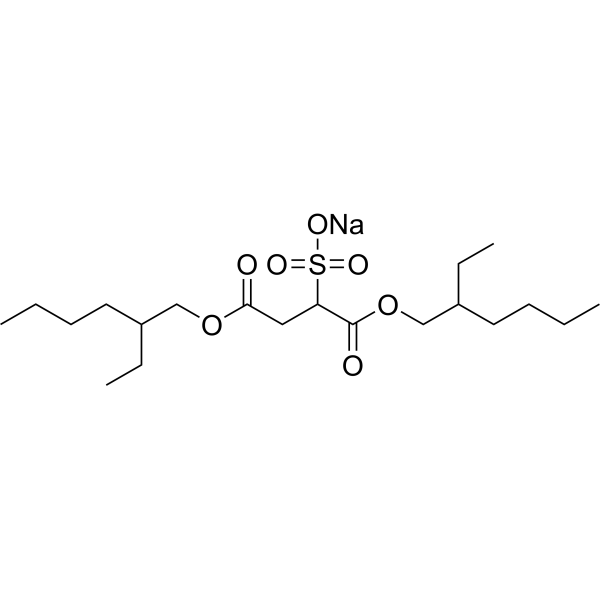
Docusate Sodium (Dioctyl sulfosuccinate sodium salt) is one of the main components in stool softeners. Docusate Sodium is a sulfated surfactant and may inactivate viral pathogens by disrupting viral envelopes and/or denaturing/disassociating proteins. Docusate Sodium is effective in vitro against wild type and drug-resistant strains of HSV type 1 and 2. Docusate Sodium is an obesogen. Docusate Sodium with developmental exposure leads to increased adult adiposity, inflammation, metabolic disorder and dyslipidemia in offspring fed a standard diet in mice .
|
-
- HY-155992
-
|
|
Sigma Receptor
|
Neurological Disease
|
|
WLB-89462 (Compound 20c) is a selective σ2 receptor ligand (Ki: 13 nM). WLB-89462 has neuroprotective activity. WLB-89462 improves short-term memory impairment induced by Aβ peptide in rats. WLB-89462 has good ADMET profile (good solubility, no CYP inhibition, good metabolic stability, high permeability, brain penetration, and high oral exposure in rodents) .
|
-
- HY-B2058
-
|
|
Fungal
Androgen Receptor
|
Infection
|
|
Triticonazole is an orally active triazole fungicide and androgen receptor antagonist. Triticonazole inhibits testosterone-induced androgen receptor activation and reduces basal testosterone secretion. Prenatal exposure to Triticonazole causes shortened anogenital distance in male rat fetuses and induces organ-specific histopathological changes in pigs. Triticonazole can be used for detoxification of seeds contaminated with fungal pathogens, but there is a risk of animal poisoning if the treated seeds are used as animal feed .
|
-
- HY-176264
-
|
|
SARS-CoV
Virus Protease
Cytochrome P450
|
Infection
|
|
DNDI-6510 (Compound (S)-x38) is a non-covalent SARS-CoV-2 MPro inhibitor with a IC50 of 0.04 μM. DNDI-6510 has a potent antiviral activity across SARS-CoV-2 and its variants as well as a weak efficacy to SARS-CoV-1. DNDI-6510 significantly improves drug exposure in metabolically humanized mice model (8HUM) .
|
-
- HY-181558
-
|
|
Others
|
Cancer
|
|
Anticancer agent 303 is a selective, orally active anticancer agent belonging to the pyrazolopyridine derivatives. Anticancer agent 303 exhibits low cytotoxicity to healthy cells, with a selective window of approximately 2-fold between cancer cells and healthy cells. Anticancer agent 303 produces detectable systemic exposure in mice following intraperitoneal or oral administration. Anticancer agent 303 effectively inhibits the proliferation of prostate cancer and breast cancer cells .
|
-
- HY-W394166
-
|
|
Biochemical Assay Reagents
|
Others
|
|
6-Bromo-7-hydroxy-4-(hydroxymethyl)coumarin is a photosensitive cage like ceramide. 6-Bromo-7-hydroxy-4-(hydroxymethyl)coumarin can release active ceramides under light exposure. 6-Bromo-7-hydroxy-4-(hydroxymethyl)coumarin can be used for research on drug release with high spatiotemporal precision .
|
-
- HY-21197S
-
|
Perfluoroheptanoic acid-13C4; Tridecafluoroheptanoic acid-13C4; PFHpA-13C4
|
Isotope-Labeled Compounds
PPAR
|
Neurological Disease
Metabolic Disease
Inflammation/Immunology
|
|
Perfluoroenanthic acid- 13C4 (Perfluoroheptanoic acid- 13C4) is the 13C-labeled Perfluoroenanthic acid (HY-21197). Perfluoroenanthic acid (Perfluoroheptanoic acid) is a kind of perfluoroalkyl carboxylic acid organic pollutant. Perfluoroenanthic acid has environmental persistence and bioaccumulation, and exposure can occur via oral, dermal and other routes. Perfluoroenanthic acid exhibits reproductive toxicity, neurotoxicity, hepatotoxicity, immunotoxicity and endocrine-disrupting effects. Perfluoroenanthic acid exerts definite adverse effects on development, spermatogenesis, neuronal activity and liver tissue .
|
-
- HY-169131
-
|
|
AMPK
|
Cancer
|
|
ALKBH1-IN-4 prodrug (Compound 29E) is a prodrug of a DNA N6-methyladenine demethylase ALKBH1 inhibitor that significantly increases the abundance of 6mA in cells and upregulates the AMPK signaling pathway, thereby inhibiting the viability of gastric cancer cells. ALKBH1-IN-4 prodrug exhibits excellent cellular activity and favorable metabolic exposure in vivo, and holds promise for research in gastric cancer .
|
-
- HY-P11056
-
|
|
MDM-2/p53
|
Others
|
|
REF1 peptide is a PORK1 agonist with an EC50 of 0.028 nM in tomato. REF1 peptide binds to the extracellular domain of PORK1, triggers receptor autophosphorylation, and drives downstream MPK3/MPK6 activation, thereby initiating defense and regeneration signaling cascades. REF1 peptide induces callus formation, inhibits shoot regeneration upon continuous exposure, and enhances the regeneration and transformation efficiency of recalcitrant dicotyledonous and monocotyledonous crops .
|
-
- HY-Y0546
-
|
|
Environmental Pollutants
Endogenous Metabolite
Photosensitizer
|
Cancer
|
|
Benzophenone is an endogenous metabolite. Benzophenone is a photosensitizer, that absorbs UV light, transfers its energy to DNA, and triggers DNA damage. Benzophenone can be used as the fragrance enhancer, ultraviolet curing agent, additive in plastics, or the flavor ingredient. Benzophenone can also be used in the manufacturing of insecticides, agricultural chemicals, hypnotics, antihistamines, and other pharmaceuticals. Benzophenone exhibits certain carcinogenicity in mouse/rat models under long term exposure. Benzophenone exhibits estrogenic activity .
|
-
- HY-B2041
-
|
|
Insecticide
|
Infection
|
|
Benfuracarb is a broad-spectrum carbamate insecticide with crop protection activity. Benfuracarb is used to control springtails, aphids, and other pests, typically on sugar beet crops. Benfuracarb exhibits toxicity to humans and aquatic organisms. Benfuracarb exposure to zebrafish embryos resulted in a reduction in the body length of zebrafish larvae. Superoxide dismutase (SOD) activity was significantly increased after Benfuracarb treatment. Benfuracarb also interfered with the transcriptional levels of marker genes associated with early embryonic development .
|
-
- HY-182761
-
|
|
DNA/RNA Synthesis
Cytochrome P450
Flavivirus
Influenza Virus
|
Infection
|
|
Antiviral agent 81 is an orally bioavailable N-acylated remdesivir derivative and RdRp inhibitor with 45.3% oral bioavailability (based on active metabolite GS-441524 exposure), plasma half-life >8 h, and reduced CYP3A4 inhibition. Antiviral agent 81 exhibits activity against Coronaviridae, Flaviviridae, and Pneumoviridae, and shows no activity against Orthomyxoviridae, Herpesviridae, and Alphaviridae. Antiviral agent 81 can be used for the research of viral infections .
|
-
- HY-120496
-
|
ASP3662
|
11β-HSD
|
Neurological Disease
Metabolic Disease
|
|
Clofutriben (ASP3662) is a selective, orally active and brain-penetrant 11β-hydroxysteroid dehydrogenase type 1 (11β-HSD1) inhibitor with Ki values of 5.3 nM (human), 2.6 nM (mouse), and 23 nM (rat). Clofutriben inhibits conversion of inactive glucocorticoids to active glucocorticoids, reducing intracellular glucocorticoid exposure. Clofutriben ameliorates neuropathic pain, and restores muscle pressure thresholds in rodent models, while lacking effects in inflammatory pain .
|
-
- HY-N5112A
-
|
Arnebin 1
|
FGFR
Necroptosis
Apoptosis
CDK
JNK
|
Inflammation/Immunology
|
|
β,β-Dimethylacrylalkannin (Arnebin 1) is an orally active FGFR1 inhibitor (IC50=2.5 μM) and the main active component of Lithospermum erythrorhizon. β,β-Dimethylacrylalkannin blocks downstream signaling by binding to the ATP pocket of FGFR1, and regulates the CDK1/Cdc25C pathway and ROS-JNK axis, thereby inducing G2/M phase arrest, necrosis and apoptosis in cancer cells, and inhibiting tumor proliferation. β,β-Dimethylacrylalkannin also acts as a colistin adjuvant to disrupt the cell membrane of Gram-negative bacteria. β,β-Dimethylacrylalkannin exhibits significant tumor-inhibitory effects with no obvious toxicity in PDX models, but chronic exposure to high doses may alter the relative lung/liver weights of rats, while acute exposure to high doses causes responses such as reduced motor activity. β,β-Dimethylacrylalkannin finds wide application in studies related to hepatocellular carcinoma, colorectal cancer, colistin-resistant bacterial infections, hepatitis and psoriasis .
|
-
- HY-171823
-
|
|
PROTACs
HMG-CoA Reductase (HMGCR)
|
Metabolic Disease
|
|
PROTAC HMGCR Degrader-1 is an orally active HMGCR PROTAC degrader with IC50 of 1.32 μM. PROTAC HMGCR Degrader-1 is a lactone prodrug of PROTAC HMGCR Degrader-2 (HY-181134). PROTAC HMGCR Degrader-1 achieves high plasma exposure of the active ingredient leading to robust HMGCR degradation and demonstrating promising cholesterol-lowering efficacy in vivo. PROTAC HMGCR Degrader-1 can be used for hyperlipidemia research .
|
-
- HY-162944
-
|
|
Ferroptosis
Mitochondrial Metabolism
STING
Autophagy
|
Cancer
|
|
NA-Ir is a Ferroptosis inducer. NA-Ir targets mitochondrial DNA (mtDNA) and activates the cGAS-STING pathway to induce ferritinophagy (Autophagy), while also generating reactive oxygen species (ROS) through photodynamic therapy (PDT), depleting glutathione (GSH), and downregulating glutathione peroxidase 4 (GPX4), thereby triggering lipid peroxidation and Ferroptosis. NA-Ir exhibits higher anticancer activity under light exposure and selectively inhibits cancer cells with high H2S levels .
|
-
- HY-182059
-
|
|
Glutathione S-transferase
Reactive Oxygen Species (ROS)
|
Cancer
|
|
GSTP1-IN-1 is a selective GSTP1 inhibitor with an IC50 of 0.79 μM and a Kd of 0.63 μM. GSTP1-IN-1 inhibits the proliferation of gastric cancer cells, induces ROS production and depletes glutathione. GSTP1-IN-1 achieves systemic exposure and is well tolerated in xenograft mouse models, while inhibiting tumor growth. GSTP1-IN-1 can be used in gastric cancer-related research .
|
-
- HY-157053
-
|
|
Biochemical Assay Reagents
|
Cancer
|
|
[Ru(dppn)2phen](PF6)2 (compound 4) is a polypyridylruthenium compound used in photodynamic therapy (PDT). [Ru(dppn)2phen](PF6)2 is normally nontoxic under dark conditions and induces mitochondrial respiratory damage upon light exposure. [Ru(dppn)2phen](PF6)2 exhibits high levels of singlet oxygen quantum yield and phototoxicity against cancer cells .
|
-
- HY-W008030
-
|
|
Bacterial
|
Infection
|
|
3-Aminobiphenyl is a chemical isomer of 4-ABP. 3-Aminobiphenyl can inhibit the growth of human intestinal bacteria Bifidobacterium infantis ATCC 15697, B. bifidium ATCC 11863, Clostridium perfringens ATCC 13124, Escherichia coli ATCC 25922, E. coli ATCC 35218, Enterobacter cloacae ATCC 13047 and Salmonella typhimurium TA98, TA100, YG1041. 3-Aminobiphenyl can be used as a biomarker of exposure to aromatic amines from cigarette smoke .
|
-
- HY-W762012
-
|
OCDD
|
Cytochrome P450
Environmental Pollutants
|
Others
|
|
Octachlorodibenzo-p-dioxin (OCDD) is an environmental contaminant but is not acutely toxic. In rats, Octachlorodibenzo-p-dioxin (50 μg/kg i.v. or 50-5000 μg/kg p.o.) has a systemic elimination half-life of 3-5 months and accumulates and concentrates in the liver and adipose tissue after low-dose, repeated exposure. Repeated administration of octachlorodibenzo-p-dioxin causes increases in 7-ethoxyresorufin-O-deethylase (7-EROD) activity and total cytochrome P-450 levels .
|
-
- HY-W341499
-
|
|
Endogenous Metabolite
|
Others
|
|
5-Formyl-2'-deoxyuridine is a product formed when the 5-methyl group of thymine in DNA undergoes oxidation due to exposure to gamma radiation or certain chemical agents. Serving as a biomarker of oxidative DNA damage, 5-formyl-2'-deoxyuridine is employed in investigations of DNA damage and repair mechanisms. Additionally, 5-Formyl-2'-deoxyuridine can be used in studies involving chemically crosslinking with peptides derived from the RecA protein .
|
-
- HY-109163
-
|
INS-1009
|
Prostaglandin Receptor
|
Inflammation/Immunology
Endocrinology
|
|
Treprostinil palmitil is a long-acting inhaled pulmonary vasodilator prodrug of Treprostinil (HY-100441), formulated in a lipid nanoparticle (LNP). Treprostinil palmitil can inhibit pulmonary vascular remodeling induced by Su/Hx challenge in rats. Treprostinil palmitil can induce cough. Treprostinil palmitil demonstrates a sustained presence in the lungs with reduced systemic exposure and prolonged inhibition of hypoxia-induced pulmonary vasoconstriction in vivo. Treprostinil palmitil can be studied in research for pulmonary arterial hypertension and interstitial lung disease .
|
-
- HY-Y0546S2
-
|
|
Isotope-Labeled Compounds
Endogenous Metabolite
Photosensitizer
|
Cancer
|
|
Benzophenone- 13C is the 13C labeled Benzophenone (HY-Y0546). Benzophenone is an endogenous metabolite. Benzophenone is a photosensitizer, that absorbs UV light, transfers its energy to DNA, and triggers DNA damage. Benzophenone can be used as the fragrance enhancer, ultraviolet curing agent, additive in plastics, or the flavor ingredient. Benzophenone can also be used in the manufacturing of insecticides, agricultural chemicals, hypnotics, antihistamines, and other pharmaceuticals. Benzophenone exhibits certain carcinogenicity in mouse/rat models under long term exposure. Benzophenone exhibits estrogenic activity .
|
-
- HY-B1268R
-
|
Dioctyl sulfosuccinate sodium salt (Standard)
|
Reference Standards
HSV
|
Others
|
|
Docusate (Sodium) (Standard) is the analytical standard of Docusate (Sodium). This product is intended for research and analytical applications. Docusate Sodium (Dioctyl sulfosuccinate sodium salt) is one of the main components in stool softeners. Docusate Sodium is a sulfated surfactant and may inactivate viral pathogens by disrupting viral envelopes and/or denaturing/disassociating proteins. Docusate Sodium is effective in vitro against wild type and drug-resistant strains of HSV type 1 and 2. Docusate Sodium is an obesogen. Docusate Sodium with developmental exposure leads to increased adult adiposity, inflammation, metabolic disorder and dyslipidemia in offspring fed a standard diet in mice .
|
-
- HY-138830A
-
|
|
Histone Demethylase
|
Neurological Disease
|
|
(S,S)-TAK-418 is a potent inhibitor of lysine-specific demethylase 1 (LSD1), demonstrating significant normalization of aberrant gene expression in neurodevelopmental disorders. (S,S)-TAK-418 also ameliorates ASD-like behaviors in rodent models affected by maternal exposure to valproate or poly I:C. (S,S)-TAK-418 modulates gene expression differently across various models and ages, indicating its potential as a therapeutic agent for conditions like autism spectrum disorder and schizophrenia.
|
-
- HY-120957
-
|
AMC-AA; 7-Amino-4-methyl coumarin-arachidonamide
|
Endogenous Metabolite
|
Metabolic Disease
|
|
AMC arachidonoyl amide (AMC-AA) is one of several fatty acid amides which can be used to measure fatty acid amide hydrolase (FAAH) activity.1 FAAH is a relatively unselective enzyme in that it accepts a variety of amide head groups other than the ethanolamine of its nominal endogenous substrate anandamide.2 Exposure of AMC-AA to FAAH activity results in the release of the fluorescent aminomethyl coumarin that absorbs at 360 nm and emits at 465 nm. This allows the fast and convenient measurement of FAAH activity using a simple cuvette or microplate fluorometer.
|
-
- HY-Y0546S1
-
|
|
Isotope-Labeled Compounds
Endogenous Metabolite
Photosensitizer
|
Cancer
|
|
Benzophenone-d5 is the deuterium labeled Benzophenone (HY-Y0546). Benzophenone is an endogenous metabolite. Benzophenone is a photosensitizer, that absorbs UV light, transfers its energy to DNA, and triggers DNA damage. Benzophenone can be used as the fragrance enhancer, ultraviolet curing agent, additive in plastics, or the flavor ingredient. Benzophenone can also be used in the manufacturing of insecticides, agricultural chemicals, hypnotics, antihistamines, and other pharmaceuticals. Benzophenone exhibits certain carcinogenicity in mouse/rat models under long term exposure. Benzophenone exhibits estrogenic activity .
|
-
- HY-103609
-
Pyrene
1 Publications Verification
Benzo[def]phenanthrene
|
Environmental Pollutants
Biochemical Assay Reagents
|
Others
|
|
Pyrene is a polycyclic aromatic hydrocarbon (PAH) composed of four fused benzene rings. It has a distinct aromatic odor, produced by incomplete combustion of organic matter. Pyrene exhibits strong fluorescence, emitting in the blue region of the spectrum, making it useful as a probe for studying molecular interactions in solution and on surfaces. Pyrene is also used as a model compound for the study of PAHs in various environments and biological systems because of its ubiquity in these environments. However, long-term exposure to pyrene has been associated with potential health risks, including carcinogenicity and mutagenicity.
|
-
- HY-P0064
-
|
Palmitoyl Tetrapeptide-7
|
Interleukin Related
|
Inflammation/Immunology
|
|
Palmitoyl Tetrapeptide-3 (Palmitoyl Tetrapeptide-7) is a synthetic peptide corresponding to amino acids 341-344 of the human immunoglobulin heavy chain, with the ability to stimulate phagocytosis. Palmitoyl tetrapeptide-3 reduces interleukin-6 (IL-6) secretion in keratinocytes and inhibits the UVB radiation-exposure inflammatory response of skin. Palmitoyl tetrapeptide-3 It also has anti-inflammatory and anti-aging effects, reducing skin wrinkles by promoting the production of elastic fibers in the papillary dermis .
|
-
- HY-156685
-
|
|
PI4K
Parasite
|
Infection
Metabolic Disease
Cancer
|
EDI048 is an orally active, gut-restricted parasiticidal agent. EDI048 specifically binds to the ATP-binding site of Cryptosporidium phosphatidylinositol 4-kinase (CpPI (4) K), blocks parasite membrane biogenesis, arrests the pathogen at the schizont stage, and thus irreversibly clears the infection. EDI048 is rapidly converted to an inactive carboxylic acid metabolite via hepatic first-pass metabolism, with extremely low systemic exposure, good safety profile, and no cardiotoxicity, genotoxicity or off-target effects. EDI048 is used in studies of intestinal cryptosporidiosis in children .
|
-
- HY-D3269
-
|
|
Fluorescent Dye
|
Others
|
|
Mito-Cu (II) is a mitochondria-targeted fluorescent probe (Ex/Em = 370/450 nM). Mito-Cu (II) specifically accumulates in mitochondria of living cells and enables real-time detection of exogenous Cu 2+ within mitochondria of living cells. Mito-Cu (II) achieves "on-off-on" fluorescence switching through sequential exposure to Cu 2+ and ethylenediaminetetraacetic acid (EDTA) (HY-Y0682). Its fluorescence is quenched after forming a 1:1 complex with Cu 2+, and the fluorescence recovers when Cu 2+ is chelated by EDTA .
|
-
- HY-14307
-
|
|
TRP Channel
Eukaryotic Initiation Factor (eIF)
Reactive Oxygen Species (ROS)
|
Cancer
|
|
Necrocide 1, a necrosis by sodium overload (NECSO) inducer, is a selective transient receptor potential melastatin 4 (TRPM4) agonist with an EC50 of 306.3 nM for human TRPM4. Necrocide 1 triggers TRPM4-dependent necrotic cell death through the induction of sodium influx. Necrocide 1 induces hallmarks of immunogenic cell death incurring calreticulin (CALR) exposure, ATP secretion and high mobility group box 1 (HMGB1) release. Necrocide 1 can be used for the study of breast and prostate cancer .
|
-
- HY-B2041R
-
|
|
Parasite
Reference Standards
|
Infection
|
|
Benfuracarb (Standard) is the analytical standard of Benfuracarb. This product is intended for research and analytical applications. Benfuracarb is a broad-spectrum carbamate insecticide with crop protection activity. Benfuracarb is used to control springtails, aphids, and other pests, typically on sugar beet crops. Benfuracarb exhibits toxicity to humans and aquatic organisms. Benfuracarb exposure to zebrafish embryos resulted in a reduction in the body length of zebrafish larvae. Superoxide dismutase (SOD) activity was significantly increased after Benfuracarb treatment. Benfuracarb also interfered with the transcriptional levels of marker genes associated with early embryonic development .
|
-
- HY-174383
-
|
|
Phosphodiesterase (PDE)
|
Inflammation/Immunology
|
|
PDE3/4-IN-2 is a dual PDE3A and PDE4B1 inhibitor, with an IC50 of 0.13 nM against PDE3A and 50 nM against PDE4B1. PDE3/4-IN-2 exhibits higher systemic exposure and longer retention time in lung tissues in ICR mice. PDE3/4-IN-2 can be used in research on respiratory diseases such as asthma and chronic obstructive pulmonary disease, as well as autoimmune inflammation-related studies .
|
-
- HY-D0967
-
|
|
Fluorescent Dye
|
Others
|
|
Cy5-bifunctional dye is a bifunctional dye used for covalent labeling of primary amines on proteins or oligonucleotides (Ex/Em = 649 nm/670 nm). Cy5-bifunctional dye can label recombinant annexin-V to assess phosphatidylserine exposure on the cell surface via flow cytometry. Cy5-bifunctional dye can label anti-human IgG (H + L) secondary antibodies. Cy5-bifunctional dye is applicable to studies of glanders and melioidosis .
|
-
- HY-147859
-
|
|
Amyloid-β
|
Neurological Disease
|
|
BChE-IN-8 (compound 20) is an orally active, potent and BBB-penetrated BChE (butyrylcholinesterase) inhibitor, with IC50 values of 0.15 nM (eqBChE, equine serum BChE) and 45.2 nM (hBChE), respectively. High stability of BChE-IN-8 contributes to significantly improved blood concentration and tissue exposure. BChE-IN-8 can exert neuro-protecting and cognition improving properties through multiple modulations, including cholinergic system, Aβ aggregation, neuropeptide levels. BChE-IN-8 can be used for Alzheimer's disease (AD) research .
|
-
- HY-Y0546S
-
|
|
Isotope-Labeled Compounds
Endogenous Metabolite
Photosensitizer
|
Cancer
|
|
Benzophenone-d10 is the deuterium labeled Benzophenone (HY-Y0546). Benzophenone is an endogenous metabolite. Benzophenone is a photosensitizer, that absorbs UV light, transfers its energy to DNA, and triggers DNA damage. Benzophenone can be used as the fragrance enhancer, ultraviolet curing agent, additive in plastics, or the flavor ingredient. Benzophenone can also be used in the manufacturing of insecticides, agricultural chemicals, hypnotics, antihistamines, and other pharmaceuticals. Benzophenone exhibits certain carcinogenicity in mouse/rat models under long term exposure. Benzophenone exhibits estrogenic activity .
|
-
- HY-181545A
-
|
|
NO Synthase
IFNAR
|
Cancer
|
|
nNOS-IN-2 trihydrochloride is a blood-brain barrier-permeable nitric oxide synthase (nNOS) inhibitor. nNOS-IN-2 trihydrochloride exhibits Ki values of 1.7 nM and 2.3 nM against human and rat nNOS, respectively, and shows high selectivity for human eNOS and iNOS. nNOS-IN-2 trihydrochloride also effectively reduces PD-L1 expression in human melanoma cells under both basal conditions and IFN-γ exposure. nNOS-IN-2 trihydrochloride can be used for the study of melanoma and related signaling pathways .
|
-
- HY-W099331R
-
|
MEGX hydrochloride (Standard); Norlidocaine hydrochloride (Standard)
|
Reference Standards
Drug Metabolite
|
Metabolic Disease
Inflammation/Immunology
|
|
Benfuracarb (Standard) is the analytical standard of Benfuracarb. This product is intended for research and analytical applications. Benfuracarb is a broad-spectrum carbamate insecticide with crop protection activity. Benfuracarb is used to control springtails, aphids, and other pests, typically on sugar beet crops. Benfuracarb exhibits toxicity to humans and aquatic organisms. Benfuracarb exposure to zebrafish embryos resulted in a reduction in the body length of zebrafish larvae. Superoxide dismutase (SOD) activity was significantly increased after Benfuracarb treatment. Benfuracarb also interfered with the transcriptional levels of marker genes associated with early embryonic development .
|
-
- HY-178980
-
|
|
Casein Kinase
|
Cancer
|
|
APL-5125 (Compound 61f) is a potent, selective and orally active ATP-competitive CK2α inhibitor with an IC50 of 0.348 nM and a Ki of 0.095 nM. APL-5125 binds to CK2α in a bivalent manner, simultaneously interacting with the ATP-binding site and the αD pocket. APL-5125 exhibits antitumor activity and can be used for the research of cancer, such as colon cancer .
|
-
- HY-181929
-
|
H018
|
JAK
|
Inflammation/Immunology
|
RAI-20 (H018) is an orally active JAK1/JAK2 dual inhibitor (IC50=15.1 and 22.7 nM). RAI-20 exhibits excellent pharmacokinetic properties, including plasma stability, systemic exposure, and a long half-life. In a collagen-induced arthritis rat model, RAI-20 shows significant anti-inflammatory and anti-arthritic activities, effectively reducing paw swelling volume and arthritis index. RAI-20 can be used for research on the pathogenesis of rheumatoid arthritis .
|
-
- HY-P10533
-
|
|
Tyrosinase
|
Others
|
|
Cysteine peptide is a tyrosinase inhibitor with skin-whitening, antioxidant and multi-regulatory activities. Cysteine peptide inhibits enzyme activity and blocks melanin transport, effectively reducing UV-B-induced skin erythema and pigmentation. Cysteine peptide synergistically maintains skin health by quenching ROS, resisting oxidative stress and promoting pheomelanin production. Cysteine peptide safely prevents daily ultraviolet damage and supports moderate sun exposure for vitamin D synthesis. Cysteine peptide also acts as a plant signaling factor to regulate vegetative growth, development and stress resistance responses .
|
-
- HY-Y0546R
-
|
|
Reference Standards
Endogenous Metabolite
Photosensitizer
|
Cancer
|
|
Benzophenone (Standard) is the analytical standard of Benzophenone. This product is intended for research and analytical applications. Benzophenone standard is a photosensitizer, that absorbs UV light, transfers its energy to DNA, and triggers DNA damage. Benzophenone standard can be used as the fragrance enhancer, ultraviolet curing agent, additive in plastics, or the flavor ingredient. Benzophenone standard can also be used in the manufacturing of insecticides, agricultural chemicals, hypnotics, antihistamines, and other pharmaceuticals. Benzophenone standard exhibits certain carcinogenicity in mouse/rat models under long term exposure. Benzophenone standard exhibits estrogenic activity .
|
-
- HY-12545
-
|
PbTx-3
|
Sodium Channel
|
Inflammation/Immunology
|
|
Brevetoxin-3 (PbTx-3) is a potent allosteric voltage-gated Na + channel activator and has multiple active centers (A-ring lactone, C-42 of R side chain) . Brevetoxin-3 (PbTx-3) has a high affinity to site 5 of the voltage-sensitive Na + channels, inhibits the inactivation of Na + channels and prolongs the mean open time of these channels. Brevetoxin-3 (PbTx-3) repeated exposures can lead to prolonged airway hyperresponsiveness (AHR) and lung inflammation .
|
-
- HY-147927A
-
|
|
Enteropeptidase
|
Metabolic Disease
|
|
(S)-Human enteropeptidase-IN-1 (Compound 6c) is an orally active enteropeptidase inhibitor with low systemic exposure (IC50 (initial): 26 nM; IC50 (app): 1.8 nM). (S)-Human enteropeptidase-IN-1 promotes increased fecal protein output and effectively reduces body weight in a diet-induced obese (DIO) rat model. (S)-Human enteropeptidase-IN-1 inhibits enteropeptidase via a reversible covalent mechanism and prolongs the enzyme inactivation time. (S)-Human enteropeptidase-IN-1 can be used in anti-obesity research .
|
-
- HY-181711
-
|
|
NO Synthase
|
Neurological Disease
Cancer
|
|
nNOS-IN-6 is a human neuronal nitric oxide synthase (hnNOS) inhibitor with a human hnNOS Ki of 16 nM, ~1800-fold selectivity over human eNOS, ~2900-fold selectivity over human iNOS, and a rat nNOS Ki of 34 nM.nNOS-IN-6 exhibits high effective permeability in PAMPA-BBB assays, crosses the blood-brain barrier, and shows sustained systemic exposure, low clearance, and robust brain penetration in mouse in vivo pharmacokinetic studies.nNOS-IN-6 can be used for the research of neurodegenerative diseases, melanoma .
|
-
- HY-112142A
-
|
DVR-23
|
HBV
|
Inflammation/Immunology
|
|
(Rac)-AB-423 (DVR-23) is an anti-HBV candidate compound with promising anti-HBV activity. (Rac)-AB-423 showed no induction of CYP1A2, CYP3A4, or CYP2B6 enzyme activity at high concentrations. (Rac)-AB-423 exhibited desirable pharmacokinetic properties, enabling good systemic exposure and high oral bioavailability. (Rac)-AB-423 achieved more than 2 log viral load reduction in the hydrodynamic injection (HDI) HBV mouse model .
|
-
- HY-150306A
-
|
(Rac)-IM-250
|
HSV
DNA/RNA Synthesis
|
Infection
|
|
(Rac)-Adibelivir ((Rac)-IM-250) is a blood-brain barrier-penetrant HSV helicase-primase inhibitor and metabolic stabilizer with antiviral activity. (Rac)-Adibelivir is also effective against Acyclovir (HY-17422)-resistant strains, and its deuterated structure exhibits enhanced metabolic stability, reducing the formation of hydroxylated metabolites. (Rac)-Adibelivir prolongs in vivo half-life, reduces administration dosage, improves oral bioavailability, and achieves higher brain exposure in mice. (Rac)-Adibelivir can be used in the research of herpes simplex infection, herpes encephalitis and Alzheimer's disease .
|
-
- HY-120144
-
|
|
Opioid Receptor
|
Neurological Disease
|
|
SR-8993 is a highly selective nociceptin receptor agonist that can penetrate the blood-brain barrier and has the activity of reducing alcohol intake and relieving withdrawal anxiety. SR-8993 has shown mild anxiolytic effects in animal models and can effectively reverse anxiety caused by acute alcohol withdrawal. SR-8993 further reduces restricted drinking, operant responses for alcohol, and increased drinking induced by long-term intermittent exposure to alcohol. SR-8993 also reduces stress- and cue-related alcohol-seeking relapse .
|
-
- HY-W653929
-
|
BCIPP-d12
|
Isotope-Labeled Compounds
Endogenous Metabolite
|
Metabolic Disease
|
|
Bis(1-chloro-2-propyl) phosphate-d12 is deuterium labeled Bis(1-chloro-2-propyl) phosphate. Bis(1-chloro-2-propyl) phosphate (BCIPP) is a metabolite of organophosphate flame retardants (OPFR) that may alter energy metabolism by influencing the levels of steroid hormones, such as cortisol and cortisone. Bis(1-chloro-2-propyl) phosphate holds potential for research on metabolism-related diseases caused by environmental exposure .
|
-
- HY-182254
-
|
|
Cholinesterase (ChE)
|
Neurological Disease
|
|
AChE/BChE-IN-35, Tacrine (HY-111338) derivative, is a brain-penetrant dual AChE/BChE inhibitor with an Electric Eel AChE IC50 of 123.66 nM, human AChE IC50 of 122.34 nM, and equine BChE IC50 of 488.00 nM. AChE/BChE-IN-35 undergoes LAT1-mediated active transport across cell membranes. AChE/BChE-IN-35 exhibits enhanced brain exposure with slower brain tissue elimination. AChE/BChE-IN-35 can be used for the research of alzheimer's disease .
|
-
- HY-103609R
-
|
Benzo[def]phenanthrene (Standard)
|
Biochemical Assay Reagents
Reference Standards
|
Others
|
|
Pyrene (Standard) is the analytical standard of Pyrene. This product is intended for research and analytical applications. Pyrene is a polycyclic aromatic hydrocarbon (PAH) composed of four fused benzene rings. It has a distinct aromatic odor, produced by incomplete combustion of organic matter. Pyrene exhibits strong fluorescence, emitting in the blue region of the spectrum, making it useful as a probe for studying molecular interactions in solution and on surfaces. Pyrene is also used as a model compound for the study of PAHs in various environments and biological systems because of its ubiquity in these environments. However, long-term exposure to pyrene has been associated with potential health risks, including carcinogenicity and mutagenicity.
|
-
- HY-181049
-
|
|
Dopamine Receptor
|
Neurological Disease
|
|
FMJ-01-054 is a selective dopamine D4 Receptor (D4R) antagonist with a Ki od 77.7 nM. FMJ-01-054 shows subtype selectivity over D2R and D3R. FMJ-01-054 inhibits D4R-mediated β-arrestin recruitment and cAMP production with IC50 values of 3800 nM and 134 nM, respectively. FMJ-01-054 has desirable plasma half-life and brain exposure in rats. FMJ-01-054 can be used for the research of neurological disorders .
|
-
- HY-Y0496
-
|
|
Insecticide
Environmental Pollutants
Mitosis
|
Cancer
|
1,4-Dichlorobenzene is a non-genotoxic, orally active mitogenic/tumor-promoting carcinogen that is also widely used as a dye, resin intermediate, and deodorant, moth repellent/insecticide. 1,4-Dichlorobenzene induces liver tumors in mice and promotes the growth of spontaneous precancerous lesions, but shows no liver tumor-inducing activity in F344 rats. Exposure to 1,4-dichlorobenzene leads to elevated leukocyte counts, serum alanine aminotransferase, and blood urea nitrogen levels. Due to the hepatotoxic characteristics, 1,4-Dichlorobenzene is applicable to liver cancer-related research .
|
-
- HY-W110138
-
|
|
DNA/RNA Synthesis
Cytochrome P450
ROCK
|
Cancer
|
|
Chloroxoquinoline is an anticancer agent. Chloroxoquinoline damages the DNA templates of cancer cells, inducing DNA breaks and cell death, and inhibits cell invasion via down-regulating Rho/Rho kinase signaling pathway. Chloroxoquinoline enhances the radiation sensitivity of Lewis lung cancer cells and xenograft tumors in tumor-bearing mouse models but decreases efficacy after long term exposure in rat models by auto-induction effects on CYP1A and CYP3A. Chloroxoquinoline has a broad-spectrum anticancer activity, such as non-small-cell lung carcinoma (NSCLC), breast cancer and gastric cancer .
|
-
- HY-164126
-
|
|
Others
|
Others
|
|
6-O-Bis-(4,5-dimethoxy-2-nitrobenzyloxyphosphoryl)-D-trehalose is a synthetic compound that interferes with plant sugar signaling. After being absorbed by plants, 6-O-Bis-(4,5-dimethoxy-2-nitrobenzyloxyphosphoryl)-D-trehalose can trigger the release of T6P by light exposure, thereby activating the signaling pathway inside the plant. 6-O-Bis-(4,5-dimethoxy-2-nitrobenzyloxyphosphoryl)-D-trehalose can be used to study plant biosynthesis .
|
-
- HY-B1178
-
|
(-)-Cotinine; (S)-Cotinine; NIH-10498
|
Endogenous Metabolite
nAChR
|
Cardiovascular Disease
Inflammation/Immunology
|
|
Cotinine ((-)-Cotinine) is an orally active alkaloid found in tobacco and is the primary metabolite of nicotine. Cotinine is metabolized by CYP2A13 into trans-3'-hydroxycotinine. Cotinine is used as a biomarker to measure exposure to tobacco smoke components. Cotinine has vasodepressor activity. The mixture of cotinine and nicotine (Nicotine) has antiproliferative activity against pterygium. (S)-(-)-Cotinine activates nicotinic acetylcholine receptors (nAChR) in a calcium-dependent manner, leading to the release of dopamine (Dopamine, HY-B0451). Cotinine ((-)-Cotinine) is used in research related to cardiovascular and inflammatory diseases .
|
-
- HY-158189
-
|
|
Photosensitizer
Reactive Oxygen Species (ROS)
Apoptosis
|
Neurological Disease
Cancer
|
|
TPP-Ce6 is a mitochondria-targeted photosensitizer formed by the ester bond conjugation of chlorophyll e6 (Ce6) with triphenylphosphine (TPP). Under light irradiation or ultrasound exposure, TPP-Ce6 generates reactive oxygen species, induces cell apoptosis, and triggers immunogenic cell death. TPP-Ce6 can serve as a component of carrier-free co-delivery systems, undergo enzyme-induced self-assembly within tumors, and modulate tumor hypoxia. TPP-Ce6 is applicable to research on breast cancer and glioblastoma .
|
-
- HY-W679754
-
|
PFTrDA
|
Biochemical Assay Reagents
Cytochrome P450
|
Metabolic Disease
|
|
Pentacosafluorotridecanoic Acid (PFTrDA) is a long-chain perfluoroalkyl carboxylic acid with strong endocrine-disrupting activity. Pentacosafluorotridecanoic Acid exhibits estrogenic effects and disrupts vtg1 transcription as well as sex hormone homeostasis in male Danio rerio. Pentacosafluorotridecanoic Acid disturbs steroidogenesis and HPG axis function in a sex-dependent pattern. Pentacosafluorotridecanoic Acid inhibits CYP17A and CYP11A1 to reduce testosterone and increase E2/T ratio in H295R cells. Pentacosafluorotridecanoic Acid triggers gender-specific immunomodulation after prenatal exposure. Pentacosafluorotridecanoic Acid correlates with lower eczema risk in female infants. Pentacosafluorotridecanoic Acid can be used for the research of endocrine disruption and eczema .
|
-
- HY-120971
-
|
DepNA
|
Endogenous Metabolite
|
Metabolic Disease
|
|
N-Decanoyl p-nitroaniline (DepNA) is one of several nitroaniline fatty acid amides which can be used to measure fatty acid amide hydrolase (FAAH) activity.1 FAAH is a relatively unselective enzyme in that it accepts a variety of amide head groups other than the ethanolamine of its endogenous substrate anandamide (AEA). It also will hydrolyze fatty acid amides with fewer carbons and fewer double bonds than arachidonate. Exposure of DepNA to FAAH activity results in the release of the yellow colorimetric dye p-nitroaniline (ε=13,500 at 410 nm). This allows the fast and convenient measurement of FAAH activity using a 96 well plate spectrophotometer.
|
-
- HY-W197393
-
|
|
Bacterial
Fluorescent Dye
Potassium Channel
DNA/RNA Synthesis
|
Infection
Neurological Disease
Cancer
|
|
Proflavine sulfate is a multifunctional acridine compound. 3,6-Diaminoacridine sulfate is an acridine dye and also a DNA inserter. Proflavine sulfate is a potent broad-spectrum antibacterial agent, and its mechanism is to insert into bacterial DNA, interfering with replication and transcription, causing bacterial lysis. 3,6-Diaminoacridine sulfate is a Kir3.2 potassium channel blocker and can be used to study the neurological phenotype of Down syndrome. 3,6-Diaminoacridine sulfate can penetrate the stratum corneum of the skin and accumulate in the cell nucleus and long-term exposure may induce skin cancer or other malignant tumors .
|
-
- HY-133677
-
|
MEHHP
|
Drug Metabolite
Apoptosis
Aryl Hydrocarbon Receptor
|
Cancer
|
|
Mono (2-ethyl-5-hydroxyhexyl) phthalate (MEHHP) is a biomarker for human exposure to DEHP (HY-B1945). By activating the tryptophan-kynurenine-aryl hydrocarbon receptor (AhR) pathway, mono (2-ethyl-5-hydroxyhexyl) phthalate significantly increases the viability of primary uterine leiomyoma cells and reduces cell apoptosis. Mono (2-ethyl-5-hydroxyhexyl) phthalate correlates with decreased sperm DNA damage. Mono (2-ethyl-5-hydroxyhexyl) phthalate can be used in studies related to uterine leiomyoma .
|
-
- HY-150520
-
|
|
Antibiotic
Phospholipase
|
Infection
Cancer
|
|
Neomycin, an aminoglycoside antibiotic, exerts antibacterial activity through irreversible binding of the nuclear 30S ribosomal subunit, thereby blocking bacterial protein synthesis. Neomycin is a known phospholipase C (PLC) inhibitor. Neomycin potently inhibits both the nuclear translocation of angiogenin and angiogenin-induced cell proliferation and angiogenesis. Neomycin inhibits IP3-mediated Ca 2+ release, MgATP-dependent Ca 2+ uptake, and electrical excitation-evoked skeletal muscle Ca 2+ transients. Neomycin depletes gut microbiota in specific mouse models, causes hearing impairment, and kidney damage with prolonged exposure. Neomycin can be used for the research of cancer .
|
-
- HY-B0883
-
|
|
Bacterial
Fluorescent Dye
Potassium Channel
DNA/RNA Synthesis
|
Infection
Neurological Disease
Cancer
|
|
3,6-Diaminoacridine hemisulfate is a multifunctional acridine compound. 3,6-Diaminoacridine hemisulfate is an acridine dye and also a DNA inserter. 3,6-Diaminoacridine hemisulfate is a potent broad-spectrum antibacterial agent. Its mechanism is to insert into bacterial DNA, interfering with replication and transcription, leading to bacterial lysis. 3,6-Diaminoacridine hemisulfate is a Kir3.2 potassium channel blocker and can be used to study the neurological phenotype of Down syndrome. 3,6-Diaminoacridine hemisulfate can penetrate the stratum corneum of the skin and accumulate in the cell nucleus. Long-term exposure may induce skin cancer or other malignant tumors .
|
-
- HY-138135
-
|
Fidaxomicin metabolite OP-1118
|
NF-κB
ERK
Apoptosis
Bacterial
|
Infection
|
|
OP-1118 (Fidaxomicin metabolite OP-1118) is an orally active dual inhibitor of NF-κB and ERK1/2, with low systemic plasma exposure, no accumulation, and primary excretion via feces. By inhibiting the phosphorylation of NF-κB and ERK1/2 and reducing the expression of pro-inflammatory cytokines, OP-1118 exerts significant anti-inflammatory, cytoprotective, anti-apoptotic and antibacterial activities. In Clostridium difficile infection models, OP-1118 effectively blocks toxin-mediated intestinal inflammation, cell rounding, histological damage and apoptosis, and its protective effect can be reversed by PMA (HY-18739) .
|
-
- HY-169309
-
|
|
EGFR
|
Cancer
|
|
EGFR-IN-133 (Compound 24) is an inhibitor for EGFR, that inhibits the EGFR wildtype, L858R/T790M, d19/T790M, L858R/T790M/C797S, and d19/T790M/C797S mutans with IC50 of 0.1, 0.044, 0.036, 0.04, and 0.054 nM. EGFR-IN-133 exhibits good pharmacokinetics characteristics with high oral exposure .
|
-
- HY-104044A
-
|
BGB-290 maleate
|
Apoptosis
|
Neurological Disease
|
|
Pamiparib maleate (BGB-290 maleate) is a highly potent and selective PARP inhibitor with neurotoxicity-inducing activity. Pamiparib maleate can effectively penetrate the blood-brain barrier and cause cerebral hemorrhage, brain atrophy, and movement disorders in zebrafish embryos exposed. Pamiparib maleate exposure downregulates the activities of acetylcholinesterase (AChE) and adenosine triphosphatase (ATPase) and leads to upregulation of oxidative stress, which triggers apoptosis and interferes with the expression of neurodevelopment-related genes. The use of pamiparib maleate is also accompanied by downregulation of the Notch signaling pathway, while activation of the Notch signaling pathway can partially rescue neurodevelopmental toxicity. Therefore, pamiparib maleate provides a reference for evaluating its potential neurotoxicity during embryonic development .
|
-
- HY-169308
-
|
|
EGFR
|
Cancer
|
|
EGFR-IN-132 (Compound 23) is an inhibitor for EGFR, that inhibits the EGFR wildtype, L858R/T790M, d19/T790M, L858R/T790M/C797S, and d19/T790M/C797S mutans with IC50 of 1.6, 0.025, 0.019, 0.022, and 0.029 nM. EGFR-IN-132 exhibits good pharmacokinetics characteristics with high oral exposure .
|
-
- HY-15042
-
|
|
Bradykinin Receptor
|
Metabolic Disease
|
|
MK 0686, a potent bradykinin B1 receptor antagonist, demonstrates autoinduction of metabolism in rhesus monkeys after oral administration. It undergoes significant biotransformation primarily via oxidation pathways, leading to the formation of metabolites like M11 and M13 in rhesus liver microsomes. This metabolic induction is mediated by CYP2C75, as evidenced by increased mRNA expression, protein levels, and catalytic activity of this enzyme in hepatocytes and liver microsomes from MK 0686-treated animals. The autoinduction phenomenon suggests that MK 0686 enhances its own metabolism by upregulating CYP2C75, potentially influencing its systemic exposure and pharmacokinetics over time .
|
-
- HY-138879B
-
|
(1S,5R)-CP-601927
|
nAChR
|
Neurological Disease
|
|
CP-601932 ((1S,5R)-CP-601927) is a high-affinity partial agonist at α3β4 nAChR (Ki=21 nM; EC50=~ 3 μM). CP-601932 has the same high-binding affinity at α4β2 nAChR (Ki=21 nM) and an order of magnitude lower affinity for α6 and α7 nAChR subtypes. CP-601932 selectively decreases ethanol but not sucrose consumption and operant self-administration following long-term exposure. CP-601932 can penetrate the CNS .
|
-
- HY-183651
-
|
|
15-PGDH
|
Inflammation/Immunology
|
|
15-PGDH-IN-5 (compound 5) is a sulfoxide-derived 15-PGDH inhibitor. 15-PGDH-IN-5 exhibits higher metabolic stability and superior in vivo exposure compared with the lead compound SW033291 (HY-16968). 15-PGDH-IN-5 inhibits the irreversible oxidative catabolism of PGE2 by 15-PGDH, thereby enhancing the tissue-specific bioavailability of endogenous PGE2. 15-PGDH-IN-5 exerts anti-inflammatory effects and accelerates tissue repair and regeneration, and it is used in studies on tissue injury and fibrosis-related diseases such as inflammatory bowel disease and idiopathic pulmonary fibrosis .
|
-
- HY-182274
-
|
|
Acyltransferase
STAT
|
Others
|
|
DM245 is an EPAC1 activator and STAT3 phosphorylation inhibitor with a target pIC50 of 4.801. DM245 activates EPAC1 to increase Rap1-GTP levels, with no activation of EPAC2 or PKA. DM245 reduces IL-6/IL-6Rα-evoked STAT3 phosphorylation in endothelial cells. DM245 suppresses TGF-β1-induced fibroblast-to-myofibroblast transition, reducing αSMA and Collagen I levels. DM245 exhibits minimal cytotoxicity in normal human lung fibroblasts, with negligible loss of intact nuclei after 72 h exposure .
|
-
- HY-118159
-
|
DPPP
|
Fluorescent Dye
|
Others
|
|
Diphenyl-1-pyrenylphosphine (DPPP) is a functional organic molecule with both fluorescent properties and metal coordination ability, which is commonly used in materials and coordination chemistry research. Upon exposure to ultraviolet light, Diphenyl-1-pyrenylphosphine undergoes photoinduced phosphorus atom oxidation to form O-DPPP, triggering a transition from aggregation-induced emission (AIE) to aggregation-caused quenching (ACQ). Diphenyl-1-pyrenylphosphine reacts stoichiometrically with lipid hydroperoxides to produce fluorescent diphenyl-1-pyrenylphosphine oxide. Diphenyl-1-pyrenylphosphine can insert into cell membranes to monitor lipid peroxidation processes in living cells .
|
-
- HY-W017424
-
|
|
Drug Intermediate
Caspase
Apoptosis
|
Neurological Disease
Cancer
|
|
2-Aminobenzothiazole acts as a caspase 3/7 activator, an anticancer cytotoxic agent, and also exhibits neurotoxicity. 2-Aminobenzothiazole drives the apoptotic pathway by activating caspase 3/7, induces mitochondrial inner membrane depolarization, and triggers both early and late apoptosis via a caspase-dependent pathway. In zebrafish models, 2-Aminobenzothiazole induces oxidative damage in brain tissues and inhibits genes related to GABA and 5-HT synthesis pathways. Long-term exposure to 2-Aminobenzothiazole impairs motor ability, social behavior, anxiety-like state and cognitive function. 2-Aminobenzothiazole can be used in studies of human laryngeal carcinoma and related neurotoxicity .
|
-
- HY-180169
-
|
|
Photosensitizer
Drug Derivative
|
Cancer
|
|
Photosensitizer-8 (Compound 4), 2-anthrol derivative, is an alkaline phosphatase (ALP)-activatable photosensitizer. Photosensitizer-8 undergoes a phosphate ester hydrolysis reaction in the presence of ALP, rapidly converting into the active photosensitizer 2-anthrol. Photosensitizer-8 exhibits cytotoxicity against ALP-overexpressing cancer cells (HeLa, A549, HCT116) after light exposure, with IC50 values of 14.3 μM, 21.6 μM and 17.5 μM, respectively, while showing no significant cytotoxicity against normal lung fibroblasts (WI-38) (IC50 ≥ 30 μM). Photosensitizer-8 can be used in photodynamic therapy research for ALP-overexpression-related cancers .
|
-
- HY-N7402
-
|
|
Others
|
Others
|
|
Hexyl hexanoate is a fruit aroma component with potential food and beverage additive activity. Hexyl hexanoate is found in alcoholic beverages and is used to blend fruit flavors. Hexyl hexanoate is present in many fruits, Parmesan cheese, alcoholic beverages, and black tea. Hexyl hexanoate is a volatile component produced as a result of fruit ripening. Toxicity assessments of hexyl hexanoate showed that it is not mutagenic and that exposure is below safety thresholds for repeated dose, reproduction, and local respiratory toxicity. Hexyl hexanoate is also below thresholds in skin sensitization assessments, and for phototoxicity and photosensitization, the results showed that it does not present a relevant risk. Hexyl hexanoate is considered non-persistent, non-bioaccumulative, and non-toxic according to the environmental criteria of the International Fragrance Association .
|
-
- HY-121779
-
|
2,4'-DDE; 2,4-Dichlorodiphenyldichloroethylene; 2,4'-DDE; o,p'-Dichlorodiphenyldichloroethylene
|
Insecticide
|
Endocrinology
|
|
o,p'-DDE (2,4-Dichlorodiphenyldichloroethylene) is a metabolite and degradation product of the organochlorine pesticide DDT. It accumulates in smallmouth buffalo, channel catfish, and largemouth bass, and in sediments from DDT manufacturing plants around the Huntsville Spring Branch-Indian Creek tributary system, where it is considered a persistent organic pollutant (POP). o,p'-DDE inhibits estrogen binding to the rainbow trout estrogen receptor (rtER) with an IC50 value of 3.2 μM. It induces concentration-dependent estradiol secretion in co-cultures of granulosa and theca cells isolated from porcine follicles. In ovo exposure to o,p'-DDE increases follicular degeneration and reduces testis size in Japanese medaka (O. latipes).
|
-
- HY-B0470
-
|
|
Environmental Pollutants
Antibiotic
Phospholipase
Bacterial
|
Infection
Metabolic Disease
Cancer
|
|
Neomycin sulfate, an aminoglycoside antibiotic, exerts antibacterial activity through irreversible binding of the nuclear 30S ribosomal subunit, thereby blocking bacterial protein synthesis. Neomycin sulfate is a known phospholipase C (PLC) inhibitor. Neomycin sulfate potently inhibits both the nuclear translocation of angiogenin and angiogenin-induced cell proliferation and angiogenesis. Neomycin sulfate inhibits IP3-mediated Ca 2+ release, MgATP-dependent Ca 2+ uptake, and electrical excitation-evoked skeletal muscle Ca 2+ transients. Neomycin sulfate depletes gut microbiota in specific mouse models, causes hearing impairment, and kidney damage with prolonged exposure. Neomycin sulfate can be used for the research of cancer .
|
-
- HY-A0169
-
|
|
Reactive Oxygen Species (ROS)
Photosensitizer
|
Cancer
|
|
Methyl aminolevulinate is a sensitizer used in photodynamic therapy (PDT). Methyl aminolevulinate penetrates the skin and induces the production of photoactive porphyrins including protoporphyrin IX in cells; upon exposure to appropriate light, it generates ROS, which triggers cellular oxidation and cell death. Methyl aminolevulinate acts as a photo-damage reversing agent through epidermal reconstruction, cytokine-mediated activation of dermal fibroblasts, elastin breakdown, new collagen formation, and compression of dilated capillaries. Methyl aminolevulinate reduces the expression of the proliferation marker Ki-67 and the early skin carcinogenesis marker TP53. Methyl aminolevulinate delays the onset of ultraviolet-induced skin tumors and reduces tumor burden in hairless mice. Methyl aminolevulinate is applicable to research related to actinic keratosis and basal cell carcinoma .
|
-
- HY-A0169A
-
|
|
Reactive Oxygen Species (ROS)
Photosensitizer
|
Cancer
|
|
Methyl aminolevulinate hydrochloride is a sensitizer used in photodynamic therapy (PDT). Methyl aminolevulinate hydrochloride penetrates the skin and induces the production of photoactive porphyrins including protoporphyrin IX in cells; upon exposure to appropriate light, it generates ROS, which triggers cellular oxidation and cell death. Methyl aminolevulinate hydrochloride acts as a photo-damage reversing agent through epidermal reconstruction, cytokine-mediated activation of dermal fibroblasts, elastin breakdown, new collagen formation, and compression of dilated capillaries. Methyl aminolevulinate hydrochloride reduces the expression of the proliferation marker Ki-67 and the early skin carcinogenesis marker TP53. Methyl aminolevulinate hydrochloride delays the onset of ultraviolet-induced skin tumors and reduces tumor burden in hairless mice. Methyl aminolevulinate hydrochloride is applicable to research related to actinic keratosis and basal cell carcinoma .
|
-
- HY-168650
-
|
|
ROCK
HDAC
|
Inflammation/Immunology
Cancer
|
|
ROCK/HDAC-IN-1 (Compound 10h) is an orally active ROCK/HDAC inhibitor. ROCK/HDAC-IN-1 inhibits ROCK1/2 (IC50: 254.9 nM, 58.18 nM) and HDAC1/2/3/6/8 (IC50: 9.09, 8.03, 6.26, 0.41, 7.69 nM). ROCK/HDAC-IN-1 stimulates the activation of DAMPs, specifically Calreticulin (CRT) exposure and HMGB1 release, indicating that it is a potential ICD inducer.. ROCK/HDAC-IN-1 has antiproliferative activity against breast cancer cells (IC50: 0.37 μM for MDA-MB-231 cell), and inhibits tumor growth and activates T cells without apparent toxicity .
|
-
- HY-W088065
-
|
|
Environmental Pollutants
DNA/RNA Synthesis
|
Others
|
Sodium formate acts as a key promoter for heterogeneous nucleation of ZIF crystals and thin film synthesis. It is also recognized as a GRAS substance by the FDA, and serves as a cosmetic preservative and food additive. Sodium formate has low acute oral toxicity (acute oral LD50=7410 mg/kg and acute intravenous LD50=807 mg/kg in mice), with no heritable or carcinogenic effects, but exhibits embryonic developmental toxicity and teratogenicity at high concentrations. Sodium formate may cause moderate irritation to rabbit eyes, is relatively safe to the skin, and does not induce tumor formation in rats in vivo. Sodium formate is rapidly absorbed and oxidized to carbon dioxide in vivo, and forms DNA adducts in specific metabolic deficiency models or upon high-dose exposure .
|
-
- HY-122010
-
|
|
VEGFR
|
Others
|
|
NVP-AAD777 is a specific inhibitor of VEGFR-2, demonstrated in vivo by its effective suppression of phospho-VEGFR-2 (Tyr1175) signaling in rat lung tissues. Unlike the nonspecific VEGFR inhibitor SUG-5416, NVP-AAD777 did not induce emphysematous changes in the lungs after three weeks of treatment, even when combined with exposure to cigarette smoke. Additionally, there were no alterations observed in vascular density compared to control animals. This indicates NVP-AAD777's targeted action in inhibiting VEGFR-2 without adverse pulmonary effects, highlighting its potential therapeutic utility in managing conditions associated with aberrant VEGFR-2 signaling .
|
-
- HY-182244
-
|
|
Serotonin Transporter
5-HT Receptor
|
Endocrinology
|
|
SERT/NET-IN-1 is a blood-brain barrier-permeable SERT and NET inhibitor, with an IC50 of 11.2 nM against human SERT and an IC50 of 32.0 nM against human NET. SERT/NET-IN-1 blocks 5-HT reuptake to enhance serotonergic signaling. SERT/NET-IN-1 also blocks norepinephrine reuptake to enhance central noradrenergic transmission and inhibits the ejaculatory reflex. SERT/NET-IN-1 prolongs ejaculatory latency, reduces ejaculation frequency and preserves sexual function. SERT/NET-IN-1 exhibits cross-species microsomal metabolic stability, shows acceptable oral brain exposure in rats, and has favorable safety profiles. SERT/NET-IN-1 can be used in studies related to premature ejaculation .
|
-
- HY-W725179
-
|
|
EBV
|
Cancer
|
|
VK-2019 is an orally bioavailable selective inhibitor of EBNA1. By binding to the protein-DNA interface to interfere with the recruitment and anchoring of the viral DNA replication machinery, VK-2019 effectively blocks the replication and proliferation of EBV in latently infected cells. VK-2019 reduces the copy number and gene expression level of Epstein-Barr virus in tumor cells, decreases the number of EBER-positive cells, and exhibits significant antiviral, immunomodulatory and antiproliferative activities. VK-2019 successfully inhibits tumor growth in EBV-dependent xenograft models. VK-2019 has favorable systemic exposure and acceptable safety profiles, and is widely used in research on advanced nasopharyngeal carcinoma and various EBV-associated cancers .
|
-
- HY-P10371
-
|
txCD47
|
Reactive Oxygen Species (ROS)
Thrombopoietin Receptor
Mitochondrial Metabolism
HSP
HSV
CD47
|
Infection
Inflammation/Immunology
Cancer
|
|
PKHB1 (txCD47) is a CD47 agonist and Thrombospondin-1 peptide mimetic. PKHB1 activates CD47 and triggers Caspase-independent, calcium-dependent cell death via mitochondrial alterations, ROS production, endoplasmic reticulum morphological changes, and dissipation of mitochondrial membrane potential. PKHB1 induces the exposure of Calreticulin, HSP70, and HSP90, thereby driving immunogenic cell death. PKHB1 promotes intratumoral CD8 + T cell infiltration and inhibits breast tumorigenesis. PKHB1 reduces HSV-1 levels and alleviates the severity of herpes simplex keratitis. PKHB1 can be used in research related to breast cancer, herpes simplex keratitis, and T-cell acute lymphoblastic leukemia .
|
-
- HY-W679754R
-
|
PFTrDA (Standard)
|
Reference Standards
Biochemical Assay Reagents
Cytochrome P450
|
Metabolic Disease
|
|
Pentacosafluorotridecanoic Acid (Standard) is the analytical standard of Pentacosafluorotridecanoic Acid (PFTrDA) (HY-W679754). This product is intended for research and analytical applications.Pentacosafluorotridecanoic Acid is a long-chain perfluoroalkyl carboxylic acid with strong endocrine-disrupting activity. Pentacosafluorotridecanoic Acid exhibits estrogenic effects and disrupts vtg1 transcription as well as sex hormone homeostasis in male Danio rerio. Pentacosafluorotridecanoic Acid disturbs steroidogenesis and HPG axis function in a sex-dependent pattern. Pentacosafluorotridecanoic Acid inhibits CYP17A and CYP11A1 to reduce testosterone and increase E2/T ratio in H295R cells. Pentacosafluorotridecanoic Acid triggers gender-specific immunomodulation after prenatal exposure. Pentacosafluorotridecanoic Acid correlates with lower eczema risk in female infants. Pentacosafluorotridecanoic Acid can be used for the research of endocrine disruption and eczema .
|
-
- HY-13636A
-
|
ICI 182780 (S enantiomer); ZD 9238 (S enantiomer); ZM 182780 (S enantiomer)
|
Drug Isomer
Estrogen Receptor/ERR
p38 MAPK
Apoptosis
|
Cancer
|
|
Fulvestrant (ICI 182780; ZD 9238) S enantiomer is the S-enantiomer of Fulvestrant (HY-13636), a potent estrogen receptor inhibitor. Fulvestrant binds to and blocks the estrogen receptor, promotes its degradation, and thereby inhibits receptor dimerization, nucleocytoplasmic shuttling and transcriptional activity. Fulvestrant effectively blocks estrogen signaling, MAPK pathway activation and ER-regulated protein expression. Fulvestrant induces apoptosis, inhibits the proliferation of breast cancer and prolactinoma cells, and reduces the mineralization level, alkaline phosphatase activity and osteocalcin expression of preosteoblasts. Prenatal exposure to Fulvestrant impairs ovarian follicular development and causes ovarian structural damage. Fulvestrant has been widely used in studies related to breast cancer, prolactinoma and other conditions .
|
-
- HY-P992384
-
|
|
Interleukin Related
|
Inflammation/Immunology
|
|
IMG-008 is a fully human antagonistic antibody targeting IL-36R, acting as a high-affinity IL-36R inhibitor (Kd = 6.23 pM). IMG-008 competitively blocks the pro-inflammatory signaling pathway mediated by human IL-36R, inhibiting receptor activation and the production of inflammatory cytokines. IMG-008 suppresses Imiquimod (HY-B0180)-induced skin inflammation in humanized mice, and Fc modification increases its serum exposure and prolongs its half-life. IMG-008 can be used in studies related to IL-36R-mediated inflammatory diseases such as psoriasis .
|
-
- HY-W736861
-
|
|
iGluR
|
Neurological Disease
|
|
N-Phthaloylglutamic acid is a partial agonist NMDA receptor with a Ki of 13 μM targeting Glu binding-site .
|
-
- HY-130581
-
|
|
Bacterial
|
Cardiovascular Disease
Inflammation/Immunology
|
Lipid X is a 2,3-diacylglucosamine-1-phosphate that serves as the monosaccharide precursor of lipid A, possessing both LPS antagonist and weak agonist activities. Lipid X exerts protective effects by inhibiting tumor necrosis factor production, monocyte procoagulant activity, and neutrophil priming. Lipid X may induce transient pulmonary hypertension, neutropenia, and mild pyrogenic effects in laboratory animals. Lipid X has low toxicity and no in vitro antibacterial activity, but it significantly reduces mortality following Gram-negative bacterial infection and endotoxin exposure. Lipid X tends to accumulate in liver tissue, binds to circulating cellular components, and can be converted to lipid Y through transesterification. Lipid X can be used in research on Gram-negative bacterial sepsis, endotoxemia, and associated pulmonary hypertension .
|
-
- HY-B0612B
-
|
|
Calcium Channel
Sodium Channel
|
Neurological Disease
|
|
(S)-Lercanidipine is a calcium channel blocker with antihypertensive and neuroprotective activities. (S)-Lercanidipine reduces oxidative stress and protects auditory sensory hair cells from noise-induced damage. (S)-Lercanidipine showed significant protective effects on cell viability in in vitro experiments, especially at low concentrations. (S)-Lercanidipine has been found to effectively reduce the hearing threshold of mice after noise stimulation and protect the survival of outer hair cells. The antioxidant properties of (S)-Lercanidipine are reflected in its increased expression of antioxidant enzyme genes and decreased expression of oxidative enzyme genes. (S)-Lercanidipine administration is effective in reducing noise-induced hearing loss both before and after noise exposure. (S)-Lercanidipine may alleviate noise-induced hearing loss and protect the survival of outer hair cells through its antioxidant mechanism .
|
-
- HY-168034
-
|
|
STING
Integrin
NF-κB
SARS-CoV
|
Infection
Inflammation/Immunology
|
|
diABZI-4 is a STING activator and broad-spectrum antiviral agent with immunostimulatory activity. diABZI-4 triggers the TBK1-IRF3 and NF-κB signaling cascades by inducing STING oligomerization, thereby promoting the production of type I/III interferons and various proinflammatory cytokines. diABZI-4 exhibits broad-spectrum antiviral activity and effectively inhibits the replication of influenza A virus, SARS-CoV-2, herpes simplex virus, and other viruses. diABZI-4 also activates lymphocytes and macrophages to provide significant pre- and post-exposure protection in viral disease models. diABZI-4 can be used to study COVID-19, respiratory viral infections, and related immunopathological mechanisms .
|
-
- HY-W017424R
-
|
|
Reference Standards
Apoptosis
Drug Intermediate
Caspase
|
Others
|
|
2-Aminobenzothiazole (Standard) is the analytical standard of 2-Aminobenzothiazole. This product is intended for research and analytical applications. 2-Aminobenzothiazole acts as a caspase 3/7 activator, an anticancer cytotoxic agent, and also exhibits neurotoxicity. 2-Aminobenzothiazole drives the apoptotic pathway by activating caspase 3/7, induces mitochondrial inner membrane depolarization, and triggers both early and late apoptosis via a caspase-dependent pathway. In zebrafish models, 2-Aminobenzothiazole induces oxidative damage in brain tissues and inhibits genes related to GABA and 5-HT synthesis pathways. Long-term exposure to 2-Aminobenzothiazole impairs motor ability, social behavior, anxiety-like state and cognitive function. 2-Aminobenzothiazole can be used in studies of human laryngeal carcinoma and related neurotoxicity .
|
-
- HY-171895
-
|
12-Nitro-9-cis,12-cis-octadecadienoic acid
|
PPAR
Interleukin Related
NF-κB
TNF Receptor
|
Inflammation/Immunology
|
|
12-Nitrolinoleate (12-Nitro-9-cis,12-cis-octadecadienoic acid) is an activator for peroxisome proliferator-activated receptor γ (PPARγ). 12-Nitrolinoleate is a nitrated form of linoleic acid. 12-Nitrolinoleate can be formed upon exposure to acidified nitrate and found in human red blood cells and plasma. 12-Nitrolinoleate can activate PPARγ-dependent gene expression in MCF-7 cells expressing PPARγ with an EC50 = 0.045 μM. 12-Nitrolinoleate is able to inhibit LPS (HY-D1056)-induced NF-κB transcription in RAW 264.7 cells. 12-Nitrolinoleate can inhibit IL-6, TNF-α and CCL2 induced by LPS .
|
-
- HY-B0824A
-
|
|
Autophagy
|
Others
|
|
(1R)-cis-Bifenthrin is a widely used pyrethroid pesticide with activity that reduces motor coordination. (1R)-cis-Bifenthrin has a significant impact on the motor function of ParKin-/- mice, as shown by increased pole climbing time and wheel running Time decreases. Exposure of (1R)-cis-Bifenthrin resulted in a significant reduction in tyrosine hydroxylase-positive cell counts and protein expression. (1R)-cis-Bifenthrin caused increased expression of mitophagy-related proteins LC3B and p62. (1R)-cis-Bifenthrin has a lower binding energy with transferrin and transferrin receptor 2, showing stronger interactions. The biological effects of (1R)-cis-Bifenthrin show relationships with mitophagy and ferroptosis-related pathways .
|
-
- HY-159905
-
|
|
MAP4K
|
Inflammation/Immunology
|
|
HPK1-IN-54 is a potent HPK1 (Hematopoietic Progenitor Kinase 1) inhibitor that enhances T cell activation and proliferation by inhibiting HPK1 activity, thereby exhibiting antitumor effects. Its IC50 value against HPK1 is 2.67 nM, with excellent selectivity over the MAP4K family (>100-fold) and other selected kinases (>300-fold). HPK1-IN-54 displayed moderate in vivo clearance and reasonable oral exposure in mice and rats. Additionally, HPK1-IN-54 demonstrated strong antitumor efficacy in a CT26 murine colon cancer model and synergistic effects when combined with anti-PD-1 (HY-P9902A). HPK1-IN-54 shows promise for research in the field of immunotherapy .
|
-
- HY-A0169AR
-
|
|
Reactive Oxygen Species (ROS)
Reference Standards
Photosensitizer
|
Inflammation/Immunology
Cancer
|
|
Methyl aminolevulinate hydrochloride (Standard) is the analytical standard of Methyl aminolevulinate hydrochloride. This product is intended for research and analytical applications. Methyl aminolevulinate hydrochloride is a sensitizer used in photodynamic therapy (PDT). Methyl aminolevulinate hydrochloride penetrates the skin and induces the production of photoactive porphyrins including protoporphyrin IX in cells; upon exposure to appropriate light, it generates ROS, which triggers cellular oxidation and cell death. Methyl aminolevulinate hydrochloride acts as a photo-damage reversing agent through epidermal reconstruction, cytokine-mediated activation of dermal fibroblasts, elastin breakdown, new collagen formation, and compression of dilated capillaries. Methyl aminolevulinate hydrochloride reduces the expression of the proliferation marker Ki-67 and the early skin carcinogenesis marker TP53. Methyl aminolevulinate hydrochloride delays the onset of ultraviolet-induced skin tumors and reduces tumor burden in hairless mice. Methyl aminolevulinate hydrochloride is applicable to research related to actinic keratosis and basal cell carcinoma .
|
-
- HY-180406
-
|
|
Neuropeptide Y Receptor
|
Neurological Disease
|
|
NPY Y2 antagonist 2 is a modulator targeting the neuropeptide Y (NPY) receptor Y2, with pKi values of 6.8 nM and 7.2 nM in human and rat brains, respectively, and demonstrating blood-brain barrier penetration. NPY Y2 antagonist 2 shows selectivity for the Y1 and Y5 receptors. NPY Y2 antagonist 2 blocks the negative feedback regulation mediated by the NPY Y2 receptor, thereby increasing endogenous NPY release and enhancing Y1 receptor activation, resulting in the modulation of central neurotransmitter release. NPY Y2 antagonist 2 exhibits moderate in vivo clearance, high free fraction in rat brain, and a favorable brain/plasma ratio and brain exposure. NPY Y2 antagonist 2 is applicable for research in conditions such as mood disorders, anxiety induced by alcohol withdrawal, and social anxiety associated with nicotine withdrawal .
|
-
- HY-Y0496S
-
|
|
Isotope-Labeled Compounds
Insecticide
|
Others
|
|
1,4-Dichlorobenzene-d4 is the deuterium labeled 1,4-Dichlorobenzene. 1,4-Dichlorobenzene is a non-genotoxic, orally active mitogenic/tumor-promoting carcinogen that is also widely used as a dye, resin intermediate, and deodorant, moth repellent/insecticide. 1,4-Dichlorobenzene induces liver tumors in mice and promotes the growth of spontaneous precancerous lesions, but shows no liver tumor-inducing activity in F344 rats. 1,4-Dichlorobenzene increases the levels of white blood cell count, serum alanine aminotransferase and blood urea nitrogen in occupationally exposed populations. 1,4-Dichlorobenzene is metabolized to 2,5-dichlorophenol and excreted in urine, and this metabolite can serve as a biomarker for 1,4-Dichlorobenzene exposure. Due to its specific hepatotoxic characteristics, 1,4-Dichlorobenzene is applicable to liver cancer-related research .
|
-
- HY-W099594
-
|
Benzyldimethyldodecylammonium bromide
|
Environmental Pollutants
Biochemical Assay Reagents
|
Others
|
|
N-Benzyl-N, N-dimethyldodecan-1-aminium bromide, also known as Benzalkonium Chloride (BAC), is a quaternary ammonium compound widely used as an antimicrobial and surfactant in various industries. BAC is commonly used as a disinfectant and antiseptic in a variety of products including hand sanitizers, disinfectant wipes and eye drops. Its ability to kill bacteria, viruses and fungi makes it an effective tool in preventing the spread of infection. BAC is also used as a preservative and disinfectant in the food industry. It is added to food packaging and processing equipment to prevent the growth of microorganisms and increase the shelf life of foods. Additionally, BACs are found in many household products such as cleaning solutions, fabric softeners and personal care products. Its surfactant properties allow it to be used to reduce surface tension and increase the effectiveness of cleaning agents. Although BAC has many uses, ingestion or exposure to high concentrations of BAC can cause skin irritation and other adverse effects.
|
-
- HY-133677S
-
|
MEHHP-d4
|
Isotope-Labeled Compounds
Drug Metabolite
Apoptosis
Aryl Hydrocarbon Receptor
|
Cancer
|
|
Mono(2-ethyl-5-hydroxyhexyl) phthalate-d4 (MEHHP-d4) is a deuterium labeled Mono(2-ethyl-5-hydroxyhexyl) phthalate (HY-133677). Mono (2-ethyl-5-hydroxyhexyl) phthalate is a biomarker for human exposure to DEHP (HY-B1945). By activating the tryptophan-kynurenine-aryl hydrocarbon receptor (AhR) pathway, mono (2-ethyl-5-hydroxyhexyl) phthalate significantly increases the viability of primary uterine leiomyoma cells and reduces cell apoptosis. Mono (2-ethyl-5-hydroxyhexyl) phthalate correlates with decreased sperm DNA damage. Mono (2-ethyl-5-hydroxyhexyl) phthalate can be used in studies related to uterine leiomyoma.
|
-
- HY-B1325
-
|
|
Bacterial
Antibiotic
|
Infection
Inflammation/Immunology
|
|
Cefuroxime axetil is an orally effective broad-spectrum β-lactam antibiotic that targets bacterial penicillin-binding proteins (PBPs, such as PBP3 and PBP1). Cefuroxime axetil inhibits cell wall synthesis, leading to bacterial lysis and death, with a minimum inhibitory concentration (MIC) of 0.12-4 mg/L for non-typeable Haemophilus influenzae (NTHi). Cefuroxime axetil is hydrolyzed by esterase to the active ingredient Cefuroxime (HY-B1256A) after oral absorption. Topical administration of Cefuroxime via bioadhesive nanoparticles (BNPs) can prolong the drug's retention time in the middle ear (≥7 days). Cefuroxime axetil can be used in the study of otitis media (especially NTHi infection). Cefuroxime axetil can achieve precise antibacterial effects through oral or topical nano-delivery systems, reducing systemic exposure and the risk of antibiotic resistance .
|
-
- HY-W012658
-
|
O-Methylacetophenone
|
Xanthine Oxidase
|
Metabolic Disease
Inflammation/Immunology
|
|
2-Methylacetophenone (O-Methylacetophenone), acetophenone derivative and acaricide, is a xanthine dehydrogenase (XDH) inhibitor. 2-Methylacetophenone competitively binds to the XDH active site, blocking the pathway for xanthine to be converted to uric acid. 2-Methylacetophenone can be used for the study of hyperuricemia and house dust .
|
-
- HY-W099803
-
|
|
Environmental Pollutants
Sex Pheromone
|
Endocrinology
|
|
(Z)-11-Hexadecenyl acetate is a component of insect sex pheromones, which elicits electroantennogram responses in male Plutella xylostella and induces their wing-fanning and claspers-exposing behaviors. (Z)-11-Hexadecenyl acetate also serves as a sex pheromone component of Spodoptera exigua and Chilo suppressalis. When used in combination with other pheromones, (Z)-11-Hexadecenyl acetate significantly enhances the attraction effect on male Tryporyza incertulas, and it exists in trace amounts in the eluate of the ovipositor of female Tryporyza incertulas. (Z)-11-Hexadecenyl acetate shows no attraction effect on male Cnaphalocrocis medinalis and exhibits species specificity .
|
-
- HY-Y0496R
-
|
|
Reference Standards
Insecticide
|
Others
|
|
1,4-Dichlorobenzene (Standard) is the analytical standard of 1,4-Dichlorobenzene. This product is intended for research and analytical applications. 1,4-Dichlorobenzene is a non-genotoxic, orally active mitogenic/tumor-promoting carcinogen that is also widely used as a dye, resin intermediate, and deodorant, moth repellent/insecticide. 1,4-Dichlorobenzene induces liver tumors in mice and promotes the growth of spontaneous precancerous lesions, but shows no liver tumor-inducing activity in F344 rats. 1,4-Dichlorobenzene increases the levels of white blood cell count, serum alanine aminotransferase and blood urea nitrogen in occupationally exposed populations. 1,4-Dichlorobenzene is metabolized to 2,5-dichlorophenol and excreted in urine, and this metabolite can serve as a biomarker for 1,4-Dichlorobenzene exposure. Due to its specific hepatotoxic characteristics, 1,4-Dichlorobenzene is applicable to liver cancer-related research .
|
-
- HY-149917
-
|
|
PROTACs
Itk
|
Cancer
|
|
ITK degrader 1 is a highly selective degrader of interleukin-2-inducible T-cell kinase (ITK; DC50=3.6 nM in vivo in mice), with good plasma exposure levels. ITK degrader 1 induces rapid, and prolonged ITK degradation and suppresses IL-2 secretion (EC50=35.2 nM, Jurkat cells) stimulated by anti-CD3 antibodyin vivo. ITK degrader 1 consists of target protein ligand (red part) ITK ligand 1 (HY-168387), PROTAC linker (black part) Piperidine-C2-piperazine-Boc (HY-168388) and E3 ubiquitinase ligand (blue part) Thalidomide 5-fluoride (HY-W087383). E3 ubiquitinase and PROTAC linker can form Thalidomide-piperidine-C2-piperazine-Boc (HY-168389) .
|
-
- HY-157763
-
|
|
PROTAC-Linker Conjugates for PAC
Btk
|
Cancer
|
|
Mal-PEG1-Val-Cit-PABC-diphosphate-BTK degrader-1 is a cleavable linker-payload conjugate and cereblon-binding BTK bifunctional degrader. Mal-PEG1-Val-Cit-PABC-diphosphate-BTK degrader-1 induces BTK degradation and exerts cytotoxic effects when delivered via CD79b monoclonal antibody. Mal-PEG1-Val-Cit-PABC-diphosphate-BTK degrader-1, when formulated as a CD79b antibody-drug conjugate, achieves sustained in vivo BTK degradation in tumor-bearing mice with reduced systemic payload exposure. Mal-PEG1-Val-Cit-PABC-diphosphate-BTK degrader-1 can be used for the research of activated b-cell-like diffuse large b-cell lymphoma (ADC linker: (HY-130944); PROTAC: (HY-163295)) .
|
-
- HY-13687
-
|
|
IKK
LRRK2
P-glycoprotein
PKD
NF-κB
TNF Receptor
Interleukin Related
|
Cardiovascular Disease
Inflammation/Immunology
|
|
IKK 16 is an orally active IKK inhibitor. IKK 16 shows IC50s of 40 nM, 70 nM, 200 nM, and 50 nM for IKK2, IKK complex, IKK1, and LRRK 2, respectively. IKK 16 is also a pan-PKD inhibitor, inhibiting PKD1, PKD2, and PKD3 with IC50s of 153.9, 115, and 99.7 nM, respectively. IKK 16 is also an ABCB1 inhibitor, interfering with the binding of ABCB1 to its substrates. IKK 16 protects against LPS (HY-D1056)-induced multiple organ dysfunction by reducing the acute inflammatory response induced by endotoxin exposure. IKK 16 can restore renal function and alleviate fibrosis in acute kidney injury. IKK 16 attenuates cardiac dysfunction associated with polymicrobial sepsis in mice with type 2 diabetes mellitus (T2DM) by inhibiting the NF-κB pathway .
|
-
- HY-13687A
-
|
|
IKK
LRRK2
P-glycoprotein
PKD
NF-κB
TNF Receptor
Interleukin Related
|
Cardiovascular Disease
Inflammation/Immunology
|
|
IKK 16 hydrochloride is an orally active IKK inhibitor. IKK 16 hydrochloride shows IC50s of 40 nM, 70 nM, 200 nM, and 50 nM for IKK2, IKK complex, IKK1, and LRRK 2, respectively. IKK 16 hydrochloride is also a pan-PKD inhibitor, inhibiting PKD1, PKD2, and PKD3 with IC50s of 153.9, 115, and 99.7 nM, respectively. IKK 16 hydrochloride is also an ABCB1 inhibitor, interfering with the binding of ABCB1 to its substrates. IKK 16 hydrochloride protects against LPS (HY-D1056)-induced multiple organ dysfunction by reducing the acute inflammatory response induced by endotoxin exposure. IKK 16 hydrochloride can restore renal function and alleviate fibrosis in acute kidney injury. IKK 16 hydrochloride attenuates cardiac dysfunction associated with polymicrobial sepsis in mice with type 2 diabetes mellitus (T2DM) by inhibiting the NF-κB pathway .
|
-
- HY-D1063
-
IR-780
Maximum Cited Publications
6 Publications Verification
|
Fluorescent Dye
Apoptosis
Reactive Oxygen Species (ROS)
|
Cancer
|
|
IR-780 is a near-infrared fluorescent probe for in vivo imaging of tumor cells. IR-780 is transported into tumor cells via OATPs and ABCB10, with uptake dependent on glycolytic activity and plasma membrane potential. IR-780 preferentially accumulates in tumor cell mitochondria, including those of drug-resistant cancer cells, without chemical conjugation. IR-780 generates reactive oxygen species (ROS), induces hyperthermia and apoptosis, inhibits tumor growth and recurrence, and modulates HSP70 expression upon ultrasound or 808 nm laser exposure. IR-780 acts as a sonosensitizer, photodynamic and photothermal agent, and drug delivery carrier, with low acute imaging-dose toxicity and rapid vital organ clearance. IR-780 can be used for the research of cancer, such as breast cancer, lung cancer, and non-small cell lung cancer (NSCLC) .
|
-
- HY-13687R
-
|
|
IKK
LRRK2
Reference Standards
P-glycoprotein
PKD
NF-κB
TNF Receptor
Interleukin Related
|
Inflammation/Immunology
|
|
IKK 16 (Standard) is the analytical standard of IKK 16. This product is intended for research and analytical applications. IKK 16 hydrochloride is an orally active IKK inhibitor. IKK 16 hydrochloride shows IC50s of 40 nM, 70 nM, 200 nM, and 50 nM for IKK2, IKK complex, IKK1, and LRRK 2, respectively. IKK 16 hydrochloride is also a pan-PKD inhibitor, inhibiting PKD1, PKD2, and PKD3 with IC50s of 153.9, 115, and 99.7 nM, respectively. IKK 16 hydrochloride is also an ABCB1 inhibitor, interfering with the binding of ABCB1 to its substrates. IKK 16 hydrochloride protects against LPS (HY-D1056)-induced multiple organ dysfunction by reducing the acute inflammatory response induced by endotoxin exposure. IKK 16 hydrochloride can restore renal function and alleviate fibrosis in acute kidney injury. IKK 16 hydrochloride attenuates cardiac dysfunction associated with polymicrobial sepsis in mice with type 2 diabetes mellitus (T2DM) by inhibiting the NF-κB pathway.
|
-
- HY-W011927
-
|
Bisphenol S; Bis(4-hydroxyphenyl) sulfone
|
Estrogen Receptor/ERR
Histone Methyltransferase
Thyroid Hormone Receptor
PI3K
Akt
mTOR
Androgen Receptor
Drug Derivative
|
Cardiovascular Disease
Neurological Disease
Metabolic Disease
Inflammation/Immunology
Cancer
|
|
4,4'-Sulfonyldiphenol (Bisphenol S; Bis(4-hydroxyphenyl) sulfone), a substitute for Bisphenol A (HY-18260), is widely used in industrial and consumer products. 4,4'-Sulfonyldiphenol is an oally ative estrogen receptor (ER) agonist and can competitively bind to thyroid hormone receptors (TR) with IC50 values for TRα and TRβ are 2650 μM and 2294 μM respectively, thereby affecting breast development and reducing the expression of androgen receptor (AR) in fetal testes. 4,4'-Sulfonyldiphenol promotes the progression of glioblastoma by upregulating the EZH2 mediated PI3K/AKT/mTOR pathway. Under chronic exposure, 4,4'-Sulfonyldiphenol can cause significant lipid deposition and dyslipidemia in the mouse liver by upregulating JunB and Atf3, and has a role in causing obesity at low doses. 4,4'-Sulfonyldiphenol induces intestinal inflammation by altering the intestinal microbiome. 4,4'-Sulfonyldiphenol accelerates the progression of atherosclerosis in zebrafish embryo larvae .
|
-
- HY-W011927R
-
|
Bisphenol S (Standard); Bis(4-hydroxyphenyl) sulfone (Standard)
|
Reference Standards
Estrogen Receptor/ERR
Histone Methyltransferase
Thyroid Hormone Receptor
PI3K
Akt
mTOR
Androgen Receptor
Drug Derivative
|
Cardiovascular Disease
Metabolic Disease
Inflammation/Immunology
Endocrinology
Cancer
|
|
4,4'-Sulfonyldiphenol (Bisphenol S; Bis(4-hydroxyphenyl) sulfone) (Standard) is the analytical standard of 4,4'-Sulfonyldiphenol (HY-W011927). This product is intended for research and analytical applications. 4,4'-Sulfonyldiphenol, a substitute for Bisphenol A (HY-18260), is widely used in industrial and consumer products. 4,4'-Sulfonyldiphenol is an estrogen receptor (ER) agonist and can competitively bind to thyroid hormone receptors (TR) with IC50 values for TRα and TRβ are 2650 μM and 2294 μM respectively, thereby affecting breast development and reducing the expression of androgen receptor (AR) in fetal testes. 4,4'-Sulfonyldiphenol promotes the progression of glioblastoma by upregulating the EZH2 mediated PI3K/AKT/mTOR pathway. Under chronic exposure, 4,4'-Sulfonyldiphenol can cause significant lipid deposition and dyslipidemia in the mouse liver by upregulating JunB and Atf3, and has a role in causing obesity at low doses. 4,4'-Sulfonyldiphenol induces intestinal inflammation by altering the intestinal microbiome. 4,4'-Sulfonyldiphenol accelerates the progression of atherosclerosis in zebrafish embryo larvae.
|
-
- HY-W011927S
-
|
Bisphenol S (4,4'-Sulfonyldiphenol)-d8
|
Isotope-Labeled Compounds
Estrogen Receptor/ERR
Histone Methyltransferase
Thyroid Hormone Receptor
PI3K
Akt
mTOR
Androgen Receptor
|
Cardiovascular Disease
Metabolic Disease
Inflammation/Immunology
Endocrinology
Cancer
|
|
4,4'-Sulfonyldiphenol-d8 (Bisphenol S (4,4'-Sulfonyldiphenol)-d8) is the deuterium labeled 4,4'-Sulfonyldiphenol (HY-W011927).4,4'-Sulfonyldiphenol (Bisphenol S; Bis(4-hydroxyphenyl) sulfone), a substitute for Bisphenol A (HY-18260), is widely used in industrial and consumer products. 4,4'-Sulfonyldiphenol is an estrogen receptor (ER) agonist and can competitively bind to thyroid hormone receptors (TR) with IC50 values for TRα and TRβ are 2650 μM and 2294 μM respectively, thereby affecting breast development and reducing the expression of androgen receptor (AR) in fetal testes. 4,4'-Sulfonyldiphenol promotes the progression of glioblastoma by upregulating the EZH2 mediated PI3K/AKT/mTOR pathway. Under chronic exposure, 4,4'-Sulfonyldiphenol can cause significant lipid deposition and dyslipidemia in the mouse liver by upregulating JunB and Atf3, and has a role in causing obesity at low doses. 4,4'-Sulfonyldiphenol induces intestinal inflammation by altering the intestinal microbiome. 4,4'-Sulfonyldiphenol accelerates the progression of atherosclerosis in zebrafish embryo larvae.
|
-
- HY-186072
-
|
|
NOD-like Receptor (NLR)
Interleukin Related
Cytochrome P450
|
Neurological Disease
Metabolic Disease
Inflammation/Immunology
|
|
NT-0527 is a selective, orally active, and brain-permeable NLRP3 inflammasome inhibitor. NT-0527 can specifically block the formation of the NLRP3 inflammasome, resulting in the reduction in the maturation and release of IL-1β, exhibit inhibition on CYP2C19. NT-0527 displays anti-inflammatory activity in the mouse LPS (HY-D1056) /ATP (HY-B2176)-induced peritonitis model. NT-0527 can be used for the research of neuroinflammatory disorders (Parkinson's disease, Alzheimer's disease, amyotrophic lateral sclerosis) and peripheral inflammatory disorders (type II diabetes, atherosclerosis, gout, etc.) associated with NLRP3 inflammasome .
|
-
-
-
HY-L100
-
|
|
143 compounds
|
|
Cancer is a multi-step process which involves initiation, promotion and progression. Chemical carcinogens can alter any of these processes to induce their carcinogenic effects. People are continuously exposed exogenously to varying amounts of chemicals that have been shown to have carcinogenic or mutagenic properties in experimental systems. Exposure can occur exogenously when these agents are present in food, air or water, and also endogenously when they are products of metabolism or pathophysiologic states such as inflammation. The administration of chemical carcinogens is one of the most commonly used methods to induce tumors in several organs in laboratory animals in order to study oncologic diseases of humans.
MCE offers a unique collection of 143 chemical carcinogens which have been identified with carcinogenic activity either in humans or in animal models. MCE Tumorigenesis-Related Compound Library is a powerful tool for studying oncologic diseases of humans. Standard opration based on safety data sheet will not cause harm to the body.
|
-
-
HY-L229
-
|
|
158 compounds
|
|
Kidneys are one of the vital organs in the human body. Due to their exposure to higher concentrations of circulating drugs or metabolites, they are highly susceptible to drug-induced renal injury (DIRI). According to statistics, drug-induced kidney injury accounts for approximately 20% of nephrotoxicity reports and can lead to acute kidney injury (AKI), chronic kidney disease (CKD), or even end-stage renal disease (ESRD). Early detection of drug nephrotoxicity is crucial for preventing irreversible kidney damage. Research into its mechanisms can help optimize clinical medication by adjusting dosages or avoiding combinations of nephrotoxic drugs. Additionally, predicting drug-induced nephrotoxicity in early drug development can reduce the risk of late-stage R&D failure.
MCE offers 158 nephrotoxicity compounds that have been clearly reported by the FDA to be associated with kidney injury. This library can be used for studying molecular mechanisms of nephrotoxicity or developing novel biomarkers.
|
-
-
HY-L178
-
|
|
2,846 compounds
|
|
Radiation sickness is a general term for various types and degrees of damage (or disease) occurring in the human body after exposure to ionizing radiation. Although small amounts of ionizing radiation can also cause the body to produce free radicals and ROS, causing oxidative stress, resulting in DNA damage and chromosomal aberration. Radioprotector are compounds with radiation protection that can be used to prevent/protect non-tumor cells from the harmful effects of radiation. Radioprotective compounds can prevent the damage of radioactive substances to the human body and reduce the clinical symptoms of various radioactive diseases. In addition, radioprotectors can protect normal cells from damage during radiation therapy. The ideal anti-radiation drug should not affect the sensitivity of tumor cells to radiation therapy while protecting normal cells.
MCE designs a unique collection of 2,846 radioprotectors. Radioprotector Library is an effective tool for acute Radiation Syndrome, drug combination research with radiation drugs.
|
| Cat. No. |
Product Name |
Type |
-
- HY-D1063
-
IR-780
Maximum Cited Publications
6 Publications Verification
|
Fluorescent Dye
|
|
IR-780 is a near-infrared fluorescent probe for in vivo imaging of tumor cells. IR-780 is transported into tumor cells via OATPs and ABCB10, with uptake dependent on glycolytic activity and plasma membrane potential. IR-780 preferentially accumulates in tumor cell mitochondria, including those of drug-resistant cancer cells, without chemical conjugation. IR-780 generates reactive oxygen species (ROS), induces hyperthermia and apoptosis, inhibits tumor growth and recurrence, and modulates HSP70 expression upon ultrasound or 808 nm laser exposure. IR-780 acts as a sonosensitizer, photodynamic and photothermal agent, and drug delivery carrier, with low acute imaging-dose toxicity and rapid vital organ clearance. IR-780 can be used for the research of cancer, such as breast cancer, lung cancer, and non-small cell lung cancer (NSCLC) .
|
-
- HY-103609
-
Pyrene
1 Publications Verification
Benzo[def]phenanthrene
|
Fluorescent Dye
|
|
Pyrene is a polycyclic aromatic hydrocarbon (PAH) composed of four fused benzene rings. It has a distinct aromatic odor, produced by incomplete combustion of organic matter. Pyrene exhibits strong fluorescence, emitting in the blue region of the spectrum, making it useful as a probe for studying molecular interactions in solution and on surfaces. Pyrene is also used as a model compound for the study of PAHs in various environments and biological systems because of its ubiquity in these environments. However, long-term exposure to pyrene has been associated with potential health risks, including carcinogenicity and mutagenicity.
|
-
- HY-118159
-
|
DPPP
|
Fluorescent Dye
|
|
Diphenyl-1-pyrenylphosphine (DPPP) is a functional organic molecule with both fluorescent properties and metal coordination ability, which is commonly used in materials and coordination chemistry research. Upon exposure to ultraviolet light, Diphenyl-1-pyrenylphosphine undergoes photoinduced phosphorus atom oxidation to form O-DPPP, triggering a transition from aggregation-induced emission (AIE) to aggregation-caused quenching (ACQ). Diphenyl-1-pyrenylphosphine reacts stoichiometrically with lipid hydroperoxides to produce fluorescent diphenyl-1-pyrenylphosphine oxide. Diphenyl-1-pyrenylphosphine can insert into cell membranes to monitor lipid peroxidation processes in living cells .
|
-
- HY-B0883
-
|
|
Fluorescent Dye
|
|
3,6-Diaminoacridine hemisulfate is a multifunctional acridine compound. 3,6-Diaminoacridine hemisulfate is an acridine dye and also a DNA inserter. 3,6-Diaminoacridine hemisulfate is a potent broad-spectrum antibacterial agent. Its mechanism is to insert into bacterial DNA, interfering with replication and transcription, leading to bacterial lysis. 3,6-Diaminoacridine hemisulfate is a Kir3.2 potassium channel blocker and can be used to study the neurological phenotype of Down syndrome. 3,6-Diaminoacridine hemisulfate can penetrate the stratum corneum of the skin and accumulate in the cell nucleus. Long-term exposure may induce skin cancer or other malignant tumors .
|
-
- HY-D0967
-
|
|
Fluorescent Dye
|
|
Cy5-bifunctional dye is a bifunctional dye used for covalent labeling of primary amines on proteins or oligonucleotides (Ex/Em = 649 nm/670 nm). Cy5-bifunctional dye can label recombinant annexin-V to assess phosphatidylserine exposure on the cell surface via flow cytometry. Cy5-bifunctional dye can label anti-human IgG (H + L) secondary antibodies. Cy5-bifunctional dye is applicable to studies of glanders and melioidosis .
|
-
- HY-103609R
-
|
Benzo[def]phenanthrene (Standard)
|
Fluorescent Dye
|
|
Pyrene (Standard) is the analytical standard of Pyrene. This product is intended for research and analytical applications. Pyrene is a polycyclic aromatic hydrocarbon (PAH) composed of four fused benzene rings. It has a distinct aromatic odor, produced by incomplete combustion of organic matter. Pyrene exhibits strong fluorescence, emitting in the blue region of the spectrum, making it useful as a probe for studying molecular interactions in solution and on surfaces. Pyrene is also used as a model compound for the study of PAHs in various environments and biological systems because of its ubiquity in these environments. However, long-term exposure to pyrene has been associated with potential health risks, including carcinogenicity and mutagenicity.
|
-
- HY-120971
-
|
DepNA
|
Fluorescent Dye
|
|
N-Decanoyl p-nitroaniline (DepNA) is one of several nitroaniline fatty acid amides which can be used to measure fatty acid amide hydrolase (FAAH) activity.1 FAAH is a relatively unselective enzyme in that it accepts a variety of amide head groups other than the ethanolamine of its endogenous substrate anandamide (AEA). It also will hydrolyze fatty acid amides with fewer carbons and fewer double bonds than arachidonate. Exposure of DepNA to FAAH activity results in the release of the yellow colorimetric dye p-nitroaniline (ε=13,500 at 410 nm). This allows the fast and convenient measurement of FAAH activity using a 96 well plate spectrophotometer.
|
-
- HY-D3143
-
|
|
Fluorescent Dye
|
|
QM-B-CF is a sequential dual-lock chemiluminescent/fluorescent dual-mode probe designed for the specific detection of H2O2, and it can produce enhanced chemiluminescence upon photoirradiation. QM-B-CF generates chemiluminescent signals only under the conditions of H2O2 and light exposure in vitro, in cancer cells, and in tumor-bearing nude mice (Ex/Em = 514 nm/600 nm) .
|
-
- HY-D3269
-
|
|
Fluorescent Dye
|
|
Mito-Cu (II) is a mitochondria-targeted fluorescent probe (Ex/Em = 370/450 nM). Mito-Cu (II) specifically accumulates in mitochondria of living cells and enables real-time detection of exogenous Cu 2+ within mitochondria of living cells. Mito-Cu (II) achieves "on-off-on" fluorescence switching through sequential exposure to Cu 2+ and ethylenediaminetetraacetic acid (EDTA) (HY-Y0682). Its fluorescence is quenched after forming a 1:1 complex with Cu 2+, and the fluorescence recovers when Cu 2+ is chelated by EDTA .
|
| Cat. No. |
Product Name |
Type |
-
- HY-125920
-
|
Sarkosyl NL sodium
|
Biochemical Assay Reagents
|
|
Lauroylsarcosine sodium is a surfactant commonly used in personal care and cosmetics such as shampoos, facial cleansers and toothpaste. It works by lowering the surface tension of water, allowing it to better penetrate and clean surfaces. Lauroylsarcosine sodium is considered safe for cosmetic use and is approved for use in several countries. However, it can cause skin irritation in high concentrations or with prolonged exposure.
|
-
- HY-W088065
-
|
|
Biochemical Assay Reagents
|
Sodium formate acts as a key promoter for heterogeneous nucleation of ZIF crystals and thin film synthesis. It is also recognized as a GRAS substance by the FDA, and serves as a cosmetic preservative and food additive. Sodium formate has low acute oral toxicity (acute oral LD50=7410 mg/kg and acute intravenous LD50=807 mg/kg in mice), with no heritable or carcinogenic effects, but exhibits embryonic developmental toxicity and teratogenicity at high concentrations. Sodium formate may cause moderate irritation to rabbit eyes, is relatively safe to the skin, and does not induce tumor formation in rats in vivo. Sodium formate is rapidly absorbed and oxidized to carbon dioxide in vivo, and forms DNA adducts in specific metabolic deficiency models or upon high-dose exposure .
|
-
- HY-W011927
-
|
Bisphenol S; Bis(4-hydroxyphenyl) sulfone
|
Biochemical Assay Reagents
|
|
4,4'-Sulfonyldiphenol (Bisphenol S; Bis(4-hydroxyphenyl) sulfone), a substitute for Bisphenol A (HY-18260), is widely used in industrial and consumer products. 4,4'-Sulfonyldiphenol is an oally ative estrogen receptor (ER) agonist and can competitively bind to thyroid hormone receptors (TR) with IC50 values for TRα and TRβ are 2650 μM and 2294 μM respectively, thereby affecting breast development and reducing the expression of androgen receptor (AR) in fetal testes. 4,4'-Sulfonyldiphenol promotes the progression of glioblastoma by upregulating the EZH2 mediated PI3K/AKT/mTOR pathway. Under chronic exposure, 4,4'-Sulfonyldiphenol can cause significant lipid deposition and dyslipidemia in the mouse liver by upregulating JunB and Atf3, and has a role in causing obesity at low doses. 4,4'-Sulfonyldiphenol induces intestinal inflammation by altering the intestinal microbiome. 4,4'-Sulfonyldiphenol accelerates the progression of atherosclerosis in zebrafish embryo larvae .
|
-
- HY-W099594
-
|
Benzyldimethyldodecylammonium bromide
|
Biochemical Assay Reagents
|
|
N-Benzyl-N, N-dimethyldodecan-1-aminium bromide, also known as Benzalkonium Chloride (BAC), is a quaternary ammonium compound widely used as an antimicrobial and surfactant in various industries. BAC is commonly used as a disinfectant and antiseptic in a variety of products including hand sanitizers, disinfectant wipes and eye drops. Its ability to kill bacteria, viruses and fungi makes it an effective tool in preventing the spread of infection. BAC is also used as a preservative and disinfectant in the food industry. It is added to food packaging and processing equipment to prevent the growth of microorganisms and increase the shelf life of foods. Additionally, BACs are found in many household products such as cleaning solutions, fabric softeners and personal care products. Its surfactant properties allow it to be used to reduce surface tension and increase the effectiveness of cleaning agents. Although BAC has many uses, ingestion or exposure to high concentrations of BAC can cause skin irritation and other adverse effects.
|
-
- HY-W011927R
-
|
Bisphenol S (Standard); Bis(4-hydroxyphenyl) sulfone (Standard)
|
Biochemical Assay Reagents
|
|
4,4'-Sulfonyldiphenol (Bisphenol S; Bis(4-hydroxyphenyl) sulfone) (Standard) is the analytical standard of 4,4'-Sulfonyldiphenol (HY-W011927). This product is intended for research and analytical applications. 4,4'-Sulfonyldiphenol, a substitute for Bisphenol A (HY-18260), is widely used in industrial and consumer products. 4,4'-Sulfonyldiphenol is an estrogen receptor (ER) agonist and can competitively bind to thyroid hormone receptors (TR) with IC50 values for TRα and TRβ are 2650 μM and 2294 μM respectively, thereby affecting breast development and reducing the expression of androgen receptor (AR) in fetal testes. 4,4'-Sulfonyldiphenol promotes the progression of glioblastoma by upregulating the EZH2 mediated PI3K/AKT/mTOR pathway. Under chronic exposure, 4,4'-Sulfonyldiphenol can cause significant lipid deposition and dyslipidemia in the mouse liver by upregulating JunB and Atf3, and has a role in causing obesity at low doses. 4,4'-Sulfonyldiphenol induces intestinal inflammation by altering the intestinal microbiome. 4,4'-Sulfonyldiphenol accelerates the progression of atherosclerosis in zebrafish embryo larvae.
|
-
- HY-B1855
-
|
Epoxyheptachlor
|
Biochemical Assay Reagents
|
|
(±)-cis-Heptachlor epoxides, are degradation products of heptachlor that can occur in or on soil and crops when treated with heptachlor, a pesticide. Heptachlor is readily formed upon exposure to air. Everett CJ, Thompson OM. Environmental Health Pastor. 2015;30(2):93-7.
|
-
- HY-W127739
-
|
Zinc ethylene-1, 2-bisdithiocarbamate
|
Biochemical Assay Reagents
|
|
Zineb is an agricultural fungicide of the dithiocarbamate class. Its toxicity is relatively low, and there is little evidence of human harm from exposure. Oxidative stress is one of the main factors contributing to diseases caused by Zineb. Zineb does not alter the activity of any superoxide dismutase enzymes. Catalase (CAT) activity was reduced only by Zineb.
|
-
- HY-125920R
-
|
Sarkosyl NL sodium (Standard)
|
Biochemical Assay Reagents
|
|
Lauroylsarcosine (sodium) (Standard) is the analytical standard of Lauroylsarcosine (sodium). This product is intended for research and analytical applications. Lauroylsarcosine sodium is a surfactant commonly used in personal care and cosmetics such as shampoos, facial cleansers and toothpaste. It works by lowering the surface tension of water, allowing it to better penetrate and clean surfaces. Lauroylsarcosine sodium is considered safe for cosmetic use and is approved for use in several countries. However, it can cause skin irritation in high concentrations or with prolonged exposure.
|
-
- HY-158220D
-
|
HAMA (MW 300000)
|
Biochemical Assay Reagents
|
|
Hyaluronic acid methacryloyl (MW 300000) (HAMA (MW 300000)), a natural extracellular matrix (ECM) with anti-inflammatory effects, promoting cell adhesion and proliferation. Hyaluronic acid methacryloyl (MW 300000) can be widely used in tissue engineering and regenerative medicine. Hyaluronic acid methacryloyl (MW 300000) can rapidly form a hydrogel after exposure to UV light .
|
-
- HY-B1855R
-
|
Epoxyheptachlor (Standard)
|
Biochemical Assay Reagents
|
|
cis-Heptachlor epoxide (Standard) is the analytical standard of cis-Heptachlor epoxide. This product is intended for research and analytical applications. (±)-cis-Heptachlor epoxides, are degradation products of heptachlor that can occur in or on soil and crops when treated with heptachlor, a pesticide. Heptachlor is readily formed upon exposure to air. Everett CJ, Thompson OM. Environmental Health Pastor. 2015;30(2):93-7.
|
| Cat. No. |
Product Name |
Target |
Research Area |
-
- HY-P10533
-
|
|
Tyrosinase
|
Others
|
|
Cysteine peptide is a tyrosinase inhibitor with skin-whitening, antioxidant and multi-regulatory activities. Cysteine peptide inhibits enzyme activity and blocks melanin transport, effectively reducing UV-B-induced skin erythema and pigmentation. Cysteine peptide synergistically maintains skin health by quenching ROS, resisting oxidative stress and promoting pheomelanin production. Cysteine peptide safely prevents daily ultraviolet damage and supports moderate sun exposure for vitamin D synthesis. Cysteine peptide also acts as a plant signaling factor to regulate vegetative growth, development and stress resistance responses .
|
-
- HY-P0064
-
|
Palmitoyl Tetrapeptide-7
|
Interleukin Related
|
Inflammation/Immunology
|
|
Palmitoyl Tetrapeptide-3 (Palmitoyl Tetrapeptide-7) is a synthetic peptide corresponding to amino acids 341-344 of the human immunoglobulin heavy chain, with the ability to stimulate phagocytosis. Palmitoyl tetrapeptide-3 reduces interleukin-6 (IL-6) secretion in keratinocytes and inhibits the UVB radiation-exposure inflammatory response of skin. Palmitoyl tetrapeptide-3 It also has anti-inflammatory and anti-aging effects, reducing skin wrinkles by promoting the production of elastic fibers in the papillary dermis .
|
-
- HY-P11056
-
|
|
MDM-2/p53
|
Others
|
|
REF1 peptide is a PORK1 agonist with an EC50 of 0.028 nM in tomato. REF1 peptide binds to the extracellular domain of PORK1, triggers receptor autophosphorylation, and drives downstream MPK3/MPK6 activation, thereby initiating defense and regeneration signaling cascades. REF1 peptide induces callus formation, inhibits shoot regeneration upon continuous exposure, and enhances the regeneration and transformation efficiency of recalcitrant dicotyledonous and monocotyledonous crops .
|
-
- HY-P3320
-
|
PC 3
|
Biochemical Assay Reagents
|
Others
|
|
Phytochelatin 3 (PC 3) is the small metal chelating peptide that can be used for chelating heavy metals. Phytochelatin 3 is a short metal detoxification peptide made from the sulfur-rich molecule glutathione. Phytochelatin 3 can be found in different sources including plant, fungal, algal, and bacterial species, as a detoxification mechanism in response to heavy metal exposure. Phytochelatin 3 plays an important metabolic role in plants .
|
-
- HY-P10371
-
|
txCD47
|
Reactive Oxygen Species (ROS)
Thrombopoietin Receptor
Mitochondrial Metabolism
HSP
HSV
CD47
|
Infection
Inflammation/Immunology
Cancer
|
|
PKHB1 (txCD47) is a CD47 agonist and Thrombospondin-1 peptide mimetic. PKHB1 activates CD47 and triggers Caspase-independent, calcium-dependent cell death via mitochondrial alterations, ROS production, endoplasmic reticulum morphological changes, and dissipation of mitochondrial membrane potential. PKHB1 induces the exposure of Calreticulin, HSP70, and HSP90, thereby driving immunogenic cell death. PKHB1 promotes intratumoral CD8 + T cell infiltration and inhibits breast tumorigenesis. PKHB1 reduces HSV-1 levels and alleviates the severity of herpes simplex keratitis. PKHB1 can be used in research related to breast cancer, herpes simplex keratitis, and T-cell acute lymphoblastic leukemia .
|
| Cat. No. |
Product Name |
Target |
Research Area |
Image |
-
- HY-P99792
-
|
NM57; rhRIG
|
RABV
|
Infection
|
|
Ormutivimab (rhRIG) is a recombinant human monoclonal antibody, targeting rabies virus. Ormutivimab neutralizes a variety of rabies virus strains. Ormutivimab exhibits potent potency against rabies post-exposure prophylaxis (PEP) model .
|
-
(5)
-
- HY-P99739
-
-
(5)
-
- HY-P992384
-
|
|
Interleukin Related
|
Inflammation/Immunology
|
|
IMG-008 is a fully human antagonistic antibody targeting IL-36R, acting as a high-affinity IL-36R inhibitor (Kd = 6.23 pM). IMG-008 competitively blocks the pro-inflammatory signaling pathway mediated by human IL-36R, inhibiting receptor activation and the production of inflammatory cytokines. IMG-008 suppresses Imiquimod (HY-B0180)-induced skin inflammation in humanized mice, and Fc modification increases its serum exposure and prolongs its half-life. IMG-008 can be used in studies related to IL-36R-mediated inflammatory diseases such as psoriasis .
|
-
(5)
| Cat. No. |
Product Name |
Category |
Target |
Chemical Structure |
-
- HY-B0470
-
-
-
- HY-A0183
-
|
Phospholipids, phosphatidylserines; Serine glycerophosphatides
|
Animals
Source Classification
|
Akt
TGF-β Receptor
|
|
Phosphatidylserine (Phospholipids) is a well-conserved anti-inflammatory and immunosuppressive signal. Phosphatidylserine is involved in membrane translocation and the activation of protein kinase C, participating in Akt signaling through its interaction with PIP3. The local exposure of Phosphatidylserine can interact with complement and other proteins, promoting microglial phagocytosis during critical periods of synaptic refinement. Phosphatidylserine can promote blood coagulation in the extracellular environment and acts as a "eat me" signal to clear out apoptotic cells. Phosphatidylserine can suppress inflammation in tissues by inducing TGF-β secretion and inhibiting immune responses .
|
-
-
- HY-Y0546
-
|
|
Structural Classification
Microorganisms
Classification of Application Fields
Ketones, Aldehydes, Acids
Metabolic Disease
Endogenous metabolite
Disease Research Fields
Source Classification
|
Environmental Pollutants
Endogenous Metabolite
Photosensitizer
|
|
Benzophenone is an endogenous metabolite. Benzophenone is a photosensitizer, that absorbs UV light, transfers its energy to DNA, and triggers DNA damage. Benzophenone can be used as the fragrance enhancer, ultraviolet curing agent, additive in plastics, or the flavor ingredient. Benzophenone can also be used in the manufacturing of insecticides, agricultural chemicals, hypnotics, antihistamines, and other pharmaceuticals. Benzophenone exhibits certain carcinogenicity in mouse/rat models under long term exposure. Benzophenone exhibits estrogenic activity .
|
-
-
- HY-B1178
-
-
-
- HY-113093
-
-
-
- HY-12545
-
-
-
- HY-113247
-
-
-
- HY-W014075
-
-
-
- HY-W010255
-
-
-
- HY-N5112A
-
|
Arnebin 1
|
Quinones
Structural Classification
other families
Classification of Application Fields
Other Diseases
Plants
Naphthalene Quinones
Pteris livida Mett.
Disease Research Fields
|
FGFR
Necroptosis
Apoptosis
CDK
JNK
|
|
β,β-Dimethylacrylalkannin (Arnebin 1) is an orally active FGFR1 inhibitor (IC50=2.5 μM) and the main active component of Lithospermum erythrorhizon. β,β-Dimethylacrylalkannin blocks downstream signaling by binding to the ATP pocket of FGFR1, and regulates the CDK1/Cdc25C pathway and ROS-JNK axis, thereby inducing G2/M phase arrest, necrosis and apoptosis in cancer cells, and inhibiting tumor proliferation. β,β-Dimethylacrylalkannin also acts as a colistin adjuvant to disrupt the cell membrane of Gram-negative bacteria. β,β-Dimethylacrylalkannin exhibits significant tumor-inhibitory effects with no obvious toxicity in PDX models, but chronic exposure to high doses may alter the relative lung/liver weights of rats, while acute exposure to high doses causes responses such as reduced motor activity. β,β-Dimethylacrylalkannin finds wide application in studies related to hepatocellular carcinoma, colorectal cancer, colistin-resistant bacterial infections, hepatitis and psoriasis .
|
-
-
- HY-W012658
-
-
-
- HY-B0459
-
-
-
- HY-113266
-
-
-
- HY-Y1097
-
-
-
- HY-N11222
-
|
C9 carnitine
|
Natural Products
Endogenous metabolite
Source Classification
|
Endogenous Metabolite
|
|
Nonanoylcarnitine is a metabolite associated with chronic environmental exposure to polycyclic aromatic hydrocarbons (PAH) and fragmented QRS waves in acute myocardial infarction. Nonanoylcarnitine can be used as a potential biomarker for the metabolic outcome of PAH exposure and the prognosis of acute myocardial infarction .
|
-
-
- HY-118622
-
-
-
- HY-W010255R
-
-
-
- HY-141728
-
-
-
- HY-N4192
-
-
-
- HY-N7402
-
|
|
Natural Products
Animals
Source Classification
|
Others
|
|
Hexyl hexanoate is a fruit aroma component with potential food and beverage additive activity. Hexyl hexanoate is found in alcoholic beverages and is used to blend fruit flavors. Hexyl hexanoate is present in many fruits, Parmesan cheese, alcoholic beverages, and black tea. Hexyl hexanoate is a volatile component produced as a result of fruit ripening. Toxicity assessments of hexyl hexanoate showed that it is not mutagenic and that exposure is below safety thresholds for repeated dose, reproduction, and local respiratory toxicity. Hexyl hexanoate is also below thresholds in skin sensitization assessments, and for phototoxicity and photosensitization, the results showed that it does not present a relevant risk. Hexyl hexanoate is considered non-persistent, non-bioaccumulative, and non-toxic according to the environmental criteria of the International Fragrance Association .
|
-
-
- HY-W014075R
-
-
-
- HY-W011848R
-
-
-
- HY-131587
-
-
-
- HY-113266R
-
-
-
- HY-113247R
-
-
-
- HY-Y1097R
-
|
2-(Methoxycarbonyl)benzoic acid (Standard)
|
Structural Classification
Ketones, Aldehydes, Acids
Endogenous metabolite
Source Classification
|
Reference Standards
Endogenous Metabolite
|
|
Monomethyl phthalate (Standard) is the analytical standard of Monomethyl phthalate. This product is intended for research and analytical applications. Monomethyl phthalate is an orally active metabolite of phthalic acid. Monomethyl phthalate, as a urine biomarker after exposure to phthalate, can be used as a detection indicator for thyroid cancer and benign nodules. Monomethyl phthalate reduces the survival rate of young frogs. Monomethyl phthalate induces oxidative damage to red blood cells in rats.
|
-
-
- HY-Y0546R
-
|
|
Structural Classification
Microorganisms
Ketones, Aldehydes, Acids
Endogenous metabolite
Source Classification
|
Reference Standards
Endogenous Metabolite
Photosensitizer
|
|
Benzophenone (Standard) is the analytical standard of Benzophenone. This product is intended for research and analytical applications. Benzophenone standard is a photosensitizer, that absorbs UV light, transfers its energy to DNA, and triggers DNA damage. Benzophenone standard can be used as the fragrance enhancer, ultraviolet curing agent, additive in plastics, or the flavor ingredient. Benzophenone standard can also be used in the manufacturing of insecticides, agricultural chemicals, hypnotics, antihistamines, and other pharmaceuticals. Benzophenone standard exhibits certain carcinogenicity in mouse/rat models under long term exposure. Benzophenone standard exhibits estrogenic activity .
|
-
| Cat. No. |
Product Name |
Chemical Structure |
-
- HY-B0815S
-
|
|
|
Chlorpyrifos-d10 is the deuterium labeled Chlorpyrifos. Chlorpyrifos is an organophosphate insecticide that is classified as a phosphorothionate. The oxon metabolite of Chlorpyrifos is an inhibitor of acetylcholinesterase (AChE), affecting neurological function in insects, humans, and other animals. The Chlorpyrifos oxon (CPO) metabolite is hydrolyzed by the plasma enzyme paraoxonase 1 (PON1), and susceptibility to neurotoxicity associated with CPO exposure is mitigated by PON1 overexpression.
|
-
-
- HY-76025S
-
|
|
|
1,4-Dibromobenzene-d4 is a deuterium labeled 1,4-Dibromobenzene. 1,4-Dibromobenzene is used as a fumigant and as a chemical intermediate for pharmaceuticals. Inhalation exposure gives rise to dizziness and chokingwhereas contact with skin or eye produces inflammation and burning in humans .
|
-
-
- HY-113093S
-
|
|
|
Ethyl glucuronide-d5 is the deuterium labeled Ethyl glucuronide (HY-113093) . Ethyl glucuronide is an endogenous metabolite. Ethyl glucuronide is the metabolite of ethanol. Ethyl glucuronide is a biomarker for ethanol exposure that accumulates in hair and reflects the alcohol intake over a time period. Ethyl glucuronide is the agonist for TLR4 .
|
-
-
- HY-W011927S
-
1 Publications Verification
|
|
4,4'-Sulfonyldiphenol-d8 (Bisphenol S (4,4'-Sulfonyldiphenol)-d8) is the deuterium labeled 4,4'-Sulfonyldiphenol (HY-W011927).4,4'-Sulfonyldiphenol (Bisphenol S; Bis(4-hydroxyphenyl) sulfone), a substitute for Bisphenol A (HY-18260), is widely used in industrial and consumer products. 4,4'-Sulfonyldiphenol is an estrogen receptor (ER) agonist and can competitively bind to thyroid hormone receptors (TR) with IC50 values for TRα and TRβ are 2650 μM and 2294 μM respectively, thereby affecting breast development and reducing the expression of androgen receptor (AR) in fetal testes. 4,4'-Sulfonyldiphenol promotes the progression of glioblastoma by upregulating the EZH2 mediated PI3K/AKT/mTOR pathway. Under chronic exposure, 4,4'-Sulfonyldiphenol can cause significant lipid deposition and dyslipidemia in the mouse liver by upregulating JunB and Atf3, and has a role in causing obesity at low doses. 4,4'-Sulfonyldiphenol induces intestinal inflammation by altering the intestinal microbiome. 4,4'-Sulfonyldiphenol accelerates the progression of atherosclerosis in zebrafish embryo larvae.
|
-
-
- HY-148233S
-
|
|
|
JNJ-6204 is a dual inhibitor for CSNK1D (Casein Kinase 1 Delta) and CSNK1E (Casein Kinase 1 Epsilon) (CSNK1D IC50=2.3 nM; CSNK1E IC50=137 nM). JNJ-6204 shows good brain exposure .
|
-
-
- HY-W014075S
-
|
|
|
1-Hydroxypyrene-d9 is the deuterium labeled 1-Hydroxypyrene (HY-W014075). 1-Hydroxypyrene, a biomarker of exposure to polycyclic aromatic hydrocarbons (PAHs), is analyzed in urine samples. 1-Hydroxypyrene is the major biomarker of exposure to pyrenes. 1-Hydroxypyrene is the orally active agonist for aryl hydrocarbon receptor (AhR) and can lead to renal fibrosis .
|
-
-
- HY-Y0546S
-
|
|
|
Benzophenone-d10 is the deuterium labeled Benzophenone (HY-Y0546). Benzophenone is an endogenous metabolite. Benzophenone is a photosensitizer, that absorbs UV light, transfers its energy to DNA, and triggers DNA damage. Benzophenone can be used as the fragrance enhancer, ultraviolet curing agent, additive in plastics, or the flavor ingredient. Benzophenone can also be used in the manufacturing of insecticides, agricultural chemicals, hypnotics, antihistamines, and other pharmaceuticals. Benzophenone exhibits certain carcinogenicity in mouse/rat models under long term exposure. Benzophenone exhibits estrogenic activity .
|
-
-
- HY-Y1097S
-
|
|
|
Monomethyl phthalate-d4 (2-(Methoxycarbonyl)benzoic acid-d4) is the deuterium labeled Monomethyl phthalate. Monomethyl phthalate is a phthalate metabolite. Monomethyl phthalate acts as a urinary biomarker of phthalates exposure and can be used as a standard for the determination of thyroid cancer and benign nodule .
|
-
-
- HY-15234S
-
|
|
|
Fluticasone furoate-d3 is deuterium labeled Fluticasone furoate. Fluticasone furoate is a topical, intranasal, enhanced-affinity synthetic trifluorinated corticosteroid with a Kd of 0.3 nM. Fluticasone furoate has potent anti-inflamatory and anti-asthmatic activity, and low systemic exposure. Fluticasone furoate has the potential for allergic rhinitis treatment .
|
-
-
- HY-143368S
-
|
|
|
L-Phenylmercapturic acid-d5 is the deuterium labeled L-Phenylmercapturic acid (HY-143368) . L-Phenylmercapturic acid is often used as a biomarker for exposure to aniline compounds such as aniline and xylene .
|
-
-
- HY-113247S
-
|
|
|
trans-trans-Muconic acid-d4 is the deuterium labeled trans-trans-Muconic acid . trans-trans-Muconic acid is a urinary metabolite of benzene and has been used as a biomarker of exposure to benzene in human .
|
-
-
- HY-W010255S
-
|
|
|
Phenylglyoxylic acid-d5 (Benzoylformic acid-d5) is a deuterium labeled Phenylglyoxylic acid (HY-W010255). Phenylglyoxylic acid (Benzoylformic acid) is a metabolite of ethylbenzene and styrene (EB/S) and can be used as a biomarker of exposure to EB/S in human. Phenylglyoxylic acid can be used as drug intermediate for synthesis of antineoplastic compounds .
|
-
-
- HY-W011848S
-
|
|
|
Monobenzyl phthalate-d4 is the deuterium labeled Monobenzyl phthalate. Monobenzyl phthalate (2-((Benzyloxy)carbonyl)benzoic acid) is the urinary metabolite exposuring to phthalates, such as, diethylhexyl phthalate (DEHP) .
|
-
-
- HY-W010255AS
-
|
|
|
Phenylglyoxylic acid-d5 (Benzoylformic acid-d5) sodium is the deuterium labeled Phenylglyoxylic acid sodium (HY-W010255A). Phenylglyoxylic acid (Benzoylformic acid) is a metabolite of ethylbenzene and styrene (EB/S) and can be used as a biomarker of exposure to EB/S in human. Phenylglyoxylic acid can be used as drug intermediate for synthesis of antineoplastic compounds .
|
-
-
- HY-Y0546S2
-
|
|
|
Benzophenone- 13C is the 13C labeled Benzophenone (HY-Y0546). Benzophenone is an endogenous metabolite. Benzophenone is a photosensitizer, that absorbs UV light, transfers its energy to DNA, and triggers DNA damage. Benzophenone can be used as the fragrance enhancer, ultraviolet curing agent, additive in plastics, or the flavor ingredient. Benzophenone can also be used in the manufacturing of insecticides, agricultural chemicals, hypnotics, antihistamines, and other pharmaceuticals. Benzophenone exhibits certain carcinogenicity in mouse/rat models under long term exposure. Benzophenone exhibits estrogenic activity .
|
-
-
- HY-W704878
-
|
|
|
(Z)-Entacapone-d10-1 is the deuterium labeled (Z)-Entacapone (HY-139089). (Z)-Entacapone is a metabolite of the catechol-O-methyltransferase (COMT) inhibitor Entacapone (HY-14280). It is also a potential impurity found in commercial preparations of Entacapone and a degradant of Entacapone formed by UV light exposure.
|
-
-
- HY-Y0496S
-
|
|
|
1,4-Dichlorobenzene-d4 is the deuterium labeled 1,4-Dichlorobenzene. 1,4-Dichlorobenzene is a non-genotoxic, orally active mitogenic/tumor-promoting carcinogen that is also widely used as a dye, resin intermediate, and deodorant, moth repellent/insecticide. 1,4-Dichlorobenzene induces liver tumors in mice and promotes the growth of spontaneous precancerous lesions, but shows no liver tumor-inducing activity in F344 rats. 1,4-Dichlorobenzene increases the levels of white blood cell count, serum alanine aminotransferase and blood urea nitrogen in occupationally exposed populations. 1,4-Dichlorobenzene is metabolized to 2,5-dichlorophenol and excreted in urine, and this metabolite can serve as a biomarker for 1,4-Dichlorobenzene exposure. Due to its specific hepatotoxic characteristics, 1,4-Dichlorobenzene is applicable to liver cancer-related research .
|
-
-
- HY-133677S
-
|
|
|
Mono(2-ethyl-5-hydroxyhexyl) phthalate-d4 (MEHHP-d4) is a deuterium labeled Mono(2-ethyl-5-hydroxyhexyl) phthalate (HY-133677). Mono (2-ethyl-5-hydroxyhexyl) phthalate is a biomarker for human exposure to DEHP (HY-B1945). By activating the tryptophan-kynurenine-aryl hydrocarbon receptor (AhR) pathway, mono (2-ethyl-5-hydroxyhexyl) phthalate significantly increases the viability of primary uterine leiomyoma cells and reduces cell apoptosis. Mono (2-ethyl-5-hydroxyhexyl) phthalate correlates with decreased sperm DNA damage. Mono (2-ethyl-5-hydroxyhexyl) phthalate can be used in studies related to uterine leiomyoma.
|
-
-
- HY-113247S1
-
|
|
|
trans-trans-Muconic acid-d4-1 is a deuterium labeled trans-trans-Muconic acid (HY-113247). trans-trans-Muconic acid is a urinary metabolite of benzene and has been used as a biomarker of exposure to benzene in human.
|
-
-
- HY-W750144
-
|
|
|
Phenylglyoxylic acid- 13C8 (Benzoylformic acid- 13C8) is the 13C-labeled Phenylglyoxylic acid (HY-W010255). Phenylglyoxylic acid (Benzoylformic acid) is a metabolite of ethylbenzene and styrene (EB/S) and can be used as a biomarker of exposure to EB/S in human. Phenylglyoxylic acid can be used as drug intermediate for synthesis of antineoplastic compounds .
|
-
-
- HY-W700491
-
|
|
|
AalphaC- 15N3 (2-Amino-α-carboline- 15N3) is 15N labeled AalphaC. AalphaC (AαC) is a potential carcinogen with carcinogenic activity. AalphaC is an important biomarker in tobacco smoke and is associated with tobacco smoke exposure. Urinary concentrations of AalphaC are significantly higher in dedicated smokers than in non-smokers, indicating its importance in monitoring tobacco exposure. AalphaC levels increase significantly with increasing serum nicotine levels, indicating its close relationship with tobacco use. In addition, consuming high-temperature cooked beef significantly increases the amount of AalphaC in urine, while consuming vegetables is associated with a decrease in AalphaC concentrations. Smoking half a pack of cigarettes is associated with a significant increase in the amount of AalphaC, which further confirms the biological activity of AalphaC and its association with dietary habits .
|
-
-
- HY-113266S
-
|
|
|
Valerylcarnitine-d9 (C5:0 L-carnitine-d9) is the deuterium labeled Valerylcarnitine (HY-113266). Valerylcarnitine is an endogenous metabolite, belonging to the short-chain acylcarnitines. Valerylcarnitine acts as a metabolomic biomarker for ionizing radiation exposure in nonhuman primates. Valerylcarnitine can be used for the research of type 1 diabetes .
|
-
-
- HY-Y0546S1
-
|
|
|
Benzophenone-d5 is the deuterium labeled Benzophenone (HY-Y0546). Benzophenone is an endogenous metabolite. Benzophenone is a photosensitizer, that absorbs UV light, transfers its energy to DNA, and triggers DNA damage. Benzophenone can be used as the fragrance enhancer, ultraviolet curing agent, additive in plastics, or the flavor ingredient. Benzophenone can also be used in the manufacturing of insecticides, agricultural chemicals, hypnotics, antihistamines, and other pharmaceuticals. Benzophenone exhibits certain carcinogenicity in mouse/rat models under long term exposure. Benzophenone exhibits estrogenic activity .
|
-
-
- HY-W653929
-
|
|
|
Bis(1-chloro-2-propyl) phosphate-d12 is deuterium labeled Bis(1-chloro-2-propyl) phosphate. Bis(1-chloro-2-propyl) phosphate (BCIPP) is a metabolite of organophosphate flame retardants (OPFR) that may alter energy metabolism by influencing the levels of steroid hormones, such as cortisol and cortisone. Bis(1-chloro-2-propyl) phosphate holds potential for research on metabolism-related diseases caused by environmental exposure .
|
-
-
- HY-W706930
-
|
|
|
DCBA-d10 is the deuterium labeled DCBA (HY-136612). DCBA is a metabolite of insect repellent N-N-diethyl-meta-toluamide (DEET). The concentration of DCBA in urine can assess exposure to DEET .
|
-
-
- HY-W766130
-
|
|
|
Ethisterone- 13C2 (Pregneninolone- 13C2) is the 13C-labeled Ethisterone (HY-B0487). Ethisterone (Pregneninolone; 17α-Ethynyltestosterone) is a synthetic steroidal estrogen, is an orally active steroidal contraceptive agent. Ethisterone has almost no effect on the phagocytic activity of the reticuloendothelial system in male guinea pigs, while in utero exposure can induce abnormalities in the urogenital system of offspring.
|
-
-
- HY-21197S
-
|
|
|
Perfluoroenanthic acid- 13C4 (Perfluoroheptanoic acid- 13C4) is the 13C-labeled Perfluoroenanthic acid (HY-21197). Perfluoroenanthic acid (Perfluoroheptanoic acid) is a kind of perfluoroalkyl carboxylic acid organic pollutant. Perfluoroenanthic acid has environmental persistence and bioaccumulation, and exposure can occur via oral, dermal and other routes. Perfluoroenanthic acid exhibits reproductive toxicity, neurotoxicity, hepatotoxicity, immunotoxicity and endocrine-disrupting effects. Perfluoroenanthic acid exerts definite adverse effects on development, spermatogenesis, neuronal activity and liver tissue .
|
-
| Cat. No. |
Product Name |
|
Classification |
-
- HY-14375
-
|
|
|
Alkynes
|
|
CB 300919 is a quinazoline-based antitumour agent with high activity in the CH1 human ovarian tumour xenograft. CB 300919 has a continuous exposure (96 h) growth inhibition IC50 value of 2 nM in human CH1 ovarian tumor xenograft . CB 300919 is a click chemistry reagent, it contains an Alkyne group and can undergo copper-catalyzed azide-alkyne cycloaddition (CuAAc) with molecules containing Azide groups.
|
| Cat. No. |
Product Name |
|
Classification |
-
- HY-W341499
-
|
|
|
Nucleoside Analogs
Uridine
|
|
5-Formyl-2'-deoxyuridine is a product formed when the 5-methyl group of thymine in DNA undergoes oxidation due to exposure to gamma radiation or certain chemical agents. Serving as a biomarker of oxidative DNA damage, 5-formyl-2'-deoxyuridine is employed in investigations of DNA damage and repair mechanisms. Additionally, 5-Formyl-2'-deoxyuridine can be used in studies involving chemically crosslinking with peptides derived from the RecA protein .
|
-
- HY-153494
-
|
PNT100
|
|
Antisense Oligonucleotides
|
|
PNT100 is a 24-base, chemically unmodified DNA oligonucleotide sequence that is complementary to the regulatory region upstream of the BCL-2 gene. Exposure of tumor cells to PNT100 results in suppression of proliferation and cell death.
|
-
- HY-153494A
-
|
PNT100 sodium
|
|
Antisense Oligonucleotides
|
|
PNT100 sodium is a 24-base, chemically unmodified DNA oligonucleotide sequence that is complementary to the regulatory region upstream of the BCL-2 gene. Exposure of tumor cells to PNT100 results in suppression of proliferation and cell death.
|
-
- HY-174777
-
|
|
|
mRNA
|
|
Human BAK1 mRNA encodes the human BCL2 antagonist/killer 1 (BAK1) protein, a member of the BCL2 protein family. BAK1 localizes to mitochondria, and functions to induce apoptosis. It also interacts with the tumor suppressor P53 after exposure to cell stress.
|
-
- HY-177901
-
|
|
|
Nucleotide Analogs
Adenine Nucleotide
|
|
3'-O-(2-Nitrobenzyl)-dATP is a reversible and photolabile DNA synthesis terminator. 3'-O-(2-Nitrobenzyl)-dATP incorporates into growing DNA strands to terminate synthesis in a base-specific manner. 3'-O-(2-Nitrobenzyl)-dATP undergoes efficient photolytic removal of its 3'-protecting group upon UV exposure to enable reinitiation of DNA synthesis. 3'-O-(2-Nitrobenzyl)-dATP supports development of the Base Addition Sequencing Scheme (BASS) via a complete stop-start DNA synthesis cycle .
|
-
- HY-185398
-
|
Amikacin disulfate liposome; Liposomal amikacin
|
|
Liposome
|
|
Amikacin liposome is a liposome-encapsulated form of Amikacin disulfate (HY-B0509B), an aminoglycoside antibiotic with antibactericidal avtivity. Amikacin liposome prolongs the release of amikacin in the lungs and reduces systemic exposure, thereby lowering systemic toxicity.
|
Your information is safe with us. * Required Fields.
Inquiry Information
- Product Name:
- Cat. No.:
- Quantity:
- MCE Japan Authorized Agent:

