1. Search Result
Search Result
Results for "

extracellular matrix components

" in MedChemExpress (MCE) Product Catalog:

23

Inhibitors & Agonists

1

Fluorescent Dye

5

Biochemical Assay Reagents

2

Peptides

2

MCE Kits

6

Natural
Products

2

Oligonucleotides

Targets Recommended:
Cat. No. Product Name Target Research Areas Chemical Structure
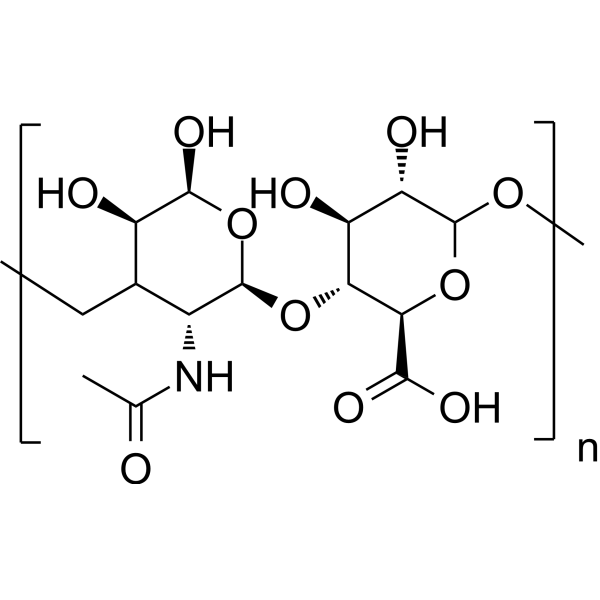
  • HY-B0633A
    Hyaluronic acid
    15+ Cited Publications

    Hyaluronan; Hyaluronate

    Endogenous Metabolite Bacterial Akt PI3K Infection Neurological Disease Inflammation/Immunology Cancer
    Hyaluronic acid is a biopolymer composed of repeating units of disaccharides with various applications. Hyaluronic acid is a major component of the extracellular matrix (ECM). Hyaluronic acid is synthesized at the plasma membrane. Increased hyaluronic acid levels are associated with tumor cell growth, adhesion, migration, invasion and angiogenesis in digestive cancers. Hyaluronic acid participates in tissue remodeling and rapid cell proliferation in some physiological processes including embryonic morphogenesis and wound-healing. Hyaluronic acid activates the PI3K-Akt signaling. Hyaluronic acid acts as a regulator of cancer-associated lymphangiogenesis. Hyaluronic acid also enhances cell invasion and angiogenesis by promoting proteolytic MMP-9 binding to cell surface or stimulating MMP-9 binding to cell surface. Hyaluronic acid can be used as drug delivery for sodium butyrate to improve the anti-proliferative activity on breast cancer cell line. Hyaluronic acid can be studied in joint diseases, wound healing and cancer .
    Hyaluronic acid
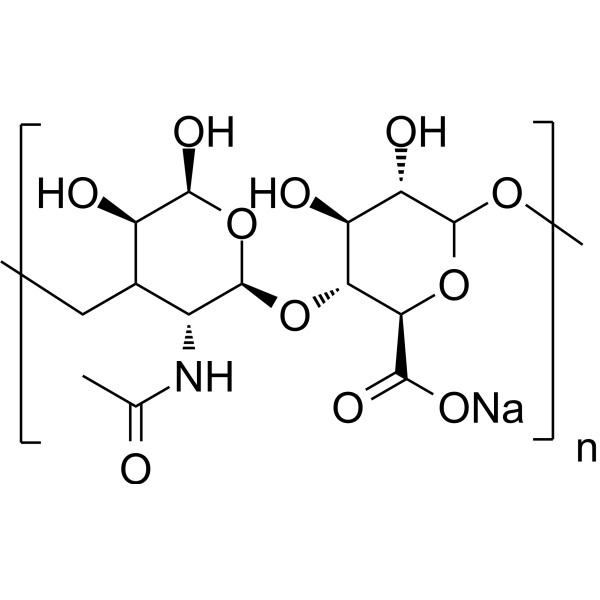
  • HY-B0633
    Hyaluronic acid sodium
    Maximum Cited Publications
    18 Publications Verification

    Sodium hyaluronate

    Endogenous Metabolite Bacterial PI3K Akt Inflammation/Immunology Cancer
    Hyaluronic acid sodium (Sodium hyaluronate) is a biopolymer composed of repeating units of disaccharides with various applications. Hyaluronic acid sodium is a major component of the extracellular matrix (ECM). Hyaluronic acid sodium is synthesized at the plasma membrane. Increased hyaluronic acid sodium levels are associated with tumor cell growth, adhesion, migration, invasion and angiogenesis in digestive cancers. Hyaluronic acid sodium participates in tissue remodeling and rapid cell proliferation in some physiological processes including embryonic morphogenesis and wound-healing. Hyaluronic acid sodium activates the PI3K-Akt signaling. Hyaluronic acid sodium acts as a regulator of cancer-associated lymphangiogenesis. Hyaluronic acid sodium also enhances cell invasion and angiogenesis by promoting proteolytic MMP-9 binding to cell surface or stimulating MMP-9 binding to cell surface. Hyaluronic acid sodium can be used as drug delivery for sodium butyrate to improve the anti-proliferative activity on breast cancer cell line. Hyaluronic acid sodium can be studied in joint diseases, wound healing and cancer .
    Hyaluronic acid sodium
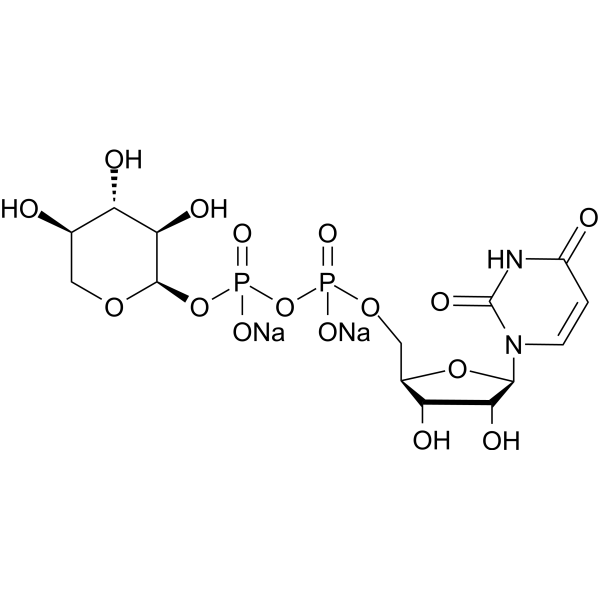
  • HY-N11287A
    UDP-xylose disodium
    2 Publications Verification

    Endogenous Metabolite Others
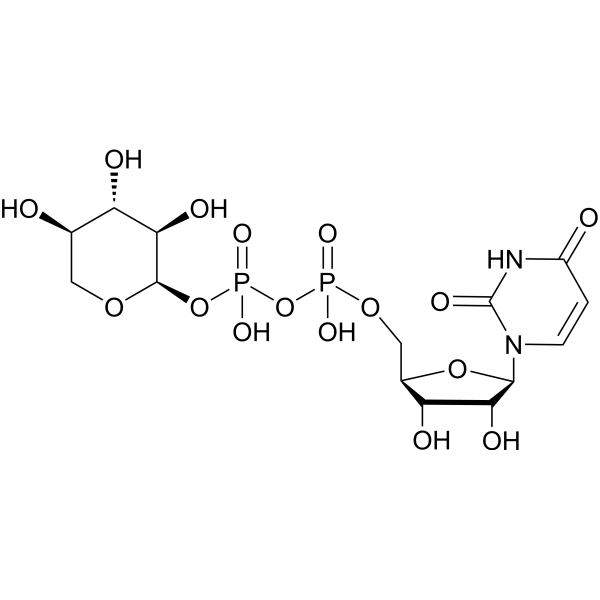
    UDP-xylose disodium is an endogenous sugar nucleotide and a catalytic substrate of UDP-xylose disodium synthase (UXS). UDP-xylose disodium is a sugar donor for the synthesis of glycoproteins, polysaccharides, various metabolites and oligosaccharides in plants, vertebrates and fungi, and participates in the synthesis of proteoglycans as a glycosyl donor. UDP-xylose disodium participates in the regulation of the synthesis of extracellular matrix components and can be used to study the mechanism of proteoglycan biosynthesis in glycobiology and related diseases (such as connective tissue diseases)[1][2].
    UDP-xylose disodium
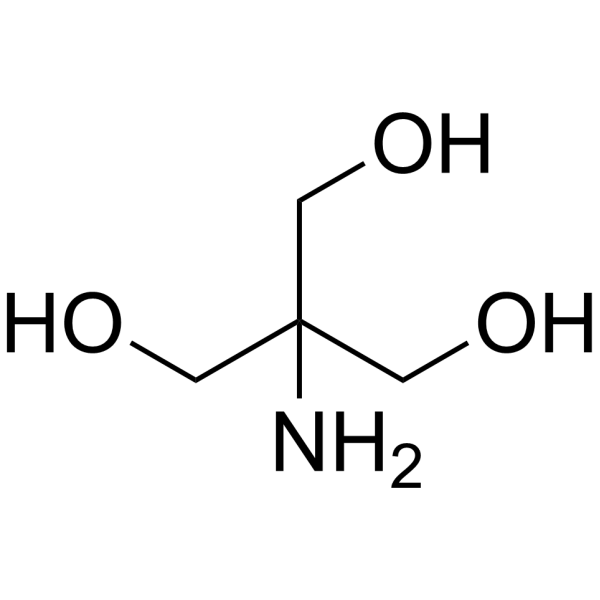
  • HY-D0227
    THAM
    1 Publications Verification

    Tris; Tris(hydroxymethyl)aminomethane

    Biochemical Assay Reagents Metabolic Disease
    THAM (Tris) is a low-toxicity amino alcohol buffer, a specific CO2-consuming proton acceptor that buffers carbon dioxide and acid both in vitro and in vivo. THAM binds protons to form bicarbonate, reduces PaCO2, and induces intracellular alkalization, thereby ameliorating hypercapnia-induced elevation of pulmonary blood vessels and pulmonary arterial pressure. THAM may cause PaCO2 rebound, hypoglycemia, and respiratory depression. THAM removes amniotic epithelium and preserves the basement membrane, but depletes extracellular matrix and reduces the adhesion rate of limbal epithelial cells. THAM can act as a CO2 carrier to enhance the productivity and carbon utilization rate of Scenedesmus obliquus. THAM is a key component of buffer solutions used in various biological, cell culture, biochemical, and molecular biology applications .
    THAM
  • HY-E70005I
    Collagenase, Type VI
    1 Publications Verification

    Type VI collagenase

    MMP Cancer
    Collagenase, Type VI (EC 3.4.24.3) is a collagenase that can degrade type VI collagen. Type VI collagen is a component of cell membranes in various tissues (such as skin, heart, blood vessels, cartilage, and synovial fluid). Excessive collagenase can cause extracellular matrix lesions. Collagenase is also a biomarker for tumor invasion and metastasis. Collagenase, Type VI can specifically act on the peptide bond between proline and glycine. This feature can be used to quickly and sensitively detect its concentration level in experiments using corresponding modified electrodes .
    Collagenase, Type VI
  • HY-P3160C

    Biochemical Assay Reagents Infection
    Fibronectin, bovine plasma is a fibronectin derived from bovine plasma. Fibronectin is an extracellular matrix protein that is upregulated and essential in many developmental processes, and also exists in the pathological progression of tissues and wound healing. Fibronectin specifically binds to a large number of molecules, including other components of the extracellular matrix, signaling molecules and cell adhesion molecules. The interaction between cells and fibronectin leads to bidirectional crosstalk, which regulates cell functions and induces cell-dependent changes in the extracellular matrix. Fibronectin, bovine plasma inhibits the production of bovine leukemia virus (BLV) p24 core protein in naturally infected bovine peripheral blood mononuclear cells .
    Fibronectin, bovine plasma
  • HY-129047E
    Trypsin, porcine pancreas (Cell culture grade)
    Maximum Cited Publications
    20 Publications Verification

    Ser/Thr Protease Others
    Trypsin, porcine pancreas (Cell culture grade) is a serine protease that hydrolyzes proteins at the carboxyl side of lysine or arginine residues. Trypsin, porcine pancreas (Cell culture grade) exhibits excellent protein digestibility for α-lactalbumin and β-casein. Trypsin, porcine pancreas (Cell culture grade) removes cellular components while preserving extracellular matrix structures to achieve uniform decellularization of porcine pancreas .
    Trypsin, porcine pancreas (Cell culture grade)
  • HY-W048825

    Amino Acid Derivatives Others
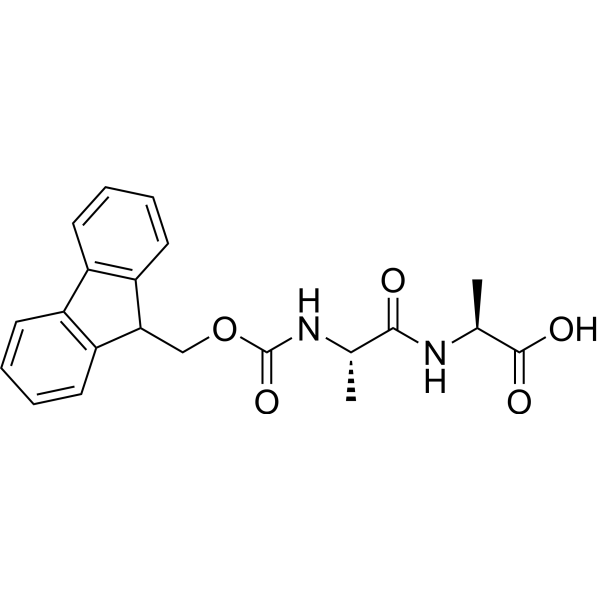
    Fmoc-Ala-Ala-OH is a self-assembling fluorenylmethoxycarbonyl dipeptide, a small amphiphilic building block composed of a dipeptide linked to a fluorenylmethoxycarbonyl (Fmoc) group. Under conditions of pH < 4, Fmoc-Ala-Ala-OH spontaneously assembles to form a nanofiber network, constructing a hydrogel scaffold with a water content exceeding 99% (w/w). The fibers have a diameter of approximately 22 nm, matching the size of extracellular matrix (ECM) components. Fmoc-Ala-Ala-OH supports cell adhesion, proliferation, and maintains of cell phenotype. Fmoc-Ala-Ala-OH's function is to mimic the ECM, providing a 3D growth microenvironment for cells, and Fmoc-Ala-Ala-OH is primarily used in tissue engineering and 3D cell culture, particularly suitable for in vitro culture studies of cells such as chondrocytes[1] .
    Fmoc-Ala-Ala-OH
  • HY-B0633D

    CD44 Endogenous Metabolite Bacterial Akt PI3K Neurological Disease Metabolic Disease Inflammation/Immunology Cancer
    Hyaluronic acid sodium (MW 200-1560) is a biopolymer composed of repeating disaccharide units, with a molecular weight of 200-1560. Hyaluronic acid sodium is a major component of the extracellular matrix (ECM). It is synthesized on the plasma membrane. Hyaluronic acid sodium exerts its effects by binding to receptors CD44 and RHAMM. Hyaluronic acid sodium activates PI3K-Akt signaling. Hyaluronic acid sodium also enhances cell invasion and angiogenesis by promoting or stimulating the binding of proteolytic MMP-9 to the cell surface. Elevated hyaluronic acid levels are associated with tumor cell growth, adhesion, migration, invasion, and angiogenesis in digestive system cancers. Hyaluronic acid sodium is involved in tissue remodeling and rapid cell proliferation in several physiological processes, including embryonic morphogenesis and wound healing. Hyaluronic acid sodium can be used as a regulator of cancer-associated lymphangiogenesis. Hyaluronic acid sodium can be used as a drug delivery carrier for sodium butyrate, enhancing its anti-proliferative activity against breast cancer cell lines. Hyaluronic acid sodium can lubricate the corneal endothelium. Hyaluronic acid sodium can improve tissue hydration and enhance the resistance of cells to mechanical damage. Hyaluronic acid sodium has been conjugated with antibodies to ensure that the active compound continues to exert its effects at the site of inflammation. Hyaluronic acid sodium can be used in research in the fields of osteoarthritis, ophthalmology, cosmetic dermatology, oncology, and liver diseases .
    Hyaluronic acid sodium (MW 200-1560)
  • HY-B0633E

    Hyaluronan, low endotoxin; Hyaluronate, low endotoxin

    Endogenous Metabolite CD44 Bacterial Akt PI3K Neurological Disease Metabolic Disease Inflammation/Immunology Cancer
    Hyaluronic acid, low endotoxin (Hyaluronan, low endotoxin) is a biopolymer composed of repeating disaccharide units containing low levels of endotoxin. Hyaluronic acid is a major component of the extracellular matrix (ECM). It is synthesized on the plasma membrane. Hyaluronic acid exerts its effects by binding to receptors CD44 and RHAMM. Hyaluronic acid activates PI3K-Akt signaling. Hyaluronic acid also enhances cell invasion and angiogenesis by promoting or stimulating the binding of proteolytic MMP-9 to the cell surface. Elevated hyaluronic acid levels are associated with tumor cell growth, adhesion, migration, invasion, and angiogenesis in digestive system cancers. Hyaluronic acid is involved in tissue remodeling and rapid cell proliferation in several physiological processes, including embryonic morphogenesis and wound healing. Hyaluronic acid can be used as a regulator of cancer-associated lymphangiogenesis. Hyaluronic acid can be used as a drug delivery carrier for sodium butyrate, enhancing its anti-proliferative activity against breast cancer cell lines. Hyaluronic acid can lubricate the corneal endothelium. Hyaluronic acid can improve tissue hydration and enhance the resistance of cells to mechanical damage. Hyaluronic acid has been conjugated with antibodies to ensure that the active compound continues to exert its effects at the site of inflammation. Hyaluronic acid can be used in research in the fields of osteoarthritis, ophthalmology, cosmetic dermatology, oncology, and liver diseases .
    Hyaluronic acid, low endotoxin
  • HY-P0204A

    Endothelin 3 (Rat,Human) TFA

    Endothelin Receptor Integrin Neurological Disease
    Endothelin-3, human, mouse, rabbit, rat TFA (Endothelin 3 (Rat,Human) TFA) is an adhesion stimulant. Endothelin-3, human, mouse, rabbit, rat TFA stimulates the adhesion of enteric neural crest cells to various ECM components. Endothelin-3, human, mouse, rabbit, rat TFA plays an important role in the maintenance and self-renewal of intestinal progenitor cells, participates in the migration of enteric neural crest cells, and helps maintain a suitable environment for the colonization of enteric neural crest cells. Endothelin-3, human, mouse, rabbit, rat TFA acts synergistically with the β1-integrin signaling pathway during enteric nervous system development. Endothelin-3, human, mouse, rabbit, rat TFA can be used in studies related to distal aganglionosis .
    Endothelin-3, human, mouse, rabbit, rat TFA
  • HY-N11287

    Endogenous Metabolite Others
    UDP-xylose is an endogenous sugar nucleotide and a catalytic substrate of UDP-xylose synthase (UXS). UDP-xylose is a sugar donor for the synthesis of glycoproteins, polysaccharides, various metabolites and oligosaccharides in plants, vertebrates and fungi, and participates in the synthesis of proteoglycans as a glycosyl donor. UDP-xylose participates in the regulation of the synthesis of extracellular matrix components and can be used to study the mechanism of proteoglycan biosynthesis in glycobiology and related diseases (such as connective tissue diseases)[1][2].
    UDP-xylose
  • HY-N6983

    TNF Receptor PI3K Akt mTOR Reactive Oxygen Species (ROS) Inflammation/Immunology Cancer
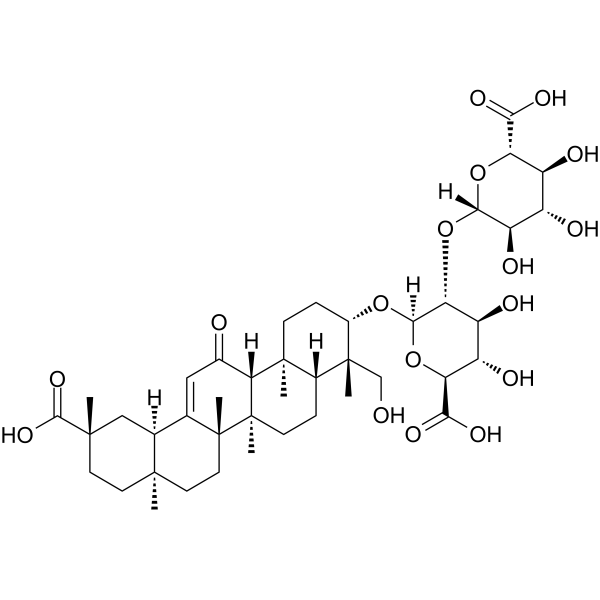
    Licoricesaponin G2 is an orally active component found in Licorice. Licoricesaponin G2 significantly ameliorates Bleomycin (HY-108345)-induced pulmonary fibrosis by inhibiting the TNF-α signaling pathway, reducing epithelial-mesenchymal transition, and decreasing extracellular matrix deposition. Licoricesaponin G2 inhibits cancer cells proliferation, migration, inhibits PI3K/AKT/mTOR signaling pathway and increases ROS production. Licoricesaponin G2 can be used for the research of lung cancer and pulmonary fibrosis .
    Licoricesaponin G2
  • HY-B0633I

    Endogenous Metabolite Bacterial PI3K Akt Inflammation/Immunology Cancer
    Hyaluronic acid sodium (MW 800kDa) is a biopolymer composed of repeating units of disaccharides with various applications. Hyaluronic acid sodium is a major component of the extracellular matrix (ECM). Hyaluronic acid sodium is synthesized at the plasma membrane. Increased hyaluronic acid sodium levels are associated with tumor cell growth, adhesion, migration, invasion and angiogenesis in digestive cancers. Hyaluronic acid sodium participates in tissue remodeling and rapid cell proliferation in some physiological processes including embryonic morphogenesis and wound-healing. Hyaluronic acid sodium activates the PI3K-Akt signaling. Hyaluronic acid sodium acts as a regulator of cancer-associated lymphangiogenesis. Hyaluronic acid sodium also enhances cell invasion and angiogenesis by promoting proteolytic MMP-9 binding to cell surface or stimulating MMP-9 binding to cell surface. Hyaluronic acid sodium can be used as drug delivery for sodium butyrate to improve the anti-proliferative activity on breast cancer cell line. Hyaluronic acid sodium can be studied in joint diseases, wound healing and cancer .
    Hyaluronic acid sodium (MW 800kDa)
  • HY-D0227J

    Tris HCl (≥99%, for cell culture); Tris hydrochloride (≥99%, for cell culture)

    Biochemical Assay Reagents Metabolic Disease
    THAM hydrochloride (≥99%, for cell culture) is a low-toxicity amino alcohol buffer, a specific CO2-consuming proton acceptor that buffers carbon dioxide and acid both in vitro and in vivo. THAM hydrochloride (≥99%, for cell culture) binds protons to form bicarbonate, reduces PaCO2, and induces intracellular alkalization, thereby ameliorating hypercapnia-induced elevation of pulmonary blood vessels and pulmonary arterial pressure. THAM hydrochloride (≥99%, for cell culture) may cause PaCO2 rebound, hypoglycemia, and respiratory depression. THAM hydrochloride (≥99%, for cell culture) removes amniotic epithelium and preserves the basement membrane, but depletes extracellular matrix and reduces the adhesion rate of limbal epithelial cells. THAM hydrochloride (≥99%, for cell culture) can act as a CO2 carrier to enhance the productivity and carbon utilization rate of Scenedesmus obliquus. THAM hydrochloride (≥99%, for cell culture) is a key component of buffer solutions used in various biological, cell culture, biochemical, and molecular biology applications .
    THAM hydrochloride (≥99%, for cell culture)
  • HY-W089353
    8-Phenyl-BODIPY 505/515
    1 Publications Verification

    MOFs Fluorescent Dye Others
    8-Phenyl-BODIPY 505/515 is a molecular rotor based on the BODIPY scaffold, specifically used as a microviscosity probe. The working principle of 8-Phenyl-BODIPY 505/515 is based on the restriction of molecular motion by viscosity: in a high-viscosity environment, the rotational freedom of its chemical bonds is inhibited, which leads to a significant extension of fluorescence lifetime. This property makes 8-Phenyl-BODIPY 505/515 an effective tool for monitoring changes in the viscosity of intracellular microenvironments via fluorescence lifetime imaging (FLIM) technology .
    8-Phenyl-BODIPY 505/515
  • HY-D1005I

    Biochemical Assay Reagents Others
    Poloxamer L61 is a non-ionic triblock copolymer surfactant. Poloxamer L61 effectively achieves intracellular molecular delivery to cancer cells during photoacoustic molecular delivery, and maintains cell viability by promoting cell membrane resealing, thus avoiding irreversible damage caused by laser-induced membrane permeabilization. Poloxamer L61 is a key component of SP1017, a compound related to gene therapy, which regulates the interaction between DNA and extracellular matrix as well as cellular uptake, and significantly enhances the distribution and bioavailability of plasmid DNA in skeletal muscle. Poloxamer L61 can be used in studies on local or systemic therapeutic protein production .
    Poloxamer L61
  • HY-137273

    Somatostatin Receptor MMP Inflammation/Immunology
    Sucrose octasulfate sodium, a derivative of sulfated oligosaccharides, is a matrix metalloproteinase (MMP) inhibitor. Sucrose octasulfate sodium stimulates the release of somatostatin-like immunoreactivity (SLI) from the stomach by acting directly on D cells in the gastric mucosa. Sucrose octasulfate sodium exerts its ulcer-healing effect by releasing endogenous gastric somatostatin. Sucrose octasulfate sodium can be used as a pharmaceutical excipient and significantly improves wound closure in diabetic foot ulcers caused by nerve ischemia and venous leg ulcers. Sucrose octasulfate sodium can be used in the study of chronic wound healing .
    Sucrose octasulfate sodium
  • HY-D0227B
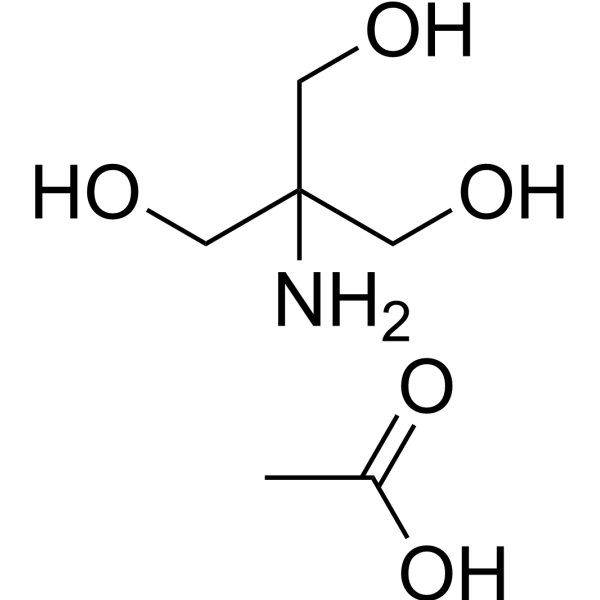
    THAM acetate
    1 Publications Verification

    Tris acetate; Tris(hydroxymethyl)aminomethane acetate

    Biochemical Assay Reagents Metabolic Disease
    THAM acetate is a low-toxicity amino alcohol buffer, a CO2-consuming proton acceptor that buffers carbon dioxide and acid both in vitro and in vivo. THAM acetate binds protons to form bicarbonate, reduces PaCO2, and induces intracellular alkalization, thereby ameliorating hypercapnia-induced elevation of pulmonary blood vessels and pulmonary arterial pressure. THAM acetate may cause PaCO2 rebound, hypoglycemia, and respiratory depression. THAM acetate removes amniotic epithelium and preserves the basement membrane, but depletes extracellular matrix and reduces the adhesion rate of limbal epithelial cells. THAM acetate can act as a CO2 carrier to enhance the productivity and carbon utilization rate of Scenedesmus obliquus. THAM acetate is a key component of buffer solutions used in various biological, cell culture, biochemical, and molecular biology applications .
    THAM acetate
  • HY-113612

    Phosphatase Apoptosis Cancer
    Cytostatin is an effective and selective protein phosphatase 2A (PP2A) inhibitor with an IC50 value of 210 nM. Cytostatin exhibits anti-metastatic properties, good antitumor activity, and can induce apoptosis. Cytostatin can also prevent the adhesion of B16 melanoma cells to components of the extracellular matrix (laminin and collagen). Cytostatin belongs to the family of natural product fosriecin .
    Cytostatin
  • HY-174750

    mRNA Inflammation/Immunology
    Human CCL7 mRNA encodes the human C-C motif chemokine ligand 7 (CCL7) protein, a member of the CC subfamily which is characterized by two adjacent cysteine residues. CCL7 is an in vivo substrate of matrix metalloproteinase 2, an enzyme which degrades components of the extracellular matrix.
    Human CCL7 mRNA
  • HY-113612A

    Apoptosis Phosphatase Cancer
    Cytostatin sodium is an effective and selective protein phosphatase 2A (PP2A) inhibitor with an IC50 value of 210 nM. Cytostatin sodium exhibits anti-metastatic properties, good antitumor activity, and can induce apoptosis. Cytostatin sodium can also prevent the adhesion of B16 melanoma cells to components of the extracellular matrix (laminin and collagen). Cytostatin sodium belongs to the family of natural product fosriecin .
    Cytostatin sodium
  • HY-170227

    Phosphodiesterase (PDE) TGF-β Receptor Inflammation/Immunology
    Autotaxin-IN-7 (45), a pyridine-2-carboxylic derivative, demonstrates subnanomolar ATX inhibition (IC50 = 0.086 nM), with a favorable heart safety profile (hERG > 30 μM) and minimal fibroblast toxicity. Autotaxin-IN-7 (45) suppresses the TGF-β/Smad signaling pathway, downregulating α-smooth muscle actin (α-SMA) and extracellular matrix components (ECM). Autotaxin-IN-7 (45) is used in the research for pulmonary fibrosis .
    Autotaxin-IN-7

Inquiry Online

Your information is safe with us. * Required Fields.

Salutation


Country or Region *

Applicant Name *


Organization Name *

Department *


Email Address *


Product Name *

Cat. No.


Requested quantity *

Phone Number *


Remarks

Inquiry Online

Inquiry Information

Product Name:
Cat. No.:
Quantity:
MCE Japan Authorized Agent:

