Search Result
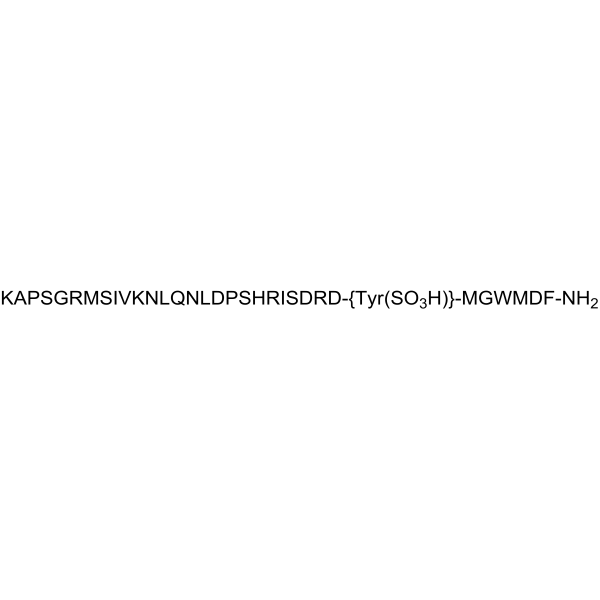
Results for "
gastrointestinal peptide
" in MedChemExpress (MCE) Product Catalog:
| Cat. No. |
Product Name |
Target |
Research Areas |
Chemical Structure |
-
- HY-P2671
-
|
|
Cholecystokinin Receptor
|
Cancer
|
|
[Leu15]-Gastrin I (human) is a Gastrin I, human (HY-P1097) peptide hormone derivative, which is trophic for normal gastrointestinal epithelium. Gastrin stimulates growth of gastric adenocarcinoma (gastric cancer) through G-protein-coupled receptor called the cholecystokinin (CCK) or cholecystokinin-B receptors (CCK-BR) that are overexpressed in this malignancy. [Leu15]-Gastrin I (human) is promising for research of gastric cancer .
|
-
-
- HY-105174
-
|
|
JAK
FAK
|
Inflammation/Immunology
|
|
BPC 157 is the 15-amino acide fragment of gastric peptide BPC. BPC 157 exhibits wound healing promoting and neuroprotective activity. BPC 157 maintains the integrity of the gastrointestinal mucosa without significant toxicity. BPC 157 acetate counteracts NSAIDs/insulin overdose/copper-induced toxicity. BPC 157 ameliorates specific (over)stimulated/damaged neurotransmitter systems-induced behavioral disorders through serotonergic and dopaminergic systems .
|
-
-
- HY-P0197
-
|
Substance K; Neurokinin α; Neuromedin L; NKA
|
Neurokinin Receptor
|
Neurological Disease
Endocrinology
|
|
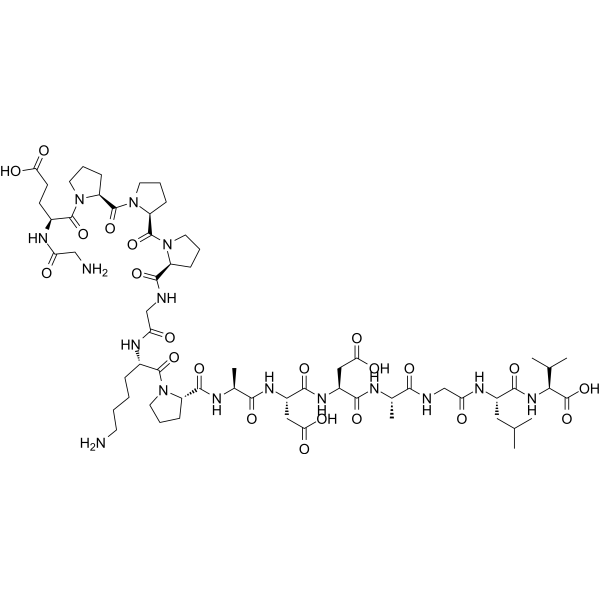
Neurokinin A (Substance K), a peptide neurotransmitter of the tachykinin family, acts via the NK-2 receptor. Neurokinin A acts as a major mediator in human airway and gastrointestinal tissues .
|
-
-
- HY-105174A
-
|
|
JAK
FAK
|
Neurological Disease
Metabolic Disease
|
|
BPC 157 acetate is an orally active peptide. BPC 157 acetate exhibits multiple activities such as promoting wound healing, tendon healing, neuroprotection, and gastrointestinal protection. BPC 157 acetate can be used in the research of tendon injury, burn, gastric ulcer, and neurological diseases .
|
-
-
- HY-P2932
-
|
Cholecystokinin-33(human); CCK-33(human)
|
Cholecystokinin Receptor
|
Metabolic Disease
|
|
Cholecystokinin is a peptide hormone. Cholecystokinin, as a hunger suppressant, inhibits food intake and stimulates the digestion of fat and protein. Cholecystokinin can be used for the research of gastrointestinal system .
|
-
-
- HY-109106A
-
|
SK-1403; AJT240; PLS240
|
CaSR
|
Endocrinology
|
|
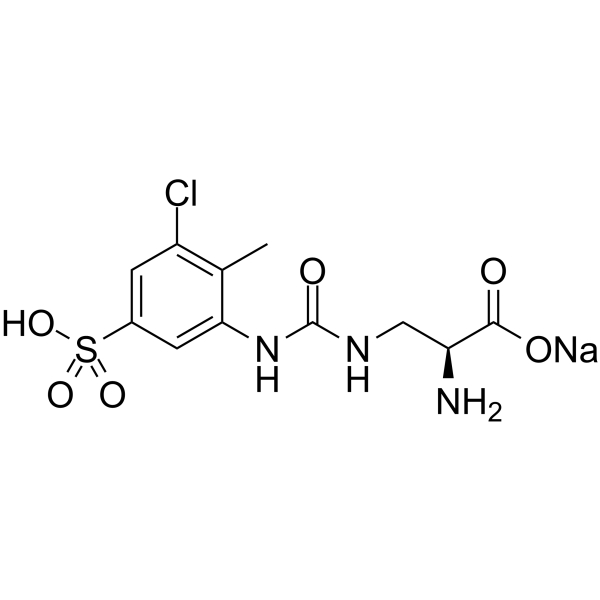
Upacicalcet sodium is a non-peptide calcimimetic that acts as a CaSR agonist (EC50 = 10.8 nM). Upacicalcet sodium reduces serum intact parathyroid hormone (iPTH) and serum Ca 2+ levels, reducing hypocalcemia and gastrointestinal complications. Upacicalcet sodium sodium improves vascular calcification and bone disorders in the Adenine (HY-B0152)-induced secondary hyperparathyroidism (SHPT) rat model. Upacicalcet sodium sodium inhibits cortical pore formation and reduces bone fibrosis in rats with chronic kidney disease (CKD). Upacicalcet sodium is useful for studying SHPT .
|
-
-
- HY-P3622
-
|
|
GCGR
|
Metabolic Disease
|
|
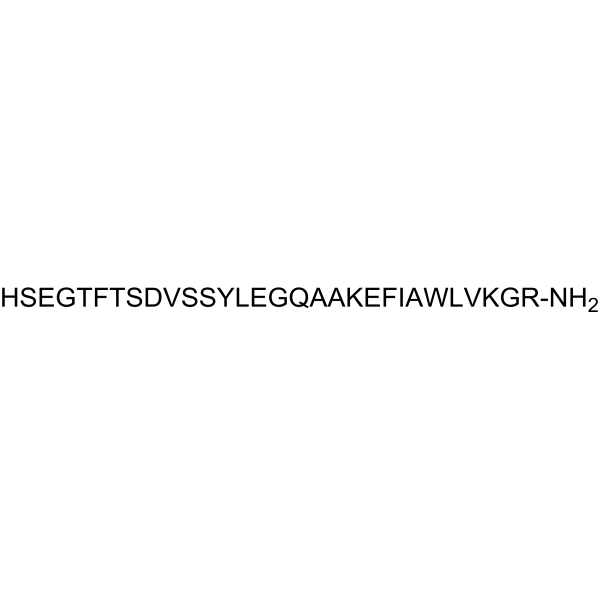
(Ser8)-GLP-1 (7-36) amide, human is a glucagon-like peptide 1 amide derived from glucagonogen, a cleavage product of the GLP-1 (1-36) amide peptide. (Ser8)-GLP-1 (7-36) amide, human is an entero-insulinotropic hormone that causes glucose-dependent release of insulin from pancreatic β-cells and affects gastrointestinal motility and secretion .
|
-
-
- HY-P4060
-
-
-
- HY-144034
-
|
|
GLP Receptor
|
Metabolic Disease
|
|
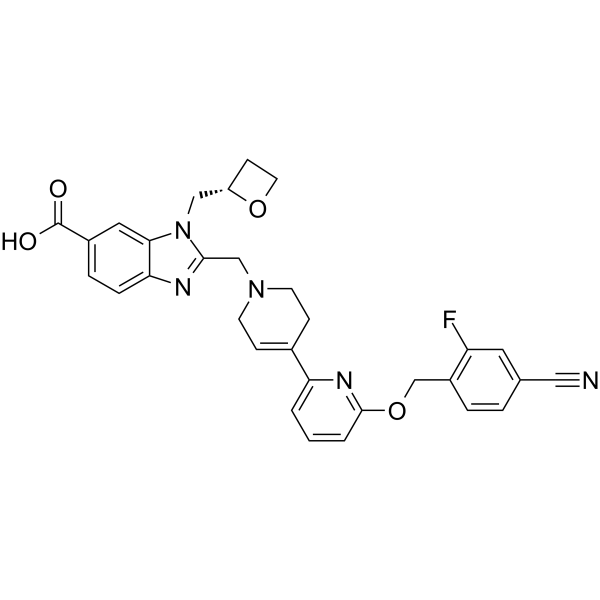
GLP-1R agonist 3 is a potent agonist of GLP-1R. GLP-1R agonist 3 is a thickened imidazole derivative compound. Glucagon-like peptide-1 (GLP-1) is an intestinal hypoglycemic hormone secreted by L-cells in the lower gastrointestinal tract. GLP-1R agonist 3 has the potential for the research of diabetes (extracted from patent WO2021197464A1, compound 1) .
|
-
-
- HY-P1179
-
|
|
Guanylate Cyclase
Endogenous Metabolite
|
Endocrinology
Cancer
|
|
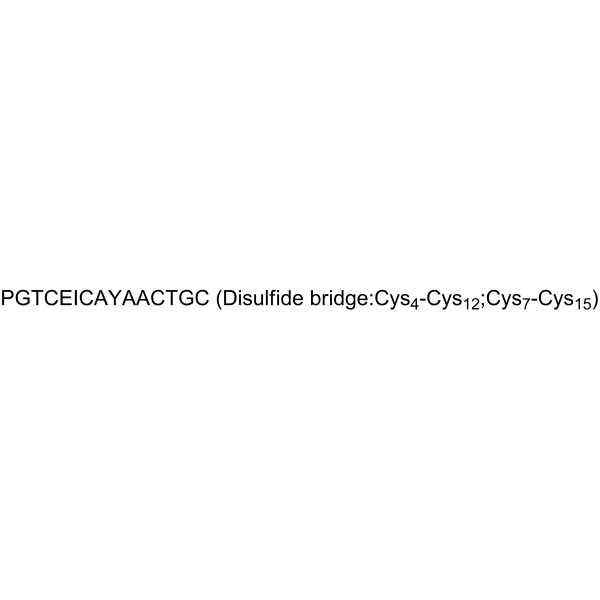
Guanylin(human), a 15-amino acid peptide, is an endogenous intestinal guanylate cyclase activator. Guanylin(human) is mainly found in gastrointestinal tract which regulates electrolytead water transport in intestinal and renal epithelia through cyclic GMP-dependent mechanism .
|
-
-
- HY-P1179A
-
|
|
Guanylate Cyclase
Endogenous Metabolite
|
Metabolic Disease
|
|
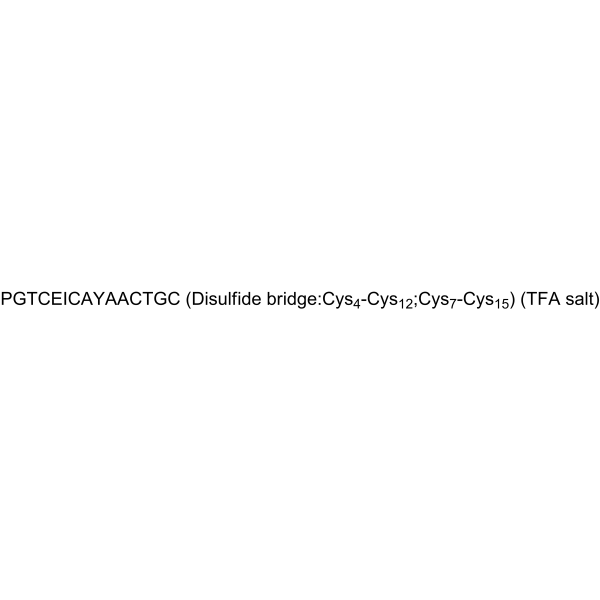
Guanylin(human) TFA, a 15-amino acid peptide, is an endogenous intestinal guanylate cyclase activator. Guanylin(human) TFA is mainly found in gastrointestinal tract which regulates electrolytead water transport in intestinal and renal epithelia through cyclic GMP-dependent mechanism .
|
-
-
- HY-P1806A
-
-
-
- HY-P0197A
-
|
Substance K TFA; Neurokinin α TFA; Neuromedin L TFA; NKA TFA
|
Neurokinin Receptor
|
Neurological Disease
Endocrinology
|
|
Neurokinin A TFA (Substance K TFA), a peptide neurotransmitter of the tachykinin family, acts via the NK-2 receptor. Neurokinin A acts as a major mediator in human airway and gastrointestinal tissues .
|
-
-
- HY-P1015
-
|
Vasoactive Intestinal peptide, guinea pig
|
PACAP Receptor
|
Neurological Disease
Metabolic Disease
|
|
VIP Guinea pig (Vasoactive intestinal peptide), a trophic and mitogenic factor, stimulates growth in whole cultured embryos. VIP Guinea pig functions as a simple gastrointestinal hormone and suggest a possible neurotransmitter function .
|
-
-
- HY-P1421
-
|
|
PERK
GHSR
Apoptosis
|
Metabolic Disease
|
|
Obestatin(human) is a 23-amino acid amidated peptide that regulates appetite and gastrointestinal motility via its interaction with GPR39. Obestatin(human) can be used for weight loss. Obestatin(human) cannot penetrate the cell membrane .
|
-
-
- HY-144035
-
|
|
GCGR
|
Metabolic Disease
Inflammation/Immunology
|
|
GLP-1R agonist 4 is a glucagon-like peptide-1 (GLP-1) receptor agonist. GLP-1 is an intestinal hypoglycemic hormone secreted by L-cells in the lower gastrointestinal tract. GLP-1R agonist 4 can be used for the research of type 2 diabetes mellitus, obesity, non-alcoholic steatohepatitis, insulin resistance and etc .
|
-
-
- HY-P5325A
-
|
|
Bcl-2 Family
|
Others
|
|
Bid BH3 (80-99) acetate is a biological active peptide. (BID is a pro-apoptotic member of the 'BH3-only' (BOPS) subset of the BCL-2 family of proteins that constitute a critical control point in apoptosis. Bid is the first of the BOPs reported to bind and activate Bcl-2, Bax, and Bak. Bid serves as a death-inducing ligand that moves from the cytosol to the mitochondrial membrane to inactivate Bcl-2 or to activate Bax.Pyroglutamyl (pGlu) peptides may spontaneously form when either Glutamine (Q) or Glutamic acid (E) is located at the sequence N-terminus. The conversion of Q or E to pGlu is a natural occurrence and in general it is believed that the hydrophobic γ-lactam ring of pGlu may play a role in peptide stability against gastrointestinal proteases. Pyroglutamyl peptides are therefore considered a normal subset of such peptides and are included as part of the peptide purity during HPLC analysis.)
|
-
-
- HY-P5325
-
|
|
Bcl-2 Family
|
Others
|
|
Bid BH3 (80-99) is a biological active peptide. (BID is a pro-apoptotic member of the 'BH3-only' (BOPS) subset of the BCL-2 family of proteins that constitute a critical control point in apoptosis. Bid is the first of the BOPs reported to bind and activate Bcl-2, Bax, and Bak. Bid serves as a death-inducing ligand that moves from the cytosol to the mitochondrial membrane to inactivate Bcl-2 or to activate Bax.Pyroglutamyl (pGlu) peptides may spontaneously form when either Glutamine (Q) or Glutamic acid (E) is located at the sequence N-terminus. The conversion of Q or E to pGlu is a natural occurrence and in general it is believed that the hydrophobic γ-lactam ring of pGlu may play a role in peptide stability against gastrointestinal proteases. Pyroglutamyl peptides are therefore considered a normal subset of such peptides and are included as part of the peptide purity during HPLC analysis.)
|
-
-
- HY-P2703
-
|
|
Neuropeptide Y Receptor
|
Metabolic Disease
Endocrinology
|
|
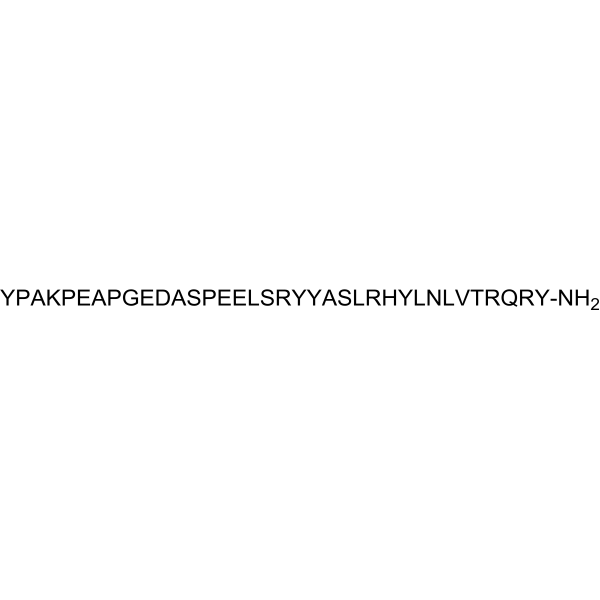
Peptide YY (pig) is a 36 amino acid gastrointestinal peptide, can be isolated from porcine duodenum. Peptide YY (pig) decreases appetite and food-intake by activation of the Y2 receptor. Peptide YY (pig) is present mainly in pancreatic endocrine cells with effect on both intestinal motility and the cardiovascular system .
|
-
-
- HY-P1541
-
|
Motilin (canine)
|
Motilin Receptor
|
Metabolic Disease
|
|
Motilin, canine is a 22-amino acid peptide. Motilin is a potent agonist for gastrointestinal smooth muscle contraction.
|
-
-
- HY-P1806
-
-
-
- HY-105069A
-
|
TP508 amide acetate
|
Thrombin
|
Metabolic Disease
Inflammation/Immunology
|
|
Rusalatide acetate (TP508 amide acetate), a regenerative peptide, mitigates radiation-induced gastrointestinal damage by activating stem cells and preserving crypt integrity .
|
-
-
- HY-401721
-
|
|
Biochemical Assay Reagents
|
Others
|
|
5-CNAC is an orally active enhancer of absorption, with no pharmacological activity on its own. 5-CNAC can significantly enhance the absorption efficiency of the drug (such as Salmon calcitonin (HY-P0090)) when administered together with it in the gastrointestinal tract. 5-CNAC binds reversibly and non-covalently to peptide drugs, protecting them from degradation by gastrointestinal enzymes, increasing their lipid solubility, promoting passive transcellular absorption, and not damaging the integrity of the intestinal epithelium. 5-CNAC can be used in the research of adjuvants for orally administered peptide agents .
|
-
-
- HY-P2636
-
|
Prepro CCK Fragment V-9-M
|
Histamine Receptor
|
Metabolic Disease
|
|
Cholecystokinin Precursor (24-32) (rat) is a cholecystokinin precursor that can be expressed in the heart, lungs, and kidneys as well as in the gastrointestinal tract and brain. Cholecystokinin is a brain-gut peptide that stimulates gallbladder contraction and pancreatic exocrine secretion and also acts as a neurotransmitter .
|
-
-
- HY-144033
-
|
|
GCGR
|
Metabolic Disease
|
|
GLP-1R agonist 1 is a potent agonist of GLP-1R. GLP-1R agonist 1 is a thickened imidazole derivative compound. Glucagon-like peptide-1 (GLP-1) is an intestinal hypoglycemic hormone secreted by L-cells in the lower gastrointestinal tract. GLP-1R agonist 1 has the potential for the research of diabetes (extracted from patent WO2021197464A1, compound 4) .
|
-
-
- HY-109106
-
|
SK-1403 free acid; AJT240 free acid; PLS240 free acid
|
CaSR
|
Endocrinology
|
|
Upacicalcet is a non-peptide calcimimetic that acts as a CaSR agonist (EC50 = 10.8 nM). Upacicalcet reduces serum intact parathyroid hormone (iPTH) and serum Ca2+ levels, reducing hypocalcemia and gastrointestinal complications. Upacicalcet improves vascular calcification and bone disorders in the Adenine (HY-B0152)-induced secondary hyperparathyroidism (SHPT) rat model. Upacicalcet inhibits cortical pore formation and reduces bone fibrosis in rats with chronic kidney disease (CKD). Upacicalcet is useful for studying SHPT .
|
-
-
- HY-P3616
-
|
|
GCGR
|
Metabolic Disease
|
|
Human glucagon-like peptide-1-(7-36)-Lys(Biotin) amide is a biotin labeled glucagon-like peptide-1-(7-36). Glucagon-like peptide-1-(7-36) is a gastrointestinal peptide with antidiabetogenic activity, and can increase the release of insulin .
|
-
-
- HY-P1015A
-
|
Vasoactive Intestinal peptide, guinea pig TFA
|
PACAP Receptor
|
Neurological Disease
Metabolic Disease
|
|
VIP Guinea pig TFA (Vasoactive intestinal peptide), a trophic and mitogenic factor, stimulates growth in whole cultured embryos. VIP Guinea pig functions as a simple gastrointestinal hormone and suggest a possible neurotransmitter function .
|
-
-
- HY-P3861
-
|
|
Neurokinin Receptor
|
Neurological Disease
|
|
Biotin-Neurokinin A is a biotinylated Neurokinin A (HY-P0197). Neurokinin A (Substance K), a peptide neurotransmitter of the tachykinin family, acts via the NK-2 receptor. Neurokinin A acts as a major mediator in human airway and gastrointestinal tissues .
|
-
-
- HY-P5439
-
|
|
PKC
MARCKS
|
Others
|
|
Epsilon-V1-2, Cys-conjugated is a biological active peptide. (This peptide is the εPKC specific inhibitor. Its inhibitory activity is based on εPKC translocation and MARCKS phosphorylation. This peptide interferes with εPKC interaction with the anchoring protein εRACK. This peptide contains a cysteine residue added to the C-terminus for potential S-S bond formation with a carrier protein.Pyroglutamyl (pGlu) peptides may spontaneously form when either Glutamine (Q) or Glutamic acid (E) is located at the sequence N-terminus. The conversion of Q or E to pGlu is a natural occurrence and in general it is believed that the hydrophobic γ-lactam ring of pGlu may play a role in peptide stability against gastrointestinal proteases. Pyroglutamyl peptides are therefore considered a normal subset of such peptides and are included as part of the peptide purity during HPLC analysis.)
|
-
-
- HY-P3542
-
|
|
GCGR
|
Metabolic Disease
|
|
Des His1, Glu8 Exendin-4 is a potent glucagon-like peptide-1 receptor (GLP-1-R) antagonist. Des His1, Glu8 Exendin-4 improves glucose homeostasis by regulating both insulin secretion and glucose production. Des His1, Glu8 Exendin-4 can be used for the research of type 2 diabetic and gastrointestinal .
|
-
-
- HY-109106B
-
|
(Rac)-SK-1403 free acid; (Rac)-AJT240 free acid; (Rac)-PLS240 free acid
|
CaSR
|
Endocrinology
|
|
(Rac)-Upacicalcet is the racemate of Upacicalcet (HY-109106). Upacicalcet is a non-peptide calcimimetic that acts as a CaSR agonist (EC50 = 10.8 nM). Upacicalcet reduces serum intact parathyroid hormone (iPTH) and serum Ca2+ levels, reducing hypocalcemia and gastrointestinal complications. Upacicalcet improves vascular calcification and bone disorders in the Adenine (HY-B0152)-induced secondary hyperparathyroidism (SHPT) rat model. Upacicalcet inhibits cortical pore formation and reduces bone fibrosis in rats with chronic kidney disease (CKD). Upacicalcet is useful for studying SHPT .
|
-
-
- HY-156957
-
|
|
Biochemical Assay Reagents
|
Others
|
|
5-CNAC disodium is an orally active enhancer of absorption, with no pharmacological activity on its own. 5-CNAC disodium can significantly enhance the absorption efficiency of the drug (such as Salmon calcitonin (HY-P0090)) when administered together with it in the gastrointestinal tract. 5-CNAC disodium binds reversibly and non-covalently to peptide drugs, protecting them from degradation by gastrointestinal enzymes, increasing their lipid solubility, promoting passive transcellular absorption, and not damaging the integrity of the intestinal epithelium. 5-CNAC disodium can be used in the research of adjuvants for orally administered peptide agents .
|
-
-
- HY-116260
-
|
|
Cholecystokinin Receptor
|
Neurological Disease
Inflammation/Immunology
|
|
RP-69758 is a potent and selective non-peptide cholecystokinin-B (CCKB)/gastrin receptor antagonist. RP-69758 exhibits >200-fold selectivity for CCKB over CCKA receptors. RP-69758 antagonizes CCK-8-induced neuronal firing in rat hippocampal slices. RP-69758 inhibits Pentagastrin (HY-A0261)-induced gastric acid secretion in the rat. RP-69758 can be used for neurological disorders and gastrointestinal disease research .
|
-
-
- HY-105174AR
-
|
|
Reference Standards
JAK
FAK
|
Neurological Disease
Metabolic Disease
|
|
BPC 157 acetate (Standard) is the analytical standard of BPC 157 acetate (HY-105174A). This product is intended for research and analytical applications. BPC 157 acetate is the acetate salt form of BPC 157 (HY-105174). BPC 157 acetate is the 15-amino acide fragment of gastric peptide BPC. BPC 157 acetate exhibits wound healing promoting and neuroprotective activity. BPC 157 acetate maintains the integrity of the gastrointestinal mucosa without significant toxicity. BPC 157 acetate counteracts NSAIDs/insulin overdose/copper-induced toxicity. BPC 157 acetate ameliorates specific (over)stimulated/damaged neurotransmitter systems-induced behavioral disorders through serotonergic and dopaminergic systems .
|
-
| Cat. No. |
Product Name |
Target |
Research Area |
-
- HY-P2671
-
|
|
Cholecystokinin Receptor
|
Cancer
|
|
[Leu15]-Gastrin I (human) is a Gastrin I, human (HY-P1097) peptide hormone derivative, which is trophic for normal gastrointestinal epithelium. Gastrin stimulates growth of gastric adenocarcinoma (gastric cancer) through G-protein-coupled receptor called the cholecystokinin (CCK) or cholecystokinin-B receptors (CCK-BR) that are overexpressed in this malignancy. [Leu15]-Gastrin I (human) is promising for research of gastric cancer .
|
-
- HY-105174
-
|
|
JAK
FAK
|
Inflammation/Immunology
|
|
BPC 157 is the 15-amino acide fragment of gastric peptide BPC. BPC 157 exhibits wound healing promoting and neuroprotective activity. BPC 157 maintains the integrity of the gastrointestinal mucosa without significant toxicity. BPC 157 acetate counteracts NSAIDs/insulin overdose/copper-induced toxicity. BPC 157 ameliorates specific (over)stimulated/damaged neurotransmitter systems-induced behavioral disorders through serotonergic and dopaminergic systems .
|
-
- HY-P0197
-
|
Substance K; Neurokinin α; Neuromedin L; NKA
|
Neurokinin Receptor
|
Neurological Disease
Endocrinology
|
|
Neurokinin A (Substance K), a peptide neurotransmitter of the tachykinin family, acts via the NK-2 receptor. Neurokinin A acts as a major mediator in human airway and gastrointestinal tissues .
|
-
- HY-105174A
-
|
|
JAK
FAK
|
Neurological Disease
Metabolic Disease
|
|
BPC 157 acetate is an orally active peptide. BPC 157 acetate exhibits multiple activities such as promoting wound healing, tendon healing, neuroprotection, and gastrointestinal protection. BPC 157 acetate can be used in the research of tendon injury, burn, gastric ulcer, and neurological diseases .
|
-
- HY-P2932
-
|
Cholecystokinin-33(human); CCK-33(human)
|
Cholecystokinin Receptor
|
Metabolic Disease
|
|
Cholecystokinin is a peptide hormone. Cholecystokinin, as a hunger suppressant, inhibits food intake and stimulates the digestion of fat and protein. Cholecystokinin can be used for the research of gastrointestinal system .
|
-
- HY-P3622
-
|
|
GCGR
|
Metabolic Disease
|
|
(Ser8)-GLP-1 (7-36) amide, human is a glucagon-like peptide 1 amide derived from glucagonogen, a cleavage product of the GLP-1 (1-36) amide peptide. (Ser8)-GLP-1 (7-36) amide, human is an entero-insulinotropic hormone that causes glucose-dependent release of insulin from pancreatic β-cells and affects gastrointestinal motility and secretion .
|
-
- HY-P4060
-
-
- HY-P1179
-
|
|
Guanylate Cyclase
Endogenous Metabolite
|
Endocrinology
Cancer
|
|
Guanylin(human), a 15-amino acid peptide, is an endogenous intestinal guanylate cyclase activator. Guanylin(human) is mainly found in gastrointestinal tract which regulates electrolytead water transport in intestinal and renal epithelia through cyclic GMP-dependent mechanism .
|
-
- HY-P1179A
-
|
|
Guanylate Cyclase
Endogenous Metabolite
|
Metabolic Disease
|
|
Guanylin(human) TFA, a 15-amino acid peptide, is an endogenous intestinal guanylate cyclase activator. Guanylin(human) TFA is mainly found in gastrointestinal tract which regulates electrolytead water transport in intestinal and renal epithelia through cyclic GMP-dependent mechanism .
|
-
- HY-P1806A
-
-
- HY-P0197A
-
|
Substance K TFA; Neurokinin α TFA; Neuromedin L TFA; NKA TFA
|
Neurokinin Receptor
|
Neurological Disease
Endocrinology
|
|
Neurokinin A TFA (Substance K TFA), a peptide neurotransmitter of the tachykinin family, acts via the NK-2 receptor. Neurokinin A acts as a major mediator in human airway and gastrointestinal tissues .
|
-
- HY-P1015
-
|
Vasoactive Intestinal peptide, guinea pig
|
PACAP Receptor
|
Neurological Disease
Metabolic Disease
|
|
VIP Guinea pig (Vasoactive intestinal peptide), a trophic and mitogenic factor, stimulates growth in whole cultured embryos. VIP Guinea pig functions as a simple gastrointestinal hormone and suggest a possible neurotransmitter function .
|
-
- HY-P1421
-
|
|
PERK
GHSR
Apoptosis
|
Metabolic Disease
|
|
Obestatin(human) is a 23-amino acid amidated peptide that regulates appetite and gastrointestinal motility via its interaction with GPR39. Obestatin(human) can be used for weight loss. Obestatin(human) cannot penetrate the cell membrane .
|
-
- HY-P5429
-
|
|
Peptides
|
Others
|
|
DNA-PK Substrate is a biological active peptide. (A substrate for DNA-dependent protein kinase (DNA-PK), phosphorylation. DNA-PK is essential for the repair of DNA double-strand breaks. This peptide corresponding to 11–24 amino acids of human p53 with threonine 18 and serine 20 changed to alanine is used as a substrate for the assay of DNA-PK activityPyroglutamyl (pGlu) peptides may spontaneously form when either Glutamine (Q) or Glutamic acid (E) is located at the sequence N-terminus. The conversion of Q or E to pGlu is a natural occurrence and in general it is believed that the hydrophobic γ-lactam ring of pGlu may play a role in peptide stability against gastrointestinal proteases. Pyroglutamyl peptides are therefore considered a normal subset of such peptides and are included as part of the peptide purity during HPLC analysis.)
|
-
- HY-P5325A
-
|
|
Bcl-2 Family
|
Others
|
|
Bid BH3 (80-99) acetate is a biological active peptide. (BID is a pro-apoptotic member of the 'BH3-only' (BOPS) subset of the BCL-2 family of proteins that constitute a critical control point in apoptosis. Bid is the first of the BOPs reported to bind and activate Bcl-2, Bax, and Bak. Bid serves as a death-inducing ligand that moves from the cytosol to the mitochondrial membrane to inactivate Bcl-2 or to activate Bax.Pyroglutamyl (pGlu) peptides may spontaneously form when either Glutamine (Q) or Glutamic acid (E) is located at the sequence N-terminus. The conversion of Q or E to pGlu is a natural occurrence and in general it is believed that the hydrophobic γ-lactam ring of pGlu may play a role in peptide stability against gastrointestinal proteases. Pyroglutamyl peptides are therefore considered a normal subset of such peptides and are included as part of the peptide purity during HPLC analysis.)
|
-
- HY-P5325
-
|
|
Bcl-2 Family
|
Others
|
|
Bid BH3 (80-99) is a biological active peptide. (BID is a pro-apoptotic member of the 'BH3-only' (BOPS) subset of the BCL-2 family of proteins that constitute a critical control point in apoptosis. Bid is the first of the BOPs reported to bind and activate Bcl-2, Bax, and Bak. Bid serves as a death-inducing ligand that moves from the cytosol to the mitochondrial membrane to inactivate Bcl-2 or to activate Bax.Pyroglutamyl (pGlu) peptides may spontaneously form when either Glutamine (Q) or Glutamic acid (E) is located at the sequence N-terminus. The conversion of Q or E to pGlu is a natural occurrence and in general it is believed that the hydrophobic γ-lactam ring of pGlu may play a role in peptide stability against gastrointestinal proteases. Pyroglutamyl peptides are therefore considered a normal subset of such peptides and are included as part of the peptide purity during HPLC analysis.)
|
-
- HY-P2703
-
|
|
Neuropeptide Y Receptor
|
Metabolic Disease
Endocrinology
|
|
Peptide YY (pig) is a 36 amino acid gastrointestinal peptide, can be isolated from porcine duodenum. Peptide YY (pig) decreases appetite and food-intake by activation of the Y2 receptor. Peptide YY (pig) is present mainly in pancreatic endocrine cells with effect on both intestinal motility and the cardiovascular system .
|
-
- HY-P1541
-
|
Motilin (canine)
|
Motilin Receptor
|
Metabolic Disease
|
|
Motilin, canine is a 22-amino acid peptide. Motilin is a potent agonist for gastrointestinal smooth muscle contraction.
|
-
- HY-P1806
-
-
- HY-105069A
-
|
TP508 amide acetate
|
Thrombin
|
Metabolic Disease
Inflammation/Immunology
|
|
Rusalatide acetate (TP508 amide acetate), a regenerative peptide, mitigates radiation-induced gastrointestinal damage by activating stem cells and preserving crypt integrity .
|
-
- HY-P2636
-
|
Prepro CCK Fragment V-9-M
|
Histamine Receptor
|
Metabolic Disease
|
|
Cholecystokinin Precursor (24-32) (rat) is a cholecystokinin precursor that can be expressed in the heart, lungs, and kidneys as well as in the gastrointestinal tract and brain. Cholecystokinin is a brain-gut peptide that stimulates gallbladder contraction and pancreatic exocrine secretion and also acts as a neurotransmitter .
|
-
- HY-P3616
-
|
|
GCGR
|
Metabolic Disease
|
|
Human glucagon-like peptide-1-(7-36)-Lys(Biotin) amide is a biotin labeled glucagon-like peptide-1-(7-36). Glucagon-like peptide-1-(7-36) is a gastrointestinal peptide with antidiabetogenic activity, and can increase the release of insulin .
|
-
- HY-P1015A
-
|
Vasoactive Intestinal peptide, guinea pig TFA
|
PACAP Receptor
|
Neurological Disease
Metabolic Disease
|
|
VIP Guinea pig TFA (Vasoactive intestinal peptide), a trophic and mitogenic factor, stimulates growth in whole cultured embryos. VIP Guinea pig functions as a simple gastrointestinal hormone and suggest a possible neurotransmitter function .
|
-
- HY-P3861
-
|
|
Neurokinin Receptor
|
Neurological Disease
|
|
Biotin-Neurokinin A is a biotinylated Neurokinin A (HY-P0197). Neurokinin A (Substance K), a peptide neurotransmitter of the tachykinin family, acts via the NK-2 receptor. Neurokinin A acts as a major mediator in human airway and gastrointestinal tissues .
|
-
- HY-P5479
-
|
|
Peptides
|
Others
|
|
EE epitope is a biological active peptide. (This peptide is a 314 to 319 amino acids fragment of the middle T antigen of mouse polymavirus. Glu-Glu epitope peptide is widely used as an epitope tag.Pyroglutamyl (pGlu) peptides may spontaneously form when either Glutamine (Q) or Glutamic acid (E) is located at the sequence N-terminus. The conversion of Q or E to pGlu is a natural occurrence and in general it is believed that the hydrophobic γ-lactam ring of pGlu may play a role in peptide stability against gastrointestinal proteases. Pyroglutamyl peptides are therefore considered a normal subset of such peptides and are included as part of the peptide purity during HPLC analysis.)
|
-
- HY-P5439
-
|
|
PKC
MARCKS
|
Others
|
|
Epsilon-V1-2, Cys-conjugated is a biological active peptide. (This peptide is the εPKC specific inhibitor. Its inhibitory activity is based on εPKC translocation and MARCKS phosphorylation. This peptide interferes with εPKC interaction with the anchoring protein εRACK. This peptide contains a cysteine residue added to the C-terminus for potential S-S bond formation with a carrier protein.Pyroglutamyl (pGlu) peptides may spontaneously form when either Glutamine (Q) or Glutamic acid (E) is located at the sequence N-terminus. The conversion of Q or E to pGlu is a natural occurrence and in general it is believed that the hydrophobic γ-lactam ring of pGlu may play a role in peptide stability against gastrointestinal proteases. Pyroglutamyl peptides are therefore considered a normal subset of such peptides and are included as part of the peptide purity during HPLC analysis.)
|
-
- HY-P3542
-
|
|
GCGR
|
Metabolic Disease
|
|
Des His1, Glu8 Exendin-4 is a potent glucagon-like peptide-1 receptor (GLP-1-R) antagonist. Des His1, Glu8 Exendin-4 improves glucose homeostasis by regulating both insulin secretion and glucose production. Des His1, Glu8 Exendin-4 can be used for the research of type 2 diabetic and gastrointestinal .
|
-
- HY-P5471
-
|
[Leu27]-Melan-A, MART-1 (26-35)
|
Peptides
|
Others
|
|
Melan-A/MART-1 analog ([Leu27]-Melan-A, MART-1 (26-35)) is a biological active peptide. (This Melan-A (26-35) analog, Leu substituted for Ala at position 27, shows better HLA-A*0201 binding properties as well as better immunogenicity and antigenicity than the natural Melan-A (26-35).Pyroglutamyl (pGlu) peptides may spontaneously form when either Glutamine (Q) or Glutamic acid (E) is located at the sequence N-terminus. The conversion of Q or E to pGlu is a natural occurrence and in general it is believed that the hydrophobic γ-lactam ring of pGlu may play a role in peptide stability against gastrointestinal proteases. Pyroglutamyl peptides are therefore considered a normal subset of such peptides and are included as part of the peptide purity during HPLC analysis.)
|
-
- HY-105174AR
-
|
|
Reference Standards
JAK
FAK
|
Neurological Disease
Metabolic Disease
|
|
BPC 157 acetate (Standard) is the analytical standard of BPC 157 acetate (HY-105174A). This product is intended for research and analytical applications. BPC 157 acetate is the acetate salt form of BPC 157 (HY-105174). BPC 157 acetate is the 15-amino acide fragment of gastric peptide BPC. BPC 157 acetate exhibits wound healing promoting and neuroprotective activity. BPC 157 acetate maintains the integrity of the gastrointestinal mucosa without significant toxicity. BPC 157 acetate counteracts NSAIDs/insulin overdose/copper-induced toxicity. BPC 157 acetate ameliorates specific (over)stimulated/damaged neurotransmitter systems-induced behavioral disorders through serotonergic and dopaminergic systems .
|
| Cat. No. |
Product Name |
Category |
Target |
Chemical Structure |
Your information is safe with us. * Required Fields.
Inquiry Information
- Product Name:
- Cat. No.:
- Quantity:
- MCE Japan Authorized Agent: