76 Results for "

glial cell

" in MedChemExpress (MCE) Product Catalog:
Products (76)

76 Results for "glial cell" in MCE Product Catalog:

12
12 Publications Verification
Cat. No.: HY-K3001

DMEM (Dulbecco's Modified Eagle Medium) is a widely used basal medium for supporting the growth of many different mammalian cells. Cell lines successfully cultured in DMEM include Hela, 293, Cos-7, and PC-12, as well as primary fibroblasts, neurons, glial cells, HUVECs, and smooth muscle cells. The 500 mL is defined as the base specification. All larger sizes correspond to incremental volumes of this base.

loading...
    loading...
8
8 Cited Publications
Cat. No.: HY-K3002

DMEM/F-12 (Dulbecco's Modified Eagle Medium/Nutrient Mixture F-12) is a widely used basal medium for supporting the growth of many different mammalian cells. Cell successfully cultured in DMEM/F-12 include MDCK, glial cells, fibroblasts, human endothelial cells, etc. The 500 mL is defined as the base specification. All larger sizes correspond to incremental volumes of this base.

loading...
    loading...
6
6 Cited Publications
Cat. No.: HY-B1411
CAS No.: 87-89-8
Synonyms: myo-Inositol; meso-Inositol
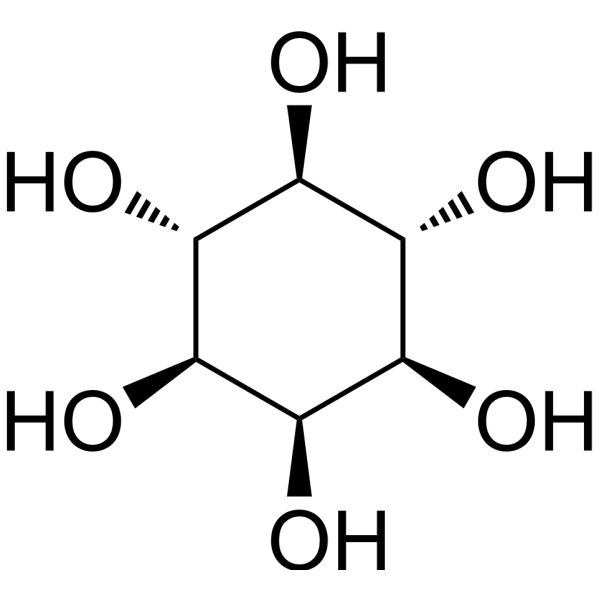
i-Inositol (myo-Inositol) is a compound of sugar alcohols. i-Inositol is involved in a series of biological processes such as insulin signal transduction and cytoskeletal transduction. i-Inositol mainly exists in glial cells and plays an osmotic role .
loading...
    loading...
5
5 Cited Publications
Cat. No.: HY-P7182
Purity:  ≥ 95%, as determined by reducing SDS-PAGE.
Synonyms: GDNF; ATF2; glial cell Derived Neurotrophic Factor; ATF; Astrocyte-Derived Trophic Factor; glial cell Line Derived Neurotrophic Factor; glial cell Line-Derived Neurotrophic Factor; glial Derived Neurotrophic Factor; HFB1-GDNF; HSCR3; ATF1; HGDNF
Species:  
Human
Source:  
E. coli
loading...
    loading...
3
3 Cited Publications
Cat. No.: HY-107521
CAS No.: 480439-73-4
Purity:  99.28%
Synonyms: CF3-Bza-TBOA
Target:  

EAAT

Research Areas:  

Neurological Disease

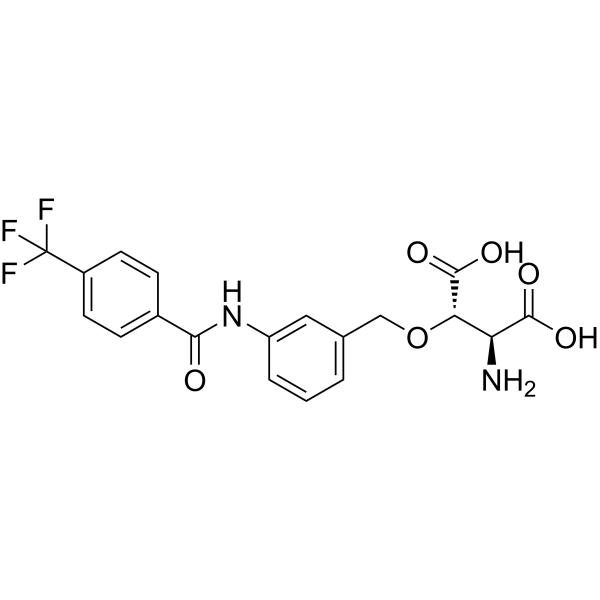
TFB-TBOA (CF3-Bza-TBOA) is a potent glutamate transporter blocker that potently suppresses the activity of glial transporters. TFB-TBOA shows IC50 values of 22, 17, and 300 nM for glutamate transporters EAAT1, EAAT2, and EAAT3 respectively in an uptake assay using cells transiently expressing EAATs .
loading...
    loading...
2
2 Cited Publications
Cat. No.: HY-P7359
Purity:  ≥ 95%, as determined by reducing SDS-PAGE.
Synonyms: GDNF; ATF2; glial cell Derived Neurotrophic Factor; ATF; Astrocyte-Derived Trophic Factor; glial cell Line Derived Neurotrophic Factor; glial cell Line-Derived Neurotrophic Factor; glial Derived Neurotrophic Factor; HFB1-GDNF; HSCR3; ATF1; HGDNF
Species:  
Mouse
Source:  
CHO
loading...
    loading...
2
2 Cited Publications
Cat. No.: HY-P71617
Purity:  ≥ 90%, as determined by reducing SDS-PAGE.
Synonyms: METRNL; Cometin; Meteorin Like, glial cell Differentiation Regulator; Meteorin, glial cell Differentiation Regulator-Like; Meteorin-Like Protein; METRNL Protein; Subfatin
Species:  
Mouse
Source:  
E. coli
loading...
    loading...
1
1 Cited Publications
Cat. No.: HY-148853
CAS No.: 2727872-68-4
Purity:  99.80%
Target:  

HuR

Research Areas:  

Others

SRI-42127 is a HuR translocation inhibitor. HuR is an RNA regulator that binds to AREs, and HuR translocations promote the production of inflammatory cytokines in glial cells. However, SRI-42127 can destroy mRNA stability and inhibit gene promoter activation. SRI-42127 also inhibits microglial cell activation and attenuates recruitment/chemotaxis of neutrophils and monocytes .
loading...
    loading...
1
1 Cited Publications
Cat. No.: HY-111969
CAS No.: 924811-53-0
Purity:  99.77%
Target:  

GDNF Receptor

Research Areas:  

Neurological Disease

BT18 is a molecule mimic with function similar to glial cell line-derived neurotrophic factor (GDNF) . BT18 shows an effect on GDNF family receptor GFRα1 and RET receptor tyrosine kinase RetA function .
loading...
    loading...
1
1 Cited Publications
Cat. No.: HY-N1391
CAS No.: 78432-77-6
Synonyms: 10-Deacetylpaclitaxel
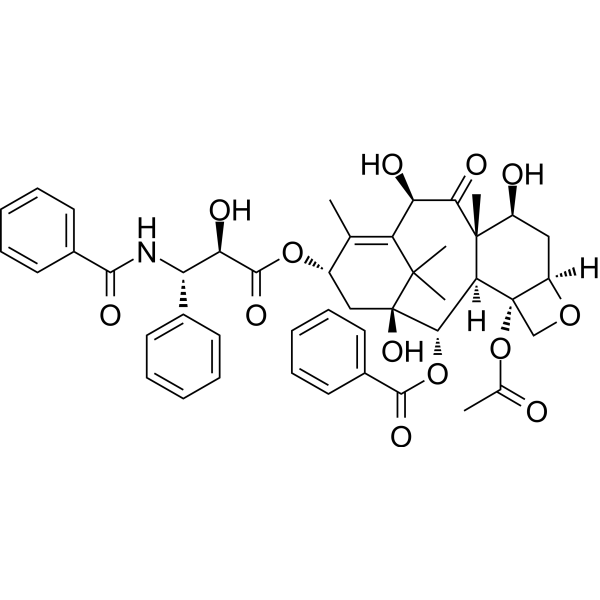
10-Deacetyltaxol (10-Deacetylpaclitaxel) is a taxane derivative isolated from Taxus wallichiana Zucc . 10-Deacetyltaxol (10-Deacetylpaclitaxel) promotes the polymerization of tubulin and to inhibit the depolymerization of microtubules induced by cold or by calcium ions in vitro . 10-Deacetyltaxol (10-Deacetylpaclitaxel) exhibits cytotoxicity in human glial and neuroblastoma cell-lines .
loading...
    loading...
1
1 Cited Publications
Cat. No.: HY-P73074
Purity:  ≥ 95%, as determined by reducing SDS-PAGE.
Synonyms: GDNF; ATF2; glial cell Derived Neurotrophic Factor; ATF; Astrocyte-Derived Trophic Factor; glial cell Line Derived Neurotrophic Factor; glial cell Line-Derived Neurotrophic Factor; glial Derived Neurotrophic Factor; HFB1-GDNF; HSCR3; ATF1; HGDNF
Species:  
Human
Source:  
HEK293
loading...
    loading...
Cat. No.: HY-110281
CAS No.: 490-83-5
Purity:  95.57%
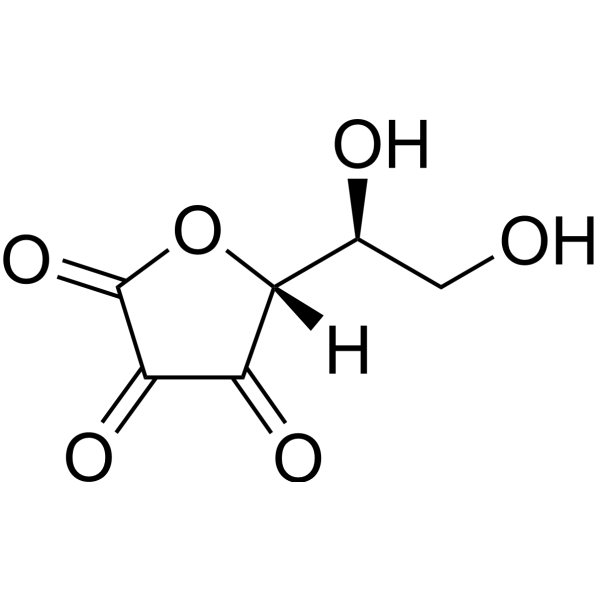
Dehydroascorbic acid is an oxidized form of vitamin C that can cross the blood-brain barrier (BBB). Dehydroascorbic acid clears cytotoxic reactive oxygen species (ROS) produced after ischemic stroke by converting to ascorbic acid (AA), thereby reducing neuronal and glial cell damage and stabilizing cerebral microvascular NO signaling to maintain perfusion in the ischemic area. Dehydroascorbic acid can be used in research on ischemic stroke .
loading...
    loading...
Cat. No.: HY-B0696A
CAS No.: 145821-59-6
Synonyms: NO050328 hydrochloride; NO328 hydrochloride; TGB hydrochloride
Target:  

GABA Receptor

Research Areas:  

Neurological Disease

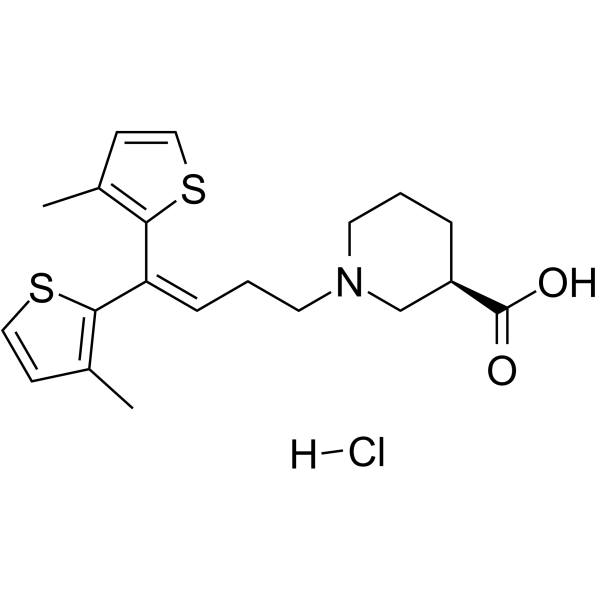
Tiagabine hydrochloride (NO050328; NO328; TGB) is an orally active, highly selective, and reversible GAT-1 inhibitor and anticonvulsant that crosses the blood-brain barrier. By blocking the reuptake of GABA in neurons and glial cells, tiagabine increases extracellular GABA levels to enhance inhibitory signal transduction, thereby exerting multiple activities such as anticonvulsant, neuroprotective, and antioxidant effects. Tiagabine hydrochloride exhibits linear pharmacokinetic properties. Although it is metabolized by CYP3A and has a high protein binding rate, it carries a low risk of cognitive impairment. Tiagabine hydrochloride is widely used in research on related diseases including epilepsy (including refractory partial seizures), alcohol withdrawal symptoms, and Huntington's disease .
loading...
    loading...
Cat. No.: HY-B0696
CAS No.: 115103-54-3
Synonyms: NO050328; NO328; TGB
Target:  

GABA Receptor

Research Areas:  

Neurological Disease

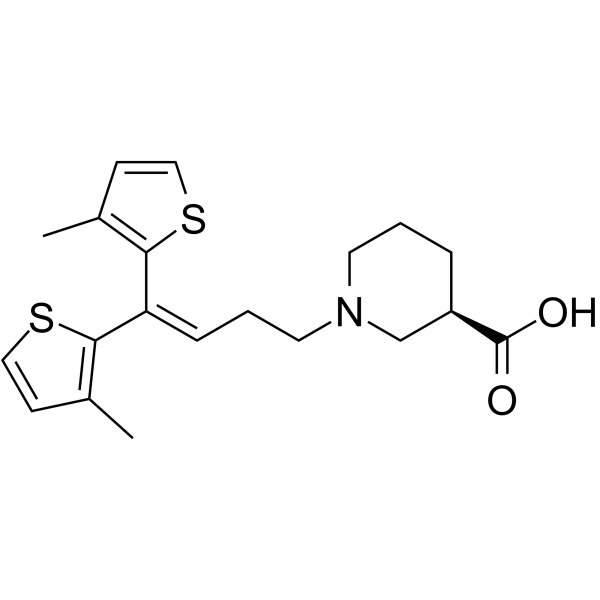
Tiagabine (NO050328; NO328; TGB) is an orally active, highly selective, and reversible GAT-1 inhibitor and anticonvulsant that crosses the blood-brain barrier. By blocking the reuptake of GABA in neurons and glial cells, tiagabine increases extracellular GABA levels to enhance inhibitory signal transduction, thereby exerting multiple activities such as anticonvulsant, neuroprotective, and antioxidant effects. Tiagabine exhibits linear pharmacokinetic properties. Although it is metabolized by CYP3A and has a high protein binding rate, it carries a low risk of cognitive impairment. Tiagabine is widely used in research on related diseases including epilepsy (including refractory partial seizures), alcohol withdrawal symptoms, and Huntington's disease .
loading...
    loading...
Cat. No.: HY-W002199
CAS No.: 647-42-7
Synonyms: 6:2 FTOH; 1H,1H,2H,2H-Perfluoro-1-octanol; 2-(Perfluorohexyl)ethanol
6:2 Fluorotelomer alcohol (6:2 FTOH) is an orally active, blood-brain barrier-permeable modulator of cyclin D1 and ETS1. 6:2 Fluorotelomer alcohol downregulates cyclin D1 expression, upregulates ETS1 via the TNF-α/ERK 1/2 pathway, impairs mitochondrial membrane potential and respiratory function, increases reactive oxygen species levels, disrupts calcium homeostasis and activates endoplasmic reticulum stress markers, and induces cell proliferation inhibition and endothelial-mesenchymal transition. Furthermore, 6:2 Fluorotelomer alcohol induces morphological abnormalities in zebrafish embryos and liver developmental damage, while disrupting the brain immune microenvironment in mice, causing systemic toxicity and delayed pup maturation in CD-1 mice. 6:2 Fluorotelomer alcohol also induces cortical neuron apoptosis, glial cell activation, synaptic abnormalities, colonic barrier damage, intestinal dysbiosis and autism spectrum disorder-like symptoms in mice. 6:2 Fluorotelomer alcohol shows no mutagenic, clastogenic, primary skin/eye irritation or skin sensitizing effects, exhibits no selective reproductive toxicity in CD-1 mice, and is classified as GHS Category 4 for acute oral toxicity. 6:2 Fluorotelomer alcohol can be used in studies of neurodevelopmental disorders and autism spectrum disorders .
loading...
    loading...
Cat. No.: HY-P1777
CAS No.: 135861-49-3
Synonyms: Insulin-like Growth Factor I (24-41)
Target:  

IGF-1R

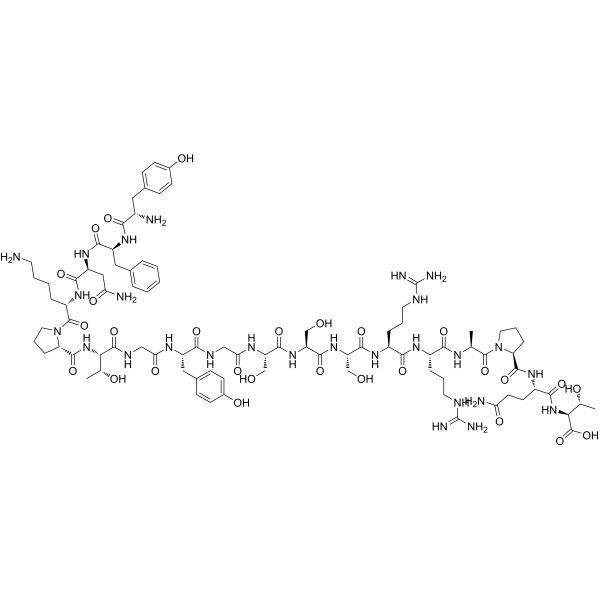
IGF-I (24-41) (Insulin-like Growth Factor I (24-41)) is amino acids 24 to 41 fragment of IGF-I. IGF-I, a 70 aa polypeptide hormone, is a trophic factor for both neurons and glial cells. IGF-I is partly responsible for systemic growth hormone (GH) activities. IGF-I has anabolic, antioxidant, anti-inflammatory and cytoprotective actions. IGF-I (24-41) regulates somatic growth and behavioral development .
loading...
    loading...
Cat. No.: HY-B1197
CAS No.: 51022-69-6
Synonyms: CL-34699
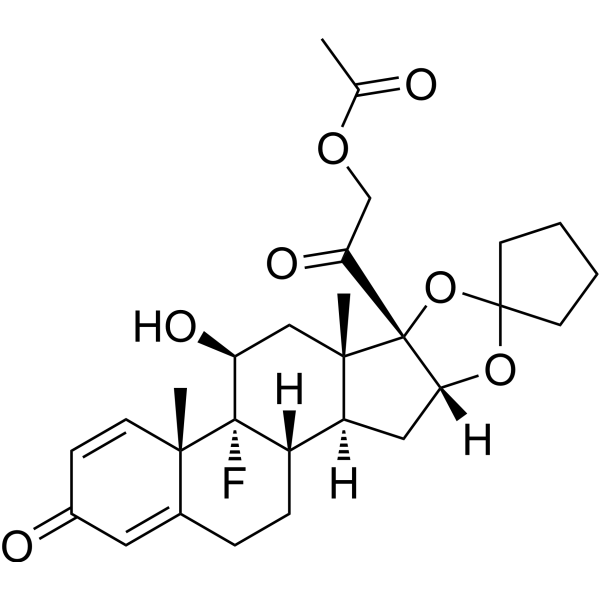
Amcinonide is an inhibitor of NO release (IC50 = 3.38 nM). Amcinonide inhibits NNC-induced expression of the proinflammatory genes iNOS, TNF-α, and IL-1β in glial cells. Amcinonide reduces the numbers of T6+/Ia+ cells with a concomitant increase in T6+/Ia- cells. Amcinonide induces a selective reduction in expression of Ia antigens. Amcinonide can also be studied in research for eczematous dermatitis .
loading...
    loading...
Cat. No.: HY-139201H
CAS No.: 27964-99-4
Synonyms: PDLHB (MW ≥300000)
Poly-D-lysine hydrobromide (MW ≥300000) (PDLHB (MW ≥300000)) is a cationic polymer and cell adhesion promoter. Poly-D-lysine hydrobromide (MW ≥300000) serves as a substrate coating to support the adhesion and proliferation of rat dorsal root ganglion satellite glial cells in vitro. Poly-D-lysine hydrobromide (MW ≥300000) promotes the adhesion and immobilization of cells on plastic culture dishes. Poly-D-lysine hydrobromide is also known as a calcium-sensing receptor (CaSR) agonist peptide .
loading...
    loading...
Cat. No.: HY-B1411R
CAS No.: 87-89-8
Synonyms: myo-Inositol (Standard); meso-Inositol (Standard)
i-Inositol (Standard) is the analytical standard of i-Inositol. This product is intended for research and analytical applications. i-Inositol (myo-Inositol) is a compound of sugar alcohols. i-Inositol is involved in a series of biological processes such as insulin signal transduction and cytoskeletal transduction. i-Inositol mainly exists in glial cells and plays an osmotic role .
loading...
    loading...
ISIS 626112 sodium
0 Images
ION-626112 (sodium)
Cat. No.: HY-159693A
Synonyms: ION-626112 sodium
ISIS 626112 sodium (ION-626112 sodium) is a blood-brain barrier-permeable MOE-gapmer antisense oligonucleotide and also an inhibitor of the Malat1 long non-coding RNA. ISIS 626112 sodium triggers RNase H1-mediated cleavage and degradation of complementary Malat1 RNA. ISIS 626112 sodium dose-dependently reduces Malat1 RNA levels in all tested central nervous system regions and major central nervous system cell types in mice, with glial cells showing higher sensitivity than neurons .
loading...
    loading...

