
1. Search Result
Search Result
Results for "

glutamine synthetase

" in MedChemExpress (MCE) Product Catalog:

31

Inhibitors & Agonists

1

Inhibitory Antibodies

8

Natural
Products

1

Recombinant Proteins

12

Isotope-Labeled Compounds

9

Antibodies

1

Oligonucleotides

Cat. No. Product Name Target Research Areas Chemical Structure
  • HY-B1692
    L-Methionine-DL-sulfoximine
    5+ Cited Publications

    MSX; MSO

    Glutaminase Neurological Disease
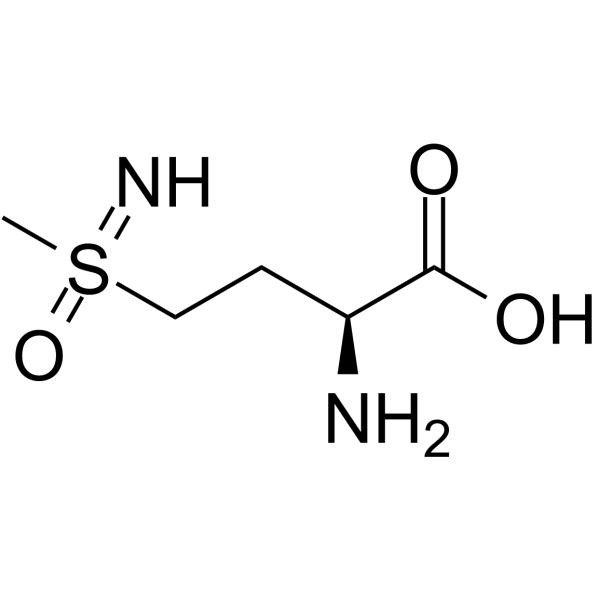
    L-Methionine-DL-sulfoximine (MSX; MSO), a highly specific and irreversible inhibitor of Glutamine synthetase (GS), is also a potent convulsant which metabolically and morphologically primarily affects astroglia. L-Methionine-DL-sulfoximine has been employed to inhibit the Gln-dependent ammonia-stimulated neuronal toxicity in vitro, potentiating Gln deficit-dependent depression. L-Methionine-DL-sulfoximine tremendously increases the rate of release of fixed nitrogen in cyanobacteria. L-Methionine-DL-sulfoximine is a promising candidate for research in biofertilizers and convulsive seizures (CS) .
    L-Methionine-DL-sulfoximine
  • HY-N0667
    L-Asparagine
    5 Publications Verification

    (-)-Asparagine; Asn; Asparamide

    Endogenous Metabolite Apoptosis DNA/RNA Synthesis Inflammation/Immunology
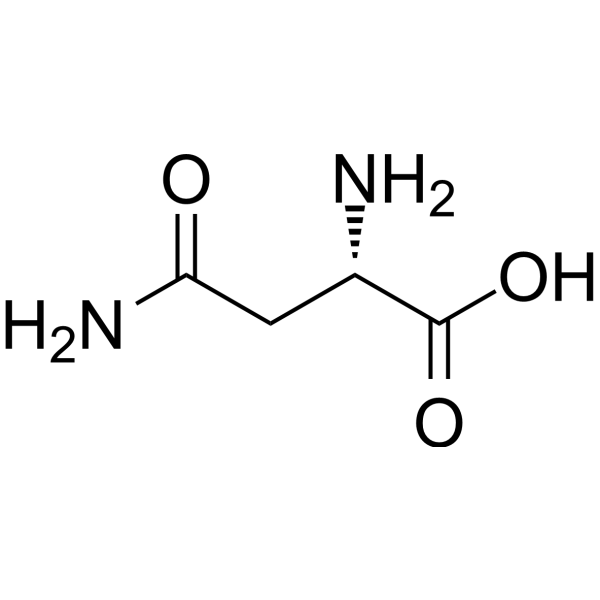
    L-Asparagine is an essential amino acid for leukemic cells and a substrate for L-Asparaginase. L-Asparaginase is a potent anti-leukemic enzyme that promotes asparagine (Asn) and glutamine (Gln) depletion and inhibits protein biosynthesis in lymphoblasts. Removal of L-asparagine from plasma by L-Asparaginase results in inhibition of RNA and DNA synthesis and subsequent apoptosis. L-Asparaginase has cell-killing ability in vitro and in vivo, and selectively inhibits the growth of cancer cells with low asparagine synthetase (AASNS) expression. L-Asparagine can be used as a biomarker and sensor for the study of childhood acute lymphoblastic leukemia .
    L-Asparagine
  • HY-P990006

    TEV-48574; SAR-447189; TEV-574

    TNF Receptor Inflammation/Immunology
    Duvakitug (TEV-48574) is a humanized IgG1-λ2 monoclonal antibody targeting to TNFSF15/TL1A. Duvakitug' main expression system is CHOK1SV cells endogenously expressing glutamine synthetase (GS). Duvakitug can be used in the study of Crohn's Disease (CD) .
    Duvakitug
  • HY-12688A
    Succinyl phosphonate trisodium salt
    Maximum Cited Publications
    13 Publications Verification

    Mitochondrial Metabolism Reactive Oxygen Species (ROS) Amyloid-β Neurological Disease Inflammation/Immunology
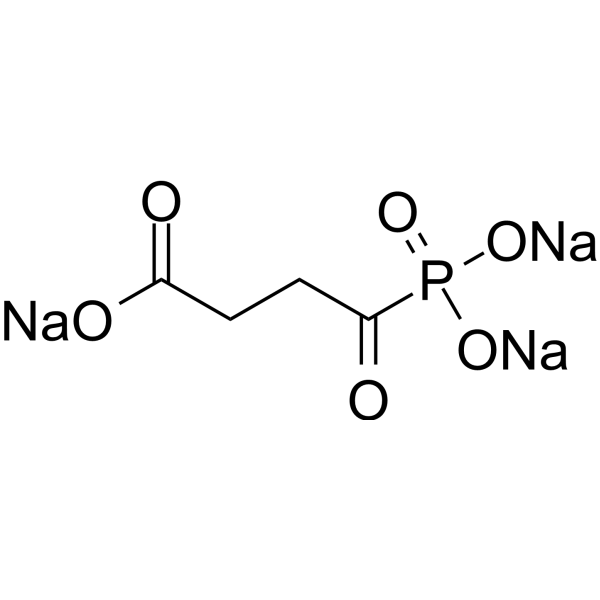
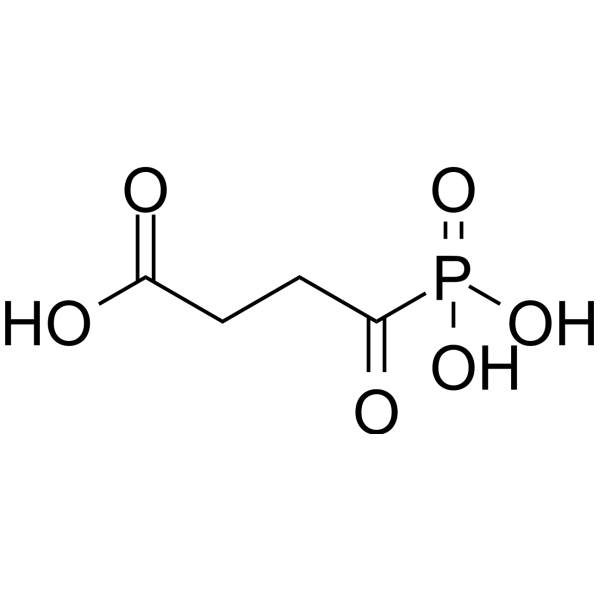
    Succinyl phosphonate trisodium salt is a α-Ketoglutarate Dehydrogenase Complex (KGDHC) modulator with neuroprotective activity. Succinyl phosphonate trisodium salt protects this complex, reduces cellular succinyl-CoA concentration, downregulates protein succinylation levels, and inhibits the activity of the α-ketoglutarate dehydrogenase complex. Succinyl phosphonate trisodium salt corrects hypoxic or ethanol-induced behavioral impairments, modulates exploratory behavior and emotional stress responses, and improves hypoxia tolerance. Succinyl phosphonate trisodium salt reduces glutamate excitotoxicity, restores the activity of the α-ketoglutarate dehydrogenase complex, reverses the changes in glutamate dehydrogenase and glutamine synthetase activities induced by β-amyloid (Amyloid-β), modulates cognitive function, and prevents β-amyloid-induced neuronal damage. Succinyl phosphonate trisodium salt improves microglial senescence, alleviates neuroinflammation, reactive oxygen species (ROS) production, lipid peroxidation, and the expression of proinflammatory cytokines. Succinyl phosphonate trisodium salt can be used in the research of Alzheimer's disease, aging-related neuroinflammation, and Parkinson's disease .
    Succinyl phosphonate trisodium salt
  • HY-N0667S2
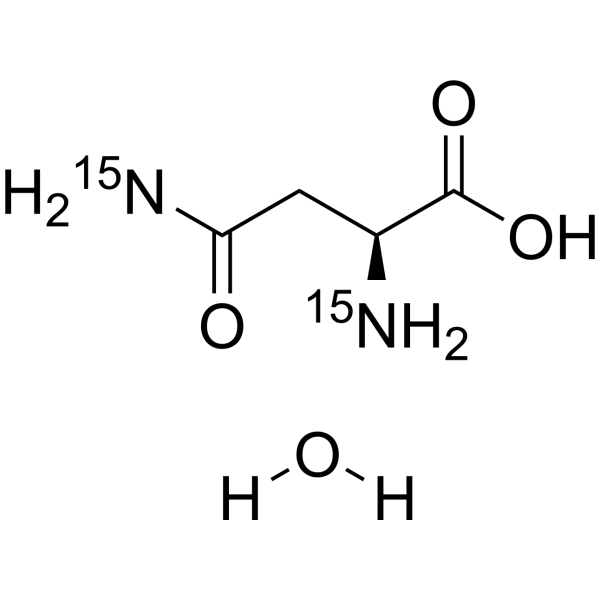
    L-Asparagine-15N2 monohydrate
    1 Publications Verification

    (-)-Asparagine-15N2 monohydrate; Asn-15N2 monohydrate; Asparamide-15N2 monohydrate

    Isotope-Labeled Compounds Endogenous Metabolite Apoptosis DNA/RNA Synthesis Inflammation/Immunology
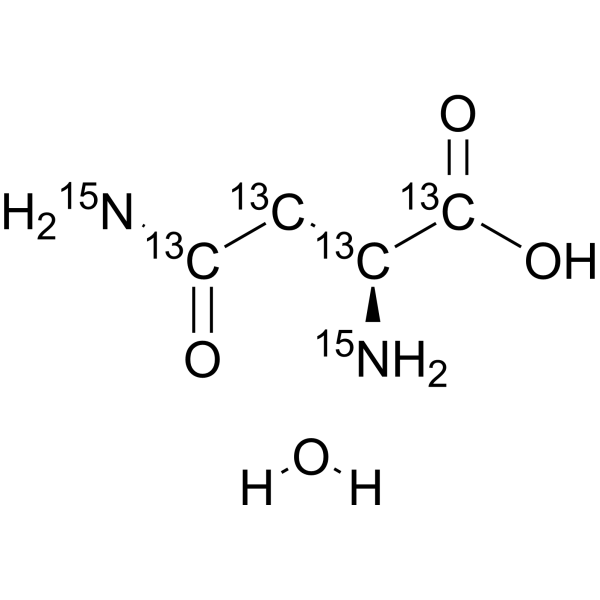
    L-Asparagine- 15N2 monohydrate is the 15N-labeled L-Asparagine monohydrate (HY-W017443). L-Asparagine monohydrate is an essential amino acid for leukemic cells and a substrate for L-Asparaginase. L-Asparaginase is a potent anti-leukemic enzyme that promotes asparagine (Asn) and glutamine (Gln) depletion and inhibits protein biosynthesis in lymphoblasts. Removal of L-asparagine from plasma by L-Asparaginase results in inhibition of RNA and DNA synthesis and subsequent apoptosis. L-Asparaginase has cell-killing ability in vitro and in vivo, and selectively inhibits the growth of cancer cells with low asparagine synthetase (AASNS) expression. L-Asparagine monohydrate can be used as a biomarker and sensor for the study of childhood acute lymphoblastic leukemia .
    L-Asparagine-15N2 monohydrate
  • HY-W017443
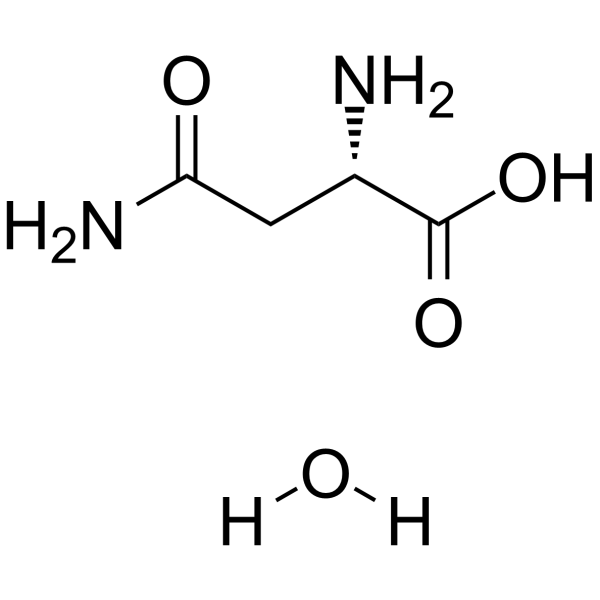
    L-Asparagine monohydrate
    5 Publications Verification

    Endogenous Metabolite Apoptosis DNA/RNA Synthesis Neurological Disease Metabolic Disease Inflammation/Immunology Cancer
    L-Asparagine monohydrate is an essential amino acid for leukemic cells and a substrate for L-Asparaginase. L-Asparaginase is a potent anti-leukemic enzyme that promotes asparagine (Asn) and glutamine (Gln) depletion and inhibits protein biosynthesis in lymphoblasts. Removal of L-asparagine from plasma by L-Asparaginase results in inhibition of RNA and DNA synthesis and subsequent apoptosis. L-Asparaginase has cell-killing ability in vitro and in vivo, and selectively inhibits the growth of cancer cells with low asparagine synthetase (AASNS) expression. L-Asparagine monohydrate can be used as a biomarker and sensor for the study of childhood acute lymphoblastic leukemia .
    L-Asparagine monohydrate
  • HY-117029
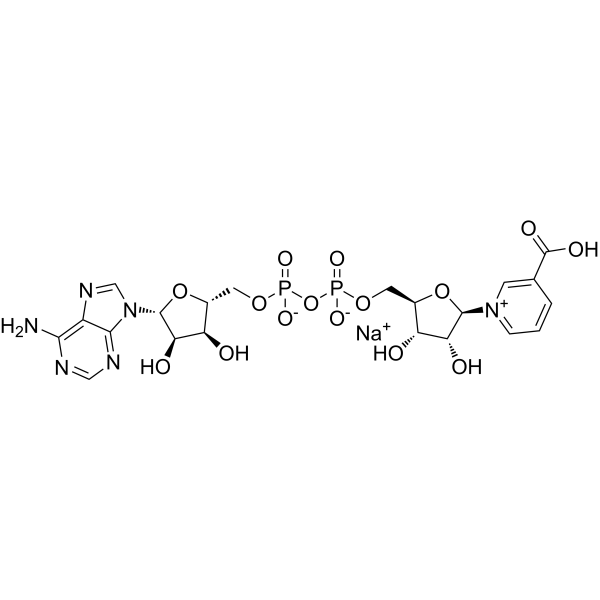
    NAAD sodium
    1 Publications Verification

    Deamido nad sodium

    Endogenous Metabolite Metabolic Disease
    NAAD sodium (Deamido nad sodium), a functional NAD + precursor, is the substrate of glutamine-dependent NAD + synthetase. NAAD sodium is used to study the structure of nicotinate mononucleotide adenylyltransferases .
    NAAD sodium
  • HY-122494A

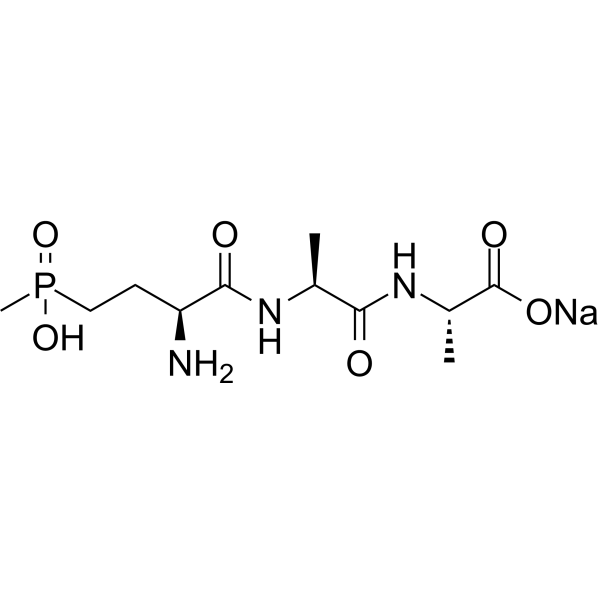
    SF-1293 sodium

    Herbicide Bacterial Infection
    Bialaphos (SF-1293) sodium is a phosphinothricinylalanylalanine. Bialaphos sodium also acts as a precursor of herbicides and antibacterial agents. After entering bacterial or plant cells, Bialaphos sodium is converted into phosphinothricin, an inhibitor of glutamine synthetase .
    Bialaphos sodium
  • HY-W338140
    Methionine sulfoximine
    2 Publications Verification

    2-Amino-4-(S-methylsulfonimidoyl)butanoic acid

    Endogenous Metabolite Neurological Disease
    Methionine sulfoximine (2-Amino-4-(S-methylsulfonimidoyl)butanoic acid) is an irreversible inhibitor of glutamine synthetase with convulsive effects. Methionine sulfoximine is able to affect the metabolism of glutamate and glutamine, which may provide important insights in neurobiological research. Methionine sulfoximine has also been used to study mechanisms related to epilepsy and its inhibitory potential .
    Methionine sulfoximine
  • HY-N0667S5
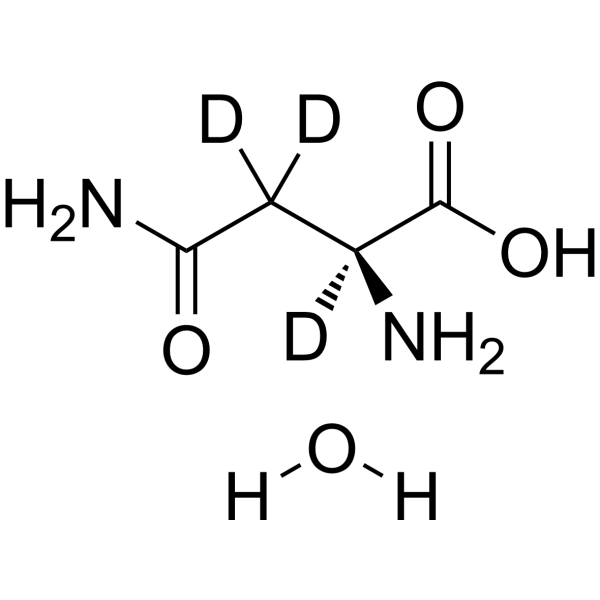
    L-Asparagine-d3 hydrate
    1 Publications Verification

    Isotope-Labeled Compounds Endogenous Metabolite Apoptosis DNA/RNA Synthesis Inflammation/Immunology
    L-Asparagine-d3 hydrate is the deuterium labeled L-Asparagine (HY-N0667). L-Asparagine is an essential amino acid for leukemic cells and a substrate for L-Asparaginase. L-Asparaginase is a potent anti-leukemic enzyme that promotes asparagine (Asn) and glutamine (Gln) depletion and inhibits protein biosynthesis in lymphoblasts. Removal of L-asparagine from plasma by L-Asparaginase results in inhibition of RNA and DNA synthesis and subsequent apoptosis. L-Asparaginase has cell-killing ability in vitro and in vivo, and selectively inhibits the growth of cancer cells with low asparagine synthetase (AASNS) expression. L-Asparagine can be used as a biomarker and sensor for the study of childhood acute lymphoblastic leukemia .
    L-Asparagine-d3 hydrate
  • HY-W028047

    Bacterial Infection Inflammation/Immunology
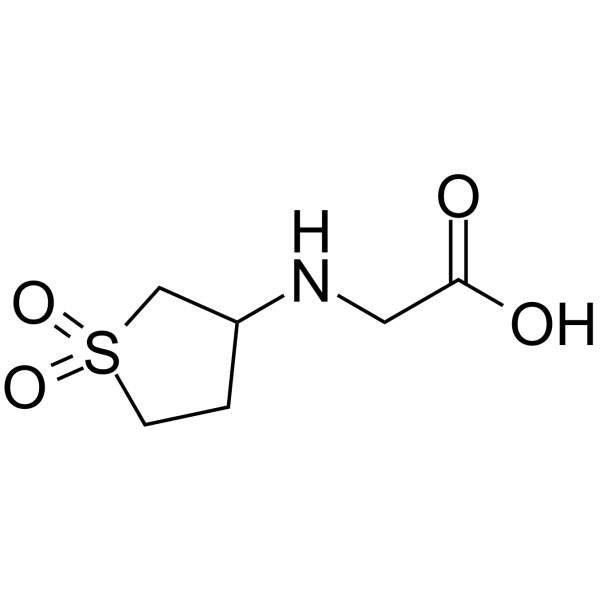
    JFD01307SC is a glutamine synthetase inhibitor and anti-tuberculosis agent. JFD01307SC acts as a mimic of L-Glutamate and thus target enzymes involved in glutamine biosynthesis .
    JFD01307SC
  • HY-12688

    Mitochondrial Metabolism Reactive Oxygen Species (ROS) Amyloid-β Neurological Disease Inflammation/Immunology
    Succinyl phosphonate is a α-Ketoglutarate Dehydrogenase Complex (KGDHC) modulator with neuroprotective activity. Succinyl phosphonate protects this complex, reduces cellular succinyl-CoA concentration, downregulates protein succinylation levels, and inhibits the activity of the α-ketoglutarate dehydrogenase complex. Succinyl phosphonate corrects hypoxic or ethanol-induced behavioral impairments, modulates exploratory behavior and emotional stress responses, and improves hypoxia tolerance. Succinyl phosphonate reduces glutamate excitotoxicity, restores the activity of the α-ketoglutarate dehydrogenase complex, reverses the changes in glutamate dehydrogenase and glutamine synthetase activities induced by β-amyloid (Amyloid-β), modulates cognitive function, and prevents β-amyloid-induced neuronal damage. Succinyl phosphonate improves microglial senescence, alleviates neuroinflammation, reactive oxygen species (ROS) production, lipid peroxidation, and the expression of proinflammatory cytokines. Succinyl phosphonate can be used in the research of Alzheimer's disease, aging-related neuroinflammation, and Parkinson's disease .
    Succinyl phosphonate
  • HY-N0667R

    (-)-Asparagine (Standard); Asn (Standard); Asparamide (Standard)

    Reference Standards Endogenous Metabolite Apoptosis DNA/RNA Synthesis Inflammation/Immunology
    L-Asparagine (Standard) is the analytical standard of L-Asparagine (HY-N0667). This product is intended for research and analytical applications. L-Asparagine is an essential amino acid for leukemic cells and a substrate for L-Asparaginase. L-Asparaginase is a potent anti-leukemic enzyme that promotes asparagine (Asn) and glutamine (Gln) depletion and inhibits protein biosynthesis in lymphoblasts. Removal of L-asparagine from plasma by L-Asparaginase results in inhibition of RNA and DNA synthesis and subsequent apoptosis. L-Asparaginase has cell-killing ability in vitro and in vivo, and selectively inhibits the growth of cancer cells with low asparagine synthetase (AASNS) expression. L-Asparagine can be used as a biomarker and sensor for the study of childhood acute lymphoblastic leukemia .
    L-Asparagine (Standard)
  • HY-W017443S

    Isotope-Labeled Compounds Endogenous Metabolite Apoptosis DNA/RNA Synthesis Neurological Disease Metabolic Disease Inflammation/Immunology Cancer
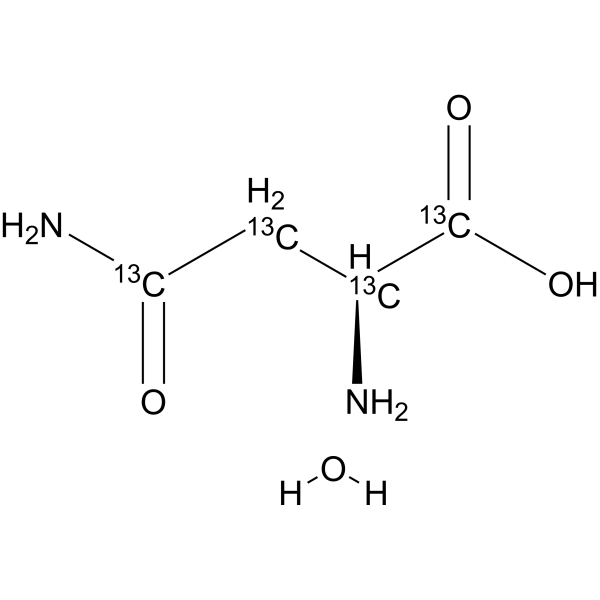
    L-Asparagine- 13C4, 15N2 monohydrateis the 13C-labeled and 15N-labeled L-Asparagine monohydrate (HY-W017443). L-Asparagine monohydrate is an essential amino acid for leukemic cells and a substrate for L-Asparaginase. L-Asparaginase is a potent anti-leukemic enzyme that promotes asparagine (Asn) and glutamine (Gln) depletion and inhibits protein biosynthesis in lymphoblasts. Removal of L-asparagine from plasma by L-Asparaginase results in inhibition of RNA and DNA synthesis and subsequent apoptosis. L-Asparaginase has cell-killing ability in vitro and in vivo, and selectively inhibits the growth of cancer cells with low asparagine synthetase (AASNS) expression. L-Asparagine monohydrate can be used as a biomarker and sensor for the study of childhood acute lymphoblastic leukemia .
    L-Asparagine-13C4,15N2 monohydrate
  • HY-N0667S3

    (-)-Asparagine-13C4 monohydrate; Asn-13C4 monohydrate; Asparamide-13C4 monohydrate

    Isotope-Labeled Compounds Endogenous Metabolite Apoptosis DNA/RNA Synthesis Inflammation/Immunology
    L-Asparagine- 13C4 monohydrate is the 13C-labeled L-Asparagine monohydrate (HY-W017443). L-Asparagine monohydrate is an essential amino acid for leukemic cells and a substrate for L-Asparaginase. L-Asparaginase is a potent anti-leukemic enzyme that promotes asparagine (Asn) and glutamine (Gln) depletion and inhibits protein biosynthesis in lymphoblasts. Removal of L-asparagine from plasma by L-Asparaginase results in inhibition of RNA and DNA synthesis and subsequent apoptosis. L-Asparaginase has cell-killing ability in vitro and in vivo, and selectively inhibits the growth of cancer cells with low asparagine synthetase (AASNS) expression. L-Asparagine monohydrate can be used as a biomarker and sensor for the study of childhood acute lymphoblastic leukemia .
    L-Asparagine-13C4 monohydrate
  • HY-P2749

    Biochemical Assay Reagents Cardiovascular Disease Cancer
    Glutamine synthetase is an enzyme that converts glutamate and ammonia into glutamine. Glutamine synthetase can inhibit angiogenesis in ocular and inflammatory skin diseases. Glutamine synthetase can also palmitoylate RHOJ, thereby inhibiting endothelial cell migration. Glutamine synthetase can be used in research on various diseases, including cardiovascular and cerebrovascular diseases and cancer .
    Glutamine synthetase
  • HY-W017443S1

    Isotope-Labeled Compounds Endogenous Metabolite Apoptosis DNA/RNA Synthesis Neurological Disease Metabolic Disease Inflammation/Immunology Cancer
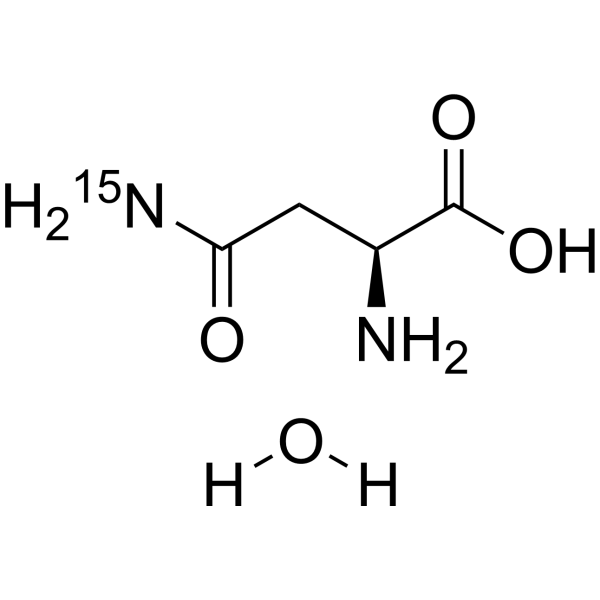
    L-Asparagine-amide- 15N monohydrate is the 15N-labeled L-Asparagine monohydrate (HY-W017443). L-Asparagine monohydrate is an essential amino acid for leukemic cells and a substrate for L-Asparaginase. L-Asparaginase is a potent anti-leukemic enzyme that promotes asparagine (Asn) and glutamine (Gln) depletion and inhibits protein biosynthesis in lymphoblasts. Removal of L-asparagine from plasma by L-Asparaginase results in inhibition of RNA and DNA synthesis and subsequent apoptosis. L-Asparaginase has cell-killing ability in vitro and in vivo, and selectively inhibits the growth of cancer cells with low asparagine synthetase (AASNS) expression. L-Asparagine monohydrate can be used as a biomarker and sensor for the study of childhood acute lymphoblastic leukemia .
    L-Asparagine-amide-15N monohydrate
  • HY-W017443R

    Reference Standards Endogenous Metabolite Apoptosis DNA/RNA Synthesis Neurological Disease Metabolic Disease Inflammation/Immunology Cancer
    L-Asparagine monohydrate (Standard) is the analytical standard of L-Asparagine monohydrate (HY-W017443). This product is intended for research and analytical applications. L-Asparagine monohydrate is an essential amino acid for leukemic cells and a substrate for L-Asparaginase. L-Asparaginase is a potent anti-leukemic enzyme that promotes asparagine (Asn) and glutamine (Gln) depletion and inhibits protein biosynthesis in lymphoblasts. Removal of L-asparagine from plasma by L-Asparaginase results in inhibition of RNA and DNA synthesis and subsequent apoptosis. L-Asparaginase has cell-killing ability in vitro and in vivo, and selectively inhibits the growth of cancer cells with low asparagine synthetase (AASNS) expression. L-Asparagine monohydrate can be used as a biomarker and sensor for the study of childhood acute lymphoblastic leukemia .
    L-Asparagine monohydrate (Standard)
  • HY-N0667S7

    (-)-Asparagine-13C4,15N2; Asn-13C4,15N2; Asparamide-13C4,15N2

    Isotope-Labeled Compounds Endogenous Metabolite Apoptosis DNA/RNA Synthesis Inflammation/Immunology
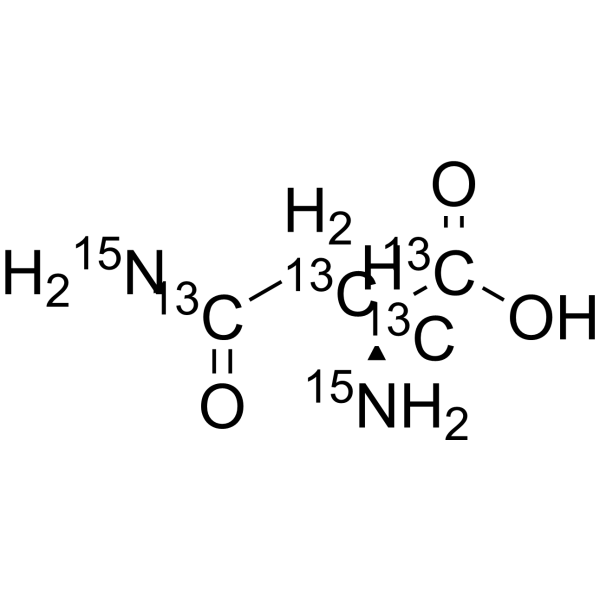
    L-Asparagine- 13C4, 15N2 ((-)-Asparagine- 13C4, 15N2) is the 13C and 15N-labeled L-Asparagine (HY-N0667). L-Asparagine is an essential amino acid for leukemic cells and a substrate for L-Asparaginase. L-Asparaginase is a potent anti-leukemic enzyme that promotes asparagine (Asn) and glutamine (Gln) depletion and inhibits protein biosynthesis in lymphoblasts. Removal of L-asparagine from plasma by L-Asparaginase results in inhibition of RNA and DNA synthesis and subsequent apoptosis. L-Asparaginase has cell-killing ability in vitro and in vivo, and selectively inhibits the growth of cancer cells with low asparagine synthetase (AASNS) expression. L-Asparagine can be used as a biomarker and sensor for the study of childhood acute lymphoblastic leukemia .
    L-Asparagine-13C4,15N2
  • HY-P2749A

    Biochemical Assay Reagents Metabolic Disease
    L-Glutamine Synthetase, Escherichia coli (EC 6.3.1.2) is an enzyme that plays an important role in nitrogen metabolism, catalyzing the condensation of glutamate and ammonia to produce glutamine. L-Glutamine Synthetase, Escherichia coli (EC 6.3.1.2) utilizes ammonia produced by nitrate reduction, amino acid degradation, and photorespiration.
    L-Glutamine Synthetase, Escherichia coli
  • HY-N15587

    Gostatine

    Aminotransferases (Transaminases) Metabolic Disease
    Gostatin is an inhibitor of aspartate aminotransferase (GOT). Gostatin is found in Streptomyces sumanensis nov. sp. NK-23. Gostatin has a strong inhibitory effect on pig heart GOT, a weak inhibitory effect on wheat germ GOT and GPT, and no significant effect on glutamate dehydrogenase and glutamine synthetase. The inhibitory mechanism of gostatin is similar to substrate competitive inhibition, and aspartate has a protective effect on its inhibitory effect. Gostatin can be used to study the catalytic mechanism of GOT and its role in nitrogen metabolism .
    Gostatin
  • HY-175648

    Parasite Infection
    Antiparasitic agent-28 is an orally active, selective inhibitor of Toxoplasma gondii phenylalanine tRNA synthetase (TgcPheRS) with blood-brain barrier penetration. Antiparasitic agent-28 inhibits the growth of T. gondii tachyzoites (TgME49-Fluc strain) an (EC50 = 1 nM) and T. gondii bradyzoites (Tg68nLuc strain) induced by alkaline (EC50 = 3 nM) and glutamine-rich medium (EC50 = 0.1 nM). Antiparasitic agent-28 demonstrates potent anti-toxoplasmosis efficacy in mice infected with TgME49-Fluc tachyzoites. Antiparasitic agent-28 can be used for the study of Toxoplasma gondii infection .
    Antiparasitic agent-28
  • HY-N0667S1

    Isotope-Labeled Compounds Endogenous Metabolite Apoptosis DNA/RNA Synthesis Inflammation/Immunology
    L-Asparagine- 15N2,d8 is the 15N- and deuterium labeled L-Asparagine (HY-N0667). L-Asparagine is an essential amino acid for leukemic cells and a substrate for L-Asparaginase. L-Asparaginase is a potent anti-leukemic enzyme that promotes asparagine (Asn) and glutamine (Gln) depletion and inhibits protein biosynthesis in lymphoblasts. Removal of L-asparagine from plasma by L-Asparaginase results in inhibition of RNA and DNA synthesis and subsequent apoptosis. L-Asparaginase has cell-killing ability in vitro and in vivo, and selectively inhibits the growth of cancer cells with low asparagine synthetase (AASNS) expression. L-Asparagine can be used as a biomarker and sensor for the study of childhood acute lymphoblastic leukemia .
    L-Asparagine-15N2,d8
  • HY-N0667S4

    (-)-Asparagine-4-13C monohydrate; Asn-4-13C monohydrate; Asparamide-4-13C monohydrate

    Isotope-Labeled Compounds Endogenous Metabolite Apoptosis DNA/RNA Synthesis Inflammation/Immunology
    L-Asparagine-4- 13C monohydrate is the 13C-labeled L-Asparagine monohydrate (HY-W017443).L-Asparagine monohydrate is an essential amino acid for leukemic cells and a substrate for L-Asparaginase. L-Asparaginase is a potent anti-leukemic enzyme that promotes asparagine (Asn) and glutamine (Gln) depletion and inhibits protein biosynthesis in lymphoblasts. Removal of L-asparagine from plasma by L-Asparaginase results in inhibition of RNA and DNA synthesis and subsequent apoptosis. L-Asparaginase has cell-killing ability in vitro and in vivo, and selectively inhibits the growth of cancer cells with low asparagine synthetase (AASNS) expression. L-Asparagine monohydrate can be used as a biomarker and sensor for the study of childhood acute lymphoblastic leukemia .
    L-Asparagine-4-13C monohydrate
  • HY-W017443S4

    Isotope-Labeled Compounds Endogenous Metabolite Apoptosis DNA/RNA Synthesis Neurological Disease Metabolic Disease Inflammation/Immunology Cancer
    L-Asparagine-1,2,3,4- 13C4 monohydrate is the 13C labeled labeled L-Asparagine monohydrate (HY-W017443). L-Asparagine monohydrate is an essential amino acid for leukemic cells and a substrate for L-Asparaginase. L-Asparaginase is a potent anti-leukemic enzyme that promotes asparagine (Asn) and glutamine (Gln) depletion and inhibits protein biosynthesis in lymphoblasts. Removal of L-asparagine from plasma by L-Asparaginase results in inhibition of RNA and DNA synthesis and subsequent apoptosis. L-Asparaginase has cell-killing ability in vitro and in vivo, and selectively inhibits the growth of cancer cells with low asparagine synthetase (AASNS) expression. L-Asparagine monohydrate can be used as a biomarker and sensor for the study of childhood acute lymphoblastic leukemia .
    L-Asparagine-1,2,3,4-13C4 monohydrate
  • HY-N0667S

    Isotope-Labeled Compounds Endogenous Metabolite Apoptosis DNA/RNA Synthesis Inflammation/Immunology
    L-Asparagine- 13C4, 15N2,d8 is the 13C-labeled and 15N-labeled L-Asparagine (HY-N0667). L-Asparagine is an essential amino acid for leukemic cells and a substrate for L-Asparaginase. L-Asparaginase is a potent anti-leukemic enzyme that promotes asparagine (Asn) and glutamine (Gln) depletion and inhibits protein biosynthesis in lymphoblasts. Removal of L-asparagine from plasma by L-Asparaginase results in inhibition of RNA and DNA synthesis and subsequent apoptosis. L-Asparaginase has cell-killing ability in vitro and in vivo, and selectively inhibits the growth of cancer cells with low asparagine synthetase (AASNS) expression. L-Asparagine can be used as a biomarker and sensor for the study of childhood acute lymphoblastic leukemia .
    L-Asparagine-13C4,15N2,d8
  • HY-W017443S2

    Isotope-Labeled Compounds Endogenous Metabolite Apoptosis DNA/RNA Synthesis Neurological Disease Metabolic Disease Inflammation/Immunology Cancer
    L-Asparagine- 13C4, 15N2,d3 monohydrate is the deuterium, 13C-, and 15N-labeled L-Asparagine monohydrate (HY-W017443). L-Asparagine monohydrate is an essential amino acid for leukemic cells and a substrate for L-Asparaginase. L-Asparaginase is a potent anti-leukemic enzyme that promotes asparagine (Asn) and glutamine (Gln) depletion and inhibits protein biosynthesis in lymphoblasts. Removal of L-asparagine from plasma by L-Asparaginase results in inhibition of RNA and DNA synthesis and subsequent apoptosis. L-Asparaginase has cell-killing ability in vitro and in vivo, and selectively inhibits the growth of cancer cells with low asparagine synthetase (AASNS) expression. L-Asparagine monohydrate can be used as a biomarker and sensor for the study of childhood acute lymphoblastic leukemia .
    L-Asparagine-13C4,15N2,d3 monohydrate
  • HY-W017443S3

    Isotope-Labeled Compounds Endogenous Metabolite Apoptosis DNA/RNA Synthesis Neurological Disease Metabolic Disease Inflammation/Immunology Cancer
    L-Asparagine- 15N2,d3 monohydrate is the deuterium and 15N-labeled L-Asparagine monohydrate (HY-W017443). L-Asparagine monohydrate is an essential amino acid for leukemic cells and a substrate for L-Asparaginase. L-Asparaginase is a potent anti-leukemic enzyme that promotes asparagine (Asn) and glutamine (Gln) depletion and inhibits protein biosynthesis in lymphoblasts. Removal of L-asparagine from plasma by L-Asparaginase results in inhibition of RNA and DNA synthesis and subsequent apoptosis. L-Asparaginase has cell-killing ability in vitro and in vivo, and selectively inhibits the growth of cancer cells with low asparagine synthetase (AASNS) expression. L-Asparagine monohydrate can be used as a biomarker and sensor for the study of childhood acute lymphoblastic leukemia .
    L-Asparagine-15N2,d3 monohydrate
  • HY-P2749B

    Glutamine Synthetase, Human
  • HY-160735

    Herbicide Glutaminase Others
    L-Phosphinothricin is a glutamine synthetase inhibitor and a non-selective herbicide. L-Phosphinothricin acts as a competitive inhibitor, induces toxic ammonium ion accumulation in plants and bacteria, and indirectly blocks the photosynthesis process. L-Phosphinothricin exerts herbicidal activity against both monocotyledonous and dicotyledonous plant species, is primarily absorbed through plant leaves, exhibits limited translocation in plants, and undergoes rapid degradation by soil microorganisms with no root uptake. L-Phosphinothricin can be used for research on weed control in agricultural and non-crop scenarios .
    L-Phosphinothricin
  • HY-181453

    2’-O-Benzyl-3’-MANT-GTP sodium

    Drug Derivative Fluorescent Dye Others
    2'-O-Benzyl-3'-O-(N'-methylanthraniloyl) guanosine-5'-O-triphosphate sodium (Mant-GTP R=CH3, B=Gua) (2'-O-Benzyl-3'-MANT-GTP sodium) is a methylanthraniloyl derivative of GTP (HY-113225). Methylanthraniloyl-GTP exhibits fluorescent properties (λmax: 442 nm in water; 432 nm in ethanol) .
    2'-O-Benzyl-3'-O-(N'-methylanthraniloyl)guanosine-5'-O-triphosphate sodium

Inquiry Online

Your information is safe with us. * Required Fields.

Salutation


Country or Region *

Applicant Name *


Organization Name *

Department *


Email Address *


Product Name *

Cat. No.


Requested quantity *

Phone Number *


Remarks

Inquiry Online

Inquiry Information

Product Name:
Cat. No.:
Quantity:
MCE Japan Authorized Agent:

