


1. Search Result
Search Result
Results for "

human blood plasma

" in MedChemExpress (MCE) Product Catalog:

34

Inhibitors & Agonists

3

Biochemical Assay Reagents

4

Peptides

2

Natural
Products

Cat. No. Product Name Target Research Areas Chemical Structure
  • HY-P1956
    Human serum albumin
    4 Publications Verification

    HSA

    NF-κB NO Synthase Cardiovascular Disease Inflammation/Immunology Cancer
    Human serum albumin (HSA) is the most abundant protein in plasma and is a major determinant of plasma oncotic pressure. Human serum albumin exhibits antioxidant, anticoagulant, anti-inflammatory, anti-platelet aggregation activities as well as colloid osmotic action. Human serum albumin can block the inhibitory effect of GML on human T cells, providing protective function for T cells. Human serum albumin is also associated with cardiovascular diseases and can partially prevent the LPS (HY-D1056) induced oxidative stress, as well as the upregulation of NF-κB, NF-κB, and peroxynitrite (ONOO ) in the vascular wall, contributing to the reduction of blood pressure .
    This product is recombinant Human Serum Albumin expressed in a microbial expression system.
    Human serum albumin
  • HY-109061
    Lazertinib
    3 Publications Verification

    YH25448; GNS-1480

    Apoptosis Akt TRP Channel EGFR ERK Infection Neurological Disease Metabolic Disease Cancer
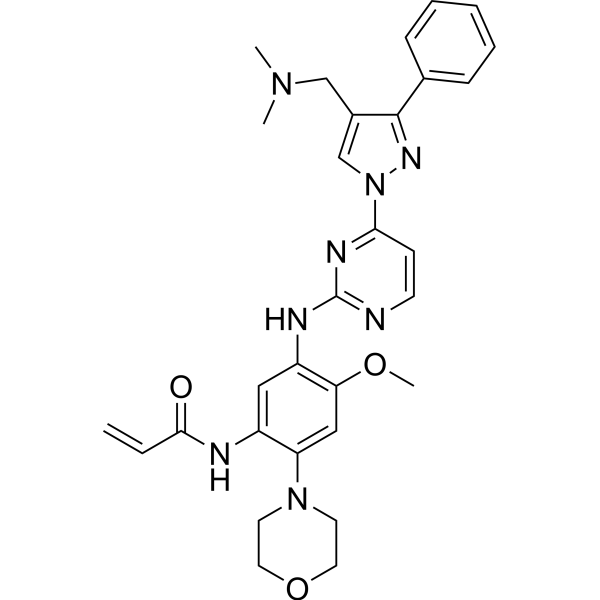
    Lazertinib (YH25448; GNS-1480) is an orally active, blood-brain barrier permeable third-generation EGFR tyrosine kinase inhibitor, as well as an ABCB1/ABCG2 inhibitor and a TRPA1 activator. Lazertinib exhibits IC50 values of 0.4 mM and 0.2 mM against human ABCB1 and ABCG2, respectively. By inhibiting mutant EGFR signaling, EGFR phosphorylation and the downstream ERK/AKT pathway, as well as upregulating surface expression of EGFR/MET, Lazertinib induces cell cycle arrest, apoptosis, spontaneous calcium responses, hyperexcitability of dorsal root ganglion (DRG) neurons, and TRPA1-dependent pain-like behaviors. Lazertinib competitively binds to the substrate-binding sites of ABCB1/ABCG2, stimulates their ATPase activity without altering their expression or plasma membrane localization, thereby enhancing ADCC activity, acting as a chemosensitizer, and reversing ABCB1-mediated multidrug resistance. It exerts antitumor activity as a single agent or in combination with other drugs. Lazertinib is applicable to research related to non-small cell lung cancer, multidrug-resistant cancers, and paresthesia .
    Lazertinib
  • HY-P1956A

    HSA (Cell culture grade, Endotoxin<0.125 EU/mg)

    NF-κB NO Synthase Cardiovascular Disease Inflammation/Immunology
    Human serum albumin (Cell culture grade, Endotoxin<0.125 EU/mg) (HSA) is the most abundant protein in plasma and is a major determinant of plasma oncotic pressure. Human serum albumin (Cell culture grade, Endotoxin<0.125 EU/mg) exhibits antioxidant, anticoagulant, anti-inflammatory, anti-platelet aggregation activities as well as colloid osmotic action. Human serum albumin (Cell culture grade, Endotoxin<0.125 EU/mg) can block the inhibitory effect of GML on human T cells, providing protective function for T cells. Human serum albumin (Cell culture grade, Endotoxin<0.125 EU/mg) is also associated with cardiovascular diseases and can partially prevent the LPS (HY-D1056) induced oxidative stress, as well as the upregulation of NF-κB, iNOS, and peroxynitrite (ONOO ) in the vascular wall, contributing to the reduction of blood pressure. Human serum albumin (Cell culture grade, Endotoxin<0.125 EU/mg) can be used for in vitro cell culture .
    This product is human serum albumin recombinantly expressed in an Escherichia coli expression system.
    Human serum albumin (Cell culture grade, Endotoxin<0.125 EU/mg)
  • HY-W018781
    Benzamidine hydrochloride
    3 Publications Verification

    Ser/Thr Protease Cancer
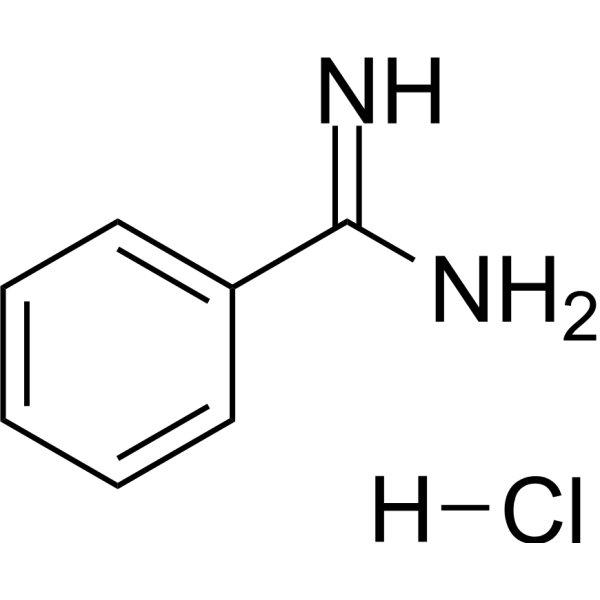
    Benzamidine hydrochloride is a competitive protease inhibitor that blocks the hydrolytic cleavage of glucagon by plasmin, trypsin and thrombin. Benzamidine hydrochloride effectively inhibits the degradation of glucagon by relevant proteases during the collection, storage and analysis of human plasma and blood samples. During in vivo metabolism, Benzamidine hydrochloride undergoes N-hydroxylation and produces multiple metabolites, exhibiting characteristics of delayed excretion or biphasic elimination. Benzamidine hydrochloride only induces slight single-strand DNA breaks at high concentrations and shows no significant genotoxic potential overall. Benzamidine hydrochloride may interfere with the detection of some glucagon antisera, but does not affect key antigen-antibody affinity at specific concentrations. Benzamidine hydrochloride can be used as a stabilizer in glucagon radioimmunoassays to ensure the accuracy and recovery rate of detection results .
    Benzamidine hydrochloride
  • HY-P4070

    Insulin Receptor Metabolic Disease
    Insulin icodec is an Insulin (HY-P0035) analog that strongly but reversibly binds to albumin. Insulin icodec has long plasma half-life. Insulin icodec modulates insulin receptor activity, controls blood glucose levels, reduces HbA1c levels, and binds reversibly to human serum albumin. Insulin icodec can be used for the research of type 2 diabetes mellitus .
    Insulin icodec
  • HY-125913
    Benzamidine
    3 Publications Verification

    Ser/Thr Protease Inflammation/Immunology
    Benzamidine is a competitive protease inhibitor that blocks the hydrolytic cleavage of glucagon by plasmin, trypsin and thrombin. Benzamidine effectively inhibits the degradation of glucagon by relevant proteases during the collection, storage and analysis of human plasma and blood samples. During in vivo metabolism, Benzamidine undergoes N-hydroxylation and produces multiple metabolites, exhibiting characteristics of delayed excretion or biphasic elimination. Benzamidine only induces slight single-strand DNA breaks at high concentrations and shows no significant genotoxic potential overall. Benzamidine may interfere with the detection of some glucagon antisera, but does not affect key antigen-antibody affinity at specific concentrations. Benzamidine can be used as a stabilizer in glucagon radioimmunoassays to ensure the accuracy and recovery rate of detection results .
    Benzamidine
  • HY-109061B
    Lazertinib mesylate
    3 Publications Verification

    YH25448 mesylate; GNS-1480 mesylate

    TRP Channel EGFR Akt ERK Apoptosis Cancer
    Lazertinib (YH25448; GNS-1480) mesylate is an orally active, blood-brain barrier permeable third-generation EGFR tyrosine kinase inhibitor, as well as an ABCB1/ABCG2 inhibitor and a TRPA1 activator. Lazertinib mesylate exhibits IC50 values of 0.4 mM and 0.2 mM against human ABCB1 and ABCG2, respectively. By inhibiting mutant EGFR signaling, EGFR phosphorylation and the downstream ERK/AKT pathway, as well as upregulating surface expression of EGFR/MET, Lazertinib mesylate induces cell cycle arrest, apoptosis, spontaneous calcium responses, hyperexcitability of dorsal root ganglion (DRG) neurons, and TRPA1-dependent pain-like behaviors. Lazertinib mesylate competitively binds to the substrate-binding sites of ABCB1/ABCG2, stimulates their ATPase activity without altering their expression or plasma membrane localization, thereby enhancing ADCC activity, acting as a chemosensitizer, and reversing ABCB1-mediated multidrug resistance. It exerts antitumor activity as a single agent or in combination with other drugs. Lazertinib mesylate is applicable to research related to non-small cell lung cancer, multidrug-resistant cancers, and paresthesia .
    Lazertinib mesylate
  • HY-107781

    Phosphodiesterase (PDE) Inflammation/Immunology
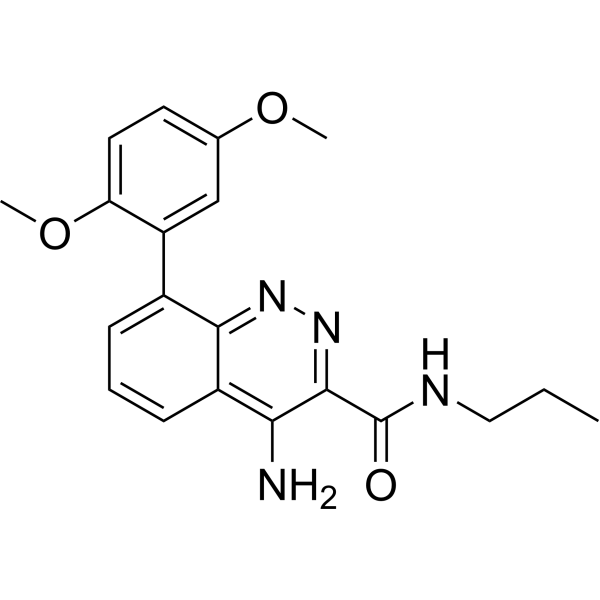
    PAT-505 is a potent, selective, noncompetitive and orally available autotaxin inhibitor, with an IC50 of 2 nM in Hep3B cells, 9.7 nM in human blood and 62 nM in mouse plasma.
    PAT-505
  • HY-156655A

    STI-1558 sodium

    SARS-CoV Cathepsin Virus Protease Infection
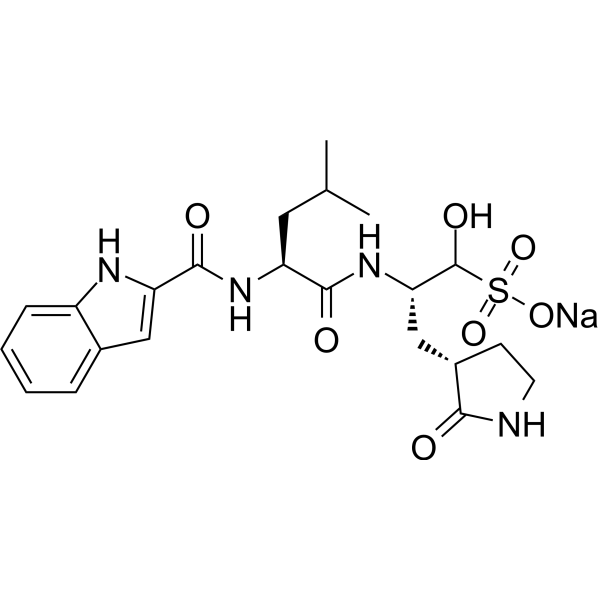
    Olgotrelvir (STI-1558) sodium is an orally active dual inhibitor of coronavirus main protease (Mpro) and human cell cathepsin (Cathepsin L). Olgotrelvir sodium is readily converted to its active form, AC1115, in full blood and/or plasma. Olgotrelvir sodium can effectively inhibit both SARS-CoV-2 replication and entry into host cells .
    Olgotrelvir sodium
  • HY-112948

    Endogenous Metabolite Metabolic Disease
    2-Methylbutyrylcarnitine is a fatty acid metabolite. 2-Methylbutyrylcarnitine is found mainly in the blood and urine of humans and animals and is produced through the pyruvate carboxylation pathway. 2-Methylbutyrylcarnitine exhibits high level in the plasma of subjects with steatohepatitis (NASH) and can be used as an indicator for the diagnosis of metabolic diseases .
    2-Methylbutyrylcarnitine
  • HY-W014134

    p-Amidinophenylmethylsulfonylfluoride hydrochloride

    Ser/Thr Protease Inflammation/Immunology
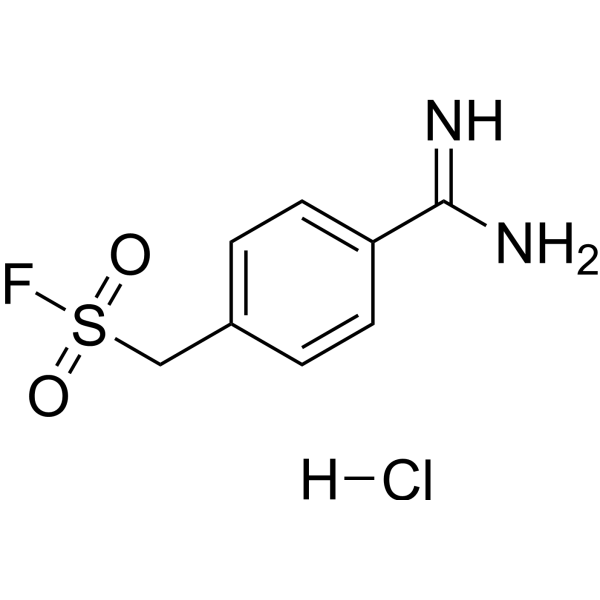
    p-APMSF (p-Amidinophenylmethylsulfonylfluoride) hydrochloride is a serine protease and trypsin inhibitor with the characteristic of rapid onset of action. p-APMSF hydrochloride reduces the enzymatic hydrolysis of recombinant human G-CSF in rat pulmonary mucosa. Combined intratracheal treatment with p-APMSF hydrochloride and Laureth-9 significantly enhances its absorption efficiency in rat lungs. Following intranasal administration, p-APMSF hydrochloride does not increase the concentration of recombinant human G-CSF in rat plasma, nor does it alter the effect of G-CSF on inducing an increase in total white blood cell count .
    p-APMSF hydrochloride
  • HY-W087937
    Benzamidine hydrochloride hydrate
    3 Publications Verification

    Benzenecarboximidamide hydrochloride hydrate

    Ser/Thr Protease Cancer
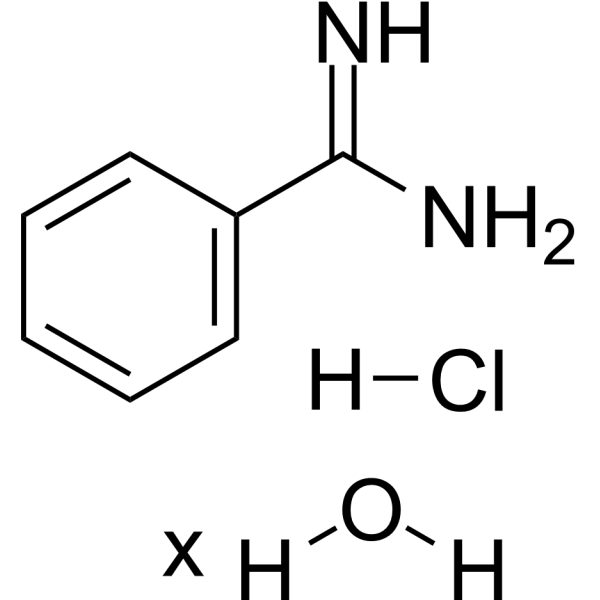
    Benzamidine (Benzenecarboximidamide) hydrochloride hydrate is a competitive protease inhibitor that blocks the hydrolytic cleavage of glucagon by plasmin, trypsin and thrombin. Benzamidine hydrochloride hydrate effectively inhibits the degradation of glucagon by relevant proteases during the collection, storage and analysis of human plasma and blood samples. During in vivo metabolism, Benzamidine hydrochloride hydrate undergoes N-hydroxylation and produces multiple metabolites, exhibiting characteristics of delayed excretion or biphasic elimination. Benzamidine hydrochloride hydrate only induces slight single-strand DNA breaks at high concentrations and shows no significant genotoxic potential overall. Benzamidine hydrochloride hydrate may interfere with the detection of some glucagon antisera, but does not affect key antigen-antibody affinity at specific concentrations. Benzamidine hydrochloride hydrate can be used as a stabilizer in glucagon radioimmunoassays to ensure the accuracy and recovery rate of detection results .
    Benzamidine hydrochloride hydrate
  • HY-156655

    STI-1558

    SARS-CoV Virus Protease Cathepsin Infection
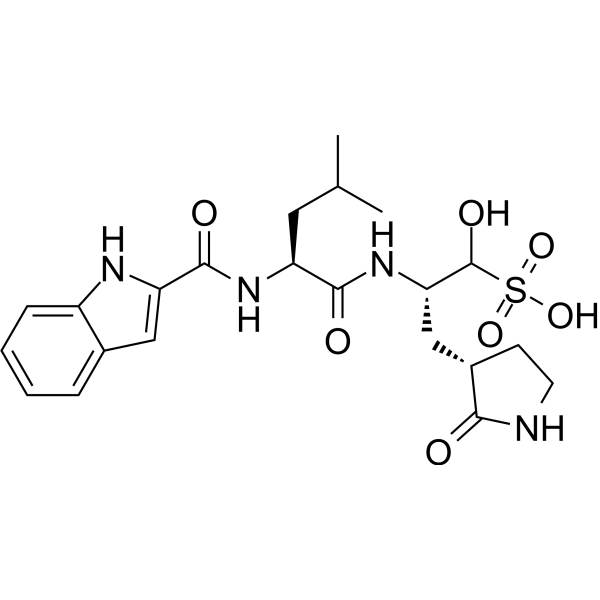
    Olgotrelvir (STI-1558) is an orally active dual inhibitor of coronavirus main protease (Mpro) and human cell cathepsin (Cathepsin L). Olgotrelvir is readily converted to its active form, AC1115, in full blood and/or plasma. Olgotrelvir can effectively inhibit both SARS-CoV-2 replication and entry into host cells .
    Olgotrelvir
  • HY-117172

    Phosphorylase Metabolic Disease
    CP320626 is a potent inhibitor of human liver glycogen phosphorylase (IC50=205 nM). CP320626 reduces blood glucose in diabetic mice without changing plasma insulin levels. CP320626 can be used in the study of type 2 diabetes .
    CP320626
  • HY-A0184

    Ro 42-5892; Ro 42-5892/001

    Renin Cardiovascular Disease
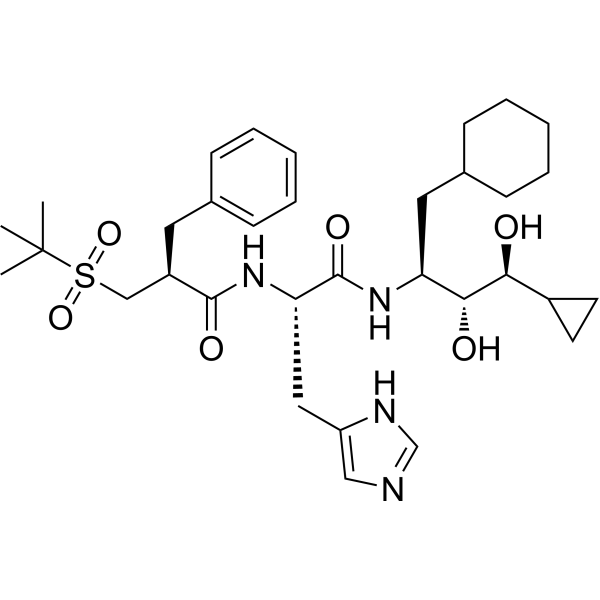
    Remikiren (Ro 42-5892) is an orally active and highly specific renin inhibitor. Remikiren specifically inhibits human reninand human plasma renin with IC50 values of 0.7 and 0.8 nM, respectively. Remikiren also reduces mean arterial blood pressure in sodium-depleted marmosets and squirrel monkeys. Remikiren can be used in study of hypertension .
    Remikiren
  • HY-E70389

    Ser/Thr Protease Cardiovascular Disease Inflammation/Immunology
    Human Kallikrein is a serine protease that can be found in plasma and tissue. Human Kallikrein has the potential for the research of blood pressure, complement activation, and mediation and maintenance of inflammatory responses .
    Human Kallikrein
  • HY-P0165B

    ITM077 acetate; R1583 acetate; BIM51077 acetate

    GLP Receptor Metabolic Disease
    Taspoglutide (R1583) acetate is an agonist of the glucagon-like peptide 1 receptor (GLP-1R) with an Ki value of 1.1 nM. Taspoglutide acetate induces cAMP accumulation in CHO-K1 cells expressing human GLP-1R (EC50 = 0.06 nM). Taspoglutide acetate decreases blood levels of glucose and increases blood levels of insulin in a glucose tolerance test in Zucker diabetic obese rats. Taspoglutide acetate reduces blood levels of gastric inhibitory polypeptide (GIP), plasma levels of triglycerides, and body weight in the same model .
    Taspoglutide acetate
  • HY-153993

    Endogenous Metabolite Others
    Pyrocatechol sulfate is a phenolic metabolite present in human blood plasma, associated with the intake of certain foods such as berries and the status of the gut microbiota. Pyrocatechol sulfate can serve as a biomarker for uremia. Along with other phenolic sulfates, Pyrocatechol sulfate plays a role in regulating various biological functions, including those related to brain health and the rhythmic beating of cardiomyocytes .
    Pyrocatechol sulfate
  • HY-W018781R

    Reference Standards Ser/Thr Protease Cancer
    Benzamidine hydrochloride (Standard) is the analytical standard of Benzamidine (hydrochloride). This product is intended for research and analytical applications. Benzamidine hydrochloride is a competitive protease inhibitor that blocks the hydrolytic cleavage of glucagon by plasmin, trypsin and thrombin. Benzamidine hydrochloride effectively inhibits the degradation of glucagon by relevant proteases during the collection, storage and analysis of human plasma and blood samples. During in vivo metabolism, Benzamidine hydrochloride undergoes N-hydroxylation and produces multiple metabolites, exhibiting characteristics of delayed excretion or biphasic elimination. Benzamidine hydrochloride only induces slight single-strand DNA breaks at high concentrations and shows no significant genotoxic potential overall. Benzamidine hydrochloride may interfere with the detection of some glucagon antisera, but does not affect key antigen-antibody affinity at specific concentrations. Benzamidine hydrochloride can be used as a stabilizer in glucagon radioimmunoassays to ensure the accuracy and recovery rate of detection results .
    Benzamidine hydrochloride (Standard)
  • HY-171895

    12-Nitro-9-cis,12-cis-octadecadienoic acid

    PPAR Interleukin Related NF-κB TNF Receptor Inflammation/Immunology
    12-Nitrolinoleate (12-Nitro-9-cis,12-cis-octadecadienoic acid) is an activator for peroxisome proliferator-activated receptor γ (PPARγ). 12-Nitrolinoleate is a nitrated form of linoleic acid. 12-Nitrolinoleate can be formed upon exposure to acidified nitrate and found in human red blood cells and plasma. 12-Nitrolinoleate can activate PPARγ-dependent gene expression in MCF-7 cells expressing PPARγ with an EC50 = 0.045 μM. 12-Nitrolinoleate is able to inhibit LPS (HY-D1056)-induced NF-κB transcription in RAW 264.7 cells. 12-Nitrolinoleate can inhibit IL-6, TNF-α and CCL2 induced by LPS .
    12-Nitrolinoleate
  • HY-76652

    Renin Cardiovascular Disease Inflammation/Immunology
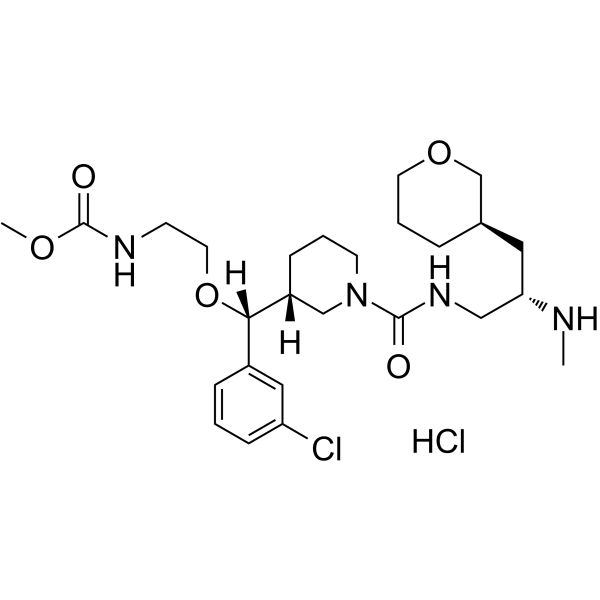
    VTP-27999 Hydrochloride is an orally active renin inhibitor. VTP-27999 Hydrochloride functionally inhibits renin and acid-activated prorenin, suppresses plasma renin activity and modulates plasma and urinary aldosterone levels. VTP-27999 Hydrochloride reduces mean arterial blood pressure, induces plasma renin concentration increases, decreases plasma angiotensin II levels and enhances renin immunoreactivity. VTP-27999 (Hydrochloride) can be used for the research of hypertension and chronic renal disease .
    VTP-27999 (Hydrochloride)
  • HY-P11657

    Bacterial Infection
    GN-2 peptoid is a 9-mer cationic amphipathic peptoid and bactericidal agent with an overall net charge of +4, broad-spectrum antimicrobial activity, and low hemolytic and cytotoxic activity against mammalian cells. GN-2 peptoid exerts bactericidal action against Escherichia coli in a concentration-dependent manner. GN-2 peptoid exhibits antimicrobial activity against Gram-positive Staphylococcus aureus and Gram-negative Escherichia coli, Pseudomonas aeruginosa strains. GN-2 peptoid shows low toxicity against human red blood cells and HeLa cells. GN-2 peptoid maintains antimicrobial activity in the presence of 50% human blood plasma. GN-2 peptoid can be used for the research of bacterial infections .
    GN-2 peptoid
  • HY-107781R

    Reference Standards Phosphodiesterase (PDE) Inflammation/Immunology
    PAT-505 (Standard) is the analytical standard of PAT-505 (HY-107781). This product is intended for research and analytical applications. PAT-505 is a potent, selective, noncompetitive and orally available autotaxin inhibitor, with an IC50 of 2 nM in Hep3B cells, 9.7 nM in human blood and 62 nM in mouse plasma.
    PAT-505 (Standard)
  • HY-183978

    Renin Cardiovascular Disease
    KRI-1314 is an orally active human renin inhibitor with selectivity for primate renin over non-primate renin. KRI-1314 competitively inhibits the binding of recombinant human renin to its substrate, reduces plasma renin activity, lowers blood pressure, and exhibits high stability in tissue homogenates. KRI-1314 is applicable to research on renin-dependent hypertension and hypertension-related studies .
    KRI-1314
  • HY-156957

    Biochemical Assay Reagents Others
    5-CNAC disodium is an orally active enhancer of absorption, with no pharmacological activity on its own. 5-CNAC disodium can significantly enhance the absorption efficiency of the drug (such as Salmon calcitonin (HY-P0090)) when administered together with it in the gastrointestinal tract. 5-CNAC disodium binds reversibly and non-covalently to peptide drugs, protecting them from degradation by gastrointestinal enzymes, increasing their lipid solubility, promoting passive transcellular absorption, and not damaging the integrity of the intestinal epithelium. 5-CNAC disodium can be used in the research of adjuvants for orally administered peptide agents .
    5-CNAC disodium
  • HY-182421

    Kisspeptin Receptor Endocrinology Cancer
    GPR54 antagonist‑1 is a GPR54 antagonist with IC50 values of 3.6 nM and 15 nM against human and rat GPR54, respectively. GPR54 antagonist‑1 shows blood‑brain barrier penetration. GPR54 antagonist‑1 blocks the function of human and rat GPR54 receptors. GPR54 antagonist‑1 suppresses plasma luteinizing hormone levels in castrated male rats. GPR54 antagonist‑1 can be used for the study of prostate cancer and endometriosis .
    GPR54 antagonist-1
  • HY-N16471A

    Cytochrome P450 5-HT Receptor Neurological Disease
    Escholtzine perchlorate is an Alkaloid. Escholtzine perchlorate can be isolated from Eschscholzia californica. Escholtzine perchlorate is a CYP3A4 inhibitor, 5-HT1A receptor inhibitor with a CYP3A4 IC50 of 13.4 μM, 5-HT1A EC50 of 11 μM. Escholtzine perchlorate can be used for the research of anxiety, depression .
    Escholtzine perchlorate
  • HY-122144

    Teroxirone

    Endogenous Metabolite Cancer
    α-Triglycidyl isocyanurate (Teroxirone) is an antitumor compound with activity to inhibit DNA replication. α-Triglycidyl isocyanurate exerts its anticancer effect by alkylating and cross-linking DNA. α-Triglycidyl isocyanurate is relatively stable in fresh human plasma and whole blood, showing good biocompatibility. The metabolism of α-Triglycidyl isocyanurate mainly occurs in rat liver and is metabolized through an NADPH-independent pathway. The cytotoxicity of α-Triglycidyl isocyanurate can be partially restored under specific conditions, suggesting the complexity of its metabolic pathway .
    α-Triglycidyl isocyanurate
  • HY-182406

    Ser/Thr Protease Cardiovascular Disease
    CU-2010 is a Serine protease inhibitor. In canine models, CU-2010 reduces blood loss after cardiac surgery in a dose-dependent manner and improves post-ischemic recovery .
    CU-2010
  • HY-N17623

    Thrombin Cardiovascular Disease
    Ainsliaeasin C, a 7-hydroxycoumarin derivative, is an orally active anticoagulant agent that can be found in Ainsliaea fragrans. Ainsliaeasin C exerts anticoagulant activity both in vitro and in vivo. Ainsliaeasin C can be used for the research on thrombotic disorders .
    Ainsliaeasin C
  • HY-P11594

    Neurotensin Receptor Cancer
    JMV 7490 is a highly potent and highly hydrophilic neurotensin receptor NTS1 probe that can be successfully labeled with 68Ga and 111In. JMV 7490 acts as an efflux inhibitor to reduce its efflux in NTS1-positive cancer cells; it also serves as an internalization inducer and is efficiently and continuously internalized by NTS1-positive cancer cells. 111In-radiolabeled JMV 7490 shows persistent uptake in NTS1-positive xenografts in nude mice, but no significant uptake in NTS1-negative xenografts. JMV 7490 can be used for in vivo tracer applications of NTS1-positive tumors and supports related research on colorectal cancer .
    JMV 7490
  • HY-183138

    Drug Metabolite Cardiovascular Disease
    N-Demethyldiltiazem is a metabolite of Diltiazem (HY-B0632). N-Demethyldiltiazem increases coronary blood flow, modulates cardiac function, decreases systemic blood pressure and heart rate, and alters papillary muscle developed tension .
    N-Demethyldiltiazem
  • HY-180406

    Neuropeptide Y Receptor Neurological Disease
    NPY Y2 antagonist 2 is a modulator targeting the neuropeptide Y (NPY) receptor Y2, with pKi values of 6.8 nM and 7.2 nM in human and rat brains, respectively, and demonstrating blood-brain barrier penetration. NPY Y2 antagonist 2 shows selectivity for the Y1 and Y5 receptors. NPY Y2 antagonist 2 blocks the negative feedback regulation mediated by the NPY Y2 receptor, thereby increasing endogenous NPY release and enhancing Y1 receptor activation, resulting in the modulation of central neurotransmitter release. NPY Y2 antagonist 2 exhibits moderate in vivo clearance, high free fraction in rat brain, and a favorable brain/plasma ratio and brain exposure. NPY Y2 antagonist 2 is applicable for research in conditions such as mood disorders, anxiety induced by alcohol withdrawal, and social anxiety associated with nicotine withdrawal .
    NPY Y2 antagonist 2
  • HY-109061A

    YH25448 mesylate hydrate; GNS-1480 mesylate hydrate

    Apoptosis Akt TRP Channel EGFR ERK Cancer
    Lazertinib (YH25448; GNS-1480) mesylate hydrate is an orally active, blood-brain barrier permeable third-generation EGFR tyrosine kinase inhibitor, as well as an ABCB1/ABCG2 inhibitor and a TRPA1 activator. Lazertinib mesylate hydrate exhibits IC50 values of 0.4 mM and 0.2 mM against human ABCB1 and ABCG2, respectively. By inhibiting mutant EGFR signaling, EGFR phosphorylation and the downstream ERK/AKT pathway, as well as upregulating surface expression of EGFR/MET, Lazertinib mesylate hydrate induces cell cycle arrest, apoptosis, spontaneous calcium responses, hyperexcitability of dorsal root ganglion (DRG) neurons, and TRPA1-dependent pain-like behaviors. Lazertinib mesylate hydrate competitively binds to the substrate-binding sites of ABCB1/ABCG2, stimulates their ATPase activity without altering their expression or plasma membrane localization, thereby enhancing ADCC activity, acting as a chemosensitizer, and reversing ABCB1-mediated multidrug resistance. It exerts antitumor activity as a single agent or in combination with other drugs. Lazertinib mesylate hydrate is applicable to research related to non-small cell lung cancer, multidrug-resistant cancers, and paresthesia .
    Lazertinib mesylate hydrate

Inquiry Online

Your information is safe with us. * Required Fields.

Salutation


Country or Region *

Applicant Name *


Organization Name *

Department *


Email Address *


Product Name *

Cat. No.


Requested quantity *

Phone Number *


Remarks

Inquiry Online

Inquiry Information

Product Name:
Cat. No.:
Quantity:
MCE Japan Authorized Agent:

