
1. Search Result
Search Result
Results for "

hypertensive rats

" in MedChemExpress (MCE) Product Catalog:

91

Inhibitors & Agonists

5

Peptides

13

Natural
Products

1

Isotope-Labeled Compounds

Cat. No. Product Name Target Research Areas Chemical Structure
  • HY-W001083
    3-Hydroxyphenylacetic acid
    1 Publications Verification

    Endogenous Metabolite Ferroptosis Glutathione Peroxidase Aldehyde Dehydrogenase (ALDH) Apoptosis Reactive Oxygen Species (ROS) Keap1-Nrf2 Cardiovascular Disease Neurological Disease Metabolic Disease Inflammation/Immunology Cancer
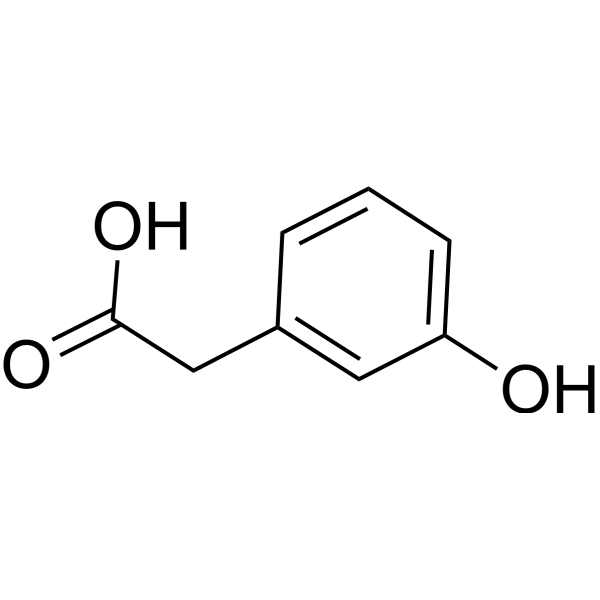
    3-Hydroxyphenylacetic acid is an orally active flavonoid metabolite produced by intestinal flora, with blood pressure-lowering activity. 3-Hydroxyphenylacetic acid can also inhibit ferroptosis by upregulating the expression of GPX4, thereby improving spermatogenic dysfunction in aged mice. In addition, abnormal levels of 3-Hydroxyphenylacetic acid are closely related to certain diseases, such as autism spectrum disorders .
    3-Hydroxyphenylacetic acid
  • HY-30004

    Environmental Pollutants Endogenous Metabolite Cardiovascular Disease Metabolic Disease
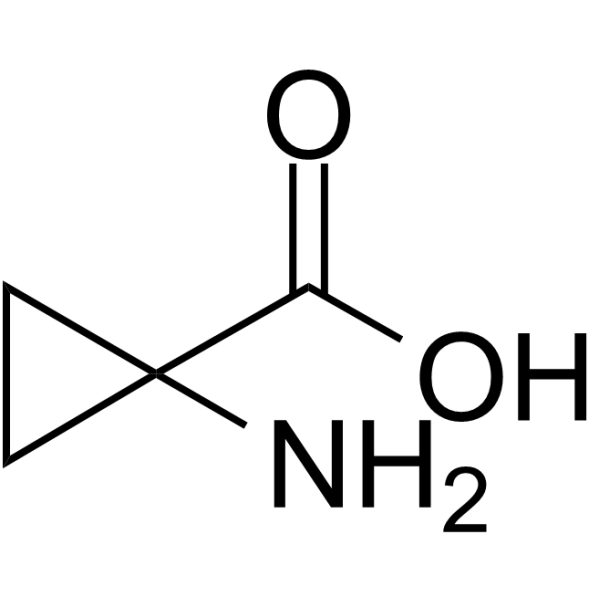
    1-Aminocyclopropane-1-carboxylic acid is an endogenous metabolite. In the presence of low concentrations (1 μM) of glutamate, 1-Aminocyclopropane-1-carboxylic acid acts as a small molecule agonist of NMDA receptors with an EC50 of 0.7-0.9 μM. At high concentrations (10 μM) of glutamate, 1-Aminocyclopropane-1-carboxylic acid acts as a competitive antagonist of NMDA receptors with an EC50 of 81.6 nM. 1-Aminocyclopropane-1-carboxylic acid exerts neuroprotective activity by moderately activating NMDA receptors to prevent neuronal cell death in ischemic animal models. Additionally, 1-Aminocyclopropane-1-carboxylic acid is an antagonist of NMDA receptors, inducing blood pressure reduction and antioxidant effects in stroke-prone hypertensive rats. 1-Aminocyclopropane-1-carboxylic acid enhances object recognition memory and cognitive flexibility dependent on the prefrontal cortex, but does not affect impulsivity nor exhibit an antipsychotic-like profile. 1-Aminocyclopropane-1-carboxylic acid shows promise for research in the field of neurotoxicity. .
    1-Aminocyclopropane-1-carboxylic acid
  • HY-B0592

    RU44570

    Angiotensin-converting Enzyme (ACE) Cardiovascular Disease
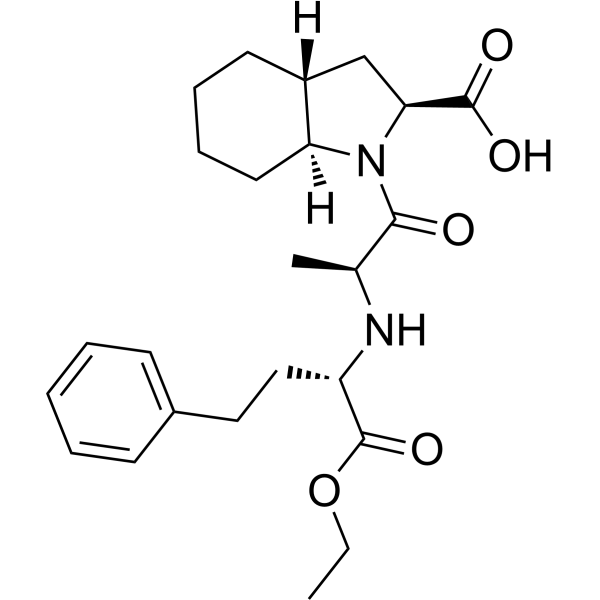
    Trandolapril (RU44570) is a nonsulfhydryl proagent that is hydrolysed to the active diacid Trandolaprilat. Trandolapril is an orally administered angiotensin converting enzyme (ACE) inhibitor that has been used in the treatment of hypertension and congestive heart failure (CHF), and after myocardial infarction (MI) .
    Trandolapril
  • HY-W012814

    Endogenous Metabolite Apoptosis Reactive Oxygen Species (ROS) Cardiovascular Disease Inflammation/Immunology Cancer
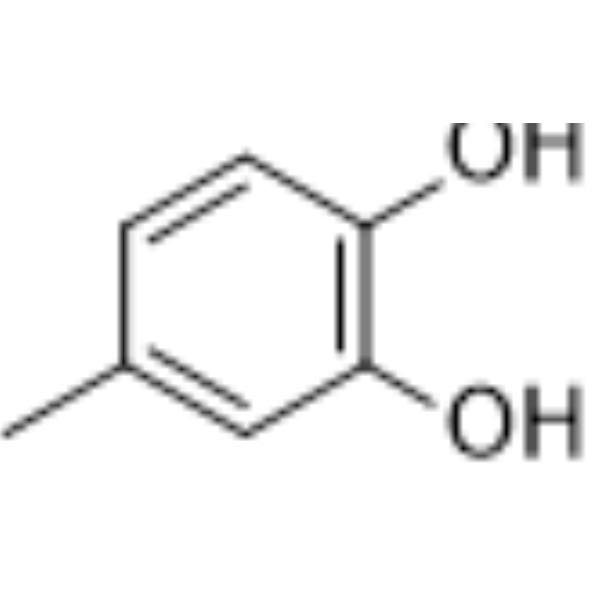
    4-Methylcatechol is an intermediate in the degradation of some alkylbenzenes and an orally active suicide inhibitor of catechol 2,3-dioxygenase (C23O). 4-Methylcatechol induces apoptosis in melanoma cells through oxidative stress, but some studies have also shown that 4-Methylcatechol is carcinogenic. In addition, 4-Methylcatechol has antiplatelet and blood pressure-lowering activities. 4-Methylcatechol can also inhibit protein oxidation in beef but does not disulfide formation .
    4-Methylcatechol
  • HY-N2388

    MMP PPAR Bacterial Cardiovascular Disease Neurological Disease Inflammation/Immunology Cancer
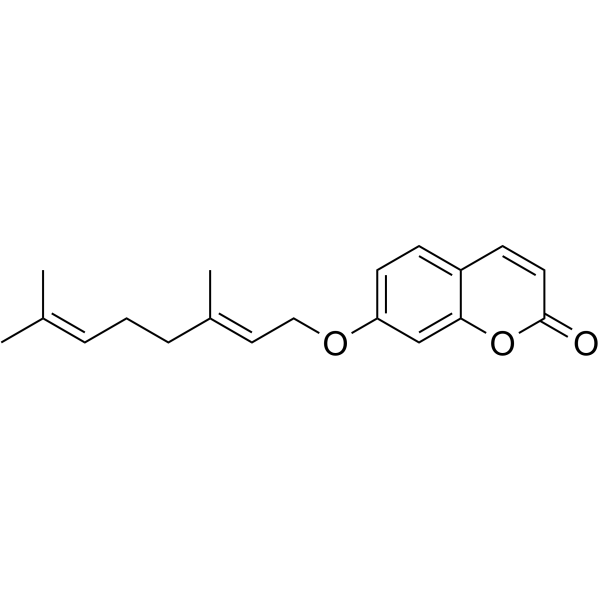
    Auraptene is an orally active geranyloxycoumarin that can be isolated from plants in the Brassicaceae family, antibacterial, anti-pathogen, antioxidant, anti-tumor, and neuroprotective effects. Auraptene plays an important role in the treatment of various chronic diseases such as hypertension and cystic fibrosis .
    Auraptene
  • HY-B1448

    KW-3049

    Calcium Channel Apoptosis Cardiovascular Disease
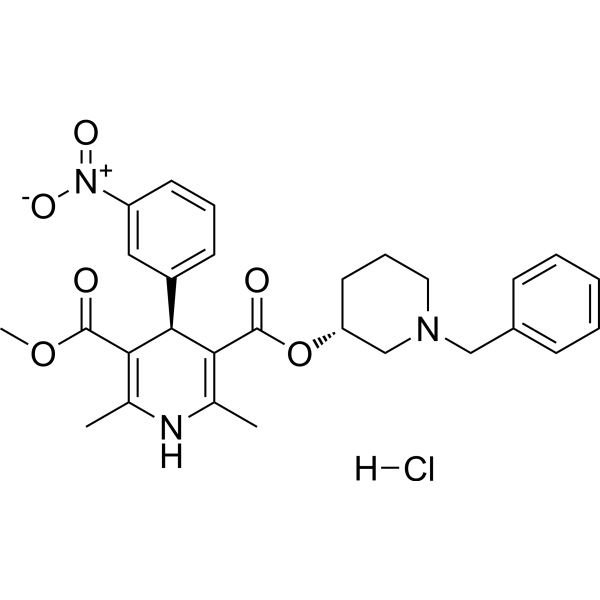
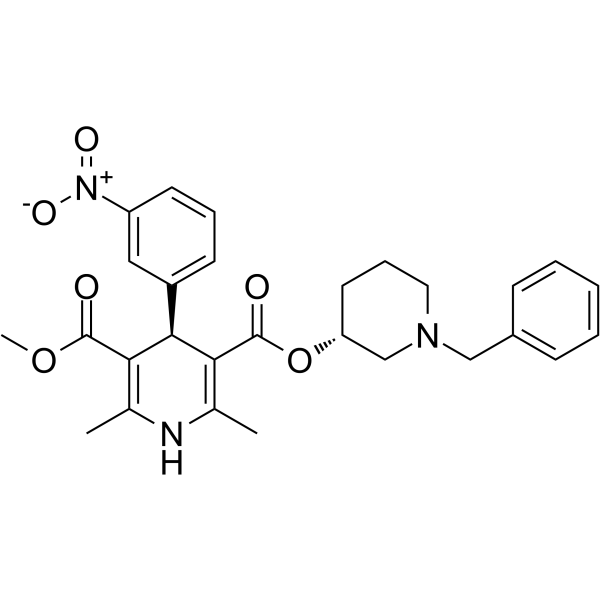
    Benidipine hydrochloride is an orally active calcium channel antagonist. Benidipine hydrochloride can inhibit cell proliferation and apoptosis. Benidipine hydrochloride has antioxidant activity and can increase nitric oxide synthase activity and improve coronary circulation in hypertensive rats .
    Benidipine hydrochloride
  • HY-W005255

    Endogenous Metabolite Cardiovascular Disease
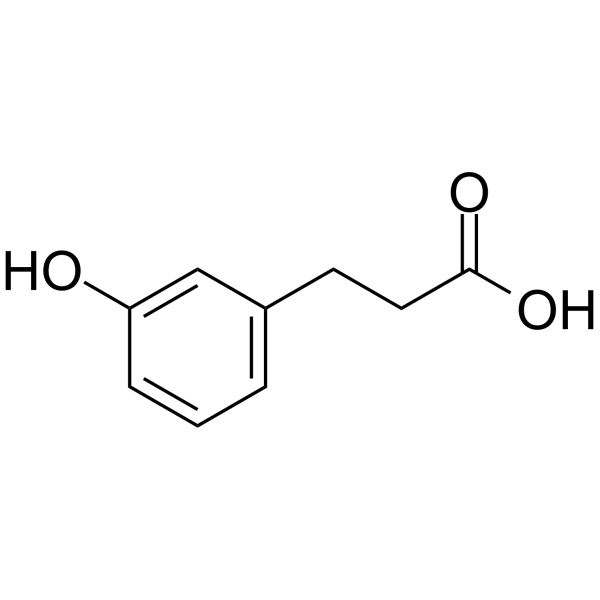
    3-(3-Hydroxyphenyl)propionic acid (3HPPA) is an endothelium-dependent nitric oxide (NO) release promoter and endothelial nitric oxide synthase (eNOS) activator. 3-(3-Hydroxyphenyl)propionic acid activates eNOS to mediate vascular smooth muscle relaxation and enhances endothelial cell NO synthesis, inducing vasodilation and reducing peripheral vascular resistance. 3-(3-Hydroxyphenyl)propionic acid can dose-dependently reduce systolic and diastolic blood pressure in spontaneously hypertensive rats (SHR) without affecting cardiac contractility or heart rate. 3-(3-Hydroxyphenyl)propionic acid has antihypertensive and vascular protective effects and can be used in the prevention and treatment of cardiovascular diseases .
    3-(3-Hydroxyphenyl)propionic acid
  • HY-162596

    BA-1049 free base

    ROCK Neurological Disease
    NRL-1049 (BA-1049 (free base)) is an orally available and selective ROCK2 inhibitor with IC50 values of 0.59 µM for ROCK2 and 26 µM for ROCK1, respectively. NRL-1049 modulates ROCK signaling, preserves blood-brain barrier integrity, reduces edema, seizures and hemorrhage, and alleviates cerebral cavernous malformation lesion burden. NRL-1049 can be used for the study of acute brain injury, ischemic stroke, and cerebral cavernous malformations .
    NRL-1049
  • HY-118060

    N-Valyltryptophan; Val-Trp

    Angiotensin-converting Enzyme (ACE) Calcium Channel NO Synthase Cardiovascular Disease
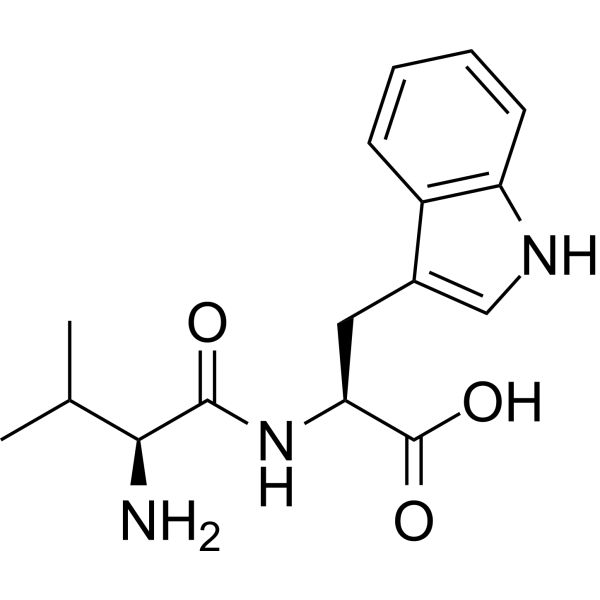
    Dipeptide 2 (N-Valyltryptophan) is an orally active, competitive angiotensin-converting enzyme (ACE) inhibitory peptide with an IC50 of 10.50 μM. Dipeptide 2 reduces intracellular Calcium ions. Dipeptide 2 significantly increases the content of NO, inhibits the production of ET-1, and induces the phosphorylation of eNOS. Dipeptide 2 decreases the systolic and diastolic blood pressure of spontaneously hypertensive rats .
    Dipeptide 2
  • HY-107586

    DAQ B1; L-783281; Dimethylasterriquinone

    Insulin Receptor Akt NO Synthase NADPH Oxidase JAK STAT FOXO DNA/RNA Synthesis ERK Flavivirus Cardiovascular Disease Infection Metabolic Disease Inflammation/Immunology
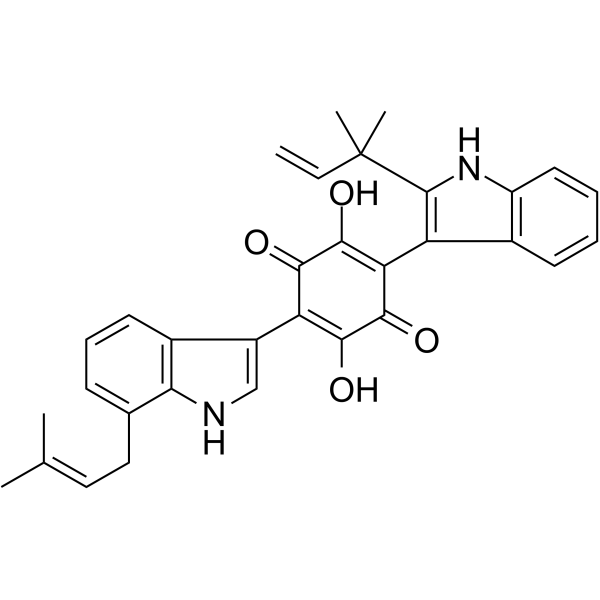
    Demethylasterriquinone B1 (DAQ B1; L-783281) is an orally active insulin receptor (insulin receptor) agonist and AKT activator. By activating AKT, Demethylasterriquinone B1 upregulates the expression and activity of eNOS to increase NO production, while downregulating the expression of the NADPH oxidase subunit p22phox to reduce oxidative stress and improve vascular endothelial dysfunction in hypertensive rats. Demethylasterriquinone B1 combind with an AKT inhibitor targets the insulin signaling pathway to activate two antiviral pathways, RNA interference and JAK/STAT, in mosquitoes, thereby reducing Zika virus infection .
    Demethylasterriquinone B1
  • HY-100554
    BMY 7378
    2 Publications Verification

    Adrenergic Receptor 5-HT Receptor Cardiovascular Disease
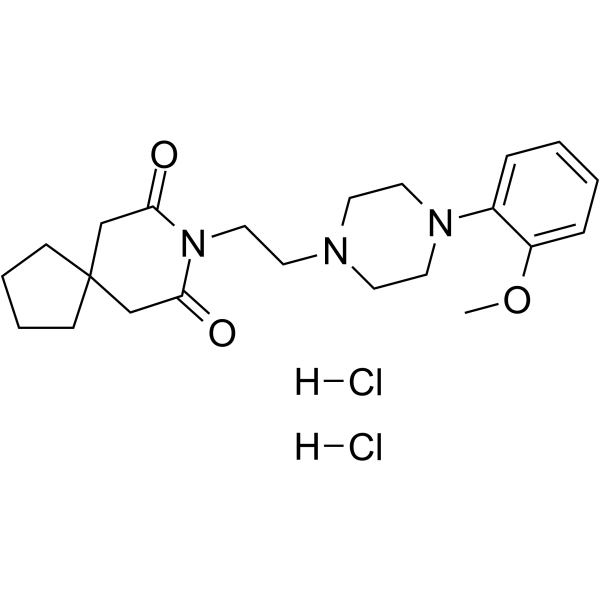
    BMY 7378 is a selective antagonist of α1D-adrenoceptor (α1D-AR). BMY 7378 binds to membranes expressing the cloned rat α1D-AR with a >100-fold higher affinity (Ki=2 nM) than binding to either the cloned rat α1A-AR (Ki=800 nM) or the hamster α1B-AR (Ki=600 nM). BMY 7378 is a 5-HT1A receptor partial agonist .
    BMY 7378
  • HY-B1363

    Bendrofluazide

    NKCC Cardiovascular Disease
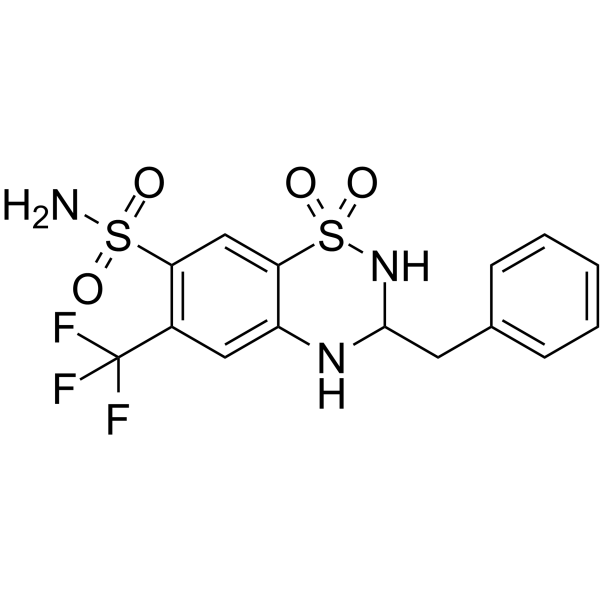
    Bendroflumethiazide (Bendrofluazide) is an orally available diuretic. Bendroflumethiazide inhibits the electroneutral sodium-chloride symporter located in the apical membrane of the early segment of the distal convoluted tubule and can effectively lower blood pressure. Bendroflumethiazide is used in the study of hypertension and edema. Bendroflumethiazide has an antidiuretic effect in diabetes insipidus .
    Bendroflumethiazide
  • HY-P2469

    BNP-45, mouse

    Natriuretic Peptide Receptor (NPR) Cardiovascular Disease
    Brain Natriuretic Peptide-45, mouse (BNP-45, mouse) is a 45-amino-acid peptide derived from the mouse BNP prohormone, which exhibits natriuretic, diuretic, and vasoactive effects. Brain Natriuretic Peptide-45, mouse contains all amino acid residues deemed critical for the biological activity of natriuretic peptides. Brain Natriuretic Peptide-45, mouse possesses hypotensive and diuretic activities .
    Brain Natriuretic Peptide-45, mouse
  • HY-123068

    SQ 14551

    Drug Derivative Cardiovascular Disease
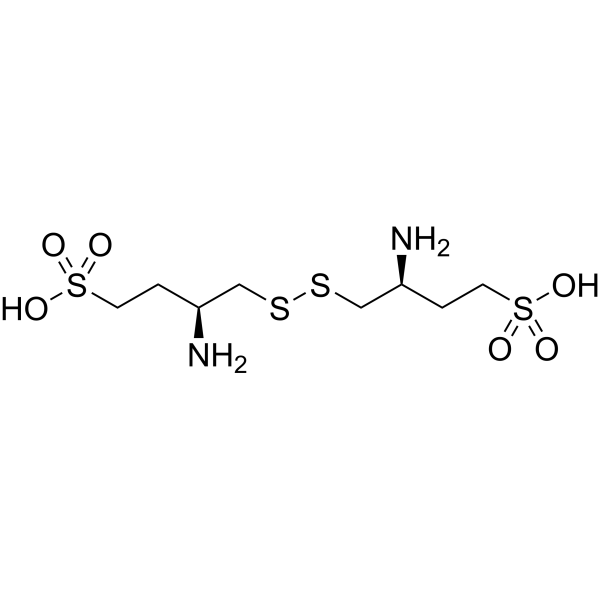
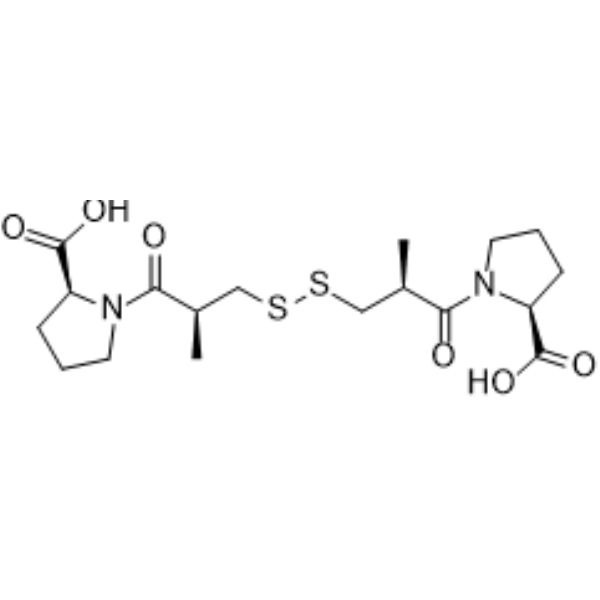
    Captopril disulfide (SQ 14551) is an orally active disulfide dimer prodrug. Captopril disulfide is metabolized to Captopril and acts as a Bradykinin potentiator. Captopril disulfide enhances the vasodilatory effect of Bradykinin in anesthetized rats and the contractile response of isolated guinea pig ileum to Bradykinin. Captopril disulfide exhibits antihypertensive activity in spontaneously hypertensive rats. Captopril disulfide can be used in hypertension-related research .
    Captopril disulfide
  • HY-109058
    Firibastat
    1 Publications Verification

    QGC001; RB150

    Aminopeptidase Cardiovascular Disease Neurological Disease
    Firibastat (QGC001), an orally active brain penetrating proagent of EC33, is a first-in-class brain aminopeptidase A (APA) inhibitor (Ki=200 nM). Firibastat selectively and specifically inhibits conversion of brain angiotensin-II into angiotensin-III and decreases blood pressure in hypertensive rats .
    Firibastat
  • HY-107398

    Adrenergic Receptor Amine N-methyltransferase Cardiovascular Disease
    1-(2,3-Dichlorophenyl)ethanamine hydrochloride is a phenylethanolamine N-methyltransferase (PNMT) inhibitor. 1-(2,3-Dichlorophenyl)ethanamine hydrochloride effectively reduces blood pressure of spontaneously hypertensive. 1-(2,3-Dichlorophenyl)ethanamine hydrochloride can be used for the research of blood pressure .
    1-(2,3-Dichlorophenyl)ethanamine hydrochloride
  • HY-111827
    S-1-Propenyl-L-cysteine
    5+ Cited Publications

    Histamine Receptor Cardiovascular Disease Others Metabolic Disease Inflammation/Immunology
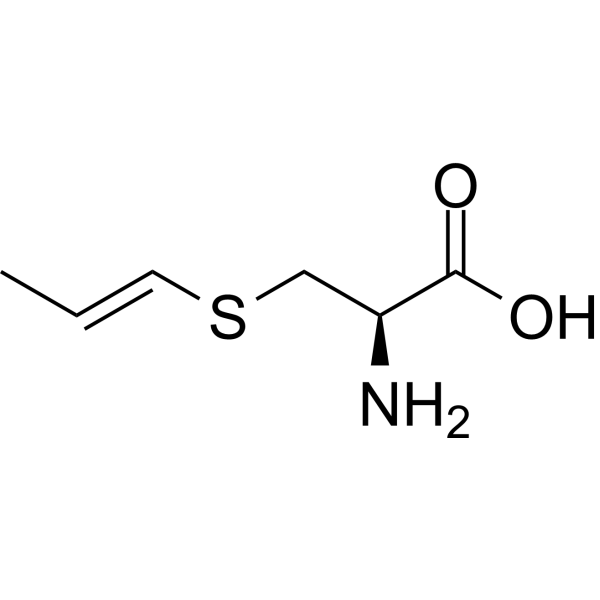
    S-1-Propenyl-L-cysteine is a stereoisomer of S-allyl-l-cysteine, extracted from garlic, with immunomodulatory effects and reduces blood pressure in a hypertensive animal model . S-1-Propenyl-L-cysteine exhibits antioxidative efficacy through a NO-dependent BACH1 signaling pathway . S-1-Propenyl-L-cysteine is orally active.
    S-1-Propenyl-L-cysteine
  • HY-E70199

    APN/CD13

    Aminopeptidase Cardiovascular Disease
    Aminopeptidase N (rat) (APN/CD13) is a Zn 2+-dependent membrane-bound exopeptidase that preferentially degrades proteins and peptides with N-terminal neutral amino acids. Aminopeptidase N (rat) is inhibited by angiotensin IV and participates in the regulation of angiotensin IV half-life in the rat striatum .
    Aminopeptidase N (rat)
  • HY-W013989

    Epoxide Hydrolase Cardiovascular Disease
    1,3-Dicyclohexylurea (DCU) is an orally active and potent sEH (soluble epoxide hydrolase) inhibitor. Oral Delivery of 1,3-Dicyclohexylurea nanosuspension enhances exposure and lowers blood pressure in hypertensive Rats .
    1,3-Dicyclohexylurea
  • HY-19431

    Endothelin Receptor Cardiovascular Disease
    Ro 46-8443 is the first non-peptide endothelin ETB receptor selective antagonist. Ro 46-8443 displays an at least 100-fold selectivity for ETB (IC50: 34-69 nM) over ETA receptors (IC50: 6800 nM) .
    Ro 46-8443
  • HY-12115

    Nω-nitro-L-arginine; L-NOARG; L-NG-Nitroarginine

    NO Synthase Cardiovascular Disease
    NG-nitro-L-arginine (Nω-nitro-L-arginine) is a NO Synthase inhibitor, with Kis of 0.61 μM (nNOS), 4.28 μM (iNOS), 0.72 μM (eNOS) respectively. NG-nitro-L-arginine inhibits endothelium-derived relaxing factor (EDRF) formation and release. NG-nitro-L-arginine inhibits portal-systemic shunting in portal-hypertensive rats, and increases blood pressure .
    NG-nitro-L-arginine
  • HY-19664

    OPC-13340

    Calcium Channel NO Synthase Cardiovascular Disease
    Pranidipine (OPC-13340) is an orally active L-type voltage-dependent calcium channel (L-VDCC) blocker with a Ki value of 0.16 nM. Pranidipine inhibits calcium-induced contraction, suppresses slow-response action potentials, shortens action potential duration, reduces systolic and diastolic blood pressure, and exerts vasodilatory effects. Pranidipine enhances its vasodilatory effect by blocking NO decomposition. Pranidipine can be used in research related to essential hypertension, angina pectoris, myocardial infarction, and dilated cardiomyopathy .
    Pranidipine
  • HY-100851A

    5-HT Receptor Cardiovascular Disease
    LY-272015 hydrochloride is an orally active, specific 5-HT2B receptor antagonist. LY-272015 hydrochloride completely inhibits the phosphorylation of ERK2 induced by 5-HT or BW723C86. LY-272015 hydrochloride is antihypertensive in Deoxycorticosterone Acetate (DOCA)-salt-hypertensive rats .
    LY-272015 hydrochloride
  • HY-W414915

    CGP 48933 methyl ester

    Drug Derivative Angiotensin Receptor Cardiovascular Disease Cancer
    Valsartan (CGP 48933) methyl ester is the methyl ester derivative of Valsartan (HY-18204). Valsartan is a selective and orally active angiotensin II type 1 (AT1) receptor blocker (ARB) with potent antihypertensive and cardioprotective effects. Valsartan competitively binds to AT1 receptors, inhibiting the binding of angiotensin II to AT1 receptors, thereby blocking angiotensin II-mediated vasoconstriction, sodium retention, and myocardial hypertrophy signaling pathways. Valsartan reduces systolic blood pressure in L-NAME-induced hypertensive rats. Valsartan can be used for the study and treatment of arterial hypertension, hypertensive heart disease, and heart failure .
    Valsartan methyl ester
  • HY-W013989R

    Reference Standards Epoxide Hydrolase Cardiovascular Disease
    1,3-Dicyclohexylurea (Standard) is the analytical standard of 1,3-Dicyclohexylurea. This product is intended for research and analytical applications. 1,3-Dicyclohexylurea (DCU) is an orally active and potent sEH (soluble epoxide hydrolase) inhibitor. Oral Delivery of 1,3-Dicyclohexylurea nanosuspension enhances exposure and lowers blood pressure in hypertensive Rats .
    1,3-Dicyclohexylurea (Standard)
  • HY-30004R

    Reference Standards Endogenous Metabolite Cardiovascular Disease Metabolic Disease
    1-Aminocyclopropane-1-carboxylic acid (Standard) is the analytical standard of 1-Aminocyclopropane-1-carboxylic acid. This product is intended for research and analytical applications. 1-Aminocyclopropane-1-carboxylic acid is an endogenous metabolite. In the presence of low concentrations (1 μM) of glutamate, 1-Aminocyclopropane-1-carboxylic acid acts as a small molecule agonist of NMDA receptors with an EC50 of 0.7-0.9 μM. At high concentrations (10 μM) of glutamate, 1-Aminocyclopropane-1-carboxylic acid acts as a competitive antagonist of NMDA receptors with an EC50 of 81.6 nM. 1-Aminocyclopropane-1-carboxylic acid exerts neuroprotective activity by moderately activating NMDA receptors to prevent neuronal cell death in ischemic animal models. Additionally, 1-Aminocyclopropane-1-carboxylic acid is an antagonist of NMDA receptors, inducing blood pressure reduction and antioxidant effects in stroke-prone hypertensive rats. 1-Aminocyclopropane-1-carboxylic acid enhances object recognition memory and cognitive flexibility dependent on the prefrontal cortex, but does not affect impulsivity nor exhibit an antipsychotic-like profile. 1-Aminocyclopropane-1-carboxylic acid shows promise for research in the field of neurotoxicity. .
    1-Aminocyclopropane-1-carboxylic acid (Standard)
  • HY-18006
    NKP608
    1 Publications Verification

    Neurokinin Receptor Wnt Bcl-2 Family β-catenin Cyclin G-associated Kinase (GAK) VEGFR Caspase Cadherin Apoptosis Neurological Disease Metabolic Disease Inflammation/Immunology Cancer
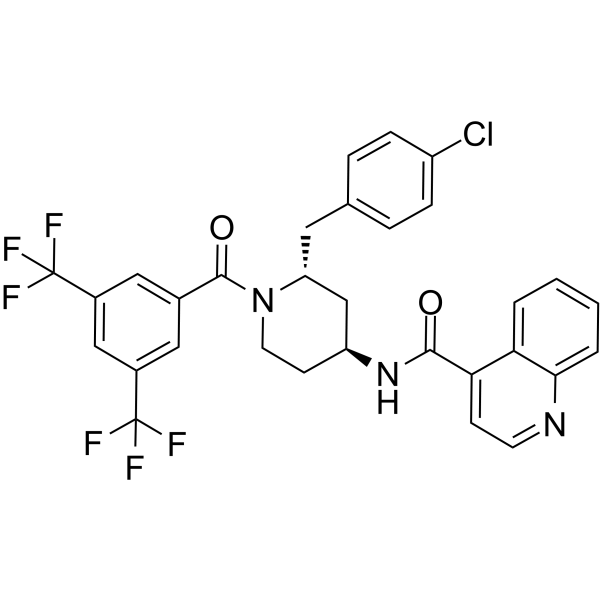
    NKP608 is a non-peptidic derivative of 4-aminopiperidine, a highly selective, orally active, neurokinin-1 (NK1) receptor antagonist with IC50 of 2.6 nM. NKP608 is active both in vitro and in vivo, showing extremely low affinity for NK2, NK3 receptors. NKP608 exerts its effects by blocking the NK₁ receptor, regulate cell proliferation and apoptosis, affect neurotransmitter functions and gastric mucosal repair mechanisms, and suppress the Wnt/β-catenin pathway in antitumor research. NKP608 is applicable to research related to various diseases, including cough, anxiety disorders, depression, gastric mucosal injury, and colorectal cancer .
    NKP608
  • HY-B1448A

    KW-3049 free base

    Apoptosis Calcium Channel Cardiovascular Disease
    Benidipine is a potent and orally active calcium channel antagonist . Benidipine shows anti-apoptosis effects in ischaemic/reperfused myocardial cells . Benidipine increases the activity of endothelial cell-type nitric oxide synthase and improves coronary circulation in hypertensive rats .
    Benidipine
  • HY-N9113

    Others Cardiovascular Disease
    1,3,5,6-Tetrahydroxyxanthone is a natural xanthone that can be isolated from Garcinia achachairu Rusby (Clusiaceae) branches. 1,3,5,6-Tetrahydroxyxanthone induces diuresis and saluresis in normotensive and hypertensive rats .
    1,3,5,6-Tetrahydroxyxanthone
  • HY-W012814R

    Reference Standards Endogenous Metabolite Apoptosis Reactive Oxygen Species (ROS) Cardiovascular Disease Inflammation/Immunology Cancer
    4-Methylcatechol (Standard) is the analytical standard of 4-Methylcatechol. This product is intended for research and analytical applications. 4-Methylcatechol is an intermediate in the degradation of some alkylbenzenes and an orally active suicide inhibitor of catechol 2,3-dioxygenase (C23O). 4-Methylcatechol induces apoptosis in melanoma cells through oxidative stress, but some studies have also shown that 4-Methylcatechol is carcinogenic. In addition, 4-Methylcatechol has antiplatelet and blood pressure-lowering activities. 4-Methylcatechol can also inhibit protein oxidation in beef but does not disulfide formation[1][2][3][4][5][6].
    4-Methylcatechol (Standard)
  • HY-153369

    BAY 1165747

    Guanylate Cyclase Cardiovascular Disease Neurological Disease
    BAY-747 (BAY 1165747) is an orally active and brain-penetrant stimulator of soluble guanylate cyclase (sGC). BAY-747 reverses L-NAME induced memory impairments and enhances cognition of rats in the object location task (OLT). BAY-747 also decreases blood pressure in both conscious normotensive and spontaneously hypertensive rats (SHR). BAY-747 improves function of the skeletal muscle associated with Duchenne muscular dystrophy (DMD) in mdx/mTRG2 mice model .
    BAY-747
  • HY-116680

    5-HT Receptor Cardiovascular Disease Neurological Disease
    LY53857 is a potent antagonist of vasoconstriction and serotonin-mediated 5-HT2 receptors. LY53857 did not reduce mean arterial blood pressure in spontaneously hypertensive rats (SHR) at doses that blocked the depressor response to serotonin and blocked central serotonin receptors. In addition, LY53857 was able to enhance neurotransmitter release in rat vas deferens and guinea pig ileal nerves .
    LY53857
  • HY-101390D

    Calcium Channel Cardiovascular Disease
    (R)-Niguldipine, a R-epimer of Niguldipine (HY-101390B), is a calcium channel antagonist. (R)-Niguldipine exerts a vasodilatory effect by blocking calcium channels and reducing the transmembrane influx of calcium ions. (R)-Niguldipine can inhibit U-46619 (HY-108566)-induced coronary artery contraction in guinea pig Langendorff hearts (pID50 of 9.93), has high affinity for calcium channel binding sites on guinea pig skeletal muscle membranes (Ki of 8.10), and lowers blood pressure in spontaneously hypertensive rats (pED30 of 5.55). (R)-Niguldipine can improve cardiovascular diseases such as hypertension, angina pectoris, and arrhythmias .
    (R)-Niguldipine
  • HY-U00013R

    HCT 1206 (Standard); NO-flurbiprofen (Standard); Nitroxybutyl flurbiprofen (Standard)

    Reference Standards COX Cardiovascular Disease
    Nitroflurbiprofen is a cyclooxygenase (COX) inhibitor with nitric oxide (NO)-donating properties, modulates the increased intrahepatic vascular tone in portal hypertensive cirrhotic rats.
    Nitroflurbiprofen (Standard)
  • HY-127152

    Pratorine

    Endogenous Metabolite Cardiovascular Disease
    Hippadine (Pratorine) is an alkaloid, which can be isolated from the plant Crinum macowanii. Hippadine exhibits heart-rate lowering and blood-pressure lowering effects in rats models with spontaneously hypertensive .
    Hippadine
  • HY-108582

    Potassium Channel Cardiovascular Disease
    Y-27152, a proagent of the KATP (Kir6) channel opener Y-26763, is a long-acting K+ channel opener with less tachycardia: antihypertensive effects in hypertensive rats and dogs in conscious state .
    Y-27152
  • HY-19291

    Adrenergic Receptor Sodium Channel Cardiovascular Disease
    DL-017 is a Quinazoline derivative. DL-017 shows inhibitory constants of approximately 0.90 nM for α1-adrenergic receptors and 404 nM for Na + channels. DL-017 exerts antihypertensive effect .
    DL-017
  • HY-13711

    Endothelin Receptor Cardiovascular Disease
    S-1255 is an orally active and highly selective endothelin ETA receptor antagonist (Kd=0.39 nM). S-1255 blocks vasoconstriction and sustains hypotensive effects in hypertensive rats. S-1255 is promising for research of hypertension and cardiovascular disorders .
    S-1255
  • HY-19253A

    Angiotensin Receptor Cardiovascular Disease Metabolic Disease
    KRH-594 is an orally active angiotensin AT1 receptor antagonist. KRH-594 ameliorates the progression of diabetic nephropathy and hyperlipidaemia. KRH-594 inhibits cardiac hypertrophy .
    KRH-594
  • HY-19070

    Opioid Receptor Cardiovascular Disease
    BRL-52656 is a blood-brain barrier (BBB)-penetrable KOR receptor agonist that exhibits a biphasic effect. At low doses, BRL-52656 decreases blood pressure, whereas high doses have the opposite effect in spontaneously hypertensive rats. Additionally, BRL-52656 induces water diuresis by inhibiting the secretion of vasopressin (AVP) .
    BRL-52656
  • HY-19210

    Endothelin Receptor Cardiovascular Disease
    SB-209670 is an extremely potent and highly specific non-peptide, subnanomolar endothelin (ET) receptor antagonist. SB 209670 selectively inhibits binding of 125I-labeled ET-1 to cloned human ET receptor subtypes ETA and ETB (Ki=0.2 and 18 nM, respectively). SB 209670 produces a dose-dependent reduction in blood pressure in hypertensive rats, protects from ischemia-induced neuronal degeneration in a gerbil stroke model, and attenuates neointima formation following rat carotid artery balloon angioplasty .
    SB-209670
  • HY-W752502

    Dopamine Receptor Vasopressin Receptor Adrenergic Receptor Cardiovascular Disease
    Docarpamine is an orally active dopamine prodrug that can be hydroxylated in the small intestine and liver to form active dopamine. Docarpamine mainly activates D1-like receptors in peripheral blood vessels to lower blood pressure and heart rate in a state of spontaneous hypertension. Docarpamine exerts a pressor and tachycardic effect by activating D1-like receptors, vasopressin V1 receptors, and α-adrenergic receptors in normal blood pressure conditions. Docarpamine can be used for research on renal vascular dilation and diuresis .
    Docarpamine
  • HY-N4209

    Others Cardiovascular Disease
    3α-Dihydrocadambine is a natural product isolated from the heartwoods of Anthocephalus cadamba.3α-Dihydrocadambine exhibits dose-dependent hypotensive and anti-hypertensive effects in anesthetized normotensive rats and in conscious spontaneously hypertensive rats .
    3α-Dihydrocadambine
  • HY-116262

    Phosphodiesterase (PDE) Cardiovascular Disease Inflammation/Immunology
    SCH 51866 is a potent, selective and orally active inhibitor of PDE1 (IC50=70 nM) and PDE5 (IC50=60 nM). SCH 51866 inhibits collagen-induced aggregation of human washed platelets (IC50=10 μM), prevents neointimal formation in balloon catheter-injured carotid arteries of spontaneously hypertensive rats (SHR), and reduces blood pressure in SHR. SCH 51866 can be used in the study of hypertension .
    SCH 51866
  • HY-113695

    Angiotensin-converting Enzyme (ACE) Adrenergic Receptor Cardiovascular Disease
    BW A575C is a dual inhibitor against angiotensin converting enzyme (ACE) and β-adrenoceptor. BW A575C produces a competitive blockade of Isoprenaline (HY-108353)-induced tachycardia in a guinea-pig right atrial. BW A575C also inhibits Angiotensin I (HY-P1032)-induced pressor responses in rats. BW A575C is promising for research of hypertensive diseases .
    BW A575C
  • HY-19200

    Neprilysin Angiotensin-converting Enzyme (ACE) Cardiovascular Disease
    RB-105 is an inhibitor of angiotensin-converting enzyme (ACE) (Ki = 4.2 nM) and neutral endopeptidase (NEP) (Ki = 1.7 nM). RB-105 after inhibiting ACE reduces the production of Ang II and increase the level of bradykinin. RB-105 after inhibiting NEP increases the level of natriuretic peptide and further increases the level of bradykinin, thereby generating a powerful synergistic effect. RB-105 has significant antihypertensive and natriuretic effects in both spontaneously hypertensive rats and normal blood pressure rats. RB-105 can be used for research on hypertension .
    RB-105
  • HY-101390A

    (R)-Niguldipine hydrochloride

    Calcium Channel Cardiovascular Disease
    (-)-Niguldipine ((R)-Niguldipine) hydrochloride is a calcium channel antagonist. (-)-Niguldipine hydrochloride exerts a vasodilatory effect by blocking calcium channels and reducing the transmembrane influx of calcium ions. (-)-Niguldipine can inhibit U-46619 (HY-108566)-induced coronary artery contraction in guinea pig Langendorff hearts (pID50 of 9.93), has high affinity for calcium channel binding sites on guinea pig skeletal muscle membranes (Ki of 8.10), and lowers blood pressure in spontaneously hypertensive rats (pED30 of 5.55). (-)-Niguldipine hydrochloride can improve cardiovascular diseases such as hypertension, angina pectoris, and arrhythmias .
    (-)-Niguldipine hydrochloride
  • HY-129706

    Others Cardiovascular Disease
    LY127210 (free base) is a potent vasodilator with antihypertensive effects that reduces pressure in chloralose-anesthetized spontaneously hypertensive rats primarily by direct arteriolar dilation and to a lesser extent by decreasing cardiac output. LY127210 (free base) reduces blood pressure, heart rate and left ventricular end-diastolic pressure in hypertensive rats by reducing vascular resistance .
    LY127210 free base
  • HY-121550

    Angiotensin-converting Enzyme (ACE) Cardiovascular Disease
    ME3221 is an angiotensin AT1 receptor antagonist that effectively antagonizes the pressor response to angiotensin II in rats and marmosets without affecting the hypotensive response to bradykinin. It demonstrates potent antihypertensive effects in renal hypertensive rats and spontaneously hypertensive rats (SHR). ME3221's repeated administration in SHR results in sustained and stable hypotensive effects without affecting heart rate, indicating its potential for studying both renal and essential hypertension .
    ME3221
  • HY-U00013

    HCT 1206; NO-flurbiprofen; Nitroxybutyl flurbiprofen

    COX Cardiovascular Disease
    Nitroflurbiprofen is a cyclooxygenase (COX) inhibitor with nitric oxide (NO)-donating properties, modulates the increased intrahepatic vascular tone in portal hypertensive cirrhotic rats.
    Nitroflurbiprofen

Inquiry Online

Your information is safe with us. * Required Fields.

Salutation


Country or Region *

Applicant Name *


Organization Name *

Department *


Email Address *


Product Name *

Cat. No.


Requested quantity *

Phone Number *


Remarks

Inquiry Online

Inquiry Information

Product Name:
Cat. No.:
Quantity:
MCE Japan Authorized Agent:

