1. Search Result
Search Result
Results for "

integrity

" in MedChemExpress (MCE) Product Catalog:

297

Inhibitors & Agonists

3

Screening Libraries

5

Fluorescent Dye

16

Biochemical Assay Reagents

37

Peptides

4

MCE Kits

3

Inhibitory Antibodies

44

Natural
Products

14

Isotope-Labeled Compounds

6

Oligonucleotides

Cat. No. Product Name Target Research Areas Chemical Structure
  • HY-13771
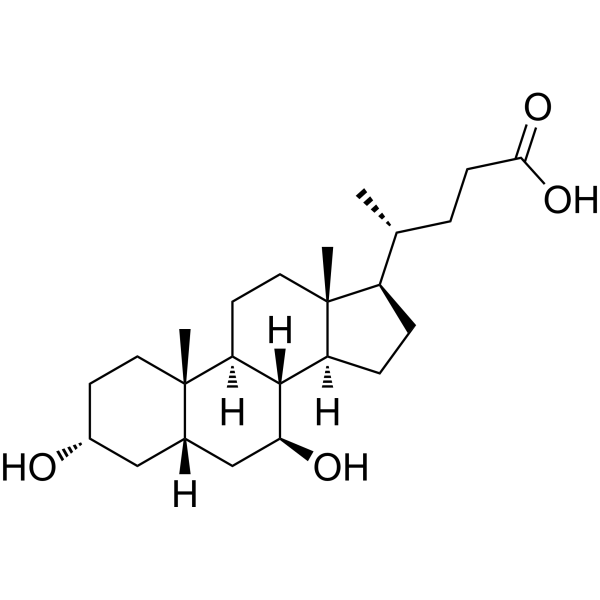
    Ursodeoxycholic acid
    Maximum Cited Publications
    26 Publications Verification

    Ursodeoxycholate; Ursodiol; UDCA

    G protein-coupled Bile Acid Receptor 1 FXR Angiotensin-converting Enzyme (ACE) Endogenous Metabolite Infection Metabolic Disease Cancer
    Ursodeoxycholic acid (Ursodeoxycholate) is a secondary bile acid issued from the transformation of (cheno)deoxycholic acid by intestinal bacteria, acting as a key regulator of the intestinal barrier integrity and essential for lipid metabolism. Ursodeoxycholic acid acts as signaling molecule, exerting its effects by interacting with bile acid activated receptors, including G-protein coupled bile acid receptor 5 (TGR5, GPCR19) and the farnesoid X receptor (FXR). Ursodeoxycholic acid can be used for the research of a variety of hepatic and gastrointestinal diseases. Ursodeoxycholic acid also reduces ACE2 expression and is beneficial for reducing SARS-CoV-2 infection. Orally active .
    Ursodeoxycholic acid
  • HY-B0221
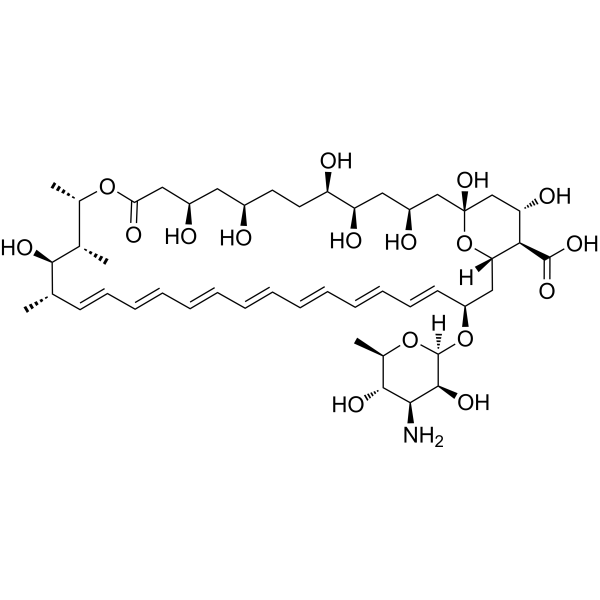
    Amphotericin B
    Maximum Cited Publications
    26 Publications Verification

    Fungal Antibiotic Bacterial Parasite Infection Cancer
    Amphotericin B is a polyene antifungal agent against a wide variety of fungal pathogens. It binds irreversibly to ergosterol, resulting in disruption of membrane integrity and ultimately cell death.
    Amphotericin B
  • HY-13813
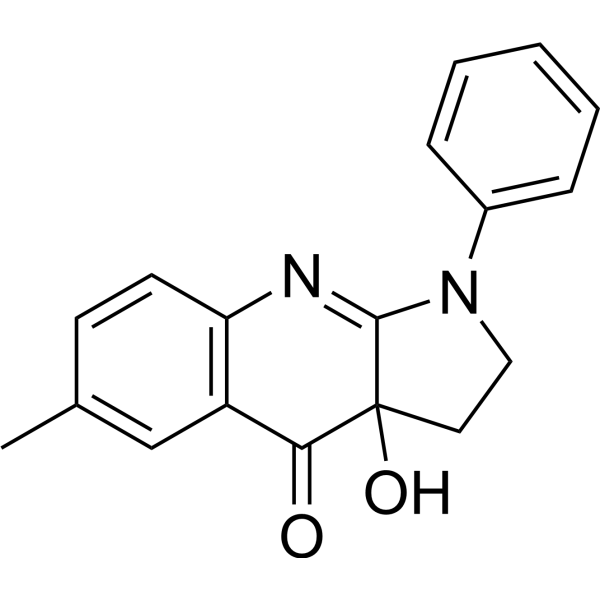
    Blebbistatin
    Maximum Cited Publications
    42 Publications Verification

    Myosin Others
    Blebbistatin is a selective non-muscle myosin II (NMII) inhibitor, promotes directional migration of corneal endothelial cells (CECs) and accelerates wound healing, and better preserves cell junctional integrity and barrier function. Blebbistatin blocks cell migration .
    Blebbistatin
  • HY-121389

    Palmitamide

    Bacterial NF-κB PPAR Infection Inflammation/Immunology
    Hexadecanamide (Palmitamide) is a fatty acid amide that has orally active anti-allergic, antioxidant, and neuroprotective effects. Hexadecanamide exerts protective effects in Staphylococcus aureus- and SARA-induced mastitis. Hexadecanamide suppresses S. aureus-induced activation of the NF-κB pathway and improves blood-milk barrier integrity. Hexadecanamide activates PPARα. Hexadecanamide enhances sperm motility in vitro. Hexadecanamide can be studied in research for mastitis and asthenozoospermia .
    Hexadecanamide
  • HY-13771A
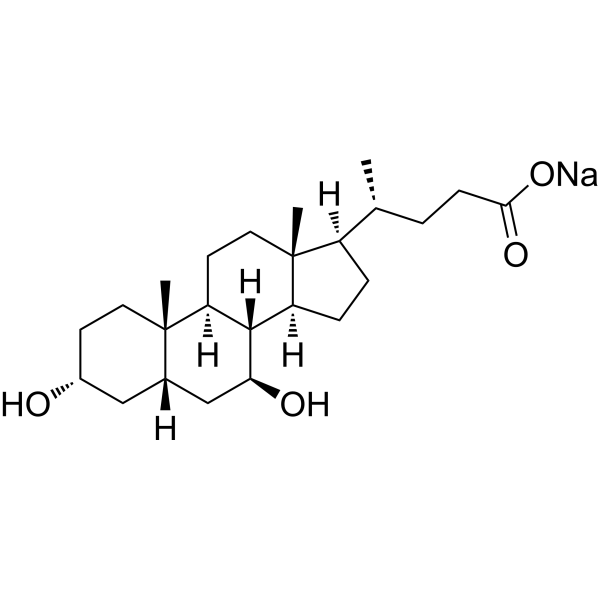
    Ursodeoxycholic acid sodium
    Maximum Cited Publications
    26 Publications Verification

    Ursodeoxycholate sodium; Ursodiol sodium; UCDA sodium

    G protein-coupled Bile Acid Receptor 1 FXR Endogenous Metabolite Metabolic Disease Inflammation/Immunology Cancer
    Ursodeoxycholic acid (Ursodeoxycholate) sodium is a secondary bile acid issued from the transformation of (cheno)deoxycholic acid by intestinal bacteria, acting as a key regulator of the intestinal barrier integrity and essential for lipid metabolism. Ursodeoxycholic acid sodium acts as signaling molecule, exerting its effects by interacting with bile acid activated receptors, including G-protein coupled bile acid receptor 5 (TGR5, GPCR19) and the farnesoid X receptor (FXR). Ursodeoxycholic acid sodium can be used for the research of a variety of hepatic and gastrointestinal diseases. Orally active .
    Ursodeoxycholic acid sodium
  • HY-W040821
    DL-Homocysteine
    4 Publications Verification

    Endogenous Metabolite Neurological Disease
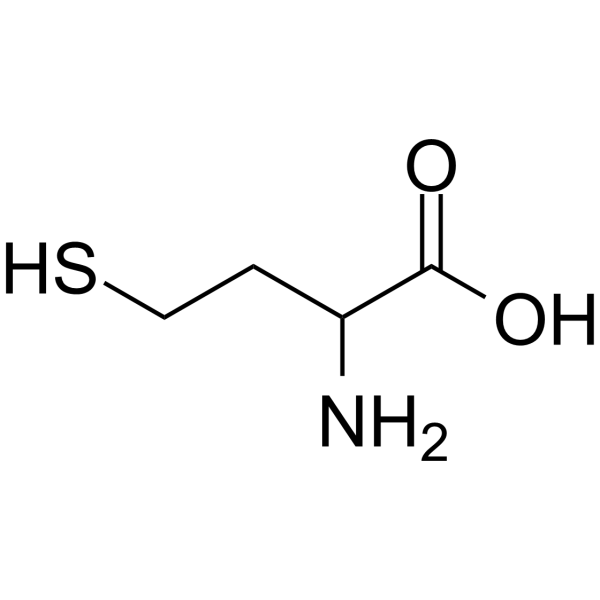
    DL-Homocysteine is a weak neurotoxin, and can affect the production of kynurenic acid in the brain. DL-Homocysteine is correlated with Vitamin B12, renal functions and folate levels, affects the cross-sectional cognition indirectly through white matter microstructural integrity .
    DL-Homocysteine
  • HY-N8015
    Octanal
    1 Publications Verification

    Environmental Pollutants Endogenous Metabolite Fungal Bacterial Infection Cancer
    Octanal is a fragrant aldehyde with antioxidant and antibacterial activity. Its antifungal effect against G. citri-aurantii may be related to the disruption of cell membrane integrity and the leakage of cellular components. Additionally, Octanal exhibits cytotoxicity towards HeLa cells, with an IC50 value of 3.5 μg/mL .
    Octanal
  • HY-12638
    Dichlorophen
    1 Publications Verification

    DDM

    Environmental Pollutants Fungal Parasite Bacterial Infection
    Dichlorophen is a chlorophenol antimicrobial agent that can destroy the integrity of microbial cell membranes and interfere with the activity of metabolic enzymes. Dichlorophen can covalently bind to the thiol groups of microbial proteins and has broad-spectrum antibacterial, antifungal and anthelmintic activity. Dichlorophen can be used as an antimicrobial agent in the study of drug-resistant bacterial infections .
    Dichlorophen
  • HY-D1098
    SYBR Green II
    3 Publications Verification

    Fluorescent Dye Others
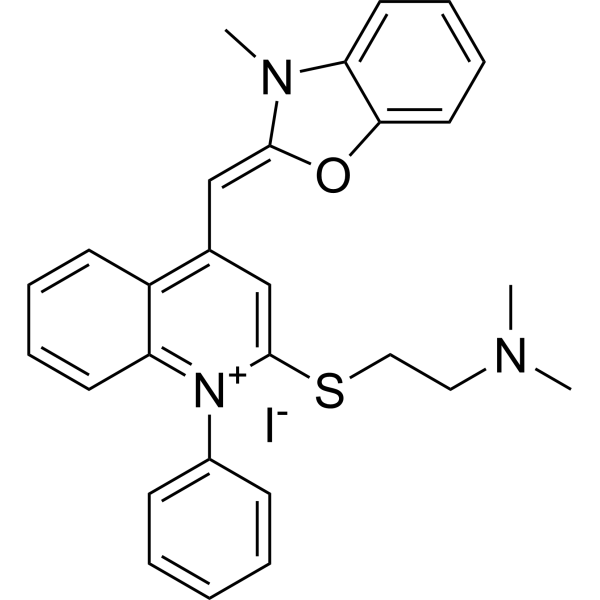
    SYBR Green II is a fluorescent nucleic acid dye that mainly binds single-stranded nucleotides. SYBR Green II is sensitive to oligonucleotides or larger nucleic acid polymers in a variety of cells and gels. SYBR Green II can be used to study cell structure, membrane integrity or function, and cell cycle distribution. Wavelength 484/515 nm .
    SYBR Green II
  • HY-N0237
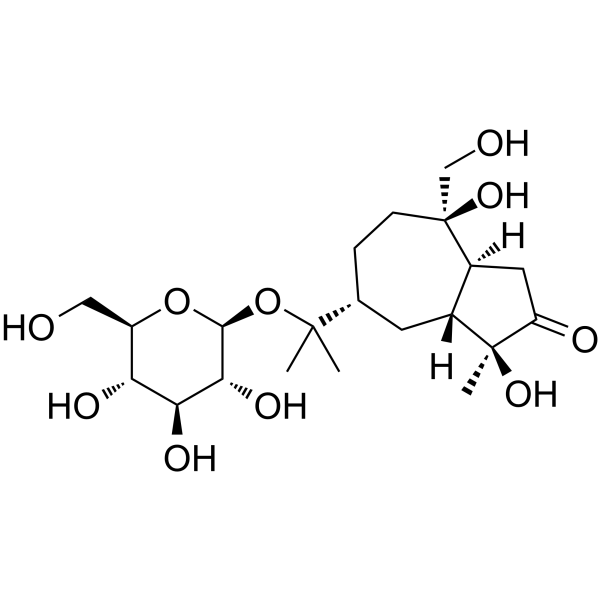
    Atractyloside A
    3 Publications Verification

    Toll-like Receptor (TLR) MyD88 NF-κB Mitochondrial Metabolism Interleukin Related Aquaporin Cardiovascular Disease Metabolic Disease Inflammation/Immunology
    Atractyloside A is an orally active inhibitor of the TLR4/MyD88/NF-κB signaling pathway and also an opener of the mitochondrial permeability transition pore (MPTP). Atractyloside A interferes with the activation of the TLR4/MyD88/NF-κB pathway, thereby inhibiting intestinal inflammatory responses. Atractyloside A reverses mucin synthesis impairment, improves intestinal barrier integrity, and restores homeostasis by altering the composition of the gut microbiota. Atractyloside A can be used in studies related to spleen deficiency diarrhea and myocardial injury .
    Atractyloside A
  • HY-P2776A

    Endogenous Metabolite Others
    Hexokinase, Yeast catalyzes the phosphorylation of glucose, and is involved in glycolysis. Hexokinase, Yeast participates is also related to energy production, protection of mitochondrial integrity, and cell survival .
    Hexokinase, Yeast
  • HY-W008151

    Mitochondrial Metabolism Carnitine Palmitoyltransferase (CPT) Metabolic Disease
    Diphenyl Phosphate inhibits growth and energy metabolism in zebrafish and mice in a sex-specific manner. Diphenyl Phosphate can inhibit the activity of SDH (respiratory complex II), reduce the expression of CPT1 and disrupts the integrity of the mitochondrial membrane. Diphenyl Phosphate may be used in research on metabolic diseases .
    Diphenyl Phosphate
  • HY-Y0537B

    Environmental Pollutants Biochemical Assay Reagents Mitochondrial Metabolism Metabolic Disease
    Potassium chloride, for molecular biology is potassium chloride that can be used in molecular biology. Potassium chloride, for molecular biology affects the stability of biological membranes by disrupting the electrostatic interactions between proteins and lipids. Potassium chloride, for molecular biology affects the solubility of myofibrillar proteins and the integrity of mitochondria. Potassium chloride, for molecular biology is commonly used in homogenization buffers and protein extraction procedures .
    Potassium chloride, for molecular biology
  • HY-23155
    2-Phenylethyl isothiocyanate
    1 Publications Verification

    2-PE ITC

    Fungal Infection
    2-Phenylethyl isothiocyanate is a potent antifungal agent. 2-Phenylethyl isothiocyanate significantly inhibited spore germination and mycelial growth of Alternaria alternata, with a MIC (minimum inhibitory concentration) of 1.22 mM. The antifungal effect of 2-Phenylethyl isothiocyanate against Alternaria alternate might be via reduction in toxin content and breakdown of cell membrane integrity .
    2-Phenylethyl isothiocyanate
  • HY-112959

    TD-6424

    Antibiotic Bacterial Infection
    Telavancin (TD-6424) is a semisynthetic lipoglycopeptide vancomycin-derivative, is a novel antimicrobial agent developed by Theravance for overcoming resistant Gram-positive bacterial infections, specifically methicillin-resistant Staphylococcus aureus (MRSA). Telavancin disrupts cell membrane integrity, can be used for research of complicated skin and skin structure infections (cSSSIs) caused by Gram-positive bacteria .
    Telavancin
  • HY-W145486

    Environmental Pollutants Biochemical Assay Reagents Neurological Disease Metabolic Disease Inflammation/Immunology
    Calcium gluconate is an orally effective calcium salt supplement . Calcium gluconate reduces elevated serum potassium, decreased serum calcium, and postoperative myalgia associated with succinylcholine administration. Calcium gluconate restores calcium homeostasis, skeletal integrity, bone mineralization and bone density, and maintains levels of parathyroid hormone, bone resorption markers and osteoclasts. Calcium gluconate reverses LPS (HY-D1056)-induced ERK phosphorylation, inflammatory cytokine release and acute lung injury, alleviates airway inflammatory damage and suppresses immune responses. Calcium gluconate can be used in research related to postoperative myalgia, osteoporosis/osteomalacia and acute lung injury .
    Calcium gluconate
  • HY-115376

    ZINC08010136

    Ras Inflammation/Immunology
    Z62954982 (ZINC08010136) is a potent, selective and cell-permeable Rac1 (IC50=12 μM) inhibitor that is 4 times more effective than NSC23766 (HY-15723A) (IC50=50 μM). Z62954982 disrupts the Rac1/Tiam1 complex and decreases cytoplasmic levels of active Rac1 (GTP-bound Rac1), without affecting the activity of other Rho GTPases (such as Cdc42 or RhoA) .
    Z62954982
  • HY-158976

    Lactated ringer's solution (LRS)

    Biochemical Assay Reagents Collagen HSP Inflammation/Immunology
    Sodium lactate ringer's solution (Lactated ringer's solution (LRS)) is an isotonic crystal intravenous injection and arthroscopic irrigation solution containing racemic sodium lactate and electrolytes such as sodium, potassium, calcium and chloride (130 mEq sodium/L, 274 mOsm/L), which can be used as a cell integrity protectant. Sodium lactate ringer's solution maintains the integrity of human meniscus cells, ensures that they retain normal cell morphology, membrane regularity, size and density, and does not alter the mRNA expression levels of α1 (I) procollagen, α1 (II) procollagen, aggrecan or HSP70. Sodium lactate ringer's solution can be applied to studies related to extracellular fluid deficiency and meniscus tears .
    Sodium lactate ringer's solution
  • HY-W007626

    Fungal Infection
    3,5-Dimethoxybenzaldehyde is an antifungal agent. 3,5-Dimethoxybenzaldehyde exhibits antifungal activity against Saccharomyces cerevisiae cell wall integrity mutants (slt2Δ and bck1Δ) and Aspergillus fumigatus MAPK mutants (sakAΔ and mpkCΔ) .
    3,5-Dimethoxybenzaldehyde
  • HY-NP0147
    Wheat Germ Agglutinin (Fluorescein)
    1 Publications Verification

    WGA (Fluorescein)

    Fluorescent Dye Infection Neurological Disease
    Wheat Germ Agglutinin (WGA) Fluorescein is a classic fluorescent label that specifically binds to sugar residues such as N-acetylglucosamine, N-acetylneuraminic acid and sialic acid. Wheat Germ Agglutinin Fluorescein performs regionally differential fluorescent staining of the ocular surface epithelial glycocalyx to assess its integrity, and causes no damage to the eye at safe concentrations. Wheat Germ Agglutinin Fluorescein is also used for staining structures including red blood cells, cultured cells, bacteria and pine wood nematodes, and facilitates the isolation of wheat-associated plant-growth-promoting rhizobacterial strains. Wheat Germ Agglutinin Fluorescein can be applied to the detection of ocular glycocalyx integrity and the research of related diseases such as pine wilt disease .
    Wheat Germ Agglutinin (Fluorescein)
  • HY-176222

    Caspase Inflammation/Immunology
    IRF1 antagonist 1 (8003-3282) is a potent IRF1 (interferon regulatory factor) antagonist with anti-inflammatory activity. IRF1 antagonist 1 can maintain blood-brain barrier integrity and reduce brain edema. IRF1 antagonist 1 can improve neurological outcomes in an acute traumatic brain injury (TBI) mouse model .
    IRF1 antagonist 1
  • HY-A0248B

    Antibiotic Bacterial Infection
    Polymyxin B2 is a polypeptide antibiotic that has antibacterial activity, particularly against gram-negative bacteria. Polymyxin B2 kills the bacteria by binding to lipopolysaccharide molecules on the bacterial cell membrane, disrupting the integrity of the cell membrane and causing the cell contents to leak. Polymyxin B2 can be used in antibiotic development and treatment of drug-resistant strains .
    Polymyxin B2
  • HY-13771R

    Ursodeoxycholate (Standard); Ursodiol (Standard); UDCA (Standard)

    Reference Standards G protein-coupled Bile Acid Receptor 1 FXR Angiotensin-converting Enzyme (ACE) Endogenous Metabolite Infection Metabolic Disease Cancer
    Ursodeoxycholic acid (Standard) is the analytical standard of Ursodeoxycholic acid. This product is intended for research and analytical applications. Ursodeoxycholic acid (Ursodeoxycholate) is a secondary bile acid issued from the transformation of (cheno)deoxycholic acid by intestinal bacteria, acting as a key regulator of the intestinal barrier integrity and essential for lipid metabolism. Ursodeoxycholic acid acts as signaling molecule, exerting its effects by interacting with bile acid activated receptors, including G-protein coupled bile acid receptor 5 (TGR5, GPCR19) and the farnesoid X receptor (FXR). Ursodeoxycholic acid can be used for the research of a variety of hepatic and gastrointestinal diseases. Ursodeoxycholic acid also reduces ACE2 expression and is beneficial for reducing SARS-CoV-2 infection. Orally active .
    Ursodeoxycholic acid (Standard)
  • HY-P1632

    Bacterial Infection Cancer
    Tachyplesin I is a β-hairpin antimicrobial peptide that contains 17 amino acid residues. Tachyplesin I exhibits cytotoxic properties against various human tumor cell lines acting primarily by impairing the integrity of the outer cell membrane .
    Tachyplesin I
  • HY-P3512

    IB-367

    Bacterial Fungal Parasite Infection Cancer
    Iseganan is an anti-microbial peptide that is active against both Gram-positive and Gram-negative bacteria and fungi. Iseganan kills a broad-spectrum of bacteria and fungi by attaching to and destroying the integrity of the lipid cell membranes. Iseganan can be used for oral mucositis research .
    Iseganan
  • HY-W392026

    PHMGH

    Antibiotic Bacterial Fungal Infection
    Polyhexamethyleneguanidine (PHMGH) hydrochloride is a positively charged polymer with broad-spectrum antimicrobial activity. It exerts its antibacterial effects by binding to the cell membranes of bacteria and fungi, disrupting membrane integrity. Polyhexamethyleneguanidine hydrochloride can be applied in studies related to disinfection, water treatment, pesticides, and other fields [2]
    Polyhexamethyleneguanidine hydrochloride
  • HY-E70098

    Others Cancer
    RNase H2 is the predominant source of RNase H activity in mammalian and human cells. RNase H2 protects genome integrity. RNase H2 has been associated with ribonucleotide removal from genomic DNA in yeast and mouse, where it is required for embryonic development .
    RNase H2
  • HY-B2203

    Phosphatase Metabolic Disease
    Monocalcium glycerophosphate is an inhibitor of intestinal alkaline phosphatase F3, and it has anti-cavity properties. Monocalcium glycerophosphate is a source of calcium and phosphorus in total parenteral nutrition solutions, helps prevent the mineralization and development of bones from intravenous nutrition, and maintains the integrity of the intestinal epithelium .
    Monocalcium glycerophosphate
  • HY-P10310A

    HIV Infection
    F9170 TFA is an amphipathic peptide with an activity of inactivate HIV-1 virions. F9170 TFA targets the conserved cytoplasmic tail of HIV-1 env and disrupts the integrity of the viral membrane. F9170 TFA is able to cross the blood-brain barrier (BBB) .
    F9170 TFA
  • HY-P3328A

    Bacterial Infection
    MDP1 acetate, a Melittin-derived peptide, alters the integrity of both Gram-positive and Gram-negative bacterial membranes and kills the bacteria via membrane damages. MDP1 acetate has a high-antibacterial activity against multidrug resistant (MDR) and reference strains of S. aureus, E. coli, and P. aeruginosa .
    MDP1 acetate
  • HY-W591838

    PFPeS

    Biochemical Assay Reagents Phosphatase Metabolic Disease
    Perfluoropentanesulfonic acid (PFPeS) is a per- and polyfluoroalkyl substance. Perfluoropentanesulfonic acid increases alkaline phosphatase (ALKP). Perfluoropentanesulfonic acid induces systemic toxicity in mouse models and alters the expression of genes related to fatty acid metabolism, inflammation and skin integrity in the liver and skin .
    Perfluoropentanesulfonic acid
  • HY-D1098A

    Fluorescent Dye Others
    SYBR Green II (Ionic form) is a fluorescent nucleic acid dye that mainly binds single-stranded nucleotides. SYBR Green II is sensitive to oligonucleotides or larger nucleic acid polymers in a variety of cells and gels. SYBR Green II can be used to study cell structure, membrane integrity or function, and cell cycle distribution. Wavelength 484/515 nm .
    SYBR Green II (Ionic form)
  • HY-W042357

    Phosphoramidites DNA/RNA Synthesis Others
    Ac-rC Phosphoramidite is a cytosine phosphoramidite used in the chemical synthesis of RNA oligonucleotides. Ac-rC Phosphoramidite enables the incorporation of cytidine nucleotides into synthetic RNA strands, and its unique protecting groups ensure the structural integrity of the molecule throughout complex synthetic processes .
    Ac-rC Phosphoramidite
  • HY-125654A

    Bacterial Infection
    Olanexidine hydrochloride is a monobiguanide compound with bactericidal activity. Olanexidine probably binds to the cell membrane, destroys membrane integrity. Olanexidine hydrochloride is active against a wide range of bacteria, including Gram-positive and Gram-negative bacteria. Olanexidine exhibits the bactericidal concentration of 109 μg/mL for Gram-positive bacilli .
    Olanexidine hydrochloride
  • HY-103658

    Miramistin

    Bacterial Infection
    Myramistin (Miramistin) is an antibacterial agent targeting bacterial cell membrane. Myramistin can bind to the negatively charged surface of bacteria through its cationic properties, disrupt the integrity of the bacterial cell membrane, inhibit bacterial metabolism and growth, and induce cell death, thus exerting antibacterial activity .
    Myramistin
  • HY-N8015S

    Isotope-Labeled Compounds Bacterial Endogenous Metabolite Fungal Infection Cancer
    Octanal-d16 is the deuterium labeled Octanal. Octanal is a fragrant aldehyde with antioxidant and antibacterial activity. Its antifungal effect against G. citri-aurantii may be related to the disruption of cell membrane integrity and the leakage of cellular components. Additionally, Octanal exhibits cytotoxicity towards HeLa cells, with an IC50 value of 3.5 μg/mL .
    Octanal-d16
  • HY-P2776B

    Endogenous Metabolite Others
    Hexokinase, Bacillus sp. catalyzes the phosphorylation of glucose, and is involved in glycolysis. Hexokinase, Bacillus sp. participates is also related to energy production, protection of mitochondrial integrity, and cell survival .
    Hexokinase, Bacillus sp.
  • HY-23155S

    2-PE ITC-d5

    Fungal Infection
    2-Phenylethyl isothiocyanate-d5 isothiocyanate-d5 is the deuterium labeled 2-Phenylethyl isothiocyanate[1]. 2-Phenylethyl isothiocyanate is a potent antifungal agent. 2-Phenylethyl isothiocyanate significantly inhibited spore germination and mycelial growth of Alternaria alternata, with a MIC (minimum inhibitory concentration) of 1.22 mM. The antifungal effect of 2-Phenylethyl isothiocyanate against Alternaria alternata might be via reduction in toxin content and breakdown of cell membrane integrity[2][3].
    2-Phenylethyl isothiocyanate-d5
  • HY-W353914

    Drug Isomer Others
    4α-Hydroxycholesterol is an isomer of 4β-Hydroxycholesterol (HY-124265). 4α-Hydroxycholesterol has a slight effect on the integrity of lysosomal membranes in mouse primary oligodendrocyte cultures .
    4α-Hydroxycholesterol
  • HY-P10230

    Bacterial Infection
    Sublancin is an antimicrobial peptide, which inhibits DNA replication, transcription and translation, without affecting membrane integrity. Sublancin suppresses glucose uptake for the competition of phosphotransferase system (PTS). Sublancin inhibits B. subtilis strain 168 ΔSPβ with MIC of 0.312 μM .
    Sublancin
  • HY-139903

    Fungal Calcineurin p38 MAPK Infection
    Antifungal agent 18 is an antifungal agent. Antifungal agent 18 shows a broad-spectrum antifungal activity against major human fungal pathogens. Antifungal agent 18 compromises fungal cell wall integrity by targeting the unfolded protein response (UPR), calcineurin, and MAPK pathways. Antifungal agent 18 shows antifungal activity in virto and vivo. Antifungal agent 18 can be used for the research of invasive fungal pathogens and cutaneous dermatophytes .
    Antifungal agent 18
  • HY-105069A

    TP508 amide acetate

    Thrombin Metabolic Disease Inflammation/Immunology
    Rusalatide acetate (TP508 amide acetate), a regenerative peptide, mitigates radiation-induced gastrointestinal damage by activating stem cells and preserving crypt integrity .
    Rusalatide acetate
  • HY-152249

    Antibiotic Bacterial Fungal Infection
    Antibacterial agent 131 is a quinoline derivative. Antibacterial agent 131 has antimicrobial effect. Antibacterial agent 131 destroys the integrity of the fungal cells via blocking ergosterol production .
    Antibacterial agent 131
  • HY-P5286

    Bacterial Infection Cancer
    BMAP-27 is an antimicrobial peptide capable of disrupting the membrane integrity of microorganisms. Due to its membrane permeability, MAP-27 has inhibitory activity against both bacteria and cancer cells .
    BMAP-27
  • HY-W040263

    TAPS Na

    Biochemical Assay Reagents Others
    TAPS sodium is a biological buffer that protects the structural integrity of lysozyme bacteria and prevents them from thermal denaturation at high temperatures. A pKa of 8.1 for TAPS results in half-maximal connexin channel activity .
    TAPS sodium
  • HY-B0221R

    Reference Standards Fungal Antibiotic Bacterial Parasite Infection Cancer
    Amphotericin B (Standard) is the analytical standard of Amphotericin B. This product is intended for research and analytical applications. Amphotericin B is a polyene antifungal agent against a wide variety of fungal pathogens. It binds irreversibly to ergosterol, resulting in disruption of membrane integrity and ultimately cell death.
    Amphotericin B (Standard)
  • HY-P10310

    HIV Infection
    F9170 is an amphipathic peptide with an activity of inactivate HIV-1 virions. F9170 targets the conserved cytoplasmic tail of HIV-1 env and disrupts the integrity of the viral membrane. F9170 is able to cross the blood-brain barrier (BBB) .
    F9170
  • HY-W008151R

    Mitochondrial Metabolism Reference Standards Metabolic Disease
    Diphenyl Phosphate inhibits growth and energy metabolism in zebrafish and mice in a sex-specific manner. Diphenyl Phosphate can inhibit the activity of SDH (respiratory complex II), reduce the expression of CPT1 and disrupts the integrity of the mitochondrial membrane. Diphenyl Phosphate may be used in research on metabolic diseases .
    Diphenyl Phosphate (Standard)
  • HY-157620

    Endogenous Metabolite Metabolic Disease
    18:0 Lyso PS sodium is a bioactive molecule with the activity of promoting cell signaling. 18:0 Lyso PS sodium plays an important role in regulating the fluidity and integrity of cell membranes. 18:0 Lyso PS sodium is widely used in lipidomics research to analyze lipid metabolism in cells.
    18:0 Lyso PS sodium
  • HY-158003

    Bacterial Infection
    COE-PNH2 exhibits antibacterial activity against Mycobacterium abscessus (Mab) with MIC90 of 26 μM. COE-PNH2 affects the integrity of the bacterial envelope and mycomembrane. COE-PNH2 reveals intracelluar penetration without mitochondrial toxicity .
    COE-PNH2

Inquiry Online

Your information is safe with us. * Required Fields.

Salutation


Country or Region *

Applicant Name *


Organization Name *

Department *


Email Address *


Product Name *

Cat. No.


Requested quantity *

Phone Number *


Remarks

Inquiry Online

Inquiry Information

Product Name:
Cat. No.:
Quantity:
MCE Japan Authorized Agent:

