

97 Results for "

intracellular degradation

" in MedChemExpress (MCE) Product Catalog:
Products (97)

97 Results for "intracellular degradation" in MCE Product Catalog:

25
25 Publications Verification
Cat. No.: HY-100900
CAS No.: 1991986-30-1
Purity:  99.96%
Target:  

Deubiquitinase

Research Areas:  

Cancer

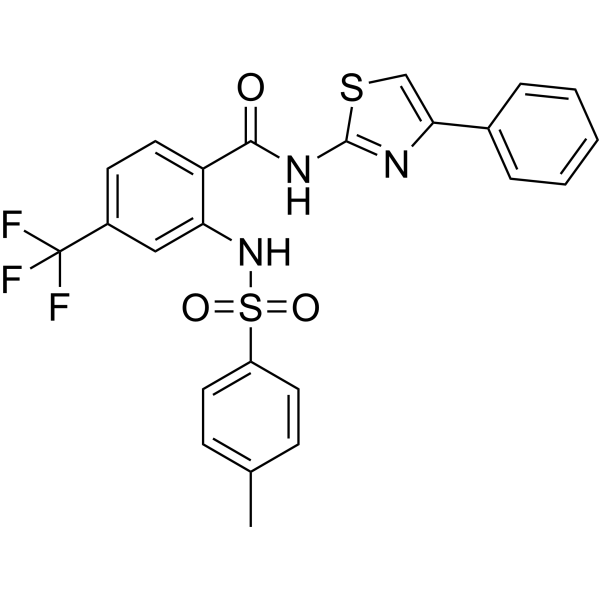
ML364 is a selective ubiquitin specific peptidase 2 (USP2) inhibitor (IC50=1.1 μM) with anti-proliferative activity, which direct binds to USP2 (Kd=5.2 μM), induces an increase in cellular cyclin D1 degradation and causes cell cycle arrest. ML364 increases the levels of mitochondrial ROS and decreases in the intracellular content of ATP .
loading...
    loading...
23
23 Cited Publications
Cat. No.: HY-101140
CAS No.: 1799974-70-1
Purity:  98.67%
Research Areas:  

Inflammation/Immunology

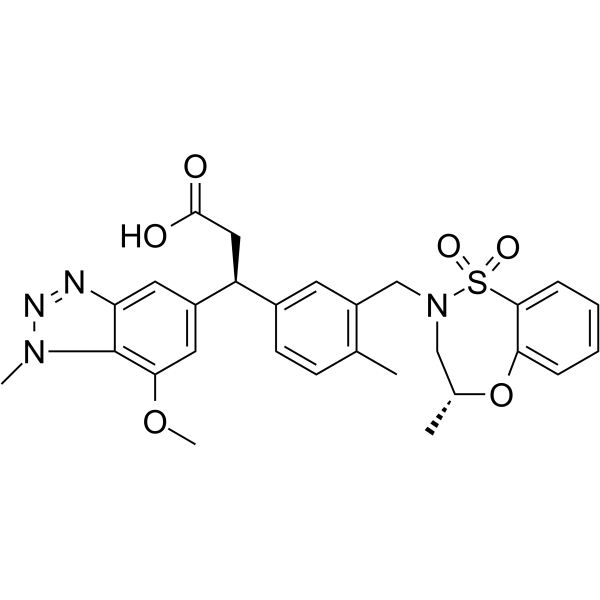
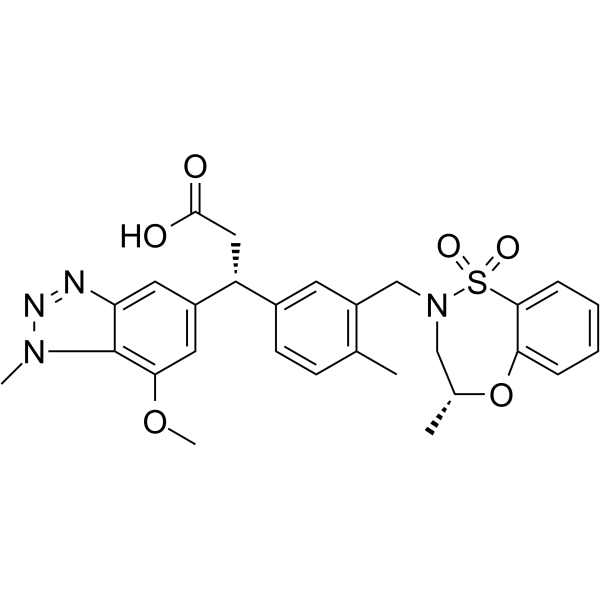
KI696 is a selective KEAP1/NRF2 protein-protein interaction inhibitor with a human Kd value of 1.3 nM. KI696 acts by competitively occupying the NRF2-binding pocket of the KEAP1 Kelch domain. KI696 blocks KEAP1-mediated ubiquitination and degradation of NRF2, promotes the translocation of NRF2 to the nucleus, activates the expression of downstream antioxidant genes, increases intracellular glutathione levels, and alleviates oxidative stress-induced cell damage and inflammatory cell infiltration in the lungs. KI696 reduces ozone-induced pulmonary oxidative damage and inflammatory cell accumulation in rats, and upregulates pulmonary antioxidant genes. KI696 can be used in research related to chronic obstructive pulmonary disease, oxidative stress and inflammation .
loading...
    loading...
9
9 Cited Publications
Cat. No.: HY-138642
CAS No.: 2229711-68-4
Purity:  99.60%
Synonyms: ARV-471; PF-07850327
Research Areas:  

Cancer

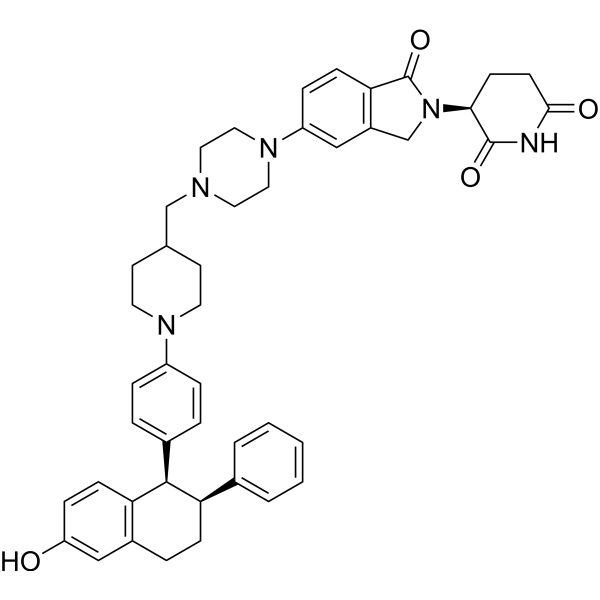
Vepdegestrant (ARV-471) is an orally active PROTAC estrogen receptor degrader against breast cancer. Vepdegestrant is a hetero-bifunctional molecule that facilitates the interactions between estrogen receptor alpha and an intracellular E3 ligase complex. Vepdegestrant leads to the ubiquitylation and subsequent degradation of estrogen receptors via the proteasome. Vepdegestrant robustly degrades ER in ER-positive breast cancer cell lines with a half-maximal degradation concentration (DC50) of about 2 nM .
loading...
    loading...
3
3 Cited Publications
Cat. No.: HY-N1940
CAS No.: 38226-86-7
Synonyms: Cycloicaritin
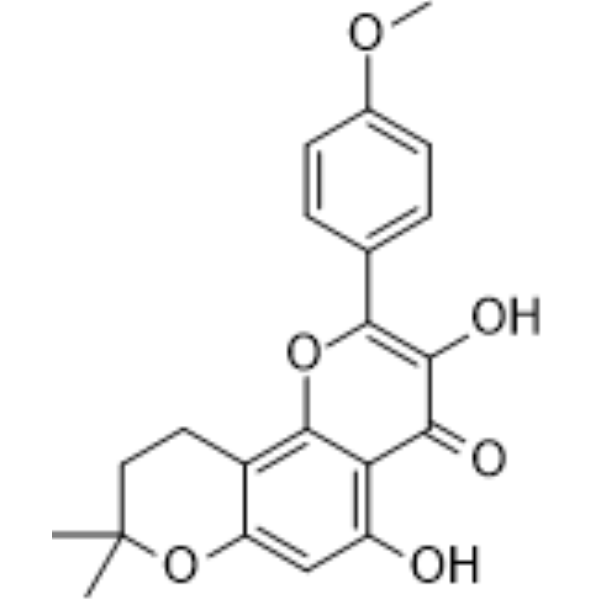
β-Anhydroicaritin is isolated from Boswellia carterii Birdware, has important biological and pharmacological effects, such as antiosteoporosis, estrogen regulation and antitumor properties . β-Anhydroicaritin ameliorates the degradation of periodontal tissue and inhibits the synthesis and secretion of TNF-α and MMP-3 in diabetic rats . β-Anhydroicaritin decreases the overproduction of NO, IL-10, TNF-α, MCP-1 and IL-6 in inperitonitis mice. β-Anhydroicaritin inhibits the elevation of intracellular Ca 2+, and markedly decreases iNOS protein expression .
loading...
    loading...
2
2 Cited Publications
Cat. No.: HY-N2406
CAS No.: 1078-61-1
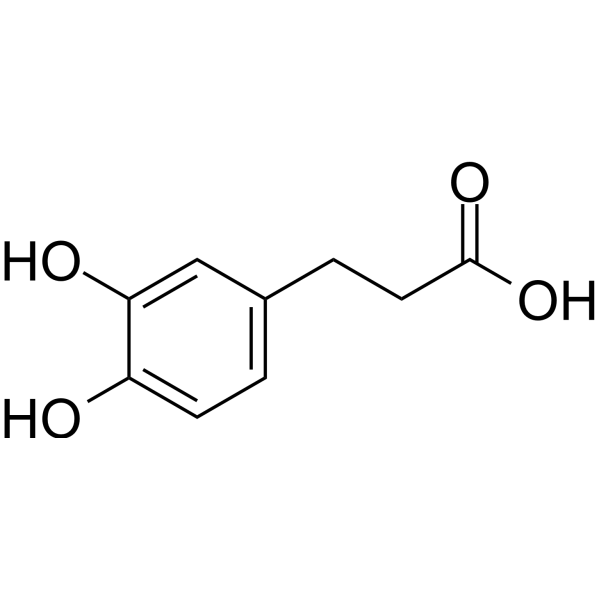
Synonyms: 3,4-Dihydroxy-benzenepropanoic acid
Dihydrocaffeic acid is a microbial metabolite of flavonoids. Dihydrocaffeic acid scavenges intracellular ROS and increases nitric oxide synthase activity. Dihydrocaffeic acid reduces phosphorylation of MAPK p38 and prevent UVB-induced skin damage. Dihydrocaffeic acid has antioxidant, anti-inflammatory and anti-cartilage degradation activities .
loading...
    loading...
2
2 Cited Publications
Cat. No.: HY-N6727
CAS No.: 67-99-2
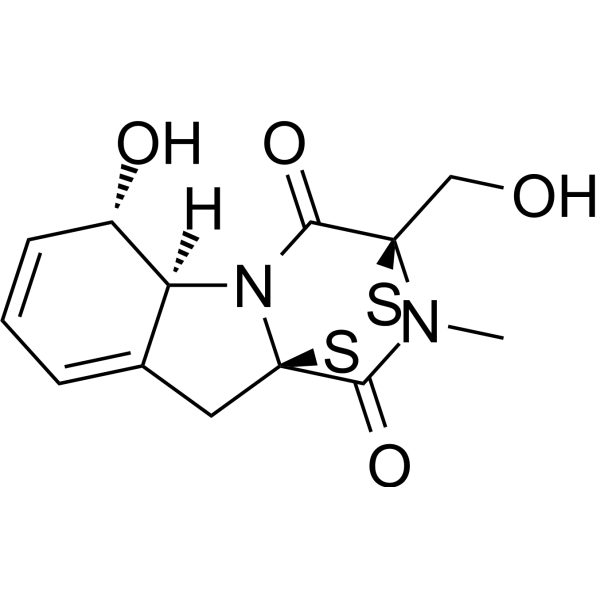
Synonyms: Aspergillin
Gliotoxin is a secondary metabolite, the most abundant mycotoxin secreted by A. fumigatus, inhibits the phagocytosis of macrophages and the immune functions of other immune cells . Gliotoxin inhibits inducible NF-κB activity by preventing IκB degradation, which consequently induces host-cell apoptosis . Gliotoxin activates PKA and increases intracellular cAMP concentration; modulates actin cytoskeleton rearrangement to facilitate A. fumigatus internalization into lung epithelial cells . Gliotoxin is a potent NOTCH2 transactivation inhibitor, can effectively induce apoptosis of chronic lymphocytic leukemia (CLL) cells .
loading...
    loading...
1
1 Cited Publications
Cat. No.: HY-N6929
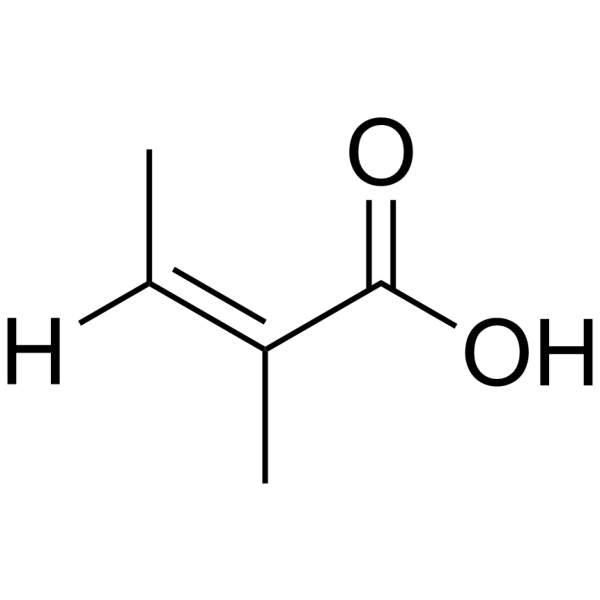
CAS No.: 565-63-9
Angelic acid is a ferroptosis inducer, targeting NRF2 degradation. Angelic acid binds to NRF2 protein and promotes NRF2 degradation via ubiquitination-proteasome pathway, relieves the inhibitory effect of NRF2 on oxidative stress and lipid peroxidation. Then, Angelic acid induces ferroptosis in tumor cells. Angelic acid can enhance the accumulation of intracellular reactive oxygen species (ROS), upregulate ferroptosis-related markers CHAC1 and PTGS2, and synergize with ferroptosis inducers to enhance anti-tumor effects. Angelic acid also has the activity of scavenging UVA-induced ROS in vitro, inhibiting skin fibroblast senescence and extracellular matrix degradation. Angelic Acid helps wound healing with sedative activity .
loading...
    loading...
1
1 Cited Publications
Cat. No.: HY-N9362
CAS No.: 491-60-1
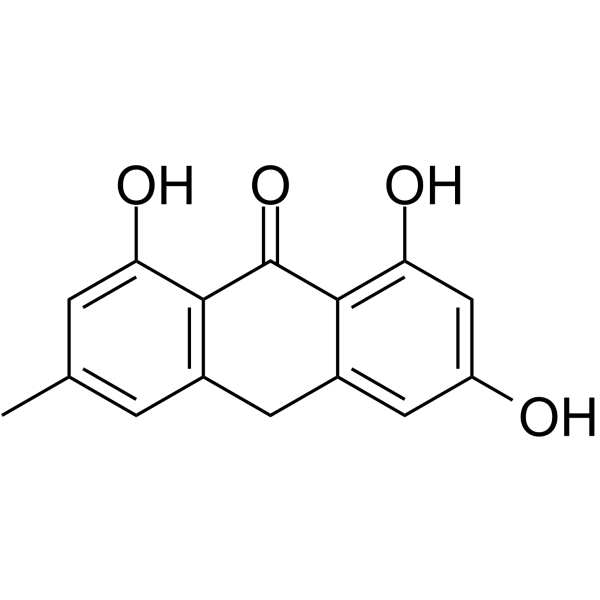
Synonyms: EmodAN
Emodinanthrone (EmodAn) is a MARCH7 stabilizer that inhibits ferroptosis (EC50=70 nM). Emodinanthrone is also a precursor to Emodin (HY-14393) and possesses antibiotic activity. Emodinanthrone directly binds to MARCH7 and blocks its ubiquitination-mediated degradation at the K608 site; this action enhances MARCH7-mediated K48 ubiquitination and degradation of NCOA4, as well as its regulation of the intracellular localization of TFR1 via K63 ubiquitination, thereby reducing the intracellular labile iron pool and blocking ferroptosis. Emodinanthrone demonstrates in vivo cardioprotective effects and exhibits a favorable safety profile. Emodinanthrone is applicable to research on ferroptosis-related cardiovascular diseases, including Doxorubicin (HY-15142A)-induced cardiomyopathy and myocardial ischemia-reperfusion injury .
loading...
    loading...
1
1 Cited Publications
Cat. No.: HY-P5982
PTPσ Inhibitor, ISP is a PTPσ intracellular wedge domain mimetic peptide containing a TAT cell-penetrating domain, which acts as a PTPσ inhibitor. PTPσ Inhibitor, ISP binds to and inhibits PTPσ, thereby relieving CSPG-mediated axonal growth inhibition. PTPσ Inhibitor, ISP enhances CSPG degradation by promoting the secretion of Cathepsin B or MMP-2, and promotes DRG axonal growth, OPC migration and remyelination. PTPσ Inhibitor, ISP promotes nerve regeneration and improves sensory, motor and urinary functions in animal models of spinal cord injury, dorsal root injury and multiple sclerosis. PTPσ Inhibitor, ISP also increases the phosphorylation of ERK and AKT in colorectal cancer cells. PTPσ Inhibitor, ISP can be used in studies related to PTPσ/CSPG signaling, nerve regeneration, demyelinating diseases and RAS/ERK signaling .
loading...
    loading...
Cat. No.: HY-152154
CAS No.: 3035008-40-0
Purity:  99.41%
Target:  

PROTACs NAMPT

Research Areas:  

Cancer

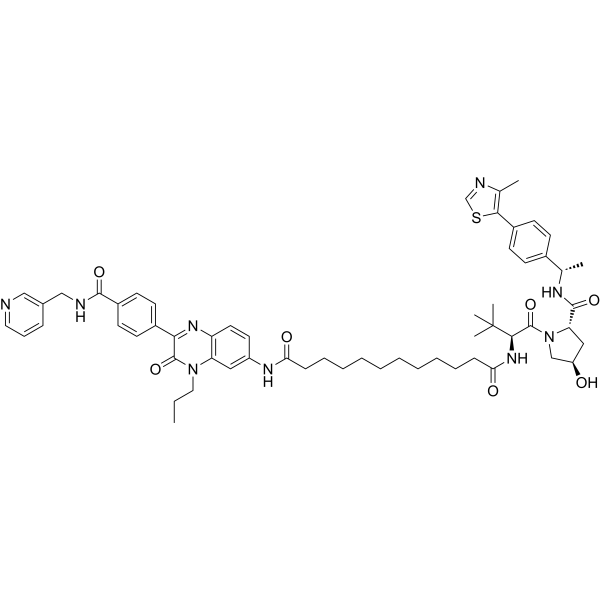
PROTAC NAMPT Degrader-30 is a PROTAC degrader targeting nicotinamide phosphoribosyltransferase (NAMPT), with a DC50 of 8.4 nM in A2780 cells. PROTAC NAMPT Degrader-30 binds to the VHL E3 ligase and forms a ternary complex with NAMPT, which induces ubiquitination and subsequent proteasomal degradation of NAMPT, thereby inhibiting the enzymatic activity of NAMPT. PROTAC NAMPT Degrader-30 reduces intracellular NAD + levels and suppresses tumor cell proliferation. PROTAC NAMPT Degrader-30 exhibits a fluorescence turn-on response to the NAMPT protein, enabling real-time visualization of the NAMPT degradation process in living cells. PROTAC NAMPT Degrader-30 is applicable for research on ovarian cancer .
loading...
    loading...
Cat. No.: HY-163640
CAS No.: 3094209-58-9
Target:  

Molecular Glues CDK

Research Areas:  

Cancer

CDK4 degrader 1 is a selective CDK4 molecular glue degrader. CDK4 degrader 1 induces intracellular CDK4 degradation, and its activity is dependent on DCAF16. CDK4 degrader 1 targets the cysteine residue on DCAF16 through its vinylsulfonylpiperazine domain, thereby mediating the degradation of CDK4. CDK4 degrader 1 can be used in research related to cervical cancer .
loading...
    loading...
Cat. No.: HY-69220
CAS No.: 10297-09-3
Target:  

PROTAC Linkers

Research Areas:  

Cancer

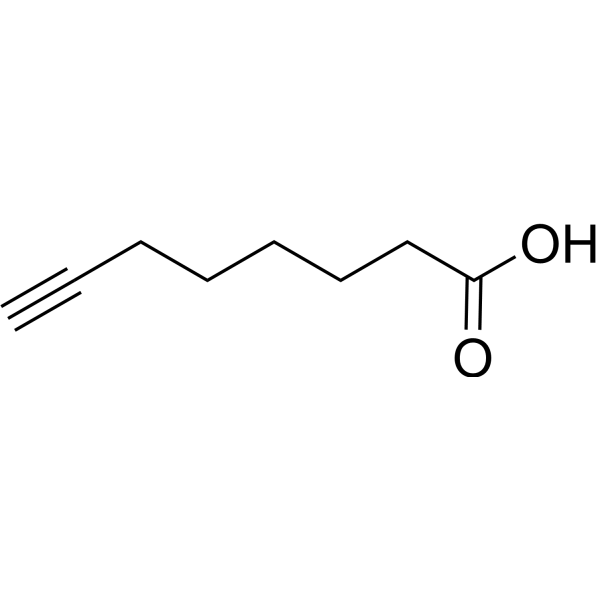
7-Octynoic acid (compound 42) is a PROTAC linker and can be used in the synthesis of a series of PROTACs. PROTACs contain two different ligands connected by a linker; one is a ligand for an E3 ubiquitin ligase and the other is for the target protein. PROTACs exploit the intracellular ubiquitin-proteasome system to selectively degrade target proteins . 7-Octynoic acid is a click chemistry reagent, it contains an Alkyne group and can undergo copper-catalyzed azide-alkyne cycloaddition (CuAAc) with molecules containing Azide groups.
loading...
    loading...
Cat. No.: HY-40178
CAS No.: 68076-36-8
Target:  

PROTAC Linkers

Research Areas:  

Cancer

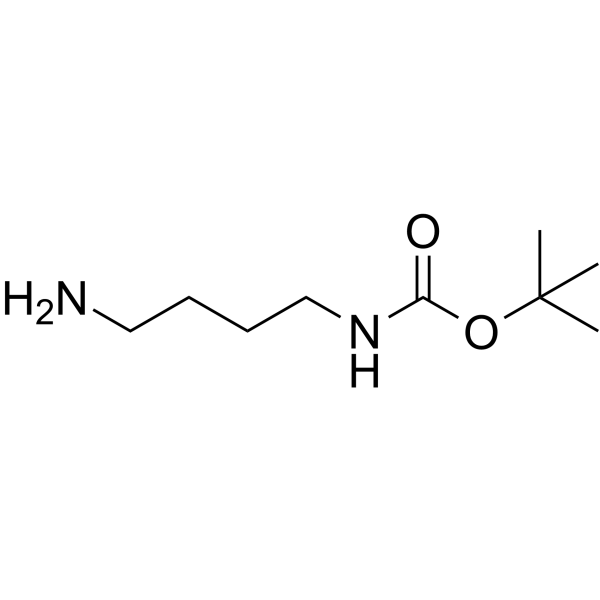
NH2-C4-NH-Boc (compound 15) is a PROTAC linker, which refers to the Alkyl/ether composition. NH2-C4-NH-Boc can be used in the synthesis of a series of PROTACs. PROTACs contain two different ligands connected by a linker; one is a ligand for an E3 ubiquitin ligase and the other is for the target protein. PROTACs exploit the intracellular ubiquitin-proteasome system to selectively degrade target proteins .
loading...
    loading...
Cat. No.: HY-129938
CAS No.: 2417370-39-7
Purity:  99.61%
Research Areas:  

Cancer

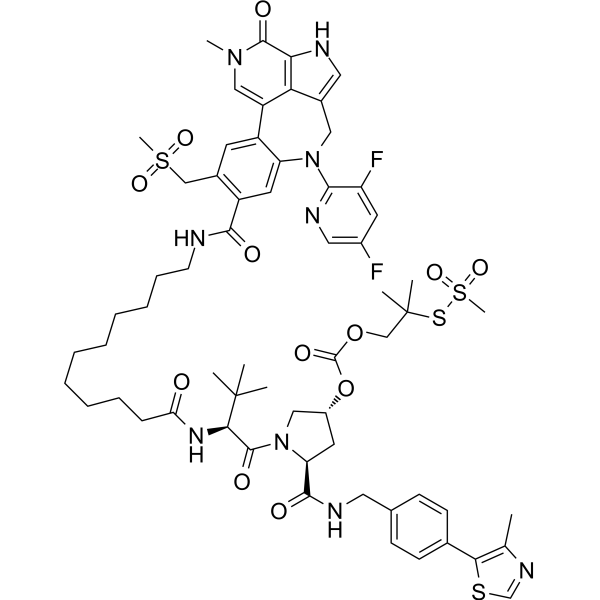
GNE-987 GSH linker-1, a PROTAC-linker Conjugate for PAC, comprises the chimeric BET degrader GNE-987 (HY-129937A) and disulfide-containing linker. GNE-987 GSH linker-1 remains inactive as a degrader until intracellular release of GNE-987 via disulfide reduction and linker self-immolation. GNE-987 GSH linker-1 can be used for the research of acute myeloid leukemia .
loading...
    loading...
Cat. No.: HY-108374
CAS No.: 88192-20-5
Purity:  ≥98.0%
Target:  

PROTAC Linkers

Research Areas:  

Cancer

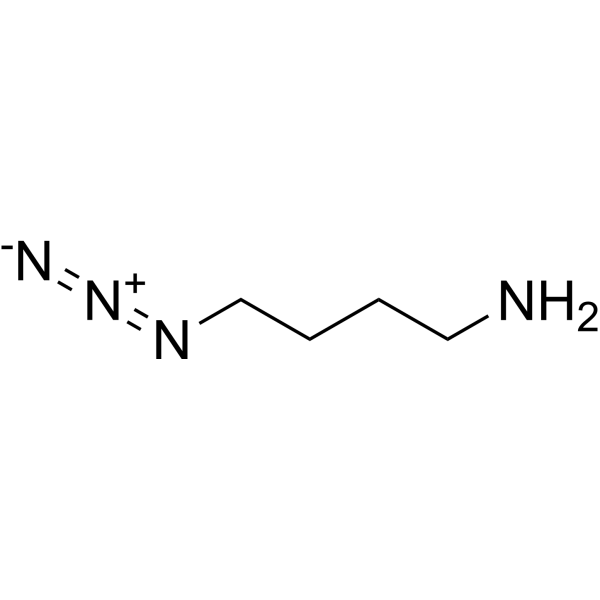
4-Azidobutylamine is a PROTAC linker, which refers to the alkyl chain composition. 4-Azidobutylamine can be used in the synthesis of a series of PROTACs. PROTACs contain two different ligands connected by a linker; one is a ligand for an E3 ubiquitin ligase and the other is for the target protein. PROTACs exploit the intracellular ubiquitin-proteasome system to selectively degrade target proteins . 4-Azidobutylamine is a click chemistry reagent, it contains an Azide group and can undergo copper-catalyzed azide-alkyne cycloaddition reaction (CuAAc) with molecules containing Alkyne groups. It can also undergo strain-promoted alkyne-azide cycloaddition (SPAAC) reactions with molecules containing DBCO or BCN groups.
loading...
    loading...
Cat. No.: HY-101140A
CAS No.: 1799974-69-8
Purity:  99.32%
Target:  

Drug Isomer

Research Areas:  

Inflammation/Immunology

KI696 isomer is an isomer of KI696 (HY-101140). KI696 is a selective KEAP1/NRF2 protein-protein interaction inhibitor with a human Kd value of 1.3 nM. KI696 acts by competitively occupying the NRF2-binding pocket of the KEAP1 Kelch domain. KI696 blocks KEAP1-mediated ubiquitination and degradation of NRF2, promotes the translocation of NRF2 to the nucleus, activates the expression of downstream antioxidant genes, increases intracellular glutathione levels, and alleviates oxidative stress-induced cell damage and inflammatory cell infiltration in the lungs. KI696 reduces ozone-induced pulmonary oxidative damage and inflammatory cell accumulation in rats, and upregulates pulmonary antioxidant genes. KI696 can be used in research related to chronic obstructive pulmonary disease, oxidative stress and inflammation .
loading...
    loading...
Cat. No.: HY-17655
TBE56, a molecular glue, is a BACH1 degrader, with an EC50 of 44 nM. TBE56 is a weak NRF2 inducer and the biotinylated TBE31. TBE56 interacts and promotes the degradation of BACH1 via a mechanism involving the E3 ligase FBX022. TBE56 reduces intracellular Fe 2+ accumulation, ROS generation, and malondialdehyde (MDA) content, while increasing GSH/GSSG ratio and upregulating GPX4 in Prominin-2-overexpressed BMSCs. TBE56 significantly ameliorates intervertebral disc degeneration (IVDD) in puncture-induced SD rat IVDD model. TBE56 can be used for the study of intervertebral disc degeneration (IVDD) .
loading...
    loading...
Cat. No.: HY-145726
CAS No.: 250755-32-9
ISIS 104838 is an antisense oligonucleotide targeting TNF-α. ISIS 104838 specifically binds to human TNF-α mRNA via Watson-Crick base pairing to form a DNA:RNA hybrid duplex, thereby recruiting the ubiquitously expressed intracellular enzyme RNase H to degrade the target mRNA and inhibit TNF-α protein synthesis at the transcriptional level. ISIS 104838 induces moderate, self-limiting thrombocytopenia in cynomolgus monkeys. ISIS 104838 can be used for the study of inflammatory diseases .
loading...
    loading...
Cat. No.: HY-163144
CAS No.: 3044084-97-8
Target:  

PROTACs Src

Research Areas:  

Cancer

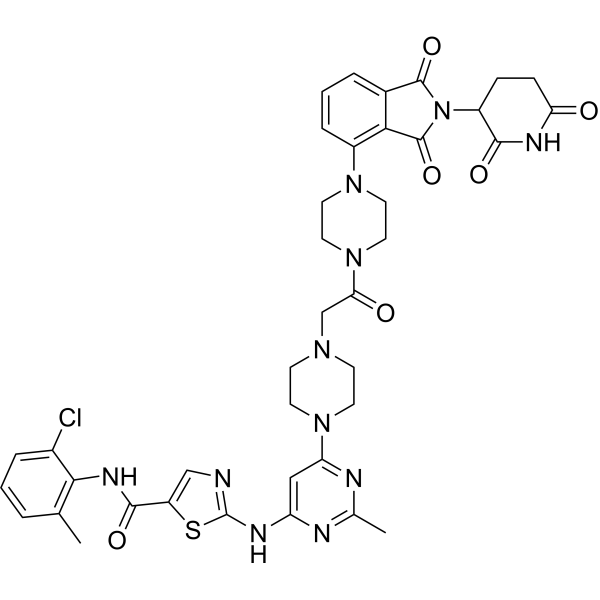
DAS-5-oCRBN is a PROTAC molecule with both c‑Src kinase inhibitory activity and target protein degradation activity, with an EC50 of 45 nM for c‑Src binding. DAS-5-oCRBN binds non-covalently to Cereblon and mediates target protein degradation via the ubiquitin-proteasome pathway. DAS-5-oCRBN can catalytically deplete intracellular c‑Src protein, while blocking both the kinase catalytic function of c‑Src and the non-catalytic protein interactions mediated by its SH2 and SH3 domains. DAS-5-oCRBN inhibits tumor cell proliferation and exerts significant anti-proliferative effects on both c‑Src kinase activity-dependent MDA-MB-231 cells and c‑Src protein level-dependent CAL51 cells. DAS-5-oCRBN can be used in cancer-related research such as studies on triple-negative breast cancer and chronic myeloid leukemia .
loading...
    loading...
Cat. No.: HY-W100287
CAS No.: 4532-33-6
Murrayafoline A is a carbazole alkaloid that can be extracted from Murraya tetramera. Murrayafoline A directly targets Specificity protein 1 (Sp1), thereby inhibiting NF-κB and MAPK signaling pathways. Murrayafoline a induces a G0/G1-phase arrest in platelet-derived growth factor (PDGF)-stimulated vascular smooth muscle cells. Murrayafoline A attenuates the Wnt/β-catenin pathway by promoting the degradation of intracellular β-catenin proteins. Murrayafoline A enhances the contraction of rat ventricular myocytes and L-type calcium current by activating protein kinase C. Murrayafoline A inhibits LPS (HY-D1056)-induced neuroinflammation in vivo. Murrayafoline A can be used for the study of inflammation, vascular complications and colon cancer .
loading...
    loading...

