1. Search Result
Search Result
Results for "

iron chelators

" in MedChemExpress (MCE) Product Catalog:

55

Inhibitors & Agonists

4

Biochemical Assay Reagents

3

Peptides

8

Natural
Products

3

Isotope-Labeled Compounds

1

Click Chemistry

Targets Recommended:
Cat. No. Product Name Target Research Areas Chemical Structure
  • HY-B0988
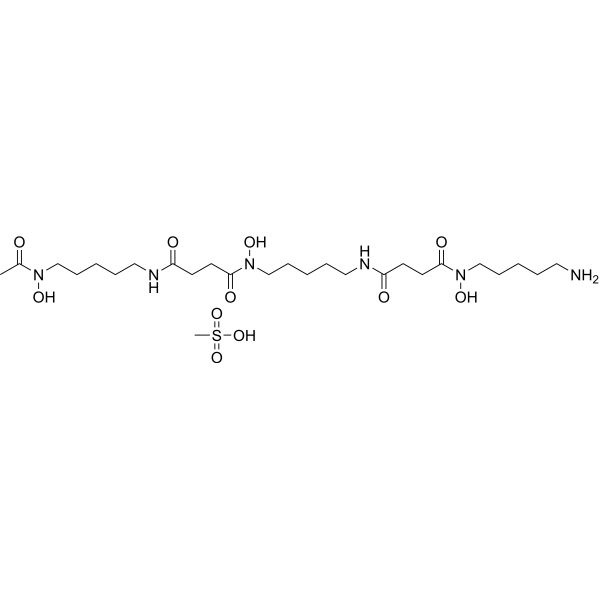
    Deferoxamine mesylate
    Maximum Cited Publications
    397 Publications Verification

    Desferrioxamine B mesylate; DFOM

    Autophagy HIF/HIF Prolyl-Hydroxylase Reactive Oxygen Species (ROS) Apoptosis Akt Infection Neurological Disease Metabolic Disease Inflammation/Immunology Cancer
    Deferoxamine mesylate (Deferoxamine B mesylate) is an iron chelator (binds to Fe(III) and many other metal cations), is widely used to reduce iron accumulation and deposition in tissues. Deferoxamine mesylate upregulates HIF-1α levels with good antioxidant activity. Deferoxamine mesylate also shows anti-proliferative activity, can induce apoptosis and autophagy in cancer cells. Deferoxamine mesylate can be used in studies of diabetes, neurodegenerative diseases as well as anti-cancer and anti-COVID-19 .
    Deferoxamine mesylate
  • HY-B1625
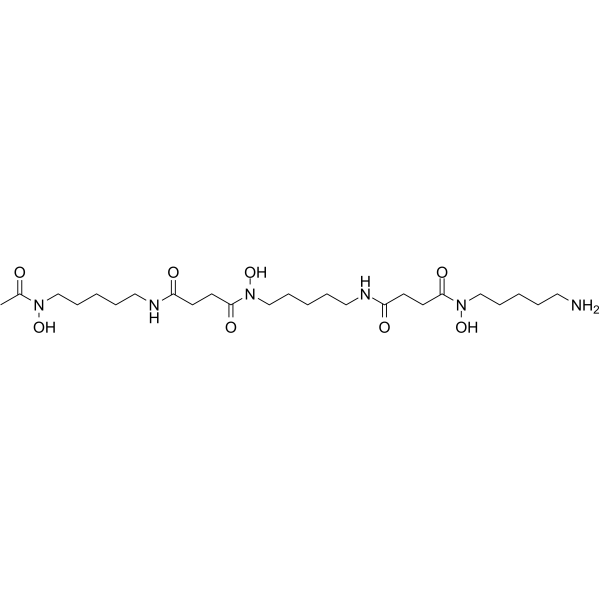
    Deferoxamine
    Maximum Cited Publications
    397 Publications Verification

    Deferoxamine B; Deferriferrioxamine B; Deferrioxamine

    HIF/HIF Prolyl-Hydroxylase Reactive Oxygen Species (ROS) Apoptosis Akt Autophagy Infection Neurological Disease Metabolic Disease Inflammation/Immunology Cancer
    Deferoxamine (Deferoxamine B) is an iron chelator (binds to Fe(III) and many other metal cations), is widely used to reduce iron accumulation and deposition in tissues. Deferoxamine upregulates HIF-1α levels with good antioxidant activity. Deferoxamine also shows anti-proliferative activity, can induce apoptosis and autophagy in cancer cells. Deferoxamine can be used in studies of diabetes, neurodegenerative diseases as well as anti-cancer and anti-COVID-19 .
    Deferoxamine
  • HY-17359
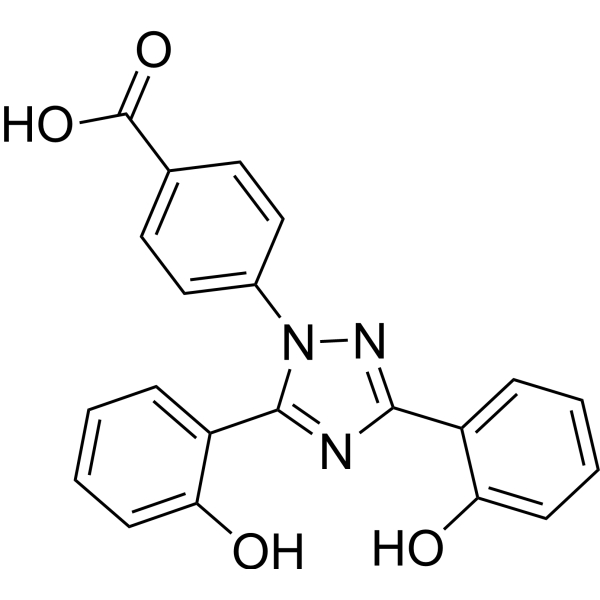
    Deferasirox
    10+ Cited Publications

    ICL 670

    Bacterial Ferroptosis Cancer
    Deferasirox (ICL 670) is an orally available iron chelator used for the management of transfusional iron overload .
    Deferasirox
  • HY-12723
    Apomorphine
    5+ Cited Publications

    (-)-Apomorphine

    Dopamine Receptor Monoamine Oxidase Reactive Oxygen Species (ROS) JNK ERK Amyloid-β Tau Protein MMP Neurological Disease Inflammation/Immunology Endocrinology Cancer
    Apomorphine ((-)-Apomorphine) is a potent dopamine receptor agonist. Apomorphine also inhibit MAO-A and MAO-B. Apomorphine exerts neuroprotective effect and can relax rat corpus cavernosum. Apomorphine can inhibit ROS production, DNA fragmentation and inibit JNK and ERK1/2 phosphorylation. Apomorphine can enhance degradation of intracellular Aβ40 and Aβ42, reduces tau protein levels and inhibit MMP-9 expression. Apomorphine is a highly potent radical scavenger and iron chelator. Apomorphine can be used for the researches of dementia, parkinson's disease, alzheimer disease, breast carcinoma, and erectile dysfunction .
    Apomorphine
  • HY-N0928
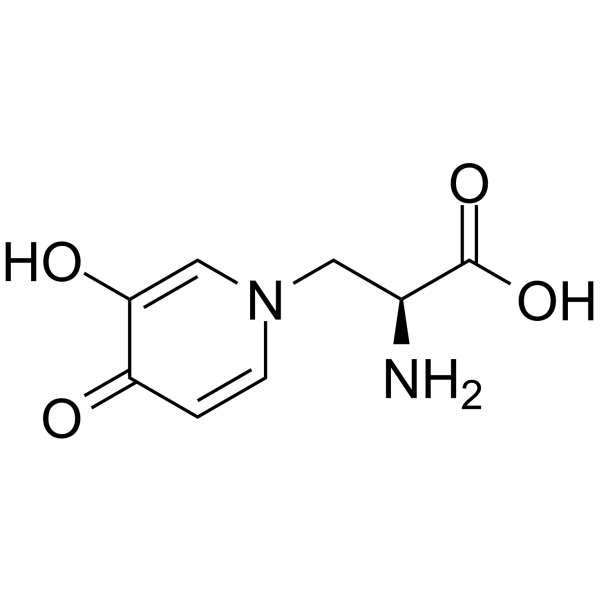
    Mimosine
    4 Publications Verification

    Apoptosis Inflammation/Immunology Cancer
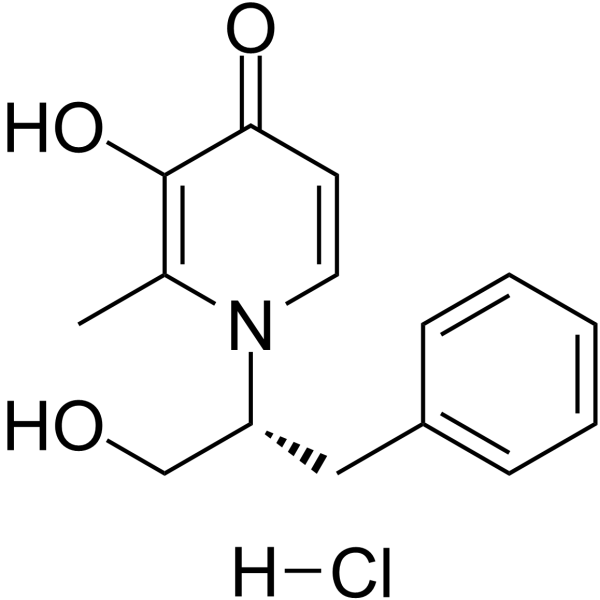
    Mimosine, a tyrosine analog , can act as an antioxidant by its potent iron-binding activity . Mimosine is a known chelator of Fe(III) . Mimosine induces apoptosis through metal ion chelation, mitochondrial activation and ROS production in human leukemic cells . Anti-cancer, antiinflammation.
    Mimosine
  • HY-12406
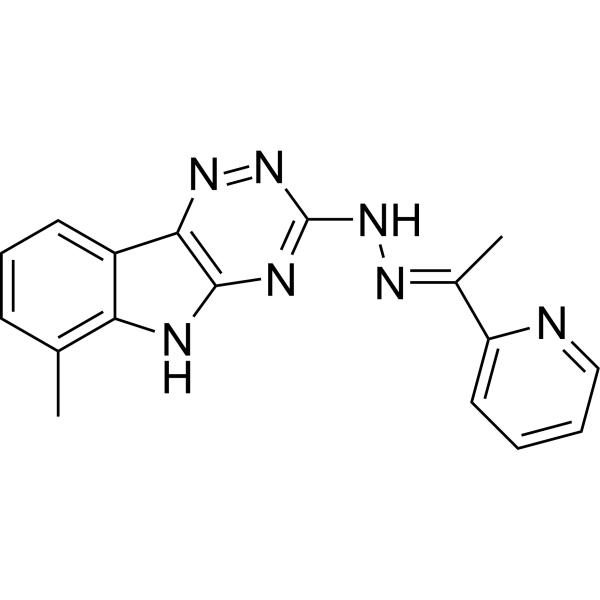
    VLX600
    2 Publications Verification

    Oxidative Phosphorylation Mitochondrial Metabolism Autophagy Cancer
    VLX600 is an iron-chelating inhibitor of oxidative phosphorylation (OXPHOS). VLX600 causes mitochondrial dysfunction and induces a strong shift to glycolysis. VLX600 displays selective cytotoxic activity against malignant cell and induces autophagy. Anticancer activity .
    VLX600
  • HY-18973
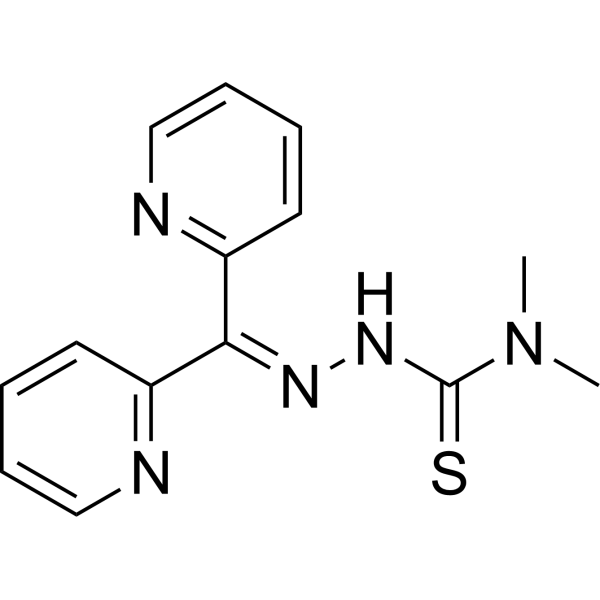
    Dp44mT
    5 Publications Verification

    Apoptosis Ferroptosis Cancer
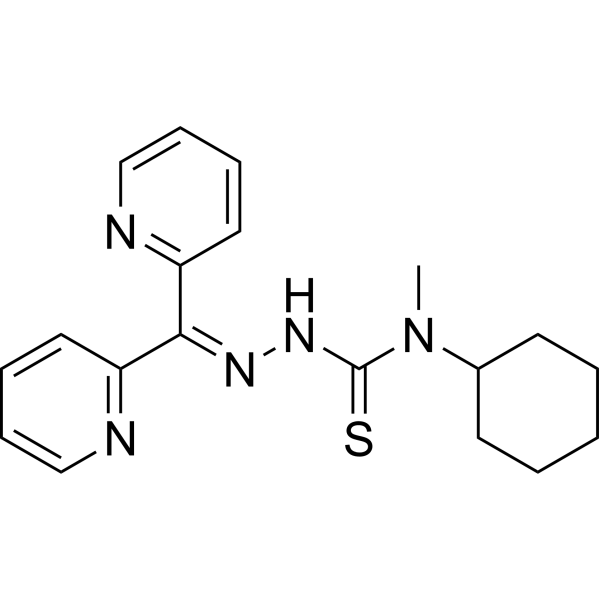
    Dp44mT is an iron chelator with selective anticancer activity.
    Dp44mT
  • HY-120475
    PBT434
    2 Publications Verification

    ATH434

    α-synuclein Neurological Disease
    PBT434 is a potent, orally active and cross the blood-brain barrier α-synuclein aggregation inhibitor. PBT434 can be used as a iron chelator and modulates transcellular iron trafficking. PBT434 inhibits iron-mediated redox activity and iron-mediated aggregation of α-synuclein. PBT434 prevents the loss of substantia nigra pars compacta neurons (SNpc). PBT434 has the potential for the research of Parkinson’s disease (PD) .
    PBT434
  • HY-114758
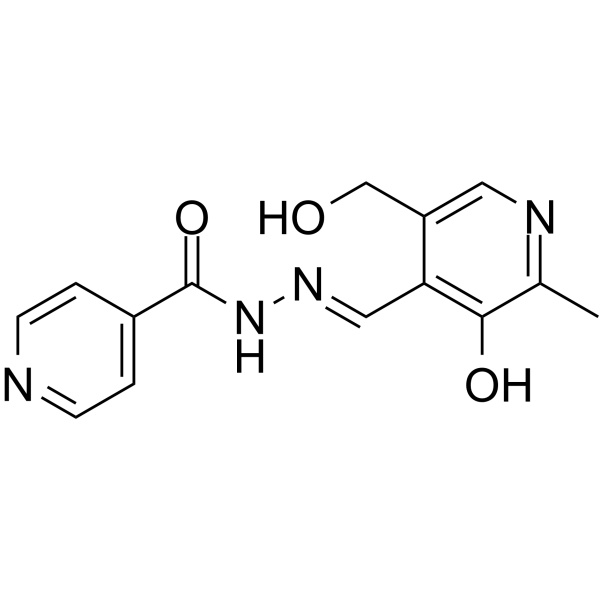
    Pyridoxal isonicotinoyl hydrazone
    4 Publications Verification

    Biochemical Assay Reagents Ferrochelatase Cardiovascular Disease
    Pyridoxal isonicotinoyl hydrazone is an orally active and lipophilic iron-specific chelator that acts as a non-competitive inhibitor of ferrochelatase (FECH) by binding iron ions. Pyridoxal isonicotinoyl hydrazone disrupts heme biosynthesis, leading to reduced FECH stability and increased protoporphyrin IX (PPIX) accumulation. Pyridoxal isonicotinoyl hydrazone is promising for research of iron-overload diseases (e.g., β-thalassemia) .
    Pyridoxal isonicotinoyl hydrazone
  • HY-114243

    NF-κB JNK Caspase Apoptosis Neurological Disease Cancer
    DpC is a selective, orally active iron chelator with anticancer activity. DpC acts on signaling pathway-related targets such as JNK, NF-κB, and its activity is competitively inhibited by another iron chelator Dp44mT (HY-18973). By chelating intracellular iron and copper ions in tumor cells to form redox-active complexes, DpC induces oxidative stress, activates the JNK, NF-κB pathways and downregulates IκBα, upregulates the expressions of neuroglobin and cytoglobin, activates caspase 3/9 to induce tumor cell apoptosis. It also overcomes P-glycoprotein-mediated multidrug resistance through a lysosome-targeting mechanism, and exhibits broad-spectrum synergistic effects when combined with various chemotherapeutic agents. DpC inhibits tumor metastasis and increases TNF-α levels in the tumor microenvironment to enhance endogenous immune responses. DpC is applicable to the research of various malignancies including neuroblastoma, pancreatic cancer, prostate cancer, lung cancer, and breast cancer .
    DpC
  • HY-131060

    CN328

    Ferroptosis Others
    CN128 hydrochloride (CN328) is an orally active and selective iron chelator. CN128 is used for the research of β-thalassemia .
    CN128 hydrochloride
  • HY-126823

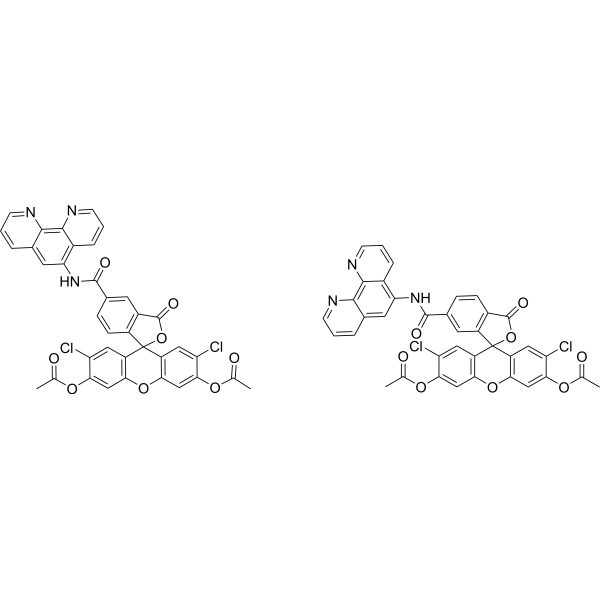
    PGSK diacetate (5/6-mixture)

    Fluorescent Dye Others
    Phen green SK (PGSK) diacetate (PGSK diacetate (5/6-mixture)) is a metal ion-sensitive fluorescent probe that can penetrate cell membranes. Phen green SK (PGSK) diacetate can react with a variety of metal ions, including Fe 2+, Cd 2+, Co 2+, Ni 2+, Zn 2+, etc. Phen green SK (PGSK) diacetate chelates Fe 2+, resulting in fluorescence quenching, which can be restored when a membrane-permeable chelator is added, thereby reflecting the changes in the intracellular chelatable iron pool. The excitation/emission maxima of Phen green SK diacetate are 507/532 nm, respectively .
    Phen Green SK diacetate (5/6-mixture)
  • HY-108260

    GT-56-252

    Ferroptosis Cardiovascular Disease
    Deferitrin (GT-56-252), a desferrithiocin (DFT) analogue, is an orally active trident iron chelator. Deferitrin is used for chronic iron overload due to transfusional therapy. Deferitrin has the potential for beta-thalassemia major .
    Deferitrin
  • HY-B0988R

    Desferrioxamine B mesylate (Standard); DFOM (Standard)

    Reference Standards Autophagy HIF/HIF Prolyl-Hydroxylase Reactive Oxygen Species (ROS) Apoptosis Akt Infection Neurological Disease Metabolic Disease Inflammation/Immunology Cancer
    Deferoxamine (mesylate) (Standard) is the analytical standard of Deferoxamine (mesylate). This product is intended for research and analytical applications. Deferoxamine mesylate (Deferoxamine B mesylate) is an iron chelator (binds to Fe(III) and many other metal cations), is widely used to reduce iron accumulation and deposition in tissues. Deferoxamine mesylate upregulates HIF-1α levels with good antioxidant activity. Deferoxamine mesylate also shows anti-proliferative activity, can induce apoptosis and autophagy in cancer cells. Deferoxamine mesylate can be used in studies of diabetes, neurodegenerative diseases as well as anti-cancer and anti-COVID-19 .
    Deferoxamine mesylate (Standard)
  • HY-N11874

    Bacterial Infection
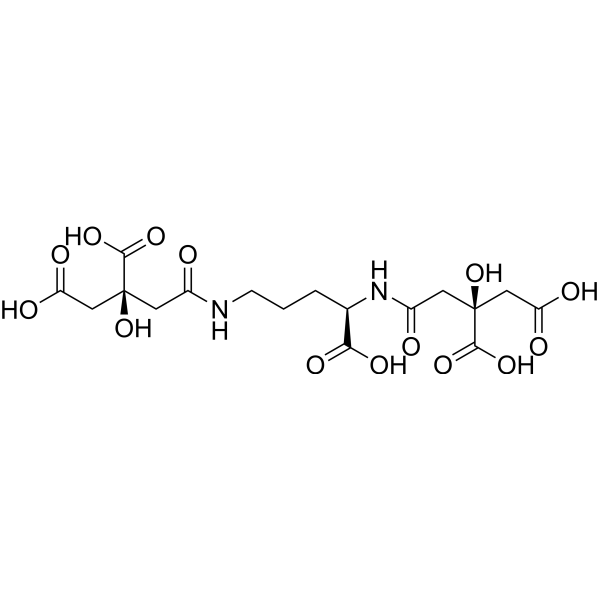
    Staphyloferrin A is a carboxylate-type siderophore, as well as an iron (III) chelator and a HtsA ligand with high binding affinity for iron (III). Staphyloferrin A can be used in studies of bacterial infections .
    Staphyloferrin A
  • HY-W035520

    Biochemical Assay Reagents Others
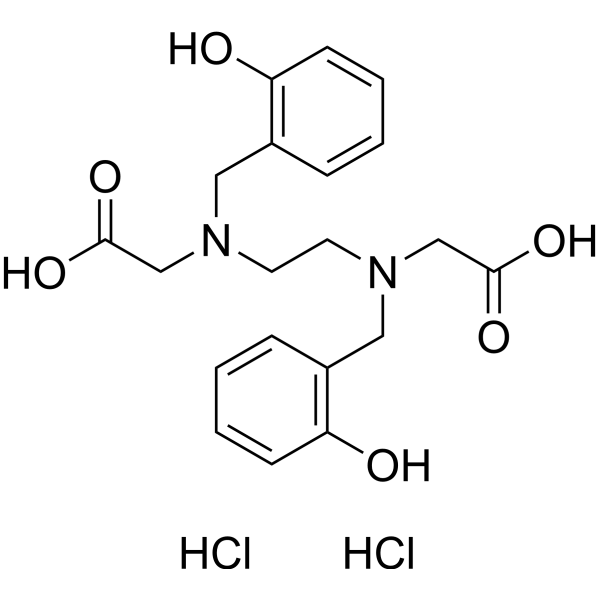
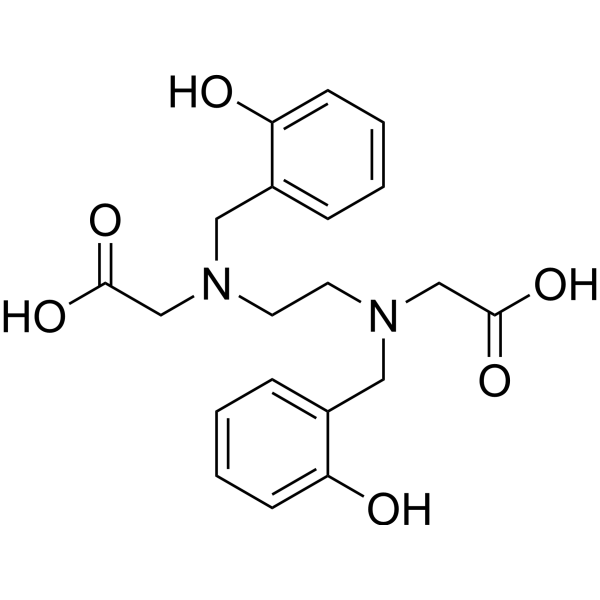
    HBED dihydrochloride is an orally active and hexadentate phenolic aminocarboxylate iron chelator. HBED refers to N, N'-bis(2-hydroxybenzyl)ethylenediamine-N,N'-diacetic acid, inducing iron excretion in primates. HBED dihydrochloride has the potential to be used as an alternative to desferriamine for iron chelation therapy .
    HBED dihydrochloride
  • HY-114837

    Ferroptosis Cancer
    HBED is a potent iron chelator. HBED can be used to study transfusional iron overload .
    HBED
  • HY-W423191

    4-O-α-D-Glucopyranosyl-D-gluconic acid

    Nuclear Factor of activated T Cells (NFAT) Bacterial Infection Metabolic Disease
    Maltobionic acid (4-O-α-D-Glucopyranosyl-D-gluconic acid) is an orally active oligosaccharide and iron chelator with antibacterial activity. Maltobionic acid inhibits the expression of NFATc1, suppresses osteoclast differentiation, inhibits bone resorption, and increases serum calcitonin levels. Maltobionic acid protects mammalian cells from hydrogen peroxide (H2O2)-induced oxidative damage; resists fermentation by the gut microbiota; and exhibits anti-digestive and anti-fermentative properties. Maltobionic acid can be used in research related to osteoporosis, bacterial infections, and constipation .
    Maltobionic acid
  • HY-124452

    Desferrioxamine E; Nocardamin

    Bacterial Others
    Nocardamine (Deferrioxamine E)is an iron carrier/Iron chelator with antimicrobial activity .
    Nocardamine
  • HY-131036

    Monoamine Oxidase Neurological Disease
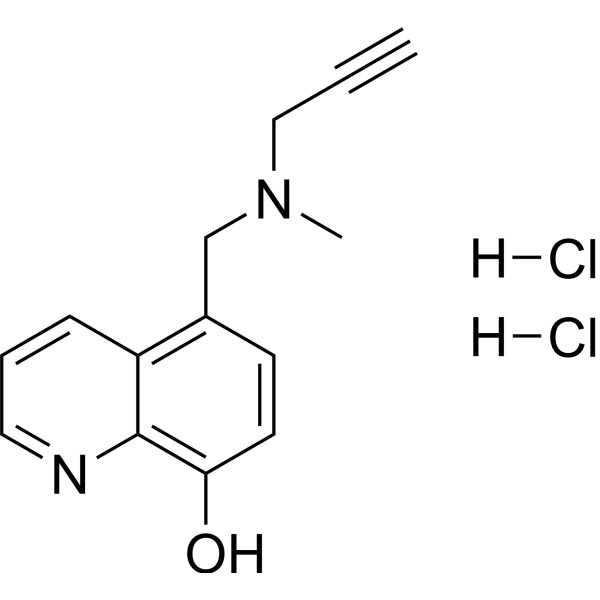
    MAO-IN-M30 dihydrochloride is an orally active, brain-permeable, and brain selective irreversible MAO-A (IC50=37 nM) and MAO-B (IC50=57 nM) inhibitor. MAO-IN-M30 dihydrochloride is a potent iron chelator and radical scavenger. MAO-IN-M30 dihydrochloride has a neuroprotective effect against Dexamethasone-induced brain cell apoptosis. MAO-IN-M30 dihydrochloride also exhibits neurorestorative activity in post MPTP and lactacystin models of Parkinson's disease . MAO-IN-M30 (dihydrochloride) is a click chemistry reagent, it contains an Alkyne group and can undergo copper-catalyzed azide-alkyne cycloaddition (CuAAc) with molecules containing Azide groups.
    MAO-IN-M30 dihydrochloride
  • HY-120475A
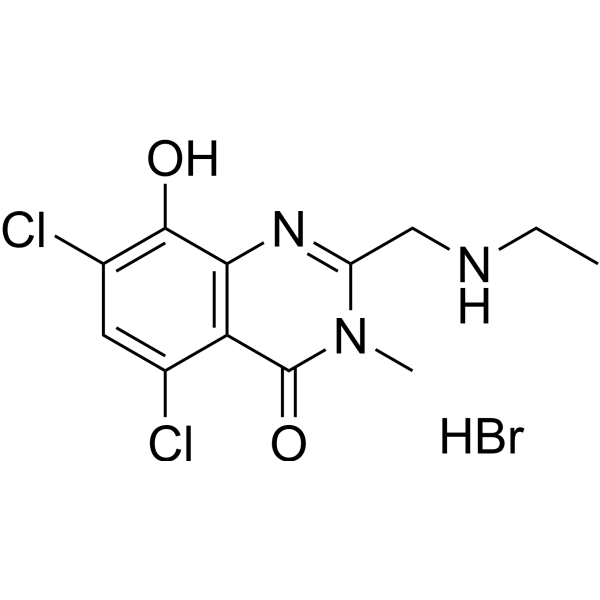
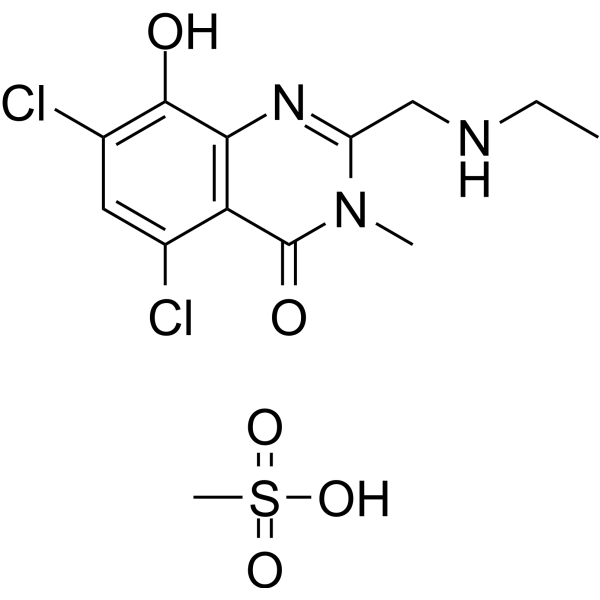
    PBT434 mesylate
    2 Publications Verification

    ATH434 mesylate

    α-synuclein Neurological Disease
    PBT434 methanesulfonate is a potent, orally active and cross the blood-brain barrier α-synuclein aggregation inhibitor. PBT434 methanesulfonate can be used as a iron chelator and modulates transcellular iron trafficking. PBT434 methanesulfonate inhibits iron-mediated redox activity and iron-mediated aggregation of α-synuclein. PBT434 methanesulfonate prevents the loss of substantia nigra pars compacta neurons (SNpc). PBT434 methanesulfonate has the potential for the research of Parkinson’s disease (PD) .
    PBT434 mesylate
  • HY-126164

    Biochemical Assay Reagents Others
    LK 614 is a membrane permeable iron chelator that can be used to study the protective effects against L-Histidine (HY-N0832)-induced cell damage .
    LK 614
  • HY-16912

    SP-420

    Ferroptosis Metabolic Disease
    Petadeferitrin (SP-420) is a tridentate iron chelator belonging to the class of iron chelators, with orally activity. Petadeferitrin can be used in research related to β-thalassemia .
    Petadeferitrin
  • HY-N14930

    Others Cardiovascular Disease
    Aeruginoic acid is a pyochelin biosynthetic byproduct, is an iron chelator. Aeruginoic acid exhibits hypotensivee activity .
    Aeruginoic acid
  • HY-B1625R
    Deferoxamine (Standard)
    3 Publications Verification

    Deferoxamine B (Standard); Deferriferrioxamine B (Standard); Deferrioxamine (Standard)

    Reference Standards HIF/HIF Prolyl-Hydroxylase Reactive Oxygen Species (ROS) Apoptosis Akt Autophagy Infection Neurological Disease Metabolic Disease Inflammation/Immunology Cancer
    Deferoxamine (Standard) is the analytical standard of Deferoxamine. This product is intended for research and analytical applications. Deferoxamine (Deferoxamine B) is an iron chelator (binds to Fe(III) and many other metal cations), is widely used to reduce iron accumulation and deposition in tissues. Deferoxamine upregulates HIF-1α levels with good antioxidant activity. Deferoxamine also shows anti-proliferative activity, can induce apoptosis and autophagy in cancer cells. Deferoxamine can be used in studies of diabetes, neurodegenerative diseases as well as anti-cancer and anti-COVID-19 .
    Deferoxamine (Standard)
  • HY-B1610K

    Biochemical Assay Reagents Others
    Sodium Citrate Buffer, 0.5M, pH 5.5 is a metal chelator and buffering agent. Sodium Citrate Buffer, 0.5M, pH 5.5 requires oxygen to participate in the oxidation process to reduce pink defects in cooked ground turkey, and it does not function via heme iron chelation or iron complex interaction. When mixed with 50% (by vol.) 1,3-dimethylimidazolium methyl sulfate, Sodium Citrate Buffer, 0.5M, pH 5.5 can serve as an aqueous buffering medium to maintain the catalytic efficiency of the hyperthermophilic β-glycosidase CelB for lactose hydrolysis at 80°C, while also acting as a reaction medium for CelB-catalyzed lactose hydrolysis and galactosyltransferase assays .
    Sodium Citrate Buffer, 0.5M, pH 5.5
  • HY-W767164

    Biochemical Assay Reagents Cardiovascular Disease
    Deferiprone O-β-D-glucuronide sodium is a novel orally active iron chelator. Deferiprone O-β-D-glucuronide sodium can be used to investigate its ability to reduce iron burden in patients with β-thalassemia .
    Deferiprone O-β-D-glucuronide sodium
  • HY-124712

    Bacterial Infection
    Divin, a potent chelator of iron, is a potent inhibitor of bacterial cell division with bacteriostatic effect in Gram-negative and Gram-positive bacteria. Divin disrupts the assembly of late division proteins, reduces peptidoglycan remodeling at the division site, and blocks compartmentalization of the cytoplasm .
    Divin
  • HY-101672

    FBS 0701

    Ferroptosis Parasite Infection
    Deferitazole (FBS 0701) is an orally active iron chelator. Deferitazole shows antimalarial activity and Can be used for study of malaria .
    Deferitazole
  • HY-17359S

    Isotope-Labeled Compounds Bacterial Ferroptosis Cancer
    Deferasirox-d4 is the deuterium labeled Deferasirox. Deferasirox (ICL 670) is an orally available iron chelator used for the management of transfusional iron overload .
    Deferasirox-d4
  • HY-17359R

    ICL 670 (Standard)

    Reference Standards Bacterial Ferroptosis Cancer
    Deferasirox (Standard) is the analytical standard of Deferasirox. This product is intended for research and analytical applications. Deferasirox (ICL 670) is an orally available iron chelator used for the management of transfusional iron overload .
    Deferasirox (Standard)
  • HY-120475B

    ATH434 free base

    α-synuclein Neurological Disease
    PBT434 (ATH434) free base is a potent, orally active and cross the blood-brain barrier α-synuclein aggregation inhibitor. PBT434 free base can be used as a iron chelator and modulates transcellular iron trafficking. PBT434 free base inhibits iron-mediated redox activity and iron-mediated aggregation of α-synuclein. PBT434 free base prevents the loss of substantia nigra pars compacta neurons (SNpc). PBT434 free base has the potential for the research of Parkinson’s disease (PD) .
    PBT434 free base
  • HY-16913

    CGP 23841A

    Parasite Infection Inflammation/Immunology
    Desferriferrithiocin (CGP 23841A), a microbial iron chelator, inhibits the growth of P. falciparum in a dose dependent way .
    Desferriferrithiocin
  • HY-N0928R

    Reference Standards Apoptosis Inflammation/Immunology Cancer
    Mimosine, a tyrosine analog , can act as an antioxidant by its potent iron-binding activity . Mimosine is a known chelator of Fe(III) . Mimosine induces apoptosis through metal ion chelation, mitochondrial activation and ROS production in human leukemic cells . Anti-cancer, antiinflammation.
    Mimosine (Standard)
  • HY-N8707

    Parasite HDAC NF-κB Infection Inflammation/Immunology Cancer
    Homobutein a natural chalcones (can be found in many medicinal plants, fruits, vegetables, spices and nuts), is a potent HDACs/NF-κB dual inhibitor with IC50s of 190 and 38 μM, respectively. Homobutein also a chelator of iron (II and III) cations, shows various activities, including anticancer, anti-inflammatory, antiparasite and antioxidation .
    Homobutein
  • HY-160078

    Biochemical Assay Reagents Metabolic Disease
    Deferiprone O-β-D-glucuronide is a novel orally active iron chelator. Deferiprone O-β-D-glucuronide can be used to investigate its ability to reduce iron burden in patients with β-thalassemia .
    Deferiprone O-β-D-glucuronide
  • HY-100329

    Ferroptosis Others
    CGP 65015 is an oral iron chelator, which can mobilize iron deposits.
    CGP 65015
  • HY-156776

    Ferroptosis Others
    HAPSBC is an S-benzyl iron chelator that mobilizes intracellular 59Fe distribution .
    HAPSBC
  • HY-17359S1

    ICL 670-13C6

    Isotope-Labeled Compounds Ferroptosis Bacterial Cancer
    Deferasirox- 13C6 (ICL 670- 13C6) is 13C labeled Deferasirox. Deferasirox (ICL 670) is an orally available iron chelator used for the management of transfusional iron overload .
    Deferasirox-13C6
  • HY-W339484

    Biochemical Assay Reagents Others
    1-Ethyl-2-methyl-3-hydroxypyrid-4-one is an α-ketohydroxypyridinium iron chelator with high specificity for iron and no specific activity against other metal ions such as copper, zinc, calcium and magnesium. In rabbits with iron overload, 1-Ethyl-2-methyl-3-hydroxypyrid-4-one increased iron excretion after oral or parenteral administration.
    1-Ethyl-2-methyl-3-hydroxypyrid-4-one
  • HY-167814S

    Isotope-Labeled Compounds Biochemical Assay Reagents Metabolic Disease
    Deferiprone-d3 3-O-Beta-D-Glucuronide Sodium Salt is the deuterium labeled Deferiprone O-β-D-glucuronide (HY-160078). Deferiprone O-β-D-glucuronide is a novel orally active iron chelator. Deferiprone O-β-D-glucuronide shows the capability of reducing the iron burden in patients with β-thalassemia .
    Deferiprone-d3 3-O-Beta-D-Glucuronide Sodium Salt
  • HY-110075

    Apoptosis Cardiovascular Disease
    Dexrazoxane monohydrochloride is the hydrochloride of Dexrazoxane (HY-B0581). Dexrazoxane can prevent or reduce cardiac damage and is an iron chelator and apoptosis inducer. Dexrazoxane has cardioprotective, anti-inflammatory, antioxidant, anti-tumor and neuroprotective activities and inhibits ferroptosis .
    Dexrazoxane monohydrochloride
  • HY-108194

    Biochemical Assay Reagents Others
    CGP 46700 (Compound 49) is an orally active iron chelator, that exhibits high affinity for iron, removes iron from ferritin and human serum transferrin. CGP 46700 promotes iron excretion in a mouse iron overload model .
    CGP 46700
  • HY-W686216

    Dopamine Receptor Neurological Disease
    VK-28 is a blood-brain barrier-permeable iron chelator. VK-28 inhibits mitochondrial membrane lipid peroxidation and the iron-dependent generation of reactive hydroxyl radicals. VK-28 exhibits neuroprotective activity and protects rats against 6-OHDA-induced striatal dopaminergic damage. VK-28 can be used in studies related to Parkinson's disease .
    VK-28
  • HY-169298

    Ferroptosis Cancer
    Ferroptosis-IN-15 (compound 12) is a potent inhibitor of ferroptosis, with the EC50s of 0.76 and 0.67 μM in A375 cells and 786-O cells, respectively.Ferroptosis-IN-15 is a potential iron chelator and radical trapping antioxidant .
    Ferroptosis-IN-15
  • HY-163879

    Monoamine Oxidase Reactive Oxygen Species (ROS) Ferroptosis Neurological Disease
    hMAO-B-IN-9 (Compound 25c) is a non-competitive inhibitor for monoamine oxidase B (MAO-B) with an IC50 of 1.58 µM (hMAO-B). hMAO-B-IN-9 forms complex with iron ions as a chelator, and inhibits Erastin (HY-15763)-induced ferroptosis. hMAO-B-IN-9 exhibits antioxidant activity by downregulating the level of reactive oxygen species (ROS). hMAO-B-IN-9 improves cognitive function in mice, without significant toxicity (30 mg/kg). hMAO-B-IN-9 is blood-brain barrier permeable, according to the in silico prediction .
    hMAO-B-IN-9
  • HY-186106

    Bacterial Infection
    3-Deoxyanguibactin is a siderophore and Fe(III) chelator/iron delivery agent. 3-Deoxyanguibactin binds Fe(III) with 2:1 stoichiometry in liquid phase, delivers iron into Acinetobacter baumannii cells, and relies on the BauA outer membrane receptor and bau transport system for cellular entry. 3-Deoxyanguibactin can be used for the research of acinetobacter baumannii infection .
    3-Deoxyanguibactin
  • HY-P11767

    Ferroptosis Parasite Infection
    NCR247 is a defensin-like nodule cysteine-rich (NCR) peptide and heme chelator. NCR247 induces iron starvation responses in Sinorhizobium meliloti and Medicago truncatula, and supports nitrogenase activity. NCR247 can be used in research related to periodontal disease and toxoplasmosis .
    NCR247
  • HY-N19795

    Antibiotic Bacterial Infection
    Desferritriacetylfusigen is a desferrisideramine antibiotic found in Aspergillus deflectus and bacterial growth inhibitor. Desferritriacetylfusigen induces strong iron deficiency in sensitive bacteria to block growth, with activity abolished by iron (III) addition. Desferritriacetylfusigen exhibits medium-dependent bacterial growth inhibition, with no or weak activity against yeasts and fungi. can be used for research on bacterial infection .
    Desferritriacetylfusigen
  • HY-W718262

    (Rac)-CGP 52547

    Antibiotic Fungal Bacterial Infection Cancer
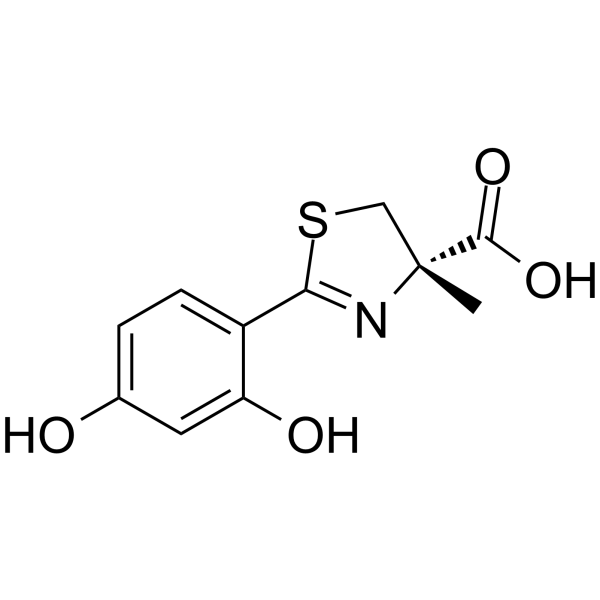
    Dihydroaeruginoic acid ((Rac)-CGP 52547), an antifungal antibiotic, is a thiazoline iron chelator. Dihydroaeruginoic acid is the condensation product of salicylate and one cysteine residue. Dihydroaeruginoic acid chelates Fe(III), inhibits DNA replication via ribonucleotide reductase, induces G1/S cell cycle block, reduces leukemia cell clonogenic viability. Dihydroaeruginoic acid inhibits phytopathogenic fungi and bacteria, suppresses Candida albicans development, and inhibits Agrobacterium tumefaciens biofilm formation via extracellular iron sequestration. Dihydroaeruginoic acid can be used for the research of phytopathogenic fungal and bacterial infections, and leukemia .
    Dihydroaeruginoic acid

Inquiry Online

Your information is safe with us. * Required Fields.

Salutation


Country or Region *

Applicant Name *


Organization Name *

Department *


Email Address *


Product Name *

Cat. No.


Requested quantity *

Phone Number *


Remarks

Inquiry Online

Inquiry Information

Product Name:
Cat. No.:
Quantity:
MCE Japan Authorized Agent:

