
1. Search Result
Search Result
Results for "

isolated mitochondria

" in MedChemExpress (MCE) Product Catalog:

26

Inhibitors & Agonists

1

Biochemical Assay Reagents

1

Peptides

1

MCE Kits

19

Natural
Products

1

Oligonucleotides

Cat. No. Product Name Target Research Areas Chemical Structure
  • HY-N0636
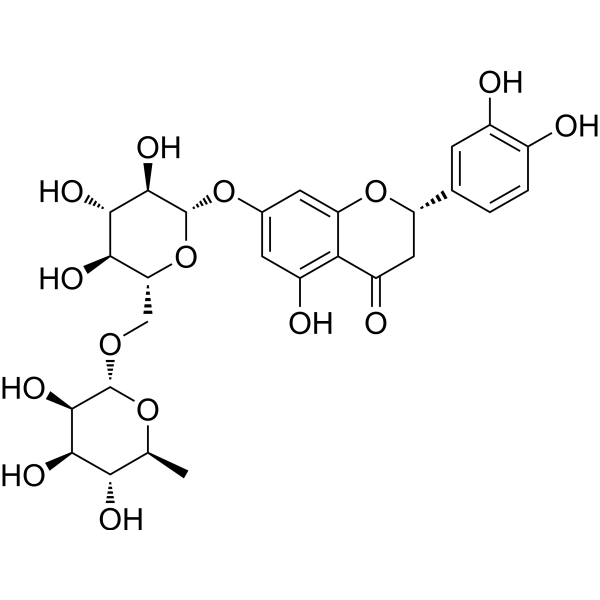
    Eriocitrin
    5 Publications Verification

    Eriodictyol 7-rutinoside; Eriodictyol 7-O-rutinoside

    Apoptosis Cancer
    Eriocitrin is a flavonoid isolated from lemons that is a powerful antioxidant. Eriocitrin inhibits the proliferation of liver cancer cells by arresting the cell cycle in the S phase by upregulating p53, cyclin A, cyclin D3 and CDK6. Eriocitrin triggers apoptosis by activating intrinsic signaling pathways involving mitochondria .
    Eriocitrin
  • HY-N10470
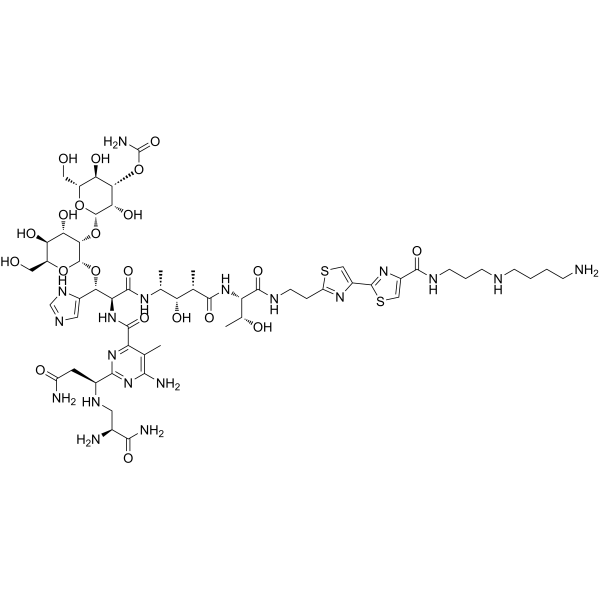
    Bleomycin A5
    1 Publications Verification

    Pingyangmycin

    Antibiotic DNA/RNA Synthesis Apoptosis Dynamin PINK1/Parkin Mitophagy Infection Cancer
    Bleomycin A5 (Pingyangmycin) is a glycopeptide antibiotic with multiple biological activities, which can be isolated from Streptomyces. Bleomycin A5 exerts cytotoxic effects by binding to Fe 2+ to form a complex, inducing single-strand and double-strand DNA breaks, and inhibiting DNA replication. Bleomycin A5 inhibits Drp1-mediated mitochondrial fission and suppresses PINK1/Parkin pathway-mediated mitophagy, ultimately triggering mitochondria-mediated cellular apoptosis. Bleomycin A5 can be used in cancer research .
    Bleomycin A5
  • HY-N7056
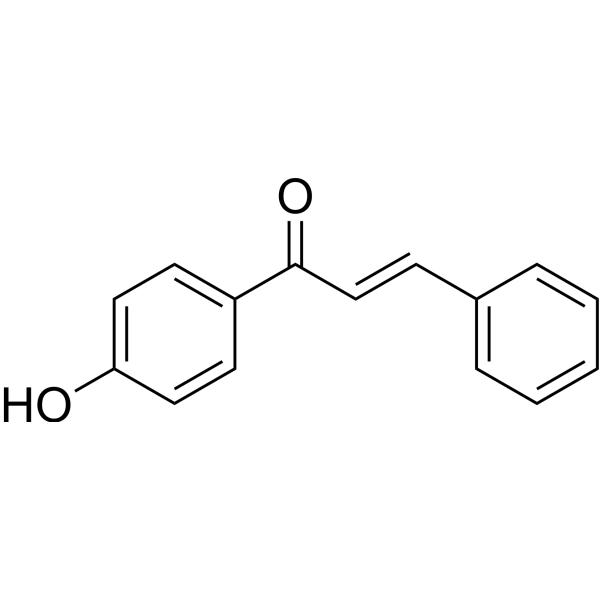
    4'-Hydroxychalcone
    3 Publications Verification

    Oxidative Phosphorylation Proteasome Inflammation/Immunology Cancer
    4'-Hydroxychalcone is a chalcone isolated from licorice root, with hepatoprotective activity. 4'-Hydroxychalcone inhibits TNFα-induced NF-κB activation via proteasome inhibition. 4'-Hydroxychalcone induces a rapid potassium release from mitochondrial vesicles and causes deterioration of respiratory control and oxidative phosphorylation of isolated rat liver mitochondria .
    4'-Hydroxychalcone
  • HY-154831

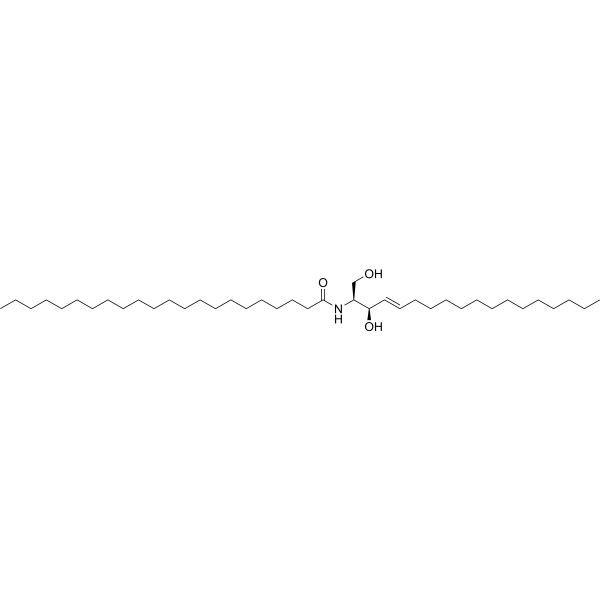
    N-Behenoyl-D-erythro-sphingosine; C22-Ceramide; Cer d18:1/22:0

    Liposome Metabolic Disease
    C22-Ceramide (d18:1/22:0) (Cer d18:1/22:0) is an endogenous bioactive sphingolipid. C22-Ceramide (d18:1/22:0) reduces the propensity of C16-ceramide channel formation in isolated rat liver mitochondria and in liposomes .
    C22-Ceramide (d18:1/22:0)
  • HY-N6998
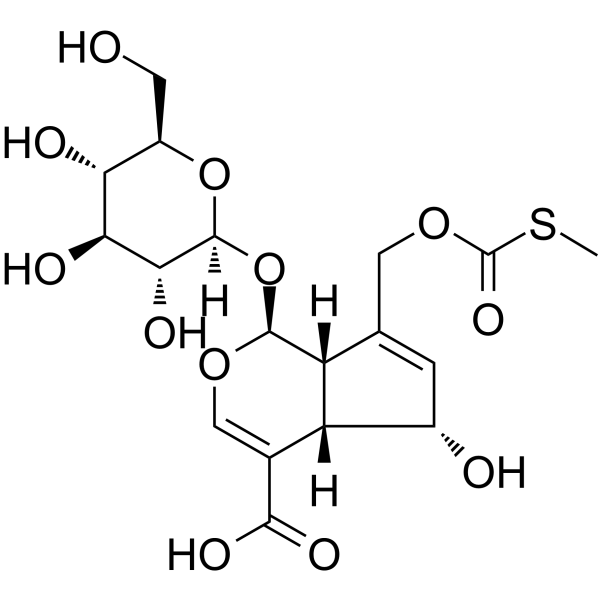
    Paederosidic acid
    1 Publications Verification

    Apoptosis Cancer
    Paederosidic acid is isolated from P.?scandens with anticancer and anti‐inflammation activities. Paederosidic acid inhibits lung caner cells via inducing mitochondria-mediated apoptosis .
    Paederosidic acid
  • HY-117078

    Apoptosis Cancer
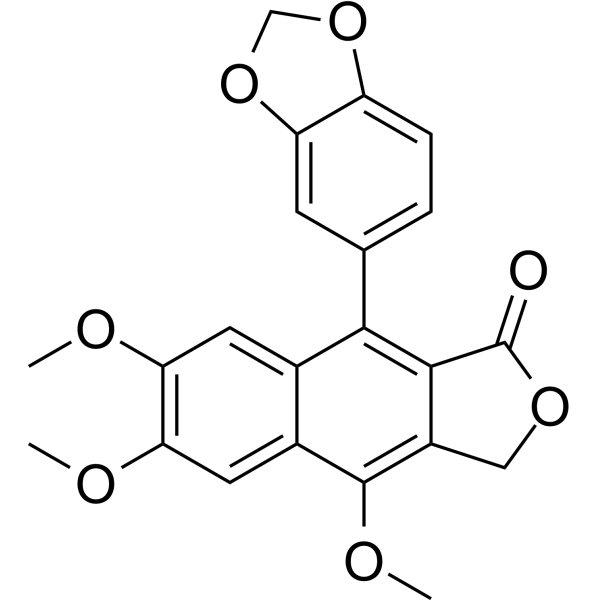
    justicidin A is a nature product that could be isolated form Justicia procumbens. justicidin A decreases the level of Ku70 leading to translocation of Bax from the cytosol to mitochondria to induce apoptosis. justicidin A can be used in research of cancer .
    Justicidin A
  • HY-125918

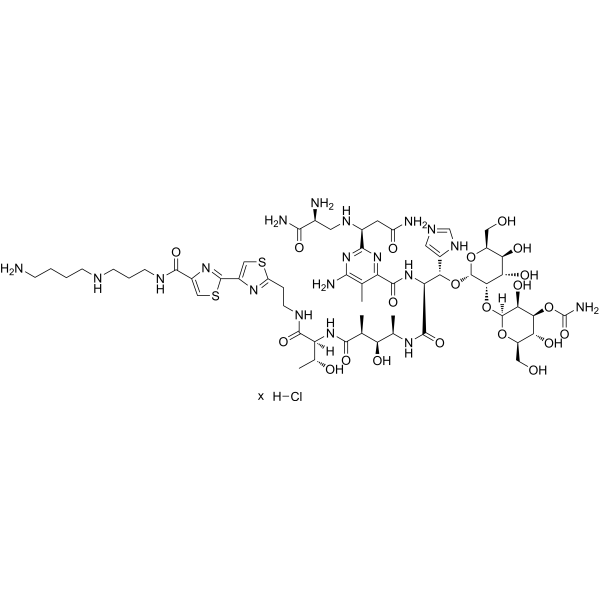
    Pingyangmycin hydrochloride

    Antibiotic DNA/RNA Synthesis Apoptosis Dynamin PINK1/Parkin Mitophagy Infection Cancer
    Bleomycin A5 (Pingyangmycin) hydrochloride is a glycopeptide antibiotic with multiple biological activities, which can be isolated from Streptomyces. Bleomycin A5 hydrochloride exerts cytotoxic effects by binding to Fe 2+ to form a complex, inducing single-strand and double-strand DNA breaks, and inhibiting DNA replication. Bleomycin A5 hydrochloride inhibits Drp1-mediated mitochondrial fission and suppresses PINK1/Parkin pathway-mediated mitophagy, ultimately triggering mitochondria-mediated cellular apoptosis. Bleomycin A5 hydrochloride can be used in cancer research .
    Bleomycin A5 hydrochloride
  • HY-N11591

    Apoptosis DNA/RNA Synthesis Mitochondrial Metabolism Cancer
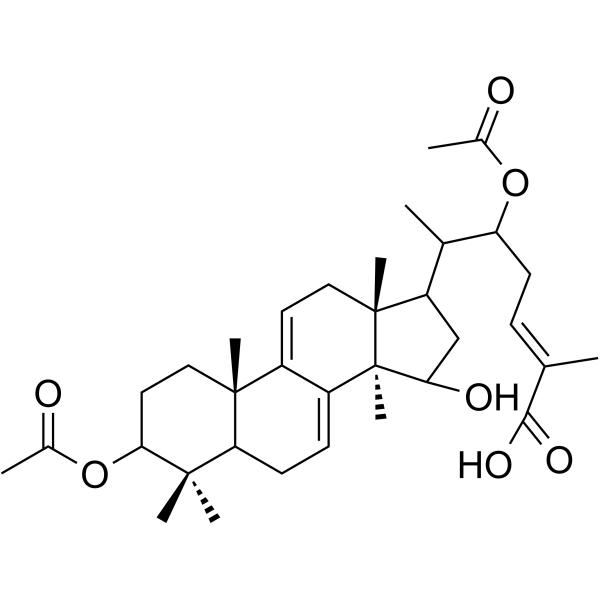
    Ganoderic acid T is a lanostane triterpenoid. Ganoderic acid T is isolated from Ganoderma lucidum mycelia. Ganoderic acid T induces Mitochondria-mediated Apoptosis and inhibits DNA synthesis. Ganoderic acid T exhibits anticancer activity against cervical cancer, liver cancer and lung cancer .
    Ganoderic acid T
  • HY-N0636R

    Eriodictyol 7-rutinoside (Standard); Eriodictyol 7-O-rutinoside (Standard)

    Reference Standards Apoptosis Cancer
    Eriocitrin (Standard) is the analytical standard of Eriocitrin. This product is intended for research and analytical applications. Eriocitrin is a flavonoid isolated from lemons that is a powerful antioxidant. Eriocitrin inhibits the proliferation of liver cancer cells by arresting the cell cycle in the S phase by upregulating p53, cyclin A, cyclin D3 and CDK6. Eriocitrin triggers apoptosis by activating intrinsic signaling pathways involving mitochondria .
    Eriocitrin (Standard)
  • HY-W104819

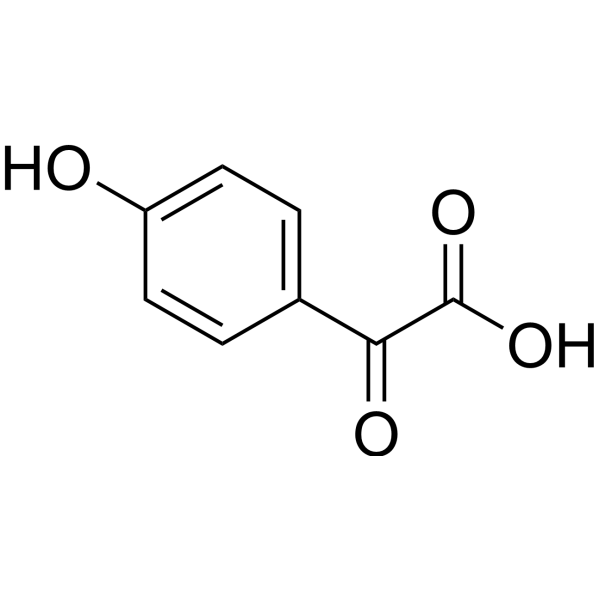
    4-Hydroxyphenylglyoxylic acid; 4-HPGA

    Acyltransferase Carnitine Palmitoyltransferase (CPT) Metabolic Disease
    4-Hydroxyphenylglyoxylate (4-Hydroxyphenylglyoxylic acid) is an inhibitor of carnitine palmitoyltransferase I (CPT I). 4-Hydroxyphenylglyoxylate can be used to study sensitivity changes in CPT I of liver mitochondria and fatty acid oxidation by isolated hepatocytes. 4-Hydroxyphenylglyoxylate can inhibits fatty acid oxidation .
    4-Hydroxyphenylglyoxylate
  • HY-139205

    Indoleamine 2,3-Dioxygenase (IDO) Mitochondrial Metabolism Inflammation/Immunology
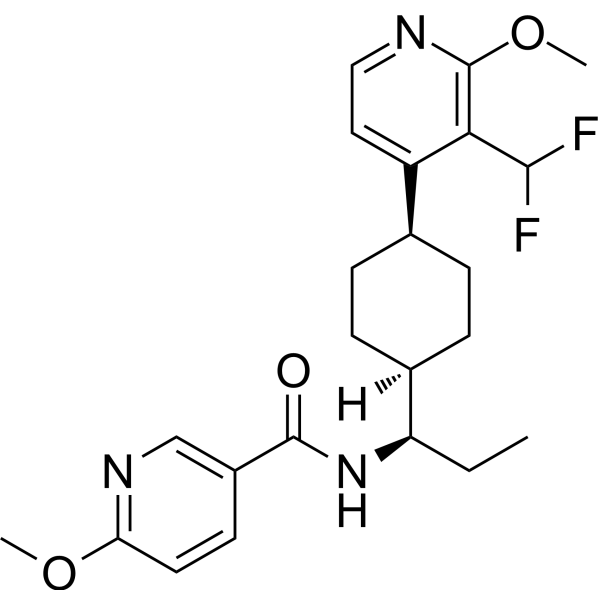
    BMT-297376 is an optimized derivative of Linrodostat (HY-101560). BMT-297376 inhibits IDO1 and the ubiquinone (Q) site of mitochondrial respiratory chain complex I. BMT-297376 is suitable for tumor immunology-related research .
    BMT-297376
  • HY-N11636

    Apoptosis Cancer
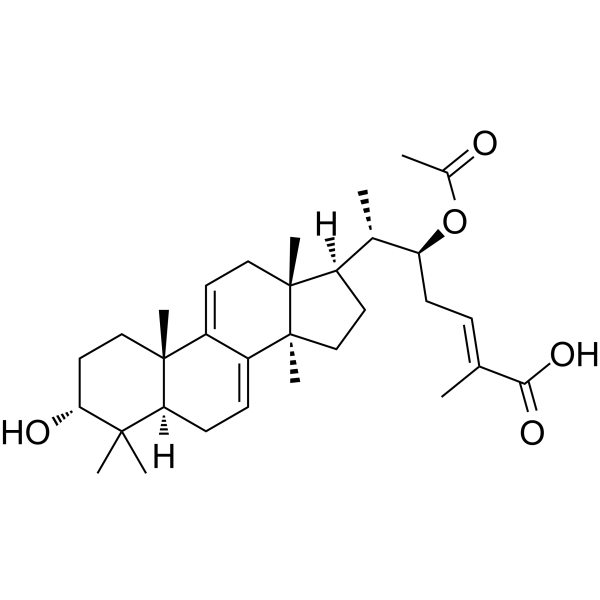
    Ganoderic acid S is a positional isomer of ganoderic acids, that can be isolated from the fermented mycelia of Ganoderma lucidum. Ganoderic acid S can induce apoptosis in HeLa cells through the mitochondria pathway .
    Ganoderic acid S
  • HY-117682

    (+)-Chloramphenicol; Dextramycine; Dextromycetin

    Antibiotic Infection
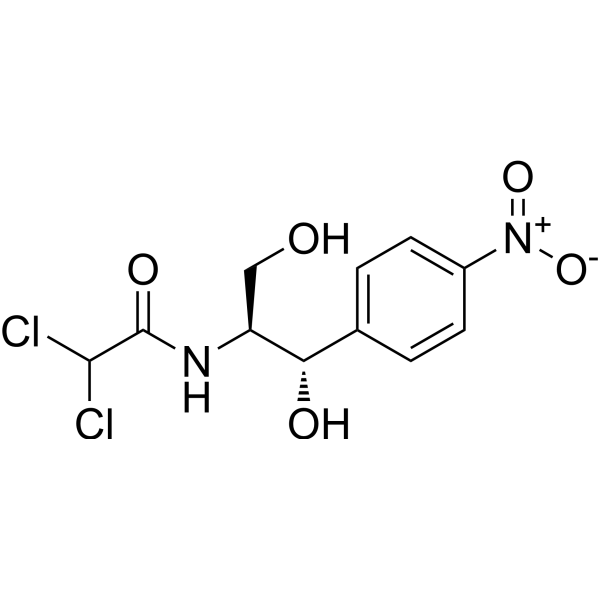
    L-(+)-threo-Chloramphenicol ((+)-Chloramphenicol) is the S,S-stereoisomer of Chloramphenicol (HY-B0239). L-(+)-Threo-chloramphenicol inhibits protein synthesis in reticulocytes. L-(+)-threo-Chloramphenicol also inhibits the oxidative activity of isolated mitochondria .
    L-(+)-threo-Chloramphenicol
  • HY-N15640

    (-)-Filiformin

    Bacterial Infection Inflammation/Immunology Cancer
    Filiformin ((-)-Filiformin) is a sesquiterpene compound that can be isolated from Laurencia filiformis forma heteroclada. Filiformin exhibits certain cytotoxicity against P388 and BSC-1 cells. Filiformin has antimicrobial activity against Bacillus subtilis, Trichophyton mentagrophytes and Candida albicans. In addition, Filiformin can inhibit oxygen uptake in isolated rat liver mitochondria at a concentration of 150 μM .
    Filiformin
  • HY-126643

    Mitochondrial Metabolism Others Cancer
    Wedeloside is a diterpenoid amino glycoside isolated from the plant Wedelia asperrima. Wedeloside is capable of inhibiting ADP-stimulated respiration in mitochondria and possesses potential anti-tumor activity. Wedeloside is applicable in drug development and toxicological research .
    Wedeloside
  • HY-126775

    Mitochondrial Metabolism Endogenous Metabolite Cancer
    Xenoclauxin is a secondary metabolite isolated from certain species of the Penicillium genus, which exhibits an inhibitory effect on the proliferation of tumor cells. Xenoclauxin affects cellular energy metabolism, particularly by inhibiting ATP synthesis in the mitochondria. Xenoclauxin can be used for anti-tumor research .
    Xenoclauxin
  • HY-N11643

    GA-Mk

    Apoptosis Reactive Oxygen Species (ROS) MMP Caspase Cancer
    Ganoderic acid Mk (GA-Mk) is a triterpenoid acid, that can be isolated from the mycelia of Ganoderma lucidum. Ganoderic acid Mk is efficiently anti-proliferative and can induce apoptosis of HeLa cells by mitochondria-mediated pathway. Ganoderic acid Mk can be used for cervical cancer research .
    Ganoderic acid Mk
  • HY-N1338

    NSC 122417

    mTOR Akt Cancer
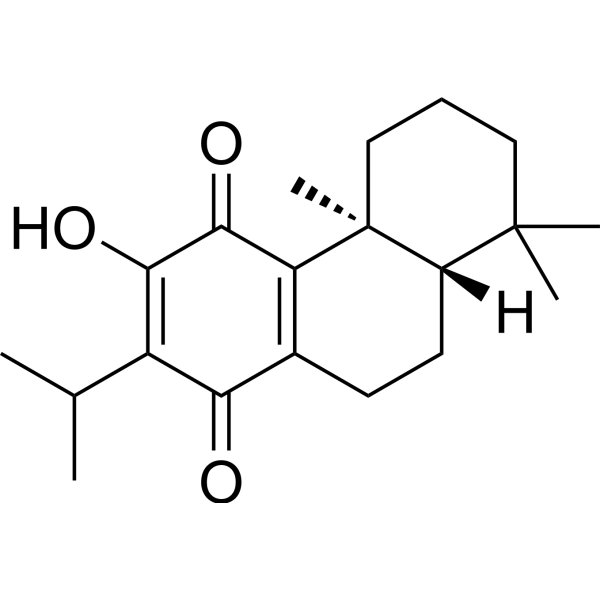
    Royleanone, a diterpenoid isolated from plants, inhibits the proliferation of cancer cells by inducing cell cycle arrest and mitochondria-mediated apoptosis, also inhibits cell migration potential, inhibits mTOR/PI3/AKT signaling pathway in LNCaP prostate cancer cells .
    Royleanone
  • HY-P3148

    p62 Atg8/LC3 Apoptosis Autophagy Reactive Oxygen Species (ROS) JNK Bcl-2 Family Caspase Metabolic Disease
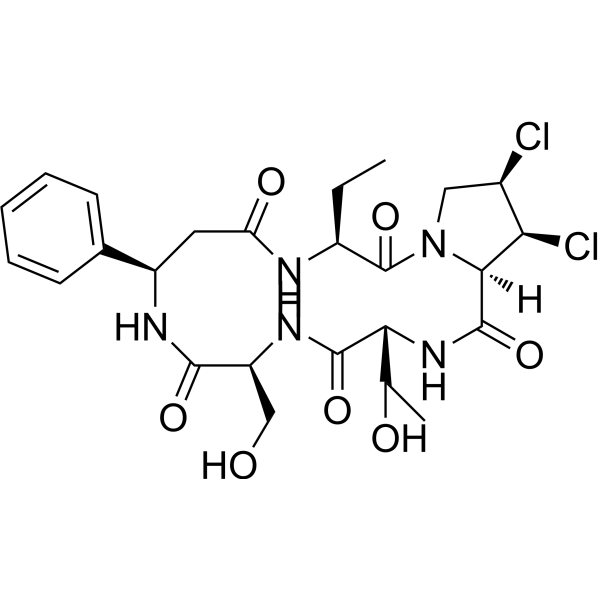
    Astin B is a orally active and potent cyclic pentapeptide, that can be isolated from Aster tataricus. Astin B has hepatotoxic effects in vitro and in vivo and that hepatic injury was primarily mediated by apoptosis in a mitochondria/caspase-dependent manner. Astin B induces autophagy in L-02 cells, increases LC3-II and decreases p62 expression .
    Astin B
  • HY-176775

    Oxidative Phosphorylation Mitochondrial Metabolism Apoptosis Neurological Disease
    TPP-IOA is a cytochrome c peroxidase inhibitor. TPP-IOA inhibits apoptosis by preventing cardiolipin oxidation and cytochrome c release to the cytosol. TPP-IOA disrupts oxidative phosphorylation in isolated mitochondria. TPP-IOA inhibits cell death in SH-SY5Y cells grown in glucose, but not galactose. TPP-IOA causes mitochondrial depolarization and network fragmentation. TPP-lOA mitigates radiation induced death in mice .
    TPP-IOA
  • HY-145545

    PE(18:0/22:4); 1-Stearoyl-2-Docosatraenoyl-sn-glycero-3-PE

    Endogenous Metabolite Metabolic Disease
    1-Stearoyl-2-adrenoyl-sn-glycero-3-PE is a phospholipid that contains stearic acid (HY-B2219) and adrenic acid (HY-W013215) at the sn-1 and sn-2 positions, respectively. 1-Stearoyl-2-adrenoyl-sn-glycero-3-PE levels are inversely correlated with subject age in mitochondria isolated from human post-mortem hippocampus.
    1-Stearoyl-2-Adrenoyl-sn-glycero-3-PE
  • HY-W402074

    Butenolide

    Mitochondrial Metabolism Reactive Oxygen Species (ROS) Metabolic Disease
    5-Acetamide-Butenolide (Butenolide) is a mycotoxin with pro-oxidant activity, which is found in Fusarium. 5-Acetamide-Butenolide disrupts the mitochondrial membrane potential in primary neonatal rat cardiomyocytes. 5-Acetamide-Butenolide also induces the production of thiobarbituric acid reactive substances (TBARS) in isolated rat myocardial mitochondria. 5-Acetamide-Butenolide increases the production of reactive oxygen species (ROS), decreases the levels of GSH and reduces the viability of HepG2 cells .
    5-Acetamide-Butenolide
  • HY-N8617

    DNA/RNA Synthesis Caspase PARP Bcl-2 Family Mitochondrial Metabolism Apoptosis Cancer
    Trijuganone C is a tanshinone-type diterpenoid compound. Trijuganone C can be isolated from the roots of Salvia miltiorrhiza Bunge. Trijuganone C induces chromatin condensation, DNA fragmentation, activation of Caspase-3, -8 and -9, as well as cleavage of PARP. Trijuganone C activates Bid and Bax, leading to loss of mitochondrial membrane potential and inducing the release of cytochrome c from mitochondria into the cytosol. Trijuganone C exerts antiproliferative effects through Apoptosis induction mediated by Mitochondrial dysfunction and Caspase activation. Trijuganone C exhibits significant antiproliferative activity against leukemia cells and colon cancer cells .
    Trijuganone C
  • HY-N7056R

    Reference Standards Proteasome Oxidative Phosphorylation Inflammation/Immunology Cancer
    4'-Hydroxychalcone (Standard) is the analytical standard of 4'-Hydroxychalcone (HY-N7056). This product is intended for research and analytical applications. 4'-Hydroxychalcone is a chalcone isolated from licorice root, with hepatoprotective activity. 4'-Hydroxychalcone inhibits TNFα-induced NF-κB activation via proteasome inhibition. 4'-Hydroxychalcone induces a rapid potassium release from mitochondrial vesicles and causes deterioration of respiratory control and oxidative phosphorylation of isolated rat liver mitochondria .
    4'-Hydroxychalcone (Standard)
  • HY-125778

    Others Metabolic Disease
    Cochlioquinone is a sesquiterpene metabolite originally isolated from C. miyabeanus. It is a phytotoxin that inhibits root growth of finger millet (E. coracana) and rice plants (O. sativa) by 59.9 and 51.7%, respectively, when used at a concentration of 100 ppm.2 Cochlioquinone B inhibits NADH oxidase and NADH-2,3-dimethoxy-5-pentyl-1,4-benzoquinone reductase from bovine heart mitochondria.
    Cochlioquinone B
  • HY-N13352

    Mitochondrial Metabolism STAT JAK Interleukin Related Atg7 Autophagy Pim Inflammation/Immunology Cancer
    Bufothionine is an alkaloid. Bufothionine can be isolated from Cinobufacini. Bufothionine induces mitochondria-mediated Apoptosis. Bufothionine significantly reduces serum IL-6 concentration, suppresses p-Stat3 tyr705, p-Stat3 ser727 and Jak2 expressions. Bufothionine upregulates Atg5, Atg7 and LC3Ⅱ expressions. Bufothionine induces Autophagy. Bufothionine suppresses PIM3 expression. Bufothionine relieves symptoms of H22-tumor-bearing mice and exerts anti-inflammation activity. Bufothionine exerts anti-cancer activities against gastric cancer .
    Bufothionine

Inquiry Online

Your information is safe with us. * Required Fields.

Salutation


Country or Region *

Applicant Name *


Organization Name *

Department *


Email Address *


Product Name *

Cat. No.


Requested quantity *

Phone Number *


Remarks

Inquiry Online

Inquiry Information

Product Name:
Cat. No.:
Quantity:
MCE Japan Authorized Agent:

