1. Search Result
Search Result
Results for "

kinase signaling pathways

" in MedChemExpress (MCE) Product Catalog:

235

Inhibitors & Agonists

10

Screening Libraries

3

Fluorescent Dyes

4

Biochemical Assay Reagents

10

Peptides

4

Inhibitory Antibodies

36

Natural
Products

8

Isotope-Labeled Compounds

2

Oligonucleotides

3

GMP Molecules

Targets Recommended:
Cat. No. Product Name Target Research Areas Chemical Structure
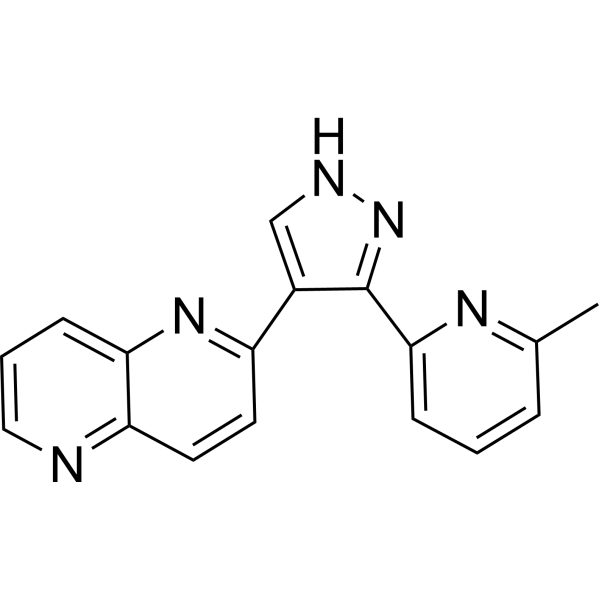
  • HY-10431
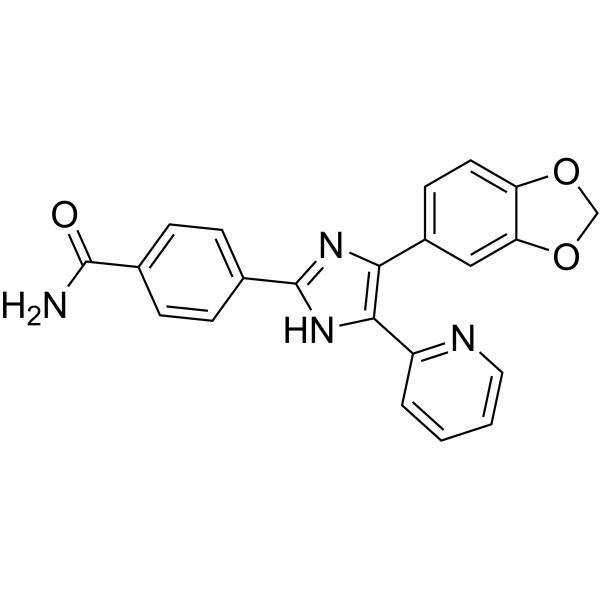
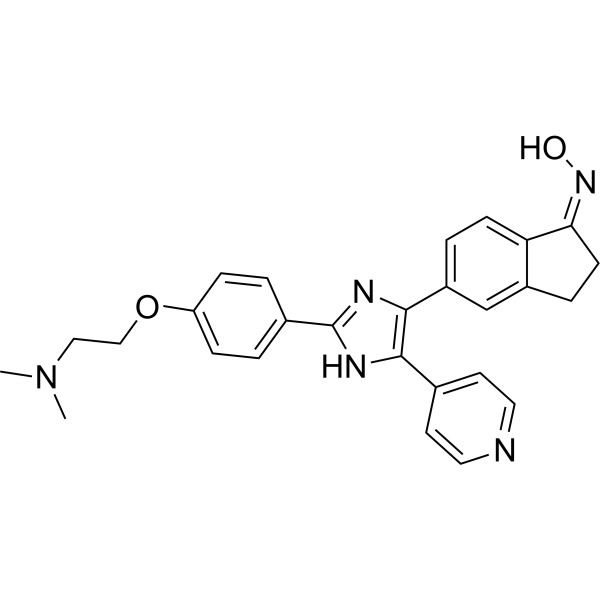
    SB-431542
    290+ Cited Publications

    Organoid TGF-β Receptor Apoptosis Cancer
    SB-431542 is a TGF-β receptor kinase inhibitor (TRKI). SB-431542 has inhibitory activity for ALK4, ALK5 and ALK7 with IC50 values of 1 μM, 0.75 μM and 2 μM, respectively. SB-431542 also inhibits TGF-β-induced transcription, gene expression, apoptosis, and growth suppression. SB-431542 can be used for the research of cancer and signal transduction pathways .
    SB-431542
  • HY-16563
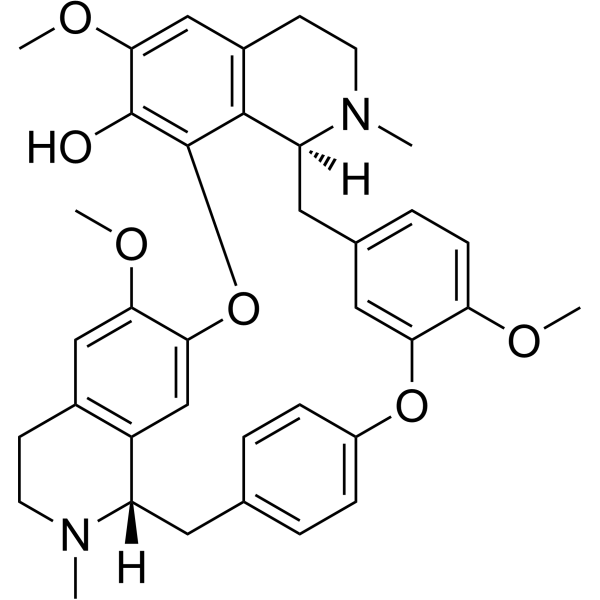
    Narciclasine
    Maximum Cited Publications
    22 Publications Verification

    Lycoricidinol

    ROCK Cancer
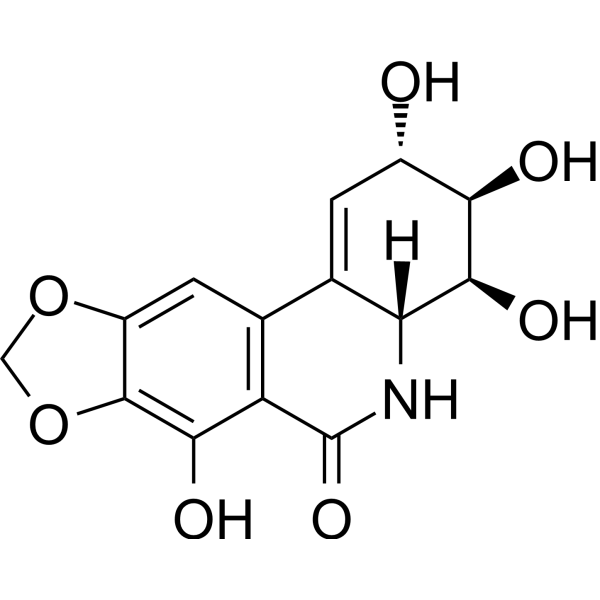
    Narciclasine is a plant growth modulator. Narciclasine modulates the Rho/Rho kinase/LIM kinase/cofilin signaling pathway, greatly increasing GTPase RhoA activity as well as inducing actin stress fiber formation in a RhoA-dependent manner.
    Narciclasine
  • HY-B1142
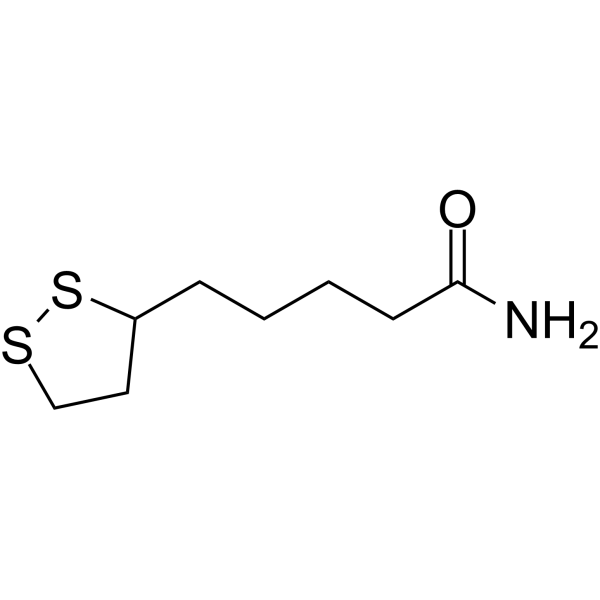
    Lipoamide
    5+ Cited Publications

    (±)-α-Lipoamide; DL-Lipoamide; DL-6,8-Thioctamide

    NO Synthase Others
    Lipoamide ((±)-α-Lipoamide) is a monocarboxylic acid derivative of a neutral amide, formed by the condensation of the carboxyl group of lipoic acid and ammonia. Lipoamide protects against oxidative stress-mediated neuronal cell damage and also acts as a coenzyme to transfer acetyl groups and hydrogen during pyruvate deacylation. Lipoamide also stimulates mitochondrial biogenesis in adipocytes through the endothelial NO synthase-cGMP-protein kinase G signaling pathway .
    Lipoamide
  • HY-152860

    HRX-0215

    p38 MAPK JNK NF-κB MDM-2/p53 Cancer
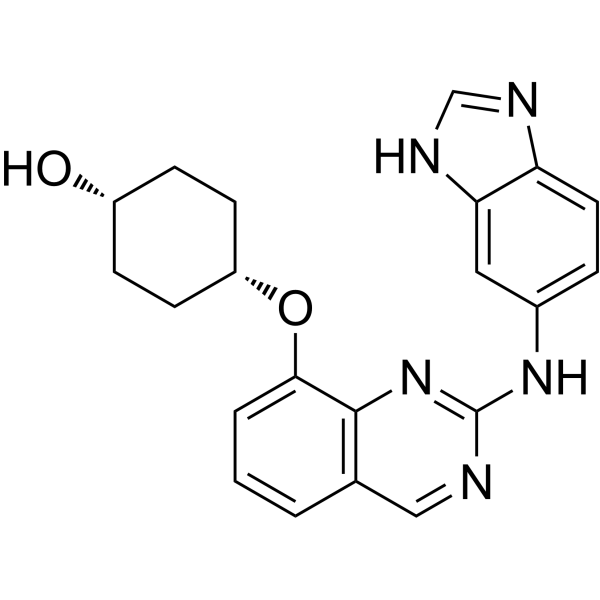
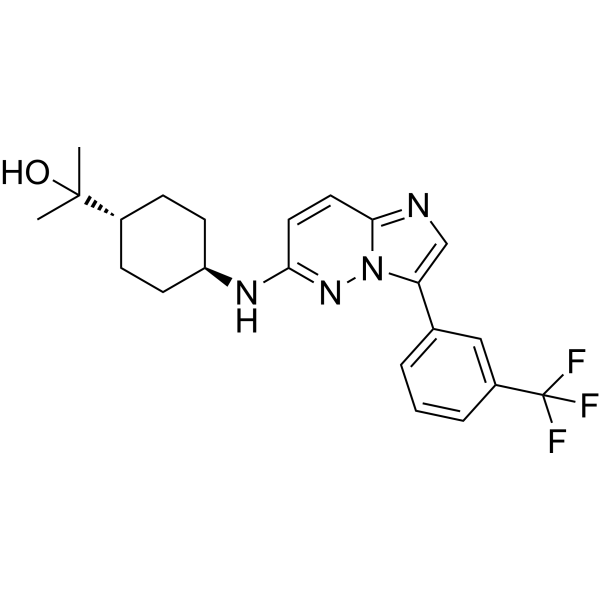
    Darizmetinib (HRX-0215) is an orally active, potent and selective inhibitor of mitogen-activated protein kinase kinase 4 (MKK4). Darizmetinib leads to enhancement of the MKK7 and JNK1 signaling pathways, thereby activating the transcription factors ATF2 and ELK1, promoting cell proliferation and liver regeneration. Darizmetinib is promising for research of preventing liver failure after extensive oncological liver resections or transplantation of small liver grafts .
    Darizmetinib
  • HY-129390
    Orelabrutinib
    3 Publications Verification

    ICP-022

    Btk Cancer
    Orelabrutinib (ICP-022) is a potent, orally active, and irreversible Bruton's tyrosine kinase (BTK) inhibitor with potential antineoplastic activity. Orelabrutinib prevents both the activation of the B-cell antigen receptor (BCR) signaling pathway and BTK-mediated activation of downstream survival pathways, inhibiting the growth of malignant B-cells that overexpress BTK .
    Orelabrutinib
  • HY-100830
    NCB-0846
    4 Publications Verification

    Wnt MAP4K TGF-beta/Smad Cancer
    NCB-0846 is an orally active, selective inhibitor for Wnt, that inhibits Traf2- and Nck-interacting kinase (TNIK) with an IC50 of 21 nM. NCB-0846 blocks TGF-β signaling pathway by inhibiting SMAD2/3 phosphorylation and nuclear translocation .
    NCB-0846
  • HY-119917
    Gossypetin
    4 Publications Verification

    p38 MAPK MEK Bacterial Infection Cancer
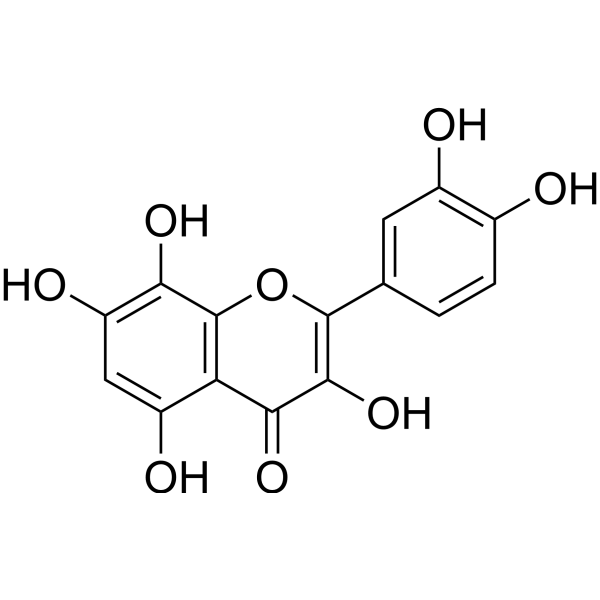
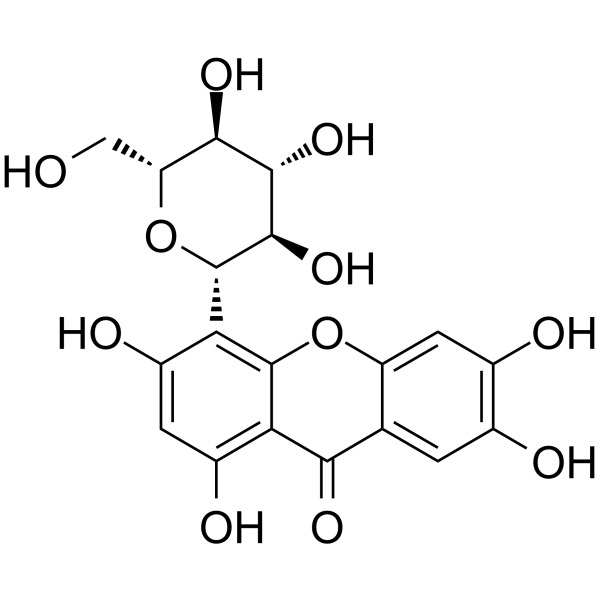
    Gossypetin is a hexahydroxylated flavonoid and is a potent mitogen-activated protein kinase kinase (MKK)3 and MKK6 inhibitor with strongly attenuates the MKK3/6-p38 signaling pathway, has various pharmacological activities, including antioxidant, antibacterial and anticancer activities .
    Gossypetin
  • HY-N6246

    NF-κB ERK Inflammation/Immunology Cancer
    Asperulosidic Acid (ASPA), a bioactive iridoid glycoside, is extracted from the herbs of Hedyotis diffusa Willd. Asperulosidic Acid (ASPA) has anti-tumor, anti-oxidant, and anti-inflammatory activities . ASPA is related to the inhibition of inflammatory cytokines (TNF-α, IL-6) and mediators via suppression of the NF-κB and mitogen-activated protein kinase (MAPK) signaling pathways .
    Asperulosidic Acid
  • HY-N2081
    Skimmianine
    3 Publications Verification

    Cholinesterase (ChE) PI3K Akt NF-κB Neurological Disease Inflammation/Immunology Cancer
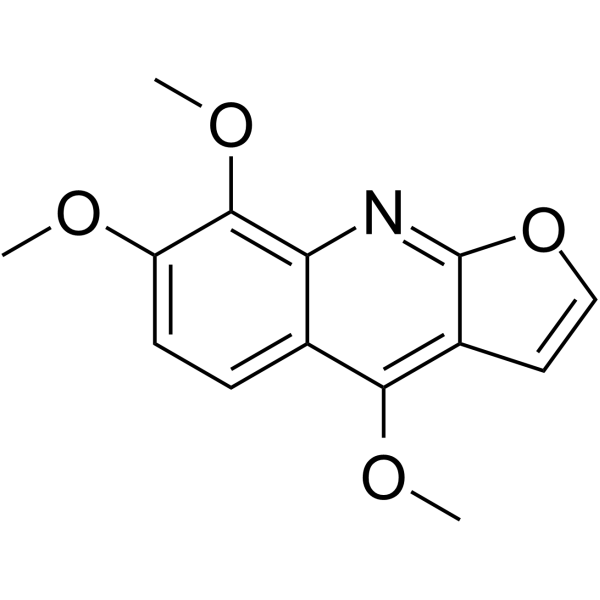
    Skimmianine is an orally active furoquiniline alkaloid present mainly in the Rutaceae family. Skimmianine has analgesic, antispastic, sedative, and anti-inflammatory properties. Skimmianine inhibits acetylcholinesterase (AChE) (IC50 = 8.6 μg/mL). Skimmianine exhibits cytotoxicity against a variety of cancer cell lines and genotoxicity. Skimmianine has antioxidant and anti-inflammatory effects on ischemia-reperfusion (IR) injury. Skimmianine exerts anti-inflammatory effects through activation of the phosphatidylinositol-3-kinase (PI3K)-protein kinase B (AKT) pathway. Skimmianine is neuroprotective by targeting the NF-κB activation pathway to prevent neuroinflammation. Skimmianine inhibits the release of histamine, intracellular Ca 2+ signaling and protein kinase C signaling .
    Skimmianine
  • HY-N6670

    Antibiotic Raf ERK Ras MEK Bacterial Infection
    Cefotetan is a binding agent that targets human Raf1 kinase inhibitor protein (hRKIP). Cefotetan binds to hRKIP, reduces the binding space between hRKIP and Raf1 kinase, relieves hRKIP's inhibition of the Ras/Raf1/MEK/ERK signaling pathway, and enhances ERK phosphorylation. Cefotetan can be used to study diseases associated with dysregulated Ras/Raf1/MEK/ERK signaling pathways. Cefotetan is also a broad-spectrum antibacterial agent that disrupts cell wall synthesis by binding to bacterial penicillin-binding proteins (PBPs). It is used to study bacterial infections such as bone, skin, urinary tract, and lower respiratory tract .
    Cefotetan
  • HY-109556

    Akt ERK Metabolic Disease
    Insulin Detemir is an artificial insulin, shows effect on controlling blood sugar levels. Insulin Detemir stimulates GLP-1 secretion as a consequence of enhanced Gcg expression by a mechanism involving activation of Akt- and/or extracellular signal-regulated kinase (ERK)-dependent-cat and CREB signaling pathways. Insulin Detemir can be used for type 2 diabetes research .
    Insulin Detemir
  • HY-116035
    Nimbolide
    2 Publications Verification

    Wnt NF-κB CDK Apoptosis Cancer
    Nimbolide is a triterpene compound that can be isolated from neem (Azadirachta indica), possesses anticancer and antiproliferative activity. Nimbolide induces tumor cell apoptosis by inhibiting NF-κB and CDK4/CDK6 kinase. Nimbolide suppresses the Wnt, PI3K-Akt, MAPK and JAK-STAT signaling pathways .
    Nimbolide
  • HY-164145

    TGF-β Receptor Others Cancer
    CDD-1653 is a potent and selective BMPR2 inhibitor (IC50=2.8 nM). CDD-1653 reduces the ability of ATP to bind to the kinase domain of BMPR2, thereby affecting the phosphorylation of SMAD1/5/8 transcription factors, which play a key role in the BMP signaling pathway. CDD-1653 can be used to study diseases related to the BMP signaling pathway .
    CDD-1653
  • HY-150617
    Lartesertib
    1 Publications Verification

    M4076; ATM Inhibitor-5

    ATM/ATR STING PD-1/PD-L1 Cardiovascular Disease Inflammation/Immunology Cancer
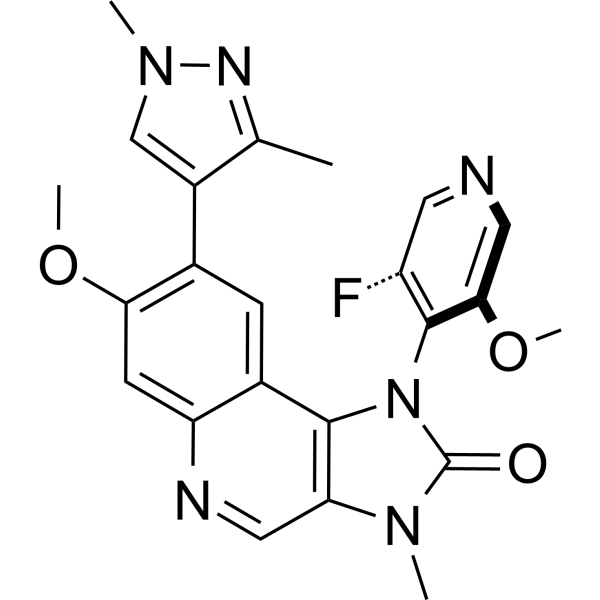
    Lartesertib (M4076) is an inhibitor of the serine/threonine protein kinase ATM with high potency. Lartesertib can inhibit the growth of multiple hematopoietic cell lines. Additionally, when combined with the ATR inhibitor Tuvusertib (HY-111451), Lartesertib can promote the death of tumor cells, activate the immune signaling pathway, and exhibit anti-tumor activity .
    Lartesertib
  • HY-111940

    Raf p38 MAPK ERK Inflammation/Immunology
    LUT014 is a topical inhibitor targeting BRAF that cannot pass through the blood-brain barrier. LUT014 inhibits BRAF kinase and abnormally activates the MAPK/ERK signaling pathway, promoting the proliferation of epidermal keratinocytes, repairing skin barrier damage caused by radiation damage, and alleviating inflammatory responses. LUT014 is independent of RAS signaling and accelerates the repair and regeneration of damaged skin cells. LUT014 can be used to study radiation dermatitis, especially skin damage caused by breast cancer radiotherapy .
    LUT014
  • HY-10431R

    Apoptosis TGF-β Receptor Organoid Reference Standards Cancer
    SB-431542 (Standard) is the analytical standard of SB-431542. SB-431542 is a TGF-β receptor kinase inhibitor (TRKI). SB-431542 has inhibitory activity for ALK4, ALK5 and ALK7 with IC50 values of 1 μM, 0.75 μM and 2 μM, respectively. SB-431542 also inhibits TGF-β-induced transcription, gene expression, apoptosis, and growth suppression. SB-431542 can be used for the research of cancer and signal transduction pathways .
    SB-431542 (Standard)
  • HY-16420

    Syk Inflammation/Immunology
    R112 is a fast and reversible inhibitor of spleen tyrosine kinase (Syk) kinase. R112 inhibits Syk kinase activity with an IC50 value of 226 nM and a Ki value of 96 nM. R112 inhibits IgE-FcεRI signaling pathway. R112 can be used for the research of allergic rhinitis .
    R112
  • HY-P1111

    Src Interleukin Related Inflammation/Immunology
    Lyn peptide inhibitor (YGYRLRRKWEEKIPNP-NH2) is a potent, cell-permeable Lyn kinase inhibitor that inhibits Lyn-coupled signaling pathways associated with the IL-5 receptor while preserving the integrity of other signals. Lyn peptide inhibitor blocks the activation of Lyn and inhibits the binding of Lyn tyrosine kinase to the βc subunit of the IL-3/GM-CSF/IL-5 receptor. Lyn peptide inhibitor can be used in the research of eosinophilic diseases such as asthma and allergy .
    Lyn peptide inhibitor
  • HY-137092
    IACS-13909
    3 Publications Verification

    SHP2 Phosphatase Cancer
    IACS-13909 is a selective, potent and orally active SHP2 allosteric inhibitor with an IC50 of 15.7 nM and a Kd of 32 nM. IACS-13909 is more selective for SHP2 than other phosphatases (including SHP1). IACS-13909 has antitumor activities and suppresses MAPK pathway signaling in receptor tyrosine kinases (RTK)-dependent cancers .
    IACS-13909
  • HY-14340
    WAY-181187
    2 Publications Verification

    SAX-187

    5-HT Receptor Neurological Disease
    WAY-181187 (SAX-187) is a potent and selective full 5-HT6 receptor agonist with a Ki of 2.2 nM and an EC50 of 6.6 nM . WAY181187 mediates 5-HT6 receptor-dependent signal pathways, such as cAMP, Fyn and ERK1/2 kinase, as specific agonist .
    WAY-181187
  • HY-13660
    Mocravimod hydrochloride
    2 Publications Verification

    KRP-203

    LPL Receptor Reactive Oxygen Species (ROS) Akt GSK-3 JAK STAT Metabolic Disease Inflammation/Immunology Cancer
    Mocravimod (hydrochloride) is an orally active sphingosine-1-phosphate receptor (S1PR) modulator that blocks the signal required by T cells to egress from lymph nodes and other lymphoid organs. Mocravimod (hydrochloride) preferentially binds to S1PR1 over S1PR2 and S1PR3 in cardiomyocytes. Mocravimod (hydrochloride) significantly lowered the concentration of reactive oxygen species (ROS), prevented mitochondrial permeability transition pore opening, boosted mitochondrial membrane potential (MMP), and increased phosphorylation of AKT, EKR, GSK-3β, JAK2, and STAT3. Mocravimod (hydrochloride) retains T cell effector function. Mocravimod (hydrochloride) can be used for the study of acute myelogenous leukemia, diabetes and Myocardial Ischemia-Reperfusion Injury (MIRI) .
    Mocravimod hydrochloride
  • HY-109038
    Mocravimod
    2 Publications Verification

    KRP-203 free base

    LPL Receptor Reactive Oxygen Species (ROS) Mitochondrial Metabolism Akt GSK-3 JAK STAT Cardiovascular Disease Metabolic Disease Inflammation/Immunology Cancer
    Mocravimod (KRP-203 free base) is a sphingosine-1-phosphate receptor (S1PR) modulator that blocks the signal required by T cells to egress from lymph nodes and other lymphoid organs. Mocravimod preferentially binds to S1PR1 over S1PR2 and S1PR3 in cardiomyocytes. Mocravimod significantly lowered the concentration of reactive oxygen species (ROS), prevented mitochondrial permeability transition pore opening, boosted mitochondrial membrane potential (MMP), and increased phosphorylation of AKT, EKR, GSK-3β, JAK2, and STAT3. Mocravimod retains T cell effector function. Mocravimod can be used for the study of acute myelogenous leukemia, diabetes and Myocardial Ischemia-Reperfusion Injury (MIRI) .
    Mocravimod
  • HY-103322

    PKA Potassium Channel Metabolic Disease Cancer
    6-Bnz-cAMP sodium, a derivative of cyclic adenosine monophosphate (cAMP), is a selective PKA activator with inhibitory activity against the bTREK-1 K + channel. 6-Bnz-cAMP sodium does not activate the Epac signaling pathway. It inhibits the bTREK-1 K + channel via a voltage-independent, ATP-dependent mechanism that is independent of the PKA/Epac/calmodulin kinase/MAP kinase pathway. 6-Bnz-cAMP sodium activates CREB phosphorylation to regulate osteoblast-specific gene expression, induces osteoblast differentiation, promotes extracellular matrix mineralization, supports osteoblast proliferation, and shows no cytotoxicity toward osteoblasts. It can be used in studies related to bone tissue repair and regeneration .
    6-Bnz-cAMP sodium salt
  • HY-W013386
    LY83583
    1 Publications Verification

    Guanylate Cyclase Cardiovascular Disease Neurological Disease Cancer
    LY83583 is inhibitor of soluble guanylate cyclase (sGC) with the ability to target the cGMP signaling pathway. LY83583 inhibits the kinase activity-related proliferation of tumor cells by inducing the Cdk inhibitor p21. LY83583 can be used for the study of cancers (colorectal cancer, breast cancer and melanoma) and cardiovascular disease .
    LY83583
  • HY-160469

    Akt PROTACs Cancer
    INY-05-040 is an AKT degrader that can selectively and quickly degrade all three AKT isoforms. INY-05-040 exhibits anti-cancer activity. INY-05-040 can inhibit downstream signaling and cell proliferation in 288 cancer cell lines. INY-05-040 can suppress AKT signaling and induces the stress mitogen-activated protein kinase (MAPK) c-Jun N-terminal kinase (JNK). INY-05-040 is effective for breast cancer lines with a low-baseline activation of stress MAPK pathway. INY-05-040 can be studied for anti-cancer research .
    INY-05-040
  • HY-155978A
    RDN2150 TFA
    1 Publications Verification

    Tyrosinase ERK Interleukin Related IFNAR Inflammation/Immunology
    RDN2150 TFA is a ZAP-70 inhibitor with an IC50 of 14.6 nM, and it exhibits selectivity for Syk over other kinases. RDN2150 TFA inhibits signal transduction and activation of T cells/CAR-T cells, reduces the phosphorylation level of Erk1/2, suppresses the induction of CD69 and IL-2, and downregulates phosphotyrosine signaling pathways including hnRNP sites in T cells. RDN2150 TFA can be used for psoriasis-related research .
    RDN2150 TFA
  • HY-N9561
    Vanicoside B
    1 Publications Verification

    CDK STAT Cancer
    Vanicoside B is a phenylpropanoyl sucrose derivative, can be isolated from the herb Persicaria dissitiflora. Vanicoside B targets cyclin-dependent kinase 8 (CDK8) and exhibits anti-tumor activity. The potential mechanism is Vanicoside B blocks CDK8-mediated signaling pathways and decreases the expression of epithelial-mesenchymal transition proteins, so that it leads to cell cycle arrest and apoptosis .
    Vanicoside B
  • HY-P10438

    Raf Cancer
    TAT-Braftide is a peptide inhibitor designed to block the dimerization of BRAF, thereby inhibiting its kinase activity. The destruction of BRAF dimer by TAT-Braftide makes BRAF protein more susceptible to proteasome degradation, directly inhibits the activity of BRAF kinase, and reduces the activation of MAPK signaling pathway. Tat-braftide can be used for the role of RAF kinase in MAPK signaling pathway and for the study of BRAF mutant cancers .
    TAT-Braftide
  • HY-176205

    AB801

    TAM Receptor Cancer
    Ligritinib (AB801) is an orally active AXL receptor tyrosine kinase inhibitor. Ligritinib blocks the downstream signaling pathway by inhibiting the kinase activity of AXL. Ligritinib can be used in cancer research, especially in combination with chemotherapy for non-small cell lung cancer (NSCLC) .
    Ligritinib
  • HY-137918

    Src TGF-β Receptor Anaplastic lymphoma kinase (ALK) Others
    TGF-βRI inhibitor 3 (Compound 9ac) is a selective TGF-β inhibitor. TGF-βRI inhibitor 3 can effectively inhibit the TGF-β signaling pathway. TGF-βRI inhibitor 3 has IC50 values of 13 μM and 0.63 μM for c-Src kinase and ALK5 kinase, respectively .
    TGF-βRI inhibitor 3
  • HY-162143

    SphK Akt mTOR Cancer
    SKI-349 is a dual-targeted inhibitor of sphingosine kinase 1/2 (SPHK1/2) and microtubule assembly (MDA). SKI-349 has anticancer activity. SKI-349 can inhibit the vitality, invasion, and AKT/mTOR signaling pathway of liver cells .
    SKI-349
  • HY-172423

    KO-2806

    Farnesyl Transferase mTOR VEGFR Cancer
    Darlifarnib (KO-2806) is an orally active farnesyl transferase inhibitor. Darlifarnib inhibits the mTORC1 signaling pathway, thereby enhancing the anti-angiogenic properties of tyrosine kinase inhibitors. When used in combination with anti-VEGFR tyrosine kinase inhibitors, Darlifarnib promotes renal cell carcinoma tumor regression and inhibits tumor neovascularization. Darlifarnib sensitizes renal cell carcinoma tumors that progress after anti-VEGFR TKI treatment .
    Darlifarnib
  • HY-139054

    Apoptosis Cancer
    4'-Methoxyflavone is a flavonoid with antioxidant properties and anti-proliferative activity against cancer cells. 4'-Methoxyflavone can inhibit cycle-dependent kinases leading to cell cycle arrest and regulate cell signaling pathways to influence cell proliferation and apoptosis. 4'-Methoxyflavone can be used in cancer chemoprevention research .
    4'-Methoxyflavone
  • HY-148629

    JNK Neurological Disease
    GDC-0134 (RG6000) is a modulator targeting dual leucine zipper kinase (DLK) that can cross the blood-brain barrier. By inhibiting the kinase activity of DLK, GDC-0134 blocks the activation of the downstream JNK signaling pathway, suppresses DLK-dependent retrograde signal transduction of axon-to-soma degeneration, and exerts neuroprotective activity. GDC-0134 reduces TDP-43 protein aggregation and decreases the degree of neuromuscular junction denervation in motor neurons. GDC-0134 can be used in the research of amyotrophic lateral sclerosis (ALS), Alzheimer's disease and other DLK-related neurodegenerative diseases .
    GDC-0134
  • HY-151367

    ERK Cancer
    SHR2415 is a highly potent, selective and orally active ERK1/2 inhibitor. SHR2415 has inhibition activity for ERK1 and ERK2 with IC50 values of 2.8 nM and 5.9 nM, respectively. SHR2415 exhibits high potency with an IC50 value of 44.6 nM in Colo205 cells. SHR2415 can be used for the research of cancer .
    SHR2415
  • HY-N12188

    NF-κB TNF Receptor Interleukin Related p38 MAPK Inflammation/Immunology
    Stigmasta-3,5-dien-7-one is a steroid compound that can be isolated from Harrisonia abyssinica. Stigmasta-3,5-dien-7-one blocks the NF-κB signaling pathway via down-regulation of phospho-p38 mitogen-activated protein kinase and phosphorylation and degradation of inhibitor of NF-κB α. Stigmasta-3,5-dien-7-one reduces LPS (HY-D1056)-induced nitric oxide, PGE2, and pro-inflammatory cytokine levels in macrophages. Stigmasta-3,5-dien-7-one can be used for inflammation diseases .
    Stigmasta-3,5-dien-7-one
  • HY-P5435

    Ser/Thr Kinase Others
    LKBtide is a biological active peptide. (This is a peptide substrate that is phosphorylated by Serine/Threonine kinase 11 (STK11), also known as LKB1. LKBtide is derived from sucrose non-fermenting 1 (SNF1) protein kinase, which is normally activated by the LKB1/AMP-activated protein kinase (AMPK) signaling pathway.)
    LKBtide
  • HY-W028127

    IKK Inflammation/Immunology
    IKKβ-IN-4 (compound 14) is an IkappaB kinase-β ( IKKβ ) inhibitor with IC50 value of 1.9 μM. IKKβ is a key enzyme in the NF-κB signaling pathway and is involved in the development of many diseases .
    IKKβ-IN-4
  • HY-P10436

    Raf Cancer
    Braftide is an allosteric inhibitor for BRAF kinase by targeting the dimer interface of BRAF kinase and inhibiting the formation of BRAF dimers. Braftide inhibits wild-type BRAF and oncogenic BRAF G469A with IC50 of 364 nM and 172 nM, respectively. Braftide inhibits MAPK signaling pathway, inhibits proliferation of KRAS mutant tumor cells (EC50 is 7.1 and 6.6 μM, for HCT116 and HCT-15), in combination of TAT sequence. Braftide can be used for cancer research .
    Braftide
  • HY-P991114

    FLT3 Inflammation/Immunology
    Adezkibart is a human monoclonal antibody immunosuppressant targeting the human FMS-like tyrosine kinase 3 ligand (FLT3LG). Adezkibart is found in the Chinese hamster ovary cell line CHO-K1, which binds to FLT3LG to block the relevant signaling pathway, inhibits the immune response, and exerts immunosuppressive activity. Adezkibart is promising for research of immune-related diseases .
    Adezkibart
  • HY-174142

    BMX Kinase Cardiovascular Disease Inflammation/Immunology
    IHMT-15130 is a highly potent irreversible BMX kinase inhibitor (IC50=1.47 nM). IHMT-15130 inhibits the secretion of inflammatory cytokines, blocks inflammatory signaling pathways, and alleviates Angiotensin II-induced myocardial hypertrophy in mice. IHMT-15130 is promising for research of myocardial hypertrophy .
    IHMT-15130
  • HY-153227

    c-Met/HGFR Cancer
    SU 5616 is an indolinone compound that modulates tyrosine kinase signaling pathways to control aberrant cell proliferation .
    SU 5616
  • HY-16563R

    Lycoricidinol (Standard)

    Reference Standards ROCK Cancer
    Narciclasine (Standard) is the analytical standard of Narciclasine. This product is intended for research and analytical applications. Narciclasine is a plant growth modulator. Narciclasine modulates the Rho/Rho kinase/LIM kinase/cofilin signaling pathway, greatly increasing GTPase RhoA activity as well as inducing actin stress fiber formation in a RhoA-dependent manner.
    Narciclasine (Standard)
  • HY-145025

    ERK Inflammation/Immunology Cancer
    ERK1/2 inhibitor 3 is a potent inhibitor of ERK1/2. Mitogen-activated protein kinase (MAPK) plays an extremely important role in the signal transduction pathway, and extracellular signal regulated kinase (ERK) is a member of the MAPK family. ERK1/2 inhibitor 3 has the potential for the research or prevention of cancer, inflammation or other proliferative diseases (extracted from patent WO2021218912A1, compound 1) .
    ERK1/2 inhibitor 3
  • HY-155978

    Tyrosinase IFNAR ERK Interleukin Related Inflammation/Immunology
    RDN2150 is a ZAP-70 inhibitor with an IC50 of 14.6 nM, and it exhibits selectivity for Syk over other kinases. RDN2150 inhibits signal transduction and activation of T cells/CAR-T cells, reduces the phosphorylation level of Erk1/2, suppresses the induction of CD69 and IL-2, and downregulates phosphotyrosine signaling pathways including hnRNP sites in T cells. RDN2150 can be used for psoriasis-related research .
    RDN2150
  • HY-177130S

    JAK Inflammation/Immunology
    Socrodeucitinib (Compound Example 58) is an orally active and selective tyrosine kinase 2 (TYK2) inhibitor with an IC50 value of 1.41 nM. Socrodeucitinib exerts anti-inflammatory activity by inhibiting TYK2-mediated cytokine signaling pathways and reducing the secretion of inflammatory factors. Socrodeucitinib is promising for research of autoimmune diseases such as psoriasis and inflammatory diseases .
    Socrodeucitinib
  • HY-100830A

    Wnt MAP4K TGF-beta/Smad Inflammation/Immunology
    NCB-0970 is the negative control of NCB-0846 (HY-100830). NCB-0846 is an orally active, selective inhibitor for Wnt, that inhibits Traf2- and Nck-interacting kinase (TNIK) with an IC50 of 21 nM. NCB-0846 blocks TGF-β signaling pathway by inhibiting SMAD2/3 phosphorylation and nuclear translocation .
    NCB-0970
  • HY-120505

    ERK p38 MAPK Inflammation/Immunology
    ITZ-1 is an orally active and selective extracellular signal-regulated kinase (ERK)-mitogen-activated protein kinase (MAPK) pathway inhibitor with an IC50 of 0.51 μM for inhibiting interleukin-1β (IL-1β)-induced matrix metalloproteinase-13 (MMP-13) production. ITZ-1 reduces MMP-13 expression and suppresses nitric oxide (NO)-induced chondrocyte apoptosi. ITZ-1 is promising for research of osteoarticular diseases .
    ITZ-1
  • HY-175982

    Aurora Kinase Cancer
    AURKA-IN-3 (Compound AL8) is an irreversible covalent Aurora kinase A (AURKA) inhibitor with an IC50 value of 23.0 nM. AURKA-IN-3 inhibits the activation of cAMP signaling pathway and phospholipase C (PLC) signaling pathway mediated by AURKA, and reduces the autophosphorylation level of AURKA. AURKA-IN-3 is promising for research of malignant tumors associated with high AURKA expression (e.g., leukemia, lymphoma) .
    AURKA-IN-3
  • HY-12470A

    Casein Kinase Cancer
    PF-4800567 hydrochloride is a potent and selective inhibitor of?casein kinase?1? (CK1?), with an?IC50?of 32 nM, which is greater than 20-fold selectivity over CK1δ (IC50, 711 nM). PF-4800567 hydrochloride is useful in probing unique roles between these two kinases in multiple signaling pathways .
    PF-4800567 hydrochloride

Inquiry Online

Your information is safe with us. * Required Fields.

Salutation


Country or Region *

Applicant Name *


Organization Name *

Department *


Email Address *


Product Name *

Cat. No.


Requested quantity *

Phone Number *


Remarks

Inquiry Online

Inquiry Information

Product Name:
Cat. No.:
Quantity:
MCE Japan Authorized Agent:

