1. Search Result
Search Result
Pathways Recommended: Membrane Transporter/Ion Channel
Results for "

membrane vesicles

" in MedChemExpress (MCE) Product Catalog:

61

Inhibitors & Agonists

2

Screening Libraries

14

Fluorescent Dye

8

Biochemical Assay Reagents

7

Peptides

6

Natural
Products

1

Isotope-Labeled Compounds

1

Click Chemistry

11

Oligonucleotides

Targets Recommended:
Cat. No. Product Name Target Research Areas Chemical Structure
  • HY-15435
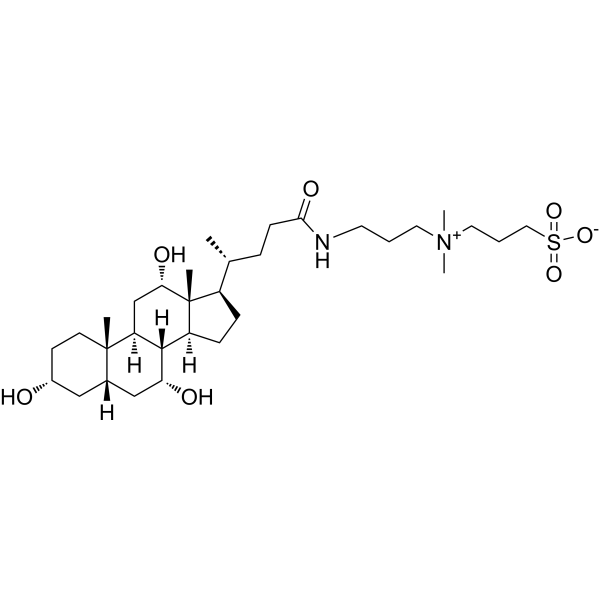
    CHAPS
    4 Publications Verification

    Exosomes Biochemical Assay Reagents Others
    CHAPS is a cholic acid-derived, sulfobetaine-type zwitterionic detergent and micelle-forming agent. CHAPS exhibits properties of weak cationic or nonionic surfactants in different solution systems, undergoes micellization, and forms small, loose hydrophilic aggregates that are temperature-dependent. CHAPS stabilizes mononucleosomes under different ionic strengths, reduces nucleosome sequence specificity, promotes sliding of histone cores along DNA, solubilizes Tamm-Horsfall protein to reduce its interference with urinary exosome isolation, and maintains vesicle structure and the activity of related proteins at the same time. CHAPS is used to recover native folded fusion proteins, enhance the binding capacity of GST fusion proteins, and restore GST enzyme activity. However, CHAPS cannot refold proteins denatured by urea, guanidine hydrochloride or heat, nor can it construct the structure of intrinsically disordered proteins. CHAPS is commonly used in research on the separation and purification of membrane proteins .
    CHAPS
  • HY-D0040
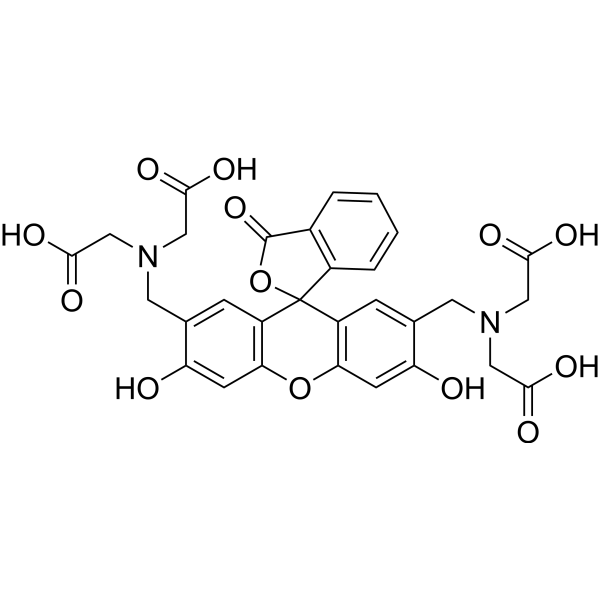
    Calcein
    10+ Cited Publications

    Fluorexon

    Fluorescent Dye Others
    Calcein is a fluorescent dye and self-quenching probe, used as an indicator of lipid vesicle leakage, and also as a complexometric indicator for titration of calcium ions with EDTA, and for fluorometric determination of calcium. Calcein cannot directly cross the intact cell membrane of a living cell, unlike Calcein-AM (HY-D0041) which is cell-permeable. Calcein can also be used as a model drug for evaluating efficiency and bioavailability of drug delivery systems .
    Calcein
  • HY-103466
    FM4-64
    20+ Cited Publications

    Fluorescent Dye Others
    FM4-64 is a very lipophilic, water-soluble styrene dyes, can specifically bind to cell membranes and inner membrane organelles to produce fluorescence. FM4-64 is widely used in endocytic and exospic membrane structure markers.
    FM4-64
  • HY-120821
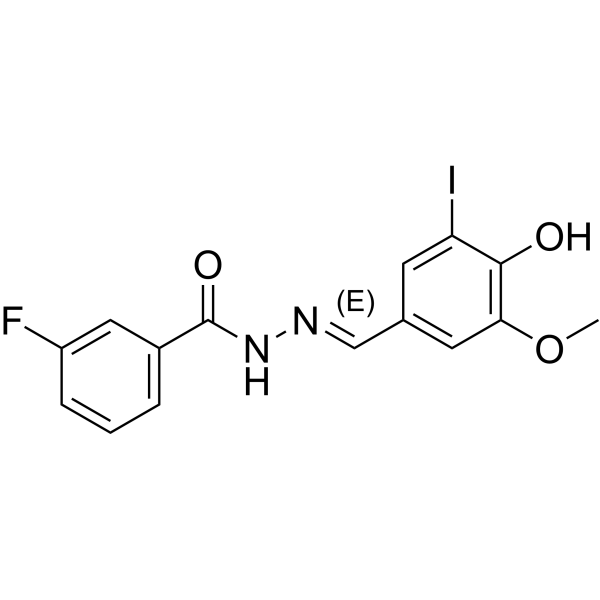
    Endosidin-2
    2 Publications Verification

    ES2

    Exosomes Others
    Endosidin-2 (ES2) is a selective inhibitor targeting the conserved exosome subunit EXO70. Endosidin-2 binds to the C-terminal domain of EXO70, inhibiting exocytosis and endosomal recycling, while promoting vacuolar trafficking in plant cells. Endosidin-2 interferes with the EXO70-mediated vesicle-to-plasma membrane anchoring process, leading to abnormal aggregation of auxin transporters (such as PIN2) in the cytoplasm and redirected to vacuolar degradation, while causing abnormal Golgi structure (such as cup-shaped or ring-shaped vesicles cisternae formation). Endosidin-2 can inhibit exocytosis in plant and mammalian cells and is mainly used to study the dynamic regulation of membrane trafficking (such as polar growth, vesicle sorting) .
    Endosidin-2
  • HY-D1736

    Fluorescent Dye Others
    BODIPY FL-C16 is a BODIPY-labeled analog of Palmitic acid (HY-N0830), which serves as a fluorescent lipid tracer. BODIPY FL-C16 also acts as a ligand for liver fatty acid-binding protein (L-FABP) and intestinal fatty acid-binding protein (I-FABP) , with Kd values of 270 nM and 330 nM, respectively. BODIPY FL-C16 is rapidly taken up by cells, and after metabolic conversion to phospholipids, it is incorporated into the membrane structures of intracellular organelles and extracellular vesicles .
    BODIPY FL-C16
  • HY-143202

    Liposome Biochemical Assay Reagents Others
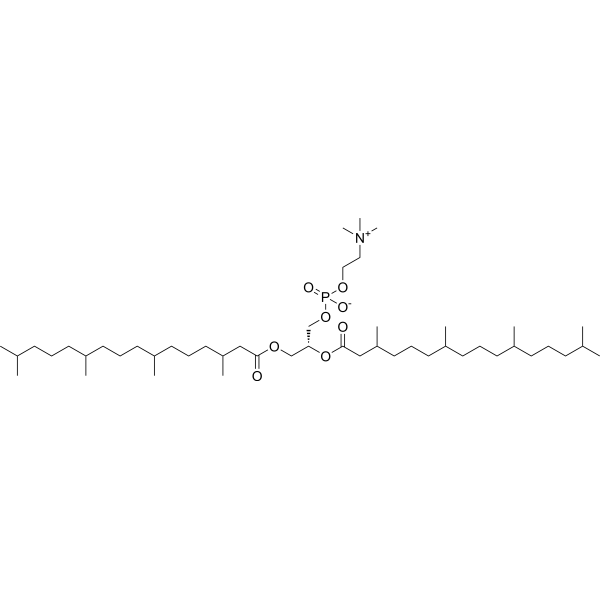
    DPhPC is a phospholipid compound characterized by high mechanical and chemical stability, broad temperature phase stability, and high electrical resistance. DPhPC readily forms unilamellar vesicles and solid-supported bilayers. DPhPC is commonly used as a component of nanoliposomal drug carriers or as a model membrane material for studies on membrane proteins/ion channels .
    DPhPC
  • HY-D1612

    Fluorescent Dye Others
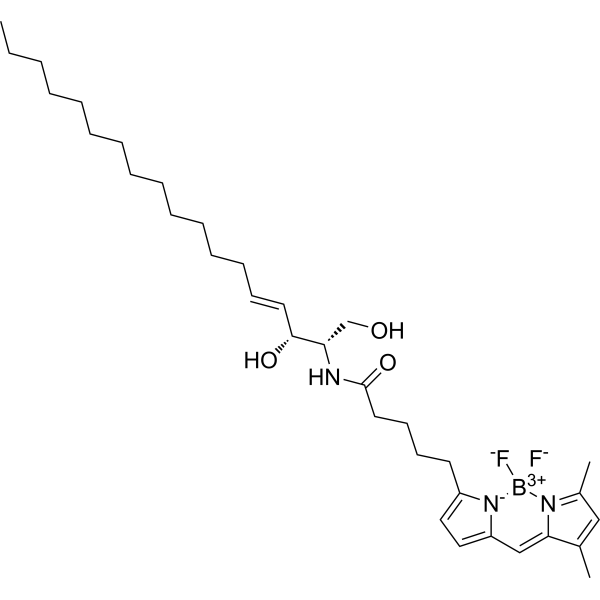
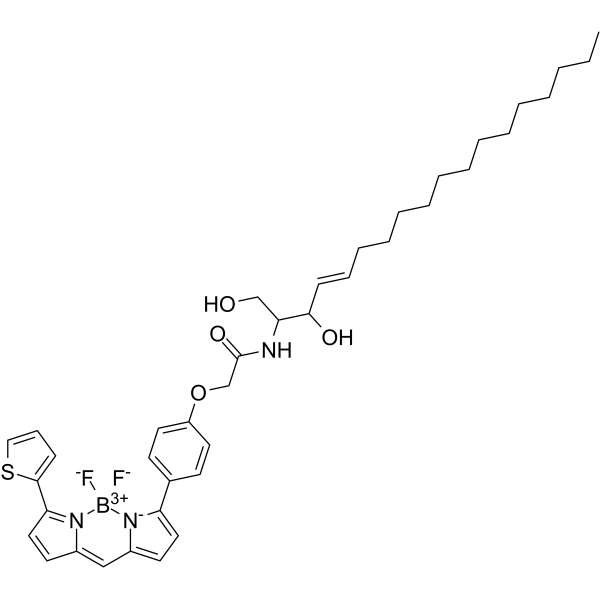
    The Golgi apparatus is composed of flattened vesicles superimposed on each other by unit membranes. The flattened vesicles are round with expanded and perforated edges. The Golgi fluorescent probe is a BODIPY-labeled ceramide derivative, the synthesis of which occurs in the endoplasmic reticulum and can then be transported to the Golgi via ceramide transport protein (CERT) or vesicular translocation, allowing specific labeling of the dye . BODIPY Fl C5-Ceramide is a Golgi-specific green fluorescent dye, which can visualise individual cells . Ex/Em= 505 nm/512 nm.
    BODIPY FL C5-Ceramide
  • HY-W440896

    Liposome Others
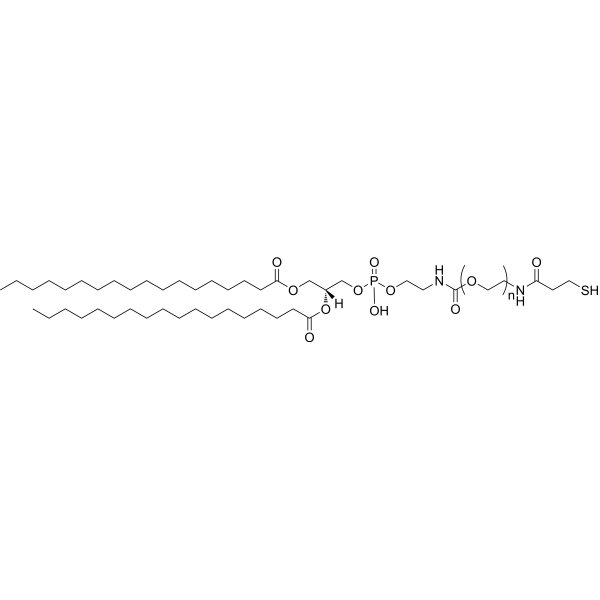
    DSPE-PEG2000-SH is an amphiphilic thiol-functionalized DSPE-PEG molecule. DSPE-PEG2000-SH inserts into extracellular vesicle (EV) bilayer membranes via hydrophobic interactions, displaying surface thiol groups to form EV-SH crosslinkers.DSPE-PEG2000-SH enables crosslinking of EV-SH with 8-arm PEG-norbornene via thiol-ene photochemistry to construct hydrogels, with hydrogel mechanical properties tunable via PEG segment molecular weight variation.DSPE-PEG2000-SH can be used to encapsulate agents for drug delivery system, such as mRNA vaccine .
    DSPE-PEG2000-SH
  • HY-W440911

    Liposome Fluorescent Dye Cancer
    DSPE-PEG2000-Cy5 is a Cy5 (HY-D0821) fluorophore-labeled conjugate of distearoylphosphatidylethanolamine and polyethylene glycol, as well as a liposome component. The Cy5 fluorophore is commonly used for labeling proteins and nucleic acids in imaging, flow cytometry and genomic applications. DSPE-PEG2000-Cy5 supports cell membrane modification, in vivo tumor targeting research and long-term in vivo circulation of its liposomal formulations (Ex/Em=633/670 nm) .
    DSPE-PEG2000-Cy5
  • HY-128200
    Pseudomonas quinolone signal
    2 Publications Verification

    PQS

    Bacterial Infection Inflammation/Immunology
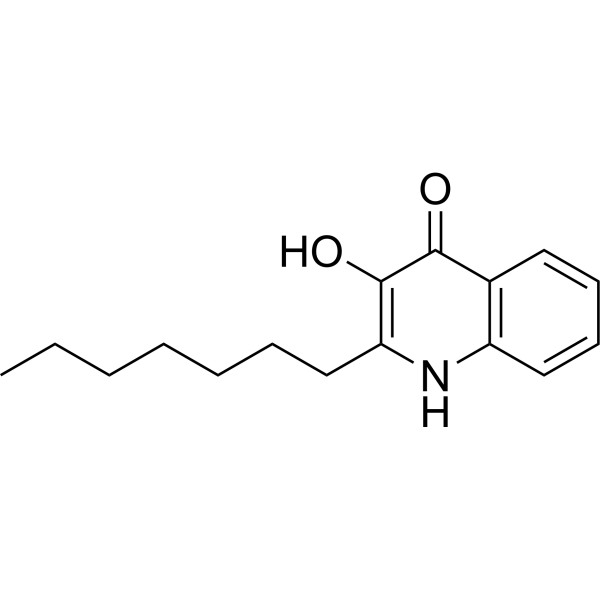
    Pseudomonas quinolone signal (PQS) is a quorum-sensing signaling molecule produced by Pseudomonas aeruginosa. The synthesis of Pseudomonas quinolone signal relies on the las quorum-sensing system, and its biological activity is associated with the rhl system. Pseudomonas quinolone signal regulates the expression of the virulence gene lasB. Additionally, Pseudomonas quinolone signal plays roles in iron acquisition, cytotoxicity, outer-membrane vesicle biogenesis, and host immune modulation .
    Pseudomonas quinolone signal
  • HY-P10932A

    Fluorescent Dye Neurological Disease
    pGk13a TFA is an azide (azide group can be combined with fluorophore)-containing amphiphilic membrane labeling probe. pGk13a TFA enables high-resolution imaging of cell membranes in the ultrastructural membrane expansion microscopy (umExM) technique, facilitating the observation of membrane-associated structures and proteins. pGk13a TFA can be used for neuronal structural studies .
    pGk13a TFA
  • HY-15435A
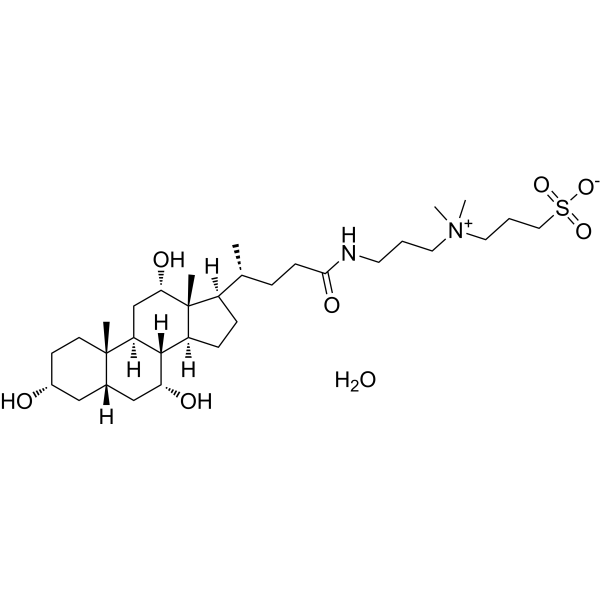
    CHAPS hydrate
    4 Publications Verification

    Biochemical Assay Reagents Exosomes Others
    CHAPS hydrate is a cholic acid-derived, sulfobetaine-type zwitterionic detergent and micelle-forming agent. CHAPS hydrate exhibits properties of weak cationic or nonionic surfactants in different solution systems, undergoes micellization, and forms small, loose hydrophilic aggregates that are temperature-dependent. CHAPS hydrate stabilizes mononucleosomes under different ionic strengths, reduces nucleosome sequence specificity, promotes sliding of histone cores along DNA, solubilizes Tamm‑Horsfall protein to reduce its interference with urinary exosome isolation, and maintains vesicle structure and the activity of related proteins at the same time. CHAPS hydrate is used to recover native folded fusion proteins, enhance the binding capacity of GST fusion proteins, and restore GST enzyme activity. However, CHAPS hydrate cannot refold proteins denatured by urea, guanidine hydrochloride or heat, nor can it construct the structure of intrinsically disordered proteins. CHAPS hydrate is commonly used in research on the separation and purification of membrane proteins .
    CHAPS hydrate
  • HY-W590549

    DODAC

    Liposome Cancer
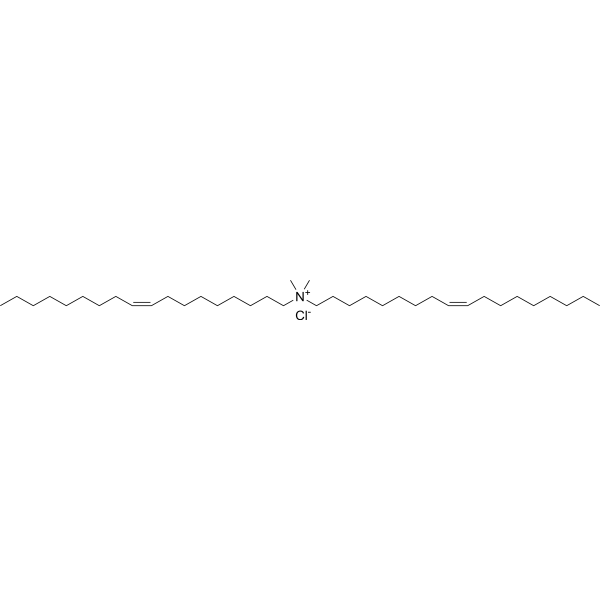
    Dioleyldimethylammonium chloride (DODAC) is a positively charged lipid promoter with membrane-disrupting activity, which is often formulated into cationic liposomes with dioleoylphosphatidylethanolamine. Dioleyldimethylammonium chloride is used in gene transfection research; through electrostatic interactions, it effectively promotes the binding of programmable fusion vesicles to cells and induces membrane disruption. Dioleyldimethylammonium chloride is also applied in studies on L1210 leukemia and LS180 human colon cancer .
    Dioleyldimethylammonium chloride
  • HY-121447

    Endogenous Metabolite Metabolic Disease
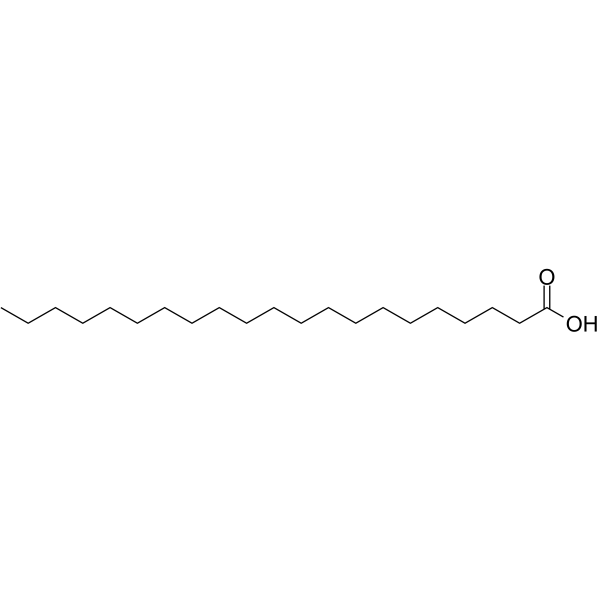
    Heneicosanoic acid is an odd-chain saturated fatty acid widely present in human milk, fish, seeds, and cerebrosides in the cell membranes of the nervous system. Heneicosanoic acid can form Langmuir monolayers and is often used as a model to study lipid self-assembly and disassembly processes in biological membranes and drug delivery systems. In the low-temperature L'2 and CS crystalline phases, Heneicosanoic acid undergoes local oscillations, which in turn drive the spontaneous formation and expulsion of micelles and vesicles .
    Heneicosanoic acid
  • HY-DY1031

    Fluorescent Dye Others
    FM4-64 (solution) is a very lipophilic, water-soluble styrene dyes, can specifically bind to cell membranes and inner membrane organelles to produce fluorescence. FM4-64 is widely used in endocytic and exospic membrane structure markers.
    Solvent and concentration: DMSO: 5 mM
    FM4-64 (solution)
  • HY-N1136

    Bacterial Infection
    (+)-Totarol is a diterpenoid membrane-disrupting agent and membrane structure regulator found in plants of the genus Podocarpus spp. (+)-Totarol inserts into phospholipid model membranes, disrupts phospholipid packing, and impairs the functional integrity of membranes. (+)-Totarol exhibits antibacterial activity against a variety of bacterial species and β-lactam-resistant strains, and its action is associated with changes in membrane physical properties. (+)-Totarol can be used in studies related to bacterial infections .
    (+)-Totarol
  • HY-W353102

    Endogenous Metabolite P-glycoprotein Metabolic Disease
    Estradiol 17-(β-D-Glucuronide) is a D-ring glucuronide metabolite of natural estrogen formed in the liver. Estradiol 17-(β-D-Glucuronide) is a substrate of the organic anion-transporting polypeptide family (Oatp) and multidrug resistance-associated protein 2 (Mrp2). Estradiol 17-(β-D-Glucuronide) regulates MRP8-mediated transport processes and inhibits MRP8-mediated transport of dehydroepiandrosterone 3-sulfate and taurocholic acid. Estradiol 17-(β-D-Glucuronide) induces immediate, reversible reduction of bile flow and acute intrahepatic cholestasis in female rats without altering the bile acid composition in bile. Estradiol 17-(β-D-Glucuronide) can be used in studies related to intrahepatic cholestasis .
    Estradiol 17-(β-D-Glucuronide)
  • HY-D1435

    Na+/K+ ATPase Fluorescent Dye Metabolic Disease
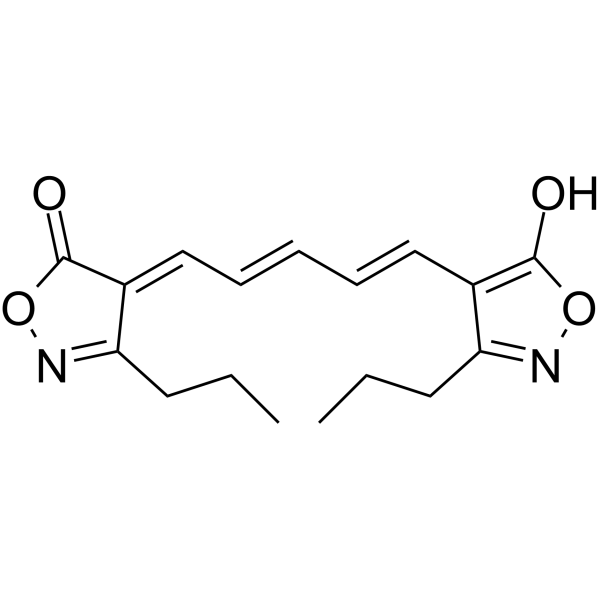
    Oxonol VI is an optical indicator of membrane potential in lipid vesicles (excitation/emission wavelengths: 614/646 nm). Oxonol VI can be used to detect changes in membrane potential associated with (Na + + K +)-ATPase activity in reconstituted vesicles .
    Oxonol VI
  • HY-W440986

    DSPS sodium

    Liposome Others
    Distearoylphosphatidylserine sodium is an anionic phospholipid with stearic acid tails (18:0) and contains a carboxylic acid (COOH) and amine (NH2) in their head group. It has been used in the preparation of lipid-mixing vesicles, liposome, or artificial membrane. Due to the medium size of fatty acid chain, DLPS is used to form thinner membranes/walls.
    Distearoylphosphatidylserine sodium
  • HY-D1735

    Golgi-Red Tracke

    Fluorescent Dye Others
    The Golgi apparatus is composed of flattened vesicles superimposed on each other by unit membranes. The flattened vesicles are round with expanded and perforated edges. The Golgi fluorescent probe is a BODIPY-labeled ceramide derivative, the synthesis of which occurs in the endoplasmic reticulum and can then be transported to the Golgi via ceramide transport protein (CERT) or vesicular translocation, allowing specific labeling of the dye. BODIPY TR Ceramide (Golgi-Red Tracke) is a Golgi-specific fluorescent dye, which can visualise individual cells . Ex/Em=589 nm/616 nm.
    BODIPY TR Ceramide
  • HY-142980

    Dioleoylphosphatidylglycerol

    Liposome Inflammation/Immunology
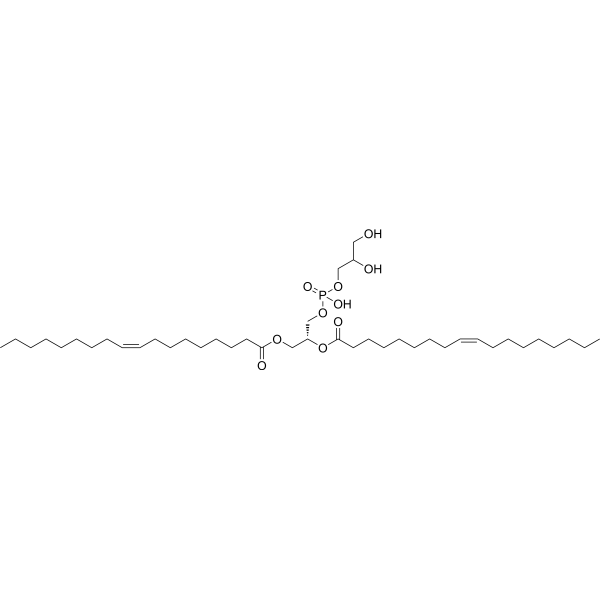
    DOPG (Dioleoylphosphatidylglycerol) is a negatively charged phosphatidylglycerol phospholipid. DOPG is abundant in prokaryotic cell membranes and mitochondria, and has a low phase transition temperature and a tendency to form stable vesicles. DOPG inhibits the production of inflammatory mediators in macrophages in response to heat shock protein B4 (HSPB4)-activated toll-like receptor 2 (TLR2). DOPG is applicable to studies of membrane biology, drug-membrane interactions (especially in systems targeting negatively charged membranes), construction of drug delivery carriers, as well as research on sterile corneal inflammation and wound healing promotion .
    DOPG
  • HY-100665
    Dehydroaripiprazole
    1 Publications Verification

    OPC-14857; DM-14857

    5-HT Receptor Dopamine Receptor Neurological Disease
    Dehydroaripiprazole (OPC-14857) is an active metabolite of Aripiprazole (HY-14546) and dopamine D2/D3 receptor partial agonist. Dehydroaripiprazole also has certain affinity for serotonin 5-HT1A, 5-HT2A and 5-HT2B receptors. Dehydroaripiprazole has antipsychotic activity equivalent to Aripiprazole .
    Dehydroaripiprazole
  • HY-W714524

    16:0-18:1 PS (POPS)

    Liposome Others
    2-Oleoyl-1-palmitoyl-sn-glycero-3-phospho-L-serine sodium (16:0-18:1 PS (POPS)) is an anionic phospholipid with oleic acid (18:1) and palmitic acid (16:0) tails containing a carboxylic acid (COOH) and amine (NH2) in their head group. 2-Oleoyl-1-palmitoyl-sn-glycero-3-phospho-L-serine sodium has been used in the preparation of lipid-mixing vesicles, liposomes, and artificial membranes .
    1-Palmitoyl-2-oleoyl-sn-glycero-3-PS sodium
  • HY-N7755

    Endogenous Metabolite ATP-binding cassette (ABC) transporters OAT Others
    Estradiol 3-glucuronide sodium is an estrogen metabolite, which is a glucuronide conjugate formed by the catalysis of uridine diphosphate glucuronosyltransferase in tissues such as the liver from Estradiol (HY-B0141). Estradiol 3-glucuronide sodium is a potent substrate of Mrp2, with an S50 of 55.7 μM. Estradiol 3-glucuronide sodium achieves hepatobiliary transport in hepatocytes through basolateral uptake via OATP1B1, OATP1B3 and OATP2B1, as well as apical efflux via MRP2 and BCRP .
    Estradiol 3-glucuronide sodium
  • HY-D1556

    1,2-dioleoyl-sn-glycero-3-phosphoethanolamine-N-(carboxyfluorescein) ammonium

    Fluorescent Dye Cancer
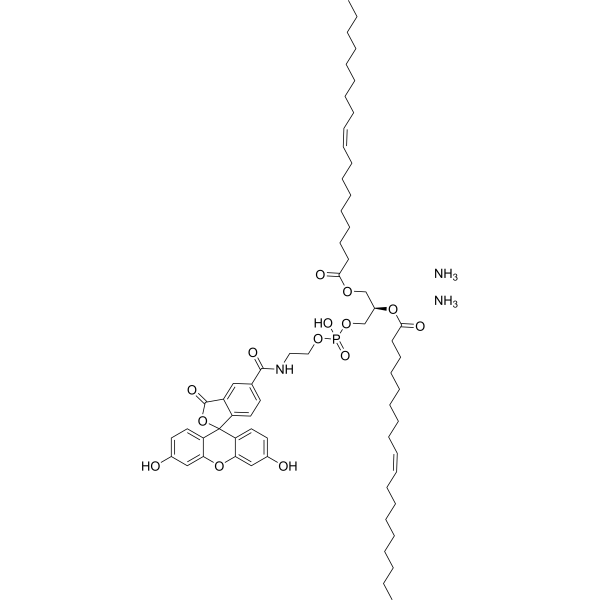
    18:1 PE CF (1,2-dioleoyl-sn-glycero-3-phosphoethanolamine-N-(carboxyfluorescein) (ammonium)) is a pH-sensitive fluorescent indicator. 18:1 PE CF exhibits changes in fluorescence intensity in response to pH variations and reflects the electrostatic states of cationic liposomes and lipoplexes. 18:1 PE CF supports real-time visualization of pH distribution and membrane deformation in giant unilamellar vesicles and is suitable for steady-state fluorescence testing in large unilamellar vesicle membranes. 18:1 PE CF is capable of monitoring the surface electrical potential of cationic liposomes and lipoplexes and can effectively label lipid bilayers and nanomicelles. 18:1 PE CF can be used for the research of the investigation of lung cancer (Ex = 495 nm; Em = 520 nm) .
    18:1 PE CF
  • HY-P10932

    Fluorescent Dye Neurological Disease
    pGk13a is an amphipathic membrane-labeling probe containing an azide group, which can bind to fluorophores. pGk13a enables high-resolution imaging of cell membranes in the ultrastructure expansion microscopy (umExM) technique, facilitating the observation of membrane-associated structures and proteins. pGk13a is applicable to neuronal structure research .
    pGk13a
  • HY-157624

    18:0-22:6 PE

    Liposome Others
    1-Stearoyl-2-docosahexaenoyl-sn-glycero-3-phosphoethanolamine (18:0-22:6 PE) is a lipid compound that can be used for liposome preparation. Liposomes are the main component of vesicles with concentric phospholipid bilayer membranes, which can be used to construct drug delivery systems for anti-cancer and anti-infection fields. Highly polar water-soluble loads can be captured in the internal aqueous space of liposomes, while lipophilic loads can be distributed into the lipid bilayer and become part of the lipid bilayer. Especially for the delivery of antisense oligonucleotides, it can overcome the problems of inefficient cellular uptake and rapid loss in the body.
    1-Stearoyl-2-docosahexaenoyl-sn-glycero-3-phosphoethanolamine
  • HY-131682

    3-Hexanoyl-NBD-cholesterol

    Fluorescent Dye Others
    3-C6-NBD-cholesterol is a fluorescent analog of Chol that can be used to measure the kinetics of membrane and intracellular trafficking .
    3-C6-NBD-cholesterol
  • HY-119741

    Glycosidase Lipase Metabolic Disease
    Salacinol, compound found in Salacia reticulata, is an orally active α-glucosidase/lipase inhibitor. Salacinol inhibits enzymatic activity of intestinal maltase (IC50 = 3.2 μg/mL, Ki = 0.31 μg/mL), sucrase (IC50 = 0.84 μg/mL, Ki = 0.32 μg/mL), and isomaltase (IC50 = 0.59 μg/mL, Ki = 0.47 μg/mL), and inhibits increases in serum glucose levels in sucrose-loaded rats. Salacinol also inhibits pancreatic lipase and lipoprotein lipase. Salacinol can be used for the research of diabetes mellitus .
    Salacinol
  • HY-D1438

    Fluorescent Dye Others
    RH 414 is the styryl pyridinium dye. RH 414 can be used for optical monitoring of synaptic vesicle membrane trafficking .
    RH 414
  • HY-156753

    Bacterial Cancer
    NorA-IN-1 (Compound 16) is a NorA inhibitor. NorA-IN-1 inhibits NorA efflux pump in everted membrane vesicles. NorA-IN-1 can be used for research of multidrug resistance .
    NorA-IN-1
  • HY-P11430

    Biochemical Assay Reagents Infection
    UBI (31-38) is a Ubiquicidin-derived octapeptide and anti-bacterial agent. UBI (31-38) selectively interacts with anionic phospholipid membranes and restricts lipid lateral motion. UBI (31-38) induces anionic vesicle aggregation via electrostatic repulsion screening, and undergoes conformational changes in membrane-mimicking environments. UBI (31-38) can be used for the research of infection imaging probes .
    UBI (31-38)
  • HY-125900

    NCA

    Others Cancer
    Neocarzilin A (NCA) reduces BST-2 levels via lysosomal degradation. Neocarzilin A has antimigratory and antiproliferative effects on cancer cells. Neocarzilin A inhibits cancer cell migration via irreversible binding to the synaptic vesicle membrane protein VAT-1 .
    Neocarzilin A
  • HY-126967A

    1-P-GPA

    Liposome Cardiovascular Disease
    1-Palmitoyl-sn-glycerol 3-phosphate (1-P-GPA) is a phospholipid and lipid membrane precursor. 1-Palmitoyl-sn-glycerol 3-phosphate integrates into POPC liposomes, causing significant changes in membrane curvature. 1-Palmitoyl-sn-glycerol 3-phosphate induces platelet aggregation, but its activity is 30-fold lower than that of 1-hexadecyl-sn-glyceryl-3-phosphate .
    1-Palmitoyl-sn-glycerol 3-phosphate
  • HY-D1515

    Neurodye GH1-84

    Fluorescent Dye Neurological Disease
    FM1-84 (Neurodye GH1-84) is a fluorescent dye. FM1-84 has lipophilic and facilitates association with membranes, resulting in an increase in fluorescence intensity (λex=510 nm, λem=625 nm). FM1-84 can be used for synaptic vesicle recycling in neurons research .
    FM1-84
  • HY-122668

    SARS-CoV DNA/RNA Synthesis Infection
    K22 is an anti-Coronaviral compound. K22 reduces double-stranded RNA. K22 displays antiviral activity beyond the Coronavirinae subfamily, namely against nidoviruses of the Torovirinae subfamily (EToV and WBV) and members of the Arteriviridae family (PRRSV, EAV). K22 displays antiviral activity against HCoV-229E .
    K22
  • HY-W440985

    1,2-dilauroyl-sn-glycero-3-phospho-L-serine

    Liposome Cancer
    DLPS is an anionic phospholipid with lauric acid tails (12:0) and contains a carboxylic acid (COOH) and amine (NH2) in their head group. It has been used in the preparation of lipid-mixing vesicles, liposome, or artificial membrane. Due to the medium size of fatty acid chain, DLPS is used to form thinner membranes/walls.
    DLPS
  • HY-W073074
    Mesoporphyrin IX dihydrochloride
    1 Publications Verification

    VSV Infection
    Mesoporphyrin IX (dihydrochloride) is a photosensitizer that can be used to modify liposomes. Mesoporphyrin IX (dihydrochloride) can insert into lipid vesicles and disrupt the viral membrane structure in vesicular stomatitis virus (VSV), inducing cross-linking of VSV glycoproteins, thereby inhibiting viral activity .
    Mesoporphyrin IX dihydrochloride
  • HY-W591449

    Liposome Cancer
    DOPE-PEG2000-Azide is a liposome to simulate biological phospholipid membrane. Liposomes are the main component of vesicles with concentric phospholipid bilayer membranes, which can be used to construct drug delivery systems for anti-cancer and anti-infection fields. Highly polar water-soluble payloads can be trapped in the internal aqueous space of liposomes, while lipophilic payloads can partition into and become part of the lipid bilayer. Especially for delivering antisense oligonucleotides, it can overcome problems such as inefficient cellular uptake and rapid loss in the body .
    DOPE-PEG2000-Azide
  • HY-40118

    Boc-L-proline methyl ester

    Liposome Others
    Boc-Pro-OMe (Boc-L-proline methyl ester) is a lipid compound that can be used for liposome preparation. Liposomes are the main component of vesicles with concentric phospholipid bilayer membranes, which can be used to construct drug delivery systems for anti-cancer and anti-infection fields. Highly polar water-soluble loads can be captured in the internal aqueous space of liposomes, while lipophilic loads can be distributed into the lipid bilayer and become part of the lipid bilayer. Especially for the delivery of antisense oligonucleotides, it can overcome the problems of inefficient cellular uptake and rapid loss in the body.
    Boc-Pro-OMe
  • HY-165975

    (2S)-3-Keto-C6-dihydrosphingosine hydrochloride

    Liposome Others
    (2S)-3-Keto sphinganine (d6:0) ((2S)-3-Keto-C6-dihydrosphingosine) hydrochloride is a lipid compound that can be used for liposome preparation. Liposomes are the main component of vesicles with concentric phospholipid bilayer membranes, which can be used to construct drug delivery systems for anti-cancer and anti-infection fields. Highly polar water-soluble loads can be captured in the internal aqueous space of liposomes, while lipophilic loads can be distributed into the lipid bilayer and become part of the lipid bilayer. Especially for the delivery of antisense oligonucleotides, it can overcome the problems of inefficient cellular uptake and rapid loss in the body.
    (2S)-3-Keto sphinganine (d6:0) hydrochloride
  • HY-134939

    Drug Derivative Others
    thio-Miltefosine is a modulator of rafts in membrane tissue. Rafts are nanoscale aggregates of different lipids and proteins that profoundly affect cellular function. Thio-Miltefosine modulates membrane phase behavior on cell-derived giant plasma membrane vesicles .
    thio-Miltefosine
  • HY-128419

    Photosensitizer Others
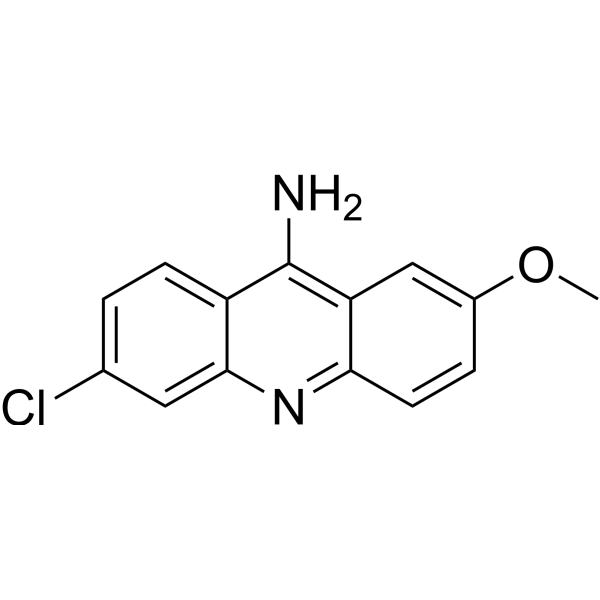
    Biguanidinium-porphyrin is a mitochondria-targeting photosensitizer. Biguanidinium-porphyrin distributes within cell membranes with a large component in vesicles that correlated to some extent with the lysosomes and, upon longer exposures, in mitochondria and the cytosolic membrane .
    Biguanidinium-porphyrin
  • HY-163957

    Bacterial Others
    Tambjamine LY2 is an algicidal compound with significant algaecidal effects. Bacterial membrane vesicles (BMVs) may be involved in bacteria-algae communication, so BMV encapsulation can be effectively delivered to the microalgae Heterosigma akashiwo and Thalassiosira pseudonana through membrane fusion .
    Tambjamine LY2
  • HY-153725

    Liposome Cancer
    17:1 Lyso PC is a liposome to simulate biological phospholipid membrane. Liposomes are the main component of vesicles with concentric phospholipid bilayer membranes, which can be used to construct drug delivery systems for anti-cancer and anti-infection fields. Highly polar water-soluble payloads can be trapped in the internal aqueous space of liposomes, while lipophilic payloads can partition into and become part of the lipid bilayer. Especially for delivering antisense oligonucleotides, it can overcome problems such as inefficient cellular uptake and rapid loss in the body .
    17:1 Lyso PC
  • HY-W419044A

    Fluorescent Dye Others
    Calcein calcium potassium is a fluorescent dye and self-quenching probe, used as an indicator of lipid vesicle leakage, and also as a complexometric indicator for titration of calcium ions with EDTA, and for fluorometric determination of calcium. Calcein cannot directly cross the intact cell membrane of a living cell, unlike Calcein-AM (HY-D0041) which is cell-permeable. Calcein can also be used as a model drug for evaluating efficiency and bioavailability of drug delivery systems .
    Calcein calcium potassium
  • HY-W329161

    Fluorescent Dye Others
    Calcein sodium is a fluorescent dye and self-quenching probe, used as an indicator of lipid vesicle leakage, and also as a complexometric indicator for titration of calcium ions with EDTA, and for fluorometric determination of calcium. Calcein cannot directly cross the intact cell membrane of a living cell, unlike Calcein-AM (HY-D0041) which is cell-permeable. Calcein can also be used as a model drug for evaluating efficiency and bioavailability of drug delivery systems .
    Calcein sodium salt
  • HY-W127487

    Biochemical Assay Reagents Others
    Quorum sensing is a regulatory system used by bacteria to control gene expression in response to increased cell density. This regulatory process manifests itself in a variety of phenotypes, including biofilm formation and virulence factor production. Coordinated gene expression is achieved through the production, release and detection of small diffusible signaling molecules called autoinducers. N-acylated homoserine lactones (AHLs) comprise a class of such autoinducers, each of which generally consists of a fatty acid coupled to a homoserine lactone (HSL). Modulation of bacterial quorum-sensing signaling systems to suppress pathogenesis represents a new approach to antimicrobial research for infectious diseases. AHLs differ in acyl length (C4-C18), C3 substitution (hydrogen, hydroxyl, or oxo group), and the presence or absence of one or more carbon-carbon double bonds in the fatty acid chain. These differences confer signaling specificity through the affinity of the LuxR family of transcriptional regulators. C18-HSL, one of four lipophilic long acyl side chain AHLs produced by the LuxI AHL synthase homolog SinI, is involved in quorum-sensing signaling in strains of Rhizobium meliloti (a nitrogen-fixing bacterial symbiont of the legume M. sativa) . C18-HSL and other hydrophobic AHLs tend to localize in the relatively lipophilic environment of bacterial cells and cannot diffuse freely across the cell membrane. Long-chain N-acyl homoserine lactones can be exported from cells by efflux pumps, or can be transported between communicating cells by extracellular outer membrane vesicles.
    N-Octadecanoyl-L-homoserine lactone
  • HY-185564

    Biochemical Assay Reagents Others
    F6OM, a nonionic fluorinated octyl maltoside derivative, is a surfactant. F6OM readily interacts with and completely solubilizes phospholipid vesicles via a heterogeneous solubilization mechanism, without compromising membrane order at subsolubilizing concentrations. F6OM promotes bilayer insertion of an integral membrane enzyme in the absence of micelles to support functional refolding of integral membrane proteins. F6OM can be used for membrane-protein applications .
    F6OM
  • HY-D3394

    Fluorescent Dye Others
    SGC5 is a fluorescence enhancer and membrane dissociator with millisecond-scale membrane dissociation kinetics, with an emission spectrum of 500-650 nm. SGC5 produces strong fluorescence upon binding to lipid membranes, exhibits fast partitioning dissociation kinetics at higher temperatures, and is unaffected by pH or cholesterol. SGC5 does not belong to the FM dye family and shows the highest membrane-bound fluorescence intensity among the tested styryl/FM dyes. SGC5 can be used to study synaptic vesicle cycling in neurons .
    SGC5

Inquiry Online

Your information is safe with us. * Required Fields.

Salutation


Country or Region *

Applicant Name *


Organization Name *

Department *


Email Address *


Product Name *

Cat. No.


Requested quantity *

Phone Number *


Remarks

Inquiry Online

Inquiry Information

Product Name:
Cat. No.:
Quantity:
MCE Japan Authorized Agent:

